For English version click here.
PRE-CHRISTMAS ANDORRA


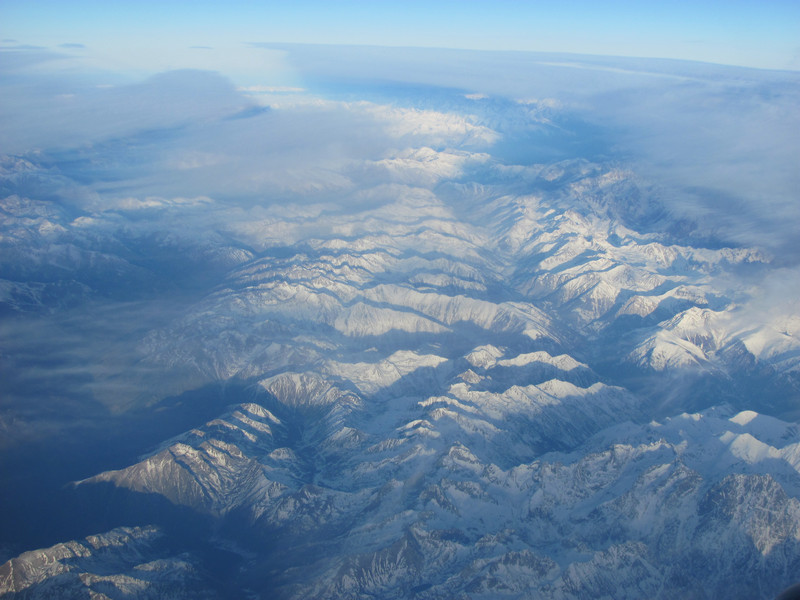



The mountain is the place where the earth meets the sky. This contact is especially beautiful in the Pyrenees – a graceful and legendary mountain laden all year round with sun kisses. It is here that the beautiful little country with the sonorous name Andorra is nestled. The name is most likely derived from the Arabic word al-Darra (Forest) or from the Basque word andurrial (ground-covered-with-shrubs). In any case, Andorra impressed us with greenery landscapes, high mountain peaks and long sunny hours. This is an excellent place for shopping, skiing and spa.
The trip to Andorra should not take too much time, as there are direct flights from Sofia to Barcelona, and from there by bus is about 2 and a half hours. Our trip however, took a whole day, thanks to the services of Bulgaria Air, which 7 days before the trip changed the route and the direct flight to Barcelona, included a ‘bonus’ landing in Madrid. From Sofia we flew with a 25-minute delay, and we went straight to heaven, thank God only in the literal sense, not figuratively. Our flight was sunny, flying over the fluffy clouds, that were not white but grey and slightly smudged as street snow.
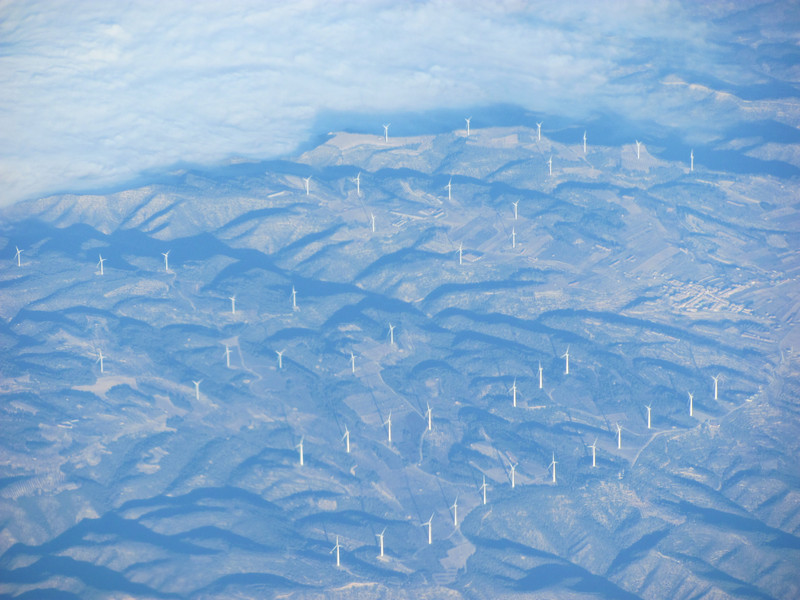
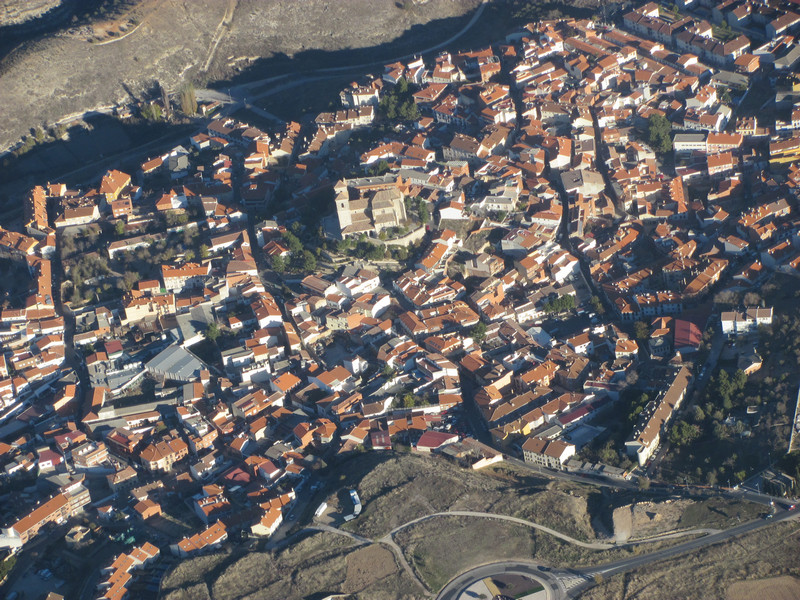
The clouds like waves were coming and obscuring the view, but they were also quickly turning away and we were enjoying the scenery. After about 3 hours of travel, we were already flying over Spain, which turned out to be quite a hilly country. In the distance, the snowy slopes of the Pyrenees protruded, but we headed south to Madrid, where we had the so-called technical stop. For the flight to Barcelona, apparently not enough passengers had gathered and Bulgaria Air had decided to combine it with a flight to Madrid. We found out about this change exactly one week before the flight, and according to their General Terms and Conditions they have the right to change the route and time without any compensation to the passengers. Our only bonus were the many aerial photos. We landed at Madrid airport with a delay and took off with an even longer delay. For more than an hour and a half we waited in the plane until some of the passengers got off and boarded new ones. While we grumbled about the long delay, the new passengers who boarded in Madrid complained about the dirty plane. The same was not cleaned in Madrid, and the people who came had to travel with this plane to Sofia, stopping in Barcelona. The trip turned out to be quite unnerving and the beautiful sunny panorama outside could not compensate it.
At 12:30 we arrived at the sunny airport in Barcelona. The temperature was +11C and we couldn’t wait to go outside and find the bus to Andorra. The bus came quickly, and the same was not big, but it managed to fit us together with a Russian group who were carrying skis. We left the airport with a 25-minute delay, which was nothing new for the day, but this time I wasn’t complaining. Although late, our holiday weekend has finally begun.
Initially, we were driving on a highway where the limit was 120 km/h. The sun shone on our side and although we could not make lots of photos, we enjoyed the trip. We passed through a small 250 meter but very well-lit tunnel, on the left side there was a city, and behind it stand large rocks that we had previously seen from the plane. Traveling by bus through vast meadows and mountain forests we find it difficult to guess which season it was now. Lightly dyed tree leaves resemble the beginning of autumn. The day, however, was December 7, and only a few kilometers from here was Andorra, a country where the ski season was already opened in the end of November.
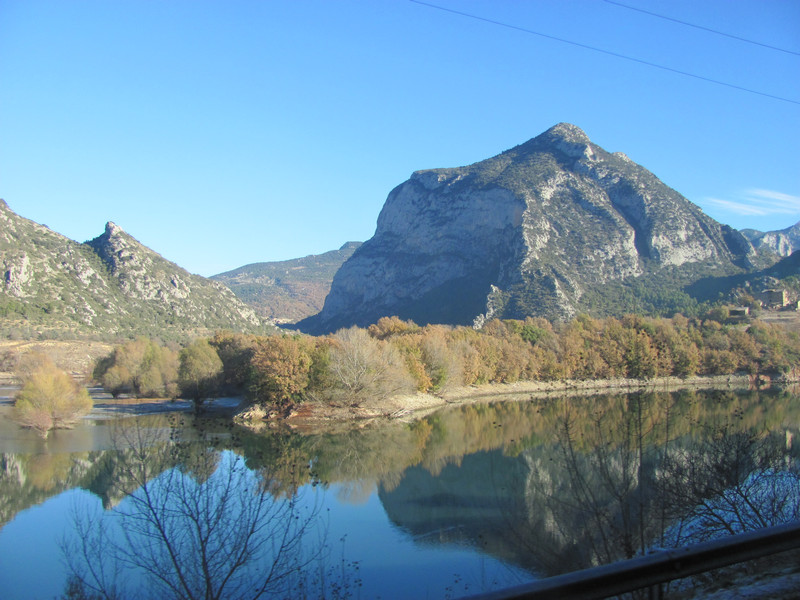
The road was smooth and the closer we got the more and more curved it became. The mountain peaks stretched out and it seemed like it was really trying to touch the sky. The landscape was rather monotonous, but by no means boring. From time to time appeared a river or lake, that wake our camaras up, trying to take the memory with us. I recommend sitting on the right side of the bus, where the panorama was more suitable for photos.
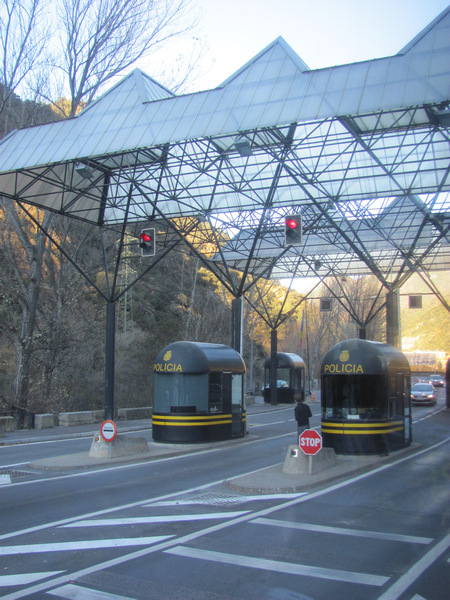
At 16:15 we crossed the Spanish-Andorran border without the control authorities checking our documents. By bus we continued our ascent of the sunny Pyrenees, which are actually a natural border between Spain and France, with two-thirds of their area extending into Spain. The Pyrenees stretch over 430 km from the Atlantic Ocean to the Mediterranean Sea, with the highest peak having the sonorous name Aneto (3404 m). We named the Pyrenees “Spanish Pirin Mountain” because of the similarity in the names and legends associated with them. According to Bulgarian legends, the name Pirin most likely comes from the Slavic main god Perun, and the Spaniards had Princess Pyrenees, daughter of the mythical King Bebrix. Hercules came to visit them, just before his tenth feat, and fell deeply in love with the girl. Once Hercules got drunk and raped the virgin who became pregnant, and in order to hide from her father she fled into the woods. There she gave birth to a dragon and died of grief. Hercules learned of this and was very sad and he decided to erect a grave for her. He brought the largest stones and beat them on top of each other until a mountain was erected, and his crying “Pyrenees, Pyrenees” sounded like echoes and forever remained ringing in the mountains, retaining this name to this day.
There are suggestions that the name Pyrenees, most likely, comes from the Greek word “fire”. In the mountainous state of Andorra, which is entirely located in the Pyrenees, however, we did not hear a Greek voice, only Russian and, of course, Spanish speech. There were many Russians – besides our full bus, we heard Russians in lots of shops and streets. There were even 3 Russian channels on the tv in the hotel. I was wondering, how people from the largest country in the world came to this tiny European country.

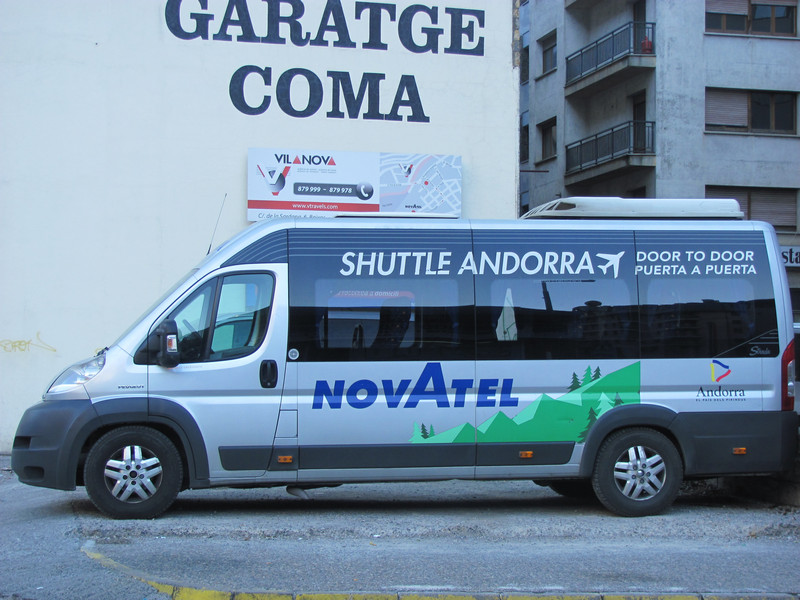







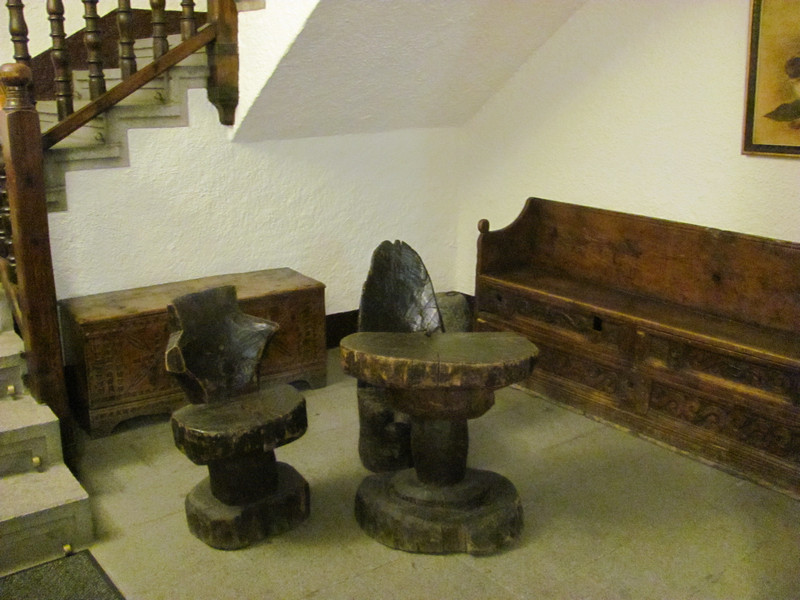
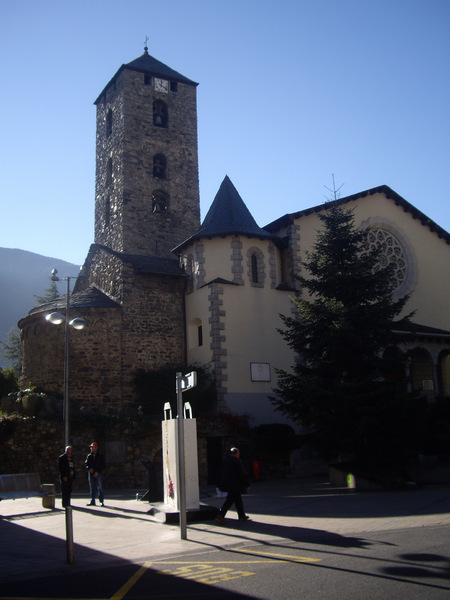
The bus left us at the central bus station in Andorra, from where we headed to the hotel. We found it relatively quickly, walking the 600 meters through the center, exploring the main shopping street. The hotel Salvia d’Or was very cozy and pleasant, with an excellent location on the main shopping street. We left our luggage in room 209 and immediately went outside to see the capital city of Andorra la Vella. The name “Vella” had an ancient origin and meant city, i.e. Andorra la Véa = the city of Andorra, and not as I thought before it meant Old Andorra (since vieil meant old in French). However, the even this modern city, could easily pass for an old medieval town, with most buildings made of stone and even new construction supporting this architecture.
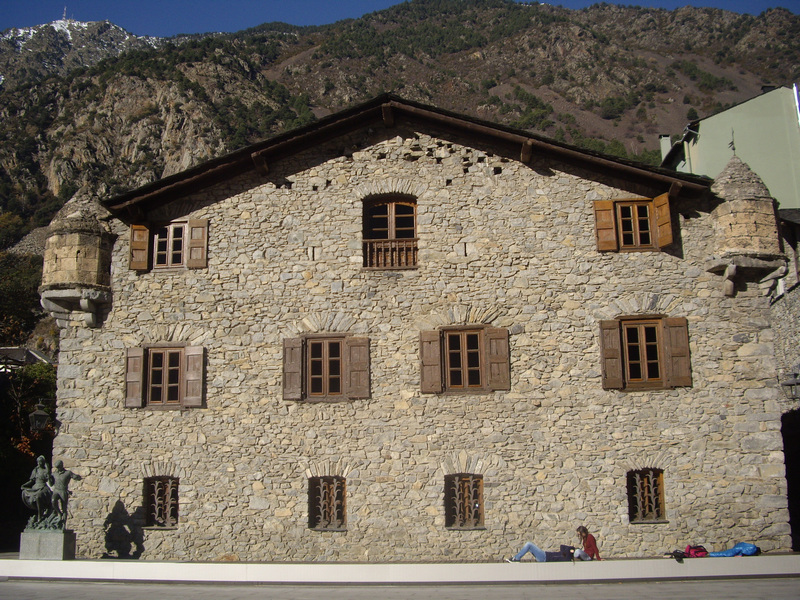
We headed to the old part of the city, which was hidden behind the big malls, decorated generously with Christmas decorations and overflowing with people. The city was very lively, after all it was Saturday night and music began to play on the streets, and we were in a hurry to see one of the sights of Andorra – Casa de la Vall, which is the oldest building and symbol of the country. In translation, its name means “House in the Valley” and was erected in the 1580 by a wealthy family, and was later used as a prison. In 1702 it was acquired by the state to serve as the seat of parliament and to this day remains the smallest parliament in Europe. The building is open for visits from 10:00 to 13:00 and from 15:00 to 18:00, with a free guide. However, we were there at 5:45 p.m. and were told that the last group had already entered and would have to wait until Tuesday, as Sunday and Monday were days off.
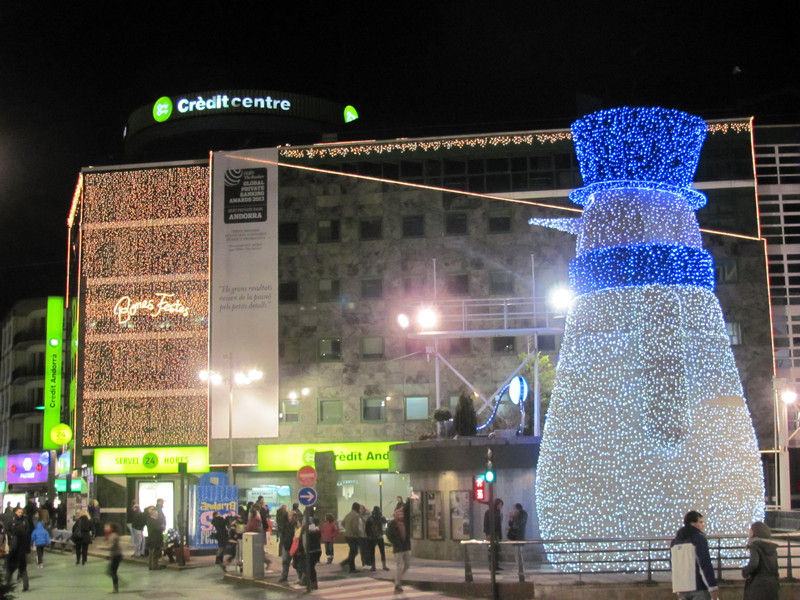
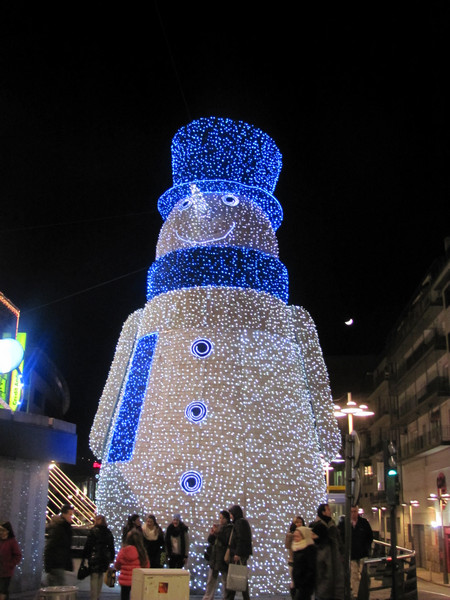
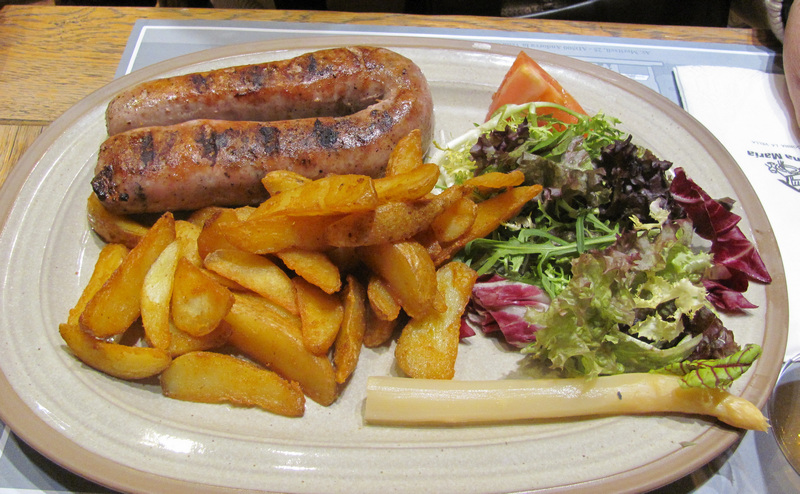
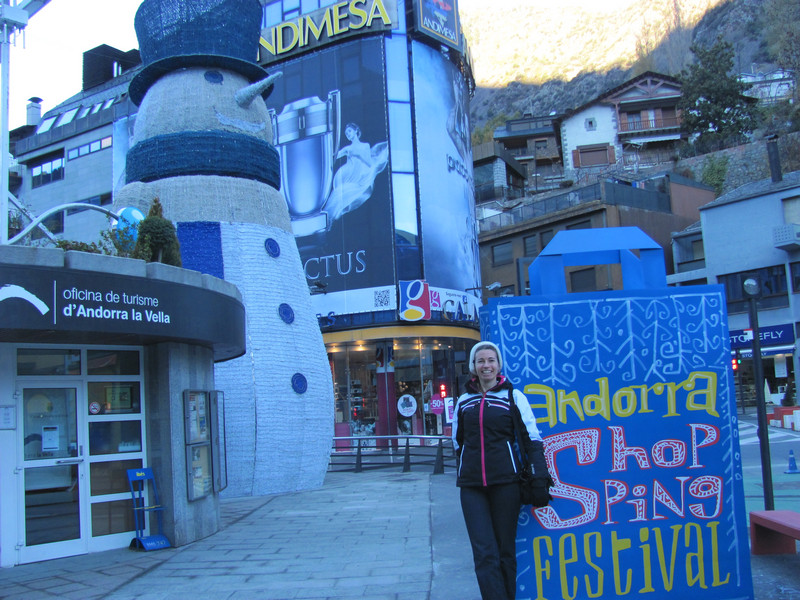
Not being able to see the museum, we decided to see the malls, starting with the large Pyrenees Mall, from where we went out with 3 bags with purchases. Tired of all floors and stands, we entered the nearby restaurant Mama Maria, where we tried local specialties such as Catalan sausage, Spanish meatballs and beef steak, served with salad and French fries. The shops were open until 21:00, so our shopping continued after dinner. DJs were playing in the streets loud music that gave a cheerful mood and invited to street dances. All the decorations shone and the darkness of the night was not felt. We were particularly impressed by the huge snowman dotted with thousands of lights, which was located in the pedestrian area, near our hotel. It was quite cool outside, but the shining smile of the snowman brought us a warm Christmas mood. Andorra impressed us very pleasantly. A little before 10:00 p.m., however, the whole city quieted down. The music stopped and it was as if everyone was coming home. We also returned to the warm hotel Salia d’oro, where after the hot shower, our eyes immediately closed.

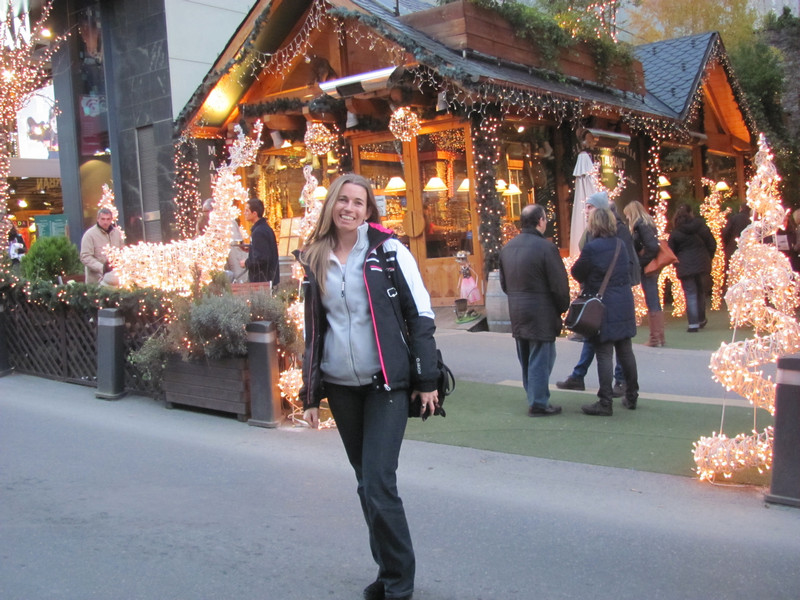


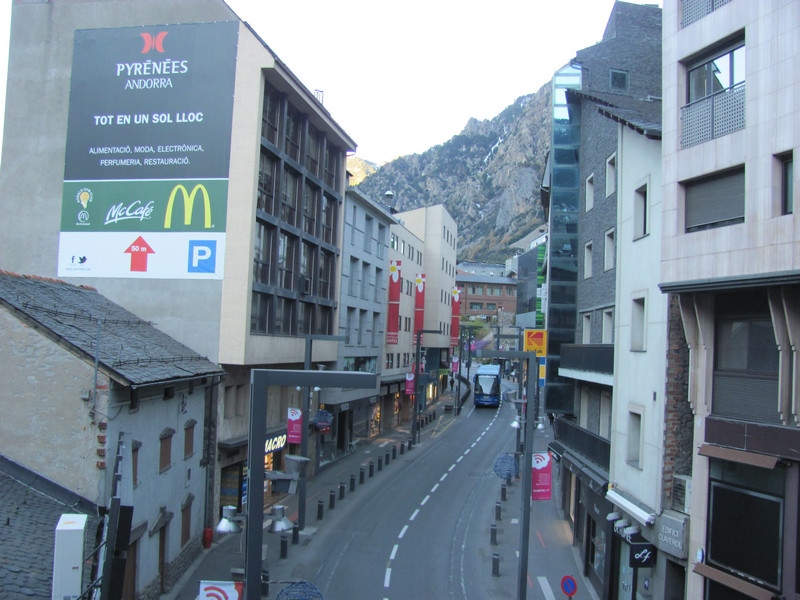




The next morning was dark and cool. In this country of the siestas, even the sun fell asleep and rose at 08:10. We got up before that, and the hotel surprised us with a rich and crowded buffet table. After breakfast we headed to the bus station, but it turned out that the city buses stop elsewhere and we took a good walk around the capital city. It was not long, as everything here was a 10-minute walk away. The city was very compact and charming. Stone buildings prevailed, as well as large shops and malls decorated with cheerful Christmas lights. We took bus L6 and headed to the city of Ordino, which is located only 8 km from the capital Andorra la Vella.
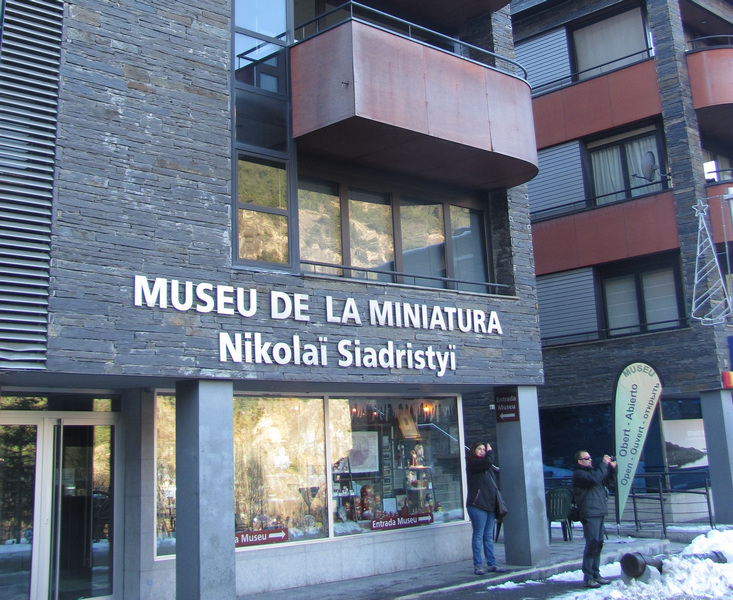
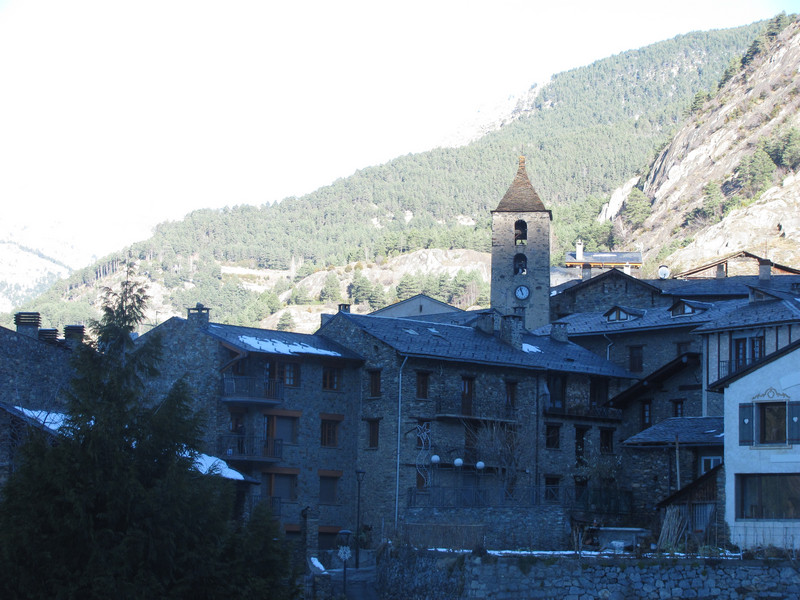
The city is situated at the foot of Mount Casamanya (2740 m) and is located at 1298 meters above sea level. There was snow on the sidewalks and gardens, unlike the capital, which seemed quite warm and had no snow cover. In fact, the capital Andorra is the highest capital in Europe, rising at 1023 meters in height. It is followed by Ankara at 938 m, Madrid 667 m and Sofia at 580 m altitude. But let’s go back to the mountain town of Ordino, which nestled in the mountains, fascinates us with its pleasant snow roof and festive mood. Ordino quickly impressed us with his stone houses and Christmas decorations. A Christmas bazaar was organized in the central square, but we headed first to the Museum of Miniatures, which posses a unique collection of miniature works visible only through large microscopes.
The entrance fee was 5 euros, and our tour started from the cinema hall, where we learned more information about the Ukrainian master Nikolai Syadristiy. The film fascinatingly presented the achievements of human creations and architecture, such as the huge Egyps pyramids and the Chinese wall, which were very difficult to see from space, like miniatures under a microscope. In today’s time, when people are so many and live so densely, everything has to be created in smaller sizes, and this master surpasses the others by creating the smallest art in the world. He devoted 40 years of his life to the production of miniature art that today have gained worldwide fame and have traveled around the world. Andorra is privileged that it was here that this master decided to open a museum of miniatures – in one of the most miniature countries. This master had succeeded in the ear of an ordinary needle to make a pyramid with four camels and a palm tree. It is difficult to see them with the naked eye, but under a microscope their details impressed us. The whole composition of the caravan was made of gold in the ear of an ordinary sewing needle, above the work there was a text that in one cubic millimeter can fit 325 camels of this size!
The collection was not large, but highly impressive, just like Andorra itself. We walked around the main square of Ordino, where music was playing and the Christmas market created a festive mood. There was also a beautiful stone church on the square, but we could not enter, as mass was currently being held.


We took back the bus to Andorra la Vella and did a small pre-lunch shopping. I got a new backpack in which we put swimsuits and towels, and headed to the famous Caldea Thermal Center, located 800 meters from our hotel.
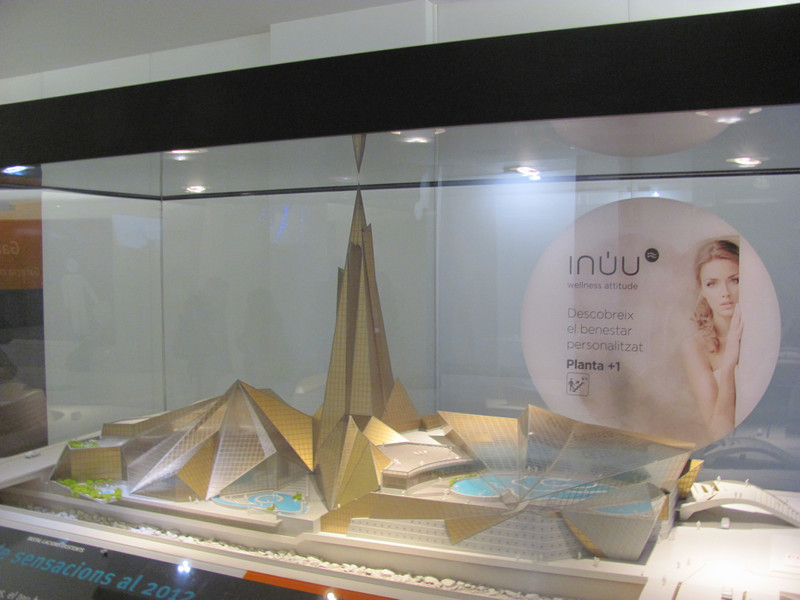
Caldea is actually the largest spa complex in Europe. The facade resembles a futuristic cathedral, all in glass and is an ideal place for complete rest and relaxation. The hot springs here maintain a temperature of 32 degrees, with our 4-hour ticket including access to numerous pools, Turkish baths, saunas, spa and hydromassages, etc.
From the inside, the building was no less brilliant, being covered with white garlands and blue big balls. The steps were also blue, taking us to the reception, where we received distinctive green bracelets, giving us access to all rooms. We left our clothes and all the belongings in separate lockers and only in a swimsuit, towel and camera, we went around the huge spa complex. The only thing, that I didn’t like was the ban on wearing flip-flops, we all had to go barefoot everywhere, and although there were ideal walking areas, I missed the flip-flops.
Our tour started from the large inner lagoon (Gran laguna interior), which is a large mineral pool on which various jacuzzis are perched, and in some places waterfalls descend and there is a dancing fountain. The water here is 32 degrees, with specially prepared jets for upper back massage, and in the jacuzzis one can relax pleasantly, allowing water jets to massage the muscles. On one of the bridges in this lagoon there is a so-called Piano de agua or water piano, representing blocks of water flowing upwards, and a person stepping on them could get a foot massage.
From the large inner lagoon we headed swimming or walking along a channel that took us outside. The water temperature here is 34 degrees and the air about 11 degrees, but the warm vapors of the water did not make us cold at all. On the contrary, we enjoyed the sun while the outdoor jacuzzi gave us more massages. Very interesting was the so-called large stream of water, which makes you swim or leads you downstream to the big jacuzzi. So we didn’t even have to make an effort to swim – we just went with the flow and it took us to an even warmer and more pleasant place to sit in the water.
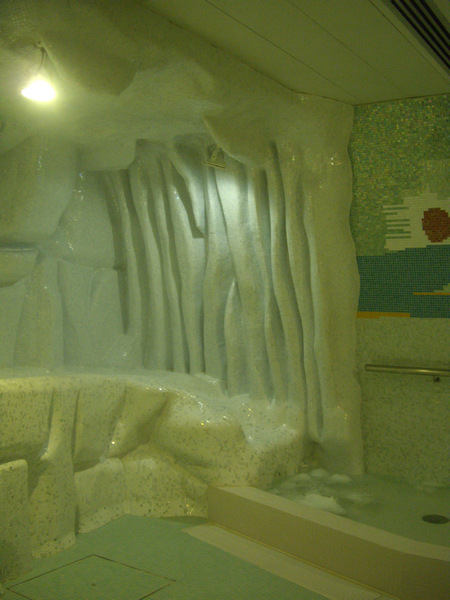
However, when we had “mushroomed” enough, we decided to go out by going back to the inner lagoon. From there we passed through Bano Sirocco – a bath with warm air and headed to the Icelandic bath – all in ice and snow. It stimulates blood circulation from head to toe, thanks to frost and coolness. But I was content just seeing it, enjoying the next aquamassage – at the Espacio de aquamasaje appliances. They are something like telephone booths in which a strong stream of water moves all over your back and massages you relaxingly and pleasantly.
There was a short break in the sauna, which here had large windows and relaxing light. The air was dry and about 85C. According to the description, it helps to eliminate toxins and relaxes muscle tension.
Next to the sauna there was a water path called Paso Polar, which I also passed by with disbelief. The name Polar Path came from the low temperature of the water (10 C), which hydrated and refreshed the body after a sauna and a hammam. However, we preferred to heat up more and so we went to the hammam, where the temperature is only 55 C, but the steam is still hotter leading to overall relaxation.
There were lots of people in Caldea, but we didn’t feel overcrowded. There were vacancies everywhere and we calmly tried almost all the facilities. We also sat for a short break in the Luz de Wood / Forest Light – a room with a bright wavy ceiling that created relaxation with negative ions, reducing tension. Without a drop of tension we headed to the next room representing Roman baths. Beautifully carved columns resembled more Mayan and Aztec culture, there were two pools one with 36 degrees and another with 14 degrees. Temperature contrast invigorates the body and gives tonus.
We also headed to the second floor, for which not everyone had access to and was much more depopulated. The first room was with waterbeds that were very comfortable and every time we made a slight move, a wave below our back moved and carried our minds to a tropical island. And there were several such tropical islands on the second floor. First we tried the bath of the Aztecs (Bano Azteca), which is a warm pool with a water course around a tropical garden. Then we entered a small heart-shaped pool with many grapefruits. The fruits were whole and there was a sign that their squeezing and cutting was prohibited. According to the signs, the grapefruit bath exfoliates and softens the skin, making a person feel younger.
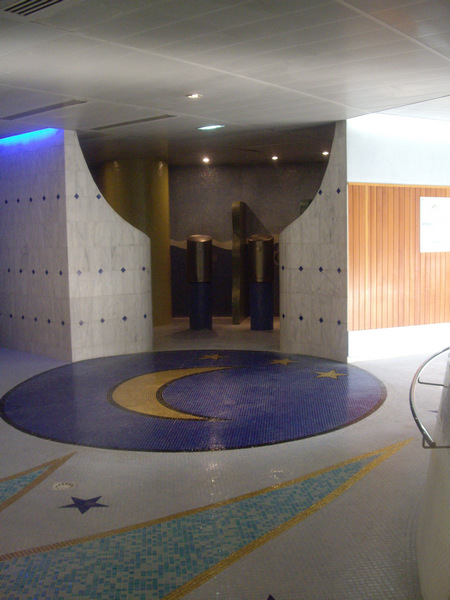
We went through a few more pools and saunas, and I was very impressed by “Aladdin’s house” or at least I named it so. It looked like a sultan’s tower, on top with a crescent moon, which houses an aromatic steam bath. In it one could lie down on comfortable marble benches and sun loungers. In the middle of the room there was a beautiful fountain that sprinkled cool water, and the whole room was filled with aromatic steam, which made the body immediately relax and feel better. Right in front of Aladdin’s house there was a water bar, i.e. a pool with stone chairs in it, and we could drink free water and iced tea. Before leaving, we also lay down on long sun loungers under infrared lamps, which turned on by stretching and waving our hands, and under which with greater perseverance we could catch Caribbean tans. However, we were saving ourselves for the mountaineering tan tomorrow when we were going skiing. At that time we tried to dry as much as possible so that we could go outside.







It was 7:00 p.m., and various lights were already lit in Caldea. The spa was open until 9 p.m., but in the evening it became particularly colorful and beautiful. The inner large lagoon was illuminated with different colors, the music was enhanced and gave a party mood. We were in no hurry to leave, so we decided to take the panoramic elevator that took us to the top of the tower, where the Sirius Bar was located. The visit to the bar cost 1 euro and only after we paid we were able to use the elevator for disembarkation.
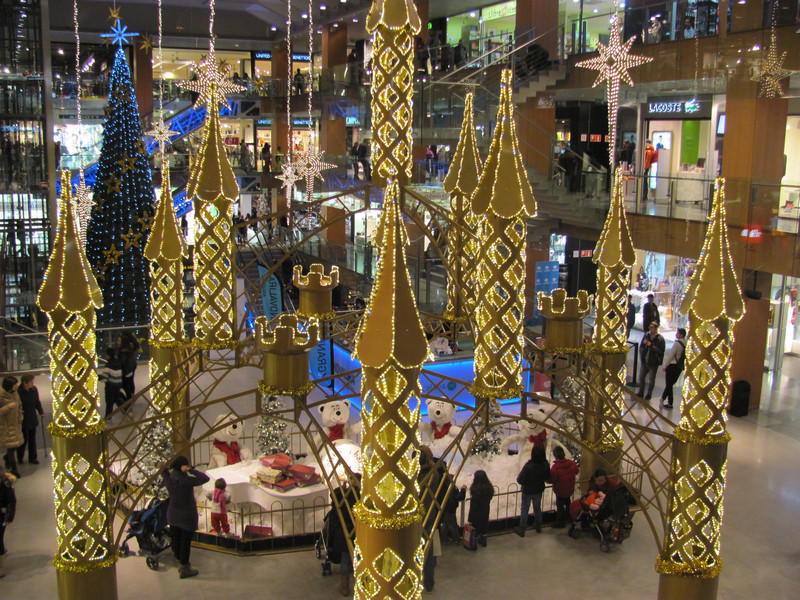
The evening was cool and the 600 meters to the hotel seemed long, so we entered several times into different shopping malls in order to get warm, and to see the beautiful Christmas decorations and even better Christmas discounts. In the first mall we entered there was a huge glowing tree, and in front of it there were big teddy bears playing Christmas songs. Santa Claus also stood on their side – all in lights and ready for photos.
On the way to the hotel, we stopped at a cozy restaurant where we ate the famous Spanish seafood paella. Warm and fed up, with a cheerful step we headed to the hotel, enjoying the beautifully colorful and shining streets.
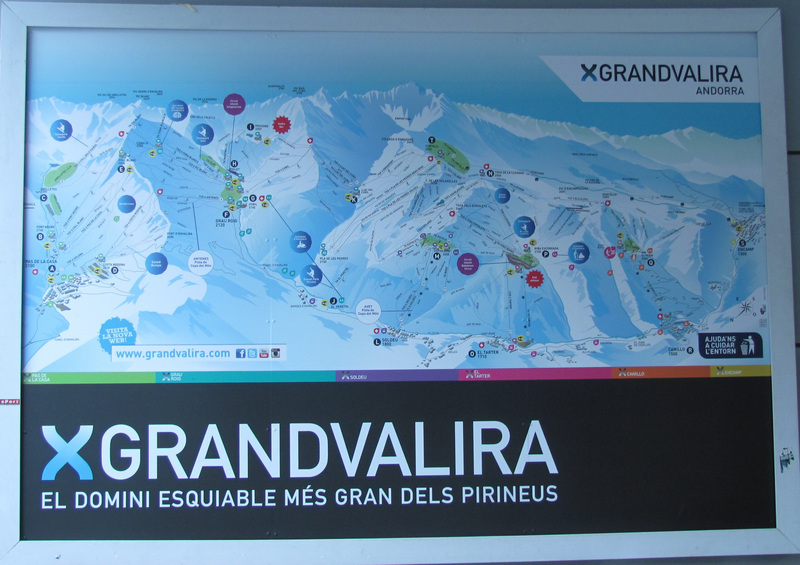
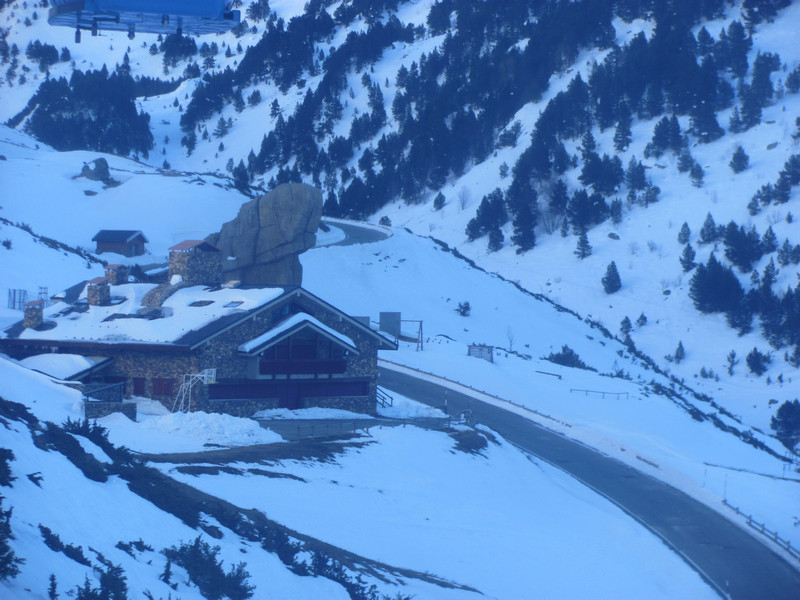
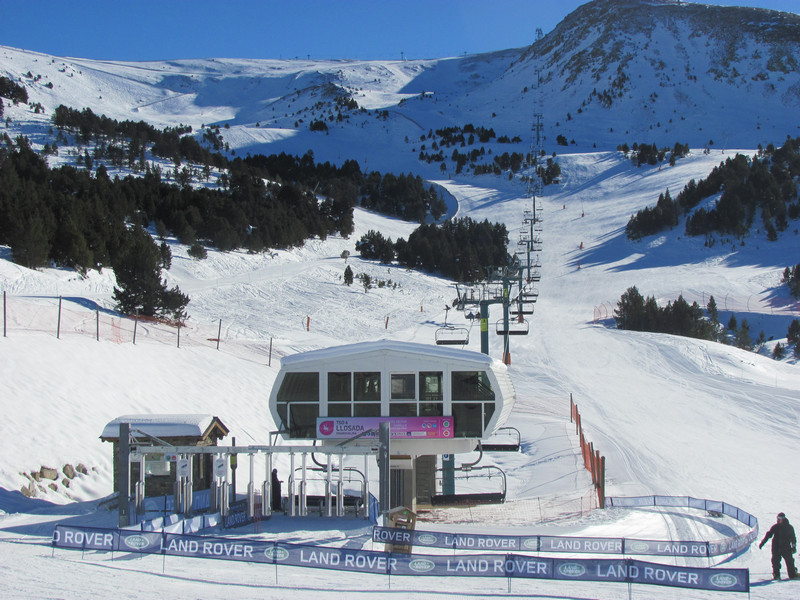
The next day was December 9, and according to the Orthodox calendar, on this day is celebrated the Conception of St. Anna. For a long time Joachim and Anna had no children, and their grief was great. After many prayers came the good news about the long-awaited child, whom they called Mary. The news that came to us was the excellent conditions for skiing in the mountains. On TV broadcast a channel with a direct picture of the slopes and we enjoyed the snow, not believing that only a few minutes from Andorra la Vella really had excellent conditions for skiing. The capital city was warm, dry, almost spring, and in the 7 km town of Encamp already had icy sidewalks, we took the lift and headed to the peak of the mountain, in the famous ski resort of Grandvaleria.
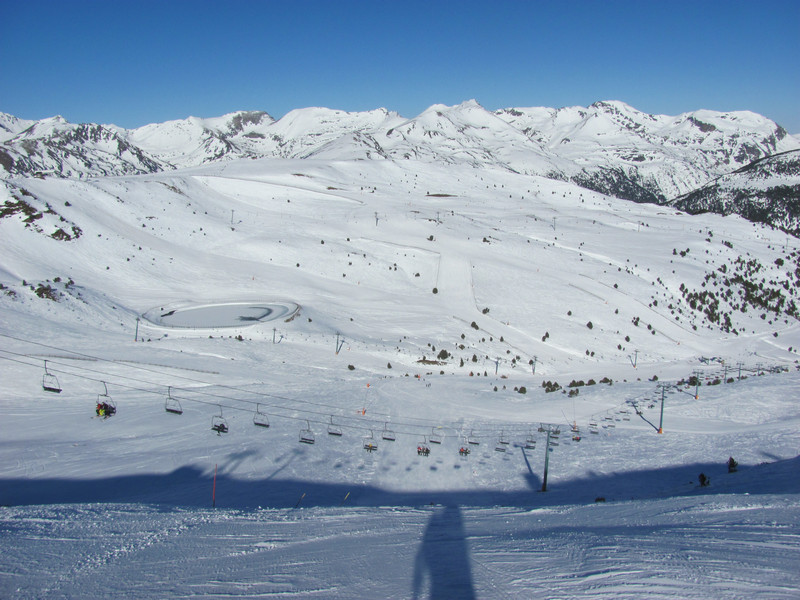
Andorra is a mountainous country that stretches only 468 square kilometers, but offers high elevations rich in snow cover. The first ski resort in Andorra was opened in 1957 with the ski lift in Pas de la Casa. Today, the main ski centers are two Grandvalira and Vallnord with a total of 110 ski lifts carrying 156,000 skiers per hour. The ski season this year opened on November 30, but vacations and Christmas holidays had not yet begun, and there were only a few skiers on the entire slopes, which was amazing – we felt as VIP guests with private ski slopes and lifts. All ski facilities worked and everywhere we were served with great attention and friendly hospitability.
The ski pass in Grandvalira-Encamp cost 44 euros, and the pass was for a whole day for all the slopes that we could not try, as they were quite long, and although the lifts were fast and we were the only passengers on them, we still did not have time to try them all. We selected mainly the blue and red slopes, all of which were well maintained, and as a bonus, we had a beautiful sunny day.
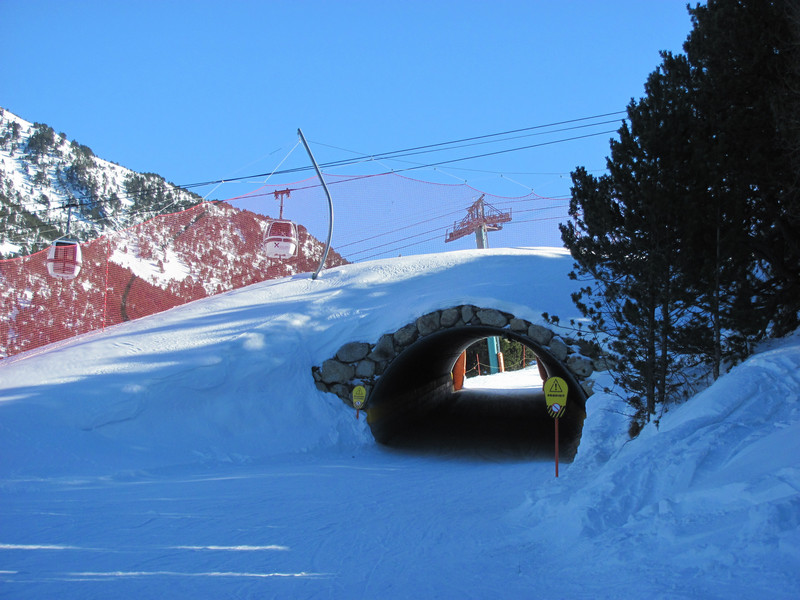
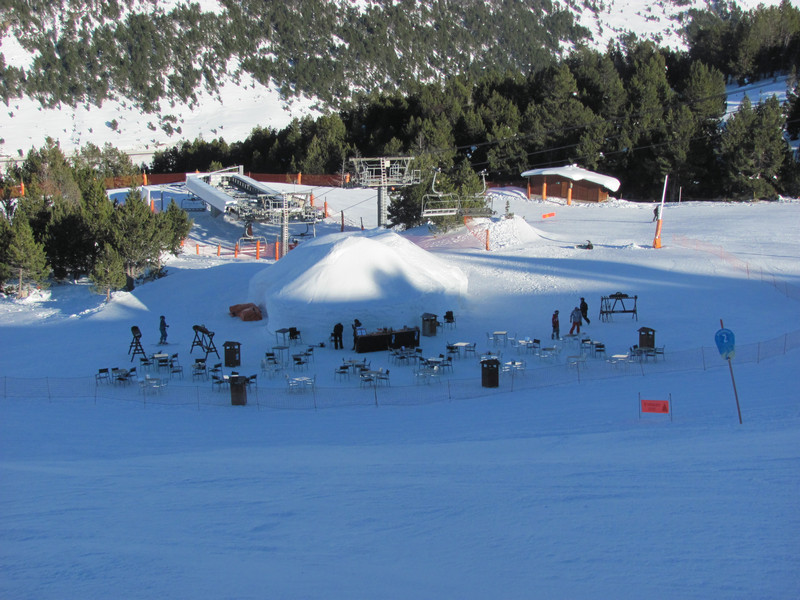
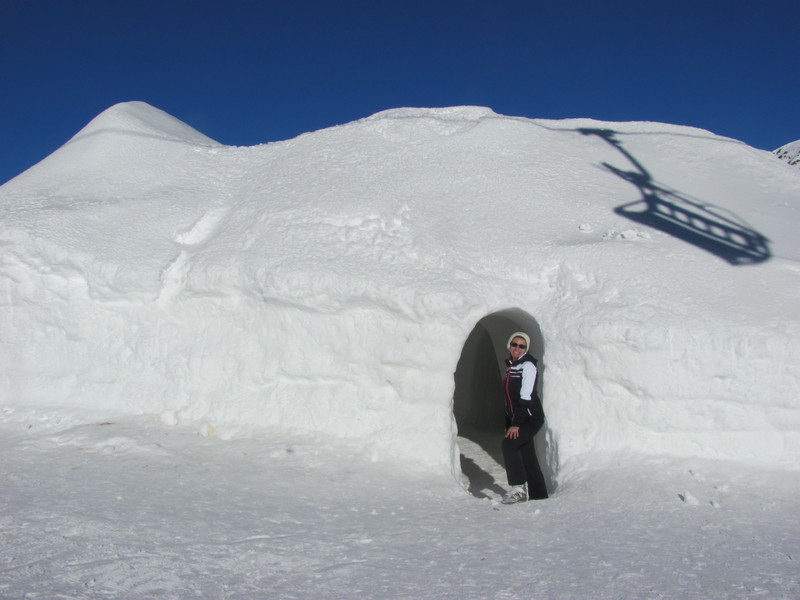
The pleasure of skiing was complete. For the first time I went through snow tunnels that led to other slopes. We drank tea in a real igloo made entirely of snow, in front of which there was a DJ and playing music. The day passed imperceptibly and only at 16:00 we felt the real fatigue of the constant movement. We returned to the hotel, this time having dinner in a mall, ordering a light salad with Spanish tortilla.




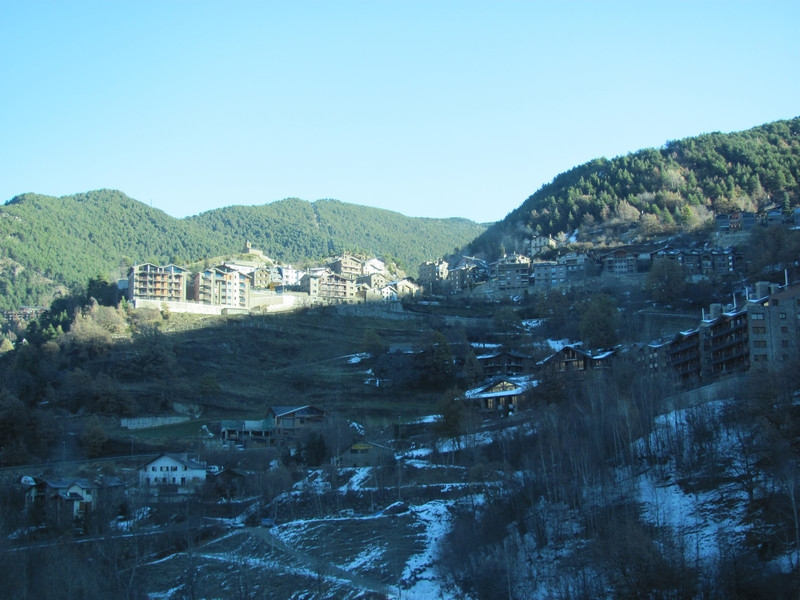


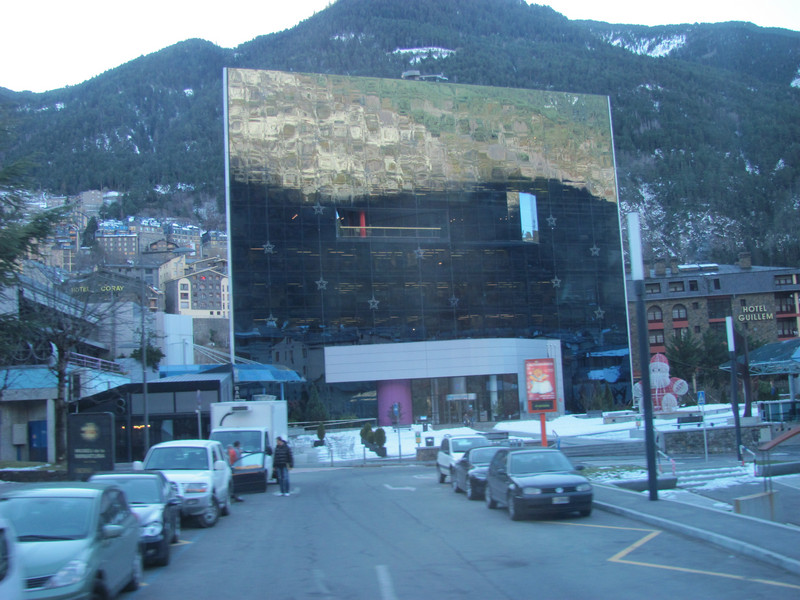
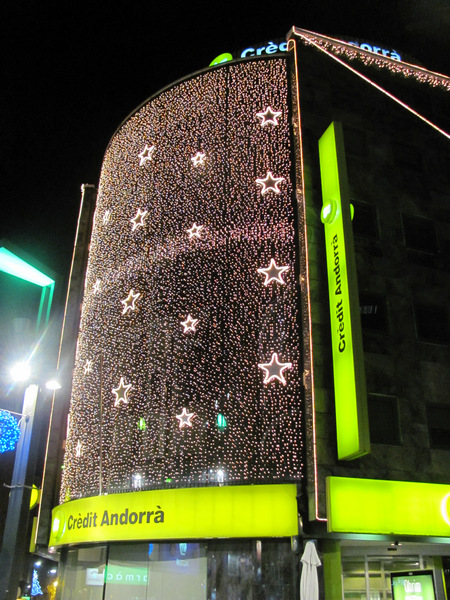
Andorra is located between France and Spain, but in terms of cuisine the Spanish influence was stronger. As for the national flag of Andorra, it is borrowed entirely from its two neighbouring countries. The flag of the country consists of three vertical colors located from left to right respectively blue, yellow and red, with the country’s coat of arms depicted in the middle of the flag. The flag was adopted in 1866. Blue and red are in honor of France, and red and yellow are in honor of Spain.
Andorra may be among the smallest countries in Europe, but it is ahead of 5 other European countries such as: 1) Vatican City is the smallest European country covering an area of 0.44 square kilometers; 2) Monaco – area 2 sq. Km; 3) San Marino (61 sq. km); 4) Liechtenstein (160 sq.km); 5) Malta (316 sq.km); 6) Andorra (480 sq.km); 7) Luxembourg (2586 sq.km); 8) Cyprus (9,250 sq km); 9) Slovenia (20,273 sq. km); 10) Macedonia (25,713 sq. km).
Other interesting thing we learned about Andorra is that its area of 468 square kilometers, only 8% is urbanized and 92% is forests, lakes, rivers and mountains. The population is about 78 thousand people, of which 36% Andorran, 37% Spaniards, 13% Portuguese, 6.5% French, etc. The official currency in the country is the euro, although the country is outside the European Union and our phone bills were quite high after visiting this country.
The relief of Andorra is mountainous, with 72 peaks, some of which over 2000 meters high, making Andorra one of the highest countries in Europe. The highest peak on the territory of the country is Comapedrosa (2942 m high), and the lowest is at the crossing of the Runer River with the Spanish border (838 m). Thus, the average altitude is 1996 meters.
The next morning we were sad to find that we had underestimated this small country with this short holiday. We did not have enough time to tour the 18 museums representing the traditions and characteristics of the country, such as the Casa de la Vall (currently the smallest parliament in Europe), the museum of old cars, the perfume museum, the museum of electricity, the tobacco museum, etc. We also failed to visit the 1400 shops and boutiques, the majority of which are located in Andorra la Vella and Escaldes-Engordany.
We did not ski on all slopes, nor did we try one of the longest roller coasters in Europe – Tobotronc, whose tour length is 5200 meters, as the train is a sled for a maximum of 2 people, descending with 400 meters displacement. It is located in the south of the country, in the resort of Rabassa. Again, tourists can ride on sleds pulled with dogs, as the trip passes by the beautiful mountain landscapes.
The place, the people and the sunny days invited new visits to this fabulous mountain country. On December 10, however, we said goodbye to it and headed to Barcelona, leaving our luggage at the airport and taking the Aerobus to the city center.
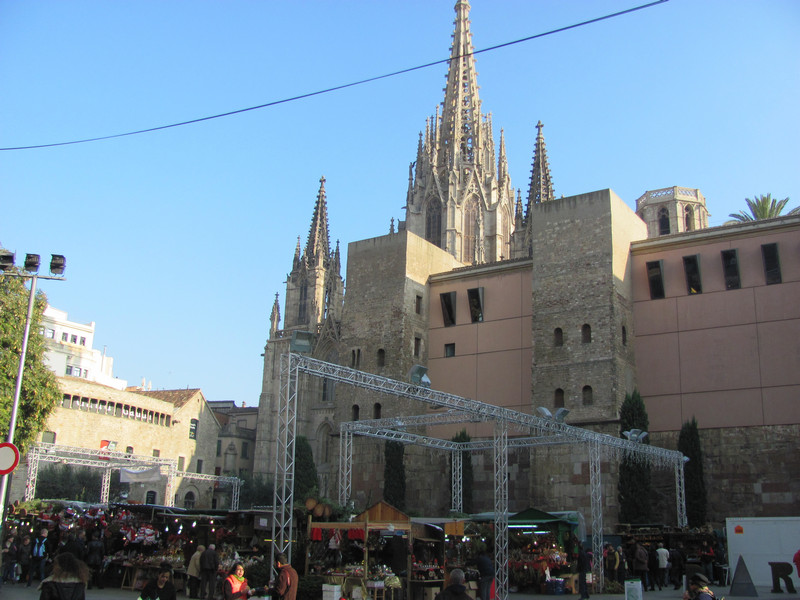
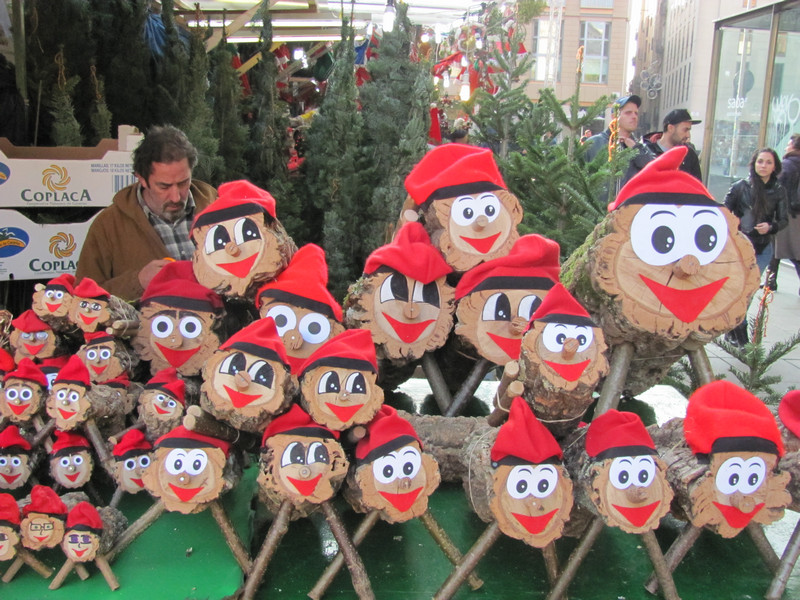
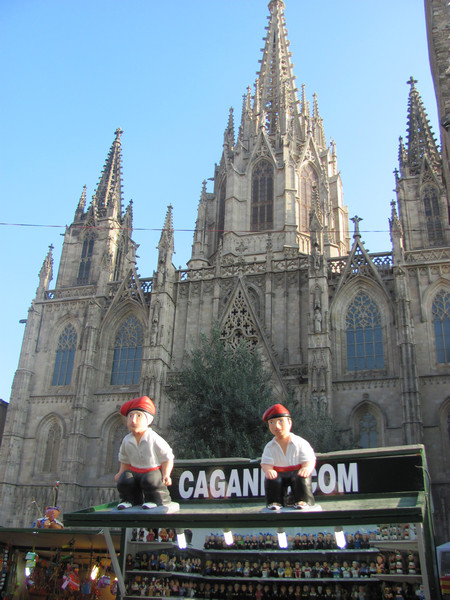
This was my 3rd visit of Barcelona, but my first in the winter. In fact, winter could not be recognized here, among so much sunlight and palm trees. Only the big Christmas market near Santa Lucia Square hinted the season and the month. The market was covered with wooden houses from which everyone could buy trees, Christmas toys, candles, as well as cheerfully decorated wooden logs.
We were satisfied only with the Christmas market and the shops along the pedestrian street connecting the Cathedral of Santa Lucia and Plaza Catalunya. We did not have time for the numerous sights of Barcelona that we had already seen in our previous trips. The tour cheered us up before the long night flight this time with WizzAir. We landed in Sofia at 23:30 with a 30-minute delay.
The 4 days passed quickly, but I hoped the good mood would last longer. The mountain is the place where the earth touches the sky, and we really touched it – stepping into the mountain paradise called Andorra.


GENERAL INFORMATION ABOUT ANDORRA:
Location: Andorra is a small country in southwestern Europe, located between France and Spain, in the eastern part of the Pyrenees Mountains.
Area: 468 sq.km
Population: 84 082 people
Official language: Catalan, with Spanish and French also spoken.
Climate: moderate continental and mountainous
Time zone: UTC+1
Currency: euro (EUR)
Additional information: http://visitandorra.com/en/
TRIP TIPS FOR ANDORRA:
Best time to visit: All year round – in winter there are excellent conditions for skiing, and in summer – the mountains are an ideal place for walking, the SPA centers are open all year round.
Typical foods and drinks: Spanish seafood paella, Escalivada (baked vegetables), Crema catalana (something like our cream caramel), multiple French and Spanish wines are available, with Pinot Noir being the only variety that grows in Andorra.
Places to visit: In Andorra la Vella it is worth visiting the smallest parliament in Europe, Caldea – the largest spa center in Europe, as well as the many malls. In Ordino – the museum of miniatures; in Encamp – the museum of old cars and the ethnographic museum.
 TripTips