TENERIFE – ON THE SHORE OF PARADISE

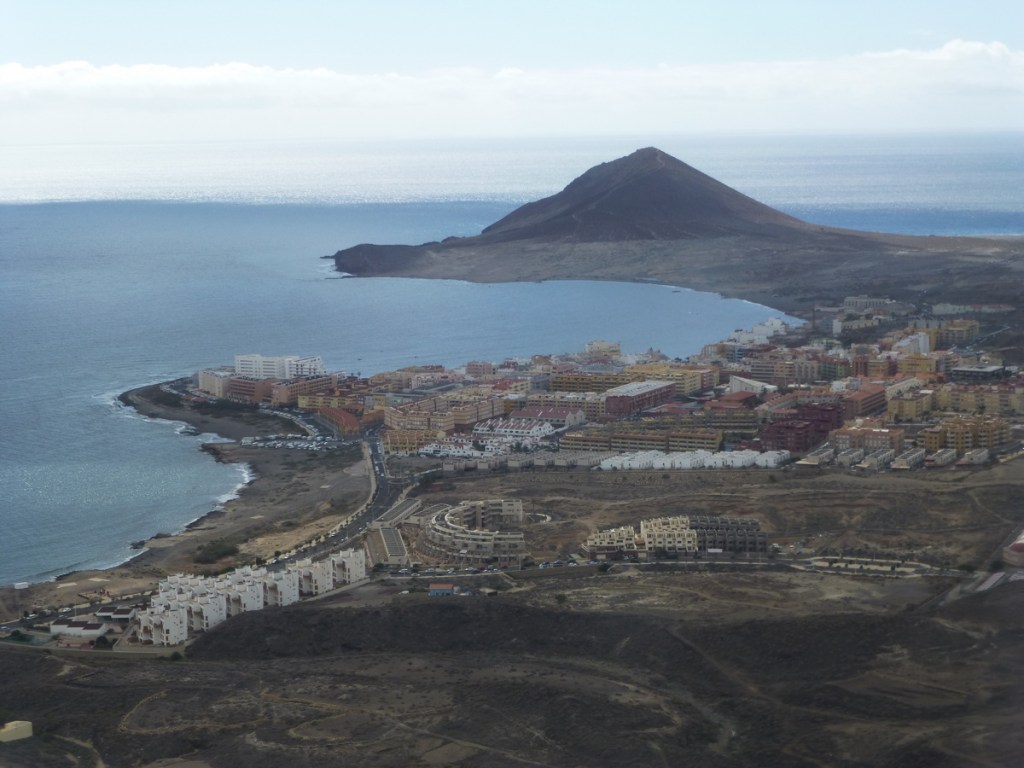


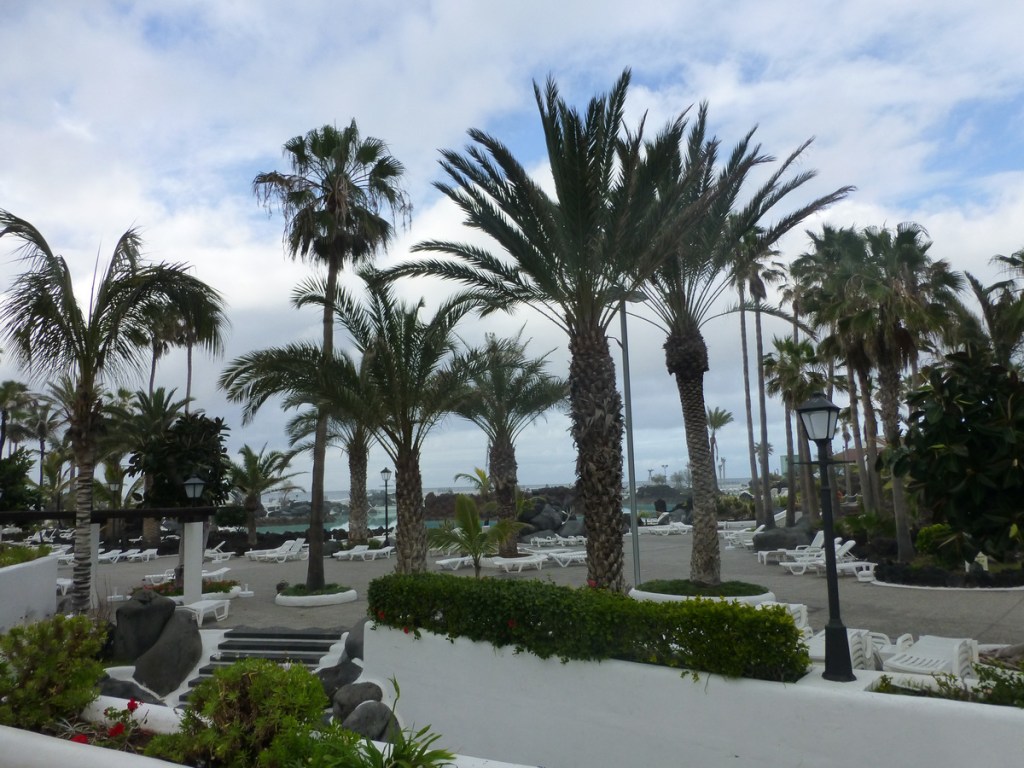
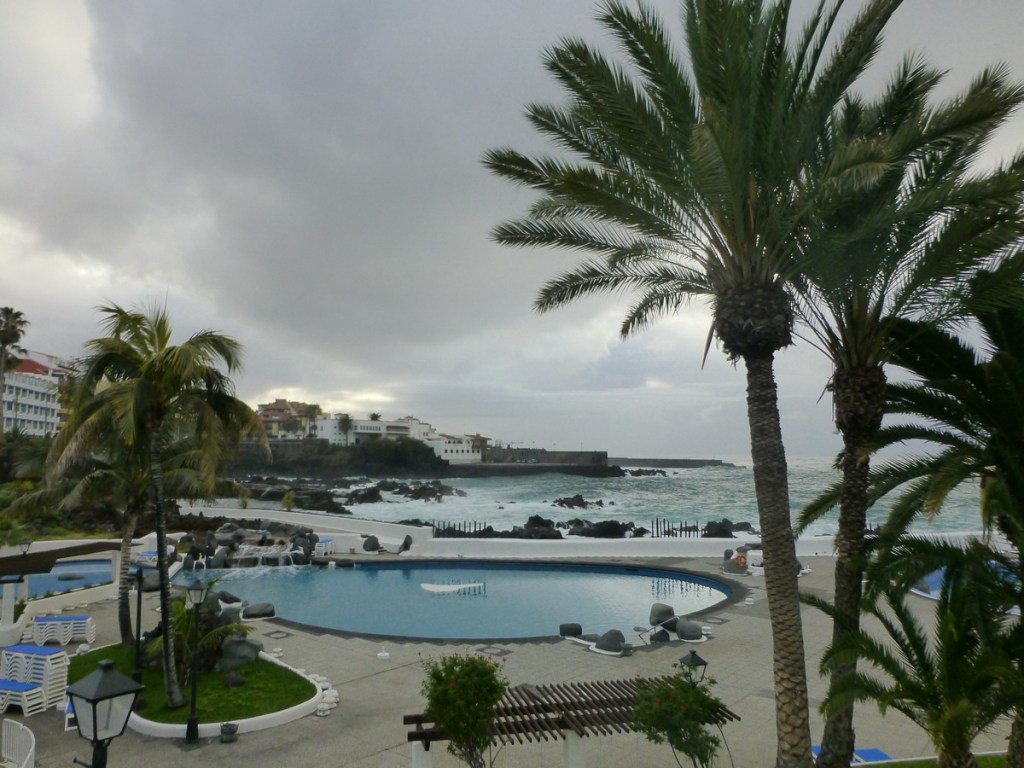

Tenerife – the name sounds like the whisper of the wind in palm branches. It is also called the island of eternal spring, as the year-round temperatures here range between 20-25 degrees.
The island of Tenerife is the largest of the Canary Islands, which consist of 7 large islands (Gran Canaria, Fuerteventura, Lanzarote, Tenerife, La Palma, Gomera, Hierr) and six smaller ones ( Alegranza, Graciosea, Montana Clara, Roque del Este, Roque del Oeste and Lobos). The name Canary Islands suits them perfectly, as they are filled with birdsong all year round. According to the reference books, however, the canary birds got their name from the islands, and not the other way around. Again, according to them, the name Tenerife has a Berber origin “Tin Irifi ”, which means “place of thirst”. And indeed there is not a single river on the whole island. Drinking water is currently drawn from groundwater and there are miles of pipe tunnels all over the island to move the water through.
The name of the island, which best describes its essence, was given in ancient times by the Greeks and Romans who reached here. They described these islands of volcanic origin as fairy-tale places and were called the Happy Islands – a wonderful name for this earthly paradise.
Some historians suggest that the Canary Islands are the only surviving part of the legendary continent of Atlantis, which sank into the Atlantic Ocean after a cataclysm.
We decided to take a look and a short vacation in this Atlantic jewel with a triangular shape and an area of 2034 sq.km, in the middle of which the Taide volcano proudly rises like a pyramid. Its 3718 m peak is not only the highest peak in the Canary Islands, but also in all of Spain. Every year Tenerife is visited by over 2 million. tourists, most of whom stay in the southern part of the island, where the main airport is located. The main resort there is Los Cristianos, which enjoys a huge stretch of beach and daily sun.
However, we decided to stay on the northwest coast in the beautiful resort of Puerto de la Cruz, which is the second largest and most populous city on the island, after the capital Santa de la Cruz. Puerto de la Cruz is a great place to relax. The resort offers several beaches with exotic volcanic black sand and a clear Atlantic coast.
Martianez Beach is located on the north-east side and is an ideal place to lie out and cool off in the ocean, and when the wind blows it creates big waves and the beach becomes a surfer’s paradise. Playa Jardin Beach is much larger and is located on the north-west side of the resort, and between the two beaches there are several more secluded coastal spots for swimming and relaxation. Particularly beautiful among them is the private Lago Martianez beach with artificial salt lakes and wonderful pools. The entrance fee is 5.50 euros, which totally worth it, relaxing among numerous palm trees and fountains.

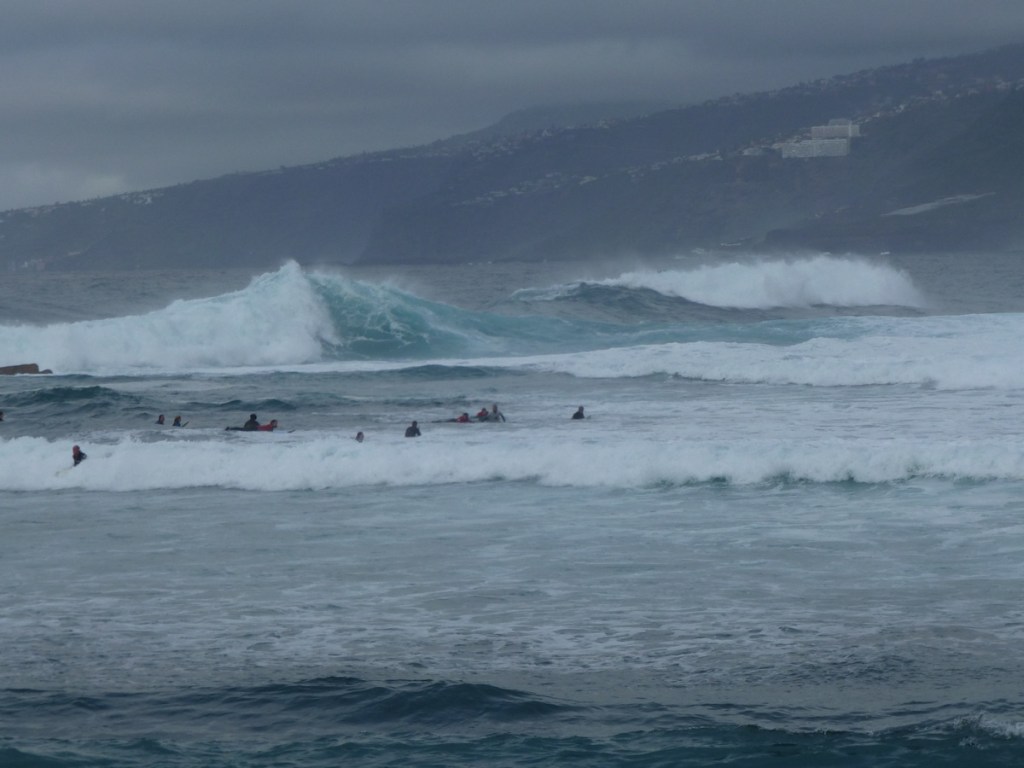
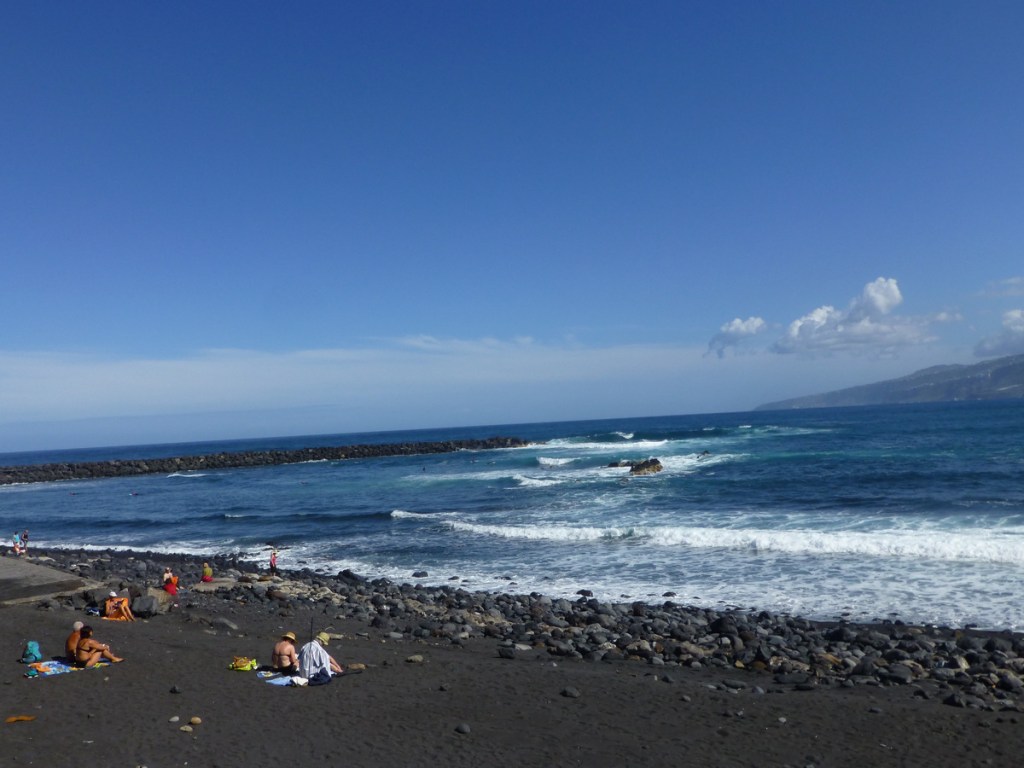
In addition to the beaches, Puerto de la Cruz also offers a wonderful promenade lined with palm trees, shops and restaurants. It is a wonderful place for shopping and in the evening for entertainment.
The resort also offers excellent opportunities for cultural tourism. There is an excellently preserved old part with colorful colonial houses, among which the beautiful Nuestra Señora de la Peña Church is nestled. This part contrasts strongly with the modern district full of hotels, restaurants and shops
Another landmark worth visiting is the Fort San Felipe, which stands proudly on the oceanfront and offers beautiful views of the coast. In the immediate vicinity is the beautiful building of the former customs, as well as the house of Mirande, where visitors can learn more about the original inhabitants of the island, called Guanches, who were massacred and enslaved when the Spanish arrived in 1496.


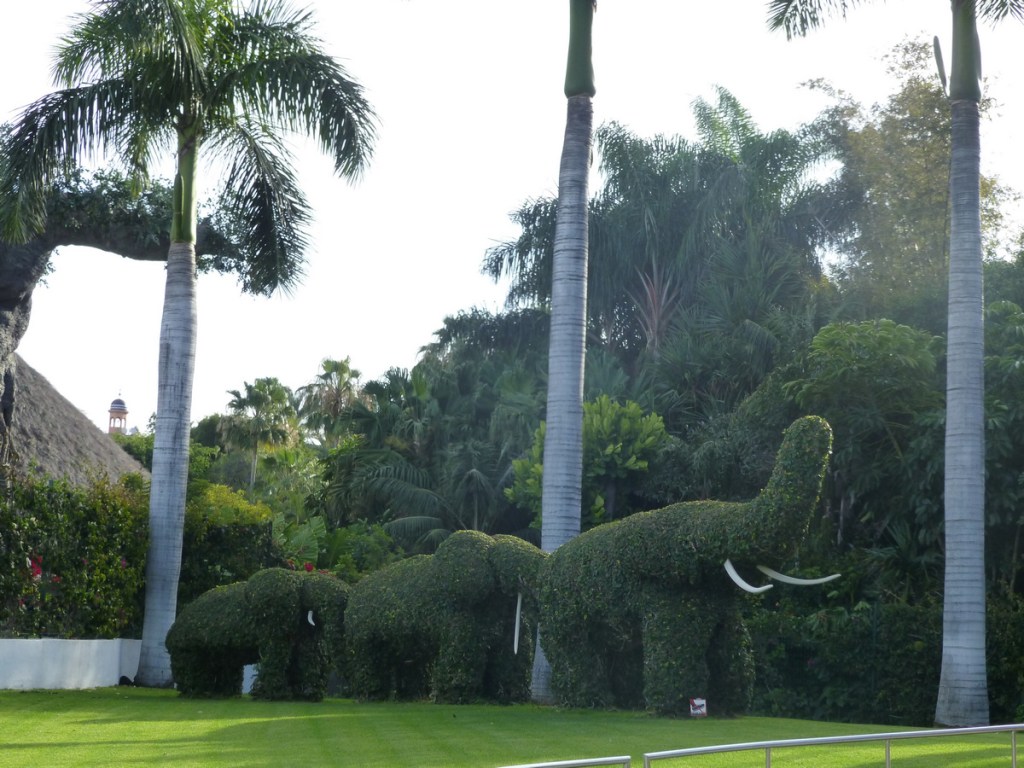

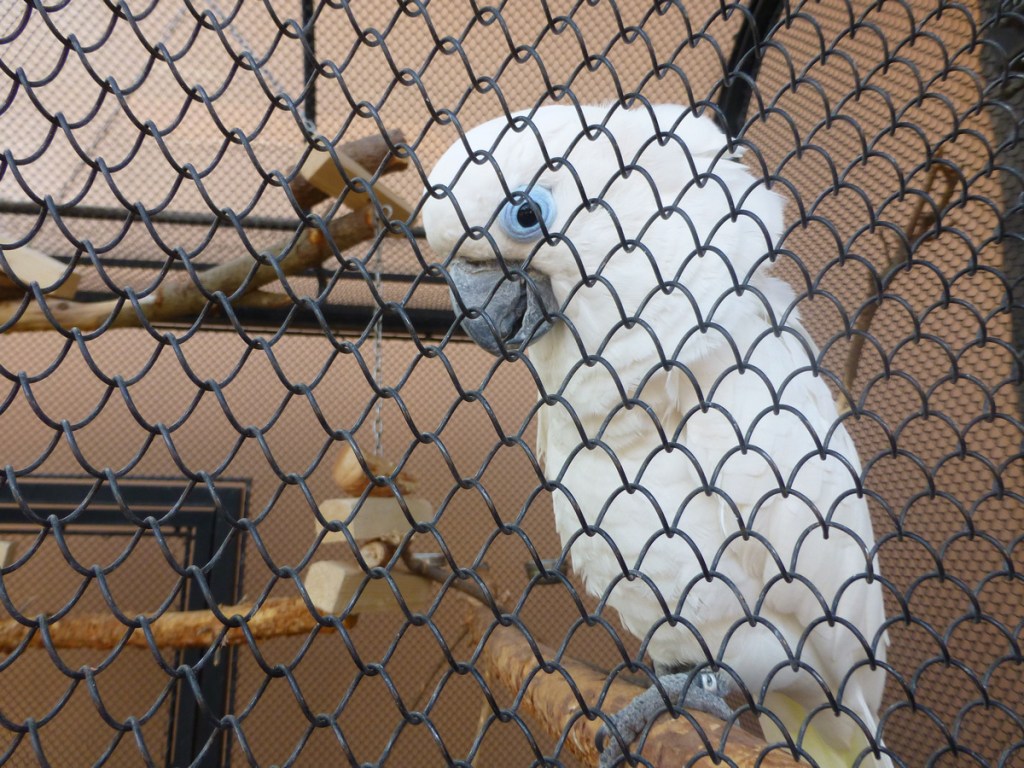
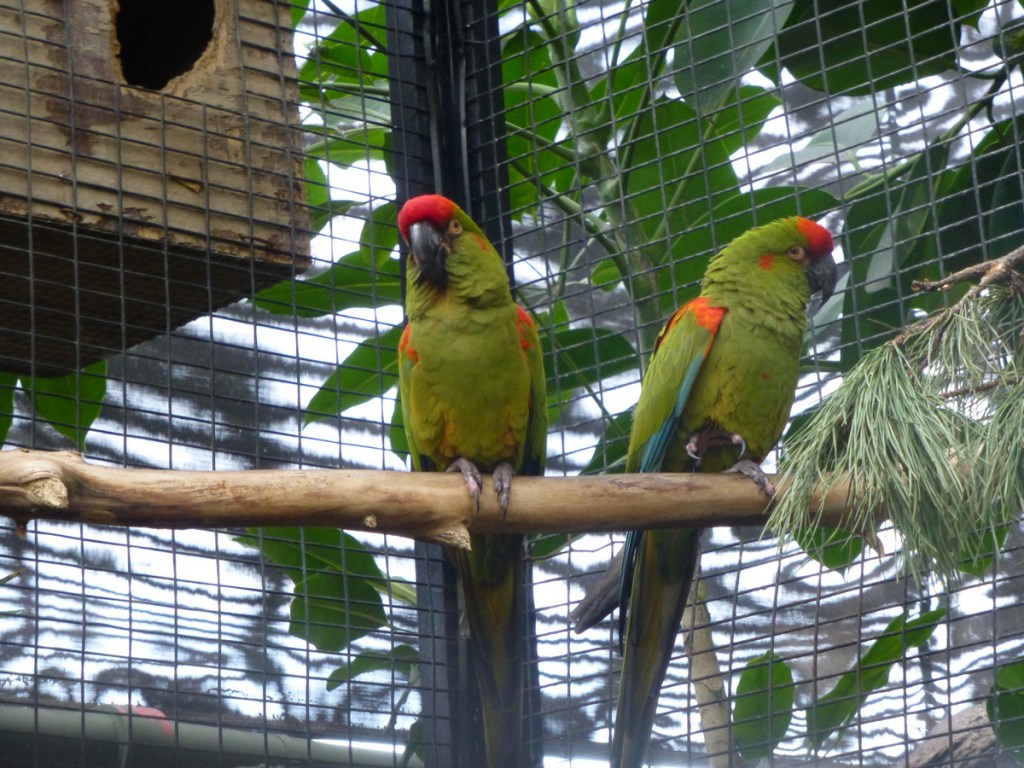
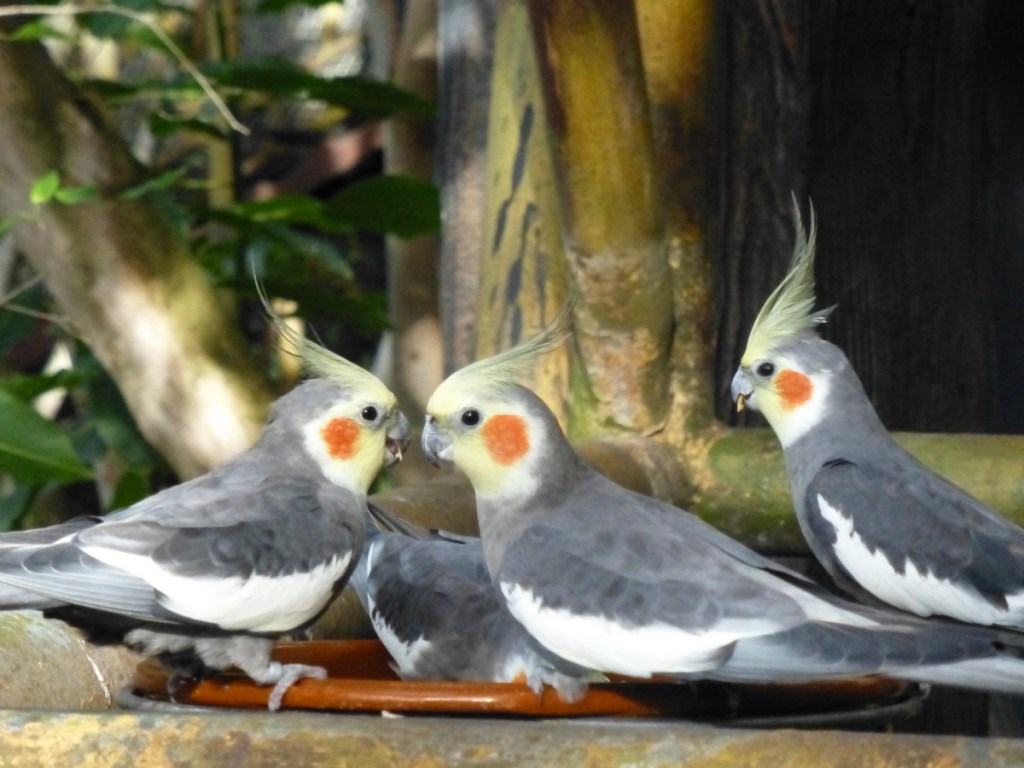
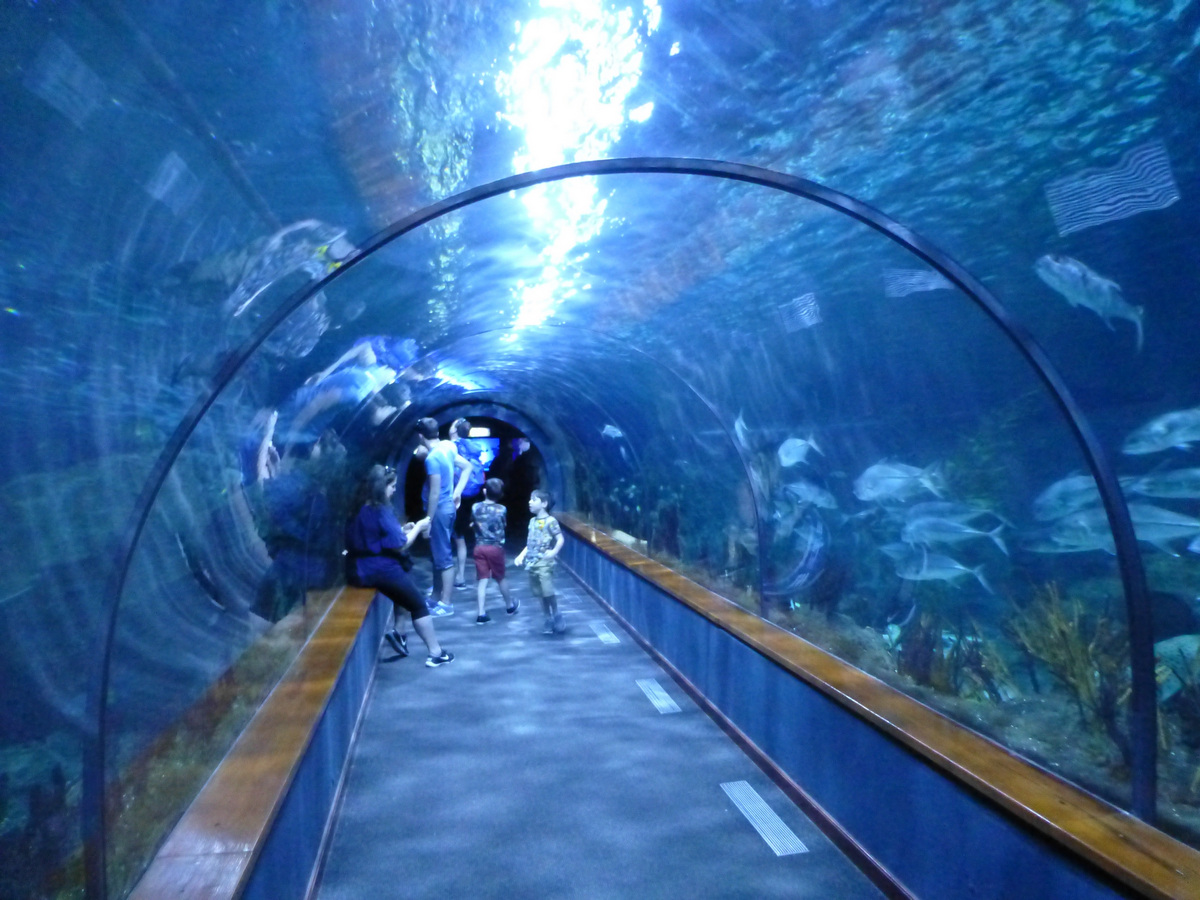
One of Puerto de la Cruz’s must-see attractions is Loro Park, which Trip–Advisor rates as the best zoo in Europe and the second best in the world. The park was originally established in 1972 as a parrot garden (Loro means parrot in Spanish). Gradually, the collection of animals grew, and with it the attractions of the park. Today, the largest collection of parrots in the world can be seen here, and you can even see through glass newly born baby parrots – those born the previous day, 1-week-old birds, as well as those of several months, for which there are a separate kindergarten where they learn different tricks. Several times a day, the parrots put on a show for visitors, amazing them with their skills and knowledge.
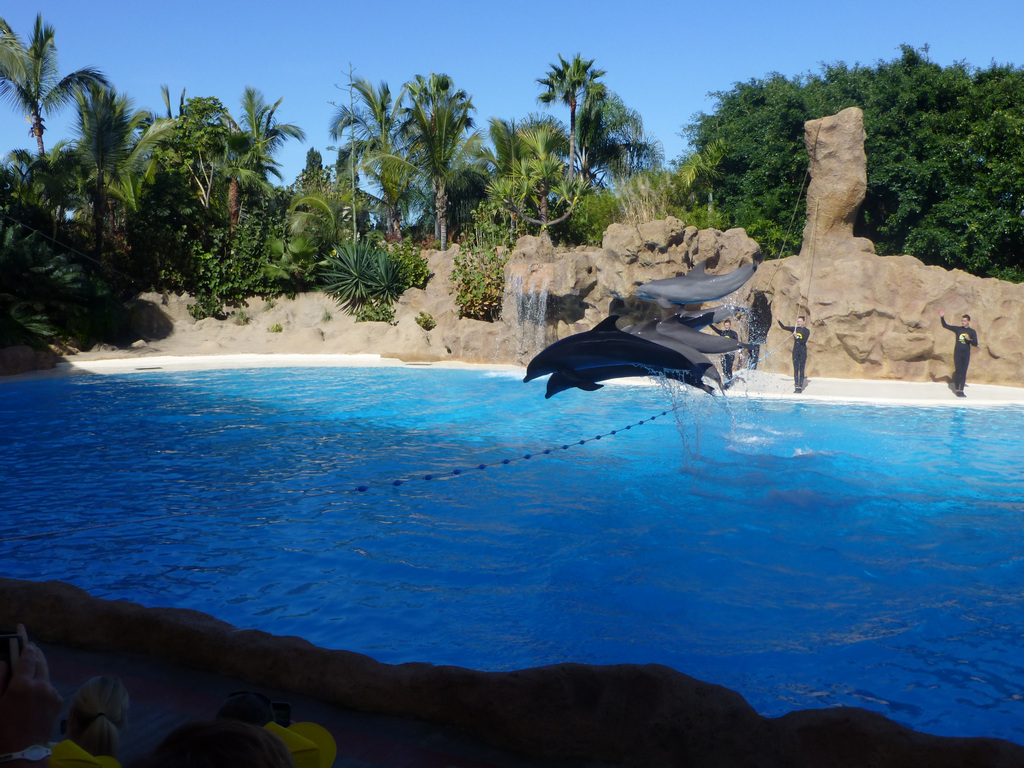
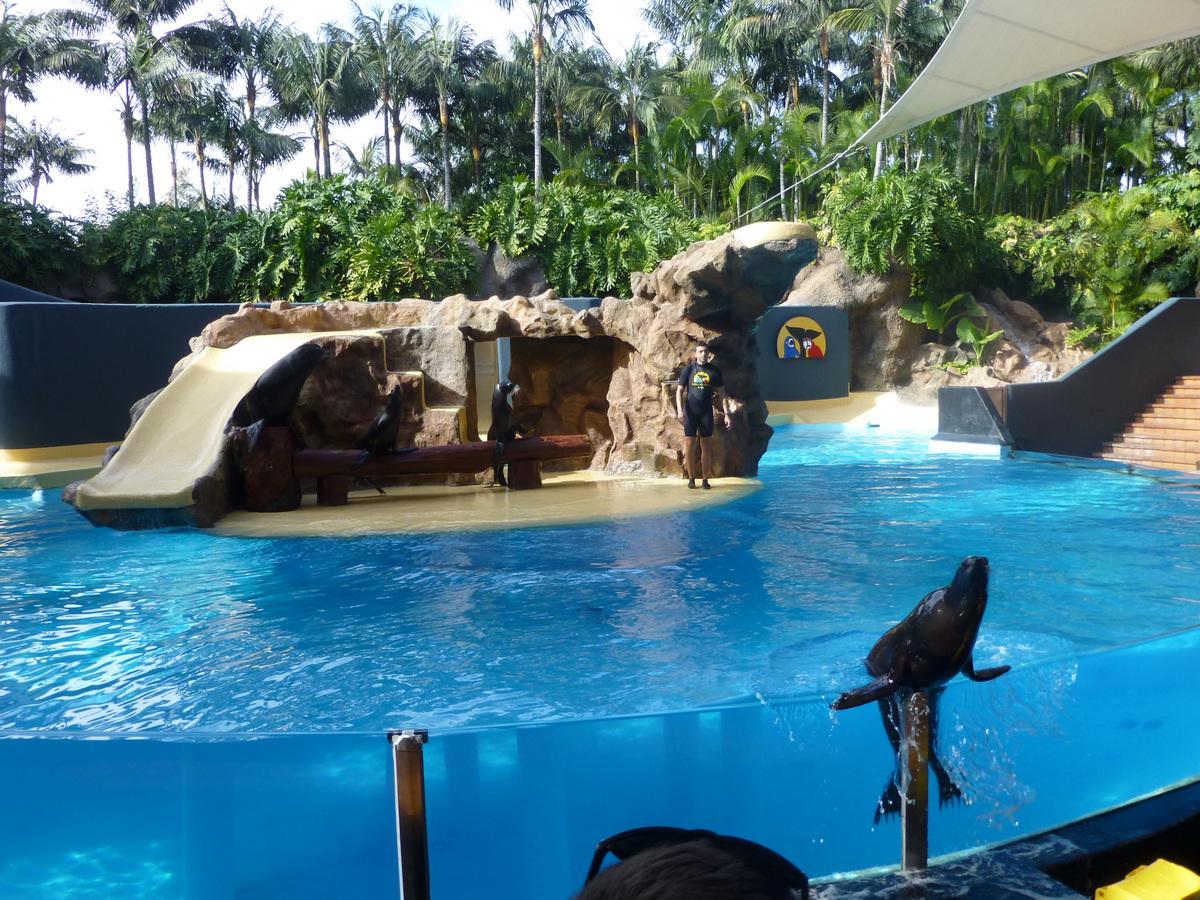
Other amazing show programs in the park are those of dolphins, orcas, and seals. Each show lasts 20 minutes and takes place at a different location and time, inviting park guests to see the most of this wonderful place. Take a whole day to explore this zoo and you won’t regret a minute spent there.
The owner of Loro Park has opened another large amusement park – Siam – this time with water attractions and slides. This park is quickly gaining popularity and is already among the best water parks in the world.
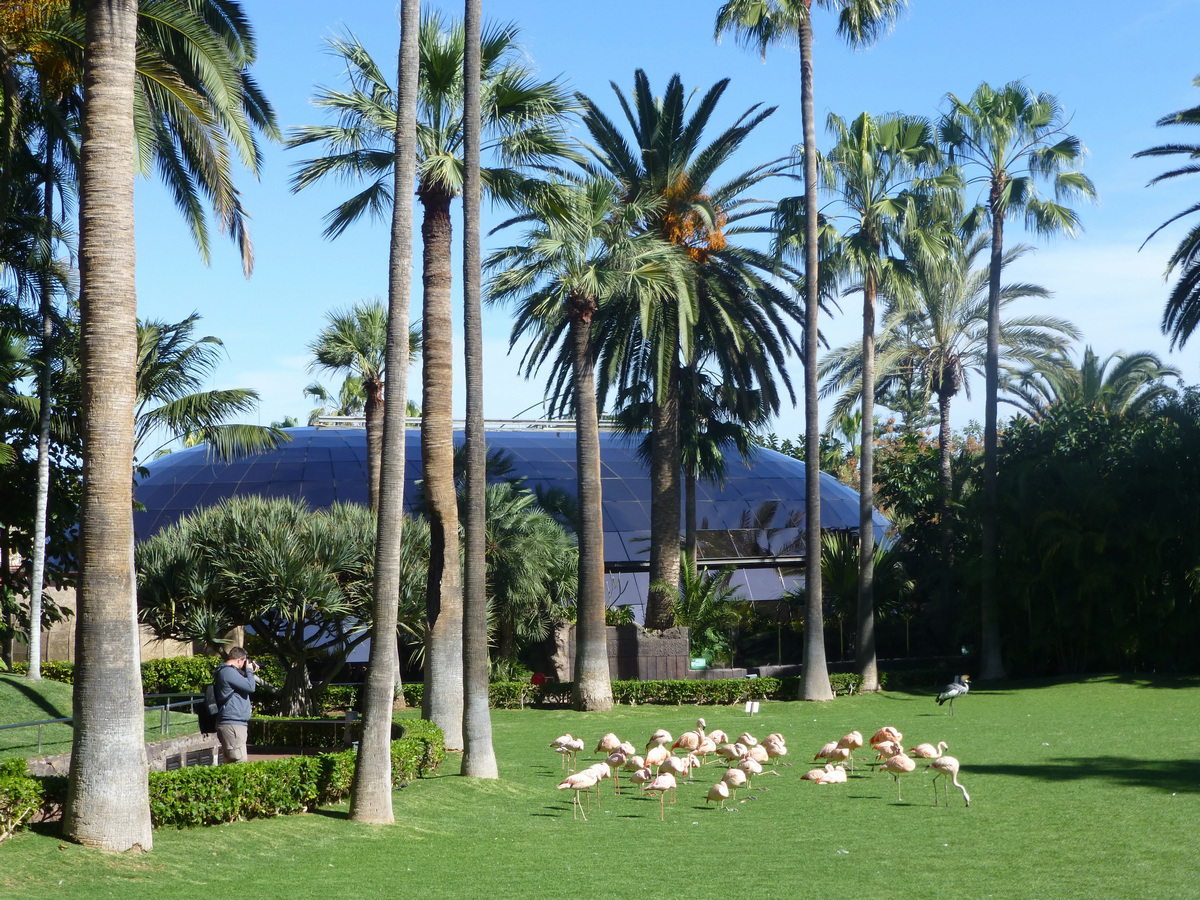


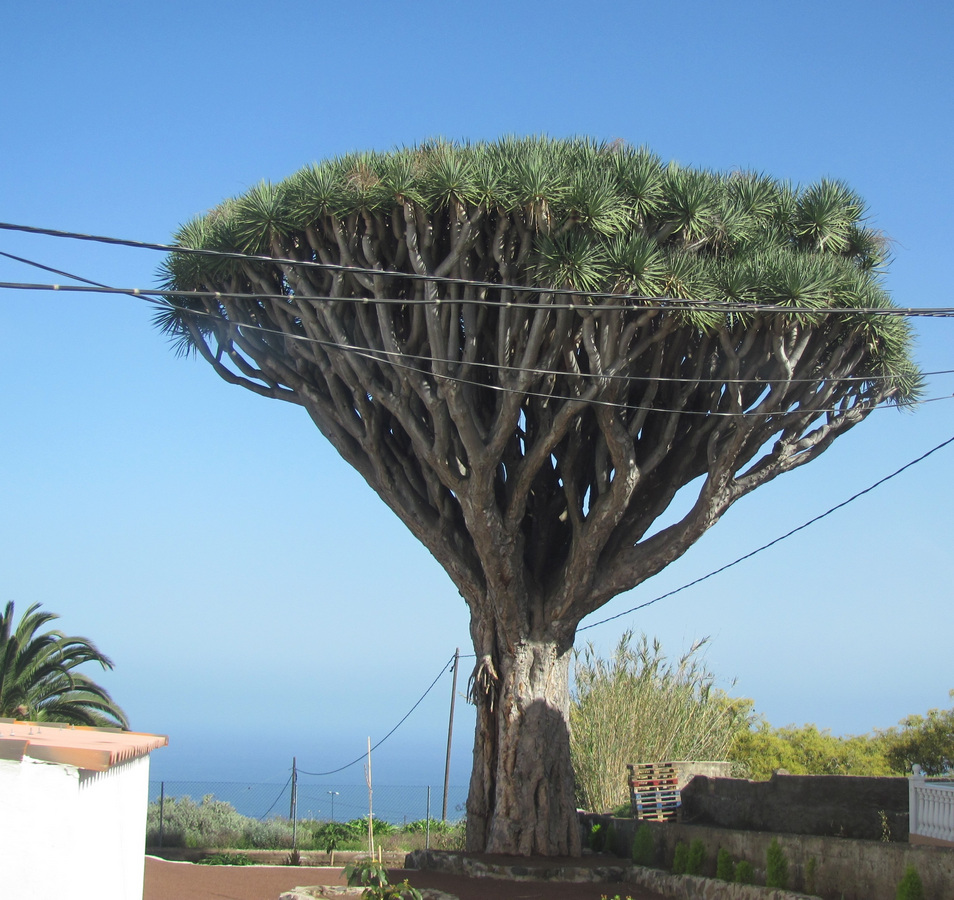
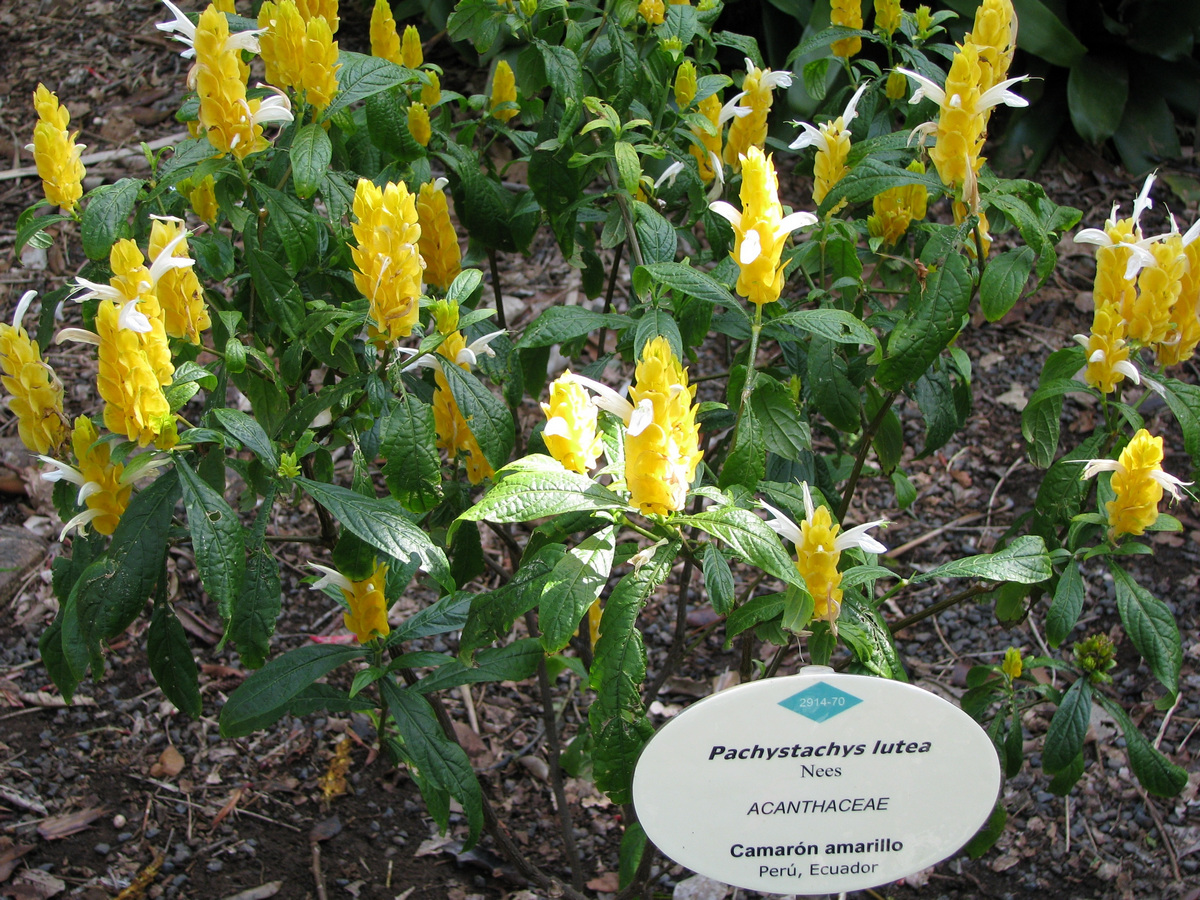
However, if you want to get away from the crowds – in Puerto de la Cruz there is a wonderful place for this – the wonderful botanical garden. The good climate of the island favors the growth of hundreds of different plants brought from Europe, Africa and America. Here you can also see the unique for the island (and its symbol) the dragon tree, which lives for hundreds of years and reaches huge sizes.



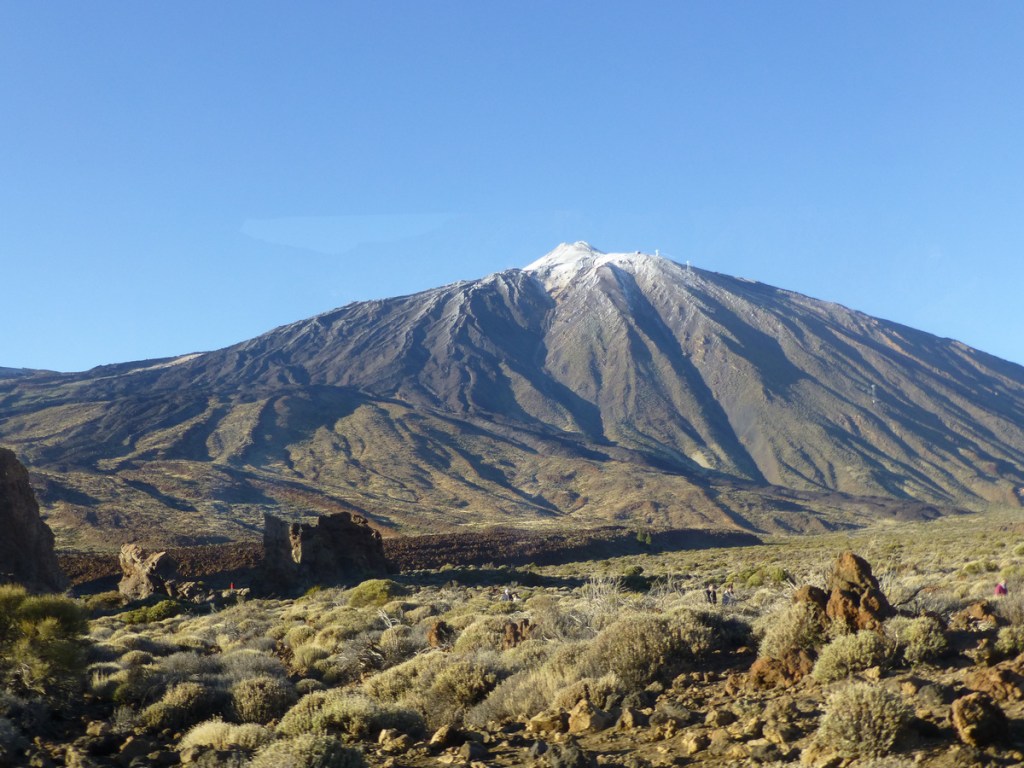
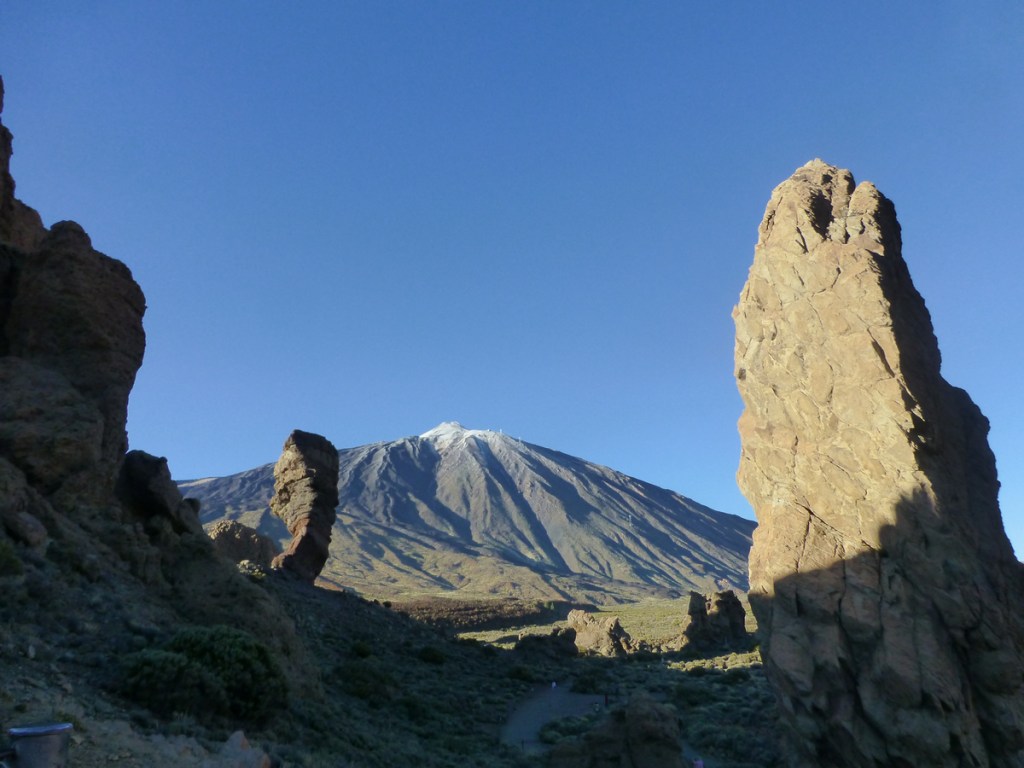


An even more secluded place on the island can be found on the high Taide mountain . With its 3,718 m, incredibly beautiful views are revealed from here, not only over the entire island of Tenerife, but also towards other surrounding islands. The mountain has been declared a National Park and climbing it is possible only after obtaining a permit, which you can get for free in advance online: www.reservasparquesnacionales.es Climbing the mountain is easy with a lift (the price is 27 euros per person) and it takes only 8 minutes. Therefore, in a short time you will see the great change of scenery as the altitude advances, from subtropical to alpine vegetation.
We chose to explore the mountain on February 14, signing up for an organized tour, enjoying the sunset with a glass of champagne and gazing at the beautiful stars twinkling within arm’s reach. We highly recommend http://www.teidebynight.com/en/ , who picked us up at 1:35pm from the hotel and took us by air-conditioned bus to Mount Teide National Park, with several stops for scenic photo break. As the height increased, the landscape outside changed radically and resembled a lunar landscape with craters and bare rocks, the lush vegetation and trees remained at the foothills. There at the top among the picturesque rocks at sunset, we got a glass of Cava champagne, then taken to a cozy restaurant and enjoyed a three-course menu of local specialties. Our evening ended with stargazing from 2,134 meters high, with our guide introducing us to the main constellations above us. Towards midnight we returned back to the hotel full of wonderful impressions.
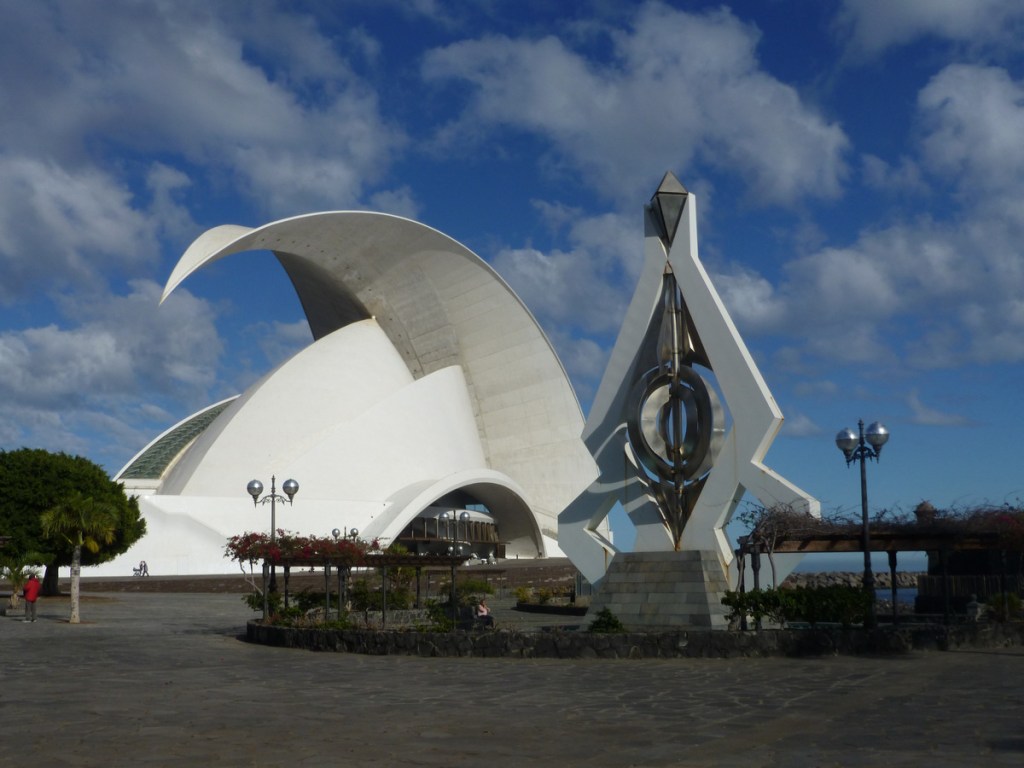
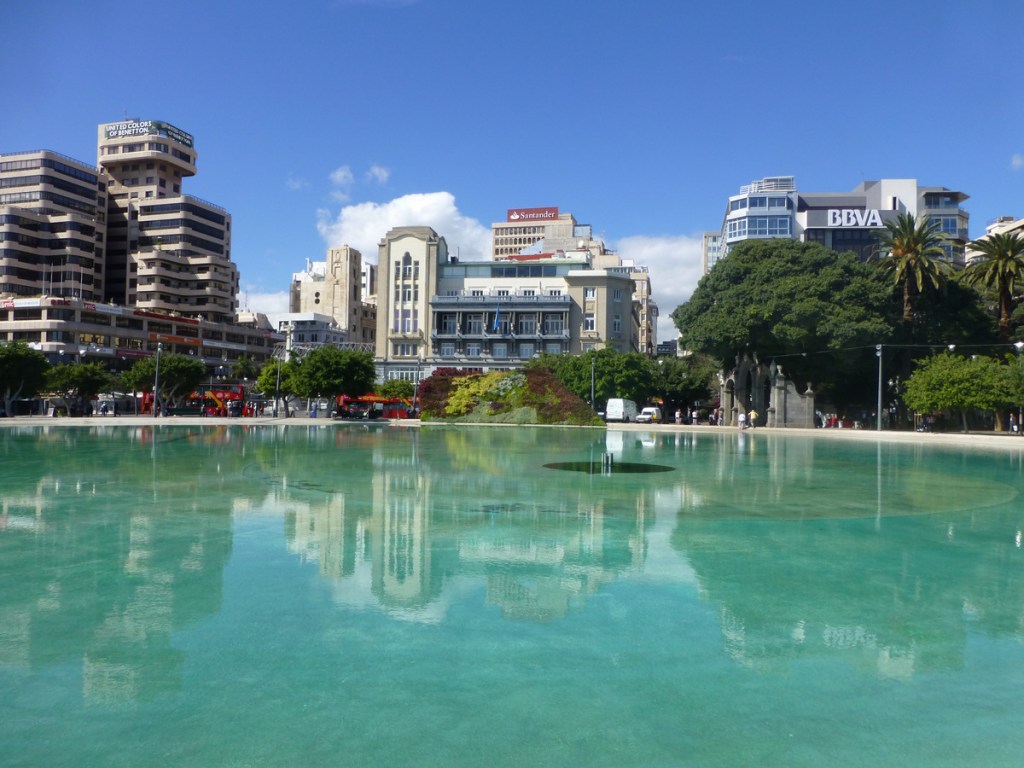
Another place worth visiting while in Tenerife is the island’s main town, Santa Cruz . The big cruise ships dock here and the town is an excellent place to walk and relax. Among the main sights are Spain Square (Plaza de España), which is the largest square in the Canary Islands. Here stands a memorial dedicated to the Spanish Civil War. Particularly interesting is the concert hall, erected on the ocean shore, somewhat resembling the Sydney Opera House. Right next to it is the wonderful private beach Parque Marítimo. Another beautiful beach is located less than 10 km north of the town called Playa de Las Teresitas, which you can easily reach by public transport. Originally, the sand here was black volcanic, like that of Puerto de la Cruz, but in 1973, hundreds of thousands of tons of white Saharan sand were dumped, turning the coast into a true beach paradise.




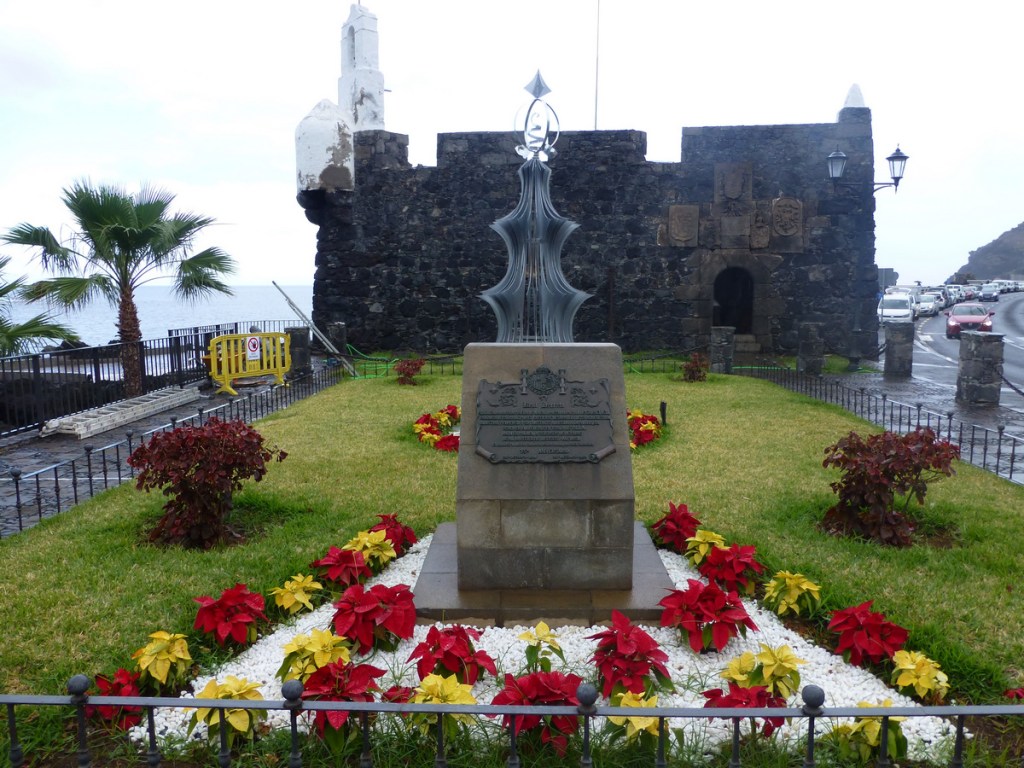


We also took a walk to another island town Garachico, which is a unique mixture of lava and sea. At the time, Carachico was the main city of the island, but it was covered with lava from the volcano that erupted in 1706. It was this lava that formed beautiful pools that people can freely use today. The town has also regained its former charm, with cobbled streets and beautiful houses. I especially liked the church of St. Ana, which has a tall bell tower, open to tourists and offering a wonderful panoramic view.
There are million of places that worth visiting in Tenerife, but our one week holiday was not enough. However, we were able to enjoy the beautiful island with a spring climate even in the middle of winter and relax looking at the ocean as if we were sitting on the shore of paradise.

GENERAL INFORMATION ABOUT TENERIFE:
Location: Tenerife is the largest and most populated of the Canary Islands. It is located in the Atlantic Ocean 300 km west of the coast of Africa and 1300 southwest of mainland Spain.
Area: 2034 sq. km
Population: 908,555 people
Official language: Spanish
Altitude: the highest peak in Spain is located on the island – Taide (3718 m)
Climate: mild with a constant Canary Ocean Current that protects it from very high and low temperatures. Due to its mild tropical climate, it is called the “island of eternal spring”.
Time zone: UTC+0
Currency: Euro (EUR)
More information: http://www.hellocanaryislands.com/tenerife/
TRIP TIPS FOR TENERIFE:
Best time to visit: All year round. In winter, daytime temperatures in the coastal areas are between 20-25 C, and in summer they are 25-30, which creates conditions for year-round sea tourism.
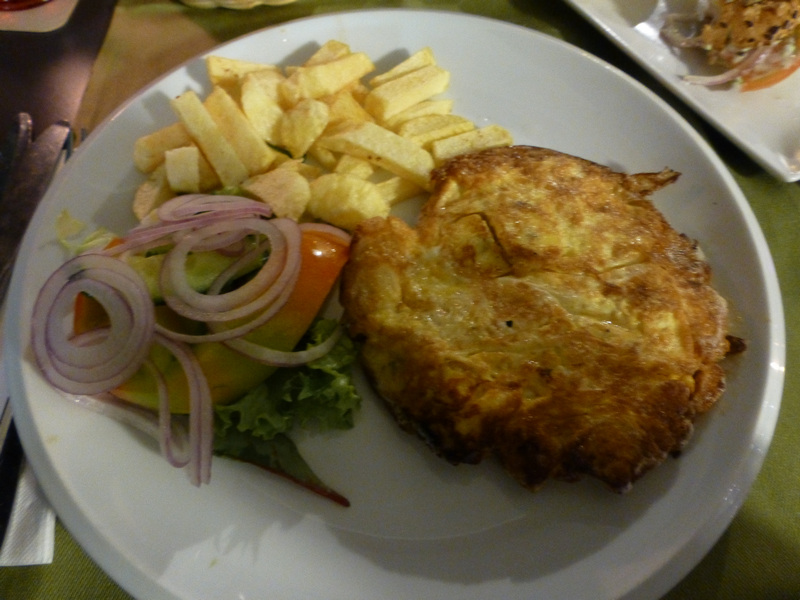
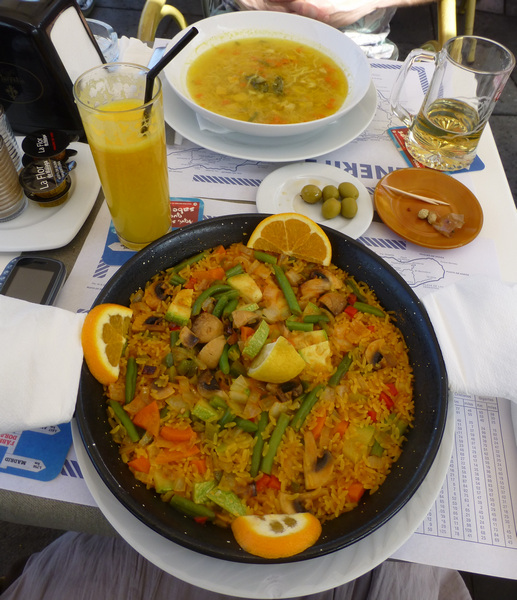
Typical food and drink: like any island, seafood is very popular here, and as part of Spain, one of the traditional dishes is the famous paella with seafood or vegetables. You can also try the local omelette with bananas. To drink, try the local barakito coffee, which is made with three layers: coffee, condensed milk and alcohol.
Places to visit: Loro Park (One of the best zoos in the world), a walk around Mount Taide, and a visit to the wonderful resort towns such as Puerto de la Cruz, Garachico, the historic center of San Cristobal de la Laguna and last but not least the main city of the island – Santa Cruz.

 TripTips