MADRID – THE HOTTEST CAPITAL IN EUROPE
author: Ana Boneva

The hottest capital in Europe, one of the highest capitals on the old continent and the third most populous city in Europe – this is Madrid, the Spanish capital since the 17th century. I had read so many things about the city that when I got off the plane, I had the feeling that I had already been here. However, this feeling quickly disappeared and the city managed to impress me.
From the airport to the city center, where our hotel was situated, we traveled by Metro, which was fast and very convenient. Madrid has the largest underground network in Europe after the one in London, consisting of 293 km and 300 stops. The first metro line was opened in 1919, and a century later we continue to enjoy this fast transport.
Our hotel was near the Puerta del Sol (the sun door), which is a large and lively square, which was believed to be the geographical center of both Madrid and Spain, so a dot was placed on the square indicating the Zero kilometer and the distance to other major capitals.


The name Puerta del Sol cames from the rising sun that was visible from this eastern gate, part of the city’s fortress walls from the 15th century. The name of the square fully corresponded to the warm weather in the Spanish capital. It turned out that this is the hottest European capital, where a record 40.5 degrees were measured. The day was no less warm and our sunny mood took us to some of the most beautiful sights in the city.
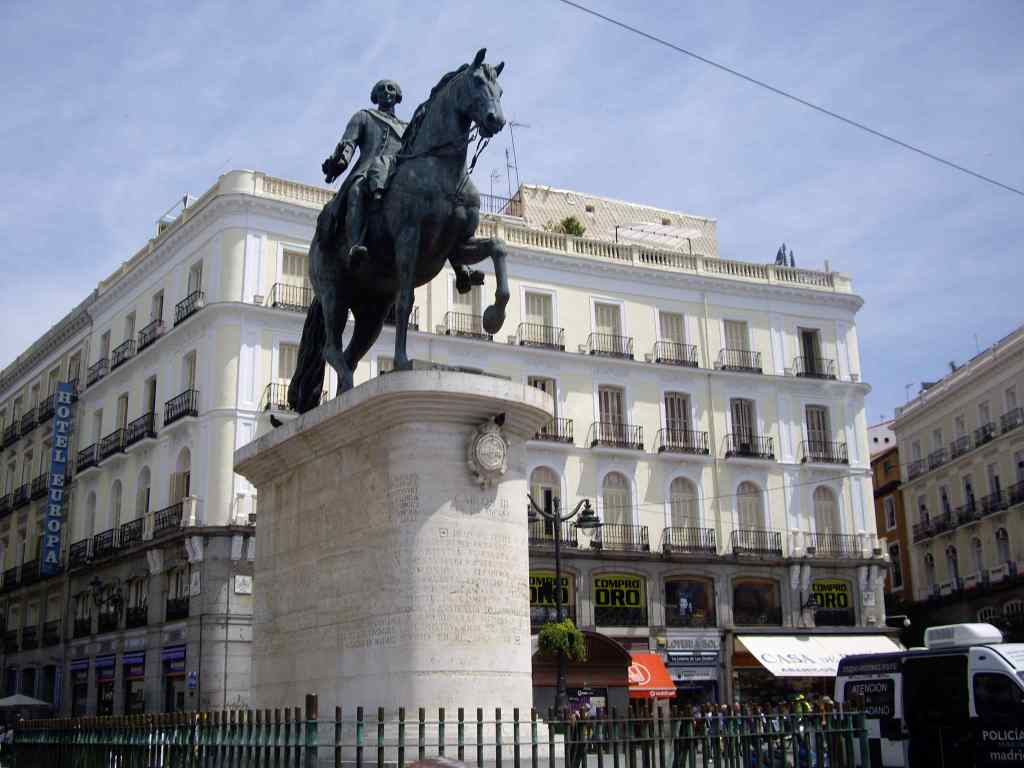
Among these places was the square in which we were located. In its center was erected a statue of King Carlos III sitting on a horse and overlooking the Royal Post Office (Real Casa de Correos), which is a beautiful red and white building with a clock tower. At the time, it was the first post office in Madrid, then a police station, and now the seat of local government. The rest of the buildings on the square were no less impressive, as well as the other small monument in a form of a bear holding a tree (El Oso y El Madroño). According to legends, the city was originally called Ursaria (from Latin: place of bears), due to the many animal inhabitants here, so it was the bear and the madroño tree that became the symbols of Madrid.


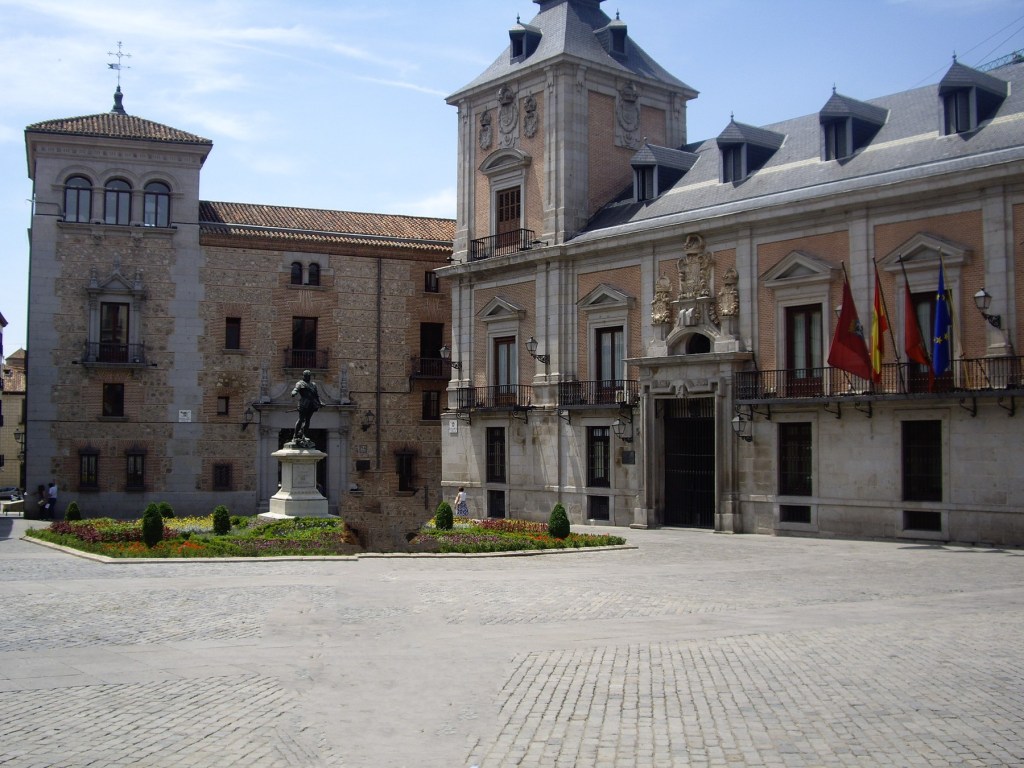

The name of the city, however, does not derive from madroño, but from the Arabic word “magerit” meaning “place of many currents”. And a current of tourist this time, took us to the next beautiful square – Plaza de la Villa (city square), which was a little further down the main street (Calle Mayor). In the past it was the main square in the city, and today the place where the former city hall and the former Academy of Fine Arts and the Archbishopric are located.
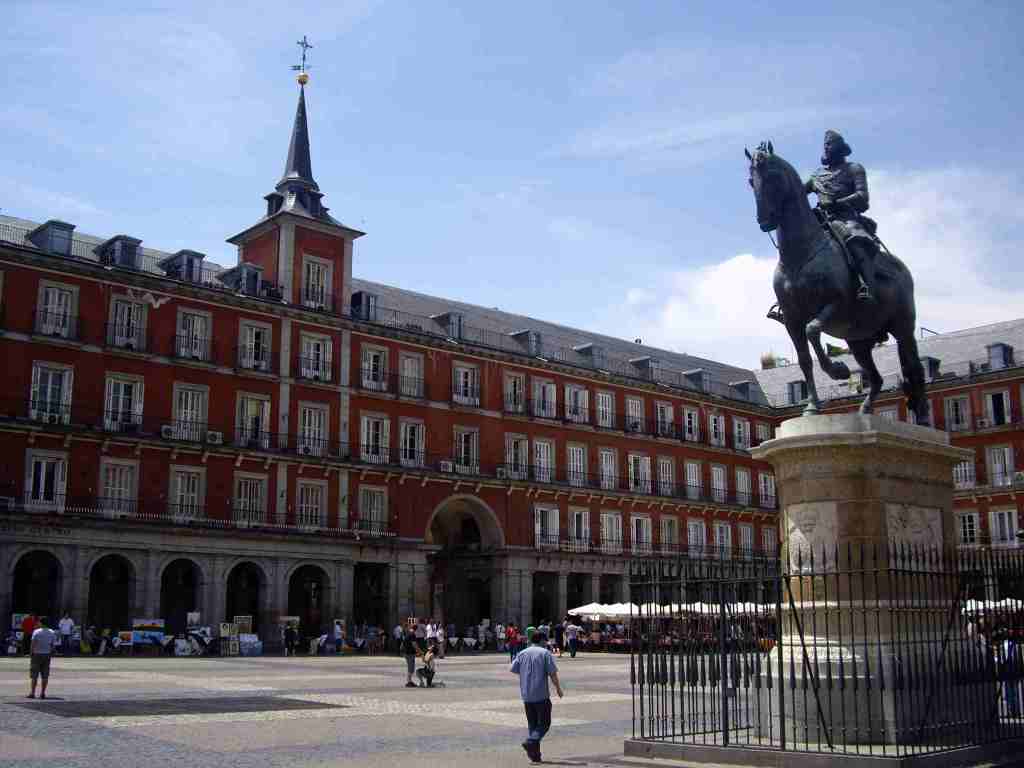
Even more remarkable was the next square – Plaza Mayaor (The Great Square), to which we got by following a German group. Initially, this square was outside the fortress walls and was used for bull races and markets. Today it is a place for tourists, offering them wonderful photos and picturesque cafes. In the middle of the square there is a statue of Philip III sitting on a horse, however, we liked the buildings with towers behind the horsemen more. It turned out that on this square, measuring 129 by 94 meters, there are three-storey buildings with a total of 237 balconies overlooking the square. There are 9 entrances to this square, and we chose the one we had come, as they say “the familiar way is the shortest way”.
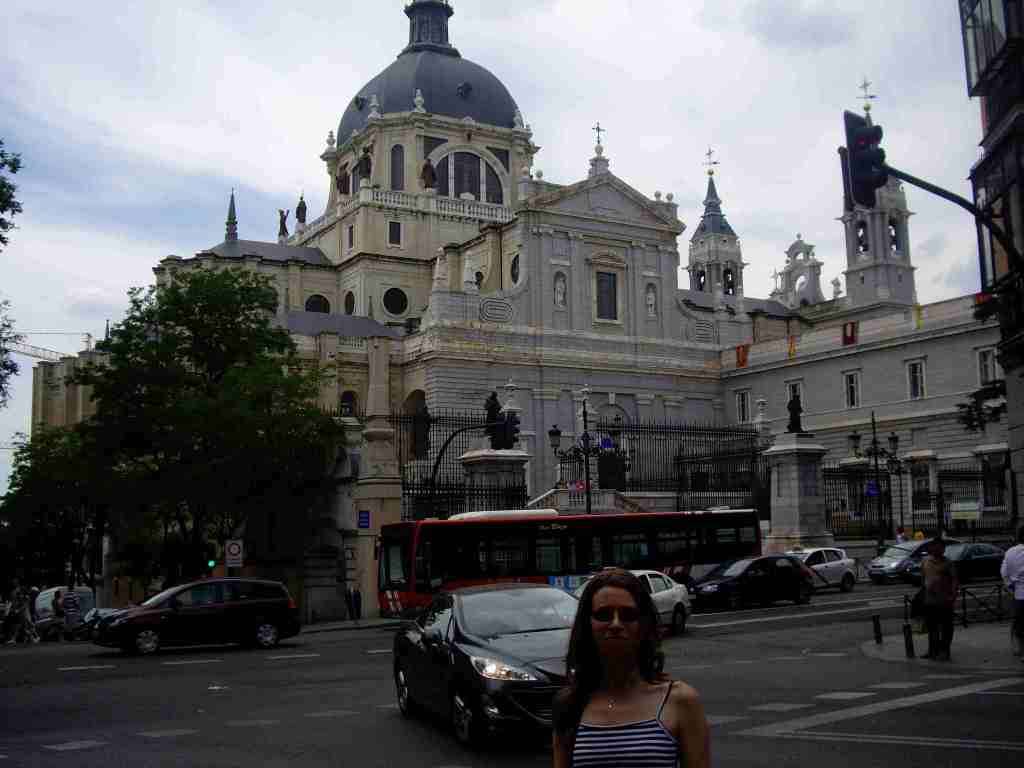

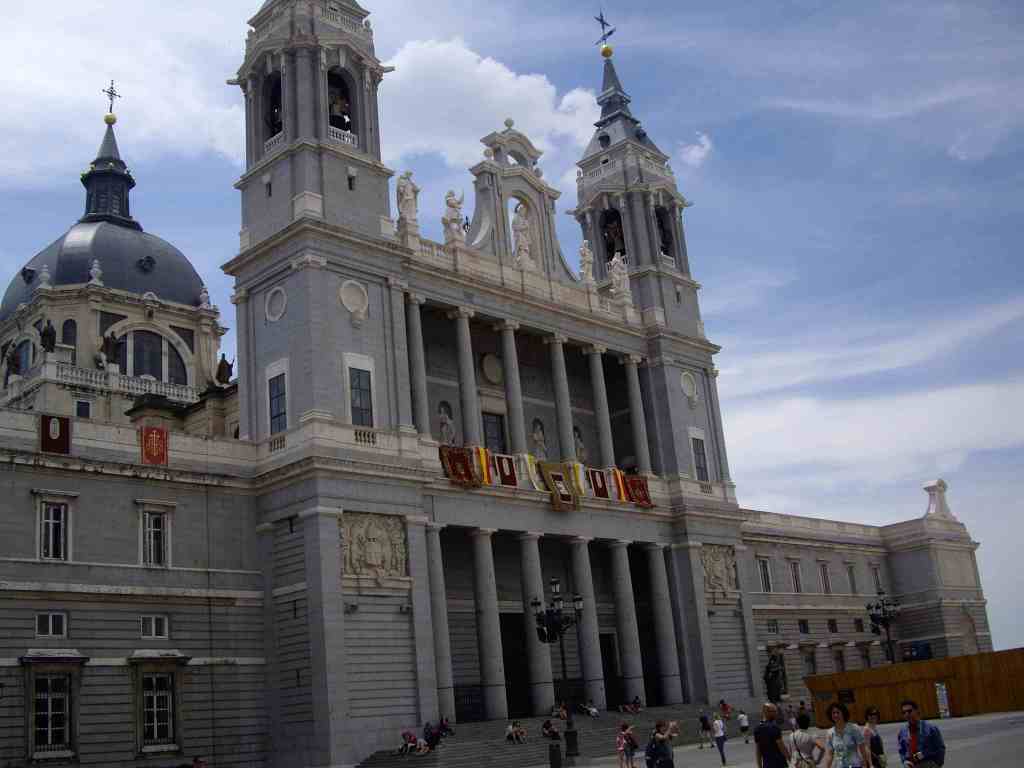
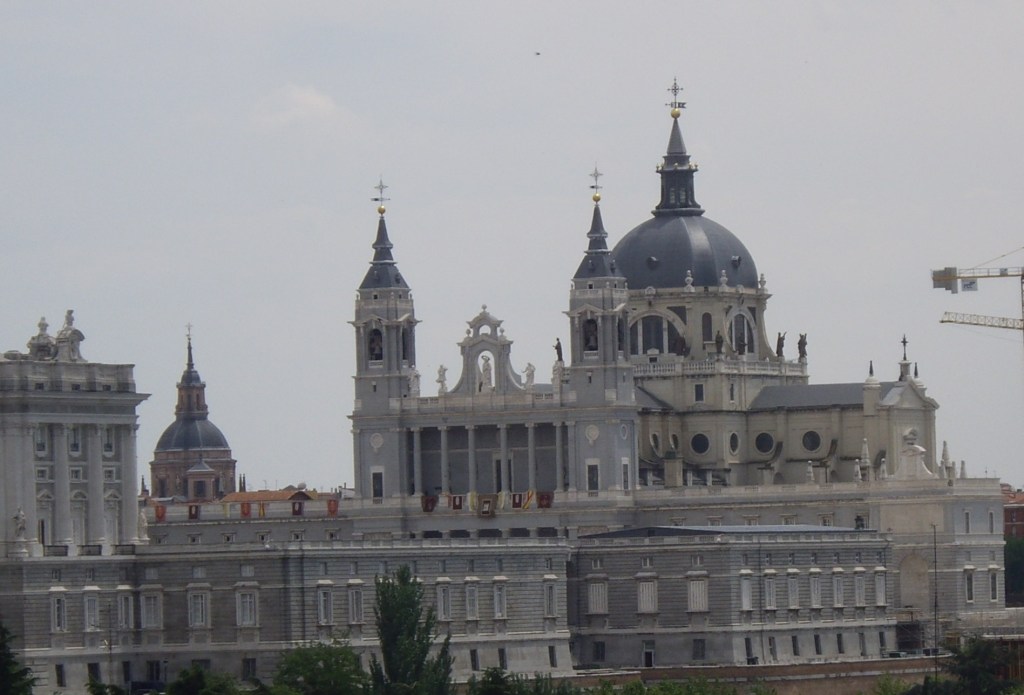
Calle Mayor took us to another Madrid jewel – the beautiful Almudena Cathedral. On its white façade there were exquisite statues, beautiful towers and a large dome. It turned out that when King Philip II moved the Spanish capital from Toledo to Madrid, he wanted to erect a majestic cathedral dedicated to the Virgin of Almudena. The plans were drawn in the 16th century, but the construction itself began in 1879. Today, the cathedral is as beautiful from the outside as it is from the inside, with beautifully decorated statues and chapels.
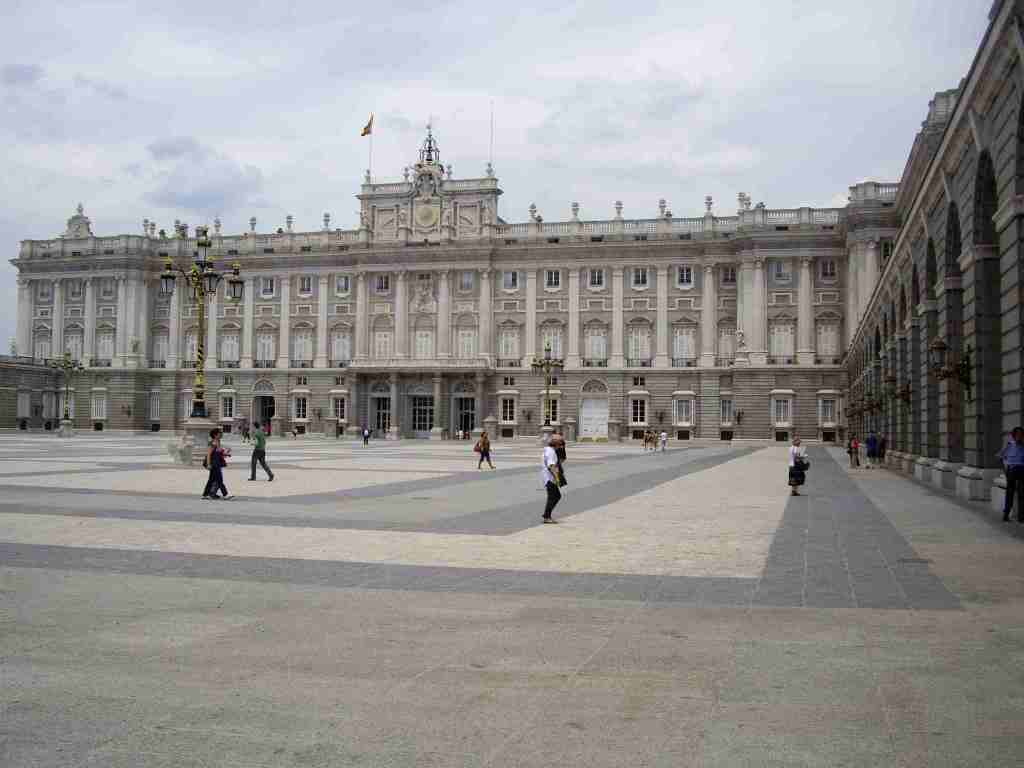
Right opposite the cathedral is the royal palace (Palacio Real), considered one of the most beautiful palaces in Europe. It was erected to replace the previous Alcazar Castle, which burned down 30 years earlier. Today, the palace can be toured almost entirely, but we were attracted more by its gardens. As we toured the palace and photographed it from all sides, our attention was drawn to the monument of Don Quixote and Sancho Panza erected in the nearby Plaza de España. Behind the monument stood the tallest buildings in Madrid and we wanted to see the city from above. However, instead of entering one of the tall buildings, we headed to the nearby lift that led to the Casa de Campo Park next to the Amusement Park and the Zoo.


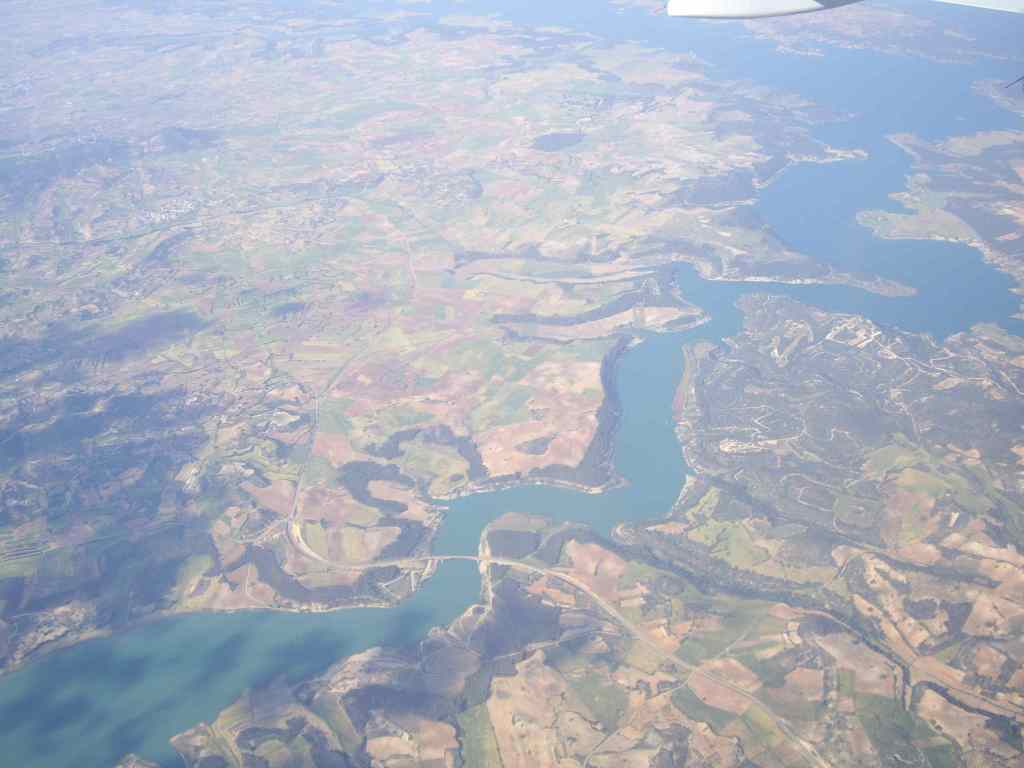
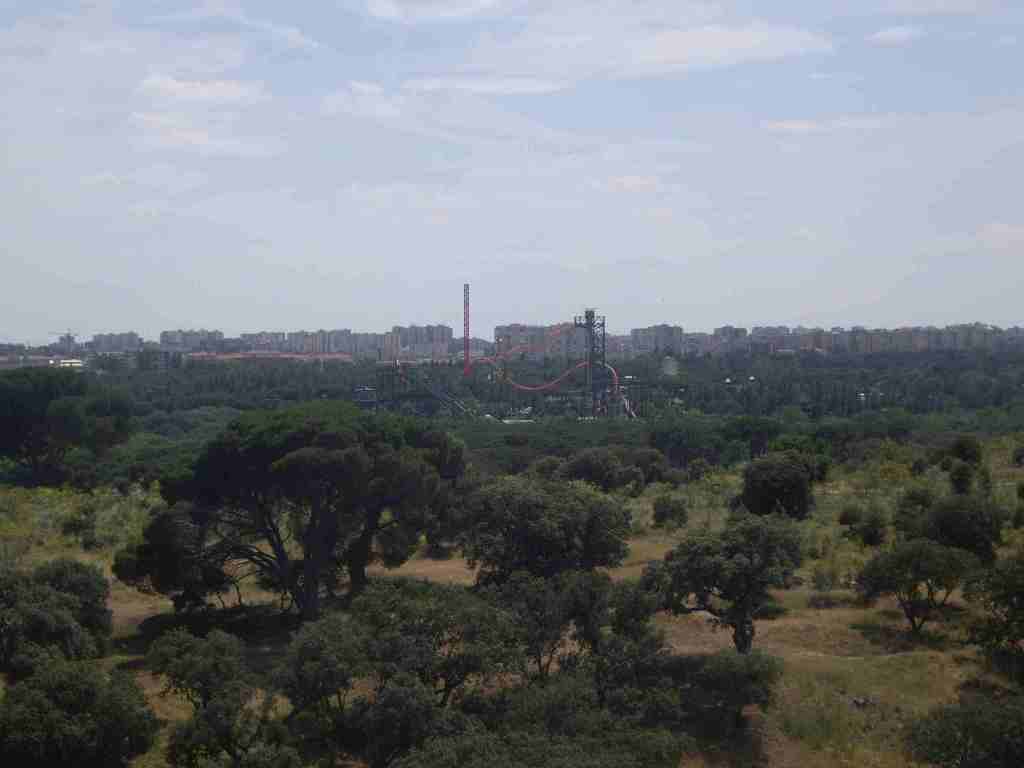
From a bird’s eye view, the city was no less impressive, passing over a river and a lot of greenery, which among the beautiful buildings we had not seen before in Madrid. The lift left us on a hill, from where we walked through the park to the nearest metro station. We saw from above one of the highest European capitals. It turned out that Andorra la Veya (the capital of Andorra) was the highest capital in the world, which was located at 1023 m above sea level, in second place was Madrid at 667 m and in third place was Sofia (580 m). Our capital was followed by Bern (Switzerland) at 542 m and Sarajevo (Bosnia and Herzegovina) at 518 m.


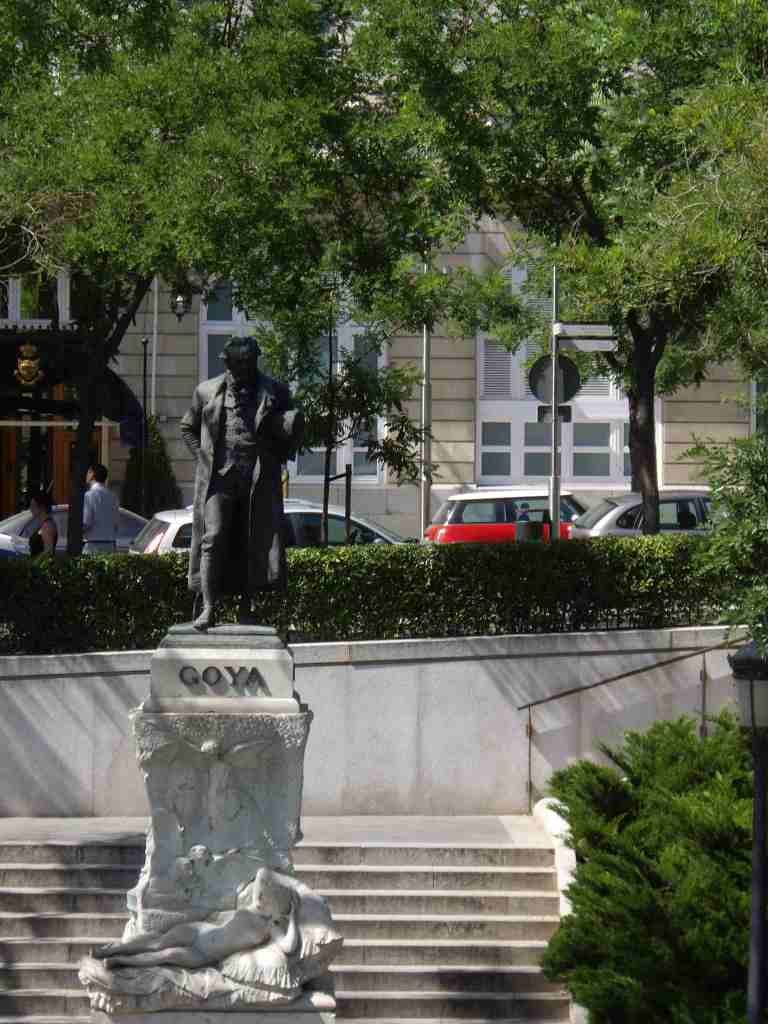
We reached the next landmark by metro (red line, L2), getting off at the Banco de Espania stop. We were in front of the world-famous Prado Museum, in front of which there was already a huge queue. The ticket price was 14 euros, but from Monday to Saturday from 18:00 to 20:00 the entrance was free and many like us took advantage of this. According to the Spaniards, the Prado Museum is the largest art gallery in the world, holding more than 8,600 paintings, of which less than 2,000 canvases are on display – most of them by world-famous artists. In addition to paintings, there was also a rich exhibition of statues, coins, etc. The rich exhibition came from the royal collection, newly acquired works, donations and bequests. The Prado Museum is undoubtedly one of the places worth visiting.
This museum is part of the three art galleries located in the immediate vicinity, forming the so-called. Golden Triangle. The other two galleries are the Museo Thyssen-Bornemisza, featuring works by Renoir and Van Eyck, and the Museo Nacional Centro de Arte Reina Sofia, which houses Spanish works, including Picasso’s Guernica.


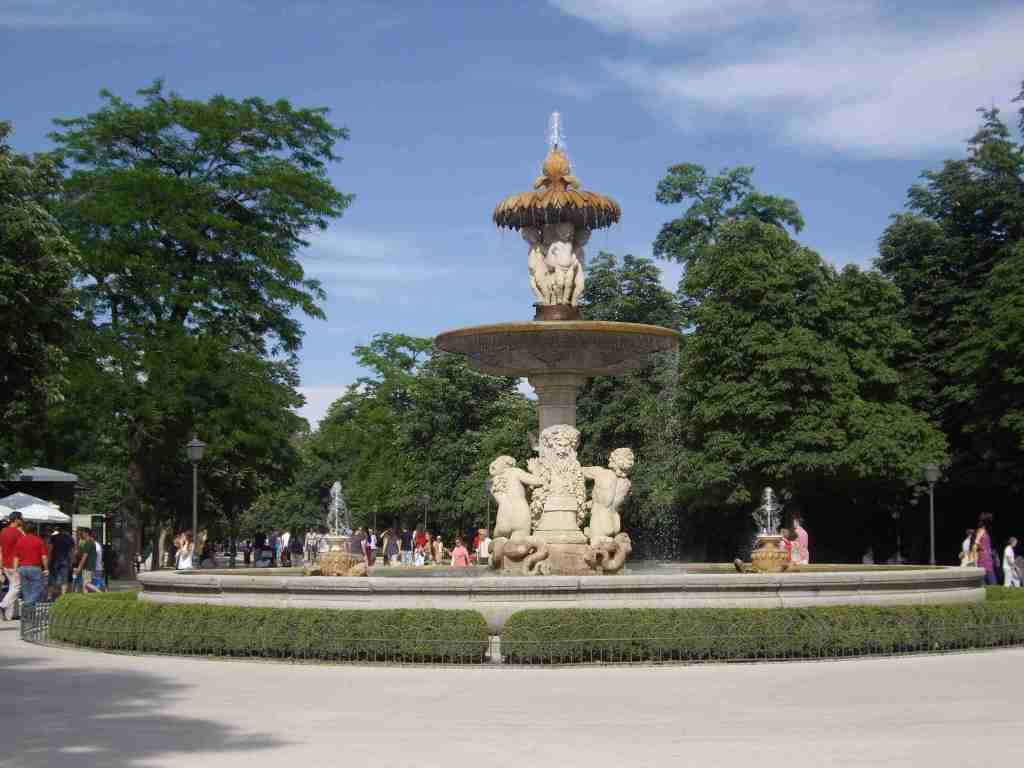


The next day we visited the Retiro Park, and we also took a day trip to Toledo. The journey from Madrid to Toledo by train was less than 30 minutes, and definitely the city managed to impress us. After returning back to the Spanish capital, we walked through the lively Retiro Park, which is a wonderful place to relax. There was a beautiful lake with boats, people had a picnic on the park alleys, and there were many attractions and performers who diversified the green landscape. Retiro Park is the first large park in Madrid, covering an area of 1.4 sq.km. At the time it was owned by the Spanish monarchs, and after the 19th century it became a municipal park.
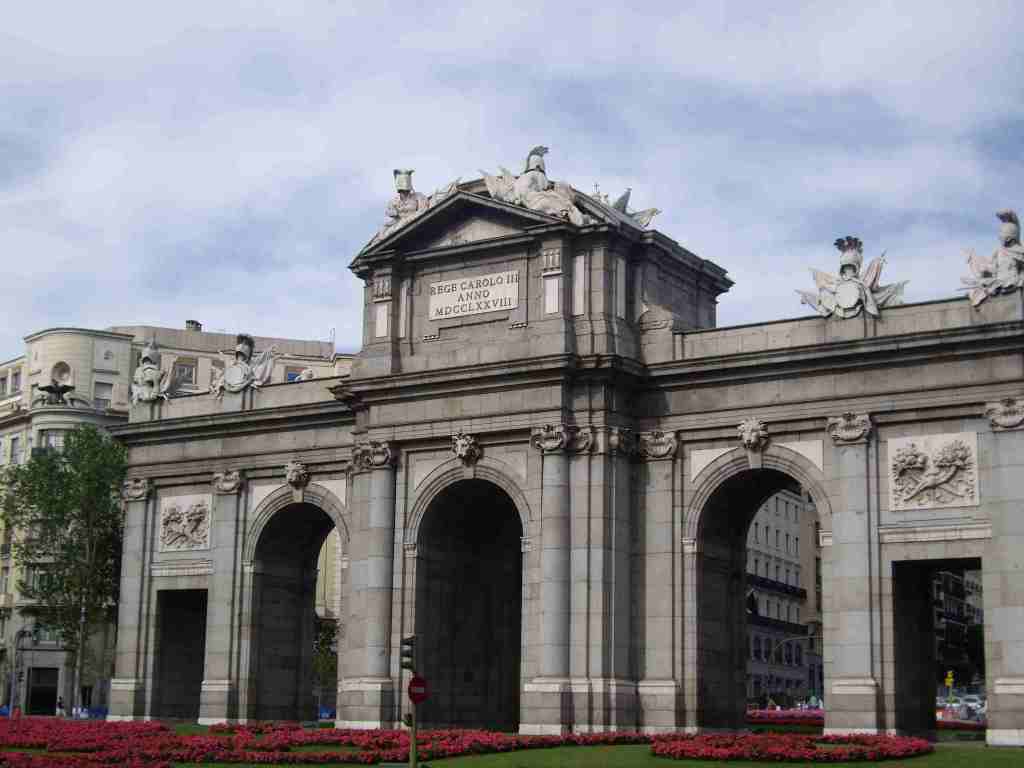
We left the park, by passing through a beautiful gate that led us to an even more beautiful fountain – the Fountain of Cibeles. The fountain was located in the middle of a roundabout, with the many passing cars making it difficult to take pictures, but it was still worth stalking and walking around from all sides. The fountain was named after Cybele or Ceres, the Roman goddess of nature, and depicted the goddess sitting on a chariot pulled by two lions.
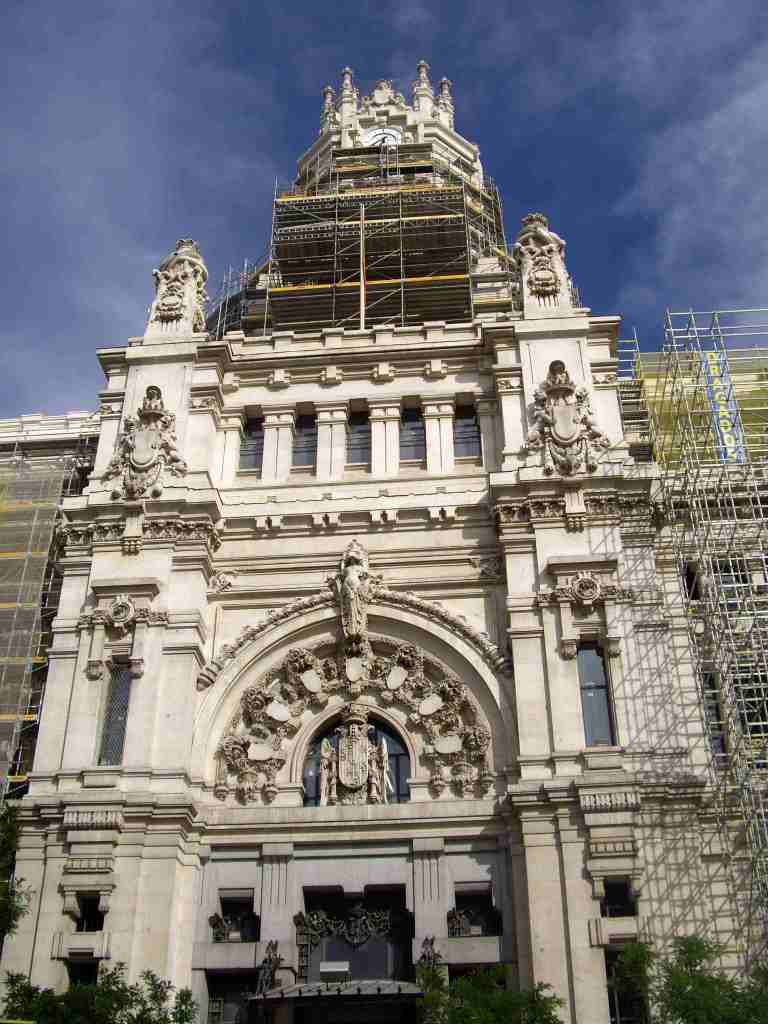
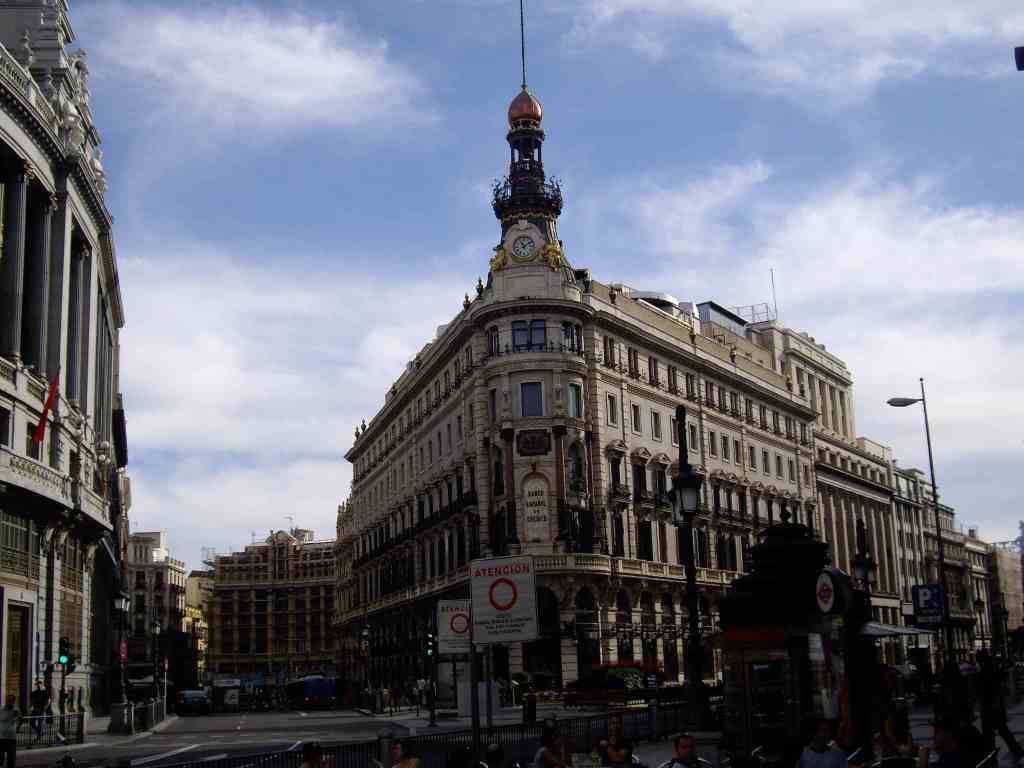
The fountain was not the only attraction in this square. It was also home to the Cibeles Palace, which resembled a cathedral and housed the Madrid City Hall. On the other side was the Buenavista Palace erected by the Duquess of Alba in 1777 and possessing beautiful French gardens. Just opposite the bank was another baroque palace erected by the wealthy banker Jose de Murga. No wonder they had made a roundabout here, among such beautiful buildings, probably everyone wanted to walk around them dozens of times.
In fact, this is true with the whole city. Madrid has a pleasant charm and arouses sincere admiration, attracting millions of tourists every year. Madrid is the most visited city in Spain and is at the top of numerous other rankings. The Spanish capital is the third most populous city in Europe, after London and Berlin. It has the second largest underground network, after the one in London, and is the hottest, literally and figuratively, capital of the old continent. Madrid is the place of many currents that I hope one of them will take me there again.


GENERAL INFROMATION ABOUT MADRID:
Location: Madrid is located in the central part of Spain, located on the banks of the Manzanares River, and the city is the political, economic and cultural center of the country.
Area: 604.3 sq.km
Altitude: 657 m
Population: 3 165 235 people
Climate: subtropical
Official language: Spanish
Time zone: UTC+1
Currency: Euro (EUR)
Additional Information: www.esmadrid.com/en
TRIP TIPS ABOUT MADRID:
Best time to visit: all year round
Typical foods and drinks: Cocido Madileño (traditional pork stew served with vegetables), Bocadillo de Calamares (shrimp sandwiches), Oreja a la Plancha (pork ears baked with spices and lemon), Tortilla or Spanish omelette prepared in different ways (I especially recommend tortilla de patata – the potato omelet). Spain is also famous for its wines, so be sure to try them.
Places to visit: Prado Museum, Royal Palace (Palacio Real), Almudena Cathedral, Plaza Mayor, Puerta del Sol Square, Cibeles Square, Retiro Park, Casa de Campo Park and the Lift, Royal Theater, Botanical Gardens, Sabatini Gardens, Santiago Bernabéu Stadium of Real Madrid, etc. It is also worth exploring the area outside the city – only 50 km northwest, e.g. is the famous monastery of San Lorenzo de El Escorial, and why not take a ride to the former Spanish capital Toledo.
 TripTips