ROMANIA – IN THE MIDST OF THE FESTIVAL
author: Ana Boneva

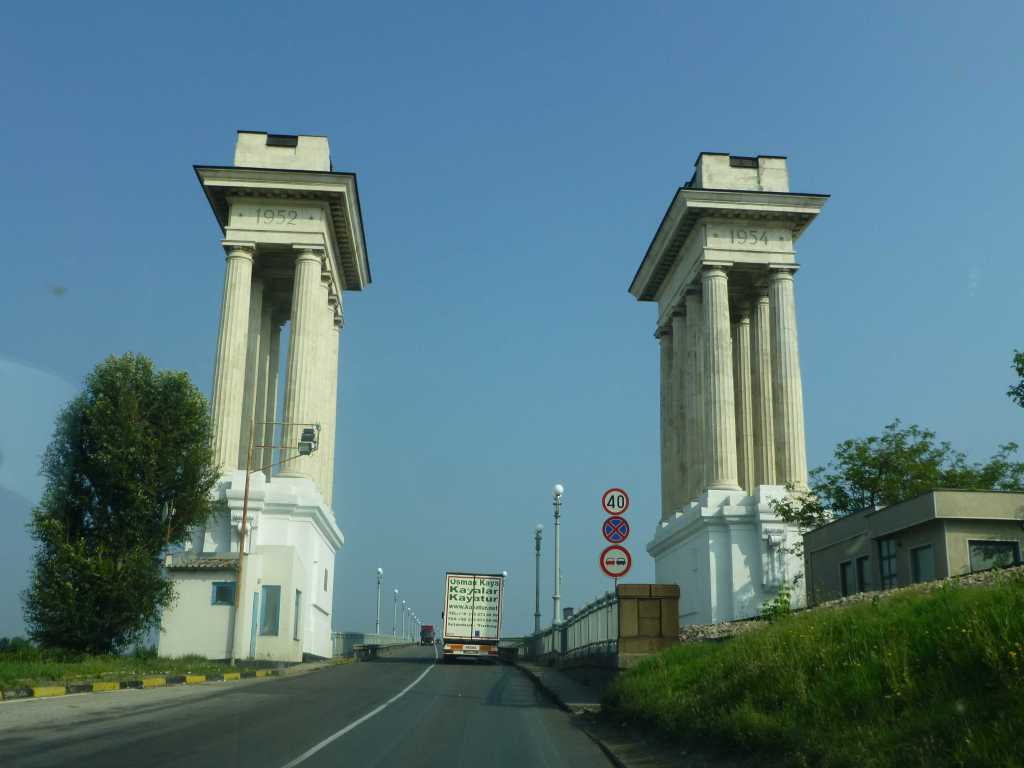
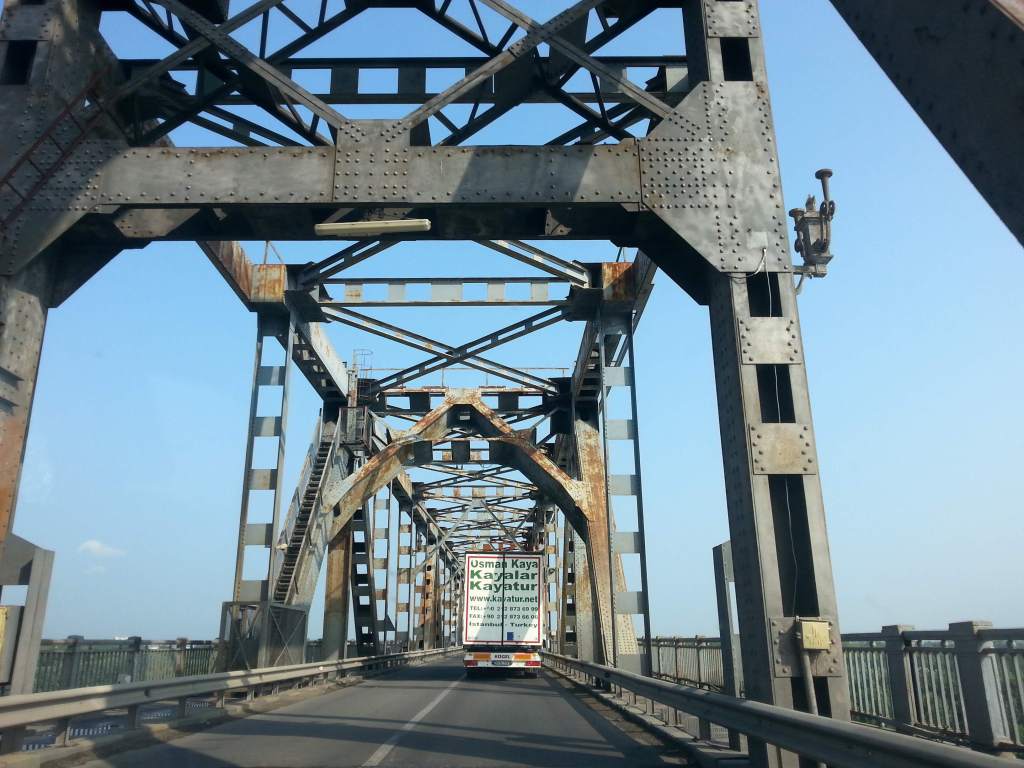
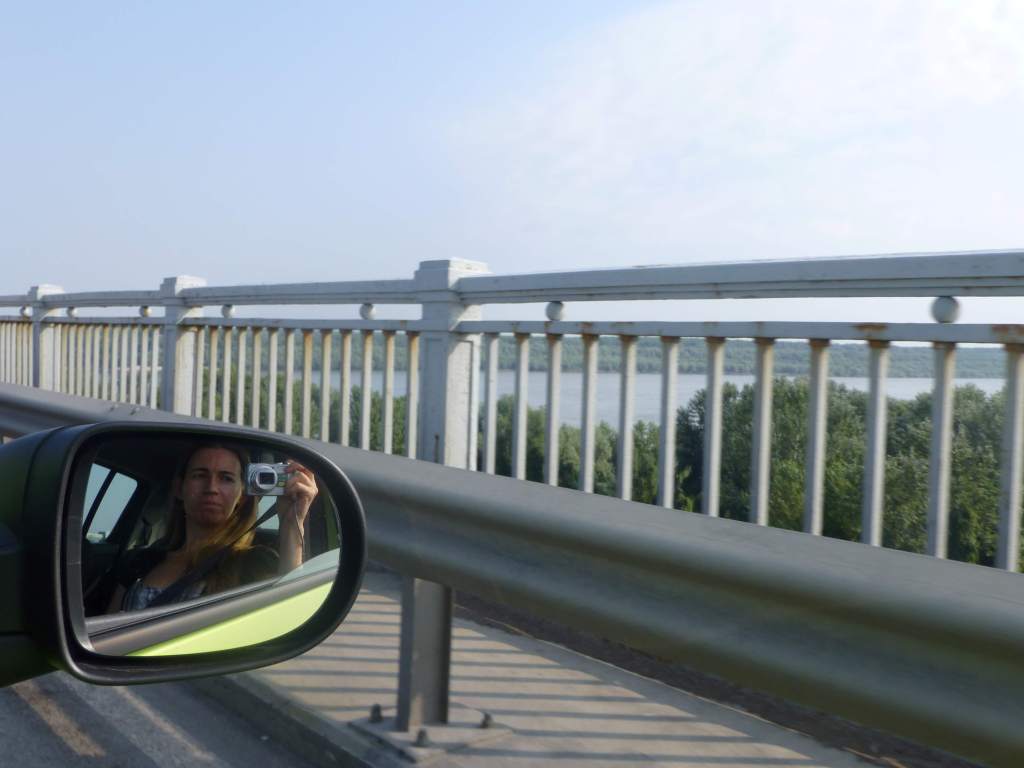
On July 25, the Orthodox Church celebrates the day of the Dormition of St. Anna – the patroness of marriage, family and motherhood, and on July 26 is the Catholic feast of St. Anna, that’s why we decided to celebrate my long name day in Romania, where several festivals were celebrated at the same time. We took the Ruse-Bucharest road in less than two hours, and we had a slight delay at the Romanian border until we bought a Romanian vignette. Before that, we did not have to wait and we passed quickly along the 30-meter high steel Danube Bridge, whose length was 2.80 km. At the very beginning of the bridge there were several high columns, with the left side inscribed 1952 (the year when the construction of the bridge had begun) and the second 1954 (when the bridge was officially opened). The bridge was built on 2 levels – for trains and cars, and at one time it was the largest combined bridge in Europe.
Surprisingly, there was no traffic jam in Bucharest and very quickly we moved north to Sinaia. We stopped at the OMV gas station, remembering the beautiful wooden castle of Peles, which was hidden somewhere in the forest in the mountains, very close, and which we had already visited. After Sinai, many mountain turns began. We also got into a traffic jam in a town before the ski resort Azuga. We were located at the foot of Mount Baiu, part of the Kurpati and there was a wonderful view of the peaks. On the way, we met street vendors offering many fruits and vegetables, some of which were served in handmade wooden baskets. Before Sighisoara, roadside traders were already selling wild mushrooms. There were also flocks of shorn lambs along the way.
45 km before Sighisoara, just opposite the town of Dacia, after which the Romanian cars were probably named, a wonderful castle was revealed on a hill in front of us. We photographed it from all sides, but in a hurry to Sighisoara we did not turn and visit it.


Our medieval walk was just beginning, reaching the town called Sighisoara built on a hill above the Tarnava MareRiver. The city was founded in the 12th century by German merchants who were invited by the king of Hungary to populate the lands “beyond the forests” (which is the most accurate translation of the name Transylvania) and help guard the borders. The town quickly grew into a large Transylvanian city, but was abandoned after a devastating fire in 1676. Most of the buildings today date back to the rebuilding of the city. The Old Town was one of the best-preserved fortified medieval towns in Europe and was part of the UNESCO World Heritage Site.
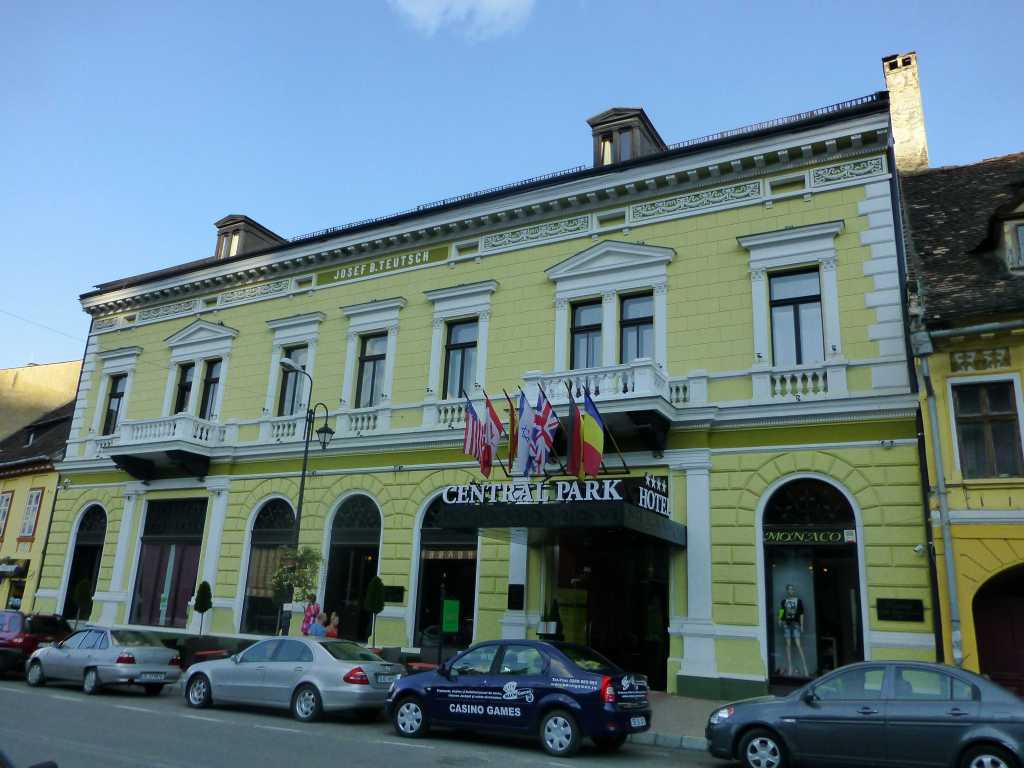
As soon as we entered the city, Sighisoara impressed us with its colorful and beautiful buildings, and our hotel Central Park Sighsoara****, which we found quickly, was undoubtedly one of the best hotels I had stayed in. The hotel lobby was like an art gallery. Our room had old-fashioned designer furniture and a bed full of pillows. No matter how cozy we felt inside, we quickly went outside, heading to explore the festival city.
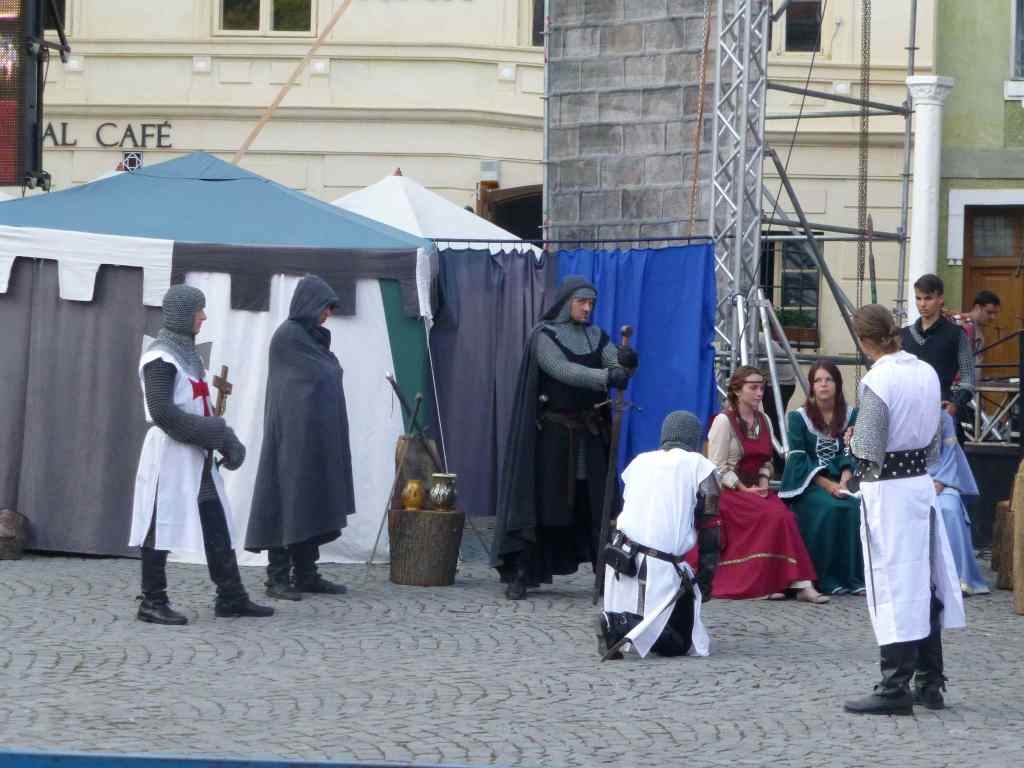
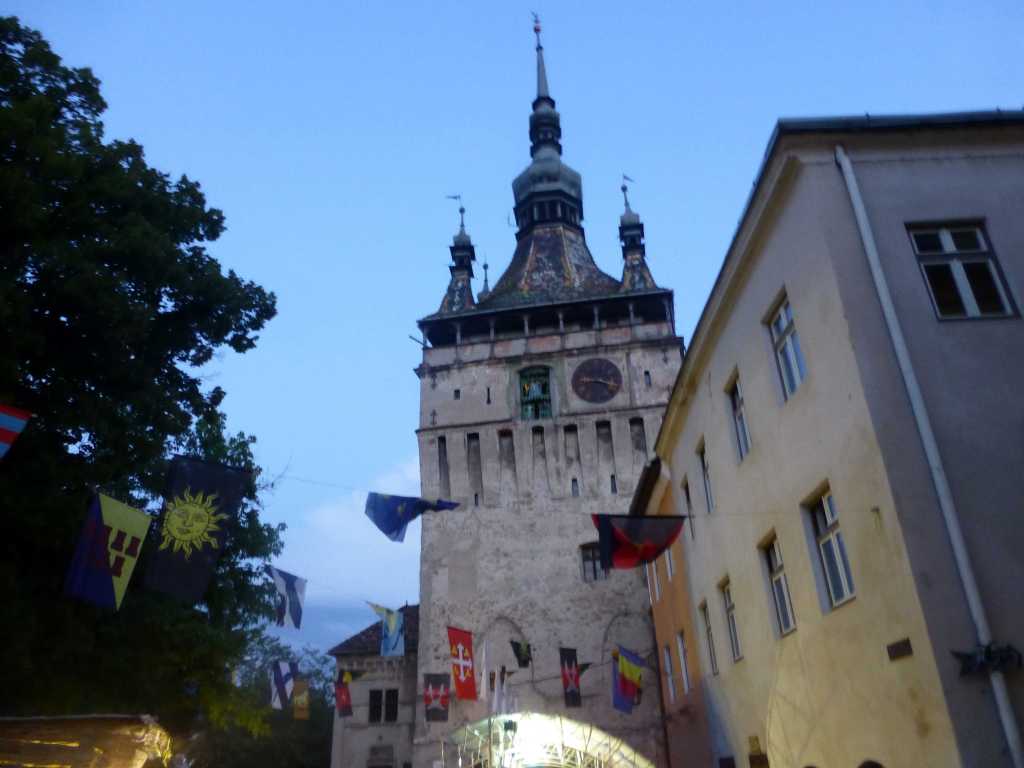
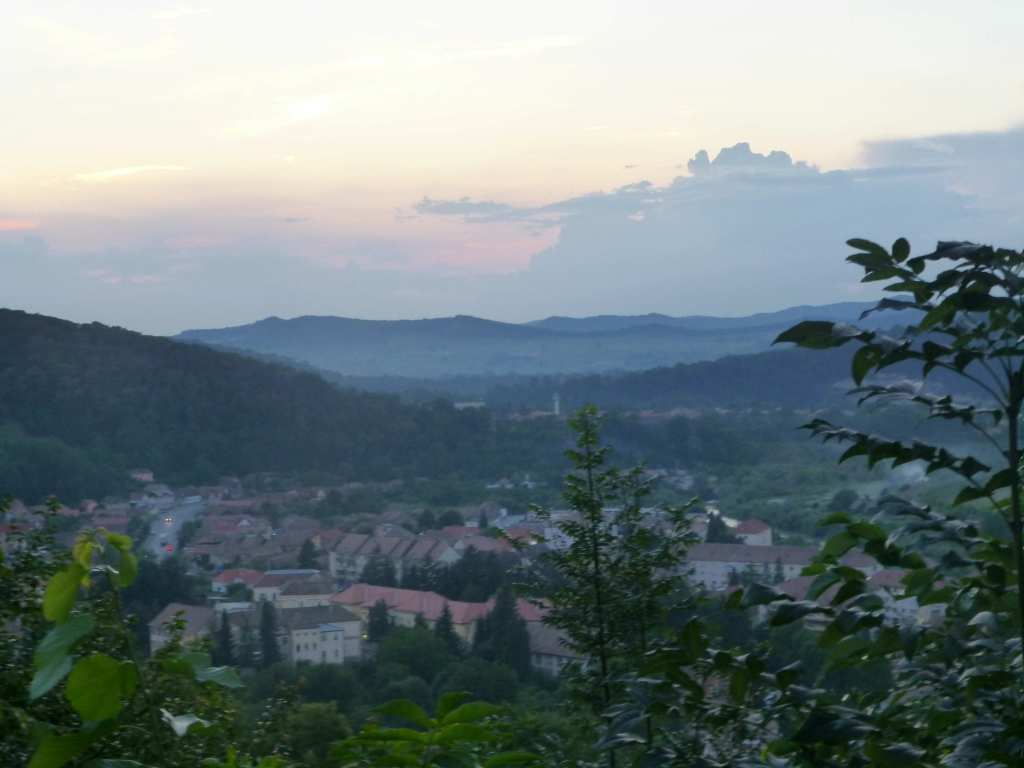
The medieval festival takes place every year on the last weekend of July, reviving historical moments from the Middle Ages and is often associated with the phrase “Once upon a time”. In search of medieval legends about the Templars, we climbed from the underside of the city to the fortress walls and the citadel. Since in the old part of Sighisoara there were many street performances and concerts on Friday, there was an entrance fee for passing through the fortress walls, but it was worth it, as on the other side of the fortress there was music and there were many people in traditional costumes. A crowd had gathered near the entrance watching fencing lessons, and the teacher was a Templar. To see better, we decided to climb high, and there was no taller building and a better panorama than the Clock Tower (Turnul cu Ceas), erected in 1360. Today it houses a historical museum and a wonderful panoramic platform from a height of 60 meters, from which a view of the whole city was revealed.


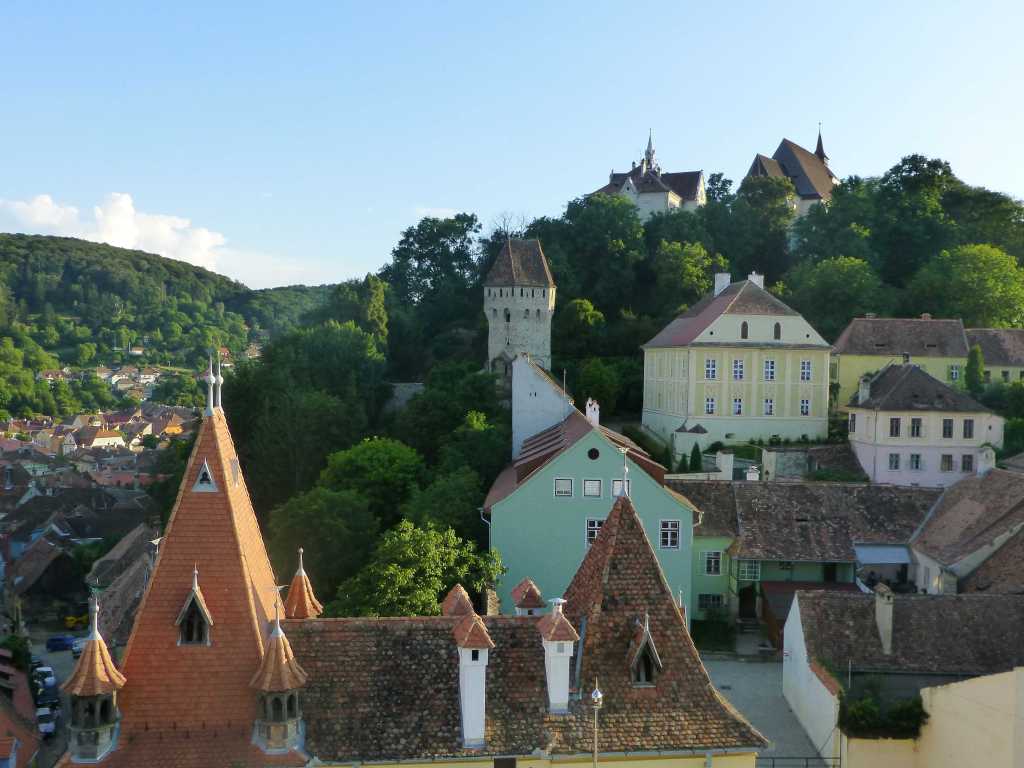
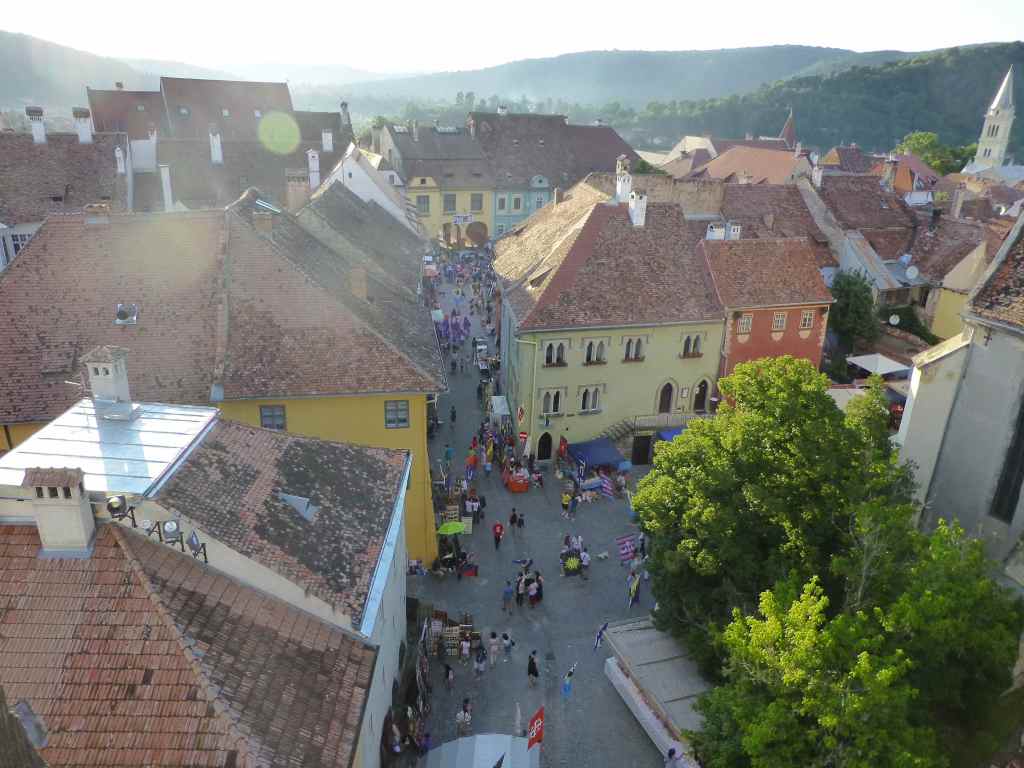


Everywhere in the streets there were flags waving – probably of some knightly order or regional city. The festive atmosphere spread throughout the streets. There was a separate stage in several small squares and performances were played, recreating legends about the Templars. We walked around the inside of the fortress walls, photographing almost all of the nine towers, which were originally 14. Most of the towers bore the names of crafts – the tower of the goldsmiths, the tower of the spinners, the tower of the butchers, the tower of the tanners, as well as the sturdy tower of the tailors, which was located at the opposite end at the clock tower and was the second main entrance to the citadel. Inside the fortress walls, the variety of towers continued, such as the tower of the weavers, the tower of the shoemakers, the tower of the coopers and the tower of the blacksmiths.
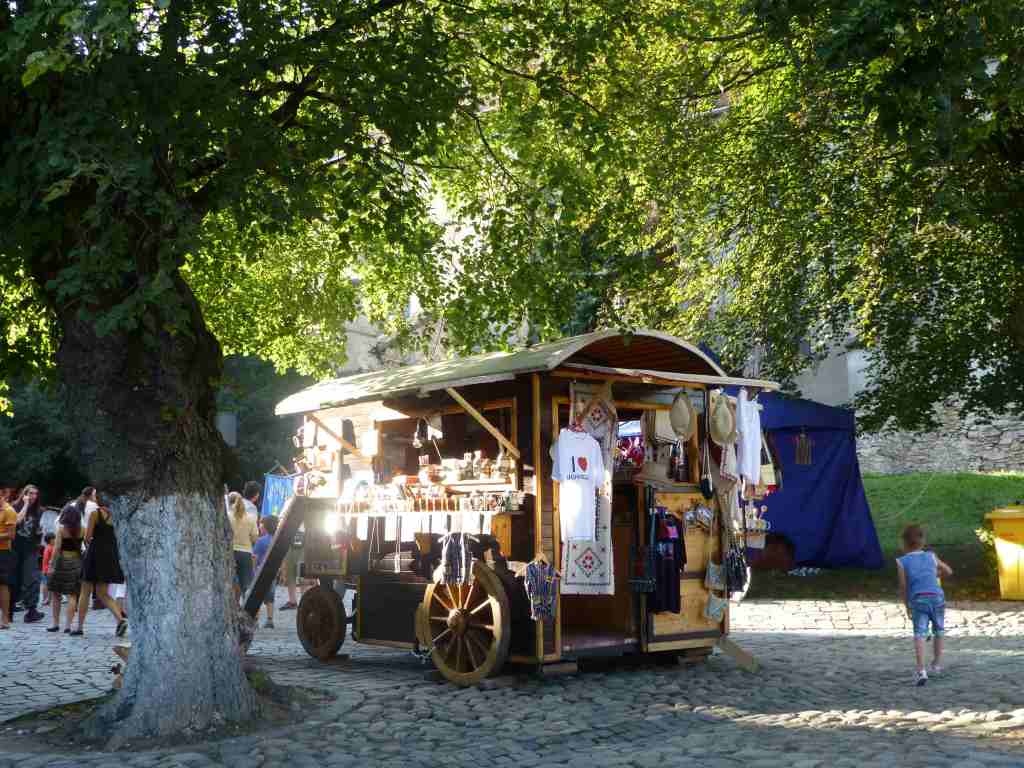
Passing through the many beautifully arranged souvenir carts, whose merchants were dressed in medieval costumes, and stepping along the cobbled medieval streets, we had the feeling that we had really gone back centuries, being in a large Transylvanian city. All the houses were neatly painted, and in the distance protruded the high towers to which we were headed.
Except on the map of the city, we would not have guessed the name of the huge tower of the Tailors from anywhere else. There were no painted needles or fabrics to suggest the purpose of the tower, which was erected in the 14th century. Initially, the clock tower and the tailors’ tower had the same shape, but after the great fire, the tailors’ tower was expanded and rebuilt again. On the ground floor, two passages were left for entering and exiting the city, with iron bars on either side of the two doors that lowered and closed the road.
The next tower in front of which we took a photo break was the tower of the shoemakers. The pointed tower was much more picturesque. It was first mentioned in 1594, but in 1676. was completely destroyed. It was re-erected from the dust, taking on this light baroque appearance from 1681.
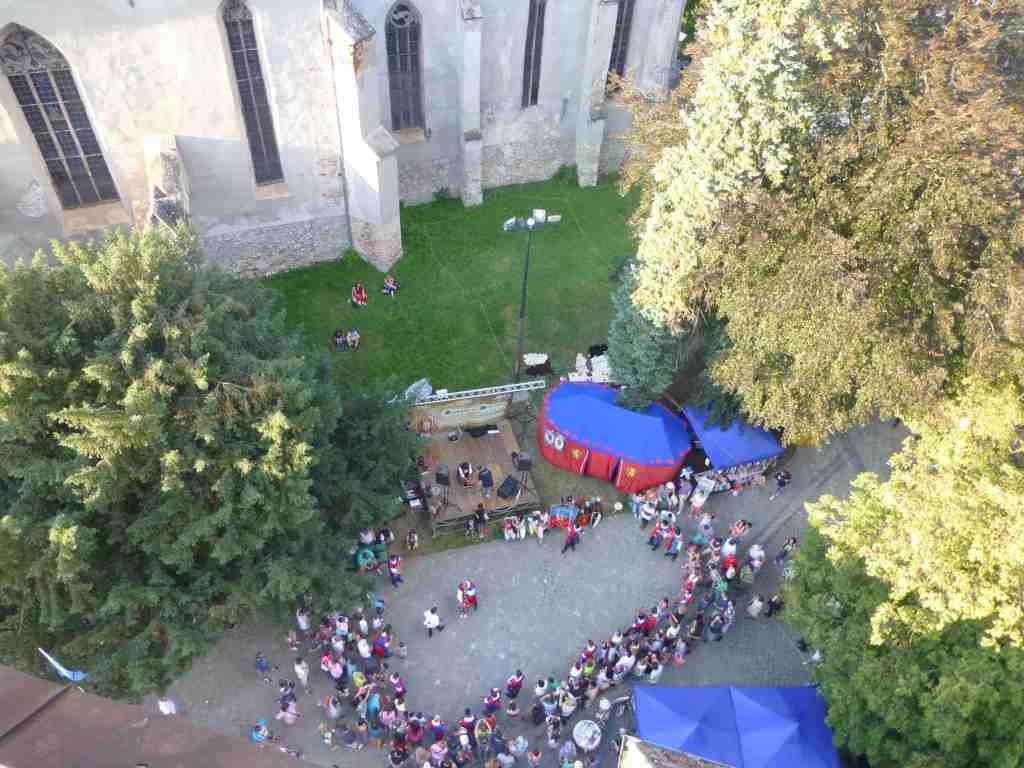
We went back to the central square, with the big stage, numerous flags and even more visitors. This time our attention was drawn to the Covered Steps (Scara Scolarilor), which were old stone steps with a wooden roof dating back to 1642. They led to the churches on the hill, the old cemetery and the school on the hill.
The covered steps were not illuminated at all, and the small beams of rays did not make it easy for passers-by, who were careful not to hit the steps and fall. However, the climb was worth it as a beautiful building in pale beige color was revealed in front of us. Everywhere there were also signs that lead to the school, which dates back to 1619. The classrooms were small, but the wooden desks looked comfortable. On the hill there was another tower part of the fortress walls, which turned out to be that of the people who make ropes (Turnul Franghierilor). Thinking about it, it was probably better to go down by rope than on the dark 175 covered steps, which at the end of the day were even darker, and I thanked my phone, which had a flashlight for such cases.
On the hill there was also a beautiful church dating back to 1345, which was originally Catholic and then became Lutheran. It was dedicated to St. Nicholas. We did not manage to enter it, but from the advertising brochures, we learned that ancient and valuable religious sculptures and paintings are kept here.





In the center of the big stage, the concerts had already begun, and there were dancers in folk costumes. An interesting spectacle followed with many knights, who were apparently trained in chivalry, and had a good, handsome, but strict teacher. During the performance, torches were lit, and although I could not hear the crackling of the twigs in them from the loud music, the aroma of burning dry wood was in the air. It was pleasant and I liked the performance, although I did not understand much of the text.
In the dark, we passed again by Vlad Dracula’s house (Casa Vlad Dracul), which during the day was full of tourists and we did not manage to visit, as Vlad the Impaler (Dracula) was born here. The museum house consisted of 2 rooms, and there was a restaurant on the upper floor. It is interesting how in such a picturesque and beautiful city as Sighisoara such a cruel man was born, whose legends continue to spread all over the world. In fact, Vlad the Impaler was the ruler of Wallachia, the son of Vlad II Dracula and Princess of Moldova. His father was a member of the Order of the Dragon (which in Romanian was Dracul, with a second meaning: Devil), and this was also the emblem of the house. Vlad Dracula was a cruel ruler and loved to torture and kill people. Later in the books, he was described as a man who drank people’s blood, even if it wasn’t exactly like that, a lot of blood leaked through his fault.
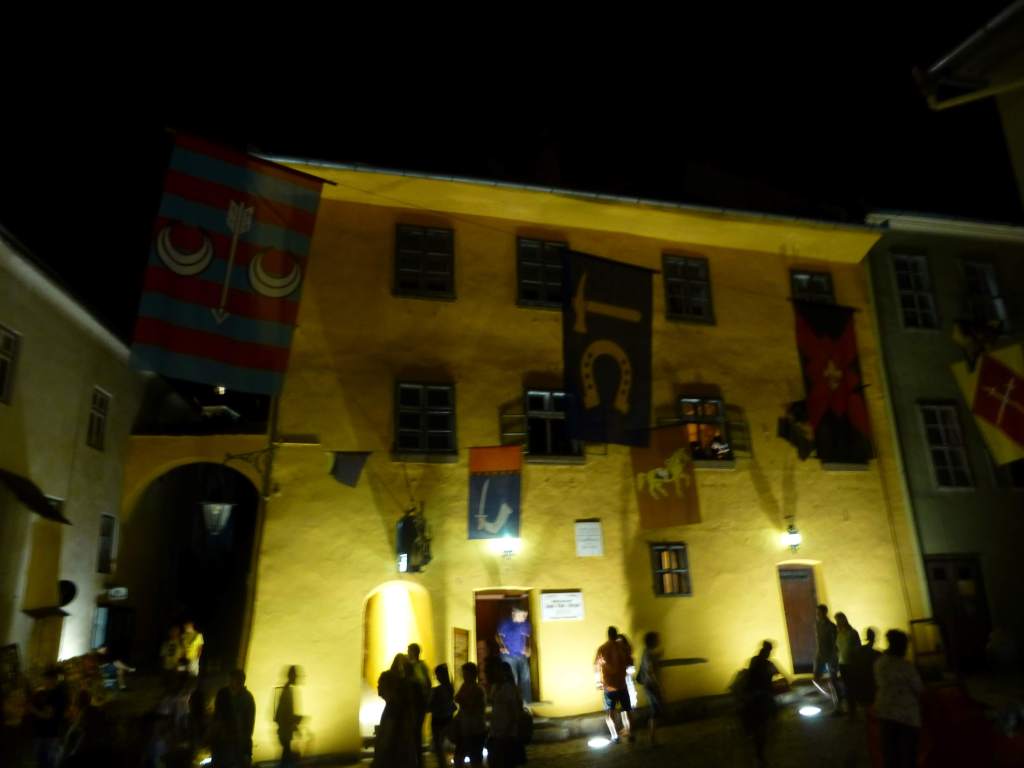

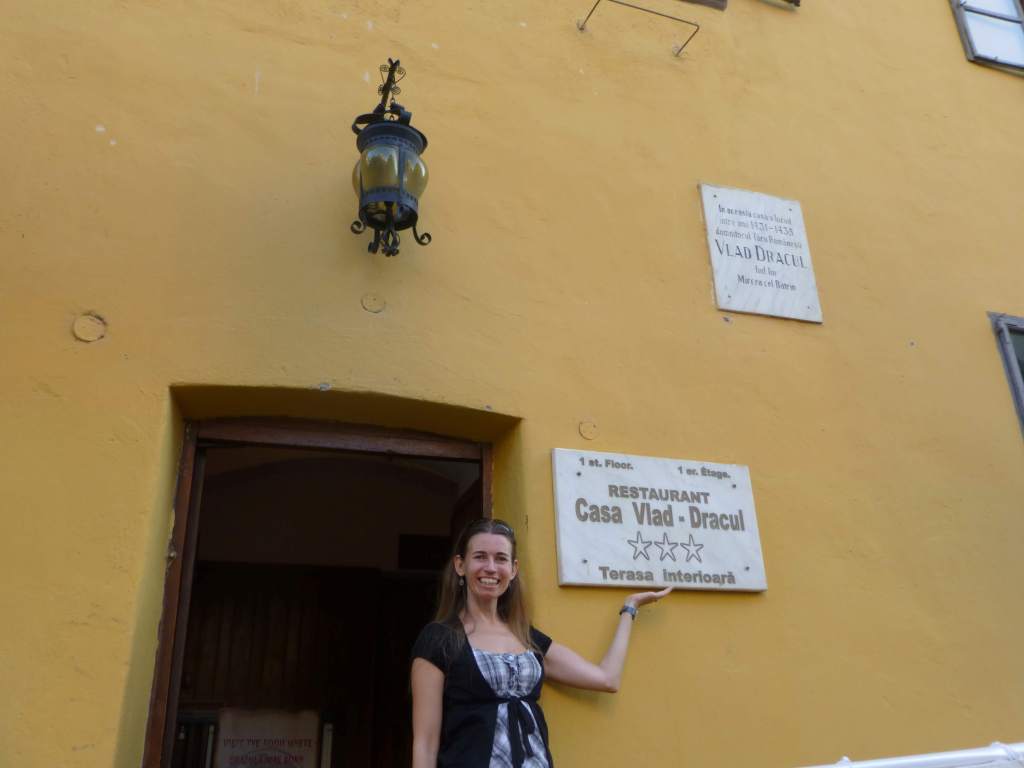
We passed again by the beautiful clock tower where the Lutheran church Biserica Manastirii was located since 1291. It was past midnight, but the concerts on the streets continued. It was as if no one wanted to go home and go back to the 21st century. We did not have this problem. Our hotel room was beautifully decorated with vintage furniture and the feeling of going back in time remained at night.
We liked the medieval Sighisoara very much – the strong fortress walls, the colorful houses, the kind people and the festival, which only reinforced all this. Since 1999 the historic center of the city was included in the UNESCO list, and since 2014 it was on our list of the best places we’ve seen so far.

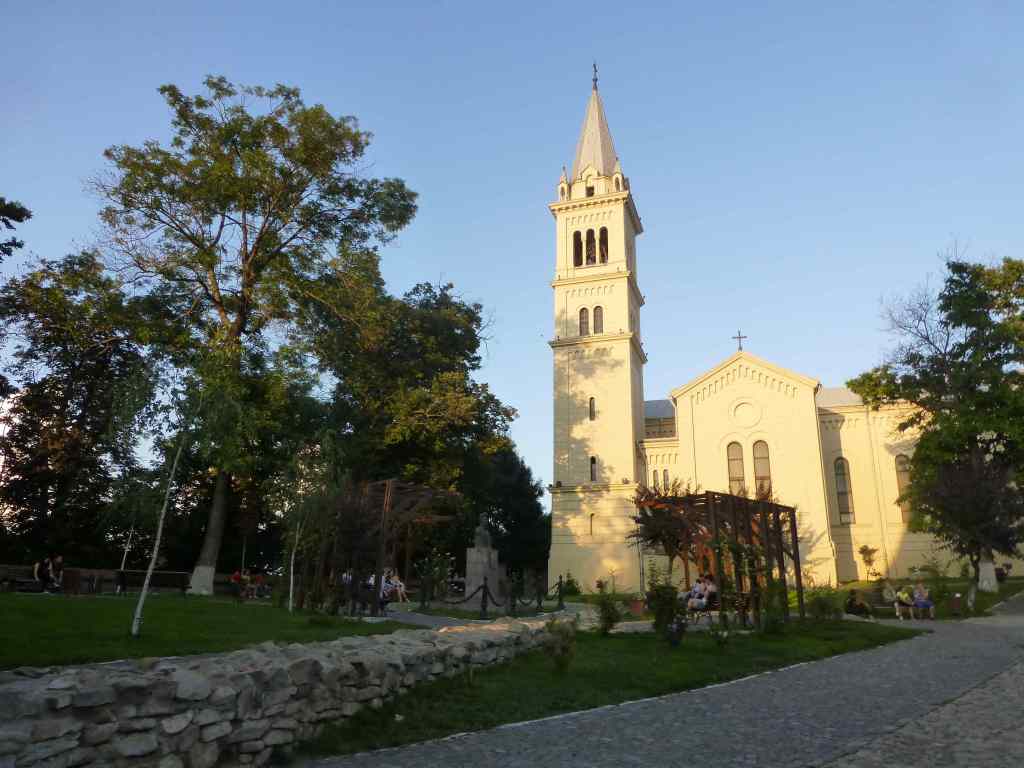


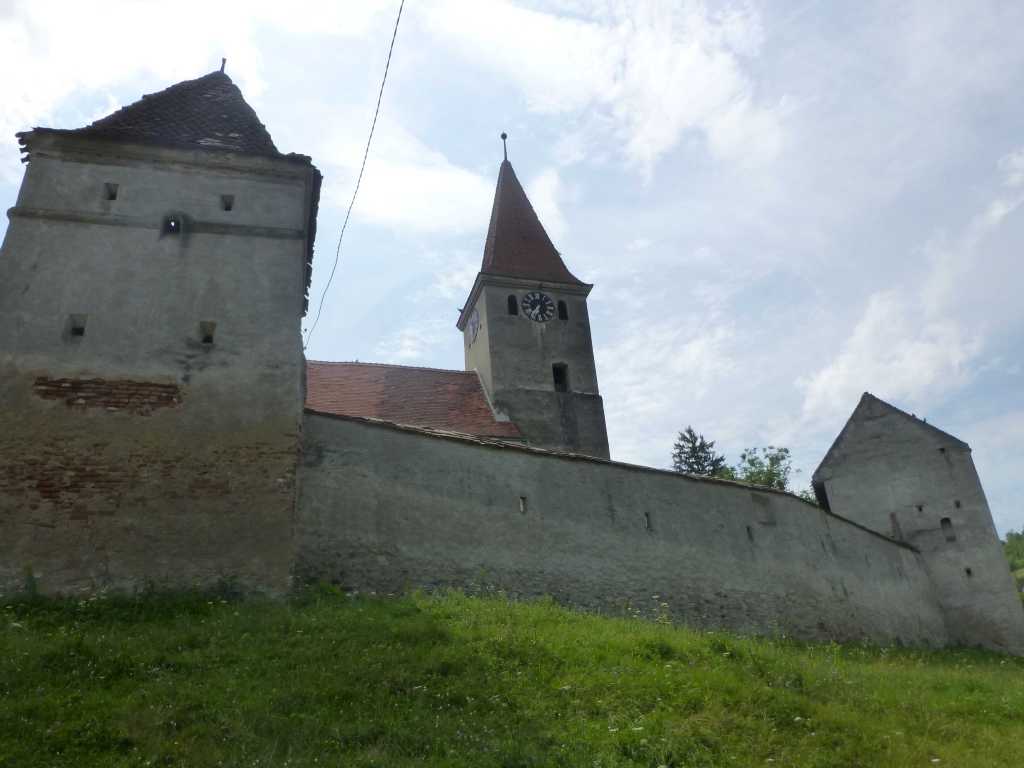
The next morning, after breakfast, we headed to Sibiu. The distance between the two cities was only 93 km, but there were such beautiful places on the way that we extended this trip. First, we stopped in the picturesque village of Bierton, from where a beautiful castle protruded, but the fortress walls were closed and we were satisfied with only photos from the outside. It turned out that it was actually a fortified church dating back to the 16th century, which was also included in the UNESCO list.
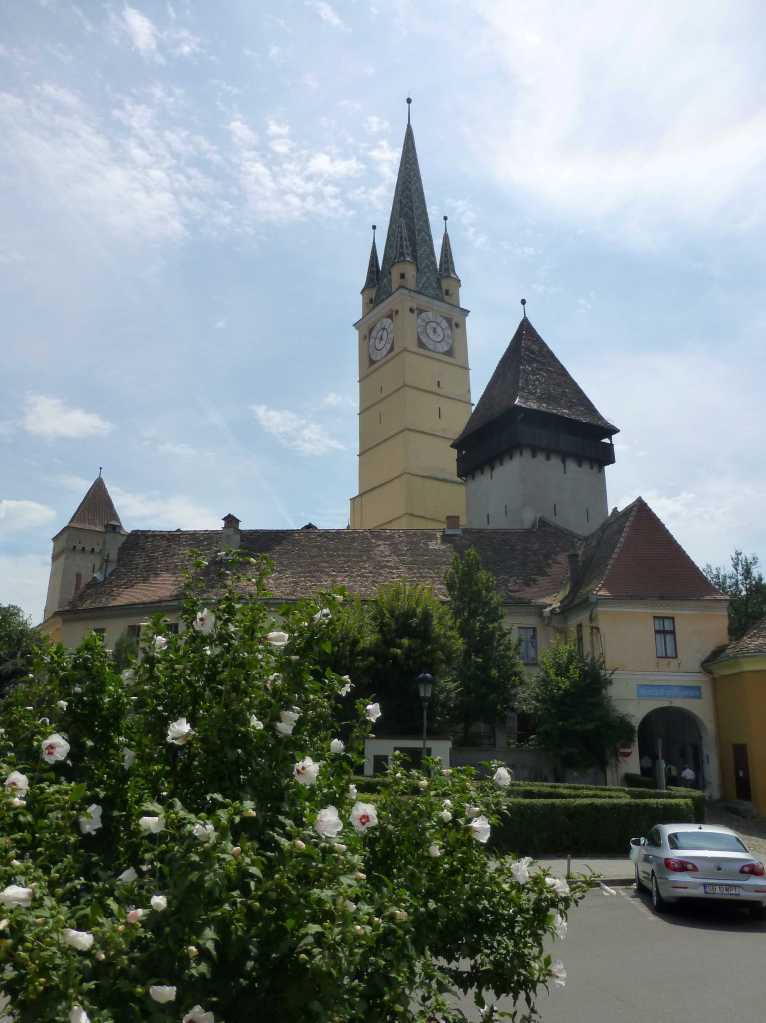
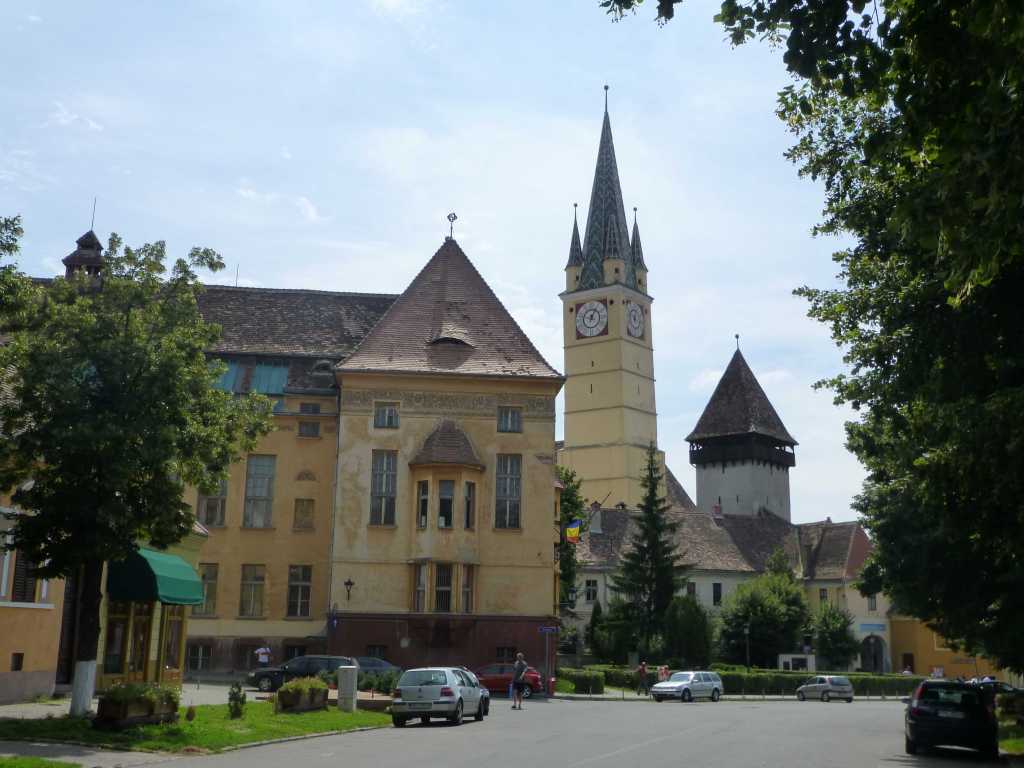
Our road also passed through the medieval town of Medias, which also attracted us with its fortress walls and its old center, where we parked the car. Behind the fortress walls there were many beautiful houses, parks and churches. Time seemed to have stopped here too. There were almost no people on the streets. Ancient buildings seems to look for passers-by. From the center protruded the high tower of the church of St. Margaret, as well as the even older 70-meter tower from the 13th century, probably part of the fortress walls. The emblem of the city was a hand holding bunches, which we later learned embodied the good wine for which the city was famous.

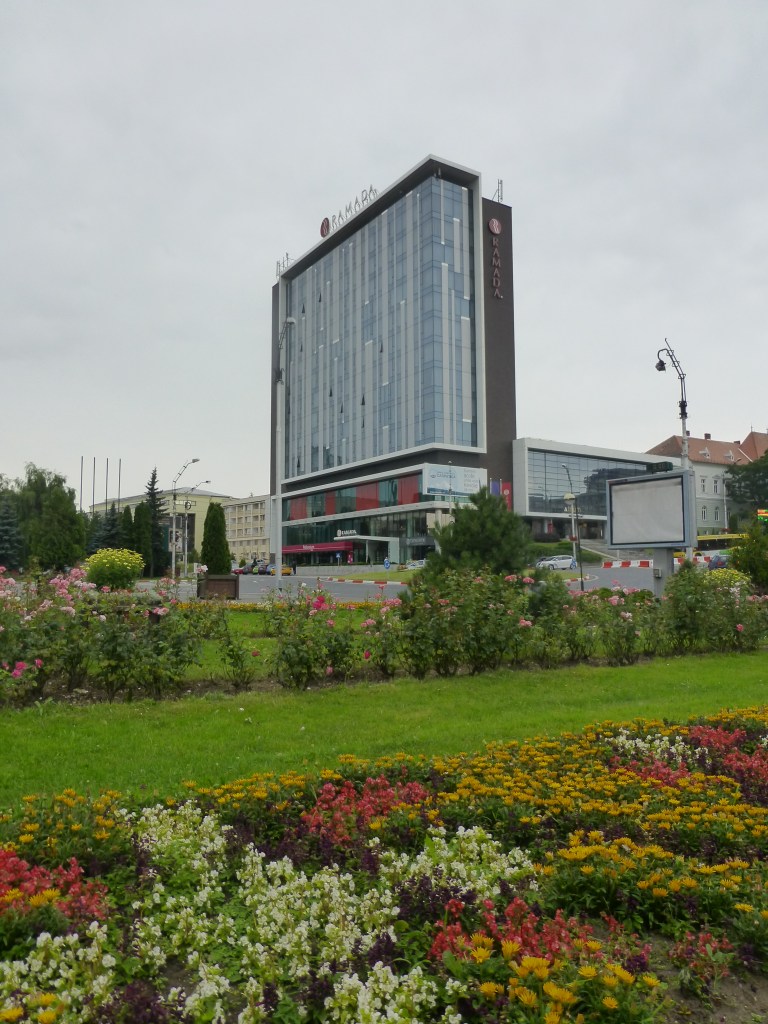
In the afternoon we reached our final destination – the city of Sibiu, which greeted us with gray dark clouds. However, Hotel Ramada fully compensates for the gray atmosphere and impressed us with its bright, comfortable and spacious rooms. The black clouds outside did not dissuade us from the planned walk. How can we be angry with the clouds, when they were travelers like us. They had traveled to different countries, and with their raindrops, like travelogues, they told where they had passed.
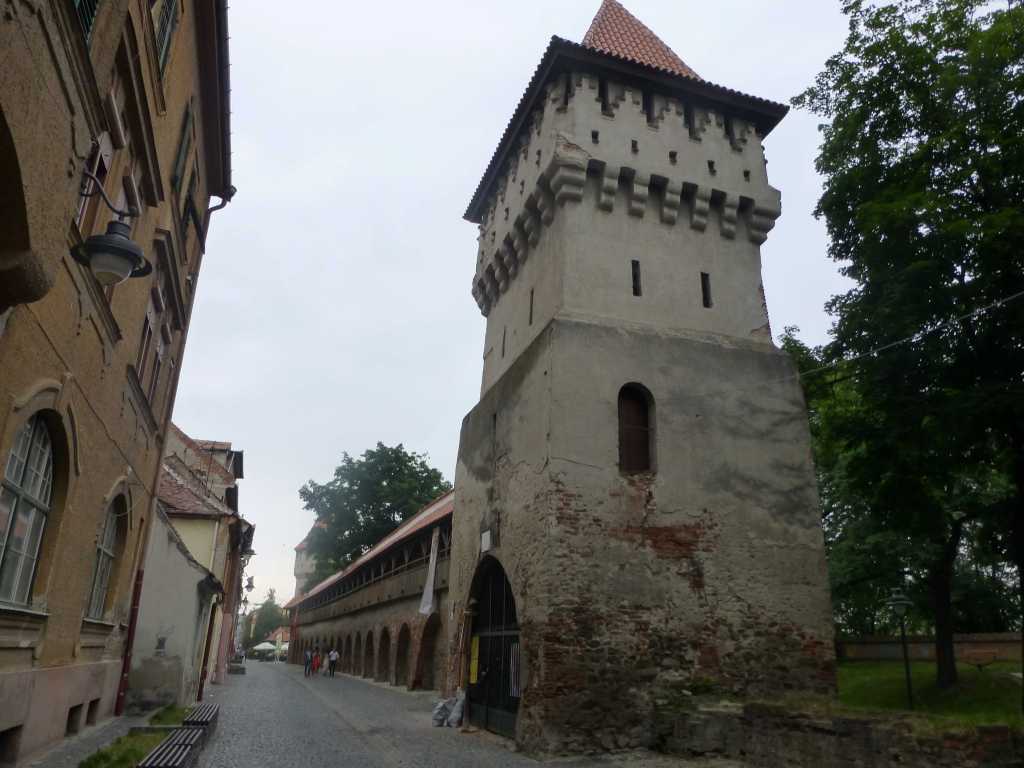
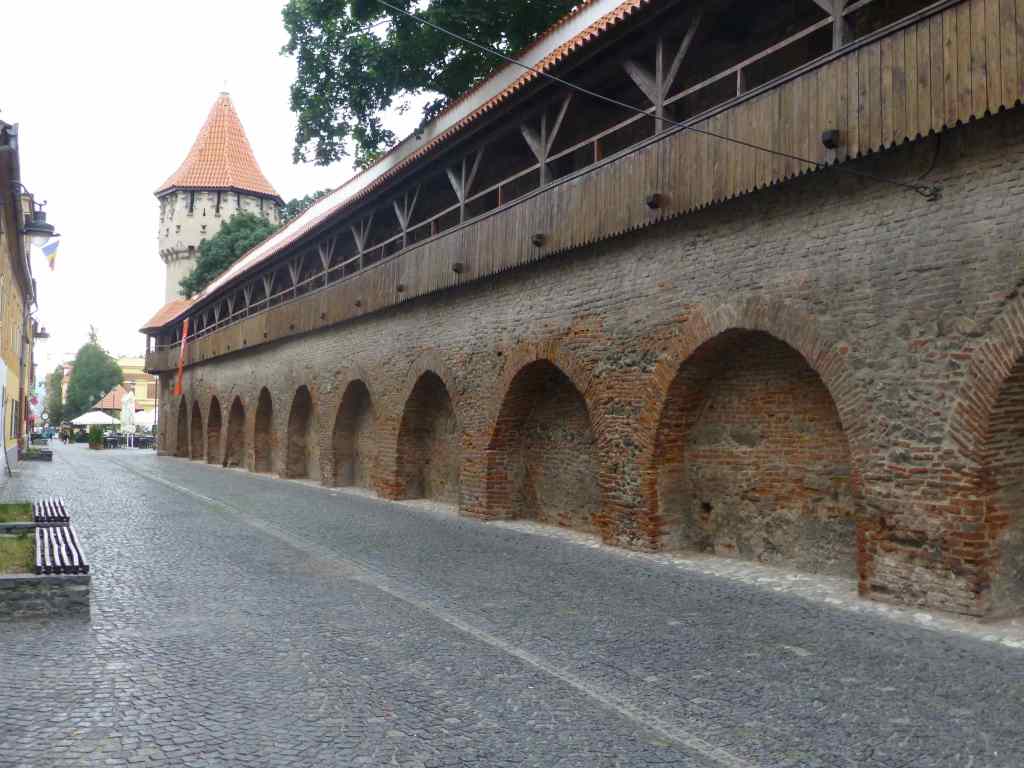
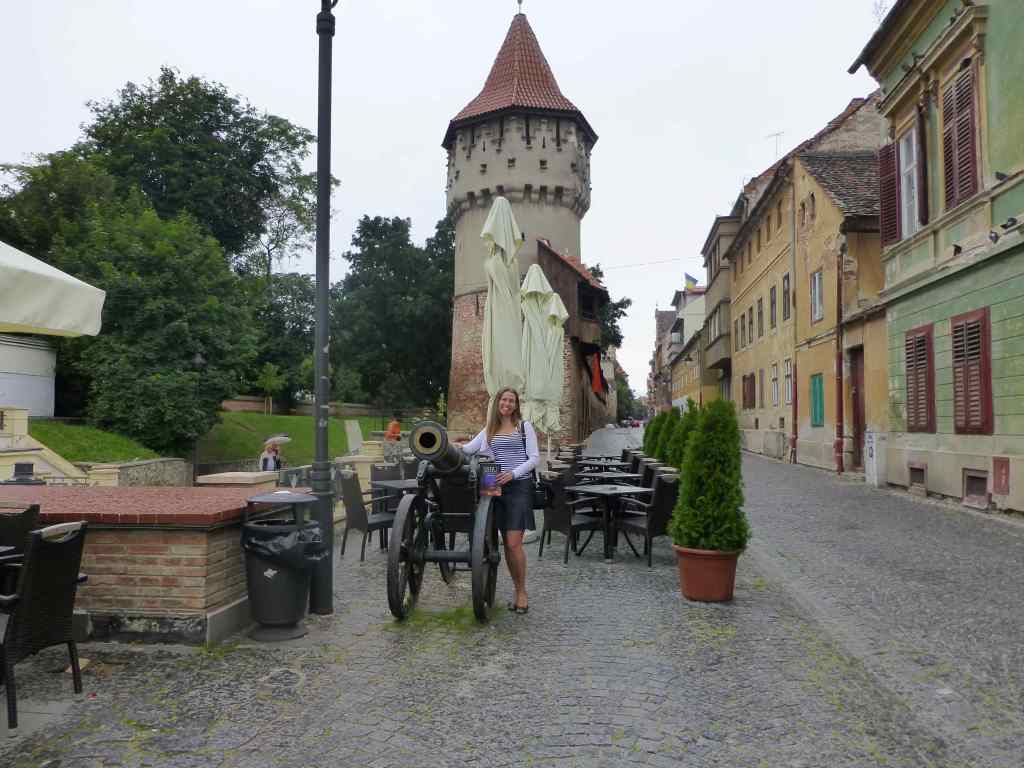
As soon as we went out, we immersed ourselves in their stories and the rain accompanied us, passing with us behind the red fortress walls, and intensified our tour of the fortress towers. However, by the time we choose a coffee to hide from the rain, it stopped. Our walk through the sights of Sibiu began with the red stone walls that descended and surrounded the town, erected in the 14th century and completely renovated in 1963. We found ourselves in front of the beautiful round tower of the archers. It was tall with many small windows through which arrows were shot in the 15th century.
In the immediate vicinity was the other picturesque tower of the potters, which was connected to the tower of the carpenters by a stone wall with arches, which served as an additional protection. It is interesting how the war and the raids of the Tatars had affected the local construction, which had erected enviably strong buildings that survived battles mostly over time.

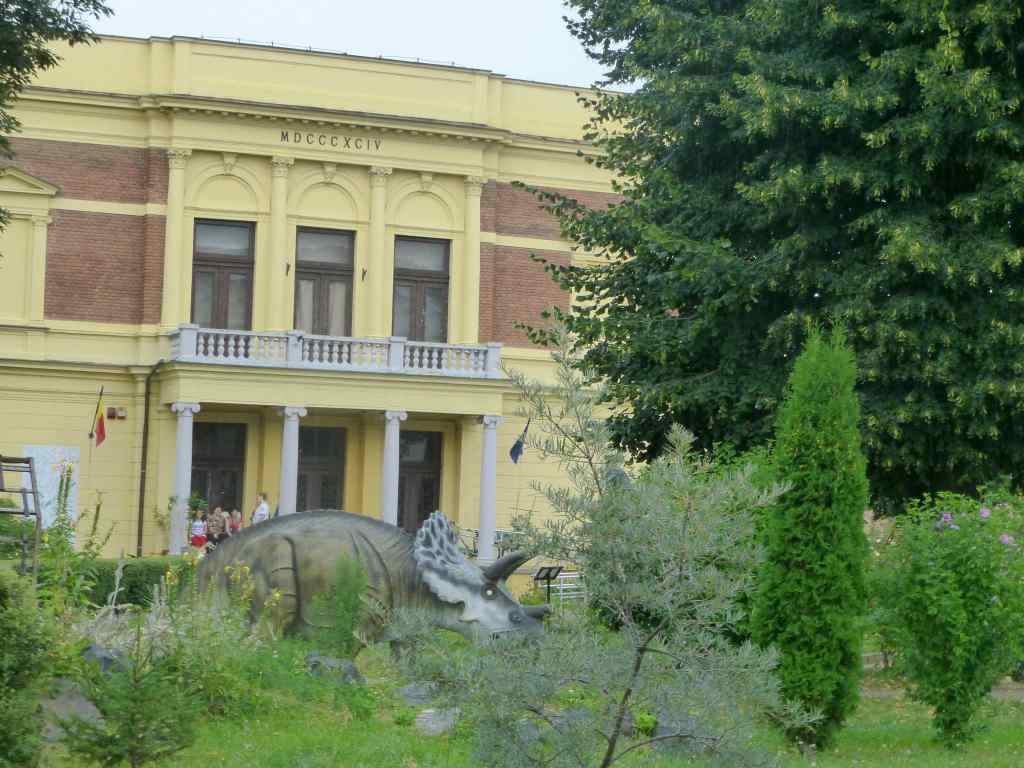

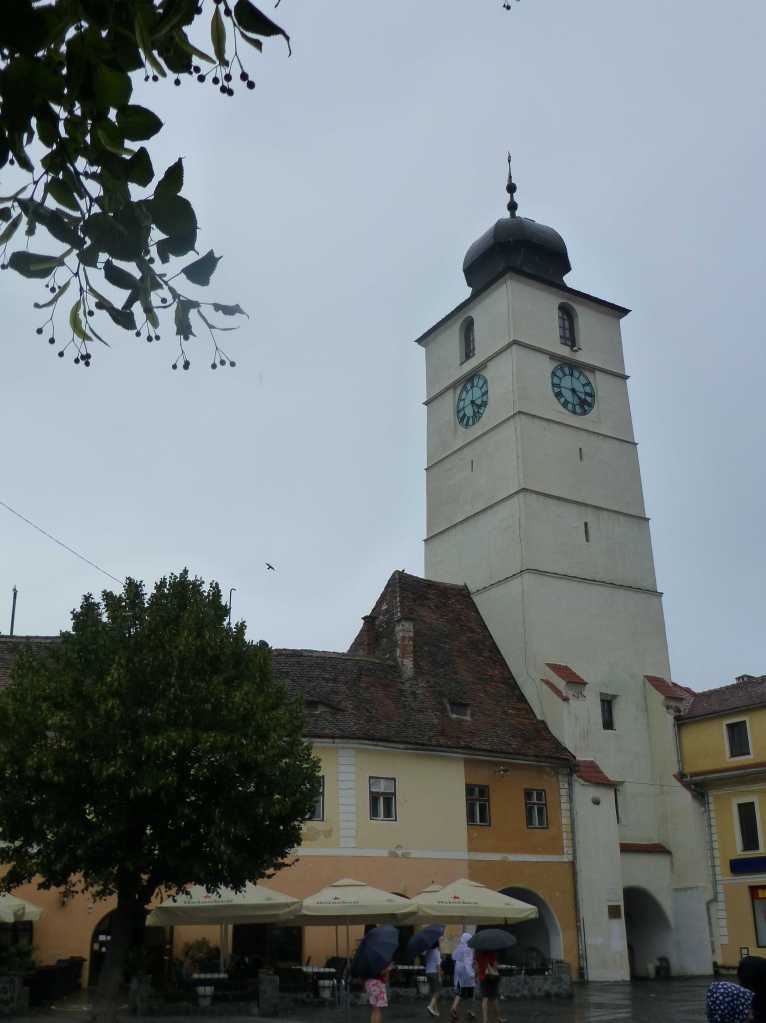
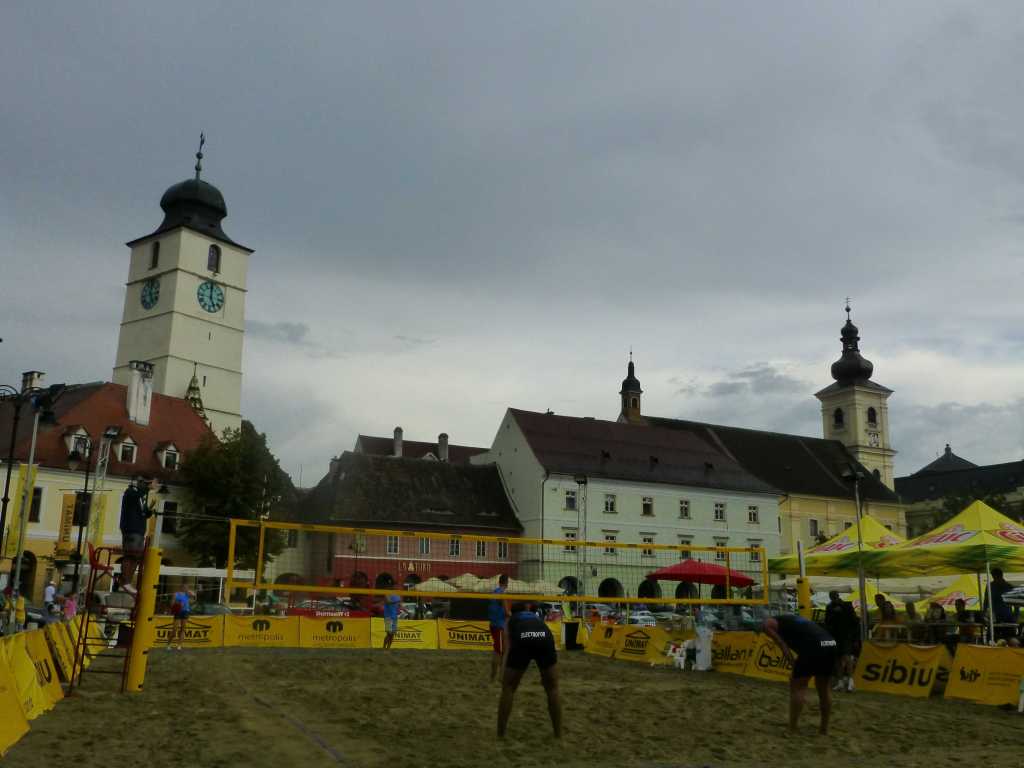
While we were looking for the so called Thick Tower, which was only a few steps away from us, but which we did not see on our first tour, we found ourselves in front of the Natural History Museum, in whose yard dinosaurs were grazing in almost real size. These statues tempted us to go in and see the museum from the inside, and if the rain hadn’t stopped, we would have done it. The lull of the rain, however, led us to the central square, which at noon was surrounded by bars and they were preparing a stage. Moving along the fences, we took pictures of the beautiful buildings erected on the square, between which the high tower of the town hall protruded.
This tower was erected to protect the inner part of the city and the square, where the town hall was located as early as 1324. Over the centuries, the tower was upgraded and completed, and in its original form it had only 4 floors, which have grown to 7 to this day. On the south side of the tower, we later learned that there were two lions that were part of the original appearance of the tower and dated back to the 13th century.
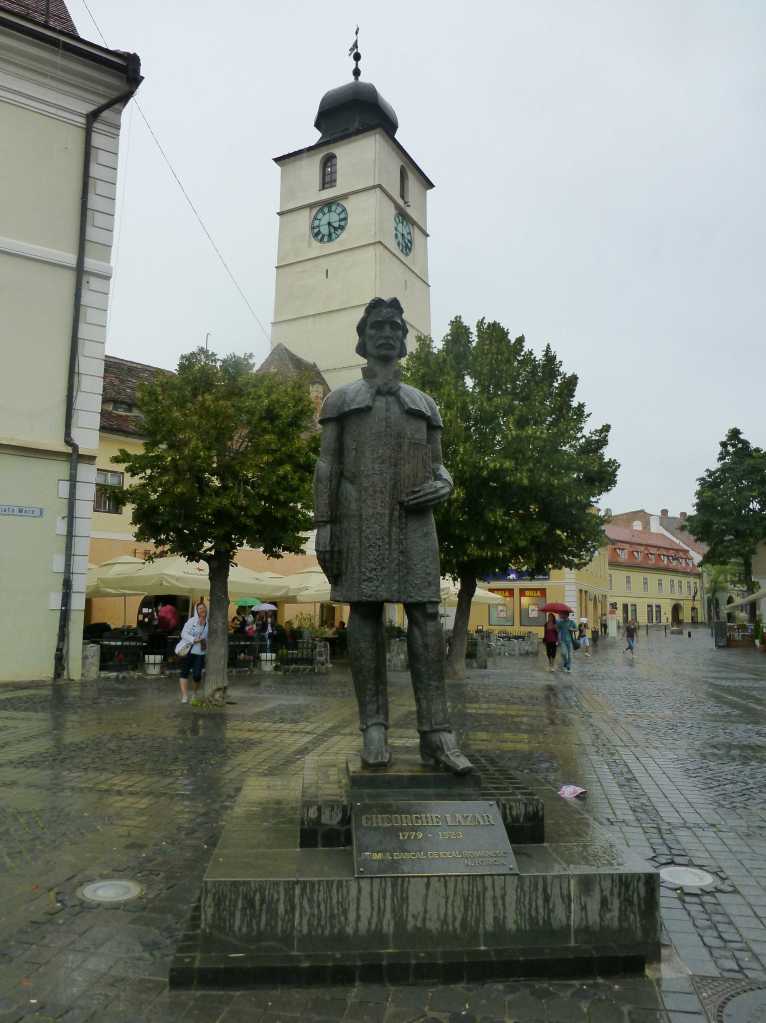
We didn’t see the lions, but we took pictures of the monument to Gheorghe Lazar (1779 – 1821), which was erected next to the tower of the town hall. He was a teacher born and died in Sibiu, being the founder of the first Romanian-language school in Bucharest in 1818.

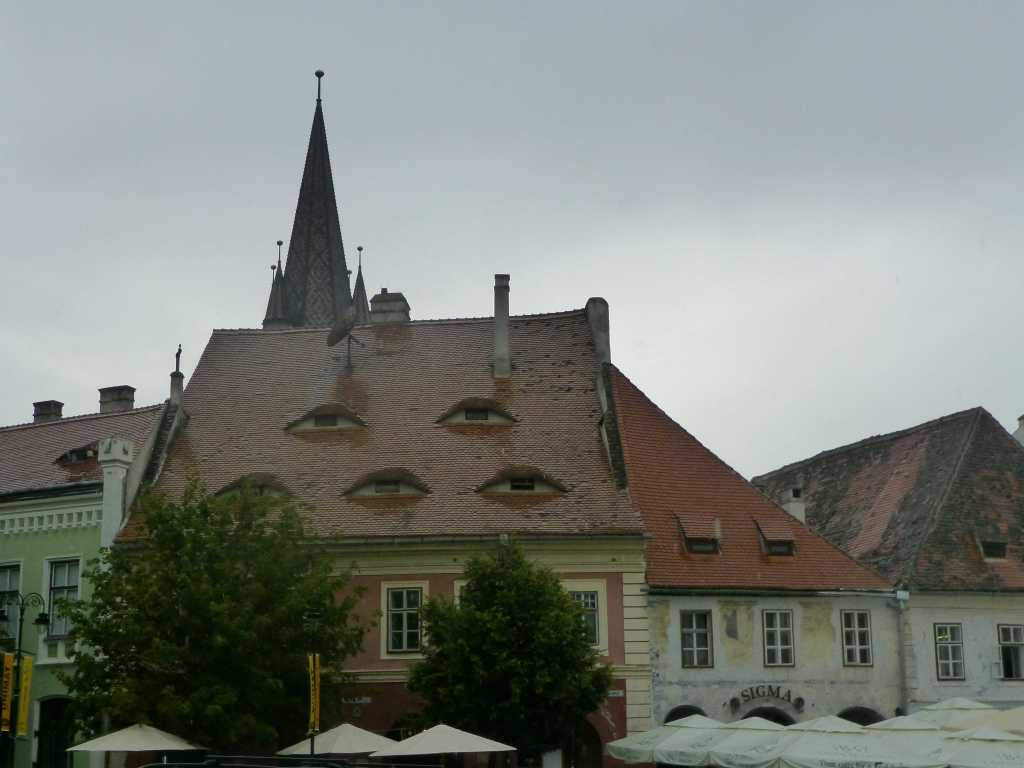
On the other side of the “mayor’s” tower there was a new square, which cars had access to and had turned into a parking lot, which was guarded around the clock by a house with many eyes, or more precisely windows in the form of eyes. They said that these were the “city eyes”, and in Sibiu there were many houses with such roofs. The most popular version of these strange attic windows was that they were placed during the German occupation of the city, so that the locals would know that they were constantly monitored and anyone who did not follow their rules would be punished. It was interesting to look at the houses that seemed to be looking at us as well.
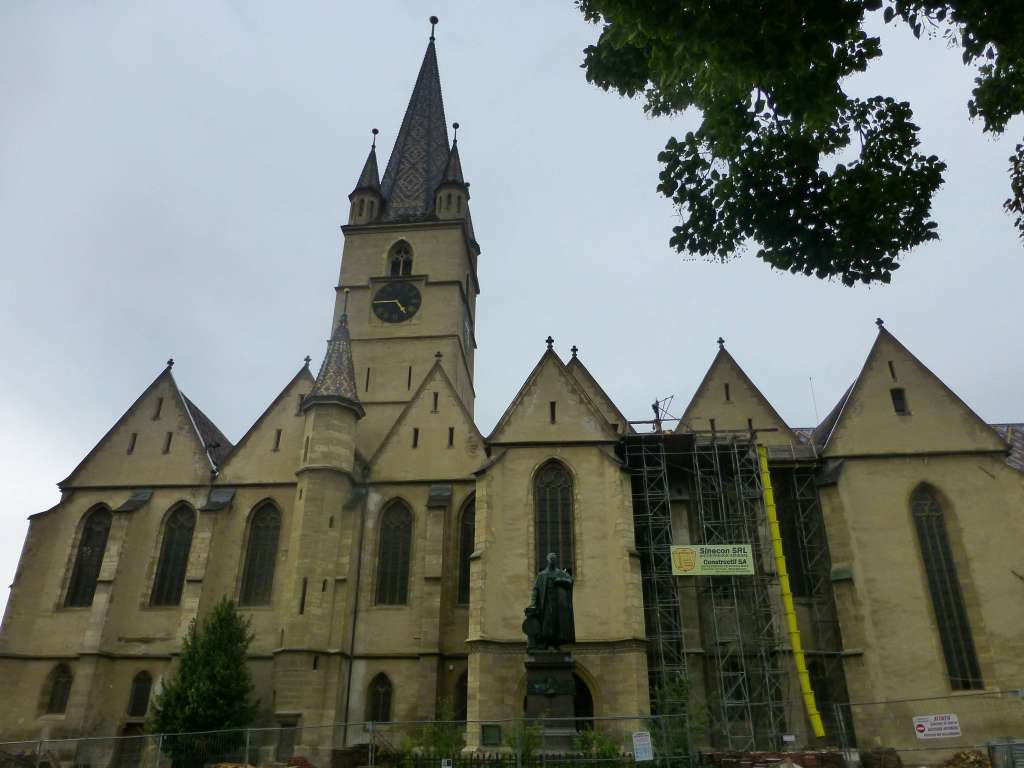
Our next stop was in front of the spectacular Gothic-style Lutheran cathedral dedicated to the Virgin Mary, with a 73-meter tower. The four small towers located at the very top showed foreigners that the city had the right to impose death sentences. Today, although rainy, the city showed us only its nicer side, and on the way we met several weddings. Without joining them, we headed to the next sights outlined in the guidebook, one of which was the Luxembourg House.


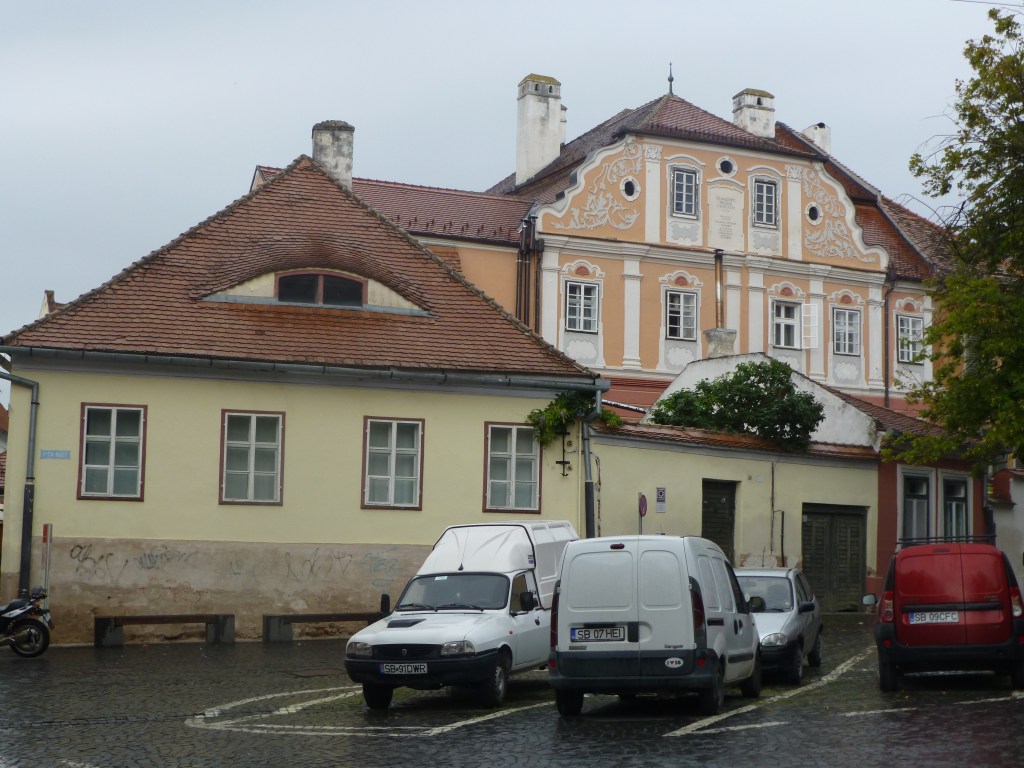


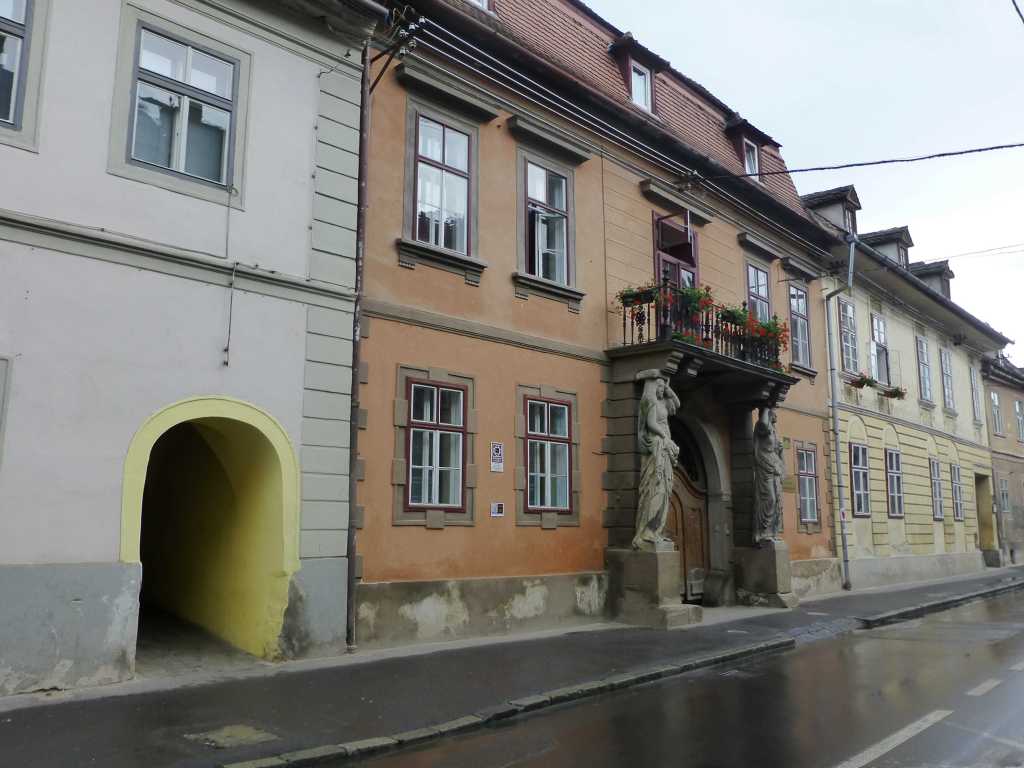
The beautifully painted house dates back to the 15th century, with the Baroque façade and third floor being added in the 18th century. For a long time it was known as the “red house” and it was only in the 20th century, when it was renovated with a donation from Luxembourg, that the house received this name. Today, only the first floor was red, the second and third floors were orange, decorated with beautiful white decorations. The Luxembourg house was turned into a hotel, and on the ground floor there was a bar and a summer terrace.
The houses with eyes continued to stare at us as we crossed the bridge of liars. It was the first iron bridge in Romania erected on the site of a wooden one in 1859. There was no river underneath, but a road, but that was not where the origin of the name came from. According to one version, the bridge would have collapsed if a liar had crossed it, but it looked quite stable and apparently this statement referred to the previous wooden bridge. I liked the version that this bridge was a frequent meeting place between girls and soldiers, and although it was not known which of them made more vain promises and lies, the name remained heavy on the bridge. It was only 10 meters long, but history and legends had made it one of the attractions of the city and walking along it was a must.
On the other side of the bridge, on a small square, a volleyball court was formed, for beach volleyball. However, the gray clouds and rain did not keep us here for long, despite the cute athletes. We headed to the Orthodox cathedral, which was huge. Although it did not boast a long history, its construction was completed in 1904, its architecture resembled a Byzantine basilica and closely resembled Istanbul’s Hagia Sophia. Its interior was made of red and yellow bricks, with beautiful icons and a particularly impressive wooden engraved iconostasis. The two cathedrals in Sibiu were very different – one had sharp, somewhat cold towers, and the other was round, with warm shapes. Although both professed Christianity, the approach was obviously different. This aroused my curiosity about the difference between Orthodox, Catholics and Protestants. After a brief search on the Internet, I learned that Orthodoxy separated from the Roman Catholic Church in 1054. One of the main differences between the two religions is that, according to Orthodoxy, the spirit is generated from the Father, and according to Catholicism, it is generated from both the father and the son. The other main difference was in the unity of the church – while for the Orthodox it is enough to profess one faith and one sacraments, for Catholicism, in addition to these two features, the unity of the head of the church – the Pope is also necessary. Much greater were the differences with Protestantism, which rejects the church hierarchy, confession to a priest, veneration of icons, etc. The important thing was that each of these religions had remained beautiful monuments behind them, inspired and preserved by the faith of the people.


The sun had shone on the sky again and we went back discovering the thick tower, which was so clearly visible on the map, but in the back we had not recognized at first. This U-shaped tower was erected in 1540, protruding 25 meters in front of the city gates, arousing fear among enemy troops and was perceived as a terrible war machine. Later than 1778. it housed the first theater in Sibiu, and today it was home to the National Philharmonic Orchestra.
The sightseeing tour ended back in the central square, where the fences had been removed and a culinary show had begun. Similar to the German markets, many small wooden houses were erected with stalls arranged in a U-shape and overlooking the stage. Each of the stands offered food from different parts of the world – Lebanese, Indian, Mexican, American, Greek and many other international cuisines. On the stage, the chefs who demonstrated their skills were replaced by musicians and a real concert began, with many familiar and famous hits.
The good music was in perfect harmony with the beautifully lit buildings. We liked Sibiu a lot and it managed to impress us. Its nickname “Little Vienna” was well deserved, as well as its reputation as one of the most beautiful cities in Romania, which in 2007 was chosen as the European Capital of Culture. We saw much more than we expected, and although the day was over, the night was racing to show us more of the splendor of this city.


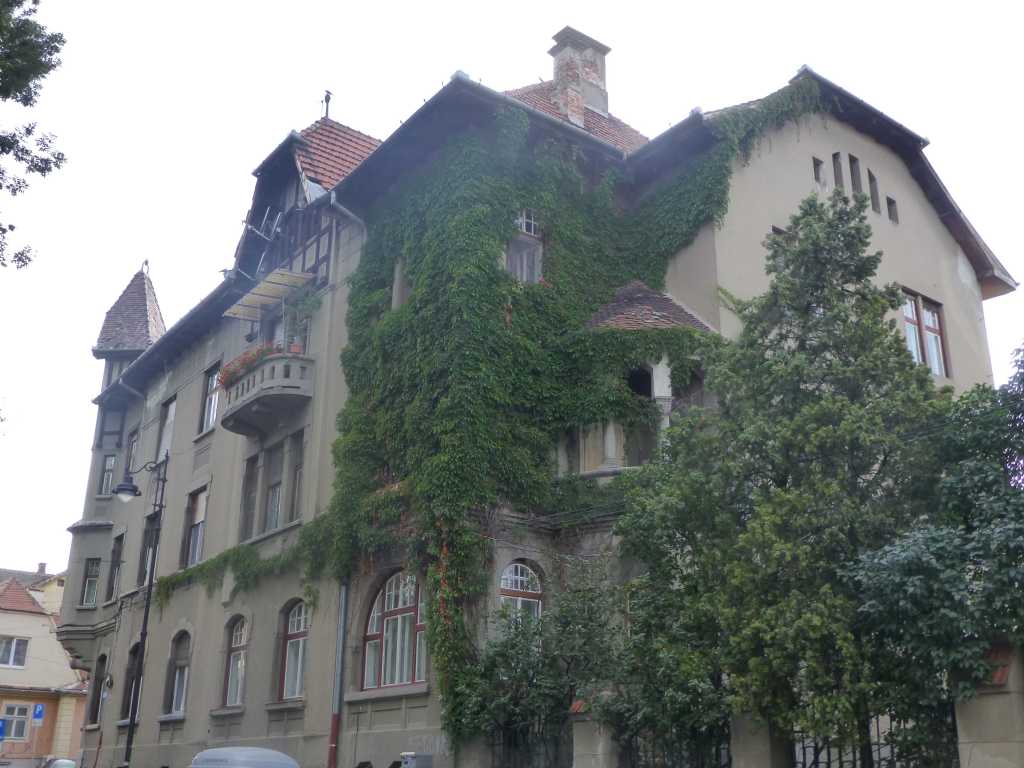
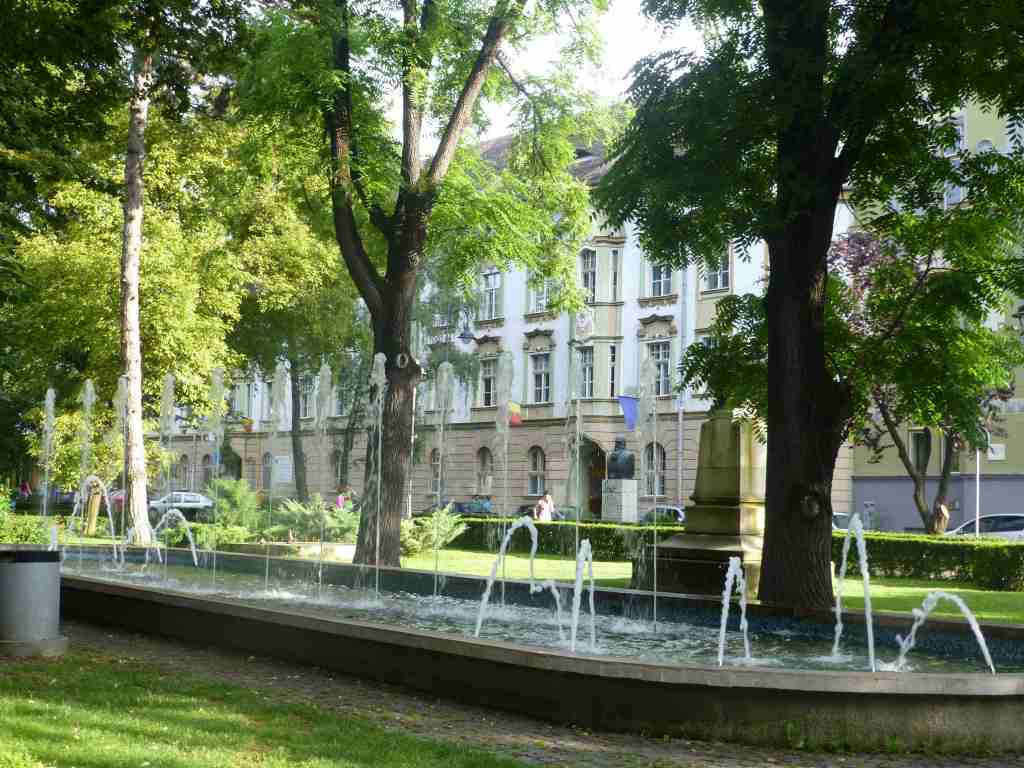

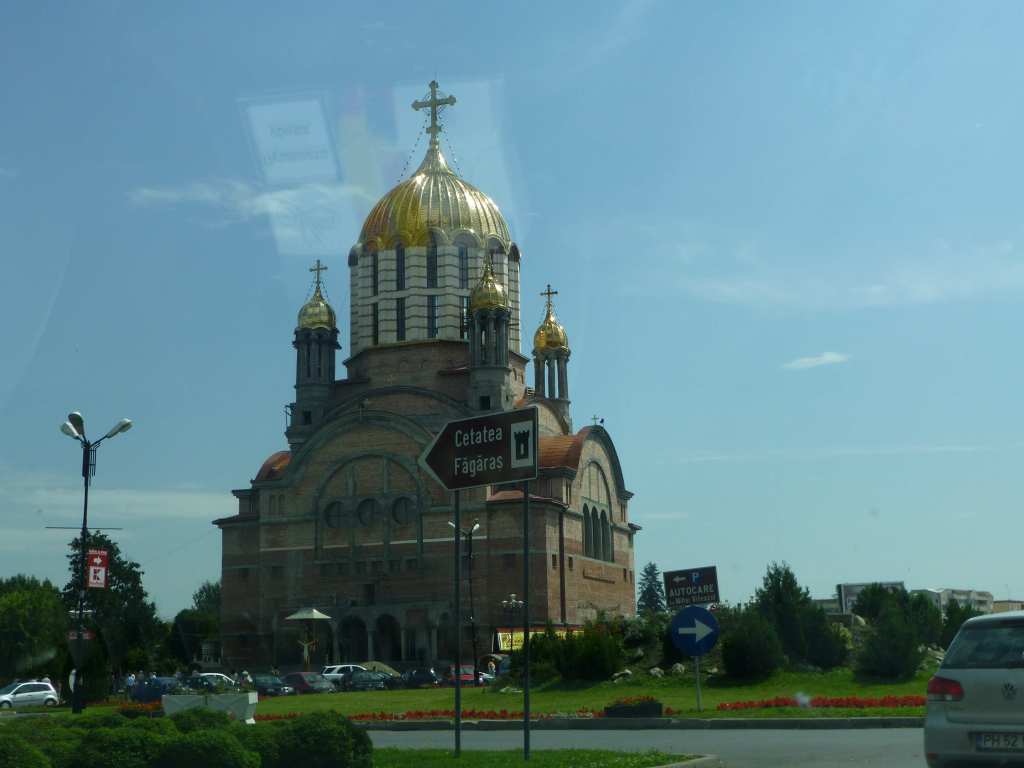
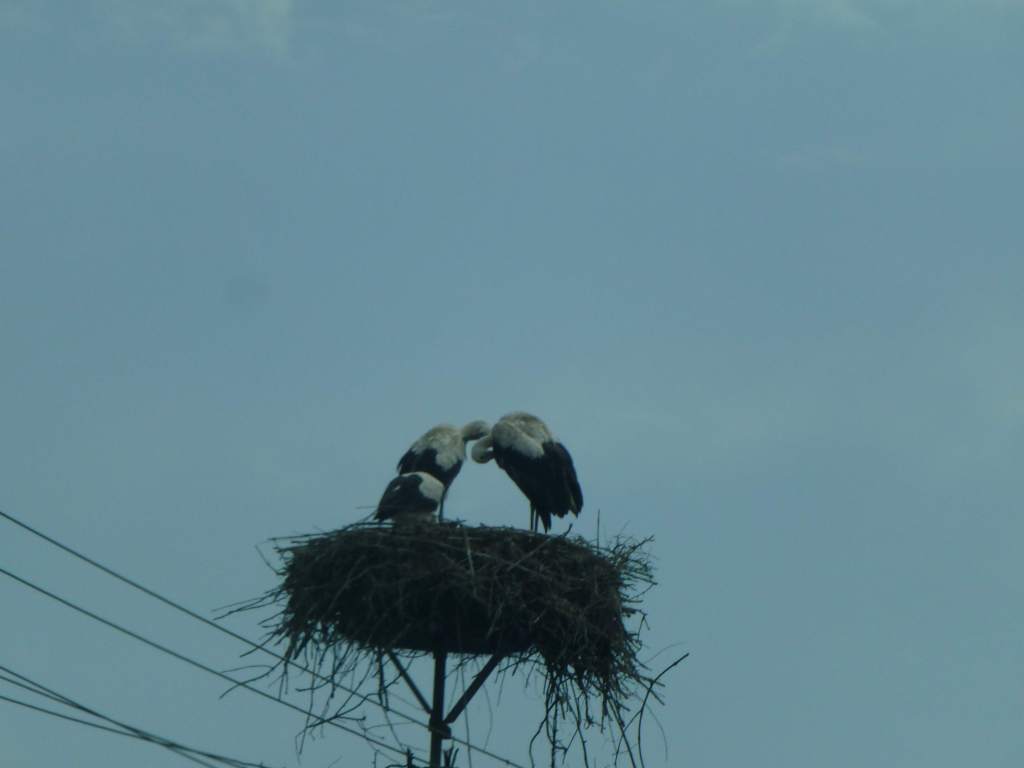
The next day we headed to another charming and famous Romanian city of Brasov, having previously stopped at Bran Castle. The Romanian roads were excellent. There were no patches anywhere, which were especially popular in Bulgaria. The road markings were solid, clearly visible, as if they had just been placed. I especially liked the semicircular movements that stood at the passage and exit of each town and village in Transylvania. They were made so that the cars entering the city slowed down, and for those exiting there was no roundabout and could quickly withdraw and move away from the city. On larger slopes, the road widened so that cars could overtake those that did not have sufficient strength. There were also numerous stork nests along the way, which were full and seemed to symbolize grace and love.
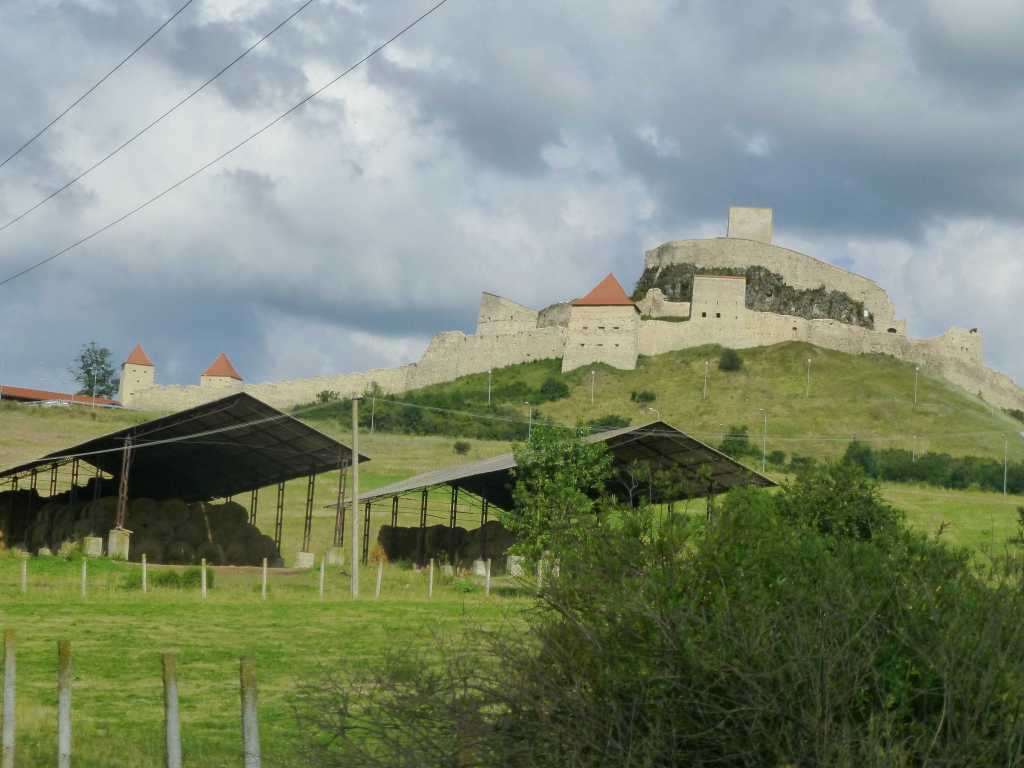
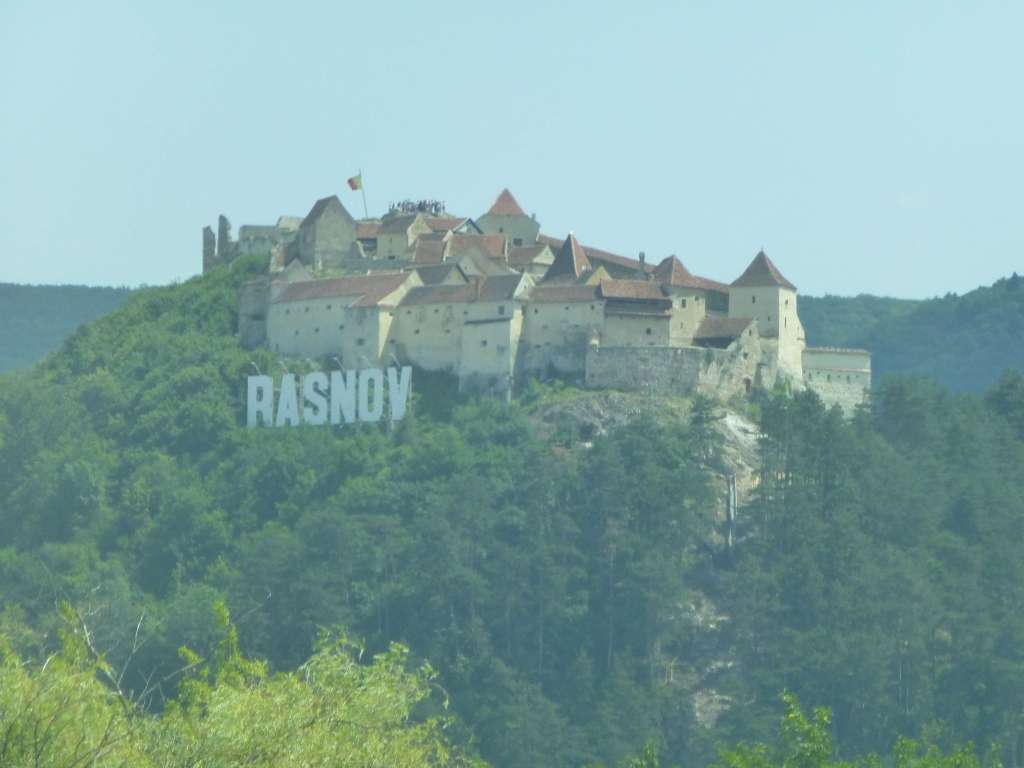
The photos became especially frequent as we approached the castle erected on a hill, in front of which the name RASNOV was written in huge letters. The medieval fortress in Rašnov dates back to the 13th century, and was erected by the population, not by some feudal lord, in order to protect against attacks. Unfortunately, we did not have time to look for a way to the castle, but later we got acquainted with one of the most popular legends related to the fortress. During a long siege, the inhabitants of the castle were worried that they would be left without water, then two Turkish prisoners told them that they would dig a well if they received freedom in return. It took them 17 years to dig, but in the end they managed to dig a 143-meter well, which exists to this day. The fortress had been captured only once, and we hoped that one day we would capture it with our cameras.


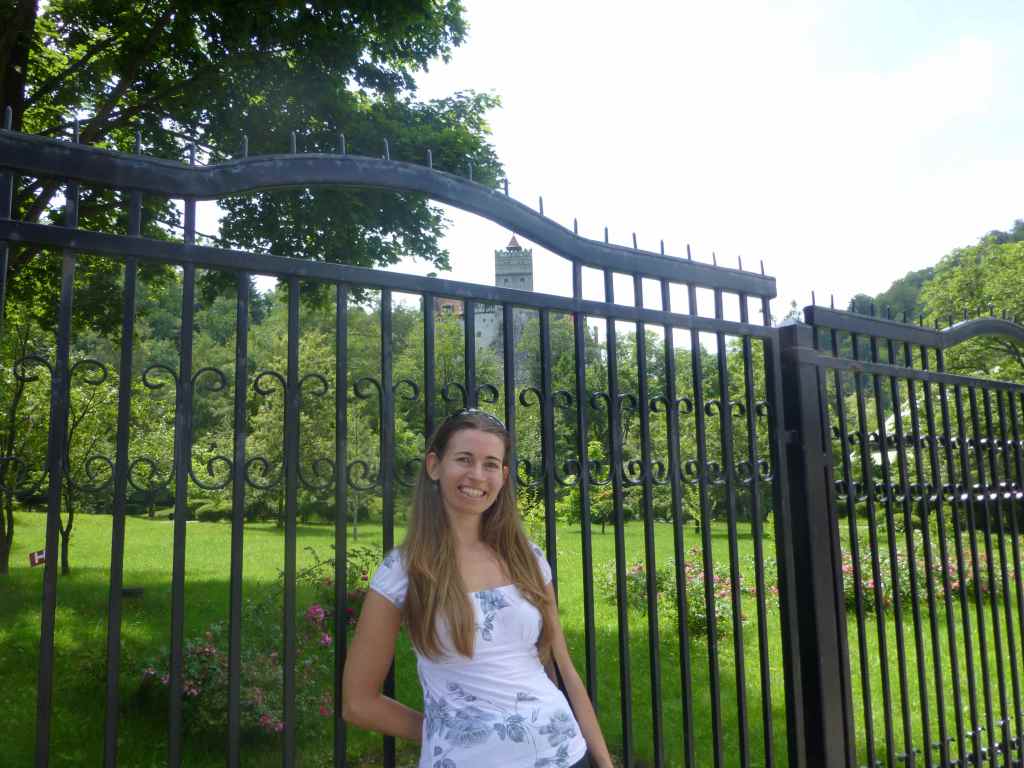
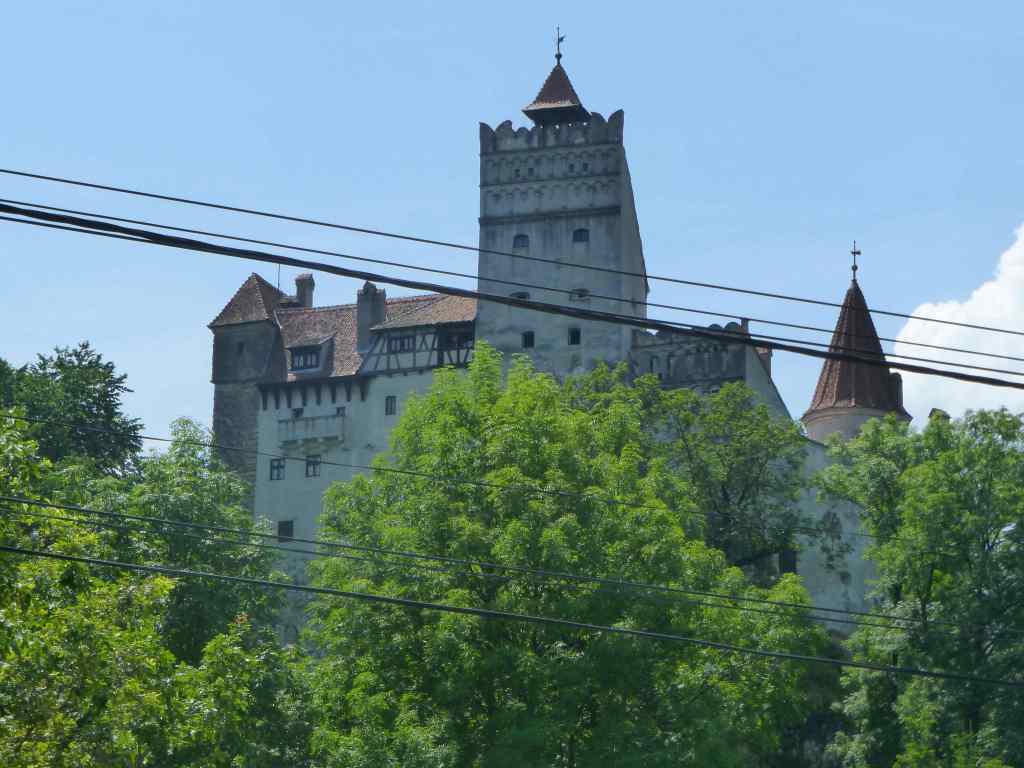
Only 12 km from Rashnov rose the Bran Castle, around which even more legends and superstitions hovered. It was known by its nickname “Dracula’s castle”, although there was no historical evidence that Vlad the Impaler had come, or lived here. And yet, it was the legends that attracted thousands of tourists here, who seemed to have chosen this weekend to visit the medieval fortress. All parking lots were overcrowded, as were the streets and sidewalks. We stopped on a sidewalk, and immediately there was a person who would collect a fee for this place far from the castle. There were queues at the ticket center and we had to be content with only photos from the outside. The fortress was beautifully perched on a peak and coquettishly posed for us from there while we took photos. At its foot there was an open-air museum with many small traditional Romanian houses, as well as a souvenir square, where, in addition to trinkets, they also sold red Dracula beer.



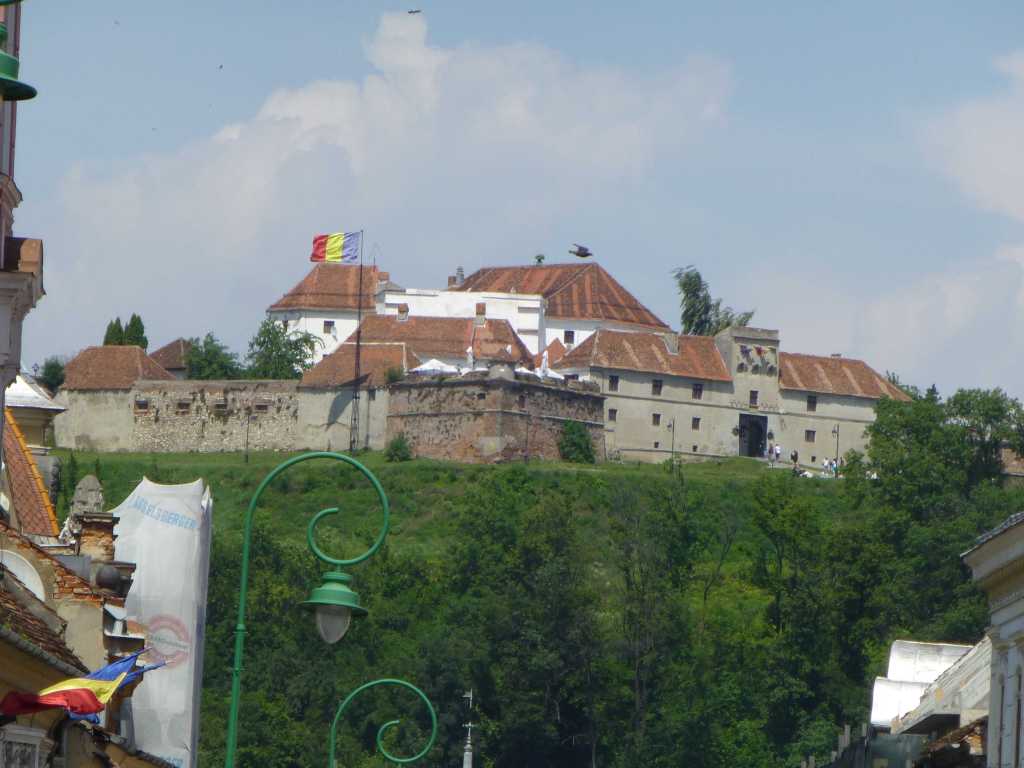
The town of Brasov was 31 km away, which we took quickly, and even faster we found a parking lot in the city center. Brasov was beautifully located in a place where the southern and eastern Carpathians meet. The city was supposed to have been founded in 1203. by German colonists. In 1364 it had the privilege of holding an annual market, and the fame and riches of the city grew rapidly and in the 15th century the medieval fortification of the city began, with 8 bastions and 32 defensive towers being erected. At that time, the Bulgarian neighborhood of Shkep was founded in Brasov by merchants and Bulgarian refugees.
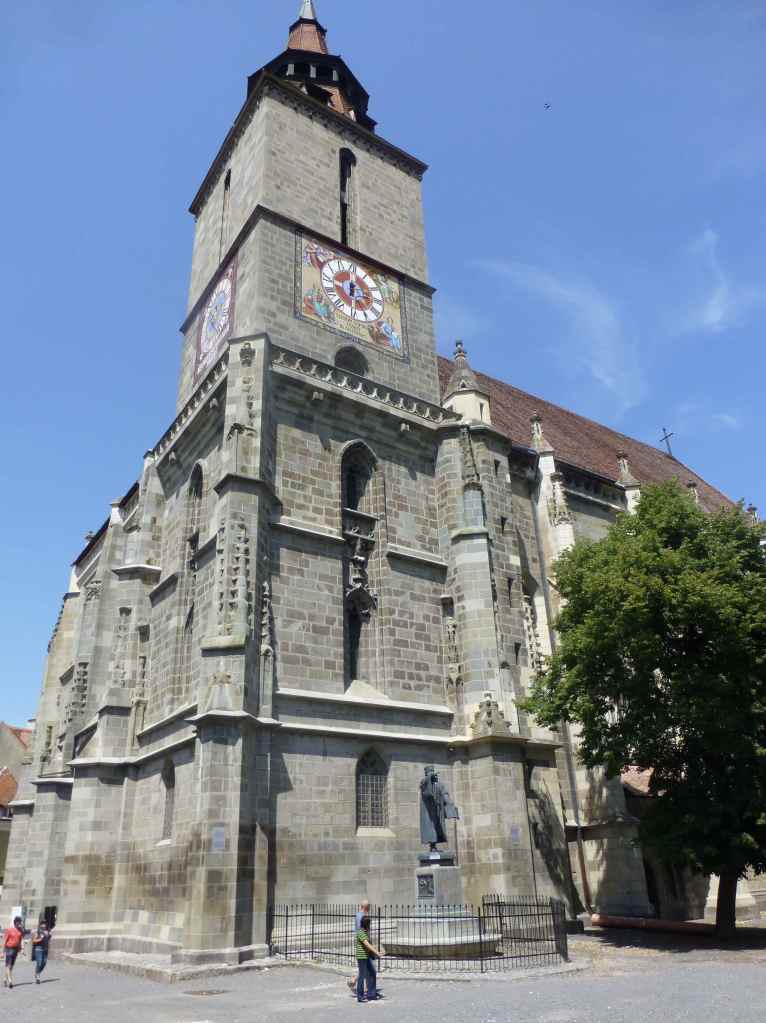
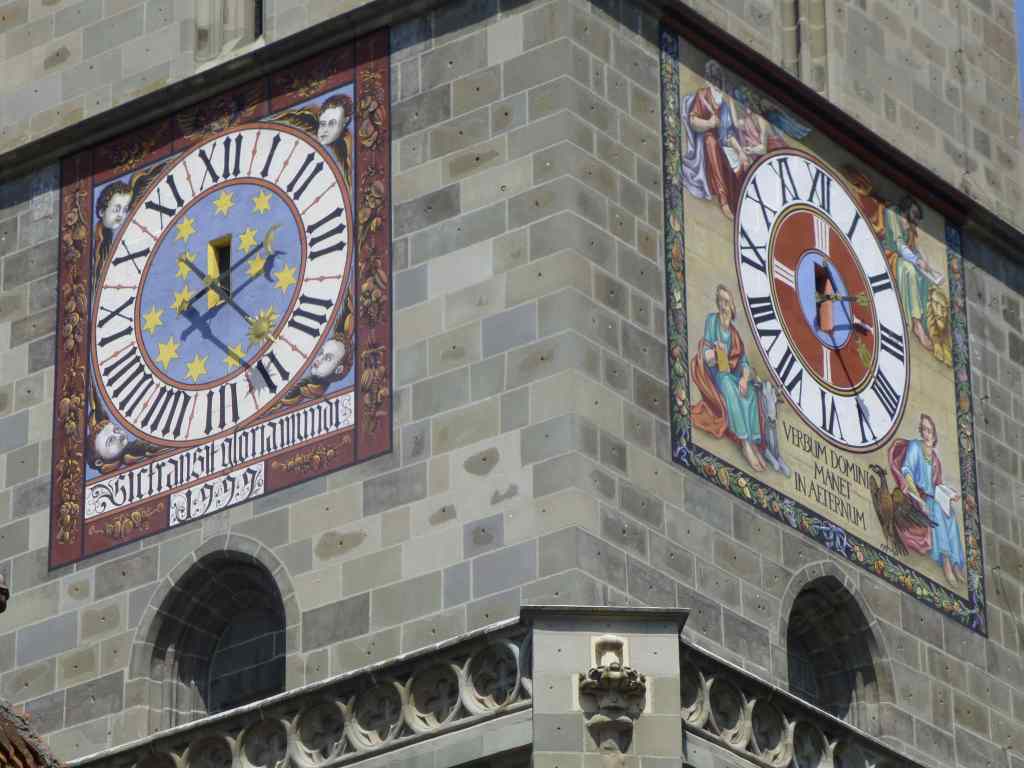
It was believed that Bulgarian builders had also erected the high Lutheran church dedicated to St. Mary, also nicknamed the Black Church. It dates back to the 14th century, and a six-ton bell was hung in the 65-meter bell tower – the largest in Romania. It also housed the largest organ with 400 pipes. This was the first landmark we stopped in front of, but since they asked for an entrance fee to the church, we decided to settle for only photos from the outside. The nickname “the black church” had remained after the great fire in 1689, when Austrian troops entered here during the Great Turkish War. After the fire, the church was restored, adding some architectural decorations from the 18th century. On a sunny summer day, the church shone with its pale gray color and did not correspond in any way to the nickname given to it.


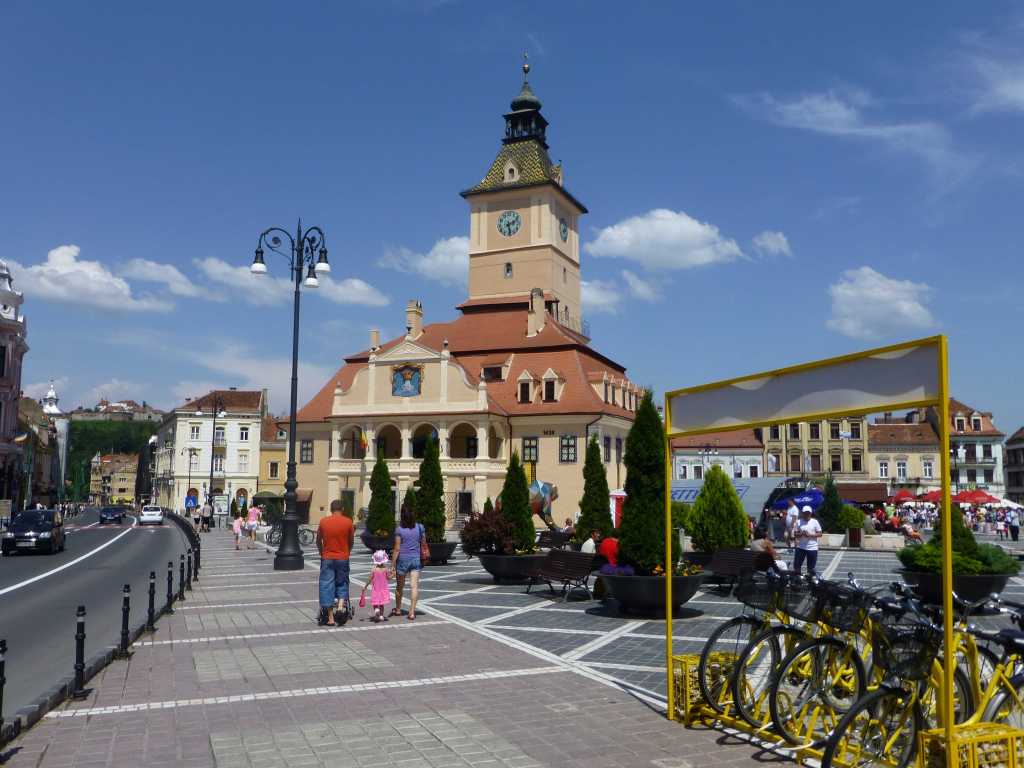
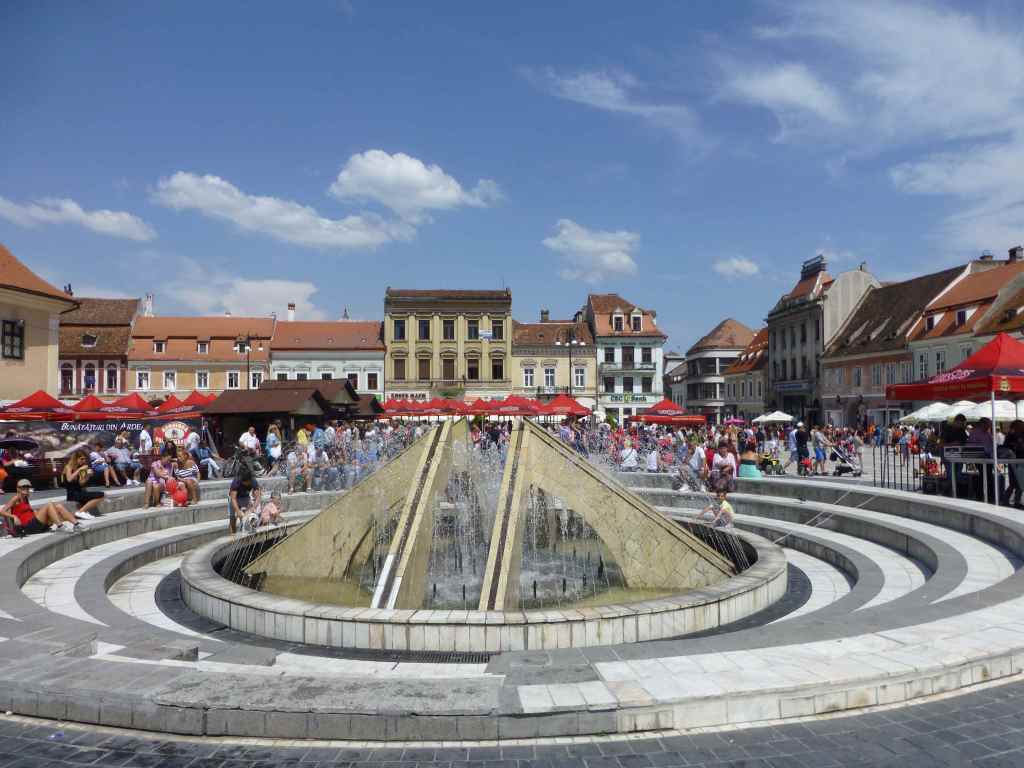
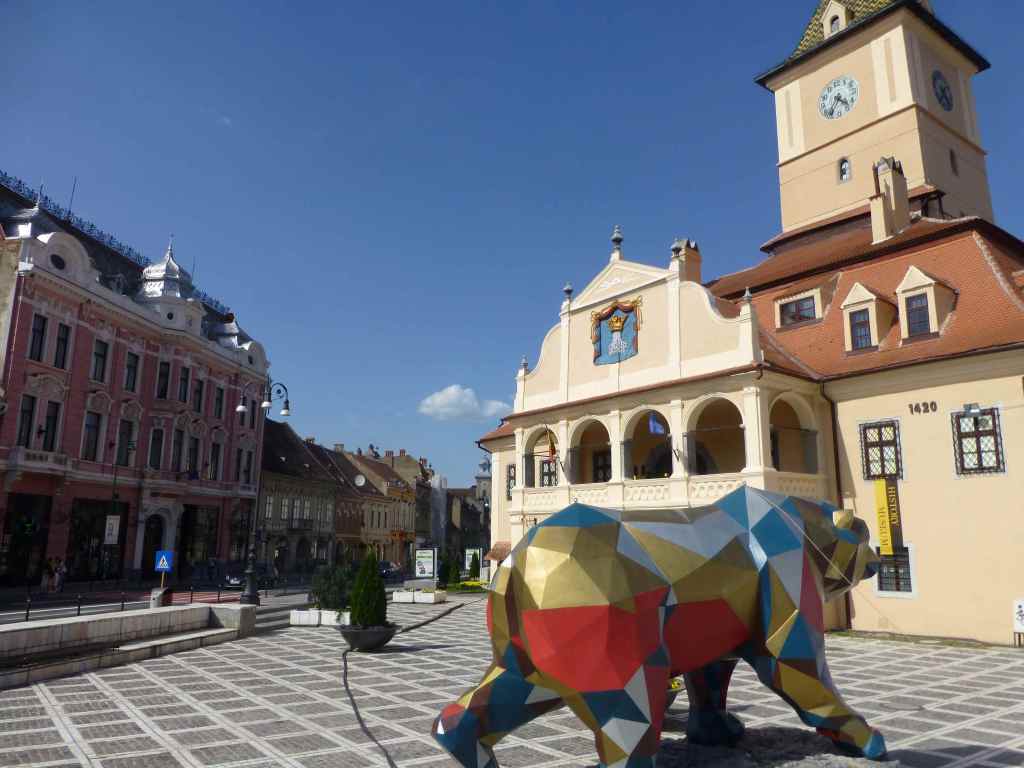
From there we headed to the town hall, on whose square there was a stage on which folk dances were danced. This was another city with another festival that had gathered many people who were having fun. The music spread in all directions, so although we did not watch the entire program, we felt its cheerful mood during our entire tour.
It was difficult for us to leave this sunny and cheerful city, but we had to return to Bulgaria, where there were no festivals on the way, only holes in the asphalt. In general, the trip did not tire us, but on the contrary charged us with a positive mood, after all, we hit not one, but several festivals, and celebrated several holidays. The sun also accompanied us, contributing to the good photos and memories, and Romania surprisingly pleased us and inspired us for new trips.




GENERAL INFORMATION ABOUT TRANSYLVANIA:
Location:Transylvania is a district in northwestern Romania.
Origin of the name: The name of the area has existed since Roman times and comes from Latin trans silva (outside the forests).
Area:100 287 Square.Km (almost as much as Bulgaria!)
Population:6 608 586 Human
Official language:Romanian
Altitude:305-600 M
Climate:temperate continental climate
Zone:UTC+2
Currency:Romanian leu (RON)
Additional information: https://romaniatourism.com/transylvania.html

TRIP TIPS FOR TRANSYLVANIA:
Best time to visit: all year round – Sinaia is an excellent ski resort, and in the summer there are numerous celebrations in Brasov, Sibiu and Sighisoara.
Typical foods and drinks: In addition to the traditional Mamaliga (it resembles the Bulgarian kachamak and is served as a side dish on almost everything, even stuffed cabbage roll), in Sighisoara you can try Dracula’s Menu, which includes a wide range of all kinds of meats and red wine.
Places to visit: The largest city in Transylvania is Cluj-Napoca, followed by Timisoara, and smaller towns such as Brasov, Sibiu and Sighisoara are worth visiting. Sinaia is a famous ski resort called the “Pearl of the Carpathians”, and the magnificent Peles Castle is located here. Another famous castle in the area is Bran.
Sample itinerary for Transylvania tour:
 TripTips