A DAY TRIP TO BUCHAREST
author: Ana Boneva


Bucharest is only 75 km from Ruse and is an ideal place for a day trip. In order to see as much as possible, we left early in the morning, and the lack of traffic jams on Saturday morning allowed us to have a pleasant trip, and then a walking tour in the Romanian capital.
We passed by the particularly beautiful building of the oldest hospital in Bucharest, dating back to 1704 under the name Coltea. The original appearance of the hospital was destroyed by an earthquake in 1802, and subsequently a new neo-classical building dating back to 1888 was erected. I could not guess that this was not an administrative building, but a functioning hospital. Right in front of it stood the Coltea church, dating back to 1698 and unique in that it skillfully intertwined Byzantine, Oriental and Baroque styles.
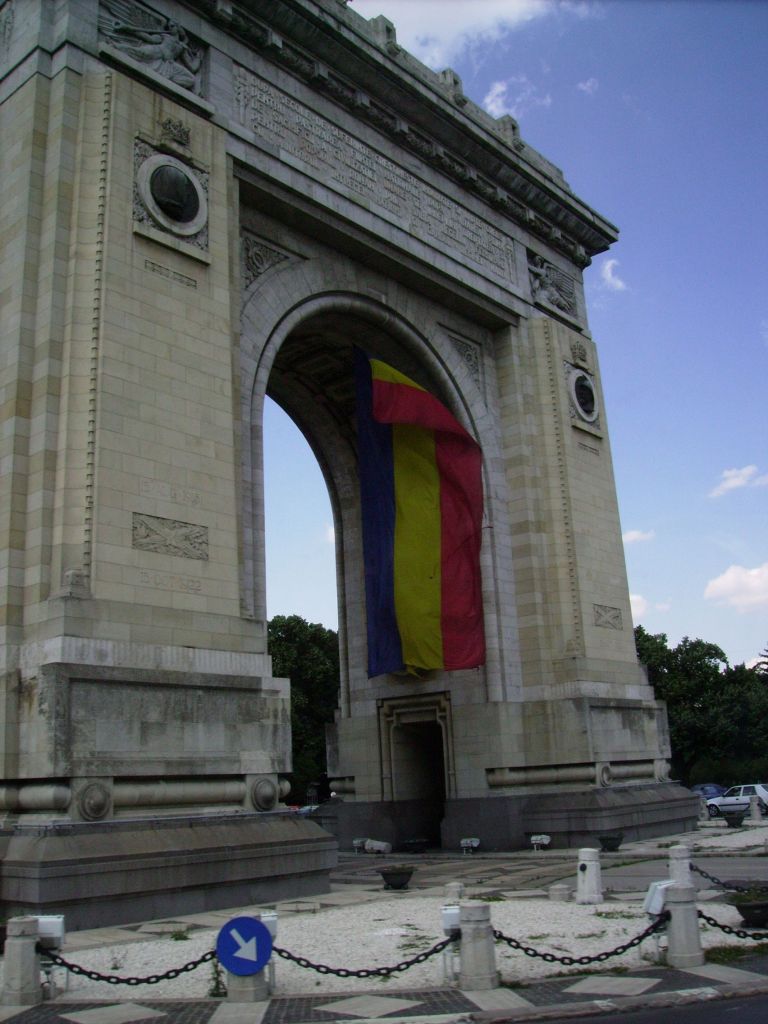
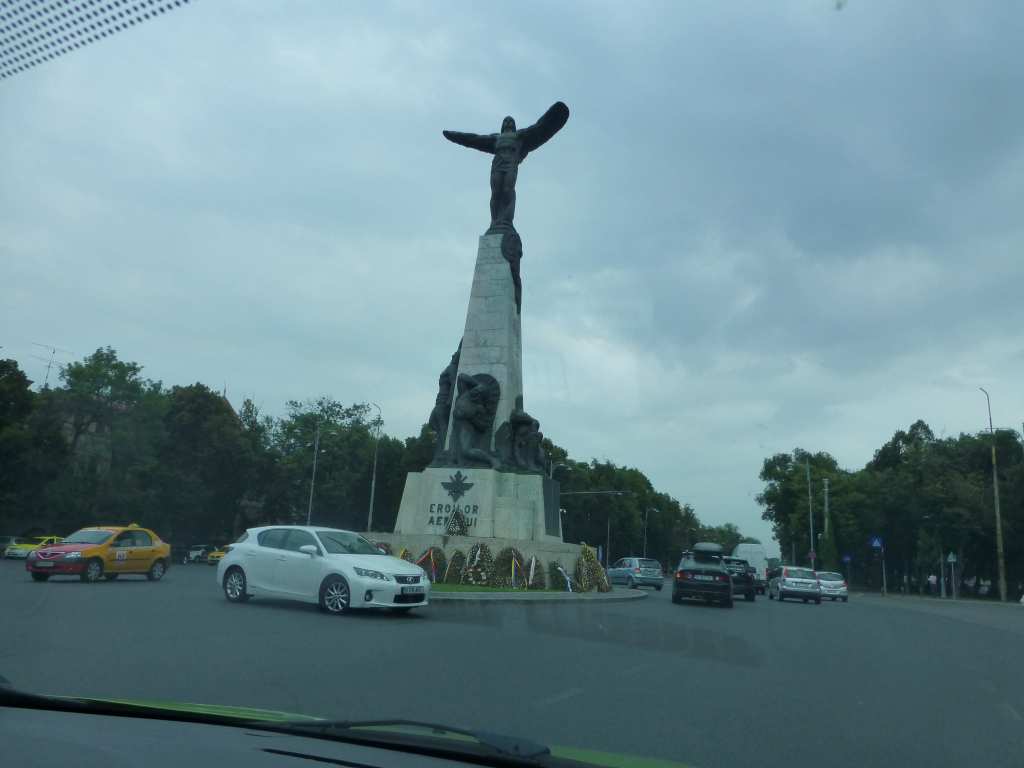
Bucharest was full of churches, or at least there were many of them, on the road that we, or rather GPS navigation, chose. We passed many beautiful neoclassical buildings by the car until we reached a large intersection, in the center of which stood the monument to the aviators who died in the First World War. The monument stood 20 meters high and featured a man with outstretched arms, his arms resembling the wings of an airplane. We also passed through the famous Romanian triumphal arch, which rose to a height of 27 meters or half of the Parisian one, which was 50 meters high. In 1878, after the declaration of independence of Romania, a wooden triumphal arch was erected, under which the victorious troops passed proudly. The new stone arch with beautiful relief decorations dates back to 1936, and we had to make several circles around it with the car until we succeed to take a lovely photo of it.


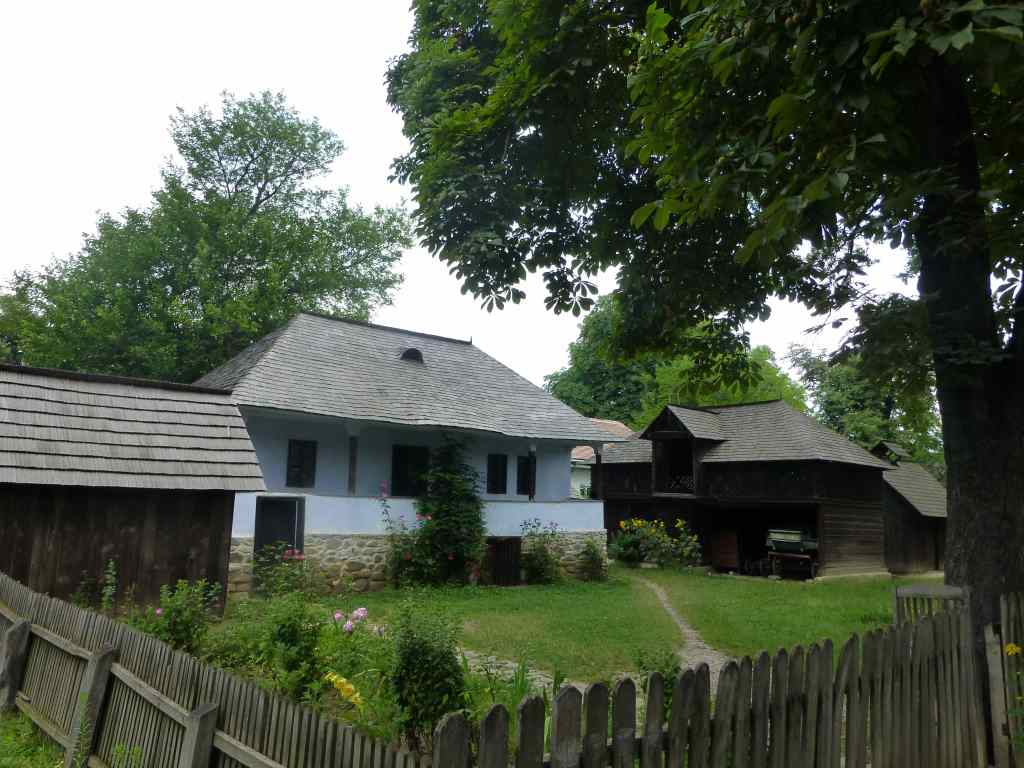
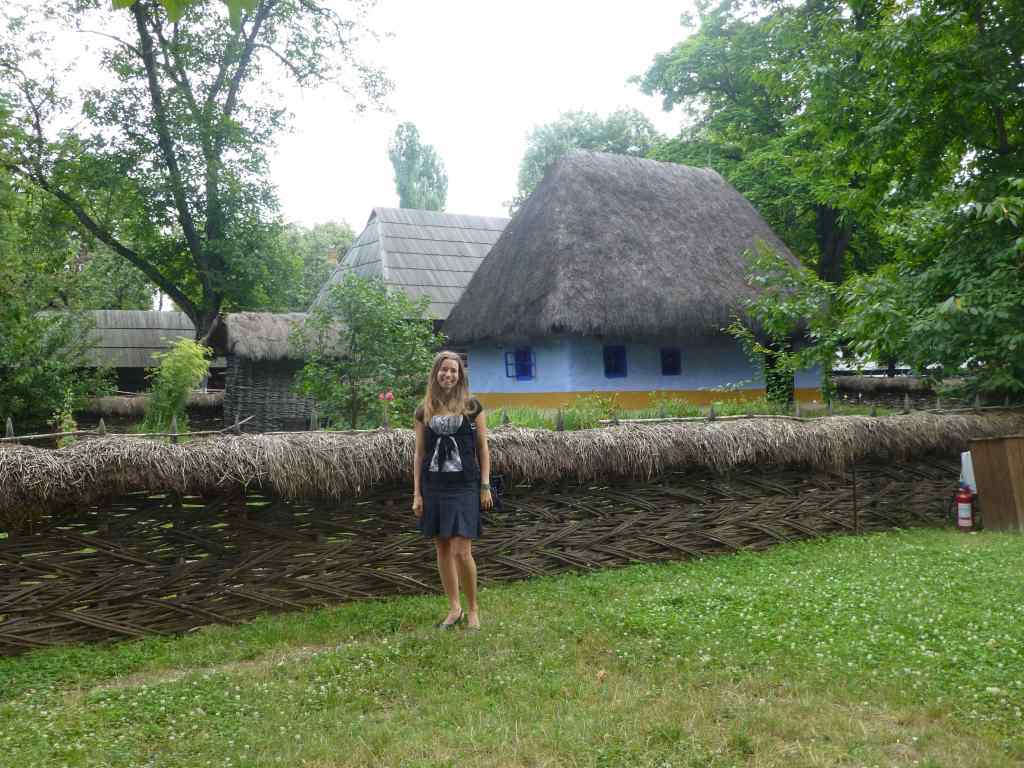
Our first stop was at the Ethnographic Museum, which was deservedly very praised on the Internet and had the long name Museul National Al Satului Dimitrie Gusti. I really liked the Ethnographic Museum, with its green picturesque alleys, among which were beautifully maintained rural houses from different parts of Romania.
In front of each of the wooden houses there was a sign with the area and the approximate year from which this house dated, and each house was carefully furnished and visitors can see inside the traditional rural life. The whole museum impressed me – it was a calm and pleasant place to explore, both for children and adults. The park was located on the shore of Lake Herrestrau, and there were moored boats, windmills and water mills along the shore.
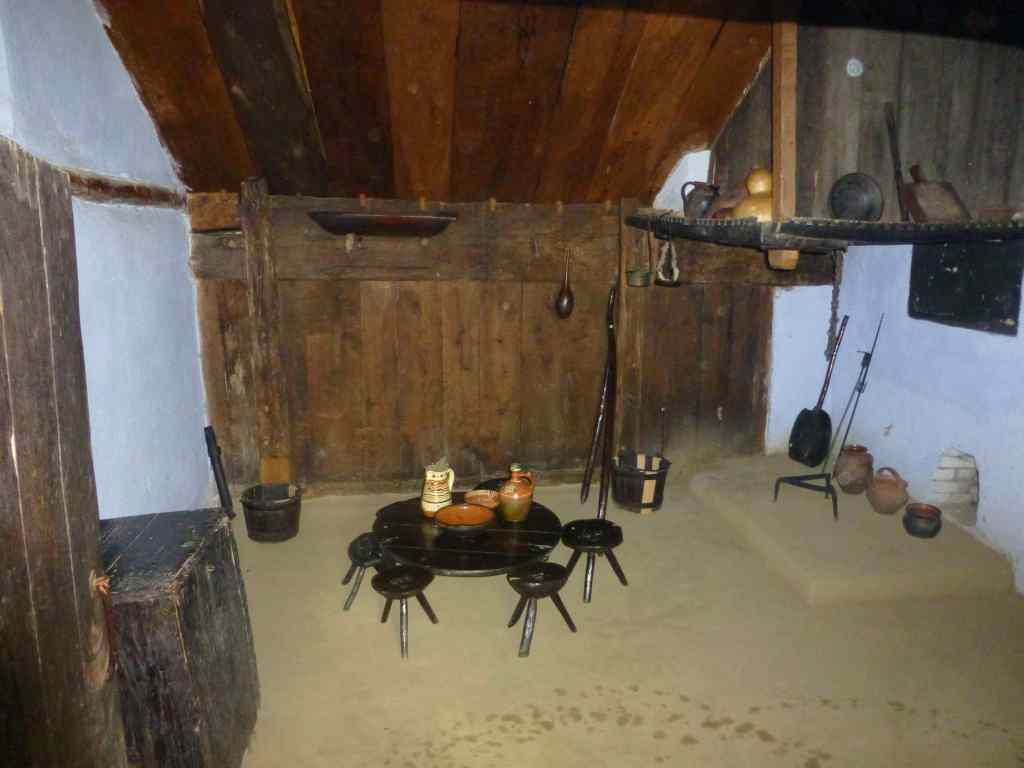
Especially interesting were the half-buried houses, which reminded me of Mexico, where we were shown primitive houses, which at first were holes with a canopy that protected them from the rain, then were slightly raised above the surface, similar to these Romanian buildings. From the inscriptions in front of the half-buried Romanian houses, we learned that they were of Neolithic origin, which was preserved in the southern part of the Oltenia region until the 19th century due to the climatic conditions. Furniture and colorful rugs made this windowless house a cozy home.
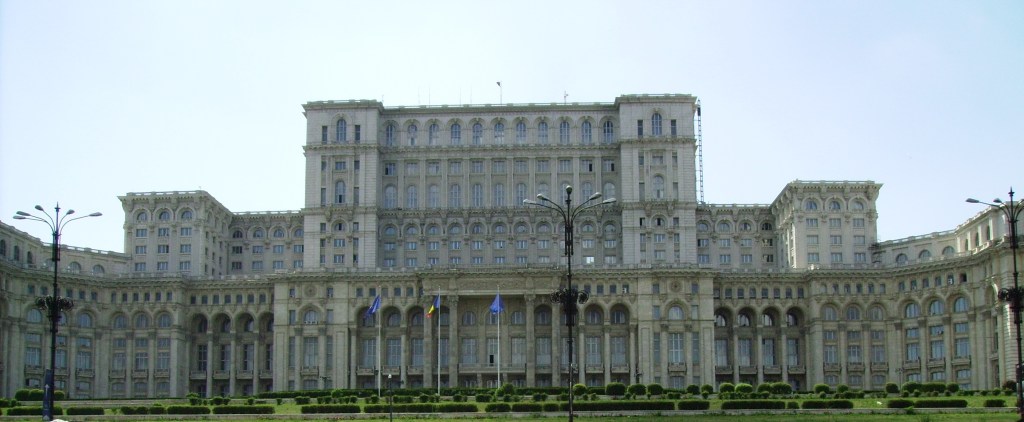
Most of the houses in the Ethnographic Museum date back to the 19th century, but walking through them it was as if we were much further back in time. The traffic jams in front of the museum brought us back to the present day and we looked for a new parking space, this time approaching the Romanian Parliament. The Palace of the Parliament, as it is called in Romanian (Palatul Parlamentului) is located in the center of the city and is considered the second largest administrative building in the world after the Pentagon. It is estimated that there are 12 floors, and another 8 underground. It was built during the reign of Nicolae Ceausescu and can also be viewed from the inside with the lavish staircases and chandeliers. However, we were content with only photos from the outside, continuing our panoramic car ride through “Little Paris”, as Bucharest was called, because of its artistic life and beautiful architecture. Between the two world wars, dozens of beautiful and exquisite buildings were built here by French architects in the style of “fin du siècle”.






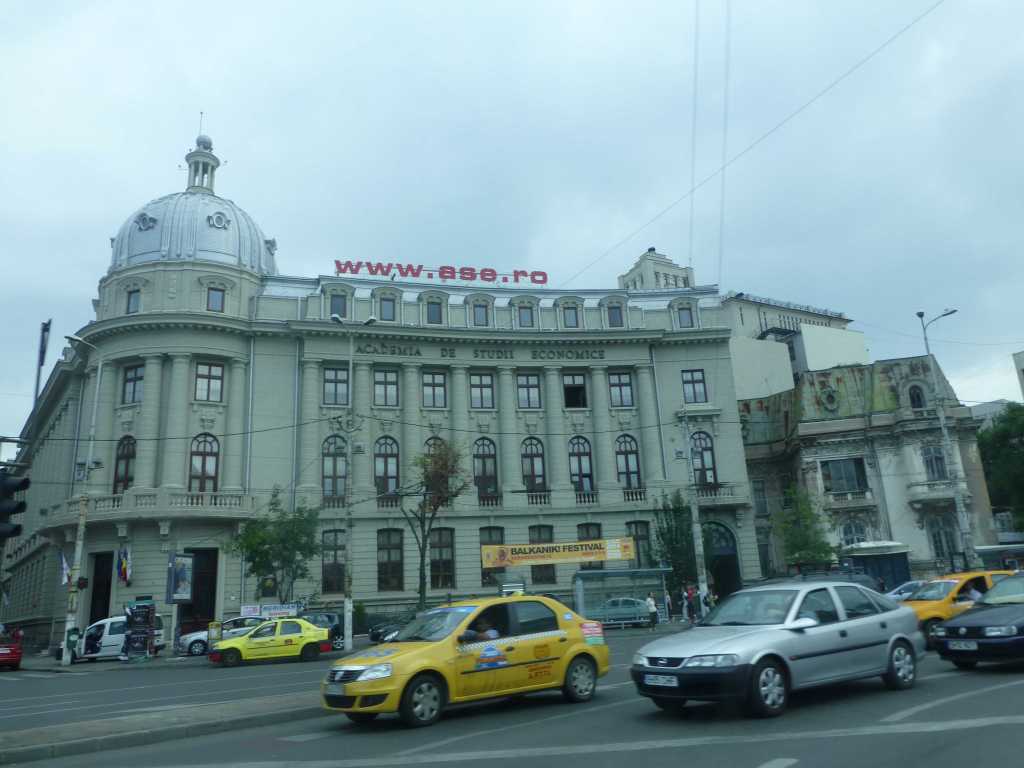
The “French” atmosphere could be best felt on Strada Lipscani, which is considered the historical center of Bucharest. There are lots of antique shops and small boutiques here, as well as some of the most tempting restaurants and bars in the city. In 1400, most craftsmen from Romania, Austria, Greece and Bulgaria founded their workshops in this part of Bucharest. Soon after that, the area became known as Lipskani, because of the many German merchants from Leipzig. After a quick meal, we headed to our next destination – the fabulous Peles Castle, which was located 127 km north of Bucharest and the way there took about 2 hours.


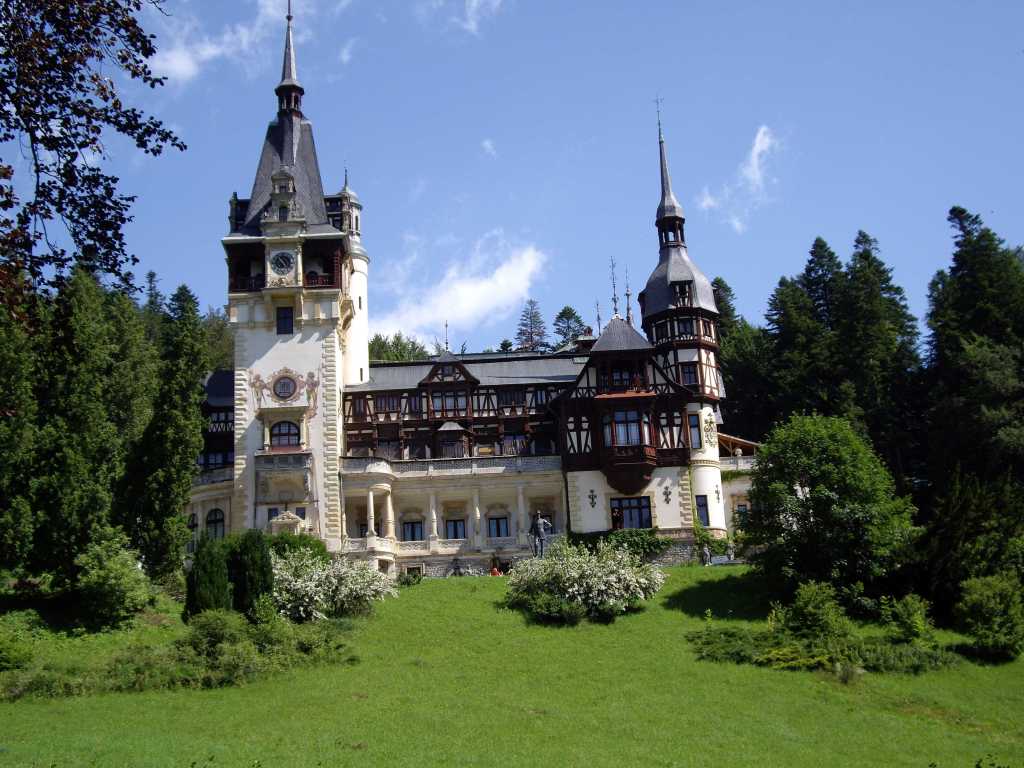
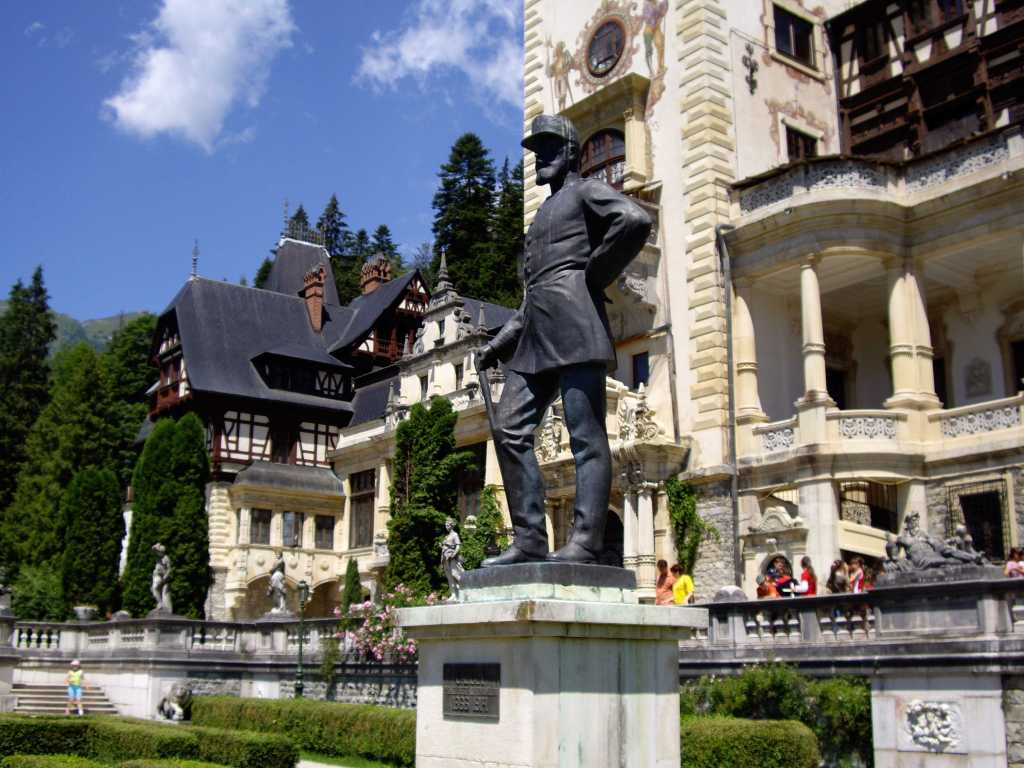
Peleş Castle (Castelul Peleş) is located on the outskirts of the city of Sinaia, and is located on the medieval road that connected the historical regions of Transylvania and Wallachia. The castle was built between 1873 and 1914 and is a real masterpiece that seems to have come out of fairy tales. It is as impressive on the outside as it is on the inside, with rich carvings and sophisticated furniture. However, taking pictures inside was forbidden, so during our tour we tried not to blink in order not to miss a piece of its beauty.
The castle is also known for one of the best collections in Eastern and Central Europe, including sculptures, paintings, furniture, weapons, gold and silverware, ivory, books, tapestries, etc. The collection of weapons and armor, for example, numbers more than 4000 items. We were impressed by the interior and architecture of the building, as well as the beautiful park with gardens and fountains around it. We immersed in a real fairy tale that continued through the picturesque resort of Sinaia. The wooden houses on the road were very similar to the alpine ones and for a moment we forgot where we were. We regretted that we had not planned an overnight stay here, and had to go back to Ruse in the evening.
Romania, however, managed to impress us with its beautiful buildings and castles. On the way back, we began to think about new routes around this neighboring country, which managed to preserve its beautiful treasures from the past.

GENERAL INFORMATION ABOUT BUCHAREST:
Location: Bucharest is the capital and largest city in Romania. It is located in the Lower Danube Plain, on the banks of the Dambovița River and less than 70 km north of the Danube.
Area: 228 sq.km
Population: 1,883,425 people
Official language: Romanian
Altitude: 60-90 m
Climate: temperate continental climate
Time zone: UTC+2
Currency: Romanian leu (RON)
Additional information: http://romaniatourism.com/bucharest.html
TRIP TIPS FOR BUCHAREST:
Best time to visit: all year round, but keep in mind that winters there are quite cold.
Typical foods and drinks: Mamaliga (resembles the Bulgarian kachamak and is served as a side dish for almost everything, even tinsel), Sarmale (like the Bulgarian cabbage rolls, but smaller), Michi (like the Bulgarian kebabs, but smaller). Here you can also try “Bulgarian Salad”, which is a mixed salad of tomatoes, cucumbers, roasted peppers, onions, cheese and ham.
Places to visit: thePalace of Parliament located on the Revolution Square, the Arc de Triomphe, the Old Town of Bucharest with the restored buildings on Lipscani Street, the Ethnographic Museum, the Romanian Athenaeum (the most prestigious concert hall in Bucharest, whose 40-meter dome likens the building to an ancient temple); Herastrău Park (this is the largest park in Bucharest).
 TripTips