EASTER IN POLAND
WARSAW (PART 3)
author: Ana Boneva

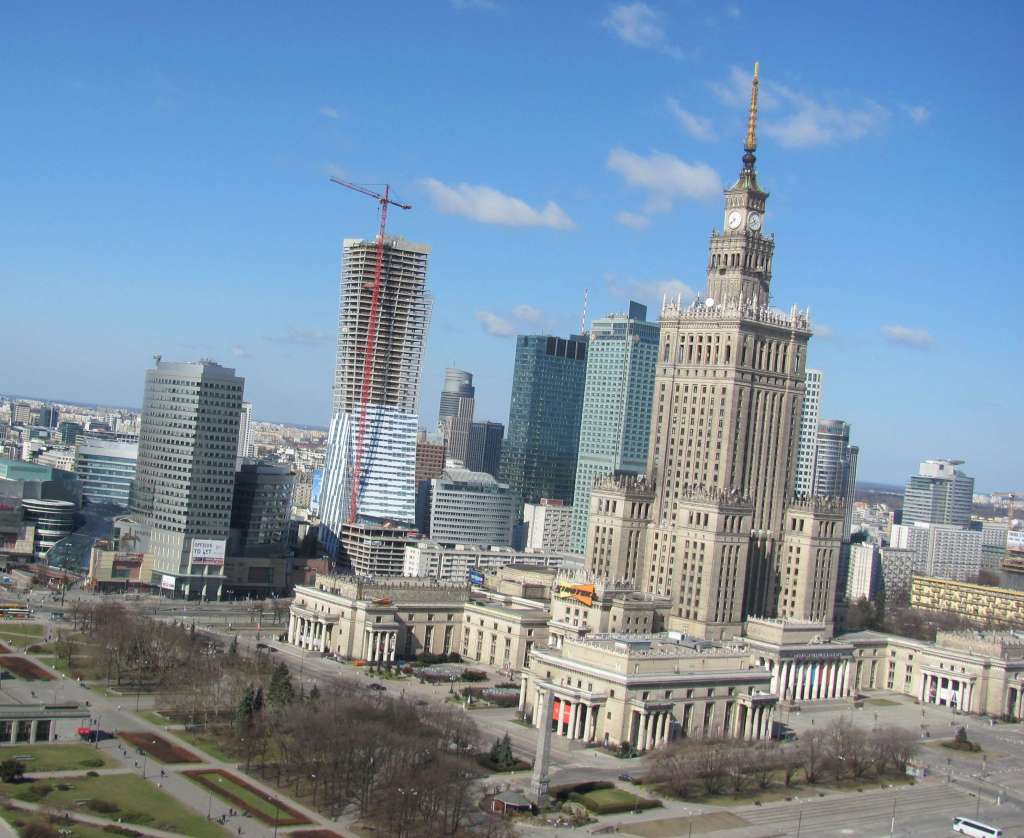
Our flight to Warsaw was stellar, and as we landed we immediately boarded bus 175, which turned out to stop right in front of our hotel. We arrived very quickly, as our hotel Novotel Warsaw was very high (31 floors) and visible from afar. Right opposite to the hotel, the tallest building in Poland was situated, which was also illuminated in an incredible way and I was very glad that our room located on the 24th floor looked right at it (room 2419). The hotel welcomed us very friendly and we received a basket full of chocolates as it was Easter.


The next day, after another hearty breakfast at the hotel, we went on a walking tour of the city. We started from the Palace of Culture, located a few meters from the hotel. The Palace of Culture and Science is the tallest building in Poland and is the 8th tallest building in the European Union and 187th in the world. At one time it was named after Joseph Stalin, but now it remains only the Palace of Culture, which in Polish sounds Palac Kultury i Nauki, or PKiN for short. The building was built in 1952-1955 as a gift from the Soviet Union to the people of Poland. About 3,500 Russians worked on it, of which 16 died in accidents during construction. At the opening of the building, it houses a cinema, restaurants, community centers and a swimming pool. Today, the residents of Warsaw have mixed feelings about this building, which they associate with the Russians, but tourists like to climb the terrace from the 30th floor, from where a wonderful view of the city is revealed from a height of 114 meters. Currently, the building has an exhibition center and office space. The height of the building is 231 meters with 42 floors and 3288 rooms, which again have a cinema, theaters, museums, offices, bookstores, etc. However, all of them were closed on the Monday after Easter, which also turned out to be a day off for all the shops and malls we passed by.
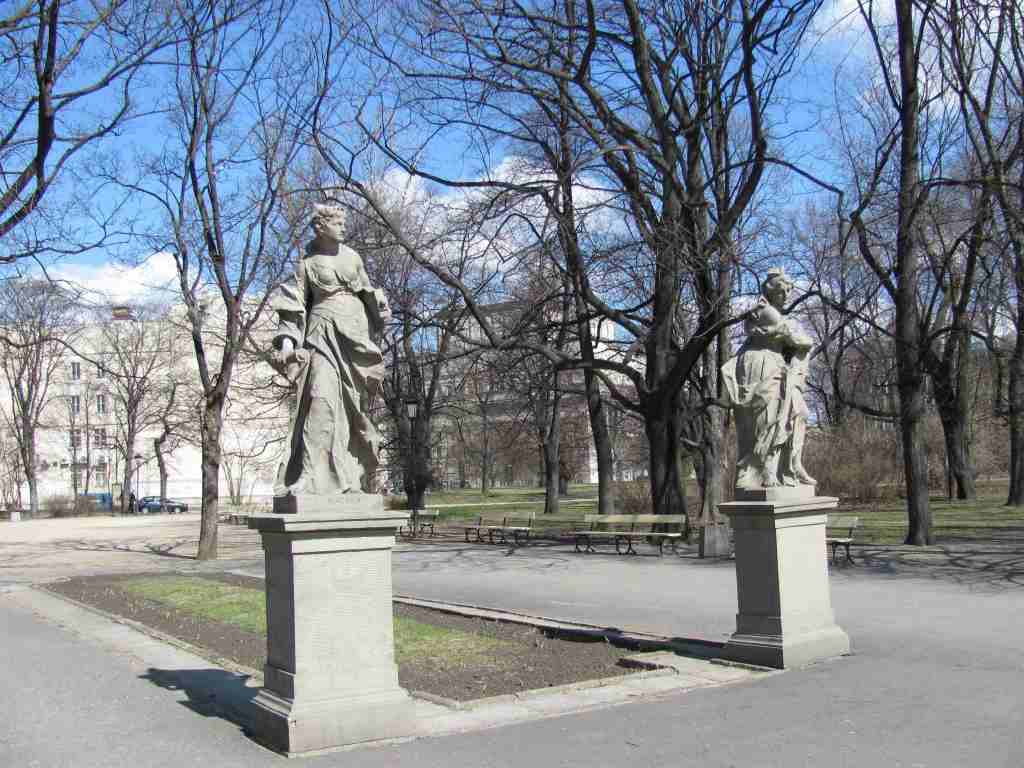
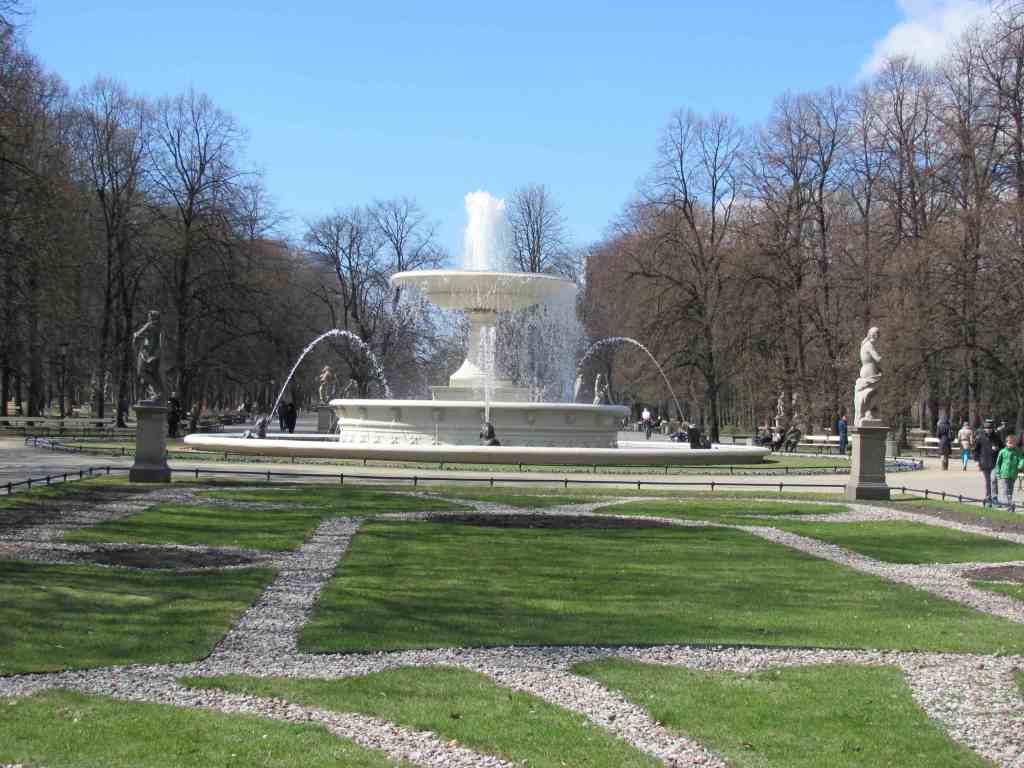
Although it is the tallest building in the country, the same as the Eiffel Tower, it is not at all visible from anywhere in the city, as I initially thought. We still managed to photograph it from head to toe, after which we continued to the picturesque Saxon Garden park. It is a public park located on 15.5 hectares and is the oldest park in the city, created back in the 17th century and open to everyone since 1727. The park was originally part of a palace complex in a typical Baroque style, reminiscent of Versailles in Paris. It starts from the rear façade of the palace and continues through numerous alleys decorated with various statues. At the end of the park there was an eternal flame lit, guarded by soldiers. We happened just in time for the changing of the guard and filmed the marching soldiers.

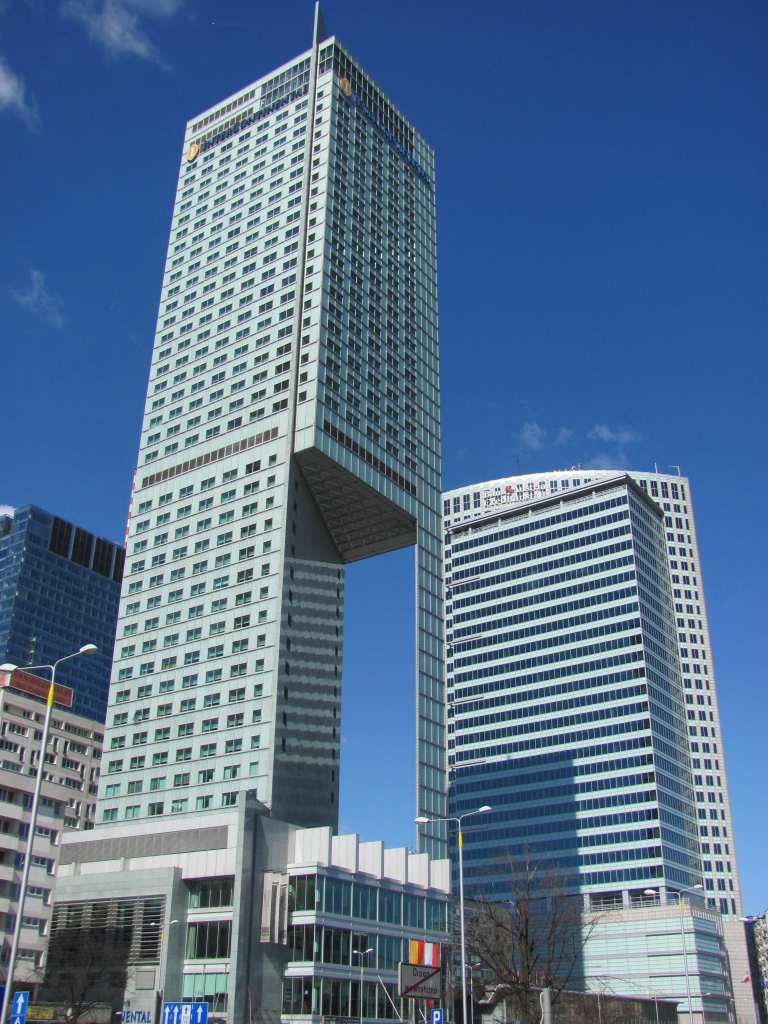


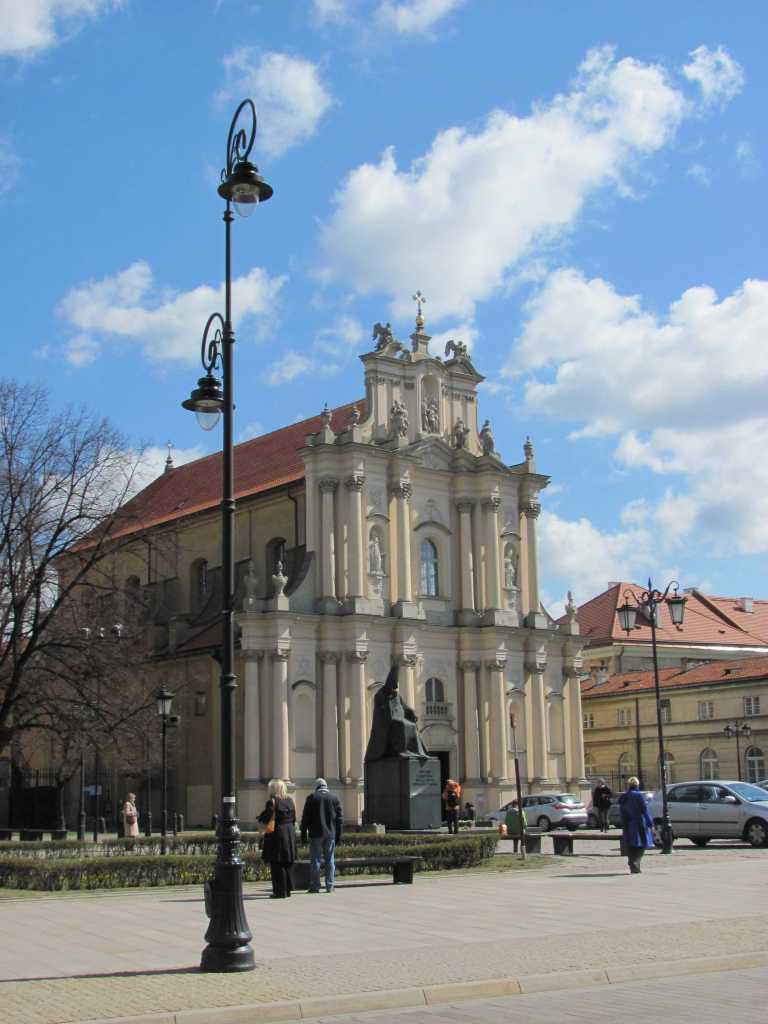
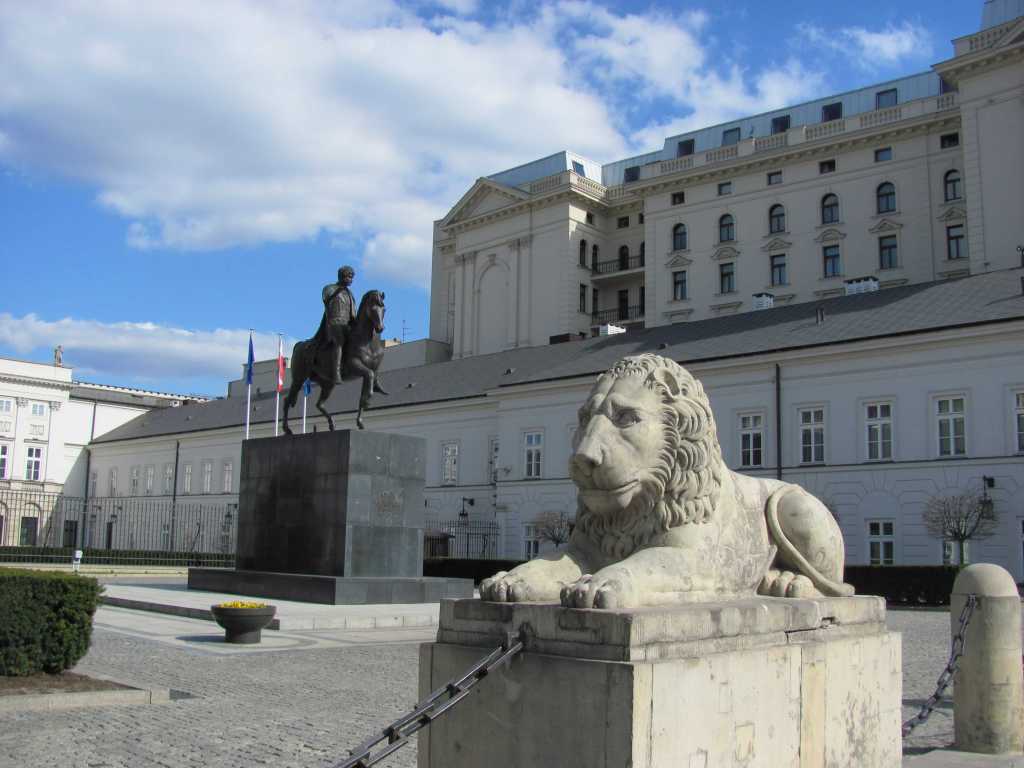
On the way out of the park, we headed to the Presidential Palace, located in a beautiful classical building built in 1643, which has been rebuilt and modernized several times over the years. Initially, the palace was privately owned by aristocratic families, and only in 1818 started to be used as a government building. Today, the palace is the official seat of the Polish president.
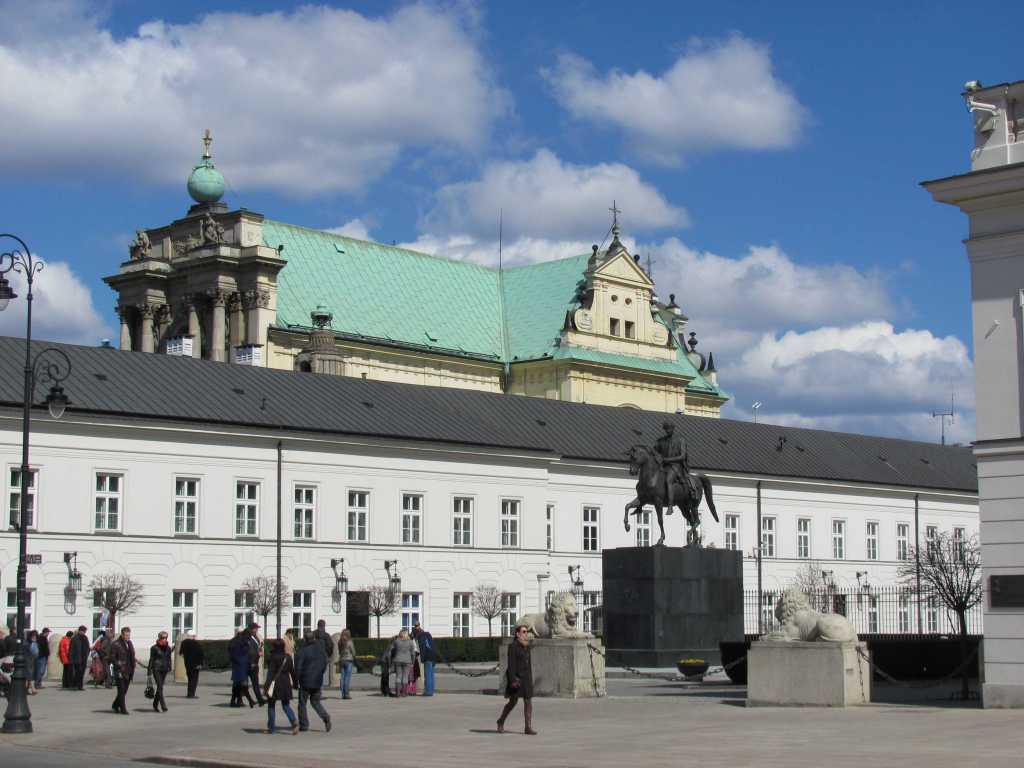

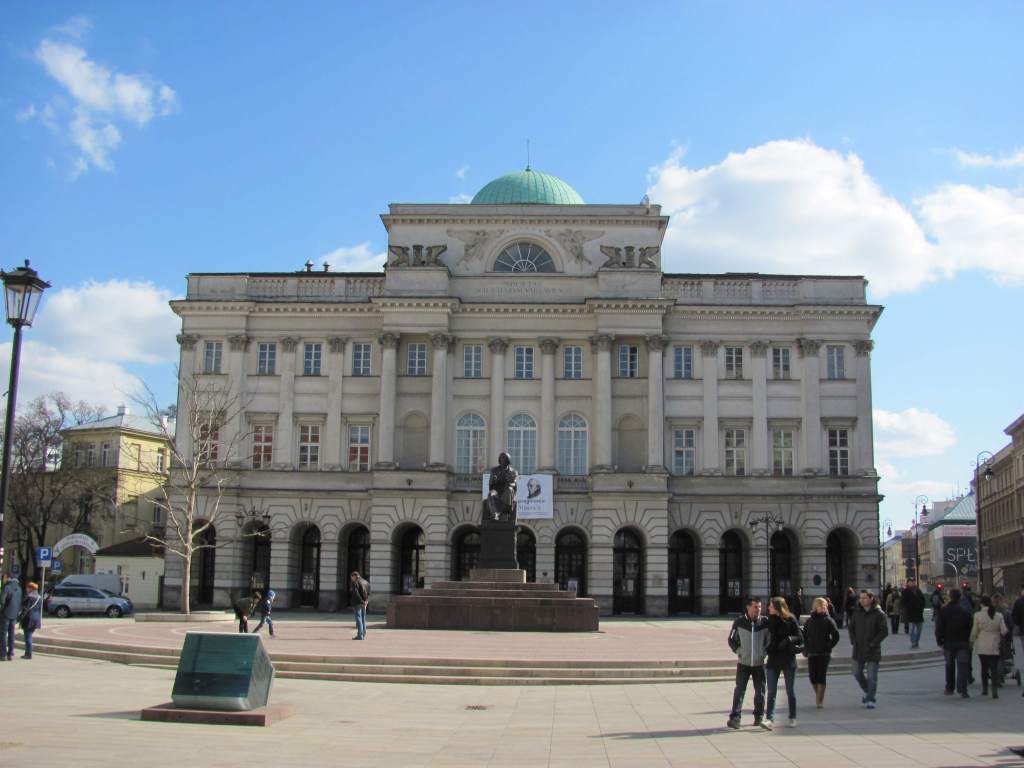
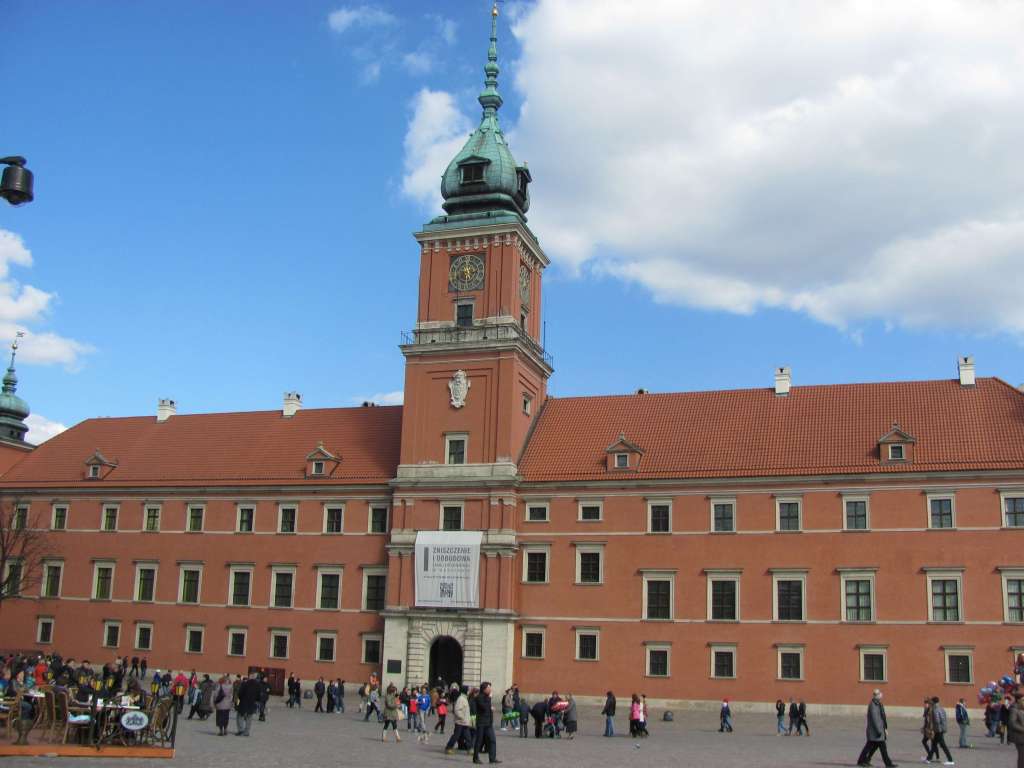
Continuing down the main street, we reached the Royal Palace Zamek Królewski w Warszawie, which was the official residence of the Polish monarchs. Located on the Palace Square at the entrance to the old town. In the 16th century, it was the king’s chambers and administrative offices, in the 19th century it was the seat of the king, and between 1926 and World War II it was the administrative center of the president. After the destruction by the Nazis, the castle was renovated in 1980 and, together with the old town, is on the UNESCO World Heritage List. Today the building houses historical and national monuments and plays the role of a national museum.
The square in front of the palace was full of people and in order to save ourselves from the crowd, we boarded a tourist train that circled the old town. The shaking was phenomenal, but we managed to tour all the sights and took a lot of photos. The tour lasted about 30 minutes, returning us to the central square. There we ate very tasty hod dogs and a warm waffle with cream and fruits.

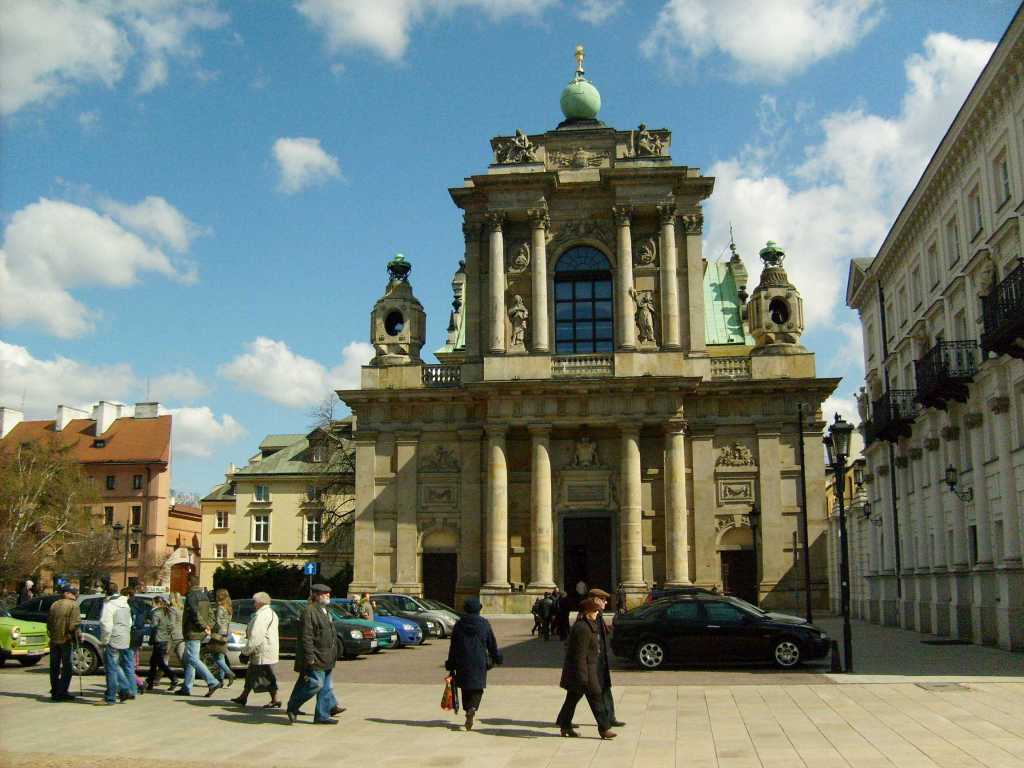


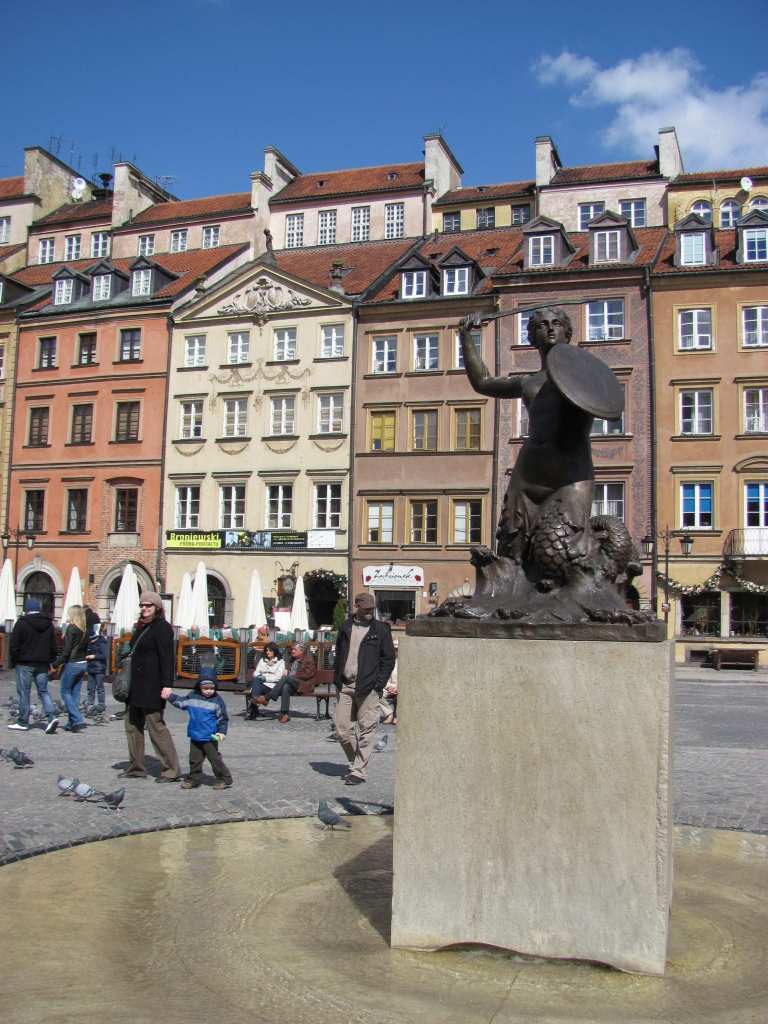
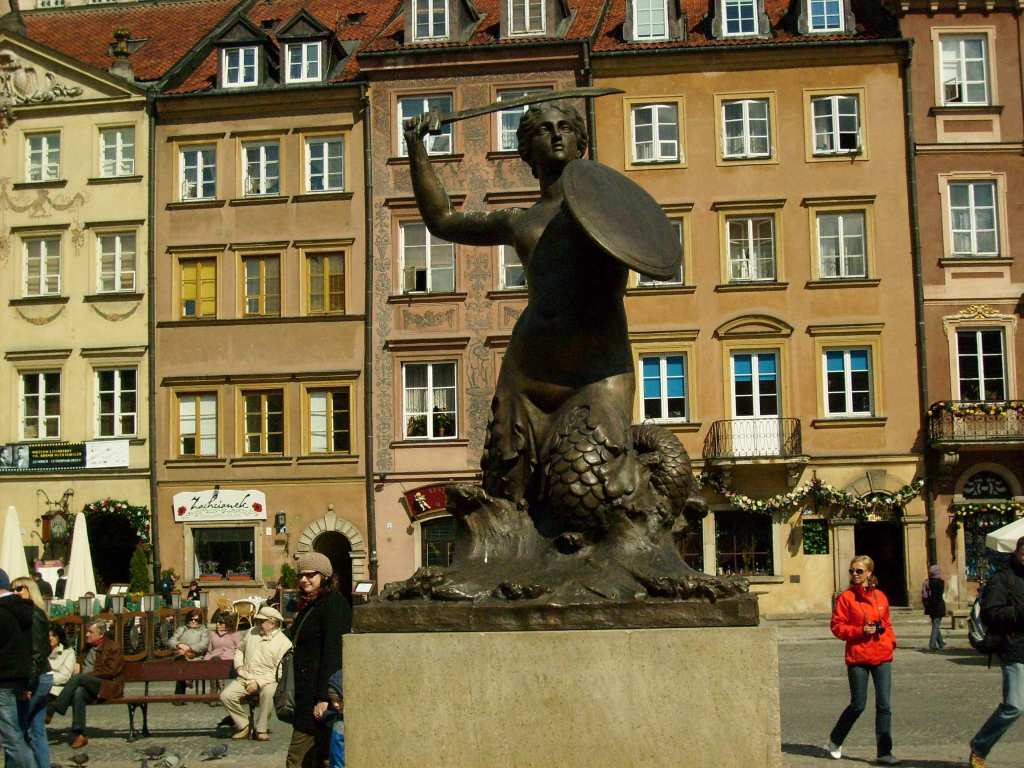

From the central square we went to the Market Square of the old town – this is the real center and the oldest part of the city. Almost completely destroyed by the Germans after World War II, today it is fully restored. This square was the heart of Warsaw until the end of the 18th century. Formed since the emergence of the city in the 13th century, it has always been full of merchants and buyers.
In the 14th century, a statue of the Varshava siren was placed in the center of the square, which guards the city, and fairy-tale legends are kept about it.
“Many years ago, in the distant fairytale times, two mermaid sisters lived in the Baltic Sea. These half-fish, half-women were very beautiful, but soon they got tired of the underwater world and decided to go to the shore. One of the sisters went to the Danish coast, where she sat next to the port of Copenhagen. She liked the view there so much that she remained and is still standing on the shore today.
The other sister swam to the shores of Gdańsk, where she descended the full waters of the Vistula River. The mermaid stopped to rest on the shores of Warsaw and she liked the city so much that she decided to stay. However, the fishermen began to complain that someone kept freeing the fish from their nets and decided to catch the thief. They were very surprised when they caught the beautiful mermaid, but after hearing her sweet voice, they immediately released her and even became friends.
One day, however, a wealthy merchant came to the city, who heard about the beautiful mermaid and decided to capture her and exhibit her in the square, profiting from this. He managed to lure her and locked her in a cage, but the fishermen heard her screams and freed her. Grateful for their help, the mermaid promised to protect them, as well as the city, which was growing safely and became the rich capital city of Warsaw today.
The merchant was unable to keep her, but he achieved his goal – placing a statue of her in the center of the market square. And today the mermaid stands there armed with a shield and a sword, ready to protect the inhabitants and the city.”


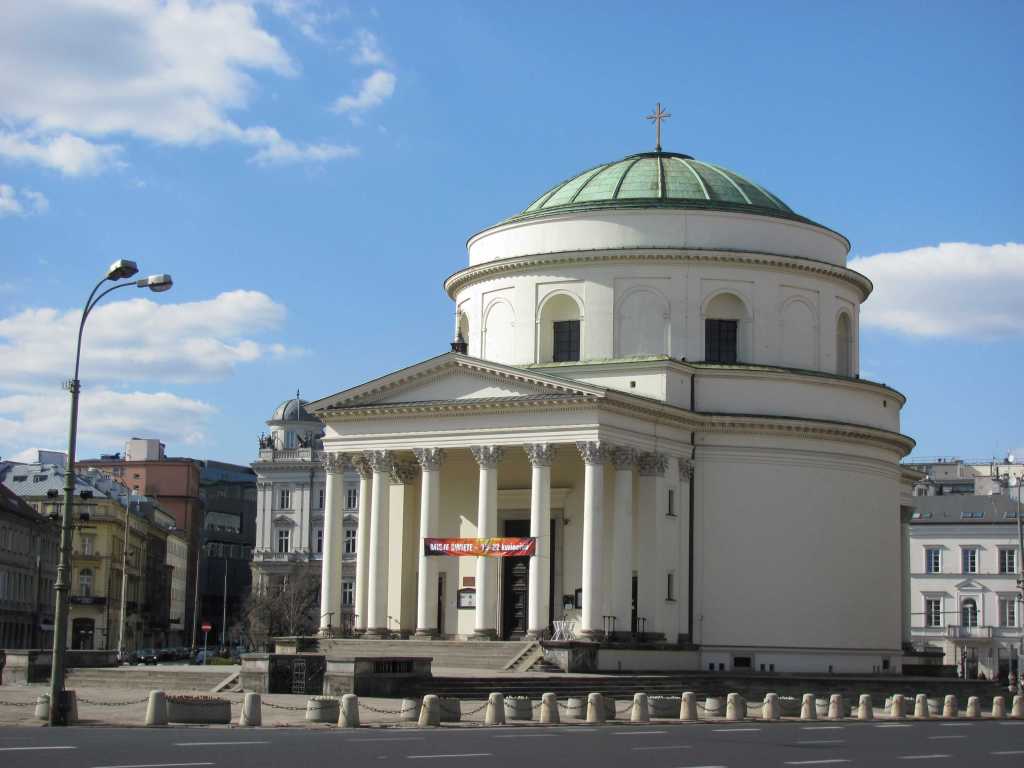
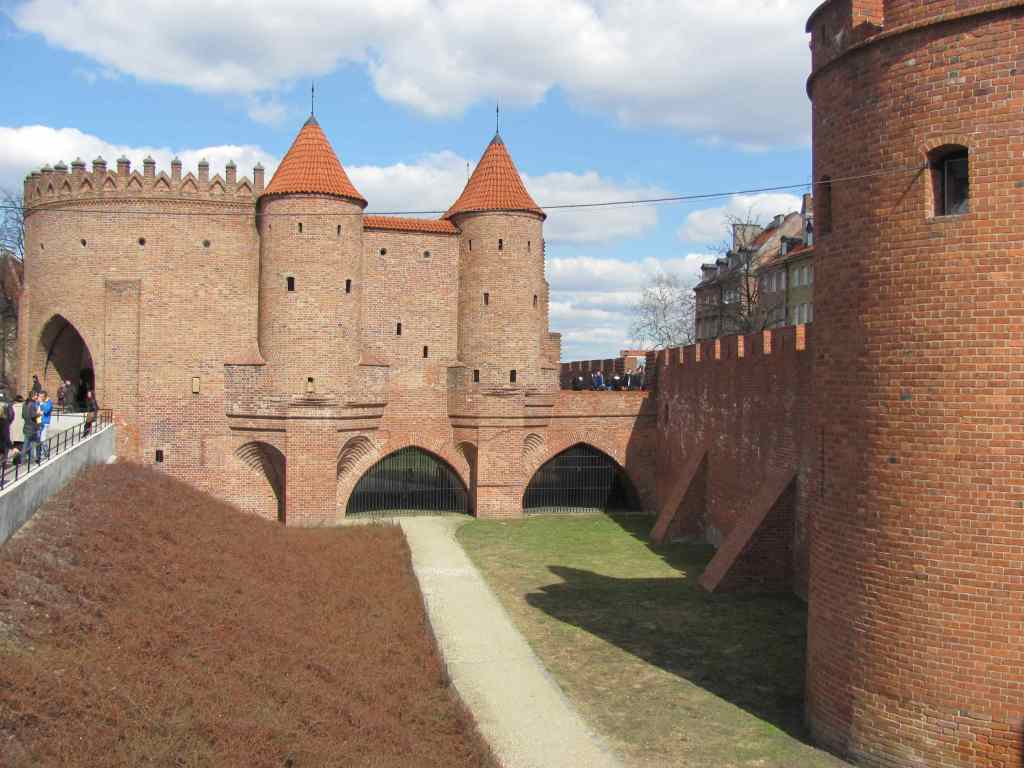
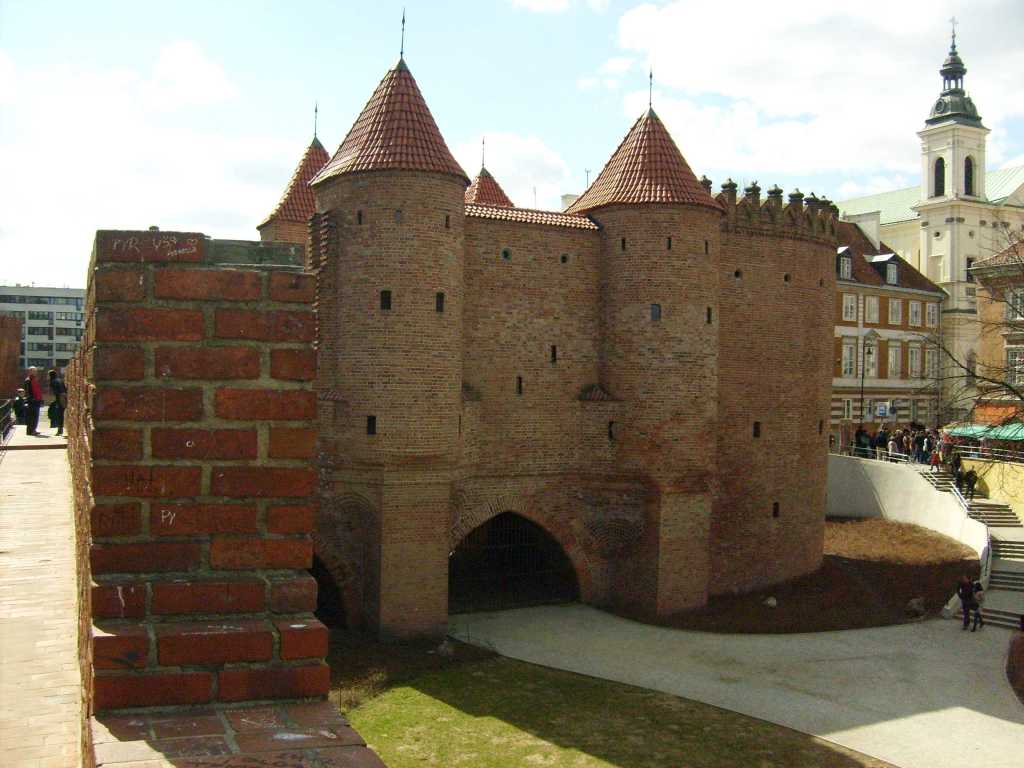
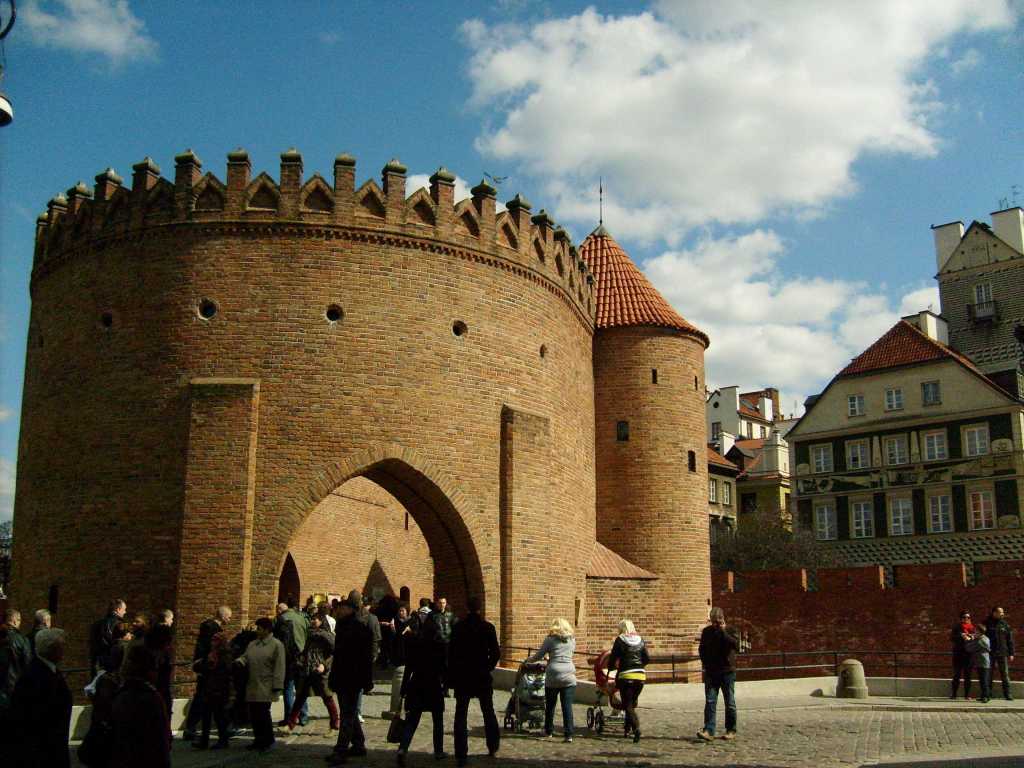
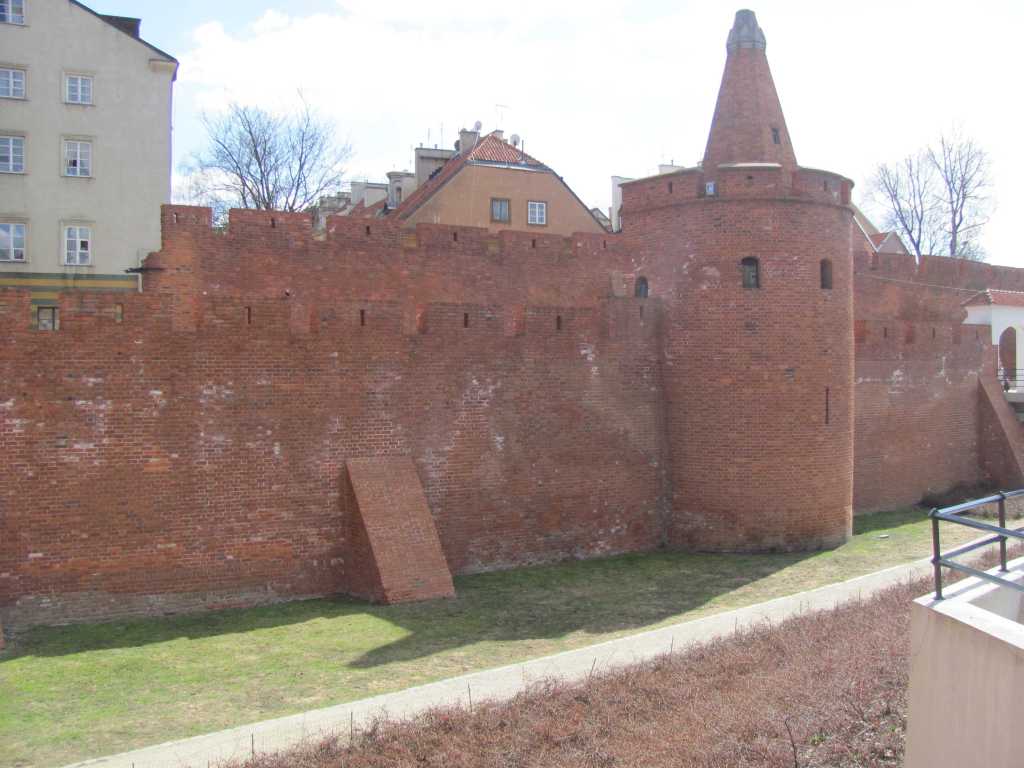
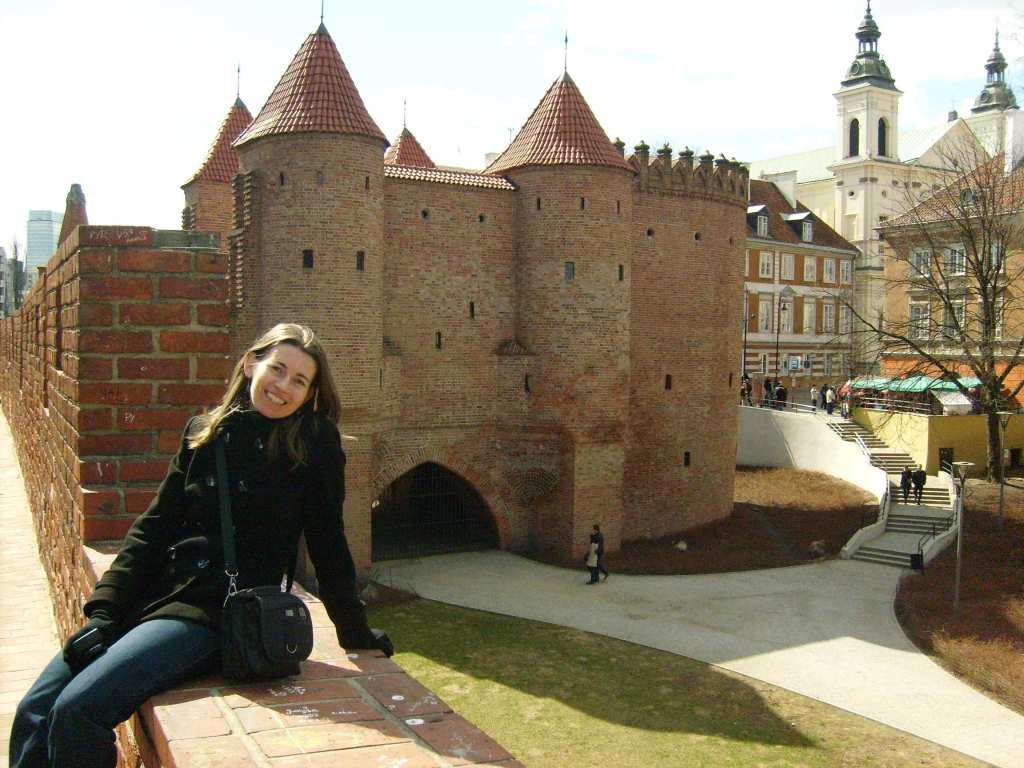
From the old square we headed to the city walls, along which beautiful brick towers were erected. I definitely liked Warsaw. There were palaces, beautiful buildings, a romantic river that meandered through the city. We even found a few open souvenir shops. The weather was sunny and compared to the rest of the days it was much better, although the morning temperatures were only +3C.
After a walk through the old town, we walked along the modern shopping street, also filled with old buildings and many cafes and shops. Some of the establishments were open and full of customers, and the shops on the Nowy Swiat shopping street were closed.
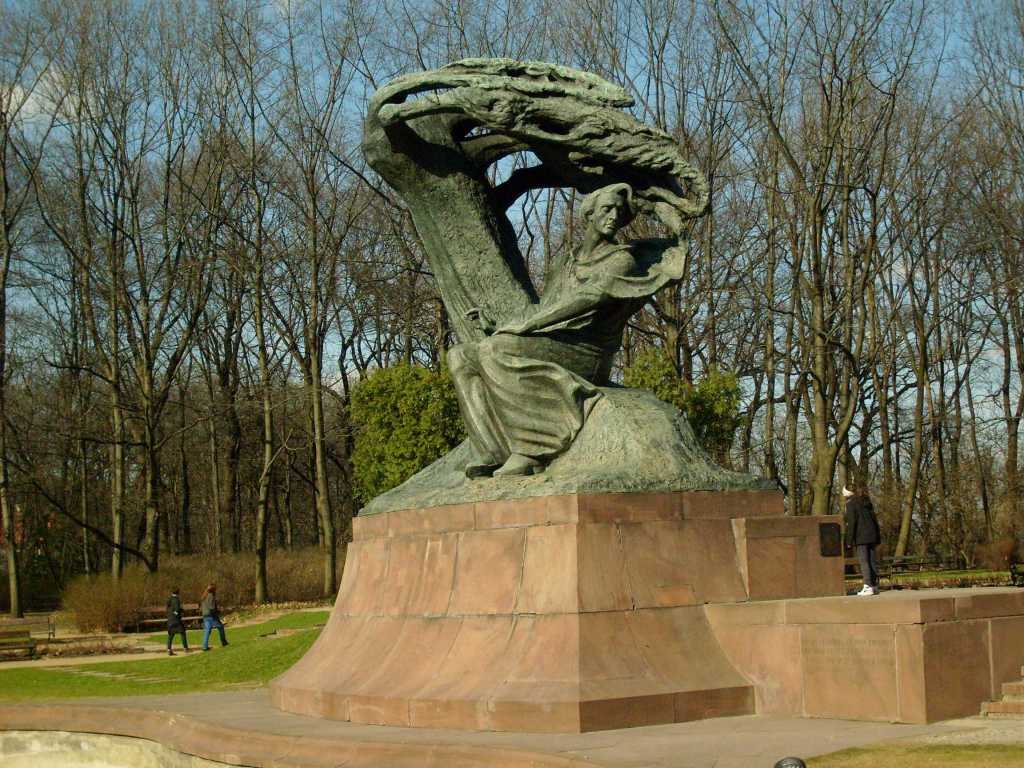


We decided to walk to the famous monument of Chopin, and this walk took us more than an hour. In the capital, we made lots of steps, but they all worth it, as I liked Warsaw the most of the Polish cities I visited so far. Evidence of this are the 250 photos we took + 3 films. The statue of Chopin is placed at the upper end of Warsaw’s Park Łazienkowski. It was built in 1907, on the occasion of the anniversary of Chopin’s birth in 1910, but due to contradictions in its appearance, and later due to the outbreak of the First World War, the statue did not see the light of day until 1926, when it was placed. During World War II, the statue was destroyed by the Germans on May 31, 1940. The next day, there was a hand-written sign that read, “I don’t know who destroyed me, but I know why, so I wouldn’t play a funeral march for your leader.”
The original pattern of the statue, which survived the war, helped restore the statue to its original form and re-erect it in 1958. And today, benches are placed along the statue where people can sit and hear a gentle melody of this great composer.
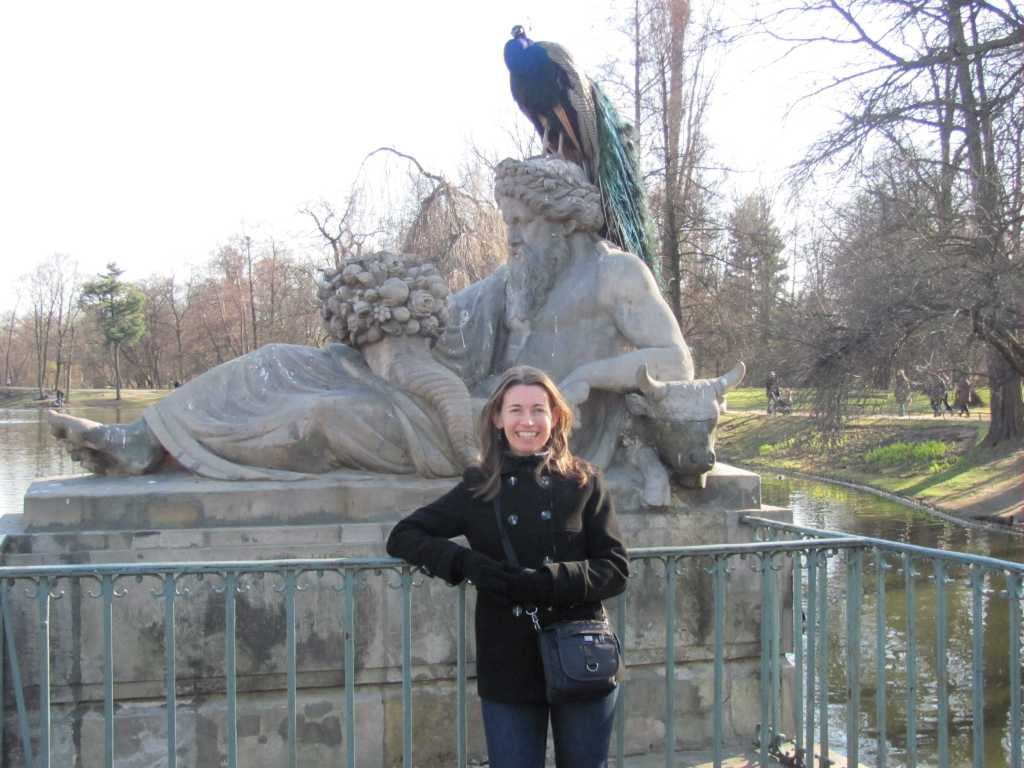
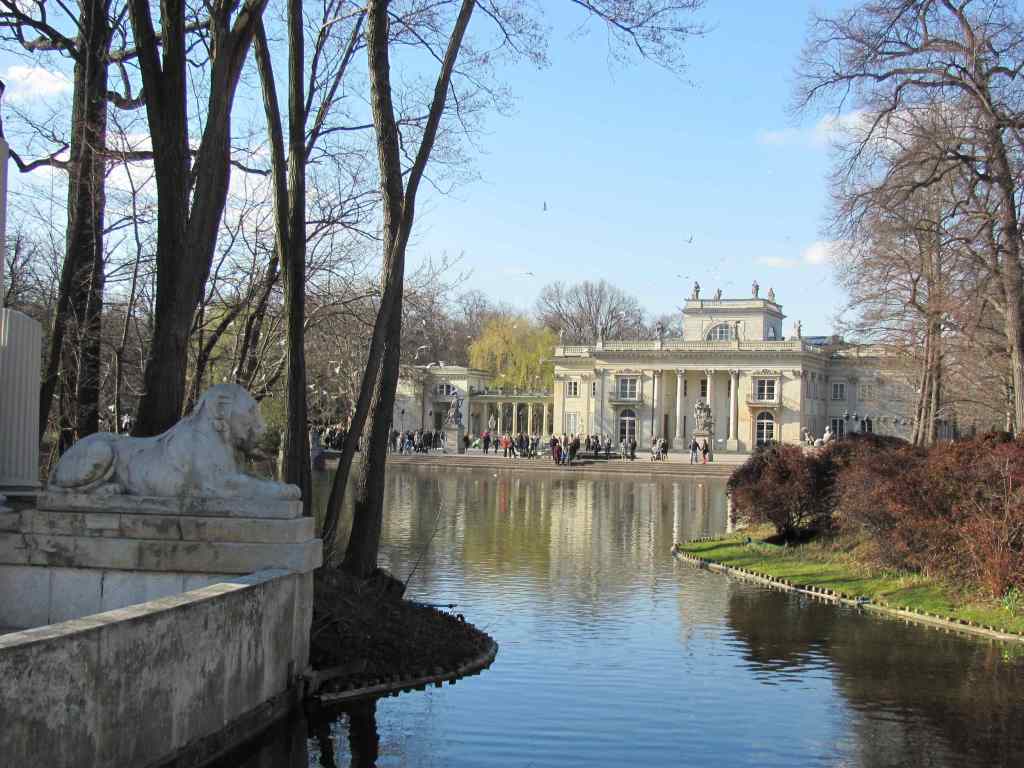
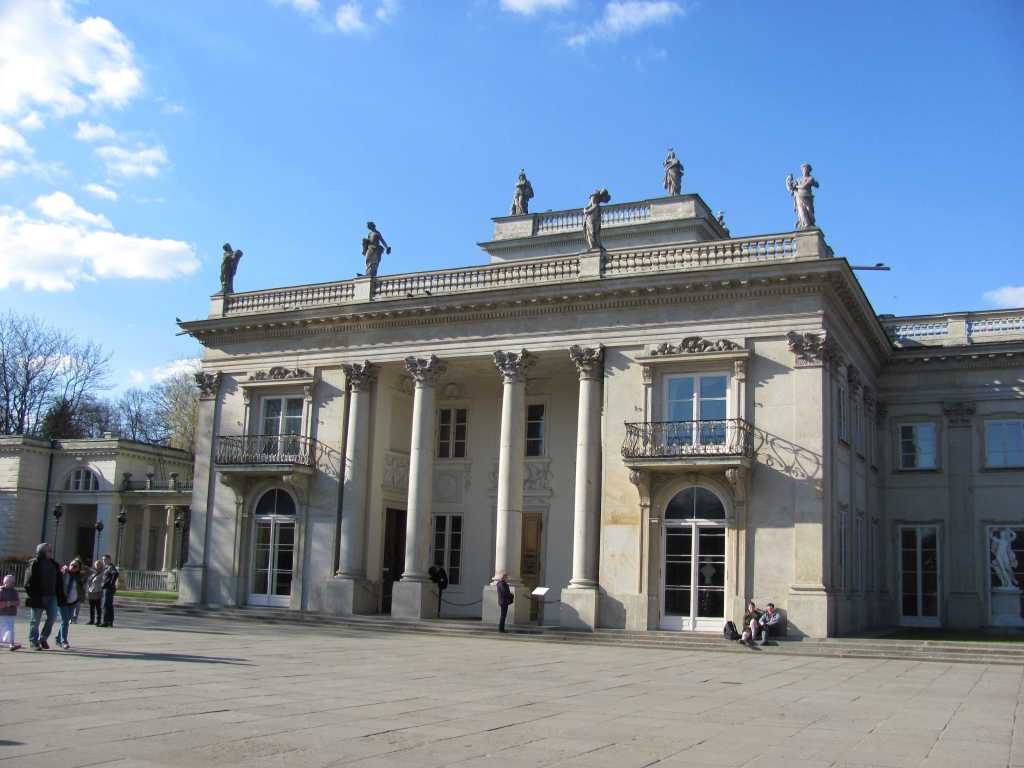
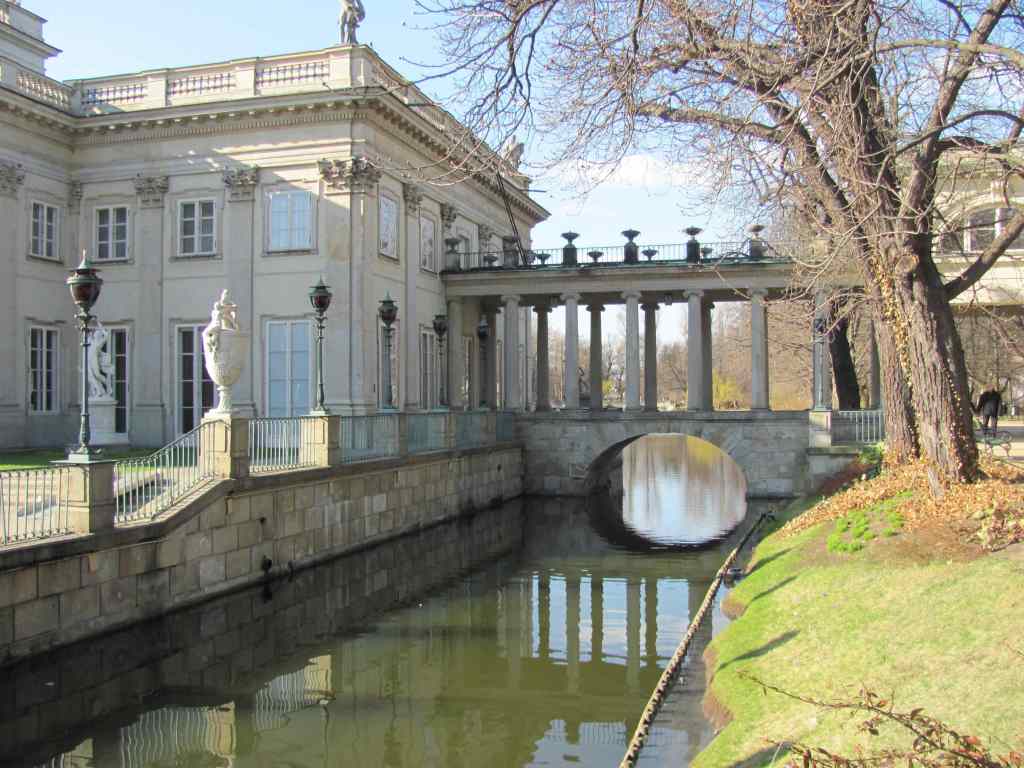
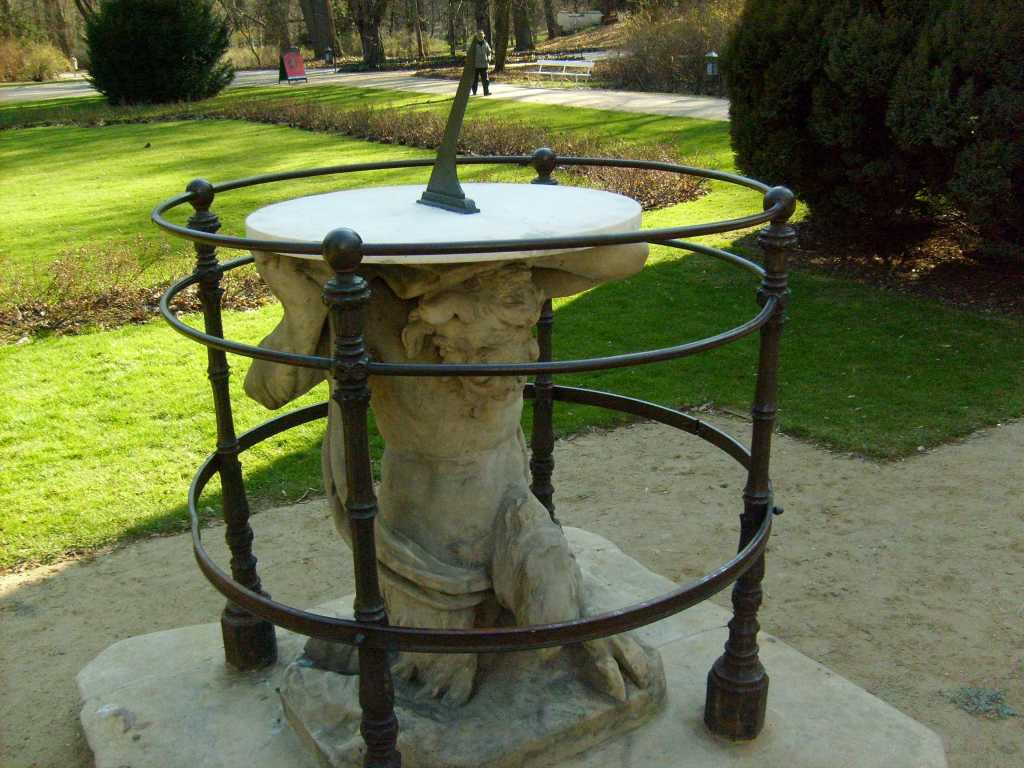
In the park, we drank a cup of hot chocolate and coffee, sitting outside on the sunniest table. The park itself was also very beautiful – with a castle located in the middle of the river, as well as many pheasants that proudly walked and tourists took pictures. At one end of the park, we even saw a wedding ceremony and my good impressions of the city were confirmed. We headed back to the hotel again on foot. In the evening we had dinner in a Polish restaurant and ate chicken toasted with cheese, French fries and cabbage salad, which turned out to be turnips. There were many stars outside and it was a great end to a pleasant yet busy trip.
The next morning we had a hearty meal in the hotel restaurant, where there were again richly crowded buffet tables. Right opposite the hotel, bus 175 stopped, which took us directly to the airport. The airport in Warsaw is named after the famous Polish composer Frederic Chopin, whose monument we photographed extensively the day before. It is the largest and most important airport in Poland, serving 50% of all passengers coming to the country.
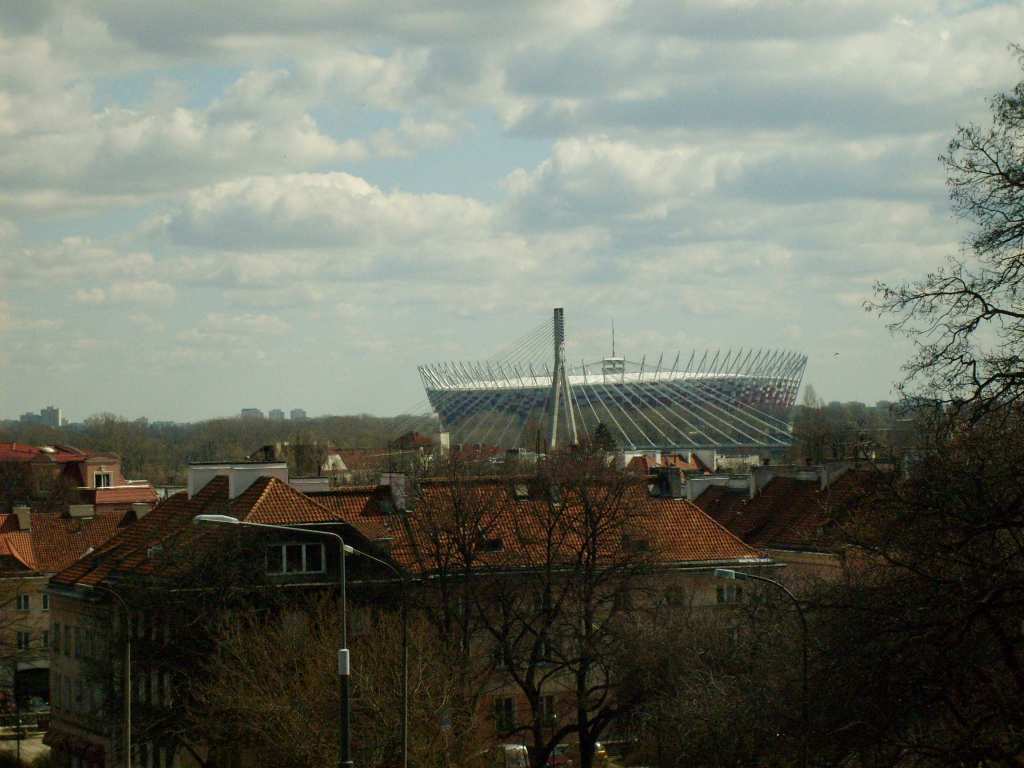
In general, I liked Poland very much. In addition to its beautiful places, I liked the warmth of the people, although most of them did not speak English. The country has preserved rich traditions, which were visible everywhere on Easter. And although shops were closed during the holidays, Poland’s economy was the best growing of all the former communist countries. The country even has the potential to become the largest food producer in the European Union. The capital, Warsaw, stands out as the city with the most foreign investment in Central Europe. Poland produces a variety of goods, including electronics, cars, helicopters and aircraft, military equipment, medicines, food, textiles, glass, and chemicals.
However, it was not the economy that attracted me to Poland, but their history and the many castles that I had heard about and seen in tourist magazines. On the Internet, I found a list of 242 castles located on the territory of Poland, which I hoped to visit someday.
GENERAL INFORMATION ABOUT WARSAW:
Location: The capital Warsaw is located in the heart of Poland, on the banks of the Vistula River.
Area: 517.24 sq. km
Population: 1,724,404 people
Official language: Polish
Altitude: 106 m
Climate: moderate (from mild oceanic to colder continental)
Time zone: UTC+1
Currency: Polish zloty (PLN)
Additional information: http://warsawtour.pl/en
TRIP TIPS FOR WARSAW:
Best time to visit: all year round, but keep in mind that the winter here is quite cold and there is usually a lot of snow, and in the summer months it often rains. Probably the best time for walks is in May and early autumn.
Typical foods and drinks: 1) Zurek – a soup made from fermented rye – with whipped cream, slices of salami and a hard-boiled egg; 2) Barszcz – beetroot soup – very salty; 3) Chlodnik – is also a beetroot soup that is served cold and is a very fresh dish in summer; 4) Pierogi – fried pies most often stuffed with ruskie (cottage cheese and potatoes), meat, cabbage, mushrooms, blueberries, apples and strawberries. Fruit cakes are usually served with cream and sugar. Typical local drinks are: 1) Tatanka – a Polish drink made from apple juice and a special type of vodka (called zubrowka, which is seasoned with buffalo grass); 2) Wodka miodowa – honey vodka, usually served in small glasses and drunk on ex; 3) Sliwowica – plum brandy; 4) Grzaniec – warmed wine with cloves and other spices. Especially popular at Christmas, when sold in the open market.
Places to visit: Royal Castle, Lażenki Palace, Palace of Culture and Science, Old Town Square (Rynek Starego Miasta), Chopin Monument, Tomb of the Unknown Soldier in Warsaw and many others
 TripTips