EASTER IN POLAND
GDANSK (PART 2)
author: Ana Boneva
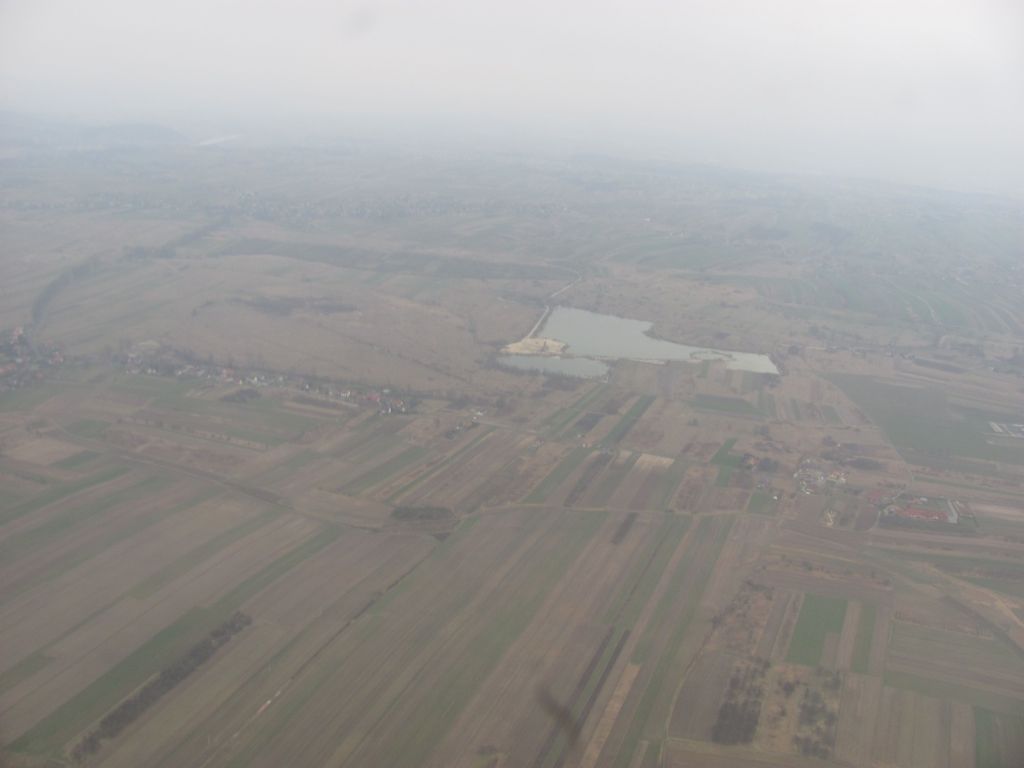
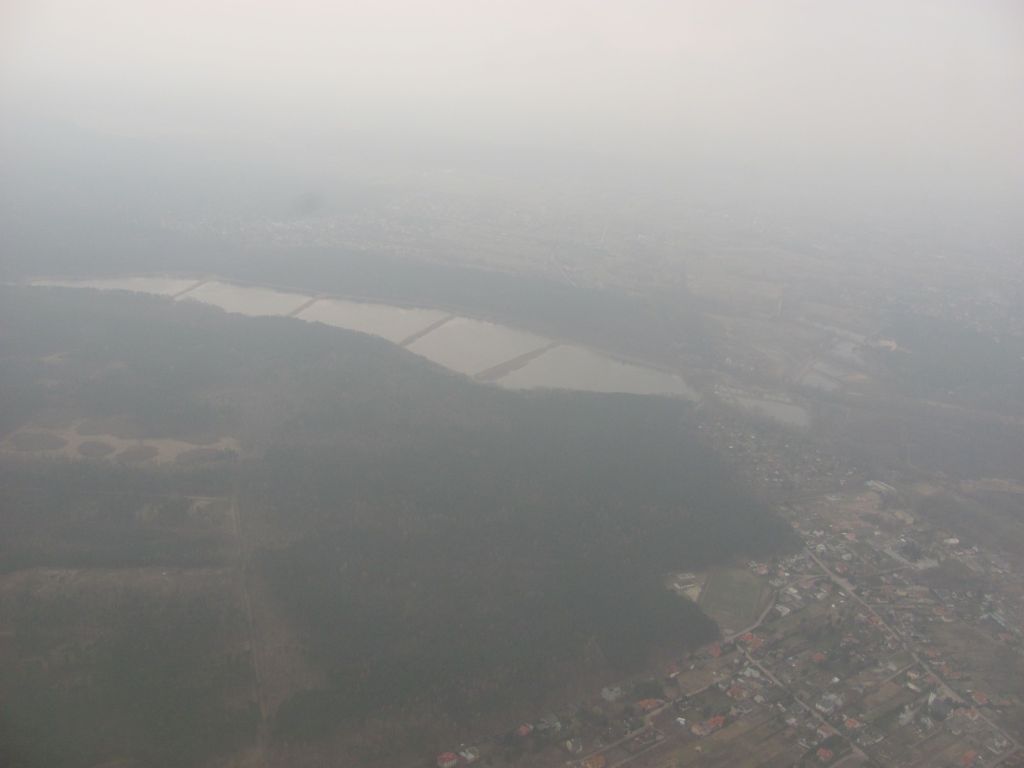
We landed in Gdansk on Easter eve. Our flight was cloudy and we were not able to see Poland well from a bird’s eye view, but it looked a very brown country with many arable areas. Poland is a flat country, with 2/3 of its area being lowlands, dotted with numerous lakes connected to each other by streams and rivers. Especially beautiful were the Masurian lakes of glacial origin. To the south, the highest parts of the Carpathians fall on the territory of the country, with the highest Polish peak being Risi (2,499 m) – compared to our Musala (2,925 m). Poland’s longest river is the Vistula, which rises in the Western Carpathians and flows into the Bay of Gdańsk. The river passes through the beautiful cities of Warsaw and Krakow, and accordingly would accompany us during our entire trip. According to reference books, about 1/3 of the country is occupied by forests.
As for the beautiful Vistula River, in addition to being the longest river in Poland (1090 km), it is also the second largest river in the Baltic Sea basin. The river rises at an altitude of 1106 m above sea level in the western Carpathians and flows into the Baltic Sea.
Landing in Gdansk we felt a slight rumble, although it was dark we noticed the wet runways at the airport, which is the next largest one after those in Warsaw and Krakow, but it seemed to us even bigger than the one in Krakow. On the plane I read that after the end of the First World War, this military airport became civilian, in 1920


The airport is only 10 km from the city center, and the excellent roads allow you to reach the airport in 15-20 minutes to the center. The number of passengers served is increasing every year, as in 1991. Their number was only 78,000, and in 2010 it was already 2,232,000. The number of aircraft serviced has also increased significantly. In 1994. It was 7,300, and in 2008 – 31,072 (which makes approximately 85 planes per day).
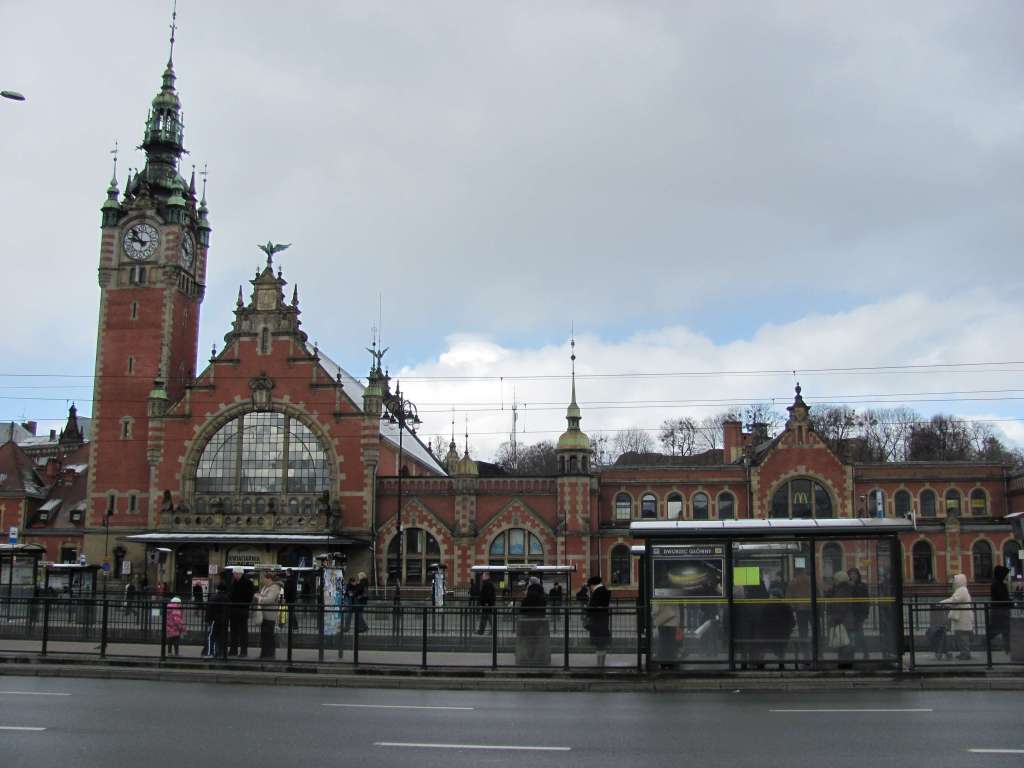
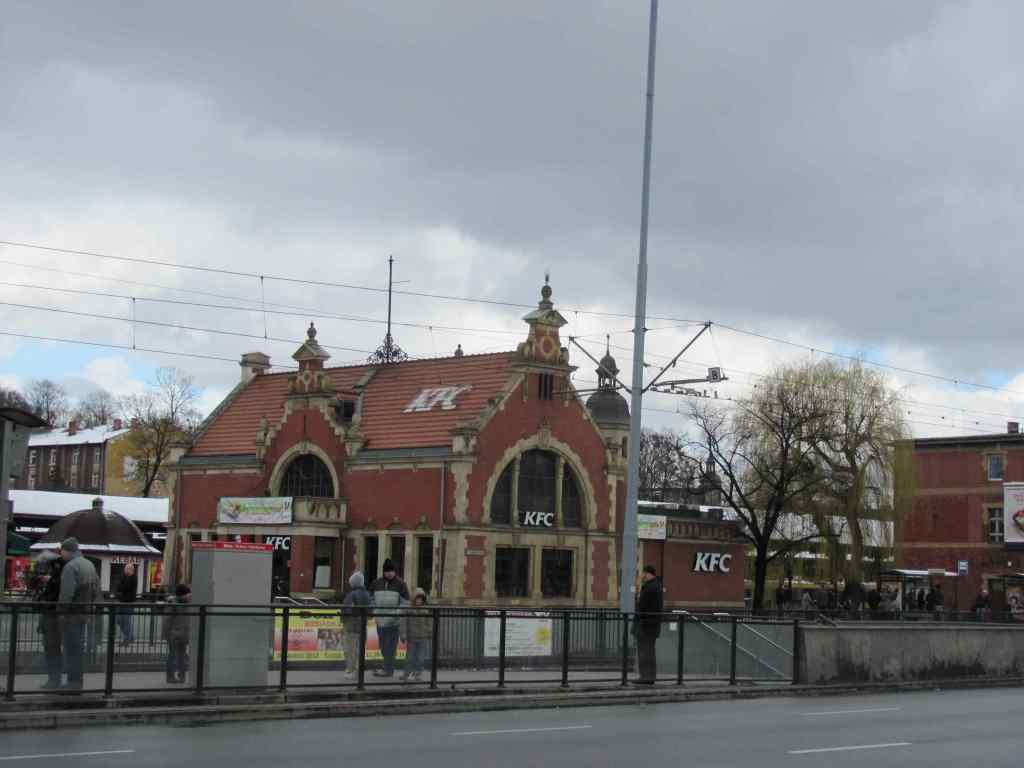
As for the way from the airport to the city, we again happened to travel as long as possible, because despite the fact that we landed 10 minutes earlier and got out quickly, our direct bus 210 would arrive in more than an hour. Accordingly, we had the option of either taking a taxi or bus 110 and then changing to a tram. We chose the public transport, and unexpectedly successfully arrived late in the evening at the Scandic Gdansk hotel. Just opposite the hotel was the Central Station, where MacDonalds and KFC were open. We didn’t manage to try Polish specialties, but we quickly returned to the hotel, passing between the raindrops. During the night I felt it was raining outside and I was very glad that in the morning this sound had disappeared.



Easter has finally come. It wasn’t raining outside, and I pulled back the curtains with a quivering smile to see what weather awaited us. I expected a lot of things, but not this. It was snowdrifting outside, and it was as if we were going to celebrate not Easter, but Christmas. We dressed thickly and went down to breakfast in the restaurant, where a festive mood really reigned. Among the buffet tables with a variety of foods, there were stacked painted eggs. I especially liked the chocolate cookies shaped like Easter eggs, bunnies and lambs, which were also everywhere, and were very tasty. While we were having breakfast sitting at a table by the window, we saw that it was still snowing, but like every Easter day when we go outside, the weather stopped raining and a strong wind blew away all the clouds. The sun congratulated us on the holiday and was with us throughout the day, as well as the cold wind that swept through the narrowest streets of the city.
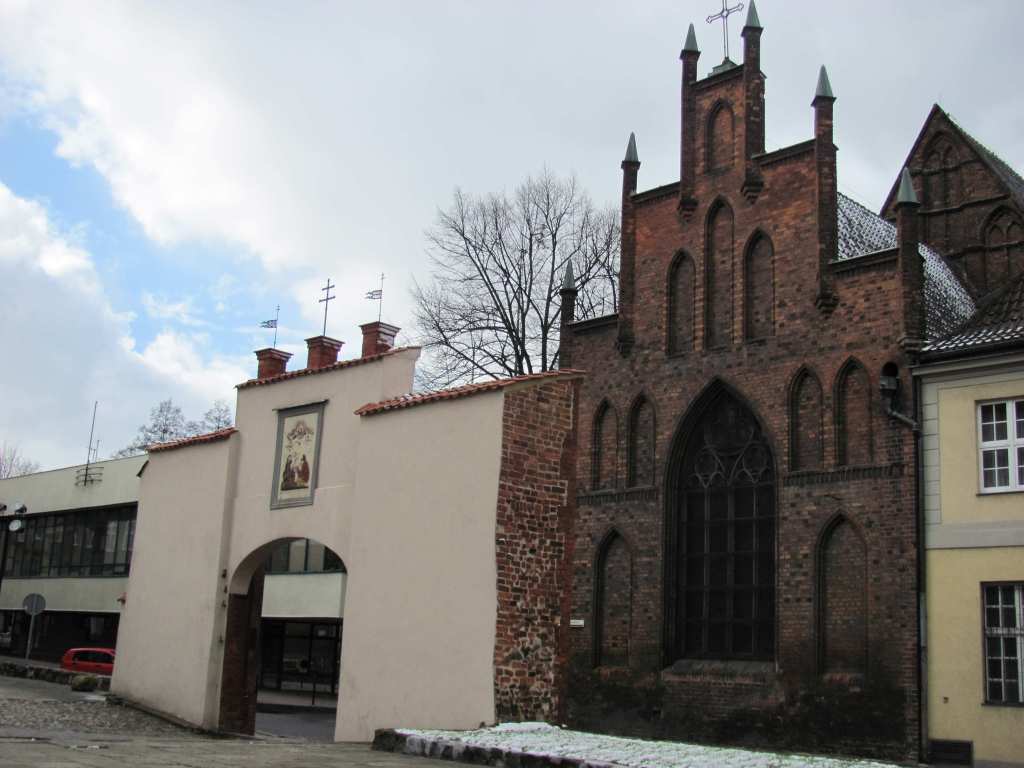
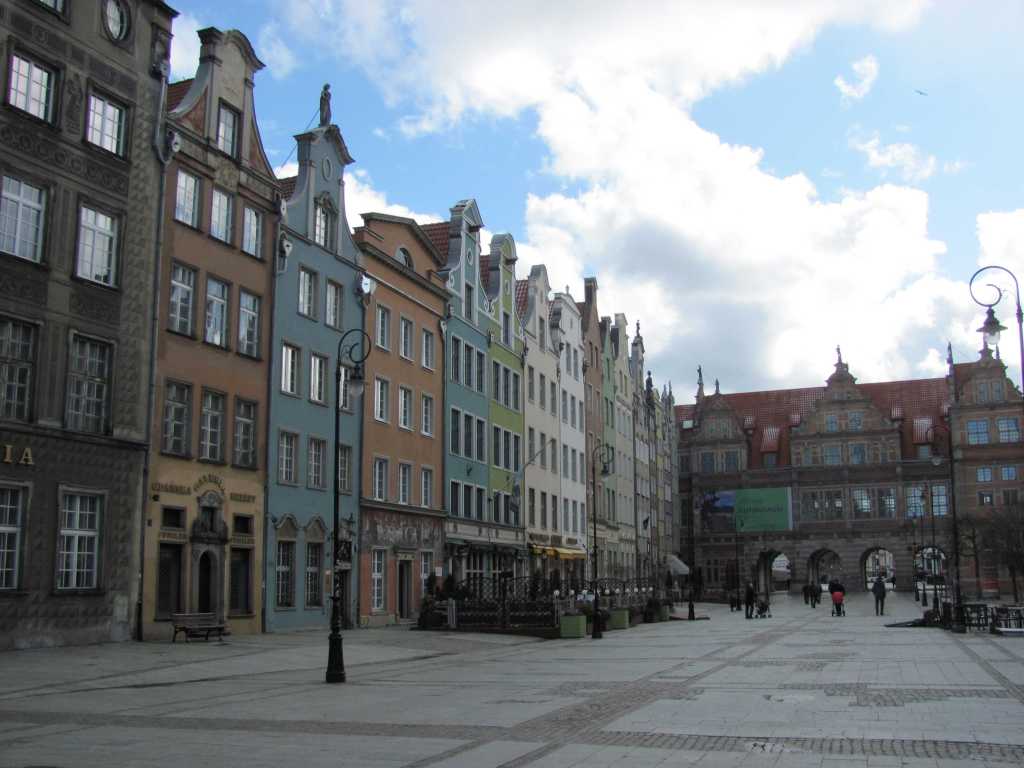
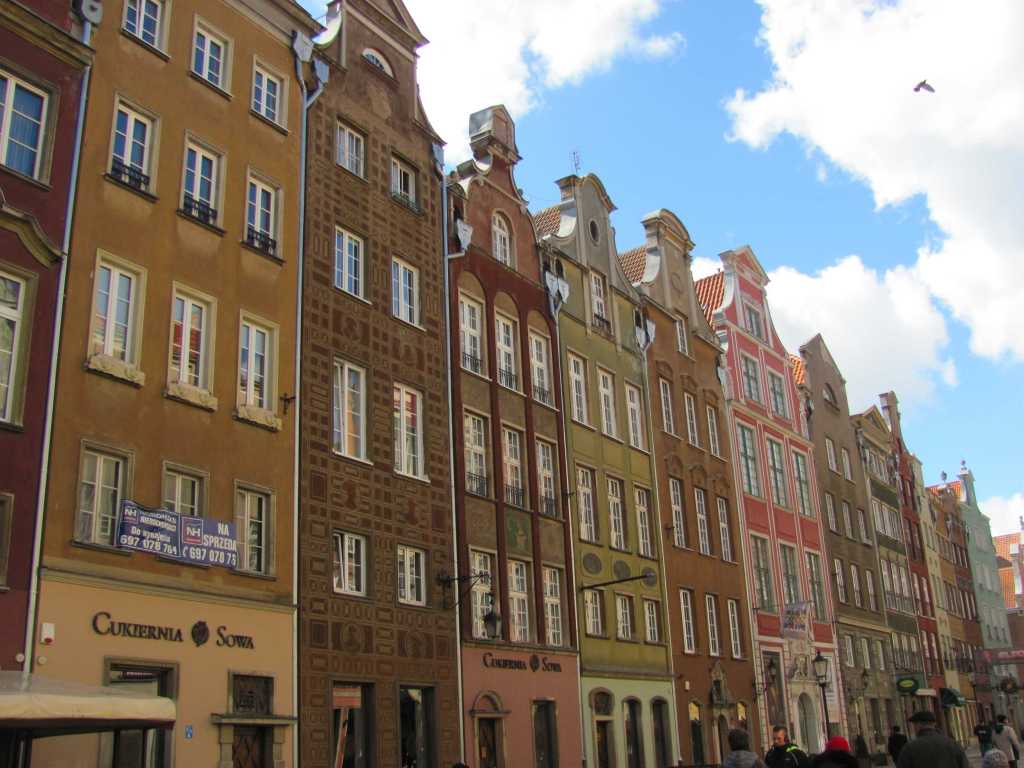
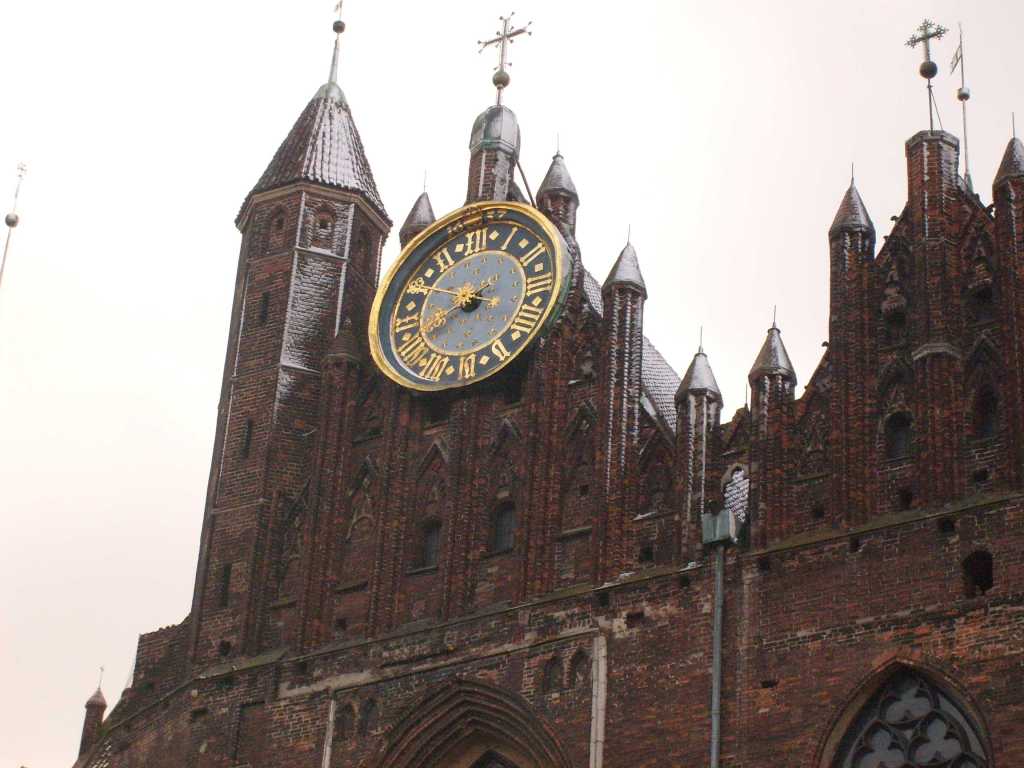
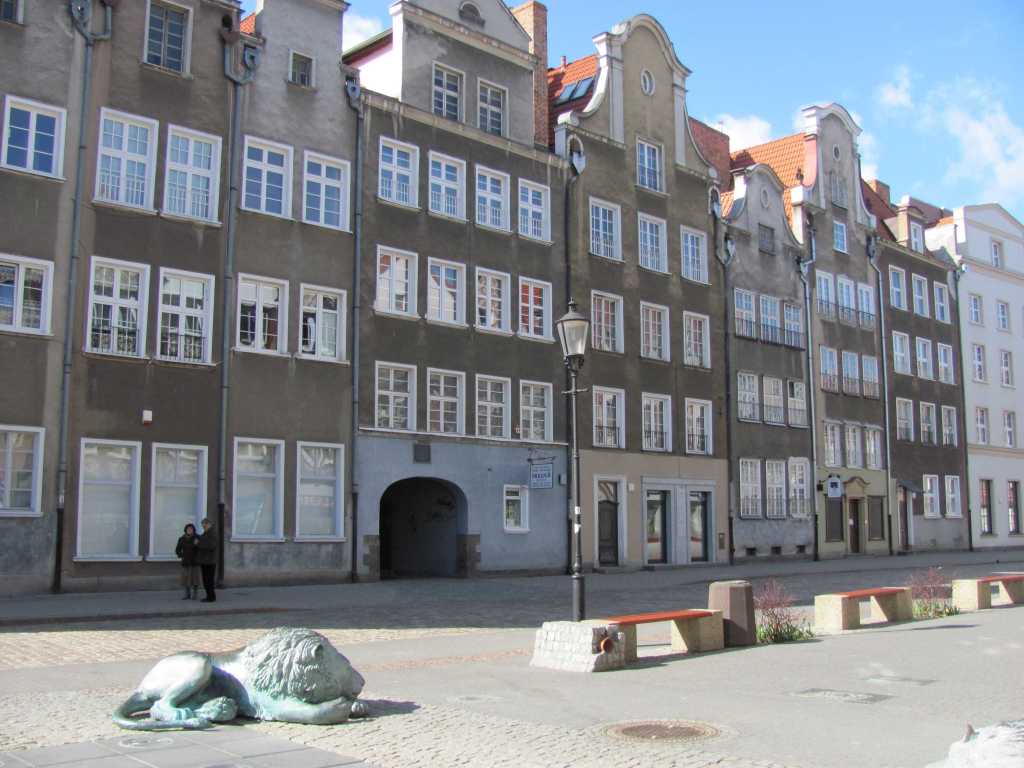
The hotel was close to the city center and we very quickly got to its picturesque colorful houses. We passed through different streets and on each of them there were colorful houses, each in its own color. The buildings were very beautiful and I seemed to like the city even more than Krakow. It was very cold, but nevertheless the colorful architecture warmed our senses. We decided to warm up in a cathedral, where Easter Mass was currently being held, with wonderful songs and organ music.
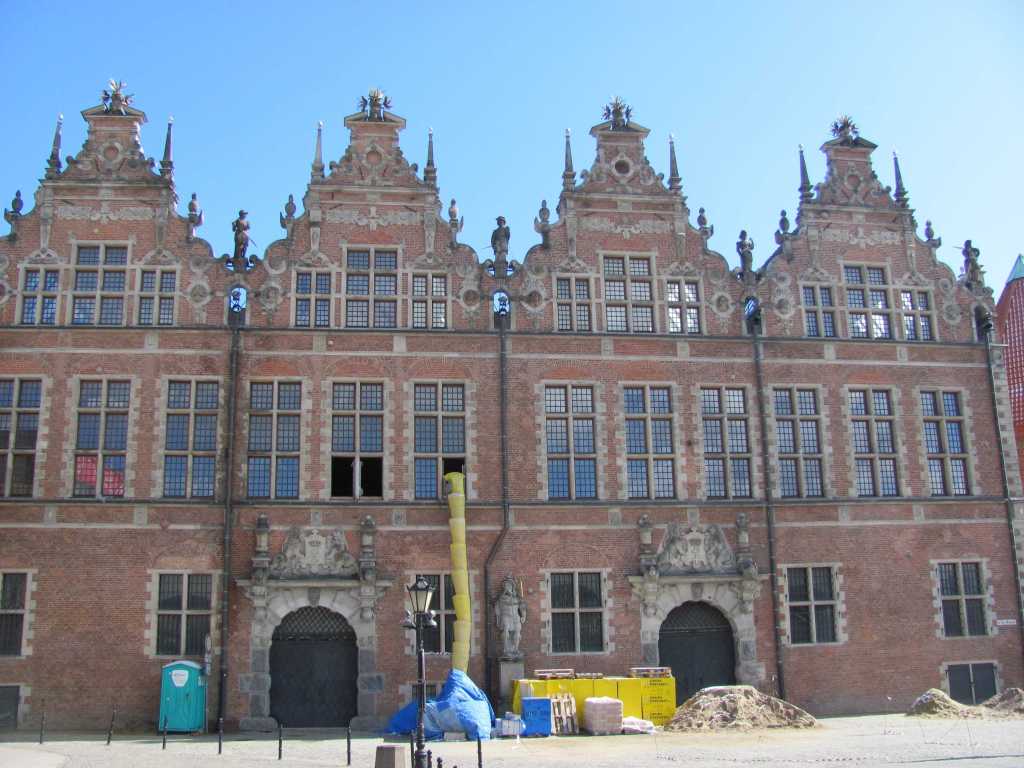
Leaving the church, we passed through a street called Pivka, where there were restaurants on all ground floors of the buildings. At the end of the street was the beautiful building of the Armory, which was erected in 1600-1609. parallel to the city walls. It is an impressive example of the city’s Renaissance architecture. During World War II, the building was badly damaged, but then rebuilt. Today it is closed to the public, but open and hospitable for photos.
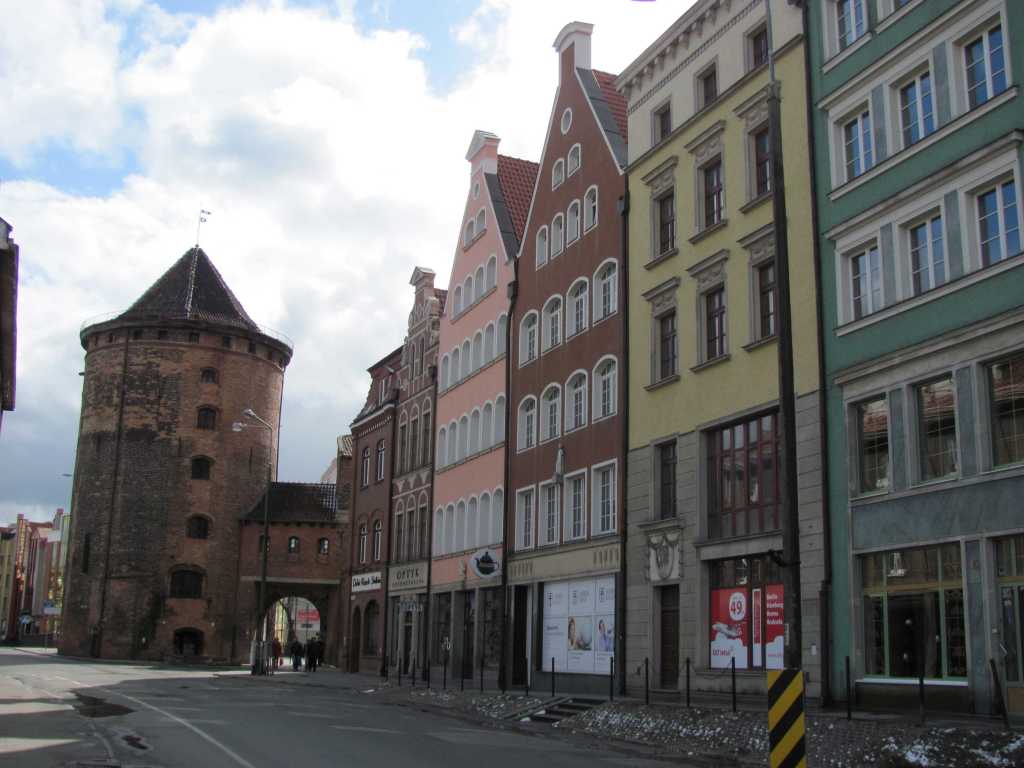
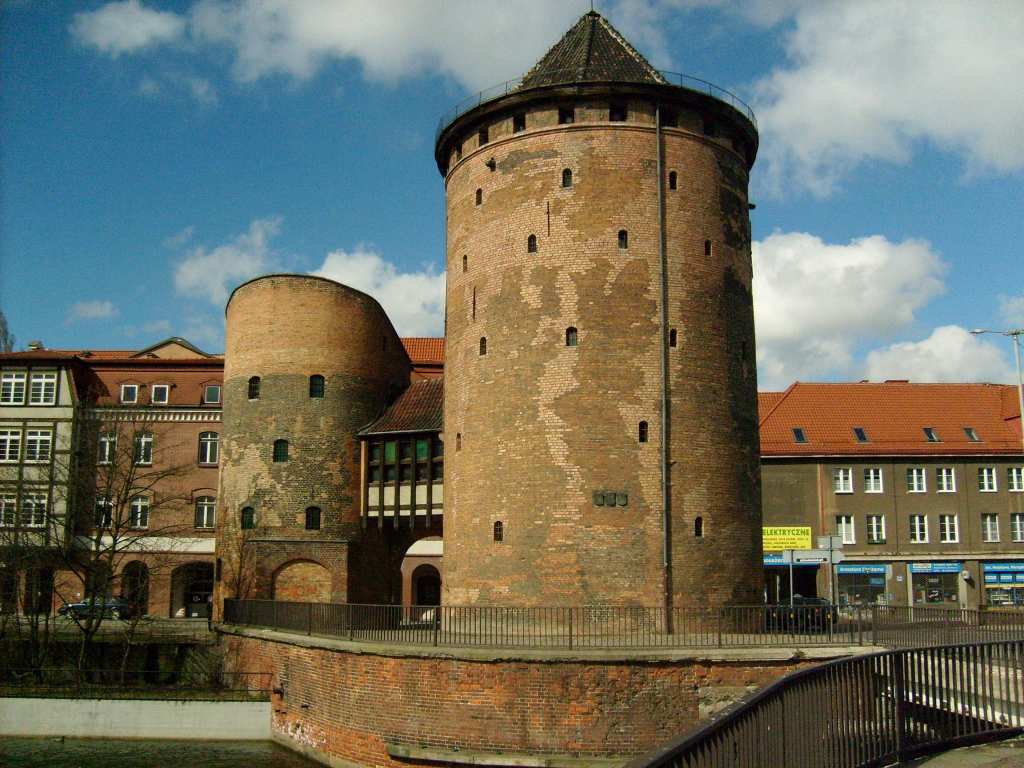

The city of Gdansk, also known by its German name Danzig, is undoubtedly one of the most beautiful cities on the Baltic Sea, located right at the mouth of the Moltava River, at its confluence with the Lenivka. The city is the main port of Poland, combining in an incredible way a modern port and tourist center with medieval streets and buildings. Its strategic location in the past brought it fame and wealth, but also numerous invasions and destructions. After World War II, Gdańsk was almost razed to the ground, but subsequently rebuilt in the same glamorous look.
Today, Gdansk is also known as the amber capital of the world. On its outskirts there are large deposits of this semi-precious stone. Amber products and jewelry can be found in many shops in the city, some of which are open even at Easter. In addition to amber jewelry, there were many other products made of amber, such as the stones in which there was an insect – they were much more expensive!



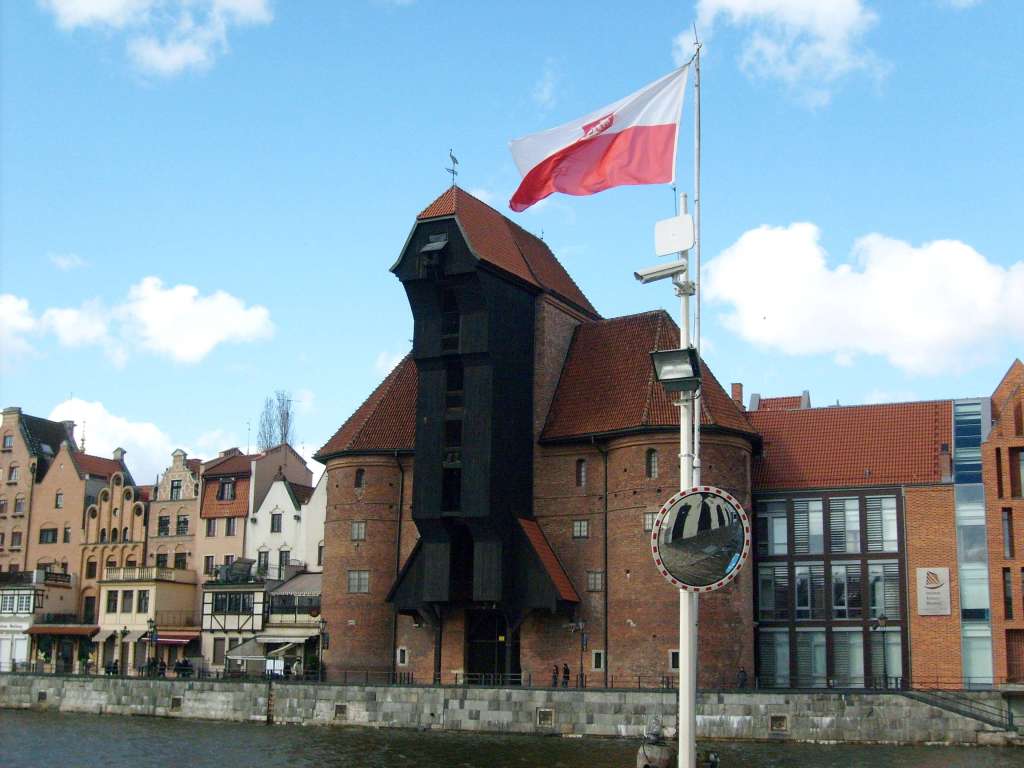

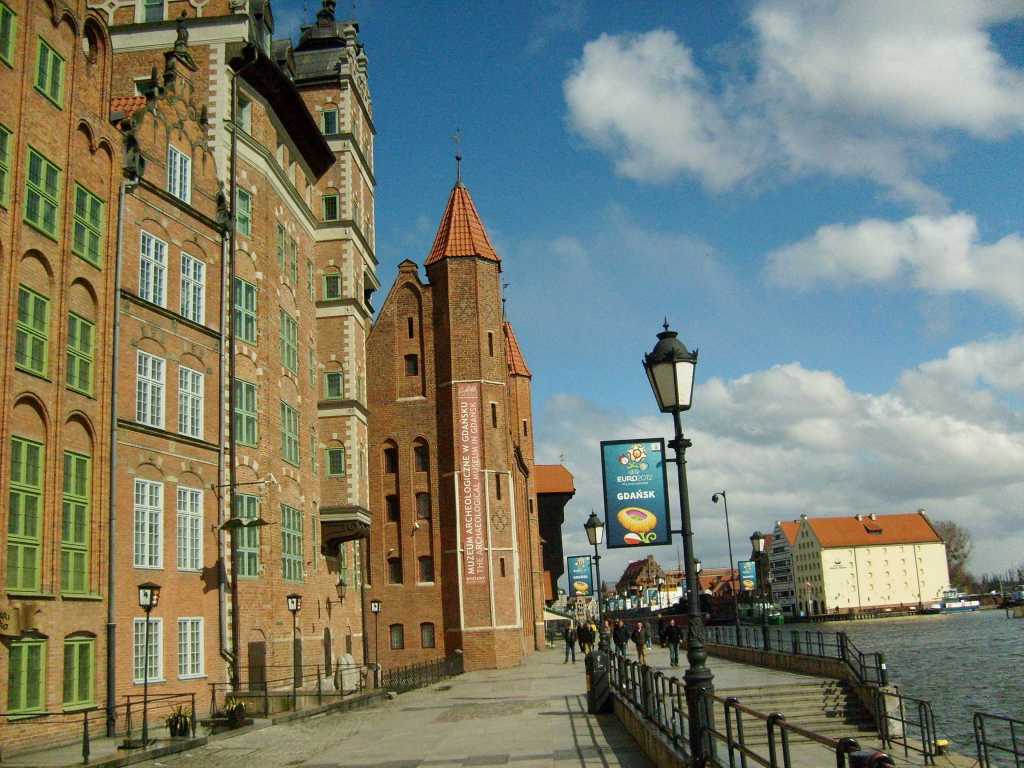

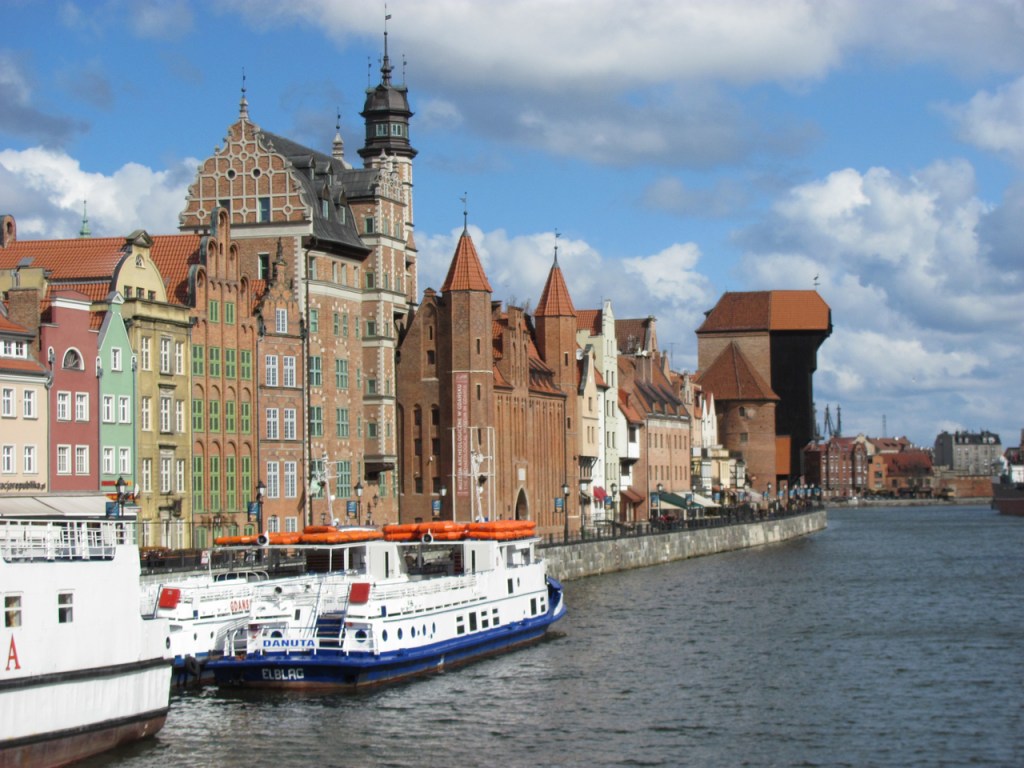
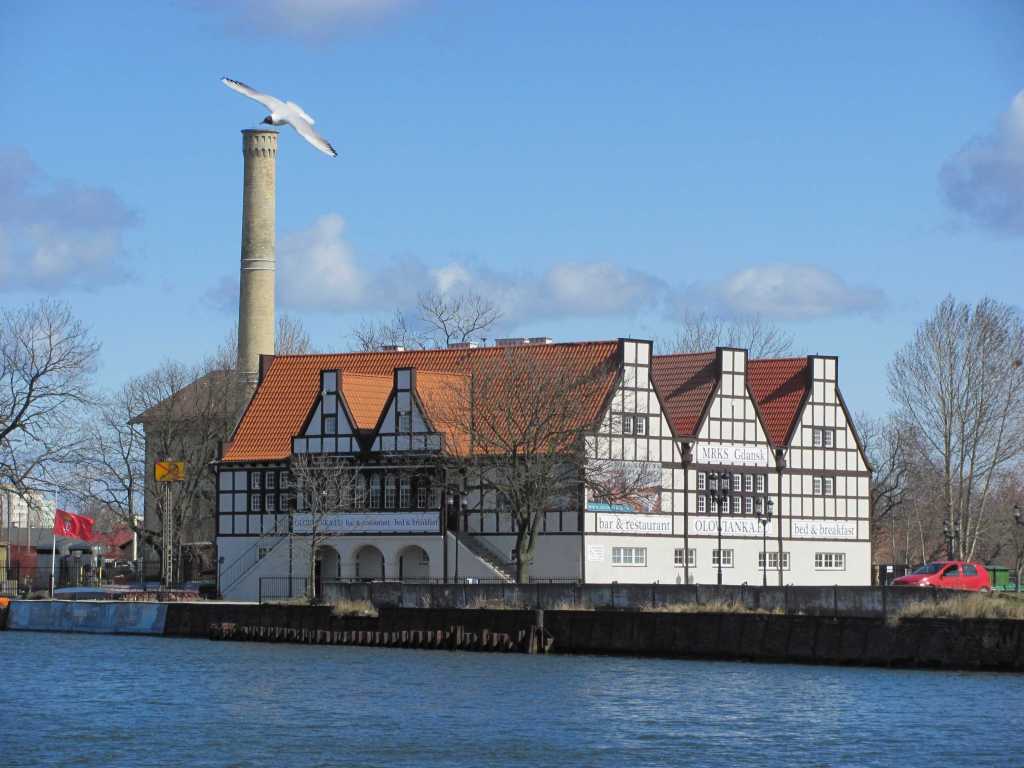
Walking along the river, we stopped at a restaurant for a hot drink, trying an incredibly delicious cheesecake with raspberries. From there we went to their famous Crane / Zuraw or the Wooden Crane, which overhangs the Moltava River and witnesses the rich history of the city. Built in 1444, it is one of the oldest cranes in the world, with preserved massive ropes and mechanisms. The crane was used to load cargo onto ships, embodying the city as an important trading center over the centuries. The crane could lift up to 4 tons of cargo to a height of 11 meters, achieving the same with two huge wooden wheels. Initially, these wheels were driven with the help of humans. The crane was used until the 19th century, and in 1945 it was destroyed by 80%. After the war, it was reconstructed and donated to the Polish Museum of Naval Art. Today the building can also be viewed from the inside, as the entrance fee is 8.5 zlotys, and the opening hours on Saturdays are from 10:30 – 16:30, however, we were in the city on Sunday and could not visit it inside, we only took pictures of it from afar.
We went back to the central square, passing through several famous gates. The first one was the Green Gate / Brama Zielona, which is located at the end of the pedestrian street Dlugi Targ (Long Market) and the Motława River, and in the past the distance between it and the Golden Gate was known as the Royal Road. It was built between 1568-1571 as the official residence of the Polish monarchs. The architect of this masterpiece is Regnier from Amsterdam, with the Flemish influence. Currently, the building houses the National Museum in Gdańsk, and one of the rooms is the office of the former president Lech Walesa (the first president of Poland after the reforms, who took office from 22.12.1990 to 22.12.1995).
The central square was even sunnier than in the morning and more lively. Here was the beautiful and tall building of the Town Hall, where the historical museum is currently visited. The Gothic-Renaissance building is located on the corner of Dluga and Dlugi Targ streets. In the 14th century, the building served as the city’s town hall, and in the 15th century it became the center of the entire region, thanks to the Motlawa River. The exact year of construction of the building is not known, but it is most likely somewhere between 1327-1336.
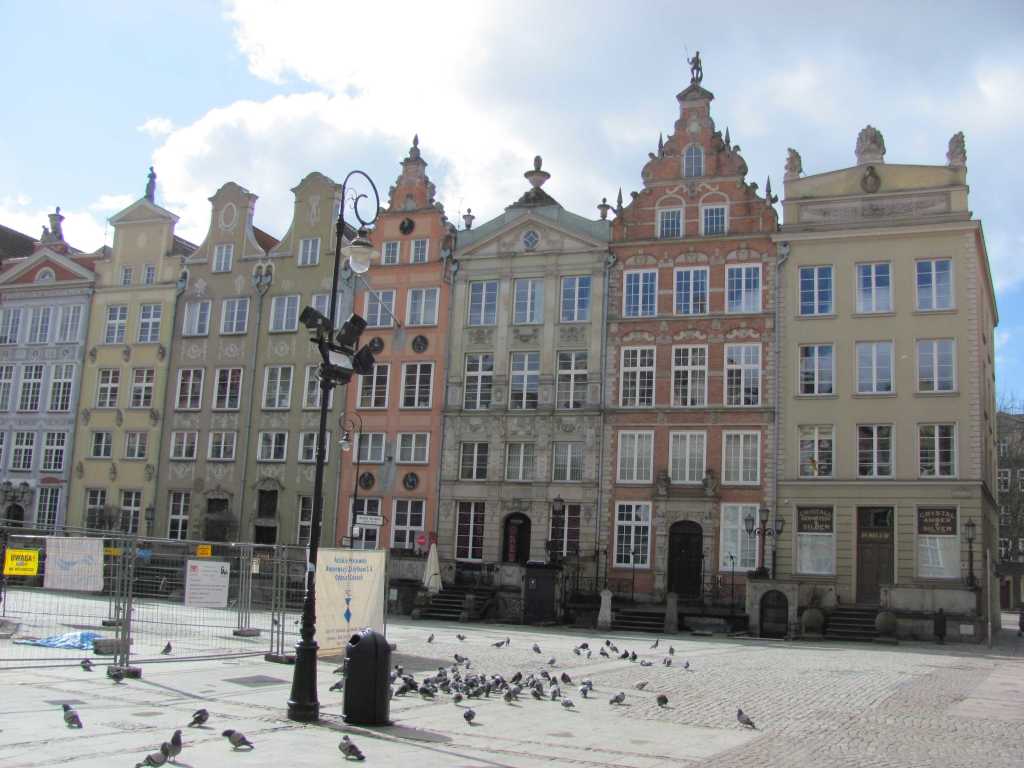
In front of the Artus Court, in whose building the trade exchange was located in the 17th century, the majestic fountain of Neptune was erected. The name of the building comes from the medieval legends about King Arthur – a symbol of chivalry and gallantry, and the bourgeois of the city met here. According to the brochures, the interior of the building is a large Gothic hall, which in 1531. was completely redecorated and painted with mythical and historical characters. Unfortunately, in 1945 it was seriously damaged during the invasion of the Red Army, after which it was restored. The building is open for visits, and there is also an entrance to the historical museum.


Unfortunately, the Fountain of Neptune, which was supposed to be in front of it, was under construction. The façade of the fountain was surrounded by scaffolding, but the sea god was not there and we were not able to photograph this symbol of the city. The bronze statue of the Roman god of the seas was first erected in 1549, then in 1633 has been turned into a fountain. During World War II, the statue was hidden and put back in place only in 1954.
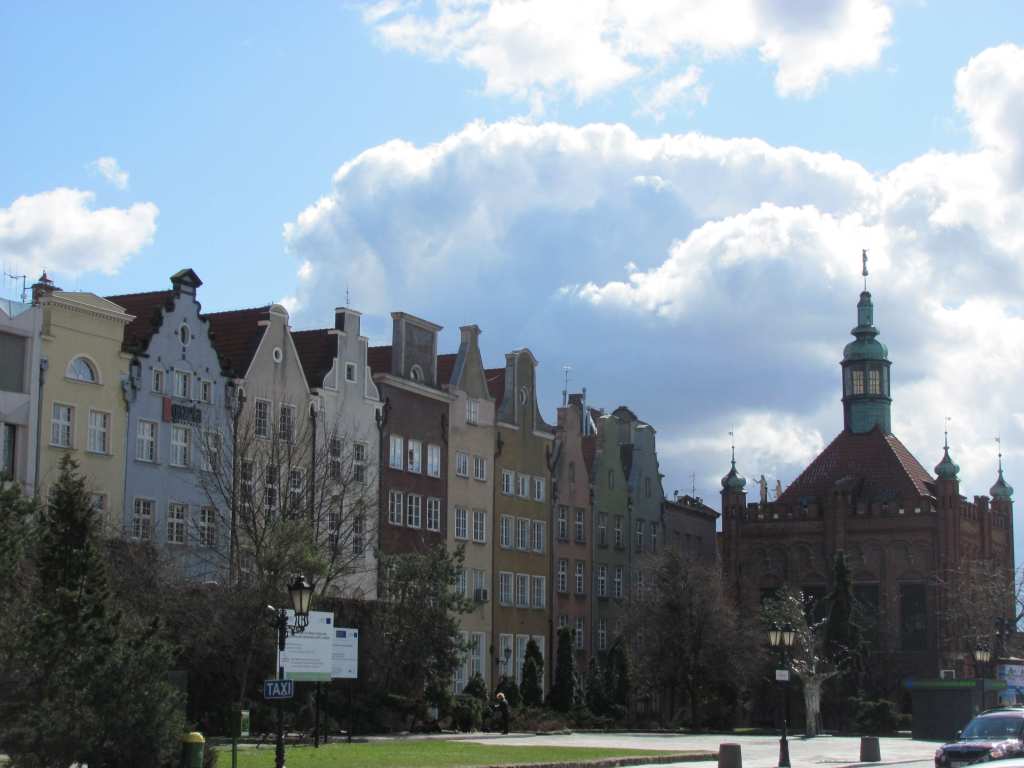
We continued our walk along the picturesque pedestrian street Długi Targ, where many souvenir shops and restaurants were closed, but the colorful houses were open for photos.
We also passed through the Golden Gate / Zlota Brama, which is also a popular tourist attraction. It was built in 1612-1614 as part of the city’s fortification walls. Next to the gate is the Gothic building of the St. George Brotherhood. On both sides of the gate are erected antique figures, symbolizing the riches of the city. On the west side, these are the figures of Pax (Peace), Libertas (Freedom), Fortuna (Wealth) and Fama (Glory). On the eastern side, these are Concordia (Concord), Iustitia (Justice), Pietas (Mercy/Piety) and Prudentia (Prudence). On the door is written in Latin Concordia res publicæ parvæ crescunt – discordia magnæ concidunt, which translates to “In agreement, small republics grow, and in disagreement, large (republics) collapse.” The gate itself is also decorated with gold elements, hence its name.
On the way, we passed through their indoor bazaar, which was also closed and past the monument of Johannes Hevelius – Jan Hevelius (born on 28.01.1611), who was the mayor of Danzig, as well as a famous astronomer who founded the “lunar topography” and introduced ten new constellations, seven of which are used in modern astronomy. His monument was erected on 28.01.2006 on the occasion of the 395th anniversary of his birth.





The tailwind during our entire walk helped us explore the city faster. We had to be at the airport at 19:30, as our flight to Warsaw was at 20:55, but we took the flight at 16:00, eating again at MacDonalds, as it was the only open restaurant near the hotel and the train station. When we bought a sandwich, we received a card, which, when I deleted, we saw that we were winning a can of Coca-Cola. It was sunny, I had a lot of photos, an amber gift, and now a prize, it was a real Easter.


GENERAL INFORMATION ABOUT GDANSK:
Location: Gdansk is located in northern Poland, on the Bay of Gdansk on the Baltic Sea, at the mouth of the Motława River at its confluence with the Łęnowka.
Area: 261.96 sq. km
Population: 460 517 people
Official language: Polish
Altitude: from -1 to 180 m
Climate: moderate (from mild oceanic to colder continental)
Time zone: UTC+1
Currency: Polish zloty (PLN)
Additional information: http://www.gdansk.pl/en/
TRIP TIPS FOR GDANSK:
Best time to visit: during the summer months, when the weather is warmer and numerous festivals take place.
Typical foods and drinks: 1) Zurek – a soup made from fermented rye – with whipped cream, slices of salami and a hard-boiled egg; 2) Barszcz – beetroot soup – very salty; 3) Chlodnik – is also a beetroot soup that is served cold and is a very fresh dish in summer; 4) Pierogi – fried pies most often stuffed with ruskie (cottage cheese and potatoes), meat, cabbage, mushrooms, blueberries, apples and strawberries. Fruit cakes are usually served with cream and sugar. Typical local drinks are: 1) Tatanka – a Polish drink made from apple juice and a special type of vodka (called zubrowka, which is seasoned with buffalo grass); 2) Wodka miodowa – honey vodka, usually served in small glasses and drunk on ex; 3) Sliwowica – plum brandy; 4) Grzaniec – warmed wine with cloves and other spices. Especially popular at Christmas, when sold in the open market.
Places to visit: the Medieval Crane (Żuraw), erected in the 15th century, the Long Street with Beautiful Buildings (Ulica Dluga), on which there is also the wonderful Dlugi Targ Square, on which the Gothic-Renaissance Town Hall building of the 14th century (Ratusz GIn front of the town hall is the Fountain of Neptune (Fontanna Neptuna). Among the fortress walls, there are several gates that are worth seeing and photographing, such as the Golden Gate (Brama Złota) and the Green Gate (Brama Zielona) and many others.
 TripTips