MAASTRICHT –SOUTHERN HOSPITALITY IN DUTCH-STYLE
author: Ana Boneva
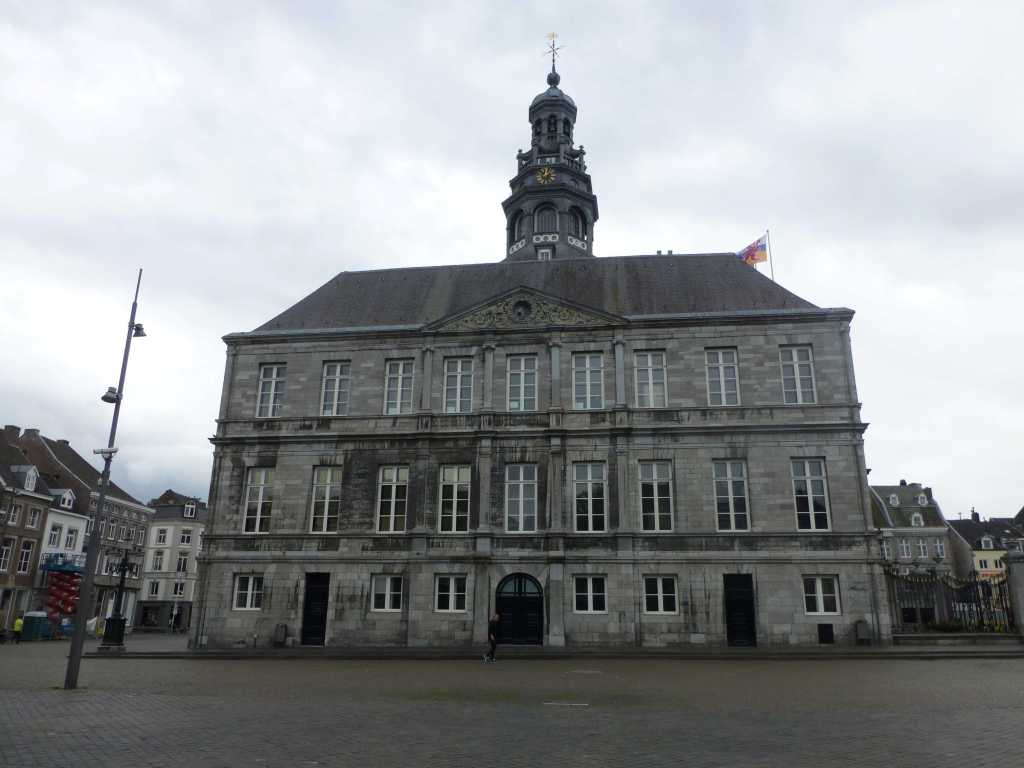

Southern hospitality is known all over the world, but how does it look like in the southernmost Dutch city? Actually, Maastricht was no less charming than the other Dutch cities that I had visited, such as Amsterdam and Rotterdam. If in Amsterdam couples in love prevailed, in Rotterdam – costumed businessmen, then Maastricht was full of young people and bore the nickname of a student city.
The city claims to be one of the oldest cities in the Netherlands – it originated in Roman times as a roadside town. Its first name was Trajectum ad Mosam or Mosae Trajectum, which in Latin means “crossing the Meuse” and to this day the city is beautifully located on the Meuse River, within walking distance from Belgium. It is a perfect place to stroll among beautiful old building, a lavish town hall and mysterious caves.


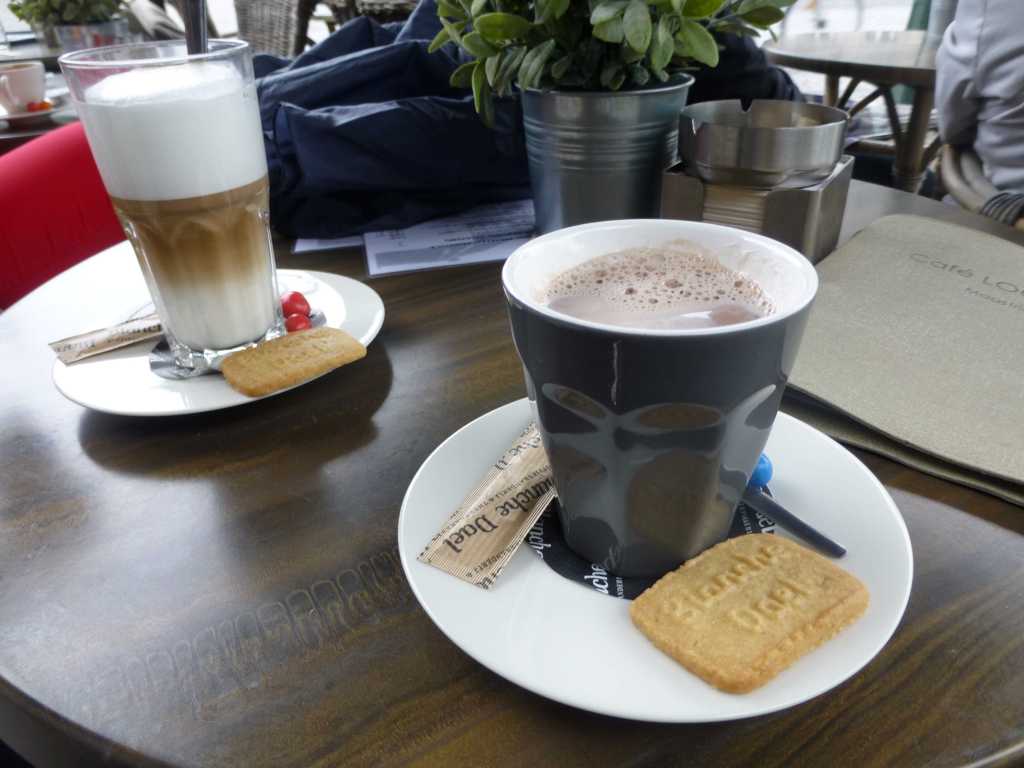
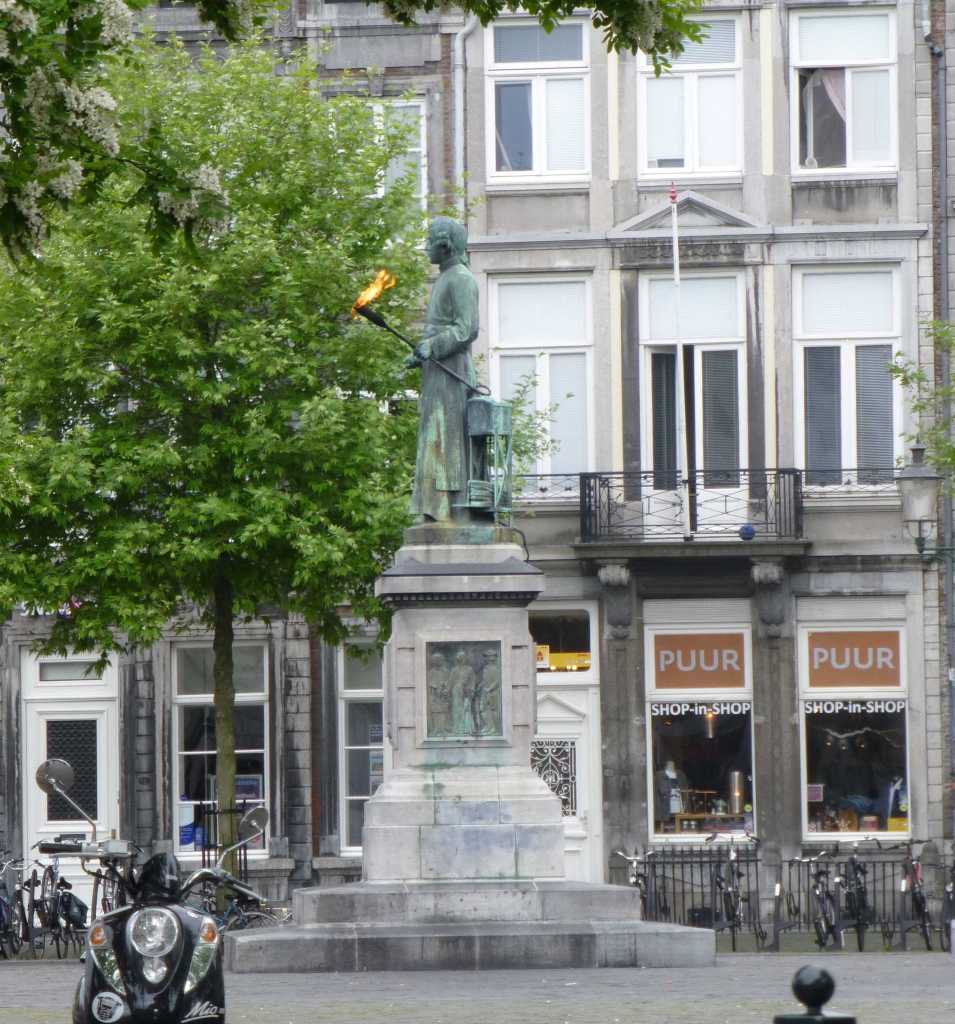
Our walk began with a cup of hot chocolate and a freshly baked croissant, sitting in a café in the town hall square. The historic building was too beautiful to pass by only with a photo, so we sat back and enjoyed the Dutch hospitality and excellent service. As we sat we couldn’t help but notice the bronze statue of a man with a burning torch. This is Jan Pieter Minckeleers, a famous Dutch scientist who invented gas lighting and how to extract gas from coal.
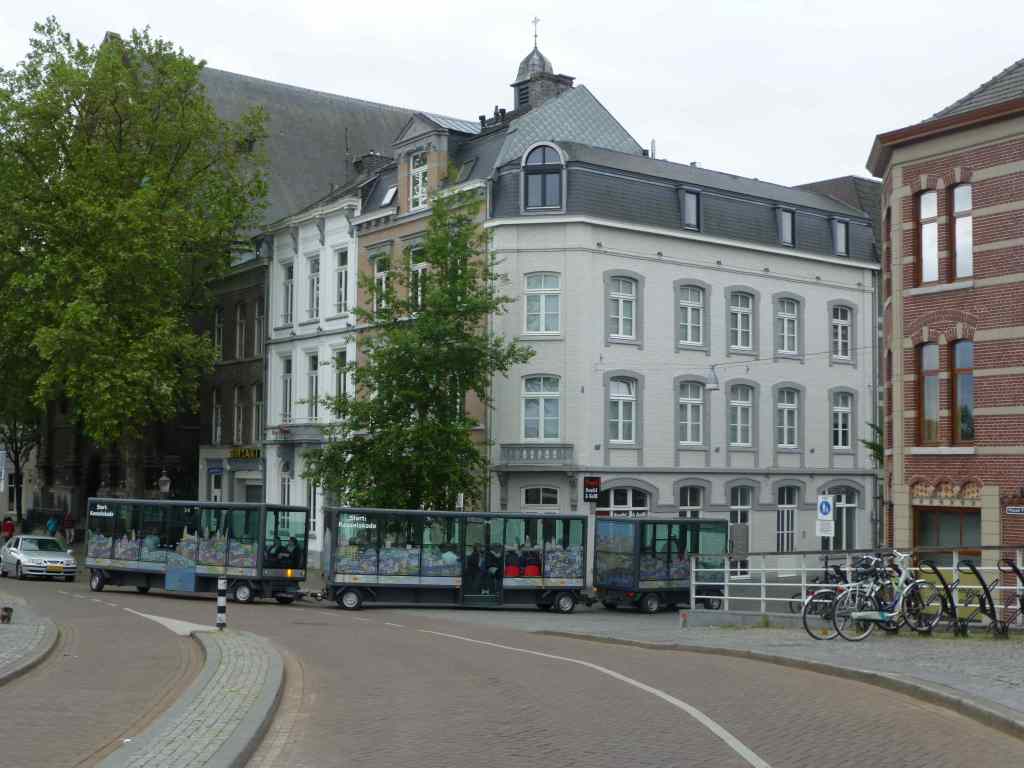
After finishing our drinks, we headed to the river port, where our guide program began. From the http://www.maastrichtbookings.nl website, we had booked a 4-hour tour of the city, which included a school bus ride through the sights of the city, followed by a boat trip on the Meuse River to St. Pietersburg Hill, from where a guided tour of the caves followed, and at the end the boat would take us back to the center of Maastricht. It sounded very good and was done in a very professional way, only that in the beginning, instead of English, our tour guide spoke only in Dutch. For our convenience, he gave us a sheet of sights in English, but we missed most of the Dutch jokes that the rest of the tourists enjoyed.


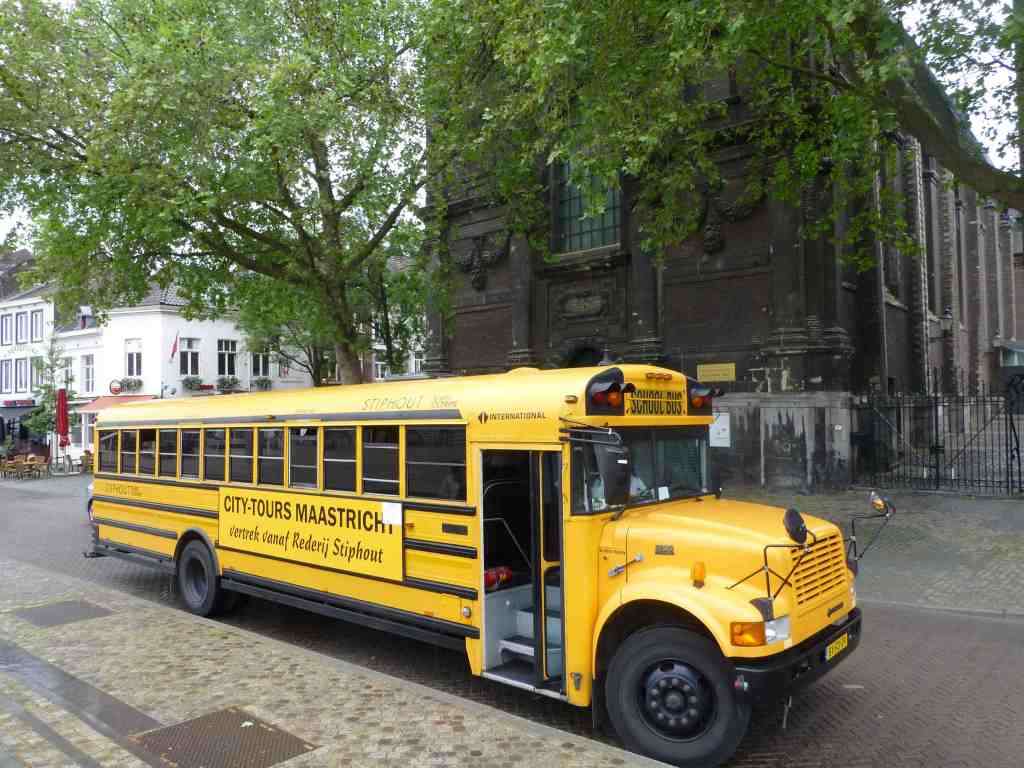

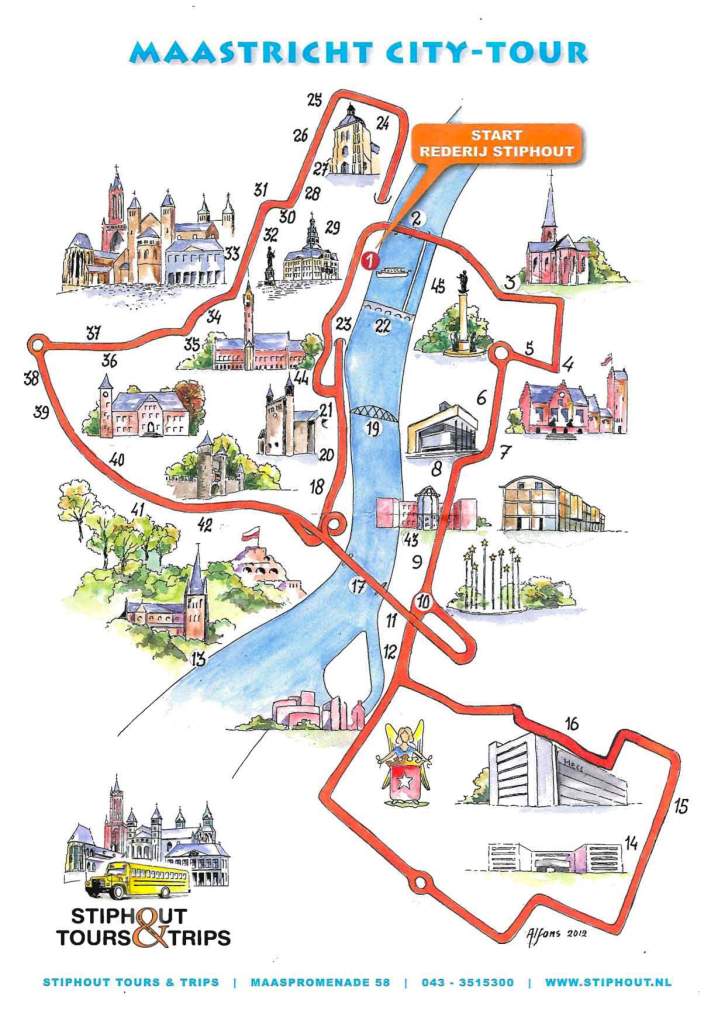
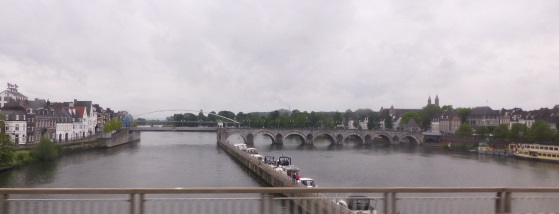
The school bus took us across the river, crossing the Wilhelmina Bridge. Further down in the river, we could see the Servatius Bridge, which is the oldest bridge in the Netherlands, built in 1280. We passed Maastrict Central Station on our way to the Wyck district, famous for its wide Parisian-like streets and 19th-century houses. It started to rain outside, but through the drops we managed to see a red round building called La Fortezza (the fortification), erected by a Swiss architect. Architects from all over Europe have also built in the next neighborhood called Ceramique, where there was a ceramics factory at the time.
Without stopping anywhere, our bus passed by the Bonnefanten Museum of Modern Art, and then by the monument “Stars of Hope” symbolizing the 25 member states of the European Union. In fact, there are currently 28 member states, but just after the UK withdraw, maybe other countries will follow and the number of 25 countries will become relevant again. We passed by the famous government building, where in 1992 the Treaty of Maastricht was signed between 12 European countries and leading to the creation of the European Union.
The raindrops stuck to the windows of the bus and rode with us free of charge around the sights of the city, among which was the MEEC Convention Center consisting of 2 theaters, conference halls and 3 auditoriums. Tina Turner, Whitney Houston and others have given concerts here.
We crossed the Meuse River again on one of the 6 bridges the city had, and the locals were planning to build more bridges. The Meuse River itself was muddy from the rain, but it looked clean with neat and beautiful banks. The Meuse River originates in France, passes through Belgium and the Netherlands and flows into the North Sea. It is called the rainy river, because its level changes drastically with heavy rains, and here they are commonplace. Today’s weather forecast was “drowning”, something that the locals did not recognize as rain, but for us it remained wet and grey.
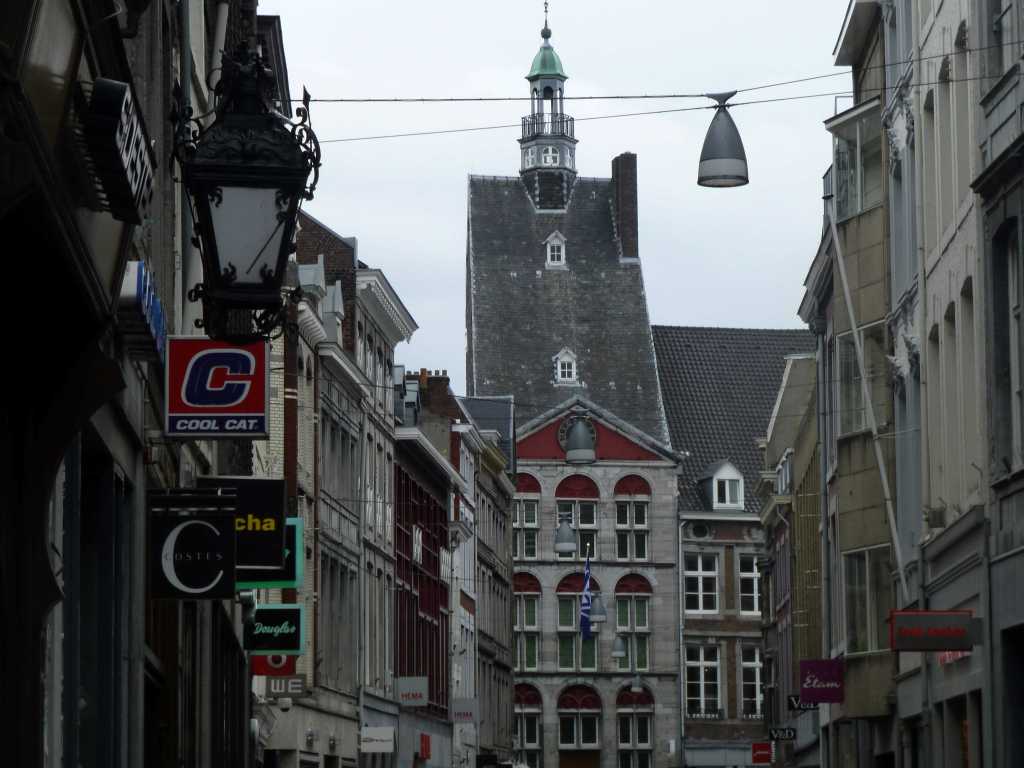

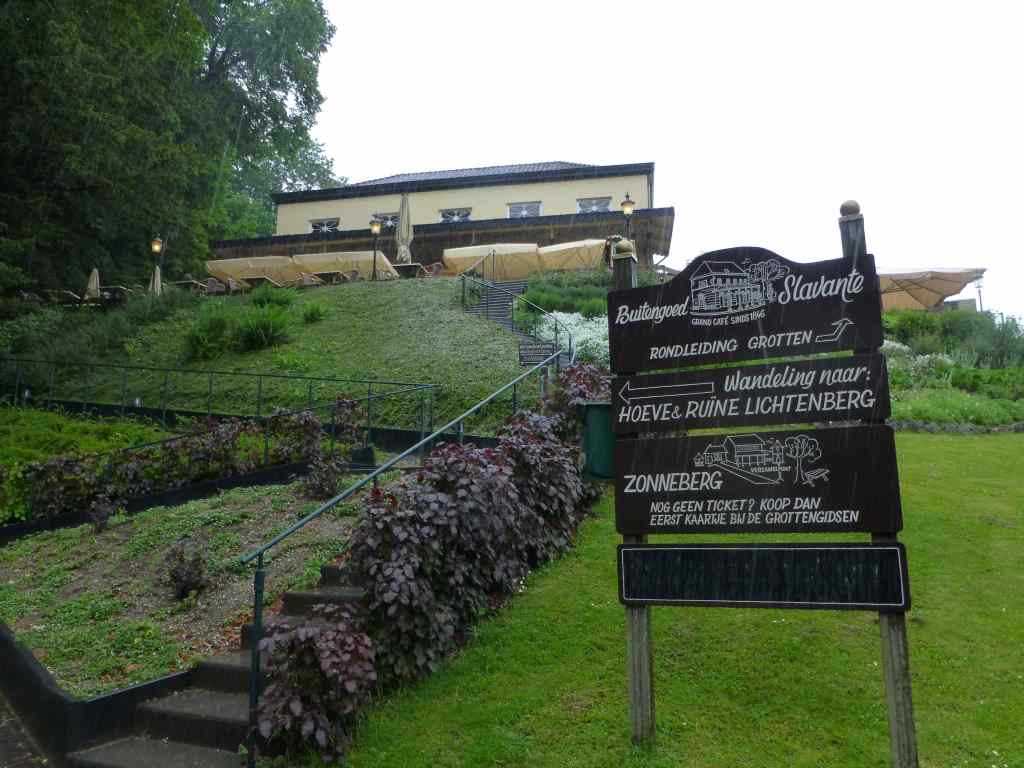
The rumble continued as we transferred from the bus to the boat and continued our tour of the city by water. There was water on all sides, as well as beautiful well-groomed houses. As good as it was, our voyage with the boat finished very quickly by reaching Fort St. Peter and the mysterious caves beneath it. Here we came across a very good tour guide and Maastricht sincerely impressed us.


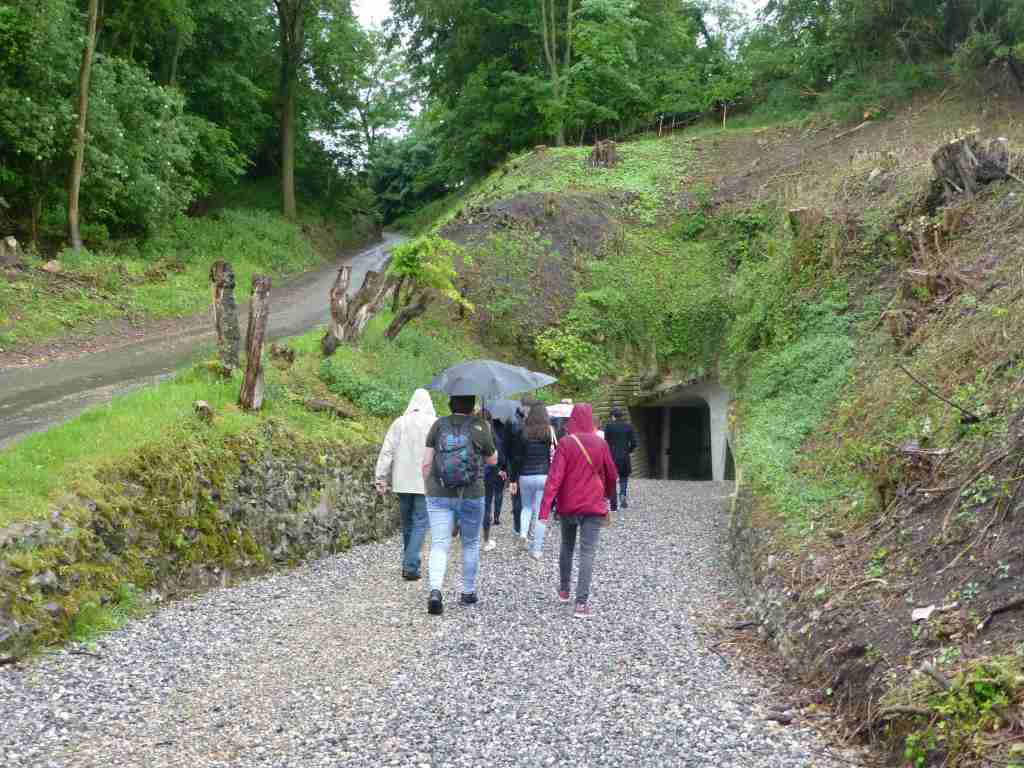
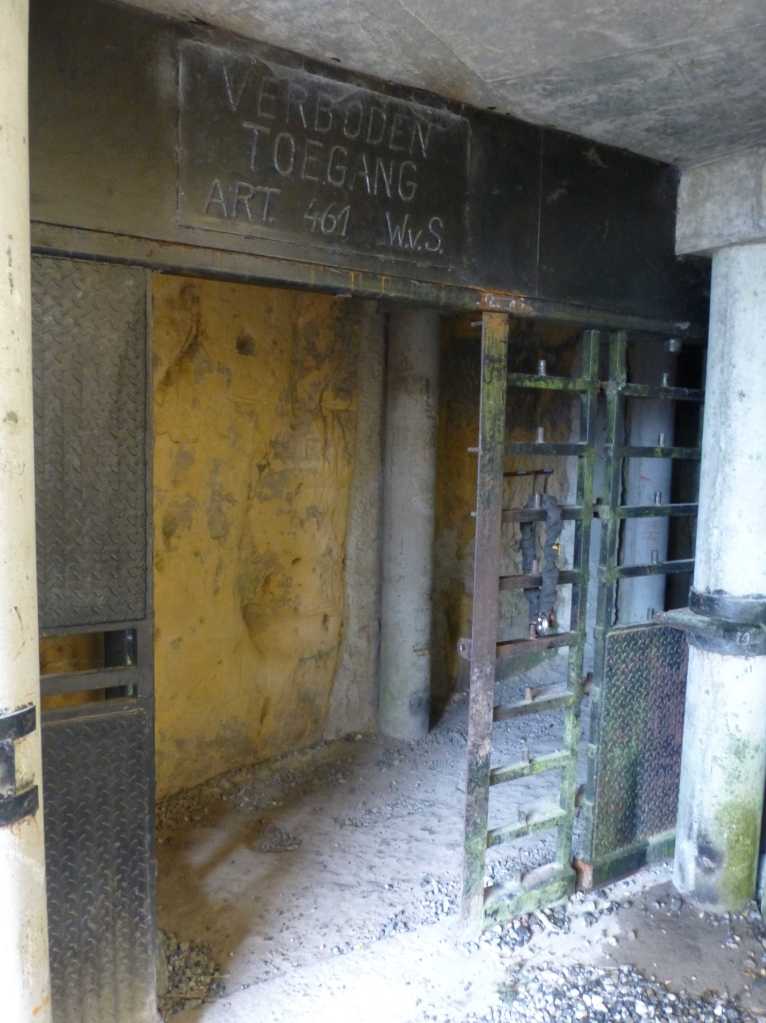
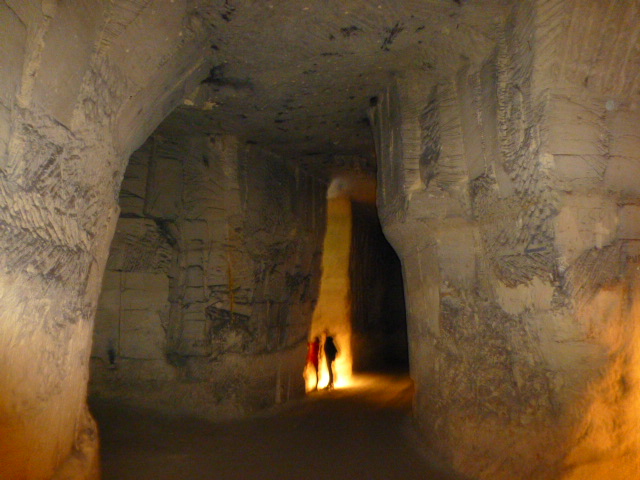

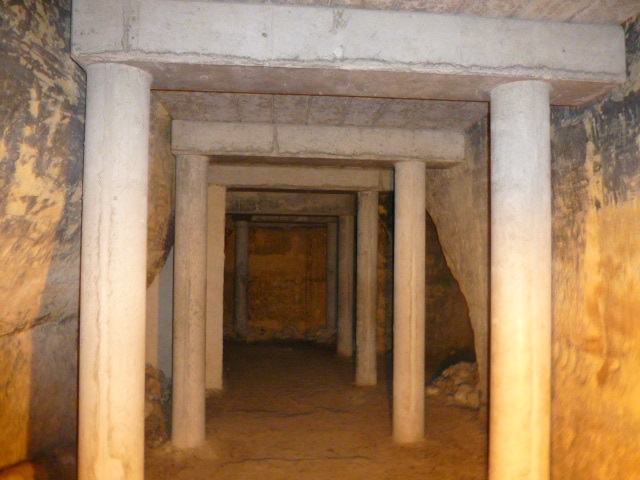
The caves we visited were artificially made caves, or more precisely a series of underground tunnels spreading under several countries. During the Second World War, many people hid here and accordingly set up various rooms for dining, a bakery, baths, a chapel, etc. However, the place was not suitable for a long stay, as the constant temperature is only 10C. and the humidity is 98%. People put in electricity, but not heating. They lit fires to keep warm, but it was difficult to imagine 40,000 people heating on fires in a closed room. They began to consider creating a ventilation system (channels through which the dirty air would disappear), but by the time they were considering it, the war was over and people came out of hiding places.
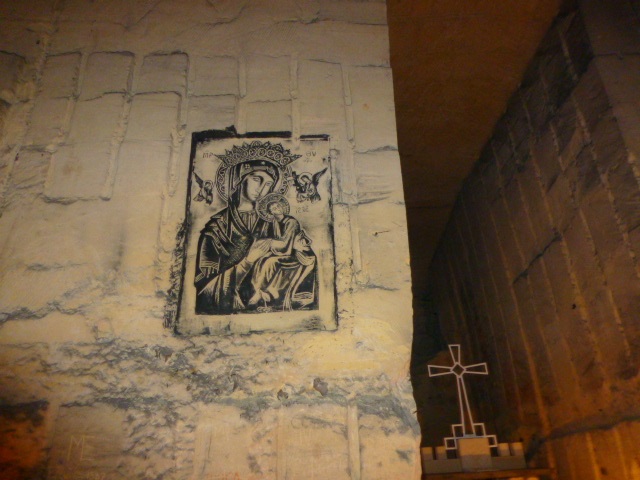
There were many paintings and frescoes on the walls, some of which were unfinished, again due to the “earlier” cessation of the war. Especially impressive was the separate church in the cave with a huge cross. It turned out that a baby was born and baptized here during the war, who later celebrated his birthday here in 1985. The church was last used 10 years ago, when colleagues of the tour guide got married here. The wedding was very beautiful, with many candles and of course the obligatory woolen socks.
The only animal that can survive in these caves are bats, which come here in winter (when it is colder outside) and poop on the ceilings. At one point, our tour guide decided to do an experiment by taking the three gas lamps that were carried by people from the group and leaving us for one minute in complete darkness. Nothing was really visible. The total darkness was eerie. We also learned the ominous stories of several people lost in the caves, and this reinforced our awe of this vast network of tunnels.
The most interesting thing was to learn how the caves were created, as it turned out that for centuries people had been using limestone for the construction of their buildings. They split off entire blocks and thus created a network of caves, which today numbered 8000 corridors with a total length of 80 km. The oldest inscriptions were respectively at the top, and the modern ones at the bottom. On the walls there were interesting painted advertisements from the 19th century, when the dungeons were visited by wealthy tourists. Fossils of mosasaurs (Meuse lizards), relatives of dinosaurs, were also found in the caves. Once – construction sites, during the wars – hiding places, today the caves on St. Petersburg Hill were a unique underground museum that impresses all visitors.

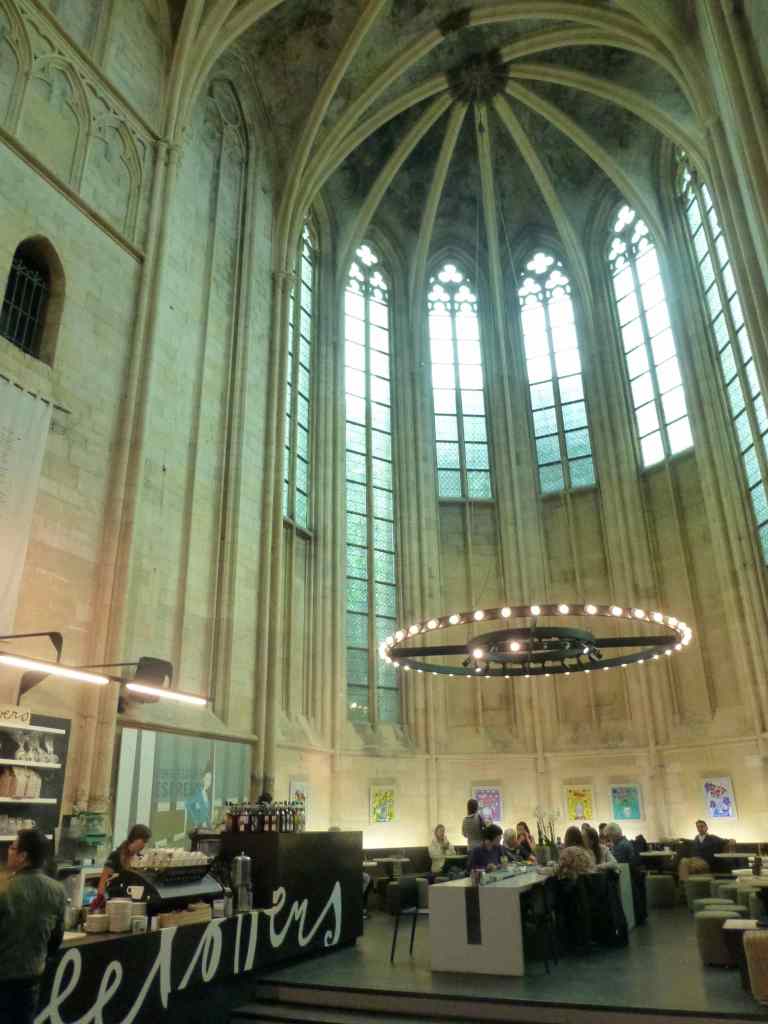
Satisfied with the walk, the roar outside no longer annoyed us so much. We headed back on the boat to the city center, which this time we explored on our own on foot. What particularly impressed me about Maastricht was the Dominicanen bookstore, which is housed in an old Dominican church from the 13th century. Here one can really feel the holiness of the books, which, like statues and icons, fill the entire rooms. This was another unique place that won my heartfelt sympathy for Maastricht.


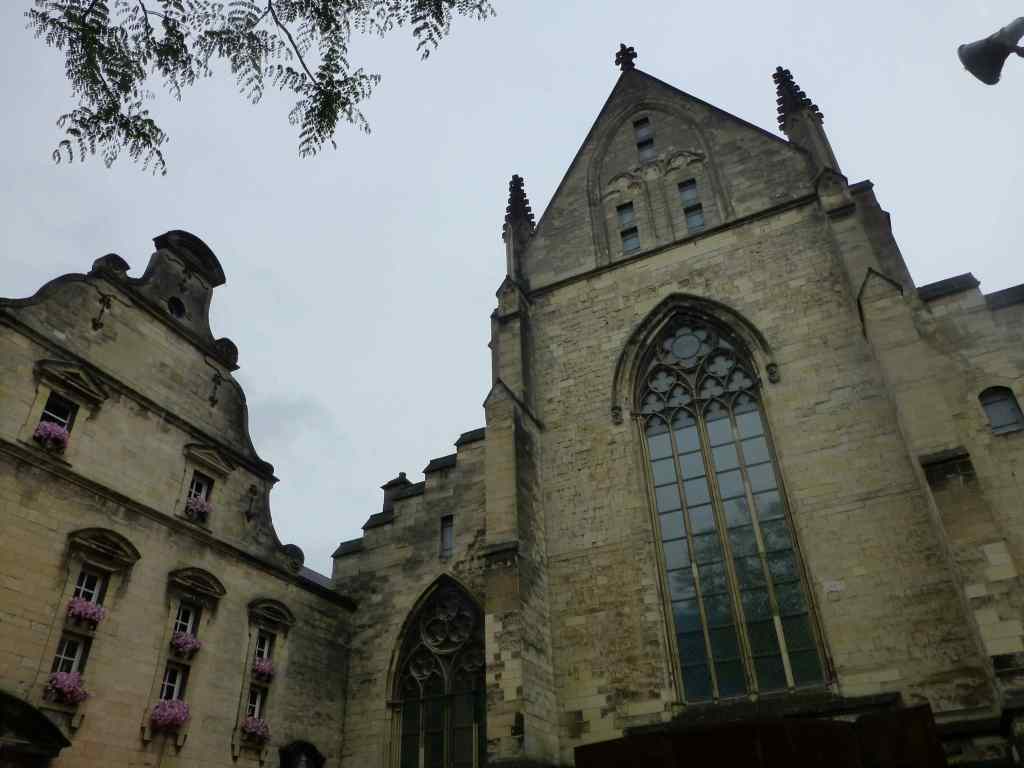
One of the busiest places in Maastricht was undoubtedly the Vrijthof Cathedral Square, where the Roman Catholic Church Saint Servatius and the almost adherent Gothic Church of Saint John are located. The square was littered with carousels and other children’s attractions, through which we could barely make our way to the beautiful buildings. It turned out that in Roman times, as well as in the Middle Ages, this square was used as a cemetery and hundreds of tombs were found here. Now, however, it was filled with children’s noise and despite the roaring, the children were running everywhere.
Saint Servatius was the patron saint of Maastricht. He was born in Armenia, but died in Maastricht in 384, and spent part of his life in Serdica (today’s Sofia). According to legends, Servatius was a cousin of John the Baptist and a distant relative of Jesus, and after his death several miracles happened and he was canonized as a saint. The saint’s tomb is located in a crypt in the Basilica of Saint Servatius in Maastricht and over the centuries many pilgrims came to honor him, including Charlemagne, Pope John Paul II and many others. The Russian Orthodox Church in Maastricht also bears the name Saint Servatius, as well as one of the bridges over the Meuse River. According to reference books, the name Servatius was still popular in the city today.
The Gothic Church of St. John (St. John in English and Sint Janskerk in Dutch) was no less impressive. It offered a beautiful interior but also many steps leading to a panoramic platform at a height of 70 meters. It offered a wonderful view of the whole of Maastricht with its medieval fortress walls, colorful 17th-century houses and charming cobbled streets. However, it was open for visits from 11:00 a.m. to 04:00 p.m. and we enjoyed only the ground-level street view.

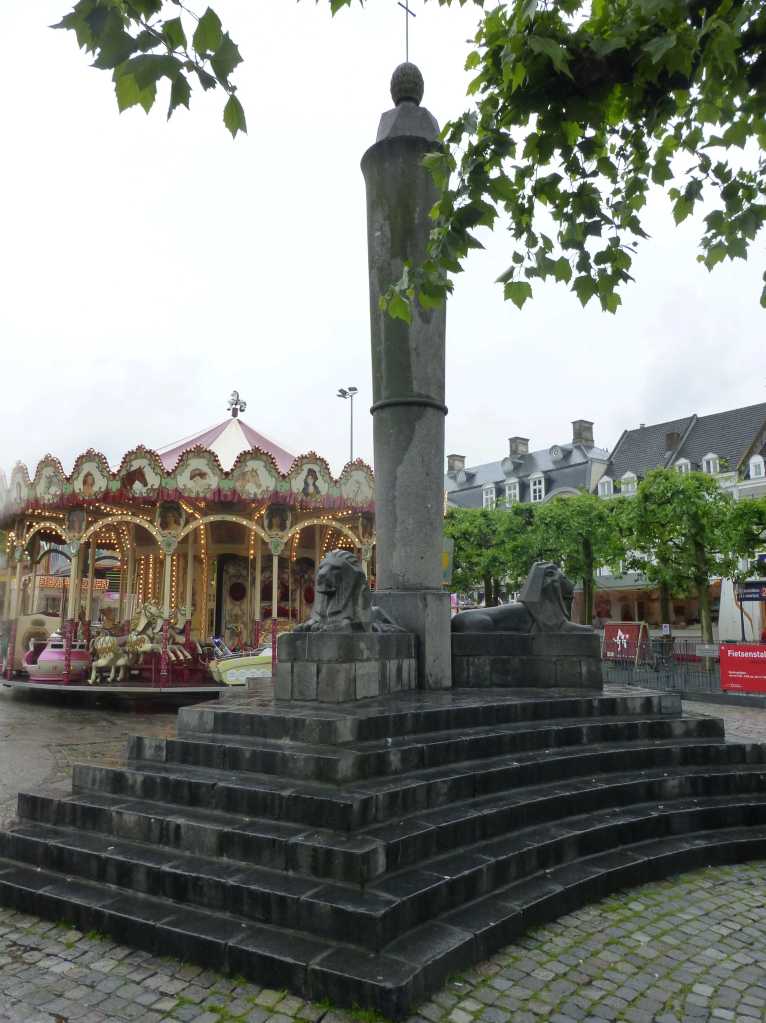

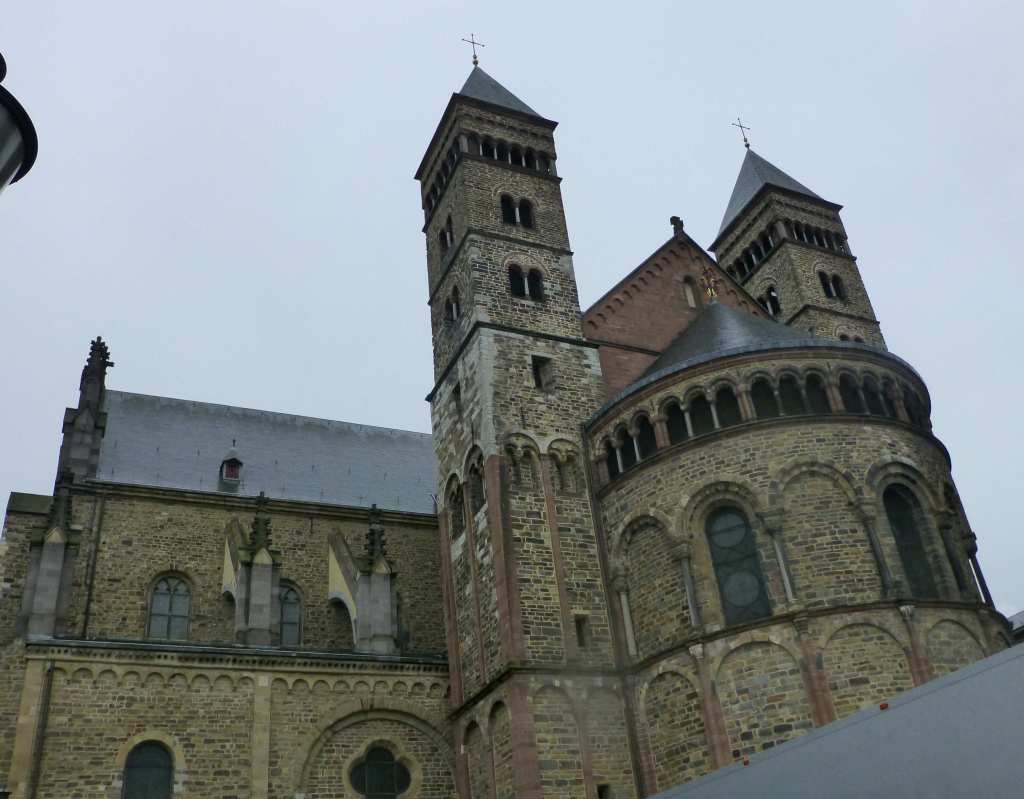

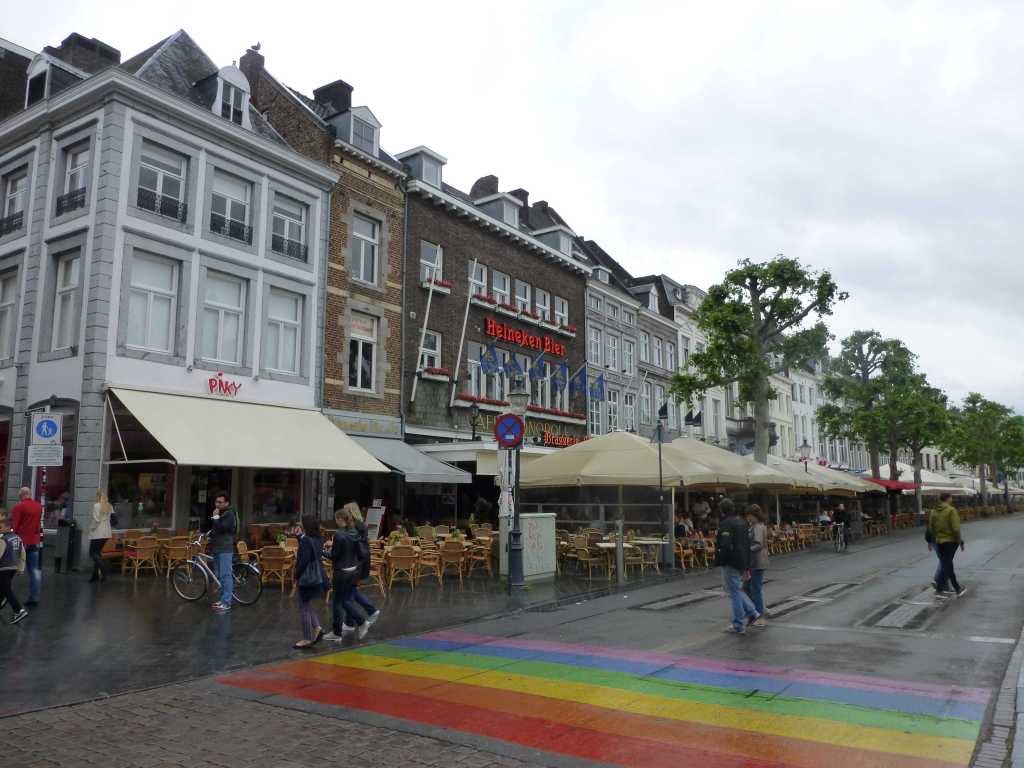
Maastricht, in addition to being the southernmost city in the Netherlands, is also considered the oldest city, with the oldest church in the country. Every year the city is visited by 2.6 million tourists attracted by the unique atmosphere created by the picturesque location of the city by the Meuse River, the rich history and the 1500 monuments left by it, as well as the many cozy cafes, chic restaurants and boutiques. Undoubtedly, the city and its inhabitants show the famous southern hospitality and it was a sincere pleasure for us to be guests in beautiful Maastricht.

GENERAL INFORMATION ABOUT MAASTRICHT:
Location: Maastricht is located in the southeastern Netherlands on both banks of the Meuse River, at the confluence of the Jeer River into it.
Area: 60.03 sq.km
Population: 121 906 people (2014 data), making it the 19th most populous city in the Netherlands
Official language: Dutch
Altitude: 49 m
Climate: temperate oceanic climate, with warm summers and cold winters.
Time zone: UTC+1
Currency: Euro (EUR)
Further information: www.maastricht.nl and http://www.vvvmaastricht.nl/en/home.html

TRIP TIPS FOR MAASTRICHT:
Best time to visit: all year round.
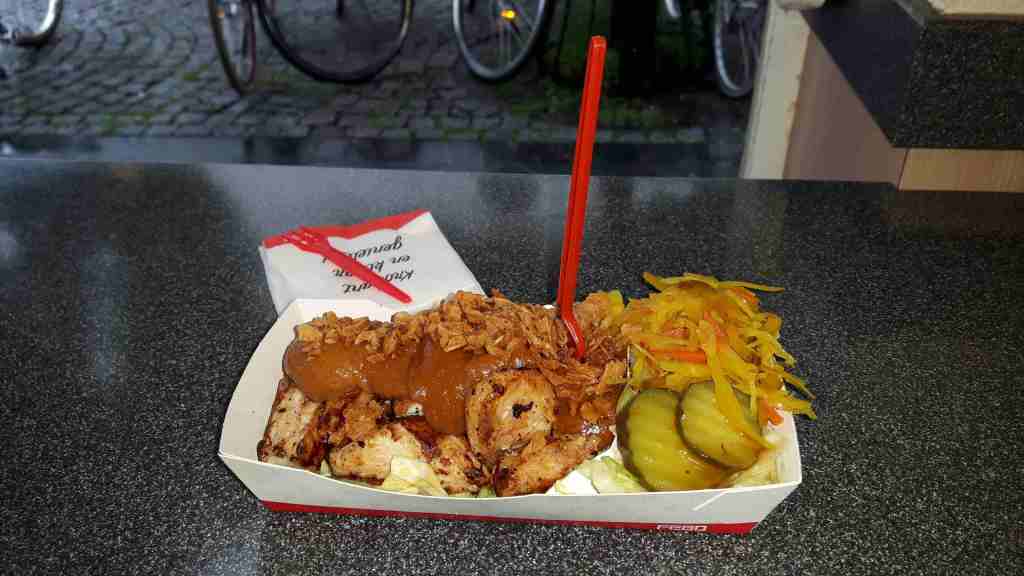
Typical food and drinks: Maastricht’s close proximity to Belgium has an impact on the city’s traditional foods, including French fries and waffles, which are sold on every corner. Another unpretentious specialty is Hutspot, which is mashed potatoes mixed with carrots or broccoli and served with sausages.
Places to visit: The Caves of St. Petersburg, the Vrijthof Cathedral Square with the churches of St. Servaas and St. John, the Market Square with the beautiful Town Hall (Stadhuis), the Museum of Modern Art Bonnefantenmuseum, the Natuurhistorisch Museum of Natural History and many others.
Recommended agency that you can use for organized city tours: http://www.maastrichtbookings.nl
 TripTips