TRIESTE – ITALIAN CHARM WITH AUSTRO-HUNGARIAN GRANDEUR
author: Ana Boneva
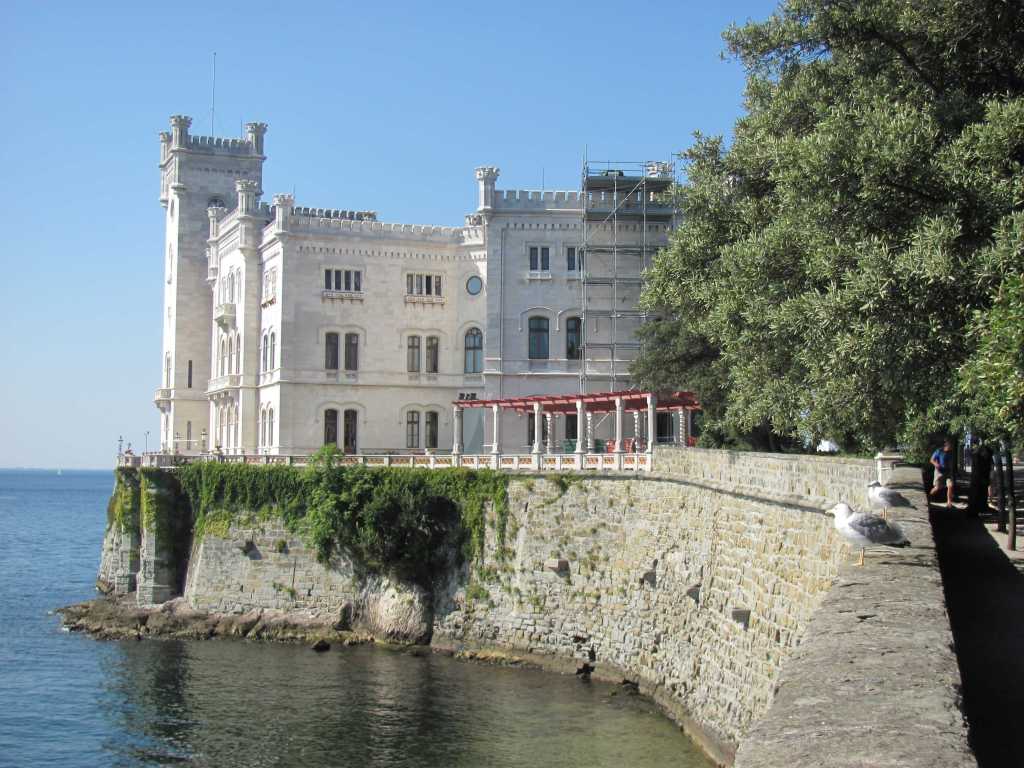

Trieste means “three countries” or “three borders” and indeed this port city is nestled in the northeast of Italy, in close proximity to the borders with Slovenia and Croatia. The city had the greatest prosperity during the Austro-Hungarian rule, as it was their only outlet to the sea and the empire poured a lot of money here. But after the First World War and the collapse of the Austro-Hungarian Empire, the Italians conquered Trieste.
Typical Italian, in addition to the port and trade, there is something romantic and beautiful here. In this case, it is called Miramare Castle. It was built on the Adriatic coast by the order of the Habsburg ruler Ferdinand Maximilian, who wanted to have a palace overlooking the sea and a beautiful park with a botanical garden.
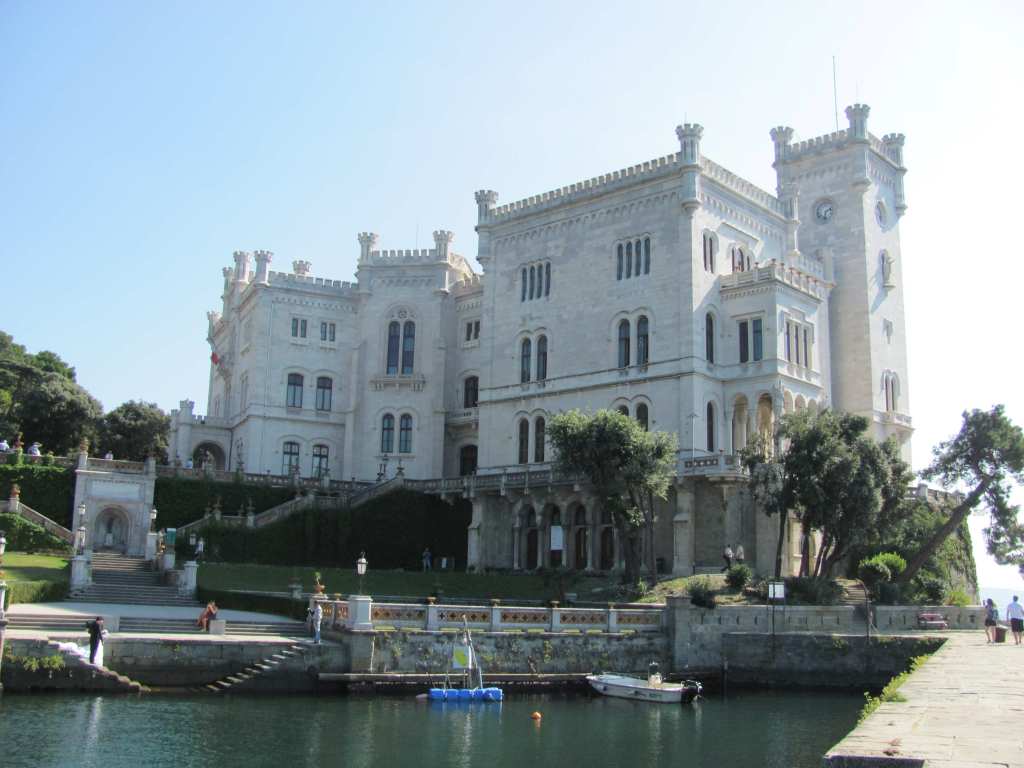
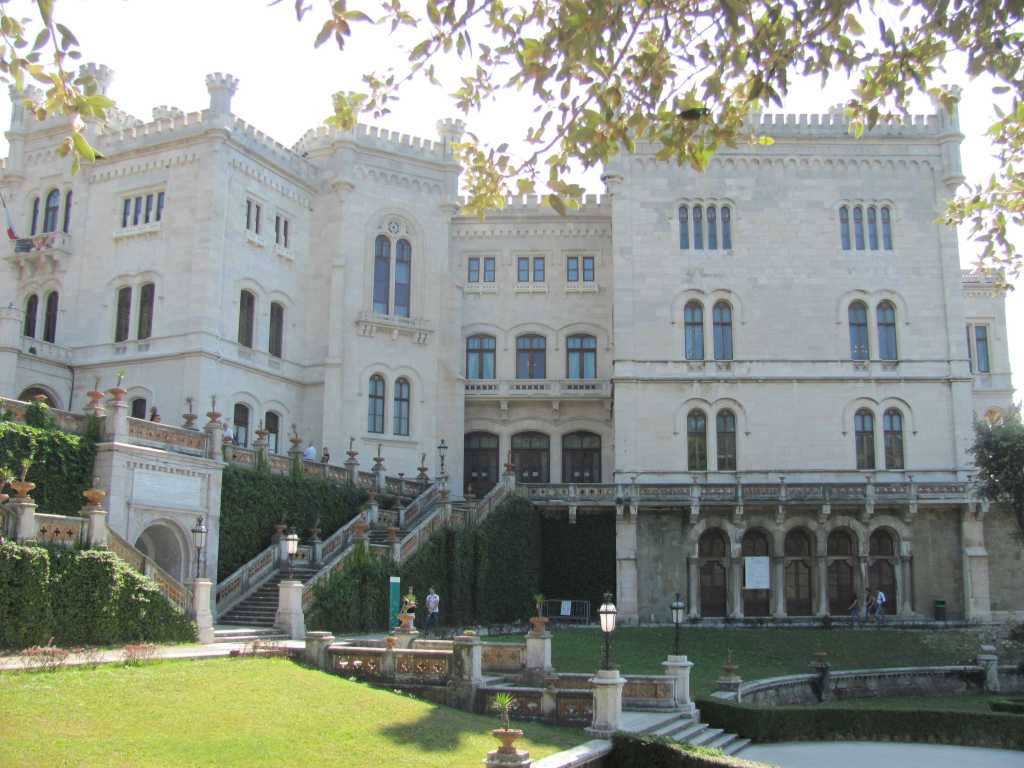
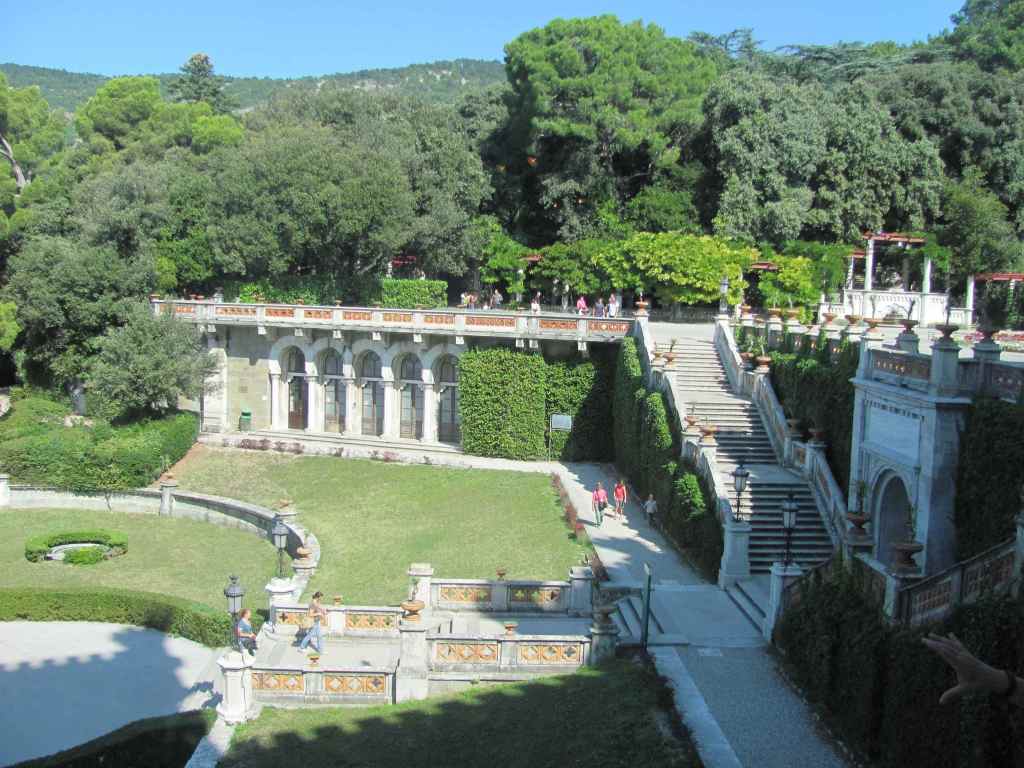
The construction of the castle began on March 1, 1856, and as early as 1860, Ferdinand and his wife celebrated Christmas here. After Ferdinand’s death, the castle remained the property of the Habsburgs, and Empress Elizabeth, better known as Sisi, stayed here several times. After the collapse of the Austro-Hungarian Empire, all furniture and furnishings from the castle were sent to Vienna. Later, however, the Italians reached an agreement with the Austrians, who returned the furniture to them and the castle was turned into a museum.
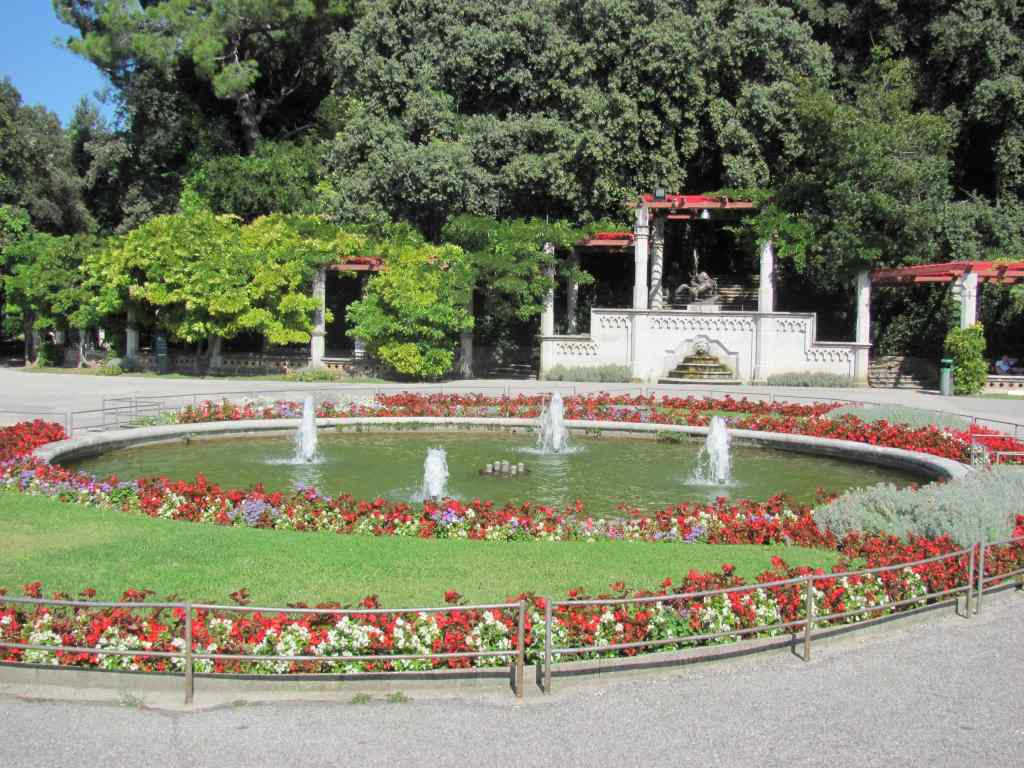
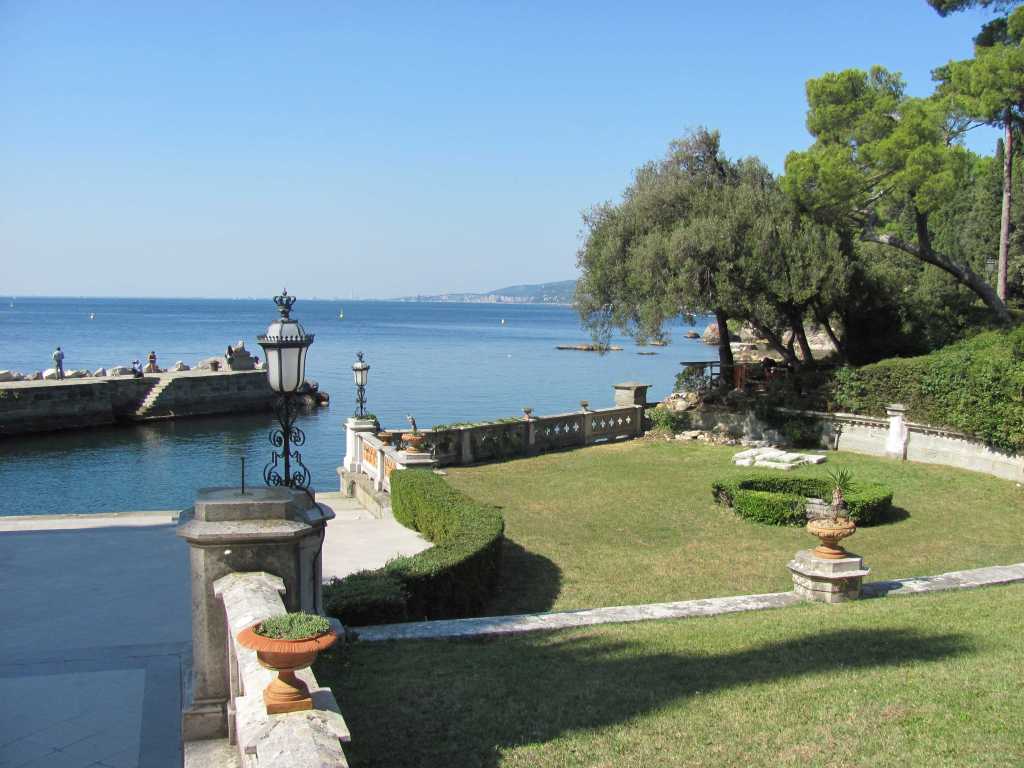


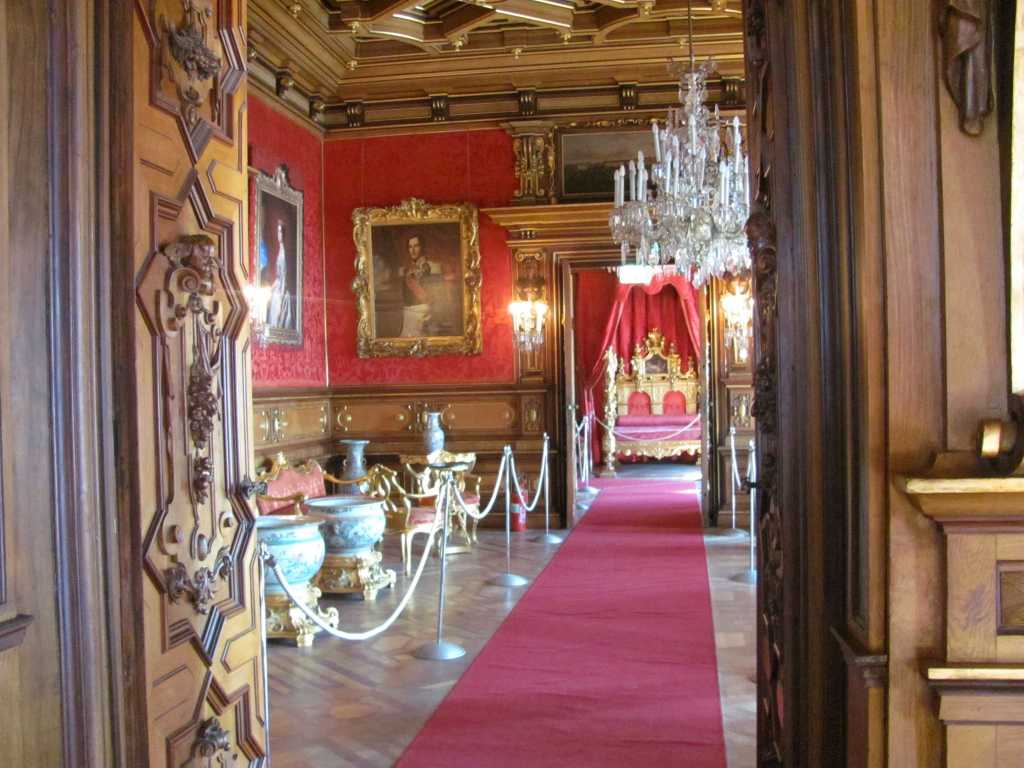
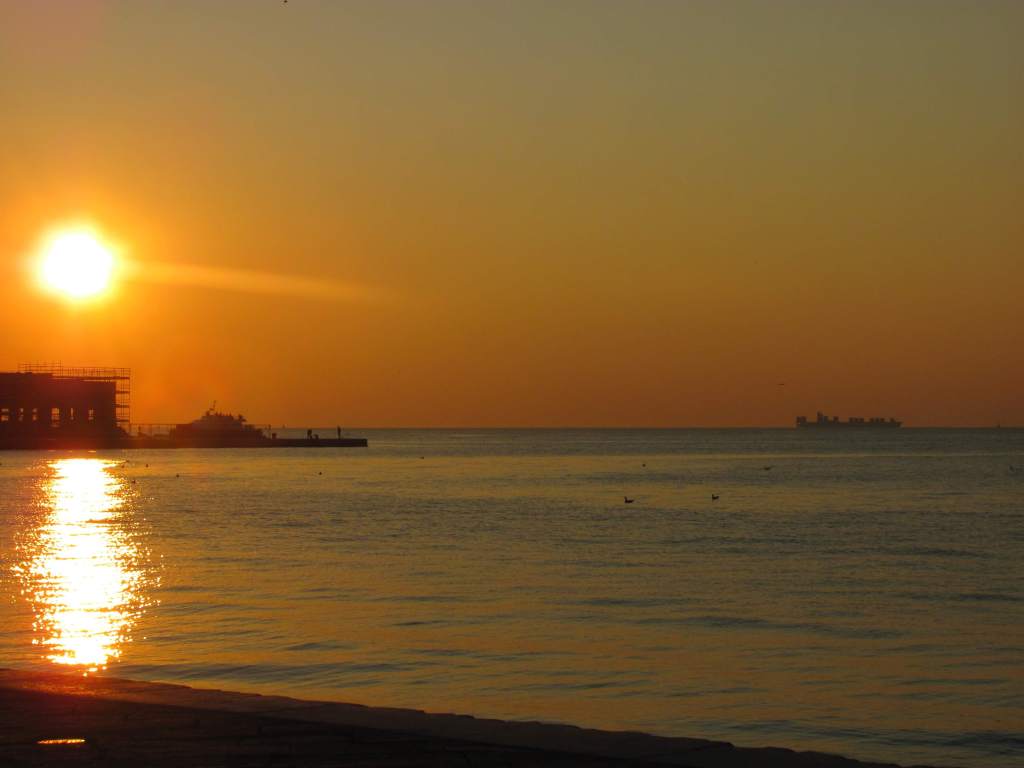
Indeed, the castle is as beautiful from the outside as it is from the inside. Luxurious furniture and ornaments, show splendor, and good interior. The magnificent gardens spread over 22 hectares and are dotted with numerous colors and greenery. This fabulous décor was also chosen by several brides who had chosen to get married or at least photograph here. Three newlywed couples moved around the castle, giving it an even more romantic atmosphere. However, instead of walking here, the locals had leaned on the coastal sidewalk and took in the last rays of the sun of the outgoing summer. We left the castle, heading to the center of the city of Trieste.
It was a Saturday at the end of September and apparently it was a market day, as most of the streets were closed to cars and stalls with lots of flowers and different food were opened.


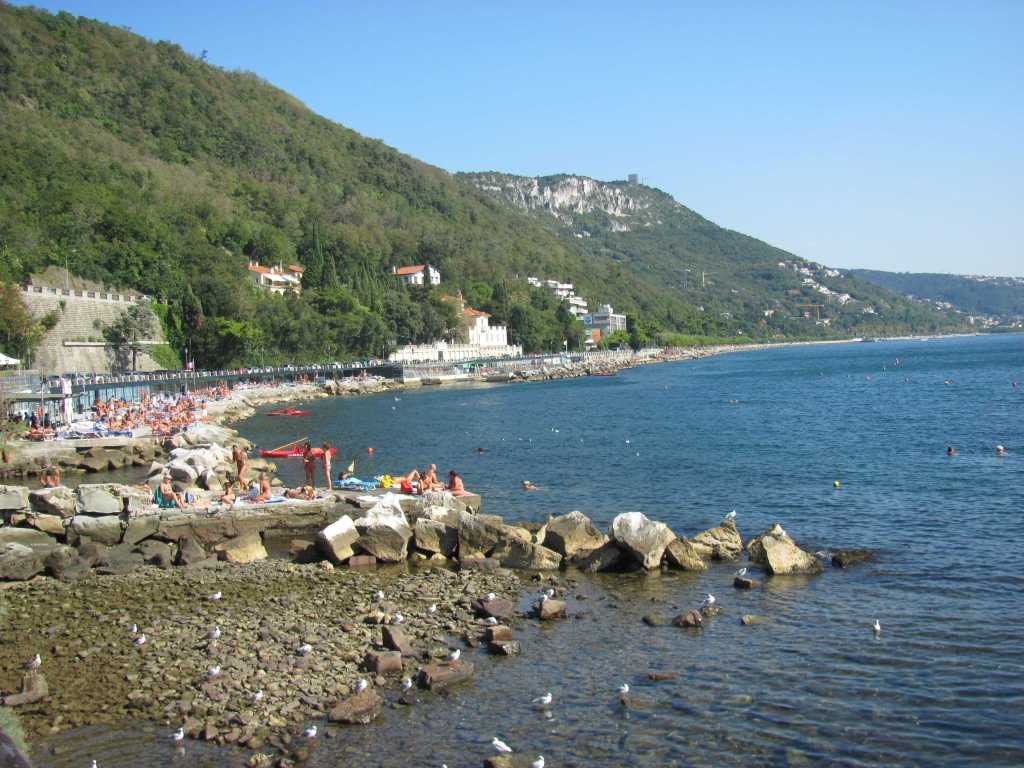
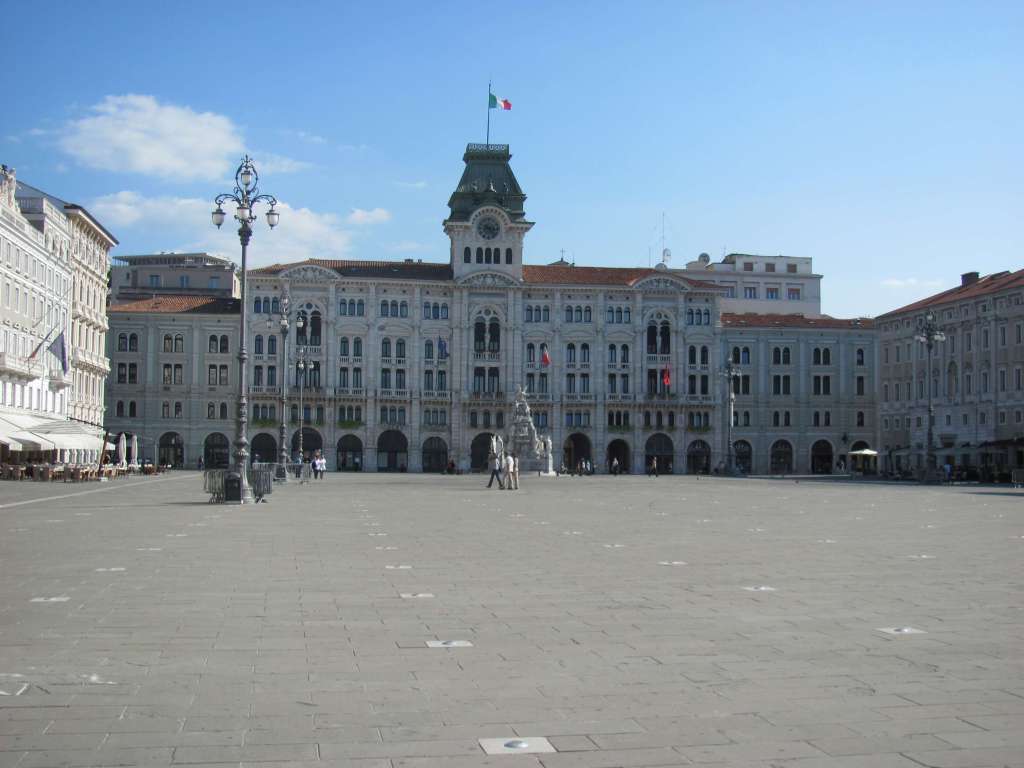
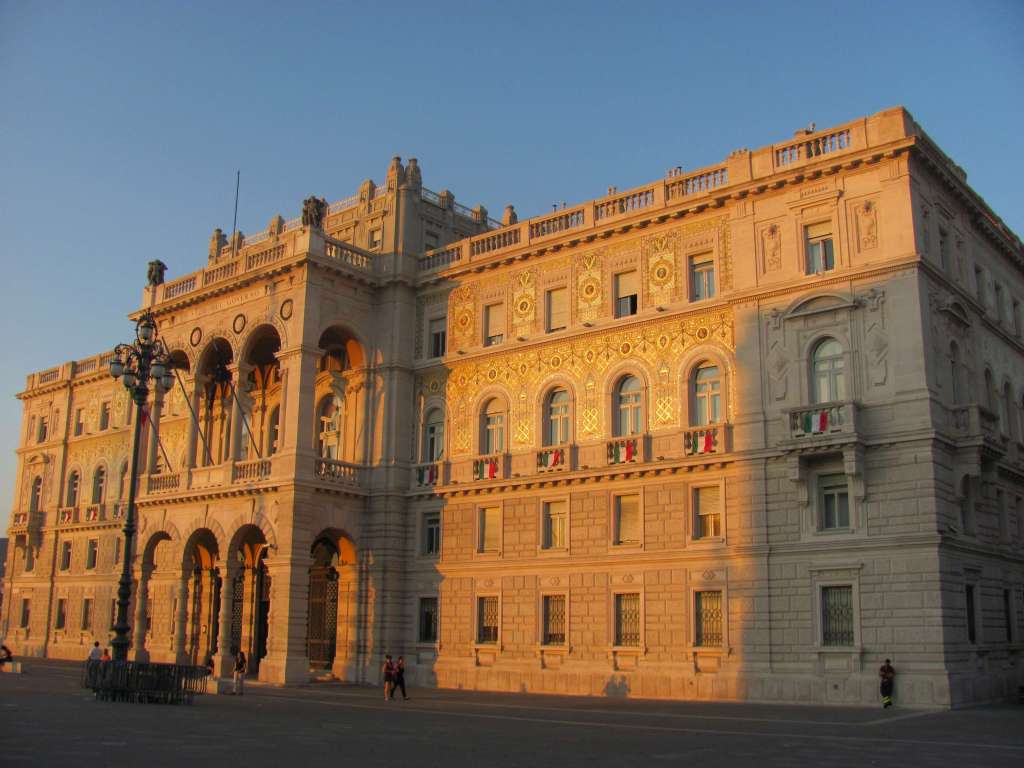
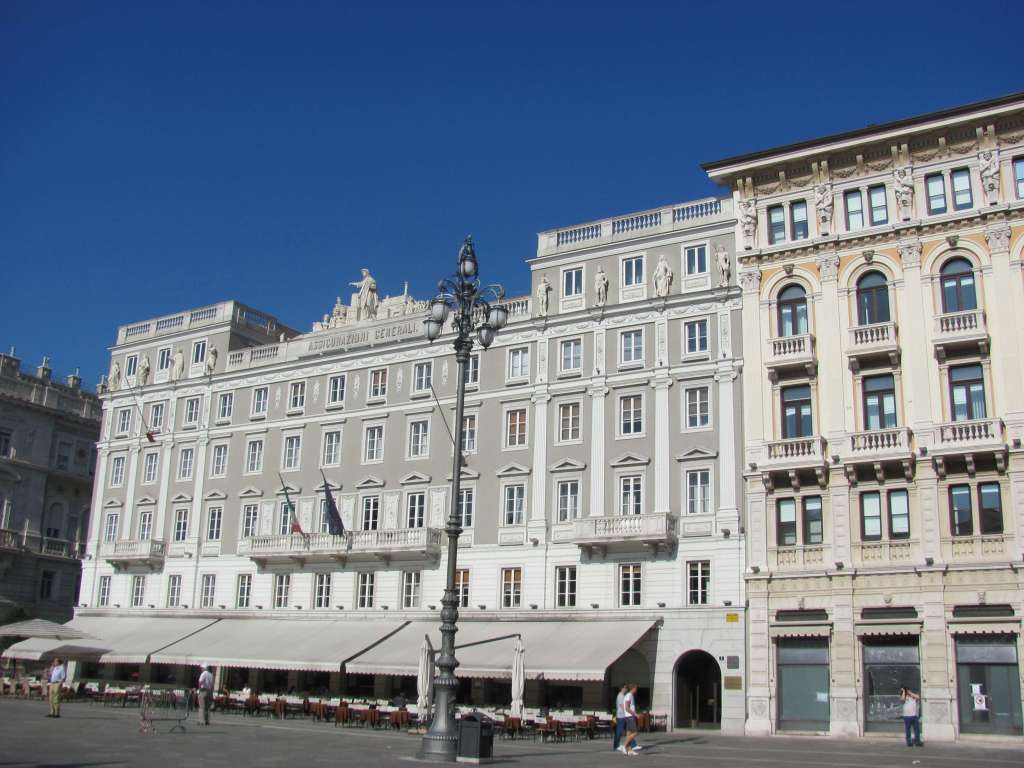
Our walk started from the central square, which we learned is “the largest square in the world… which looks at the sea”. From here, a street led us to the Roman Theater, which is believed to date back to 33-32 BC. by order of Emperor Octavius. The city was highly developed in the 1st and 2nd centuries AD. and the theater correspondingly heavily attended. It was located at the foot of the San Gusto hill and overlooked the sea. Today, the buildings obstruct its sea view, but the ancient Roman atmosphere has been preserved and one can enjoy the view for hours, imagining a performance or even a gladiatorial fight.
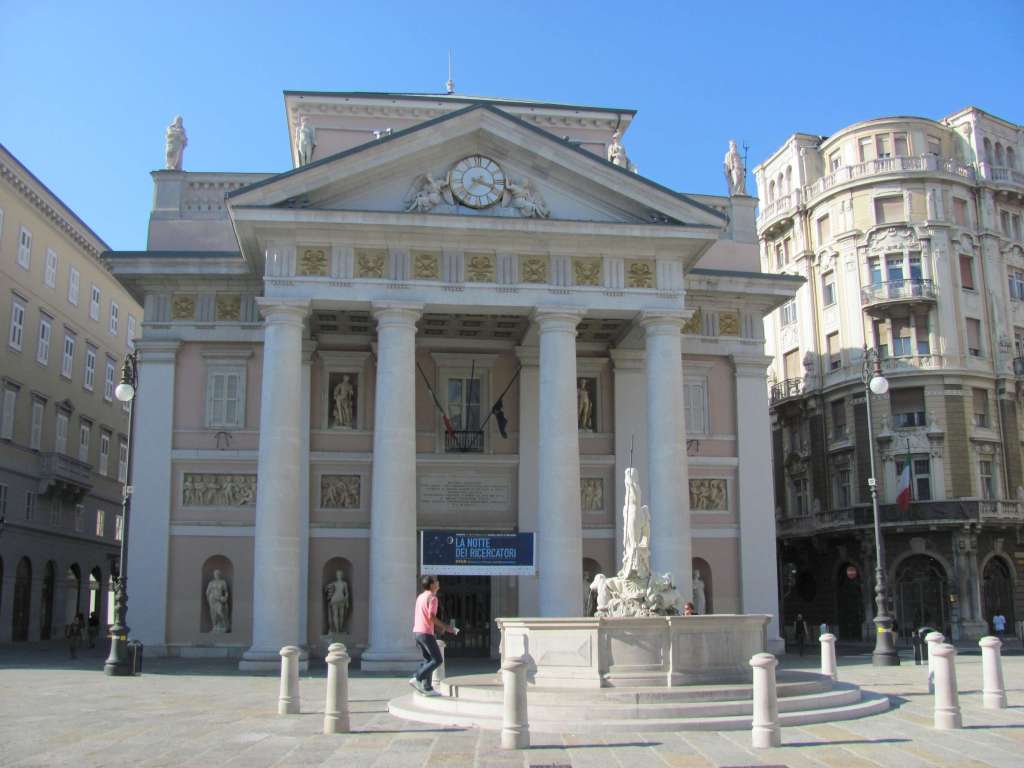
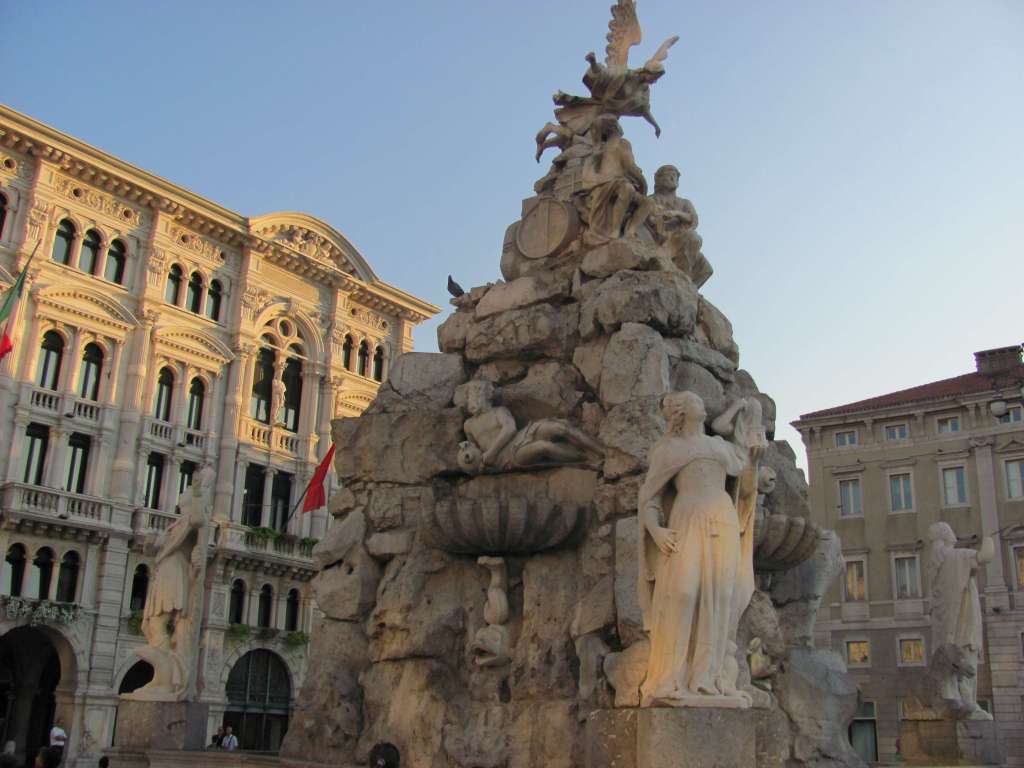
We also passed by the Canale Grande, which, unlike the Venetian one, is a much smaller canal, but there were also many moored boats on it. Then we returned to the square with the large fountain depicting the four continents, and ate the “must-have” uniquely delicious Italian ice cream.
Trieste, it sounds kind of sad, after all, in both Italian and French, the word triste means sad. However, the Italian port city was filled with cheerful sip and plenty of sunshine, making it an integral part of Bella Italia.




GENERAL INFORMATION ABOUT TRIESTE:
Location: The port city of Trieste is located in northeastern Italy, on the coast of the Gulf of Trieste, on the Adriatic Sea and in close proximity to Slovenia.
Origin of the name: The ancient Roman name of the city is Tergeste, which most likely comes from the word terg meaning market.
Area: 84.49 sq.km
Population: 204 849 people (as of 2013)
Official language: Italian
Altitude: 2 m
Climate: subtropical climate with a strong Mediterranean influence.
Time zone: UTC+1
Currency: Euro (EUR)
Additional Information: https://www.inyourpocket.com/Trieste
TRIP TIPS FOR TRIESTE:
Best time to visit: The warmest months you can combine exploring the city with the beach are from June to September. November and December have significant rainfall, and February is the coldest month. In January, you can visit the Trieste Film Festival, in July and August – the International Operetta Festival, and in October – the Coffee Festival.
Typical foods and drinks: Italian cuisine is world-famous, and in Trieste it is complemented by Austro-Hungarian and Slovenian notes. While you are here, be sure to try one of the seafood specialties, such as sardoni (large sardines, which are very popular here) or spaghetti with seafood.
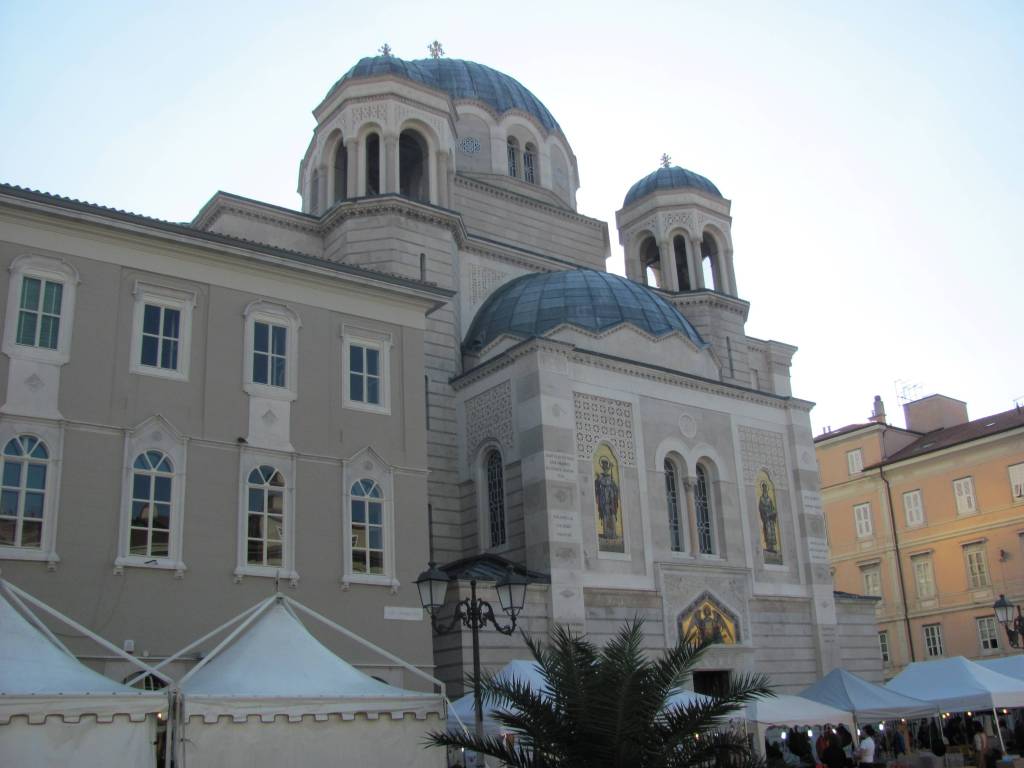
Places to visit: Miramare Castle, the large Piazza dell’Unita d’Italia, the Roman amphitheater, the Citta Vecchia (Old Town), the promenades, etc. There are many caves in the region of Trieste, among which the most famous are the Grotta Gigante (the largest tourist cave in the world), as well as the Cave of Trebiciano, at the bottom of which the Timavo River passes.
 TripTips