SORRENTO – THE FAVORITE RESORT OF CAESAR, CASANOVA AND GOETHE
author: Ana Boneva


Sorrento is one of those pieces of paradise that make the reality more beautiful than our dreams. There are many ways to get to this paradise – by car, train or bus. The most picturesque and pleasant, however, is with the Alilauro Hydrofoil ferry departing from Naples to Sorrento, which we chose. The sea water sprayed us during the trip, and our eyes greedily swallowed all the beautiful coastal landscapes. The journey took about 40 minutes and 77 camera shots.
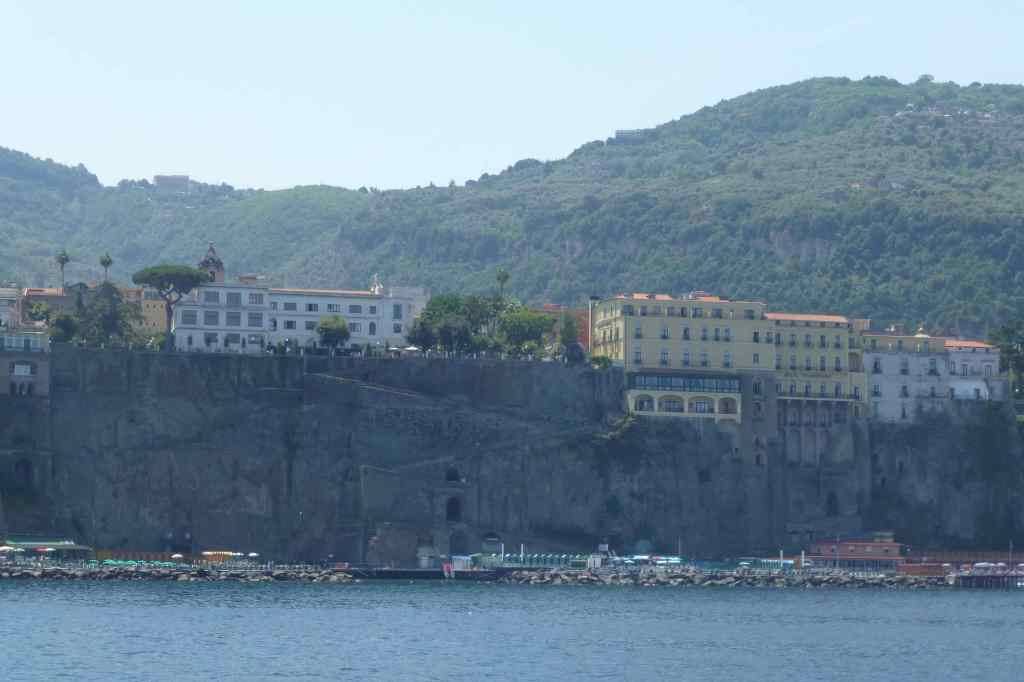
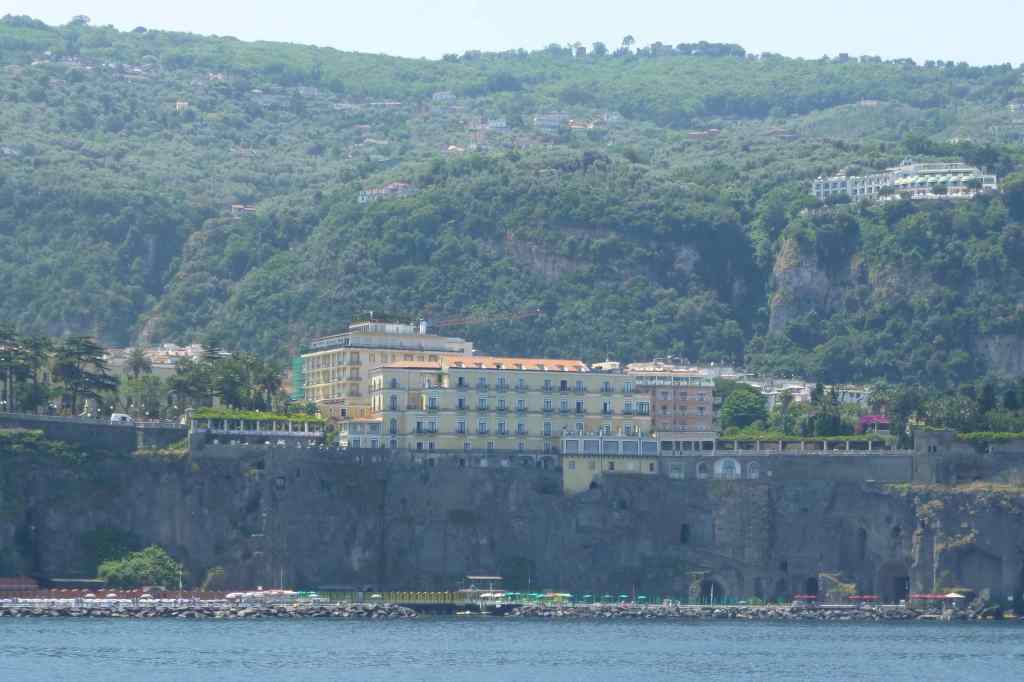
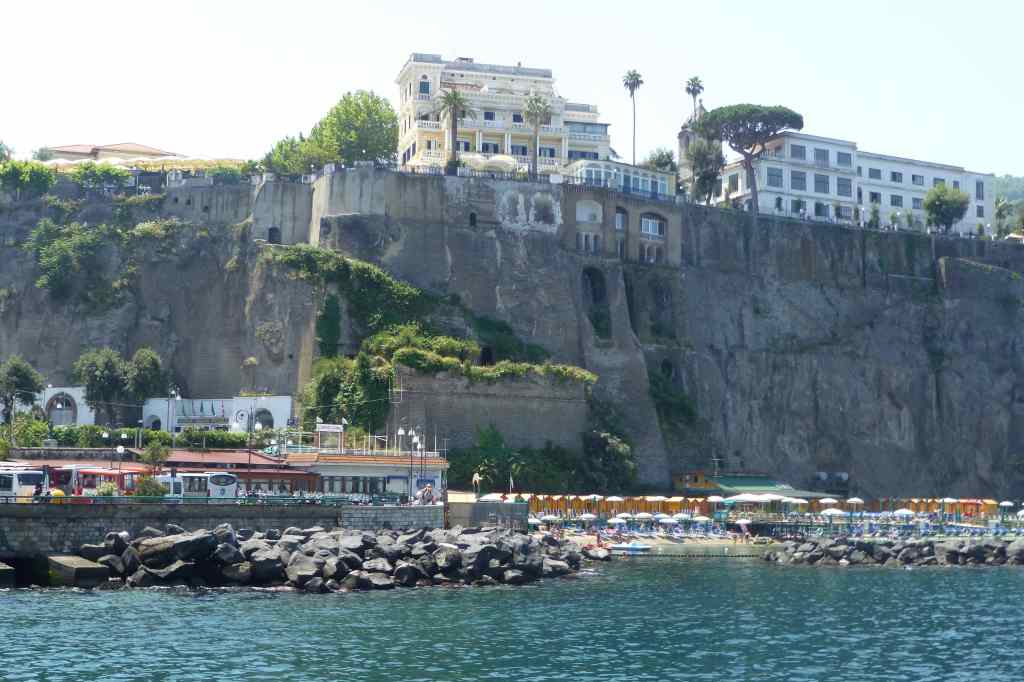
At 11:45 a.m. we were already at the port of Sorrento, which impressed us from the very beginning with its vertical cliffs and hotels and buildings located on the top. It turned out that the town center, including our hotel, was on this peak and this immediately changed my plans to walk to the hotel. We took a city bus and got off as soon as we climbed the steepness to Piazza Tasso.

We left our luggage at the hotel and eagerly started our walking tour of Sorrento, which surprised us more and more pleasantly with each step.
Sorrento has been a famous resort town since 1700, with Casanova, Goethe and other prominent people staying here. The city itself dates back to Antiquity, and some Roman remains have been preserved to this day. Although there were more boats on the shore than the sand on the beach, the narrow beach strip of Sorrento was also tempting, and in mid-June, lively.
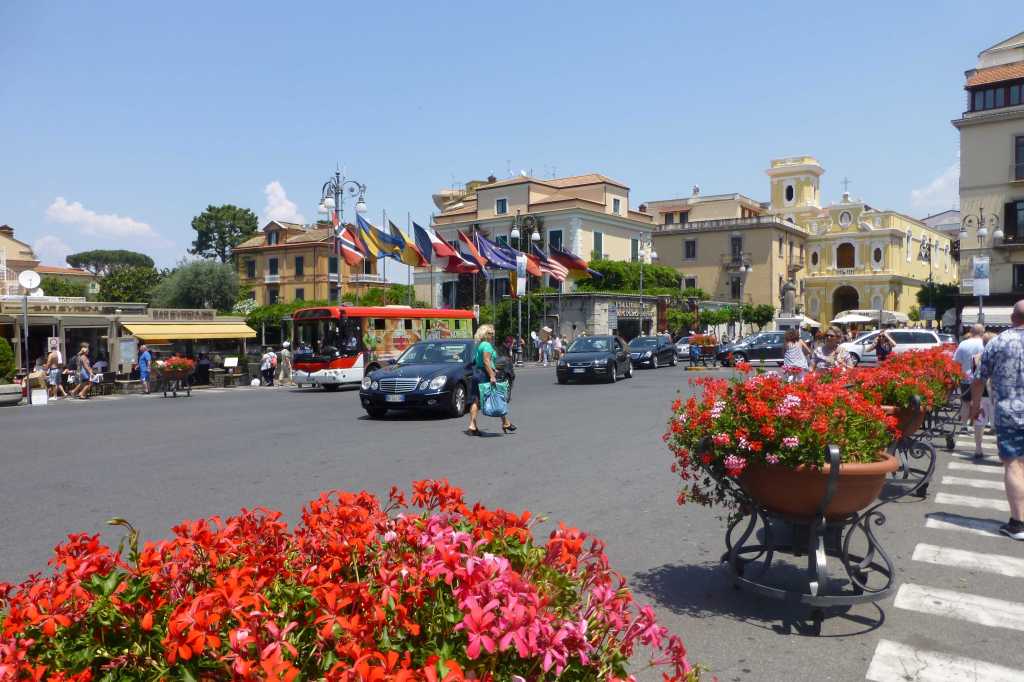
We passed through a cellar where a group of German tourists had a tasting, and the hosts decided to treat us too. We drank limoncillo, which is a very popular drink here, and mixed with milk was pleasant even for me. We went out again to Piazza Tasso, which was the busiest square in the city. At its very center there was a statue of the 16th-century Renaissance poet Torquato Tasso, whose name the square bore. From there we get into one of the narrow streets lined with souvenir stalls.


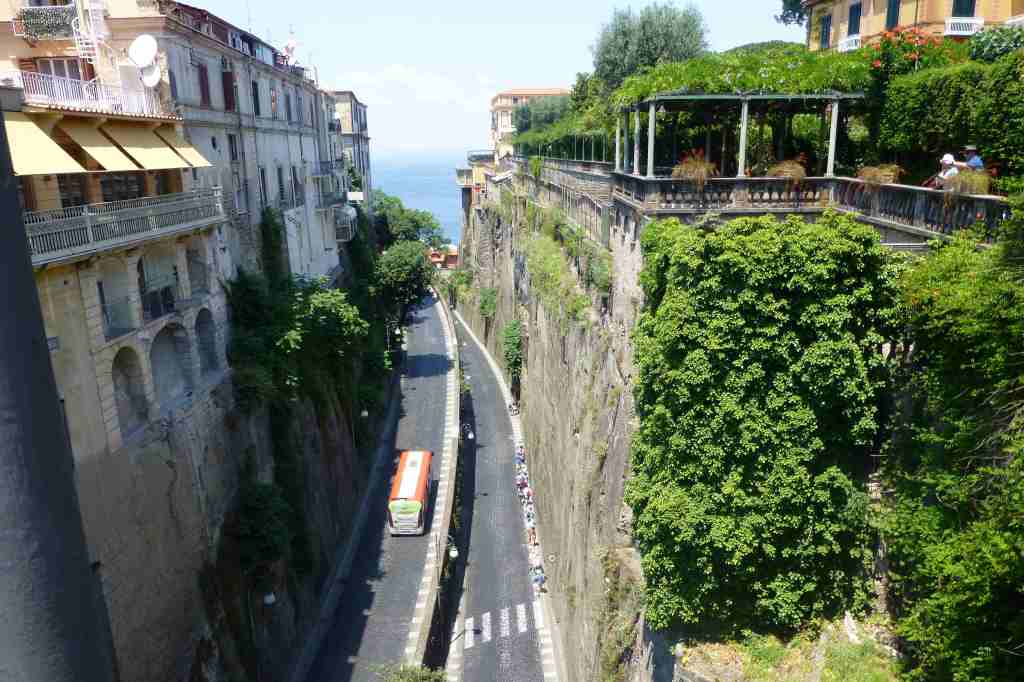
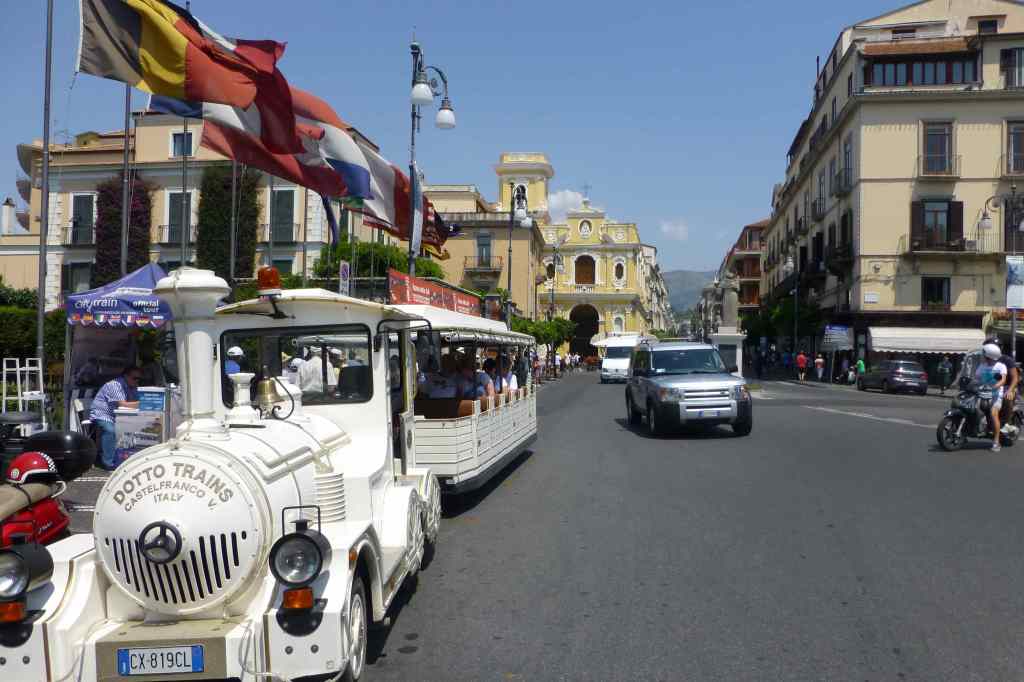
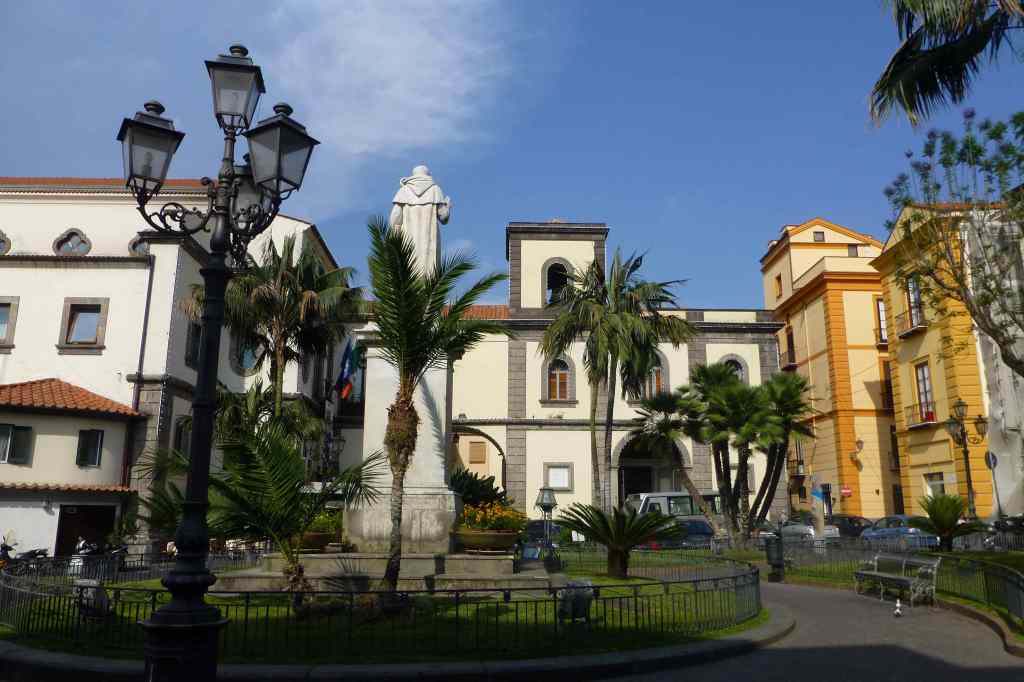
At 13:45 from Piazza Tasso we boarded the tourist train, with which we decided to tour Sorrento and get a general idea of the city, identifying places for walking. We had headphones on the train, which told us about the sights in Sorrento in different languages. The first one remained on our right side – the church of Sant Antonio, named after a monk. The basilica was located in a square that bore the same name. It was erected in the 11th century on the site of an ancient chapel, and today valuable paintings by Giovanni Bernardo Lama and Giacomo Del Po are kept inside.


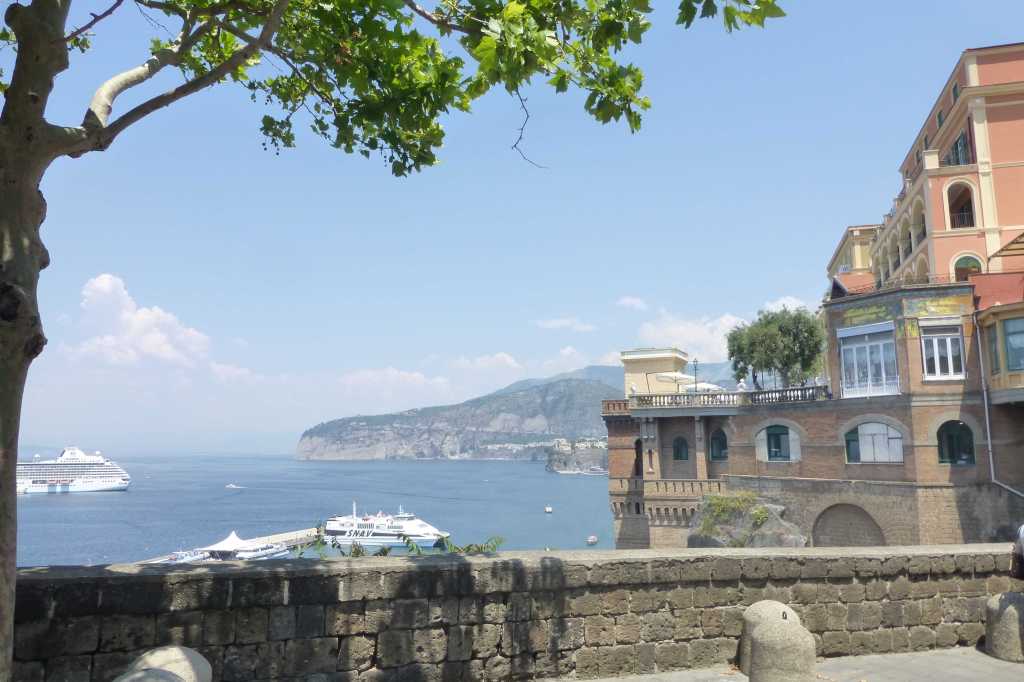
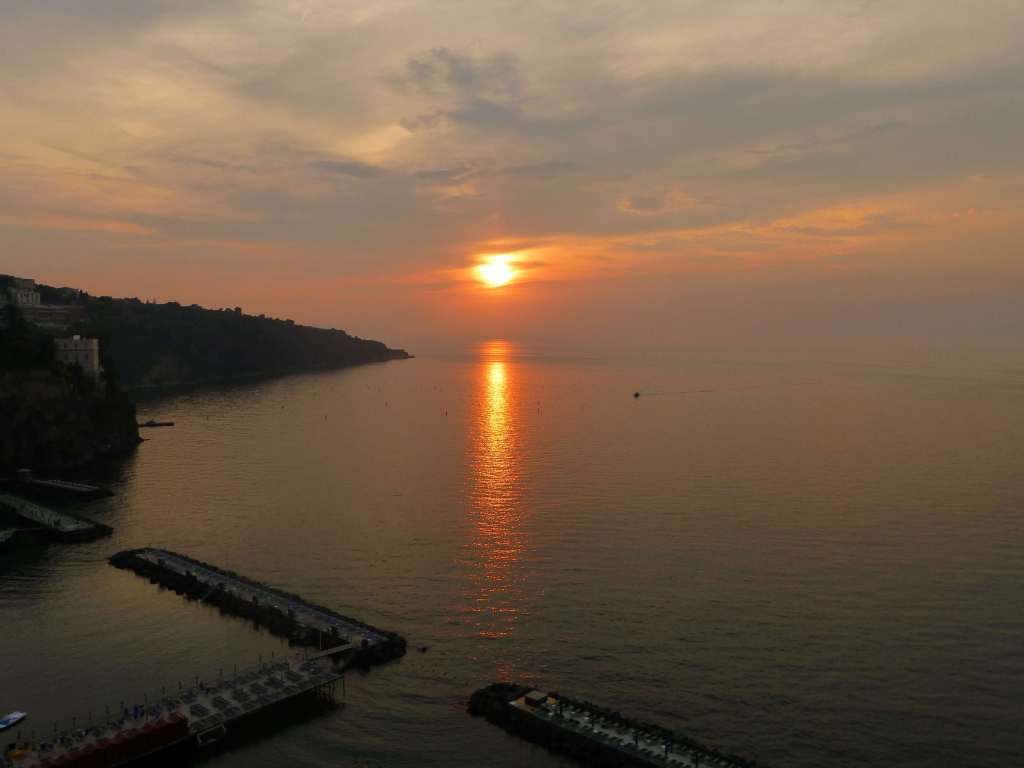
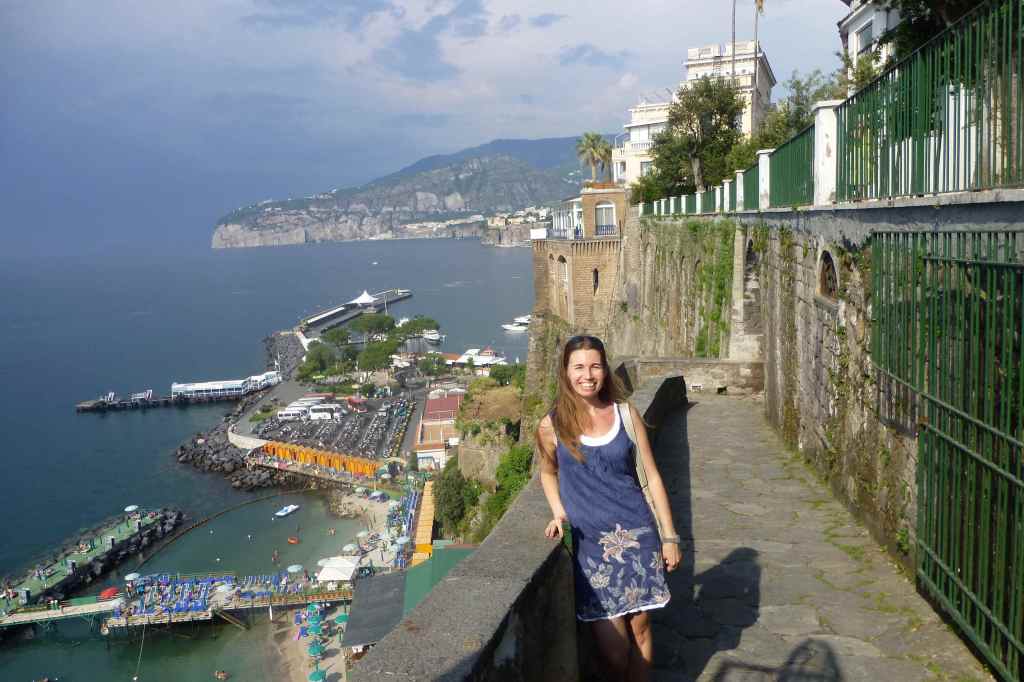
Our train continued along the street and took us to a beautiful panoramic terrace with an inspiring landscape. We learned that many poets and writers such as Shelley, Byron and others worked here. Our train made a U-turn and headed to the port, passing through Piazza della Vittoria and Villa Comunale on the way. Piazza della Vittoria or translated Victory Square was located on the site where the temple of the goddess Venus once was. Today it was famous for its panoramic views of the Bay of Naples and the volcano Vesuvius. We also passed by many beautiful villas, some of which were turned into hotels, preserving many statues and ornaments from the centuries. Such was the Villa Communale, which had one of the most beautiful panoramic terraces overlooking the small port of Marina Piccola. From here everyone can see the most beautiful sunset, something that we subsequently checked and can confirm.

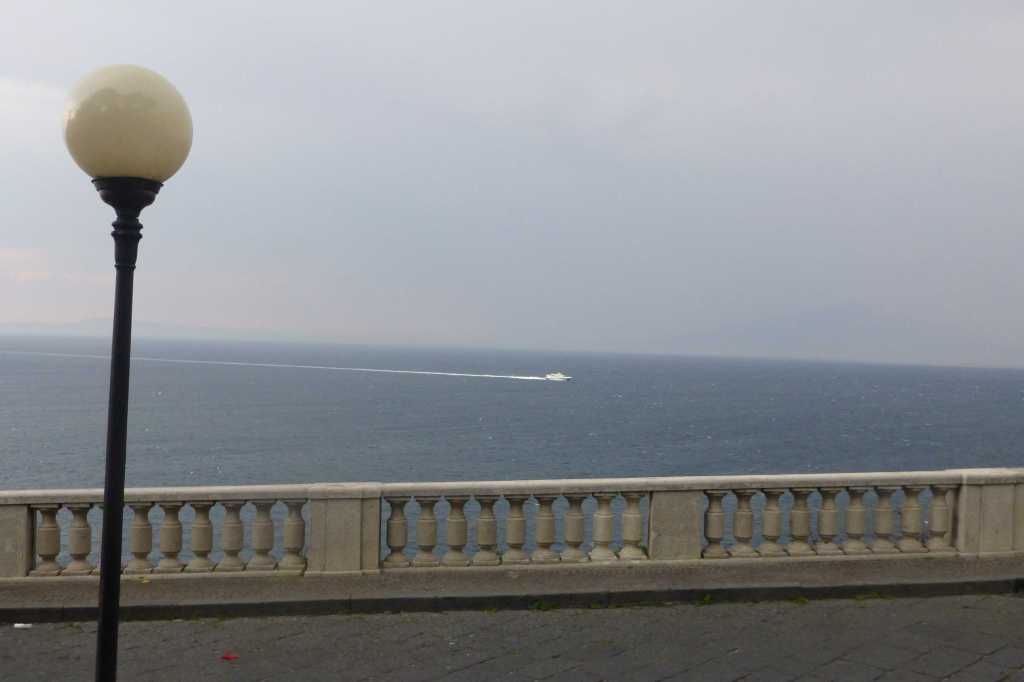
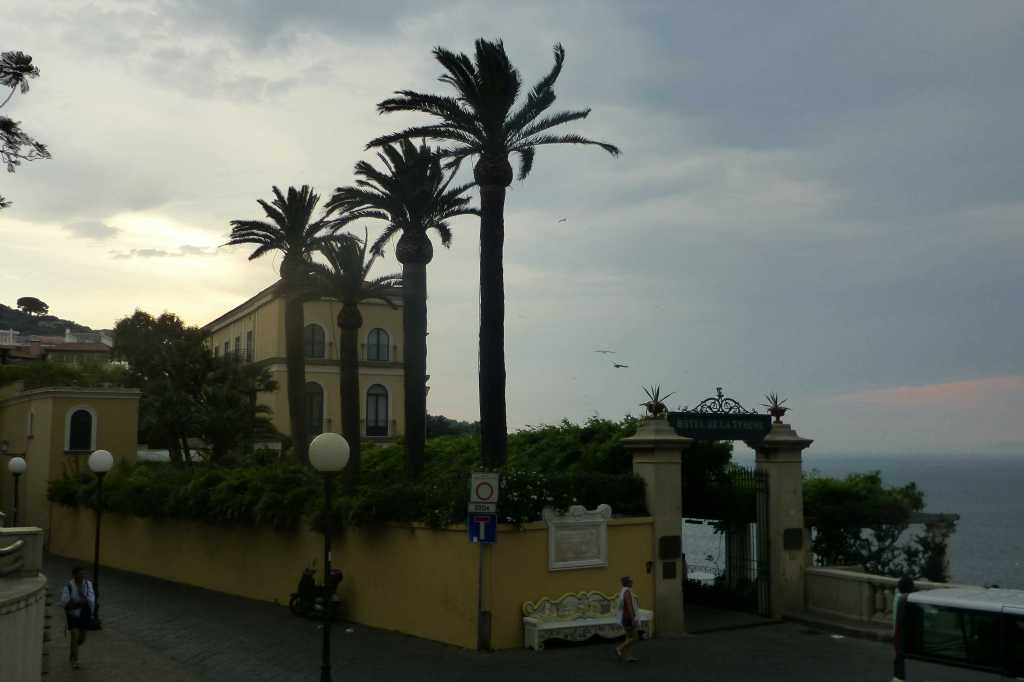


During the train ride, we also felt the scent of flowers that wafted from the many gardens and parks. There were especially many of them around the beautiful San Francisco monastery erected in the 14th century. We continued down to the port, along very, very narrow roads, on which each time our train surprisingly passed other cars. On the left side there were more beautiful panoramic platforms, and we learned that here are some of the most expensive and sophisticated hotels in the town. The aristocracy and even some kings have come here on vacation for centuries. Even in Roman times, Caesar himself stayed here.
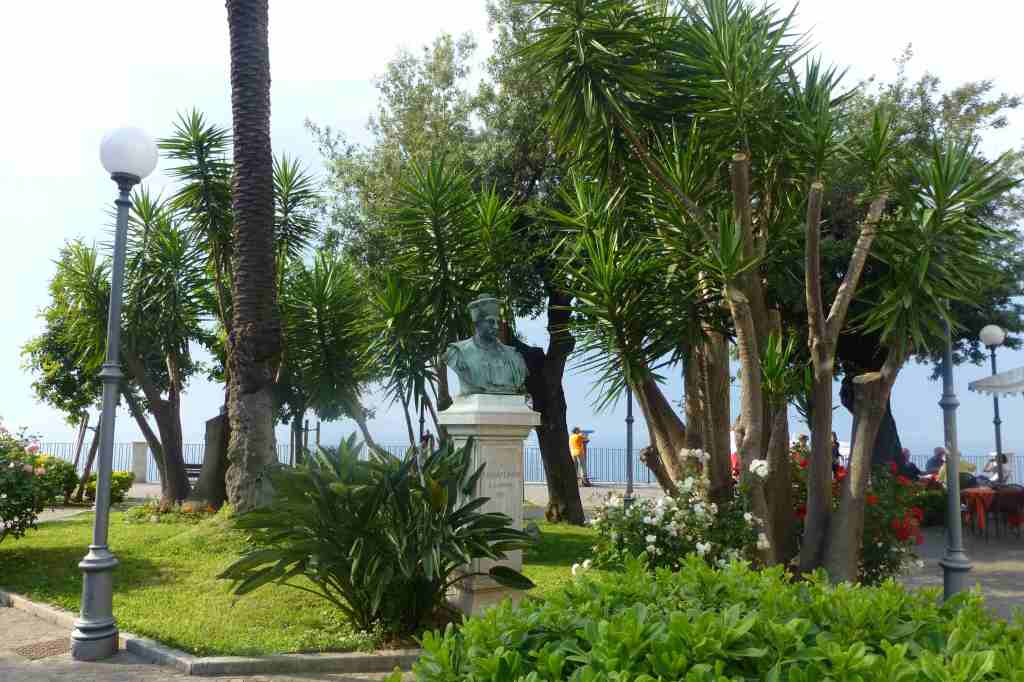
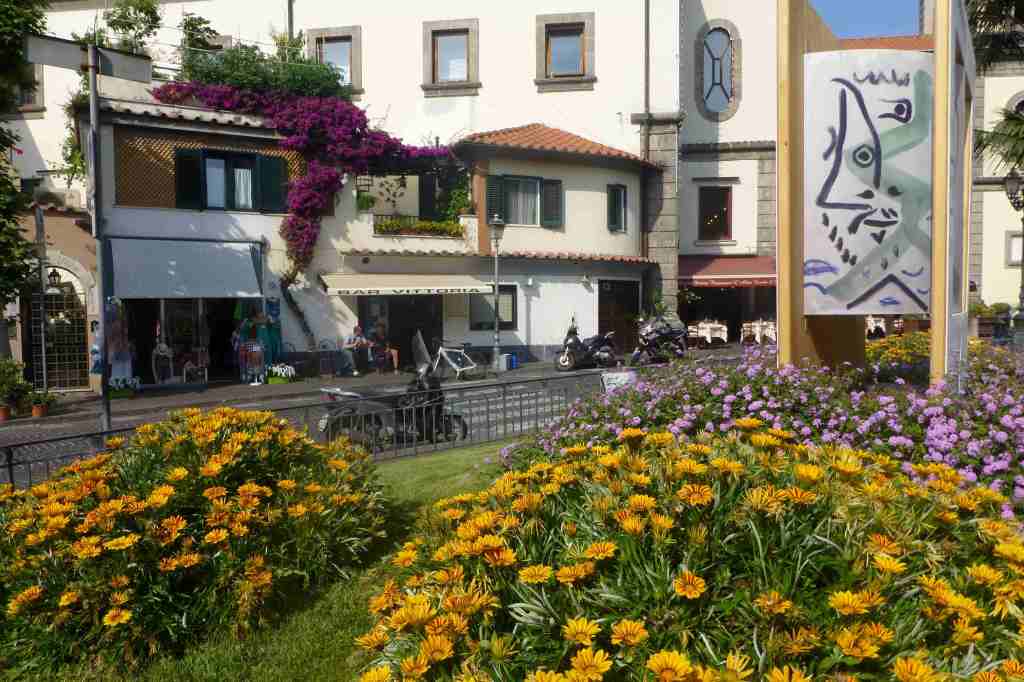


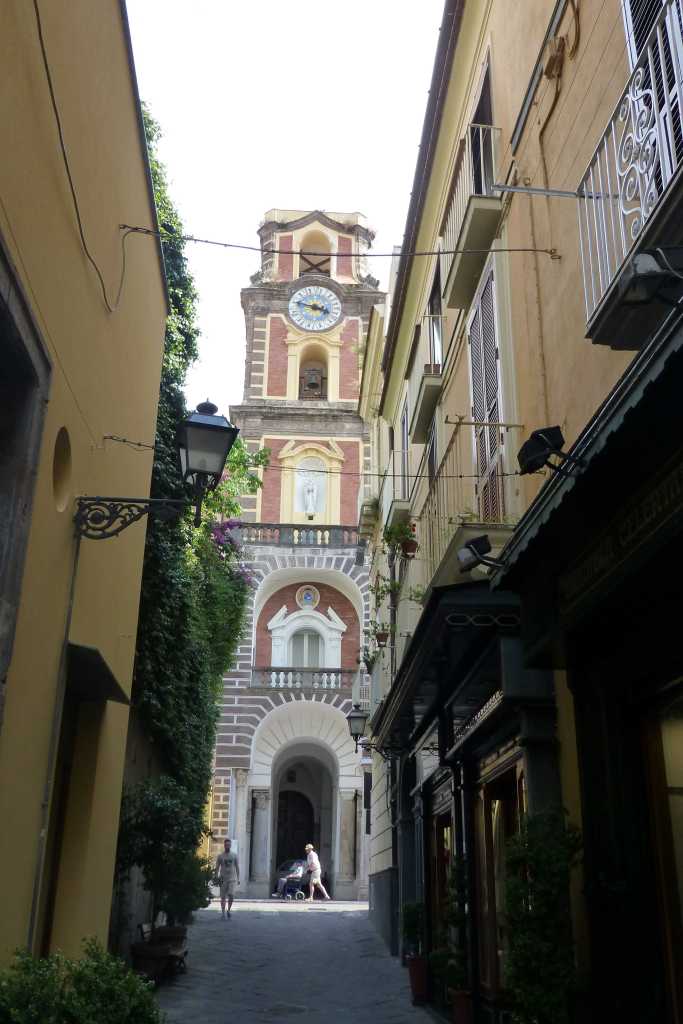
We passed through Marina Piccola, and the large cruise ships were visible from the shore. After the port, our train climbed again along the steep street and sharp turns, taking us back to Piazza Tasso. The beautiful landscapes had opened not only our cameras, but also our appetite. We sat in a street restaurant with excellent pasta and fresh salads. This was followed by a walk through the narrow charming streets that really turned Sorrento into one of the most beautiful cities on the Bay of Naples.
Especially fascinating were the many souvenir shops and ceramic vessels, all of them richly decorated with lemons, which was one of the symbols of the Bay of Naples. Gradually, we headed back to Villa Communale, where we decided to wait for the sunset, sitting on the panoramic terrace of a pastry shop and ordering my favorite Italian ice cream. We also had live music. I don’t know if it was from the ice cream, but the sunset seemed to me one of the best I had ever seen.
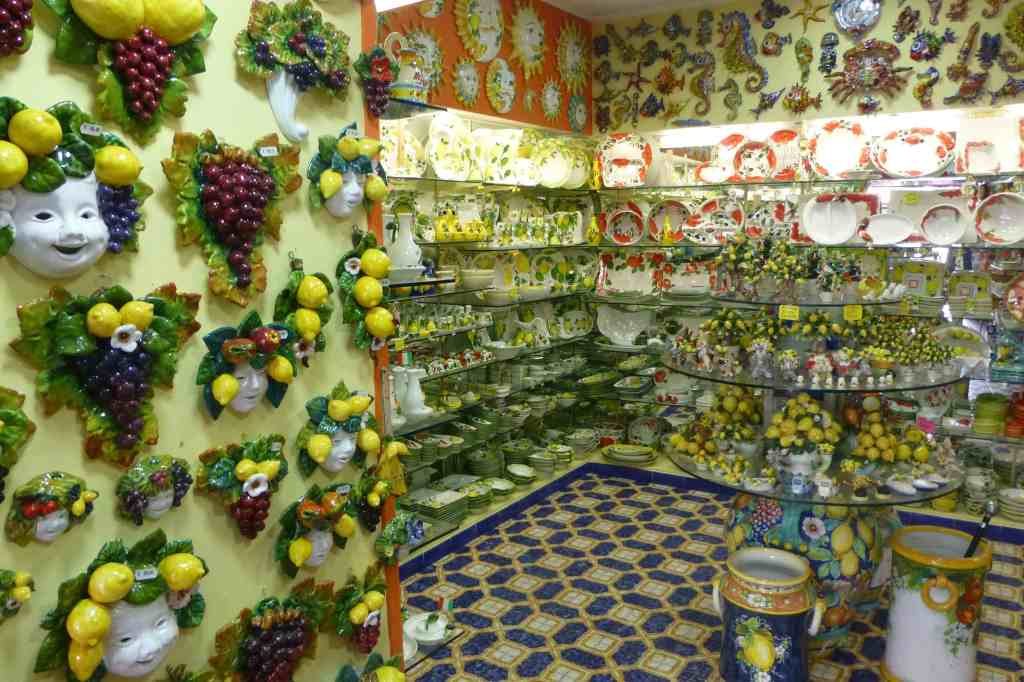


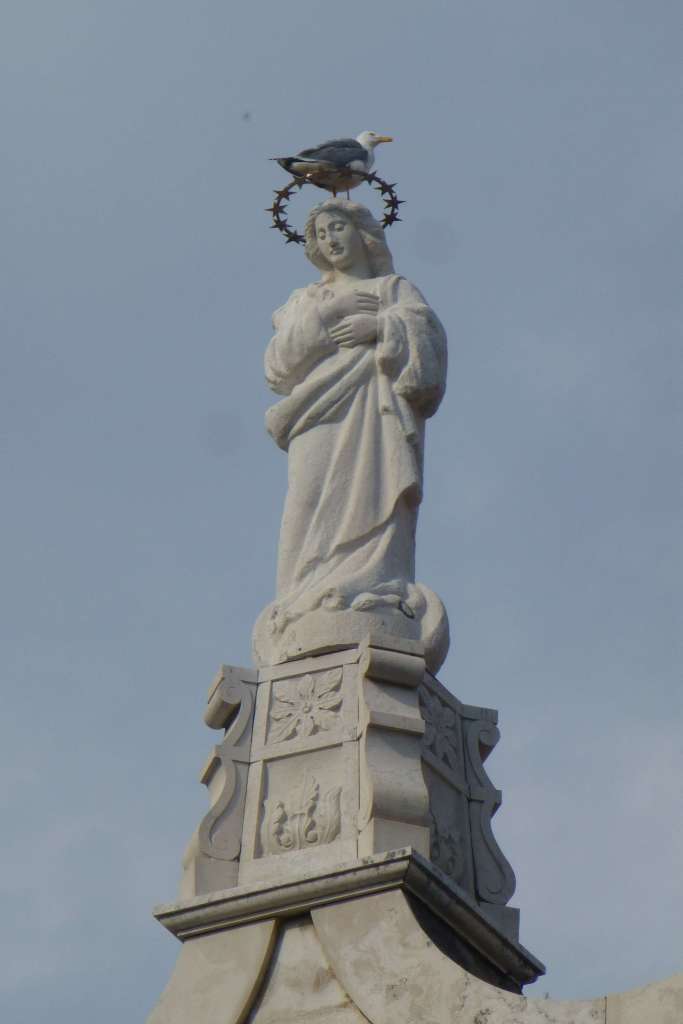
Sorrento knows how to charm and no wonder that so many celebrities have come here on vacation. We probably would have extended our stay in it if it were not for more charming places such as the island of Capri and the Amalfi coastline. However, Sorrento is one of those places that directly enters the hearts through the eyes and leaves pleasant memories and longings for a second visit. This is how it is sung in the famous song sung by Pavarotti, Bocelli and other admires of the coastal town:


Torna a Surriento
Vide ‘o mare quant’è bello!
spira tanta sentimento…
Comme tu, a chi tiene mente,
ca, scetato, ‘o faje sunná!
Guarda guá’ chistu ciardino,
siente sié’ sti sciure ‘arancio…
nu prufumo accussí fino,
dint”o core se ne va…
E tu dice: “Io parto, addio!”
T’alluntane da stu core…
Da la terra de ll’ammore,
tiene ‘o core ‘e nun turná?!
Ma nun mme lassá,
nun darme stu turmiento…
Torna a Surriento:
famme campá!…
Vide ‘o mare de Surriento
che tesore tene ‘nfunno:
Chi ha girato tutt”o munno,
nun ll’ha visto comm’a ccá!
Guarda, attuorno, sti Ssirene
ca te guardano ‘ncantate
e te vònno tantu bene:
Te vulessero vasá!…
E tu dice: “Io parto, addio!”
T’alluntane da stu core…
Da sta terra de ll’ammore,
tiene ‘o core ‘e nun turná?!
Ma nun mme lassá,
nun darme stu turmiento…
Torna a Surriento:
famme campá!…
Return to Sorrento
Look at the sea, how beautiful it is,
it inspires so many emotions,
like you do with the people you look at,
who you make to dream
while they are still awake.
Look at this garden
and the scent of these oranges,
such a fine perfume,
it goes straight into your heart,
And you say: “I am leaving, goodbye.”
You go away from this heart of mine,
away from this land of love,
And you have the heart not to come back.
But do not go away,
do not give me this pain.
Come back to Surriento, let me live!
Look at the sea of Surriento,
what a treasure it is!
Even who has travelled all over the world,
he has never seen a sea like this one.
Look at these mermaids
that stare, amazed, at you,
that love you so much.
They would like to kiss you,
And you say: “I am leaving, goodbye.”
You go away from my heart,
away from the land of love,
And you have the heart not to come back.
But please do not go away,
do not give me this pain.
Come back to Surriento,
let me live!
GENERAL INFORMATION ABOUT SORRENTO:
Location: Sorrento is located in southern Italy, the province of Naples, on the Sorrento Peninsula with high steep cliffs with volcanic stone and overlooking the Gulf of Naples.
Origin of the name: The ancient name of the city is Surentum and comes from the word sirens. According to legends, Odysseus passed through here and was confused by the songs of the sirens.
Area: 9 sq.km
Population: 16,547 (as of 2007)
Official language: Italian
Altitude: 50 m
Climate: subtropical climate
Time zone: UTC+1
Currency: Euro (EUR)
Further information: http://www.sorrentotourism.com/en/

TRIP TIPS FOR SORRENTO:
Best time to visit: probably the best time to visit Sorrento is in May and June, when everything on the island is in bloom and beautiful. In July and August there are many tourists, but it is relatively calmer in September. The rest of the year there are no water taxis, which can be used to take trips to the nearby island of Capri and the Amalfi Coast, and ferry connections are much less frequent.
Typical foods and drinks: Italian cuisine is world-famous and Sorrento is no exception. Neapolitan pasta and lasagna are especially tasty, for drinking be sure to try the local limoncello with or without milk. Italian ice cream here is also on top and should not be missed.
Places to visit: Explore Sorrento on foot or on the tourist train, enjoying the many panoramic platforms. It is worth taking a boat to the island of Capri or to the Amalfi Coast.
 TripTips