LAKE GARDA AND SIRMIONE
author: Ana Boneva
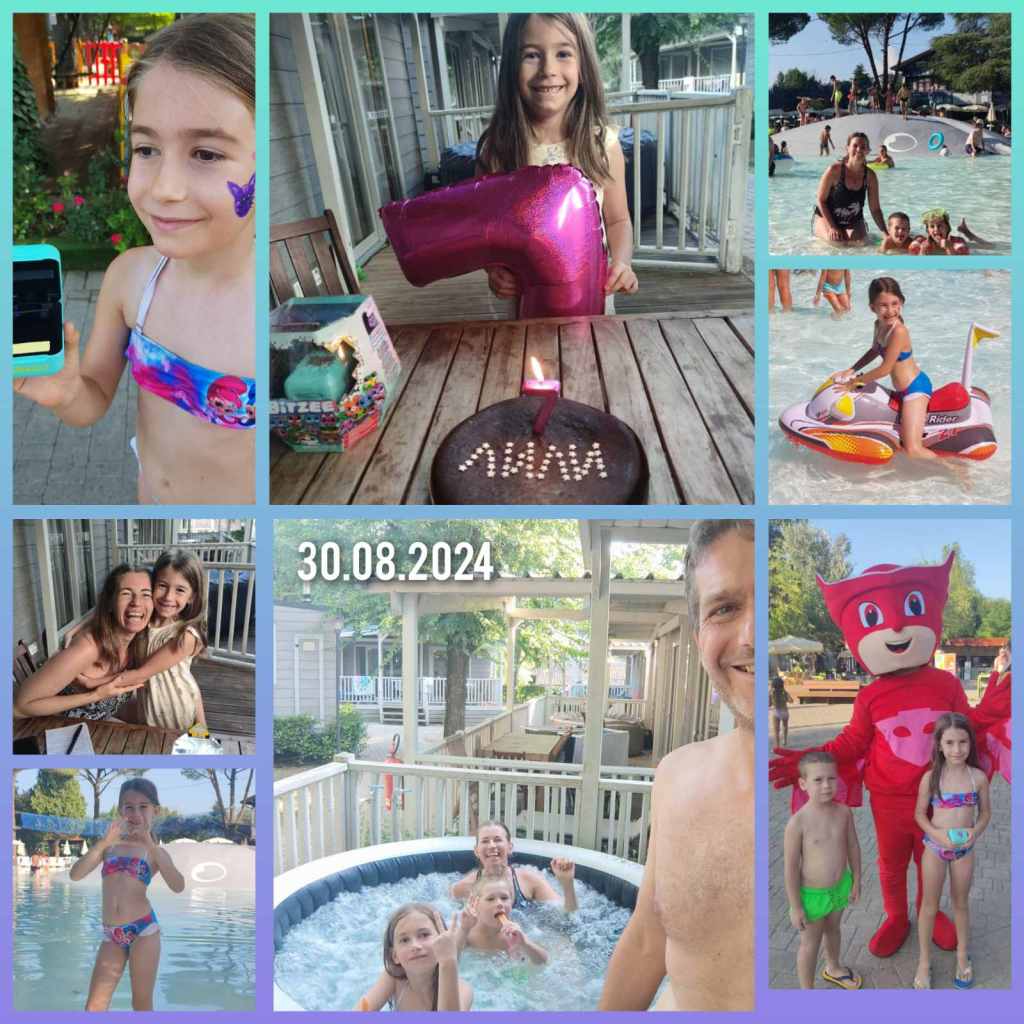
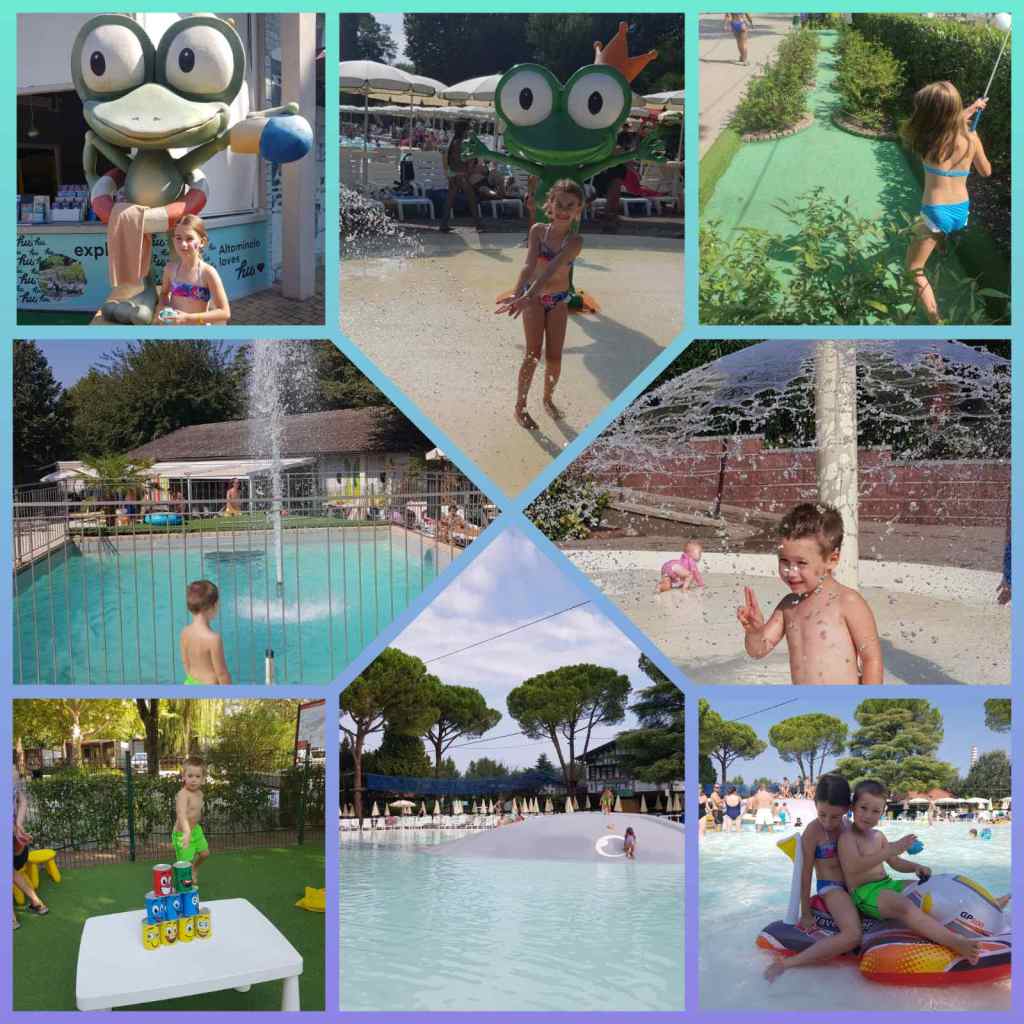
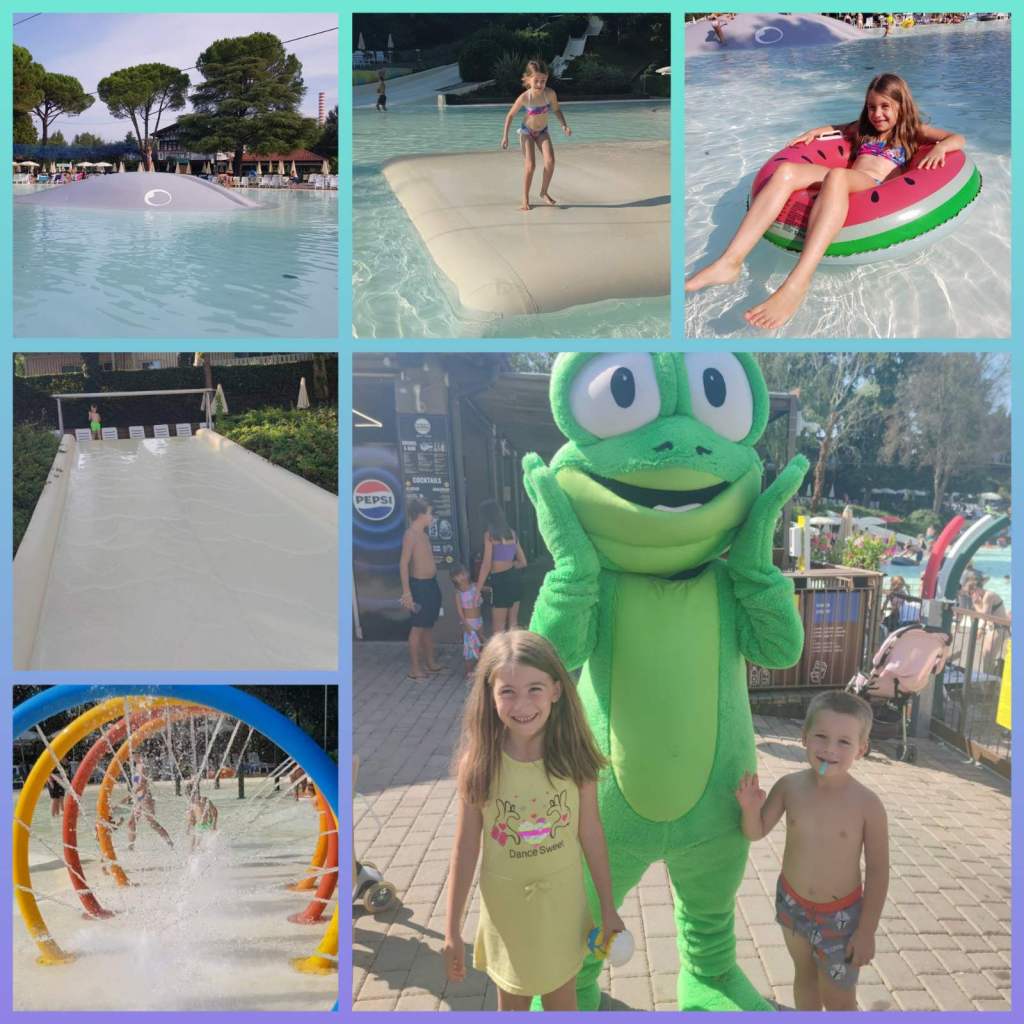
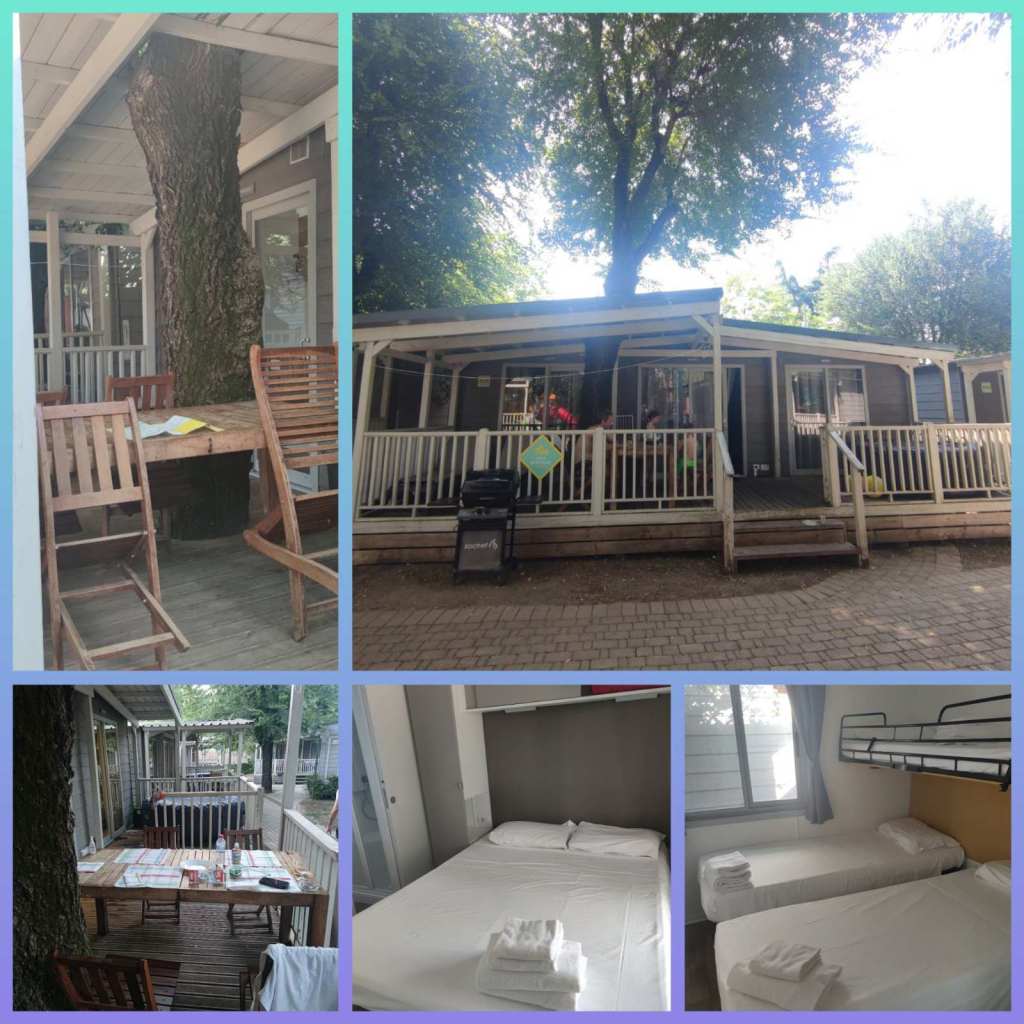
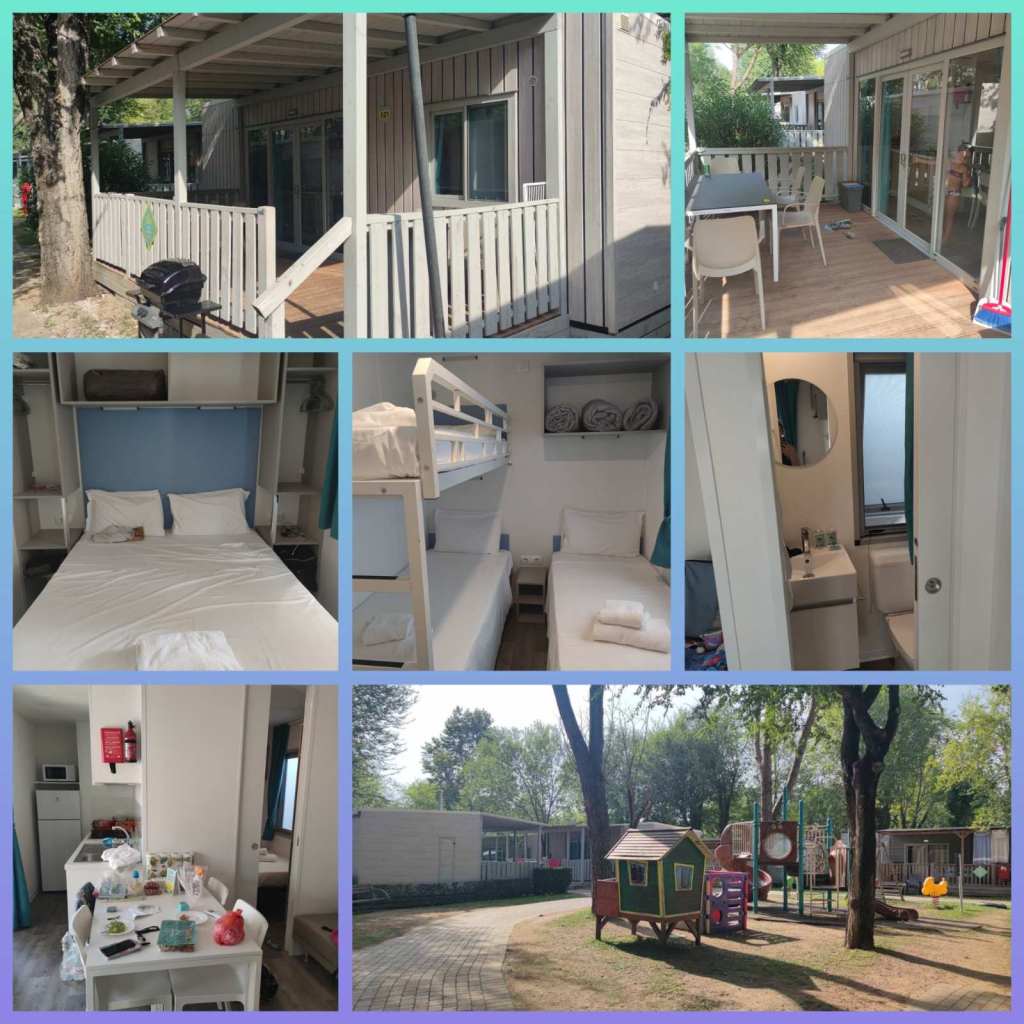
Italians have the expression “Dolce far niente” = “The sweetness of doing nothing.” In search of this feeling, my family and I headed to Lake Garda. However, our accommodation did not fit this concept. Hu Altomincio Village was full of activities such as numerous playgrounds, huge pools with slides, rope park, mini golf, games room, concerts in the evening, etc. The few free minutes we had in the bungalow, we spent preparing breakfast or dinner. The bungalows were very cozy with a wonderful veranda, where we enjoyed eating and playing
The campsite was a fantastic place for family holidays and if some other hotels had the sign “Adults only”, then here they had to put up a sign “Families only”. Everywhere there were families with children who ran, played and laughed. We had the privilege to be part of these relaxing and entertaining people, and although I didn’t manage to “do nothing” in Italian, I managed to do everything by spending wonderful time with my family and returning home with a bunch of happy memories.
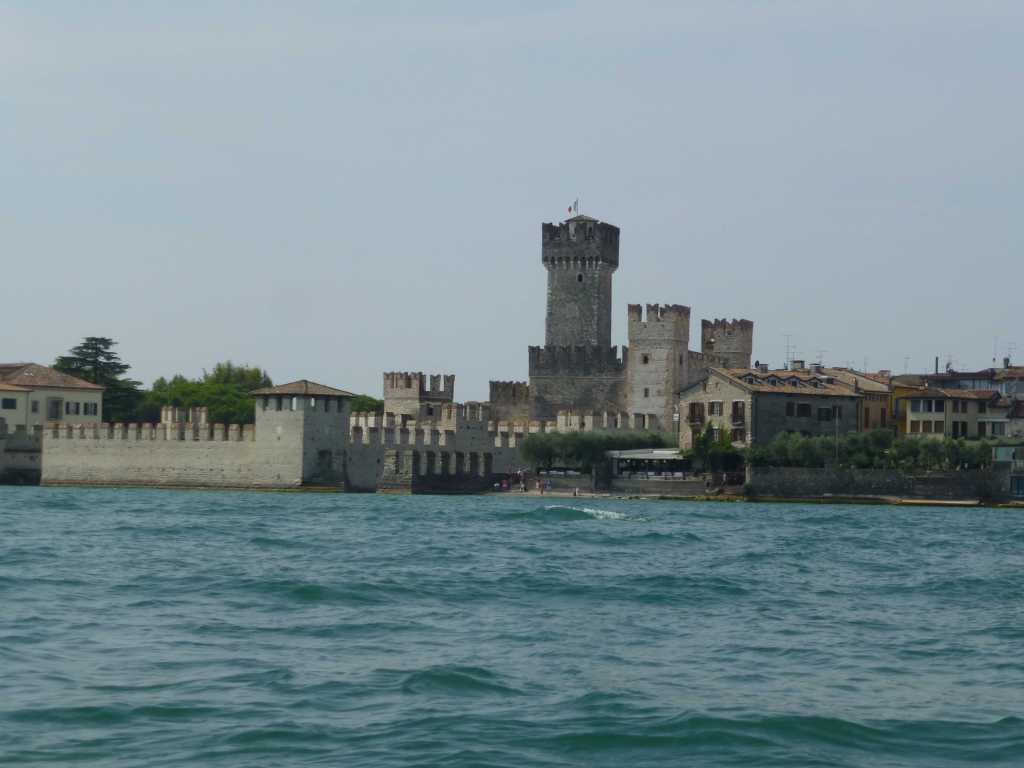
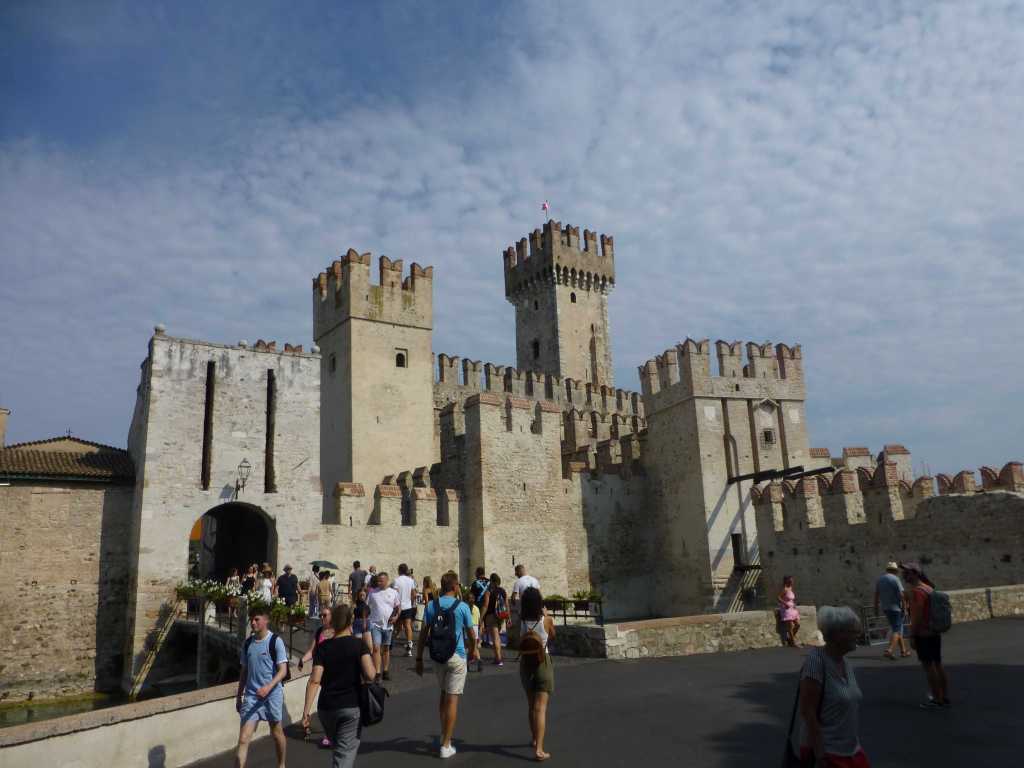
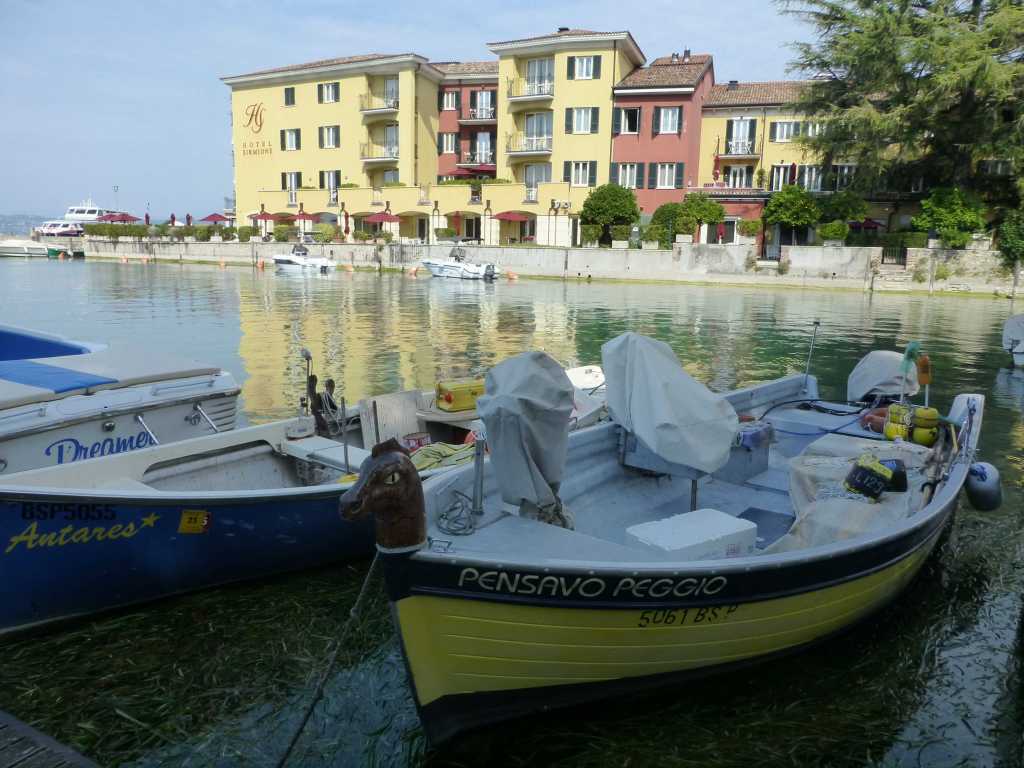
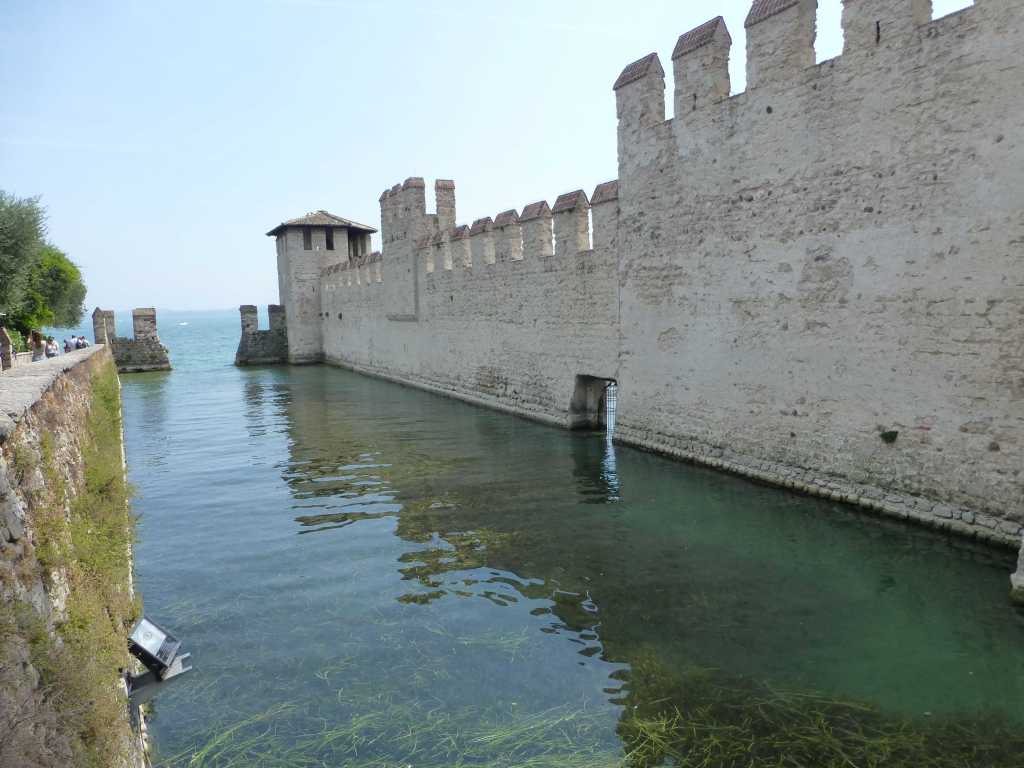
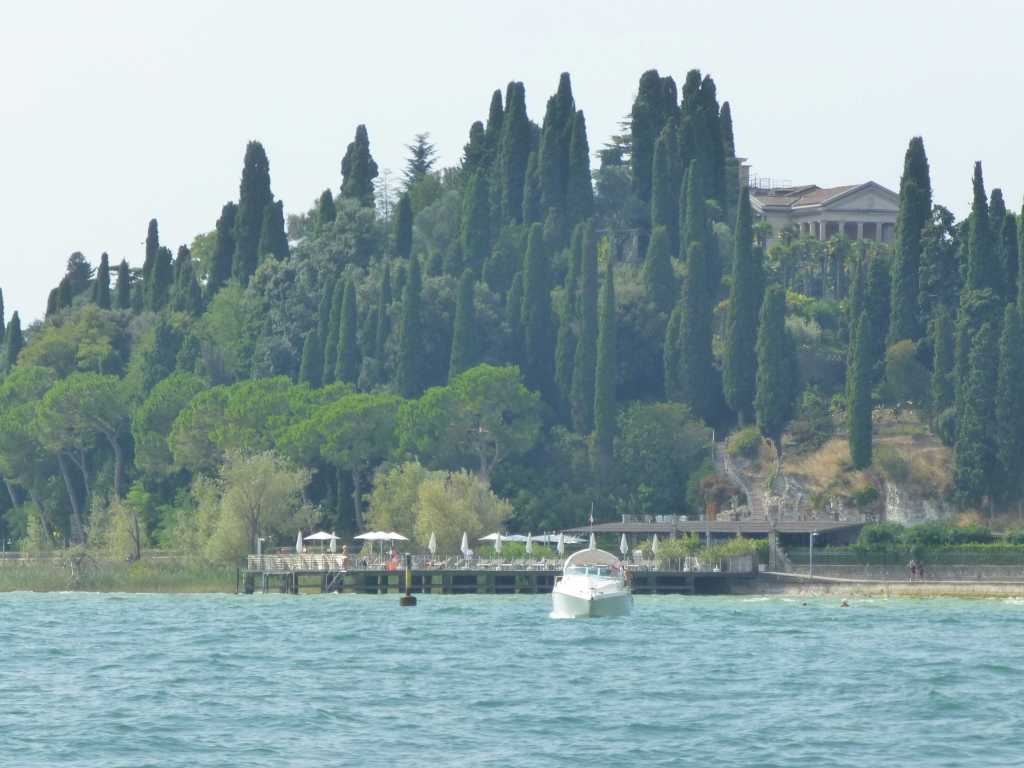
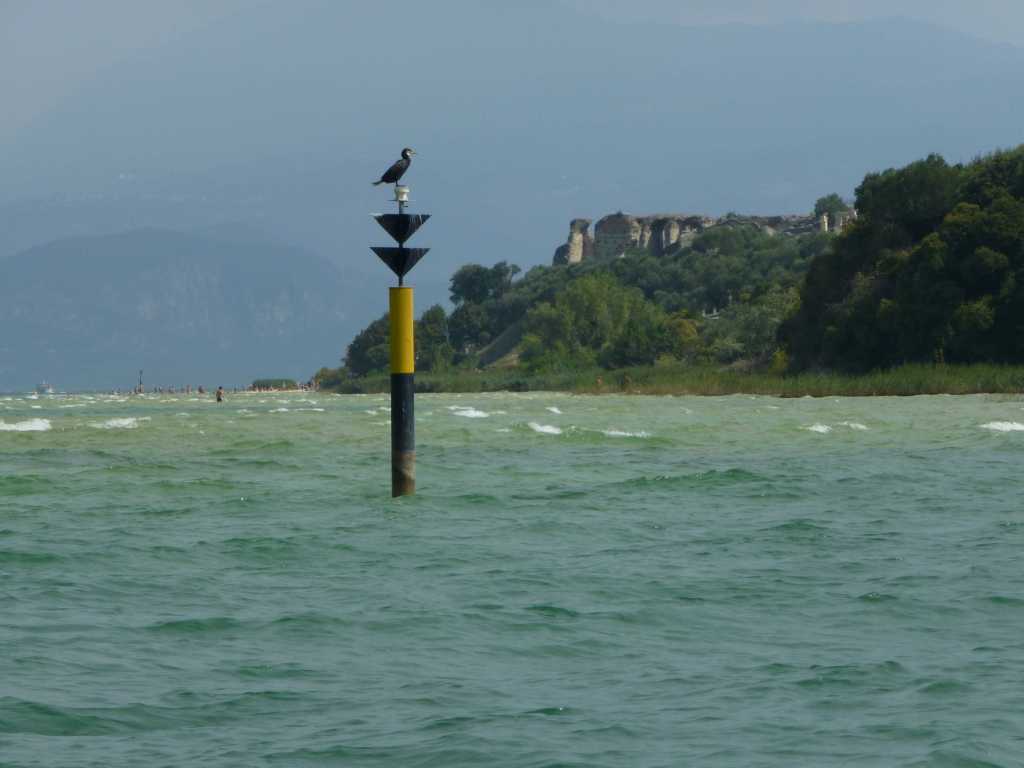
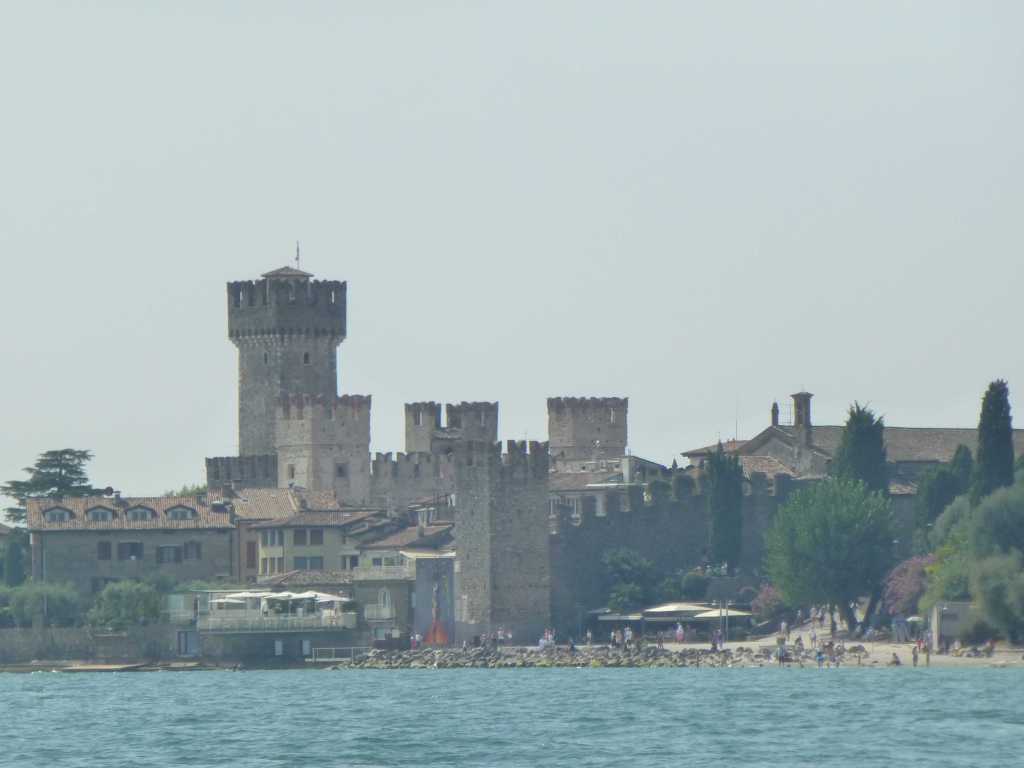
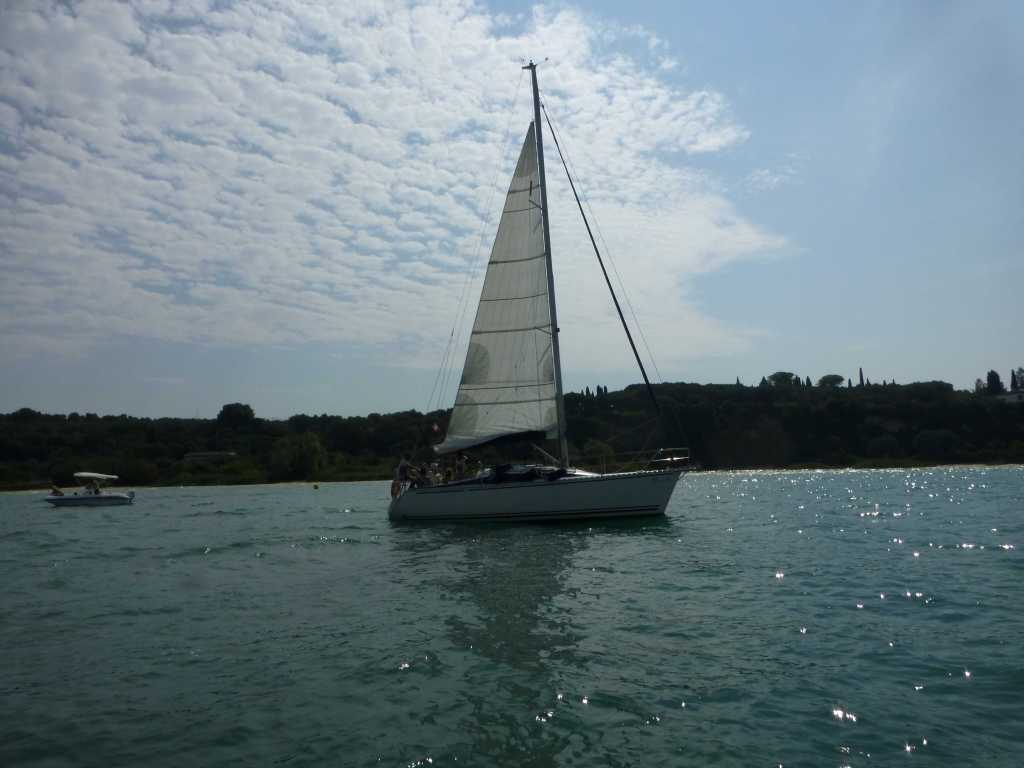
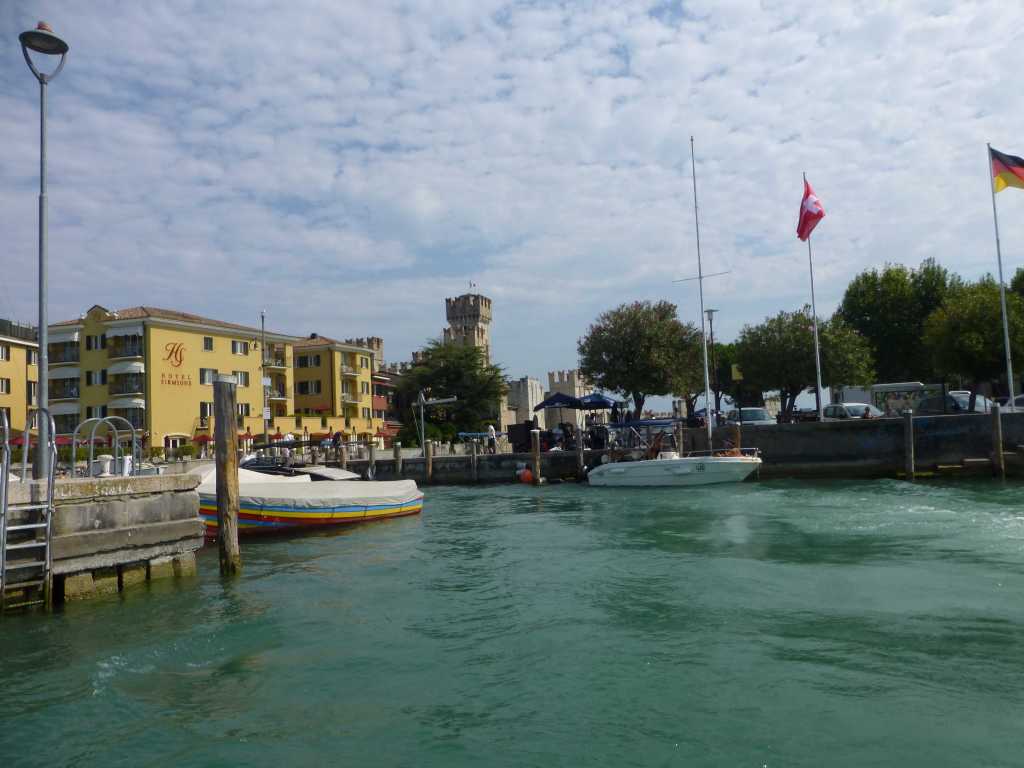
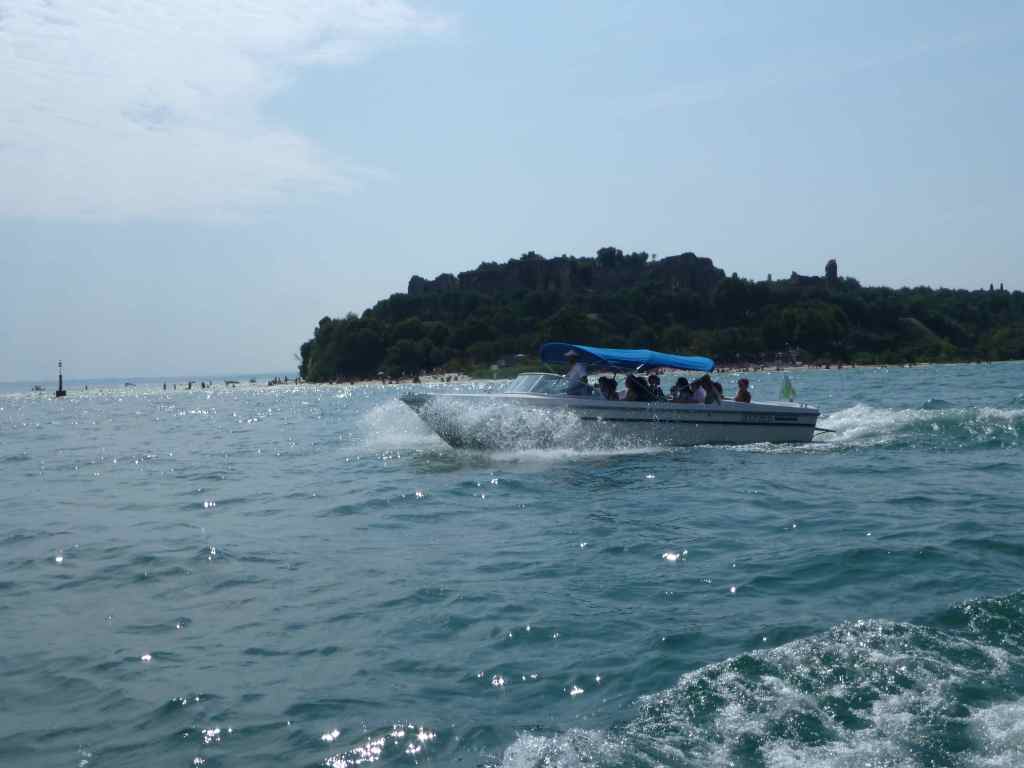
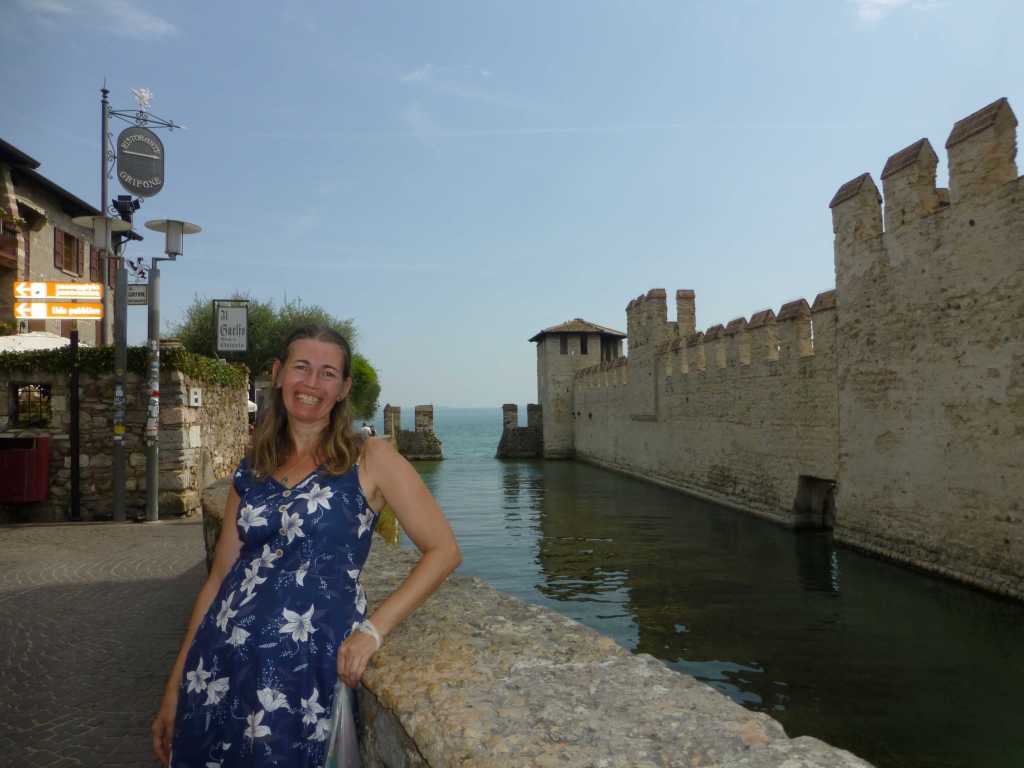
Among these memories was our one-day trip to Lake Garda and its pearl – the town of Sirmione. The parking lots were almost full and crowded with people at the entrance to Scaligero Castle, so we started our tour of the city from the water, going on a 30-minute boat ride. During it, we passed through the thermal springs, which had a water temperature of +70C and it had to cool off in order to be used by the tourists.
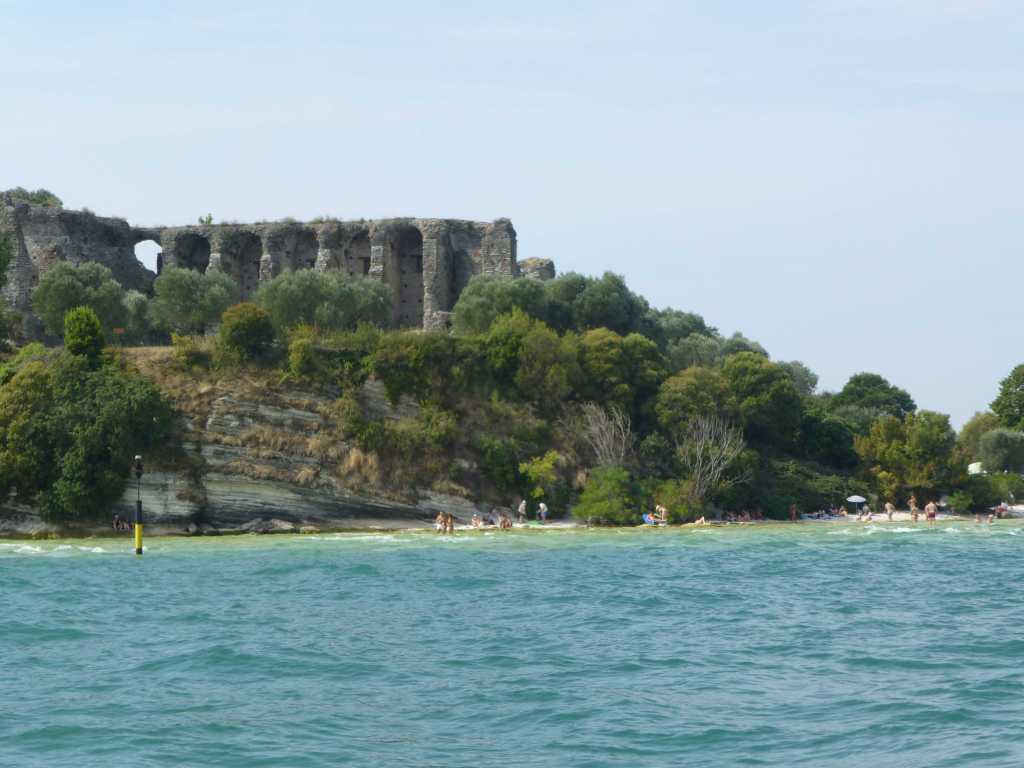
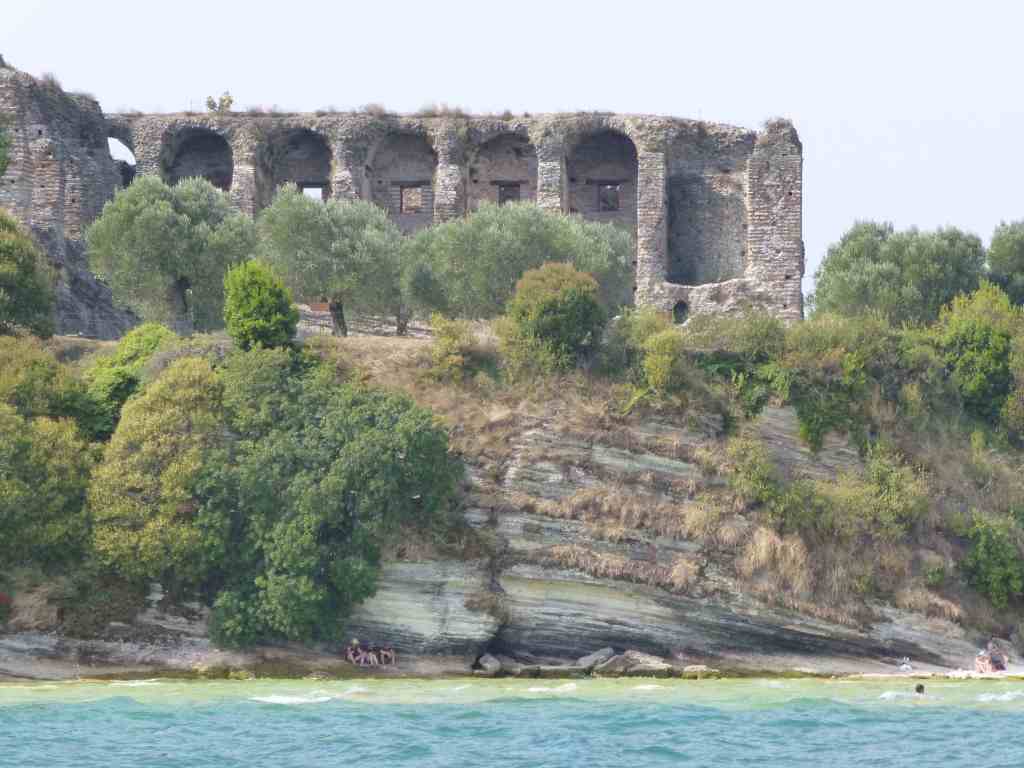
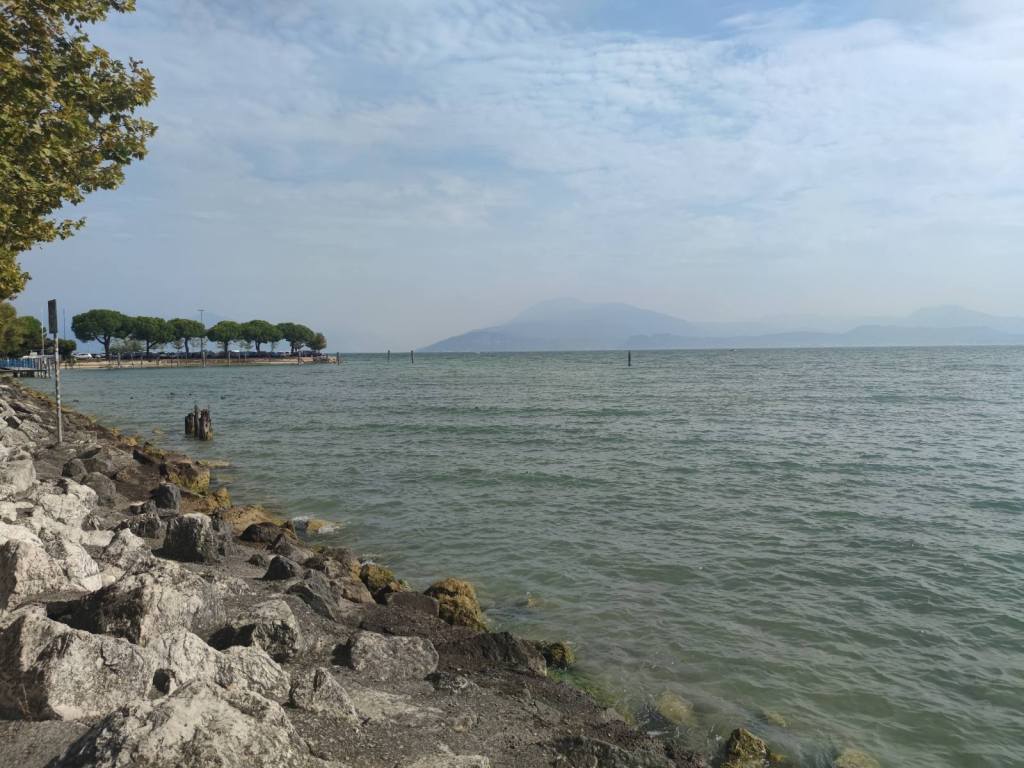
At the top of the peninsula stretched the famous Jamaica Beach, whose rocky shore was crowded with people on Saturday morning. The interesting thing here was that the water was only 20-30 cm deep into the lake, after which it abruptly became 6 meters deep. Above the beach there were beautiful ruins, which were once taken for caves and therefore still bore the name Grotte di Catullo (Caves of Catullus), but they were the remains of a Roman villa. To this day, this complex is considered one of the most majestic buildings of ancient times in all of Northern Italy, home of the Roman poet Catullus, who died in 54 AD.
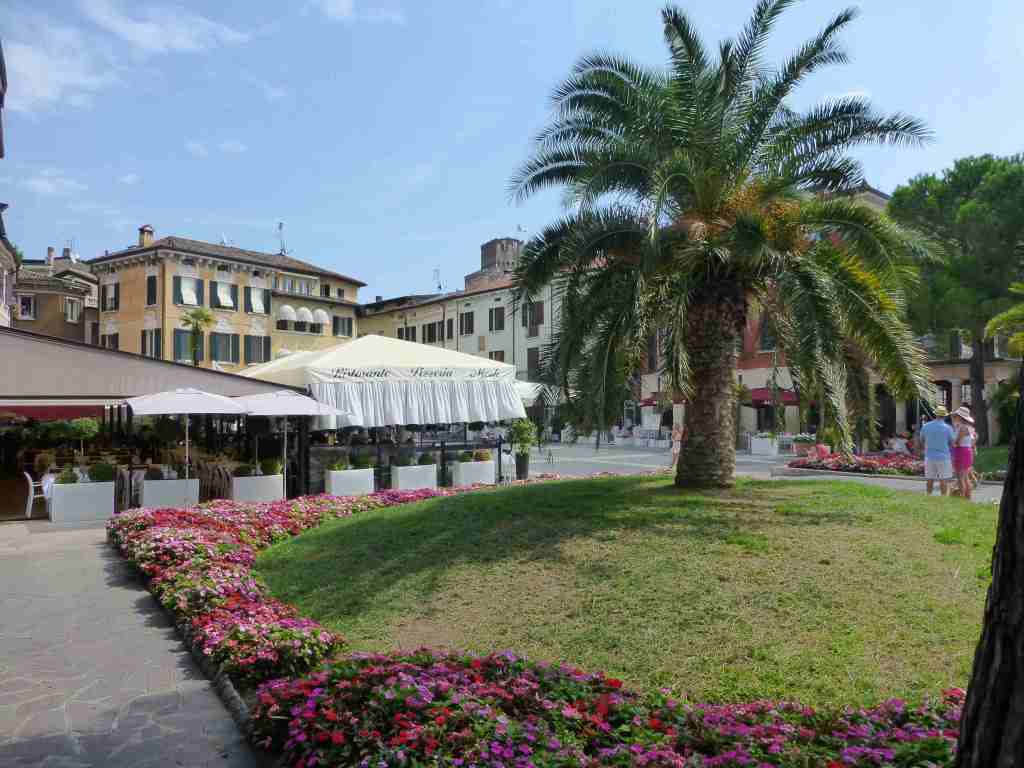
On the other side of the peninsula, there was bubbling water coming from the geothermal springs under the lake. The boat took us back to the fortress of Scaligero, built by the Venetians, but instead of entering it, we walked through the picturesque streets of the city, filled with many ice cream restaurants.

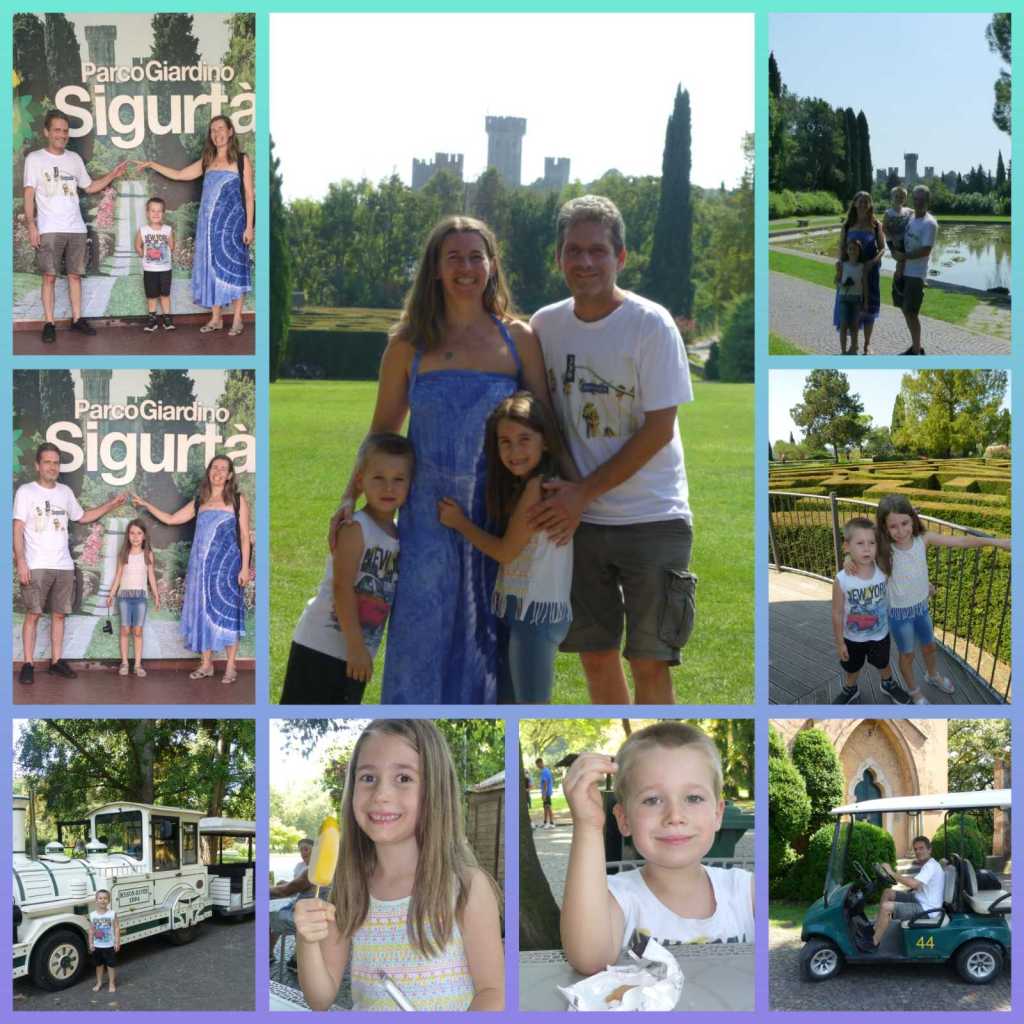
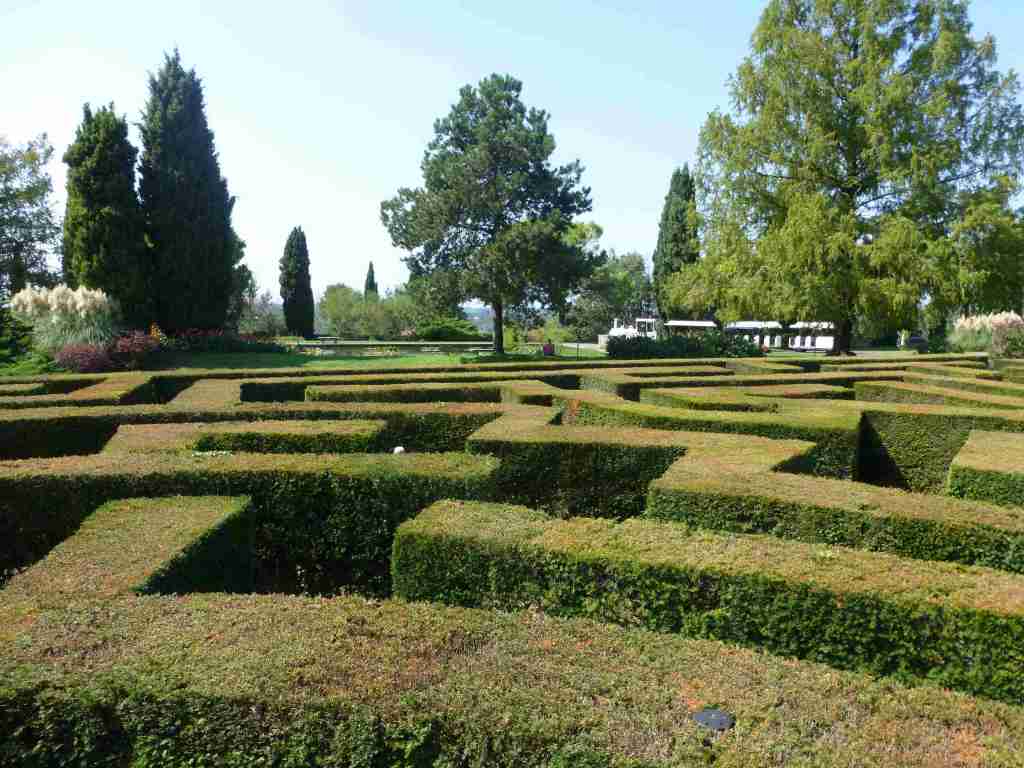
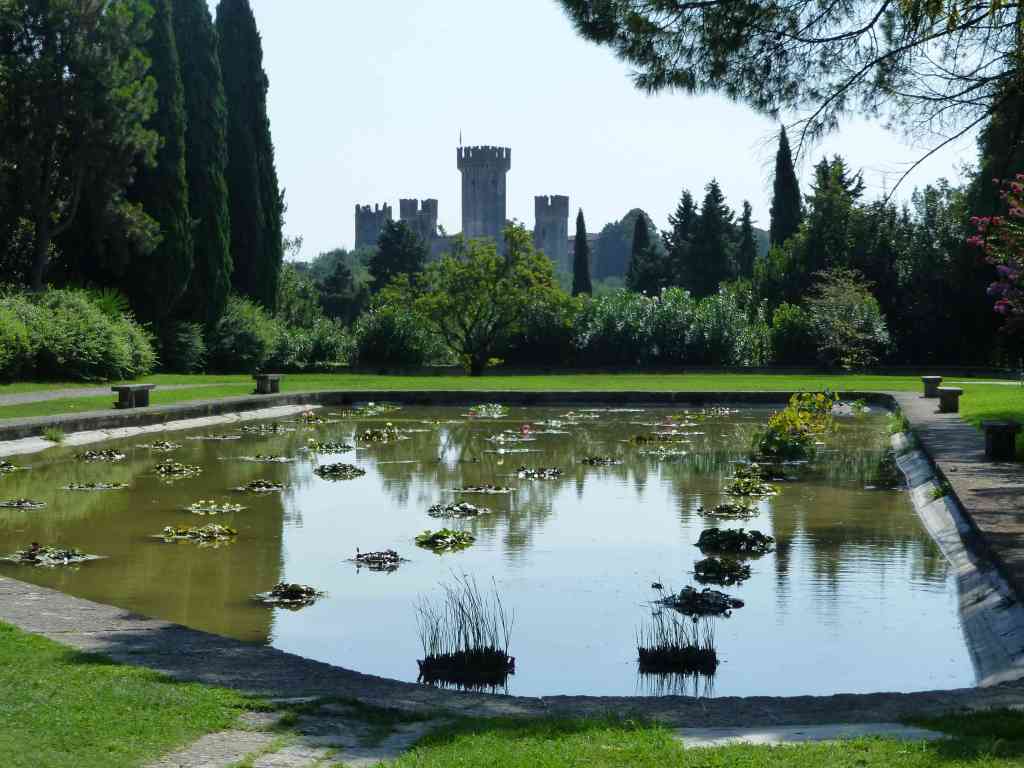
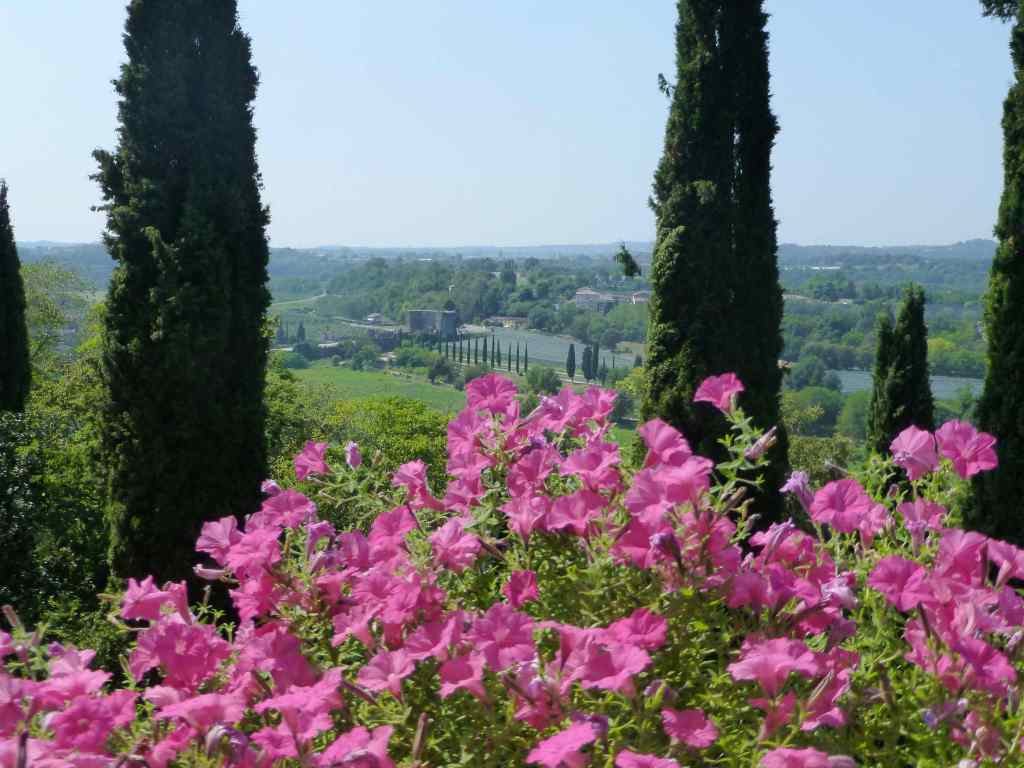
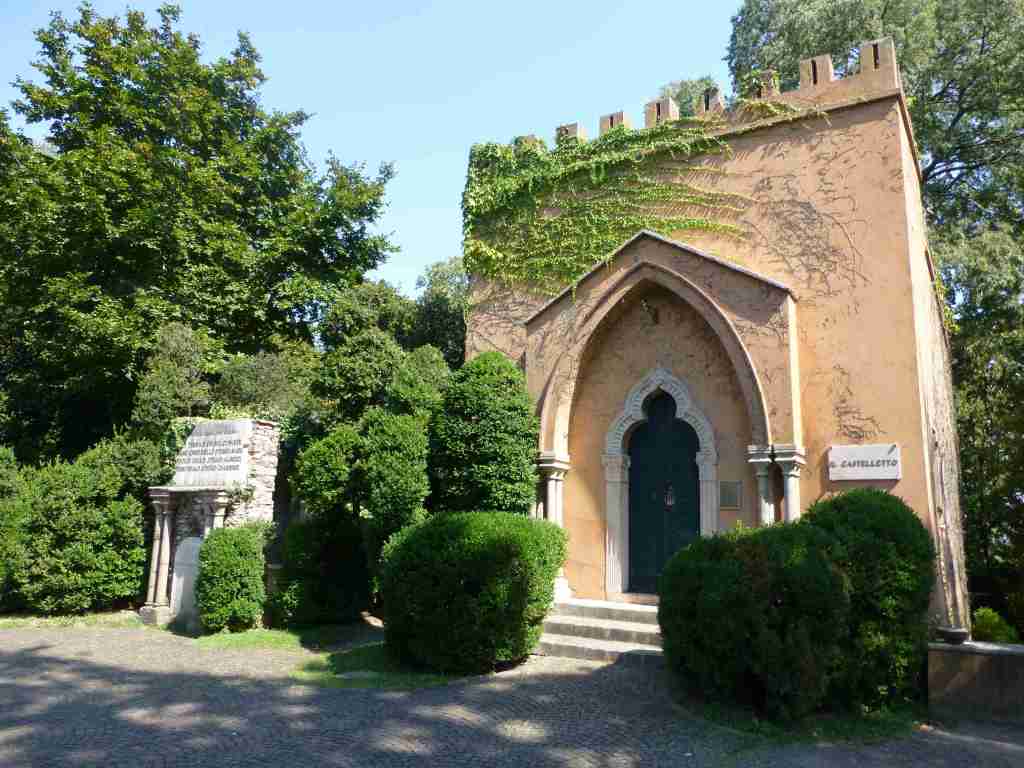
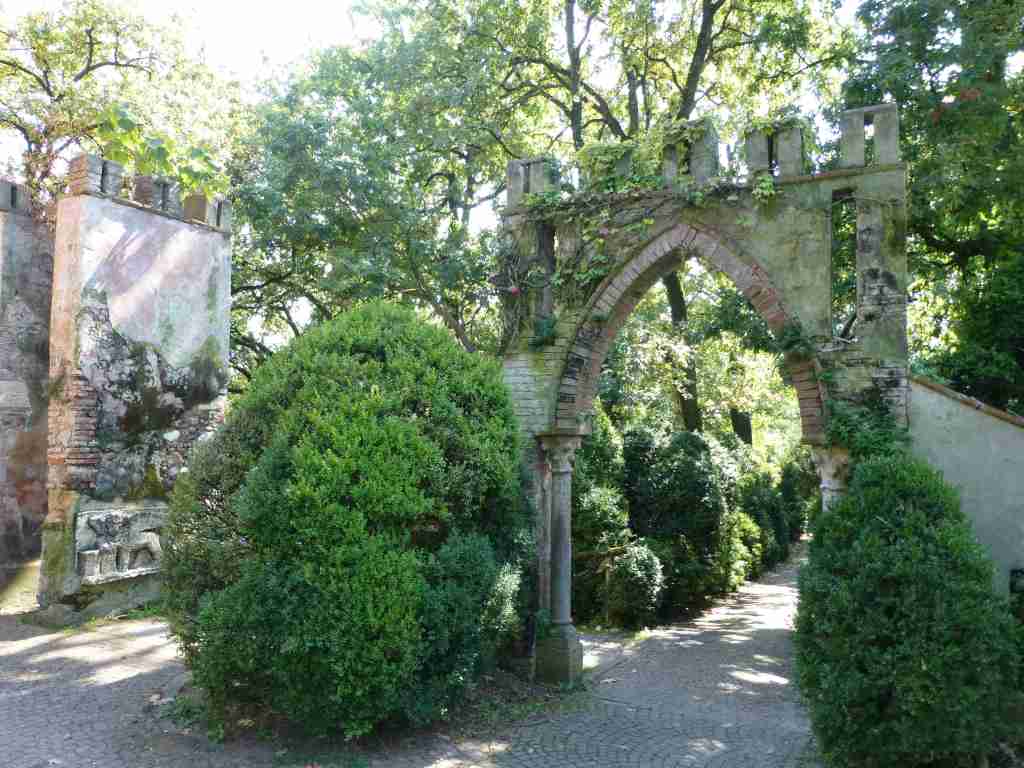
Another wonderful place just 7 km from our campsite was the Sigurta Park, which has won the award for the most beautiful park in Italy several times. Here, with an electric golf cart, we toured vast gardens piled with flowers, passed under centuries-old trees, passed by water cascades and stopped at the many animals that looked favorably at the tourists. Especially beautiful is the famous Avenue of Roses with 30,000 blooming roses, as well as the Labyrinth with its 1500 yew trees that wind around the tower. My daughter was also fascinated by the hundreds of multi-colored water lilies swimming in the lake against the backdrop of a beautiful castle.
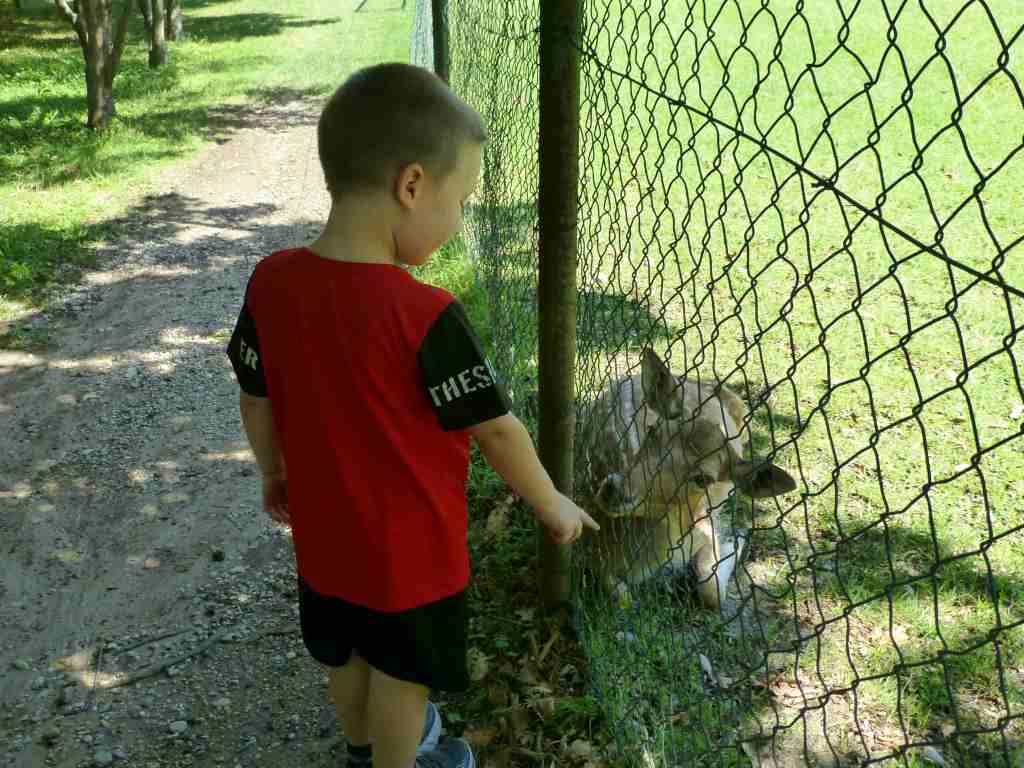
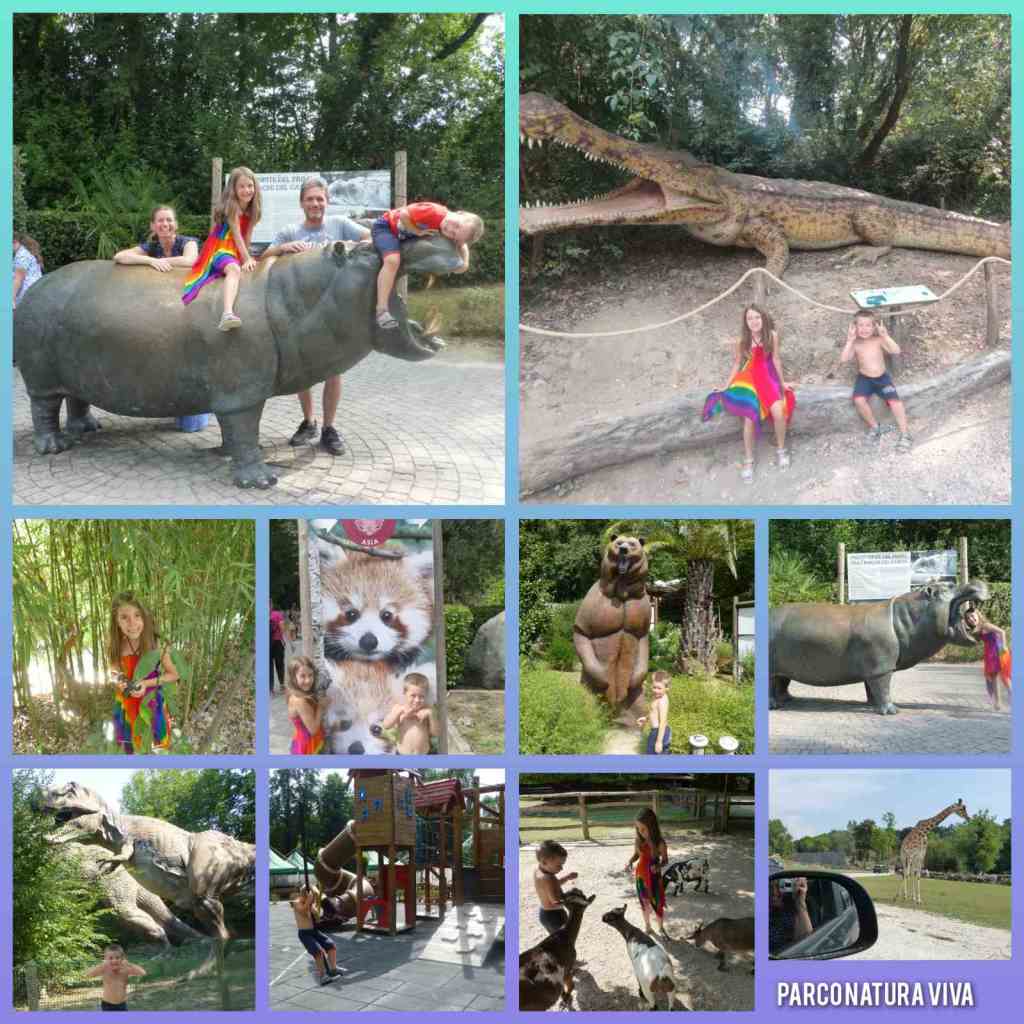
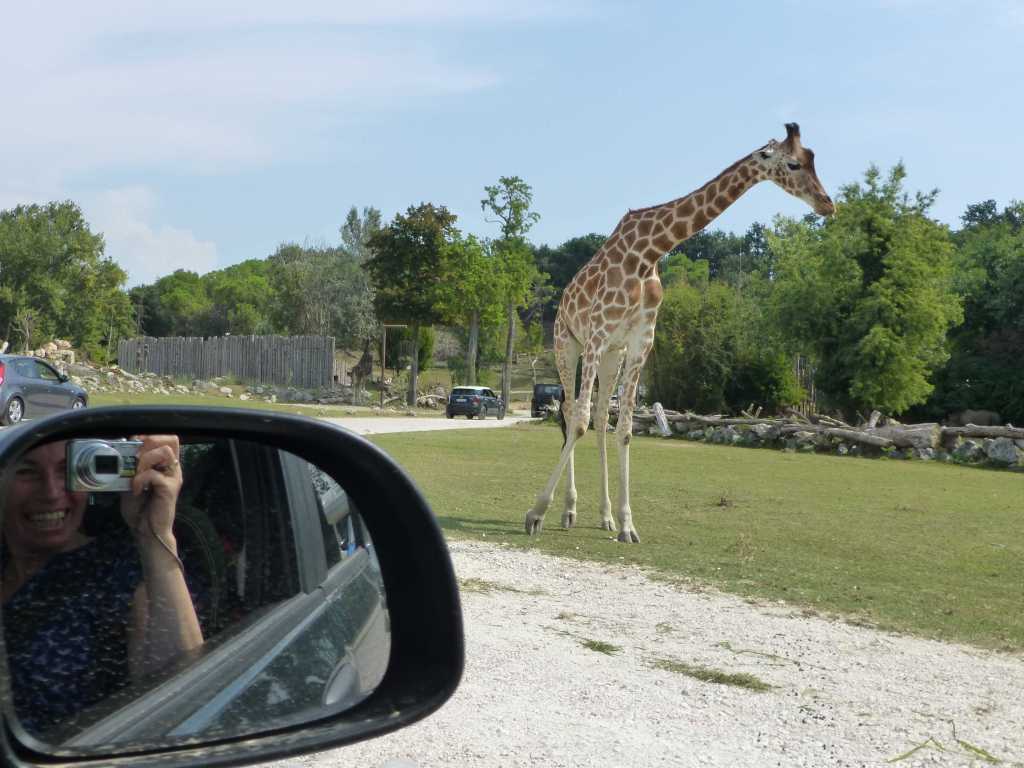
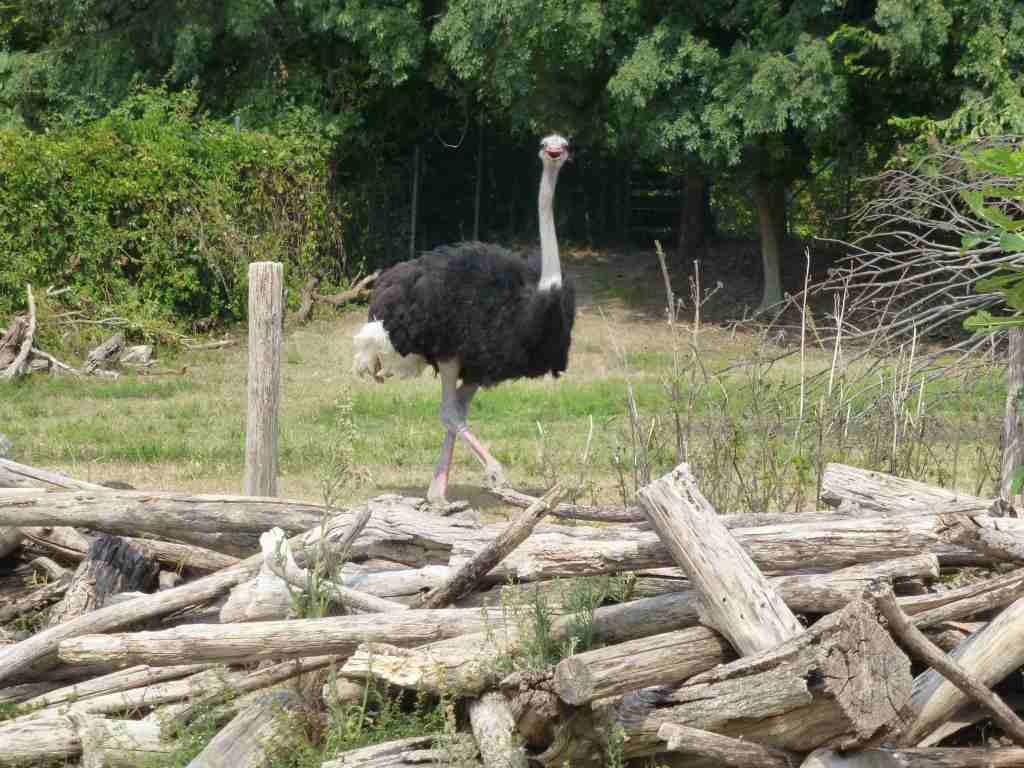
The other wonderful place where we spent on a supposedly cloudy, but actually another sunny day, was the Parco Natura Viva Zoo. The interesting thing here was that it was divided into continents, and the first African continent could be explored by car, like a real safari. The cars lined up one by one, and curious giraffes leaned over us and posed in front of the cameras protruding from the windows.
We were also fascinated by the Asian part, where the Red Panda had a beautiful enclosure resembling a Chinese feng shui park with a curved bridge. My son was also fascinated by the “Extinct Species” part, where dinosaurs, saber-toothed tigers and the dodo bird looked at us in real size.
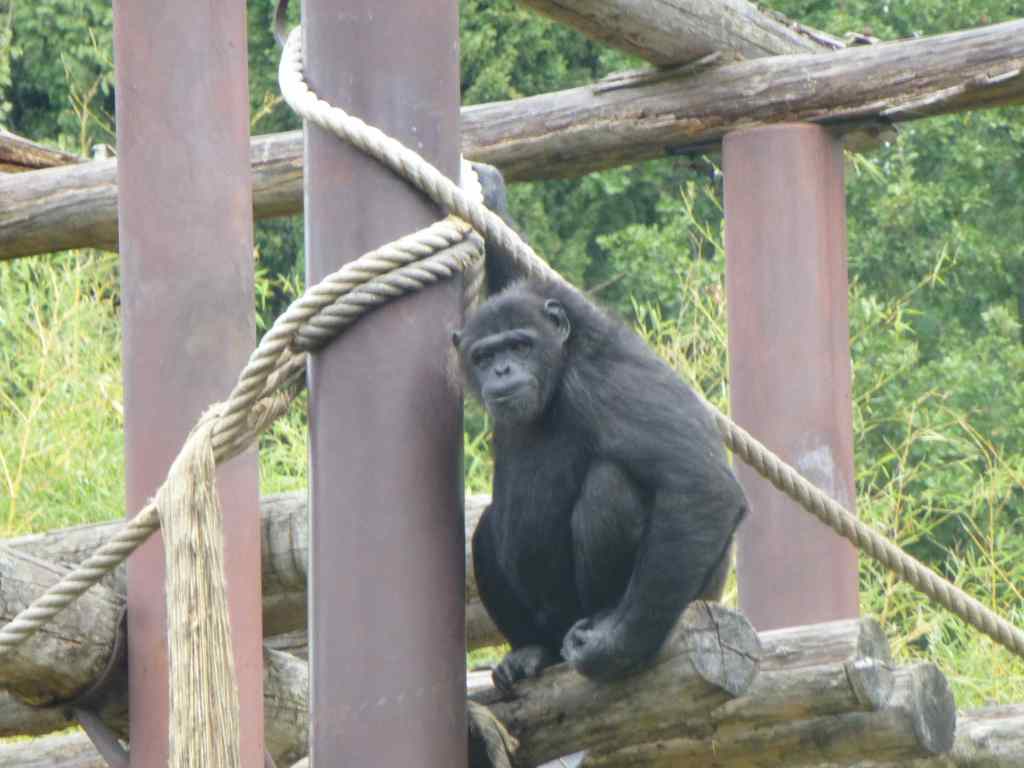
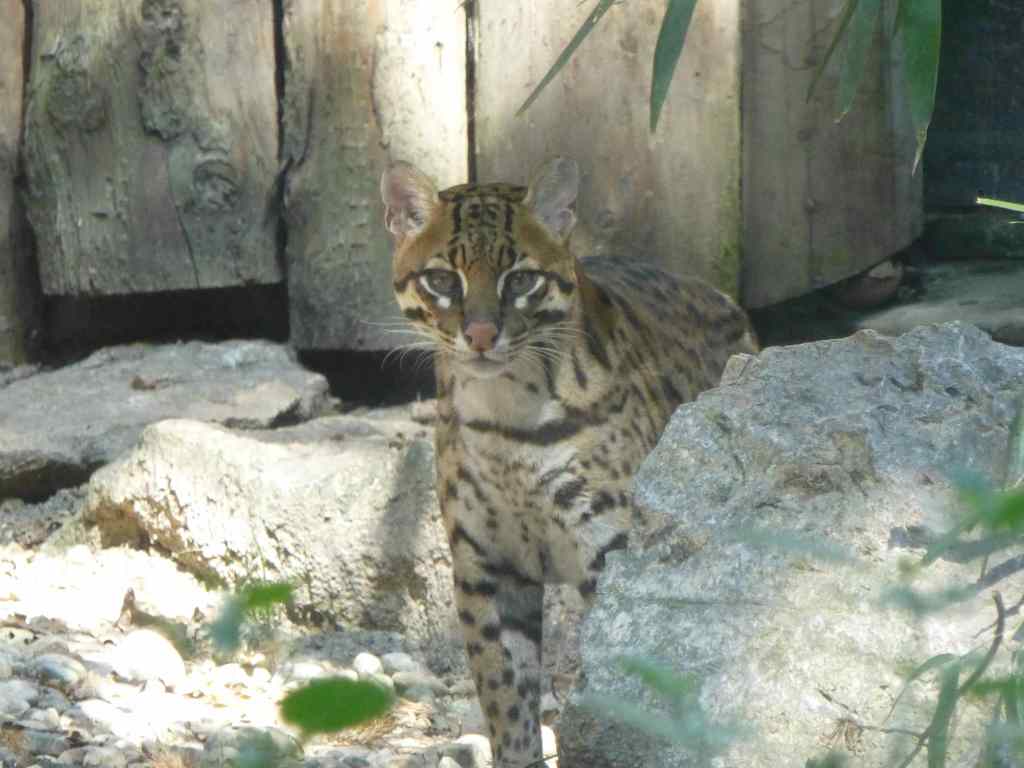

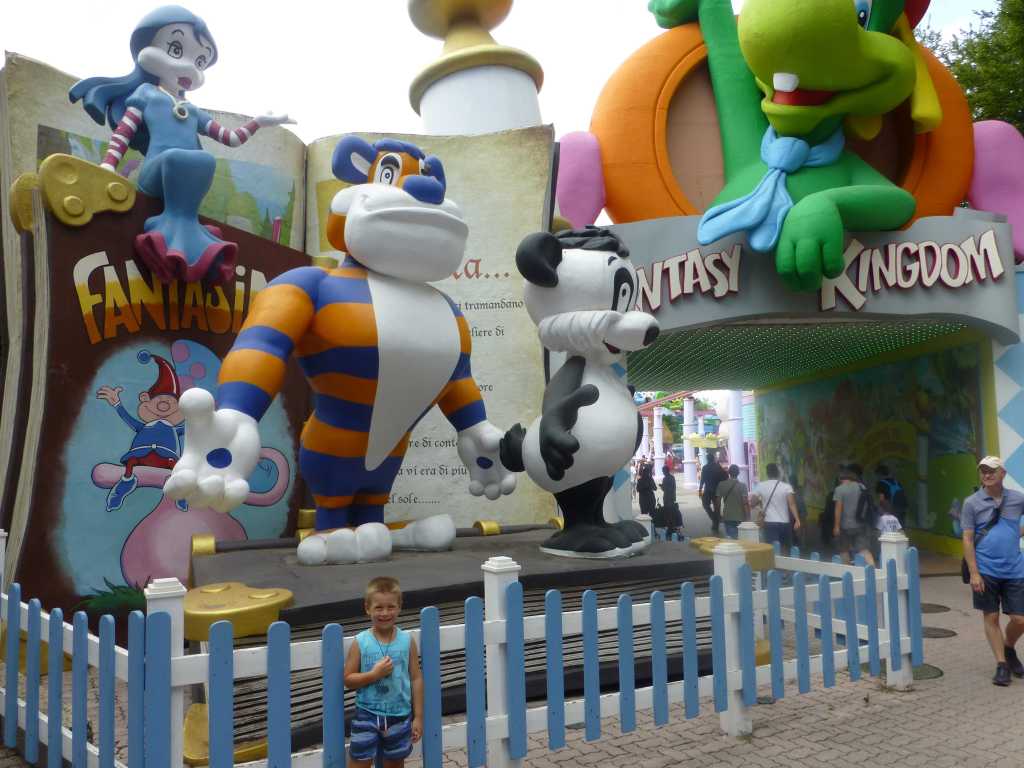
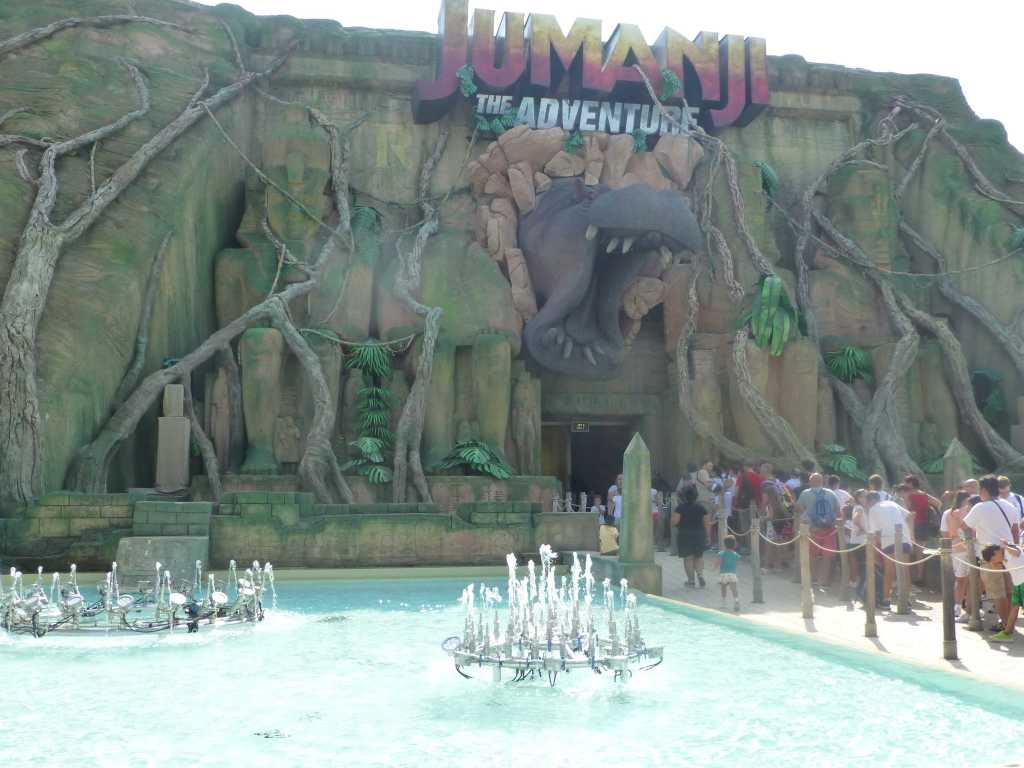
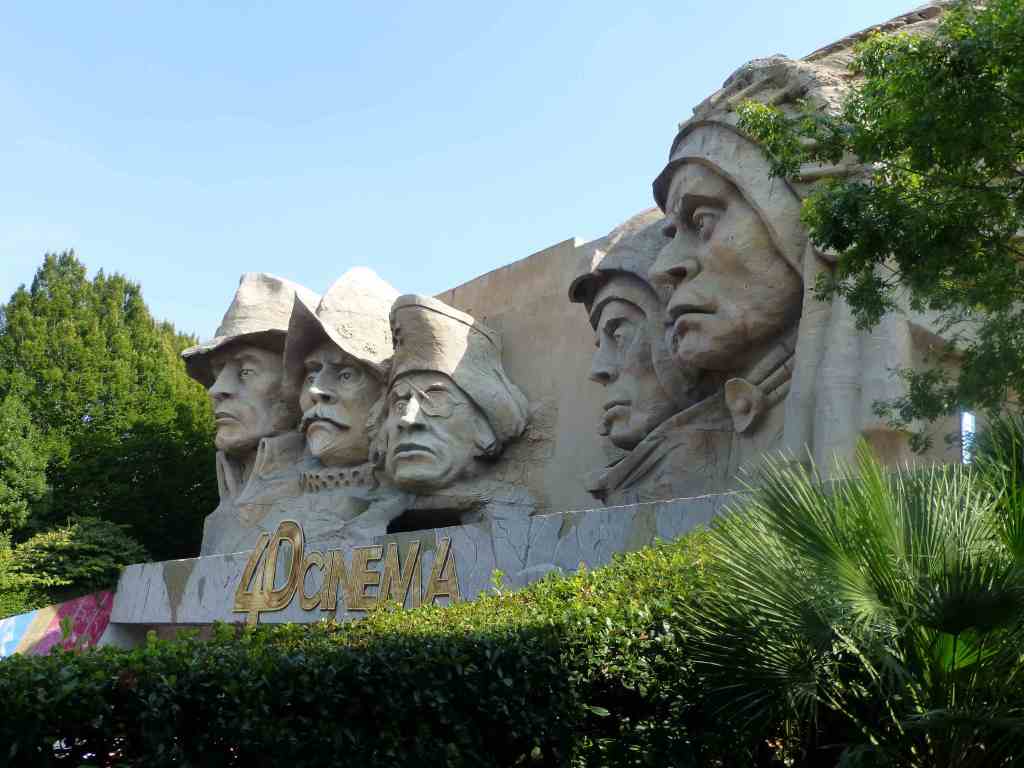
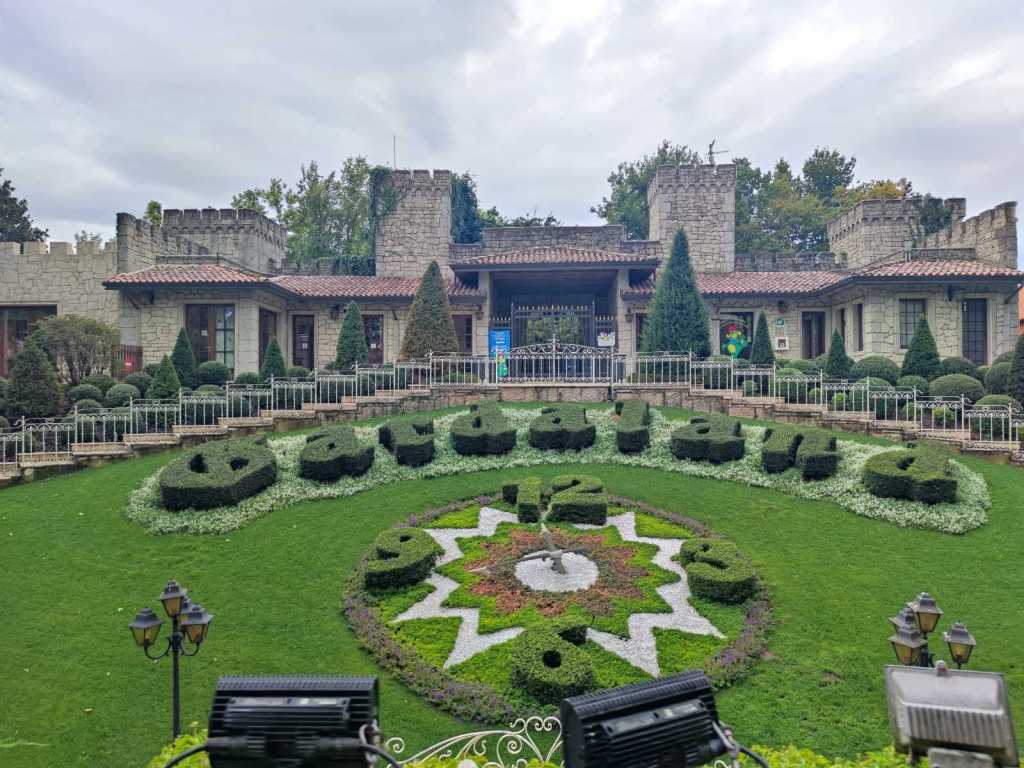
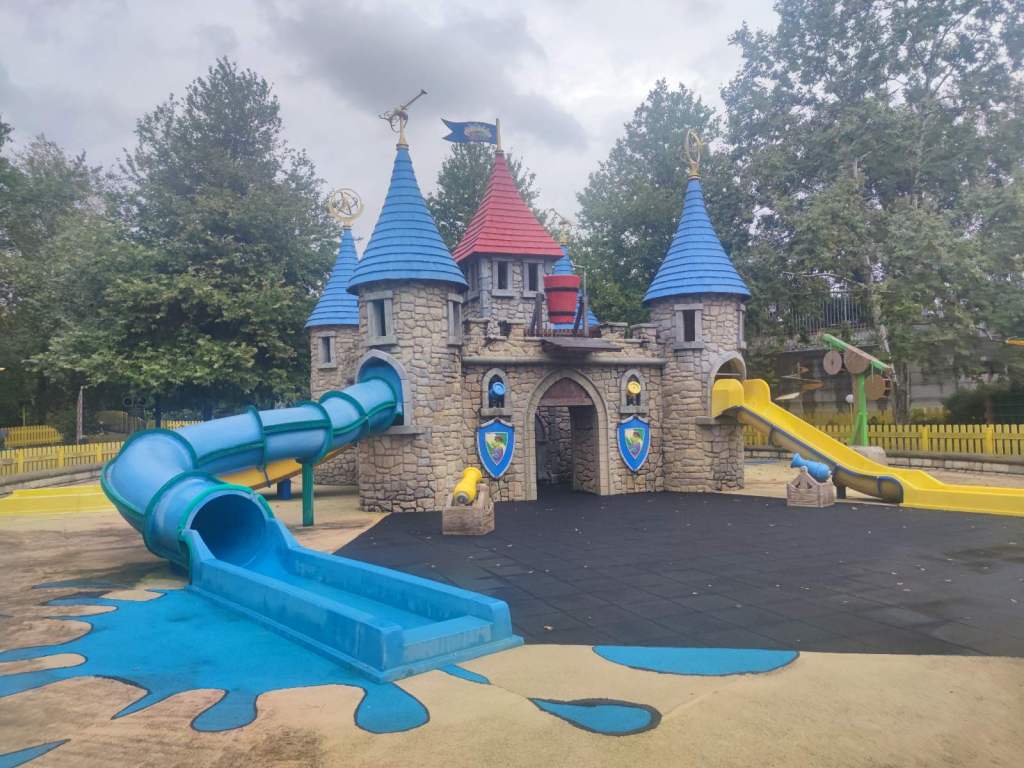
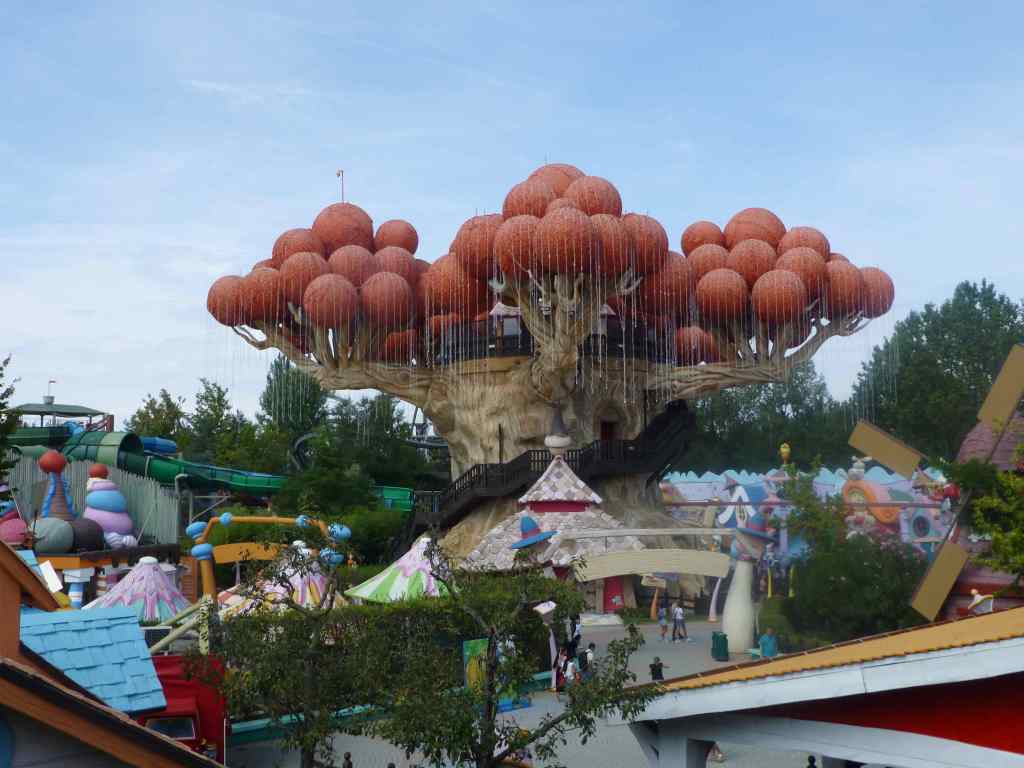
The culmination of our trip was undoubtedly the theme park Gardaland, which among its many attractions had a separate water park Legoland, as well as a huge aquarium with marine life Sea Life.
Lake Garda spreads over 370 sq. km.km, which makes it the largest lake in Italy. It is also one of the deepest, with a depth of 346 m. For comparison, Lake Konstanz in Germany has a maximum depth of 256 m, and Loch Ness in the UK is 227 m.
Lake Garda is a wonderful place to do nothing and immerse yourself in the art of “Dolce far niente”, but when you are traveling with children this is the last thing you want to do. Childhood is too short and it is good to fill it with fun activities and games, which also abound on Lake Garda.
GENERAL INFORMATION ABOUT LAKE GARDA:
Location: Lago di Garda or Lake Garda is located at the foot of the Alps, on the territory of the regions of Lombardy, Veneto and Trentino-Alto Adige.
Area: 370 sq. m.km. (it is the largest lake in Italy)
Official language: Italian
Etymology: The ancient name of the lake was Lacus benacus, in honor of the deity Benacus. Today’s name is derived from the German word wards, which means “place of guard” or “place of observation”.
Altitude: 65 m
Length: 51.9 km
Width: 16.7 km
Depth: 346 m
Water volume: 50.35 cubic km
Climate: Mediterranean climate
Time zone: UTC+1
Currency: Euro (EUR)
Additional information: www.gardaitaly.com
TRIP TIPS FOR LAKE GARDA:
Best time to visit: May to September.
How to get to Lake Garda: The nearest airport is the one in Verona (Aeroporto Valerio Catullo di Verona). Other nearby airports are those in Bergamo (Orio al Serio), Milan Linate, Milan Malpensa, Venice Marco Polo, and Venice (Venice Treviso).
Typical foods and drinks: Italy is world-famous for its pizzas, pasta, and ice cream, and Lake Garda is no exception. When you’re there, though, be sure to try the bigoli with sardines from Lake Garda. Bigolli are fresh Venetian pasta that, flavored with fresh sardines caught from Lake Garda, are incredibly tasty.
Places to visit: Lake Garda is filled with numerous picturesque and historical places, and buildings, there are spectacular villas and castles, as well as typical Italian churches. The towns that are worth visiting are Sirmione (with its beautiful castle), Malcesine (with its panoramic funicular and Scaligero Castle), Nago-Torbole (located at the mouth of the Sarca River and its houses are located as an amphitheater around the small bay), the town of Garda and others.
 TripTips