ICELAND, THE LAND OF WARM SNOW
author: Ana Boneva


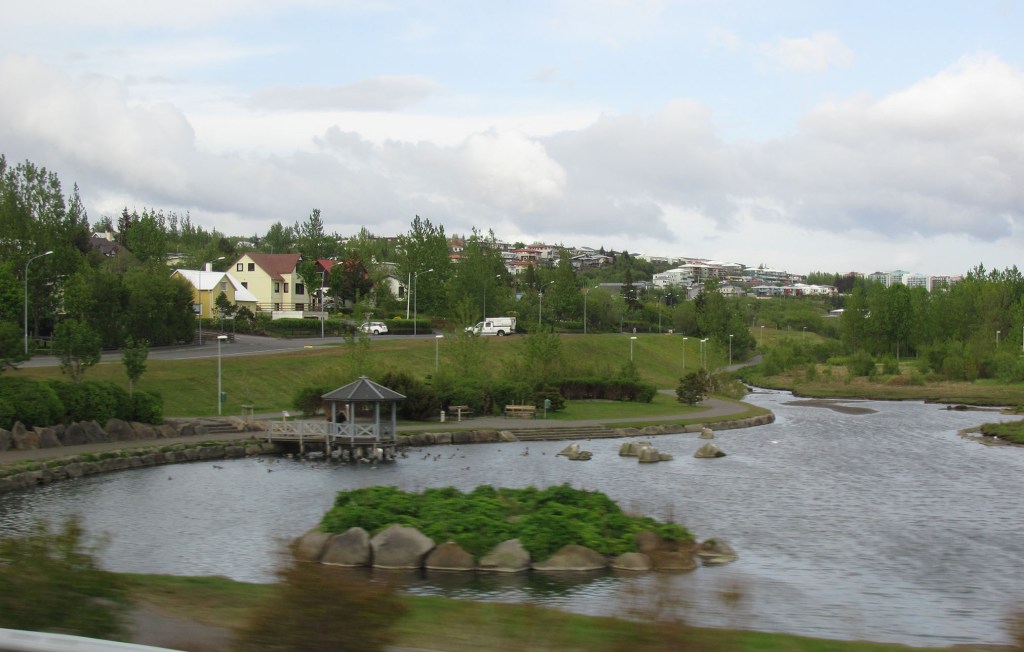
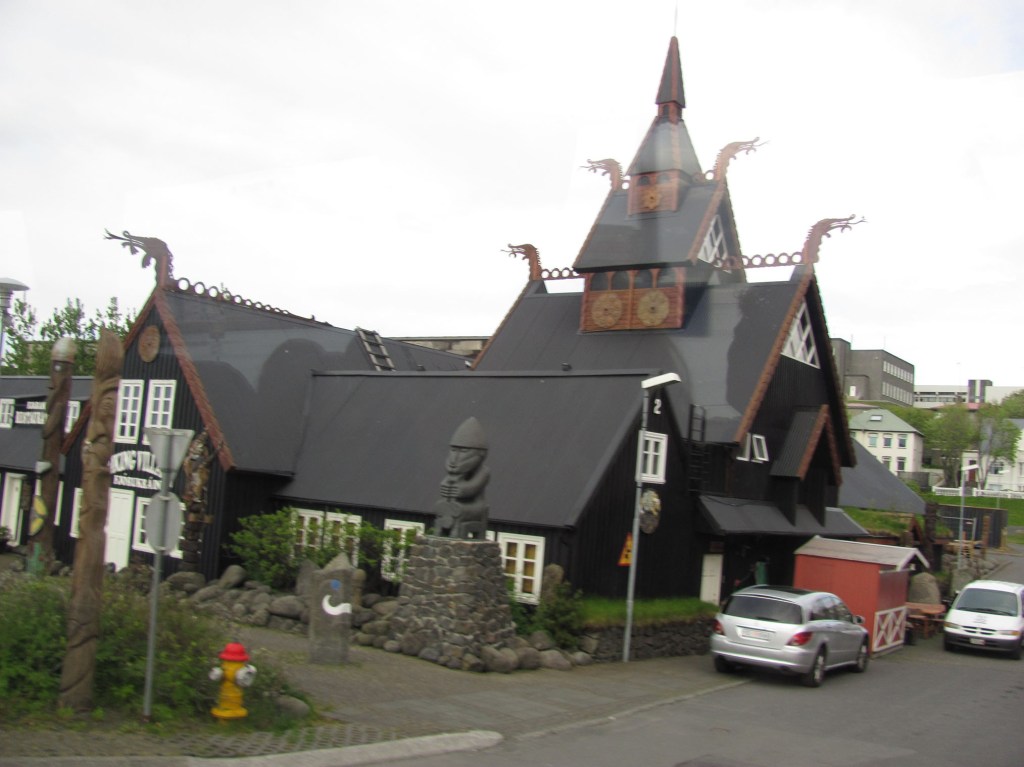

A land of fire and ice, with white nights and dark days, an island of complete contrasts – this is the warm snowy tale Iceland. A few kilometers from Greenland and the North Pole, Iceland welcomed me surprisingly warmly, both in terms of weather and in terms of people, who are some of the most hospitable in Europe.
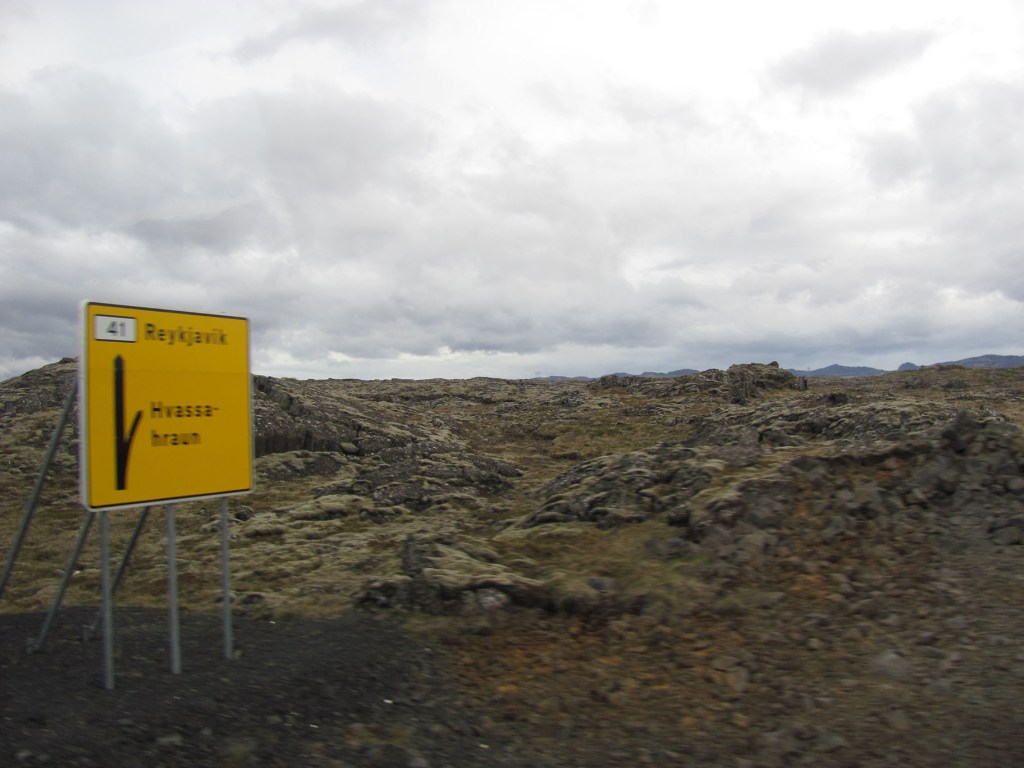
We traveled to Iceland on Wizz Air’s low-cost flights from Sofia to London and from there London – Reykjavik. Exactly as scheduled, our plane landed at 16:20 in Reykjavik – the northernmost capital in the world. We took a bus that took us to the hotel in 45 minutes. The landscapes along the way, however, really amazed us – as if we had not landed in Iceland, but on the moon. Everywhere there were volcanic stones covered with sand, here and there a hole and smoke from geysers. It turned out that the entire island is dominated by volcanic plateaus, which have an average height of 400-800 meters. The cities are located mainly on the coast, and in the center of the island there are only geysers and volcanoes, active and dangerous.
The population of the whole country is 280 000 people, of which 117 706 live in the capital. During our evening walk we did not feel excitement on the streets, unlike the restaurants that were full on Friday night and we had to wait until a table was free. However, the waiting was worth it, as the fish I ordered was incredibly tasty – Iceland was not in vain famous for its fishing.
It was 10:00 p.m., and the June day seemed in no hurry to leave, it was very bright, slightly windy and yet beautiful. It was as if we were really on another planet that the sun shone on at night, and we couldn’t wait to go all around.

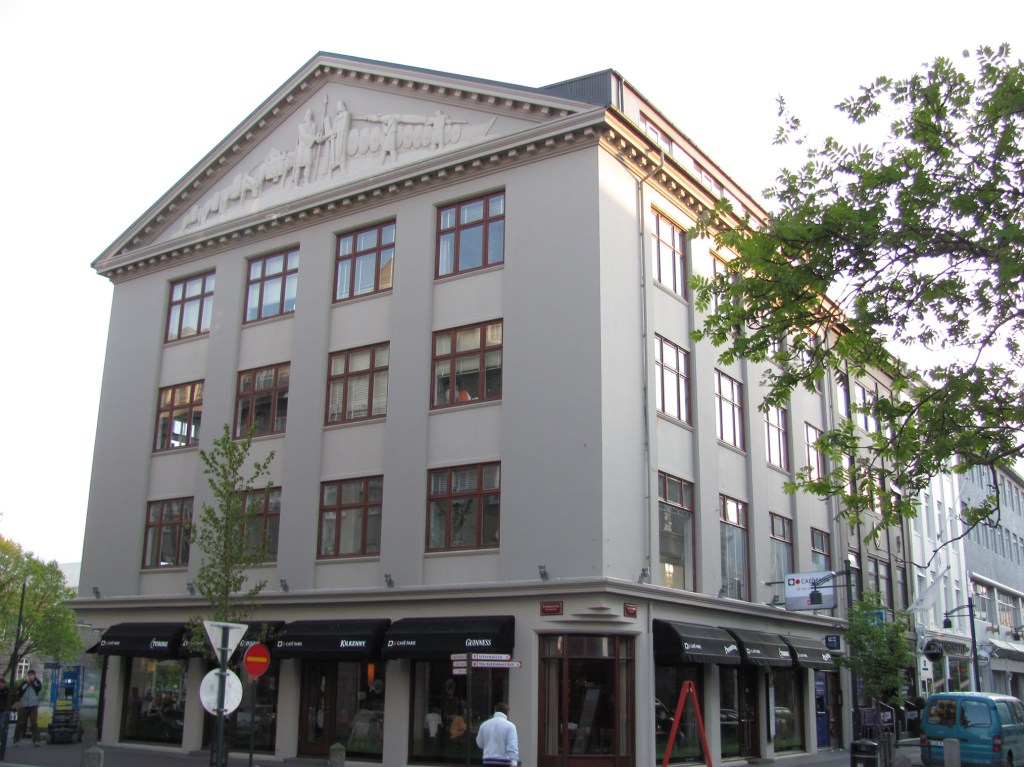

The next day, which happened to be my birthday, we had a day trip that included about a 300-kilometer tour of southern Iceland. After the interesting breakfast at the hotel, at 08:30 came a bus of Reykjavik Excursion, which took us to the central bus station. From there we were transferred to a larger bus, and our tour began with a kind tour guide that told us interesting stories and facts about her native island.
We learned that the climate in Iceland is subarctic and marine, and from here passes the North Atlantic current, which makes the weather relatively milder. In winter temperatures are from -10 to 0 degrees, and in summer from 0 to +13 degrees. Last year, however, there were a few days when temperatures reached +23! It was in those days that the population took mass vacations to enjoy this unusual warmth, in a place surrounded by eternal coolness.
At the beginning of our journey it began to rain, but the guide hurried to calm us down. Locals say that if you don’t like the weather when it rains, wait an hour and a half and it will change – either for better or for worse. We had luck, and soon the weather changed indeed into a sunny one.
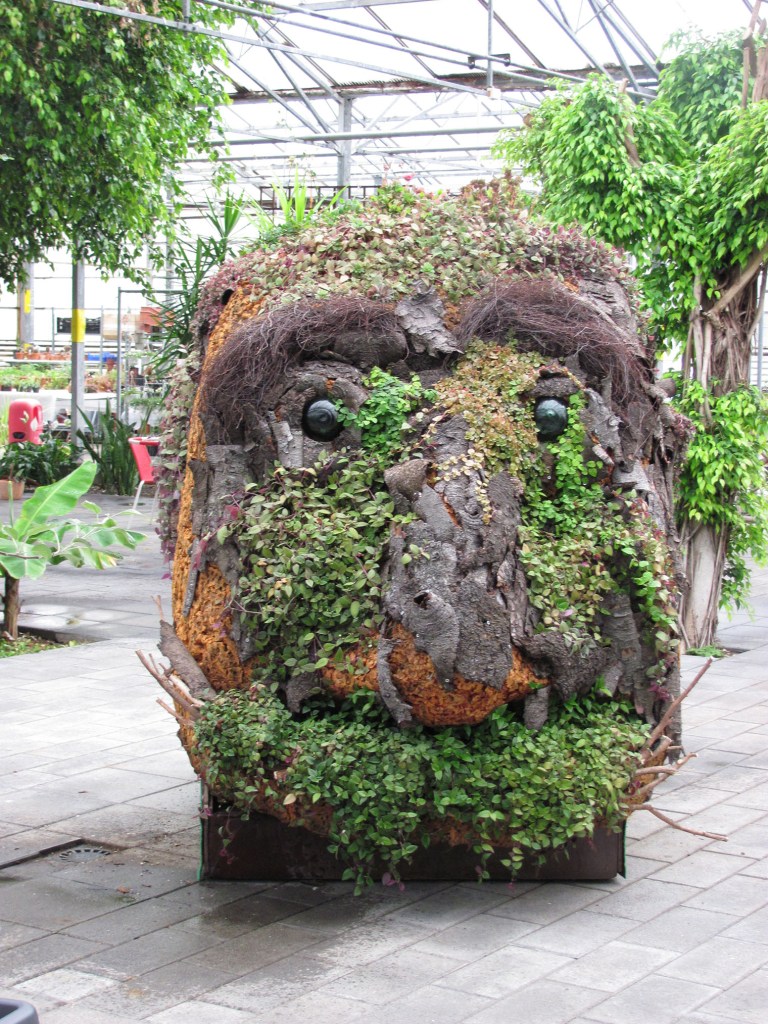
Our first stop was in a small town with greenhouses where various fruits and vegetables were grown. Iceland is relatively poor in plants. Trees occupy only 1% of the total territory. According to legend, when the first Norwegian Vikings settled here, they cut down the trees to make ships and houses. However, new trees never sprouted again. The reasons for this are many: volcanic earth, underground gases and icy air. Even now in the modern world, planting and caring for a tree takes a lot of time and care. In the greenhouses we saw they grew cucumbers, peppers, tomatoes and even hoped that some of their fruit trees would give birth to apples.

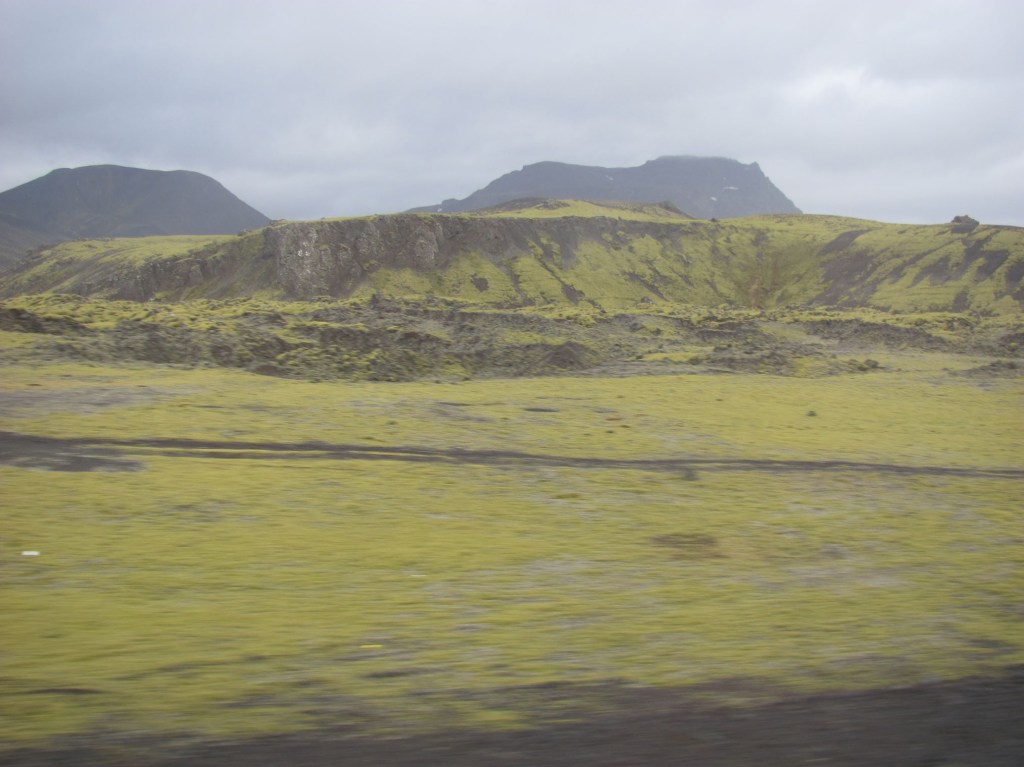

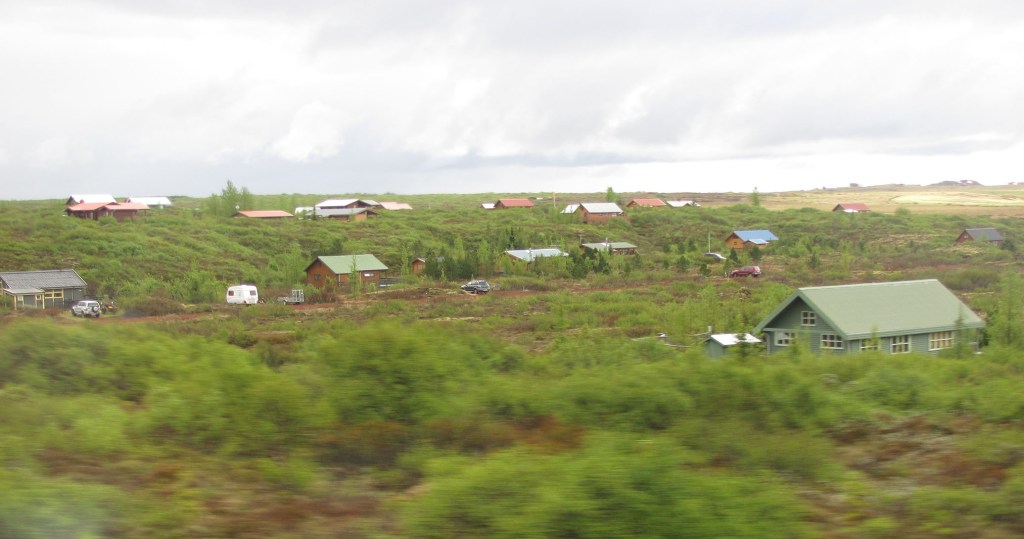

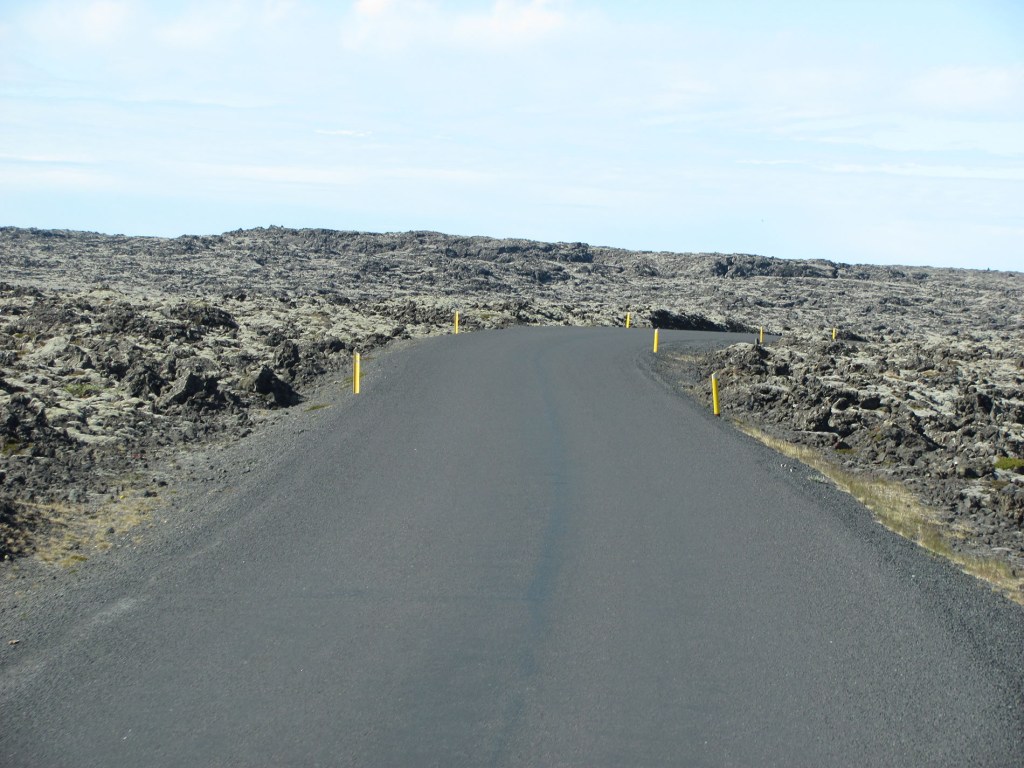



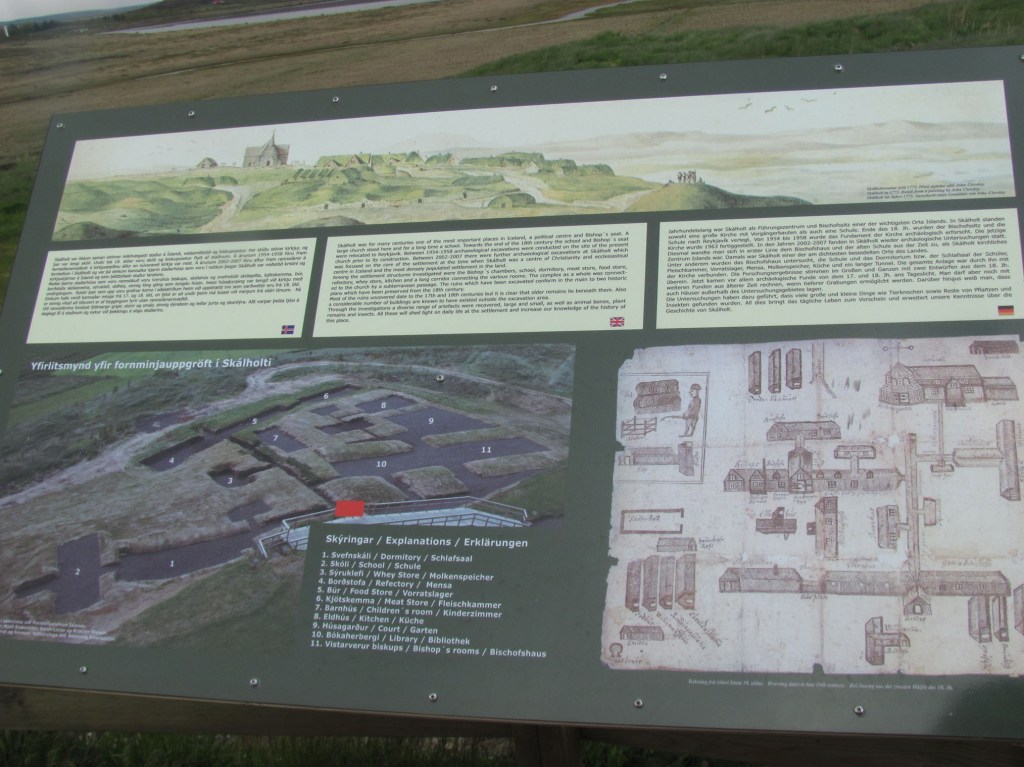
We continued the journey, and the landscape was still rocky with dried lava. In fact, the locals looked at the lava from its useful side, it treated their groundwater, which was used directly for domestic purposes, without having to go through wastewater treatment plants. Iceland maintains a high standard and all prices are very high, but heating and water charges are symbolic. On the way, I was impressed by the many yellow pegs stuck on the periphery of the road, which in the winter were vital so that people in the snow and eternal darkness could see the fences along the road.
We also learned that every day in Iceland there are earthquakes, but they are too weak and not felt. The last stronger earthquake, 6.4 on the Richter scale, was in 2008 and it was detected in the town where we were now, translated as the Warm Spring, and there was no destruction. In the country, there are strict laws on construction, which oblige each building to have solid foundations and seals.
Iceland is the last inhabited country in Europe. In the 9th century here came the Norwegian Vikings, who built their first houses in Reykjavik. For a long time they were without parliament and government, but then became part of Denmark. It was not until the end of World War II that Iceland gained its independence.
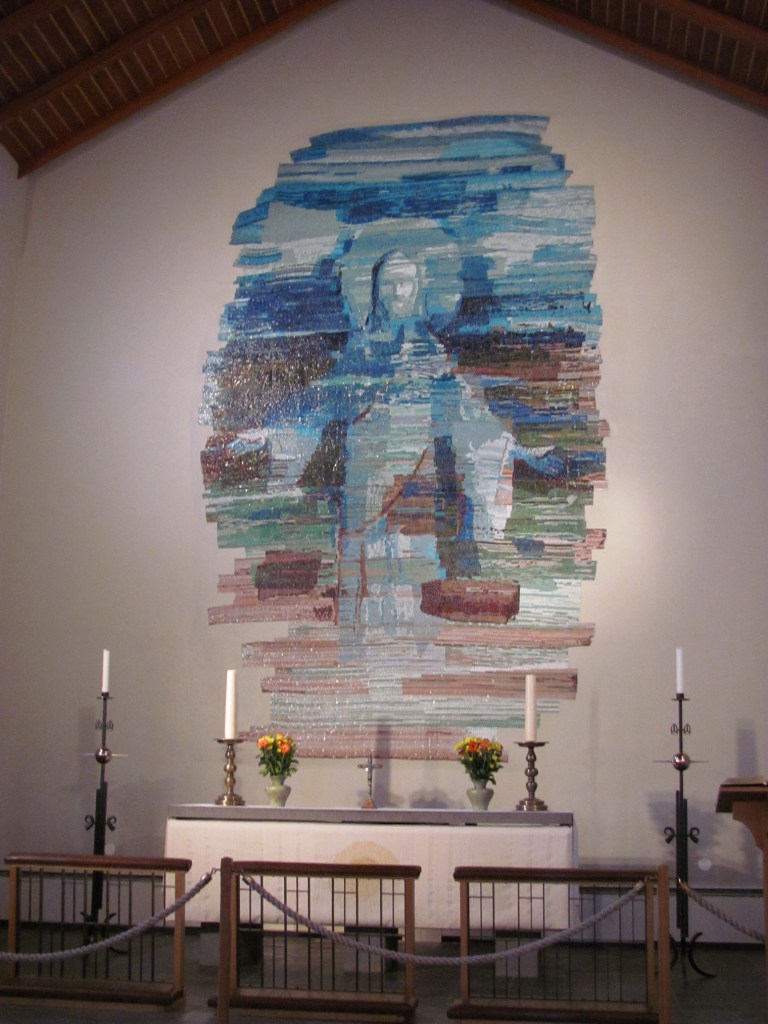
Our next stop was at a white church with a black roof, erected on the site where the first church in Iceland was, and here for the first time the Bible was translated into Icelandic. Icelandic is part of the Scandinavian languages, which, however, has retained its old roots and even now there are people who work for its preservation and impose bans on the use of words loanwords. For example, instead of the popular word “phone” they use the word “sime” coming from their word “liaison”, hence the name of the mobile phone, which instead of GSM they call “farsime”. The computer is called “telva”, which comes from two of their words: numbers and a magic ball. Here there is even a ban on the use of foreign names in the baptism of their children. If you give birth here, for example, you cannot name your child John, you must use his Icelandic replacement, namely Jón. Icelanders have 2 names – first and patronymic, and even in official cases and correspondence, they always refer to each other by their first names.
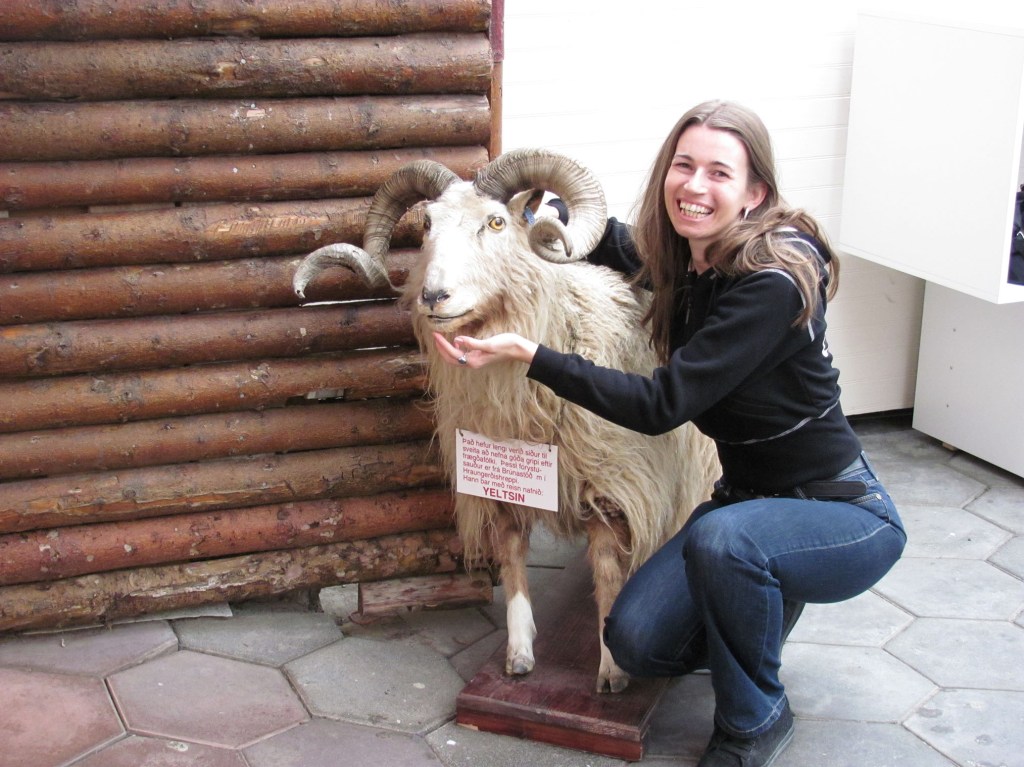
After lighting a candle in the church, at 11:10 we headed back to the interior of the island, learning from the guide about the local animal representatives. In the beginning, the only inhabitant of the island was the polar fox. Subsequently, the settlers brought horses, hens and even sheep, which today are more in numbers than the Icelanders themselves. There are no usual insects here, like ants, mosquitoes, as there are neither snakes nor even frogs.
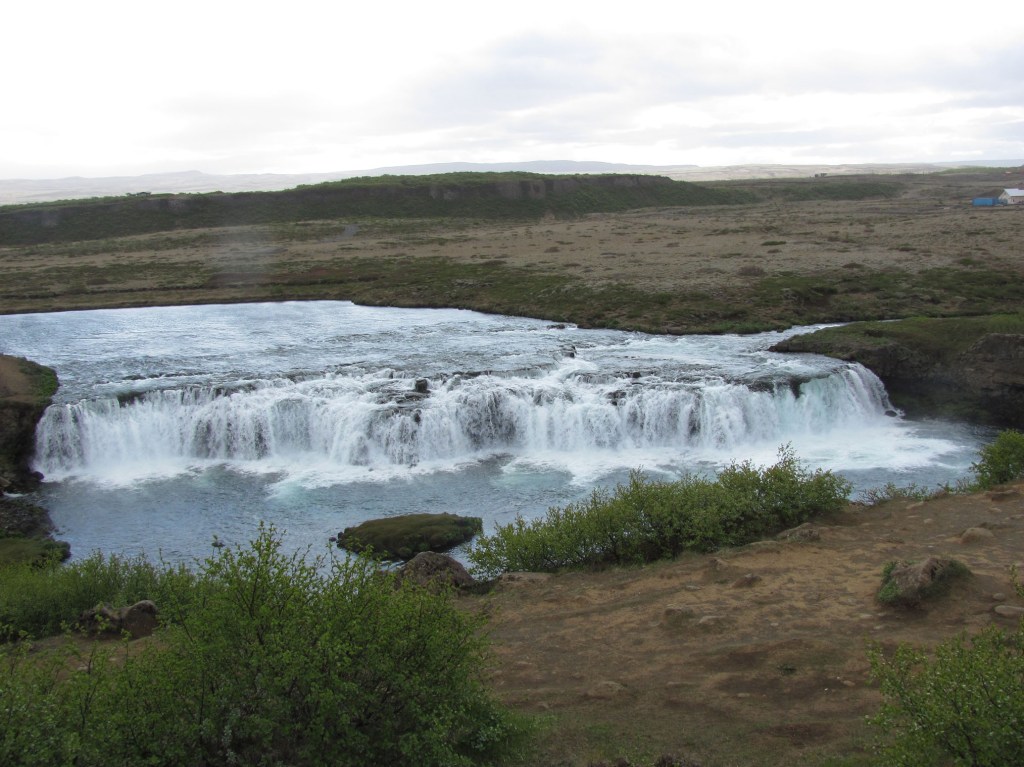
For a while we replaced the landscape of volcanic stones with a lake that was visible in the distance. We learned that it was warm and it is the only one in the country where one can take a bath in it. All other lakes, including the ocean, are as cold as ice. There was a 10-minute photo break and rest, near a small waterfall, beautiful as a fairy tale.
In order to have luck that flows as the water on my birthday, we continued further our trip to an even bigger waterfall. It is difficult to describe in words its beauty. Icelanders call it Gullfoss or Golden Falls. It is formed by the Hvitau River and descends from 32 meters in height, being something spectacular, majestic, noisy, cold, but also very, very beautiful. Iceland definitely managed to impress me with its natural beauty. We walked around the waterfall in 40 minutes, absorbing every drop, magesty and raging sounds. Even the sun shone on us, and I felt blessed.



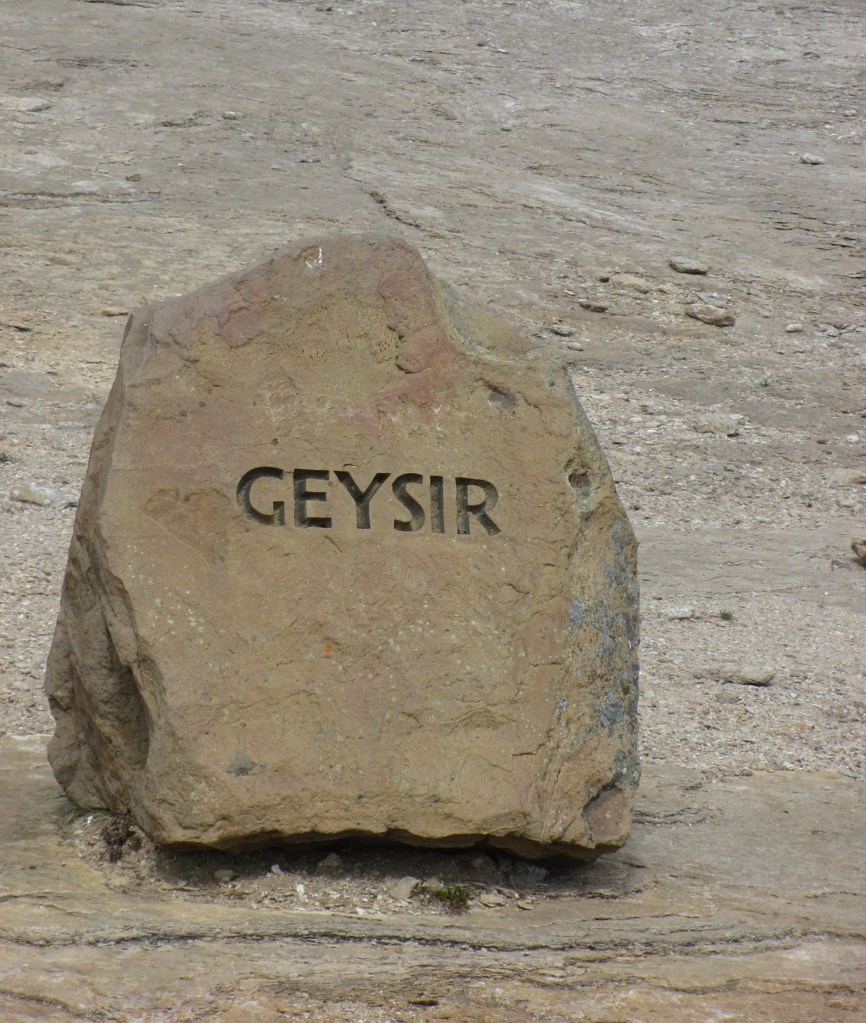
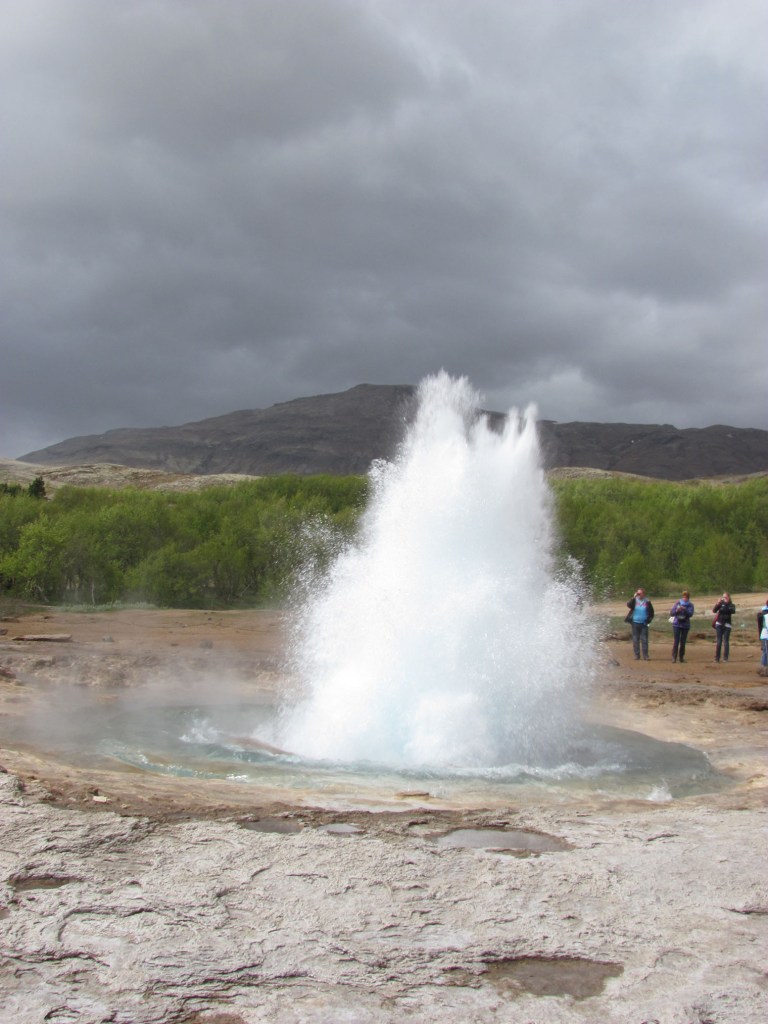
Just 15 minutes away by bus we reached the famous geyser in Iceland. The very name “geyser” in Icelandic means erupt, and so locals call this erupting boiling water at 20 meters altitude, located 80 km from the capital. There were many other geysers all over the country, but this one was the most famous. In the last earthquake, the layers of the earth shifted so that water no longer erupts from the Great Geyser, but just opposite it is the Geyser Strokkur, from which every 3-4 minutes water erupts at an altitude of 7 meters, with a temperature between 80 and 100 degrees!
Here we had a break of an hour and a half in which we could take pictures and have lunch. Our lunch ended with a piece of carrot cake for my birthday, which was uniquely delicious.
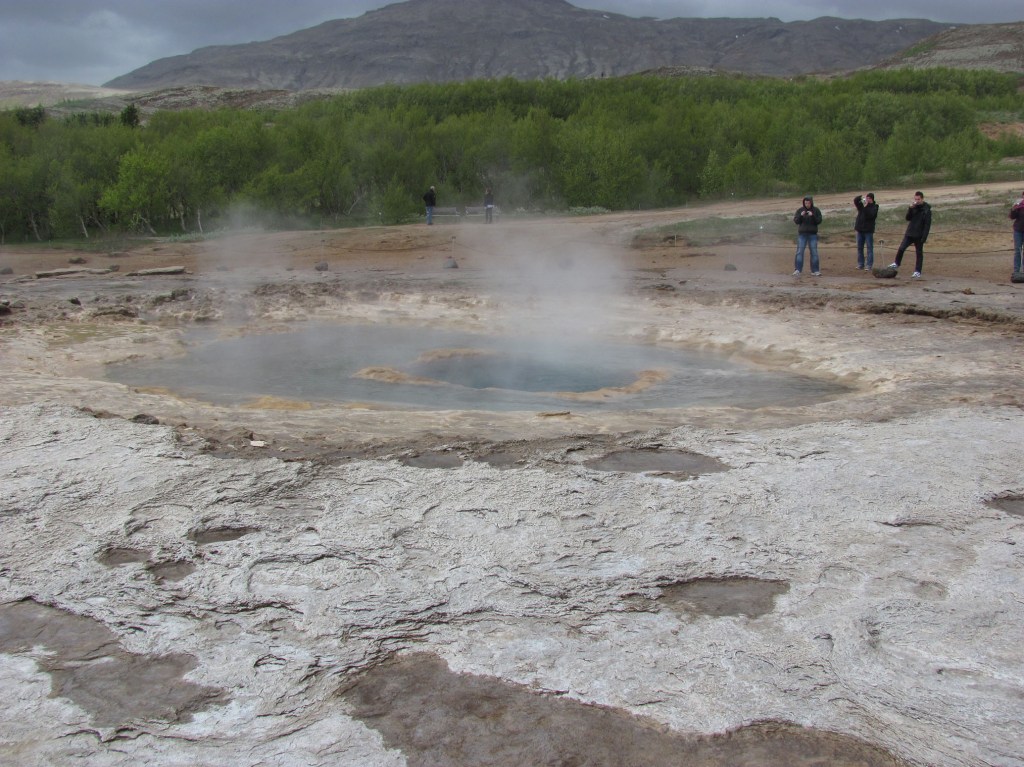
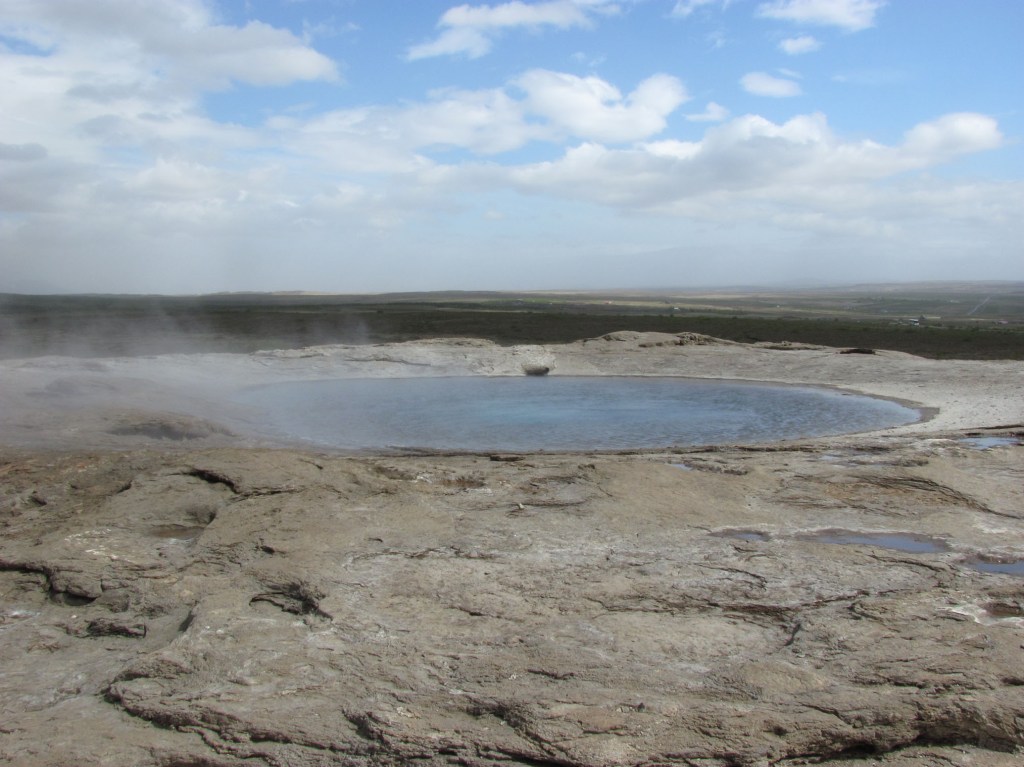

Our excursion continued through the Þingvellir National Park (Tingvelir). The place is of historical, cultural and geographical significance, and we took a one-hour walk from one end to the other. Here is the largest natural lake in the country, as well as the first parliament in Iceland dating back to 930. In 1928 the area was declared a national park to preserve its historical and natural significance. The canyon here seems to be split in two. In fact, the crack in the Earth’s crust is constantly expanding every year. We learned that the geological structure of the island has part of the European and American tectonic plates, which proves that the two continents were once connected.
After an hour’s walk among the dried lava and some beautiful flowers, we headed back to the bus. Our excursion was coming to an end, and we could get off at three stops in Reykjavik: a shopping mall, a bus station and the city center. Of course, we chose the first one and went down in front of the Hagkaup store. Located a 30-minute walk from the center of Reykjavik, it was one of the few places open after 18:00. The shop and restaurants in it were full, and people seemed happy and calm. Iceland maintains a very high standard, with equally high prices, but apparently people also received a good salary. We have learned that, unlike our country, they do not have a common minimum wage. For every profession it is different.


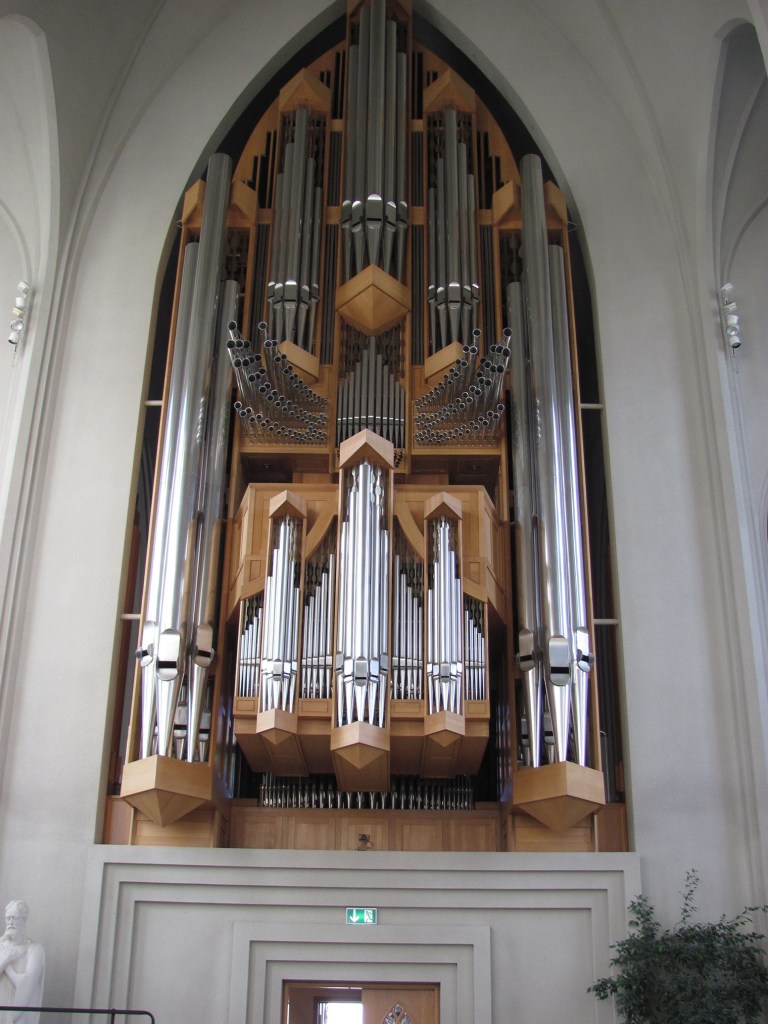
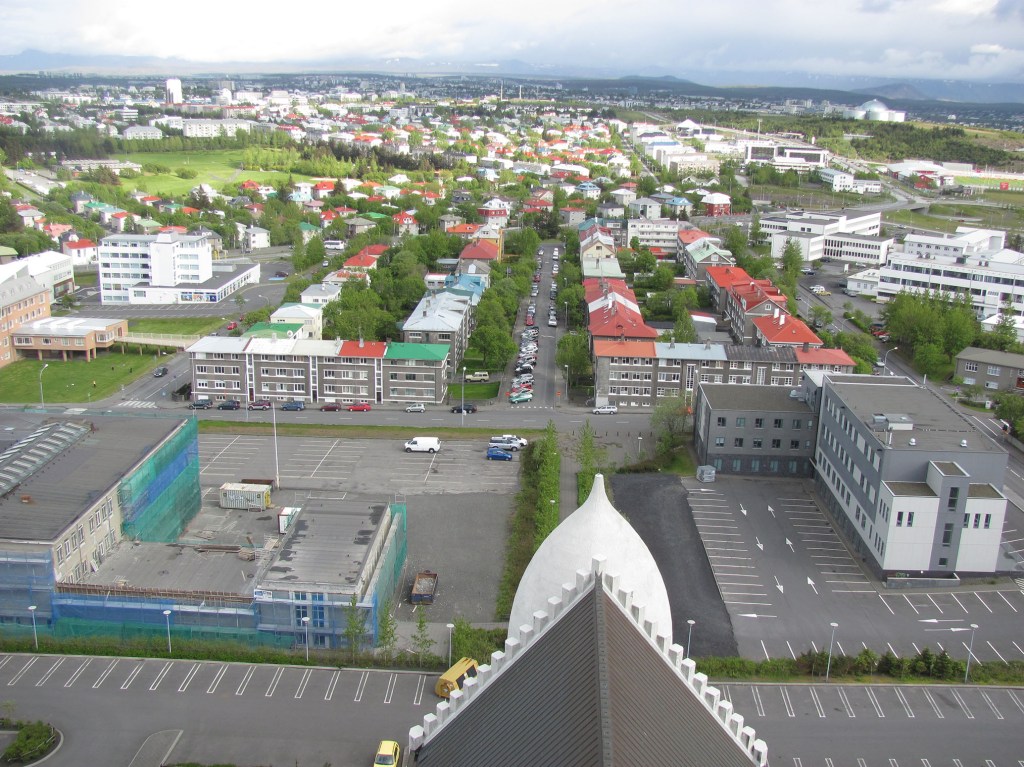
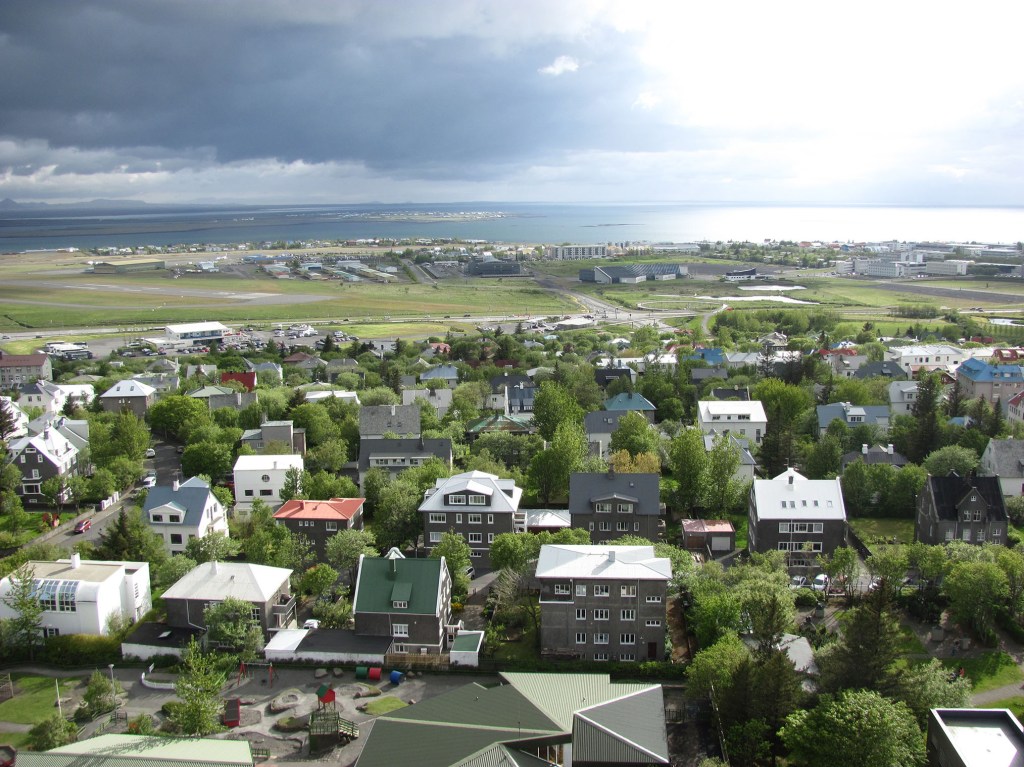
On our way back from the mall, we walked and passed their famous Hallgrímskirkja church. The name is difficult to read, but from its panoramic platform it is clearly visible far away. We went up with the elevator and stayed for a long time fascinated by the sea and the city. In front of the church is erected a monument to Leif Ericsson, a Viking and traveler at heart, who in the 10th century headed to North America.
Along the way, we ate Thai food and witnessed a wonderful serenade. About 10 young men in formal wear stood in front of an apartment building and began singing in a choir. Across the balcony appeared a girl who looked very happy and seemed to have an engagement. Her dad also succumbed to her on the balcony, approved the song, and then went down and opened the front door to the youngsters, inviting them to come home.
Thus ended my wonderful and by no means monotonous birthday in beautiful and unique Iceland.

The next day we woke up lit by bright sun rays from early dawn. Throughout the day, the sun was generous to us and we enjoyed another warm-ice trip. After a filling breakfast, a bus took us to the old port, where we boarded the Elding boat. We were about to sail in the North Atlantic, for watching whales and exotic puffin birds. In English, the birds bear the fluffy name Puffin, in Russian they are known as tupiki, but in Bulgarian they bored the dull name Dumb Kaira. Regardless of the name, I liked these relatively small birds very much, and I showered them with photos, unlike the whales, which were very shy and had to settle for just taking pictures of someone’s back. Whales are mammals, so they were supposed to rise to the surface every 5 minutes and we would photograph them accordingly, but the ocean was too big even for them and they were not easy to trace. We stayed in the ocean for hours, and all I managed to photograph was one back. But with my own eyes I saw these huge and beautiful aquatic inhabitants.
The sweet puffins impressed me more. They look like penguins, but with the beak of a parrot, being able to fly and dive into the icy ocean. These birds in their entire lives have only one love and one partner. Every year they lay only one egg, and they come to incubate it in Iceland, where the young hatch at the end of May and June. The boat took us to a small island that was overflowing with sweet puffins. The same are quite small and the camera lens helped me take a better look at them. They moved with a lot of shakes, which brought them the nickname sea clowns, for me the birds brought warm feelings in the icy wilderness.

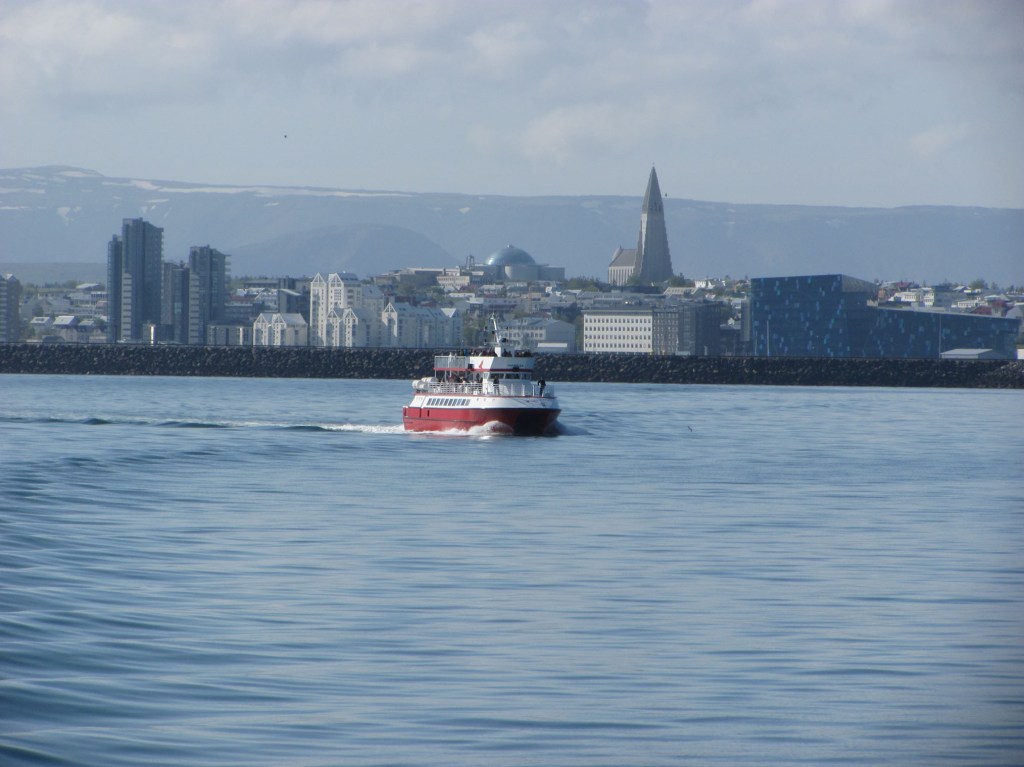




From the port we decided to walk to the hotel, eating a hot dog on the way. We got our swimsuits and got on a new bus, this time to more lazy adventures: a visit to the Blue Lagoon.
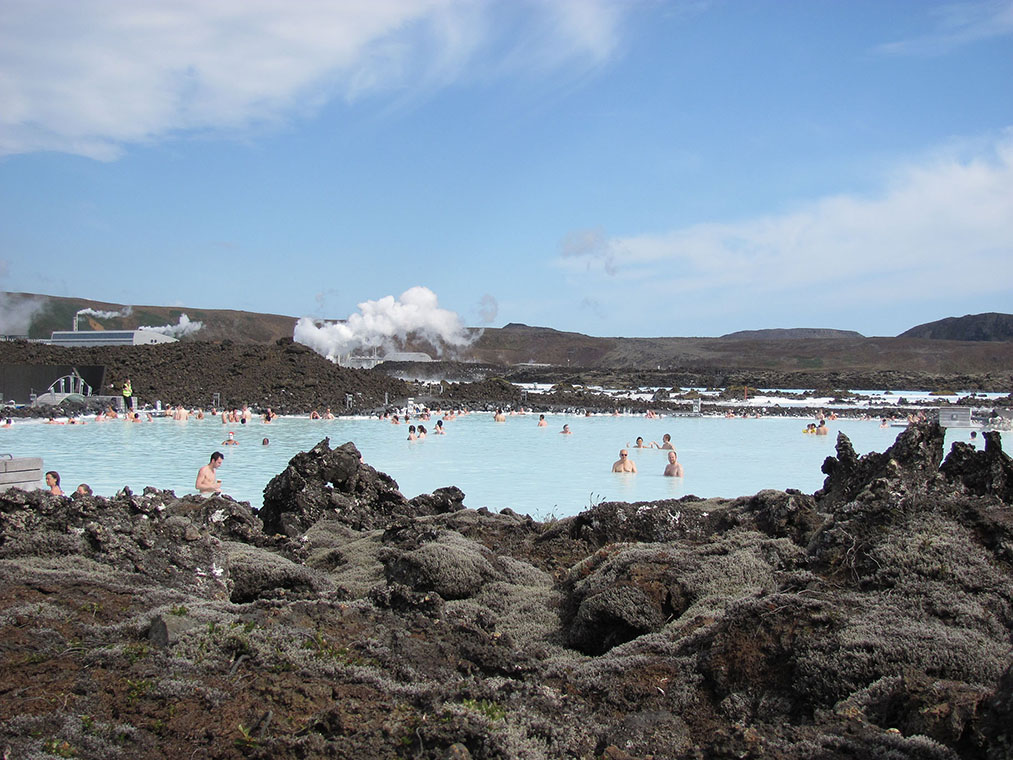
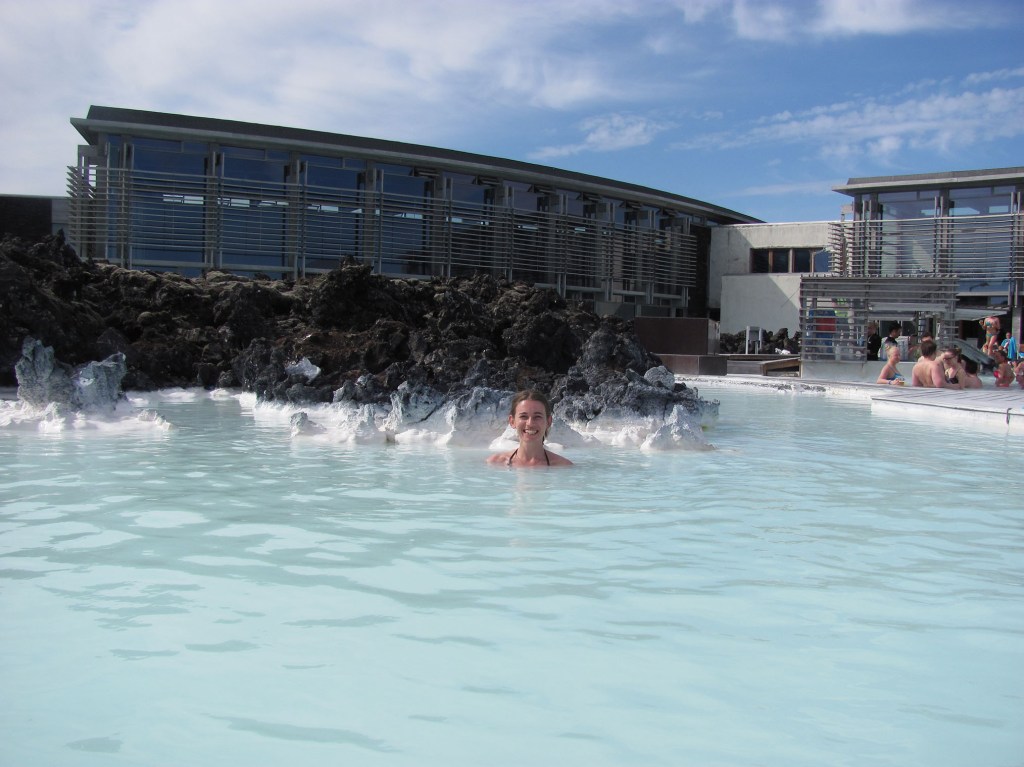
The place was unique – near dried lava flows milky-blue, warm and healing water. This is probably the most visited place in the whole country – the best spa in Iceland. It was amazing at 12 degrees outside, to undress in a swimsuit and take a bath outdoors. The sun smiled at us generously, and we swam and soaked in the warm water, relaxing all our senses. It was an incredible feeling to bathe in healing mineral water, stepping on dried lava.

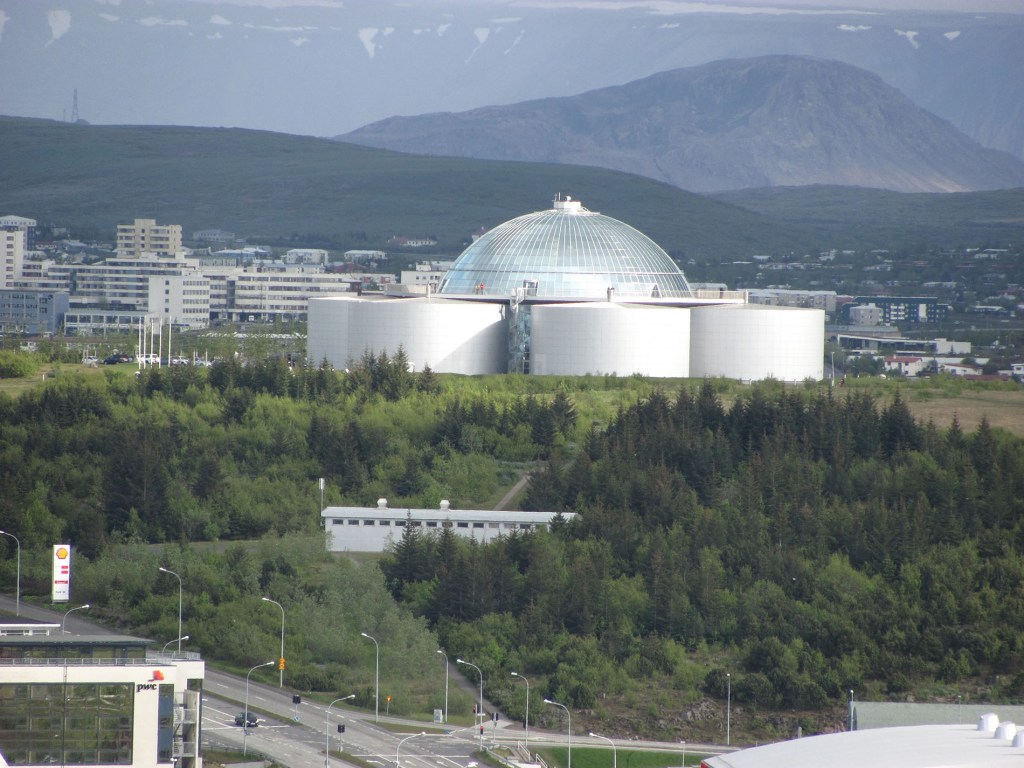
In the evening we said goodbye to the fairytale Iceland by having dinner at its best restaurant. The Perlan or Pearl is a rotating restaurant that offers fantastic panoramic views of the entire city. Behind the panoramic windows, the tables moved uniquely slowly, even imperceptibly, and it took a full 2 hours to make a full tour. So much continued our dinner, as the salmon we ordered was magnificent, as well as the pate served before. At night it never got dark and we enjoyed the beautiful views of the city for a long time. We went home on foot enjoying the sights along the way.
Iceland is truly unique – although it is devoid of rich vegetation and flowers, it manages to impress visitors with many natural wonders. Descendants of the former Vikings, the locals are very hospitable and kind. Iceland may be a cold country, but it’s full of warm hearts.




GENERAL INFORMATION ABOUT ICELAND:
Location: Iceland is an island country in the North Atlantic. It is located between Greenland and Scotland, to the northwest of the Faroe Islands.
Area: 102.775 sq.km
Population: 332 529 people (data from 2016)
Official language: Icelandic.
Climate: subpolar oceanic. Although the country is close to the Arctic, the island’s coasts remain ice-free in winter. It is warmest in July-August, with maximum temperatures of +13 C, and the coldest in January and February with minimum average temperatures of -2 C.
Time zone: UTC+0
Currency: Icelandic króna (ISK)
Additional information: http://www.visiticeland.com/
TRIP TIPS FOR ICELAND:
Best time to visit: the tourist season in Iceland starts from mid-June to the end of August. The rest of the time the island is no less beautiful. In spring and autumn it is colorful, and in winter, although gloomy, it reveals another natural treasure: the glamorous Northern Lights.
Typical foods and drinks: the main ingredient in Icelandic cuisine are fish and lamb. Among the traditional foods are Saltfiskur (literally Salty fish, the same is dried), Hangikjöt (smoked lamb), Svið (boiled lamb’s head), Pylsa (the local hot dog with lamb), and Skyr (something like yogurt, served with sugar or blueberries).
What to do and see: Iceland offers various excursions and conditions for climbing, rafting and any other exploring of the unique nature. The capital of the country Reykjavik (translated “bay of steam”) offers numerous attractions among which the majestic church of Hallgrímskirkja, which together with the rotating restaurant Perlata offer the best panoramic views of the city; Tjörnin Lake (also known as the lake of Reykjavik), on it is located the town hall, as old and young love to walk and gather on its shore; Alþingi is the parliament, which is also located near the lake; Þjóðminjasafn Íslands (the National Museum of Iceland), Þjóðmenningarhúsið (Palace of Culture), Grófarhús (the Museum of Photography), etc.
 TripTips