WEEKEND IN BUDAPEST

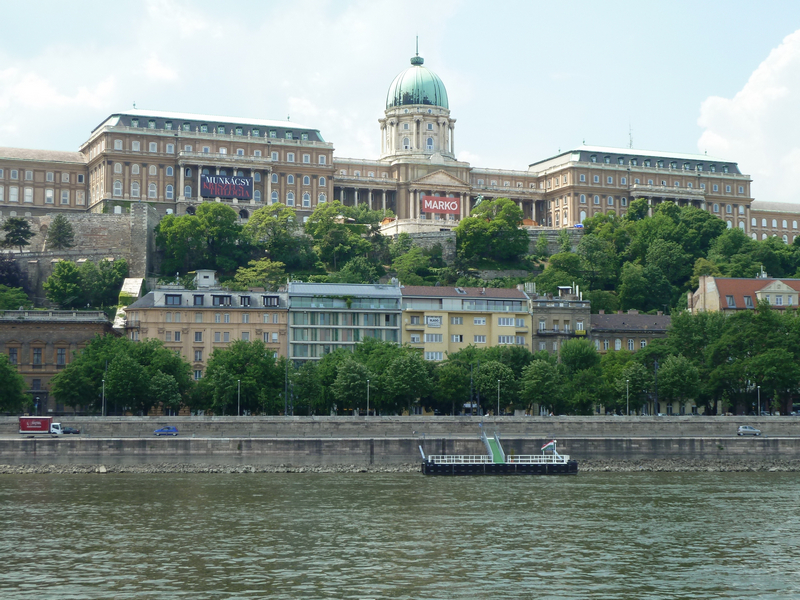


Hungary is one of the oldest countries in Europe (but not older than Bulgaria), which dates back in 896. Like its neighboring countries, Hungary was part of the Celtic population, and then of the Roman Empire, after which the Huns came and they gave the country its name Hungary. The Hunnic language known today as Magyar is one of the few languages in Europe that is not part of the Indo-European family. Hungary is a treasure trove of sights and cultures worth visiting, even for just a weekend.
Ryanair offers direct weekend flights between Sofia and Budapest. Especially beautiful and festive is the Hungarian capital city on March 15, when it is the national holiday of Hungary. Then the locals celebrate the freedom and democracy won with the Hungarian Revolution in 1848, which turned into a war of independence from the Habsburg rule. On this day, festivals and solemn ceremonies are organized throughout the country, starting in the morning with the raising of the Hungarian flag. In Budapest, on this day you can enter and see for free the beautiful building of the Hungarian Parliament. At noon, a solemn procession from the National Museum to Buda Castle begins, and there are concerts, celebrations and free entrance to numerous museums all day.
We started our tour from the Heroes’ Square, where stands a large statue of Arbat – the founder of Hungary, something like Bulgarian Khan Asparuh. Here among beautiful columns are the statues of 14 kings who have contributed most to the good of the Hungarian state. The first, for example, is Stefan, who can be compared with the Bulgarian king Boris, who baptized the nation, introducing Catholicism into the country. Above the kings rise four allegorical figures – of work, war, peace and love.
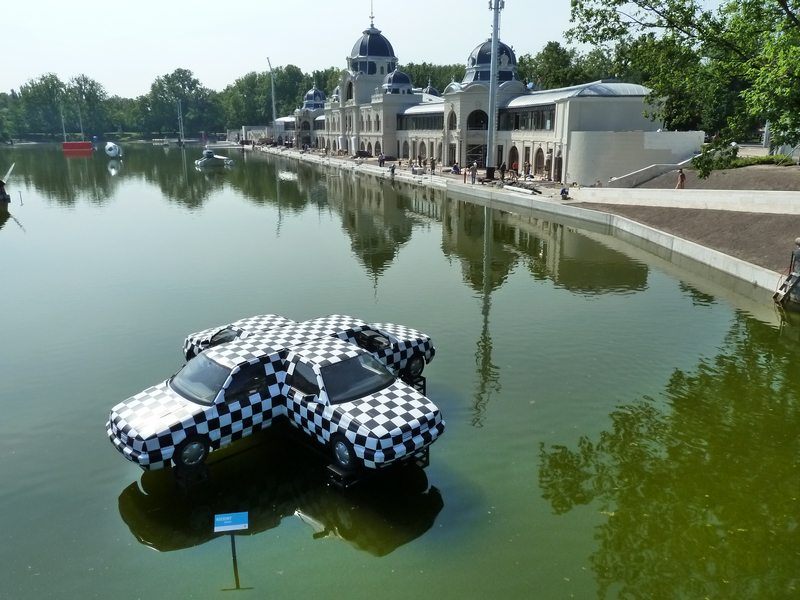
From the square, we walked to the beautiful park and museum of Hungarian agriculture, which is a few steps from the Heroes’ Square and offers beautiful fortress walls, old buildings and an exquisite cathedral. We walked back to the Heroes’ Square, continuing along the Graf Ondraši Avenue, named after the well-known man from the films about the Austrian Empress Sisi.


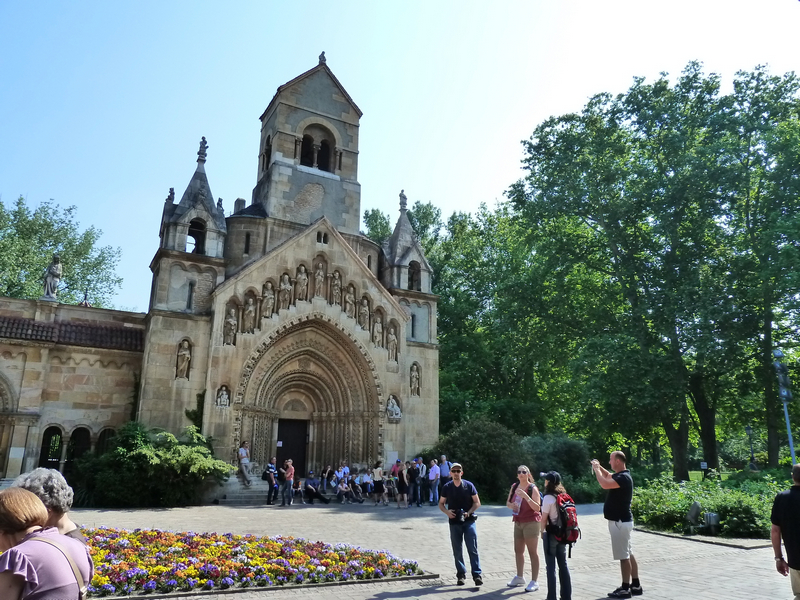


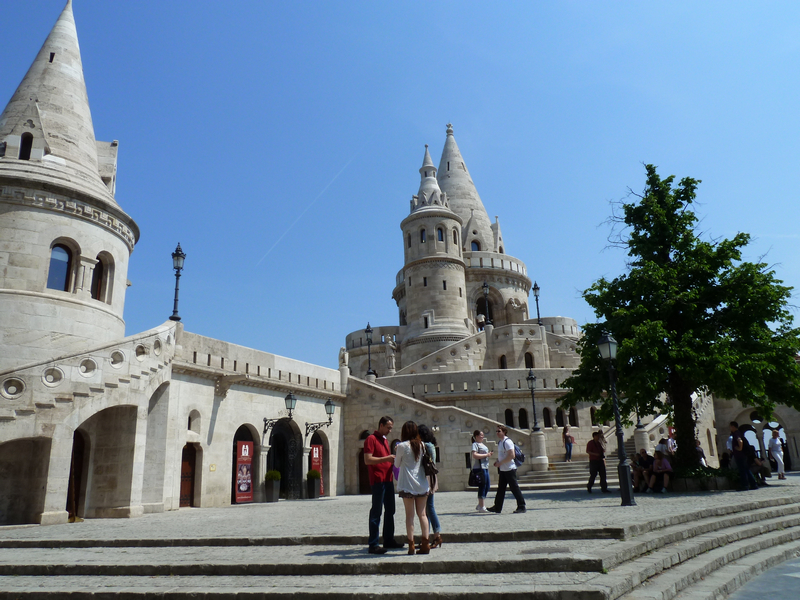
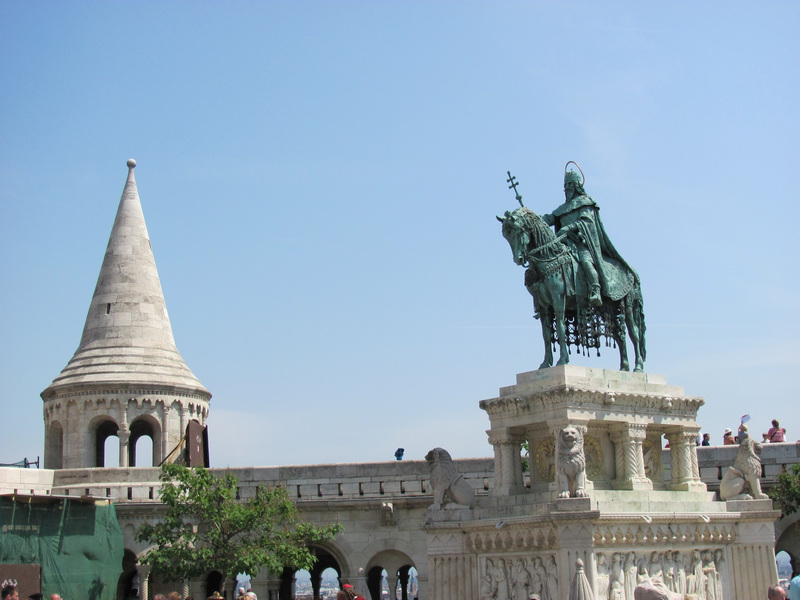
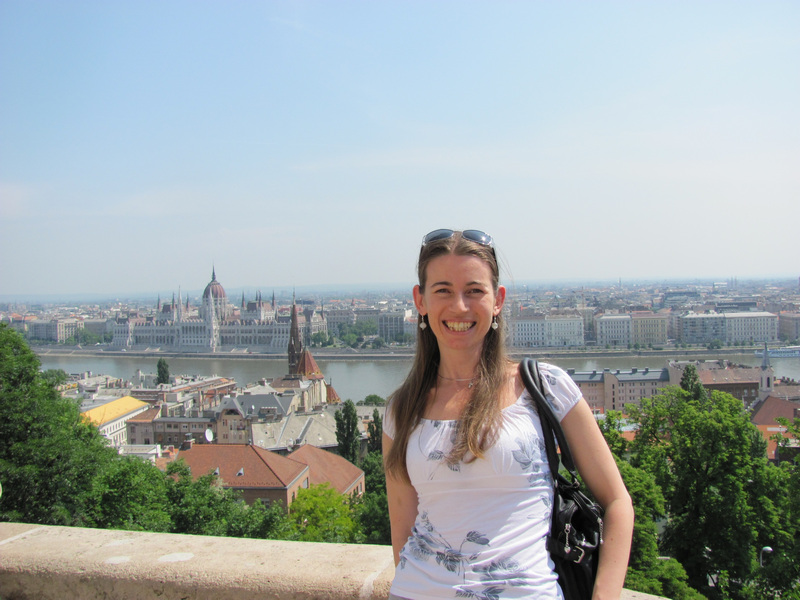
Then we headed to the Fisherman’s Towers, which, are not only panoramic, but also architecturally spectacular. From here, the view of the parliament with its 365 towers is truly magnificent. There is another landmark here – the church of St. George Matthias.

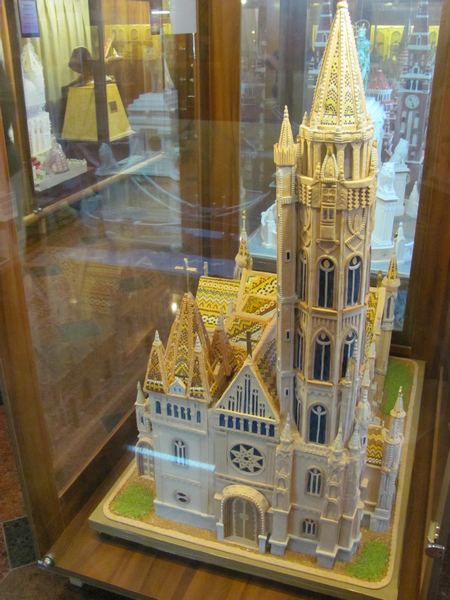
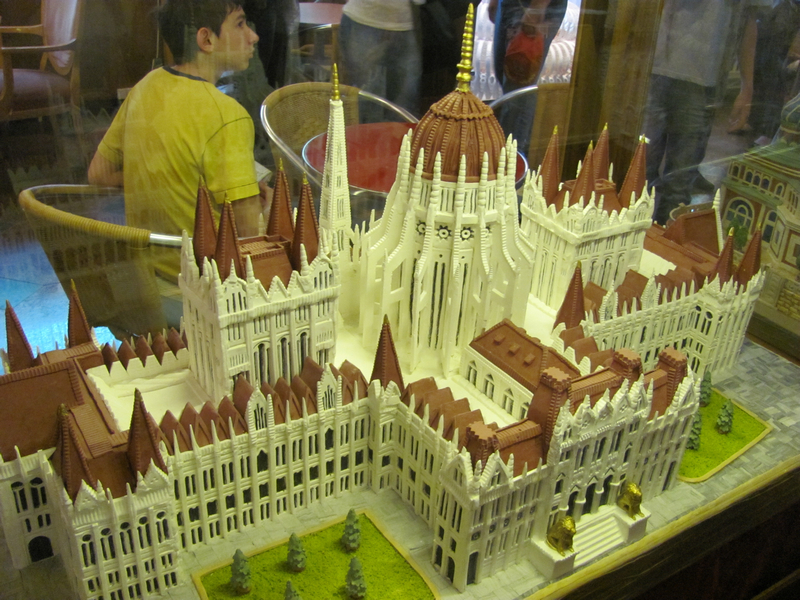
Here we also visited the marzipan museum, which presents huge chocolate figures of famous children’s characters, as well as chocolate models of the Fisherman’s Towers, the Parliament and others. The chocolate cactus garden is also interesting, but tasting is prohibited. At the entrance we received a piece of marzipan, but after the whole exhibition visitors get hungry and at the exit of the museum it is hard to pass by the well-ordered marzipan shop.


We went back to the parliament building, where boat trips start in the vicinity, offering tours along the beautiful Danube. The ticket price is about 13 euros, but they are worth it, as the panorama is impressive and the many photos are guaranteed. The night walks through the colourfully lit Budapest also impressed us.

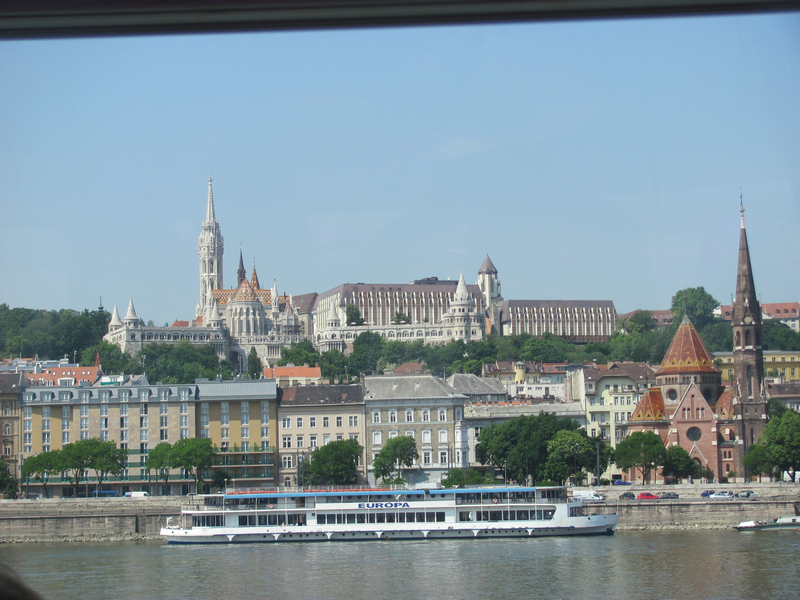
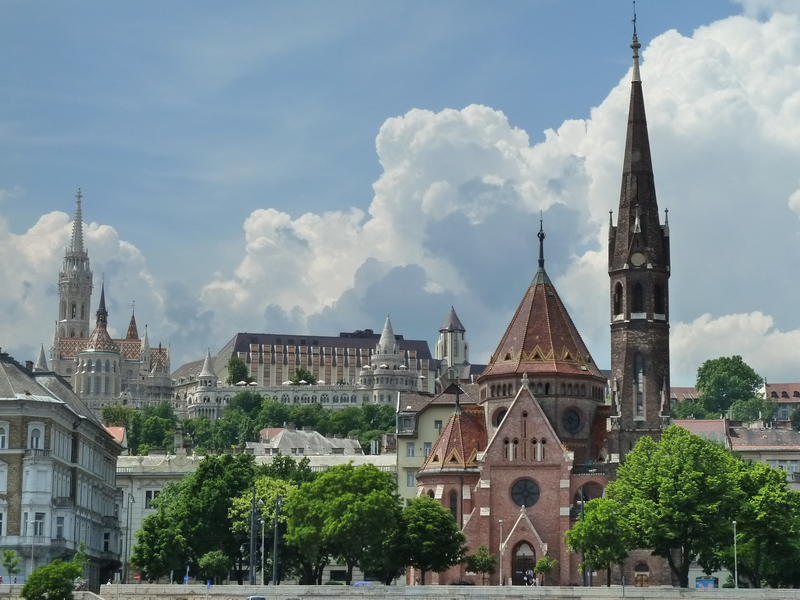
The Hungarian capital won our hearts, and it turned out that the city is also considered the heart of Europe, located at an equal distance from Kiev, Paris and London. The city is divided into 3 parts: the first is Buddha, where the ancient Romans lived. The second part is the fortress, resembling Bulgarian Veliko Tarnovo and in the 13-14 century it was a capital. The third and largest in area is Pest, whose name comes from the Slavic furnaces. The Danube divides the city into Buda and Pest, but 10 bridges connect them into the city of Budapest.
The Budapest metro is one of the oldest in Europe, after the one in London, and it is actually the oldest electrified underground railway system. The first metro line was launched in 1896, and curiously, the Hungarian state was established in 896, i.e. exactly 1000 years later the metro in the city was built! There are 123 healing springs and 27 baths in Budapest, which we did not manage to visit this weekend, but we hope to correct this in our next stay.
Another interesting fact is that Hungary is smaller than Bulgaria in area, but Hungarians are more in number of population, with over 10 million people living here, speaking the complex Hungarian language, which is actually a mixture of Finnish, Turkish, German and Slavonic.
Budapest is also called the Pearl of the Danube, Eastern European Paris and the Heart of Europe is undoubtedly one of the cities worth visiting, leaving pleasant impressions and cherished memories.


GENERAL INFORMATION ABOUT BUDAPEST:
Location: Budapest is the largest city and capital of Hungary, located on the Central Danube Plain on both banks of the Danube.
Area: 550 sq.km
Population: 1 740 041 people
Official language: Hungarian
Altitude: 96 m
Climate: moderate continental climate
Time zone: UTC+1
Currency: forint (HUF)
Additional information: http://en.budapestinfo.hu/
TRIP TIPS FOR BUDAPEST:
Best time to visit: all year round
Typical food and drinks: Pelmeni, goulash and pancakes Gundel (pancakes smeared with dark chocolate and walnut sauce)
Places to visit: Parliament (the largest in Europe), the Palace, the Fisherman’s Towers (with a panoramic site), Margaret Island (as a large park) and many others.
 TripTips