THESSALONIKI AND METEORA – BREATHTAKING GREEK BEAUTY
автор: Ана Бонева


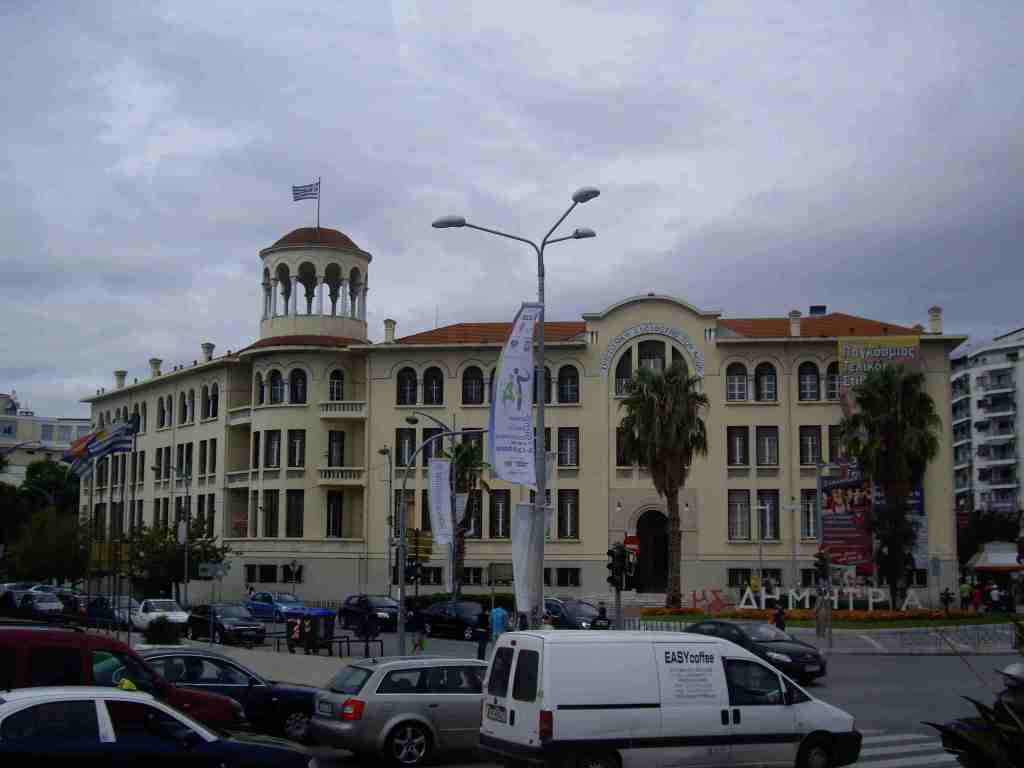
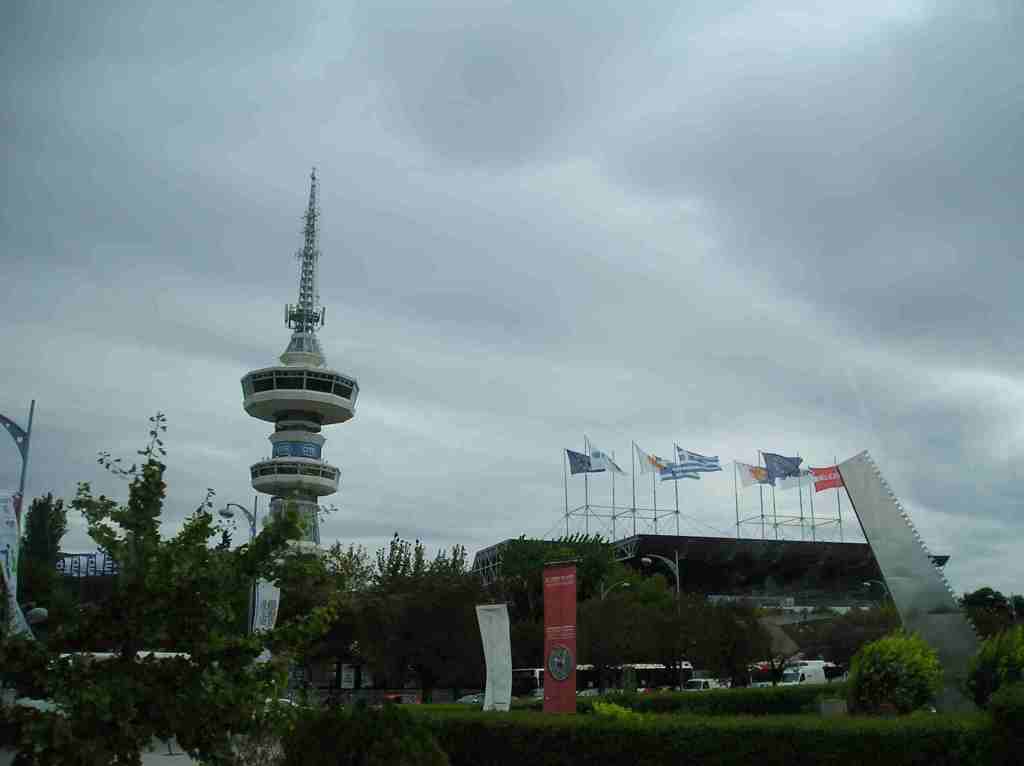


Thessaloniki is undoubtedly one of the most beautiful Greek cities, impressive from its creation. It was founded in 315 BC by the Macedonian king Cassander, who named it Thessalonica after his wife and half-sister of Alexander the Great. The name means “victory of the Thessalians”. Over the centuries, the city was conquered by various countries, and under the Ottoman Empire it was called Salonika, preserved today in Turkish as Selanik, in Romanian it is Salonic, in Bulgarian – Solon, and in Greece and most countries since 1912 it keeps its original name – Thessaloniki.
Starting early in the morning from cloudy Sofia, we were pleasantly surprised by the sun’s rays on the road, which seemed to prefer the Greek lands more. And why not, when every stone and rock here carried some legend. Including the lovely city we were traveling to. According to one, Alexander the Great’s father – Philip of Macedon had 7 wives, but only one of them was the legitimate queen – she was called the beautiful Olympiada. Her real name was Mithras, but since she was beautiful as an Olympian goddess, Philip called her Olympias, and this nickname remained for the rest of her life. By another woman, Philip of Macedon had a daughter, whom he named Thessaloniki, in honor of his victory over the Phocians with the help of the Thessalian horsemen, i.e. “victory of the Thessalians” (Thessalo + Niky). After the death of Alexander the Great, his vast empire began to disintegrate, with his five military leaders quarreling with each other. One of them, Cassander, killed the heirs of Alexander the Great and married his sister Thessaloniki, declaring himself the new ruler and as such erected a new city on the shores of the White Sea, which he named after his wife.
The beautiful city, however, seems to have been built not by man, but by the Greek gods who live on Olympus – a mountain located 80 km from Thessaloniki, but visible entirely in the city, on a clear day on the horizon, beyond the sea of the Thermaic Gulf.


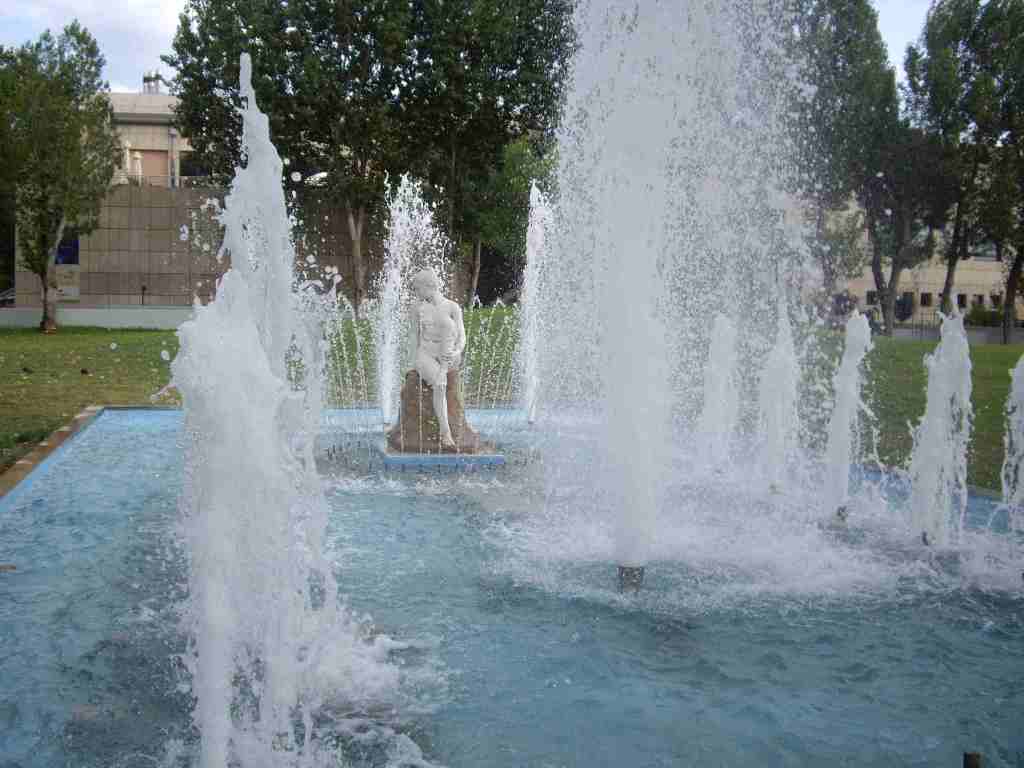
The first thing that impressed us when we entered Thessaloniki were the many Greek flags that were waving everywhere. Later we learned that the blue and white colors of the Greek flag symbolize the sea water and the foam of the waves. After all, Greece was surrounded by 3 seas – the Mediterranean, the Aegean and the Ionian Sea. The flag has a total of 9 white and blue stripes, 9 of which are the syllables of the phrase Freedom or Death, and the cross on the upper left side symbolizes the Orthodox Church.
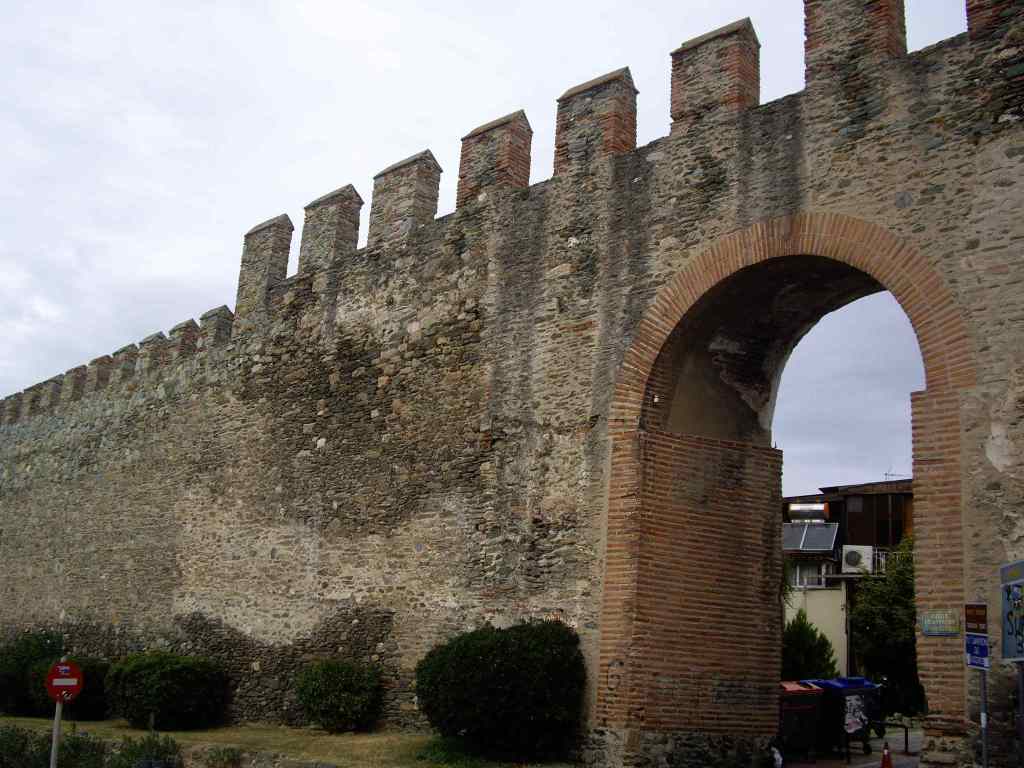
Our walk started among the high fortress walls located above the city and offering a wonderful panorama of Thessaloniki. These 4 km long defensive walls surrounded the city of Thessaloniki in the Middle Ages, but in Ottoman times some of them were destroyed and used for construction. The city was well protected when it was created, but the current ruins date back to the 3rd century.



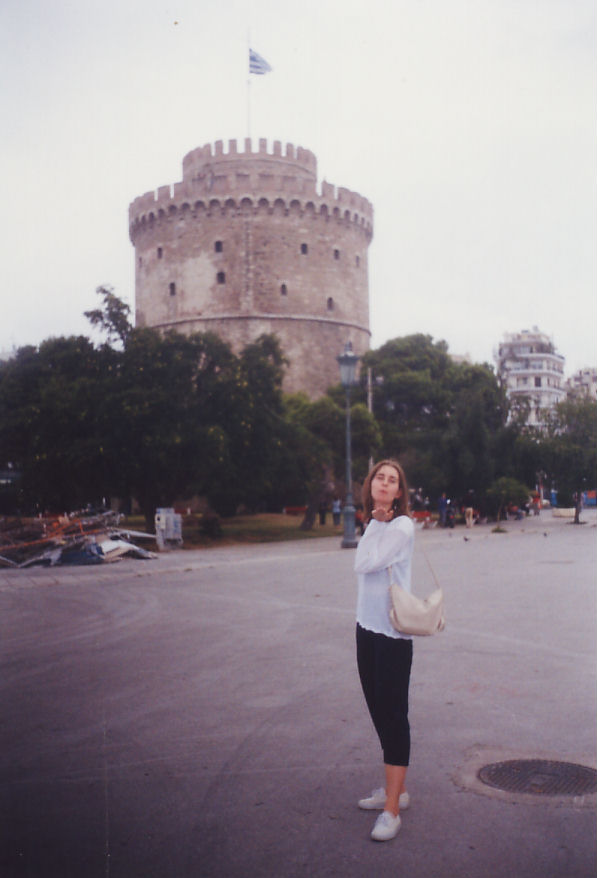
The White Tower was built by the Ottoman invaders, who captured the city and used it as a prison. Then it was called the Bloody Tower, but after the liberation the Greeks painted it white and its name changed. Today it serves as a museum, revealing the rich history of the city from its inception to the present day, and from here you can see a wonderful panoramic view of the city and the sea. It has become a symbol of the city. Opening hours and entrance fee can be found on the museum’s website: www.lpth.gr.
The walk along the promenade of Thessaloniki, starting from the White Tower, is truly relaxing and energizing all senses – from the blue of the sea, to the splash of the waves, the aroma of salt mixed with hot coffee from the numerous restaurants and cafes on the seafront, the taste of sweet Greek ice cream and a touch of the rich Greek history, which, unlike the Bulgarian one, is preserved and cherished.


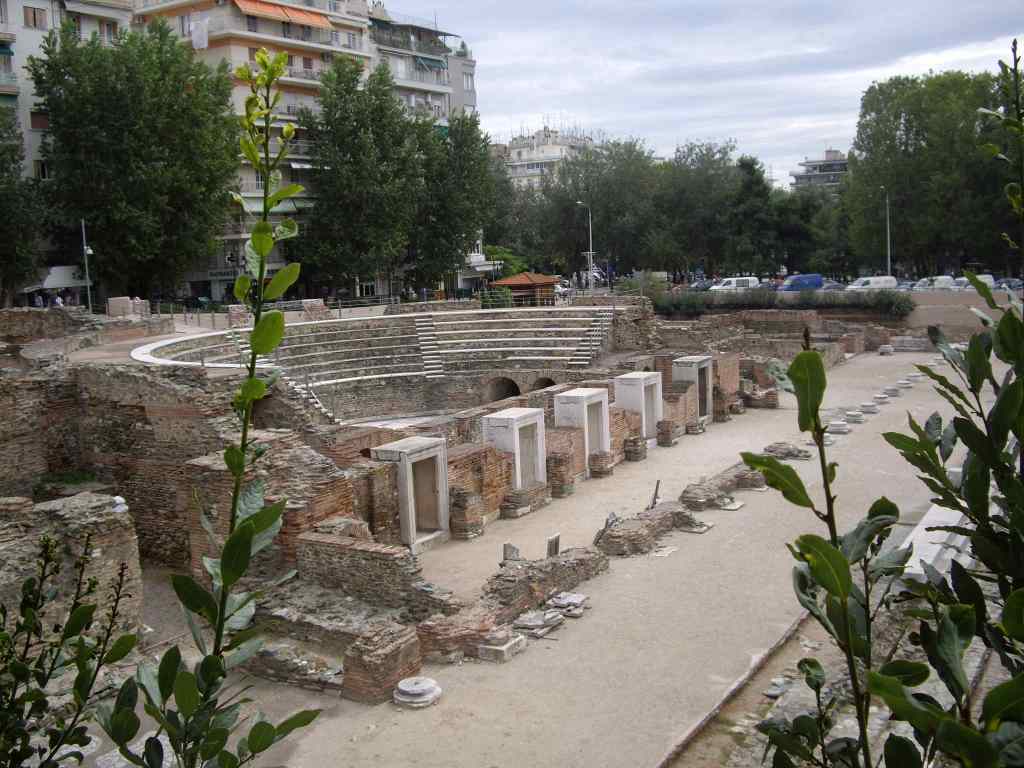
The history of the city can best be seen in the Roman forum preserved in the center of the city, erected even before the 2nd century. The foundations of two Roman baths and a small theater for gladiatorial games have been preserved. In the 60s of the last century, the area of the forum was planned for the construction of the Municipal Court, but after the ruins were discovered during the excavations, it was decided to erect the court building in another place, but the envisaged name of the square “The Courthouse/Dicastirion Square” was still preserved. Subsequently, we learned that the official name of the square is the Ancient Agora



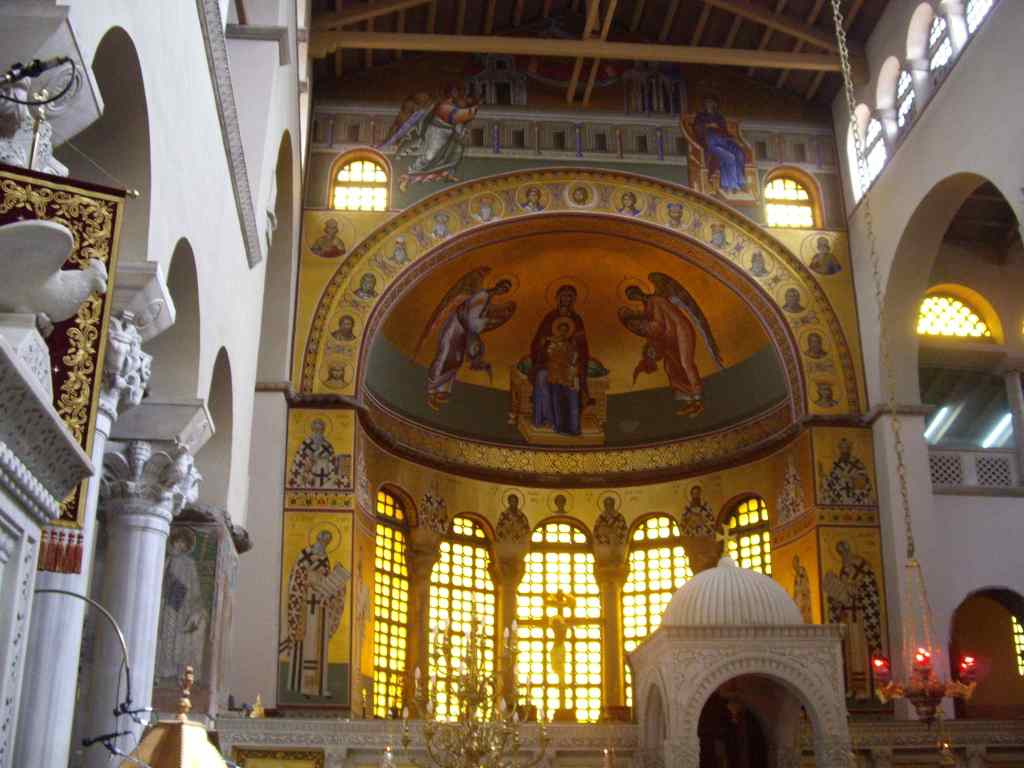
The next landmark we visited was the church of St. Demetrius, which turned out to be the patron saint of the city, and his relics are kept here. The church was erected on the site of old Roman baths, which are still kept in the basement.
There are many other sights in Thessaloniki that we left for further visits, heading in the late afternoon to Kalambaka, 230 km from Thessaloniki. On the way, we enjoyed the beautiful Mount Olympus – home of the Greek deities.


Mount Olympus was on the right side of the road, from where its highest peak Mytikas stood out. There were rumors that every Greek who climbed this mountain carried with him a stone that he left on the top. Because the Greeks strongly wish of having the highest peak in the Balkans. At the moment the Bulgarian Musala is only 8 meters higher (Musala 2925 m and Mytikas 2917 m). At the same time, all Bulgarians who come here and climb this mountain, always took with them a stone to preserve the championship of their native Musala.
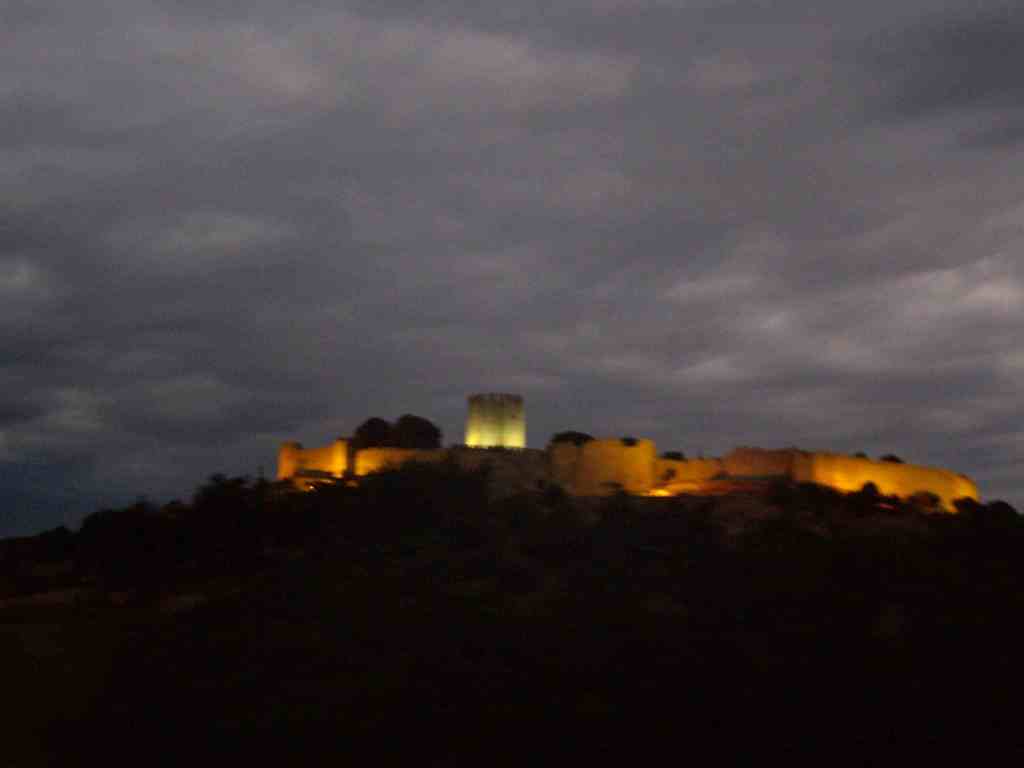
Not long after we left Thessaloniki, we passed a beautiful castle built high on a rock. It turned out that this castle dates back to the 10th century and is located in the famous seaside town of Platamonas located in Greek Macedonia – less than 40 km from Katerini, where we had already spent the night several times, but this weekend we had decided to visit Meteora, so our journey continued through the beautiful Greek lands.


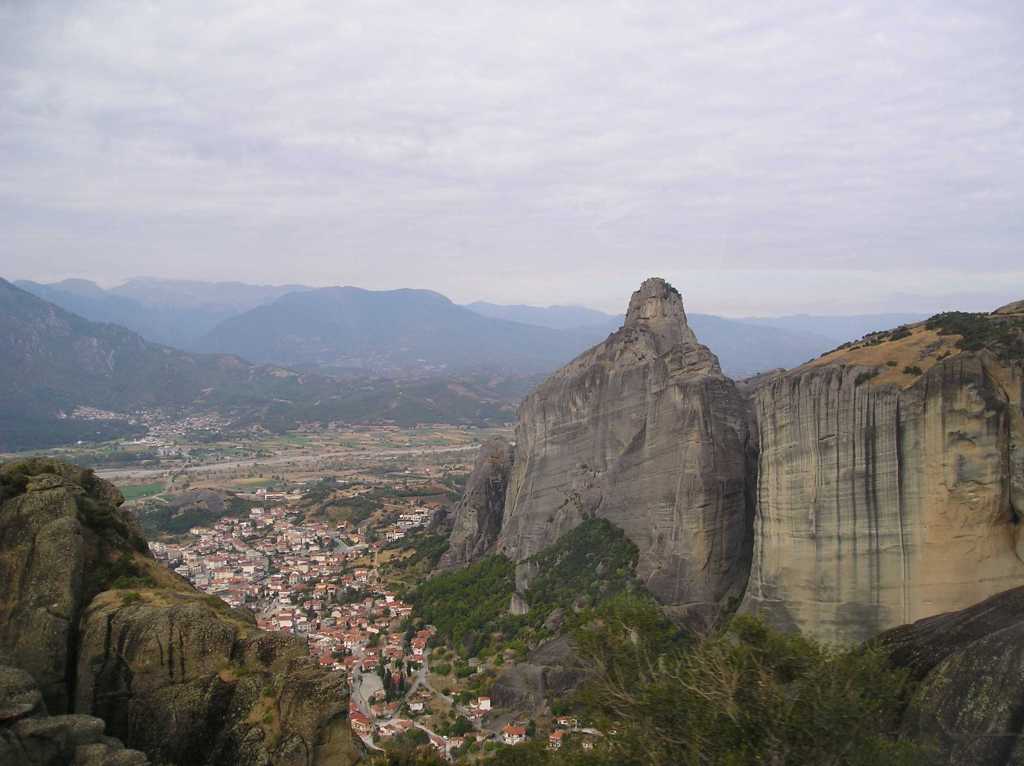
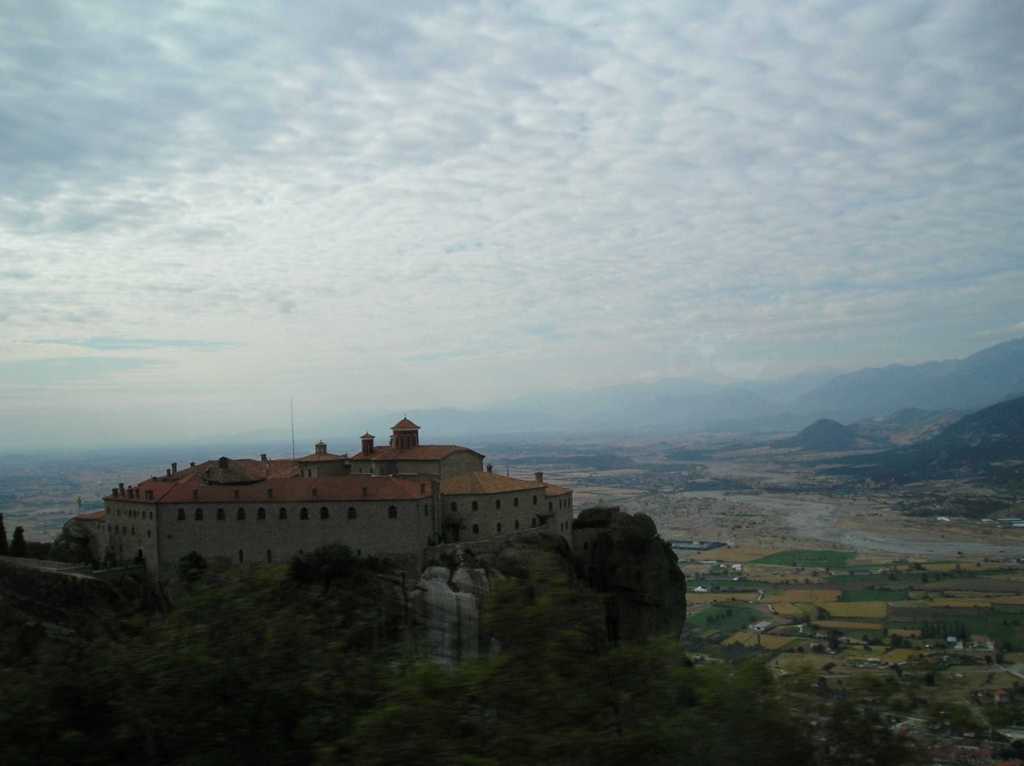
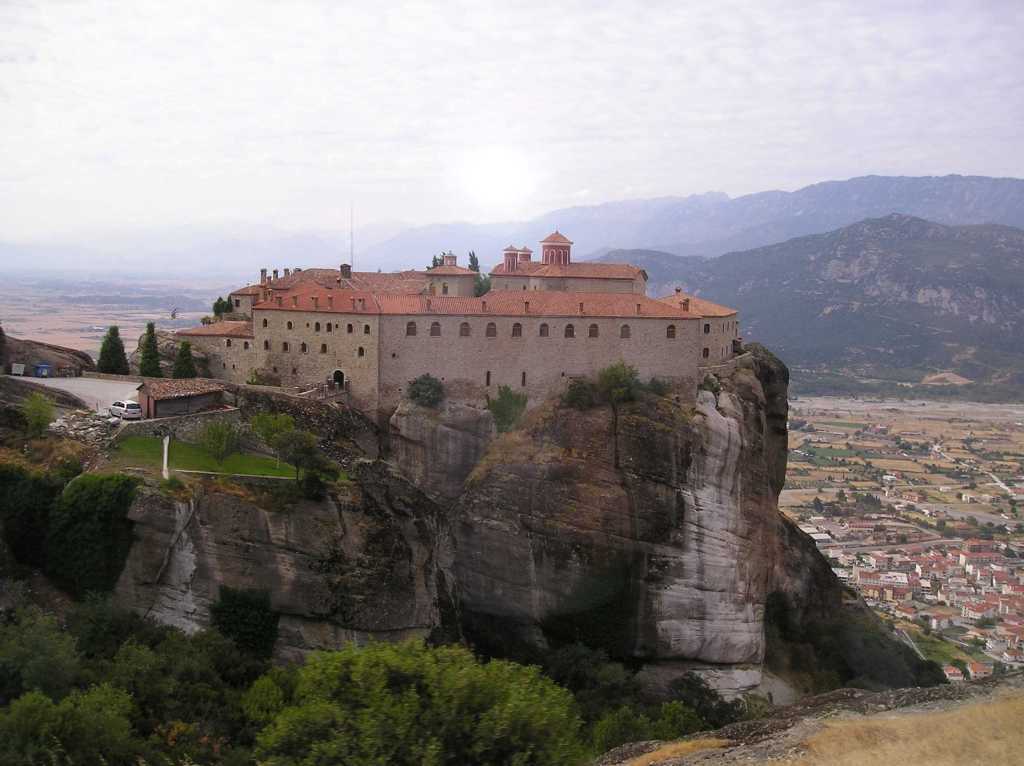
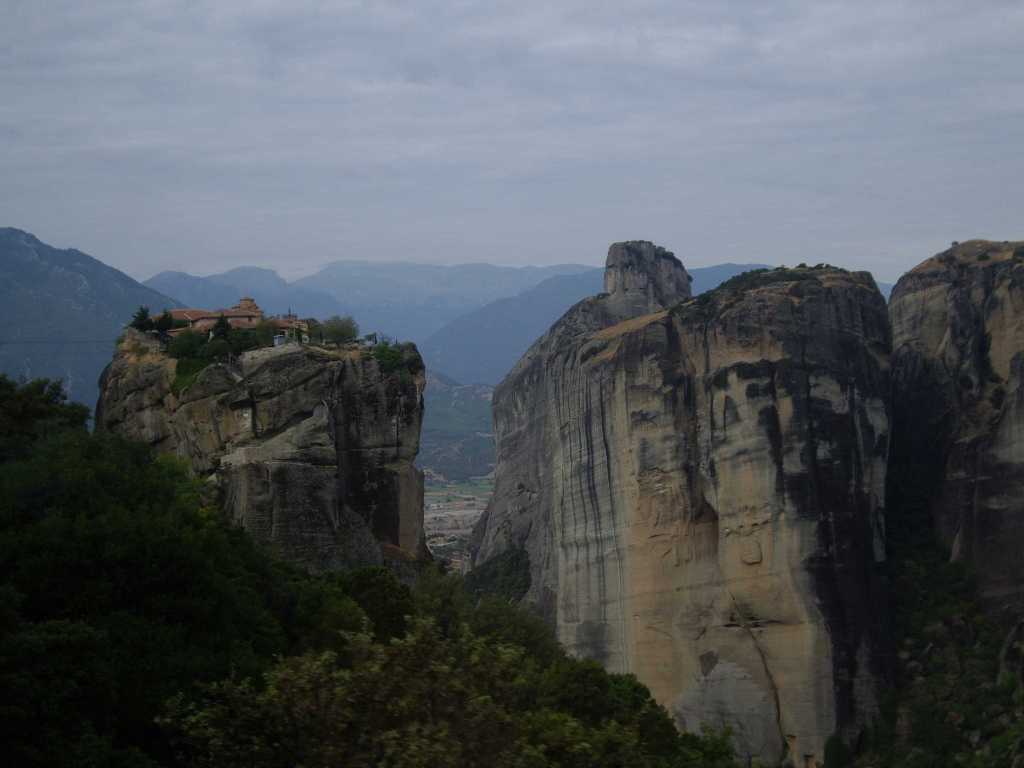
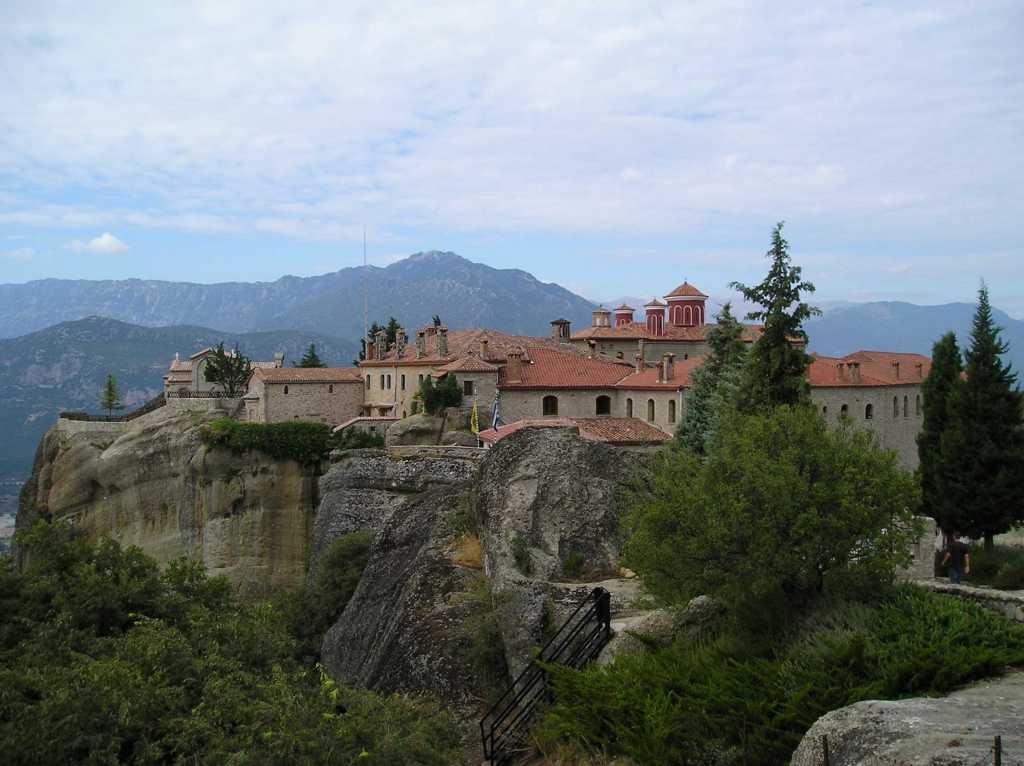
We arrived at 21:30 in Kalambaka, where our hotel was located, at the very foot of the famous monastery complex of Meteora. The thermometer showed 20 degrees outside, so we had a little walk, then go to sleep, closing our eyes with all the captured beauty of Greece.
We woke up at the foot of Meteora in the early hours of the morning, probably as many other pilgrims had done before. We had a quick breakfast, looking forward to exploring this famous monastery complex. The rocks on which the monasteries stood were also interesting. It is believed that they were immersed in a lake, which moved after a cataclysm and today these high rocks are actually round river stones of all sizes.
The history of the seven monasteries of Meteora dates back to the 11th century, when Greek monks erected monasteries on these peaks, which were reached only by rope bridges, movable stairs and steps built into the rock itself. It is believed that there were 24 monasteries, but today only seven of them remain, one of which is closed to tourists.
Meteora is one of the few UNESCO World Heritage Sites, which is included in two categories – nature and art. It is also home to the second largest monastic community in Greece, with the first place being the one in Mount Athos.


The name Meteora comes from modern Greek and means “hanging in the air” or “high in the sky” and this name perfectly suits it, with its vertical cliffs rising over 400 meters and as if they were really heading to heaven.
First we visited the women’s monastery of St. Stephen, after which we climbed the big meteor or the monastery of the Holy Transfiguration of the Lord. We were delighted with the vertical cliffs and the monasteries erected on their very peaks, as if reaching heaven and carrying the feeling that the prayers said here will be heard and fulfilled.

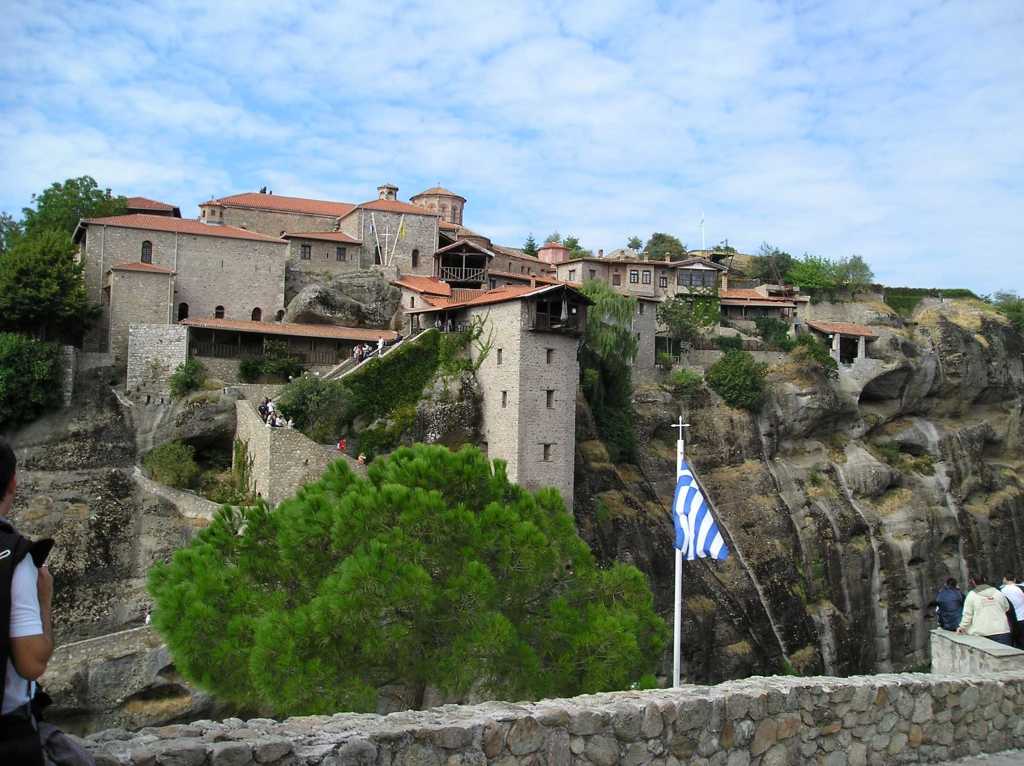
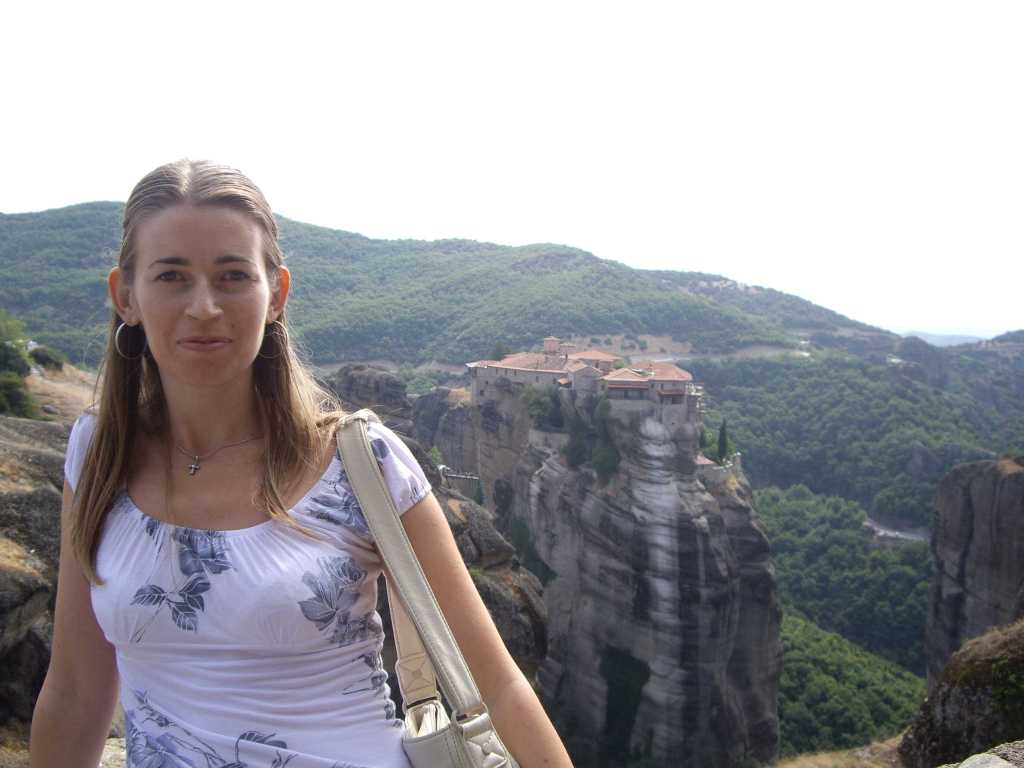
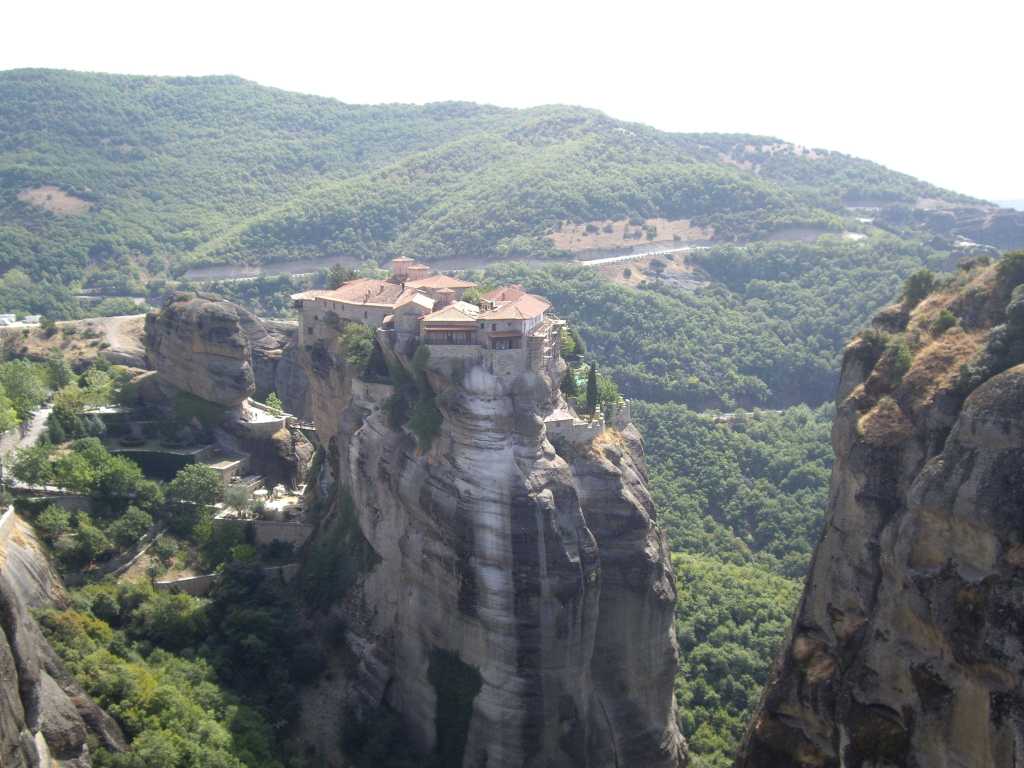


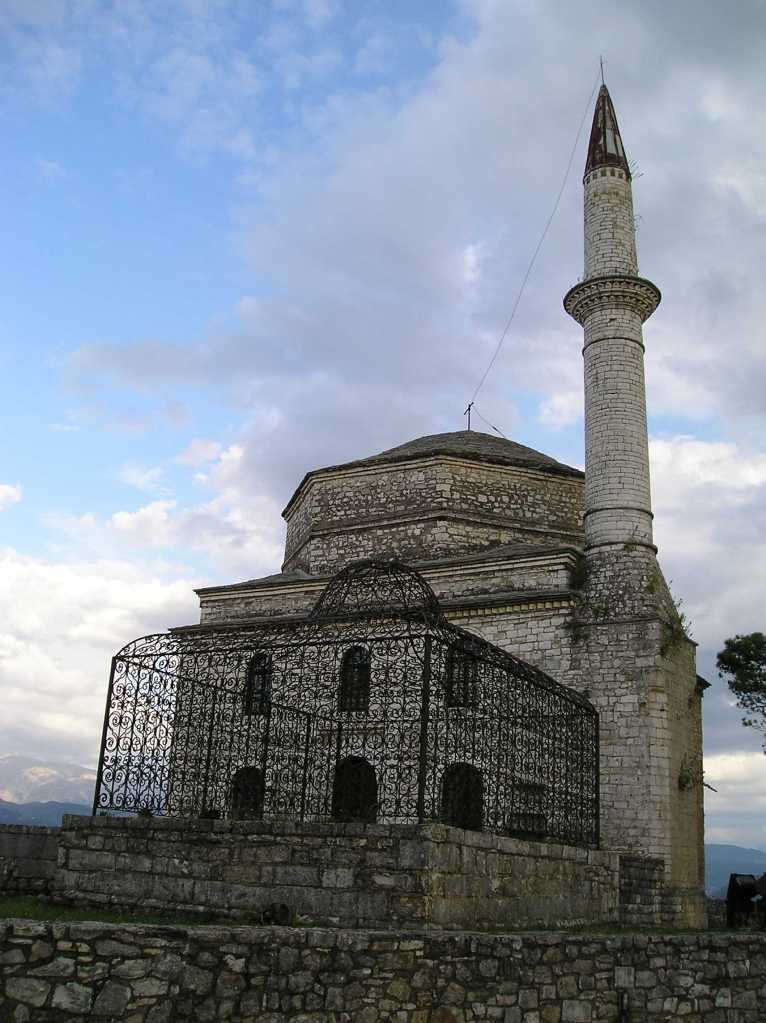

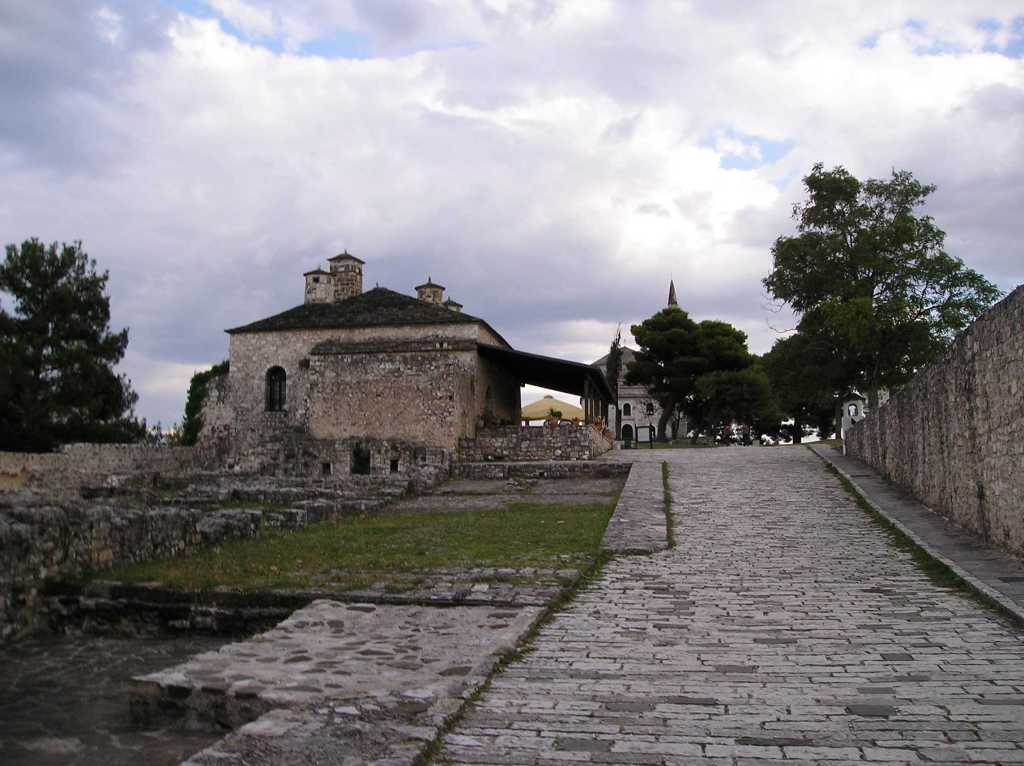
After the two monasteries and the icon factory, we returned to the town of Kalambaka, from where we headed to the next town of Ioannina. Picturesque town located near Lake Pamvotida, the town attracted tourists with its high fortress walls and two Muslim mosques. Undoubtedly, one of the main attractions of the town is visiting the small island in the lake, as small motor boats regularly transport people to it. The islet of Nissaki (meaning the small island) is called Nisaki, where you can visit the monastery of Mani Pantelimonos, turned into a museum with a rich collection by Ali Pasha, who ruled the city in the 18th century. However, we were only able to visit the ruins of the old castle and the fortress walls, at the top of the town, from where a wonderful view of the lake and Ioannina is revealed. Other attractions of the city are the mineralized house of Ali Pasha, the Historical Museum featuring local handicrafts, as well as military weapons from the time of Ottoman rule.
The name of the city of Joannina was given by the Bysintian emperor Justinian I, who founded this city in the 6th century. Joannina means (City of John), as the city was under the patronage of St. John during the early Christian period.
In the evening we reached Igoumenitsa, from where we took the ferry to the island of Corfu. Greece, as always, managed to impress us with its centuries-old history and seemingly endless beaches. Greece does have an impressive coastline of 16,000 km, with no part of the country more than 137 km from the sea. Undoubtedly, its pearl Thessaloniki is an enchanted place that makes you want to visit it again and again, leaving you impressed from its beauty and tranquillity that breathes there. The only breathtaking place that can compete with it is Meteora – an unrealistic place that makes you gasp and thank God for the inspiration and work invested in the construction and preservation of these heavenly wonderful monasteries. We felt blessed by the fact that we were able to visit these places and we couldn’t wait to visit our neighboring Greece again.


GENERAL INFORMATION ABOUT THESSALONIKI:
Location: Thessaloniki is located in the region of Greek Macedonia, on the shores of the Thermaikos Gulf, at the northwestern end of the Aegean Sea. To the west it borders the delta of Axios.
Area: 19.31 sq.km, making it the second largest city in Greece after Athens.
Population: 319,045 people
Official language: Greek
Highest point: 250 m
Climate: the city is located in a transitional climatic zone with characteristics of both continental and Mediterranean climates.
Time zone: UTC+02:00
Currency: Euro (EUR)
Additional information: Thessaloniki
TRIP TIPS FOR THESSALONIKI:
Best time to visit: year-round, the city offers a variety of events and festivals.
Typical food and drinks: the seafood is uniquely delicious here, and don’t miss to try the local gyros, souvlaki, and for dessert – the sweet Greek ice cream.
Places to visit: White Tower, Aristotle Square, Roman Forum, St. Demetrius Church, Thessaloniki Archaeological Museum, Ataturk House Museum, etc.
 TripTips