WEEKEND IN GREECE
visiting Serres, Alistrati, Amphipolis, Voden and Vergina

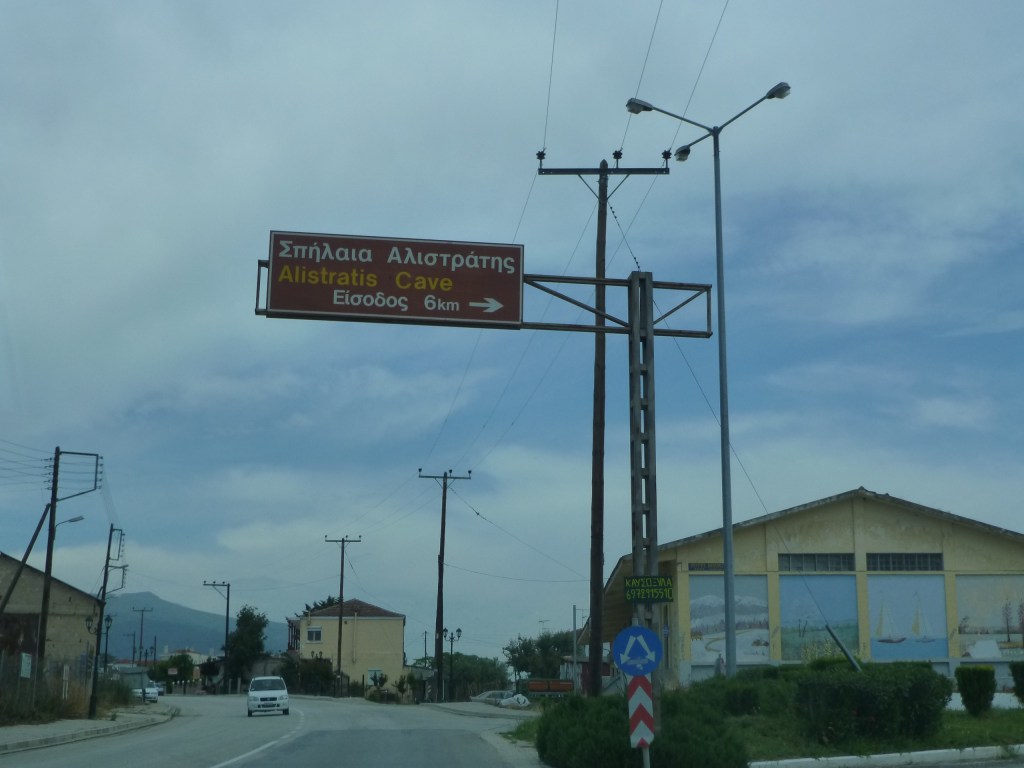

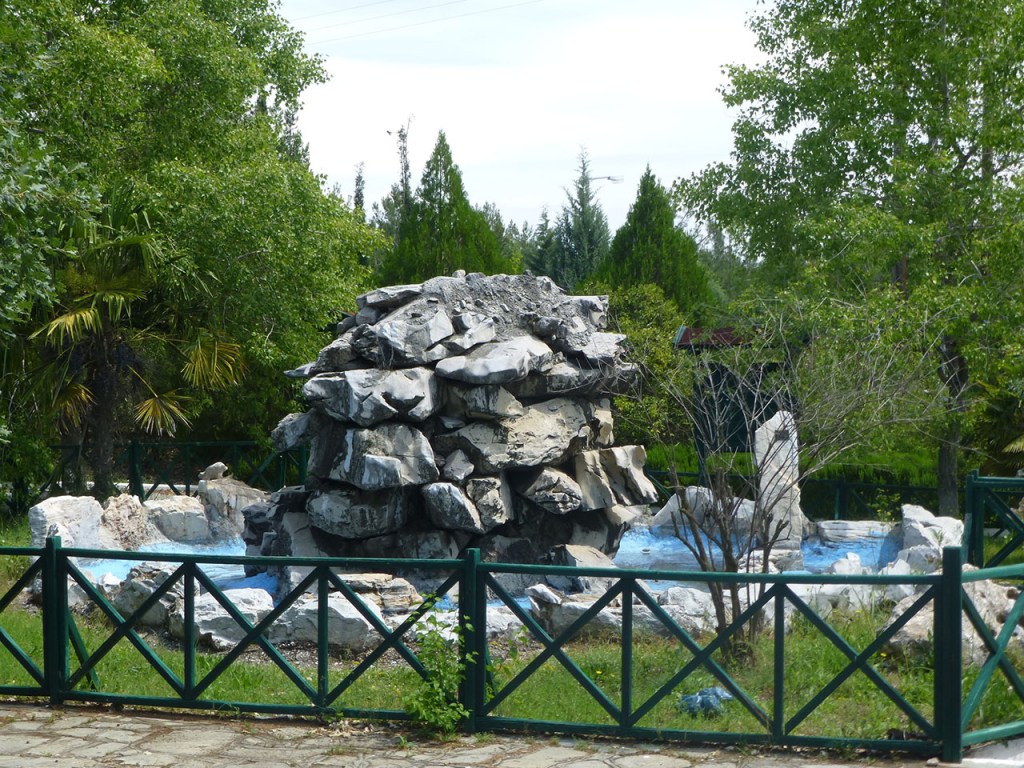


On May 24, the day of Bulgarian Alphabet, Bulgarian Enlightenment and Culture, and especially the day of the Holy Brothers Cyril and Methodius, who came from Thessaloniki, we decided to make a long weekend in Greece, traveling to Thessaloniki, but instead of seeing the beautiful seaside town, we headed to the city of Serres. To shorten the way to the Greek border, the night before we slept at the Strimon Hotel in Kresna, which in the morning surprised us with a rich and delicious breakfast. The city of Serres impressed us with its sunny smile and it proudly bore its nickname The Solar City. Serres was located on the Serovitsa River and dates back to Thracian times. From its glorious past today remains the old Basilica of St. Theodores, the Bezesteni Archaeological Museum, the Kulas Acropolis with the Byzantine Tower of Orestio and the central square also known as the Freedom Square. The biggest landmark, however, was 50 km northeast of the city – the beautiful cave of Alistrati..
We arrived in the cave at 12:00, and at the ticket entrance we were offered to wait 30 minutes and see the cave with a Bulgarian guide. It turned out that the mayor of the village of Alistrati was married to a Bulgarian woman and she showed us the huge cave. At the entrance we learnt that filming inside was forbidden, and that there were video cameras everywhere, and if they saw you filming, on your way out they give you a fine. So we had to open our eyes more and absorb the beauties of the cave. We went through two sliding doors and we found ourselves in a long and well-formed alley surrounded by many cave formations that impressed us. It was as if we were indeed in the cave of treasures, but not with gem and gold, but with natural wonders.
It was not known who had discovered the cave in 1958 – whether they were hunters who lost their dogs and went down a hole in the ground to look for them or shepherds who did the same by looking for their sheep. It was only known that the cave was opened for a visit in June 1998, with a 1 km long alley formed and adapted for walks even for wheelchairs. It was undoubtedly one of the largest and most beautiful caves in Europe. I compared it to Postojna Pit in Slovenia, which also impressed me greatly years ago. Here, however, there was one big plus – the constant air temperature was between 17 and 20 degrees, unlike most cold caves with low temperatures.
While walking in the cave, we were listening quiet classical music, it was very pleasant and gave a joyful atmosphere, interrupted only by the noisy Bulgarian group we were walking with. The first hall we entered was the Entrance hall, where the three main corridors of the cave began. The alley on the right was small, narrow and closed to visit, and the one ahead – spacious and the only one, which can be considered, and on which we went forward. Initially, we were about 15 meters deep, which imperceptibly at the end of the corridor had grown to 40 meters.
This cave, along with the other four caves in the nearby area of Petroton (in Greek petro meant stone) were about 10,000,000 years old, probably forming on the site of two great lakes that encompassed present-day Serres and Drama 200,000,000 years ago. They resembled the Mexican cenotes that we visited that year. However, this Greek “cenote” dried up about 3,000,000 years ago, and since then the stalactites and stalagmites began to form, which here had enormous dimensions.
We stopped at various rock formations, which the guide likened to different objects. Undoubtedly one of the most impressive were the royal crown – whose size was almost as much as me, i.e. a stone crown for a very large head, as well as the white rock jellyfish. We also passed through the Bat Hall, named that way because at the time there were thousands of bats here, today only their feces were left and kept as a landmark. We learnt that it was the strongest and most expensive natural fertilizer. However, taking it out of the cave was forbidden because the ecological system in the cave would be spoiled. It was here that a unique worm called Alistratia Beroni was found – after the nearby village of Alistrati and after the discoverer Petar Beron. As a Bulgarian group, we were proud that the name of this worm, which we did not see, bore a Bulgarian name.
On our way out of the cave I bought a book about the cave, but it turned out that instead of colorful illustrations, there was a detailed text of the myth of the abduction of Persephone and evidence that she was brought to the underworld in this cave. I have always liked Greek mythology, and I knew well the legend of Persephone, the daughter of Demeter, the goddess of fertility and Zeus. Persephone was very beautiful, and lots of gods and mortals wanted to marry her. One day, the god of the underworld, Hades, managed to kidnap her and took her to his kingdom—making her queen of the underworld. However, her mother began to suffer greatly for her daughter, leaving Olympus and her duties as a goddess. Nature began to wither and die. Zeus then ordered Persephone to spend two-thirds of the year with her mother and one-third with her husband Hades. As soon as the mother saw her daughter, all nature turned green and the trees began to bloom. But when the time came for Persephone to return to Hades, the mother would sink into sorrow, the birds would stop singing, the leaves of the trees withered and fell, and winter would come.
The cave was indeed beautiful and worthy of gods, and at the very end (at least the one we reached) there were red rocks, as if we were really approaching the core of the earth or the kingdom of Hades. It was spring, however, and it seemed that Persephone was not in the cave, but outside with his mother. I liked how the Greeks managed to create a legend from every stone and rock.
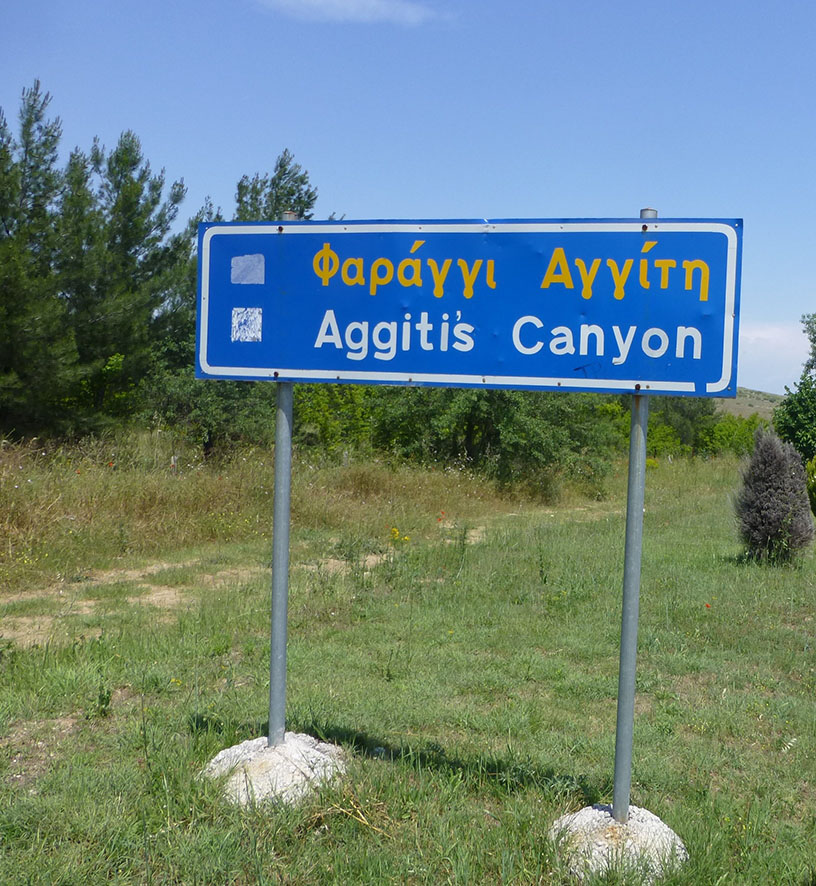
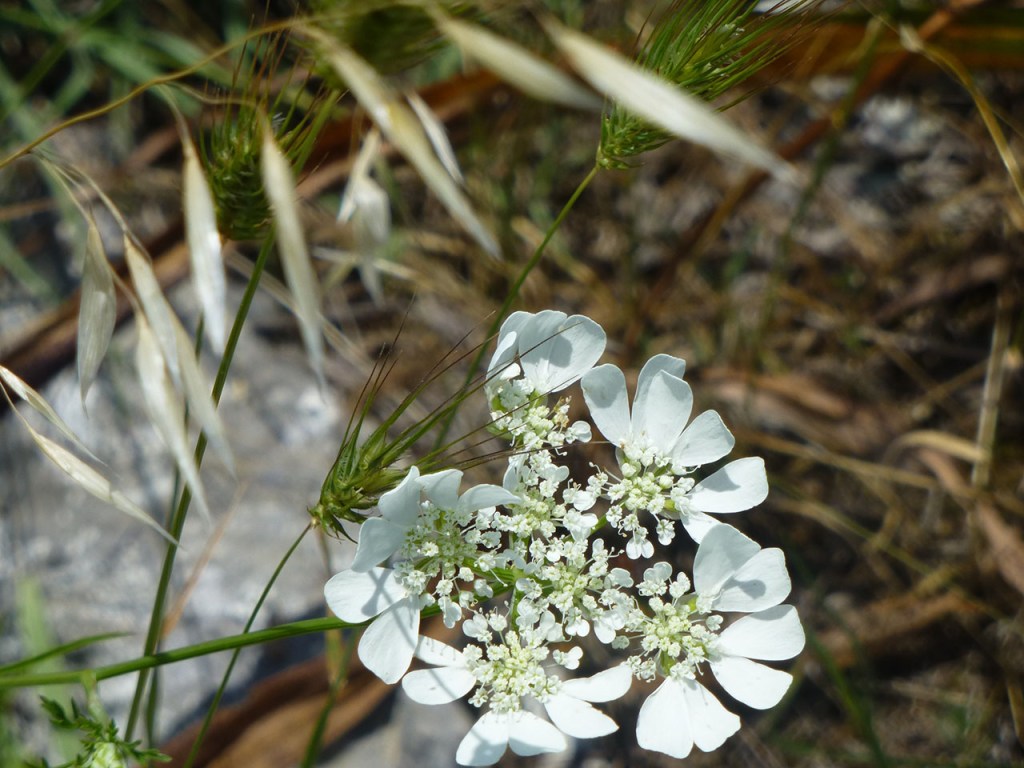
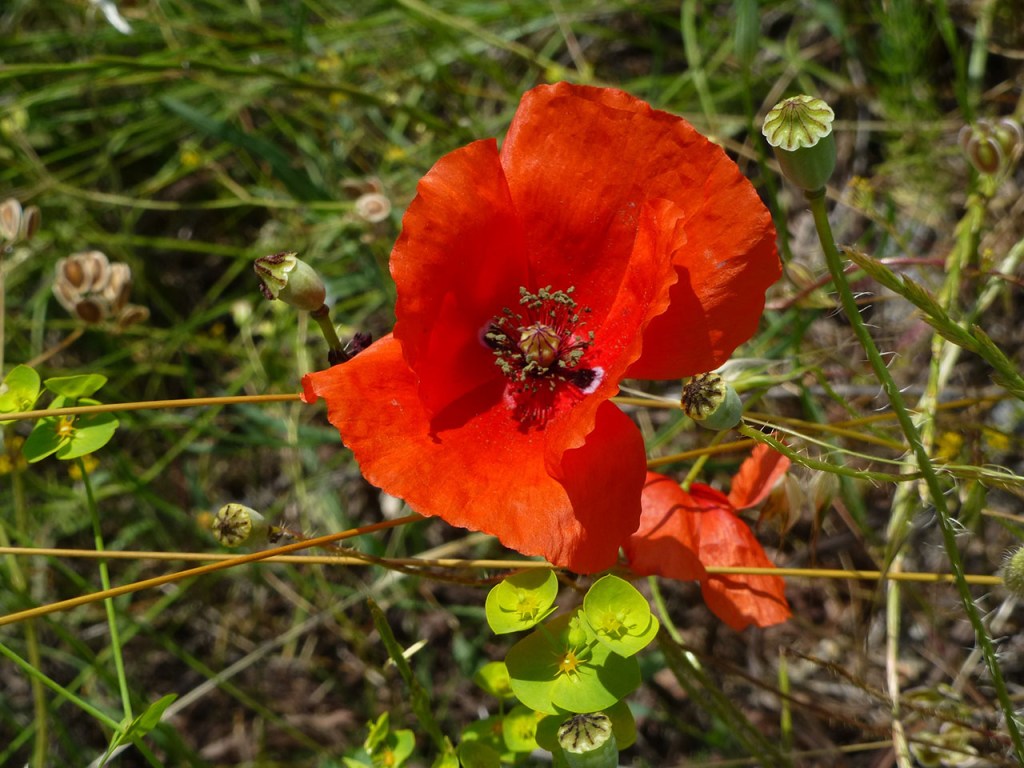
On the way out of the cave, the tour guide recommended us to see the canyon of the Agitis River, which was located 200 meters from the cave. On the other side of the ticket center there was an abandoned railway station. We crossed it and only a few meters we stood at a great height above the Agitis River, which in Bulgaria we also called Dramatica. It is the largest tributary of the Struma on Greek territory, its length is about 75 km. The depth of the gorge at which we stood ranged from 80 to 150 meters. Near the edge of the cliffs there were benches from where we could enjoy the beautiful landscape. There was also a path to descend to the river, but the same was very long and led to the remote bridge, which we preferred to photograph from a distance. In addition to panoramic photos, we also shot many flowers that had bloomed in different colors.




We headed back in the car, returning on the same road, at least to the village of Messorahi, from where we turned to the city of Amphipolis. It was an ancient Greek city-state, with a port at the mouth of the Struma River. In the 424th century BC it became part of Sparta, and in 356 BC it was conquered by Philip II of Macedon. The town of Amphipolis was located only 6 km from the Aegean Sea, and at its entrance was left a huge sculpture of a lion, which at the time stood in front of the grave of Admiral Laomedon, one of the trusted commanders of Alexander the Great. The monument was restored and placed on a pedestal at the place where it was discovered, on the west bank of the Struma River, near the old bridge. This lion had become a symbol of the region of Macedonia in Greece.
The monument was unveiled in 1912-1913, when Greek soldiers made a trench and found parts of the lion’s body. Archaeologists began to study it, but during the war the research activity stopped. Later, English soldiers who camped in these places also discovered new parts. In 1932, French and English archaeologists began systematic research, which later, together with their Greek colleagues, led to the restoration of the monument. It is believed that the original was made of marble measuring 9.99 by 9.99 meters, around which there were colonies, with the lion symbolizing the strength and courage of Laomedon.
With the car we explored the modern town of Amphipolis, on whose hill there were archeological excavations. However, they were open until 15:00, and we were there at 16:00. We could visit the historical museum in the city, which was still working, but we preferred to travel directly to the city of Edessa, which was 179 km from Amphipolis.
From the highway we photographed the coastal resort of Asprovalta, whose name meant “white valley” and of course the equally white Aegean Sea. There were almost no cars on the road, the asphalt was excellent and we reached Edessa relatively quickly, taking into account the many kilometers of distance. There was toll tax only one place and at the rate of 2.4 euros. In Edessa, as usual, it was more correct to read the signs rather than listen to the advice of GPS, and we managed to find the beautiful Hagiati Hotel.
The family-run Hagiati Hotel was located in an old house whose windows and courtyard were decorated with colorful flowers. From the inside, it was as if we were going back in time in the typical 18th century house, but with the comforts of a modern home. I liked the hotel very much, both inside and outside. It was located in the old part of the town, named Varosha, and 50 meters away was the other main landmark of the city of Edessa – the big waterfall.


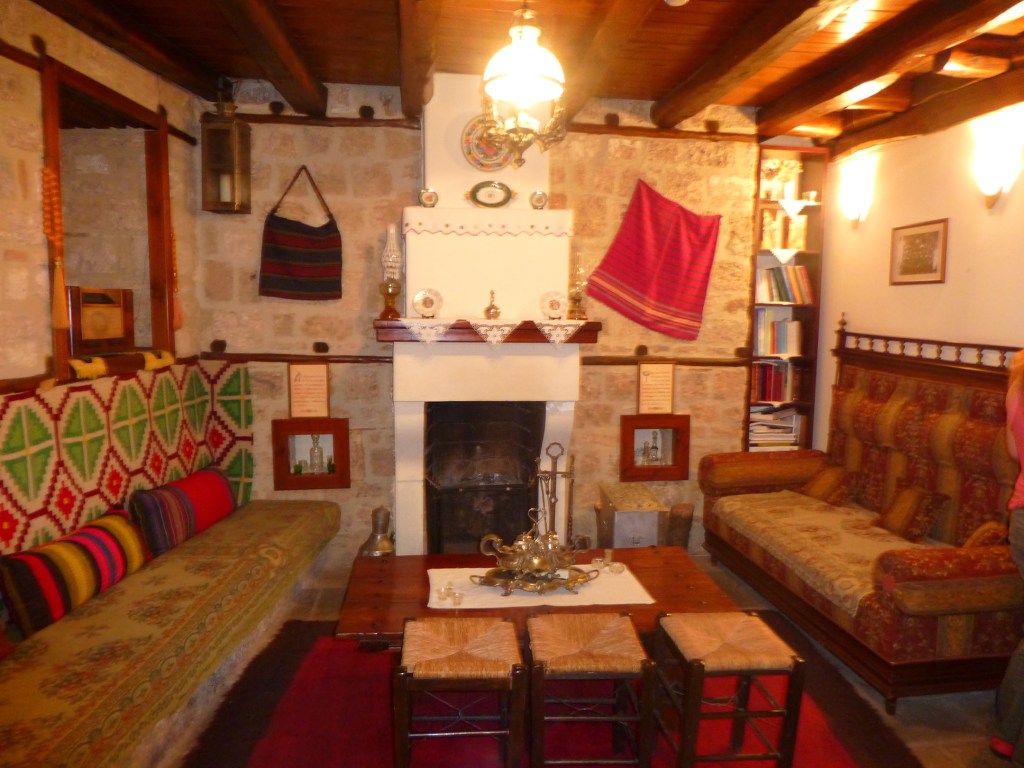
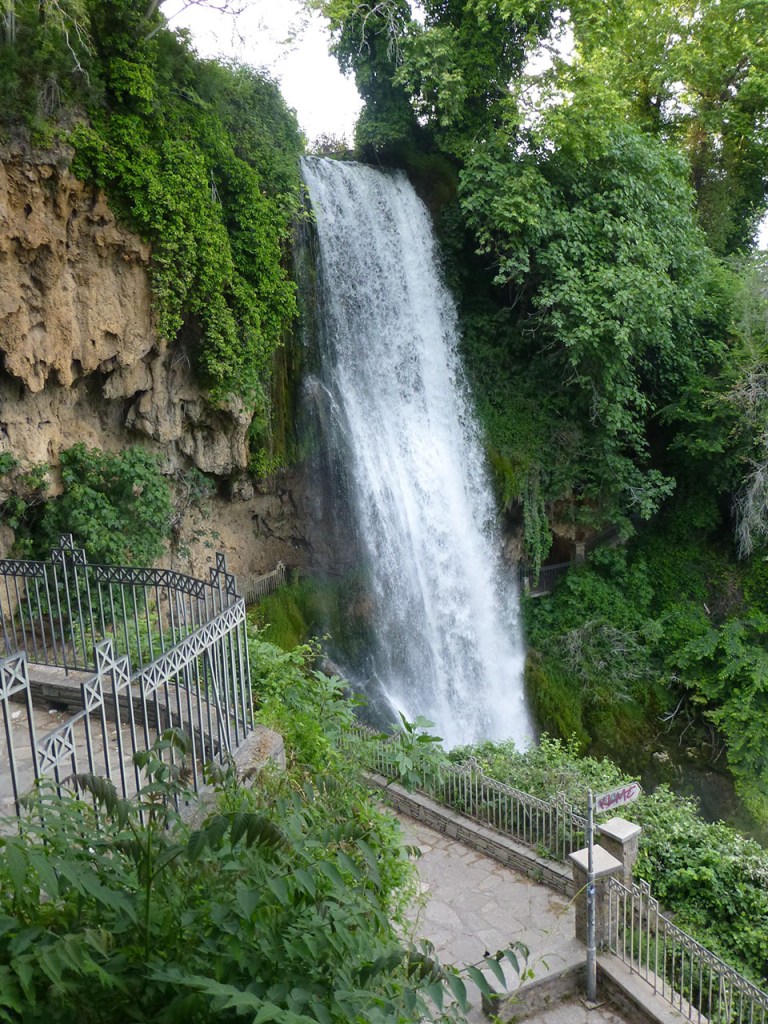

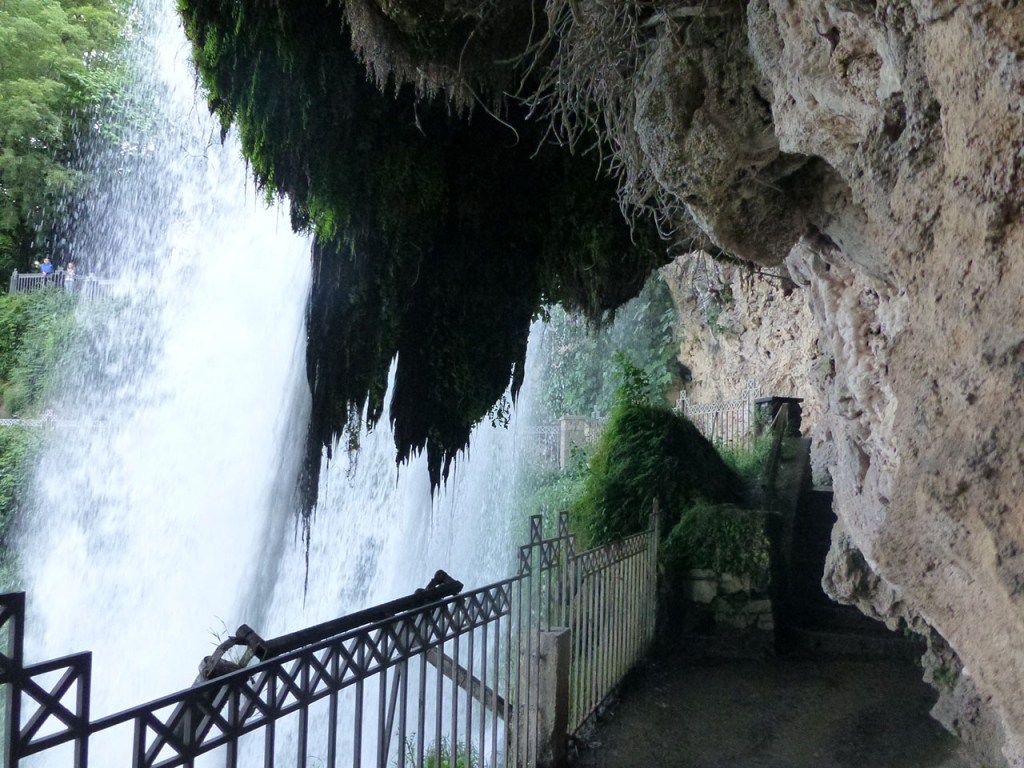

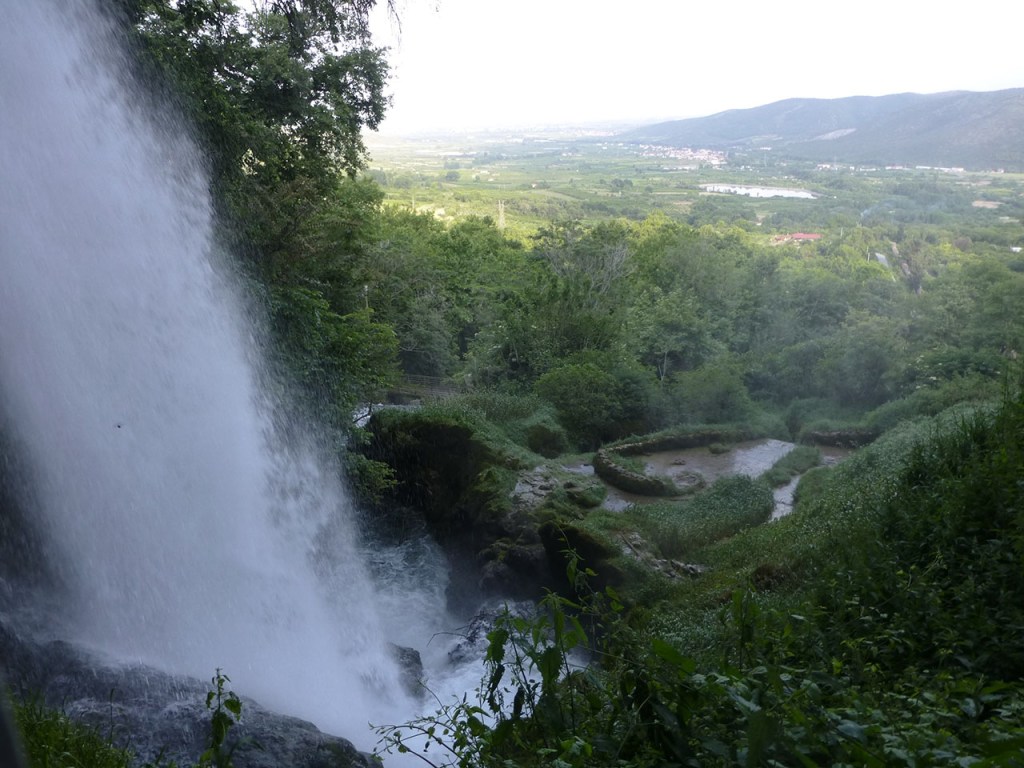
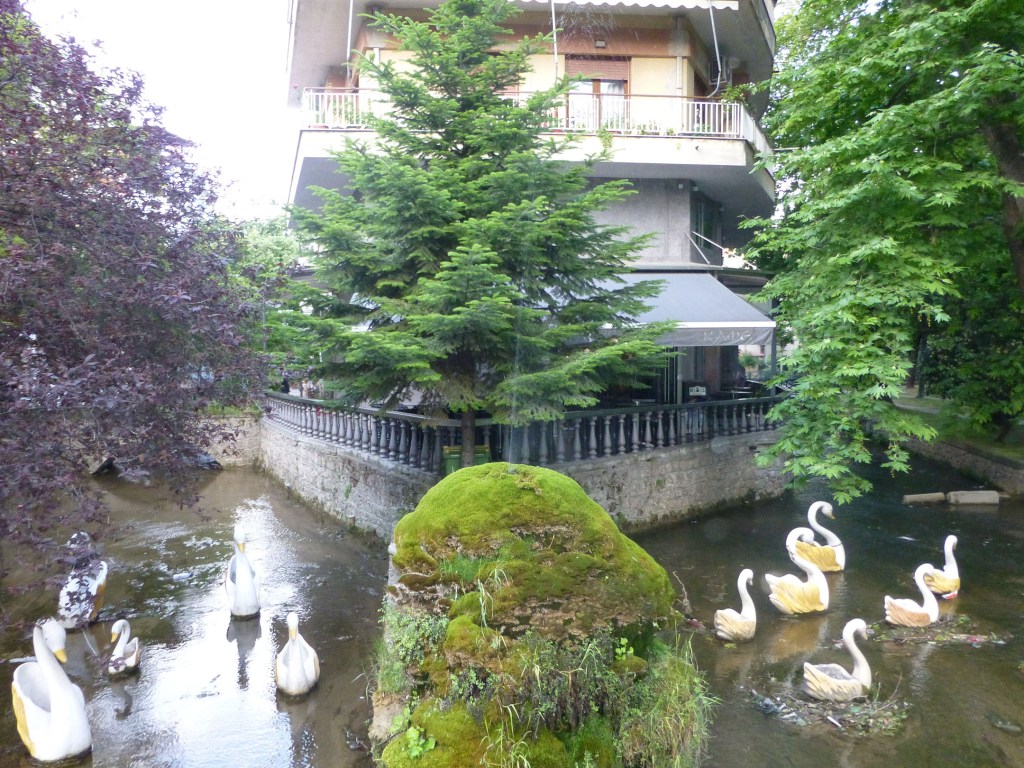
We went outside heading to the waterfall, as our way passed through the open water museum – with many mill wheels, small waterfalls, lakes and fountains. The town of Edessa was known in Bulgaria under the name Voden (voda meaning water), which suits the city better, as it was really full of water. This name the city bore until 1923, and the city was still part of Macedonia, and today remains one of the most beautiful cities in Aegean (Greek) Macedonia. Edessa was the ancient name of the city, which disappeared in the Middle Ages and was restored in 1923. Edessa occupied an important place in Greek history, and it was here that Karan the Macedonian (the first king of Ancient Macedonia) erected the first Macedonian capital. The town was situated on the Water River (in Greek Vodas) and had not only water wealth, but also a lot of greenery and parks.
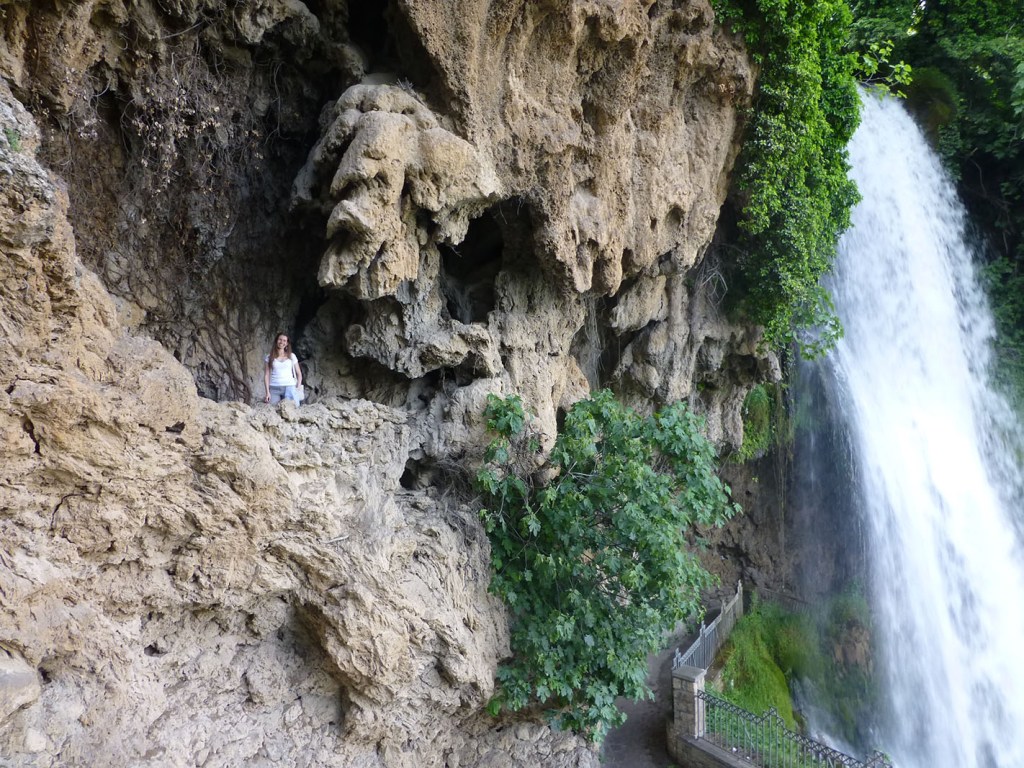
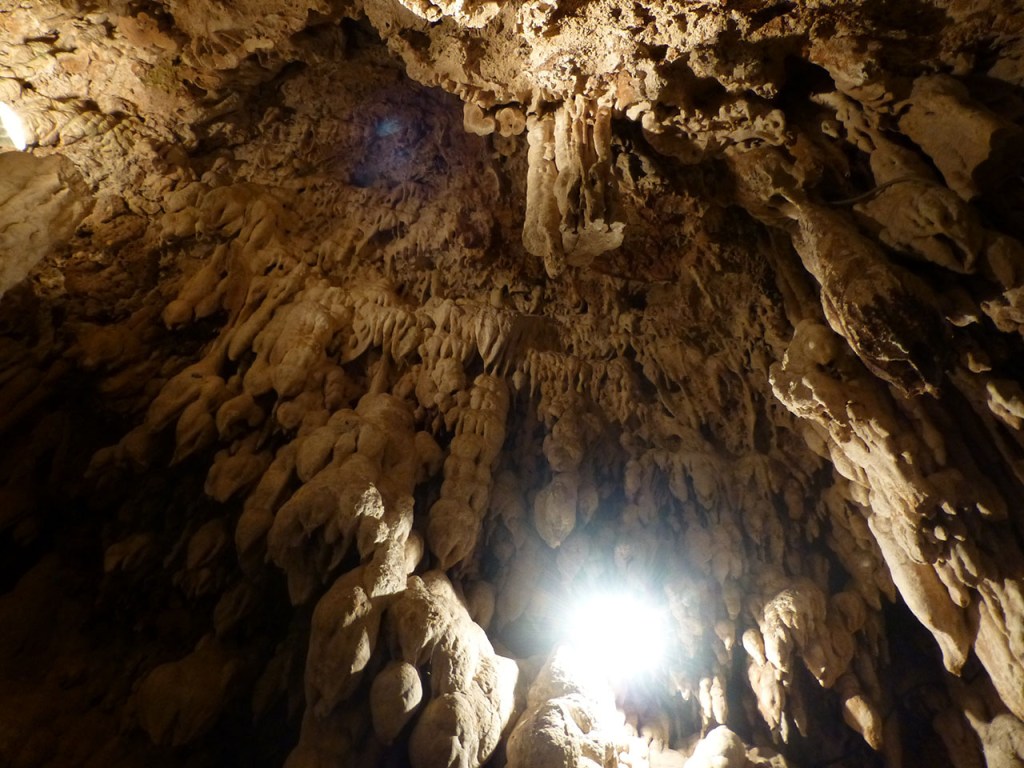
The open-air water museum was completely renovated in 2000. The museum was like a large green park, in which, in addition to the water channels, there was also an open-air cinema. The most impressive, however, was the large waterfall Karanos descending from 70 meters in height. Next to it there was a beautiful, not very large cave, but with many formations that were allowed for photos. However, the photos of the waterfall itself abounded, as we had the opportunity to shoot the same from all sides, even to pass behind it fascinated by the roar and power of the water.
Subsequently, from the Internet, we learned that during World War II, one of the Gestapo sergeants, Fritz, was the first to appreciate the beauties of the waterfall, and every day he walked around the town square, stopping the men and confiscating their documents. They could get them back if they went and worked at the waterfall. Thus, in the summer of 1942, two swimming pools “arose” at the site, with beautiful landscaped parks with lovely flowers. At the end of the war, the park was donated to the city of Edessa, but during the civil war, it was completely neglected. In 1953, a restaurant called Pizines (swimming pools) was established here, where people began to come and dance, and gradually the place began to gain great popularity, and with it to be restored again.

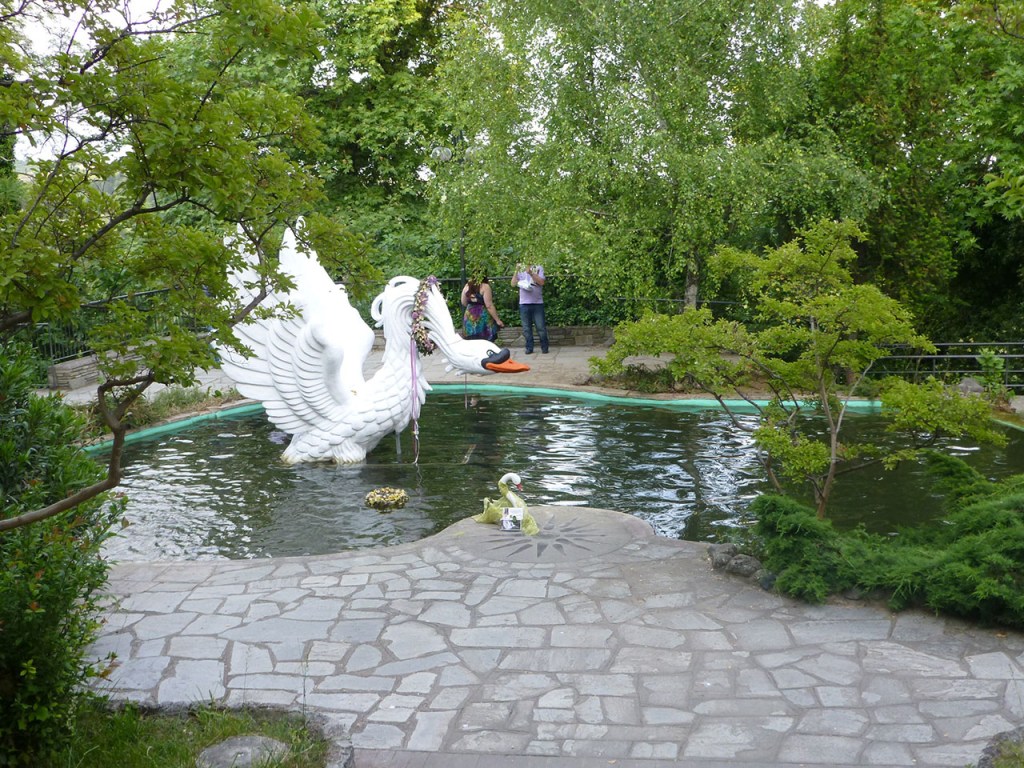

While walking in the town of Edessa I felt an unearthly sense of peace and rest. There were not many people on the streets, except running and playing children, whose laughter echoed everywhere. The city seemed like a great place to raise children, with small picturesque apartment blocks, beautiful houses and a school with a polished and beautiful facade, unlike the Bulgarian scratched schools.
From the street we bought a kilogram of apricots, which were so sweet that we ate more than the half while walking. We passed a beautiful glowing fountain located in a new green park, and from there we returned to the stadium, in the direction of the hotel. Right next to the stadium, however, there was a nice restaurant, which the hotel had recommended us with excellent Greek cuisine at very reasonable prices. The restaurant was called OYΣΙΕΣ OYZEPI MEZEKΛEPI and here we ate the largest stuffed squid I have ever seen plus the obligatory Greek salad and ouzo. I also enjoyed the bread, which was toasted with olive oil and basil. The whole bill cost us 18 euros – in Bulgaria only squid would have cost so much.
After the wonderful dinner we looked at the night Edessa, where even in the park there were many, working lamps. The waterfall was also illuminated in different colors, but very difficult to shoot in night mode. In the dark we also explored the old part of Varosha, with picturesque houses and a majestic church. The night was warm and pleasant. We went back to the hotel and slept very well, closing with our eyelids all the beautiful landscapes of the day.





The next morning I first heard bird songs, and then a melodic chime from the nearby basilica. It was nice to wake up to the sound of beautiful melodies. It is even better when you get up to have your table covered with different and delicious dishes. We were very pleased with the service and breakfast at the hotel. We ate an omelet, thick yogurt, large olives, sweet peach compote, orange juice, cake, cookies and Greek banitsa.
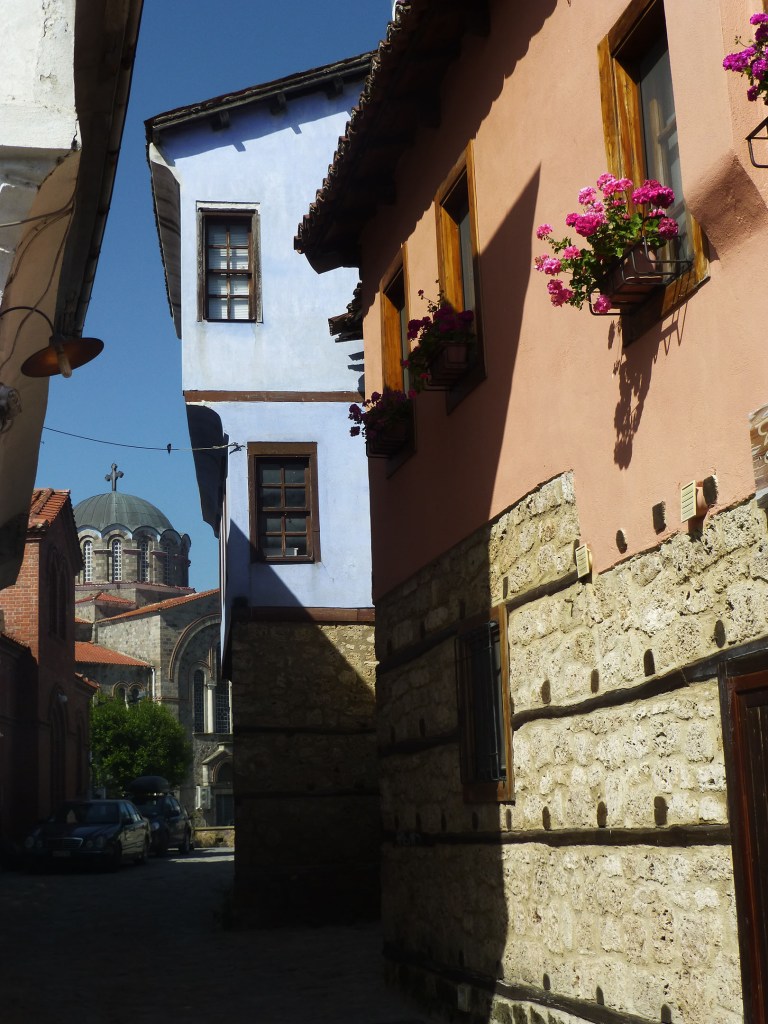
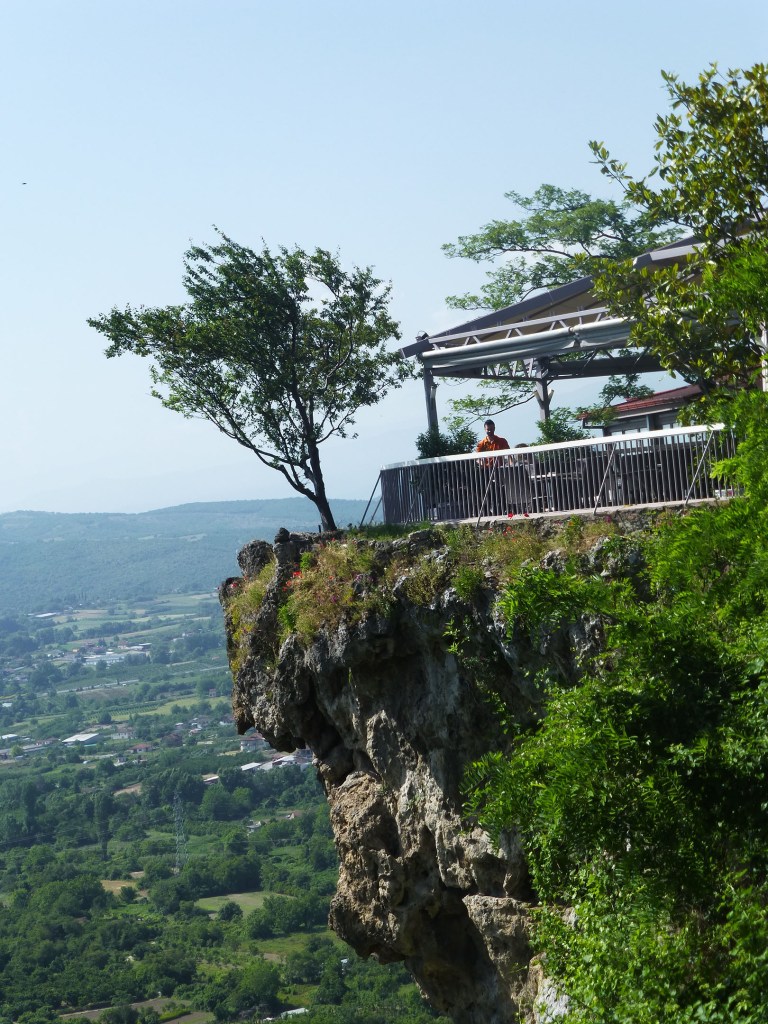
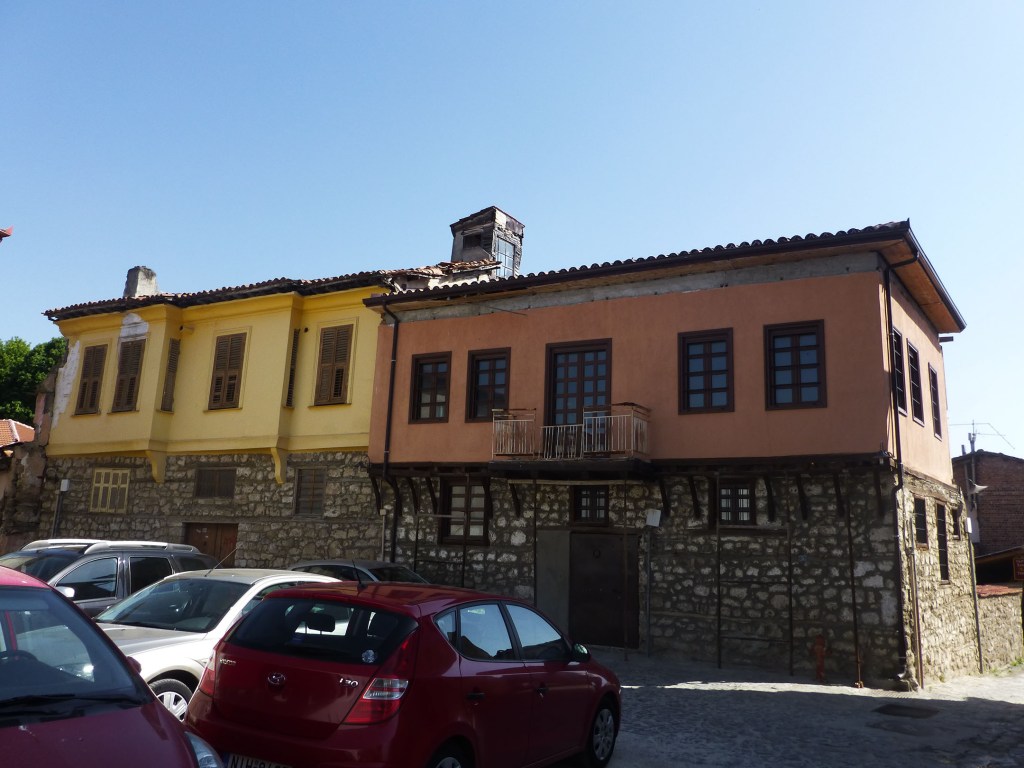
After a hearty breakfast we also needed a hearty walk. The old part of the town of Varosha was even more beautiful on the sunny day. The old houses were decorated with flowers and almost every street there was a church. The first church we entered was the church of St. Peter and Paul from the 14th century. Further down the street followed the church of Koimisis, also from the 14th century. Between the two churches there was a beautiful panoramic terrace from which we photographed the villages and churches located at the foot of the town Edessa. A little further down the street there was a parking lot, which also revealed a beautiful panorama, especially of the nearby restaurant, which was located on the edge of a steep overhanging cliff. We were too full to enter the restaurant, so we were content to photograph only the rock and it at the top.
We passed again by the big church where the liturgy had just ended and when we bought candles they gave us a piece of bread. We went back to the hotel, where we took our luggage, and at the reception they gave us a DVD with photos of the hotel and a video of the sights in the city. So far, no hotel has given me such a gift and my good impressions have intensified even more.
I liked the city of Edessa very much. The city busted with a lot of water and seemed to really be on water – people looked happy, and tourists like us were pleased that they had something to see and photograph in peace. Even the good things, however, had an end and we said goodbye to the town of Voden and headed to the village of Vergina.
Vergina was located 59 km south of Edessa, and listening to the melodious radio Cosmos we quickly reached the archaeological excavations at the entrance of the city. There was no traffic on the road.
On an electrical panel was written 25:05 and while we were wondering how many hours it really was, we guessed that the dashboard actually showed the date of May 25th. Probably because it was Sunday the clocks did not measure and did not show the hours. So why does a man need a watch on Sunday? This day was designed for rest and relaxation, and the hectic weather led to stress. That is why, without hurrying, before noon we reached the village of Vergina, which bore the name of a legendary princess whose palace was located near the village on the banks of the Aliakmon River (on our way the Bistritsa River). According to the legend, the princess drowned in this river in order not to fall into the hands of the Turks.
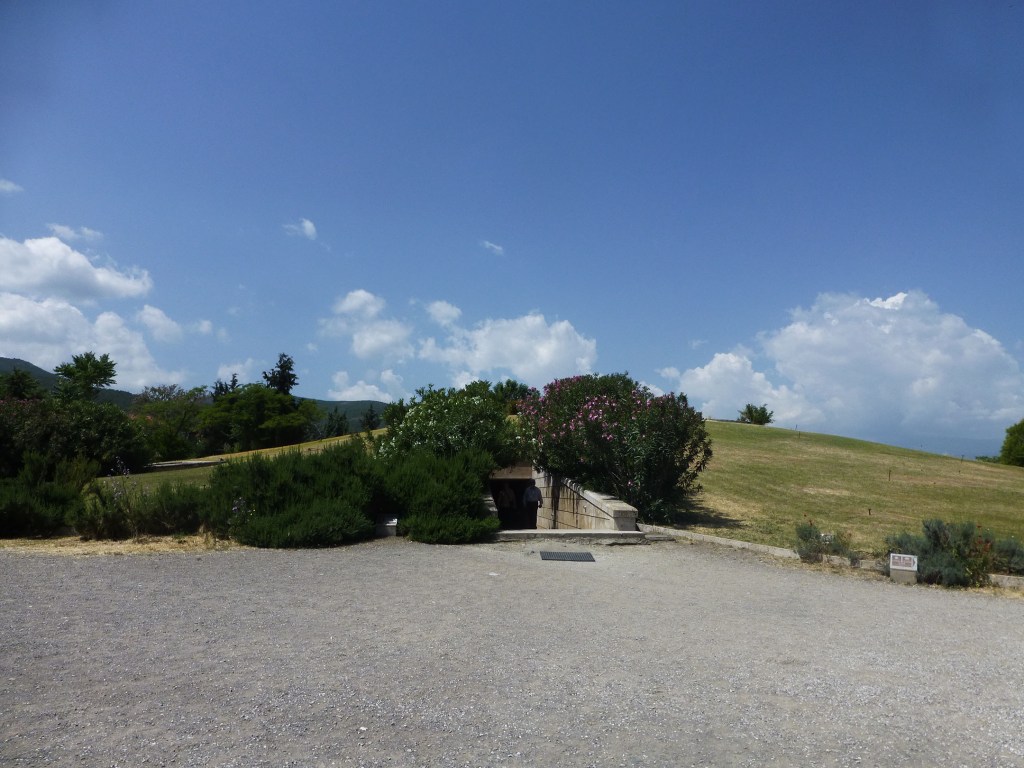
The village became famous all over the world when, in the autumn of 1977, the tomb of Philip II of Macedon, the father of Alexander the Great, was discovered here. We wanted to visit it, enjoying also the separate museum around the tomb. It contained several golden crowns, numerous pottery and statues. Especially beautiful was the golden casket on which was depicted the ancient Macedonian symbol – a sixteen-pointed sun, known as the Star of Vergina. Most impressive, however, were the military robes in which Philip of Macedon was buried.
From the signs in the museum, I learned that “Weapons are to men, what jewelry is to women. In addition to valuable possessions and partners in battle, they were a symbol of his status and followed the man – soldier or hunter – to his grave.” Usually, ancient Macedonians were buried with two spears, and less often with a sword, and very rarely, only as a symbol of great wealth and prosperity with a helmet. Alexander the Great endowed his father with valuable handmade weapons and armor of gold and ivory.
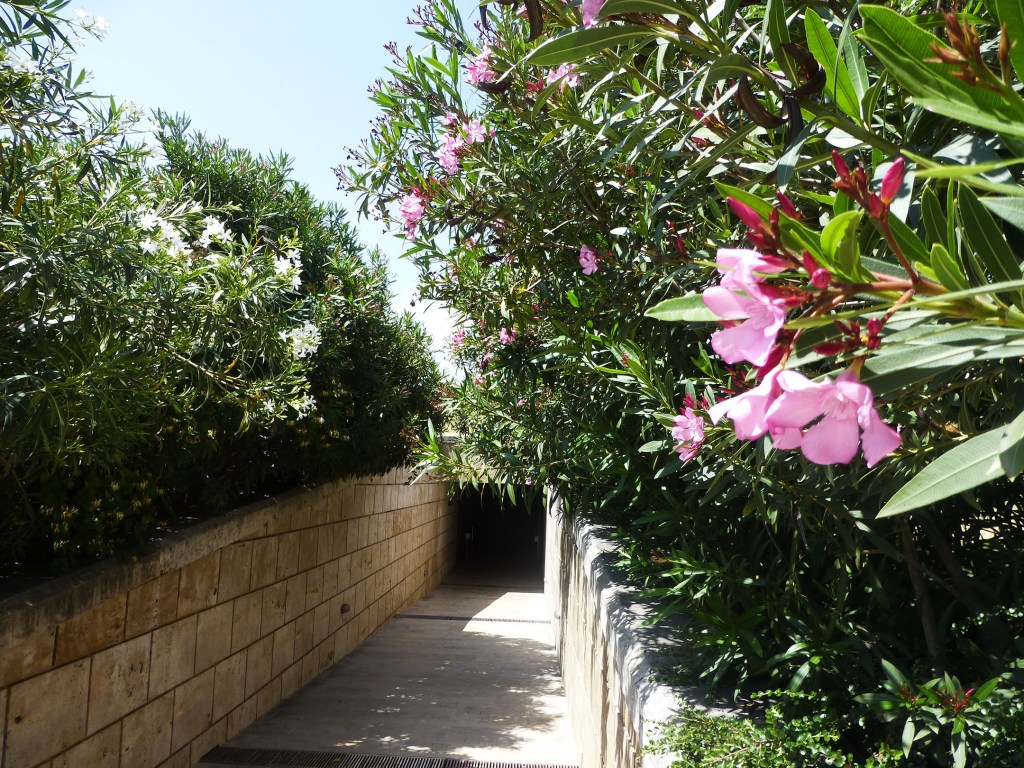
Taking pictures in the museum was not allowed, so we had to be content with taking pictures from the outside. In addition to the tomb, many administrative buildings, a Hellenistic palace, a theater, a temple of Eucia (the patron goddess of marriage and maternity women) were found here, and others, which proved that it was here that the majestic ancient city of Aege was erected. The name ega actually meant goat, and according to legend Archelaus, son of Timens, managed to escape from King Chisei, who tried to kill him by killing the king and running following a goat. Where it stopped, he built the city of Ege. The goat, of course, became a symbol of the city and was depicted on its first coins.
We spent a lot of coins on the entrance of the museum, but it was worth seeing the place where, amidst grandeur and splendor, one of the greatest rulers of that time was buried. This ruler had managed to create not only a great empire, but also a great follower – his son Alexander the Great, who created one of the largest empires of the ancient world, stretching from Greece to Egypt and into present-day Pakistan. Invincible in battle, Alexander the Great was considered one of the most successful commanders in all history.
The small village of Vergina really had a great history and was worth a visit. In addition to archaeological excavations, there was a well-defined pedestrian street with many small and cozy cafes. After a short reinforcement, in the early afternoon we headed along the coastal highway to Thessaloniki. We did not have time for the beach, although there is a nice quote that “salt water is a cure for everything: it can be in the form of sweat, tears or sea.” Definitely the third option was the most pleasant and although we passed Thessaloniki and the Aegean coast we enjoyed the excellent roads and calm traffic.
Quite quickly we passed the border checkpoint and continued to Sofia. On the way I felt that I still had Greek air in my chest and I did not want to lose it. It brought me peace and a sense of relaxation. From afar we could feel the tension carried by the Sofia smog. Our journey was indeed coming to an end, but my love for Greece was beginning to revive. Even before we got home, we were considering our next trip to this beautiful country. One of those places was Pella – the other ancient Macedonian capital, the birthplace of Alexander the Great. Ideas began to flood me, and I was waiting the money to flood me as well, and with them the greater amount of free time. The trip to Greece did not take many hours away, but seemed to take us back centuries, when great philosophers and mythical gods walked in these places. Greece seemed to really be the land of the gods, and although this was my 9th visit to this country, I was looking forward to the new ones, because Greece was more than landscapes, Greece was a feeling.

GENERAL INFORMATION ABOUT THE CITY OF EDESSA:
Location: The city ofEdessa is located in northern Greece, 90 km west of Thessaloniki and is the main city of the region of Pella.
Area: 321 sq.km
Population: 18 229 people (data from 2011)
Official language: Greek
Altitude: 320 m
Climate: subtropical Mediterranean climate.
Time zone: UTC+2
Currency: euro (EUR)
Further information: http://edessacity.gr/tourism/info/index.htm
TRIP TIPS TO EDESSA:
Best time to visit: all year round.
Typical foods and drinks worth trying: Although the city is not on thesea, the seafood specialties are especially delicious here. A typical local specialty is Tsompleki, which is served on holidays such as Christmas, Easter, etc. (consists of meat, peppers, eggplants, potatoes and cheese). On New Year’s Day, they bake a “pita” in which they put a coin and whoever finds it will have a happy and healthy new year.
Places to visit: The 70-meter high waterfall Karanos with the caves around it, the Old Town of Varosha, the Water Museum, the many churches, the old fortress walls, etc.
 TripTips