NUREMBERG
Blue Nights in the Secret Capital of Bavaria


Nuremberg is called “the secret capital of Bavaria” and in search of this secret we headed to the second largest city in Bavaria (after Munich) – Nuremberg. The name of the city ends in “berg” (meaning mountain in German), but don’t expect to see mountain landscapes here, but lots of beautiful historical buildings instead. Many key events of Germany history have taken place here, From the status of a free imperial city during the Holy Roman Empire to the regime of Adolf Hitler, who turned the city into a national sanctuary that the British and Americans almost completely destroyed during World War II. Modernity managed to preserve and restore the city in its former glory, adding new beautiful buildings.
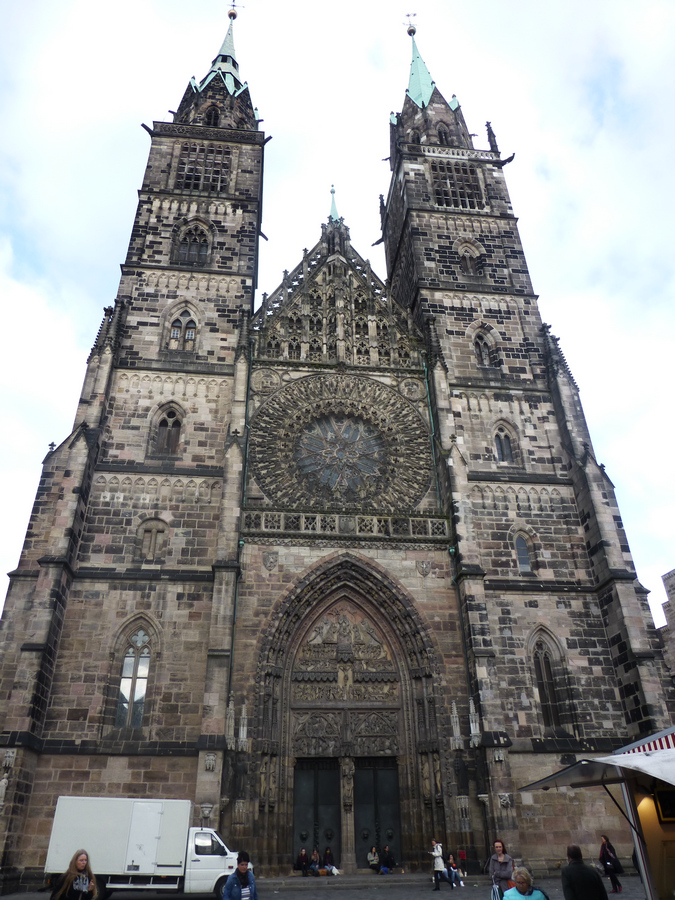
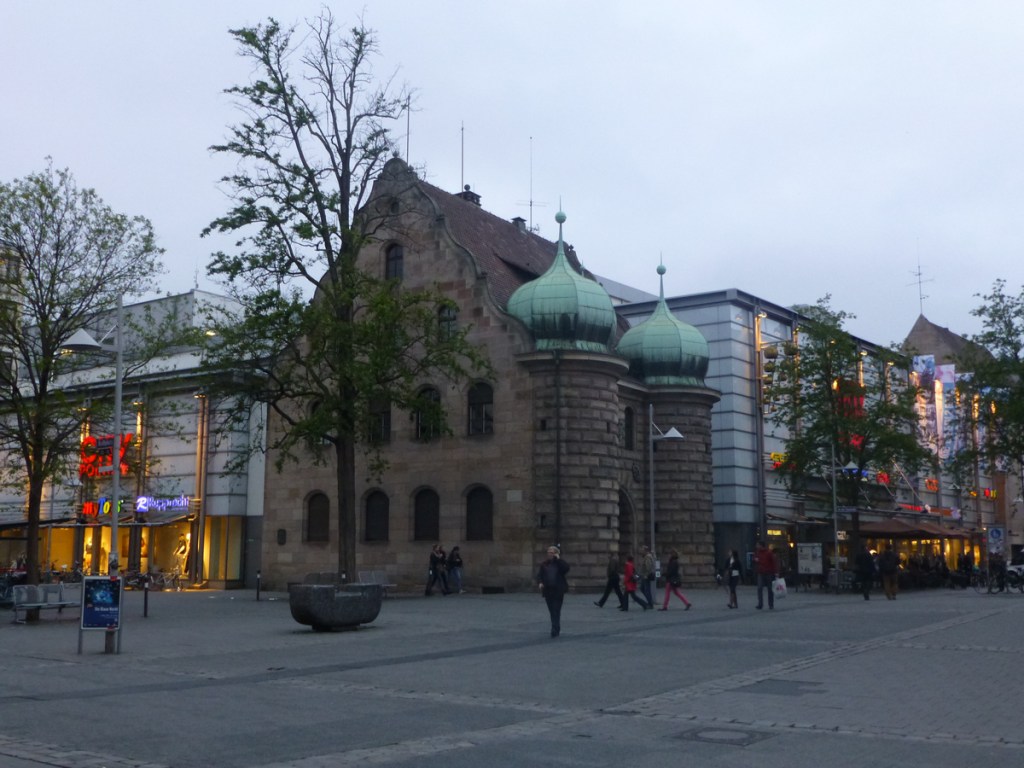
We started our walk from the pedestrian shopping street Königstraße, searching for the charming medieval cathedral of St. Lorenzkirche, which was built in 1260. During World War II, its furniture was hidden and preserved in a bunker, but the building suffered significantly. Today’s heyday was due to significant reconstruction and restoration in the difficult years after the war. Unfortunately, we didn’t succeed to get in and see its rich decoration, due to our tight schedule to see all sightseeing before the festive night. Directly opposite the church of St. Laurence was also the beautiful Nassauer Haus, which was the only preserved medieval residential building in Nuremberg. Erected as early as the 13th century, the 6-story building was impressive.
.


Just in front of it there was a fountain dated in the 16th century with female figures symbolizing the seven cardinal virtues of the Middle Ages: Faith (cross), Love (children), Hope (anchor), Generosity (lion), Restraint (pitcher and utensils), Patience (lamb) and at the top Justice (blindfolded, holding a scale and sword). Strong stream of water descends from the trumpets, as well as from the breasts of the female figures.
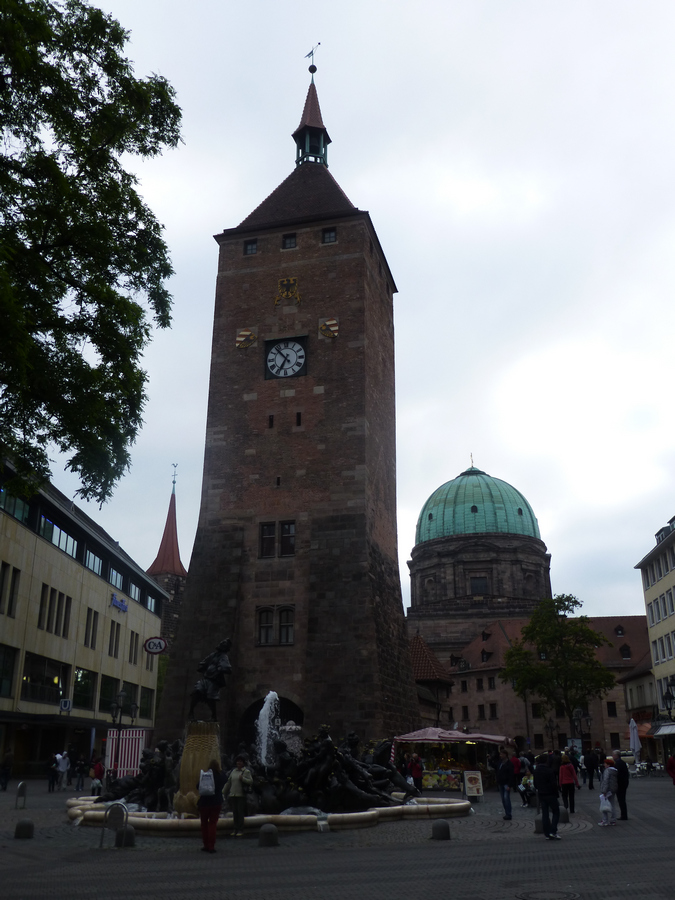
Not far away was the Ehekarussell fountain, which was located just below the White Fortress Tower (Weißer Turm), erected in the 13th century as part of the city’s fortification walls. We walked around the fountain photographing from different sides the interesting figures. Bronze people and animals symbolized the good and bad sides of married life, being divided into 6 main groups. They aimed to represent life from the birth to death, and when the fountain was installed in 1984, it sparked a number of discussions.
Definitely the statues of skeletons and death were most easily recognized. There were also kissing figures that represented love. Among them was a huge iguana, probably symbolizing the adaptation of people in marriage or the fact that people became invisible in it. The figures were huge, although it was not clear what they symbolized.

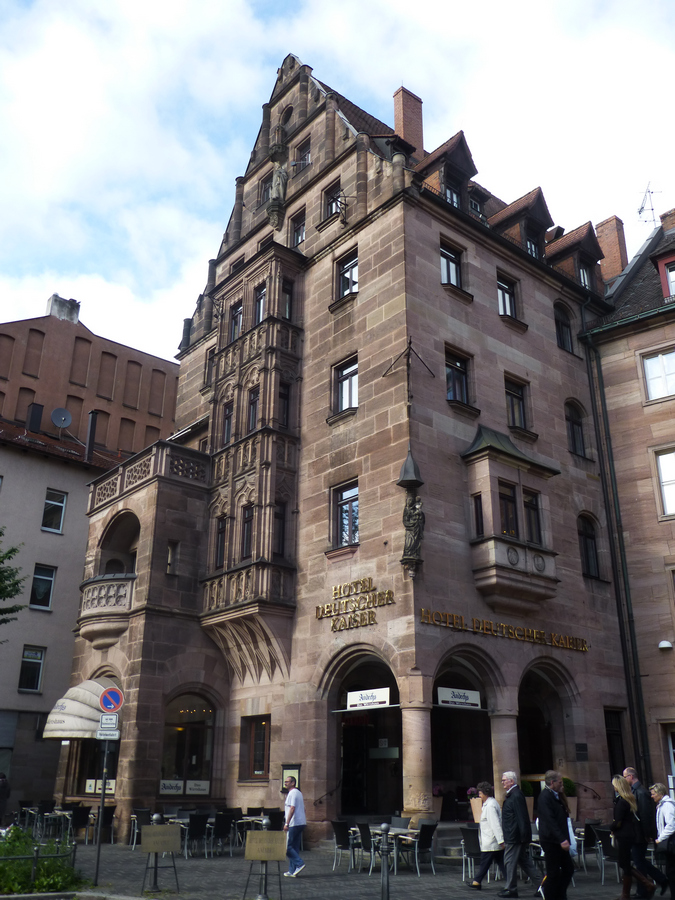
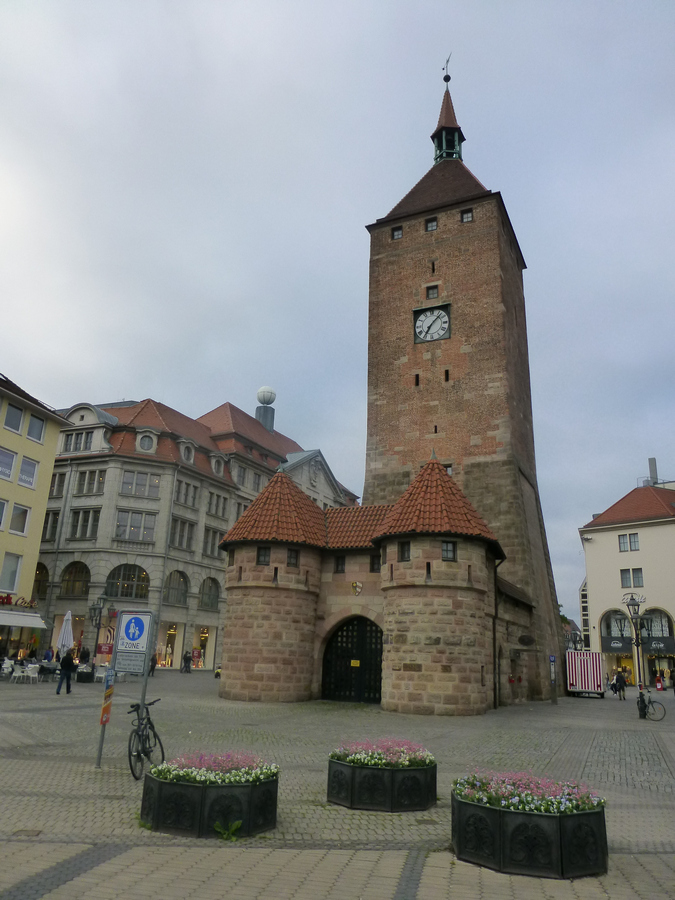

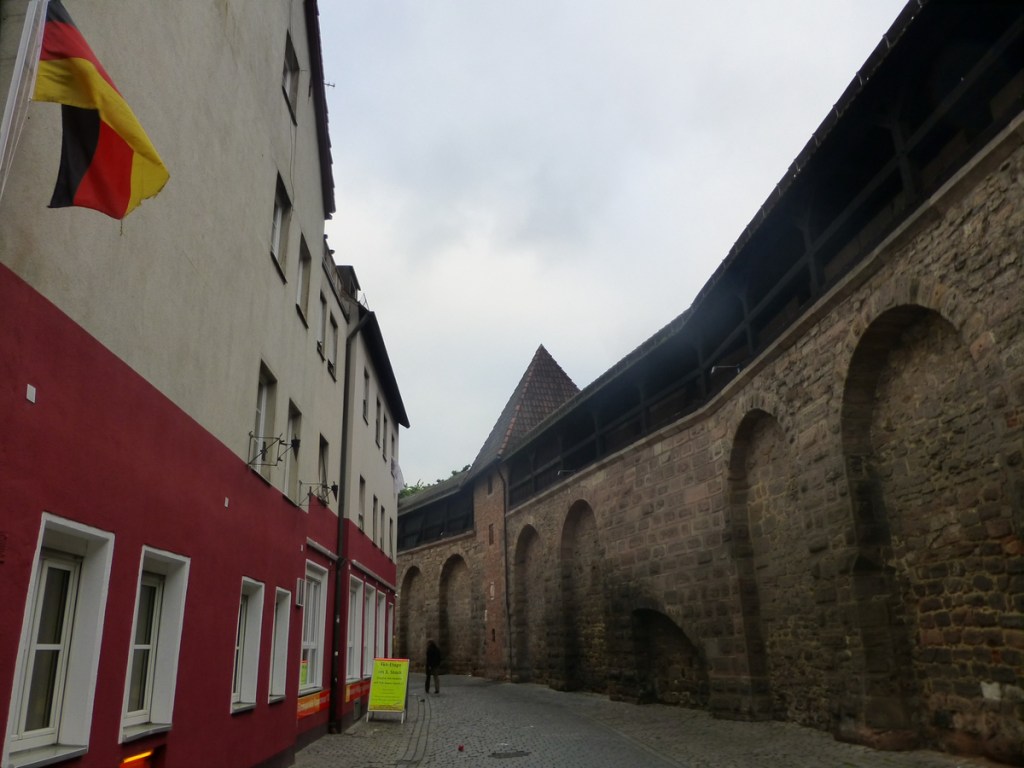
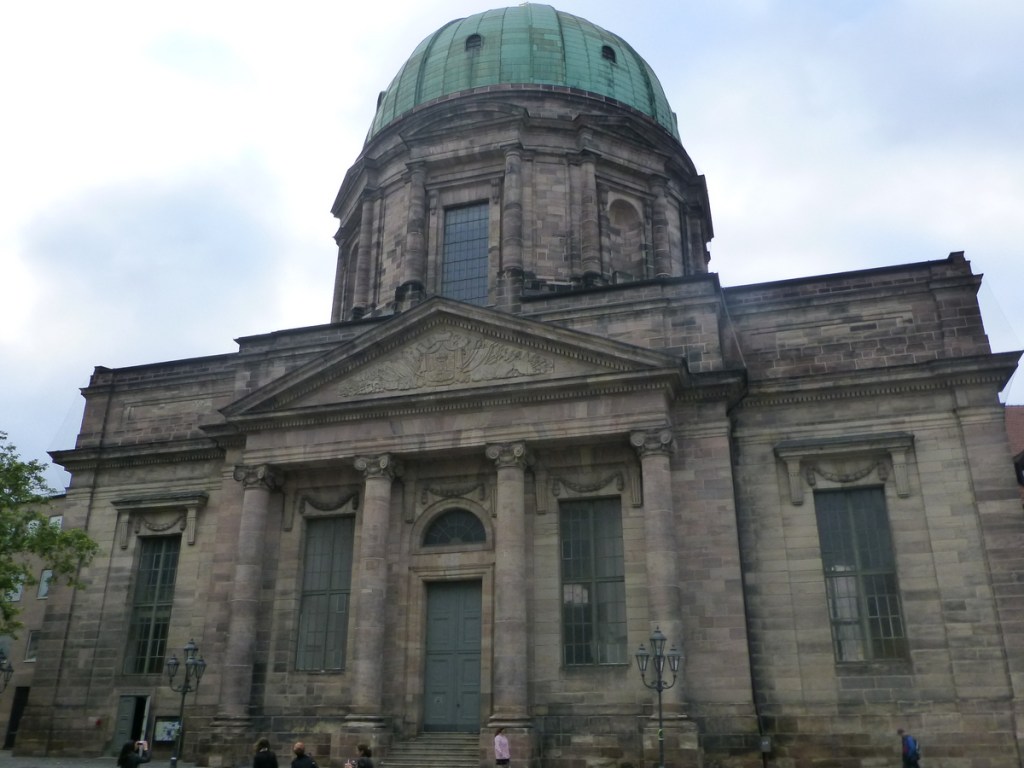
We passed to the other side of the white tower, where a small bastion with two towers was located, next to the beautiful church of St. Elizabeth, in which there were many beautiful statues and a dome. From there we headed to another tower from the other fortress walls, passing through the street of the “Red Lights” similar to the one in Amsterdam. This “secret” street was not in the tourist brochures, but there were many tourists who stared at the women posing in their underwear on the windows. We stopped in front of the beautiful opera house, erected in 1905 and although we watched it from the park in the lowland, we still succeed to see and appreciate its beautiful reliefs and sculptures.
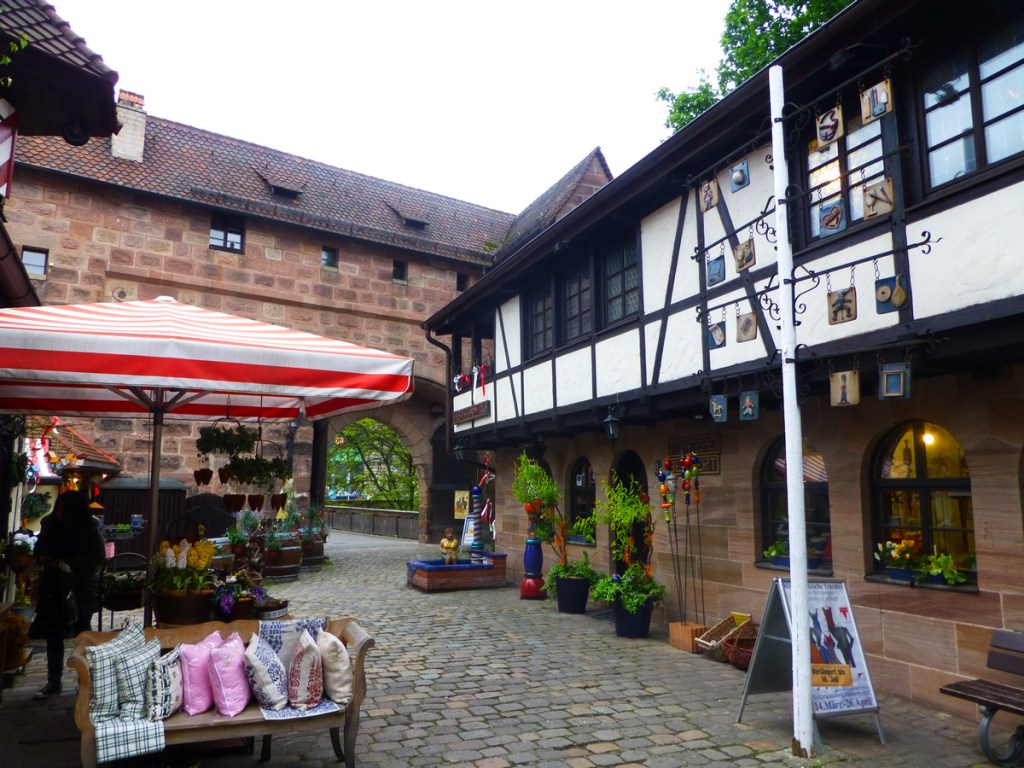
Walking along the medieval fortress walls that surround the center of Nünberg, and which are considered the largest fortress walls in Europe, we came to a small ethnographic complex located next to one of the fortress towers. Inside there were pretty shops with handmade goods. I was so busy with making pictures of the beautiful houses inside that I didn’t have time to buy anything. We crossed the Pagnitz River but it took us some time because of the beautiful panorama and the houses that opened from the vast bridge. There were also many ducklings swimming and croaking, inviting people to throw food at them.

We headed to the central market square (Hauptmarkt Nurnberg), which the students of the Technical University of Nuremberg had piled with an artificial forest of extravagant trees. They were pegs stuck in the pallet, and their crown was made with inflated white garbage bags. They wanted to show that we can not only pollute nature, but vice versa – turn garbage into nature. Among them, the peaks of the Frauenkirche Cathedral seemed to rise above the clouds. In the evening under the spotlight they were illuminated in blue-green colors and looked better.




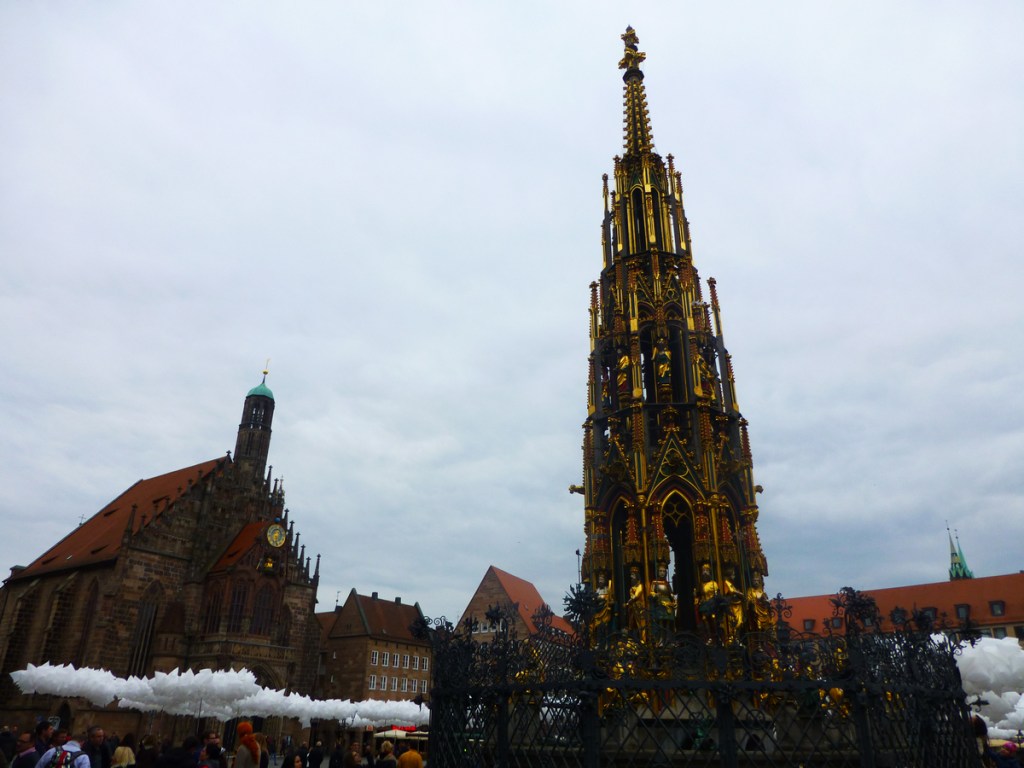
The Frauenkirche Cathedral itself stood on the east side of the square, being built between 1355 and 1358 on the site of a ruined synagogue. Today it attracted many visitors not only during Mass. At exactly 12:00 noon, moving people Männleinlaufen appear from its clock tower, with an impressive mechanism created as early as 1509. Unfortunately, it was late afternoon and we couldn’t see this short show. However, despite the Mass, we dared to go inside and see at least from the vestibule the huge hall, decorated with many wooden figures from the 15th-16th centuries, colorful panels and even more colorful images on the windows.
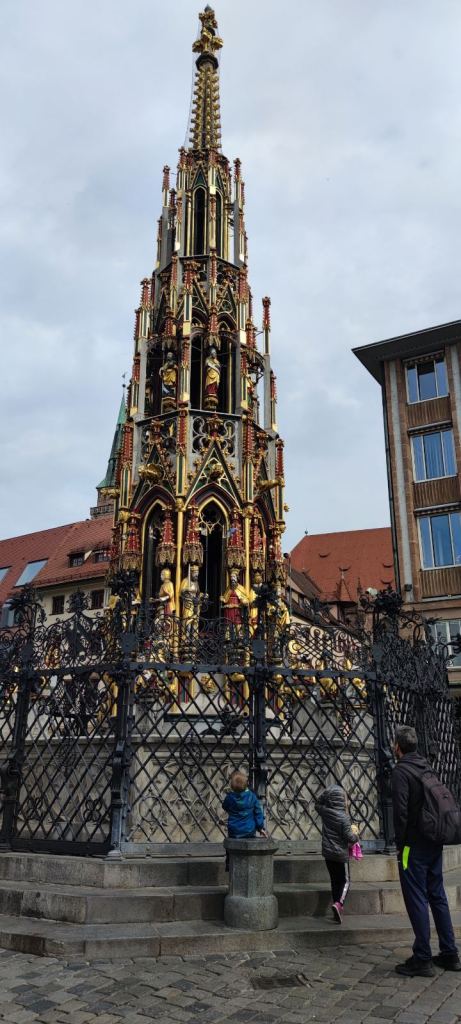
The masterpieces continued beyond the cathedral in the central market square, where the famous Schöner Brunnen (Beautiful Fountain) was located. It was erected between 1389 and 1396 and represents a 19-meter-tall narrow pyramid studded with numerous figures – 40 stone statues arranged in four rows depicting the Holy Roman Empire. At the bottom there were the seven arts, Among them the philosophers, just above them stood four evangelists and five fathers, in the third row the seven electors and three heroes of antiquity (Hector, Alexander and Caesar), and above them Moses and the seven prophets. There was a guard grid around the fountain, and a gold ring called the Ring of Desires on it. Like the other tourists, we decided to climb the fence and spin the ring, wishing for a secret dream in the secret capital of Bavaria.
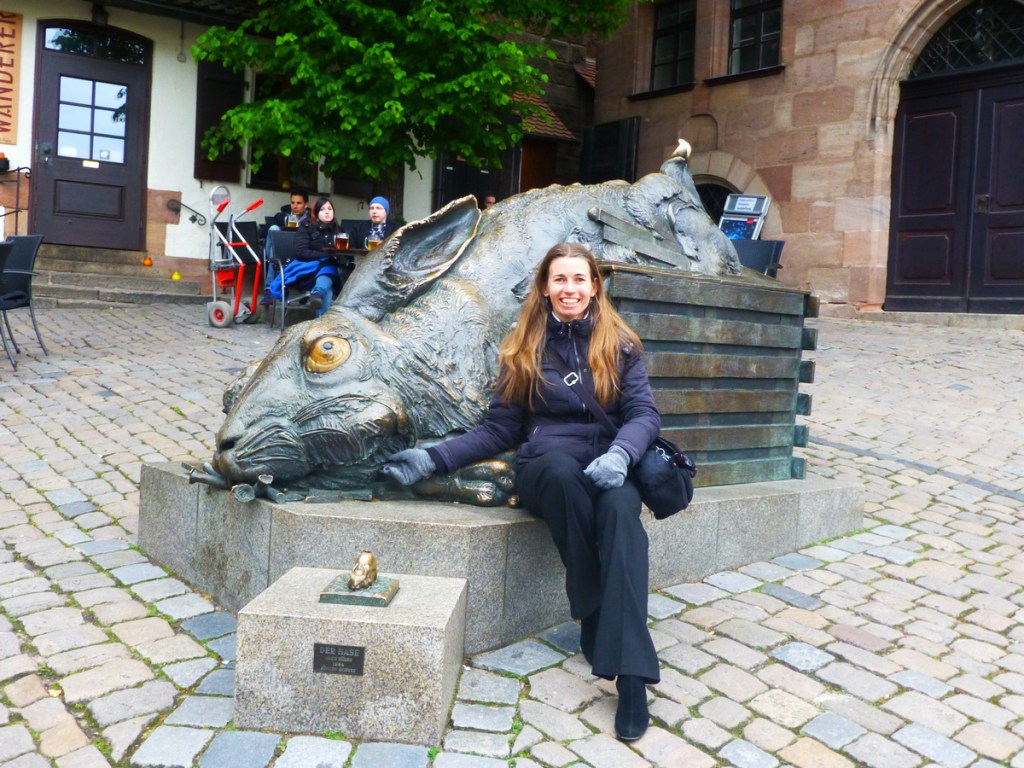
Our walk continued again to the city medieval walls, passing by the building of the old town hall, erected between the 14th-17th centuries. The medieval towers attracted our attention and we headed directly in front of them. Built between the 12th and 16th centuries, these fortress walls surrounded the old town with a length of 5 km, of which 4 km were still preserved. Just in front of the fortress walls on the inside of the city there was a sculpture of a huge bronze rabbit. It was inspired by a painting by the artist Albrecht Durer, whose house stood in the same square.
Exactly at 19:00 we were in front of the artist’s house, which we decided to look inside taking advantage of the free entrance that our tickets for the Blue Nights festival gave us. Inside, the people dressed in medieval clothes showed us around the premises where this artist lived and worked. I was particularly impressed by the room where Albrecht Durer painted and his shelves with paints were still preserved, and here we learned how the paints were made from various spices and mineral stones. The ateliers of Renaissance artists were more like scientific laboratories. In addition to the many vials and test tubes, there were also various devices for extracting dust from mineral stones. We learned that most artists used egg protein as a binding element in tempera paints. Red paint was obtained from the spice saffron, and navy blue was one of the most expensive paints, because these stones were imported from Persia.


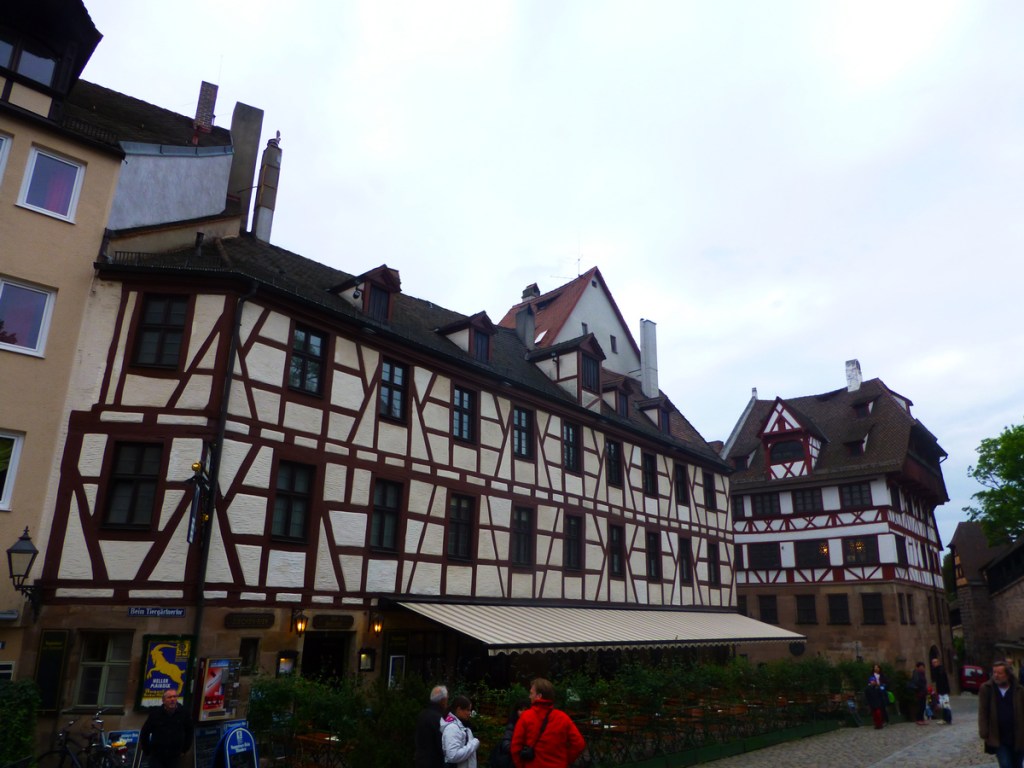
On the second floor there were several touch-screens where you could see the works of Dutch, Italian and German artists from the time of Duhrer. Downstairs, Dürer’s paintings were presented as photographs, and next to them on large canvases was made the vision of contemporary artists to his paintings.
As we explored the museum and ate afterwards in a cozy restaurant, it became time for the long-awaited Blue Nights. Die Blaue Nacht was a cultural festival that is organized once a year in May, during which all museums open their doors and in the old part of the city are organized numerous celebrations and concerts. The whole town was lit in fairy blue lights. It was this festival that invited us to visit Nuremberg, but in fact its beautiful medieval houses and fortress walls were enough reason to visit the city.


9:00 p.m. passed when the entire fortress wall was lit by many blue projectors. Gradually, the colors began to change and moving images appeared. It remind me of the Bulgarian show Sound and Light in Tsarevets, Veliko Tarnovo.
During the night we succeed to see the National Museum and the Germanische Museum – the largest museum in Germany, with over 1.2 million exhibits. Outside, the celebrations continued until the early hours of the next day and we were impressed by the vast Bavarian city.


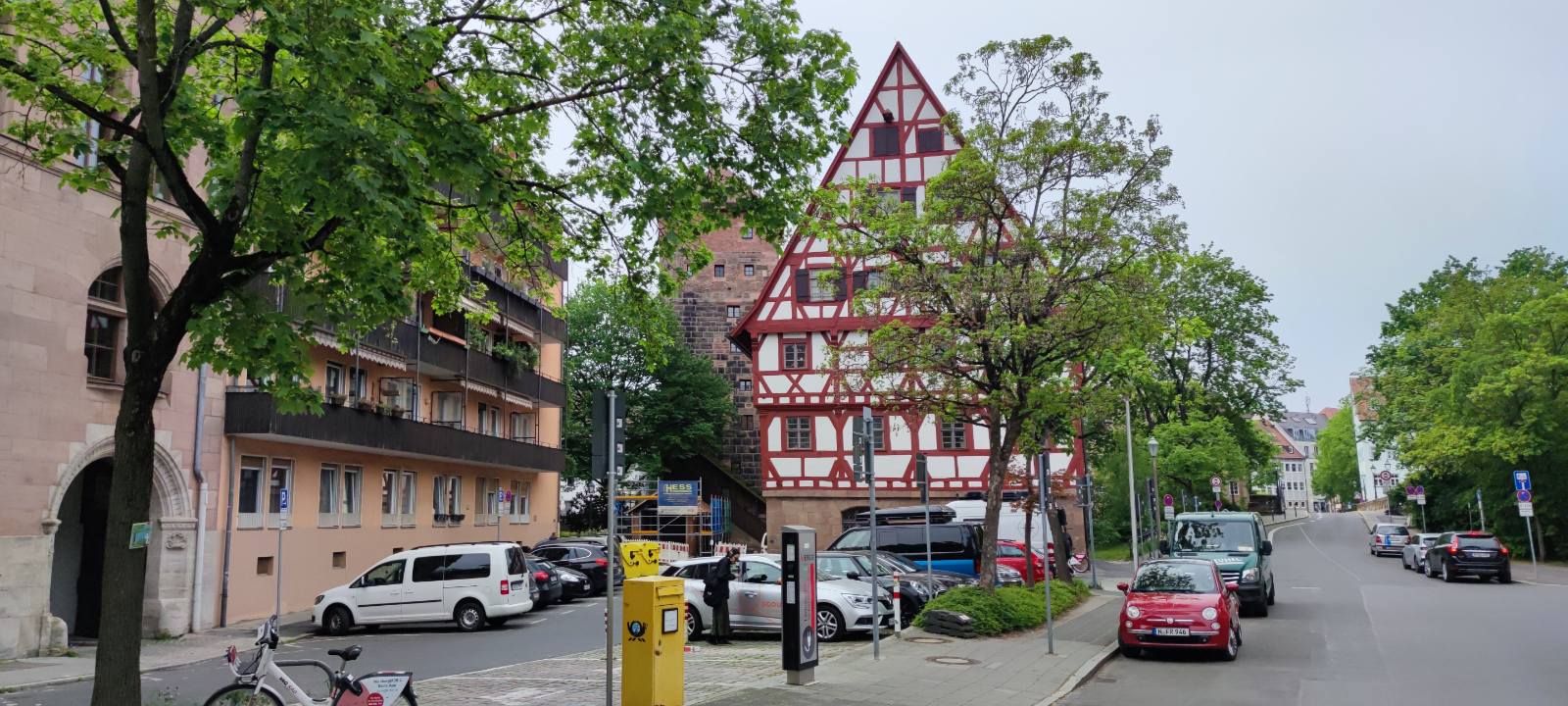

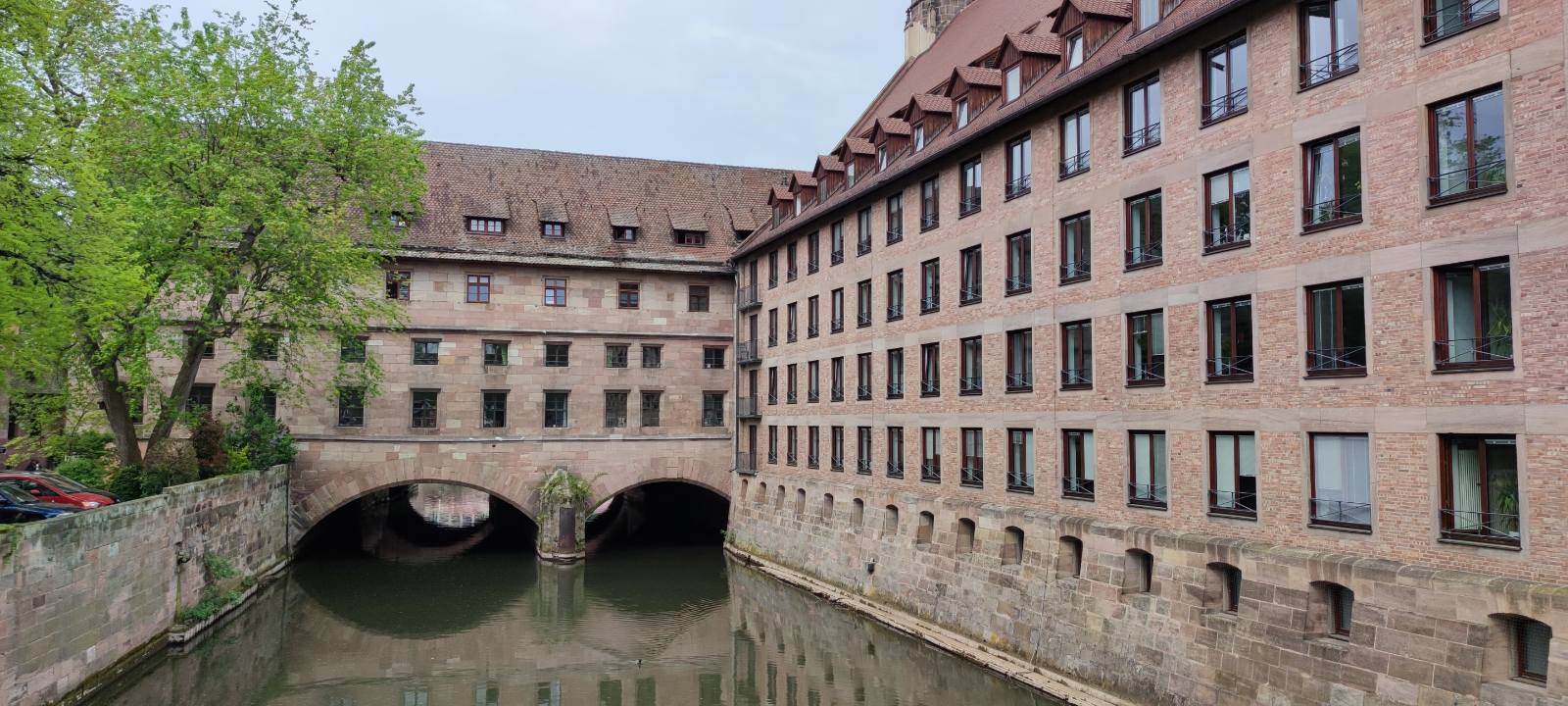
Nuremberg was also known as the city of toys, and there was even a museum dedicated to them. We didn’t see it but our stay in Nuremberg was full of games and entertainment. Nuremberg may be called “the secret capital of Bavaria”, but it is not a secret that this picturesque medieval city with painted houses and huge fortress walls cannot be a secondary city in Bavaria and is one of the top places visited by tourists. It is no coincidence that every year the largest Christmas market is organized here not only in Germany but also in Europe. We joined an equally glamorous festival called Die Blaue Nacht enjoying the blue lights that lit the secret capital of Bavaria.


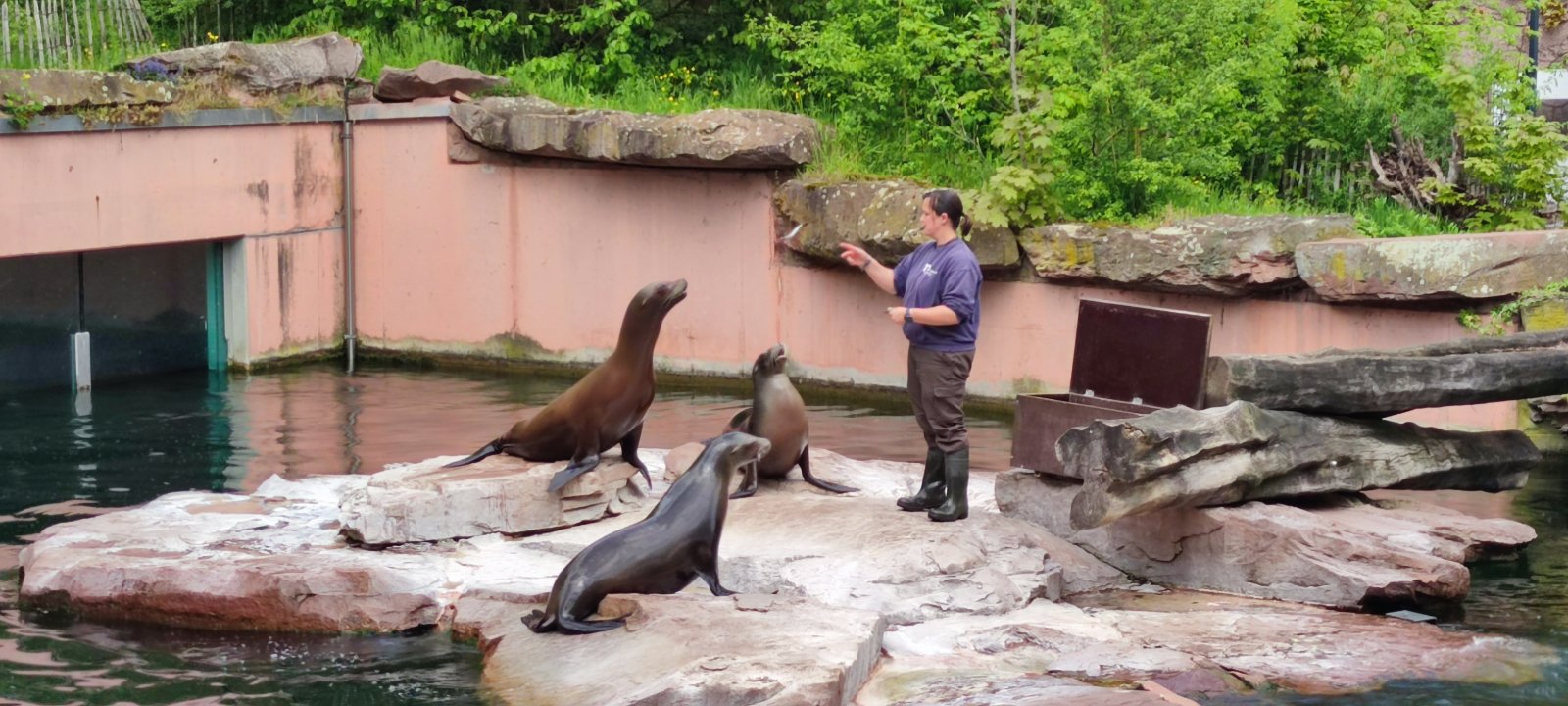
In 2023, we visited the cultural festival Blue Nights of Nuremberg once again, it was held on May 5 and 6, but this time we came with our small kids. The evening walks did not work well for us, but we enjoyed the daily tours a lot, as there are numerous attractions for children in the city. We were especially impressed from the zoo, where we spent the whole day. The park is really huge with a wide variety of animals and playgrounds.


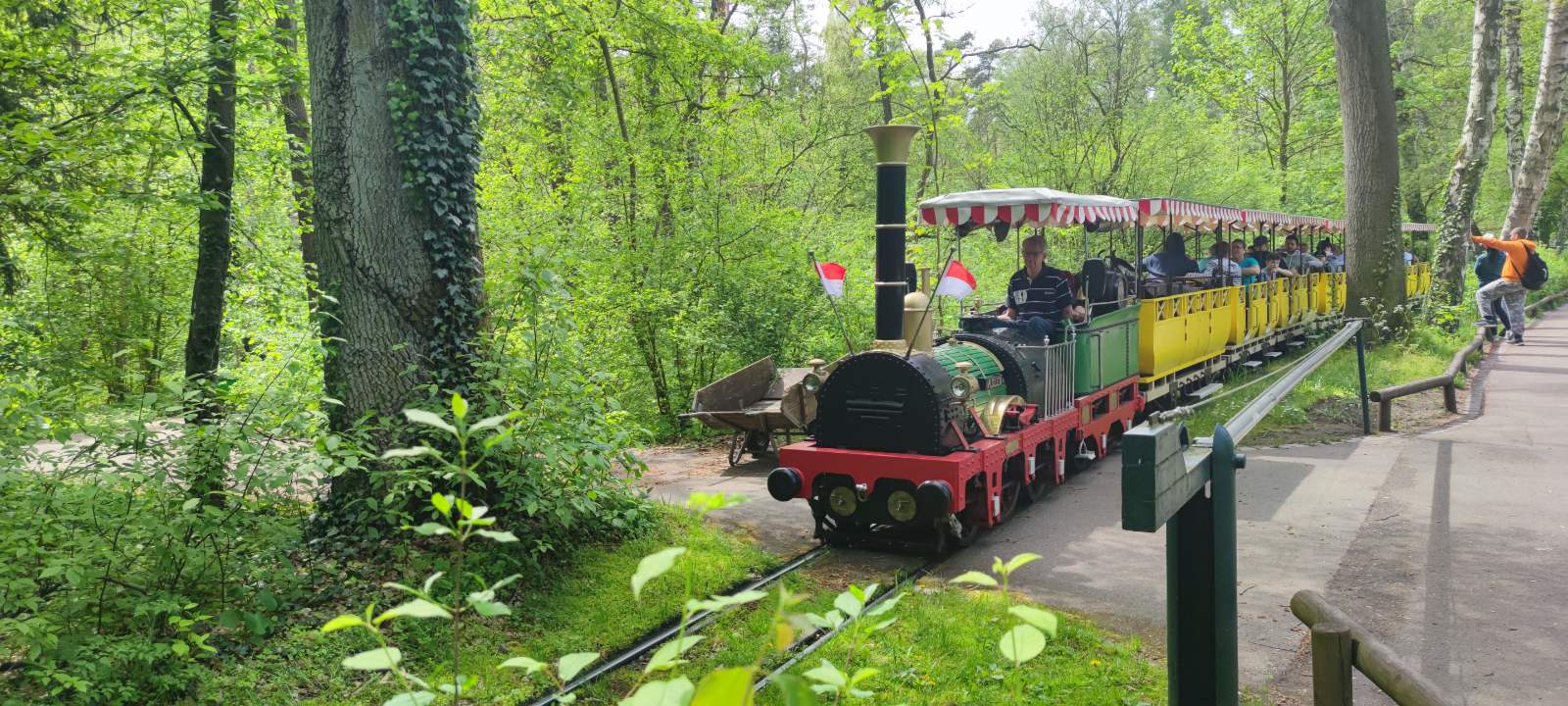


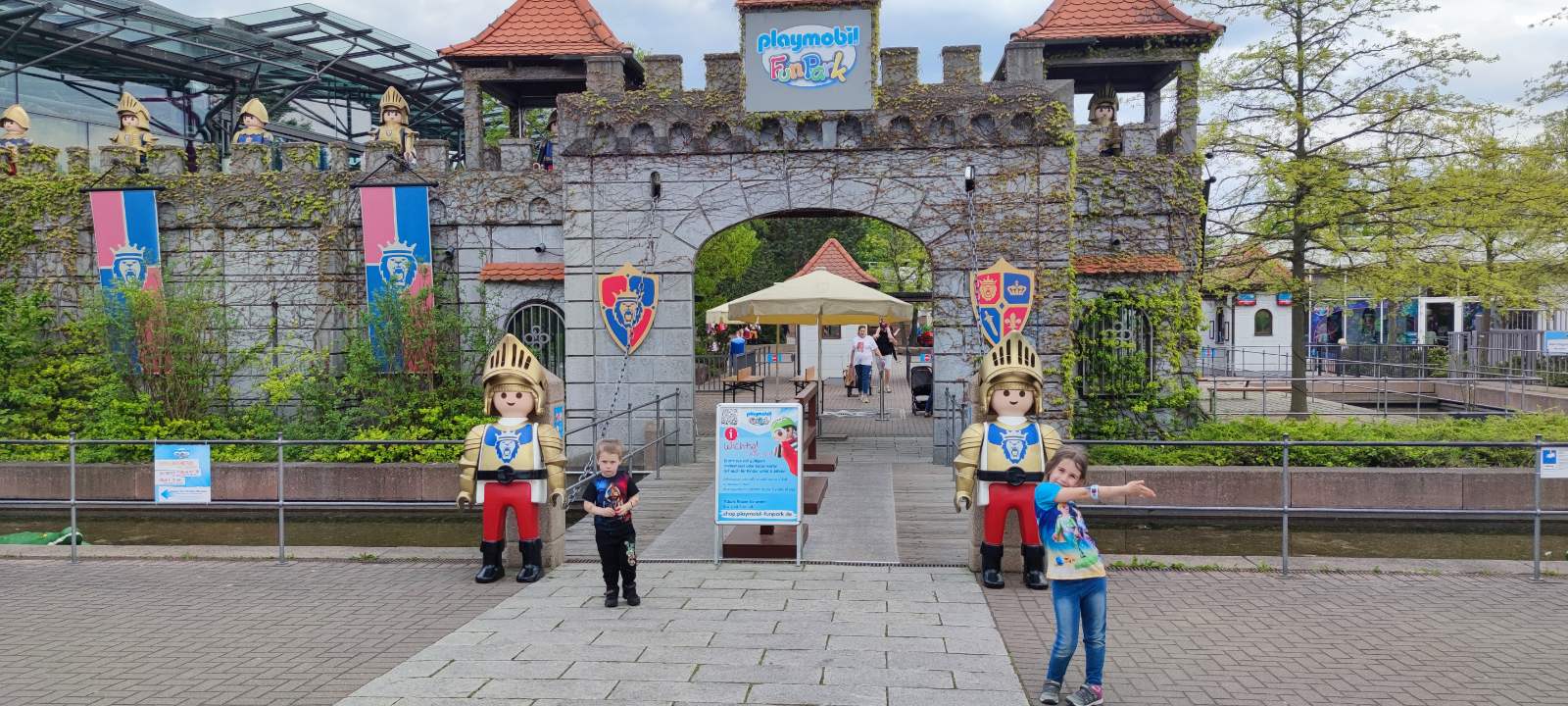
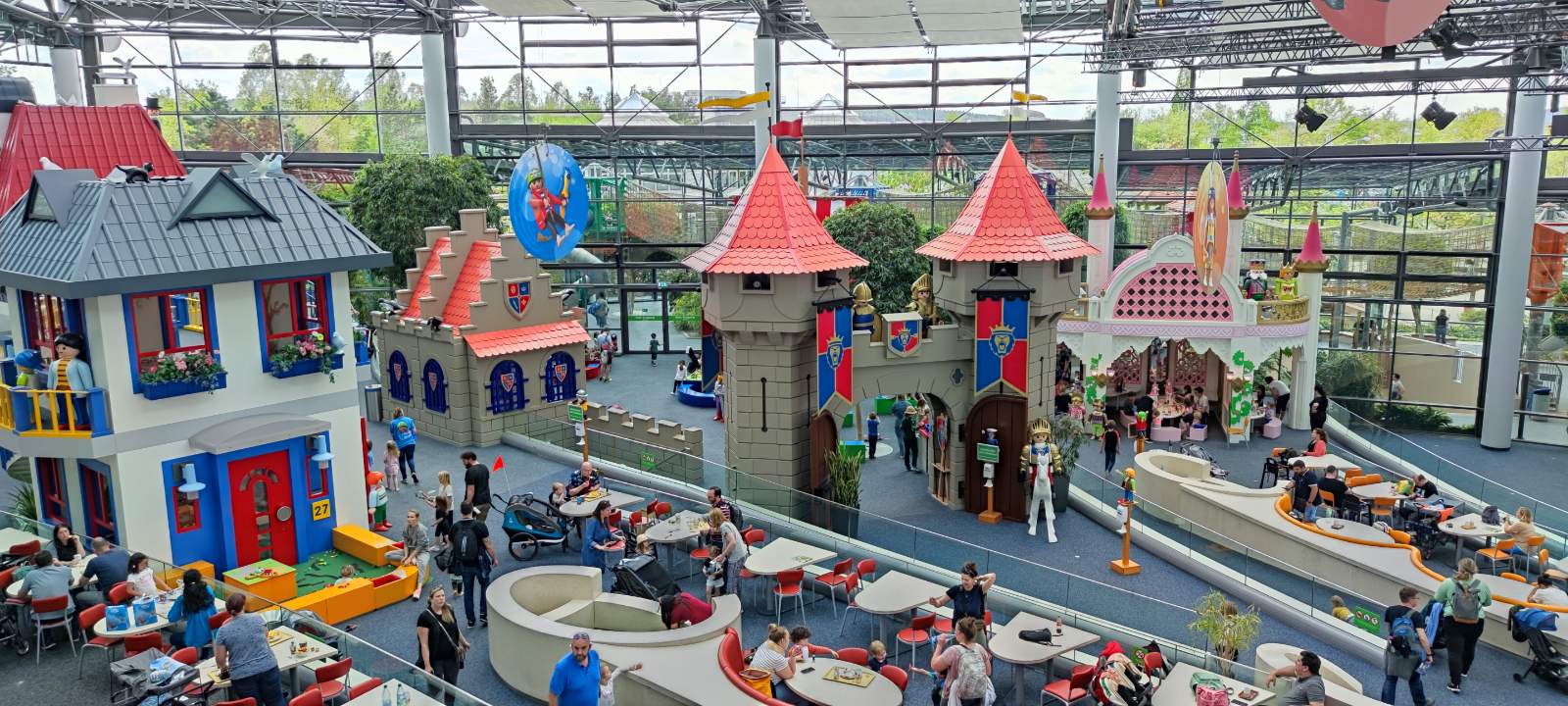
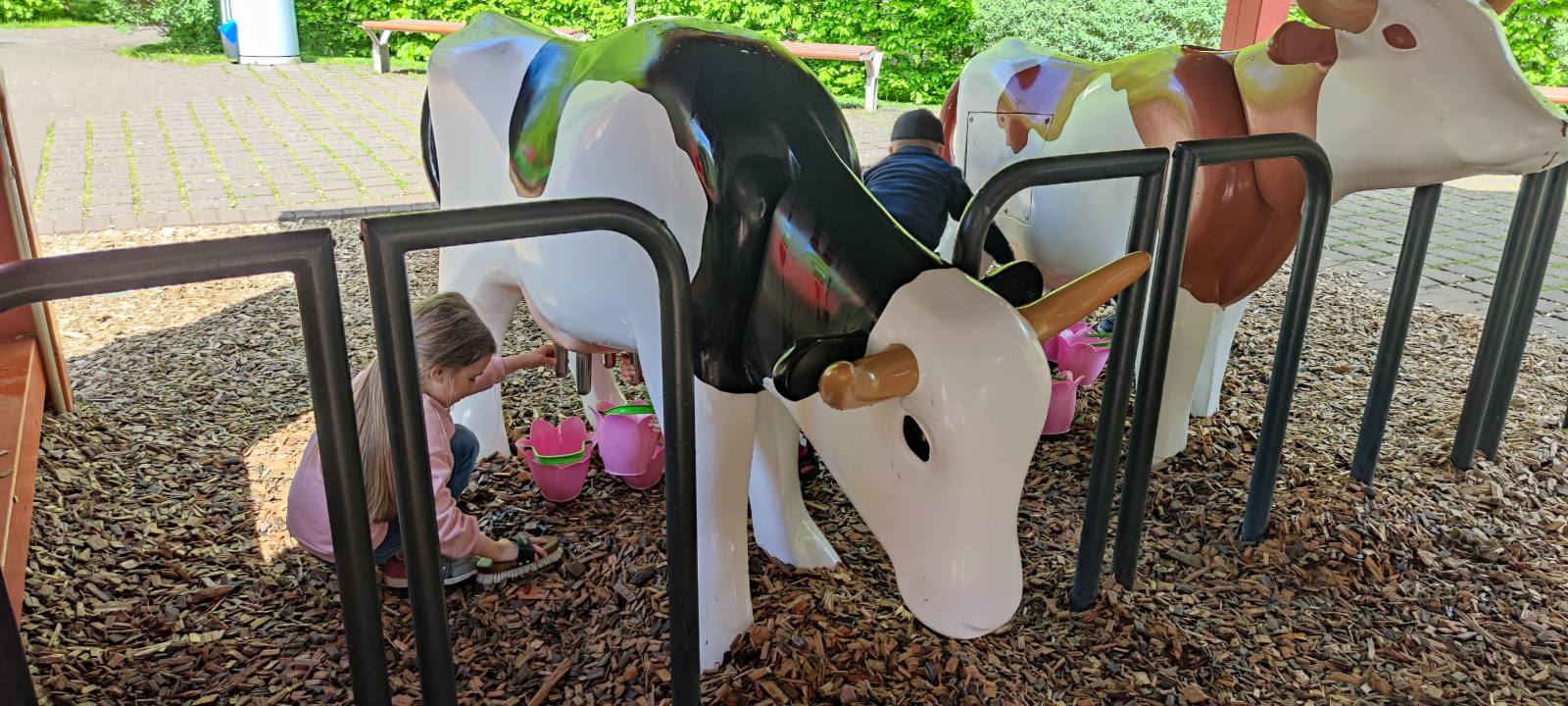
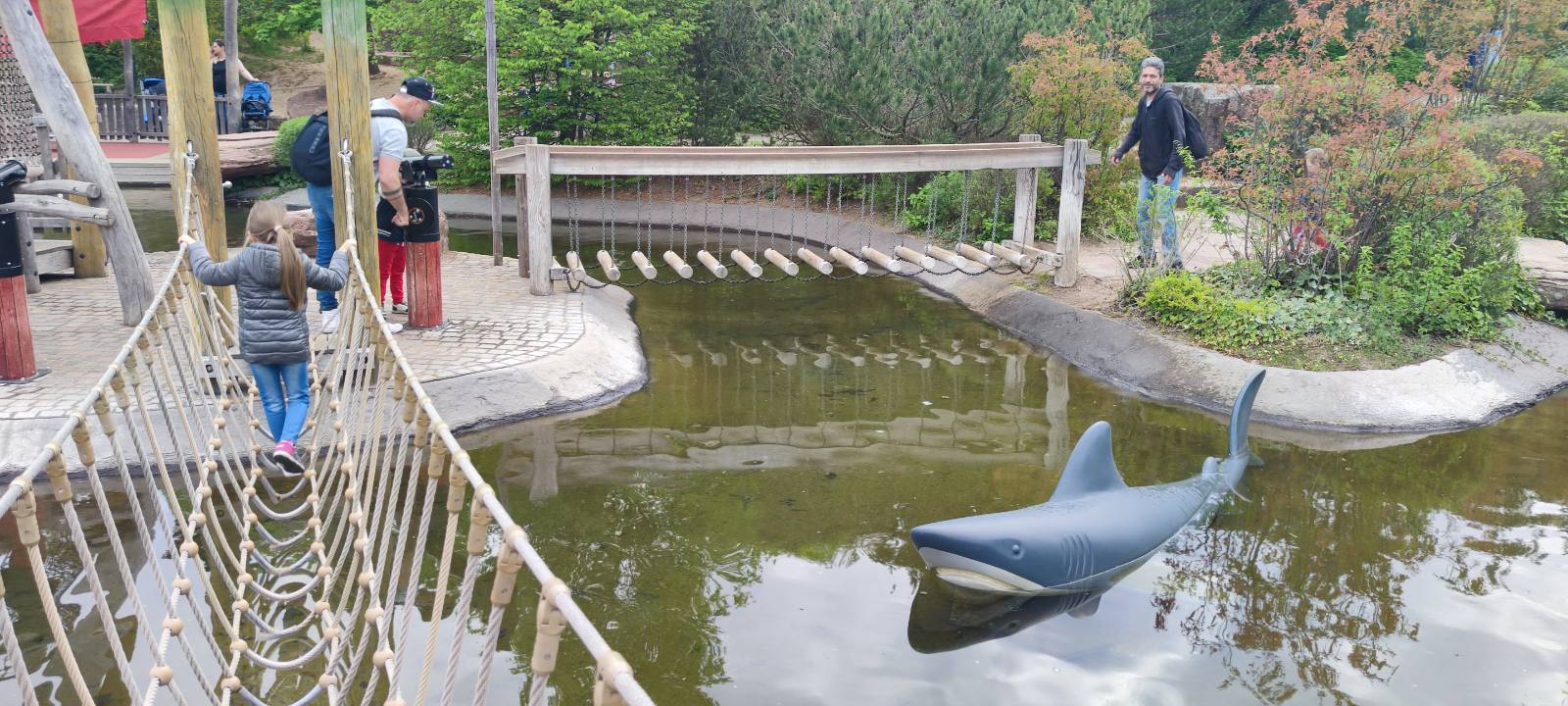
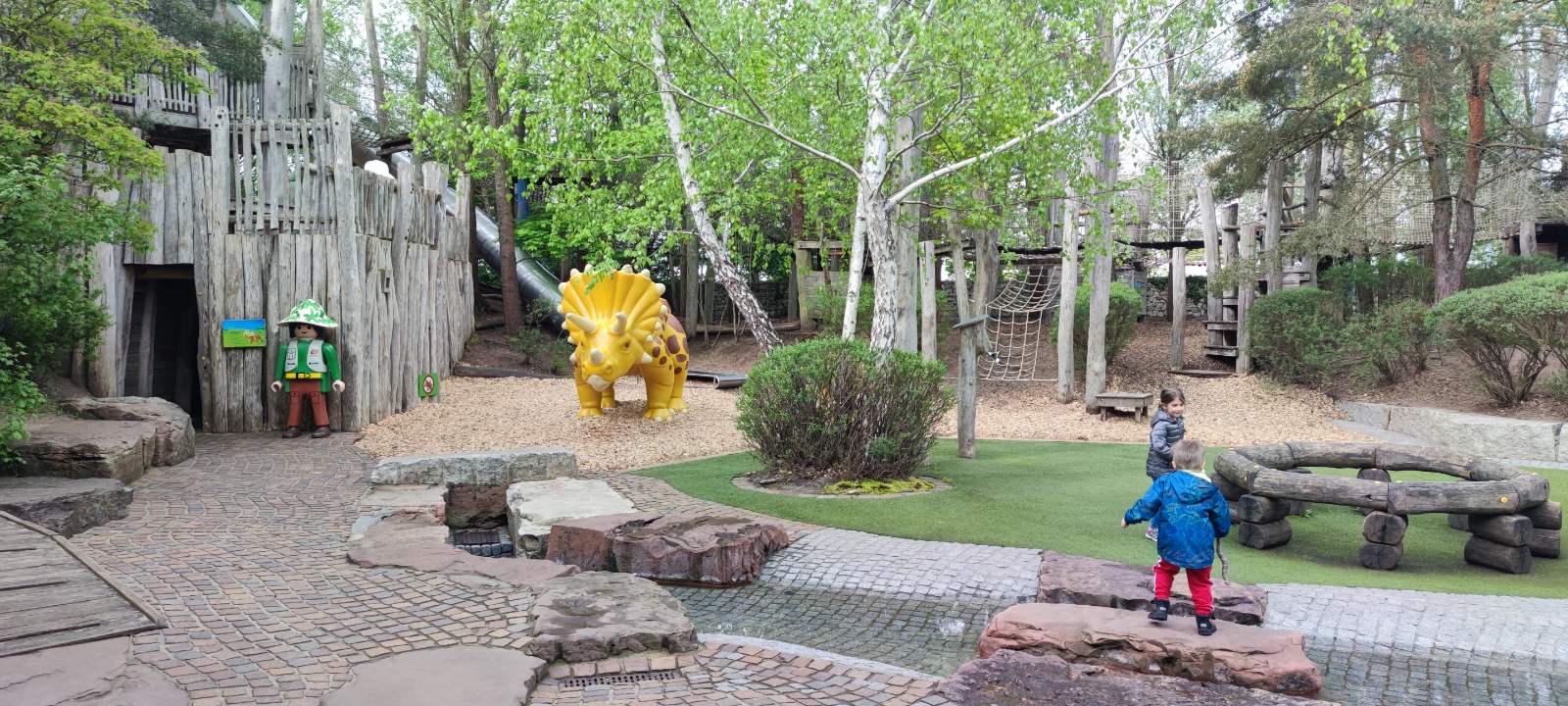
We had a whole day in the wonderful Playmobil Park, which is less than 20 minutes by train from Nuremberg and is full of all kinds of entertainment – playgrounds, trampolines and themed corners. This magical place inspired us to create our Family Tales, which so far are only in Bulgarian. With the children we have visited so many wonderful places that we began to confuse fantasy with reality, That’s why I started creating this story, which you can check on the Bulgarian version on the site.


GENERAL INFORMATION ABOUT NUREMBERG:
Location: Nuremberg is located in the state of Bavaria, in southeastern Germany. It is located on the Pagnitz River and the Rhine-Main-Danube Canal.
Area: 186.38 sq.km
Population: 505 664 people
Official language: German
Altitude: 302 m
Climate: temperate continental climate
Time zone: UTC+1
Currency: euro (EUR)
Additional information: www.nuernberg.de
TRIP TIPS FOR NUREMBERG:


Best time to visit: all year round. In winter, the largest Christmas market is organized here, in spring and summer there are numerous festivals such as the Blue Nights, and in early autumn the week-long medieval festival Burggrabenfest begins.
Typical foods and drinks: Germany is famous for its beer and roasted sausages, and Nuremberg is no exception. Especially delicious here are the German sausages Bratwurst served with puree or cabbage salad. For dessert you can try the gingerbread cake Lebkuchen.
Places to visit: Nuremberg Castle, Albrecht Dürer’s house-museum, Frauenkirche, Germanische Museum, Nuremberg Zoo with the large dolphinarium, toy museum and many others.
 TripTips