HAMBURG – THE GATEWAY TO THE WORLD


Cold but calm – Hamburg is the second largest city in Germany, but it’s very different from the larger and more chaotic German capital. Getting around the city by foot, metro or boat is easy, making the city a wonderful place for a visit. No wonder that in the first half of 2023, Hamburg had around 7.6 million overnight stays. At the end of 2022, I was also part of this number.
There are direct flights from Sofia to Hamburg with Wizz Air. From there you can get to the city center by S- Bahn (for €1.90) or by taxi, which shouldn’t cost you more than €35.
If you have like me, only one day to explore the city, I recommend you to start your walk from the majestic Town Hall (Rathaus), erected in 1886. The impressive city hall has a lovely courtyard that resembles an Italian piazza and houses the Hydieia-fountain, named after the Greek goddess of health and build in remembrance of the cholera epidemic that swept through the city in 1892. Hamburg’s City hall is open to the public, and visitors may join a guided tour or visit exhibitions housed inside. During Christmas holidays, there is a lovely Christmas market in front of the Rathaus, but it was closed in the morning, so I was satisfied only with photos as souvenirs.


From the town hall, you can easily walk down to the Elbe promenade, where you can take a cruise ship and explore Hamburg from water. There are different tours, usually 1-2 hours long, that can bring you around the harbor and canals of the city. There are also ferries as a public transport, which is also a wonderful way to see the city from water.
Even if you decide to explore the city on foot, one of the best ways is to walk along the city’s canals and cross some of the 2,500 bridges. An interesting fact is that Hamburg has more bridges than Venice, Amsterdam and London combined. Poggenmühlenbrücke is especially beautiful , from where you can see Speicherstadt – the largest warehouse district in the world, built between 1883 and 1927, where the buildings stand on timber-pile foundations, oak logs, have exquisite neo-gothic facades, towers and terracotta decorations.

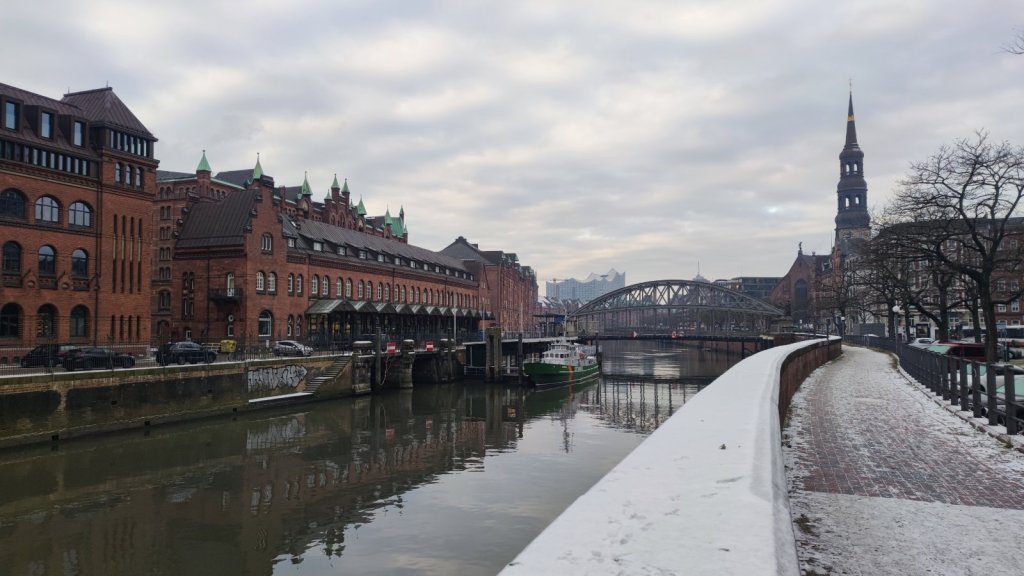
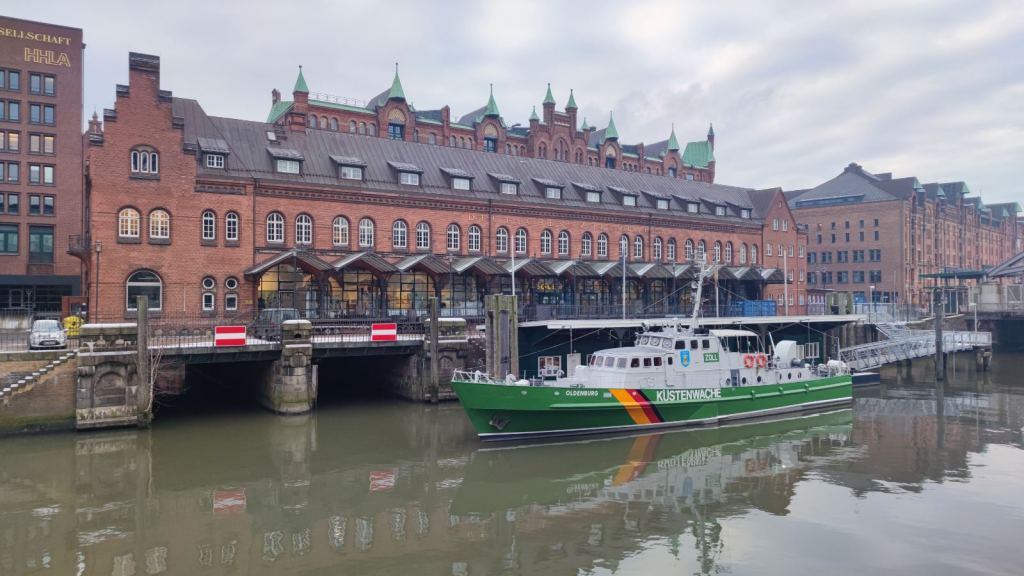

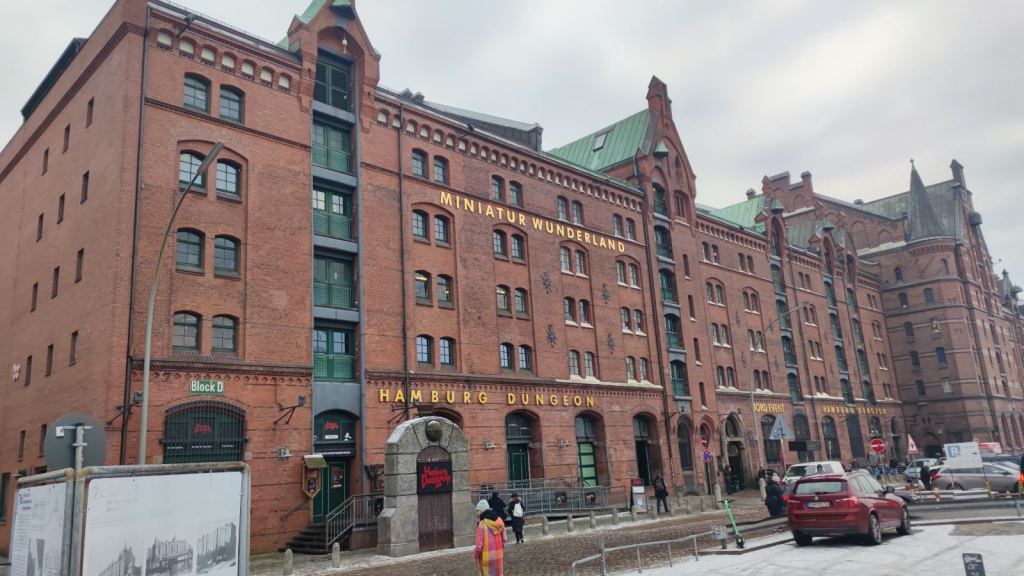


You can continue your walk, along the canals, passing by the Hamburg Port Authority and reaching the wonderful museum suitable for kids and adults called Miniatur Wonderland. It consists of thousands miniature models, as well as the largest model railway, so you can effortless explore whole Germany, Italy, the Alps, Rio de Janeiro and many other places in less than an hour. There is a similar museum in St. Petersburg, but this one spreads on several floors and seemed bigger to me. I especially liked the restaurant in the museum, which looked like a train and it made me feel like having a real trip through sights from all over the world.


Very close to the museum of miniatures is located the Lake Alstar, famous for the hundreds of swans that live here. However, I continued to the opposite direction, heading to one of the most expensive buildings in the world, the Elbphilharmonie, which cost over 1 billion euros to build. Here, in addition to first-class concert halls, there are also restaurants, a hotel and private apartments. Interestingly, this building looks different from every direction.

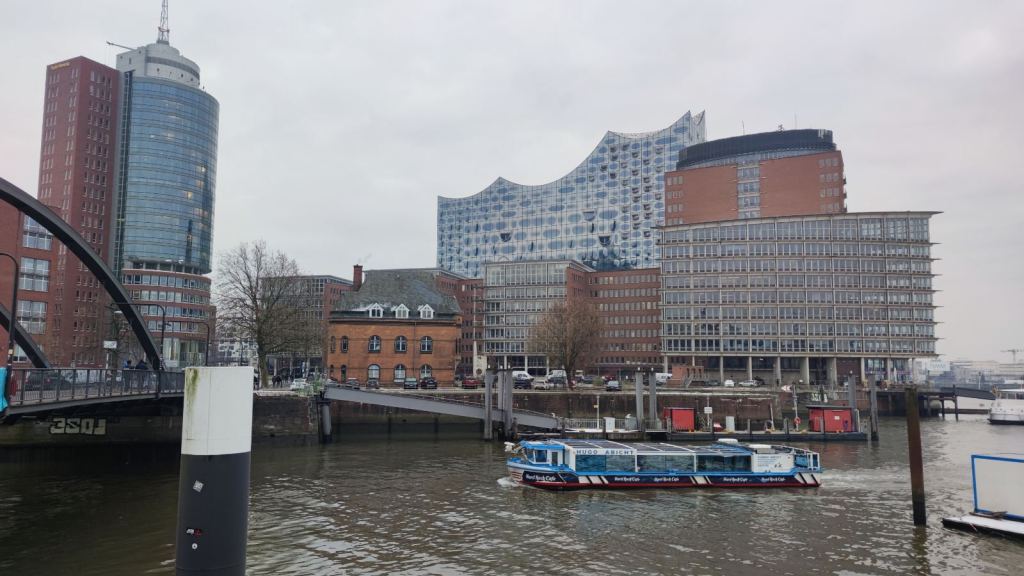

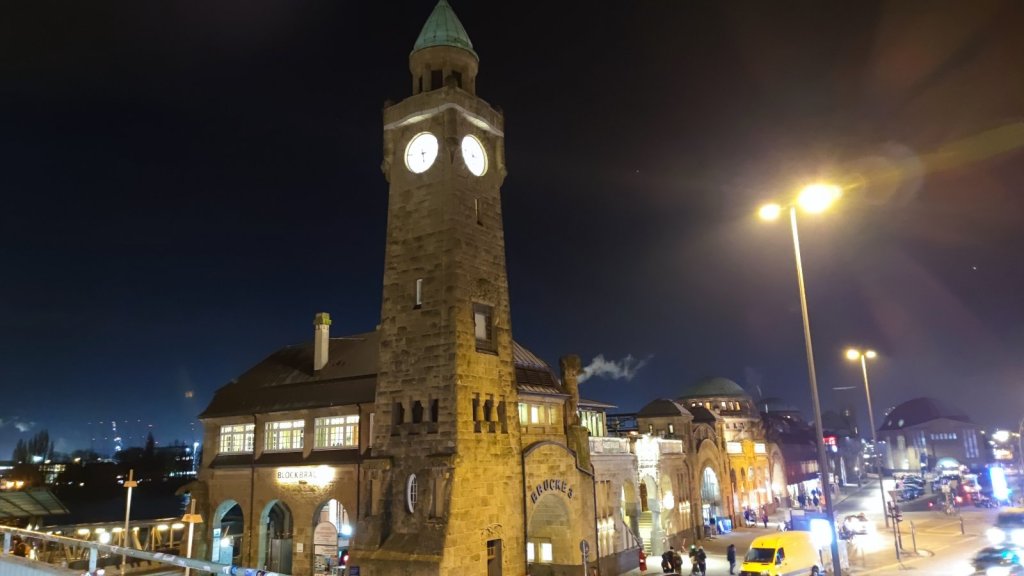
I continued along the Elbe River to St. Pauli Pier, from where many tourist boats depart, and the quay has become an important transport hub with S-Bahn, U-Bahn and ferry stations. A little further down is the famous Fish Market (Fischmarkt), which since 1703 offers a wide variety of fish, it is open on Sunday from 5 am in the summer and from 7 am in the winter, and closes at 9:30 am.
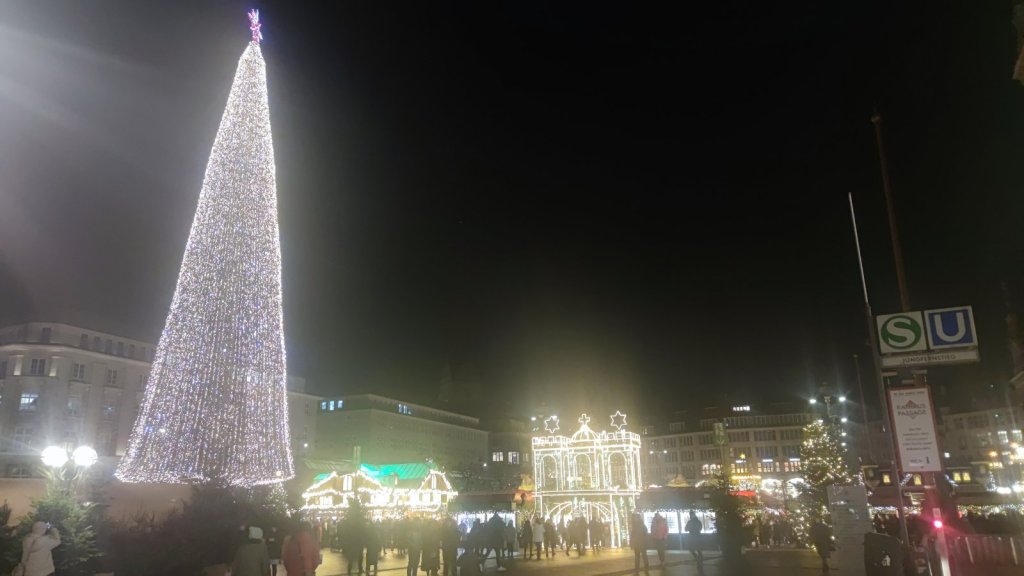
It seemed that Hamburg has everything – it’s both a huge city, and a tranquility place, has picturesque canals of the Elbe River, and a large seaport (although the sea itself is 109 km away and it takes cargo ships more than 5 hours to reach the sea along the Elbe) , there are many administrative buildings, but also numerous parks. I had the pleasure of visiting the city during the Christmas holidays and enjoying the wonderful Christmas markets that are organized in different parts of the city. I only failed to eat hamburgers that I thought originated here. It turned out, that hamburgers was invented by Germans immigrants in America, who gradually Americanized the German Hamburg steak, resulting in the hamburger. I also left eating Hamburg salami for Sofia where it’s very popular, and on the spot I enjoyed the wonderful baked German sausages and Franzbrötchen – cinnamon buns, that are a local specialty. Hamburg is both very international and welcoming, and a wonderful place for both a day trip and longer stays. It is not by chance that the Germans call it the “Gateway to the World”.




GENERAL INFORMATION ABOUT HAMBURG:
Location: Hamburg is situated on the Elbe River, above its confluence with the North Sea.
Area: 755 sq km (it is the second largest city in Germany)
Population: 1,845,229 people (2020 data)
Official language: German
Altitude: 6 m
Climate: mild and humid, with the warmest month being July (with an average temperature of 17.4 C) and the coldest being January (1.3 C).
Time zone: UTC+1
Currency : Euro (EUR)
Additional information: http://www.hamburg.de/


Trip Tips for Hamburg:
How to get here: Hamburg- Fuhlsbuttel Airport ( https://www.hamburg-airport.de/de ) is the fifth largest airport in Germany. From there you can take the S- Bahn S1, which passes every 10-20 minutes and takes 30 minutes to Hauptbahnhof.
Best time to visit: May to September is the tourist season, when the weather is most pleasant.
Typical food and drink: Germany is known for its grilled sausages and beer, and Hamburg is no exception. Typical local dishes here are also Birnen, Bohnen und Speck (green beans cooked with pears and bacon), Aalsuppe (coming from the German all “everything” and meaning “everything in the kitchen”). Alsterwasser (the name comes from the Alster lake ) and is a mix between beer and lemonade.
Places to visit: The Miniatur museum Wunderland ( https://www.miniatur-wunderland.de/ ), the Elbphilharmonie Concert Hall ( https://www.elbphilharmonie.de/en/ ) , the beautiful Town Hall ( https://www.hamburg.de/rathaus-hamburg / ), the Church of St. Michael ( https://www.st-michaelis.de/en/ ) – built between 1750-1762 and featuring a 132-meter tower that you can climb by elevator or on foot and enjoy excellent panoramic views of the city and the port; The International Maritime Museum ( https://www.imm-hamburg.de/international/en/ ) and many more.
 TripTips