LAKE CONSTANCE (BODENSEE)


Created during the Ice Age, Lake Constance is one of the largest lakes in Europe, washing the shores of three countries Germany, Austria and Switzerland. It is named after the city of Konstanz, but the Germans called it Bodensee – after another coastal town of Bodmann. The area of the lake is 536 km² with the deepest place at 254 m and an average depth of 90 m. The German part of the lake is 173 km long, the Swiss 72 km long and the Austrian one 28 km. The lake is home to three large islands, the largest one is Reichenau, Mainau (also known as Flower Island) and Lindau.
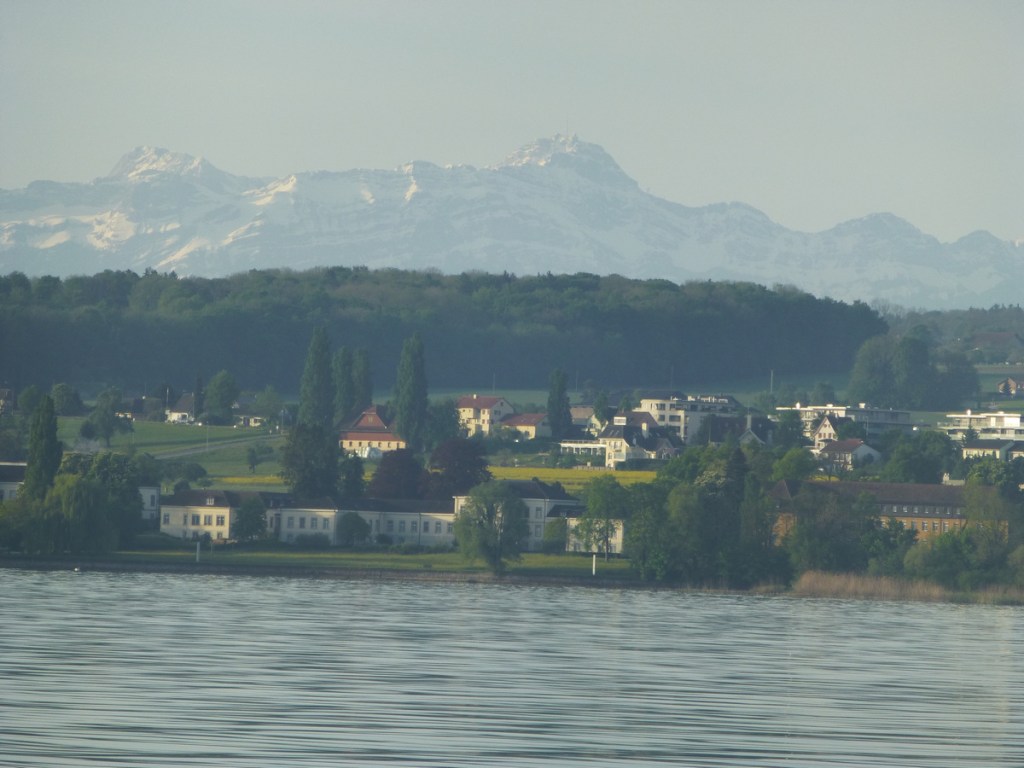
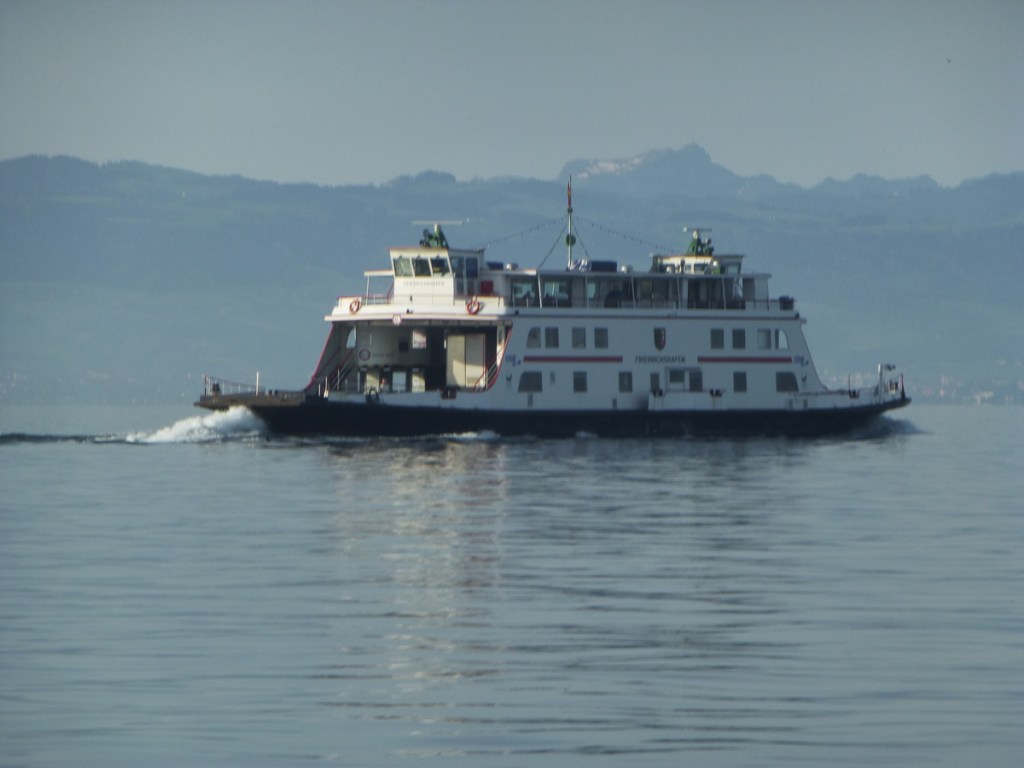
Lake Constance is an ideal place for day trips and rest. Besides the beautiful towns on its shores, there are many other attractions including the flower island of Mainau with its beautiful botanical gardens, the monastery of Reichenau (included in the UNESCO list), the medieval old town of Lindau and many others.
We managed to tour the lake by land, exploring its picturesque cities such as Konstanz and Meersburg, then by water, sailing on a boat to the island of Mainau and then on a catamaran to Friedrichshafen, and finally by air – flying with a zeppelin – a wonderful attraction set up in Friedrichshafen. On the website http://www.zeppelinflug.de/en/ there were several routes, all of them very tempting, but we chose the economical one, but in no in terms of landscapes – we chose the flight over Friedrichshafen and Lake Constance.


The journey by catamaran from Konstanz to Friedrichshafen lasted an hour. It was very pleasant and we made lots of photos of the coastal towns and the Swiss Alps rising above them. There was a TV in the catamaran with the weather forecast and other useful information. From the port of Friedrichshafen we took a taxi to the Central Station, where we left our luggage in the baggage storage and took bus No. 5, which took us to the Zeppelin Halle stop. We have never imagined that we would fly with Zeppelin, but here we are ahead of our dreams and preparing for a zeppelin flight over Lake Constance.
Initially, like on a plane, a flight attendant printed us boarding passes, then we waited in the café with a fresh orange juice and at 10:00 am we were at the “terminal”. They checked our handbags, as well as whether we were carrying knives or firearms, and then they put us in a hall and showed us a short film with the history of the creation of zeppelin.
Its creator was Ferdinand von Zeppelin, a German nobleman, general and airship designer, born in Constance on July 8, 1838. He embarked on an expedition along the Mississippi, where he first rose into the air in a balloon. In 1891 he returned to Germany and began to design and test dirigible airships. On July 2, 1900, he made the first flight of his first model, the LZ-1, which was too slow and due to bad weather the flight lasted only 20 minutes. In January 1906 he tried his second airship LZ-2, which he called Zeppelin, but the spacecraft proved unsuccessful, and during the flight his engines broke off and with difficulty he landed in the lake. On October 9, 1906, airship LZ-3 flew 97 km in two hours. Even more successful was the LZ-4 model, with which Count Zeppelin traveled for 8 hours flying over Switzerland.

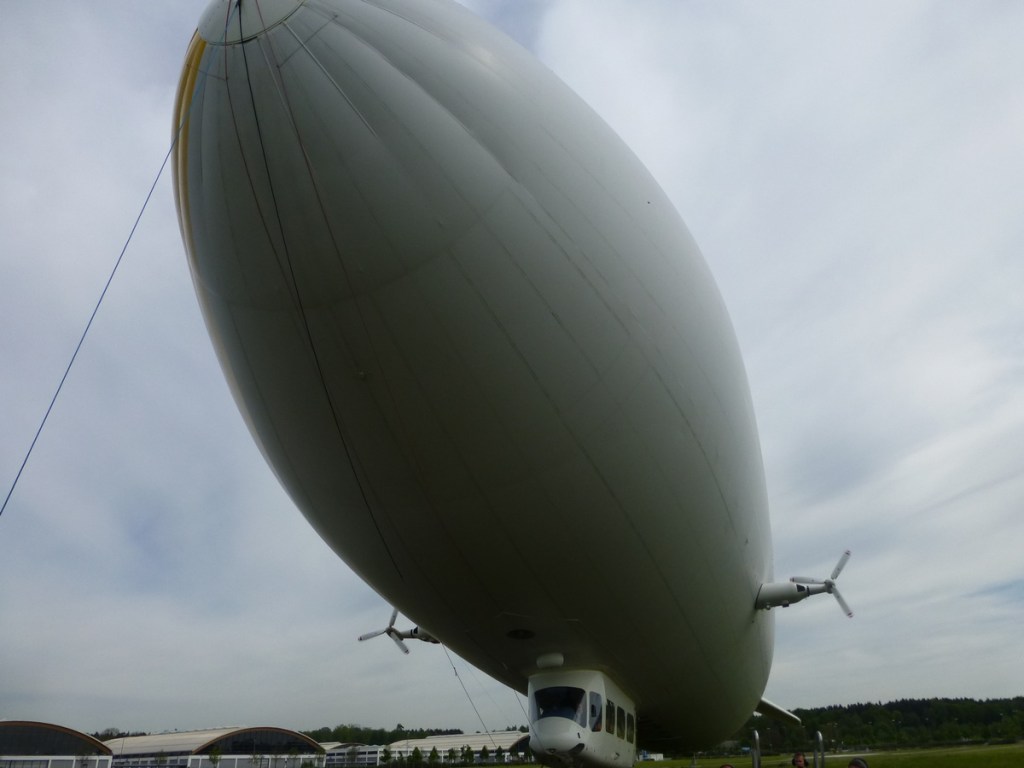

In 1909, his company Deutsche Luftschiffahrts, was the world’s first transport airline for the civilian carriage of passengers and freight. The following year, regular domestic flights began, and until 1914 there was not a single accident. During World War I, Germany was the only country that possessed zeppelins and used them for military purposes. In 1928, eleven years after the death of Count Zeppelin, Zeppelin was created for long-haul flights, with regular services across the Atlantic Ocean. After World War II, the production of zeppelins ceased, and it was not until 1993 that the German company Luftschiffsbau-Zeppelin renewed the tradition and created smaller 75-meter zeppelins, which since 2001 offer regular flights over Lake Constance.


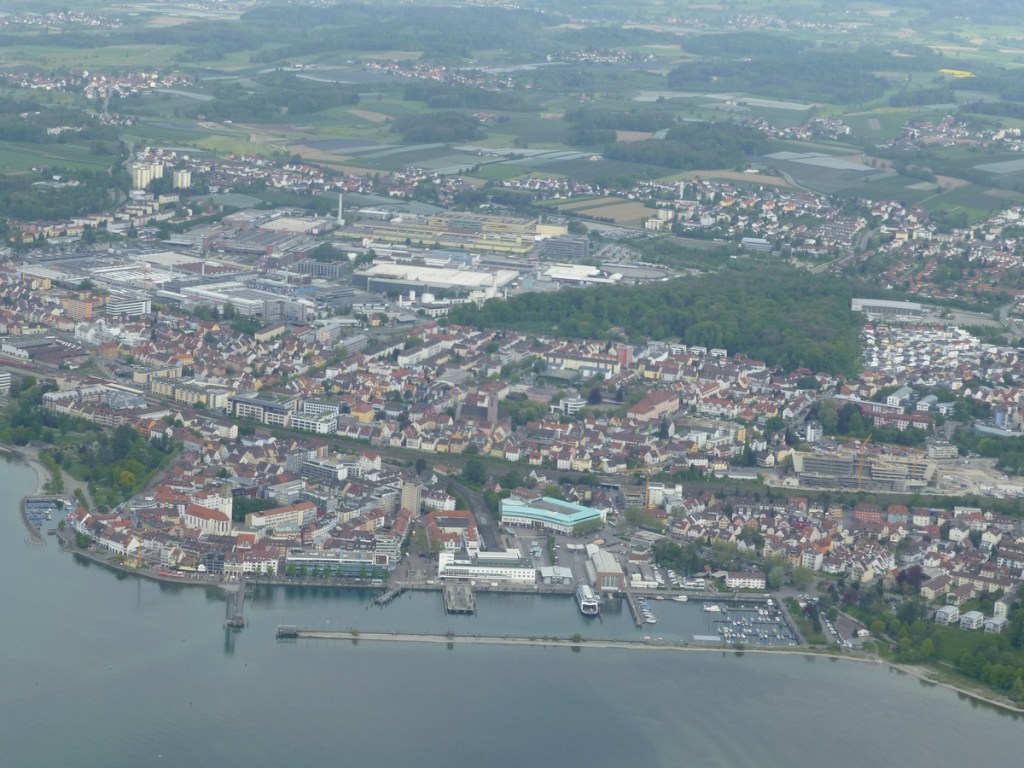


After the movie, we took a little bus to a green meadow where we were waiting for the zeppelin to descend and get into it. The upload itself was also very interesting. Our Zeppelin was called Wagner, and two people first came down from it and two of our group went up. Then two more guys came down and I went up, too. In order not to turn the zeppelin and to keep its balance, the descent and uploading took place two by two persons. There were only 12 seats in the zeppelin, which we gradually occupied. I sat just behind the flight attendant and the pilot. Their cockpit was very interesting, but the panoramic views outside were way too amazing. We flew at an altitude of 300 meters. There were many large windows, but they allowed us to open only two smaller ones, from where we took even nicer and clearer photos. After the zeppelin rose to a height of 300 meters, we were allowed to get up and take pictures from all sides. We flew south over many small towns, and for a long time we were over the shores of Lake Constance. We couldn’t tour around the whole lake, but the little we saw impressed us. The so-called Swabian Sea was very calm and blue, with many colorful houses and even castles lying on its shores.
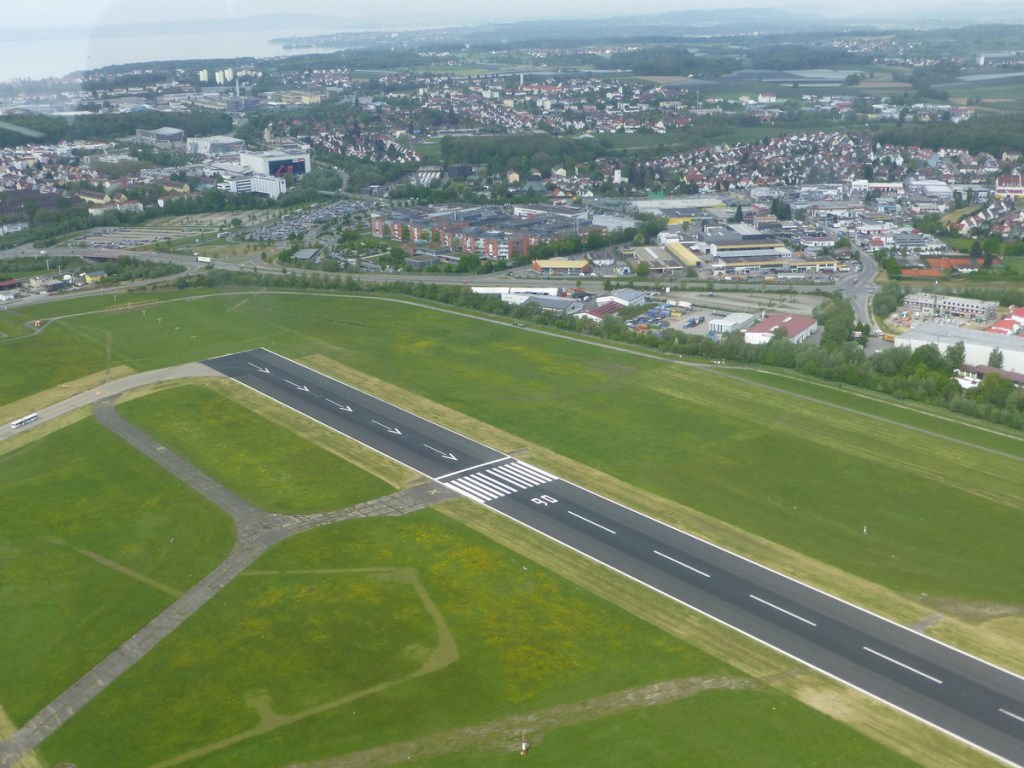

I liked the flight very much. The small fins buzzed slightly, and the landscapes changed amazingly quickly. The thirty-minute journey flew away astonishingly fast, and although we returned another way, we found ourselves in the Zeppelin halle again. The descent happened again two by two, and finally they gathered us in the hall and gave us a glass of champagne and a certificate that we had flown with Zeppelin.


Undoubtedly contributing to the beautiful flight was the beautiful landscape over Lake Constance, which impressed us very pleasantly, especially with its beautiful delta over the Rhine. The lake was divided into an upper and lower lake (called Obersee and Untersee respectively), with its water being processed by several plants and converted into drinking water. According to scientists, despite the high water of the Rhine, in 10,000 to 15,000 years this huge drinking European reservoir will disappear completely. I sincerely hoped they are wrong, as anyone who has seen the beautiful Lake Constance at least once cannot imagine the world without it.

General information about Lake Constance::
Location: Lake Constance, also known as Bodensee, is located between Germany, Switzerland and Austria.
Area: 571 sq.km
Maximum length: 63 km
Maximum width: 14 km
Altitude: 395 m
Mean depth: 90 m
Maximum depth: 251 m
Fish: catfish, perch, whitefish, European eel, trout, etc.
Further information: http://www.bodensee.de/
Trip Tips for Lake Constance:
Main attractions of the lake: 1) Mainau Island http://www.mainau.de/ 2) The city of Konstanz with its cathedral and the old town http://www.konstanz.de/en/01800/; 3) The medieval town of Meersburg http://www.meersburg.de/; 4) Lindau Island (with the old lighthouse and the beautiful old town with beautiful houses, fountains and cafes, the old town hall with a colorful facade and the church of St. Peter’s)http://www.lindau.de/; 5) Pfahlbaumuseum Unteruhldingen / Museum of Pile Houses is an open-air museum showing life during the Stone and Bronze Agehttp://www.pfahlbauten.com/
 TripTips