BERLIN – the German bear with cold heart


Berlin is the second most populated city in the European Union, and yet it’s hard to find someone to give you directions, and here guidance is needed. The city spreads over 892 square kilometers or twice as much as Sofia. From here passes the river Spree, on which about 1700 bridges were erected, which is even more than Venice. The television tower in the German capital (Berliner Fernsehturm) is one of the tallest structures in Europe. The largest railway station in Europe is the Berlin one. There are 175 museums in Berlin, which according to statistics is more than the rainy days here. With all these superlatives in mind, we had high expectations for the city, which, however, due to the bad weather and poor manners of passers-by, managed to win our cameras, but not our hearts. Chaotic and unfriendly these are my first and last impressions of Berlin.
It all started with the many S-Bahn and U-Bahn (city rapid railway and underground railway) stations, which had the same stops, and even worse, the same numbers. The fact that I spoke German did not help me at all. People like the December weather were terribly cold.
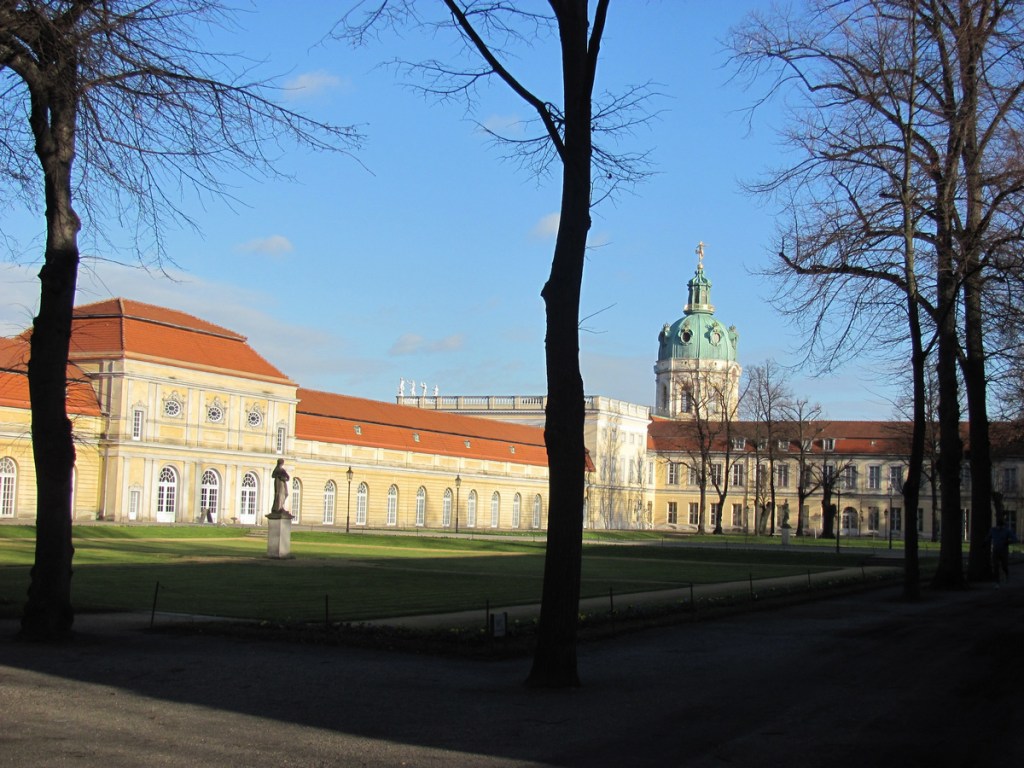
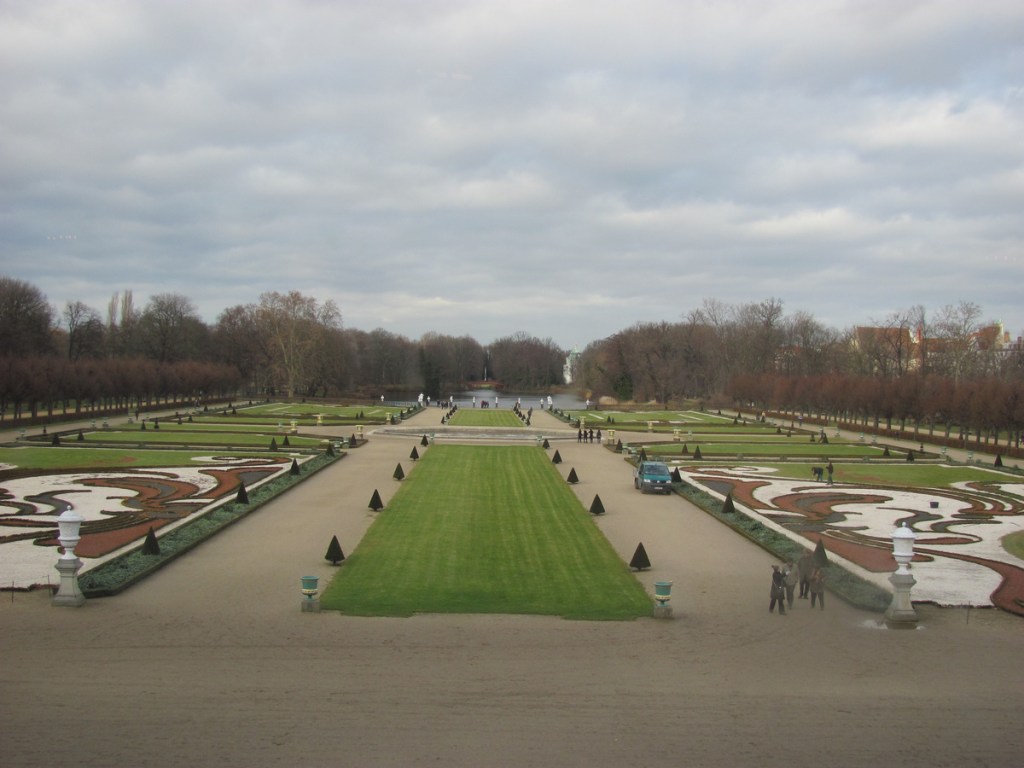
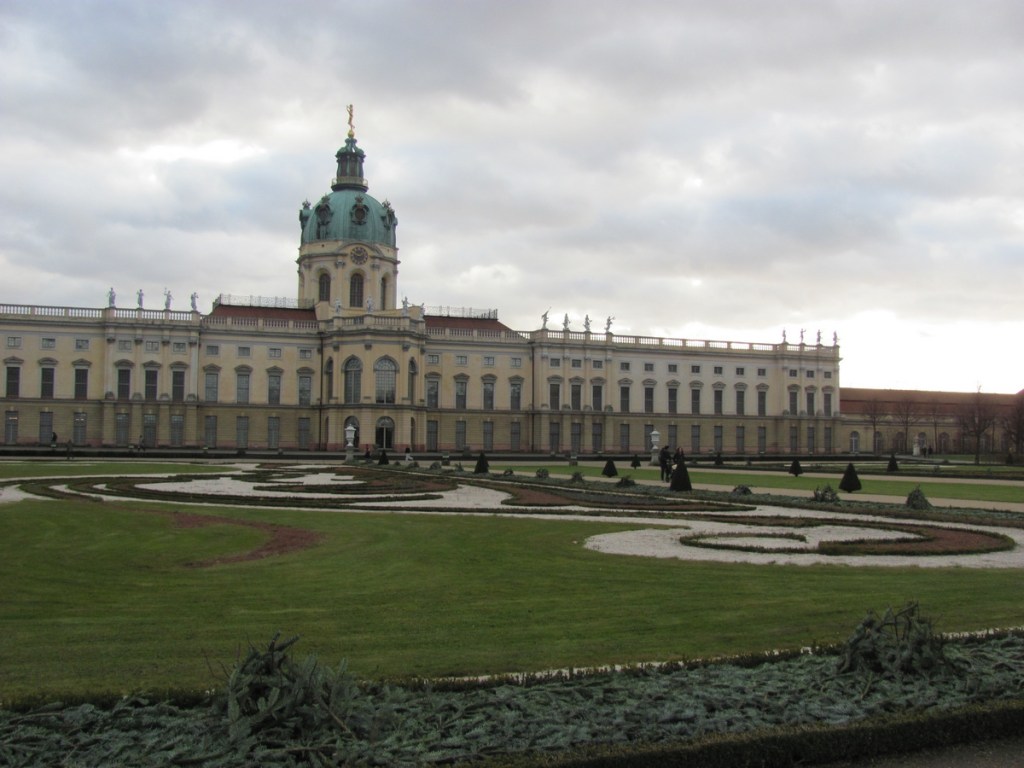
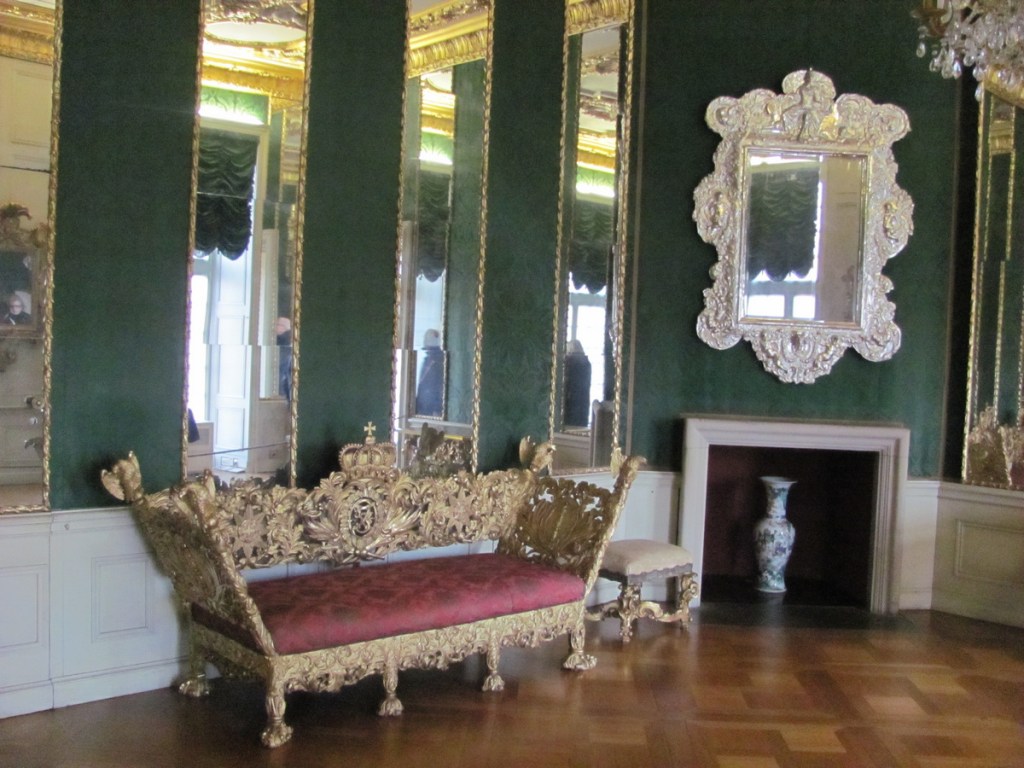
We started our walk from the majestic Baroque palace of Charlottenburg. Particularly interesting is the 48-meter dome of the palace crowned with a gilded statue of Fortuna – the goddess of happiness and luck. We decided to try our luck as well, entering the beautiful palace with lavish royal apartments. For all this splendor, it was hard to believe that during the Second World War all this was destroyed and that we were currently watching an excellent restoration.
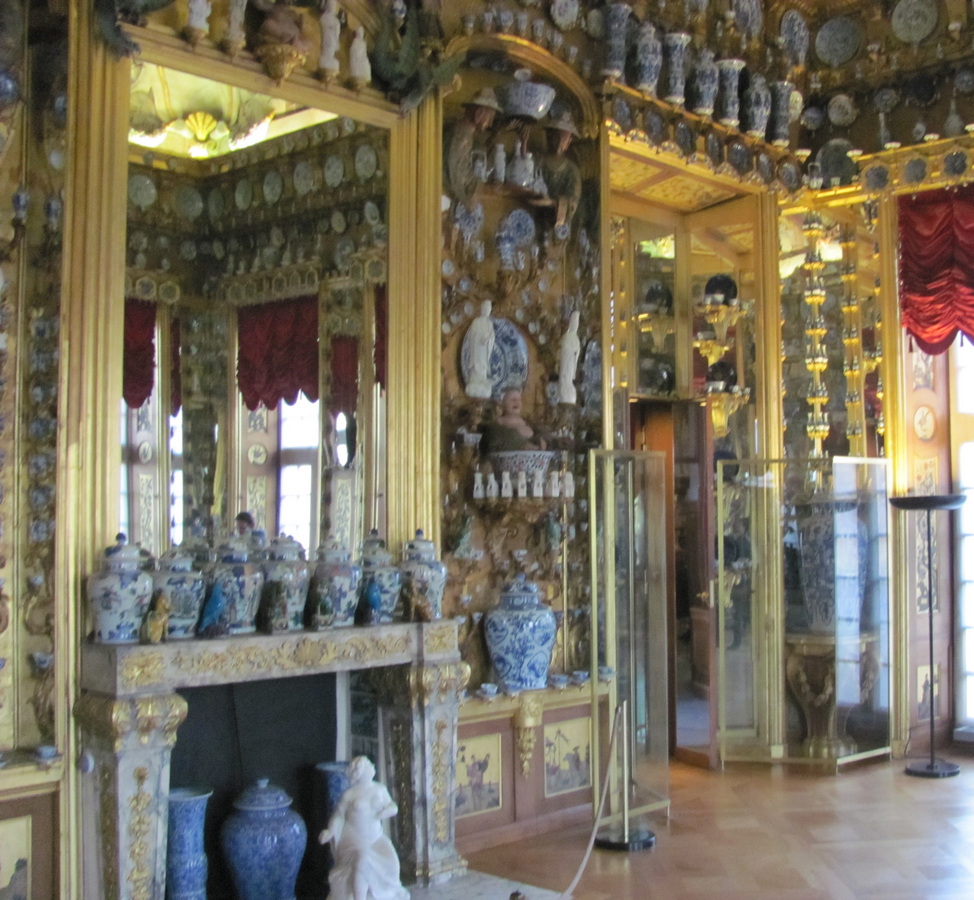
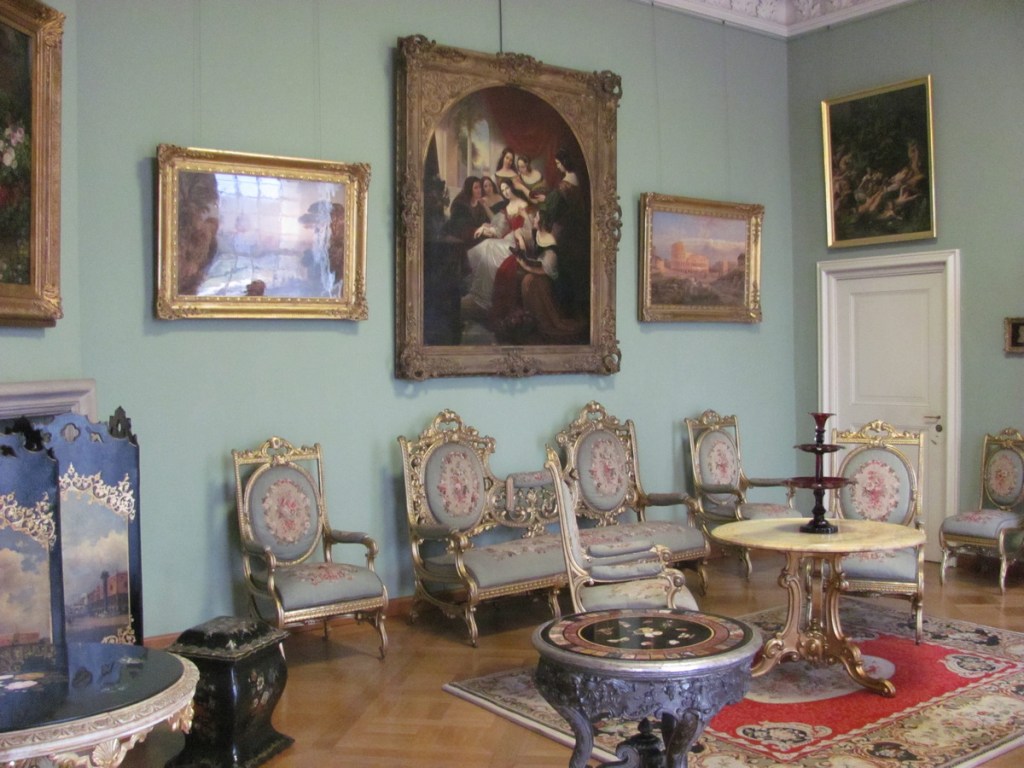
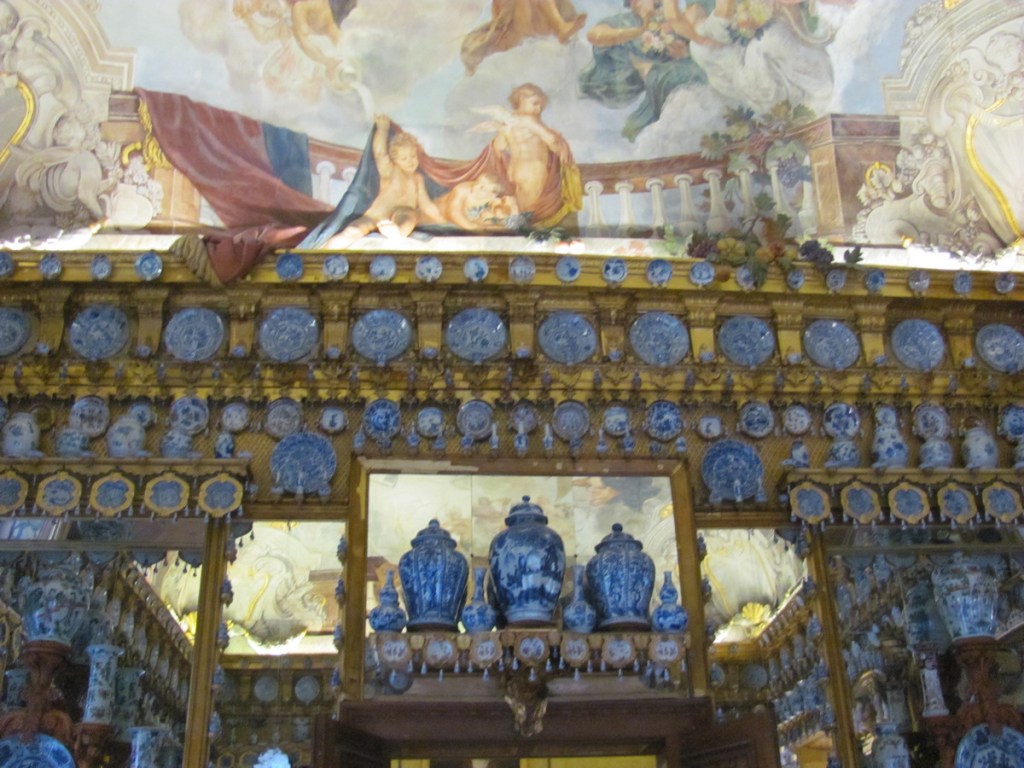
The palace was divided into several parts – the Old Palace (Altes Schloss), the new wing (neuer Flugel) and the beautiful gardens. We started from the old palace, which houses the apartments of Frederick I and Queen Sofia Charlotte. Rooms are in Baroque style with numerous carvings, ornaments and frescoes. Especially beautiful are the oak gallery with oval family portraits, the oval room that overlooks the garden, and the porcelain room filled with porcelain products imported from China (it seems that some things remain unchanged in time, and today our rooms are also full of Chinese goods, although not as fine as this ancient porcelain).
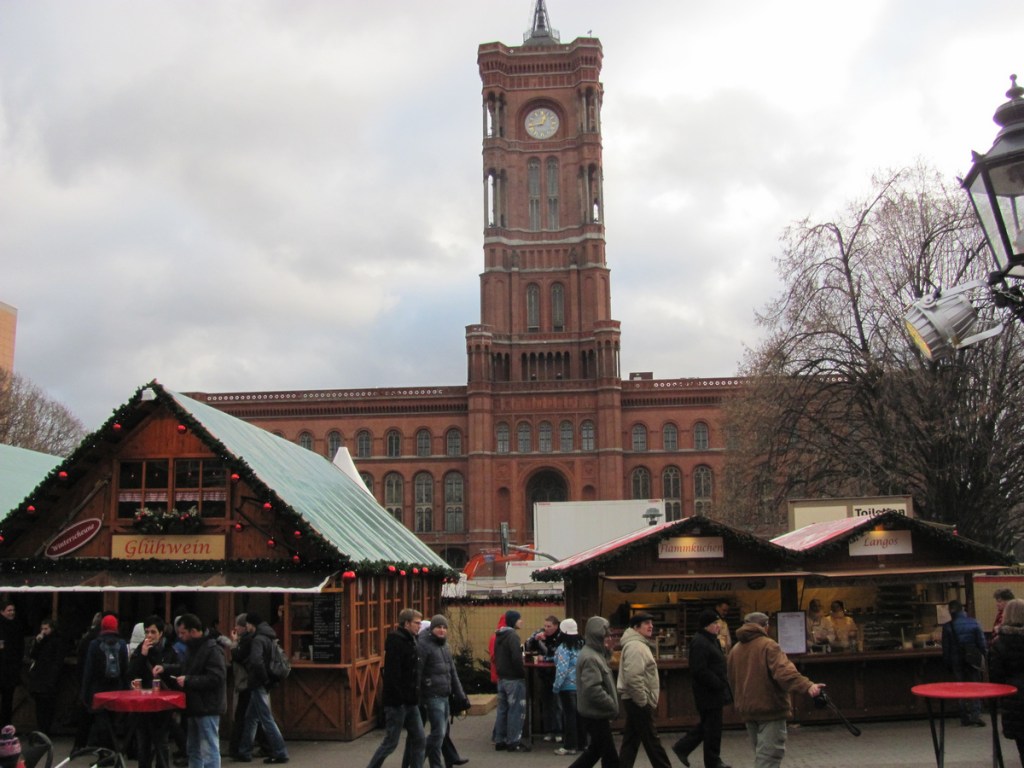
The new wing (neuer Flugel) was in restoration, the gardens outside frozen, so we headed to the small Christmas market, right next to the entrance of Charlottenburg. We enjoyed the cheerful music, the aroma of Gluehwein and baked sausages.




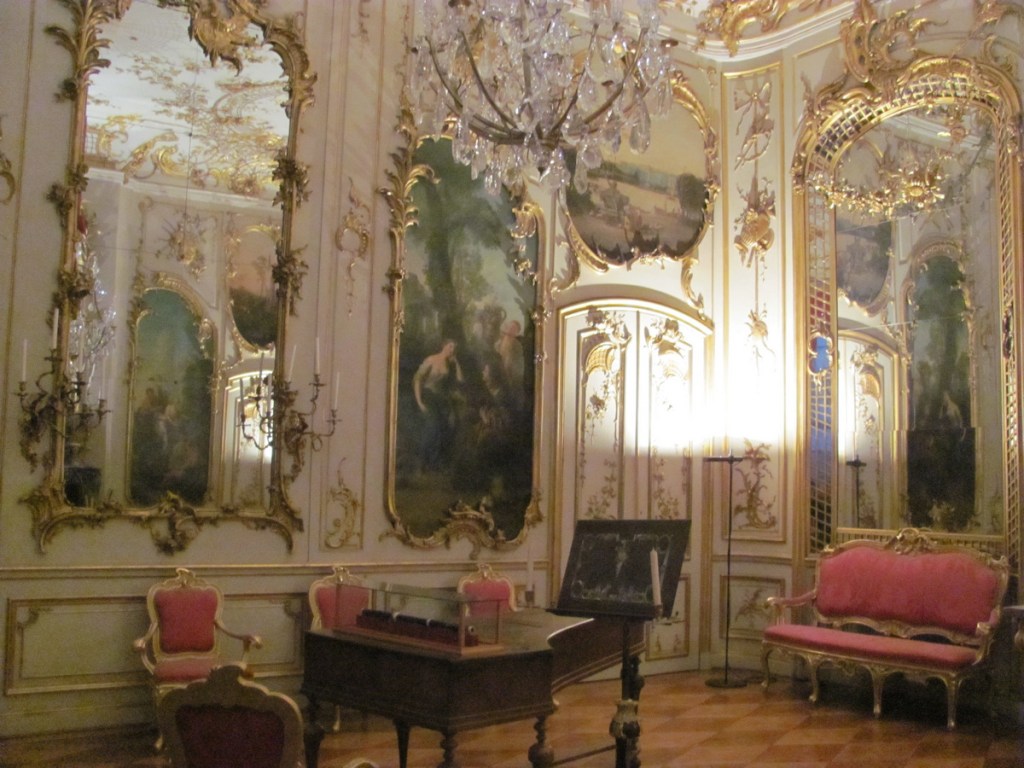
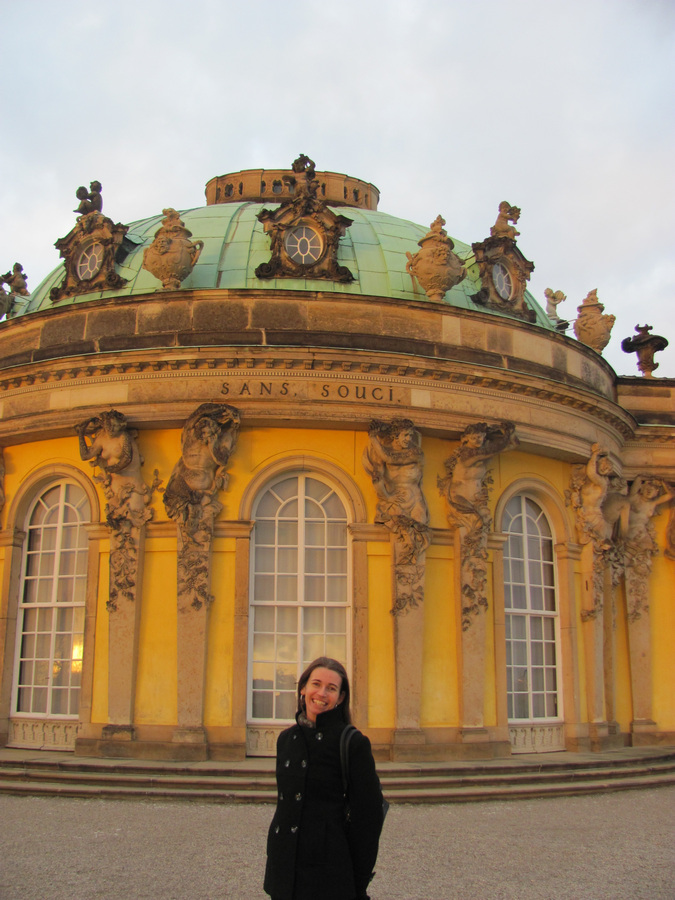
The Charlottenburg Palace managed to impress us and we did not want to go back to modern times, so we headed to another world-famous palace, with the sweet name Sans Souci (translated from French Carefree). The carefree palace was located in Potsdam, a small town on the periphery of Berlin, something like the Bulgarian Bankya. There are several palaces here, which together with many other beautiful buildings turn the city into important industrial and festival center.
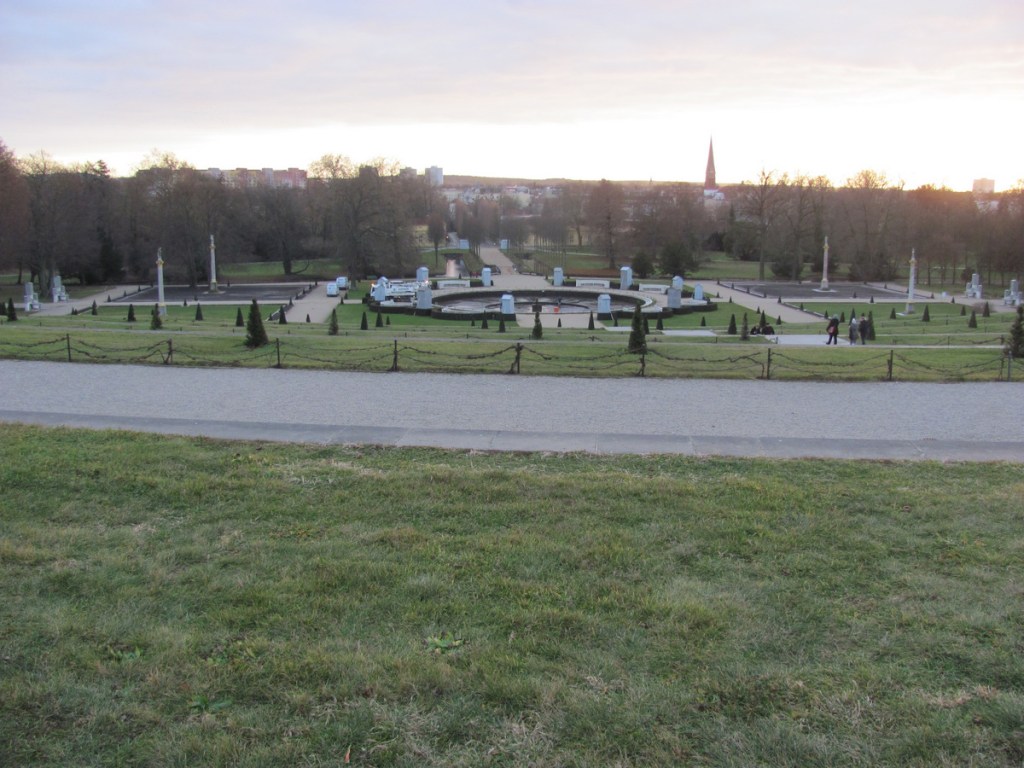
We reached Potsdam by the S-Bahn (Stadtschnellbahn or city rapid railway), whose ticket was also valid for the buses inside the city. We got down right in front of the magnificent rococo palace of San Soucí. Entering the palace was allowed only with organized groups and a guide, so we joined a German group learning interesting things about this summer residence of the Prussian ruler Frederick II the Great. He wanted to demonstrate the strength and might of his state, so he erected a building that is 213 m long, having 322 windows and 428 statues. Many paintings and valuable furniture are preserved here. A real masterpiece are also the lovely gardens, which, however, looked quite gray in the December afternoon, and the fabulous fountains in them did not work.


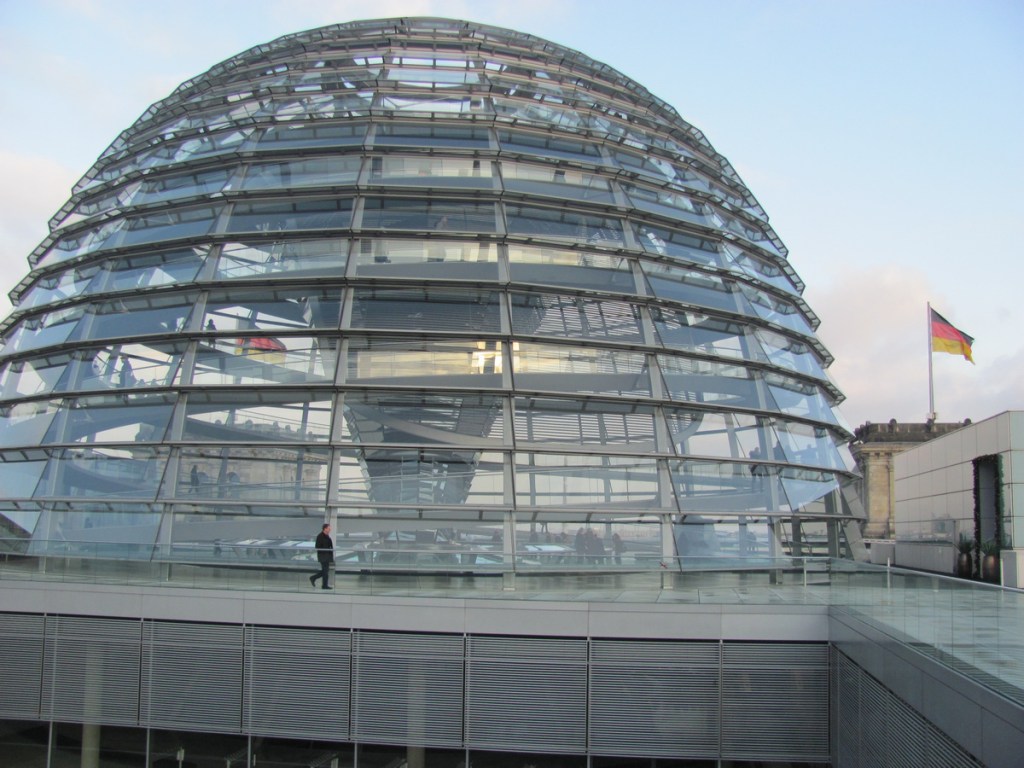
After the first day of glorious palaces, the second day in Berlin began with political monuments. Early in the morning we had an appointment to visit the Reichstag. Admission was free, but advance reservation is needed in www.bundestag.de It was worth the effort – the building was very beautiful especially the glass dome with sloping curved paths, from which we seemed to explore Berlin from all sides. My sincere congratulations to the architects who created this glass panoramic world.



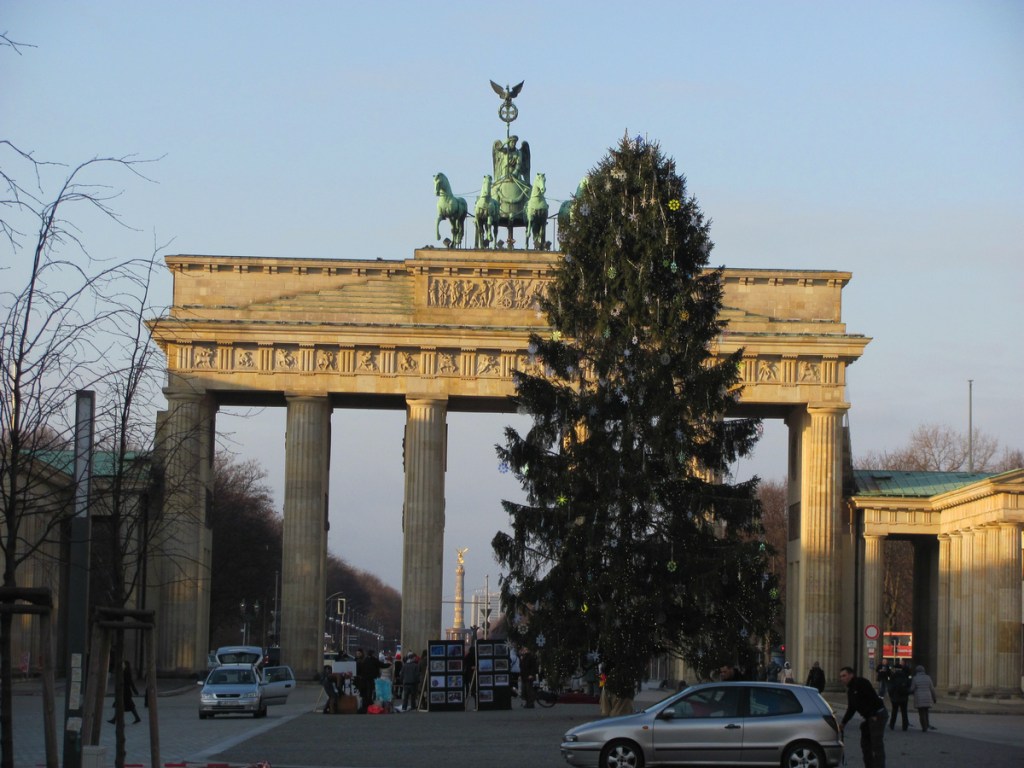
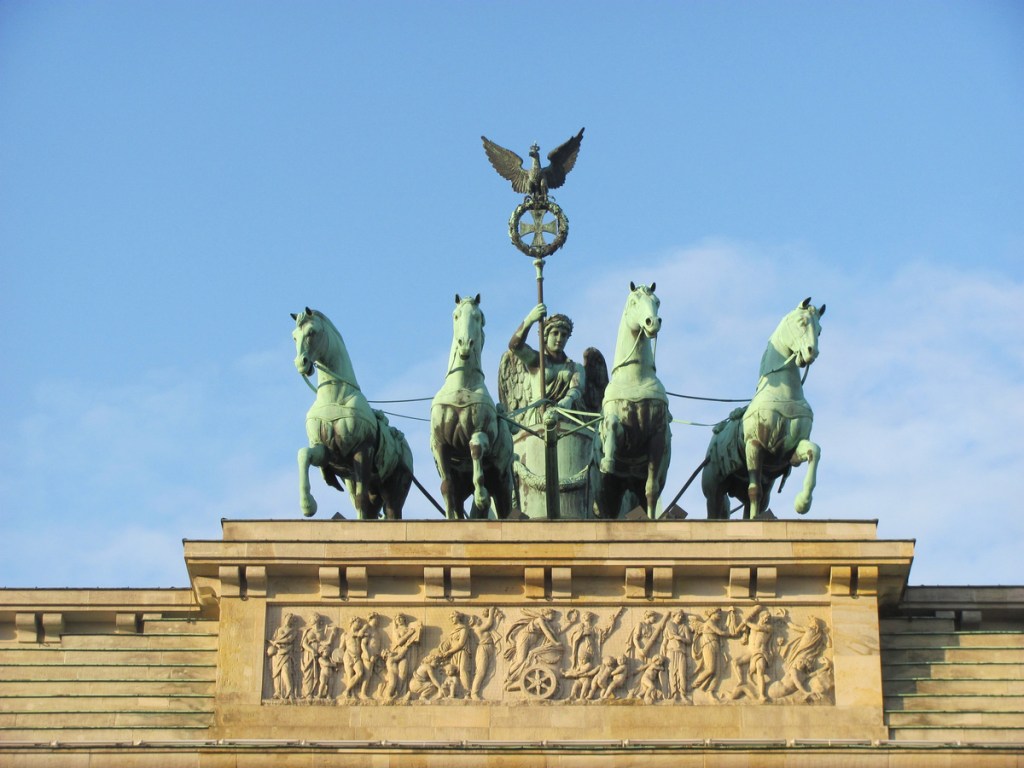
Our next stop was the Brandenburg Gate or this is the Berlin Arc de Triomphe. It was built between 1789 and 1791 in order to show the end of the city and the beginning of the road from Berlin to Brandenburg. At the time it was called the Gate of the World. Today it is located in the very center of Berlin and has become one of the symbols of a united Germany, especially with its exquisite statue of the Roman goddess of victory Victoria, who stands on top riding a chariot with beautiful horses.
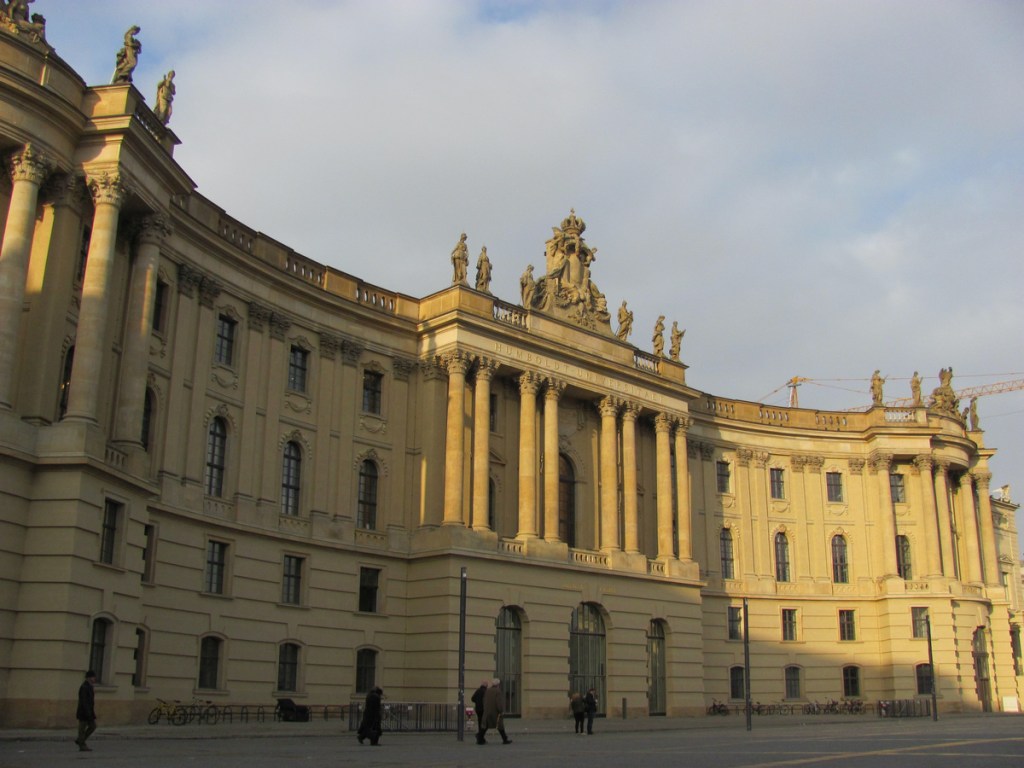
We passed several beautiful buildings, including the Cathedral of Sankt Hedwigs with a huge dome and Greek columns in front. The same was built in the 18th century and was the first Catholic church in Prussia after the Protestant Reformation. Equally impressive was the building of one of Berlin’s oldest universities, Humboldt, on whose top there were beautiful Greek or Roman statues. Similar statues were erected on other buildings, bridges and parks.
Several separate Christmas markets diverted us from the planned tour, but we managed to reach the famous German cathedral, which is not actually a cathedral in the true sense of the word. Its 100-meter-high dome is built on the site of the largest Protestant church in Germany. Behind it was the famous TV tower, but we turned to the left to the island of museums.



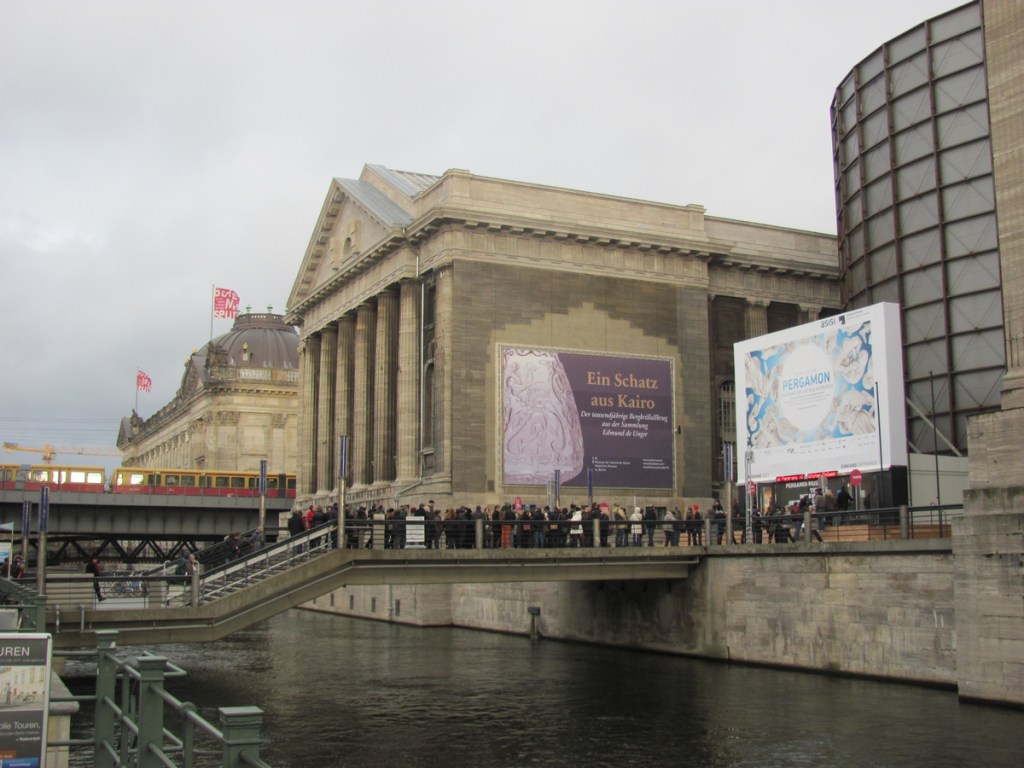
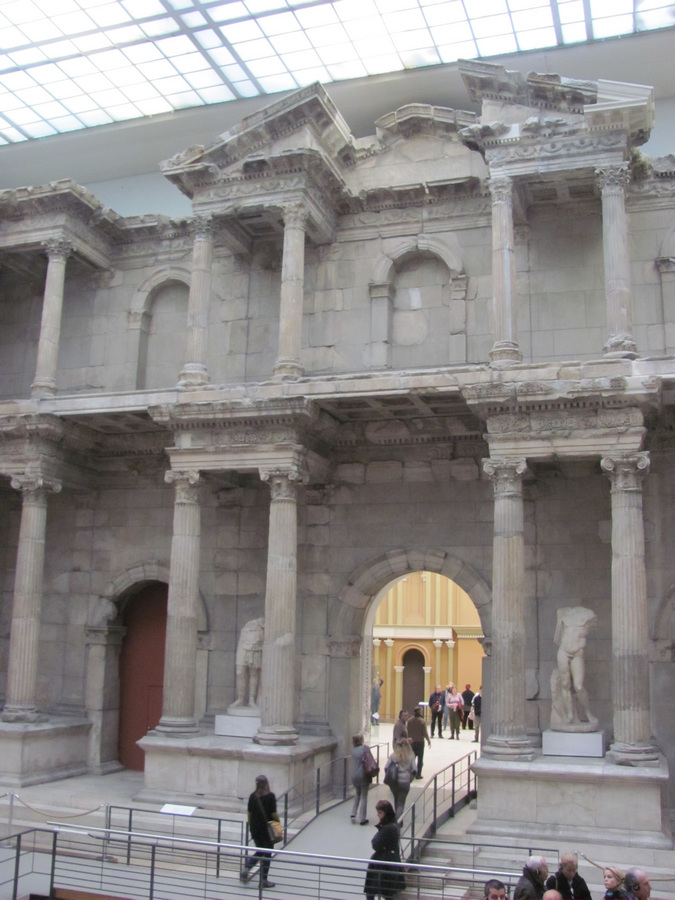
Museum Island is a unique place – in the middle of the River Spree are erected 5 world-famous museums, including the famous Pergamon – the most visited museum in Germany. The museum was named after one of its masterpieces, the altar of Pergamon, which occupies an entire separate room. Its individual fragments were found in today’s city of Pergama in Anatolia and took 20 years to be gathered in one place. The museum managed to impress us – statues and works of art from all over the world were collected here, and the exhibits took us to different eras and places.
The ticket price included a view of a panoramic hall, similar to our panorama in Pleven, in which an ancient Greek city was presented. The figures and paintings completely merged and created the feeling that we were really there.


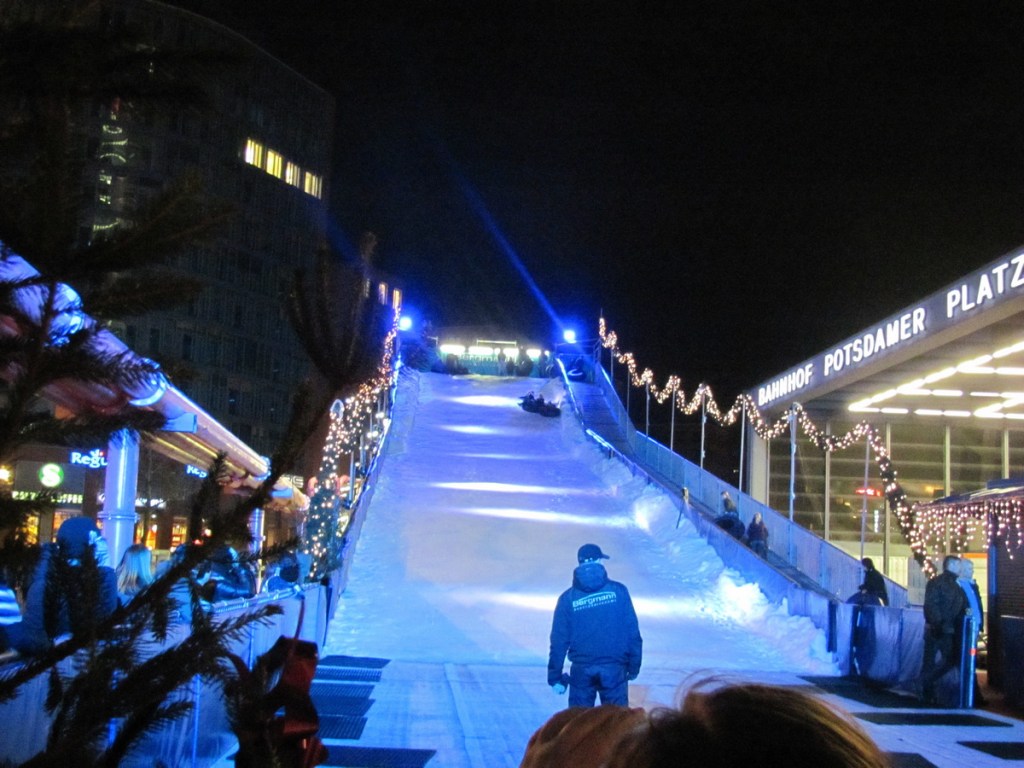
Hungry we headed to one of the many Christmas markets, as there seemed to be one in every quarter. In addition to places to eat and gift shops, there was also other attractions as a winter slide where the children had real fun. The biggest one was the slide in Potsdam Platz, which was not for figure skating, but for sledding. The Christmas spirit was everywhere and quickly infected us. Even in the cold weather, Germany had something to attract millions of tourists – Christmas markets in December and colorful carnivals in February. Our long weekend in the German capital went well, except for time, transport and people. However, the architecture was impressive and the 450 photos proved this. The name Berlin probably comes from the German word Bar – bear, and for me the city remains a charming German bear with a cold heart.



GENERAL INFORMATION ABOUT BERLIN:
Location: Berlin is located in eastern Germany, 70 km west of the border with Poland, in the Brandenburg region, with the River Spree winding through the city.
Area: 891.85 sq.km, this is the largest city in Germany.
Population: 3 582 166 people (data from 2014)
Official language: German
Altitude: 34 m
Climate: humid continental climate, with warm summers (temperatures around 22-25 C) and cold winters with freezing temperatures.
Time zone: UTC+1
Currency: euro (EUR)
Further information: http://www.berlin.de/
Trip Tips for Berlin:
Best time to visit: all year round
Typical food and drinks: Germany is known for its baked sausages and beer, and Berlin is no exception. Especially popular here are the sausages Currywurst, Kartoffellpuffer (potato pancakes), Berliner doughnuts, etc.
Places to visit: Brandenburg Gate, Reichstag, preserved fragments of the famous Berlin Wall, Museum Island, Pergamon Museum, Berlin Cathedral, Potsdamer Platz, Alexanderplatz and others.
 TripTips