HELSINKI – THE WHITE CITY OF THE NORTH


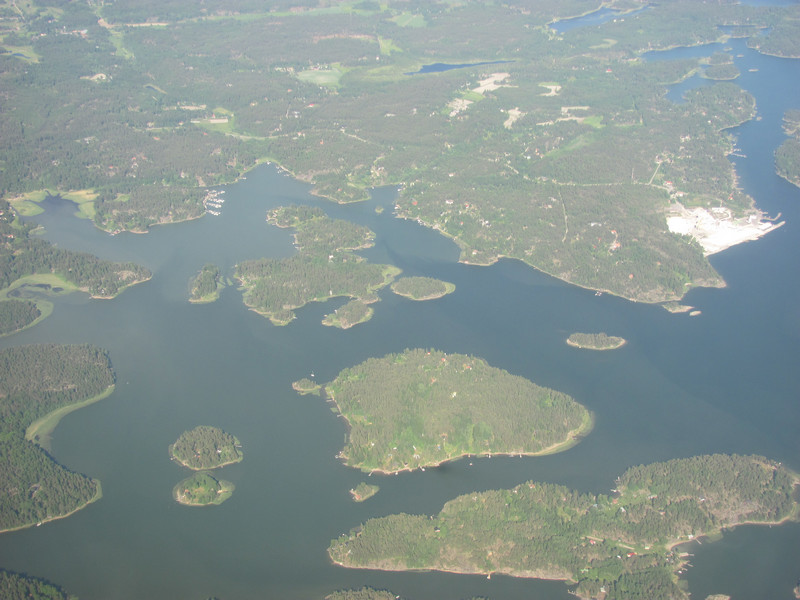
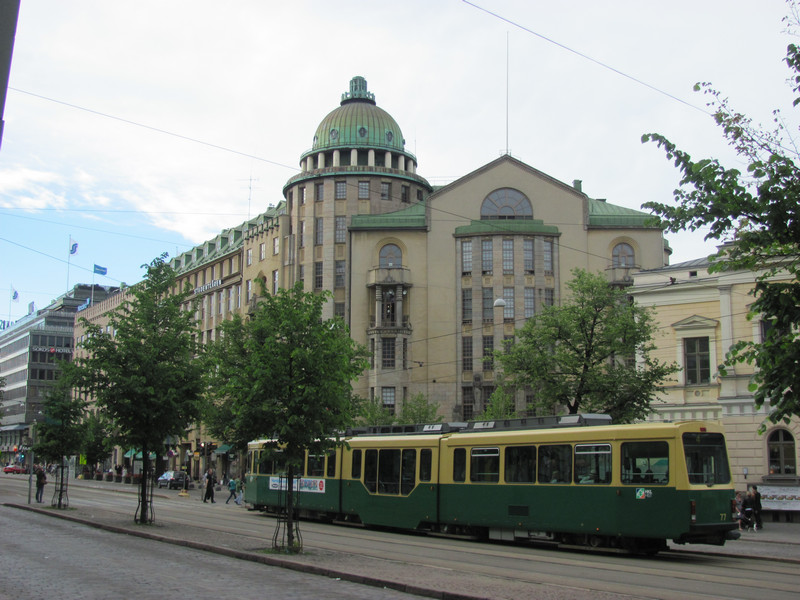


Helsinki has been called the “White City of the North” because of the large number of white coloured buildings. It is the capital and largest city in Finland, located in the south of the country on the coast of the Gulf of Finland, part of the Baltic Sea. It is also the northernmost capital of a member state of the European Union. The city includes more than 300 islands, some of which we had seen from above, landing at Helsinki Vantaa International Airport.
Along the way, I had read interesting facts about the city that I hoped weren’t true. Helsinki is considered one of the coldest cities in the world, where more than 51 days in winter the sun never appearing at all, with 101 average snow days, 121 rainy days, and 169 days with sub-zero temperatures. However, we were greeted by a sunny warm June day. At the airport, the thermometers showed +26C at 17:30. When we got there by bus to the Central Station, the temperatures had dropped to +20C, and later as we walked in the evening it was only +15C, but it was still sunny and bright, it was the period of white nights.
Our hotel was located 5 minutes from the Central Station, next to the large Forum mall. The previous day I had received by email from the hotel a notification that our room is number 421 and the door code is 14537. There was no reception in the hotel, the front door was locked, but after entering the code, it was opened. There was a computer in the lobby where we could check or change our reservation, in order to continue further into the hotel, however, we had to write our code again, after which the doors opened. The elevator also required a code to start moving, and finally we wrote the code on the hotel door. The room was very functional, with a large bed and almost as large TV on the wall, the bathroom and toilet were in a protruding room that separated the bedroom from the living room, which consisted of a sofa, a table and two chairs. We also had a refrigerator, a microwave and a kettle for heating water. For the first time we were in a hotel with a computer reception and everything went surprisingly easy and successful.
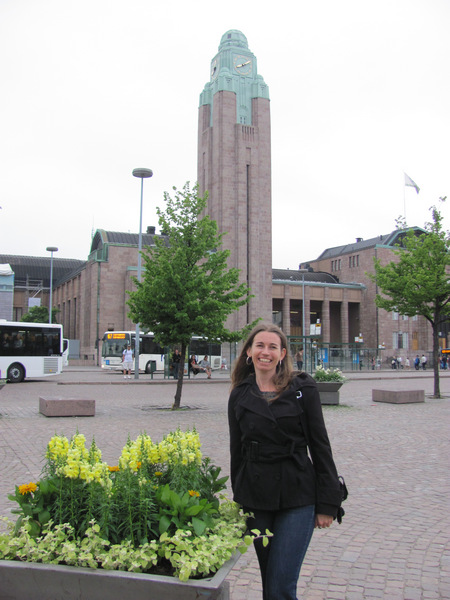
We left our luggage at the hotel and went outside, with our eyes wide open and jackets tightly closed, the temperatures had already dropped to +15C. Firstly, we walked around the square in front of the Central Station, the building itself was beautiful with a high clock tower. About 200,000 passengers pass through here daily, making it the most visited building in Finland.

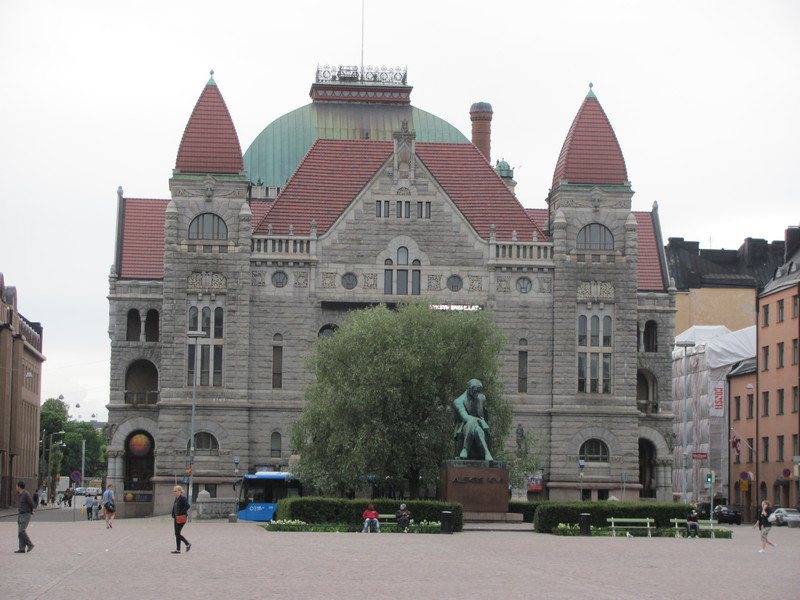
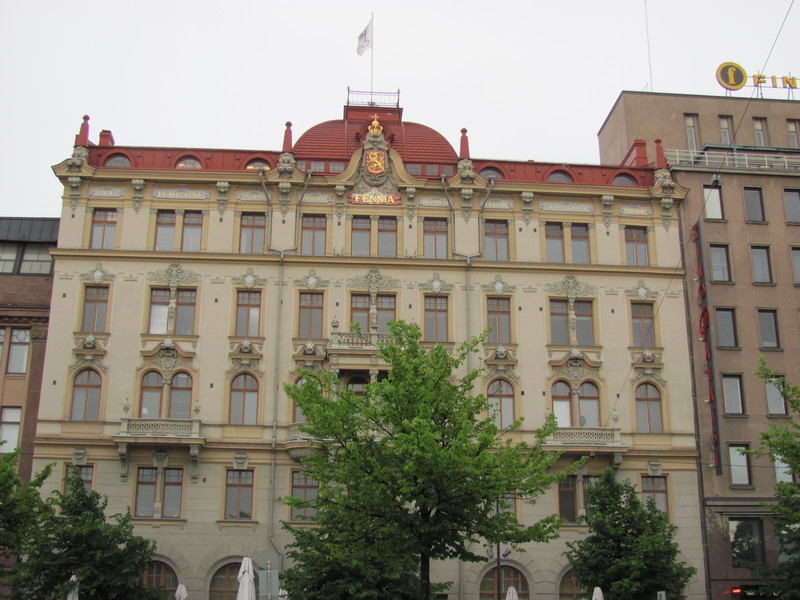
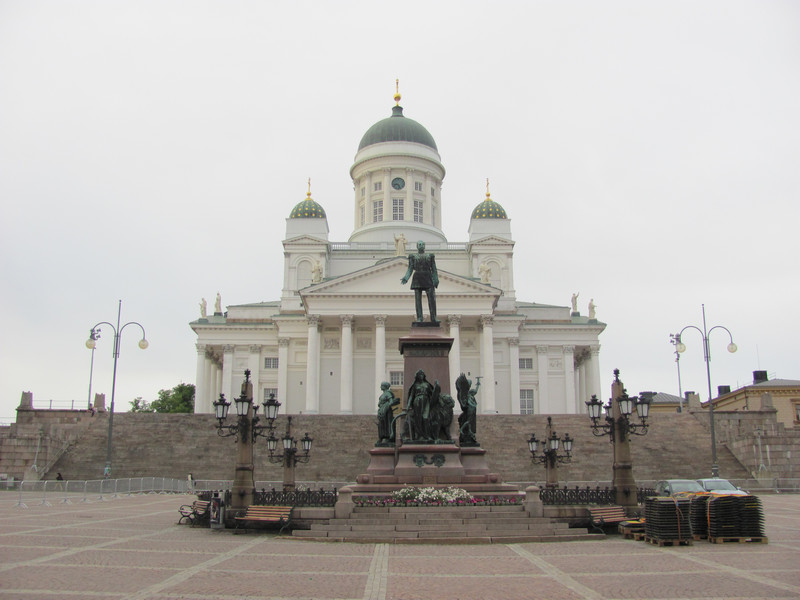
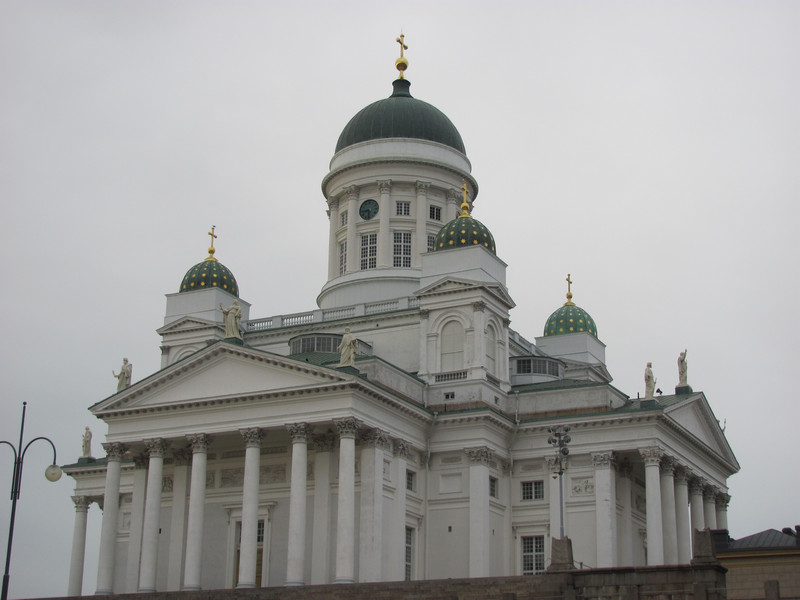
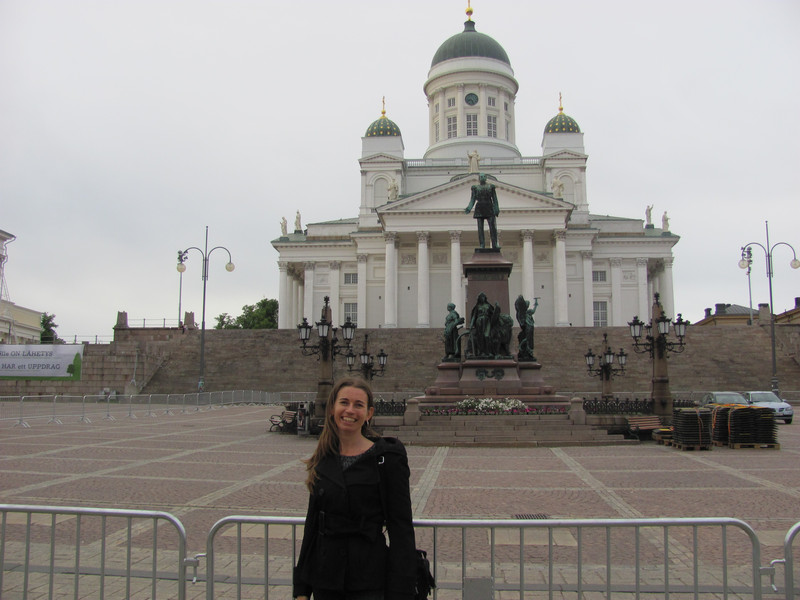
Most buildings in Helsinki were neoclassical, typical of Northern Europe – relatively large (on 7 floors) and somehow cold, but perhaps we were affected by the temperature difference we felt in less than an hour. The sunny sky was also hidden behind thick cloud covers. We headed to the Helsinki Cathedral, which is a large Lutheran church erected in the period 1830-1852. It is also known as the church of St. Nicholas. In front of it there is a statue of the Russian Emperor Alexander II, which we photographed from a distance, as the square was fenced off and was apparently preparing for the upcoming holiday on June 12.
In fact, Helsinki originated as a city under the Swedish city of Gustav Vasa, who ordered the people of Rauma, Ulvila, Porvoo and Tammisaari to move and inhabit the land around the mouth of the Vanta River. His order was made on June 12, 1550, and the date is considered to be the origin of Helsinki. Since 1959, June 12 has been celebrated as Helsinki Day with numerous celebrations and fun events throughout the city.
Our first day, however, was June 10 – in the holiday’s eve. At 20:00 in the evening there were almost no people on the streets, we walked calmly and took lots of pictures. The sun appeared from time to time, and it was expected to set at 22:43 and rise again at 03:57. The night was too short, to be able to get dark everywhere. It was the white nights that we took advantage of the long day light, walking until 23:30.
From the Cathedral we descended to the promenade, where on a hill stood the Uspenski Cathedral, which is considered the largest Orthodox church in Western Europe and is impressive with its Byzantine-Russian architecture. Especially beautiful were the 13 domes, which ended with golden balls and crosses. It was already closed and we could not see the beautiful icons inside and large candlesticks hanging from the roof, but we took great pictures from the outside.
The promenade took us to the market square, which at that hour was also quite desolated, with only a few tourists like us passing by and photographing the buildings. Here is situated the town hall, where on June 12 in the morning the celebration would begin with a solemn speech of the mayor. The town hall was beautiful in a bright sky blue colour, on the roof proudly waved the Finnish flag white with dark blue stripes in the form of a cross, representing peace and Christianity. According to another interpretation, the blue color of the flag resemble the thousands of lakes in the country and the sky, and the white – the snow, which for most of the year covers the country. In any case, the colors of the flag matched well on the facade of the town hall, which was actually built in 1833 as a hotel, but in 1930 the mayor moved here and the building acquired a completely new look in 1967-1970.

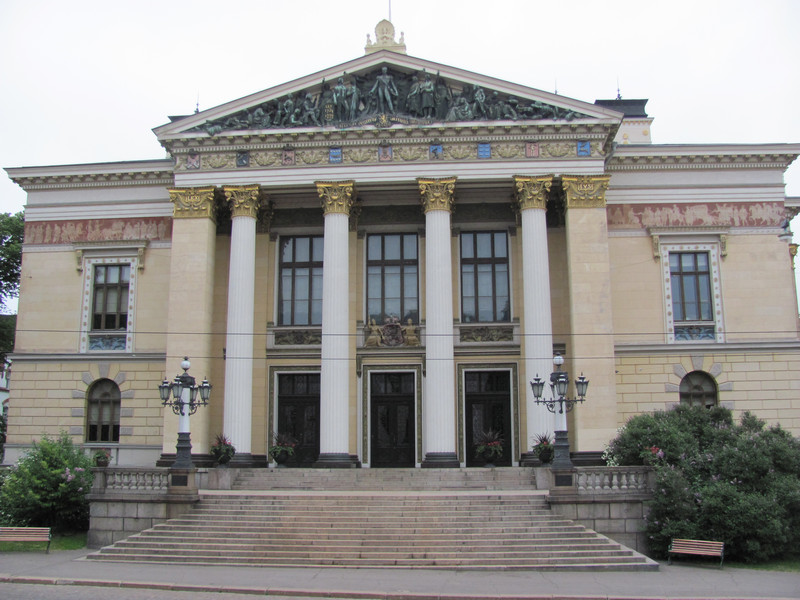

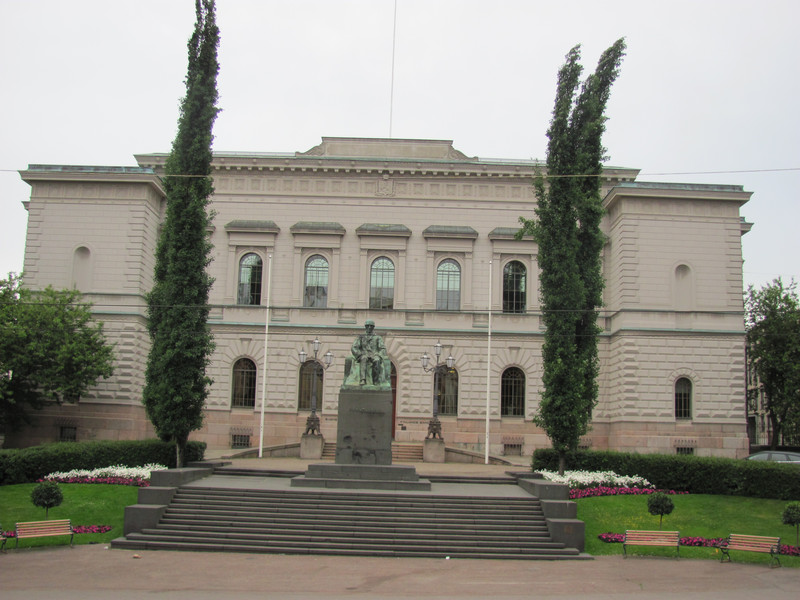

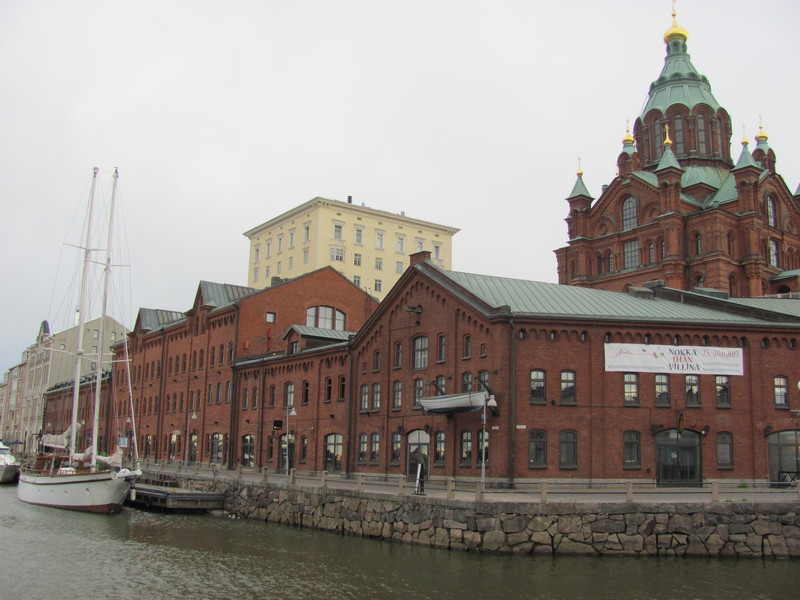
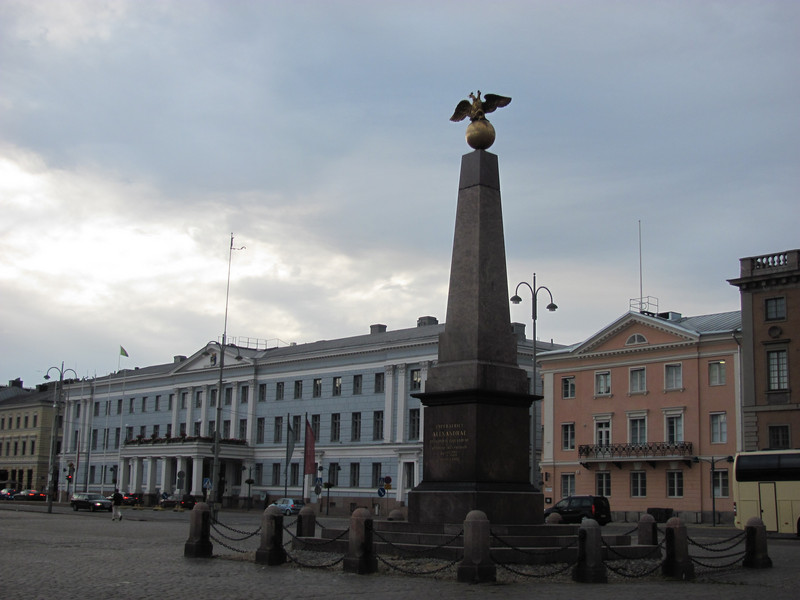


Our walk was calm and pleasant, and not only the white nights allowed us this, but also the security and tranquillity in this country. According to an international survey, Finland was one of the most uncorroded and most democratic countries in the world in 2012, and my first impressions confirmed this. We went through different shopping streets with large but closed shops, only the restaurants worked, but we still hadn’t dared to try the Finnish cuisine. The famous French politician Jean Chirac said about the British: “You can’t trust people with such a bad kitchen. This is the country with the worst food after Finland.”
We went to bed at day light and woke up in the light, even though it was only 05:30. We spent the day on a day trip to Tallinn taking the ferry. The port was less than 30 minutes walk from the hotel. Many Finns did that as well, going mainly for shopping in Tallinn, which was significantly cheaper in all areas.


On the festive June 12, the holiday of Helsinki, fun events such as music, street art and theatre were planned throughout the city. The entrances to the museums were free, and in the evening a big Radio Aalto concert with the top performers of Finnish music was expected.
At 08:30 we left the hotel, heading to the courtyard of the town hall, where the mayor was expected to give a solemn speech to open the holiday. On the way we did not notice people in a festive mood, it was a common working Wednesday – people went to work and the children went to school. There was no one in front of the cathedral, and several elderly people were crowded into the alley in front of the museum. There was also a choir, who was about to sing so we headed in that direction. We passed a stand where everyone was given a free slice of bread smeared with butter. We already had breakfast, but we decided to try the Finnish food, which actually was not so bad.
The choir began to sing and we joined the audience. After the first song, the mayor of Helsinki Jussi Pajunen appeared on the balcony, and gave a solemn speech, from which I understood only the word Helsinki. Finnish and Swedish were the two official languages in the country, but both were incomprehensible to me. Finally, the mayor said only one sentence in English, that he welcomes all the guests of the city and invites them to the courtyard of the town hall for a small treat. That’s where we headed too. The number of people had grown and a queue lined up towards the courtyard of the town hall, but it was moving quickly, and in a few minutes we found ourselves in the yard, where large tables were stretched, on which they served a piece of cake and a cup of coffee and milk. On the Internet, I had read that Finns are the biggest consumers of coffee, with 12 kg per person a year of coffee, which is twice as much as Italians, three times as many as Americans and four times as much as Britons. I don’t know how true it is, but everyone was filling their cups.


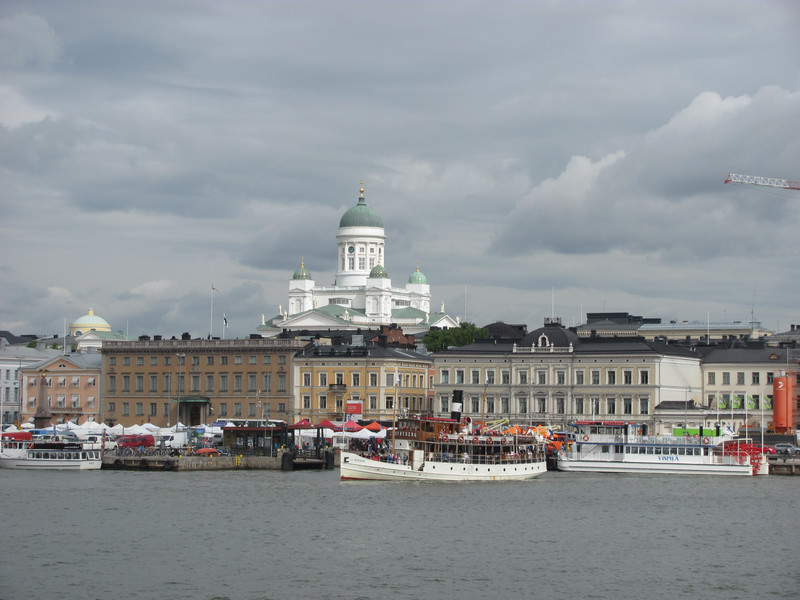
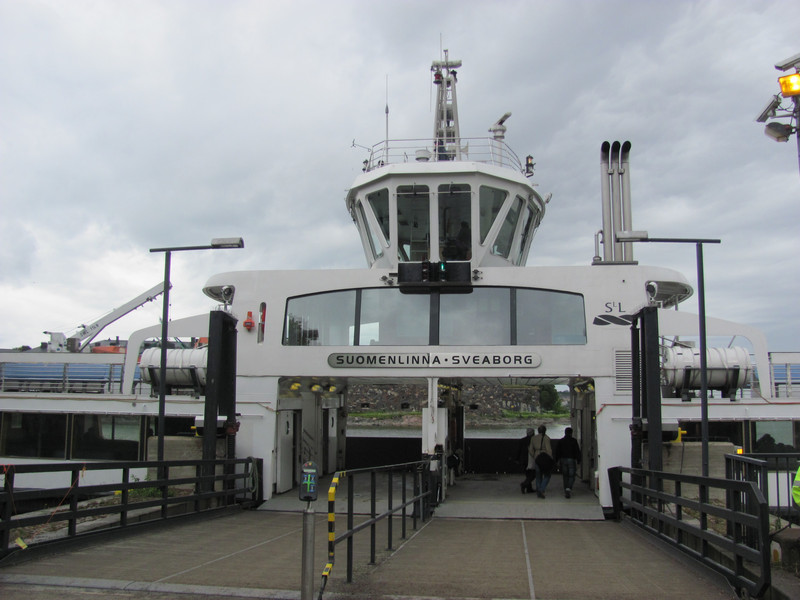


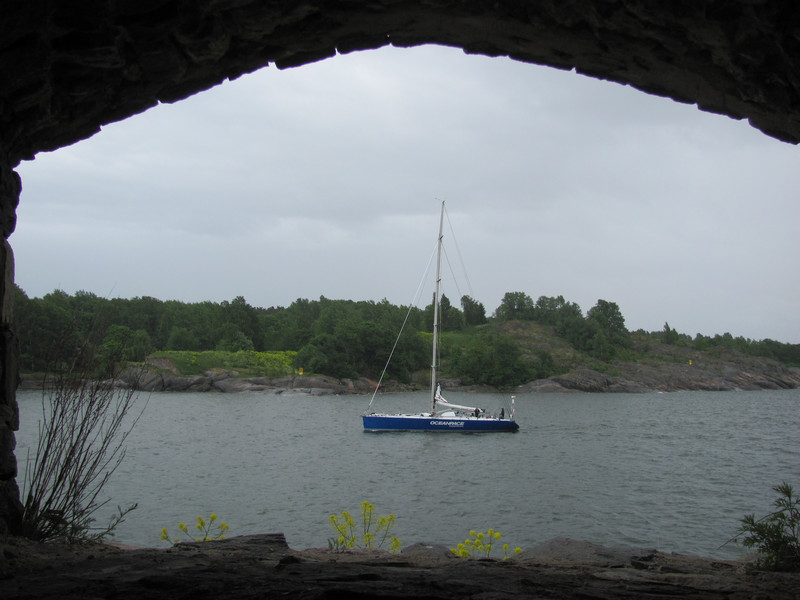


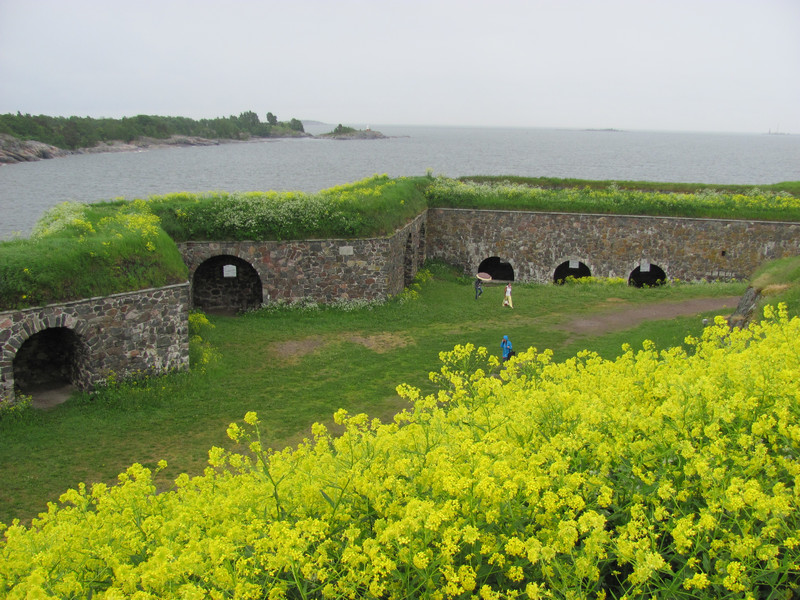


On our way out to the City Hall, we headed to the market square, which was overwhelmed by merchants. There were all kinds of food stalls and gifts. However, we had decided to take the ferry and take a walk in the morning to the island of Suomenlinna, which had fortress walls – part of the cultural heritage of UNESCO. All the guidebooks described Suomenlinna as a must-visit. On this island there was something for everyone – strong fortress walls, military cannons, tunnels, a submarine, cafes, restaurants, even a brewery.
The 15-minute ferry ride was also a great way to explore Helsinki from the water, passing through the numerous islets. The wind blew and the sun pulled several clouds towards it. We buttoned our jackets and went down to the island, which consisted of four parts. First we toured the one with the large yellow buildings resembling a naval museum – the only inhabitants here, however, turned out to be a flock of geese, who proudly paced the fortress walls with their little fluffy grey ducklings. Then we went to the central island, where a large church with an almost as big bell stood up. It was surrounded by a group of tourists, and we moved on, feeling the light rain that began to appear.
We found shelter in the information center, then continued along the beautiful alleys of the island laden with yellow flowers. We passed through the fortress walls and looked at the dark stone corridors. Then new alleys took us to the other side of the island, where there were many green hills with open hiding places representing military burials. Here the rain intensified and we hid in a tourist hut prepared for this purpose. It was a large one-storey wooden building, with numerous wooden tables and benches, as well as two toilets, nothing else. However, the roof above was enough, and we, like the other tourists, sat down at the tables and waited.
After 30 minutes it was still cloudy and wet, but the rain had at least decreased slightly. With umbrellas and hoods, we were among the first to leave the hut and headed for a new expedition of the island. The most interesting part was forthcoming. Above the burials there were large cannons with which we took pictures, and then we descended to the fortress walls from which windows we enjoyed interesting views. There was a lighthouse, boats and other landscapes that we captured with the cameras. We also stopped in front of the big gate with numerous steps reaching almost to the sea water. The rain had stopped, and we heard the sound of swords nearby. There was a performance, and a woman in medieval clothes was fighting a sword with a man. Another man, also in a theatrical costume, shouted in Finnish and gave instructions to the lady who won the battle and the whole audience applauded her.
Instead of the planned time or two, we spent 4 hours on the island. Despite the rain, the trip was worth it and I would confirm the information in the tourist manuals that this is a place that is worth visiting.


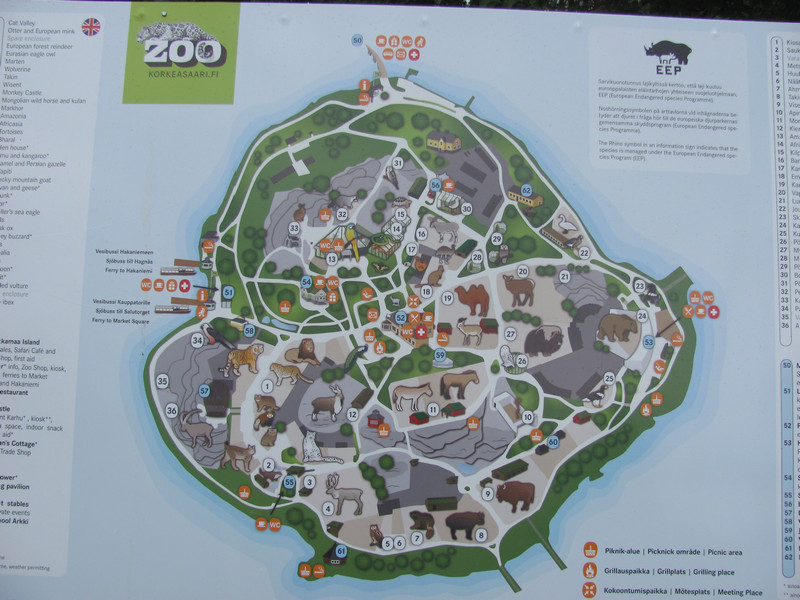
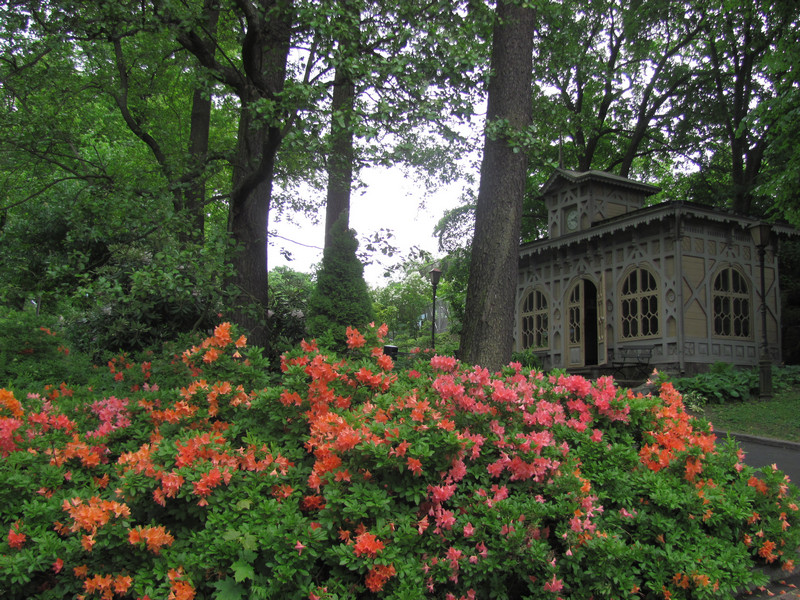
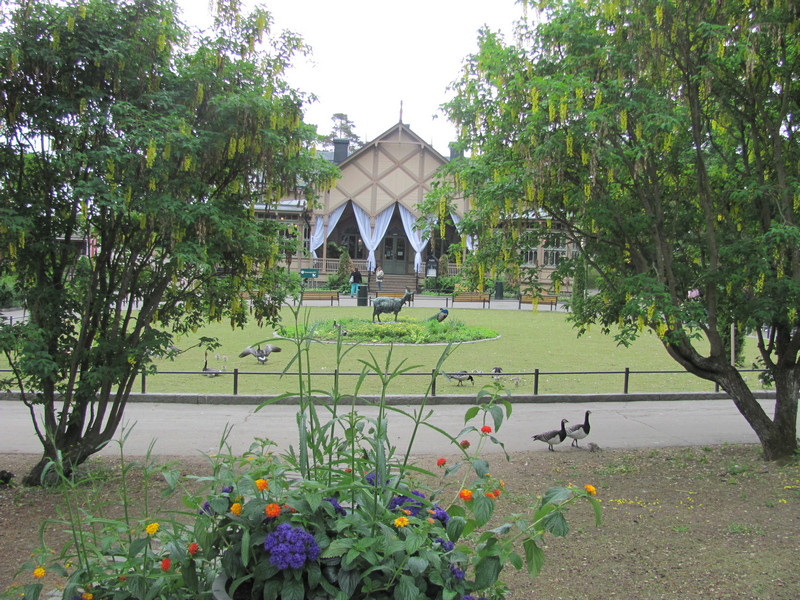
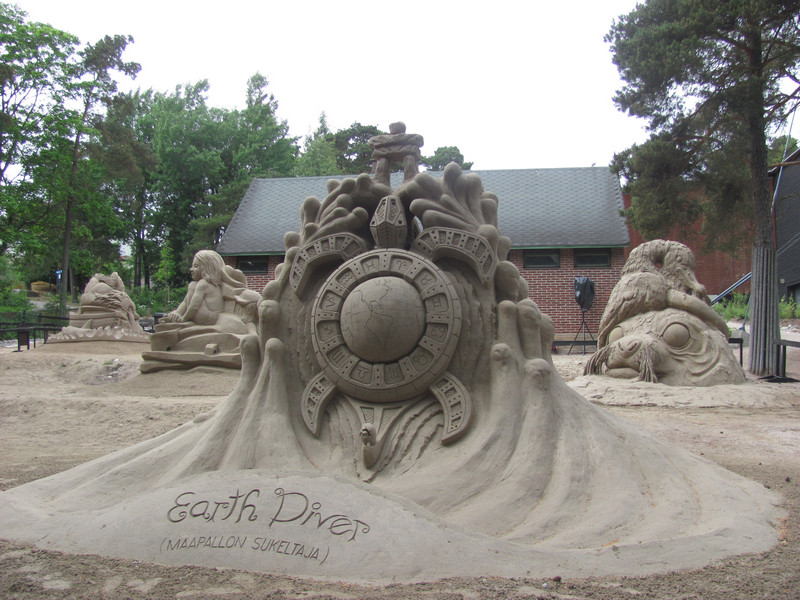
The ferry took us back to the market square, where instead of taking a walk and picking up something for lunch, we transferred immediately to the other ferry, which left in 2 minutes in the direction of the zoo. The Helsinki Zoo occupies an entire island. The cages of the animals are spacious with lots of greenery, and the variety of animals is also enviable. There was no elephant and giraffes that would be difficult to cope with in this climate, but there were lions, tigers, jaguars, kangaroos and even camels with thick fur. Especially beautiful were reindeer, among which there was a very small deer, apparently recently born. Near the bear cage there was a separate park with sand figures, which were also impressive and very beautiful.
We also entered the covered part of the zoo, where heat-loving animals and insects were stored. There were monkeys and speckled birds toucans, water turtles and even an alligator. For the first time I saw a poisonous blue frog, as well as a Mexican ascholottle, which is a water salamander – fish with legs, really amazing creatures. There were pythons and various other snakes, and also a lizard covered in spikes.



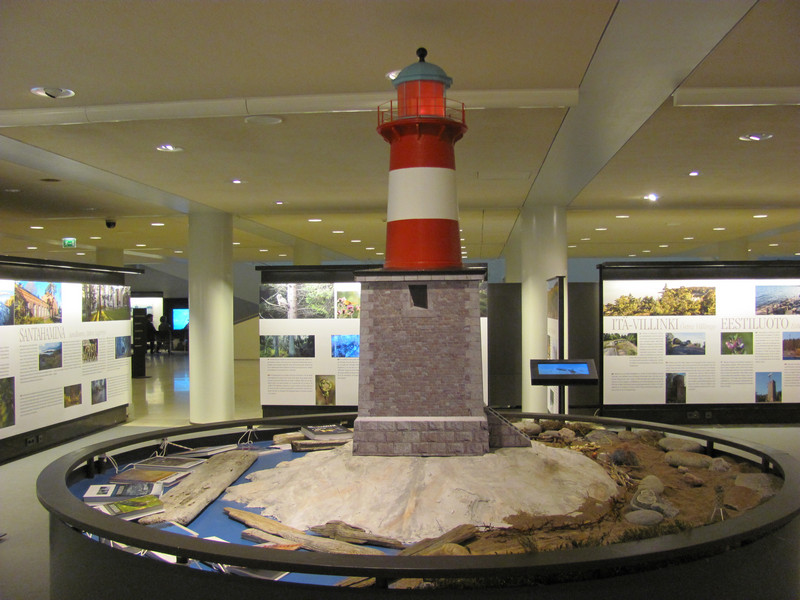


After the zoo, the ferry took us back to the market square, where the stalls had significantly decreased. The museums had already closed their doors, but in the town hall there was a festive ball. We looked at the exhibition area in the town hall with many photos of Helsinki and admired the pleasant music that came from the 2nd floor. We had neither invitations, neither festive clothes for the prom, so we headed to the next attraction the concert.
Before that, however, we decided to extend our walk and go to the famous stone church, bearing the complex name Temppeliaukio. The church was erected inside the rock itself, its walls being natural rocks, there are no icons only a huge dome and a large organ that created excellent acoustics. The church opened in 1969 and is a popular tourist attraction not only during Mass, but also during concerts that take place here. We went outside of working hours, but the guard took pity on us and let us in for 5 minutes. The acoustic was really excellent, with the snap of the cameras being heard far away.
In excellent mood we headed to the park, located near the beautiful Toolonlahti Toloviken lake. At the other end of it standing the opera house and the Olympic Stadium, and we headed in that direction.
The white opera house did not impress us with its architecture, probably because it was a new construction – erected in 1993. Our attention was more focused on the opposite shore of the lake, where the Linnanmaki amusement park protruded. He had a huge Ferris wheel and roller coasters. If it wasn’t so cloudy and we weren’t expecting the rain, we’d probably stop by there too. Now, however, we took a remote photo of the Olympic Stadium (host of the 1952 Summer Olympics) and headed back through the park, but from its other shore in the direction of Kaisaniemi Park, where from 4 p.m. to 10 p.m. there was a Radio Aalto concert. The concert had already begun, with music being heard from afar. The closer we got, however, the more the rain intensified. Along the stage itself there were guards and everyone without umbrellas was released. It was raining and the last thing I wanted was to leave my umbrella somewhere, so I watched the scene from afar, seeing everything on the big screens. We listened Finnish performers for a first time, and I enjoyed it. A little before 10:00 p.m., we were already in the hotel, with wet umbrellas and cameras full of photos.
Somewhere in Helsinki, there was 300-meter outdoor tables, inviting everyone to join and share their festive dinner. However, we did not get involved, preferring to dry well before tomorrow’s upcoming trip, this time to St. Petersburg.


Drying should not be difficult in a country with over 1.8 million saunas. Another interesting fact about Finland is that there are no public phones in the country. This is the homeland of Nokia and over 5 million mobile phones are used in the country. The name Nokia is actually derived from the name of a Finnish city.
It was interesting to learn that in Finland the amount of fines from the traffic police depend on the severity of the violation and the amount of the driver’s income. The most expensive ticket issued so far belongs to the director of Nokia, who drove at 80 km/h at an allowed 40 km/h and the ticket was 170,000 euros. With our Bulgarian salaries, we could drive there peacefully, and probably next time we would, as outside of Helsinki there are many more wonderful places that Santa’s country offers. It was called that because near the town of Rovaniemi, Finnish Lapland is the official office of Santa Claus. Every year, about 700,000 letters are received from children from 198 countries. Perhaps we should have sent him a letter too, wishing to return to Finland again.
GENERAL INFORMATION ABOUT HELSINKI:
Location: Helsinki is located in southwestern Finland on the coast of the Gulf of Finland, part of the Baltic Sea.
Area: 715.55 sq.km
Population: 588 195 people
Official language: Finnish and Swedish
Altitude: 26 m
Climate: cold moderate continental
Time zone: UTC+02:00
Currency: euro (EUR)
Additional information: http://www.hel.fi/www/helsinki/fi
TRIP TIPS ABOUT HELSINKI:
Best time to visit: May to September, when the sun barely sets.
Typical food and drinks: salmon, herrings and other seafood specialties
Places to visit: Suomenlinna Island (the largest island fortress in Europe); Lutheran Cathedral (the symbol of Helsinki and one of the reasons why they call the city “the white city of the North”), the Stone Church (carved into the rock itself and covered with a copper roof), the Uspenski Cathedral (the largest Eastern Orthodox temple in Western Europe), Linaimjak (the oldest amusement park in Finland, from where there is a tower and a Ferris wheel that revealed the most beautiful panoramic views of Helsinki).
 TripTips