TALLINN – A NORTHERN FAIRY TALE
author: Ana Boneva


Estonia is the 43rd country I’ve visited on my 34th birthday. I decided that it was time to stop counting my years and focus on the number of new countries.
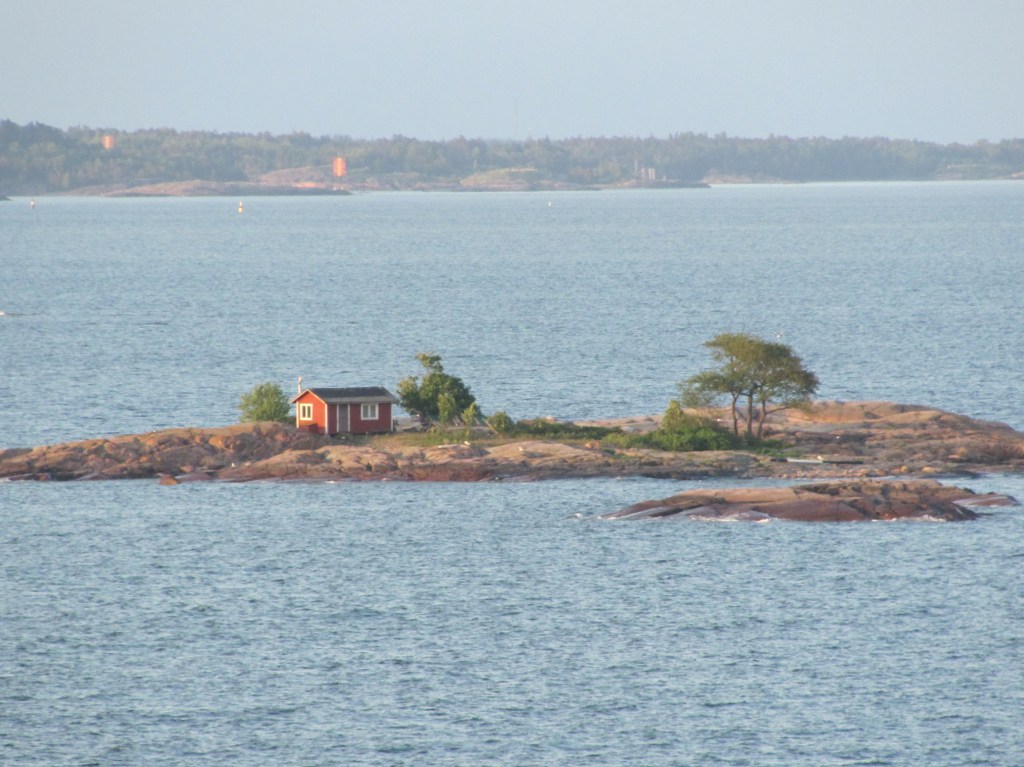
We travelled to Tallinn by Tallink Silja Line Ferry, which started from Helsinki and turned out to be a huge cruise ship with 9 floors, various restaurants, shops and of course a sunny deck, from where we photographed the receding city of Helsinki and the approaching in 2 hours Tallinn. The distance between the two cities is only 80 km, but the beautiful ship predisposes to a calm and pleasant trip. Especially wonderful were the many islands we passed by.
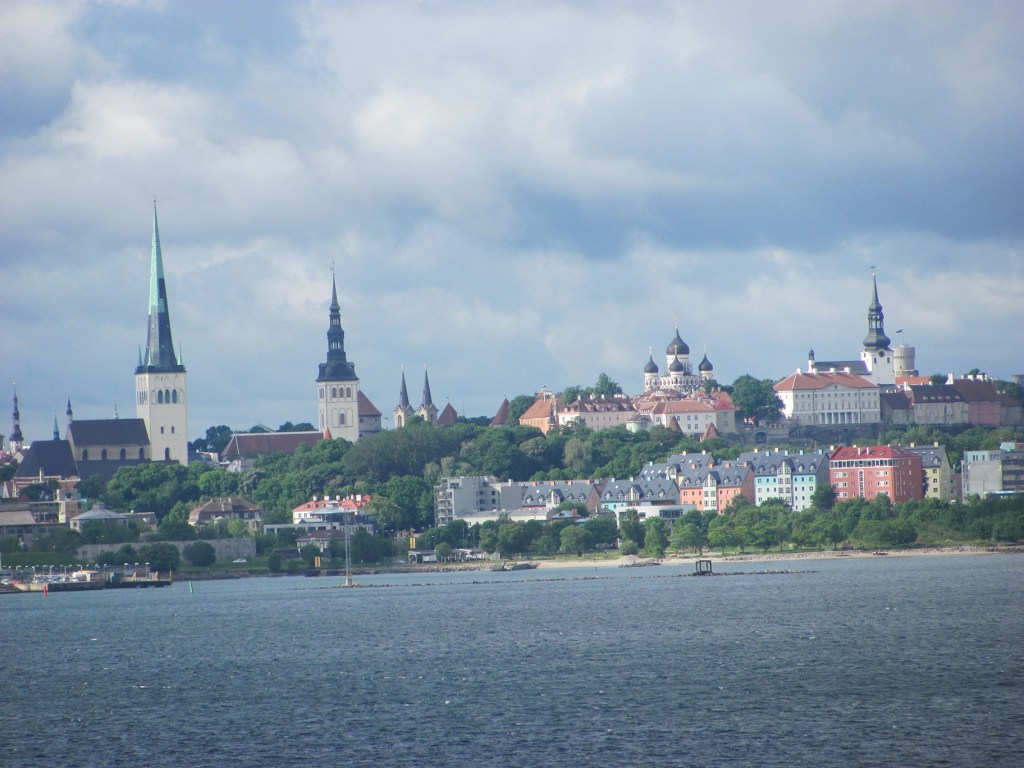
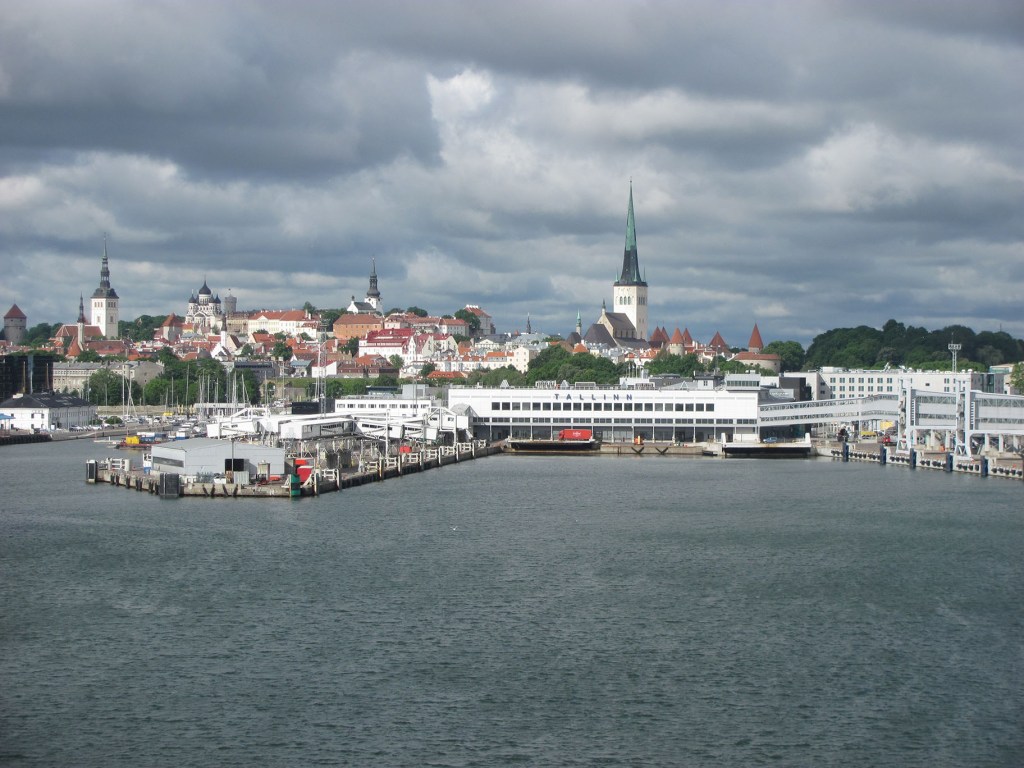

Approaching the port of Tallinn, we were very happy to see the proximity of the old town. Medieval fortress walls were well visible, and dozens of churches peered out behind them. The Estonian capital is exactly the type of towns I like – with medieval cobbled streets, old but restored houses adorned with flowers, green parks and beautiful fortress walls.
The very name of Tallinn is believed to be derived from the Estonian Taani-linn, meaning Danish castle. The city was first mentioned by an Arab cartographer in 1154, who is believed to be the founding of the city. Otherwise, the Esti tribe, from which the name Estonia originates, inhabited the lands nearby in the 2nd millennium BC, managing to resist various attacks by Vikings, Danes, Swedes and Russians until at least the 13th century. First part of the country was conquered by the Danes, who then sold these territories to the Tautonian knights who owned Livonia (southern Estonia and Latvia). In 1526 the country passed entirely under Swedish rule, and after the Northern War of 1721 it was annexed to Russia. Estonia achieved its independence after numerous wars in 1918, but soon after the start of World War II, the country was again occupied by Russian troops. Estonia achieved its second independence from Russia in 1991, becoming a member of the European Union and NATO in 2004.
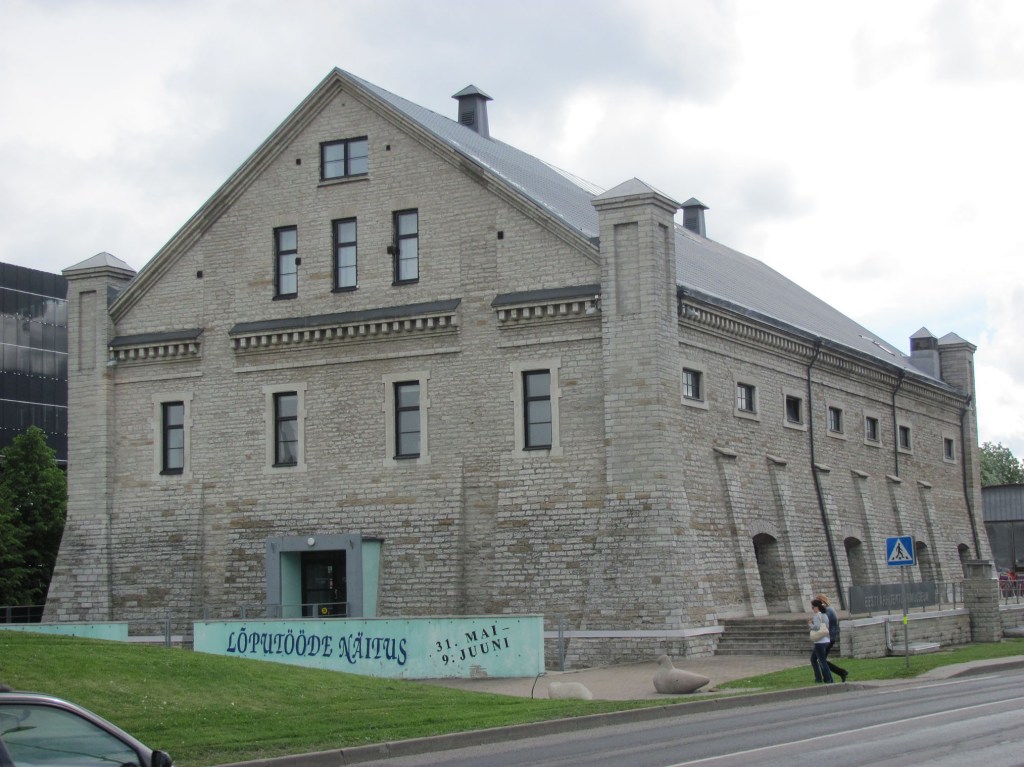


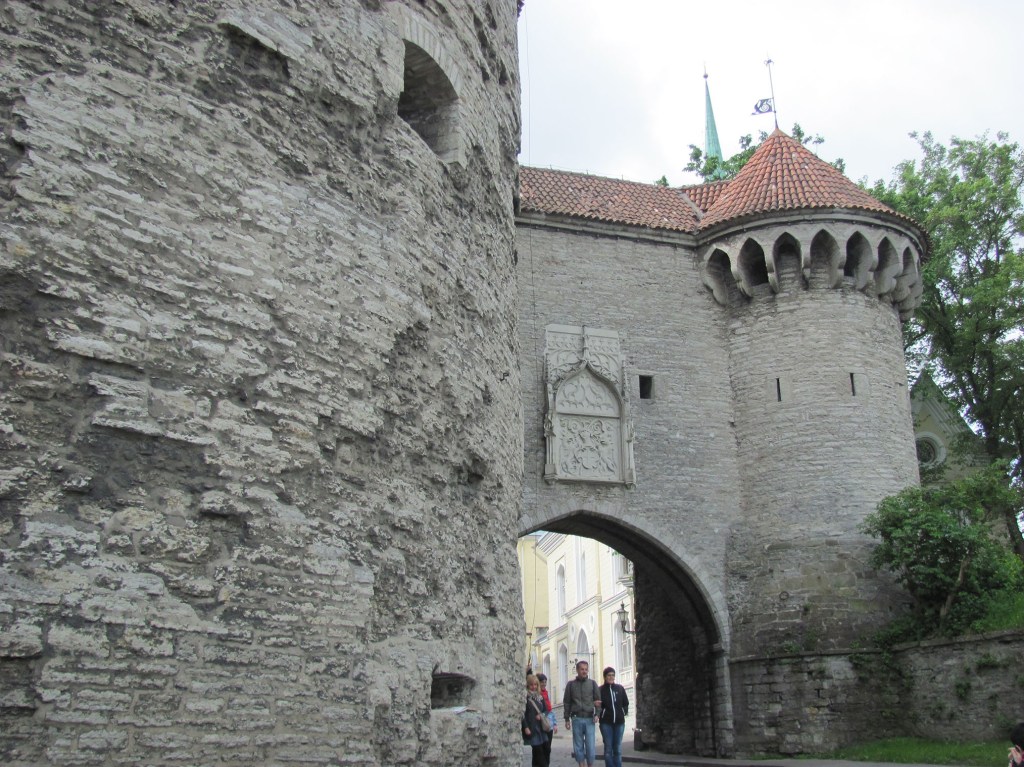
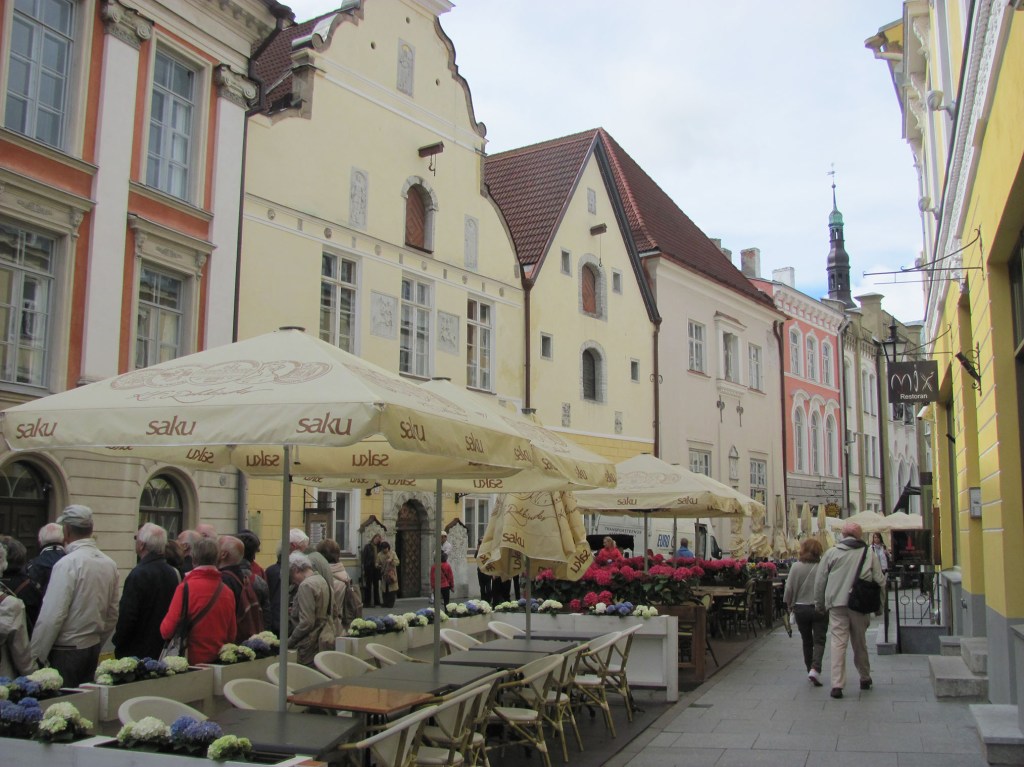

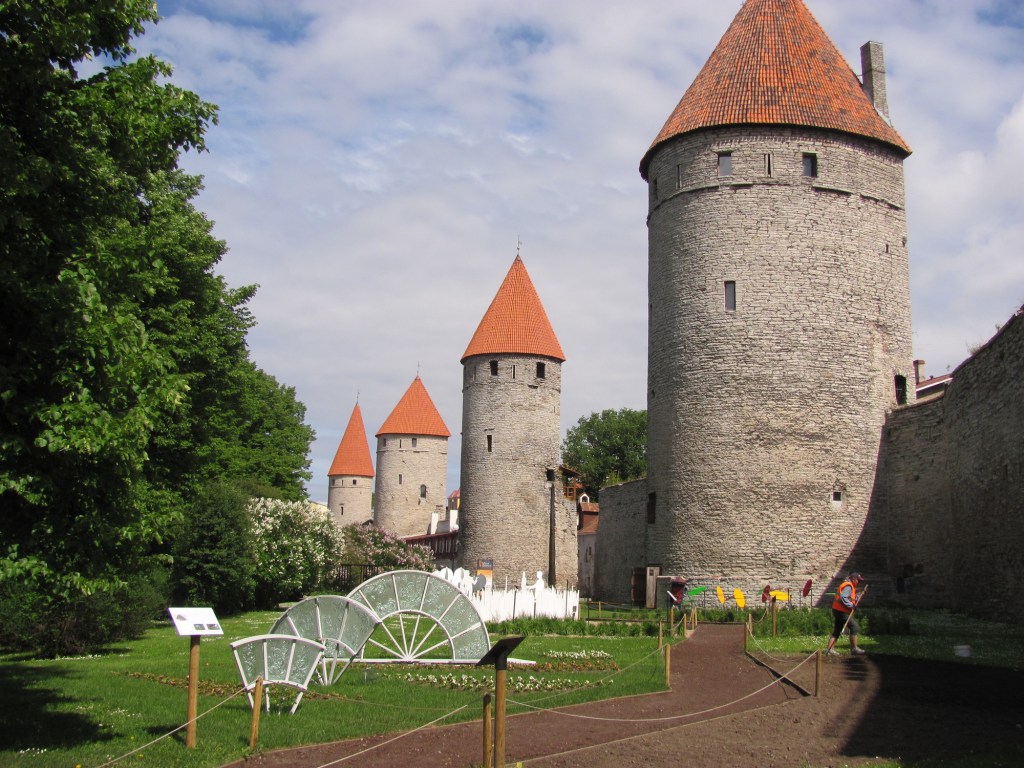
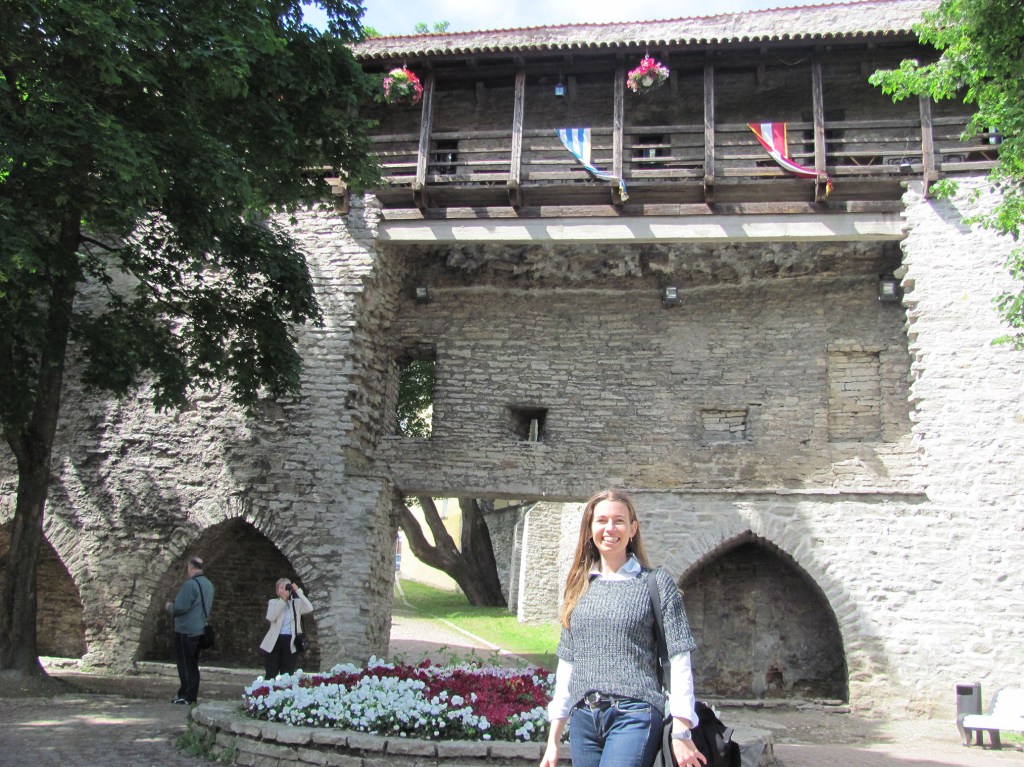
It is easy to immerse into Estonian history, crossing the old medieval fortress walls. We entered the old part of the city through the Great Coast Gate (Suur Rannavarav), which in the Middle Ages was the main entrance through which the city was entered. Then the water was 300 steps from the gate, now we did not count them. However, the impressive gate was built of stone and aimed to protect the city, there are 155 openings for shooters, and later for rooks. Due to its rounded shape, the tower is also known as Fat Margaret. The other towers in the city also have their interesting names, for example there is one called the Tower of the Virgins, which was a medieval joke because it served as a prison for prostitutes. Today the Fat Margaret Tower houses the Naval Museum. Passing it by we continued to the medieval part of the city, whose beautiful buildings date back to the 15th-17th centuries.
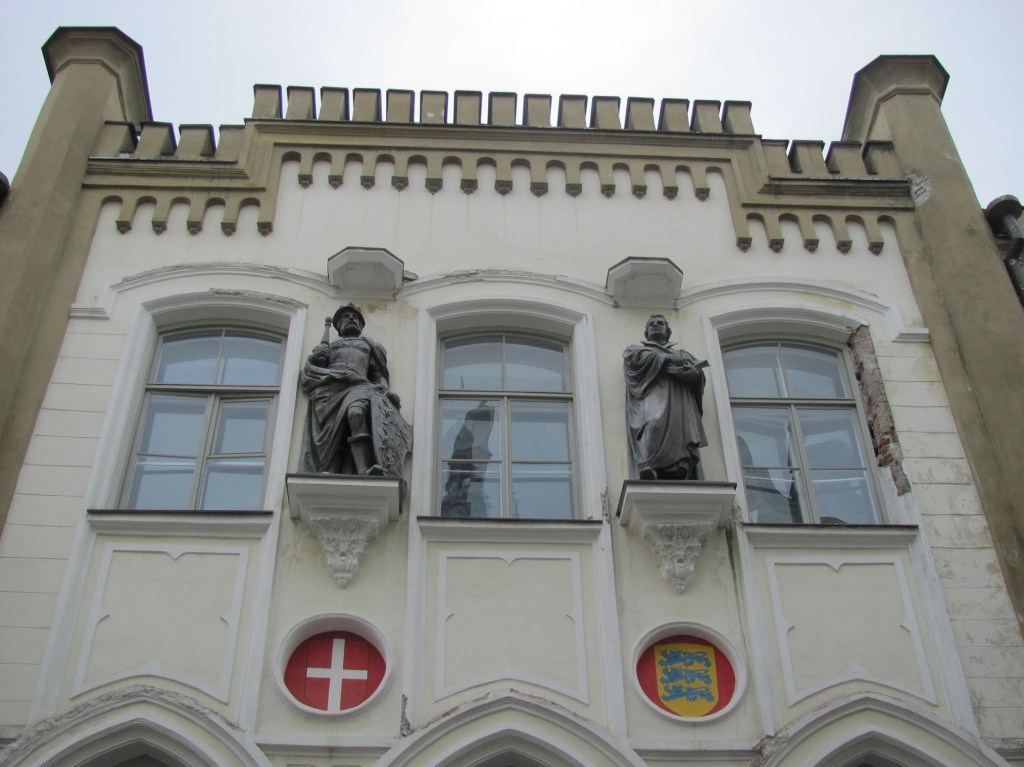
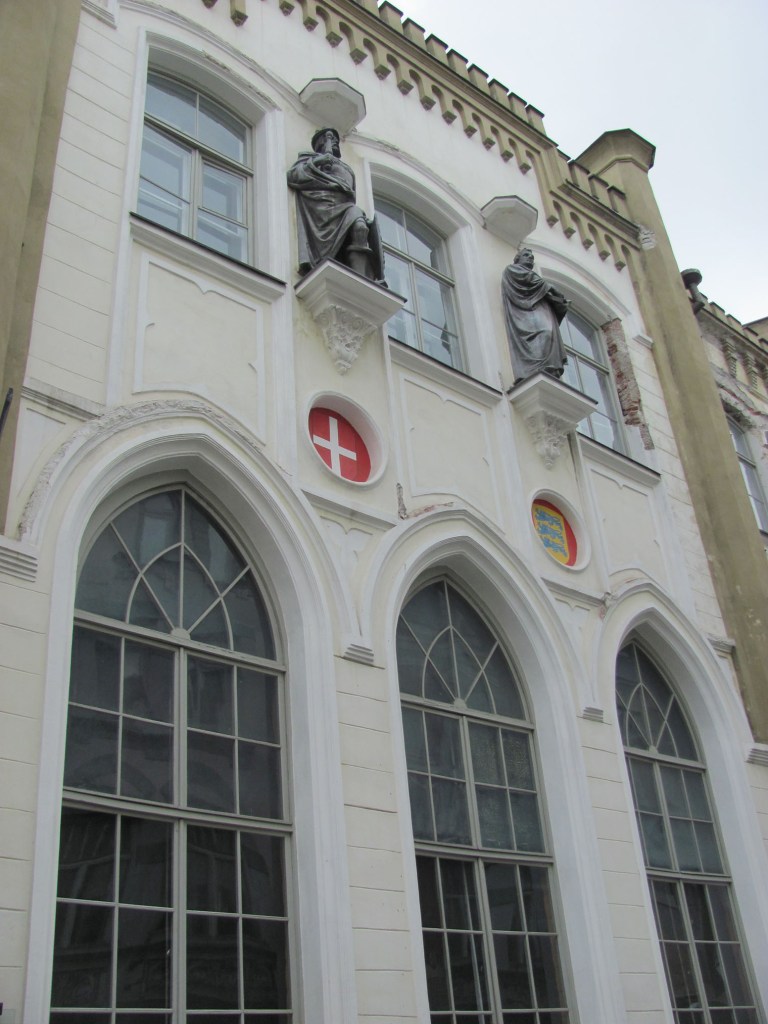
We photographed almost all the buildings along the way, as they were exquisite to the smallest detail. Some of them had relief images, others were decorated with flowers or flags, others possessed statues of people or of dragons. Among them was a white house with two statues of people and red bright emblems under them. It turned out that it was owned by the Kanut Brotherhood. They erected the building in 1863-64 in typical English style with statues of St. Kanut and Martin Luther. Currently, half of the building is used for a modern dance theater. Opposite the building is another Baroque house with a monument of a man wearing old-fashioned glasses. According to legend, this “staring man” was put there by his jealous wife, as a warning to the dancing girls there that her husband is constantly watching them.
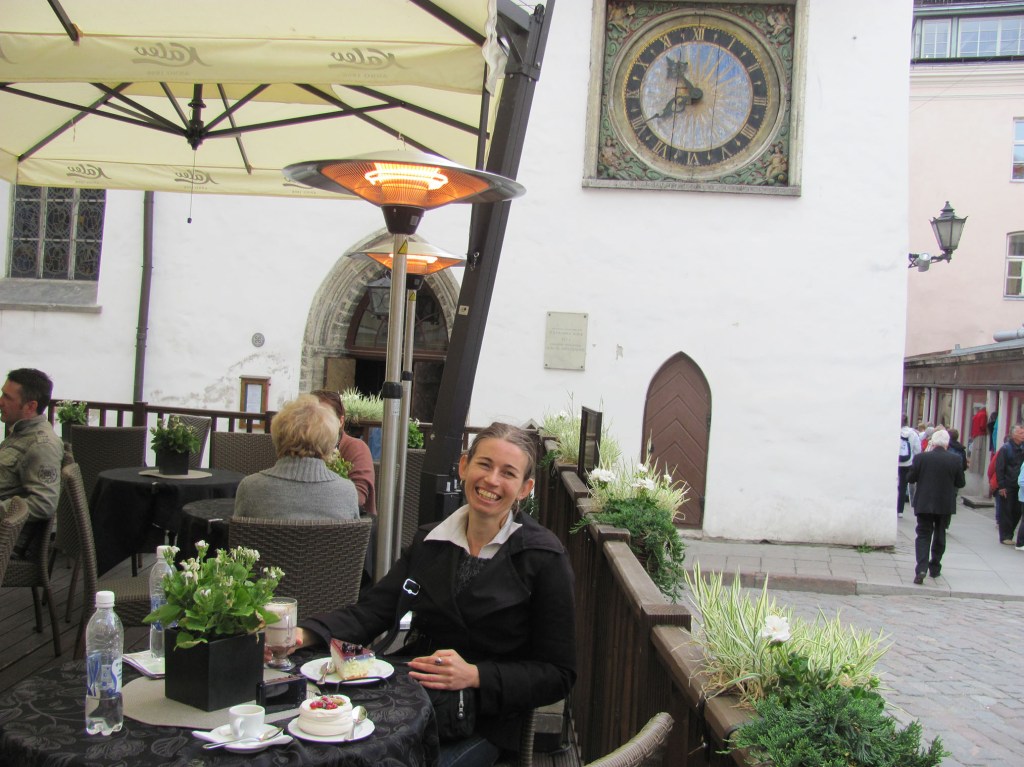
As we walked along the cobbled streets, we stopped at a pastry shop near the town hall square, where we could properly celebrate my birthday. Here I tried for the first time the famous cake Pavlova, which turned out to be very tasty. While we were sitting outdoors, several groups of tourists passed by, most of whom apparently got off cruise ships – we recognized them by the glued patches on the clothes. They were all heading through a narrow street, so as soon as we finished the treat, we went the same direction and found ourselves in the square of the town hall.
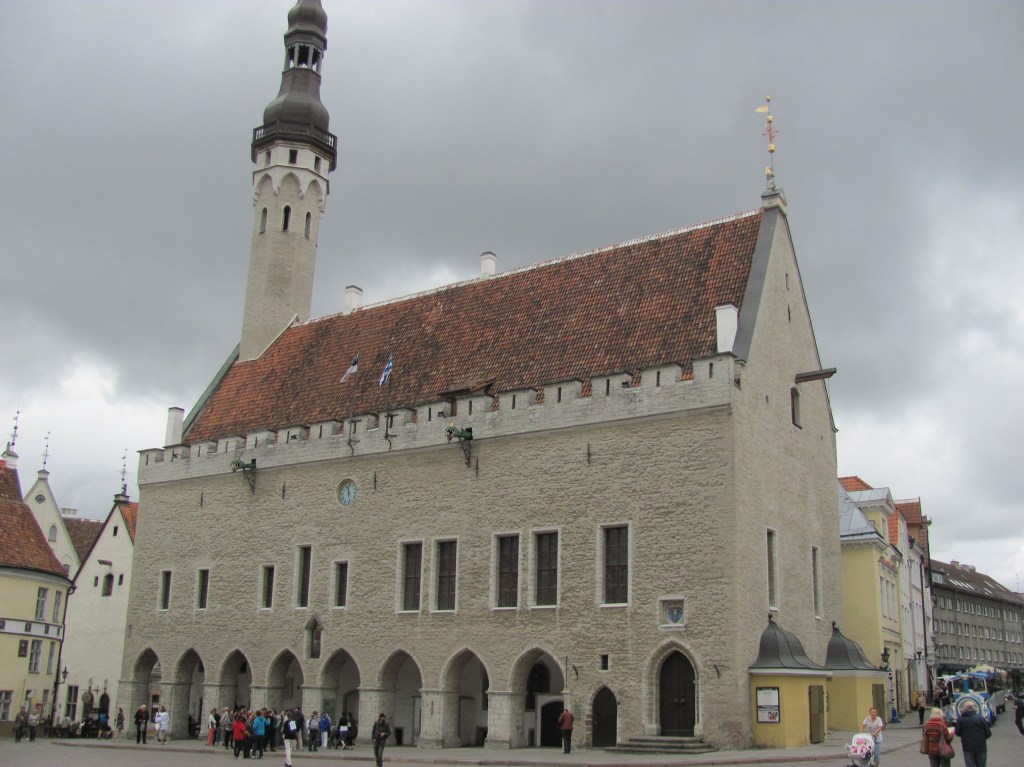
The town hall was erected in 1371 in a typical Gothic style, and it is believed that it is the oldest preserved town hall among the Baltics and Scandinavia. The square around it is very picturesque with beautiful buildings that we soaked with our eyes and cameras. Today the town hall houses a museum, but we were attracted more to the tall tower, whose winding and steep steps completely tired us, and the view from above took our breath away.


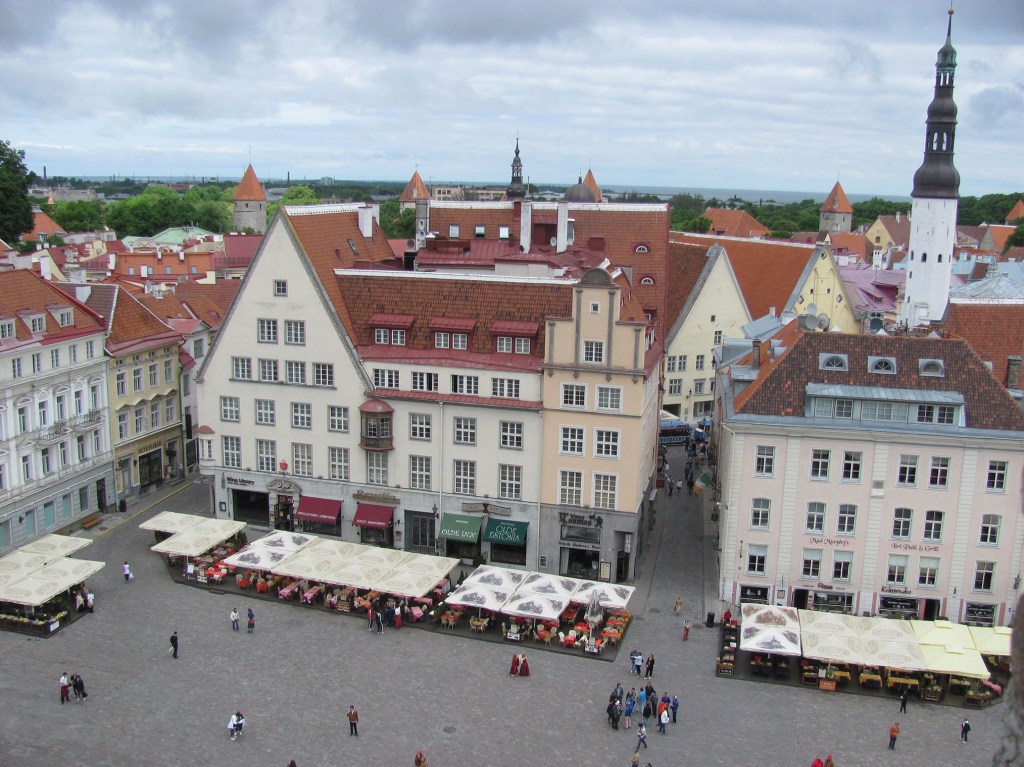


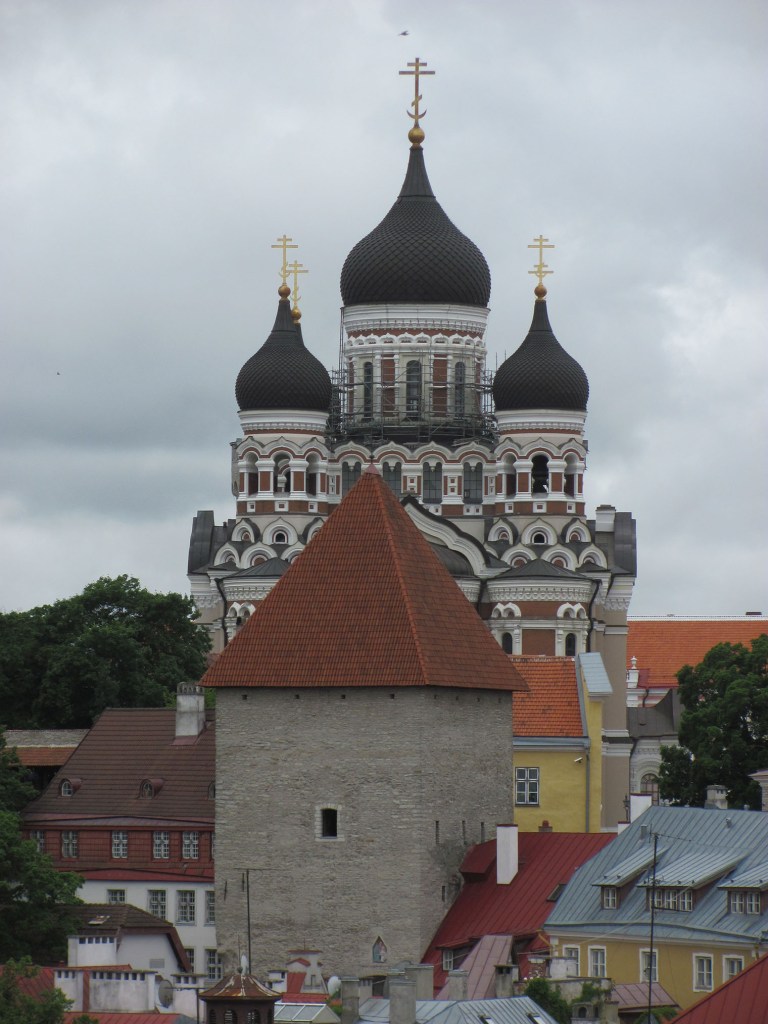
Tallinn is really wonderful, with beautiful picturesque houses – more suited to a fairy tale than a European capital, and with many beautiful churches – Catholic, Lutheran and Orthodox. Their number is impressive and it is hard to believe that Estonia is among the most irreligious countries in the world, where only 14% of the population has announced that they believe in any religion.
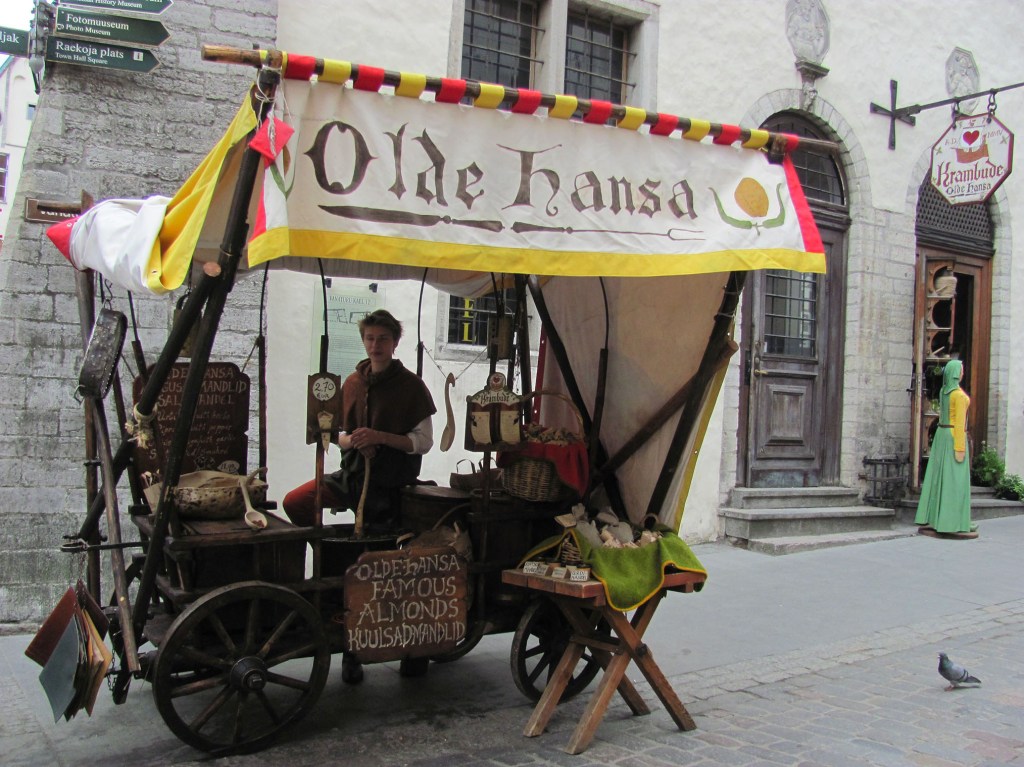
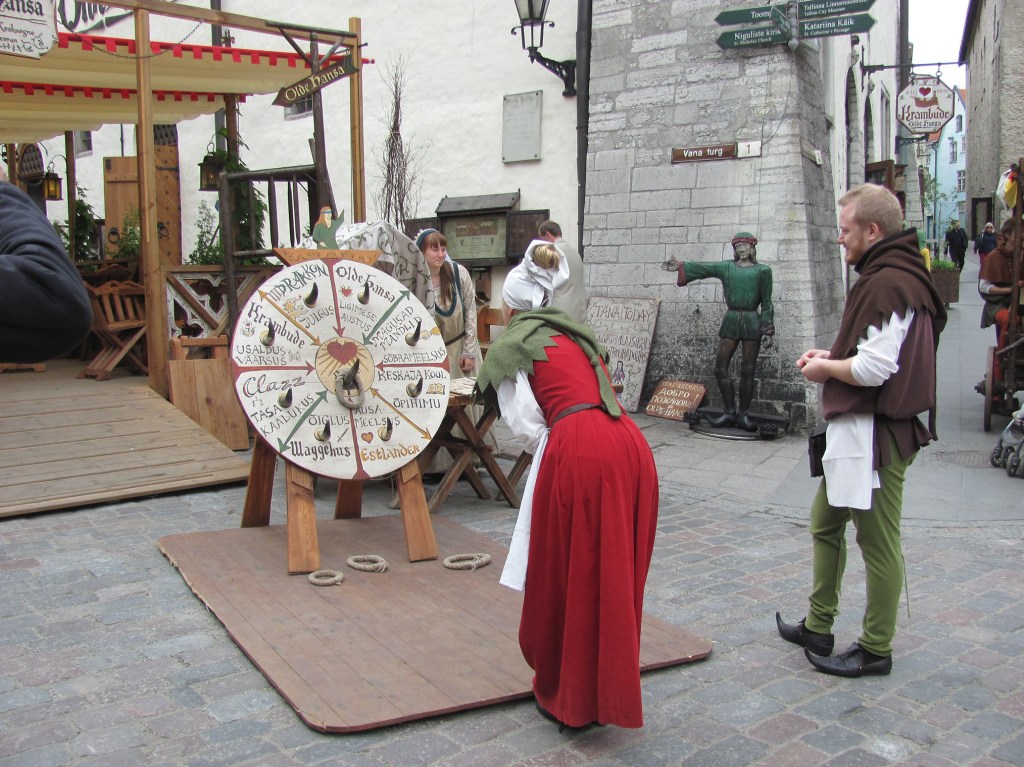
Tallinn is a real fairy tale, besides the buildings, some of the street vendors were also dressed in old-fashioned costumes giving a real charm to the city and the atmosphere in it. It was as if we had gone back in time, to the beautiful rich times when Tallinn thrived on trade and hid untold riches.

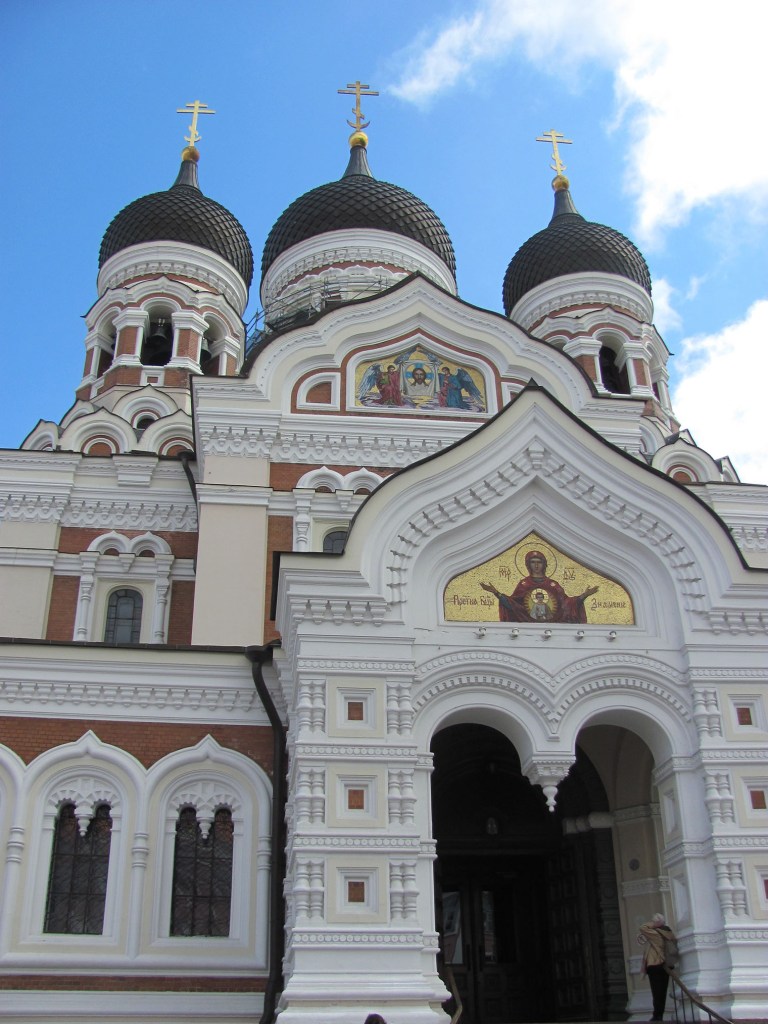
We still walked around the old part of the town, passing through the beautiful church of St. Alexander Nevsky. There we lit candles for health and admired the beautifully painted icons.
From the outside the church was also impressive with its round domes and golden crosses. It was built in 1900, when Estonia was part of the Russian Empire. It has 11 bells, the largest of which weighs 15 tons and according to Tallinn’s brochures it sounds incredible before each mass. However, there were only masses from 08:30 in the morning, so we did not succeed to hear their loud song. We descended to the fortress walls, along which there were beautiful parks.


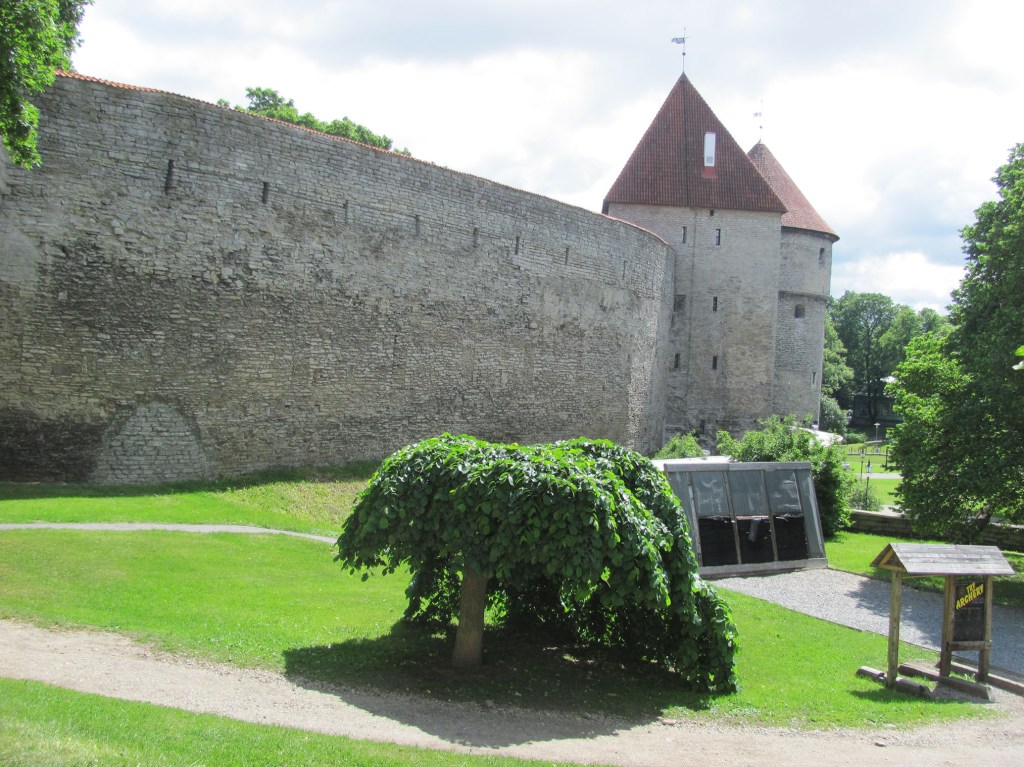


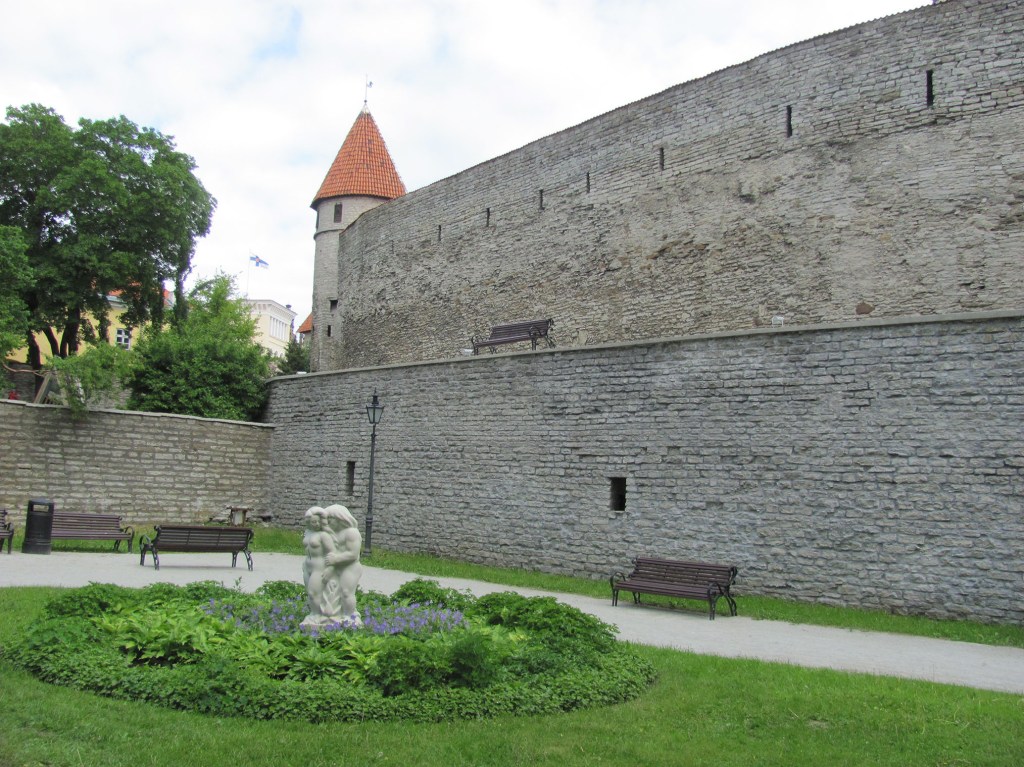
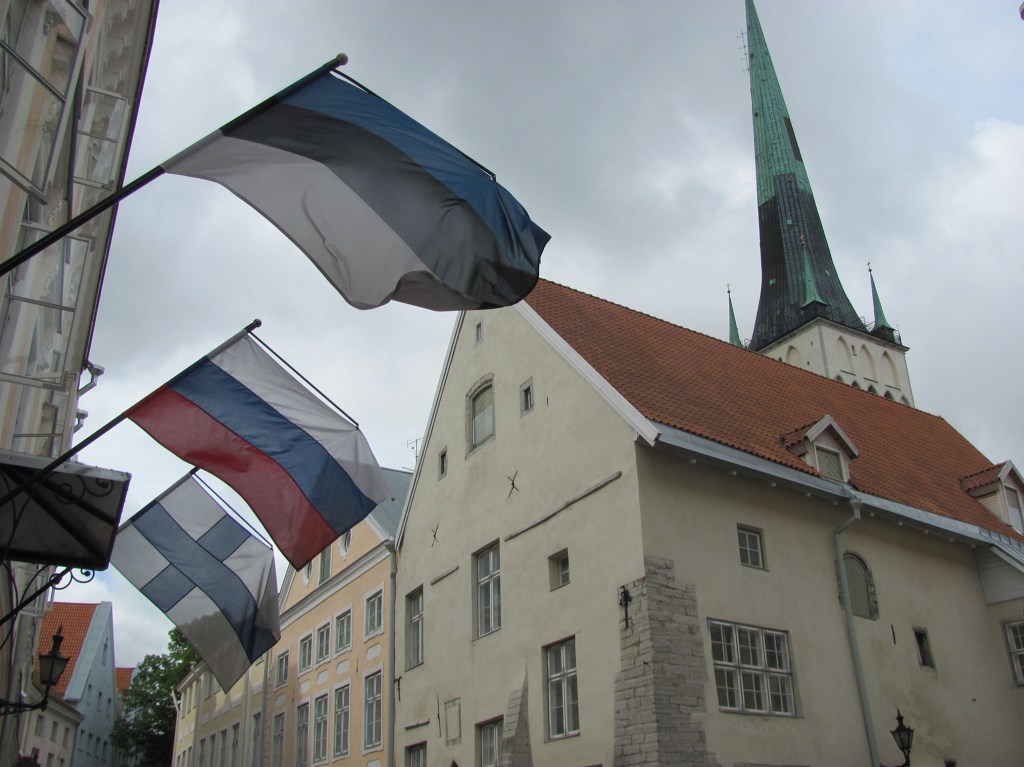
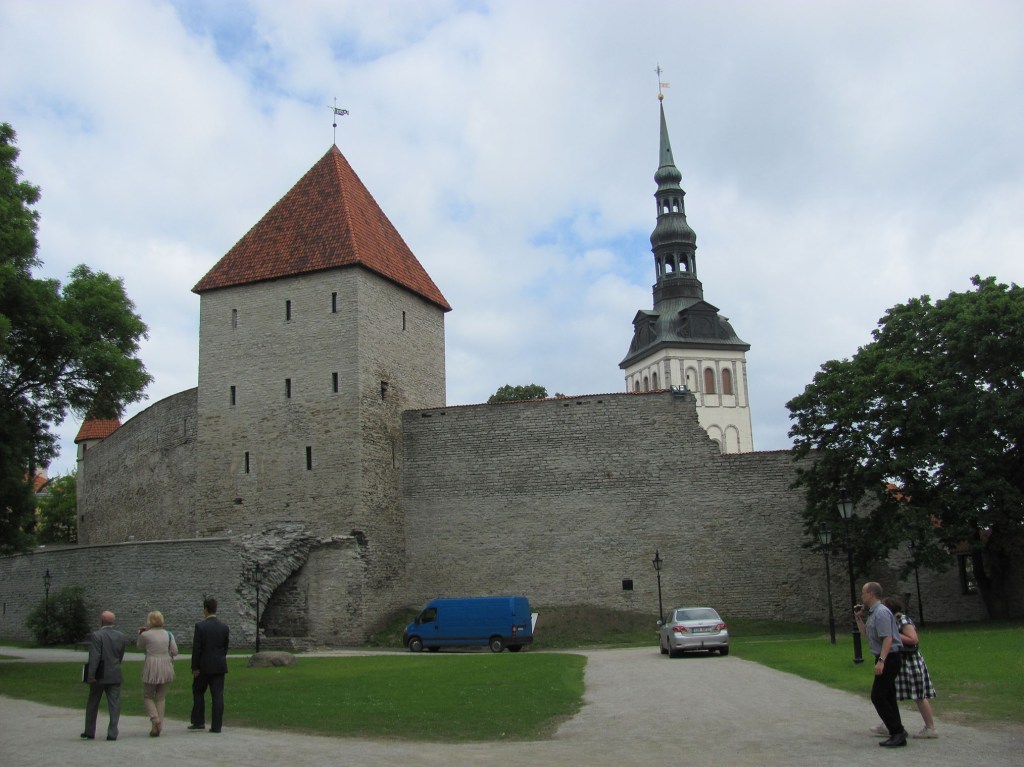
It turned out that from May 24 to August 24, a flower festival was held in Tallinn. Especially beautifully was arranged the park Tornide valjak, located next to the fortress walls and medieval towers. According to tourist manuals, there are about 50 parks in Tallinn, which is not hard to believe, considering that 50% of Estonia’s territory is covered with forests. Surprisingly, however, the color green is not present in the flag of this otherwise green country. The same consists of 3 colors: blue, black and white, which respectively symbolize: blue – the color of the sky, black – the color of the earth (fertile soil) and white – of peace and hope.
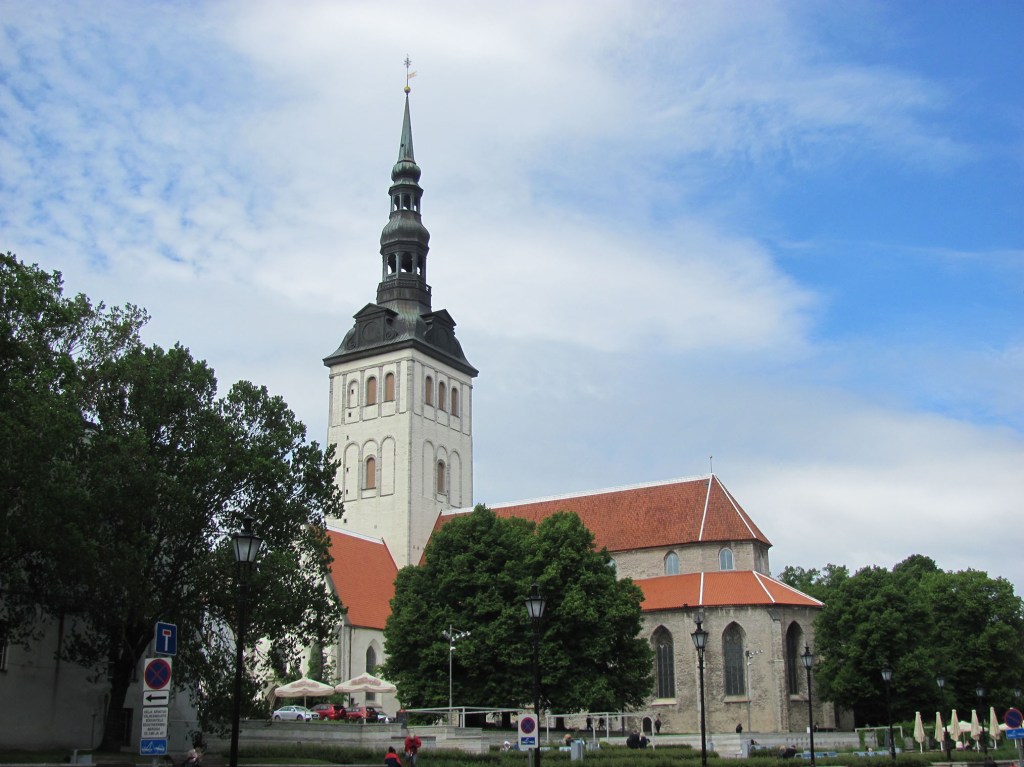
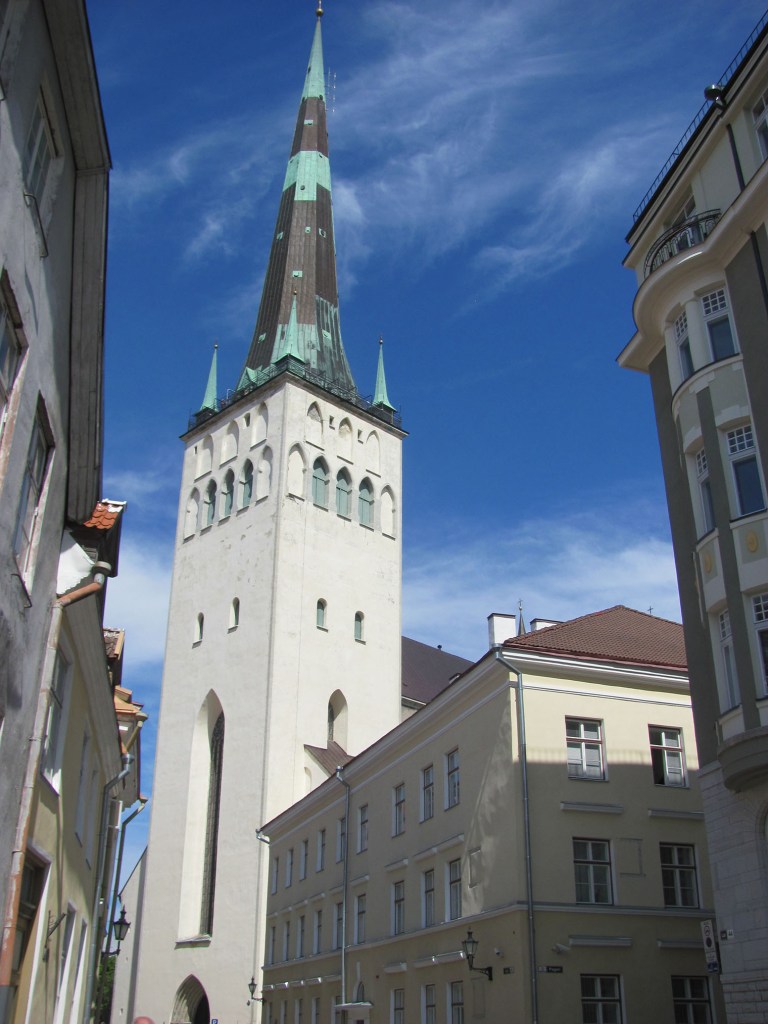
The flag was waving over various administrative buildings, but we headed to another church, this time the famous church of St. Olav, which was built in the 12th century and expanded in the 14th century. From 1549 to 1625, this Gothic church was the tallest building in the world with its 159-meter tower. It is dedicated to the Norwegian king Olaf II (995-1030).


There is a legend that at the time the Estonians wanted so much to glorify their city beyond the seas that they decided to build a huge church. They began to build the church, but what they did during the day, someone destroyed it at night, and so the days were repeated and people did not know what to do. Then a big man came to them who said that he would build them a church, but they had to pay him 10,000 coins or to guess what his name was. People agreed, as the man began to build the church himself and was rapidly advancing, but the people could not learn his name. They sent a spy, but he also walked unsuccessfully around the stranger’s house. The church was almost ready, all that was left was for the cross to be hung on top, then a spy heard the stranger’s wife singing to his child “Sleep child, sleep, tomorrow Olive will bring us loads of money.” Olive was so surprised when people called him by name that he fell off the roof of the church. He hit his head and a snake and a frog popped out of his mouth. Today this legend is inscribed in the chapel of the Virgin Mary.
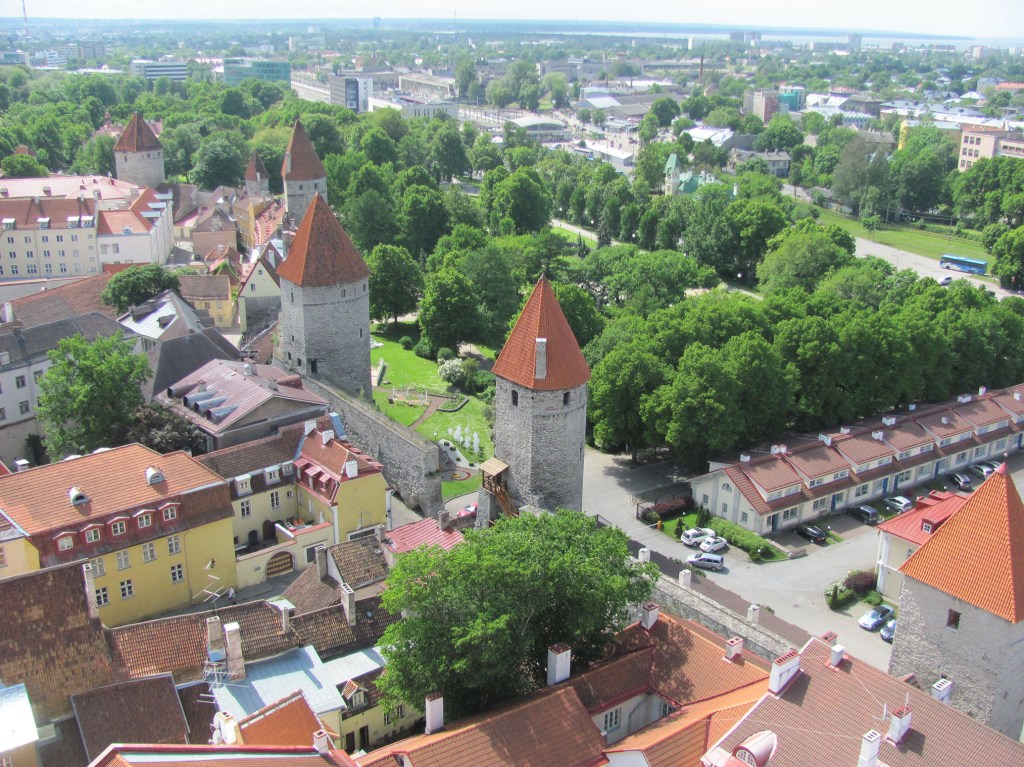
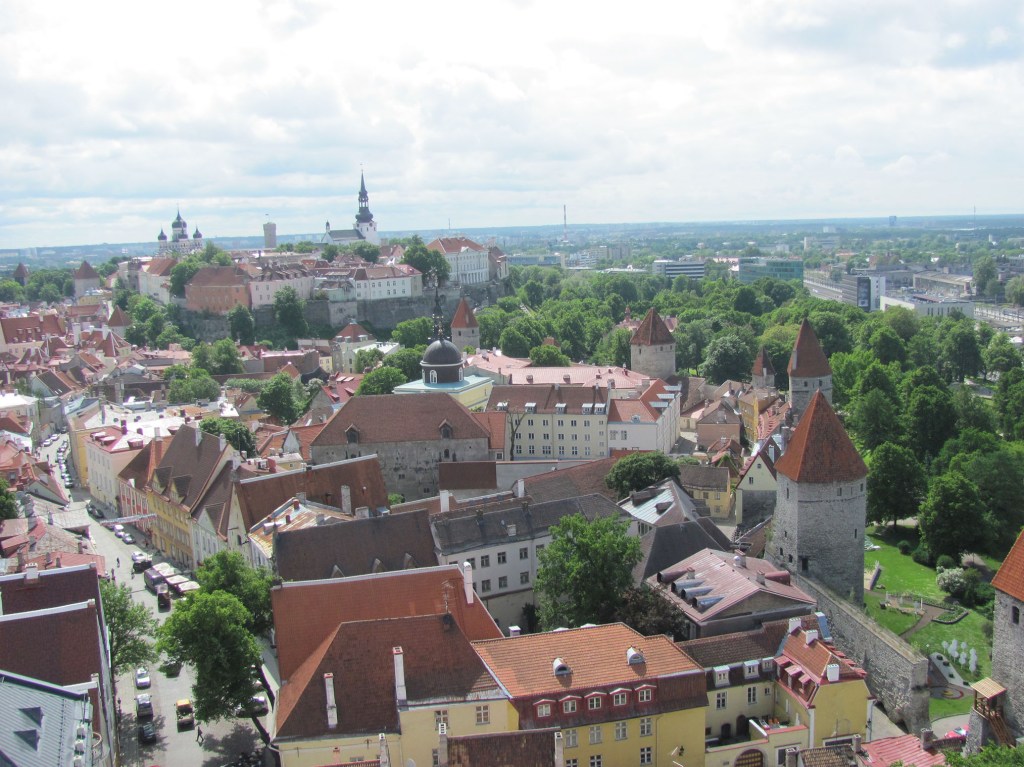
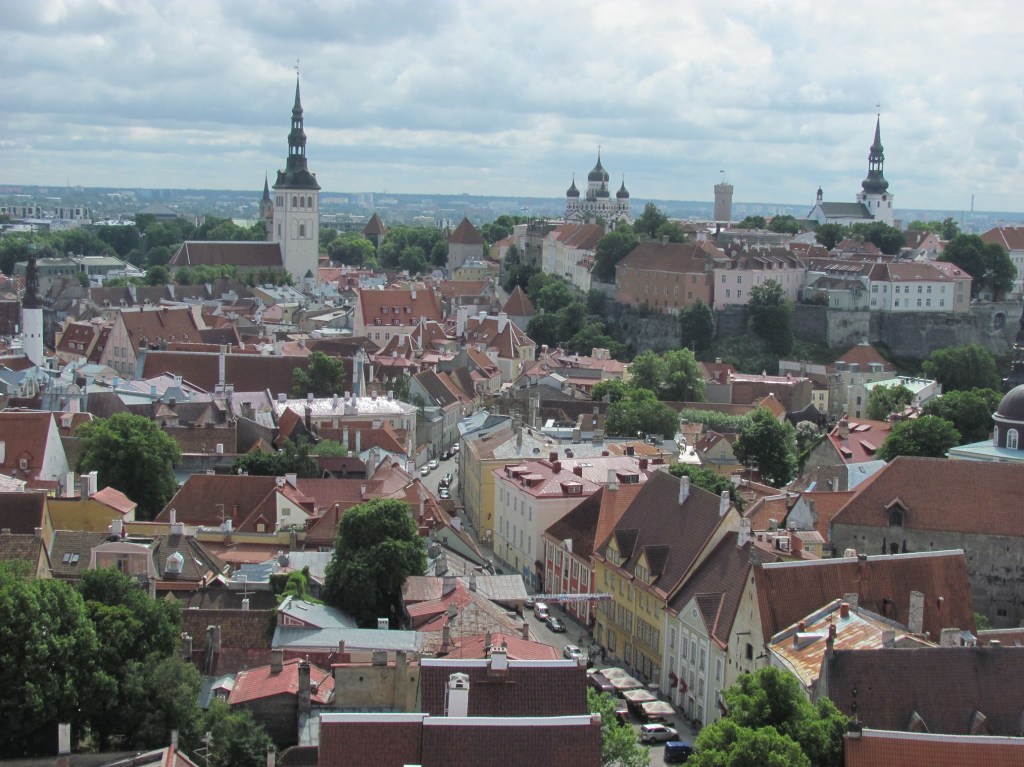
It is worth climbing the winding steps of the tallest building, at least for the Middle Ages, and enjoy the magnificent view from the tower. A strong wind blew on the panoramic platform, however, the wooden narrow boards knocked under our feet, and the wooden railing that surrounded us seemed the most unstable of the whole structure. The view was really worth it and it was wonderful, and the fear that this might be the last thing I see made the views from there very special for me. I made a 360 degree tour, walked around the whole tower from the outside and photographed the beautiful fortress towers and fortress walls, the picturesque churches and charming houses, in the Gulf of Finland there were several cruise ships, and the sea looked surprisingly calm with all this strong wind.




After getting off the tower, we headed back to City Hall Square, where we had lunch.
On the way back to the port we saw an even more original restaurant with large inscriptions DINNER IN THE SKY. As we passed by, the guests began to settle at a table, with waiters carefully fastening them with seat belts. Subsequently, with a crane, they raised this table high in the sky and people could admire the beautiful view of the city, while waiters climbed up with another cubicle on the crane, served the customers, and there were musicians in their cubicle. I’ve never seen a restaurant like this before, and I liked the idea.
We got to the ferry on time and settled in nice places – in the bar next to the huge window that occupies several floors of the ship. I had an amazing birthday in fairytale Tallinn. All day I did my favorite activities – a walk in a new country and photographing beautiful buildings. I went a little too far with the latter (only my photos from Tallinn are 411), but it is so difficult to resist the well-preserved history, whether it was good or bad, and the beautiful buildings and monuments of different times. Estonia definitely fascinates me, although it is half the territory of Bulgaria – the area of the country is only 45,277 sq. km with a population of 1,318,000 (of whom 416,000 live in Tallinn). More than 300 cruise ships dock here every year, making tourists more numerous than the locals. There are no mountains here – the highest peak is Suur Manamagi / Great Egg Mountain, which is only 318 meters. The official language is Estonian, but almost all speak Russian. Estonians are believed to have the richest collection of folk songs in the world, with over 133,000 folk songs documented. We will be glad to hear some of them next time, as we have still unvisited attractions in the Estonian capital. In Tallinn e.g. there are 3 lines of the tourist double-decker buses, which this time we did not take advantage of at all. The red line is almost entirely in the old part, passing through the monument of the mermaid and the Russian cultural center. The green line covers the historic landmarks on the outskirts of the city, and the blue line covers the open-air museums plus the zoo. All these buses pass through the port and gather the numerous tourists, who visited the Estonian once, want to come back.

GENERAL INFORMATION ABOUT TALLINN:
Location: Tallinn is the capital and largest city of Estonia, located in the northwestern part of the country, on the southern coast of the Gulf of Finland, 80 km from Helsinki.
Living area: 159.2 sq.km
Population: 440,950 (2016 data)
Official language: Estonian
Altitude: 9 m
Climate: humid continental climate with warm and mild summers, and cold, snowy winters.
Time zone: UTC+2
Currency: euro (EUR)
Further information: https://www.visittallinn.ee/
TRIP TIPS FOR TALLINN:
Best time to visit: throughout the year the city is charming, as probably during the white nights (from May to August) the temperatures are the highest and you have the most bright hours to explore the Baltic pearl.
Typical foods and drinks: Estonian cuisine uses mostly meat and potatoes, with all dishes served with black rye bread. Especially tasty prepare Grillitud seafilee: baked pork with broccoli, potatoes and mustard sauce. A popular dessert here is kringel, which is a sweet muffin with cardamom flavor.
Places to visit: The whole historic town behind the stone walls is worth a visit, as well as the St. Alexander Nevsky Cathedral, the City Hall, Suur Rannavarav, which in the Middle Ages was the main gate through which the city entered, the Church of St. Olav, from which an incredible view of the whole city is revealed, the Park of the Danish Kings, etc.
 TripTips