FESTIVE IRELAND ON ST. PATRICK’S DAY
author: Ana Boneva

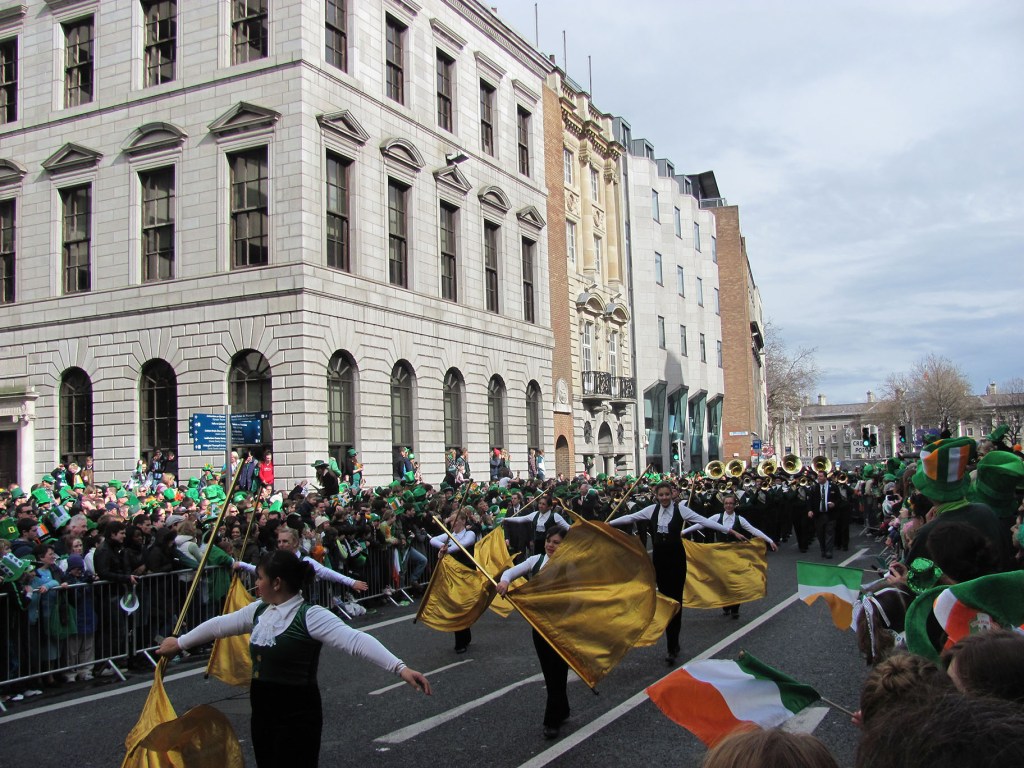
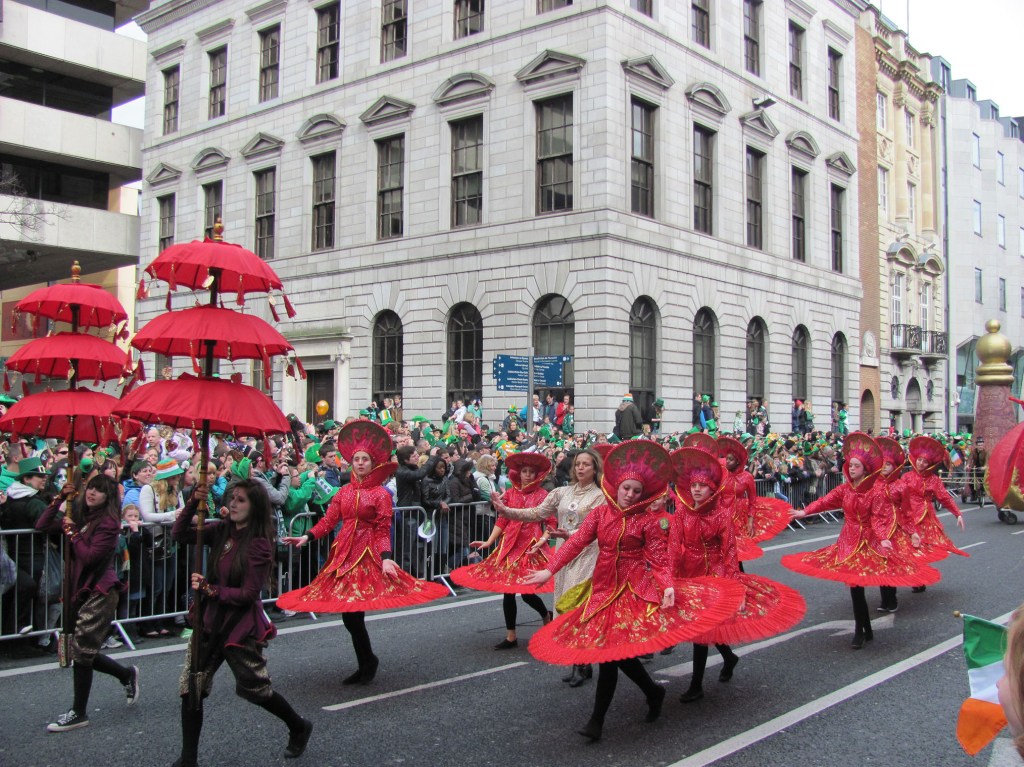

The festive parade on the occasion of St. Patrick’s Day in Dublin is one of the most lavish festivals not only in Ireland but also in the world, with over half a million visitors coming here every year, all dressed in green. The climate and location of the country favor in making Ireland one of the greenest countries in the world, and this holiday guarantees the top position, when even the people are green!
Music, euphoria and fun – these are the three words I would use to describe this green festival – green as nature and spring. Ireland, however, is much more colorful, mysterious and fascinating. A country that we could not fully tour for the short 4 days, but which we managed to love, fascinated by its legends, customs and hundreds of castles!
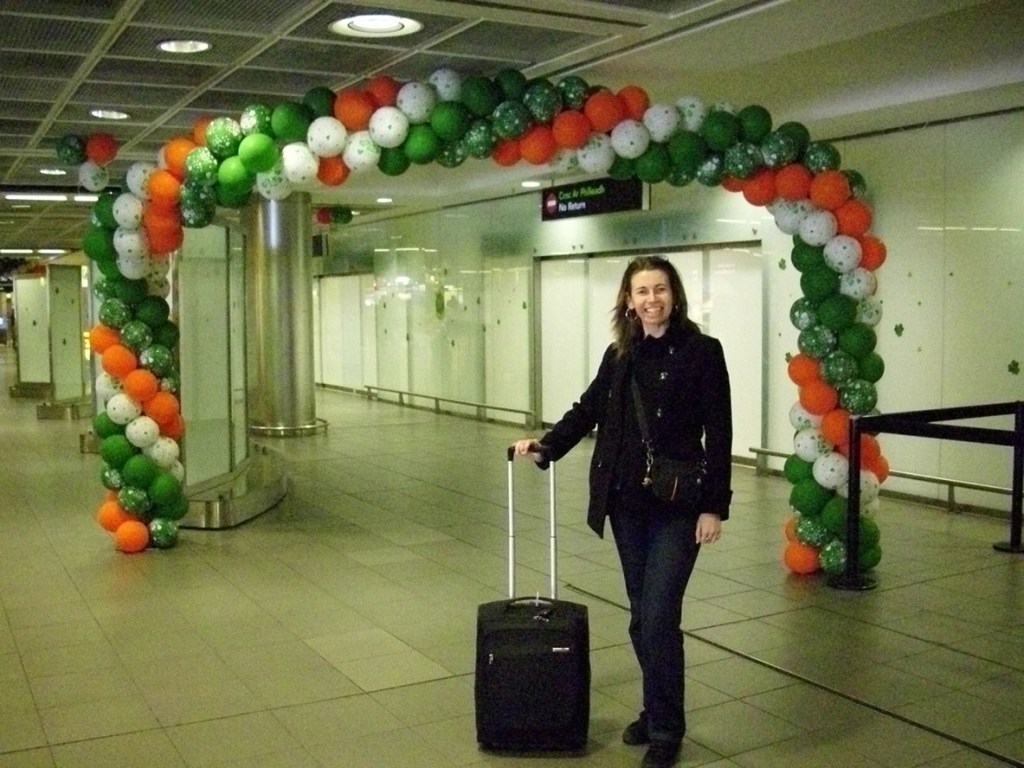
The festive mood overwhelmed us at Dublin airport – all covered with balloons in the colors of the Irish flag – green (like the Celtic tradition and the vast fields), white (like peace) and orange (associated with the followers of William of Orange).


Despite being scared to drive a left-hand car, we rented one, and it turned out driving to be much easier than the one in Bulgaria because of the excellent asphalt and especially drivers who followed the rules! Thanks to the car, we were able to see more of Ireland, whose official name according to the constitution is Eire, which in English translation becomes Ireland (eire + ending land characteristic of the Germanic languages). With the car we headed to the famous rocks The Cliffs of Moher, which in 2009 were one of the 28 finalists for the Seven Wonders of Nature, whose winner was announced on 11.11.2011 in Zurich. They are located just across the country or 276 km from Dublin, as we were driving on the highway to Galway (the third largest city in Ireland).
Before we got to the cliffs, we took a short break near Dunguaire Castle, which literally came our way and pulled the car to the sides to explore it. The castle was closed, but impressive from the outside. It is located on a low hill on the shores of Galway Bay, with scenic views of the town of Kinvara and the mystical Burren area.


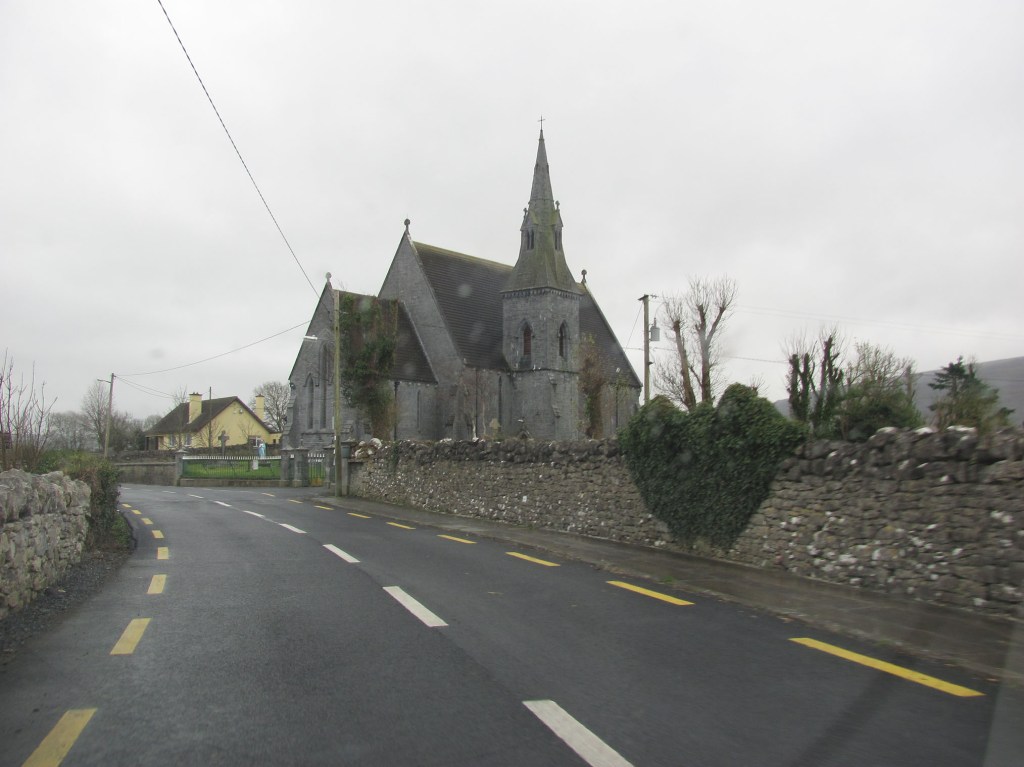
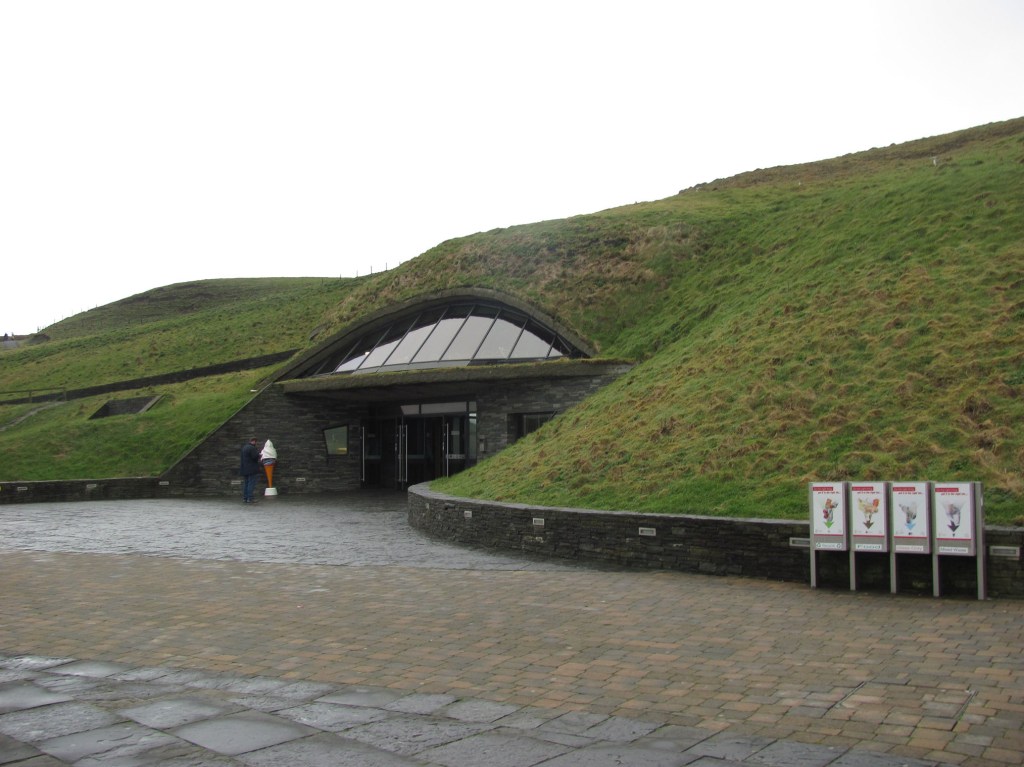


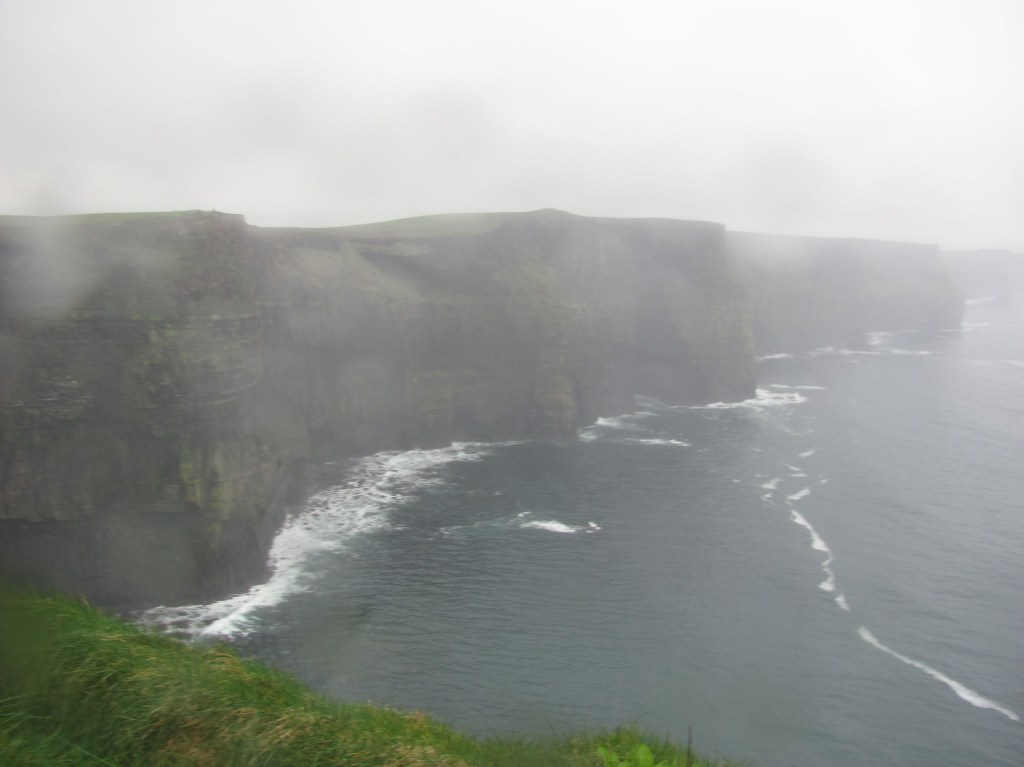
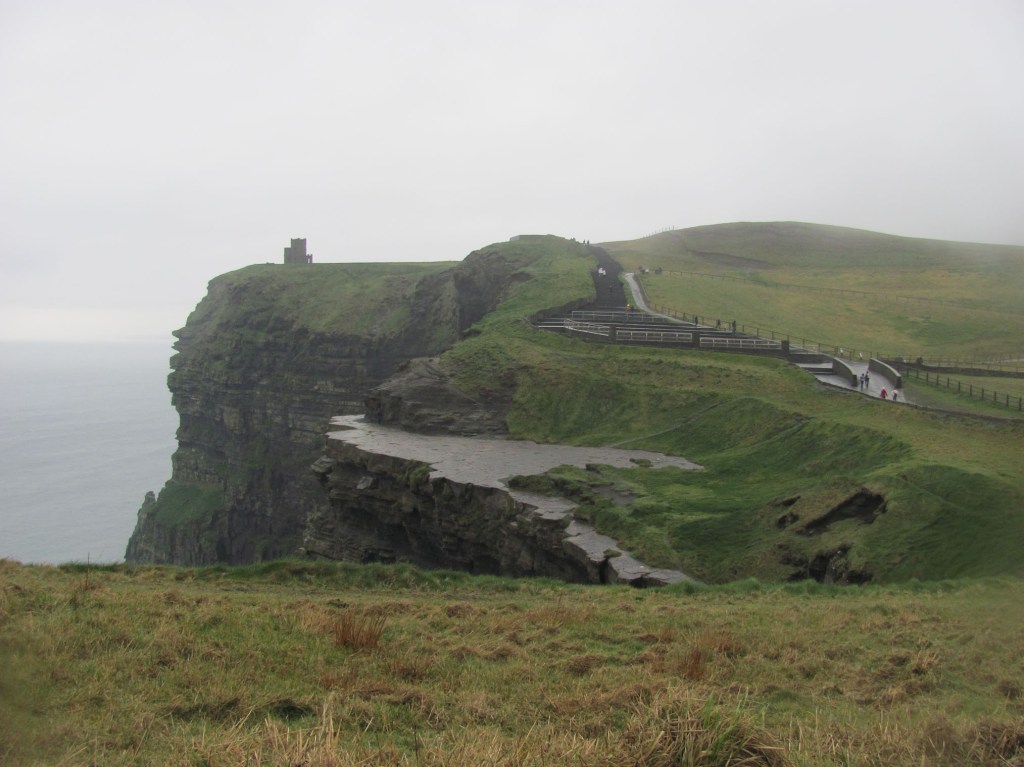

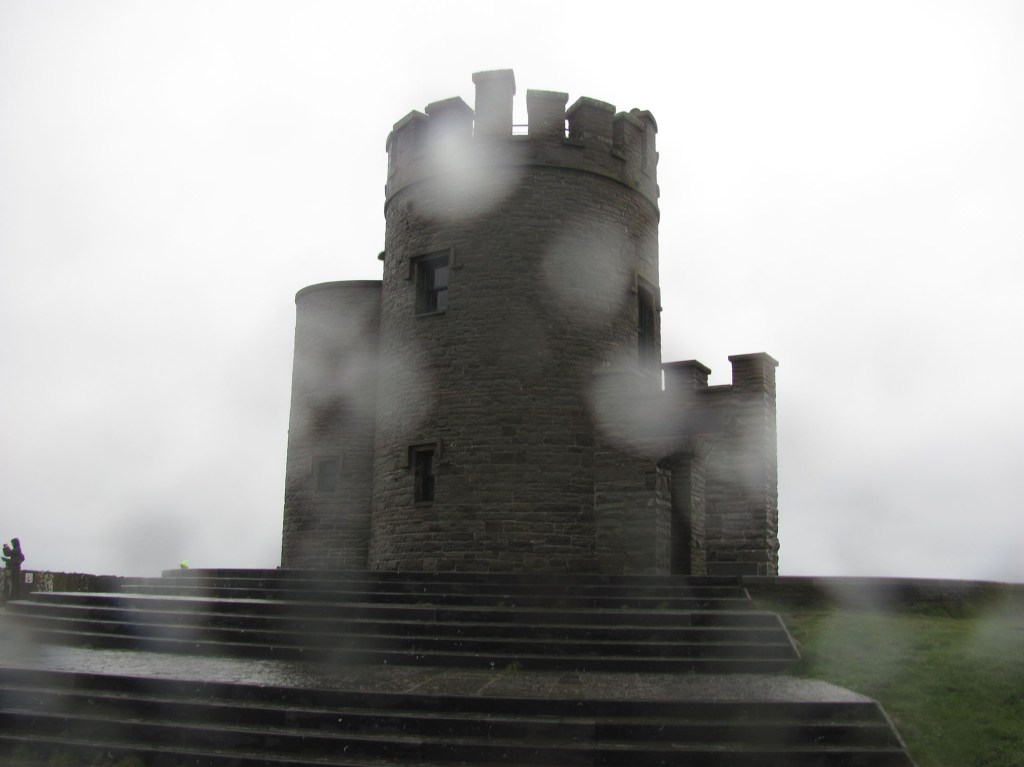

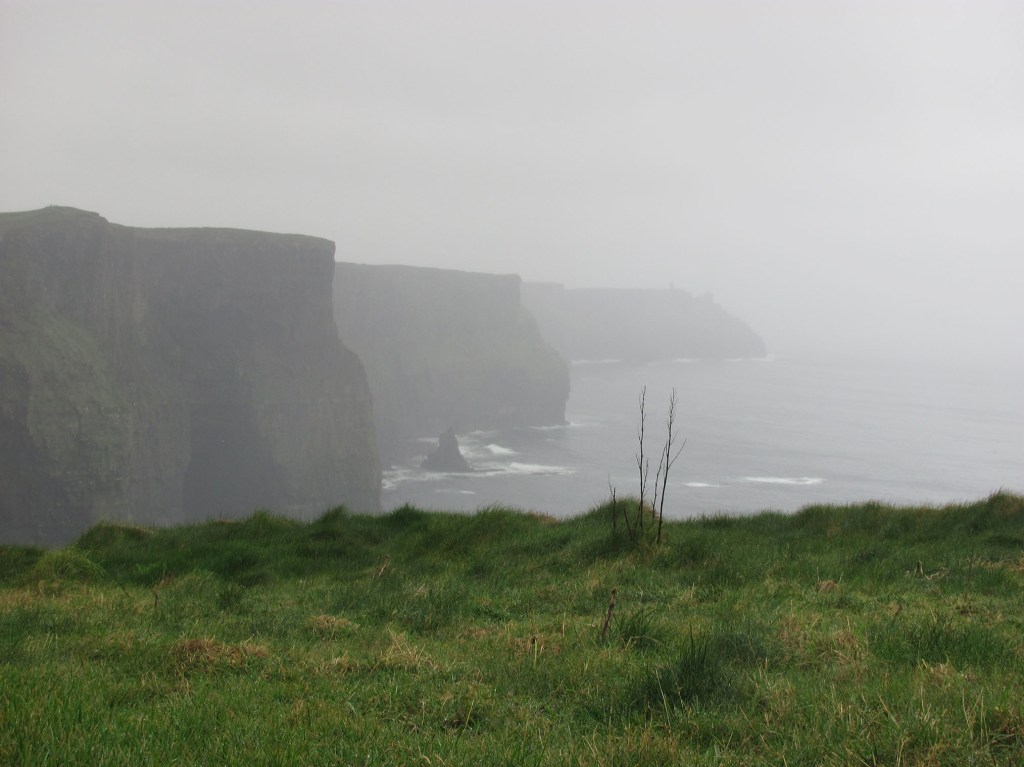
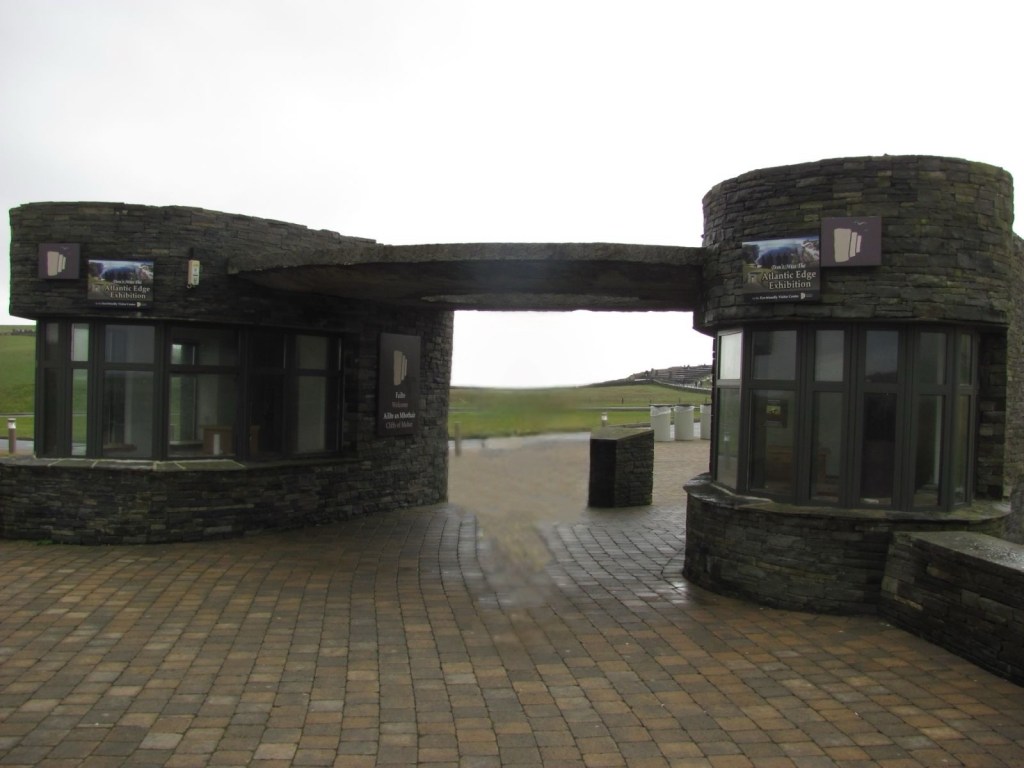
The car’s GPS and numerous signs along the way took us straight to the sheer steep cliffs, the Cliffs of Moher, which rises 120 meters above the Atlantic Ocean and closely resemble Bulgarian sea cliffs at Kaliakra. Every year over 1 million visitors come here and we helped to increase this number by buying an entrance ticket and walking along the picturesque alleys located to the very edge of the cliffs. Geologists have a long explanation for the erosion and formation of rocks 320 million years ago, however, folk legends were much more interesting and we were satisfied with their version. According to them, it was here many years ago that an old witch named Mal lived, who fell in love with the famous Irish hero Cu Chulainn. To her grief, the hero did not share her feelings, and always tried to get rid of her. He finally succeeded, reaching the rocks, using the different layers as steps and descending into the sea. Mal wasn’t as skillful as him, slipped and fell off the cliff. The nearby town took her name – Miltown Malbay, so she left traces in this area, but not in the heart of her beloved one. The rock is called Hags Head and really looks like an old woman with her eyes on the sea.
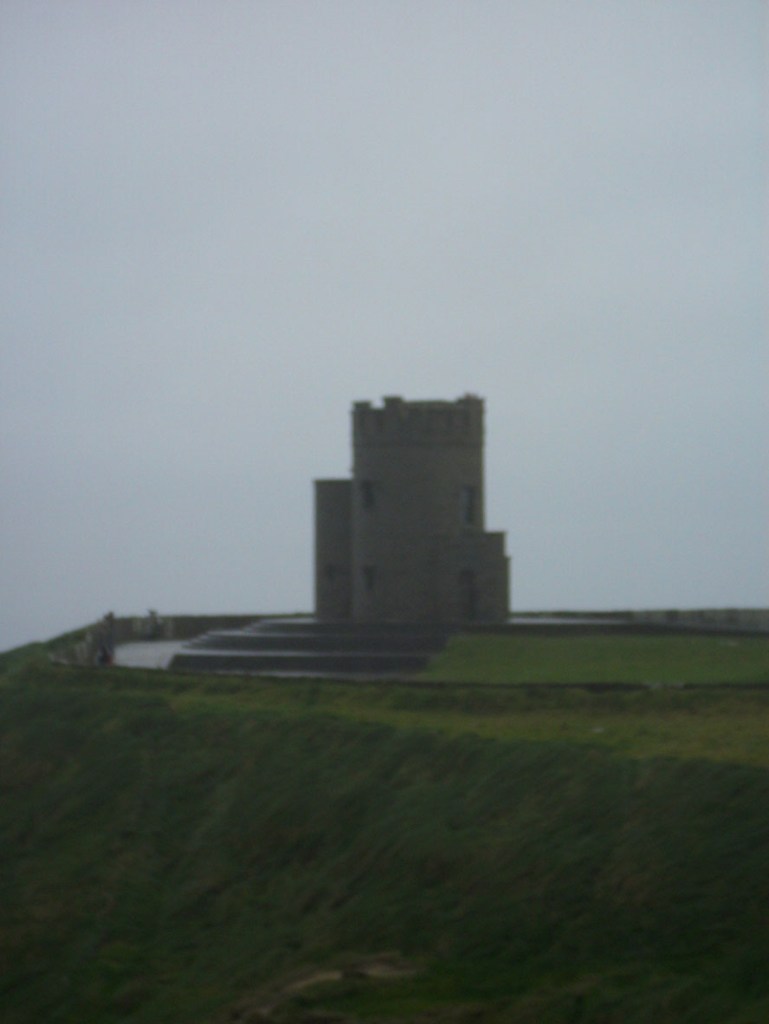
Wind and drizzle accompanied us throughout the tour and our photos were filled with raindrops, but nevertheless, the rocks managed to impress us and we did not pay attention to the rain. It was beautiful – built by the best architect in the world – Mother Nature. We walked to the O’Brien Stone Tower, where tourists can get on and enjoy the wonderful panorama, except on days like this when the tower is closed, due to bad weather.
After the tour we headed to the town of Shannon (60 km from the cliffs), where we had booked a hotel and where the longest river in Ireland (Shannon) flowed into the Atlantic Ocean. On the way we passed the Irish spa resort of Lisdoonvarna, which is famous worldwide for its festival in September, which was created for people looking for their partner – Matchmaker festival, then the number of visitors reaches 40,000 people, and the festival is filled with many dances and competitions.

Our hotel Oak Wood Arms was very cozy and the dinner surprisingly delicious. We were pleased to treat ourselves to the famous Irish beer Guiness, which was dark beer and a bit sour for my taste. According to one statistic on the Internet, Irish people consume 131.1 liters of beer per year, with the typical Irishman drinking only on two occasions – when he is thirsty and when he is not thirsty. This is the second highest consumption in the world after the Czechs. The dark beer combined with the bright experiences of the day quickly put us to sleep.



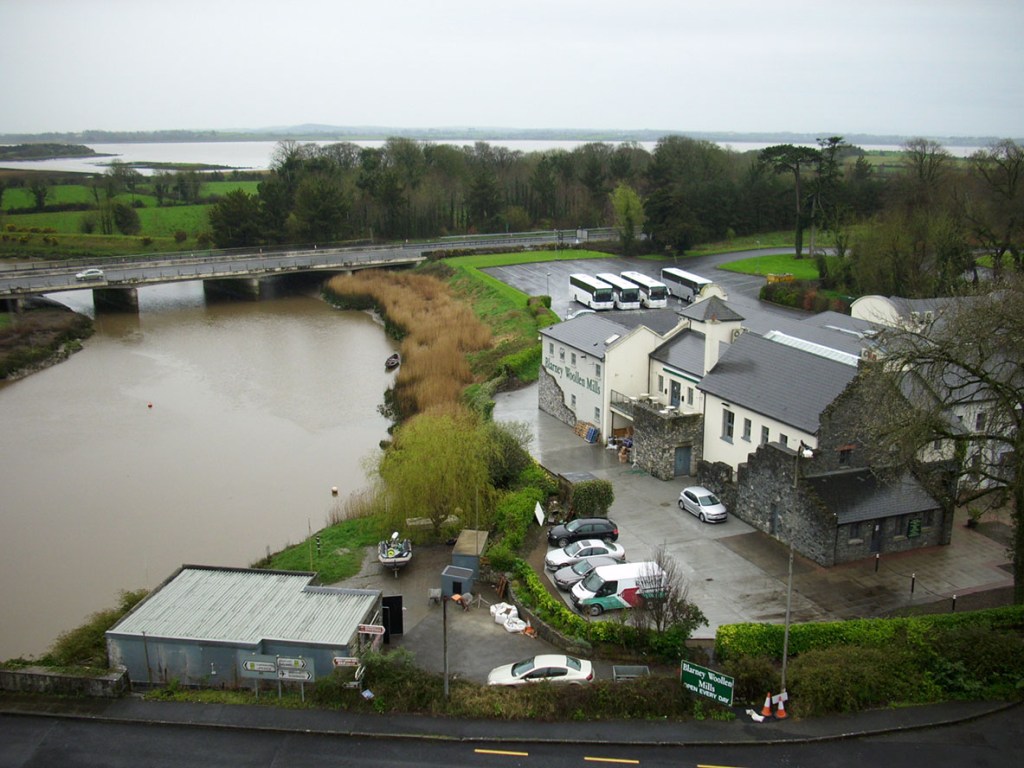


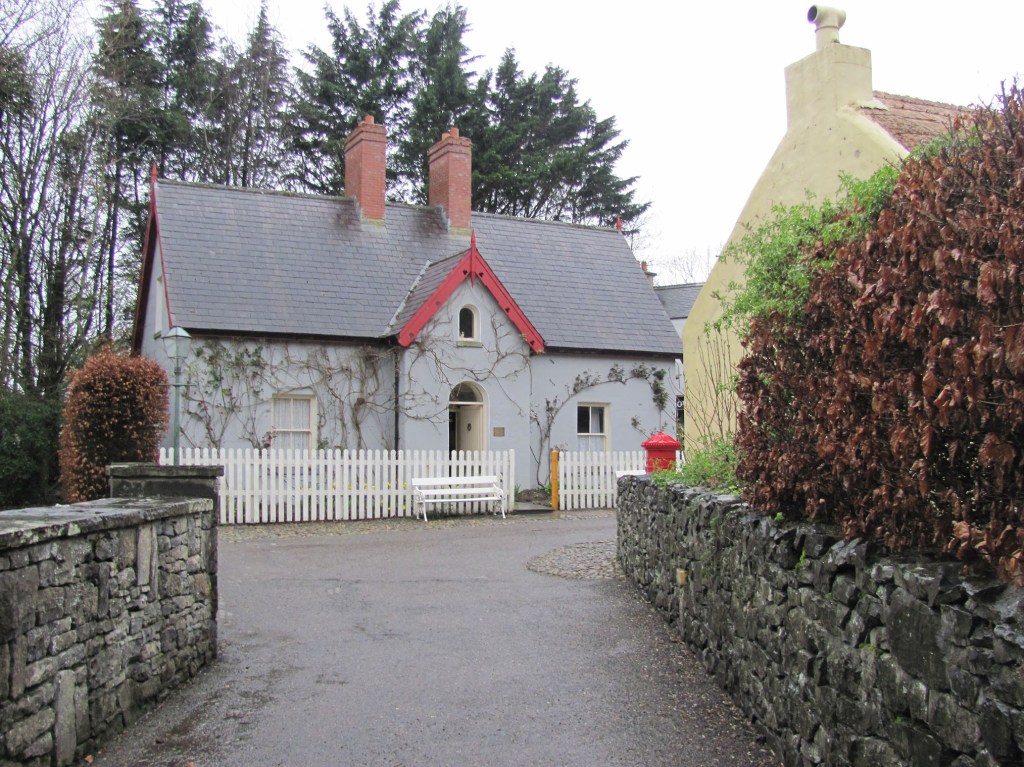
The next day we continued our tour of green Ireland, ignoring the cloudy weather. According to statistics, it rains here 270 days a year and today was one of them. I liked the statement of Hal Roach (Irish comedian), who said that “You understand that summer has come to Ireland when the rain gets warmer.”
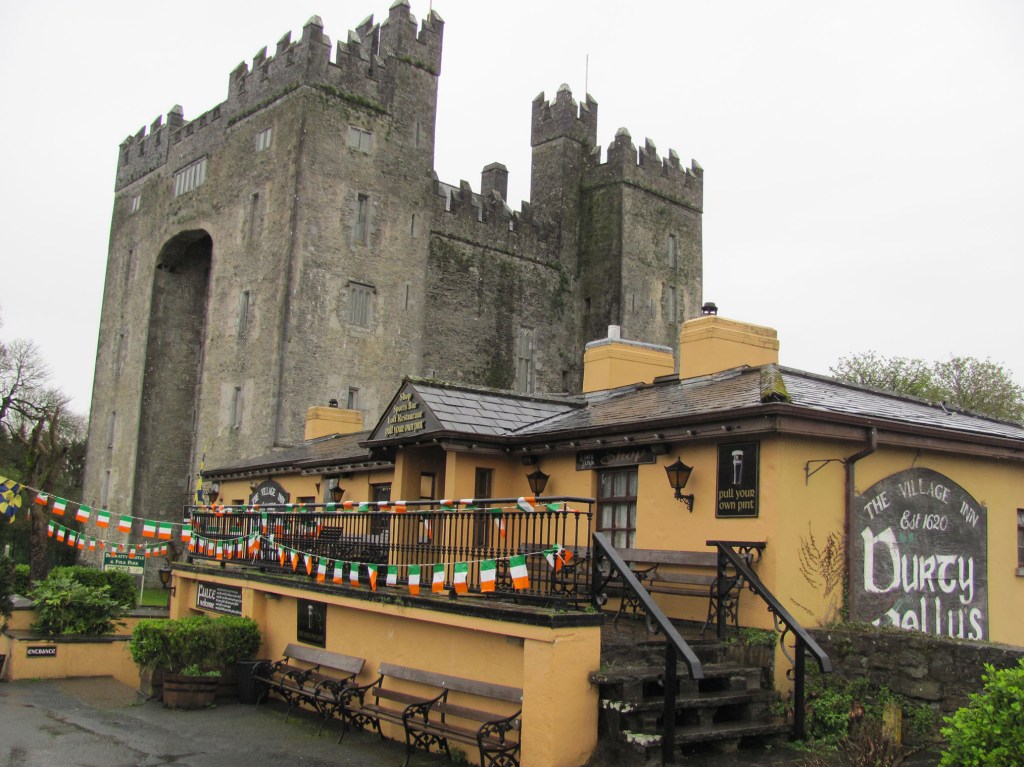
As we travelled in the direction of Bunratty Castle, we noticed that there were several turn-offs to golf courses. According to the guides, golf is quite a popular game in Ireland – with over 300 courses. As for the game itself, there are different interpretations of its origin. One of them is that golf was invented many years ago in Scotland, with the rules being clear “Gentlemen Only… Ladies Forbidden”, hence the acronym in English – GOLF. We passed all the signs and parked right in front of the castle, along which flowed a small river flowing into the great Shannon River. The name of the castle Bunratty means in Irish lower end of the river.
Once there was a Viking settlement on the site of the castle, and in 1250 the first fortification was built. The castle acquired its present appearance in 1425 from the influential McNamara family. Later in the 16th and 17th centuries it was owned by the wealthy O’Briens clan (in Irish o’ means “grandson of” and “mac” before the name means “son of”). The castle was famous for its beautiful gardens, in which lived over 300 deer (currently in the park in front of the castle there are only 2 does and 1 deer). The rooms at the castle are decorated with 15th- and 16th-century furnishings. The interior consists of 3 main floors, each with a large hall. I liked the watchtowers we climbed through narrow winding stairs and the landscapes from the top floor were amazing.
We were even more impressed by the small rural houses built at the foot of the castle, just like the Bulgarian open-air museum – Etara. And here there were many traditional historical Irish houses, farms, mills, etc. from the 19th century. Each of them could easily be seen inside with the furniture and appliances that people used many years ago. We were used to the rain and didn’t pay attention to it, walking through Ireland’s past. We took souvenirs from the entrance of the castle, then continued to the next castle – in the medieval capital of Ireland – Kilkenny.


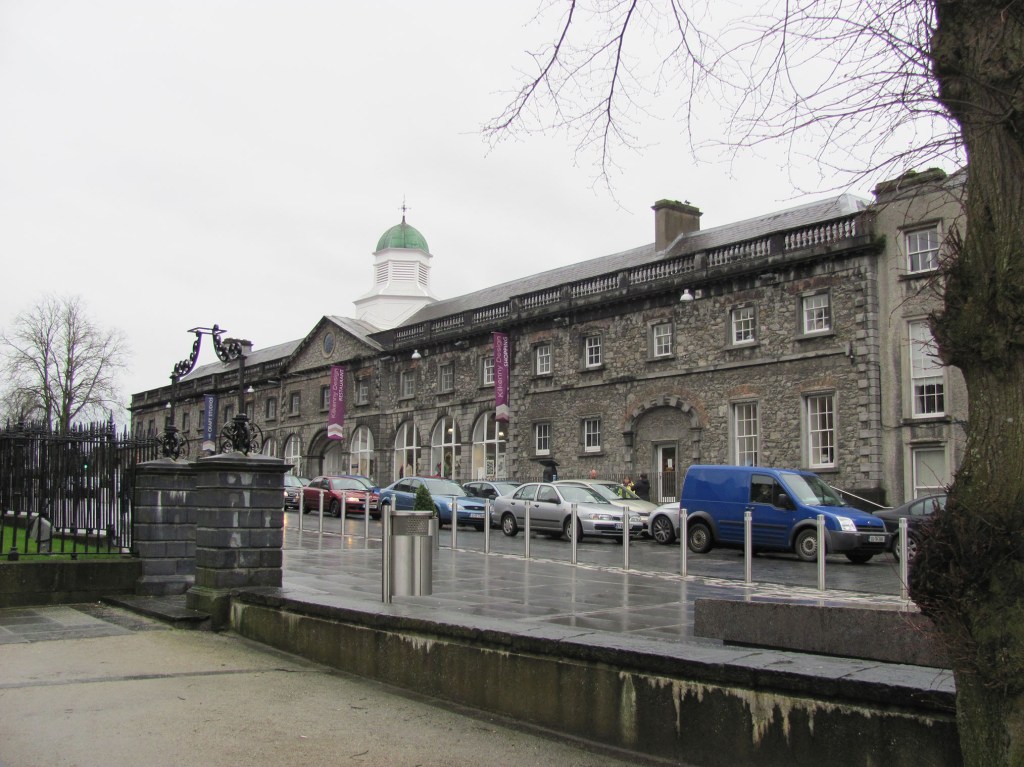
The distance from Bunratty Castle to Kilkenny was 147 km, which we took in approximately 2 hours. Kilkenny reminded me of Veliko Tarnovo on the steep streets that wound up and then descended, and here too there is a beautiful and well-preserved castle. We left our luggage at the hotel and started our walk along the medieval streets with many souvenir shops, fashion boutiques and pubs. In Fr. Kilkenny runs the Nore River, which divides the city in two, with most landmarks standing on the west bank.
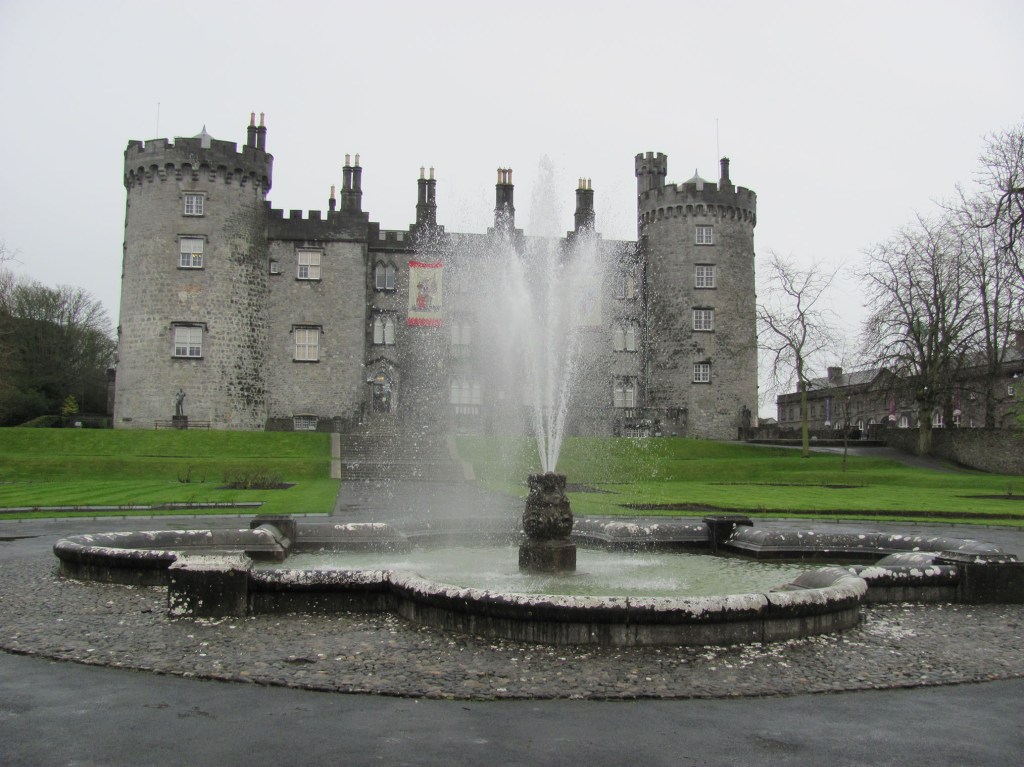
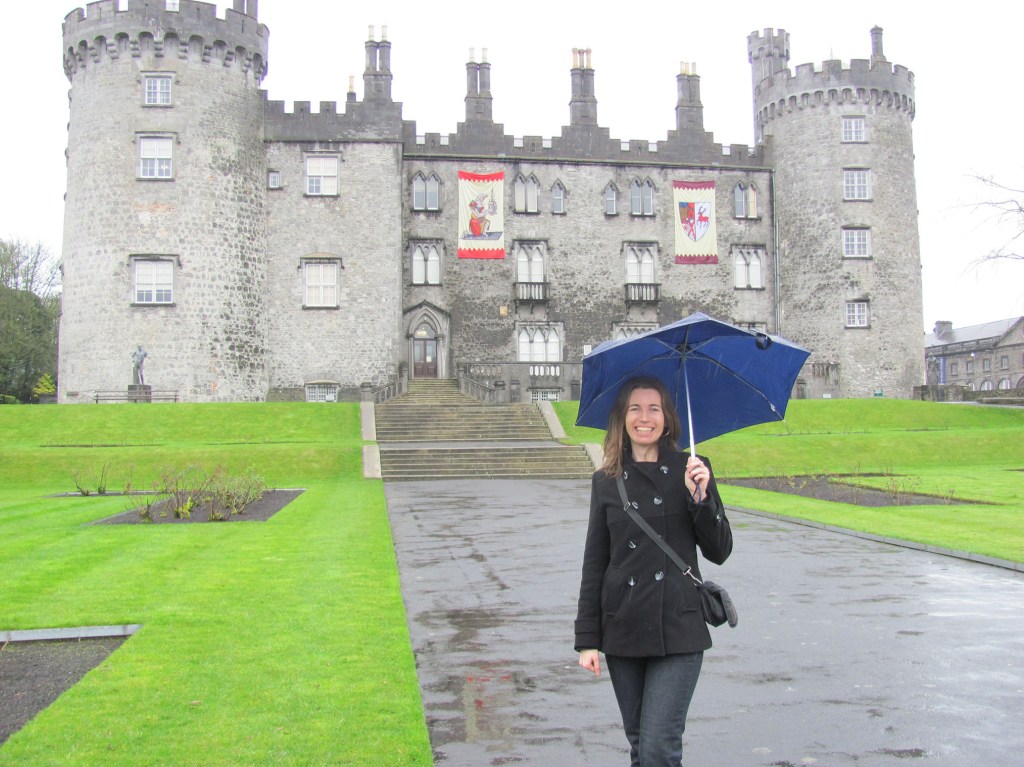
Kilkenny Castle was built in 1195 by William Marshal, the first Earl of Pembroke, and in 1967 was transferred to the people of Kilkenny for a sum of 50 pounds and is currently managed by the municipality. In March, the castle was open to the public from 09:30 to 17:00, with an entrance fee of 6 euros. We walked around the gardens longer than we expected, as we didn’t find the entrance easily. There was a beautiful fountain outside, which was working despite the rain. It was fresh, not cold, and smelled of rain – of heavenly freshness. There were many fireplaces in the castle, but none of them worked, unlike the houses in Bunratty, which were very cozy and welcomed visitors with burning fireplaces.
Particularly impressive in the castle was the great ballroom, which in the 19th century was restored and glass was placed on the ceiling, from where light was now descending, and we imagined fairytale balls with classical music and dances. On the top floor there were the sleeping quarters, and along the whole corridor there were many paintings. In the 16th-17th centuries, the corridor served as a gallery, with a collection numbering 500 paintings. There was a Chinese room and a Chinese bedroom, with hand-painted wallpaper in China, which only led me to think that even at that time there were large sales of Chinese goods.
Fascinated by the castle, we continued our walk through the medieval town, in which, like the town of Shannon didn’t have a taller than five-story building. All the buildings we saw in Ireland were well maintained and very neat. The houses here were not glued together, like our houses, where you reach out your hand can touch the opposite window. Here everything was at a decent distance, so everyone had freedom and people respected each other.






The festive March 17 came imperceptibly, and from the morning the festive mood enveloped the whole country. Even the clouds seemed to go somewhere to celebrate and for a moment the sky remained blue and radiant. We only hoped that they didn’t go to Dublin, where we headed after breakfast to attend the world-famous parade.
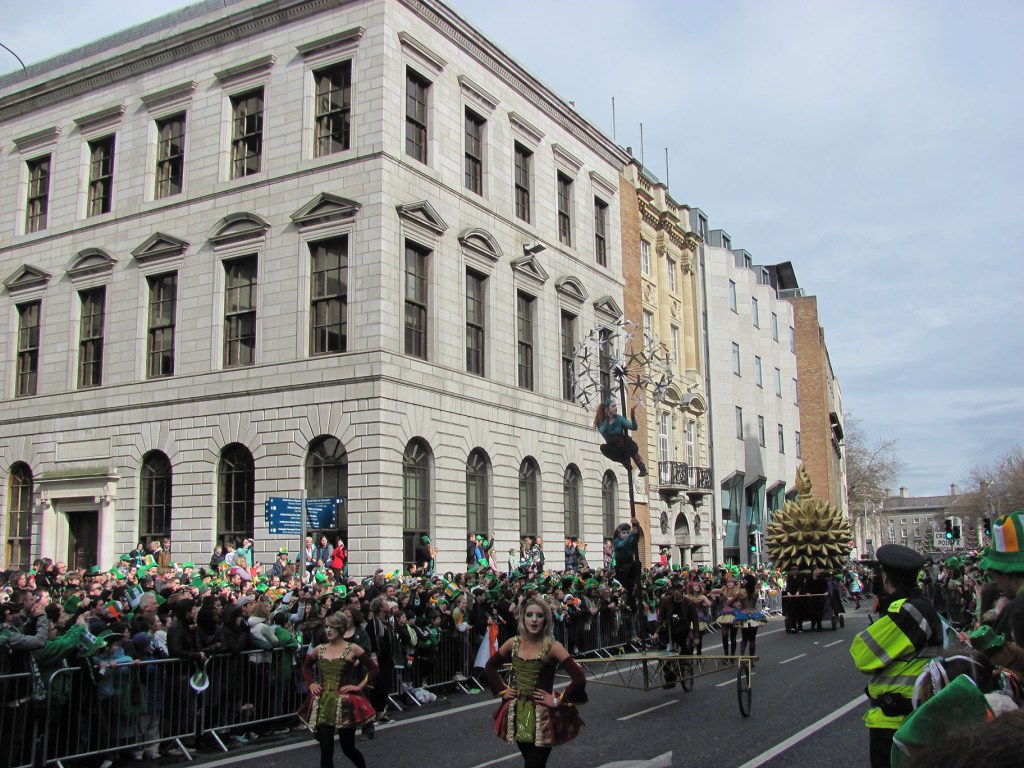
St. Patrick is probably the most revered saint in Ireland, lived in the period 387-461 AD, helping to convert the Irish. Every year on this day, all Irish people around the world dress in green, and in many places parades are held, the largest being of course in Dublin. Green is associated with the three-leaf clover, which St. Patrick used to explain the Holy Trinity and today massively hats, clothes, even people’s faces are decorated with green clovers. Last year, more than 650,000 people attended the parade in Dublin, and this year we decided to increase this number by taking part in the celebrations. The entertainment program included a lot of fun, music, dancing and live concerts, and all pubs as usual would be open.
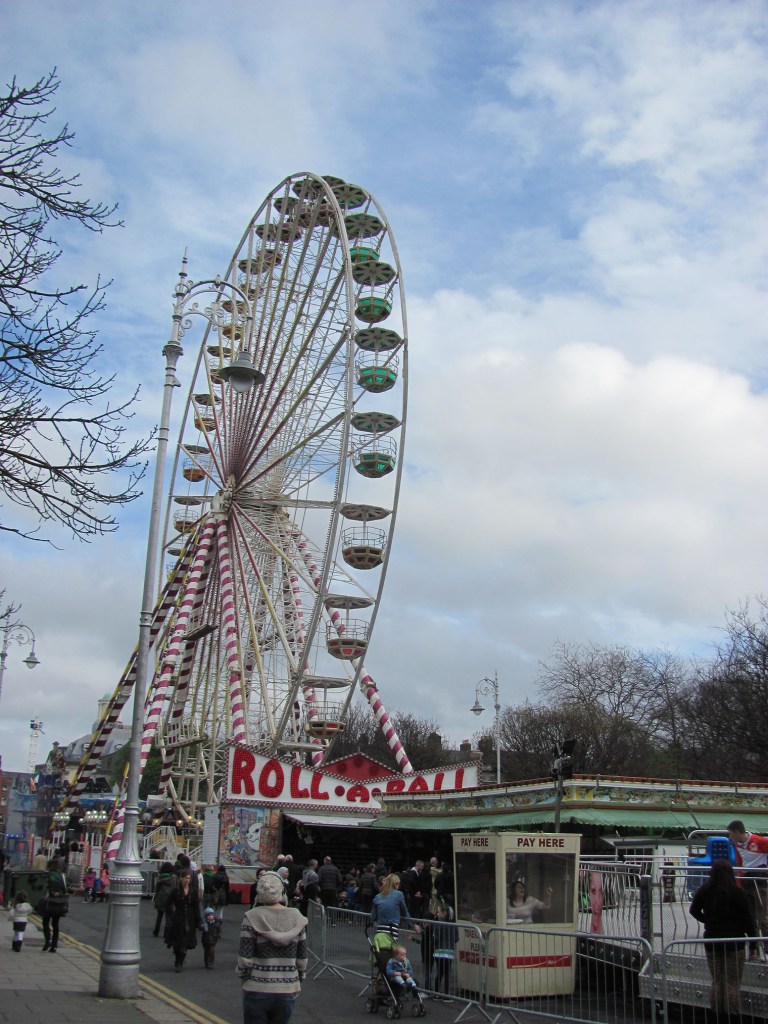
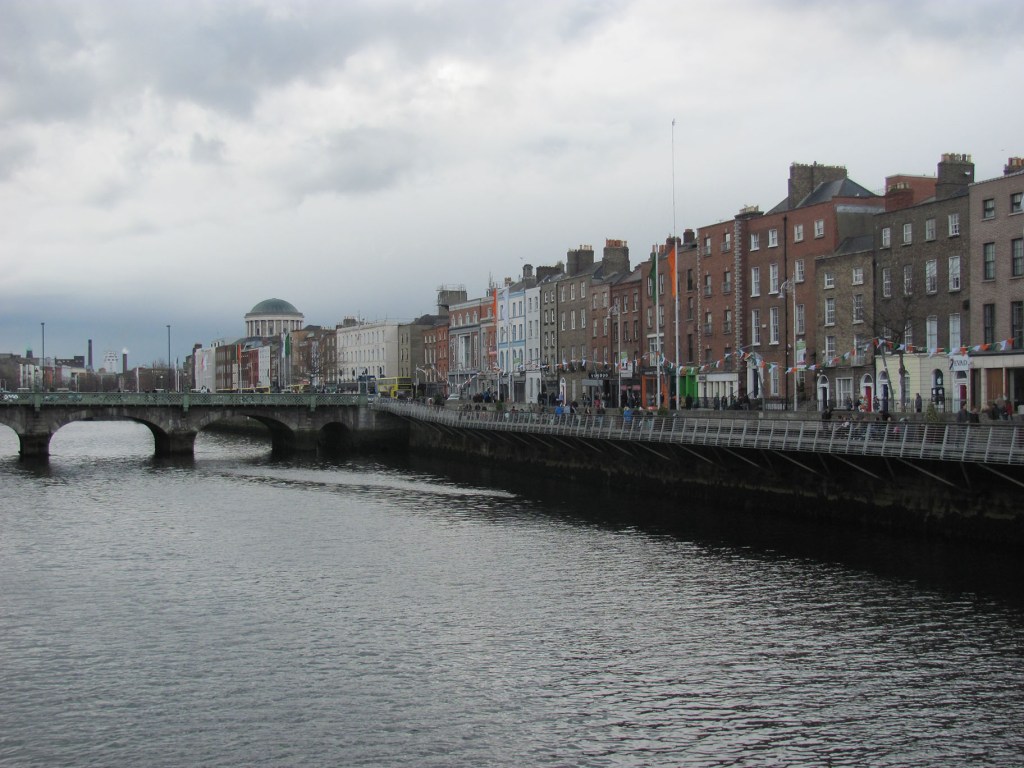
The distance between Kilkenny and Dublin is 124 km, which we took quite quickly moving all the time on the highway. The traffic was surprisingly calm in Dublin itself, leaving the car and luggage at the hotel, and heading on foot to the very center of the city, occasionally stopping in the side streets, where there was a fairy wheel and music playing.
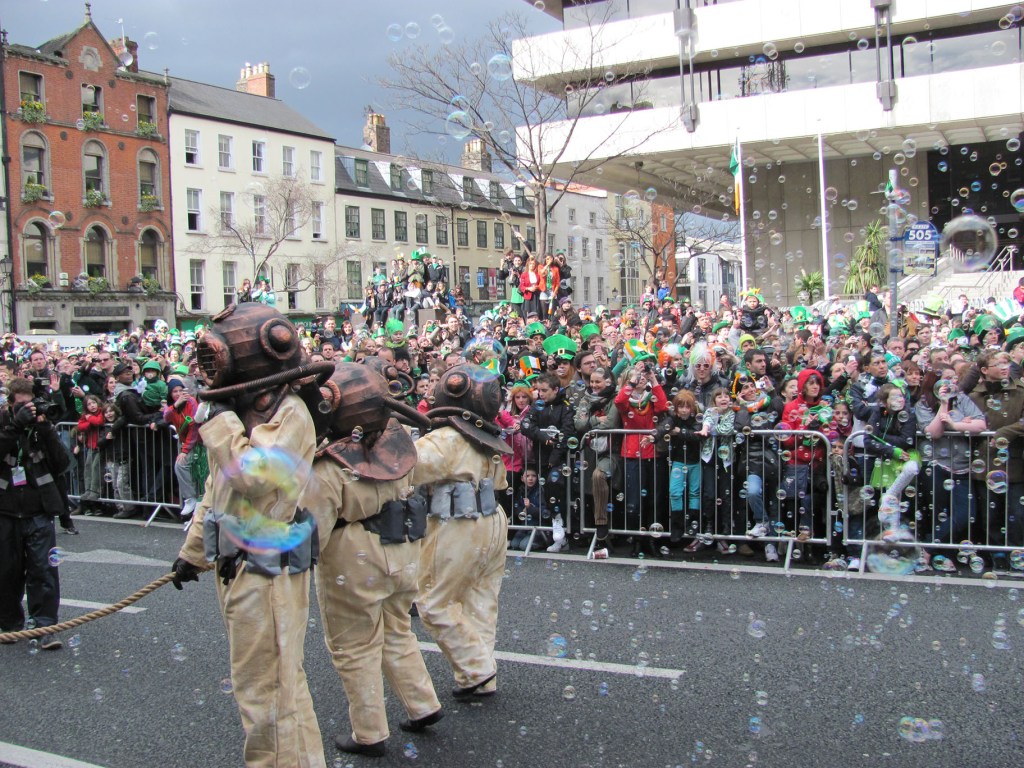
It wasn’t easy, but we managed to find relatively good places on the main street from where we could take pictures of the parade. The audience was numerous, but very polite – there was no pushing and everyone calmly watched the procession, which was filled with colorful costumes and a lot of music. Representatives of the police, the fire brigade (and they even played bagpipes), military, various schools, the National Lottery, etc. passed. From the parade alone, which lasted just over 2 hours, I took over 120 photos and videos, trying to capture this moment, both in the lens and in my heart.


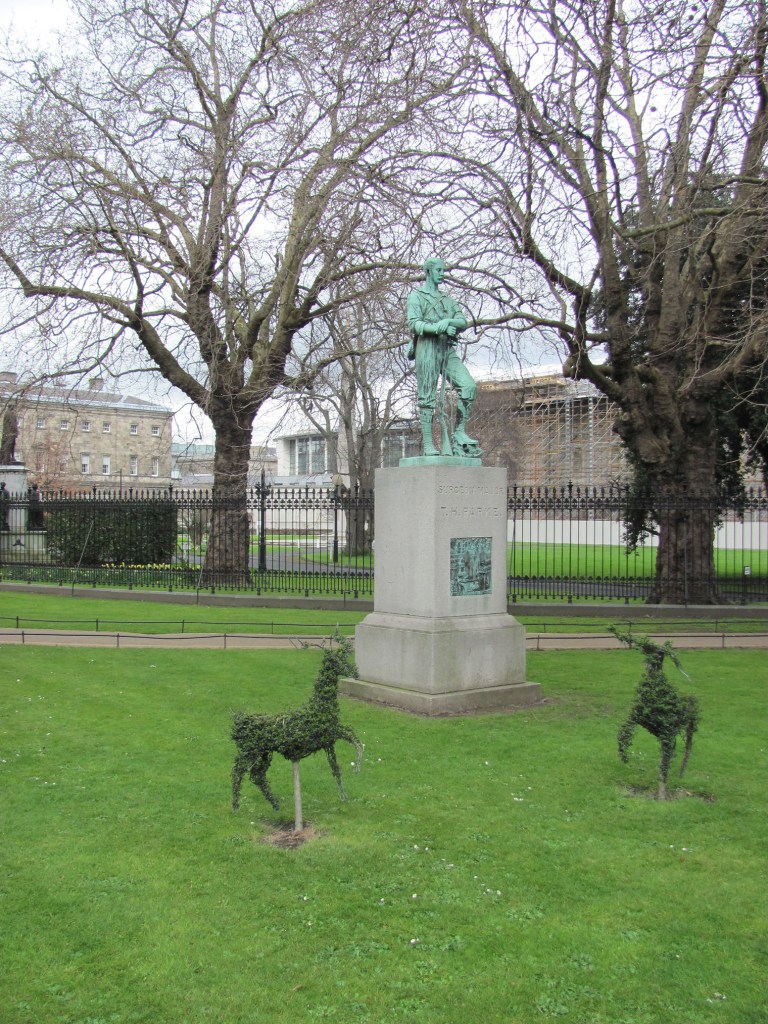
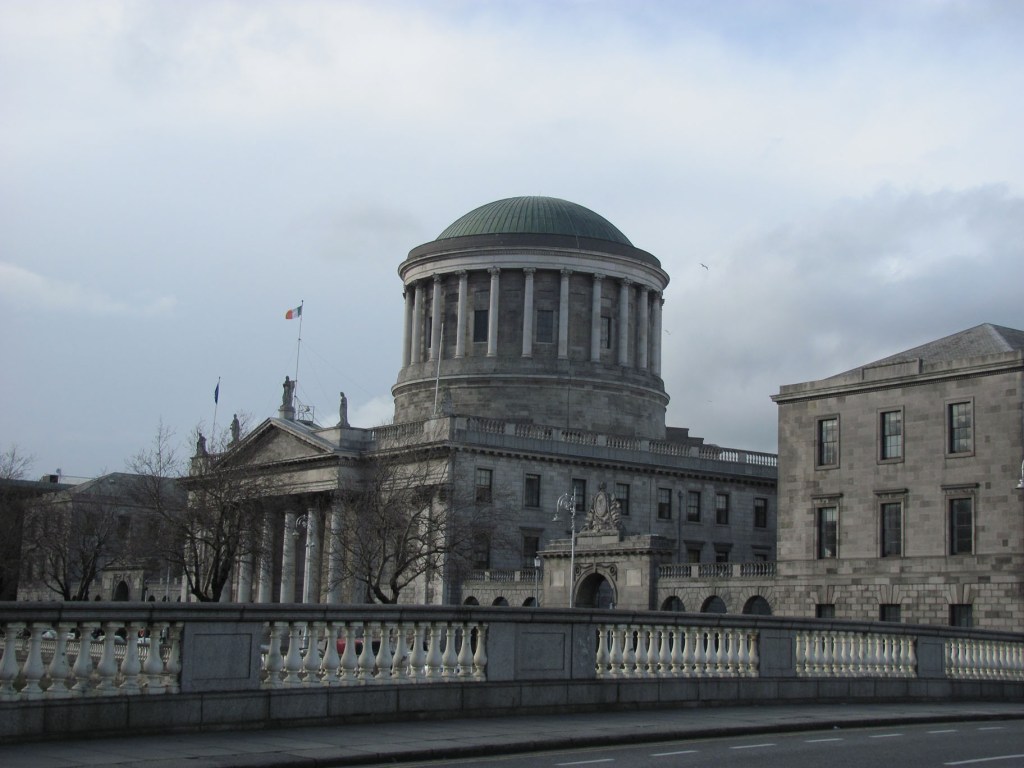
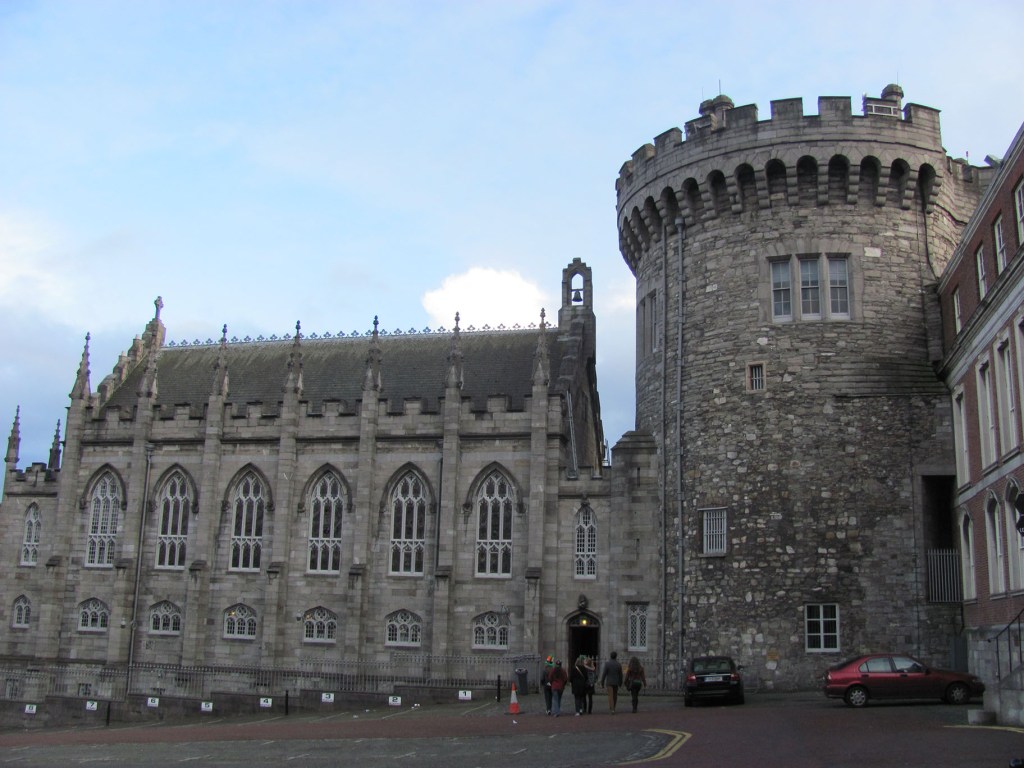
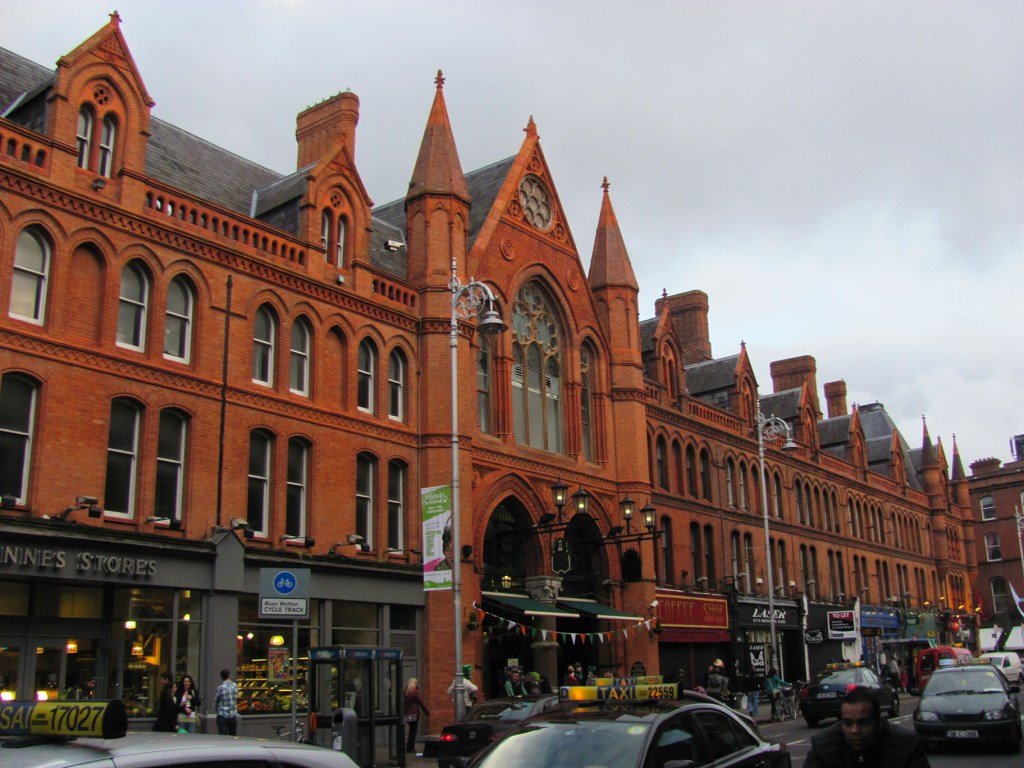
In the afternoon we had the opportunity to see the sights in the Irish capital, and I especially liked Dublin Castle, where at 16:10 we managed to catch a group with a guide who fascinating told the history of the castle and the main rulers. We walked through the huge halls, as well as in the dungeon, where there were remains of the first fortification erected here by the Vikings. After the castle we visited several cathedrals, St. Patrick’s Cathedral is the largest one in Ireland. We also passed by several museums, but we could not see them, unlike the many shops that were surprisingly open during the national holiday. The weather was cool, although it was not raining, there was a wind that made people go into pubs and warm up with the famous Irish whiskey. We decided to warm up in a mall near St. Stephen’s Green Park, where on the inside, right next to the entrance, there were two large screens broadcasting football and the men were seated and watched the game while their girlfriends/women walked around the shops. I thought it was a brilliant idea!
“Ireland, sir, for better or worse, is like no other place under heaven, there is no one who has touched its lands or inhaled its air, and not gotten better or worse.” That’s what George Bernard Shaw said, who actually turned out to be Irish, and in this case he was right – Ireland is a really wonderful country, whose space inspires freedom, its green – relaxation, and the hundreds of castles and pubs, were always ready to shelter visitors from the bad weather.




GENERAL INFORMATION ABOUT IRELAND:
Location: Ireland is located in northwestern Europe, occupying about 5/6 of the territory of the island of Ireland. The remaining 1/6 of the island is occupied by Northern Ireland – part of the United Kingdom.
Area: 70 273 sq.km
Population: 4,339,848 people
Official language: Irish and English
Climate: moderate marine
Time zone: UTC+0
Currency: euro (EUR)
Additional information: http://www.ireland.com/
TRIP TIPS FOR IRELAND:
Best time to visit: May-June and September-October are the calmest months. In summer there are crowds of people, and in winter – an icy wind. March 17 is the feast of St. Patrick’s, with celebrations warming the weather.
Typical foods and drinks: beef stew with cabbage, potato bread, dark Guinness beer and of course Irish whiskey.
Places to visit: There are hundreds of castles in Ireland worth visiting, including Blarney Castle with the famous stone that when you manage to kiss it you will find true love; the natural phenomenon Rocks of Moher; the medieval city of Kilkenny and of course the capital Dublin.
 TripTips