WEEKEND IN GOLDEN PRAGUE

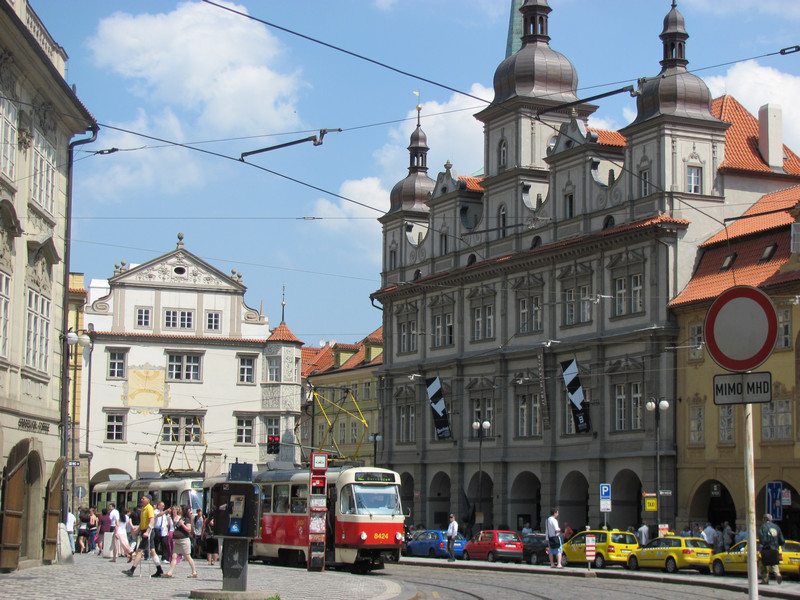

The Czech capital is called the Golden Prague, not only because of the glamorous buildings, but also because of the golden color of beer, which has become a national drink, making Prague the beer capital. Czechs are the largest consumers of beer in the world, according to statistics there are 150 liters of beer per capita per year or daily – half a liter per person. This number includes all people from babies to pensioners, with only 1.2 million people in Prague and more than 6 million tourists coming annually. Accordingly, there are far more beer consumers in the country and beer flows just like the deep waters of the Vltava River, which runs through the city.
It is worth visiting the capital and the largest city in the Czech Republic, even for a weekend or just for a glass of beer. The flight Sofia – Prague takes less than 2 hours, with Bulgaria Air having regular flights there. The road by car takes much longer, but it makes it possible to explore many other remarkable places.
Our May weekend in Prague was very warm and sunny. Here it seemed like everything was really made of gold – even the sun shone like that, and I sincerely enjoyed my second visit to the Golden Prague.
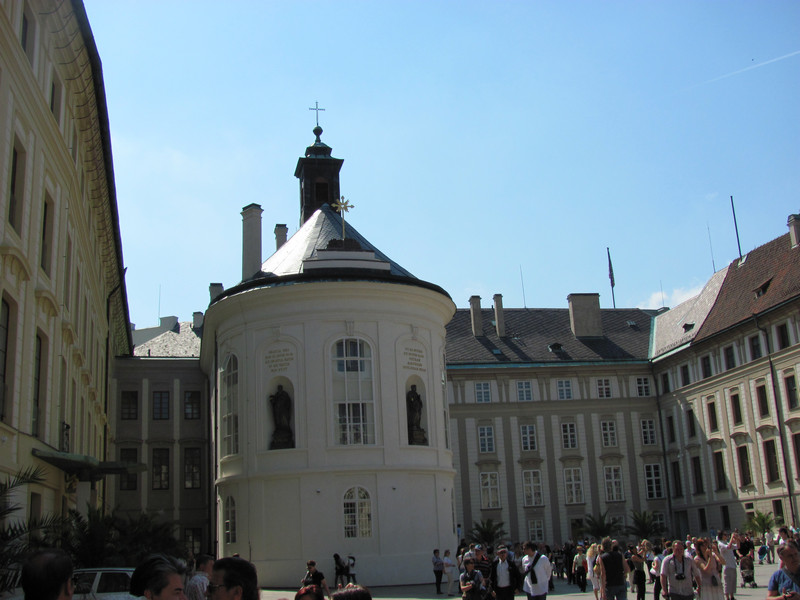
Our tour started from the left bank of the Vltava River, where the beautiful castle Hradčany was erected on a hill. Hradčany is called the whole complex, as hradād does not mean city, but fortresses walls. This castle is listed in Guinness World Records as the largest medieval castle in the world. It dates back to the 9th century and spreads over 18 acres, including within its boundaries the Cathedral of St. Vitus and the Basilica of St. Georgi. Once the kings of Bohemia lived here, and today it is the official residence of the president, with an impressive ceremony at the changing of the guards every hour.
The palace complex was lavish and it was hard to imagine its simple appearance at the very beginning, when in 875 the ruler Borivoj erected his headquarters here. The palace flourished the most during the reign of Charles IV, Holy Roman Emperor, when he turned Prague Castle into his official residence and erected the Cathedral of St. Beth. Habsburg Emperor Rudolf II added some Renaissance-style buildings in the 16th century. The governors then moved to Vienna. From 1918 the castle became the seat of the President of Czechoslovakia and later of the Czech Republic.
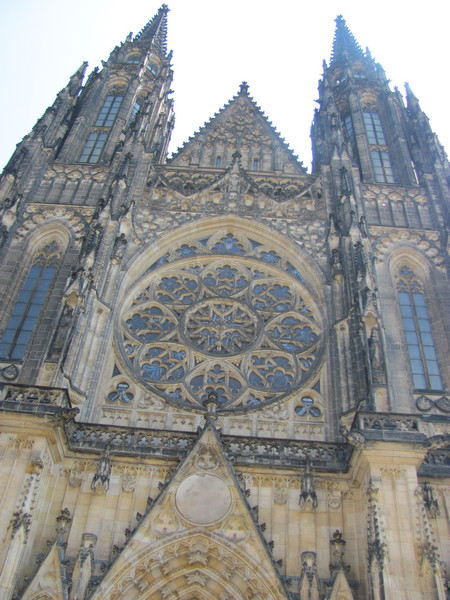
Particularly impressive and terribly difficult to photograph is the majestic St. Vitus Cathedral erected in the inner courtyard of the palace complex. This is the largest and most important temple in Prague. In addition to the religious services and coronations of the Czech kings and queens that took place here, the cathedral is a holy place where several saints, nobles and archbishops are buried. Especially beautiful is the chapel of St. Wencesias, decorated with Gothic frescoes and precious stones. Here is also the door to the royal treasury, where the Czech royal treasures are kept. Near the cathedral there is a statue of St. George, which is a replica of the original sculpture erected in 1373.
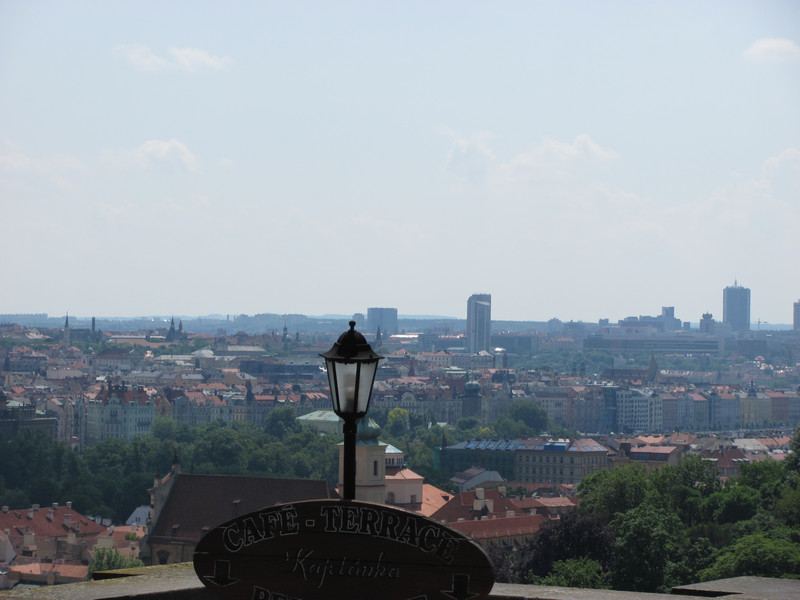
Outside the castle there is a beautifully separate panoramic terrace overlooking Prague, on which while admiring the wonderful view we learned the legend of the city’s origin, which a tour guide very emotionally recounted. According to legend, many summers ago in these lands reigned the Slavic princess Libuše, who was very beautiful and clever, and had prophetic visions. She and her husband, Prince Přemysl ruled peacefully the Czech lands from the hill of Visegrad, until one day the princess received a prophetic dream again. She dreamed that she was standing on a rock above the Vltava River and cried out: “I see a big city whose glory will touch the stars.” In the morning she ordered her people to go and erect a castle on this hill. She called this city Prague (from the Slavic word prag) because, in her words, “even the greatest nobles should bow at the low threshold (Prague in Slavic languages), so this city should receive the worthy name of Prague.”




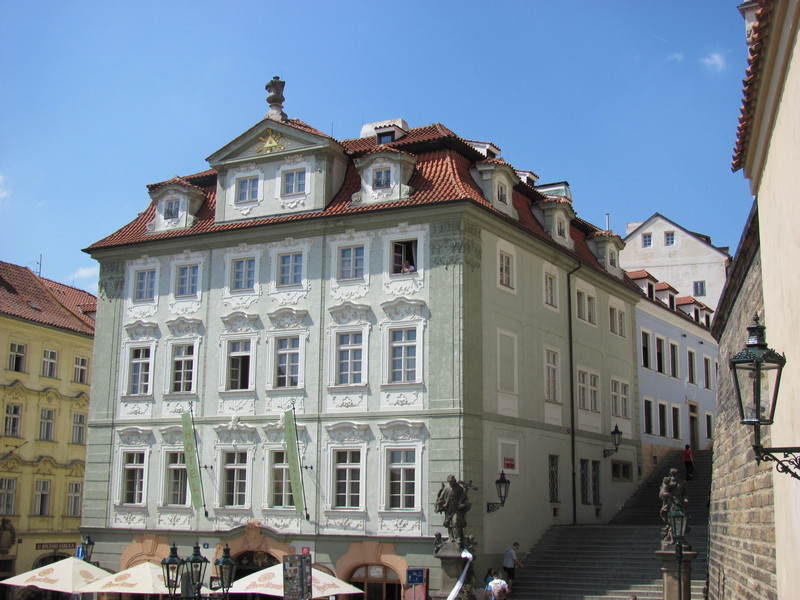
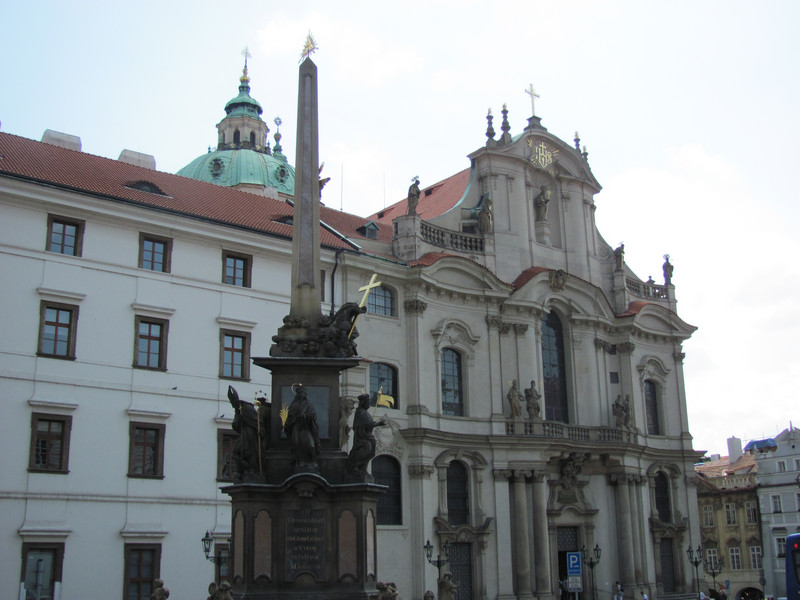

We descended on foot from the hill to the old part of the city, where the streets were erected on the site of the moats under the fortress walls. Medieval Prague had retained its splendor, and even now different flags with emblems were hung in the streets, as if the noble families were still competing with each other. We passed through a particularly beautiful gate with a sharp tower, which took us to the banks of the Vltava River and the famous Karlovo Bridge.
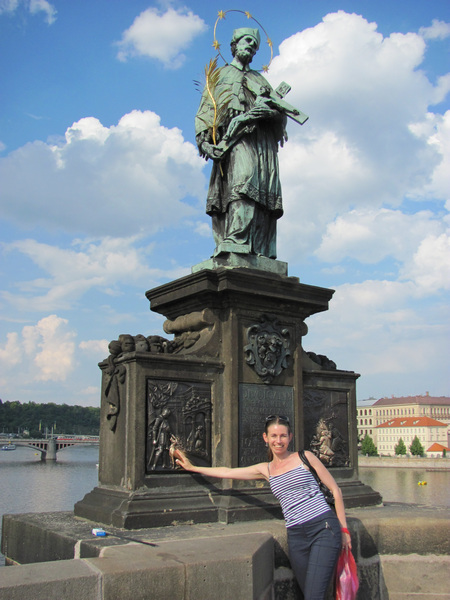
On the Karlovo Bridge there are 30 sculptures created by the best masters of that time. When you go through it, you will surely see more people crowding and taking pictures with one particular statue. It is believed that anyone who touches it can make a wish and his wish comes true. I’ve been to this bridge twice, I have touched this statue twice with these two different wishes already come true, so I can’t wait to go there again and wish for something more that I find challenging achieving on my own.
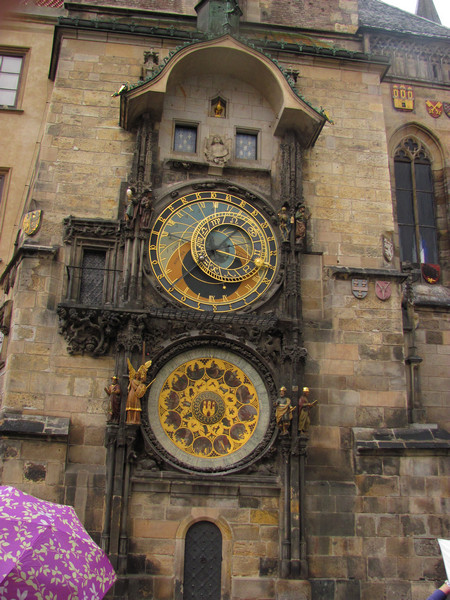
The next big attraction in the old town is the astronomical clock erected on the southern facade of the old town hall, which today is the municipality. Installed in 1410, the Prague Clock is the third astronomical clock in the world and the oldest one that still functions today. The mechanism of the clock is composed of 3 parts: an astronomical indicator showing the position of the Sun and the Moon; The Walk of the Apostles, which every hour depicts figurines of the Twelve Apostles and other beings, including a figure of Death represented as a skeleton and a calendar scale representing the months. According to local legend, the city will blossom while the clock is running and trouble will follow if the clock is neglected. It is truly unique and fun not only to look at the figurines of the apostles slipping out one by one, but also the crowds of people gathering, watching and photographing this ceremony dating back more than 600 years. Unfortunately, my camera failed to make a video of the rotating circle of the Twelve Saints, who seem to pass by and greet every tourist. So while waiting for the next hour, we climbed the clock tower, from where a wonderful panorama of the Old Part of Prague was revealed. From above we liked a restaurant in the central square, where we later had lunch.
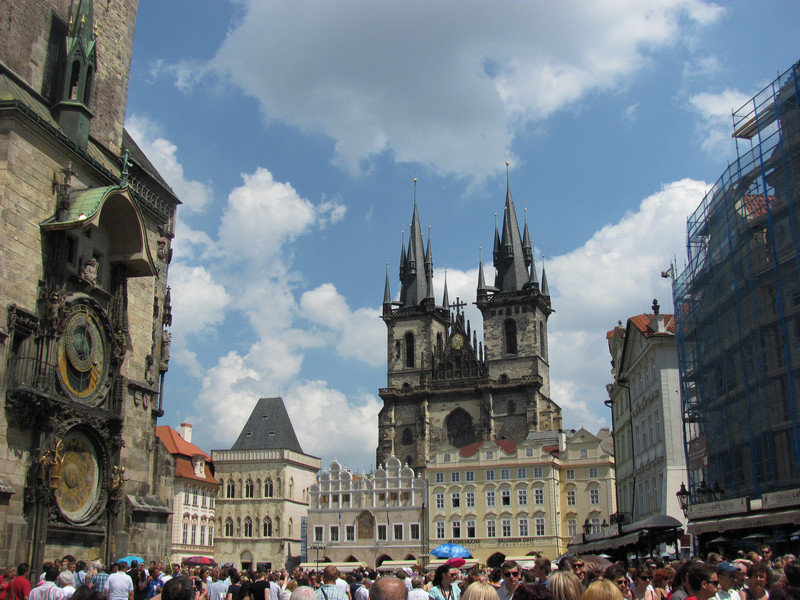
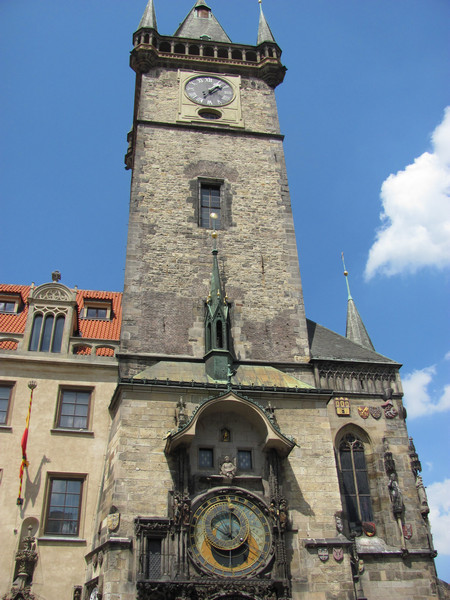

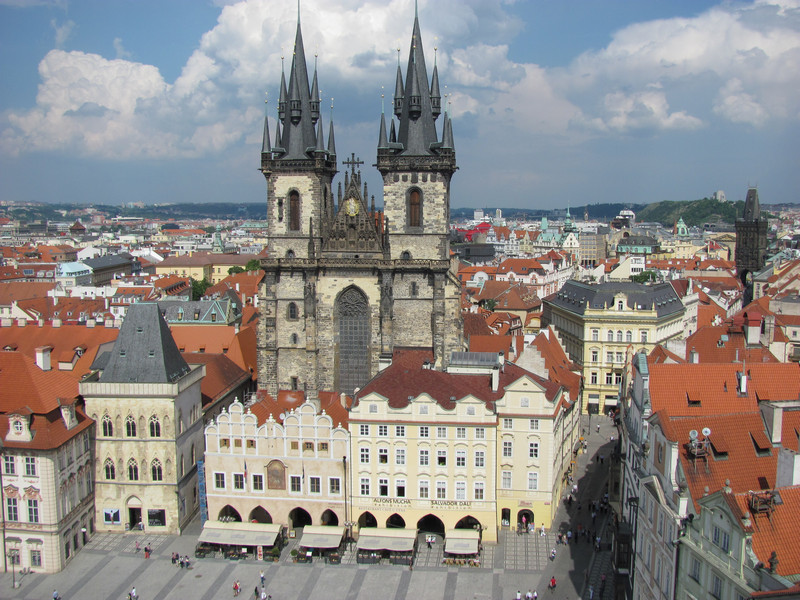
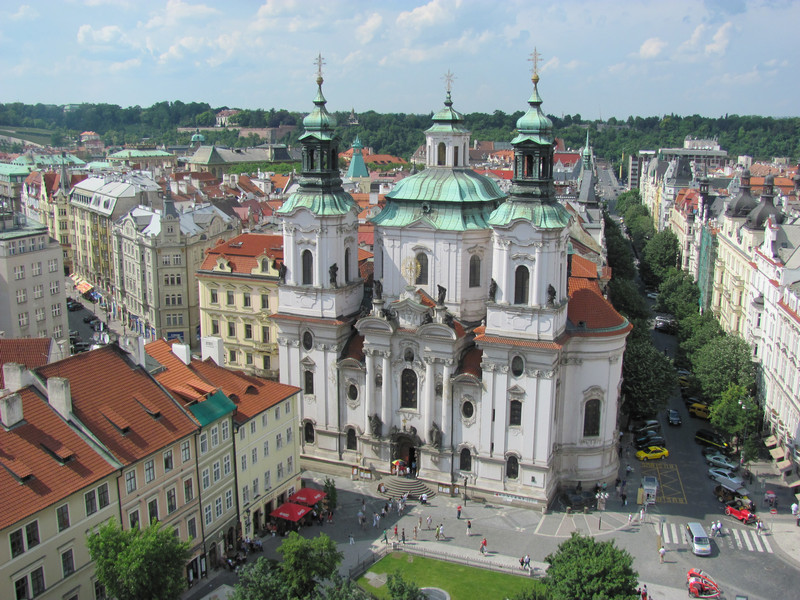

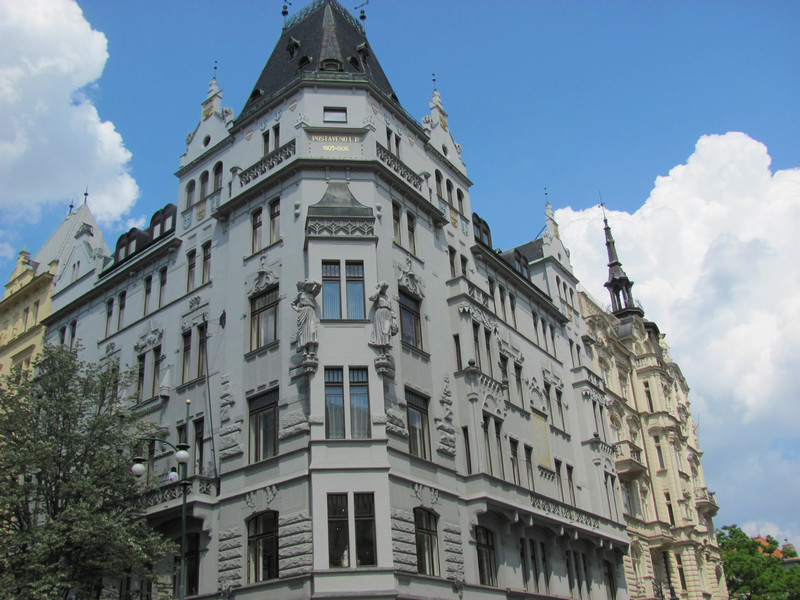


In the afternoon we continued our walk through the beautiful capital, as it was visible that Prague was not so affected by World War II and its medieval buildings are still well preserved, as well as the bridges and the cathedral. Since its emergence in the 9th century, the city immediately became the capital of the Bohemian kings. And today here you can feel bohemian, by renting a carriage for a sightseeing tour or a vintage car. However, we continued our tour of the Golden Prague on foot.
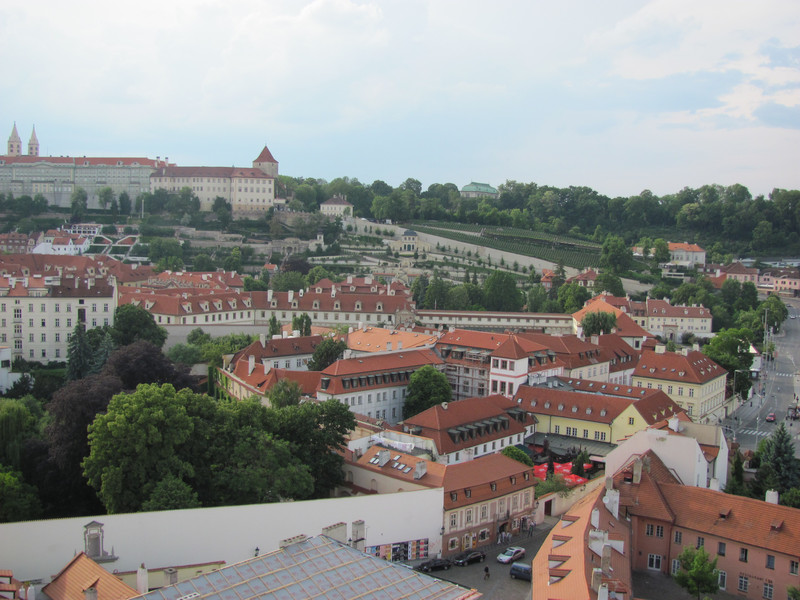
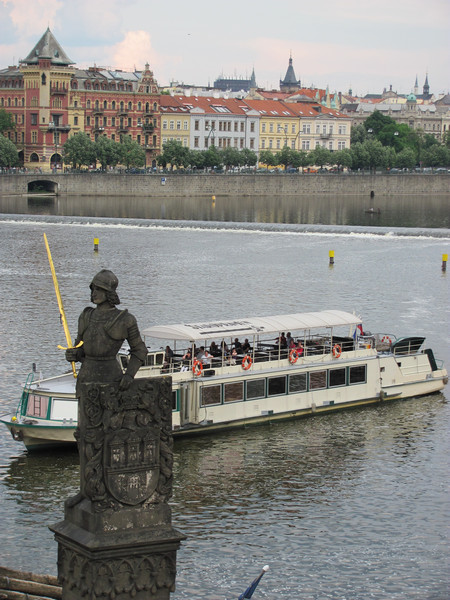
We dared to try one of the new attractions of the city – boarding a balloon and exploring Prague from a bird’s eye view. It was incredibly beautiful and exciting, and the photos turned out to be amazing. Our balloon was near the Karlovo Bridge, whose figures looked small in the distance, but the tourist boats brought some charm of the breathtaking landscape of the Vltava River.
I managed to photograph even Anna’s gardens, which we couldn’t see at the palace in the morning. I also photographed Hradčany Castle, which was majestic from above.


We finished the day instead of a pub in the Hard Rock Café, where we had to hide from the coming rain. Our day was wonderful. Everything flowed like water even the end of the day. The city deserves to be called – Golden Prague, as it is a real treasure trove of buildings, statues and bridges, all of them creating a fabulous and peaceful atmosphere in which, despite the unique astronomical clock, it was easy to lose track of time.
GENERAL INFORMATION ABOUT PRAGUE:
Location: Prague is situated among the beautiful hills of the Bohemia plateau, on both banks of the longest river in the Czech Republic – Vltava.
Area: 496 sq.km
Population: 1 241 273 people
Official language: Czech Altitude: 177-399 m
Climate: moderate continental climate
Time zone: UTC+1
Currency: Czech koruna (CZK)
Additional information: http://www.prague.eu/en
TRIP TIPS FOR PRAGUE:
Best time to visit: all year round
Typical food and drink: Prague is world-famous for its beer and no visit should miss a glass of this golden drink. As for traditional foods, it is worth trying local dumplings (made from potato flour, boiled in water and rolled up) or goulash (which in some places is tastier than Hungarian one). For dessert, we recommend local pancakes, the word in Czech and Bulgarian is the same.
Places to visit: The clock tower (every hour the clock comes to life and the figures of the apostles pass one after another). It is also worth climbing the clock tower itself, from where a wonderful panoramic view is revealed); Charles Bridge (decorated with statues of saints, with towers at both ends, be sure to make a wish and touch the statue of St. John Nepomuk, the one with the golden wreath and your wish will come true), the square in the old part of Prague (in winter there is a skating rink and a Christmas market), Hradčany Castle (the largest palace in Europe), Boat trip along the Vltava (an excellent opportunity to explore the city from the river, passing under many picturesque bridges), the Dancing House (they also call it Ginger and Fred because it looks like a dancing couple, on the top floor is one of the most expensive restaurants in the city) and more.
 TripTips