A DAY IN BRNO


Many centuries ago, a group of Slavs settled in the north in the Moravia region. The lands were fertile, the rivers were clean and deep, and the local Celts and Germans were friendly. The Moravian settlement flourished, and it didn’t take long before it to be called Great Moravia. It was here that the brothers Cyril and Methodius were officially invited, as the local prince Rostislav wished to preach in the Slavic language, reducing the German influence in his country. Here Cyril and Methodius established many schools and trained many students.
In 1641 the capital of Moravia moved from the city of Olomouc to Brno. This capital city had a strong fortress as early as the 11th century, and since the 13th century it has been the residence of the Moravian Margraves. The city suffered heavy destruction during World War II, but rebuilt, today attracts thousands of tourists who remain fascinated by the picturesque Renaissance buildings contrasting with their modern glass counterparts.


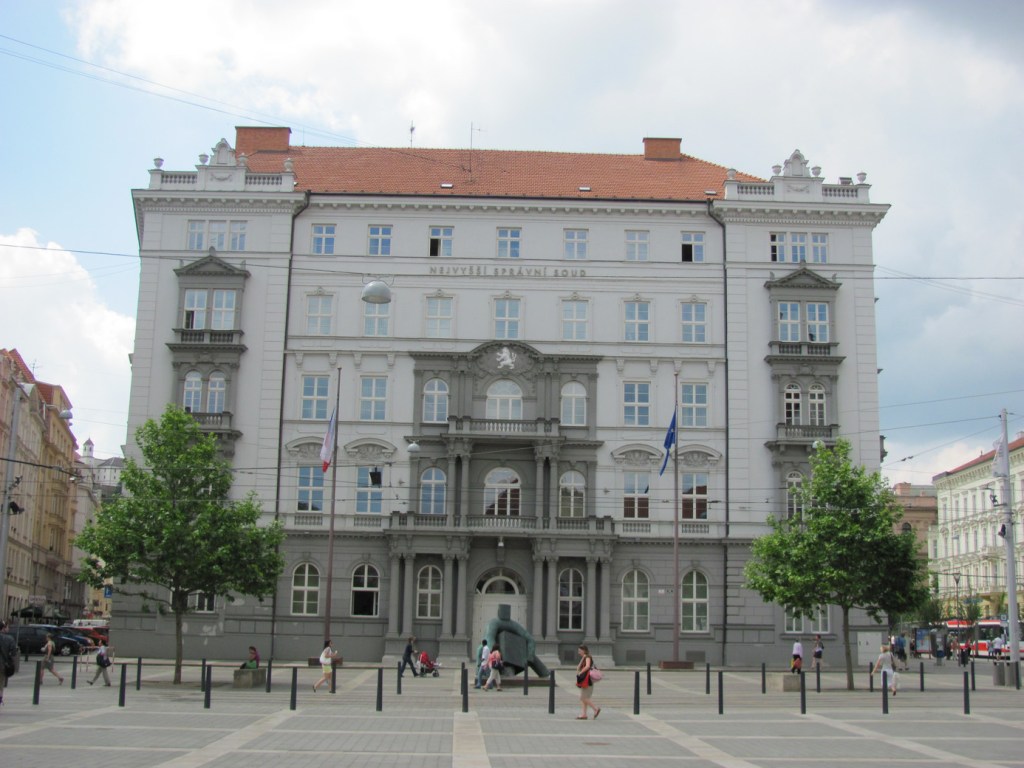
If you are visiting Czech Republic only for a few days, besides the Golden Prague, schedule at least one day for the city of Brno. The name of the city comes from the Old Slavonic word Brno, meaning mud, swamp, but the white glamorous facades of the city do not correspond to this name. The distance between Prague and Brno is 204 km, which can be taken in less than 2 hours by car or in 2 and a half hours by train. While Prague and Bohemia are famous for their beer, Moravia is proud with its wines. Brno is a major city in the Moravia region and the second largest city in the Czech Republic, many exhibitions and fairs are held here annually.


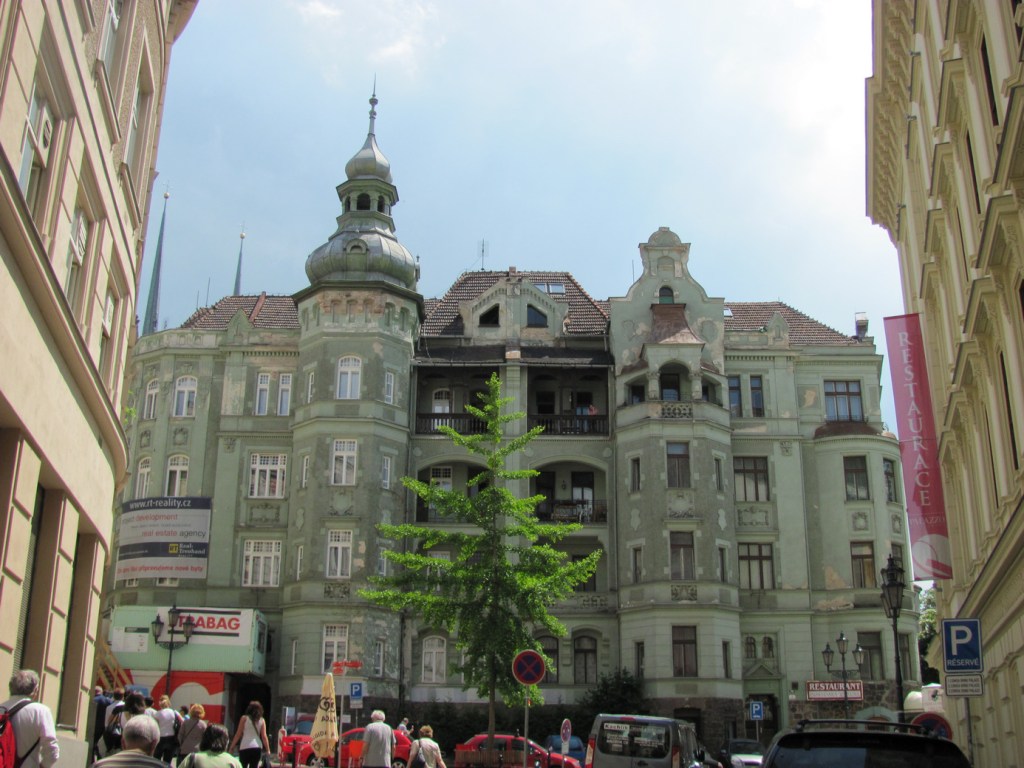

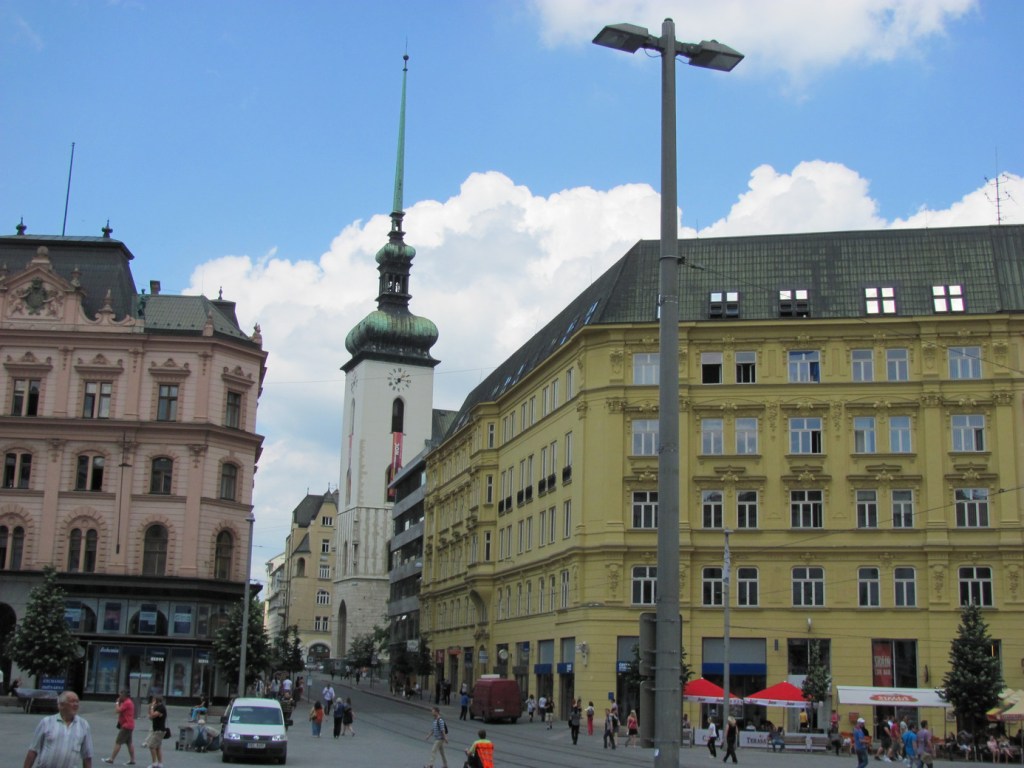


Our walk in the university town, the cultural and administrative center of Moravia, started from the central square Námestí Svoboda, where there are beautiful Renaissance buildings. The main landmark, however, was the Baroque statue with a column dedicated to those who died from the plague, on the top stood the Virgin Mary with a child, and on her back shone the sun. The square was a magnificent mix of historic and modern buildings.
During our walking tour we passed many beautiful neoclassical buildings until we reached the oldest building in the city – the old town hall dating back to the 13th century. The same was a mixture of Gothic, Renaissance and Baroque architecture showing the development of Brno over the centuries. The rich history of the town hall was complemented by many legends. An alligator was hung in the attic and the locals called it Dragon and said that in the past a dragon came and began to harass the local people. To get rid of the beast, several brave men set a trap for him. They filled a bag with lime and wrapped it with sheepskin. The dragon ate this “sheep”, but he was very thirsty, and after drinking water he died.
Next to the Dragon there was also a wooden wheel, for which there were legends that a master from a small town bet with his fellow citizens, that he was the most deft master in the world and that within a day he would cut down a tree, make a wheel out of it and it would roll all the way to Brno. Having really managed to do all this in one day, instead of receiving praise from his fellow citizens, they decided that he was dealing with the devil, who helped him to succeed with all this, and they stopped buying his wares. More impressive than the legends was only the panorama that was revealed from the tower of the town hall. Climbing the many steps was worth it and from a bird’s eye view we were able to see the beautiful buildings of Brno.
We also looked at them from the ground, heading to the largest vegetable market since the Middle Ages – Zelny trh (literal translation “cabbage market”), where was the house where Mozart once lived. In the immediate vicinity was the Kapucínsky Kláster Monastery, which was famous with the graves of many famous local personalities.
Our next stop was in front of the majestic Gothic cathedral of St. Peter and Paul, erected at the end of the 11th century. In 1743 it received additional Baroque elements, and later a Gothic appearance. All these mixtures add a unique style to the cathedral, which was impressive, both inside and outside, as well as from above – climbing its tower, from where follows a new magnificent panorama of the city.
Behind the cathedral was a beautiful park (Denisovy sady), in which a green hill leads to Spilberk Castle. Erected in the 13th century, today Spielberg Castle (sounds like Spielberg) houses the city’s museum with numerous exhibits.
Brno is full of museums, churches and universities, but our walk ended, typically for women in a shopping mall. The purchases only confirmed the good impressions of the city and we left with full bags and wonderful memories.


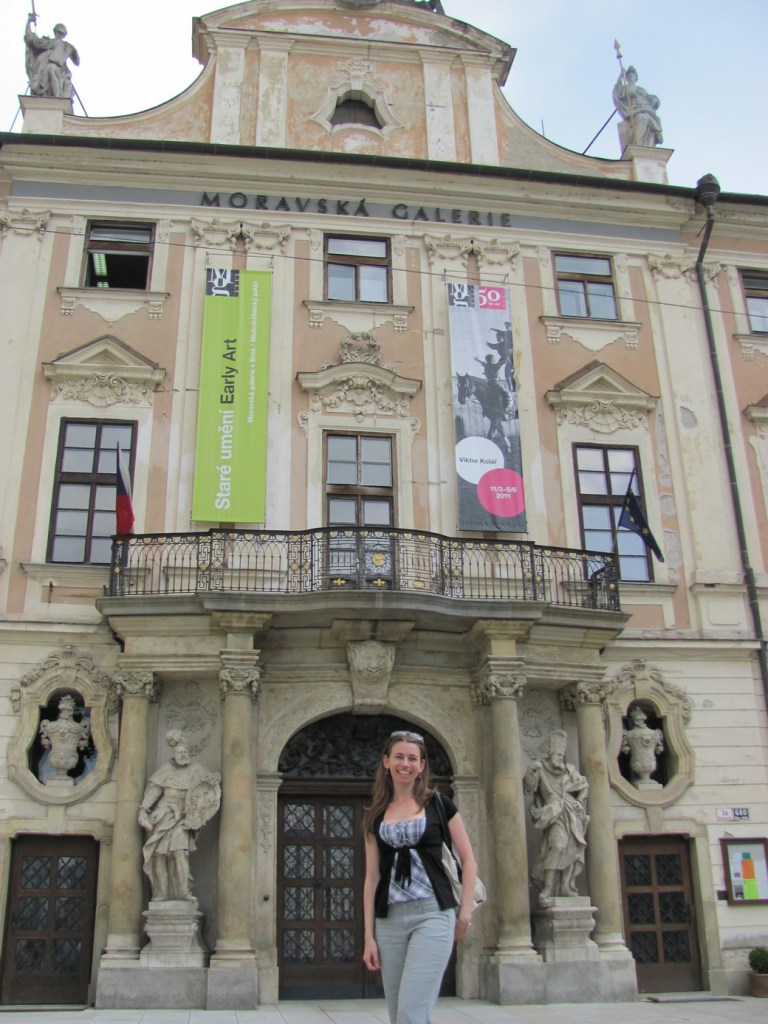
GENERAL INFORMATION ABOUT BRNO:
Location: The town of Brno is located in the southern part of the Czech Republic, at the confluence of the rivers Svitava and Svratka.
Area: 230 sq.km
Population: 385 913 people
Official language: Czech
Altitude: 237 m
Climate: moderate continental climate
Time zone: UTC+1
Currency: Czech koruna (CZK)
Additional information: http://www.brno.cz
TRIP TIPS FOR BRNO:
Best time to visit: Throughout the year, with more open attractions and events during the summer months.
Typical food and drinks: In Brno it is worth trying not only the Czech beer, but also the local wines. Especially delicious here are the potato dumplings, which you can order with pork and mushrooms. For dessert we recommend local pancakes, the word in Czech and Bulgarian being the same “palachinka”.
Places to visit: St. Peter’s and Paul Cathedral, Špilberk Castle, St. Jakub Church, Veverži Castle, Bern Dam, Central Town Square, National Theatre, etc.
 TripTips