Trip around Cyprus
NEW YEAR IN CYPRUS


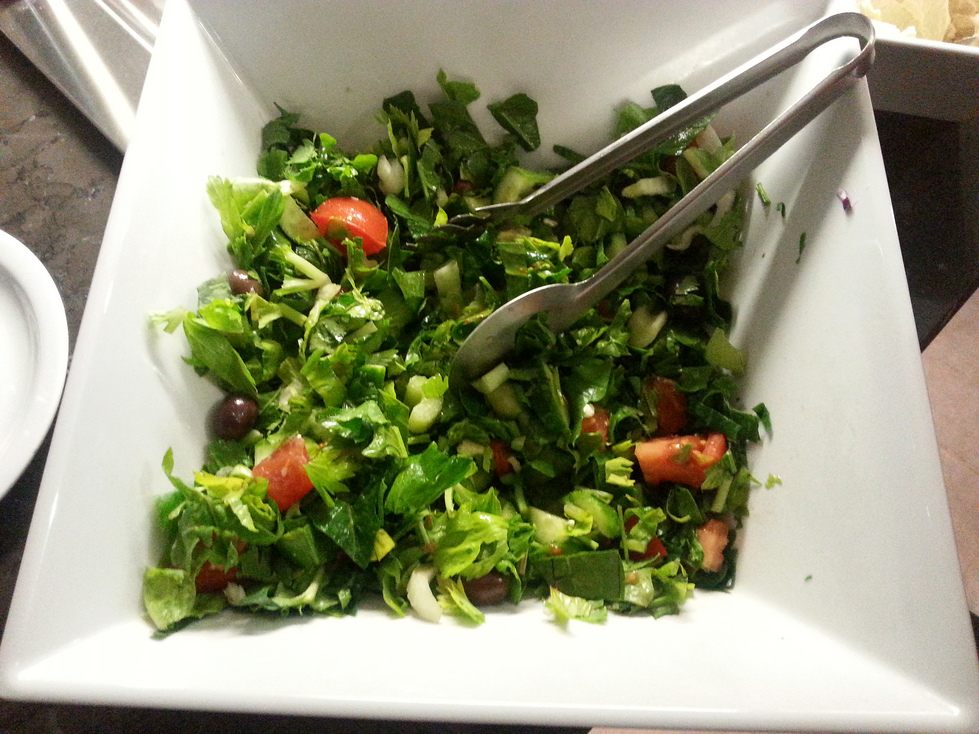

The traditional Cypriot salad is prepared from lettuce, 3 tomatoes, 2 onions, eggplant, 3 boiled eggs, black olives, olive oil, wine vinegar, lemon juice and salt. These were the ingredients embodying the island of Cyprus itself with its greenery, fertility and rich essence of history and cultures. Many great civilizations had left their traces here – starting with the Egyptians, the Phoenicians, Greeks, Romans, Byzantines, Venetians, Ottomans, Britons and today’s Greco-Turkish rule. The nature of the island is almost as rich as its history, and this makes the island a preferred place to live and have a holiday. A pinch of green mountains, a spoonful of sunny beaches and a whole glass of history and myths makes Cyprus the perfect bite for any hungry for sightseeing tourist.
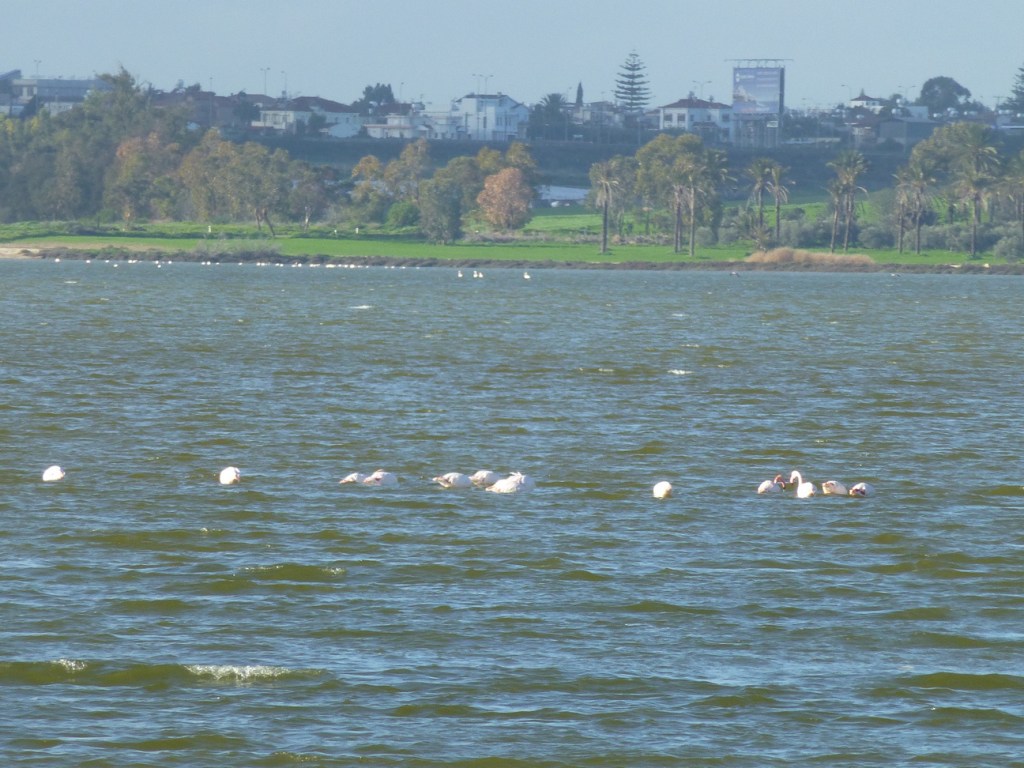
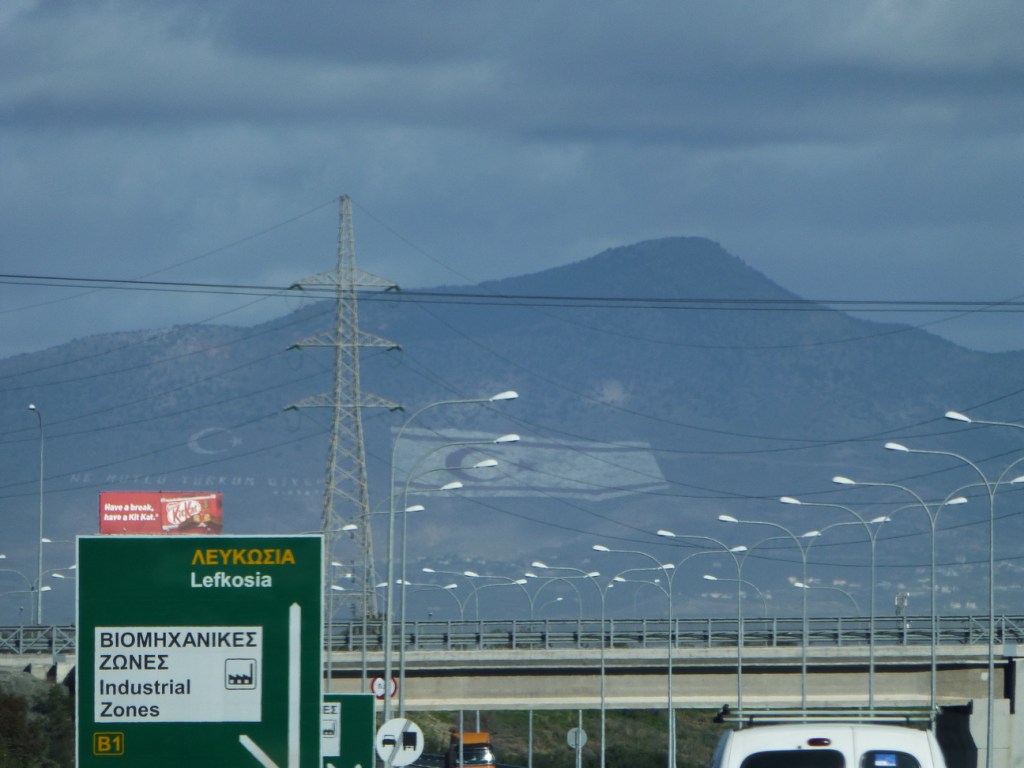
Cyprus is the 10th largest European island and the third largest in the Mediterranean, after Sicily and Sardinia. The western part of the island was full of plants and animals. In winter, thousands of birds migrate here, including flamingos, cormorants and swans. They can be seen mostly near the salt lakes of Limassol and Larnaca. The southern part of the island is famous for its beaches and crystal clear sea waters. In the central part reigned tranquility, guarded by numerous monasteries, and the north keeps some of the best-preserved ruins. However, the island was divided not by geographical directions, but by people. Since 1974, two different cultures have lived on its territory – the Greek that inhabited these lands from 3,000 years ago and the Turks, who received the right to live here after the conquest of the island by Sultan Selim II in 1571. For the short 4-day stay we managed to see only the Greek part, but the huge Turkish flags painted on the rocks of Nicosia showed us that the other part of the island has also something to fascinate us with.
We arrived on the island on New Year’s Eve, traveling with the friendly and comfortable planes of Aegean airlines. At the airport we dared to get a rent-a-car, although the driving in the island was on the left side, and we did not regret it. The roads of the island were excellent, and the car helped us to explore the island as much as possible for our short stay.
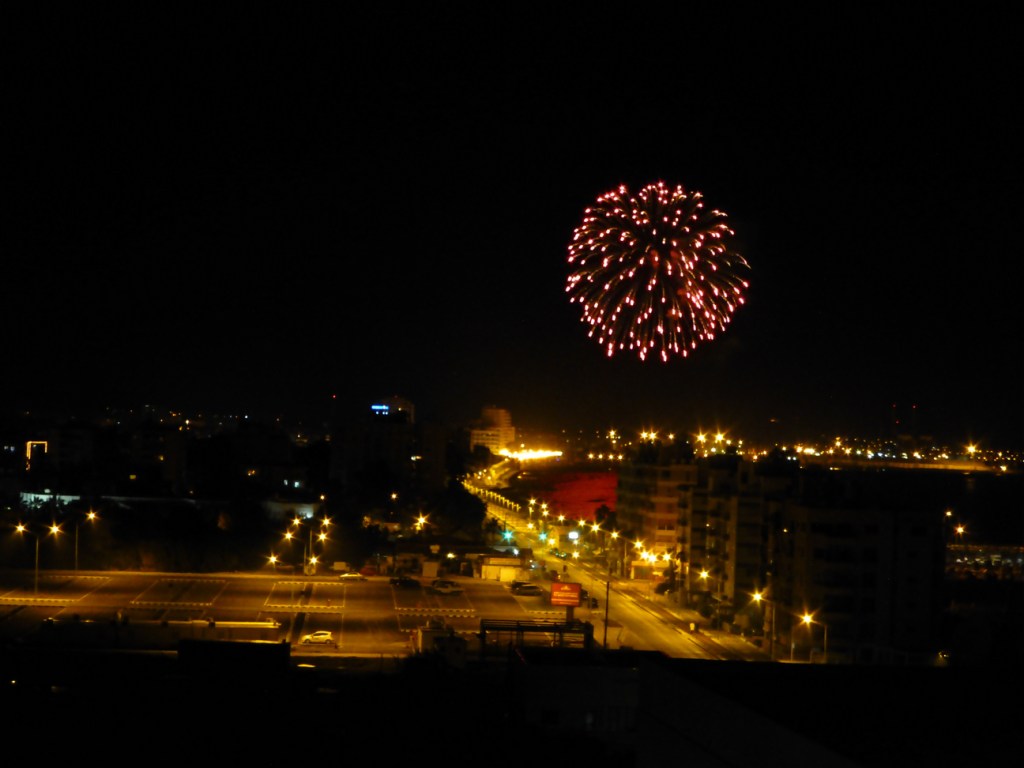
The first day was not very impressive, as the New Year’s celebrations turned out to be not so festive. At midnight exactly five fireworks exploded and with it the party ended. Probably the New Year is not the best time to visit the island, but actually coming from cold Bulgaria, the local temperatures of +18 degrees seemed very pleasant for the beginning of January. There were no crowds of tourists and we enjoyed combining the few holidays with a sightseeing tour.


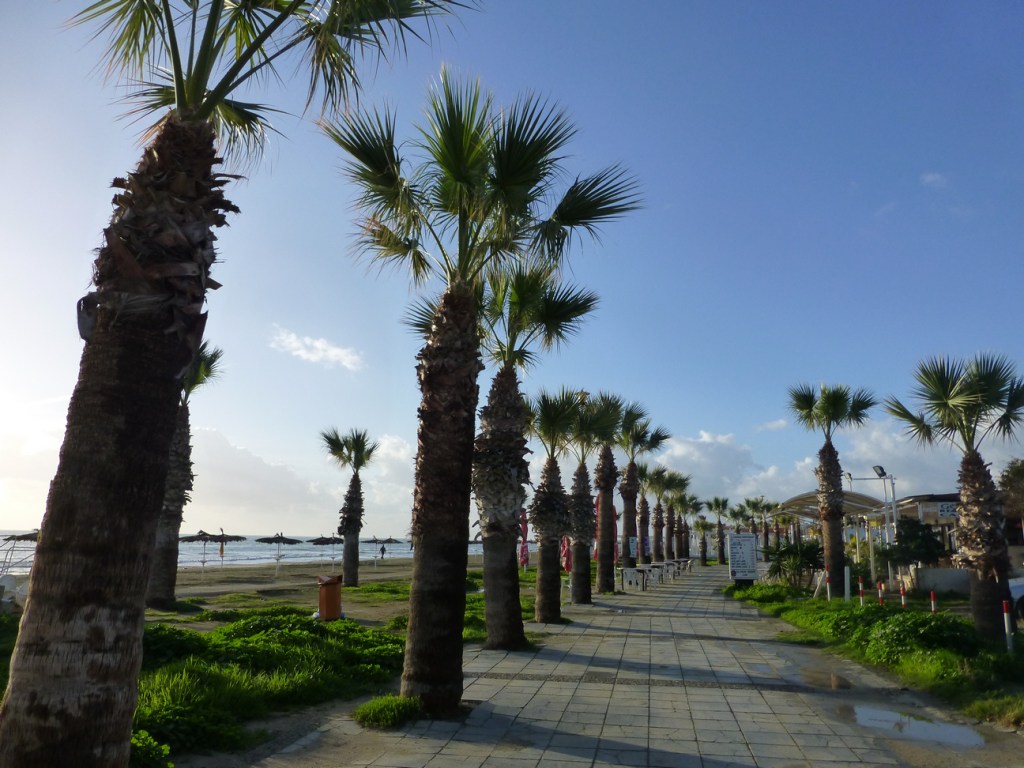

On January 1st we woke up under the sound of bird songs, something impossible during this time of the year in Bulgaria. Cyprus welcomed us with sunny weather, after all the island was famous for its 330 sunny days a year.
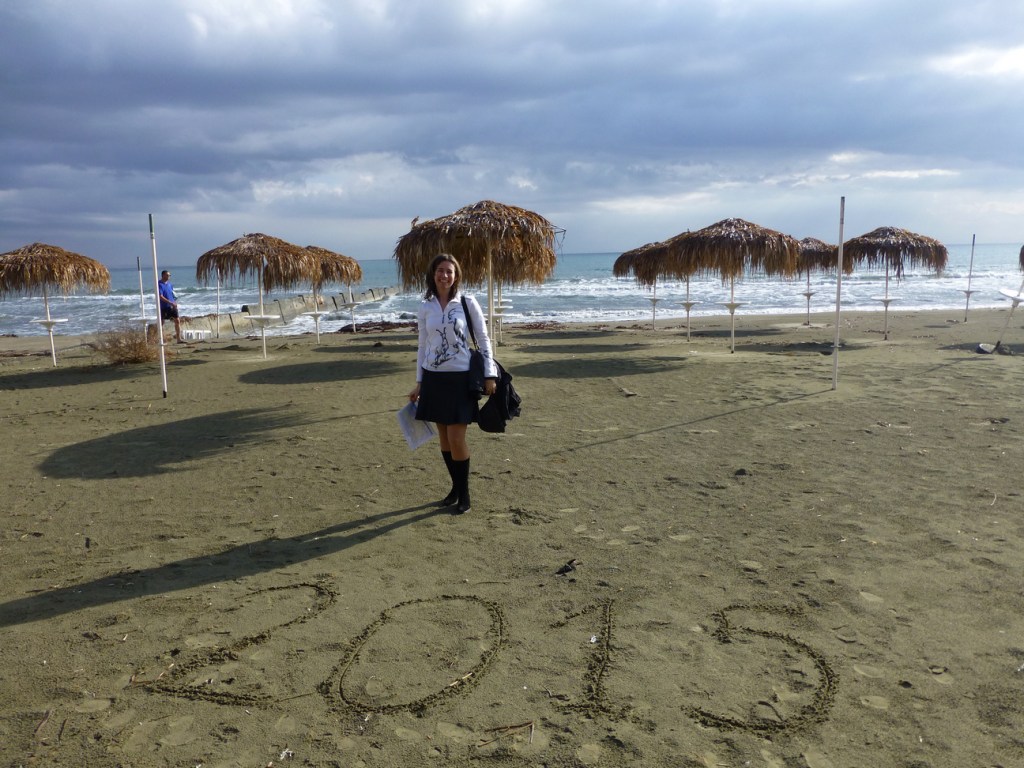
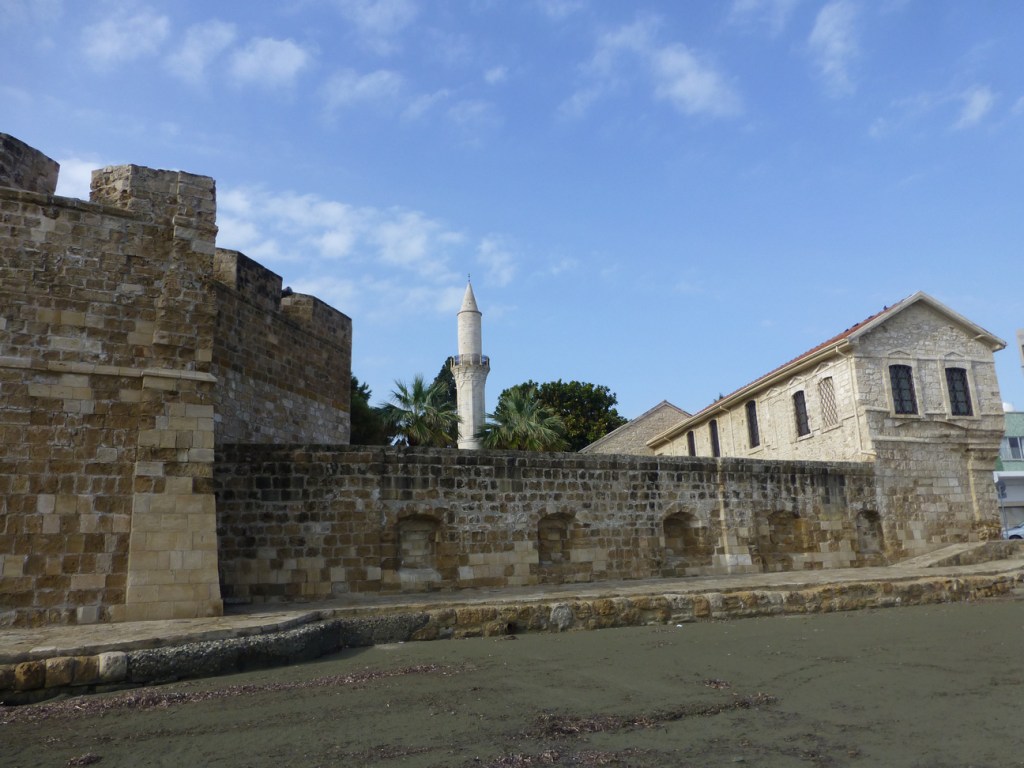
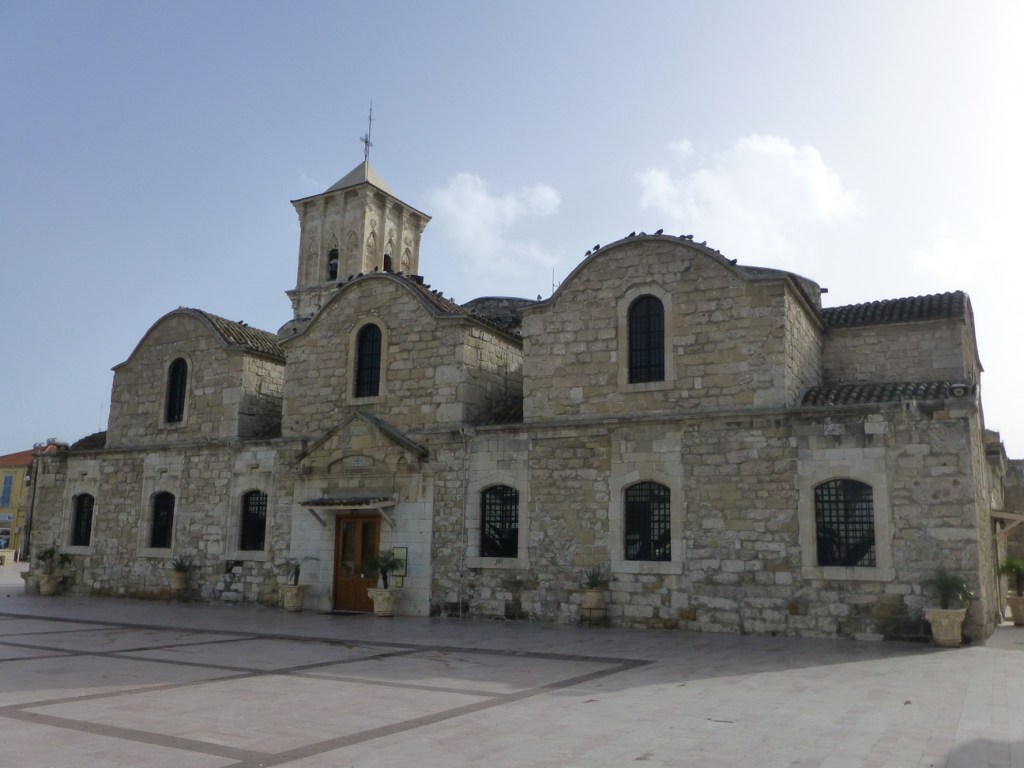
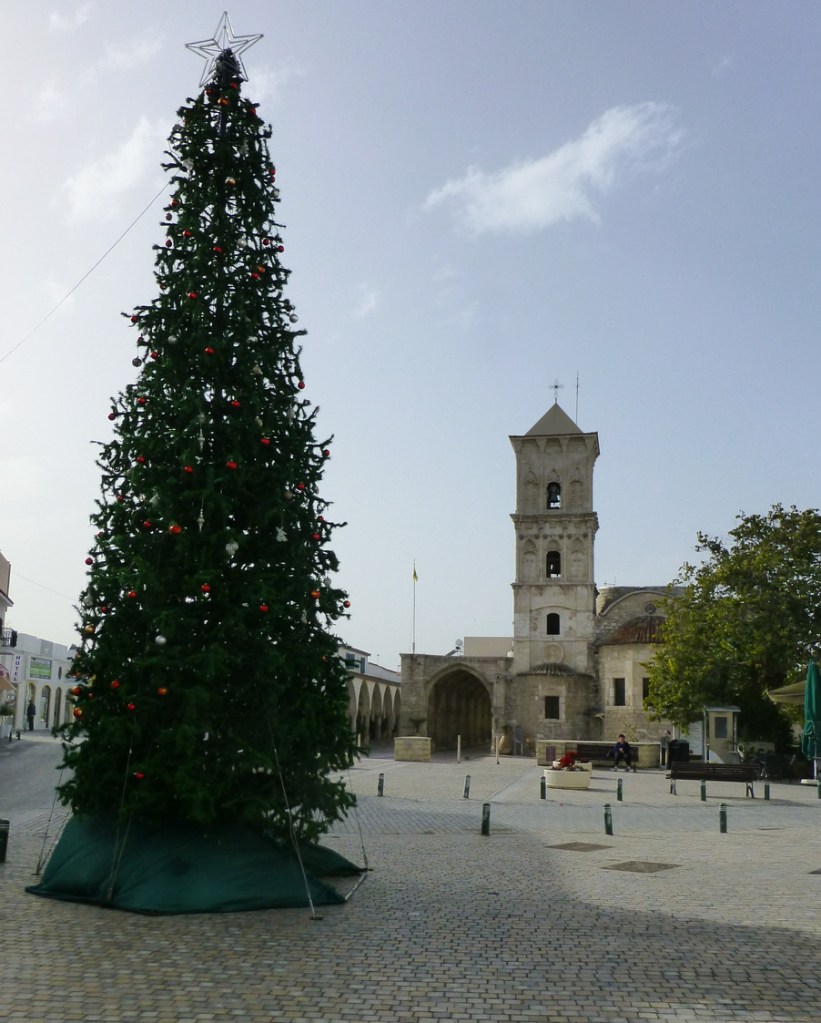
After breakfast we went to the beach, but not to take a bath, but to write in the sand 2015, which we wished to be very successful. Then with the rental car we headed to the center of Larnaca. We stopped first in front of the fort erected by the Turks in 1625 on the site of a medieval castle that had been demolished two centuries earlier. There were weapons from the Ottoman rule, and in the summer concerts, performances and other cultural events were held in the courtyard. On the first day of the year, however, the military fortification was closed and we were satisfied with photos from outside. The mosque behind it also impressed us, but I liked the promenade the most, with many palm trees and the pleasantly salty aroma of the sea. Before reaching the port, we walked into a side street and reached the post office and a museum. It was closed and we returned on foot to the center, taking a short break in a very nice café Coffeeland, where among the dozens of types of coffees and pastries the place wase decorated with a Christmas tree made only from red stereo cups – it was a very original idea. From here we headed to the church of St. Lazarus, who quickly fascinated us – we looked at it only from the outside, because it was closed, but the sun photos compensated for the miss that we could not enter it. It was erected to preserve the relics of the saint in the 10th century, on the site of an old church from 900 AD. We returned to the car and we headed to the northern part of Larnaca, where the ancient city of Kythion was located.
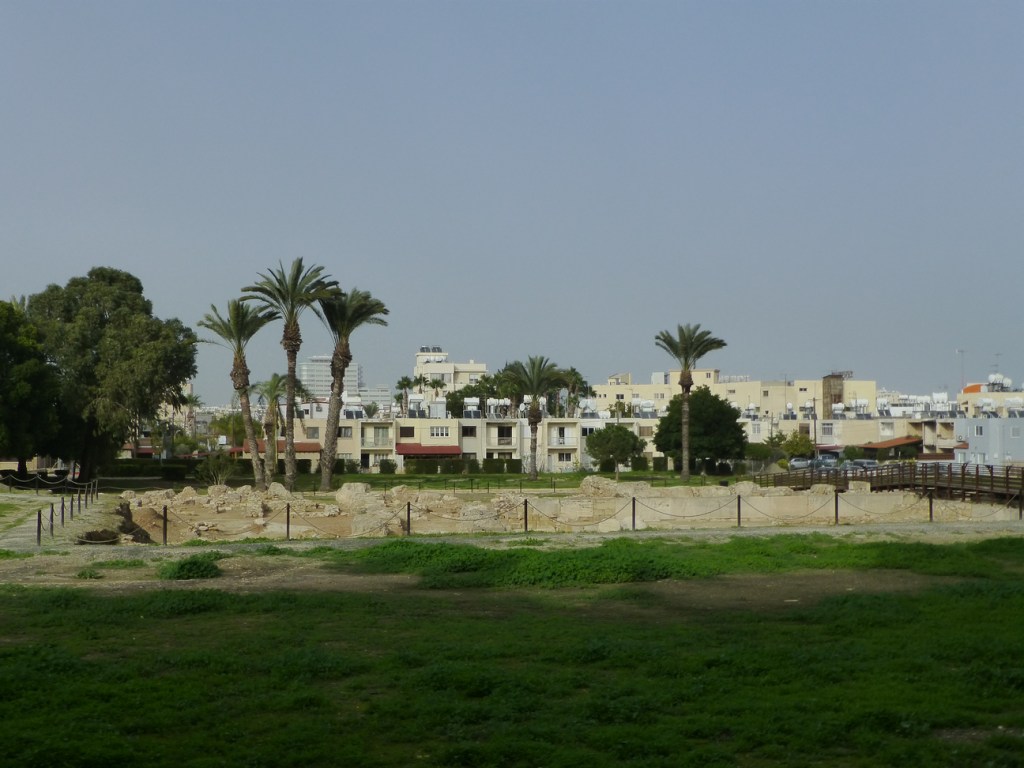
According to legend, this city was created by Kittim, Noah’s grandson, and according to archaeological excavations, it was founded in the 13th century BC. The Mycenaean civilization erected fortress walls and temples here. In the 9th century BC, the city was conquered by the Phoenicians, who turned the large temple into a place of worship for their goddess Asare. Kythion was an important commercial center for the sale of honey, which was extracted from the mines at Tamassos. Today, from all the greatness, only small excavations and ruins remained, which were fenced off and on that day closed to the public.
It was 14:00 and we decided to fill the day with a visit to the other famous Cypriot resort – Limassol, located 66 km away. Limassol seemed huge to us, especially after we drove across the long coastal tourist area, where among the beautiful hotels there were many shops and amusement parks.
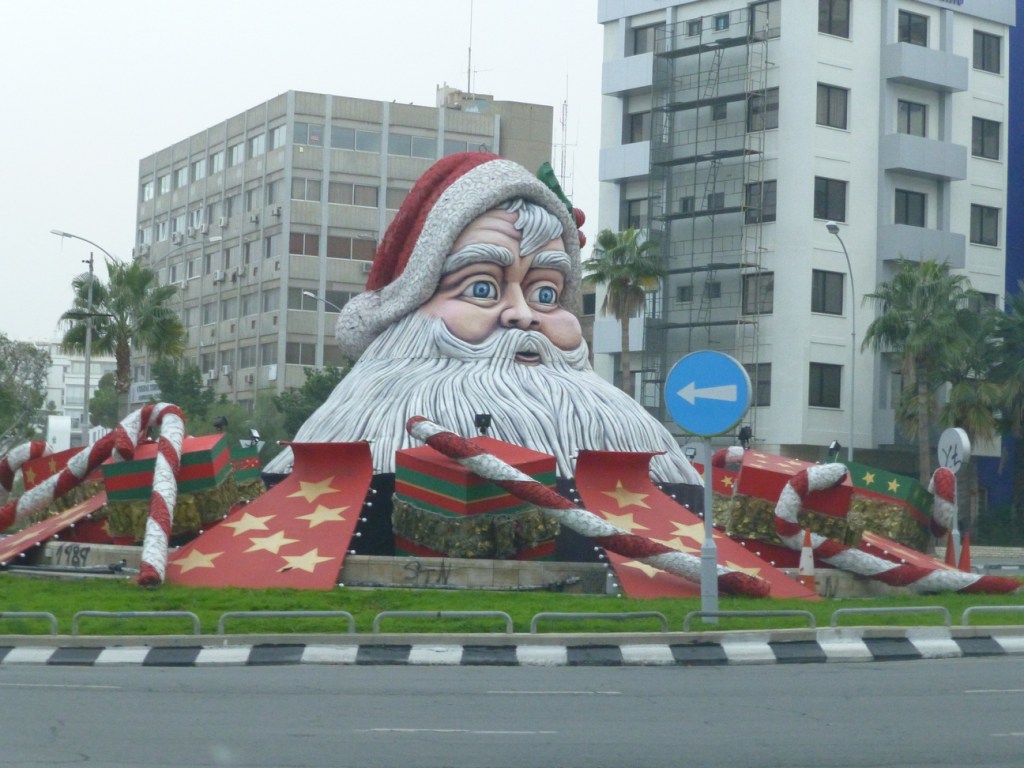
I especially liked a roundabout on which they had raised a huge head of Santa Claus, which was spinning. It turned out that at night the same one shone with thousands of lights and seemed to me a magnificent Christmas decoration.
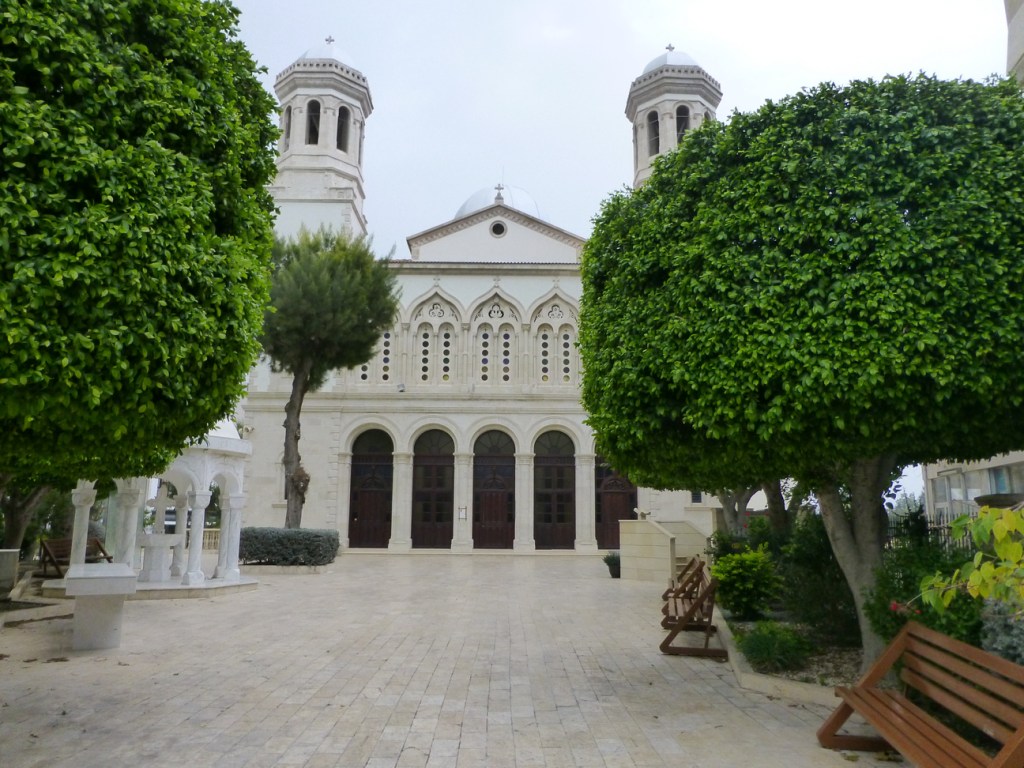
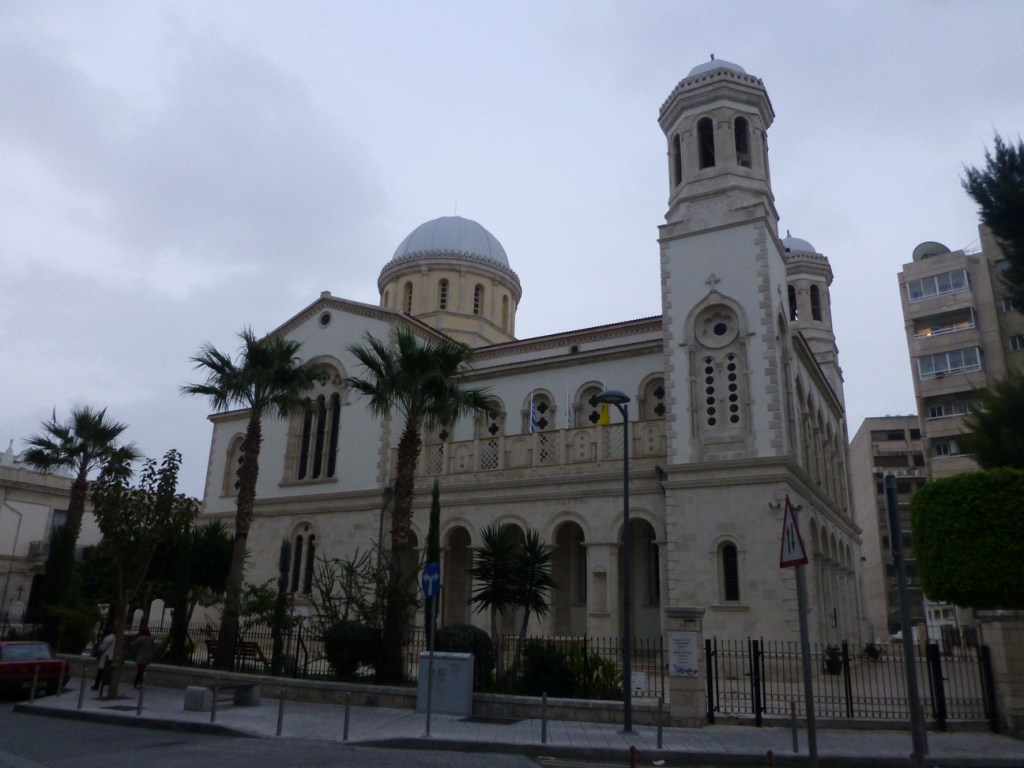
We parked the car near the Agia Napa Cathedral, which was erected at the beginning of the 20th century in a typical Byzantine style, on the foundations of an old Byzantine church. It was consecrated in 1906 and to this day served as the main Orthodox cathedral in Limassol. From here we took the pedestrian street filled with many restaurants and reached the castle of Limassol, raised by the princes Lusignan. Subsequently, the Venetians, Ottomans and British strengthened his defense system. In 1191, Richard the Lionheart and Princess Berengaria of Navarre were married in the palace chapel. The Turks then used the castle as a prison. During World War II, it was the main headquarters of the British Army. Today it housed a medieval museum, which, however, was closed on the first day of the year. We had a lovely walk, and shortly before it got dark and just before it rained, we got back in the car and headed back to the hotel.


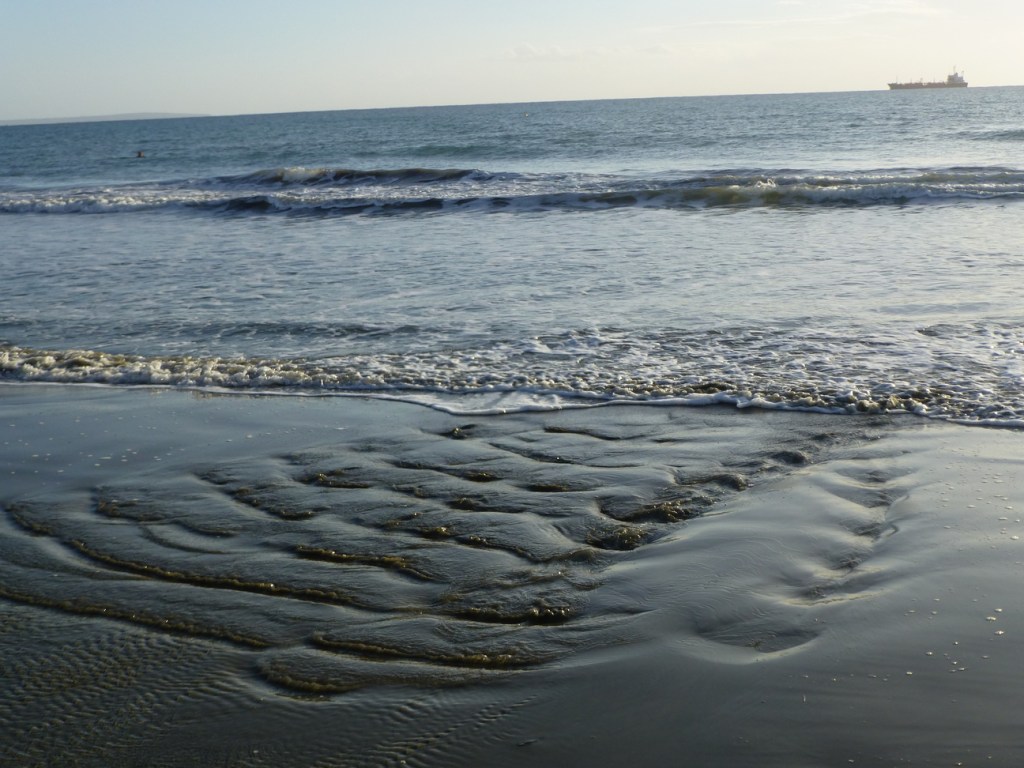




The next day we were awakened by the sea waves, which seemed to be fondly playing with the sun’s rays and their laughter echoed all the way to our hotel room. The second day of the year began with a walk along the sea promenade, which was covered with palm trees. Then we descended to the beach, walking on the hard sand. There were no seashells, just some tiny stones. Interestingly, there were people bathing in the sea, despite the cold temperatures of the sea.
After breakfast at the hotel, we headed directly by car to Nicosia. The distance Larnaca – Nicosia was 45 km, which we took in less than an hour, taking a short break near the salt lakes of Larnaca, where pink flamingos were perched. Once again we passed the ancient aqueduct Kamares, which was located right at the exit of Larnaca. The same supplied the whole city with water taken from the Trimitus River. It was huge and although it looked in typical Roman style It turned out to have been erected in 1745 by the Turkish rulers and used until 1930.
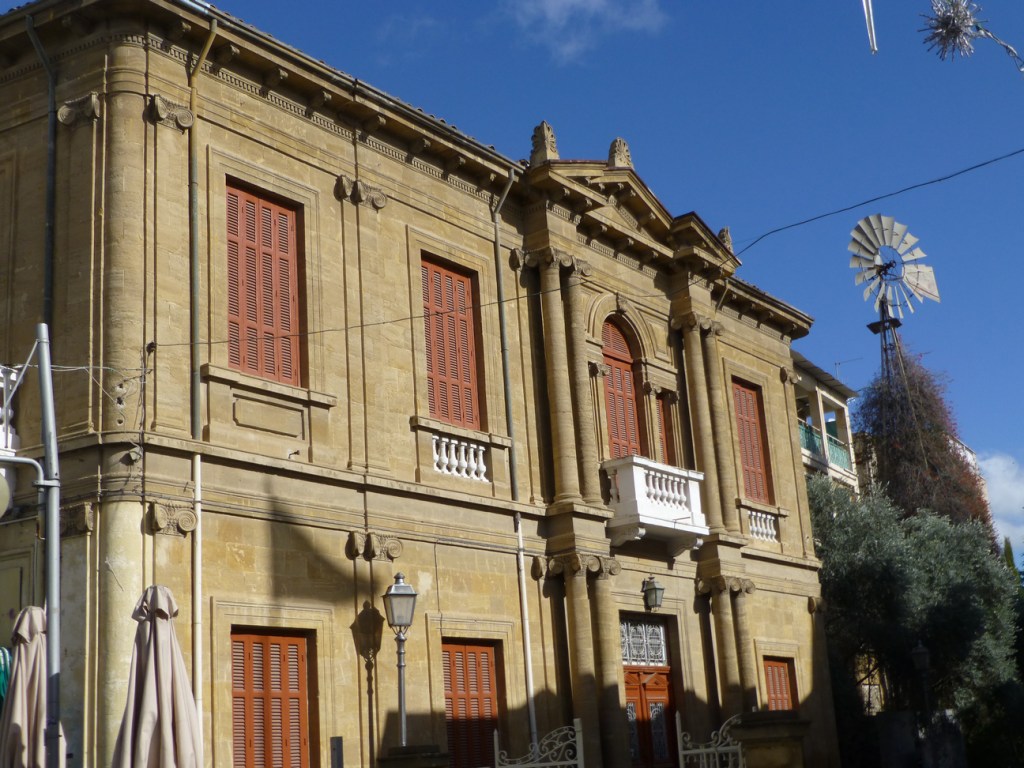
Nicosia was the largest city on the island and we felt this while looking for a parking space. A few steps from the parking lot we chose started the pedestrian shopping street filled with shops, offering excellent goods and discounts. Typically for females we started with shopping, getting many bags, before seeing a single landmark. In the afternoon we compensated this by visiting several churches, mosques and entering the beautiful house of Hadjigeorgiakis Kornesios. He was a highly educated Greek Cypriot, businessman and philanthropist who, from 1779, held the office of Dragoman (translator) between the Turkish government and the Greek Cypriot population. Although he served the Turks for several years, he was eventually executed by them. At least his house was preserved and today turned into a museum with a small ethnographic exhibition. The entrance fee of 2 euros was quite decent and I personally liked a lot the house and furniture.
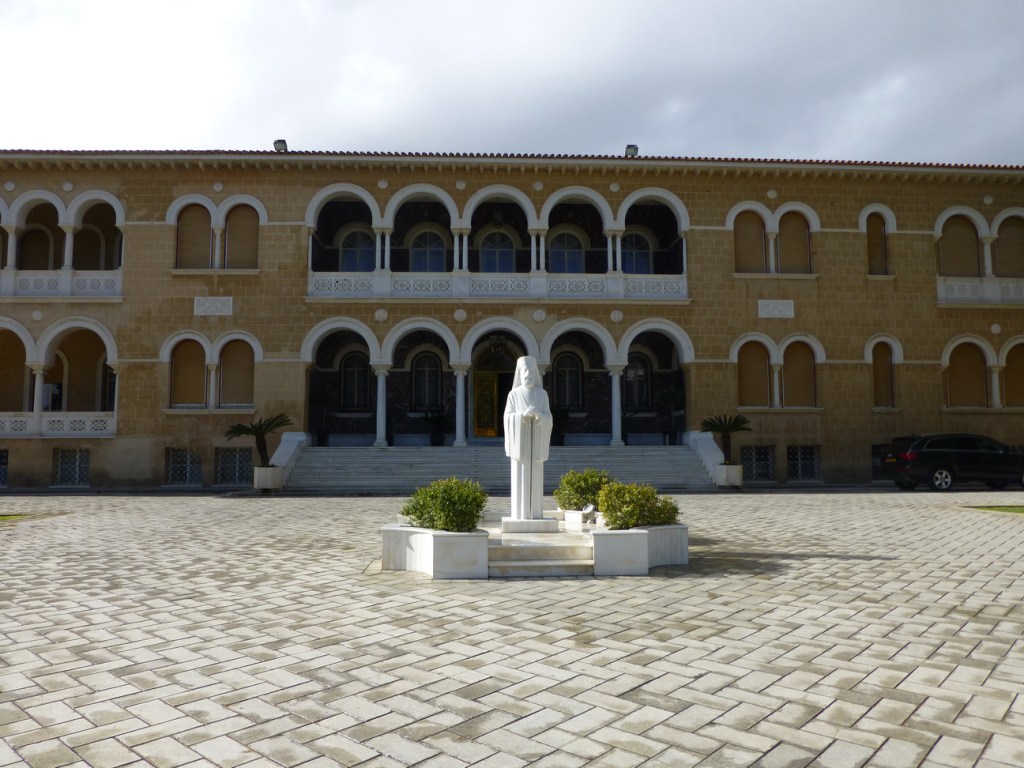
Still, with bags, we headed to the old archbishop’s palace, turned today into a museum of folk art, which we photographed from the outside, because it was currently closed for visitors. We took pictures with the Famagusta Gate, along which the old city fortress wall was lowered. Today the city had other larger fences that separated the Greek part from the Turkish part, called the green line and still guarded by NATO troops.


After filling the entire trunk with groceries and gifts, we headed back to Larnaca, where we stopped at the center to take pictures with the huge Christmas tree that we had passed the day before with the car. At the base of the decorated artificial tree they had formed a small cave in which there was a huge chair – probably intended for Santa Claus, and aside from it – many gifts and a sweet dwarf. The shops in Larnaca were also opened, but our wallets were already closed.
Shortly before dark, we went back to the hotel, where we had dinner, and then, to the sound of the waves, we quickly closed our eyes, satisfied with the day – full of sights and purchases.


The next day, at 7:00 a.m., the sea was asleep. Only with a slight yawn did the waves break gently against the shore. The weather seemed to be asleep as well, everything seemed so still in Cyprus. At 08:30 am, there was almost no traffic on the highway to Limassol. The electric windmills along the way were also asleep. The sky was still in its cloudy pajamas, and only in the distance its blue color was visible. The sun tried to wake him up, but the sky pouted and saddened, and in an instant it began to rain. Sun and rain alternated throughout the day, and their competition created a beautiful rainbow at noon.
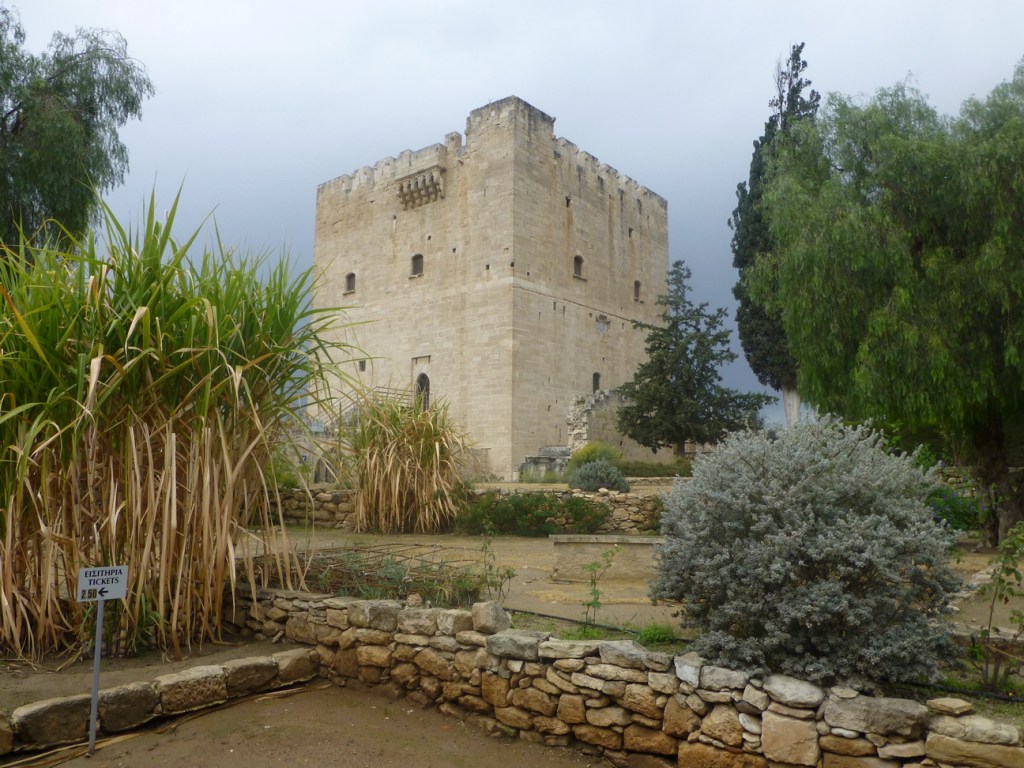
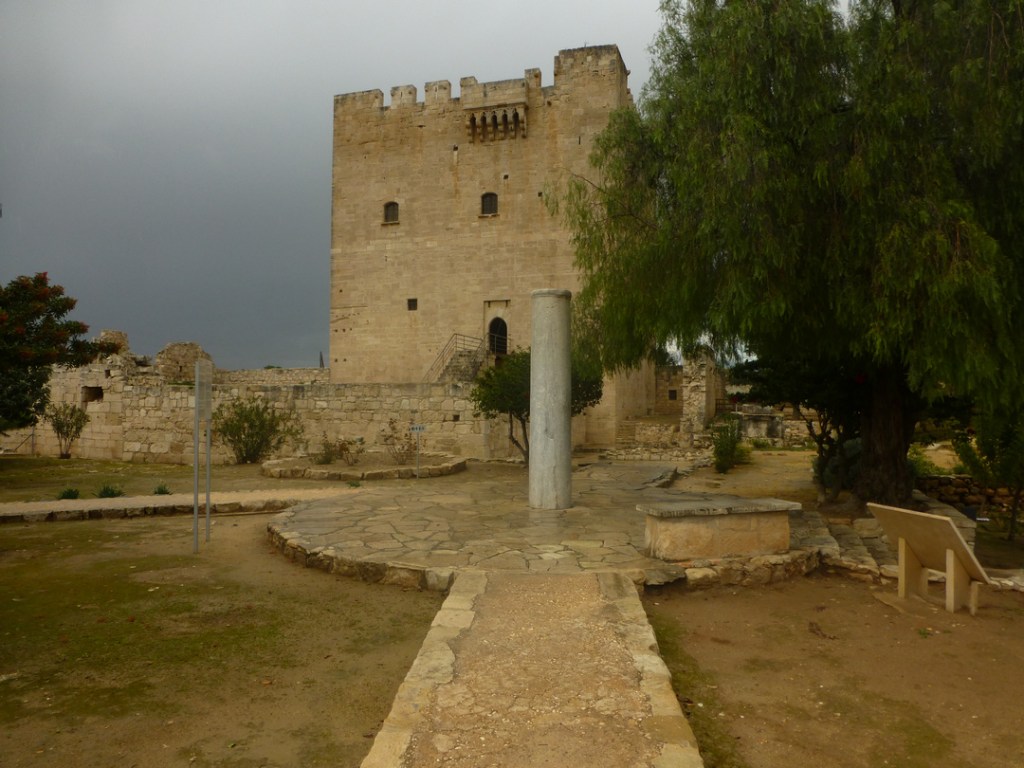
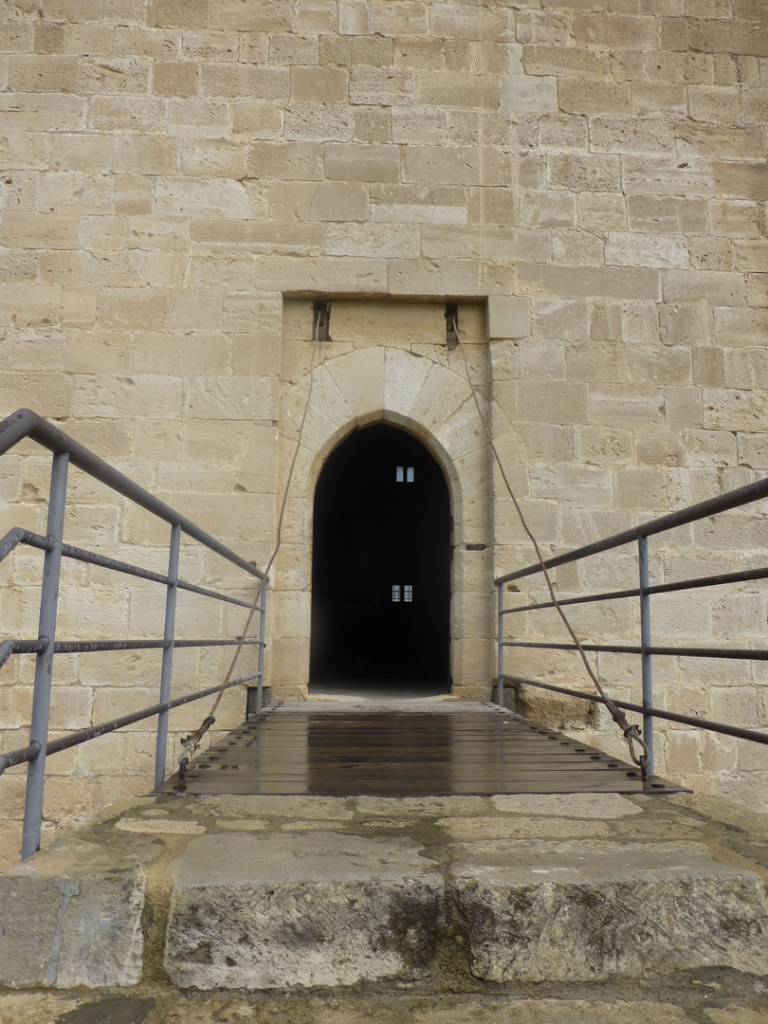
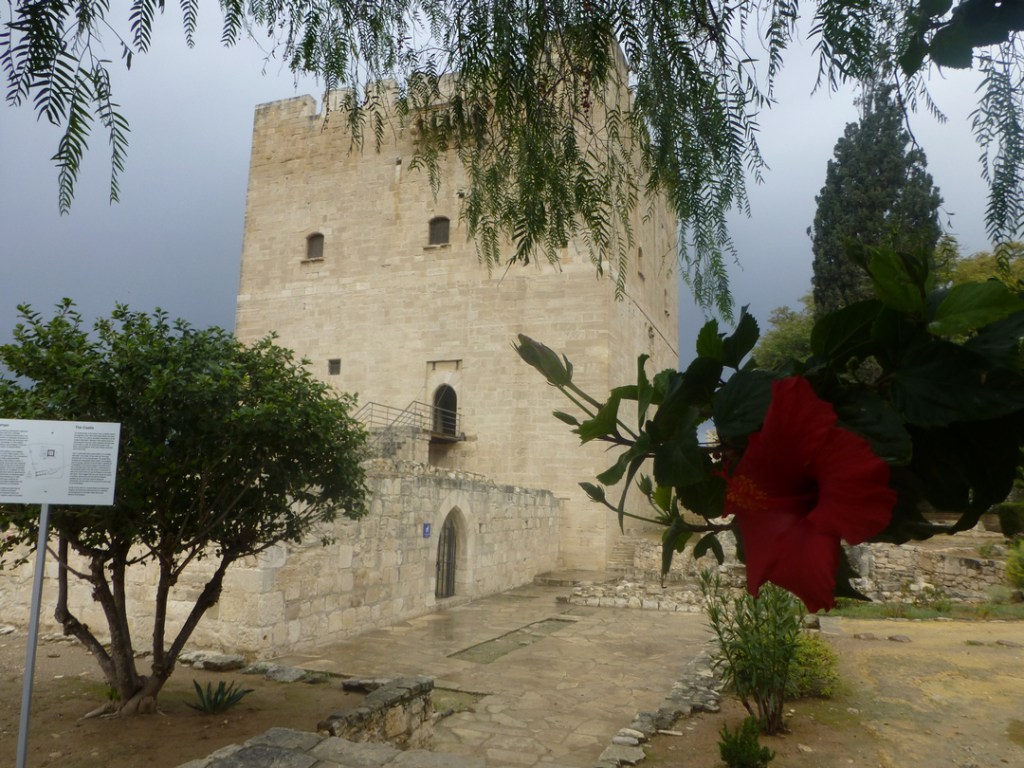
Shortly before 10:00 we stopped at the Colossi Castle, which was the best preserved medieval castle in Cyprus. In 1210, the land of the island passed into the hands of the Knights of St. John of Jerusalem, who erected this castle and used it as the main meeting place with the Grand Master. On several occasions the castle was conquered by the Genoics and Muslims. In 1454, the castle was acquired from the Grand Master, to Louis de Magnac. It is a three-storey building erected in the form of a square with a height of 23 m and walls with a thickness of 2.5 m. The entrance was reached by a bridge, and at the time it was guarded with mechanisms above the door, which flooded with boiling water or oil attackers. Despite the rain, we also crossed the wooden bridge and even climbed the observation tower, where among the many drops we enjoyed the beautiful panorama. We also descended to the ground floor, where there were 3 rooms that seemed as a prison, but they turned out to be storage rooms where they stored supplies and water. All rooms in the castle were empty and had no furniture, but the stone fireplaces and the light coming through the small windows created a pleasant, albeit cold, atmosphere.



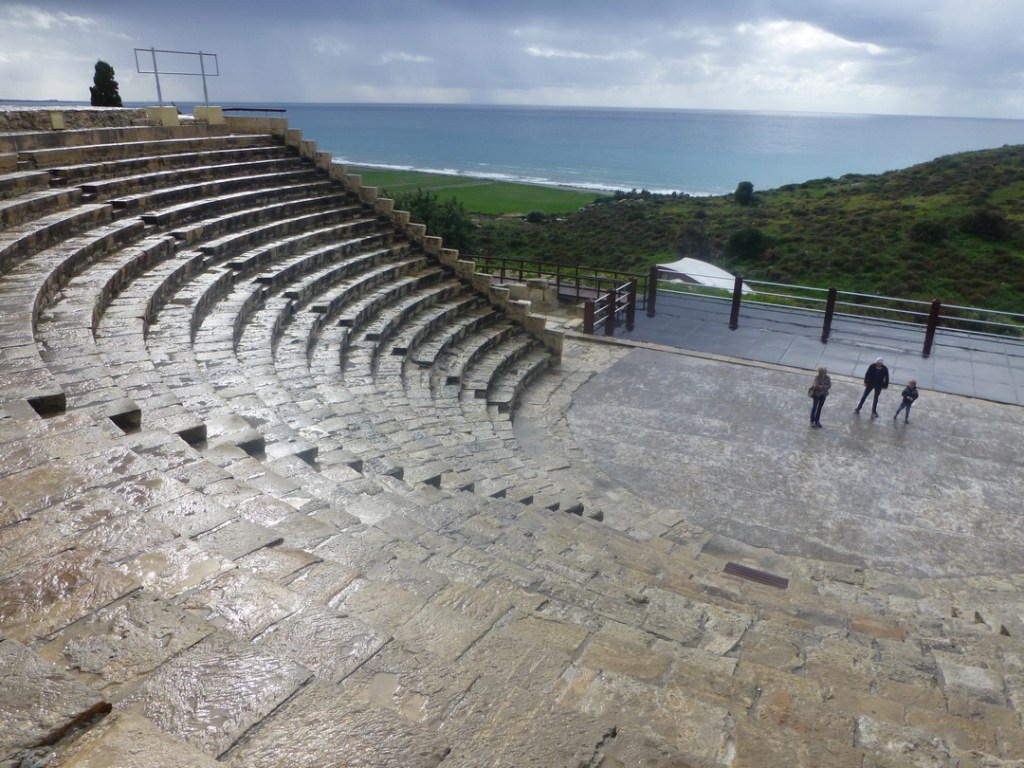

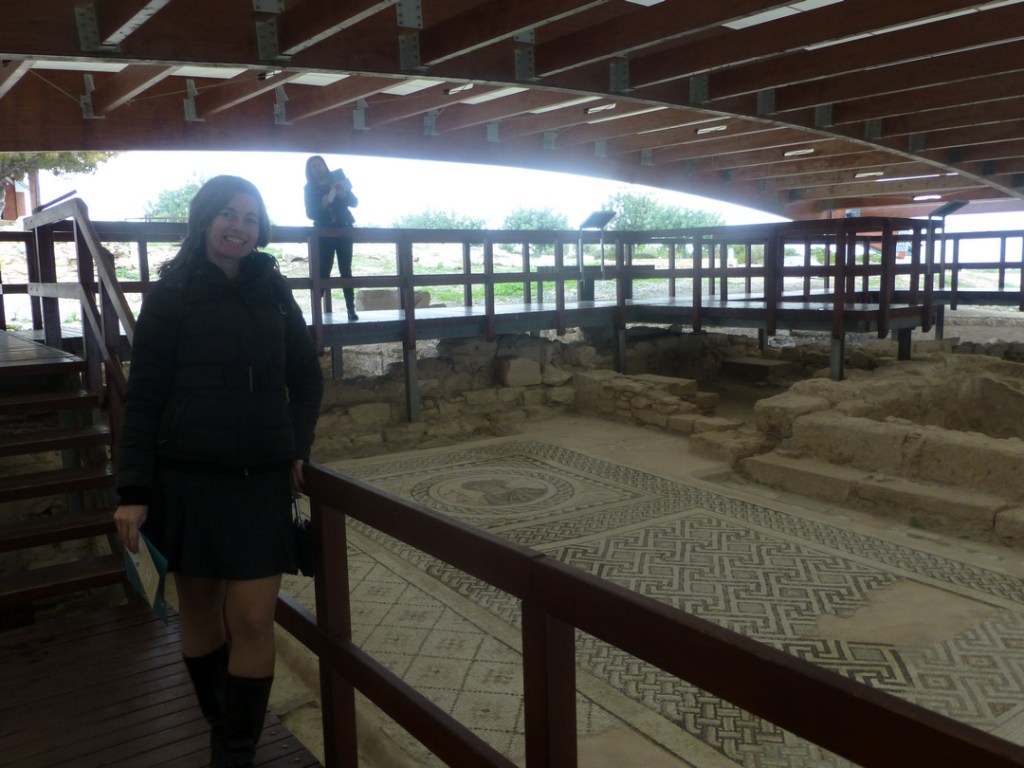
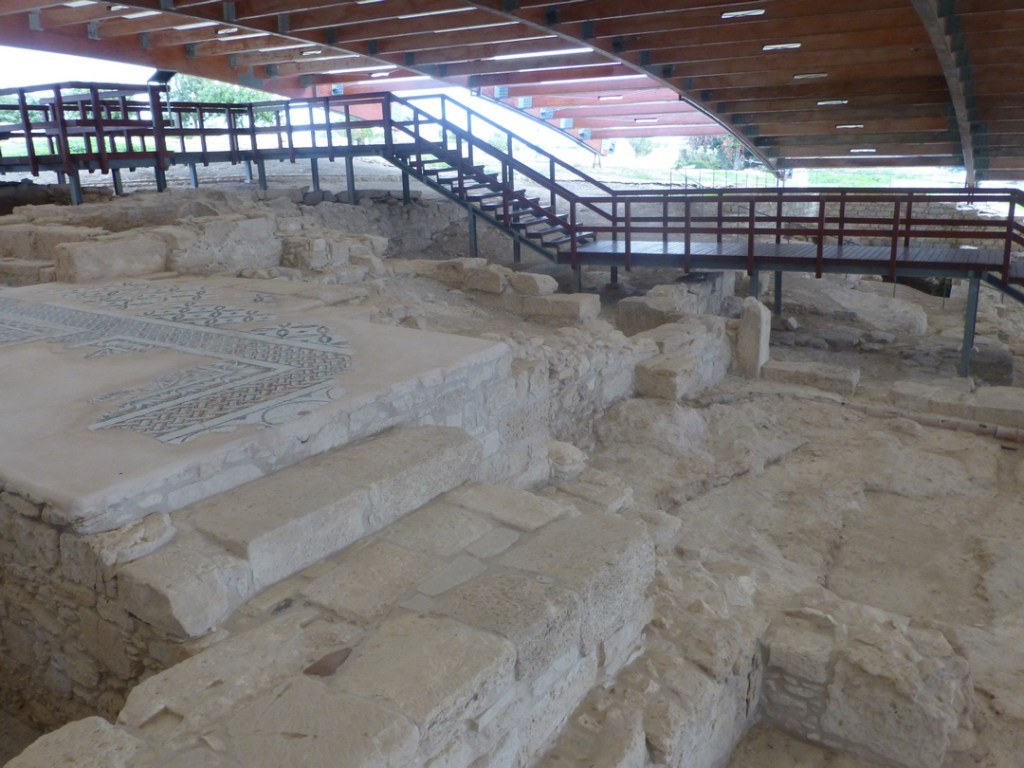


We headed to the next historical sights – the ruins of the ancient city of Kurion. Here the entrance tickets were more expensive (4.50 euros per person, while for the castle the entrance was 2.50 euros), but they were totally worth it. Kurion could fully compete with the beautiful ancient cities like Ephesus and Pompeii, which I had recently visited. Ancient Kurion was the main center of the cultural, political and religious life. Here was erected the famous altar of Apollo, which later became the seat of the Christian archbishop. Erected on a steep hill, the city was established in the 12th century BC. of the Greek Mycians, as in Roman times it continued to grow. The city had a strategic defensive location and could easily control nearby fertile lands. Kurion was destroyed by two catastrophic earthquakes in the early 4th century. Our walk started from the house of Evstolios, which overlooked the sea and had many beautiful marble mosaics preserved to this day. The long rectangular room was divided into four parts: two decorated with clean geometric patterns, the third with a picture of a partridge and the fourth had an image of a young woman holding a measuring tool. According to the inscriptions around her head, the young woman is Ktisis and depicts the creation of the world. There were several white colonies left from the house, the foundation of walls and, of course, the magnificent sea view.
This view was also empowered by the beautiful amphitheater located in the immediate vicinity. It also had wonderful acoustics, which a Russian group decided to try and they sang several songs and verses.
After the perrormance, as real ladies, we headed to the ancient agora, where the shops were no longer operating, but columns and ruins protruded from all sides against the backdrop of the beautiful sea. It started raining again, but we still headed to the house of gladiators, and on the way we also admired the public baths, which with a little more rain could be used again.


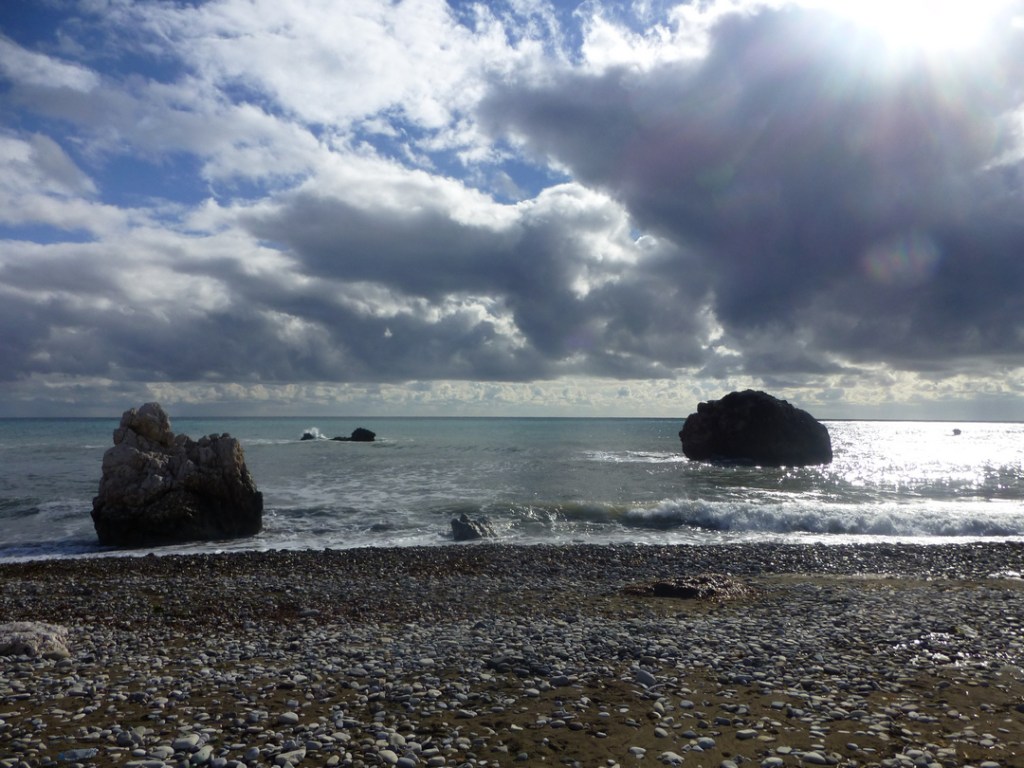
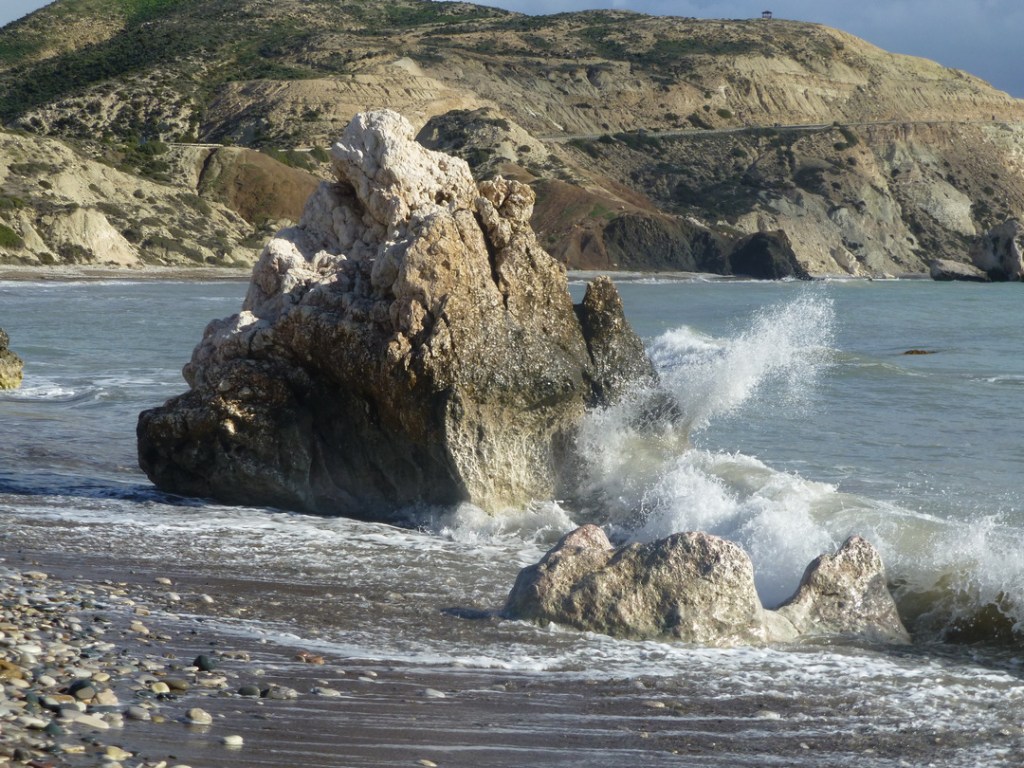
Kurion fascinated us, but we couldn’t wait to get to Paphos, as well as the famous rock of Aphrodite – Petra tou Romiou, located before the city. It is believed that it was here that the beautiful goddess of love Aphrodite was born. Her name is derived from the Greek word aphros, which means foam, and it was probably from the foam formed by the breaking waves that created the beautiful goddess. Today the place was turned into a famous tourist attraction. It is believed that anyone who can swim three times around the rocks will enjoy a happy and shared love. The cool water and dark clouds did not predispose us to swimming, but we tried to photograph the rocks from different places, enjoying the beautiful seascape.



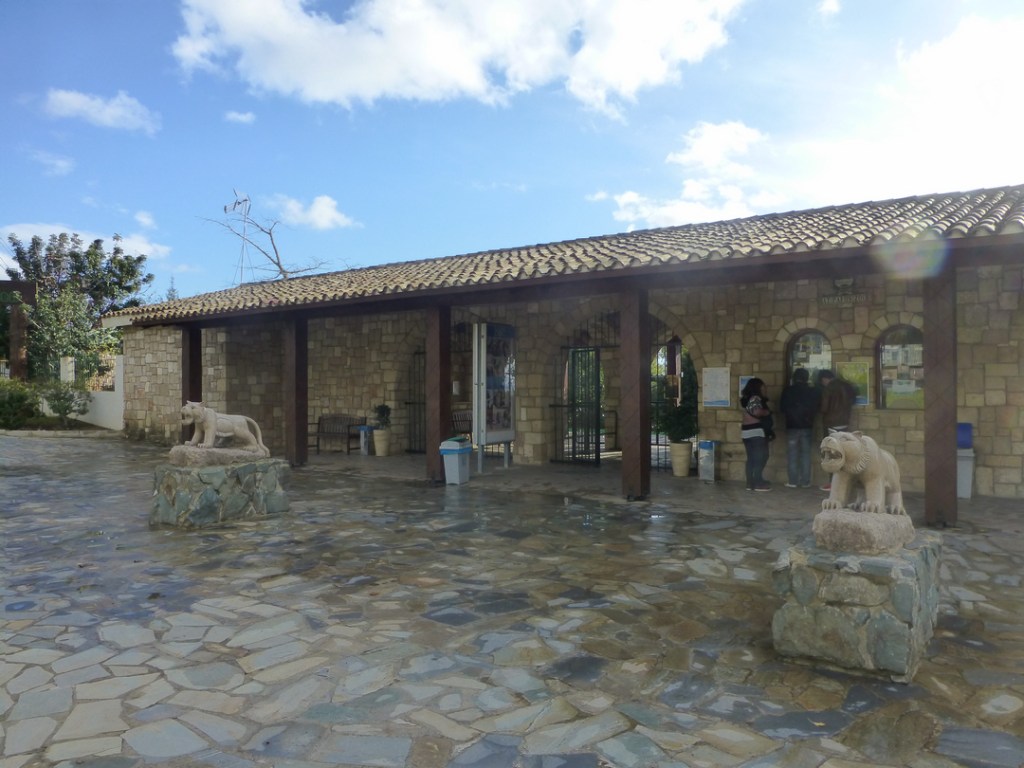

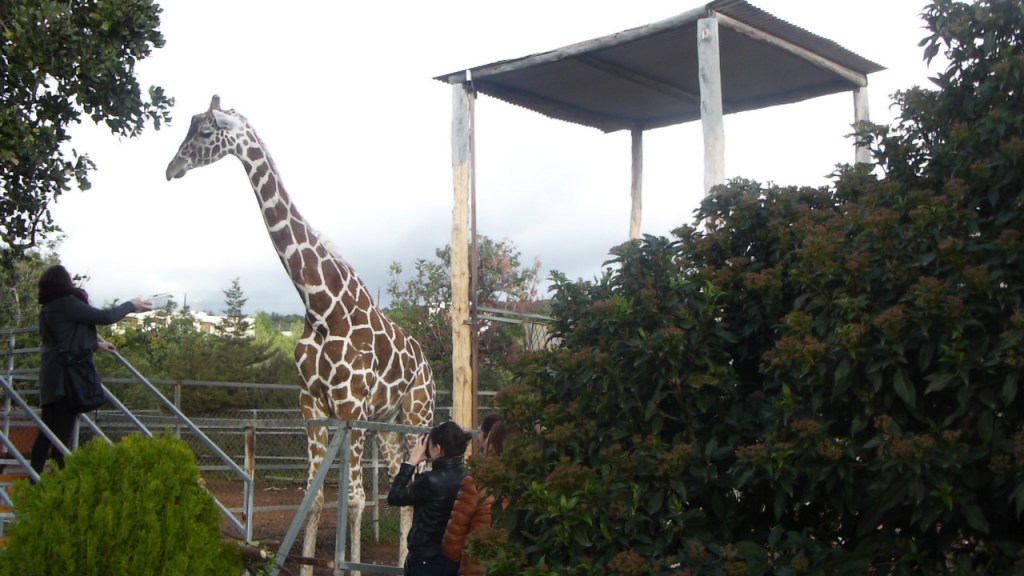
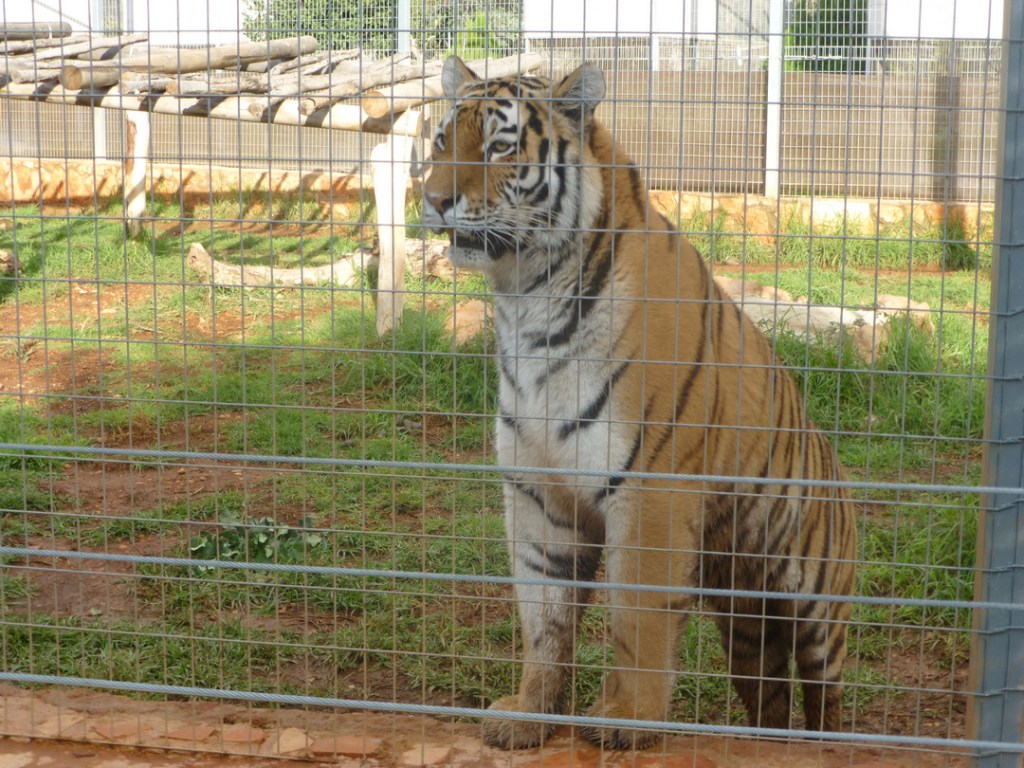
Time seemed to suddenly wake up and chased us north of Paphos near the Bay of Corals, where the zoo was located. Originally it was a private park of Mr. Christos Chistoforou, who then opened the park for visitors and presented his rich collection of birds and animals. The collection of parrots and venomous snakes is one of the largest in Europe. Here you can see giraffes, monkeys, meerkats, crocodiles, kangaroos, albino small kangaroos (wallabies), mouflons, white lions, tigers, etc. Today this was the largest licensed zoo in Cyprus, and here in addition to just seeing the animals everyone can enjoy shows with them, such as at 12:00, 14:00 and 16:00 e.g. when there was a show of parrots and owls. We were able to see how they fed the giraffes, and for 10 euros some Russian women handed the food and received kisses from the long-necked animals. Personally, I was most impressed by the white kangaroos I saw for the first time – they were pure white, slightly smaller than their gray counterparts, but they jumped in the same interesting and charming way. I also liked the spacious otter cage – with its own pond and waterfall. Huge was also the cage of geese and pheasants, but they preferred to get out of it and walk along the alleys together with tourists.


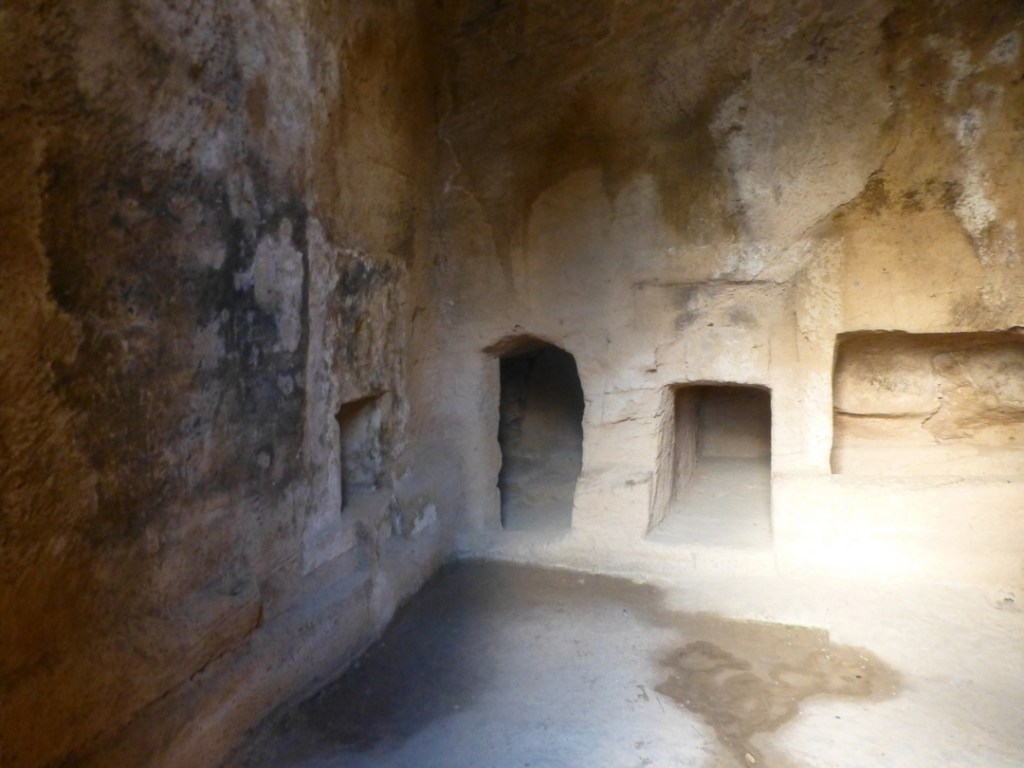
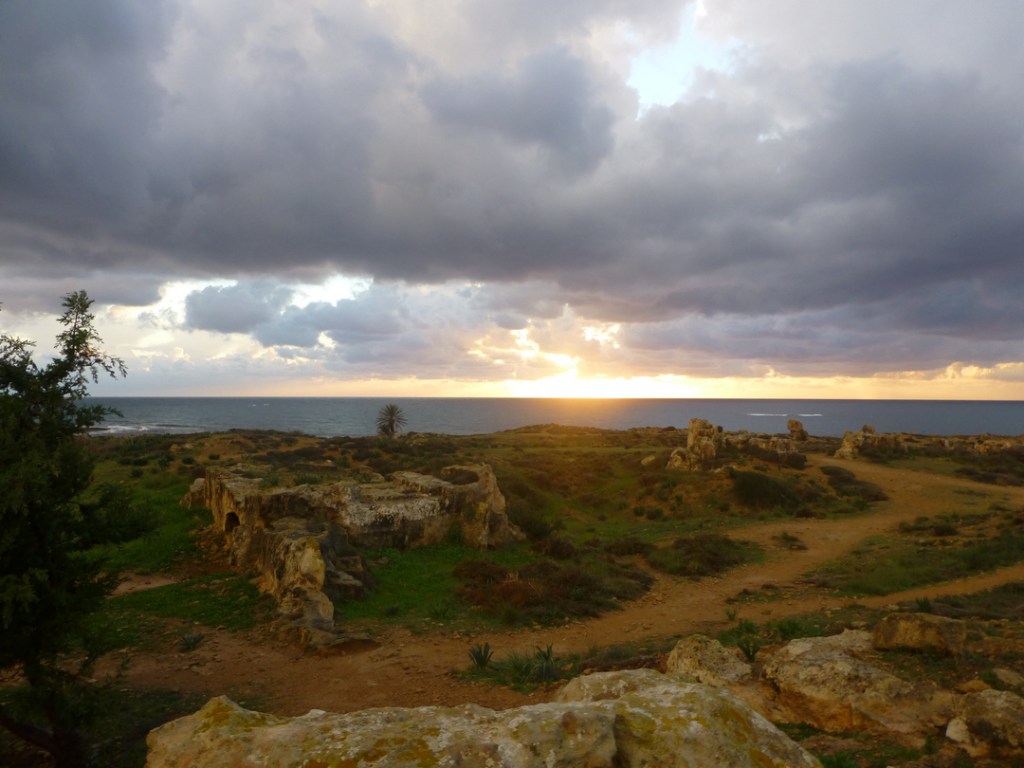
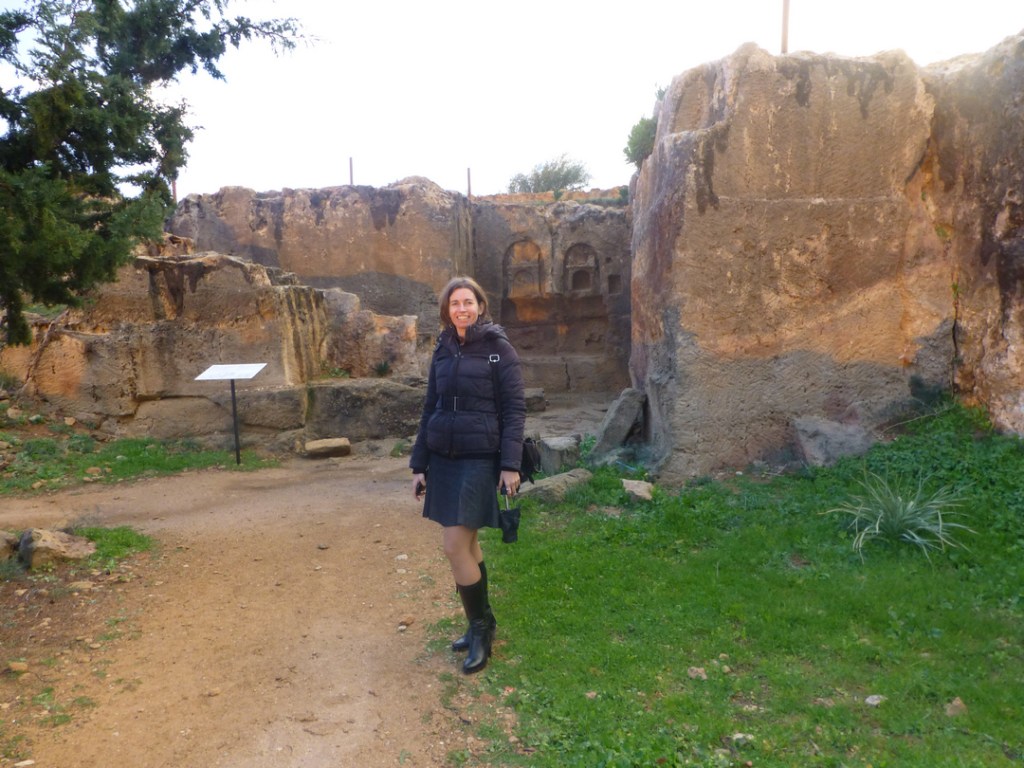
We just visited the zoo and it started to rain again – this time heavily with a few thunders. It was still raining when we reached the Royal Tombs in Paphos, but the reduced rain invited us to get out of the car and look at these unique ruins. The sun’s rays of the setting sun stirred the clouds and allowed us to enjoy the phenomenal sunset. The name of the royal tombs did not actually include the graves of any king, only the aristocracy were burnt here. The whole complex was a wide system of caves and stone graves dating from the Hellenic and Roman era (3rd century BC and 3rd century AD). Eight tombstone complexes were opened for visiting, with stone steps leading us to the underground rooms. Some of the graves had columns, others had frescoes. The sunset of life was enhanced by the sunset of today. Our walk was complete. There are still many things left to visit on the island, but for the few days here we managed to make the most of the time in sightseeing tours.
The sunny island of Cyprus sent us with a warm sunny smile, inviting us to visit it again. Before we left, we photographed again the many street cats that were very well fed and cared for. There were many cats in Cyprus – apparently the former Egyptian presence was influencing locals and cats were better cared for than tourists.
We were very pleased with the rent-a-car Chevrolet Aveo, which we picked up and returned to the airport and which allowed us to explore the picturesque island. I especially liked the practice in Cyprus all rental cars to have red plates, and the locals – respectively with yellow or white. So it was easy to guess who the tourists and drivers were, who are probably not used to their left-hand traffic.
We returned home with the flight of Bulgaria Air, flying over the southern coast of Cyprus, passing over Limassol. Soon we lost sight of Cyprus and the sea waves mixed with the clouds. So our memories mixed with our photos and we lost track of whether we had seen more, then we have photographed, or we’ve photographed more than we’ve actually seen. Behind the lens Cyprus island was sunny and very diverse.
The exact origin of the name Cyprus is still unknown, with the most popular theories being two: the first that it derives from the Greek word of the cypersian tree, the Greek κύπρος, and therefore it was the “land of the cypresses”. According to the other theory, the name of the copper extraction originates from here, which later, after increased trade, received the Latin name Cyprium – the metal of Kipros. Both theories show that the island is rich in both vegetation and metals, and after visiting it we can confirm that the island is full of sights and history, as well as fabulous beaches and calm sea. Let’s not forget that this is also the island of love, where the beautiful Aphrodite was born. One can easily fall in love with this place, and if Cyprus is one of the most sleepy places to welcome the new year, it was certainly one of the busiest beach destinations all year round, with its 330 sunny days and the water temperature not falling below 18 degrees.




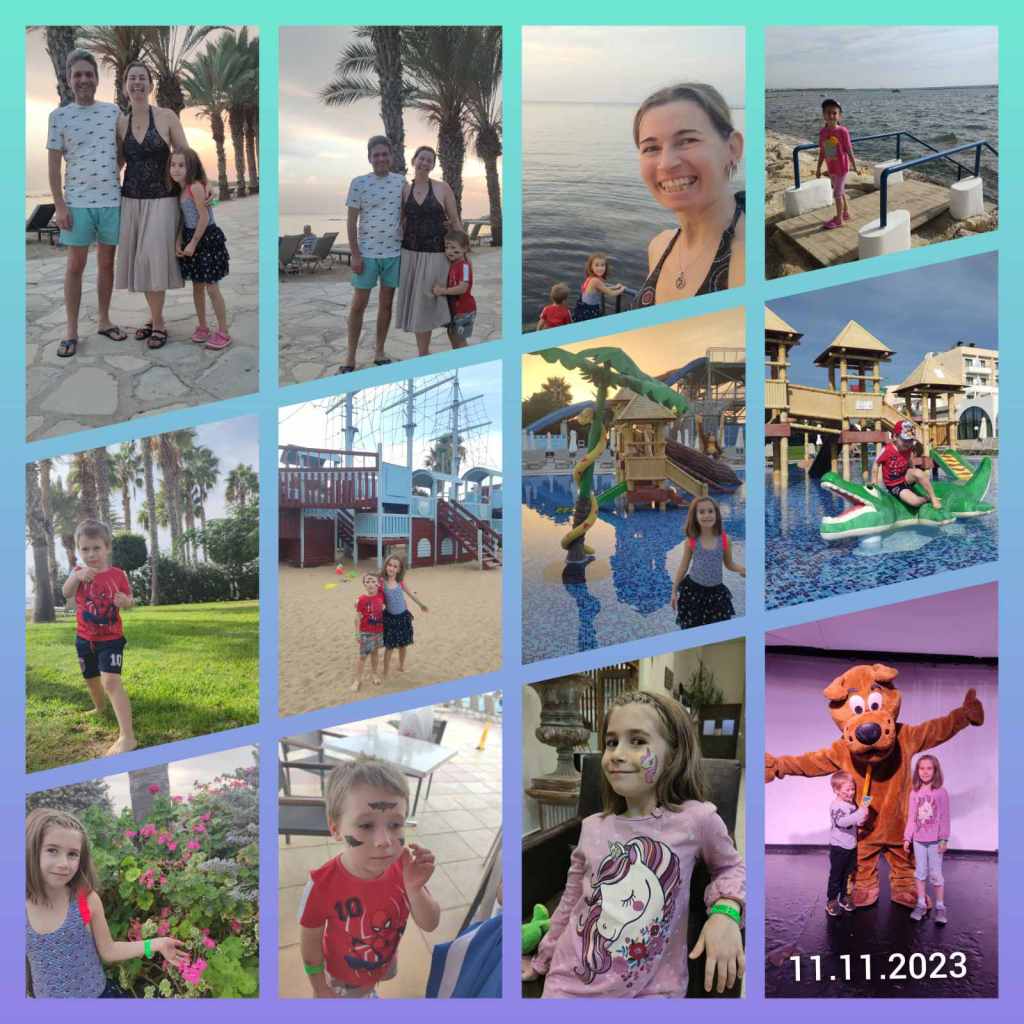


During my return visit to the island, this time with the children, we stayed at the all-inclusive hotel Louis Phaethon Beach Pafos, which sincerely impressed us with its delicious food, with its children’s pool and several playgrounds, as well as with the excellent animation for children. The sandy beach is 250 meters away, but the nearby pebbly beach is also suitable for cooling off in the warm days, and there were such even in November, so we sincerely recommend the island, and the hotel all year round.

GENERAL INFORMATION ABOUT CYPRUS:
Location: The Republic of Cyprus is located in the eastern part of the Mediterranean Sea, south of Turkey, north of Egypt and southeast of Greece.
Area: 9 250 sq.km
Population: 1 141 166 people
Capital: Nicosia
Official language: Greek and Turkish, but English is also spoken on the island.
Climate: Mediterranean
Zone: UTC+2
Currency: euro (EUR)
Further information: VisitCyprus – Deputy Ministry of Tourism
TRIP TIPS FOR CYPRUS:
Best time to visit: Cyprus’ tourist season is from April to October, but outside of it the island offers a pleasant warm climate and plenty of sights.
Typical foods and drinks: a variety of seafood, including squid, octopus, cuttlefish, etc. Traditional Greek tsatziki salad, Greek sandwiches souvlaki, moussaka and yemica (stuffed vegetables).
Places to visit: The ancient city of Kourion, the city of Paphos – the birthplace of Aphrodite, the capital Nicosia, the bustling resorts (even in winter) Limassol and Larnaca, as well as numerous monasteries in the interior of the island.
 TripTips