THE MYSTERIOUS ZADAR
(CROATIAN TRIP – PART 3)
author: Ana Boneva

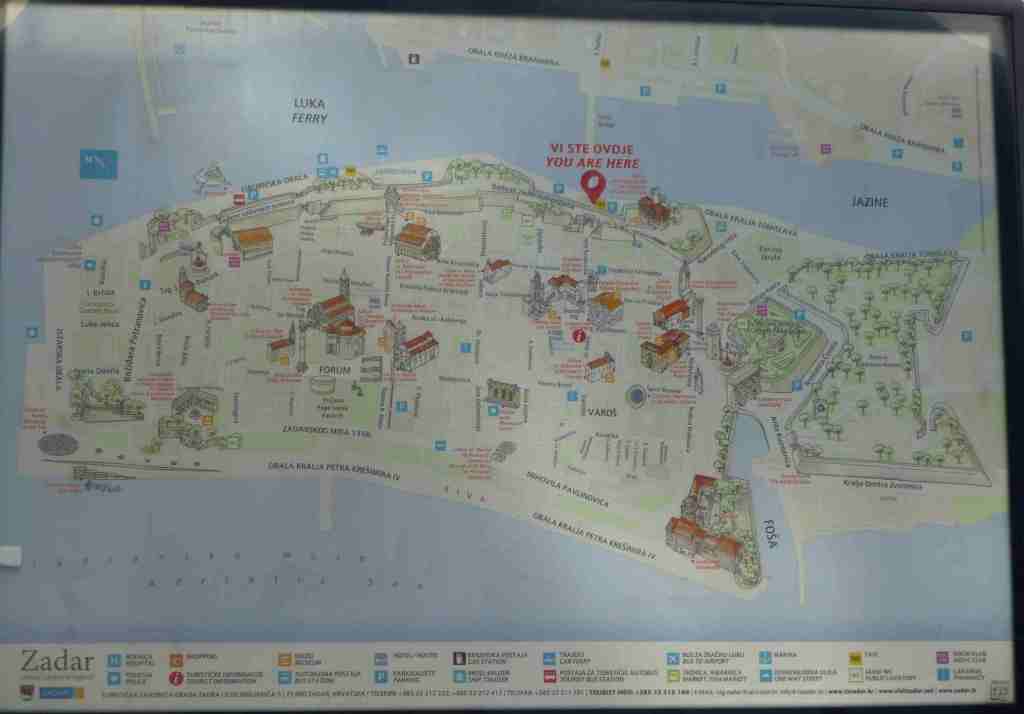
The mysterious Zadar is nestled on the Adriatic coast and is surrounded by an archipelago of over 300 islands located in the crystal clear sea water. The larger islands were covered with Mediterranean vegetation and olive trees. The largest island was called Dugi Otok, and there were about 10 villages on it, in which fishing and livestock were the main livelihood. However, we were content with a walk only in the central Zadar, which, in addition to islands, was rich in history.
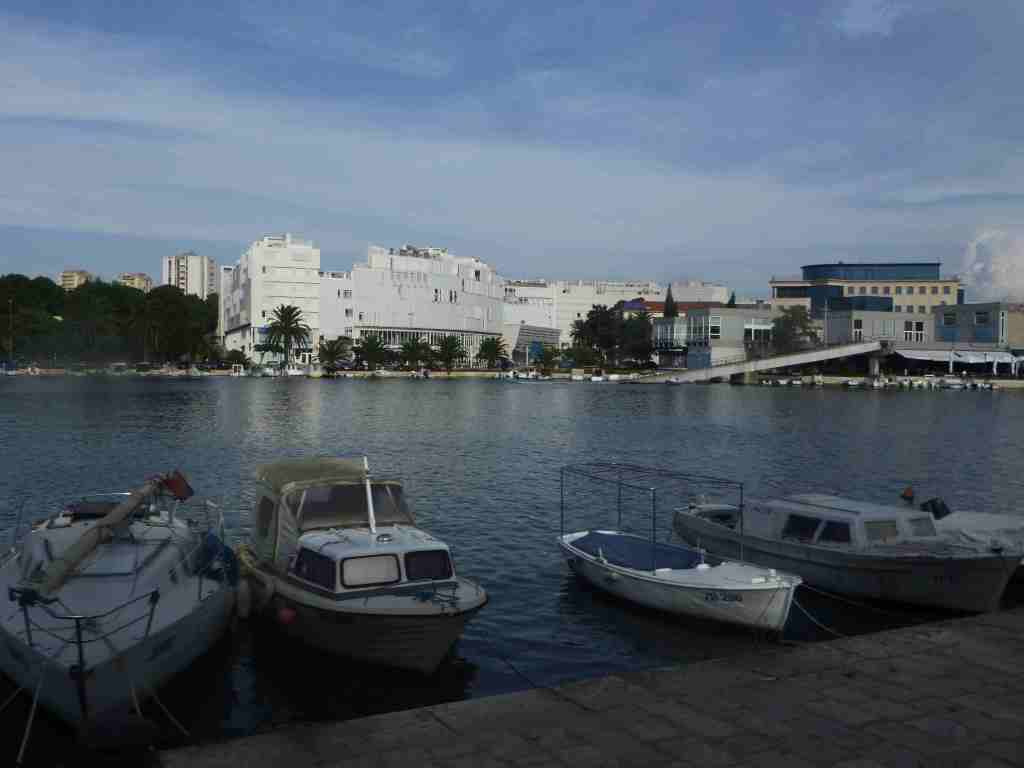

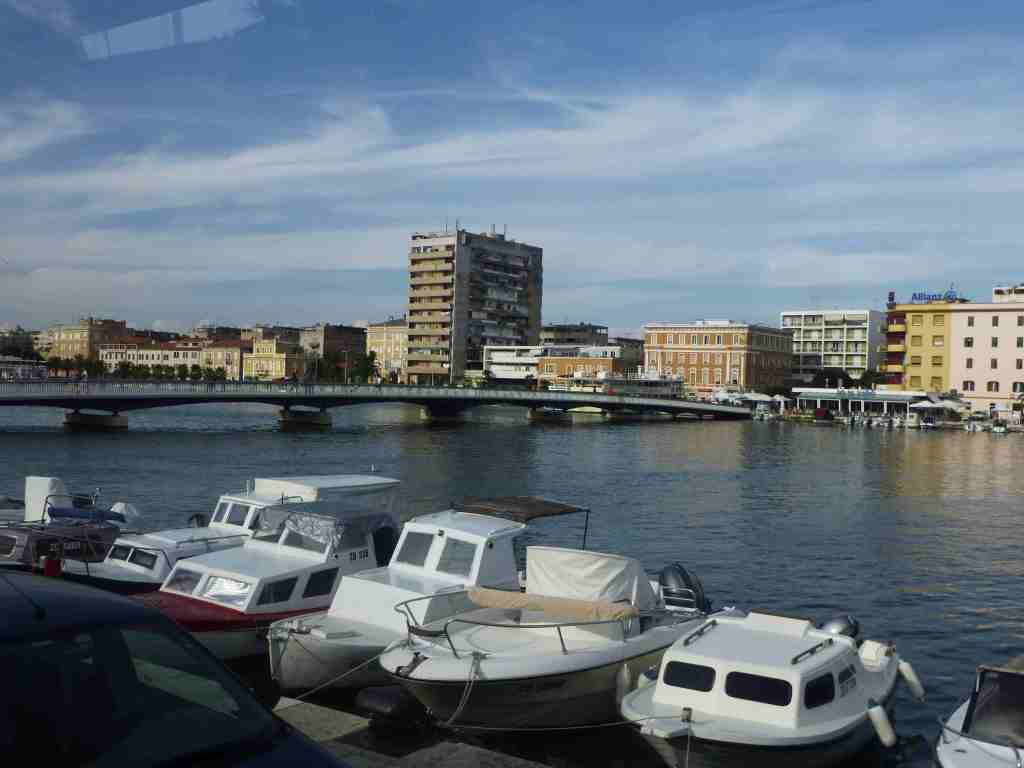
The first inhabitants of this charming port city were the Illyrian tribes, but the current appearance of the city with straight streets and a forum dates back to Roman times. The city was an important municipium (a city dependent on Rome) and with a large port for the trade of timber and wine. In the Middle Ages, it was the main base of the Byzantine fleet. In the 12th-13th centuries, Venice and Hungary fought for Zadar for a long time, and in 1409 King Ladislaus sold the Dalmatian islands and coastal towns to Venice for the sum of 100,000 ducats. Zadar was renamed Zara and the prosperity of the city continued – churches and palaces were erected. After the First World War, Zadar was cut off from Italy and many Italians emigrated after the formation of Yugoslavia. Zadar was repeatedly bombed during World War II, which led to significant destruction of important historical and cultural monuments. Nevertheless, the survivor aroused real admiration.


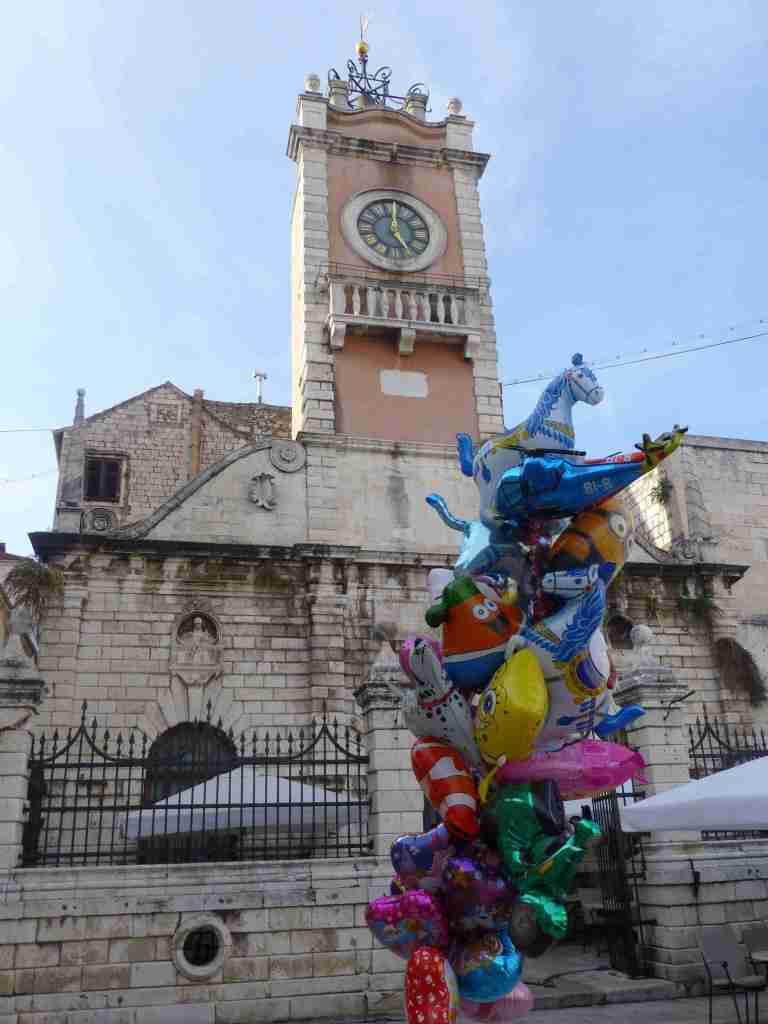
Our walk started from the New Gate, which was additionally created to connect the center with the port. We walked along a street with many beautiful buildings and found ourselves on the People’s Square (Narodni trg), which was the heart of the medieval city at the time. Here the town hall was built in 1938, and nearby is the city palace with the clock tower erected in 1798, which today houses the ethnographic museum with a rich collection of costumes and objects from all over the country.
On this square is also the restaurant Cavanagh Saint-Louvre, where everyone can enter and see from the inside the remains of an ancient church, which was believed to be one of the first churches in the Byzantine style.
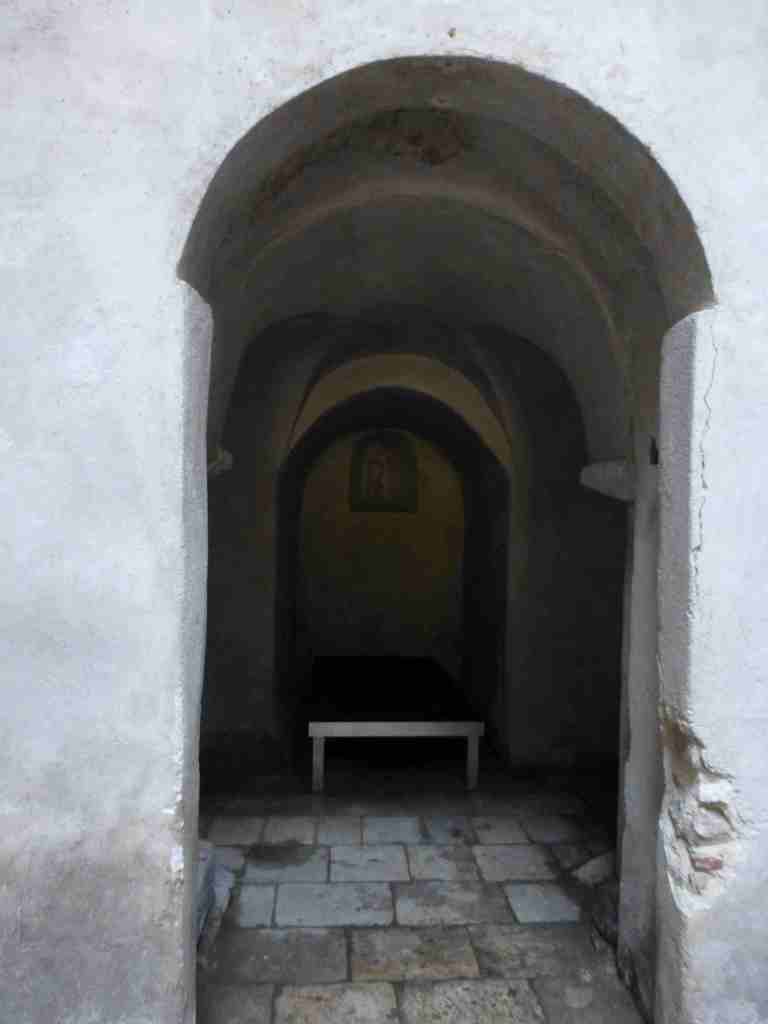

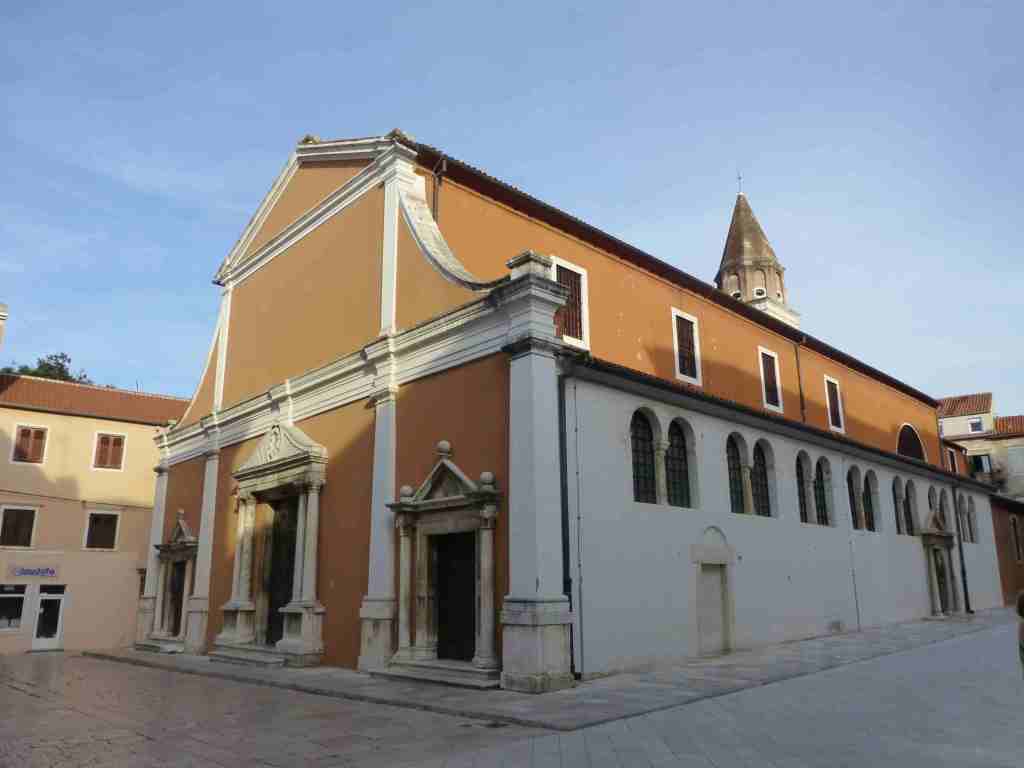
We passed through more interesting places such as the church of St. Krševan, where as early as 1000 the Benecdites erected a church and a monastery on the site of a Roman market, and during the Second World War the monastery was completely destroyed, despite its rich library.
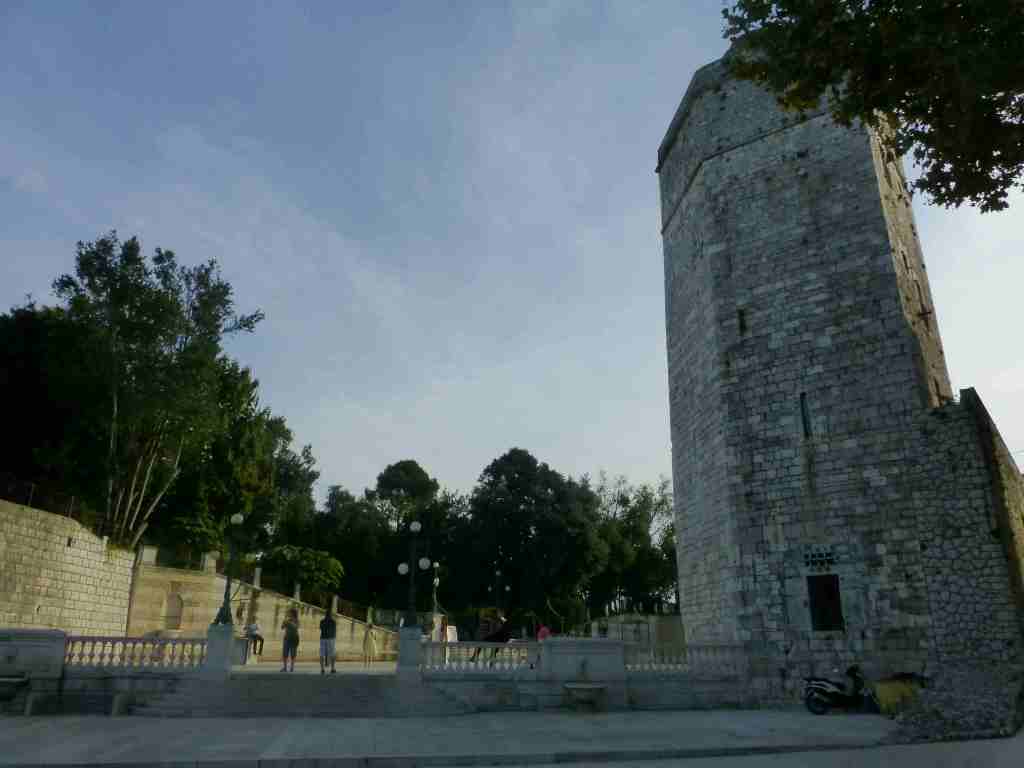
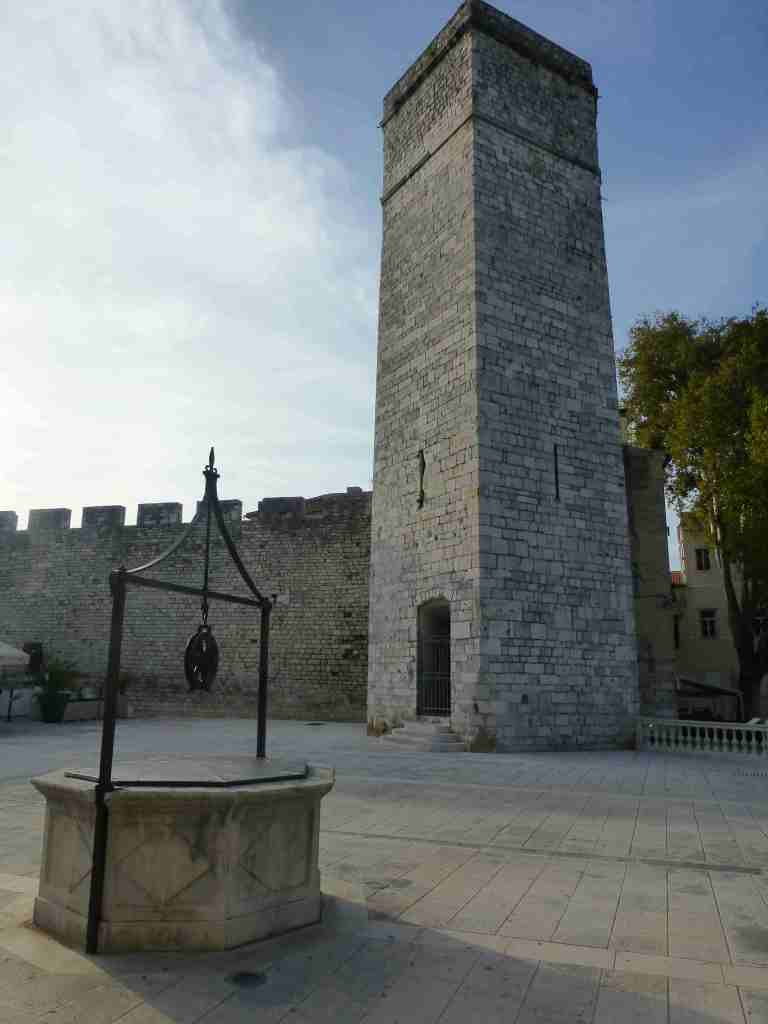
We also passed through the Captain’s Tower, from the top of which there is an amazing view of the city, which was erected by the Venetians to reinforce the city during the Ottoman attacks. Today, many exhibitions are organized here, but we were not able to get inside hindered by the many cyclists who had gathered in front and were apparently conducting something like a bicycle marathon.

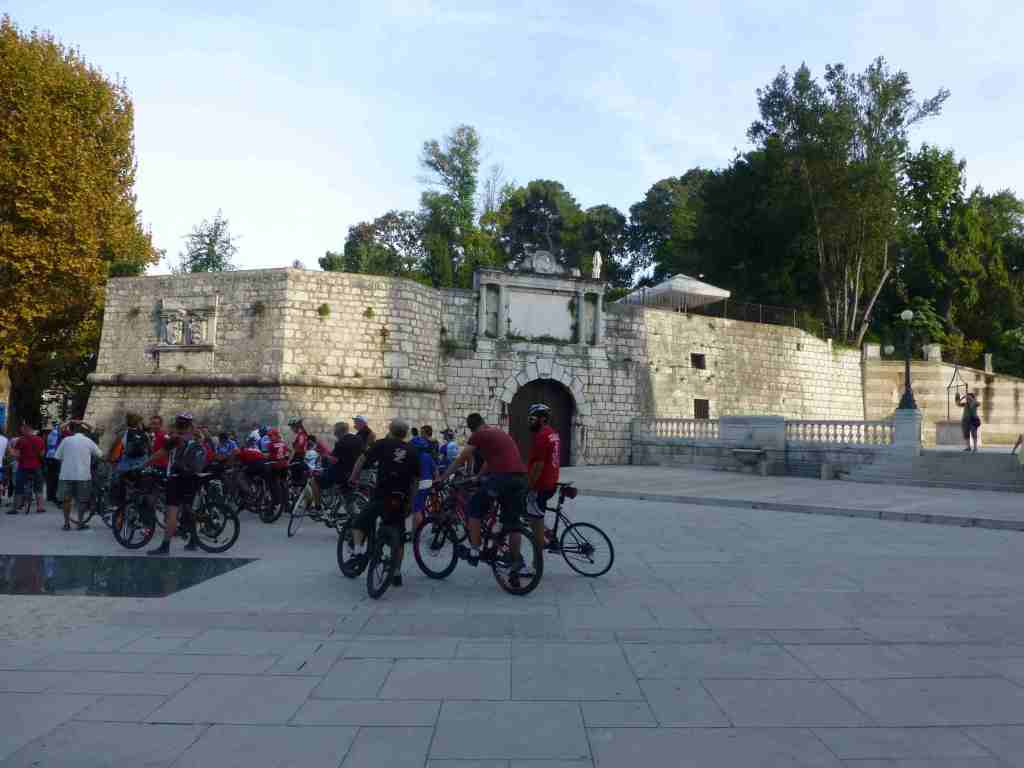
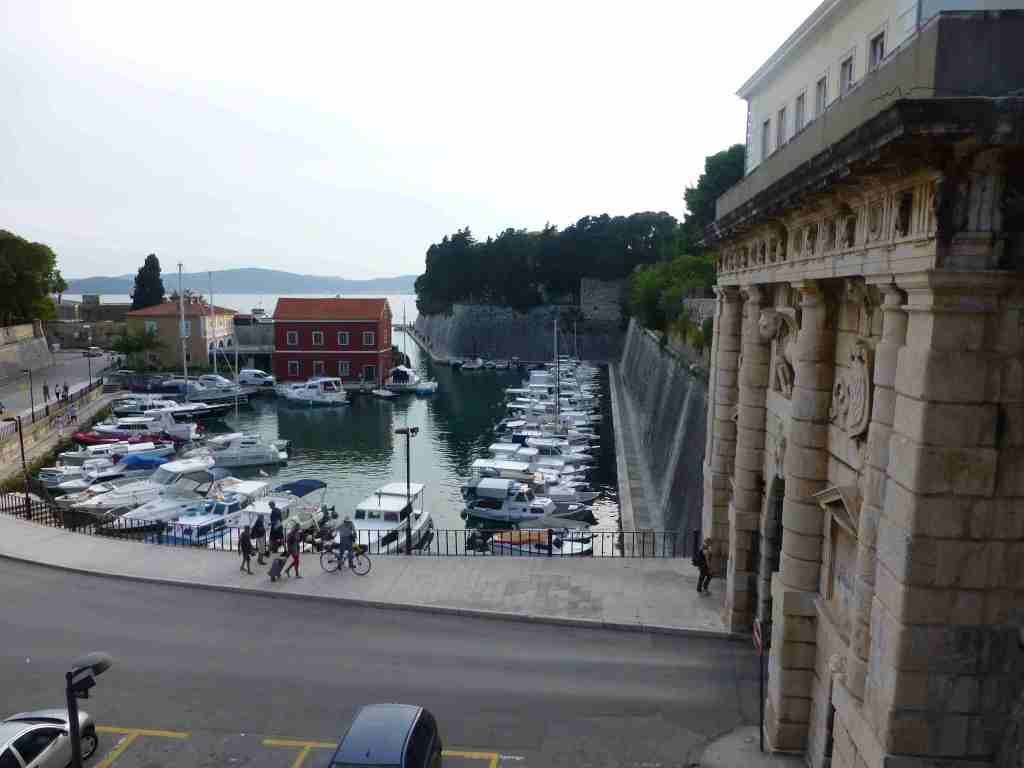
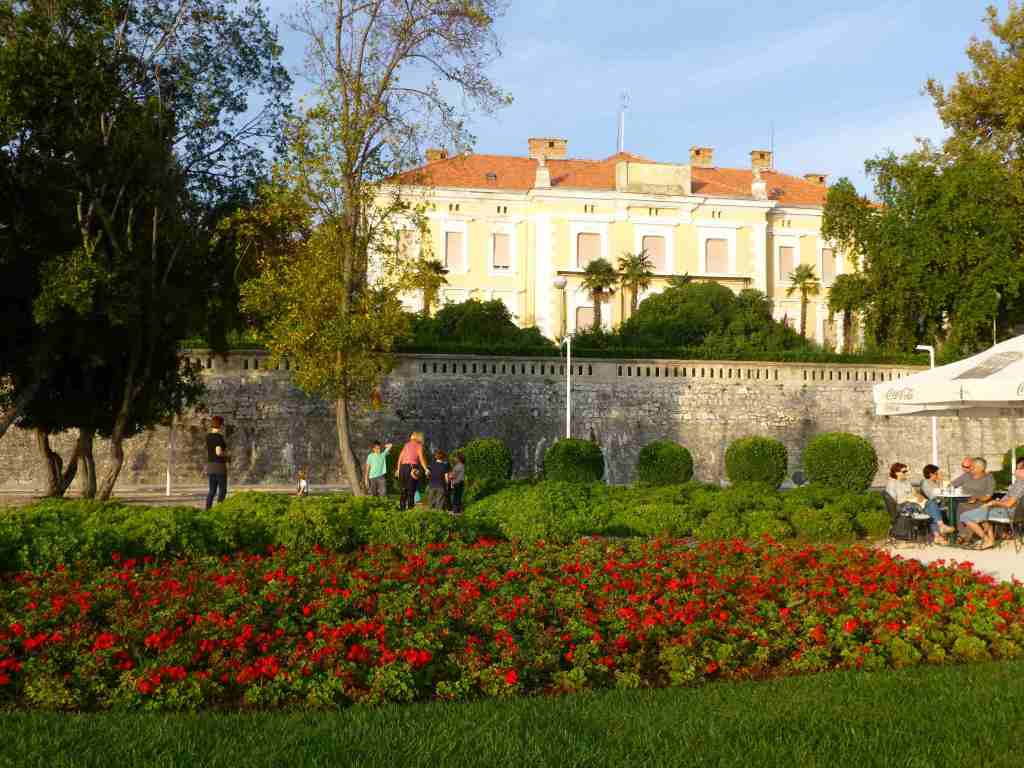
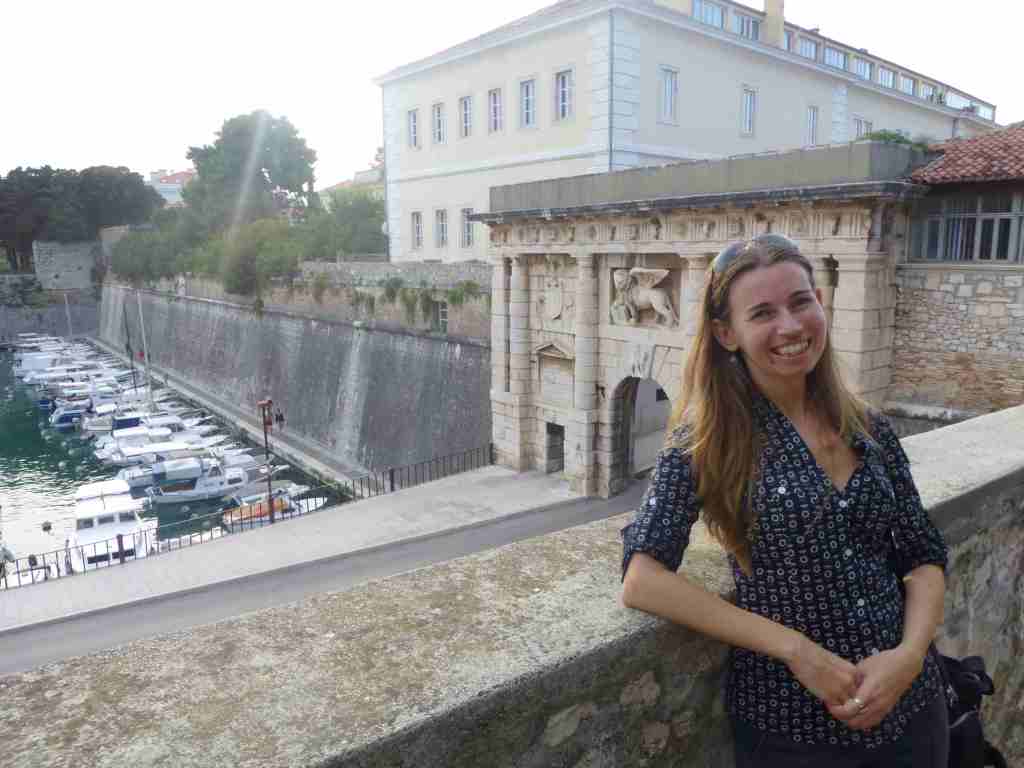
We headed to the Kopnena vrata or “earth gate”, which was part of the 4 stone walls erected during the defense with the Ottomans and according to the reference books undoubtedly one of the most beautiful. At the top of the gate there was a lion with wings, and the lion was the symbol of the Vanesian Republic. Right next to the gate there was a very beautiful green park.
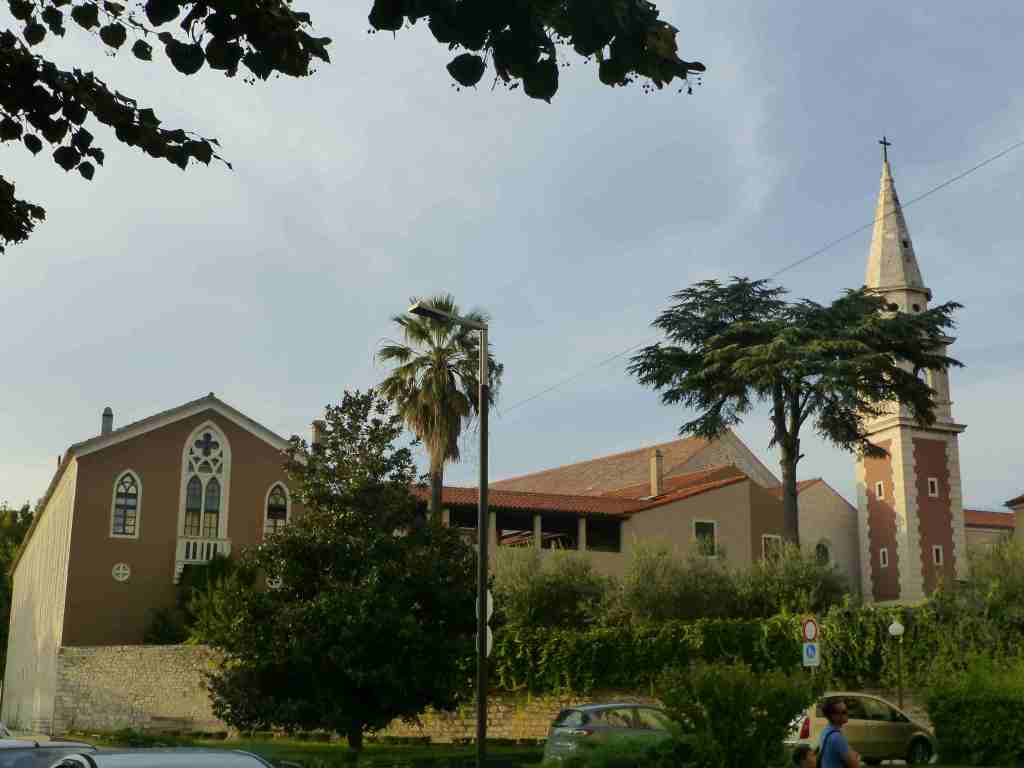
Along relatively narrow streets, we passed a stone Jewish church and many other stone buildings, some of which have typical Venetian windows. I especially liked the pale yellow courthouse, after which we found ourselves at the Forum.


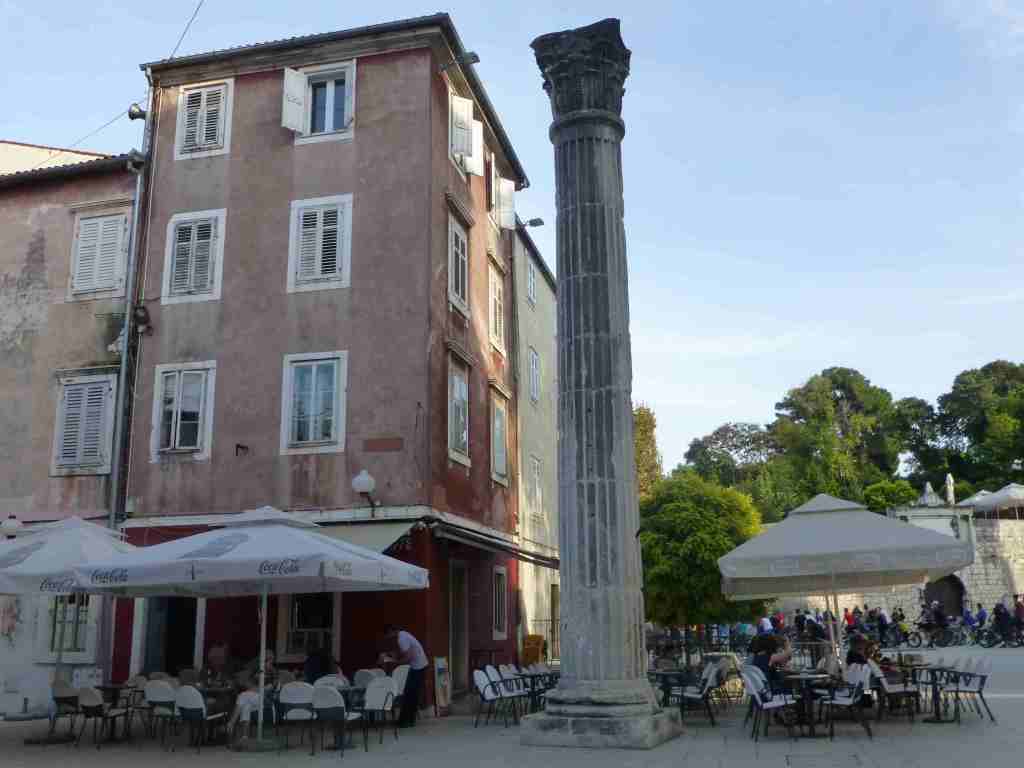
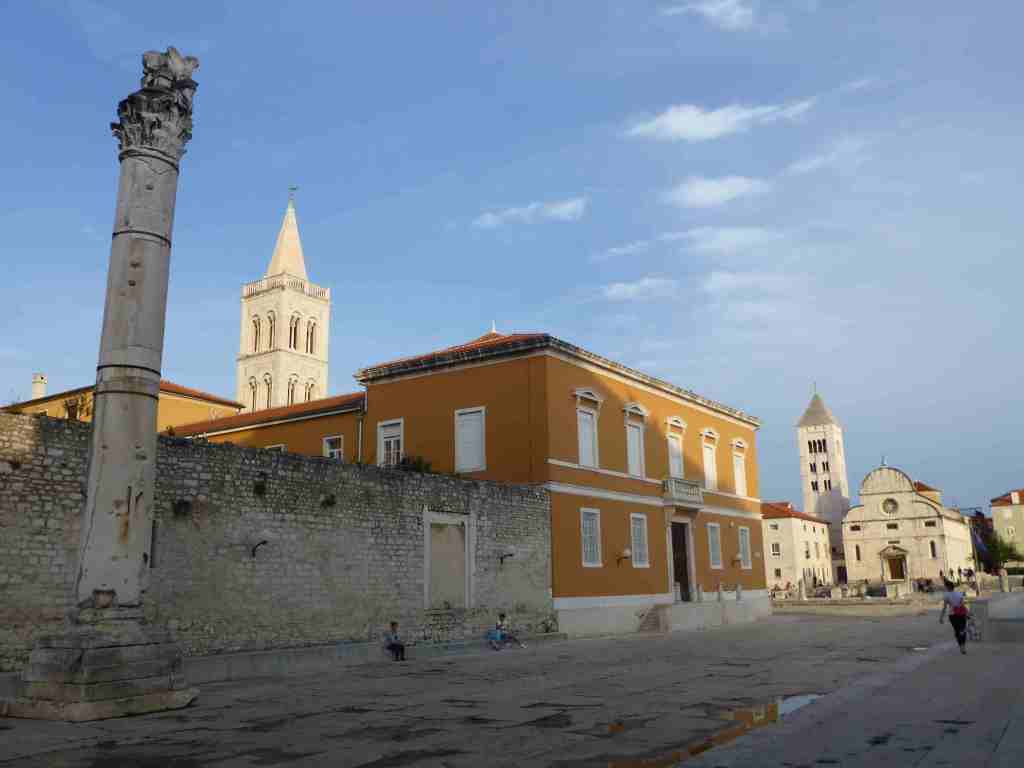
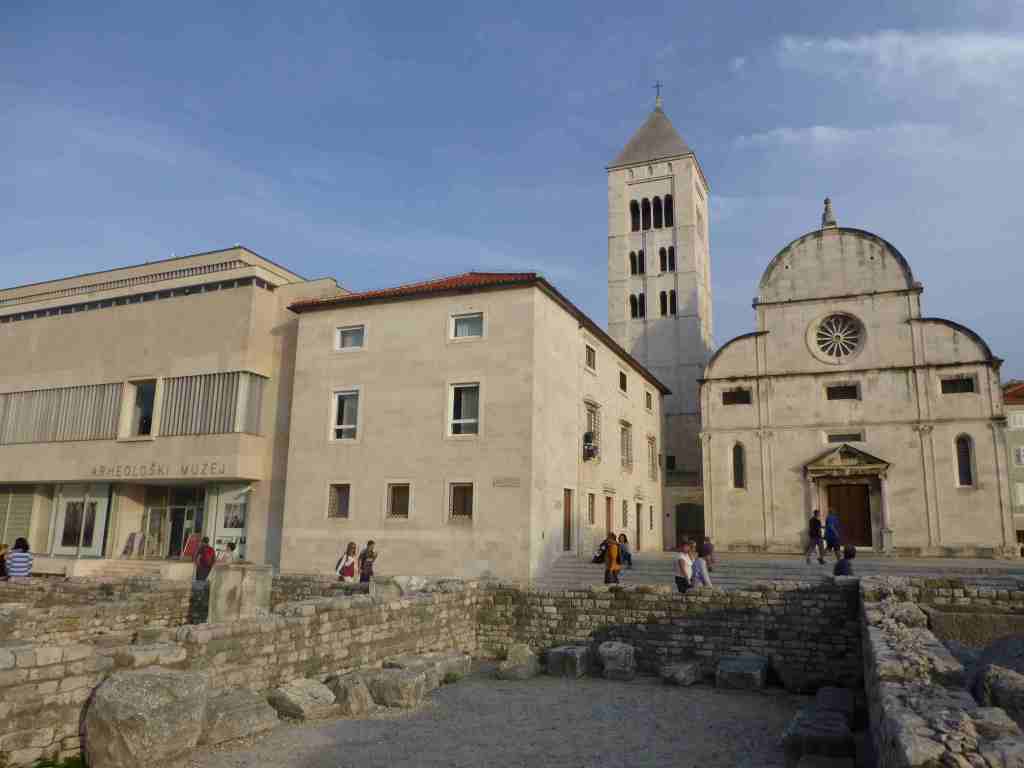
There were many columns and ruins left from the Roman Forum, on which children now climbed and played. There were no signs such as “Do not touch” and each of us could sit on an ancient column from 2000 years ago. The Forum was overlooked by the beautiful building of the Byzantine church of St. Donatus (the former name was the Holy Trinity) and the palace of the archbishop. The square itself was built around the 1st century BC. It was 45 m by 90 meters. The engraved names of Augustus, consul of Illyria, show that it was built in the second decade of the 1st century BC. The name Forum was given to all central squares in the cities of the Roman Empire, and it is assumed that a temple of Jupiter was erected in Zadar.
In the immediate vicinity of the Forum there was also the Column of Shame (Stup srama), on which guilty citizens were tied. There were columns with different faces of gods and mythical creatures.
Hastily described, but slowly exited, the sights in Zadar filled our whole day. The sky was clear, the sea was calm, the sun was tired of this calmness and began to descend into the sea. We also headed to our seaside hotel, located directly on the beach on the road between Zadar and Sibenik.



GENERAL INFORMATION ABOUT ZADAR:
Location: The city of Zadar is located in southern Croatia, in the region of Northern Dalmatia on the coast of the Adriatic Sea.
Area: 25 sq.km
Population: 75 082 people (as of 2011)
Official language: Croatian
Altitude: 39 m
Climate: subtropical and Mediterranean
Time zone: UTC+1
Currency: Croatian kuna (HRK)
Additional information: http://www.grad-zadar.hr/
TRIP TIPS FOR ZADAR:
Best time to visit: In summer the city is lively, and even crowded in July and August. Probably May, June and September are the best months to visit Zadar.
Typical foods and drinks: Like every coastal city, Zadar prides itself with its seafood, with fish and roasted octopuses being especially delicious. It is also worth trying the local ham Dalmatian pršut and Paški cheese.
Places to visit: St. Donatus Church, which is one of the best-preserved pre-Roman buildings in the world, the Roman Forum, St. Anastasia’s Cathedral, the University of Zadar dating back to 1396, the Archaeological Museum, the Sea Organ is located on the seaside street of Zadar and the movement of the waves drives 35 pipes of a musical organ, resulting in amazing sea music, etc.
 TripTips