SPLIT – THE CITY WITH THE BEST PRESERVED ROMAN PALACE
(CROATIAN TRIP – PART 6)
author: Ana Boneva
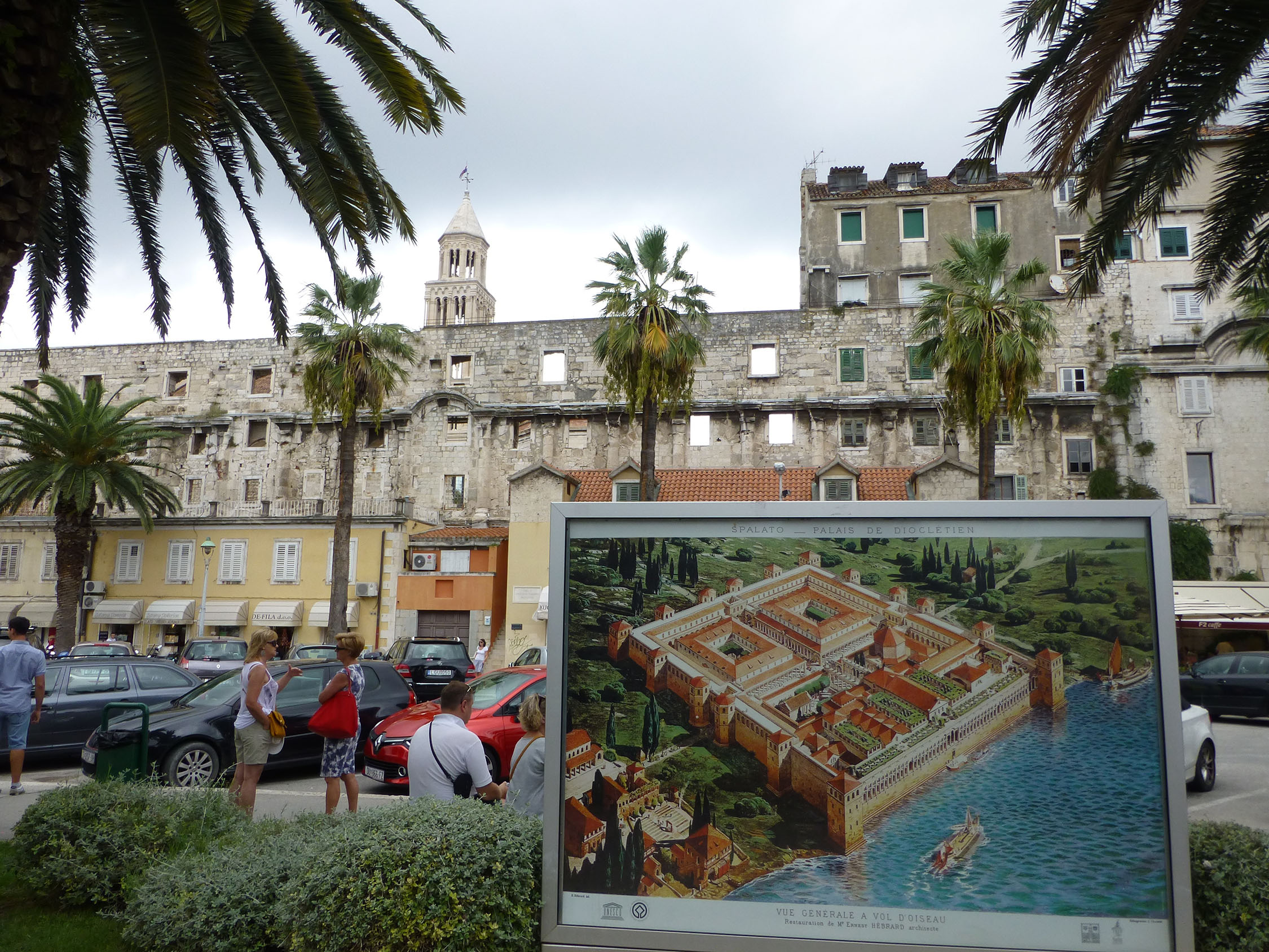
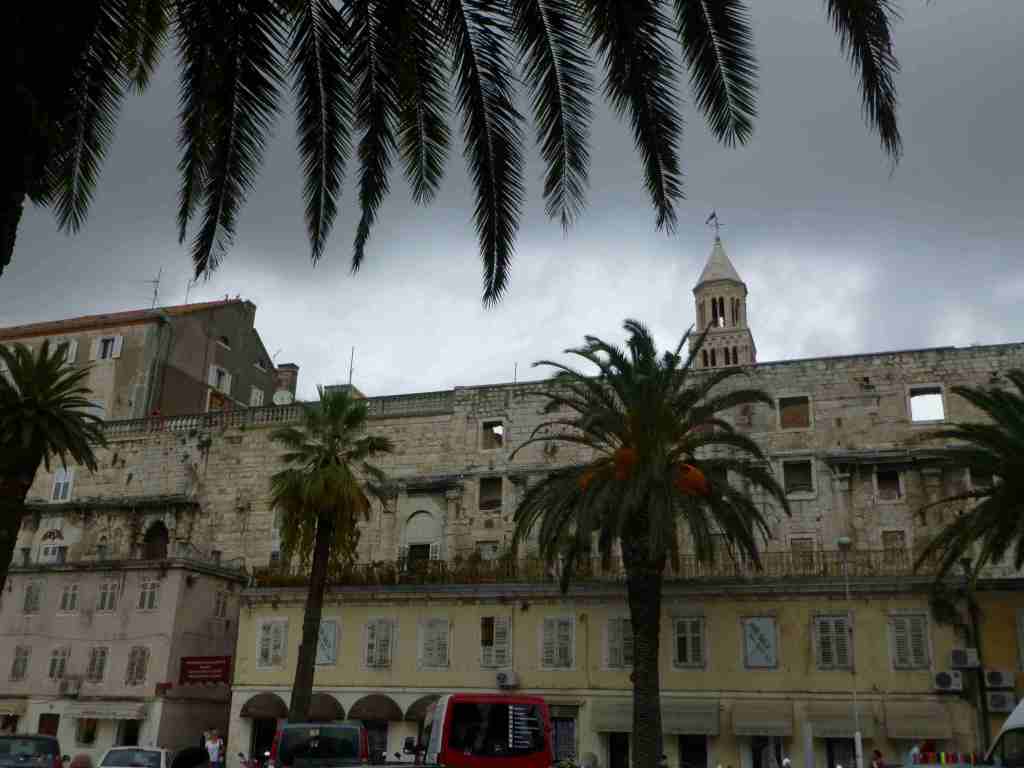
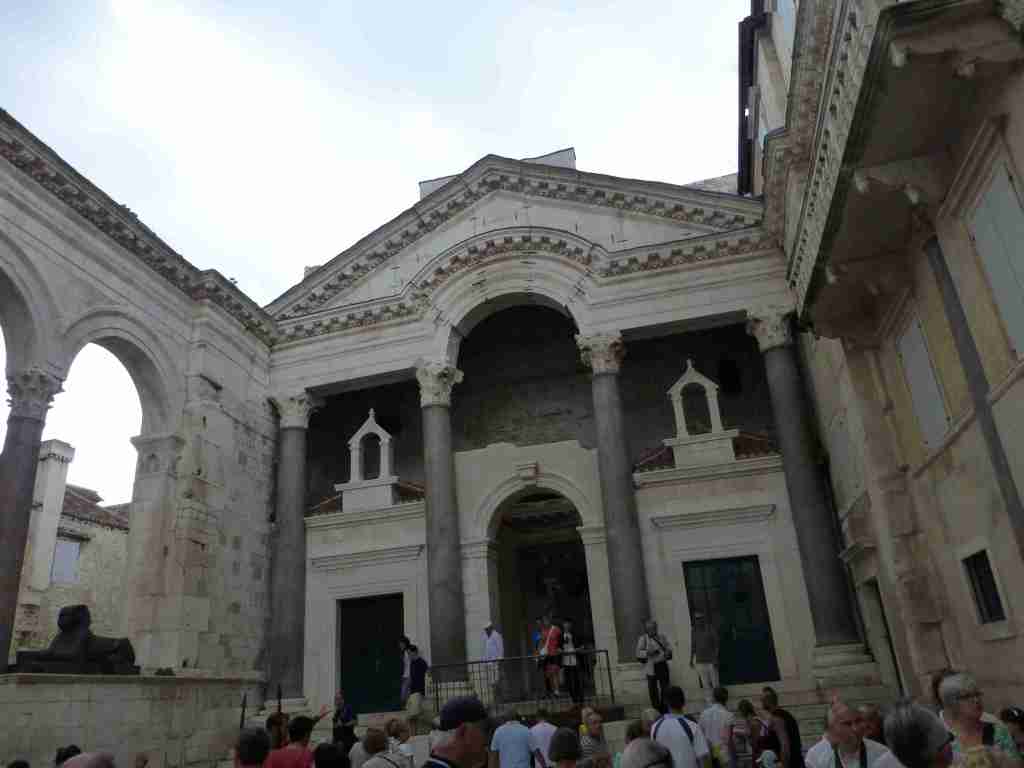
When the Roman Emperor Diocletian abdicated the throne, he decided to build a retirement residence away from Roman gossip and close to his birthplace. Thus, he erected a magnificent palace, the ruins of which arouse admiration to this day. Right in front of the entrance to the castle, the Croats had placed a billboard with a picture of the palace, depicting its original glamorous appearance. In the background were the remains of this palace, and considering the past thousands of years, natural disasters and wars, the palace had preserved its appearance surprisingly well. Reference books also confirmed that it was the largest and best-preserved palace from Roman times.

Also interesting as the castle was the story of Emperor Diocletian, who actually came from an ordinary family of Illyrians. He joined the army and because of his tall stature and strong physique he was appointed as the guard of the current emperor. When the soldiers decided to unite and stand against the emperor, they proclaimed him emperor. He realized the vastness of the Roman Empire and divided the country into two parts, but the empire was still impossible to govern. To combat the enormous external and internal problems, he created the tetrarchy, or quadruplemies, while maintaining his supremacy. Due to poor health, on the first of May 305, after a special ceremony, Diocletian relinquished the government, becoming the only emperor to step down voluntarily. It was then that he moved to the lavish residence in Split. After he died, the building began to be used for administration, after which the Romans lagged behind it. In the 7th century, the local population hid behind the stone walls of the castle, protecting themselves from the Slavic invasion. Since then, dwellings and commercial areas have been formed in the palace, which are still functioning today.
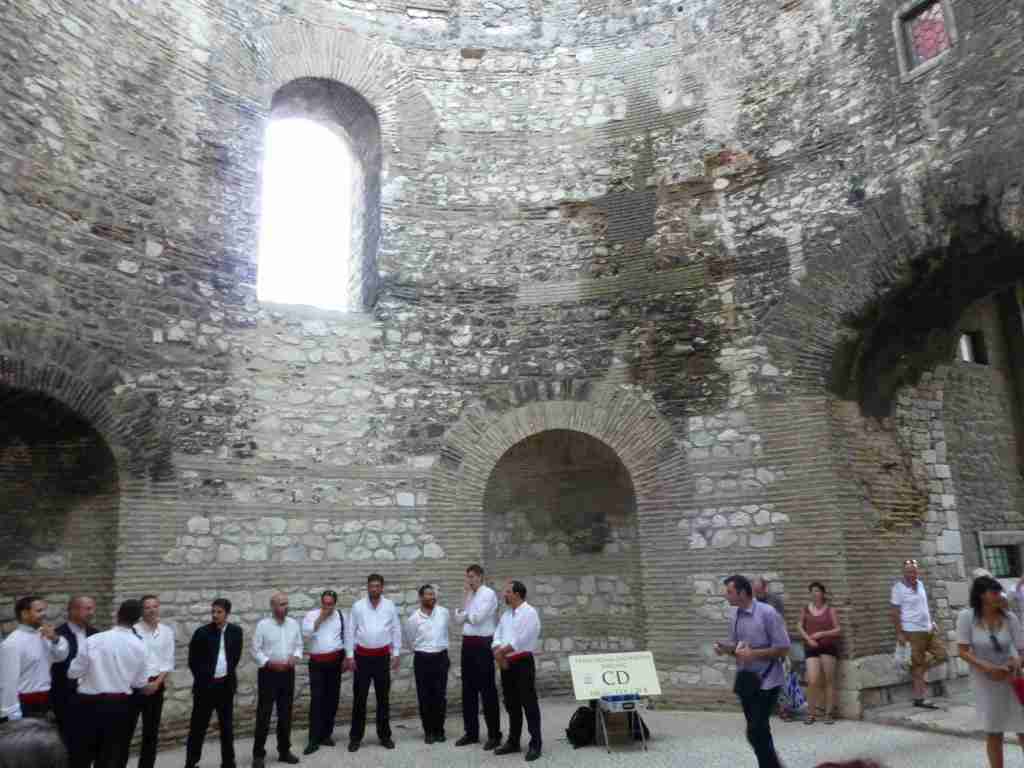
Our walk through the charming Split started from the ruins of this castle. Upon entering, I did not expect to see many stalls located at the very entrance and lobby. In fact, there was a wide variety of souvenirs and gifts, for which we returned at the end of the tour. In the courtyard of the palace there was a café, there was a round tower in which a male choir sang, and among the tourists walked men in ancient Roman uniforms, who offered photos with them. I especially liked the high bell tower and the gardens located in the nearby courtyard. A statue of a sphinx was placed right under the bell tower, and later I learned that after Diocletian suppressed a revolt in Egypt in 297, he took 12 sphinxes from there and placed them in Split. Unfortunately, only one of them survived and was placed in the courtyard. It was made of black granite and dates back to the period of Pharaoh Thutmosis III, who lived in the period 1479-1425 BC. With the advent of Christianity, the sphinxes, like the palace, were destroyed, and it remains a mystery how this sphinx survived. According to reference books, this sphinx has been standing there since the 3rd century, observing the changing generations.

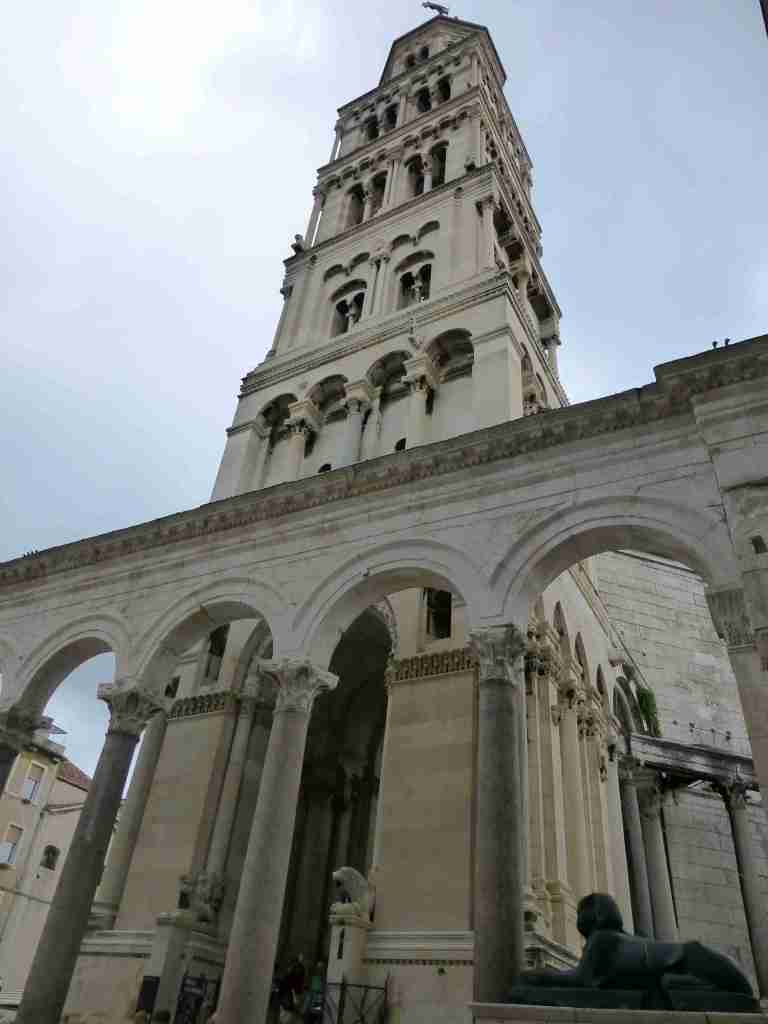
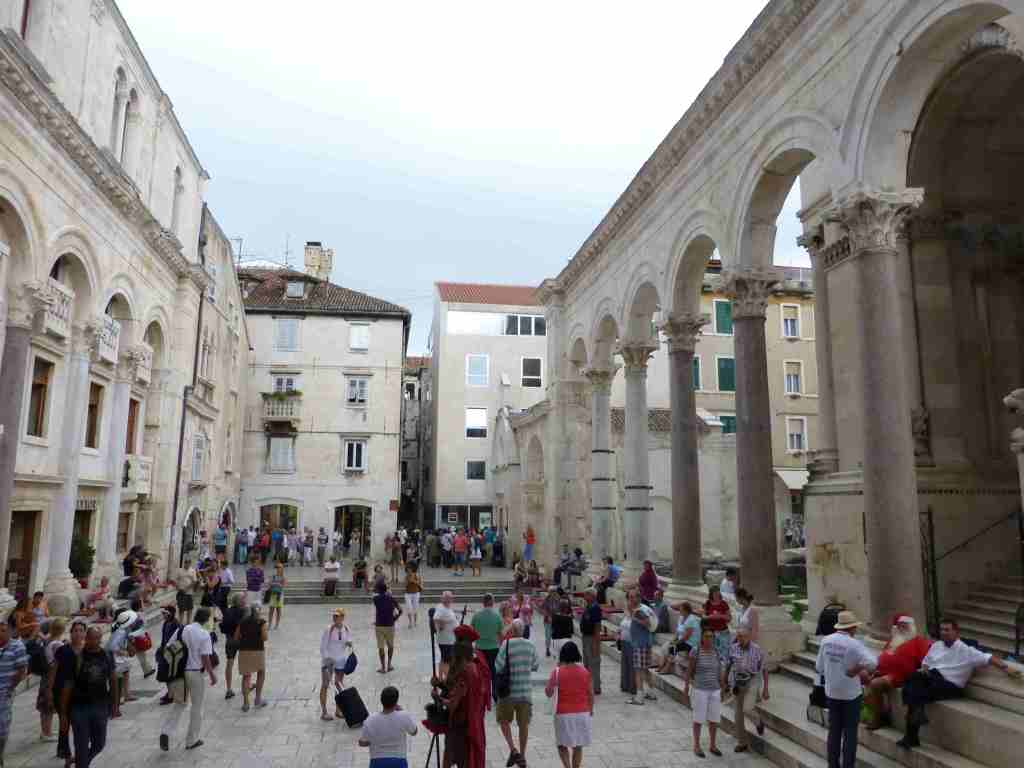
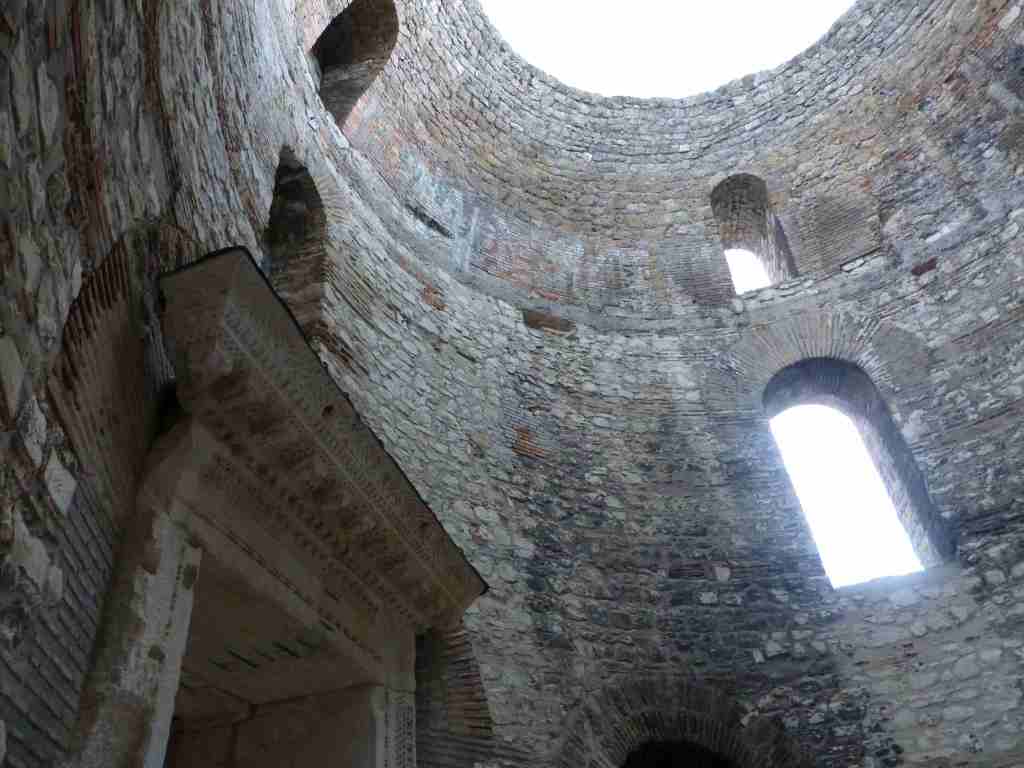
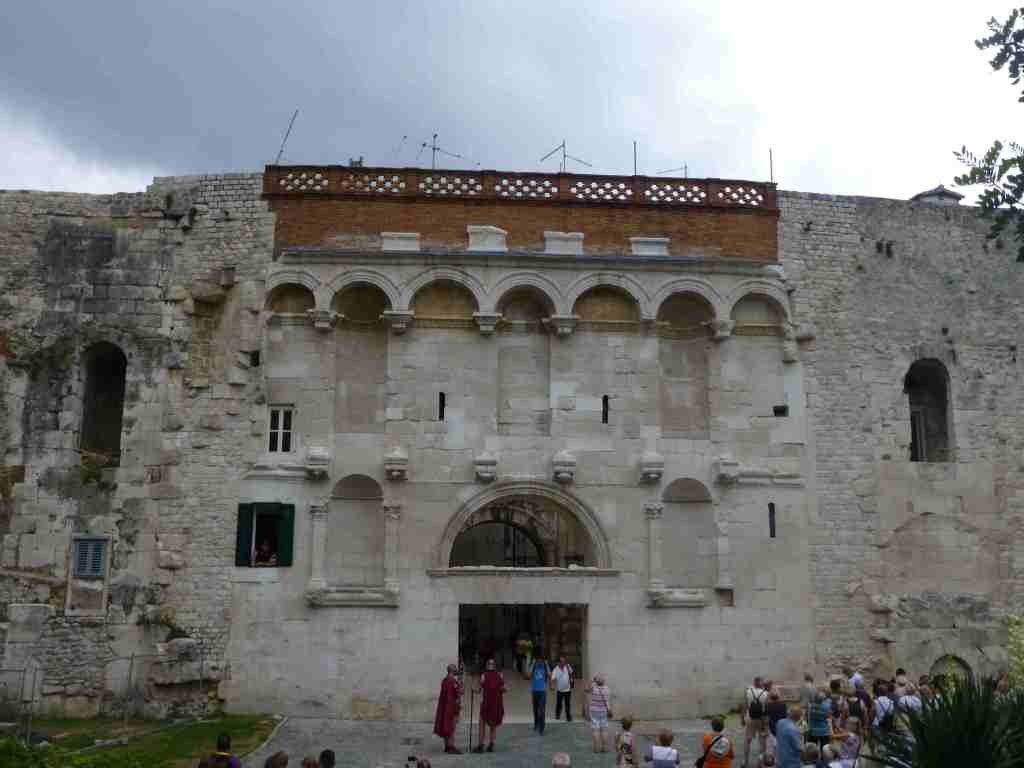
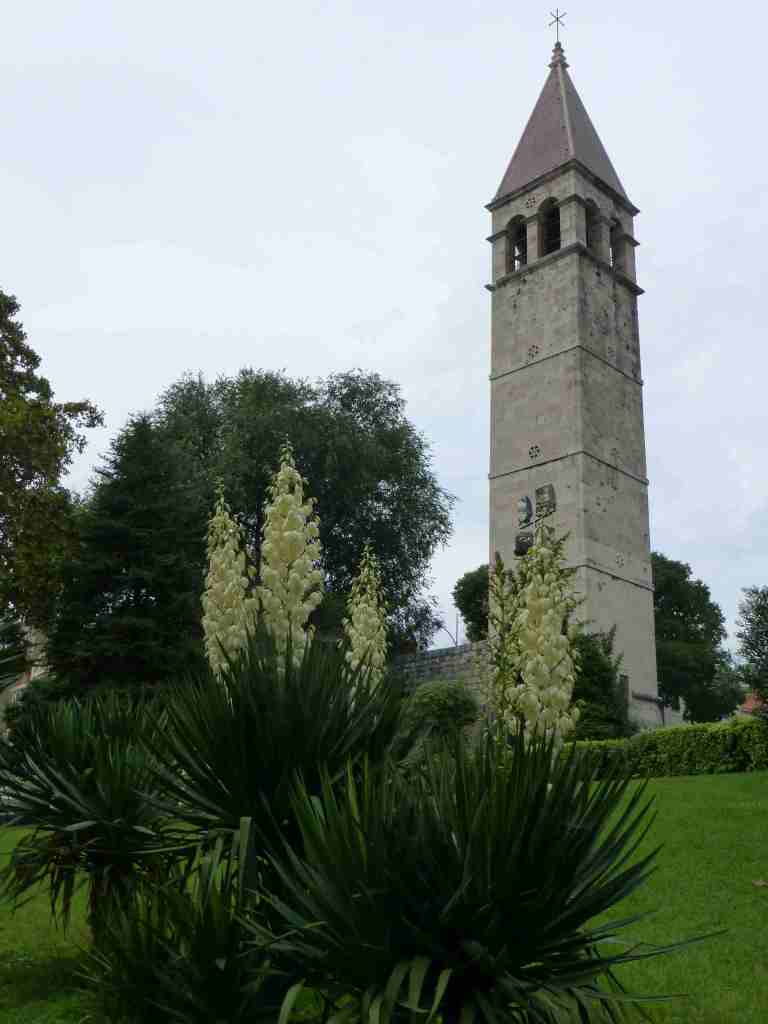
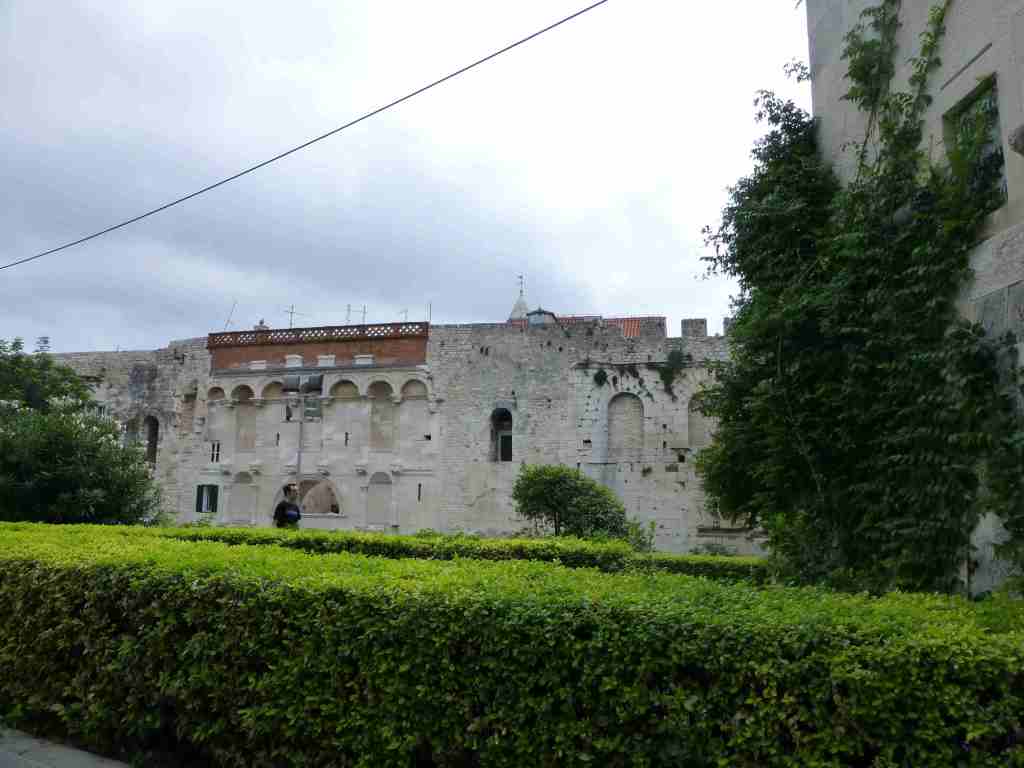
We headed to the other exit of the castle, passing through many beautiful buildings, part of the palace complex. We stopped all the way through the Golden Gate, on the other side of which a beautiful bell tower rose. The golden door was nothing special, there was no gold or shiny stones on it to make sense of the name. At the time, this was the main entrance to the castle, with towers on both sides and the gate was richly decorated. In the 11th century, the corridors connecting the castle with the golden gate were closed and formed in the church of St. Martin. Now only the stone walls and beautiful arches remained. A tall monument was erected just opposite the golden gate, which, however, was under reconstruction and only golden bare feet protruded from under the lined scaffolding. It turned out to be Grgur Ninski, the medieval Croatian bishop of Nin, who strongly opposed the pope and official circles in the church, defending the idea of professing religion in the native language. His success had a strong impact on the development of the Croatian language and culture, strengthening Christian beliefs in the country.


Before the Second World War, the statue was in the courtyard of the palace, but today it was brought outside in front of the Golden Gate, its big toe having acquired a golden color. This brilliance had acquired not from constantly staring at the golden gate, which, as I said, was not golden at all, but because of the constant rubbing on the part of tourists. There was a legend that whoever touched it on the thumb would be lucky, and now luck had come to the monument, which was beginning to acquire a golden color.
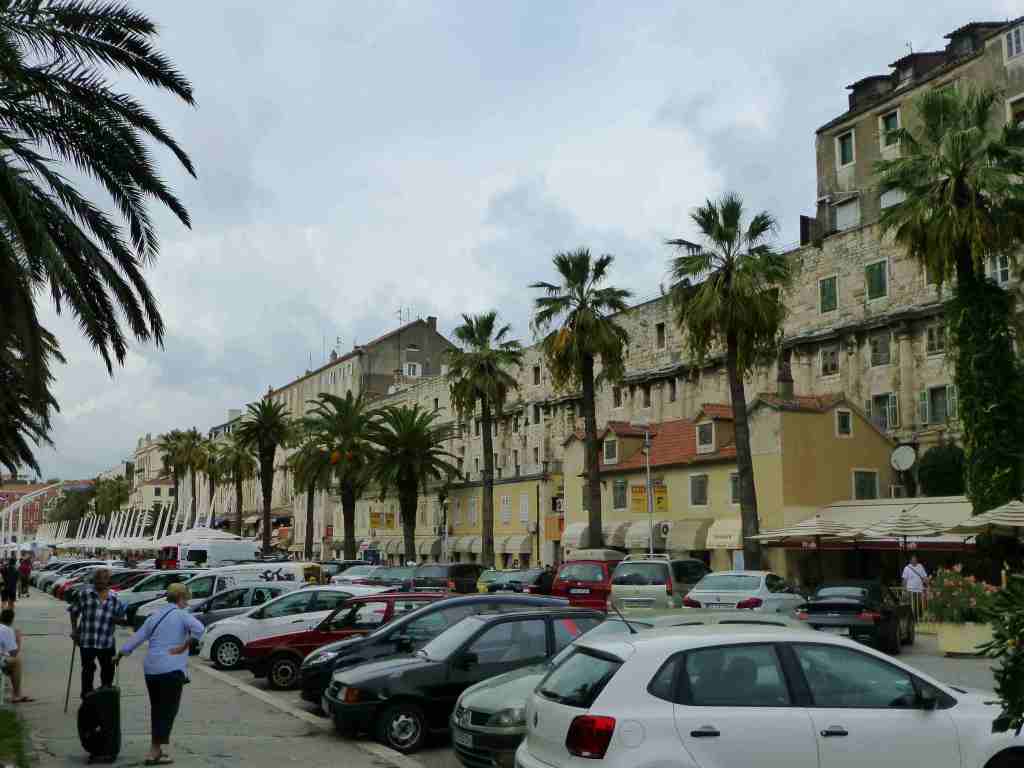
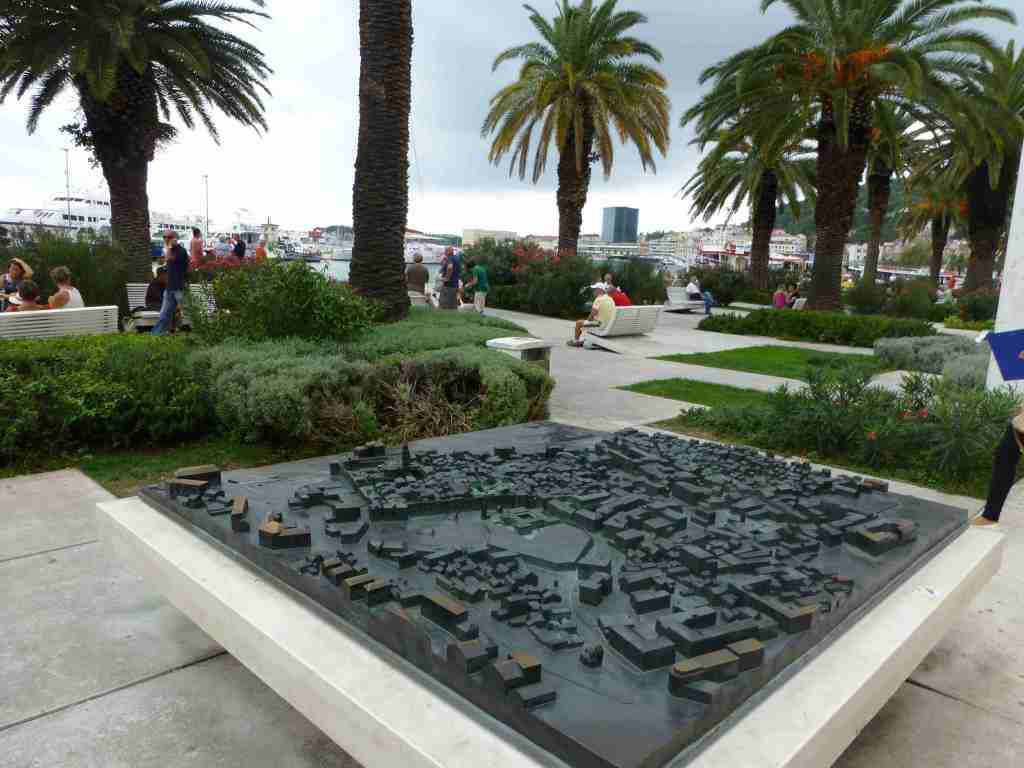
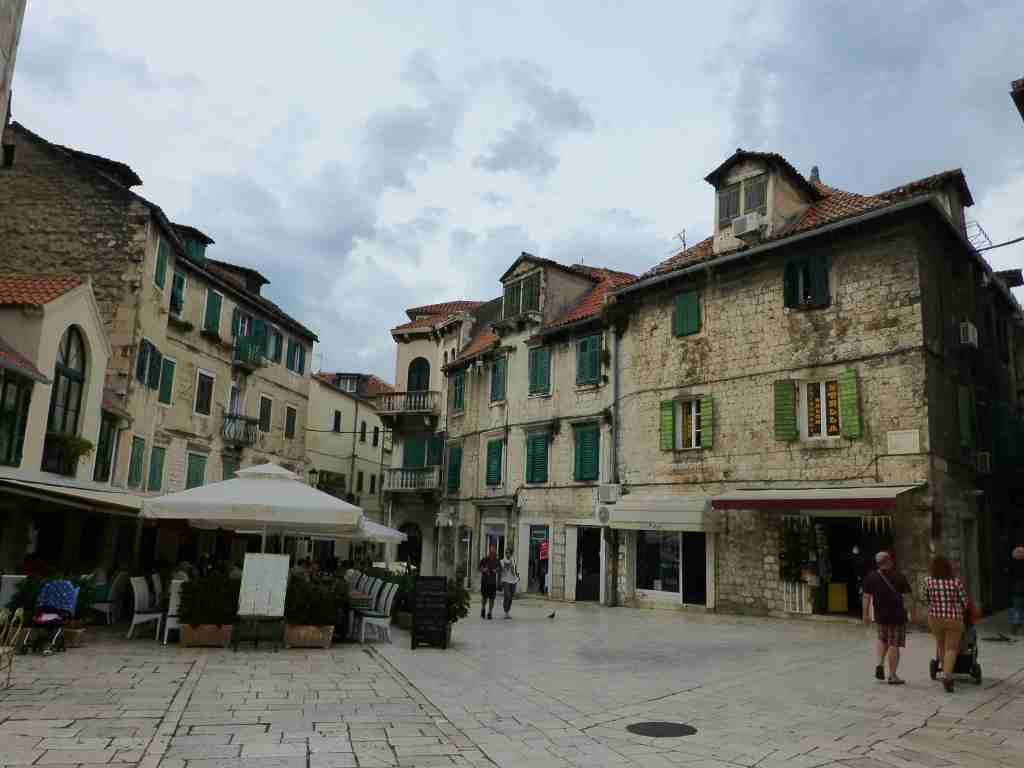
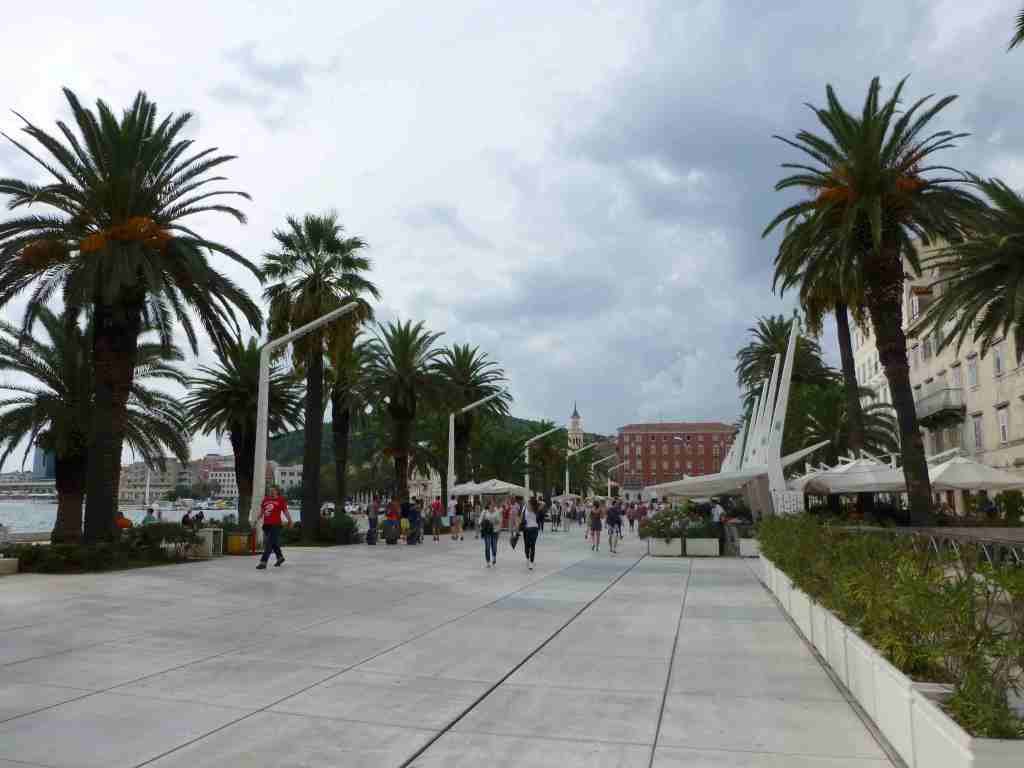
Our walk continued through many more beautiful buildings of Split, until we came out again on the promenade, which was filled with many palm trees, flowers and benches. Split was a wonderful town with narrow streets and small squares in the Venetian style, pleasant cafes, restaurants, art galleries and antique shops. We could walk for hours through its beautiful blooming alleys and of course in the palace, which, although it was in ruins, still inspired coziness and splendor. Centuries ago, Split was chosen as a favorite place of the Roman emperors and its charm has remained to this day, attracting thousands of visitors all year round.



GENERAL INFORMATION ABOUT SPLIT:
Location: Split is the second largest city in Croatia and the largest city on the Dalmatian coast. It is located on a peninsula between the eastern end of Kaštela Bay and the Split Canal. At the western end of the peninsula rise the Marđan hills, and to the north are the mountains Kozjak (779 m) and Mosor (1339 m), which protect the city from the mainland.
Origin of the name: Most likely, the name derives from spinose (thorny bush), of which there were many during the first Greek colony here, which was called Spalatos (Σπάλαθος). Then the Romans renamed it Spalatum, and the Croats then to Split.
Area: 79.38 sq.km
Population: 178 102 people (2011)
Official language: Croatian
Altitude: 0 m
Climate: Mediterranean
Time zone: UTC+1
Currency: Croatian kuna (HRK)
Additional information: http://www.visitsplit.com/en/1/welcome-to-split
TRIP TIPS FOR SPLIT:
Best time to visit: all year round. Like the rest of the Dalmatian coast, July and August are the peak seasons, making May, June and September the best months to visit. In winter, however, Split remains lively, with many festivals taking place here, including Europe’s largest New Year’s Eve dance festival.
Typical foods and drinks: Like every coastal city, Split is proud of its seafood, with the Dalmatian coast also known for the local ham Dalmatian pršut, Paški sir cheese and of course the famous Banonov split with cream and ice cream.
Places to visit: Diocletian’s Palace (part of the UNESCO World Heritage Site), St. Jou’s Cathedral (originally erected in 305 AD as a mausoleum of the Roman Emperor Diocletian, then separated into a cathedral, making it the oldest cathedral building in the world). Oceanographic Institute; Ivan Meshtrovich Gallery-Museum, which is housed in the palace of the famous sculptor Ivan Meshtrović, etc.
 TripTips