SIBENIK
(CROATIAN TRIP – PART 4)
author: Ana Boneva

Where the warm Adriatic Sea caresses the Croatian coasts, there is a place surrounded and hidden by sea cliffs, this is the port city of Sibenik. The sea strip of the city is surrounded by rocky islands and only one passage allows ships to enter the calm bay of the city. This makes the port safe and well protected, and that is why during the war with Yugoslavia, the military naval headquarters of the Serbs was here. Currently, Sibenik is supported mainly by tourism, and in addition to sea tourism, the city also offers easy access to two large National Parks. One of which was Krk and we passed by it, moving from Zadar to Sibenik.


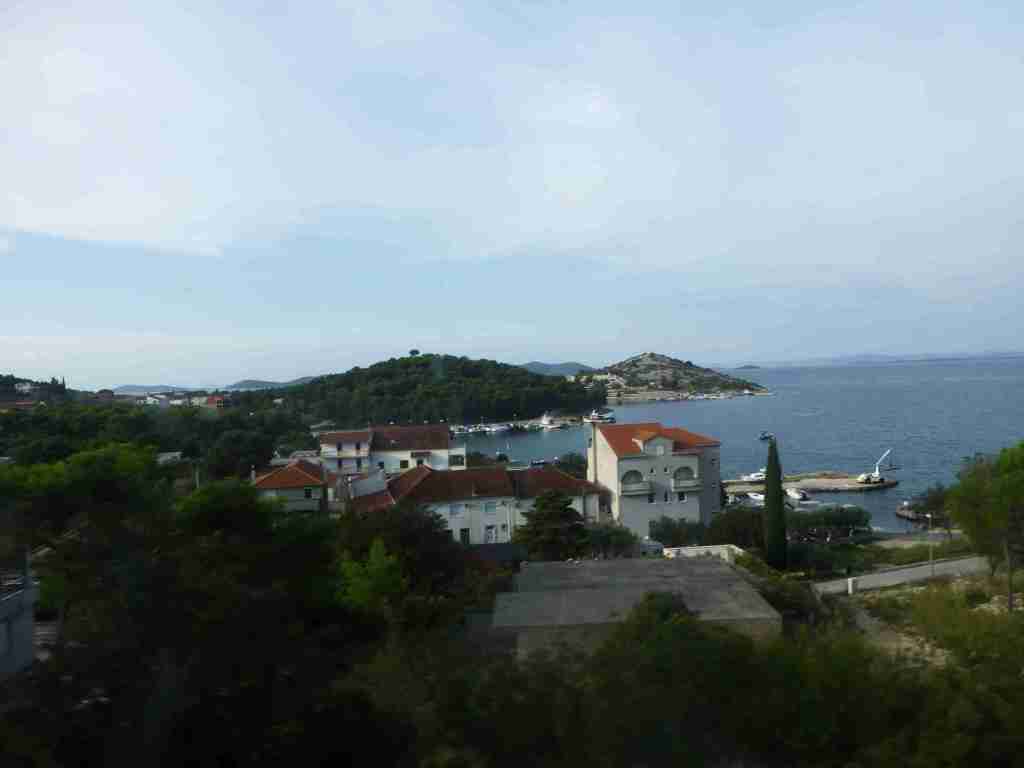
The sun had smiled broadly and our smiles also blossomed as we traveled to the coastal city of Sibenik. On our right side we could see the sea with numerous islets, some of which were for sale. Not long ago, for example, a Russian bought a small uninhabited Croatian island for the amount of 1 million euros. Croatia had about 1,200 islands, of which only 60 were inhabited. While we were “considering” a similar purchase, we learned that the islands were extremely pleasant to live in the summer, but the rest of the year there was almost no public transport to them and they were often left off. The stormy sea winds in winter also made the stay there not so pleasant.
We passed by the seaside resort of St. Philip and Jacob (St. Philip I Javov), full with hotels, and famous as one of the most beautiful harbor in the Pasman Bay. Next came the city of Biograd, which in Croatian meant the White City, and at one time was the royal city of Croatia. Numerous residences were erected here, most of which were not on the seashore, but hidden in the forest on the other side of the road. Here the vegetation was richer compared to the rest of the Croatian coast, and here grew sea pine, and from time to time we could see fruit plants, olives, etc.
We also passed by one of the best Croatian beaches Crvena Luka, which could not be compared with any of our Black Sea beaches. In this bay, the sea had destroyed part of the red karst coast and a large sandy strip was formed, which made this place one of the few sandy beaches in Croatia. However, this turned out to be not a Croatian beach, as it was bought by an Italian chain, and only they could accommodate tourists on it.
On the left side of our road there was a freshwater lake, which was 9 km long and 3 km wide, the same was filled by several rivers. On the right side, we enjoyed an olive grove, near which there was a sign “Olive Camping”. Islets continued to creep along the coast.
We passed by the small town of Primosten, where 2000 people lived, but in the summer the number of people increased to 45,000 people. We also passed a sign that said Krk National Park. This park spread over 109 sq. km and was formed in 1985, in order to preserve the nature around the Krk River, which flowed into the Bay of Šibenik.
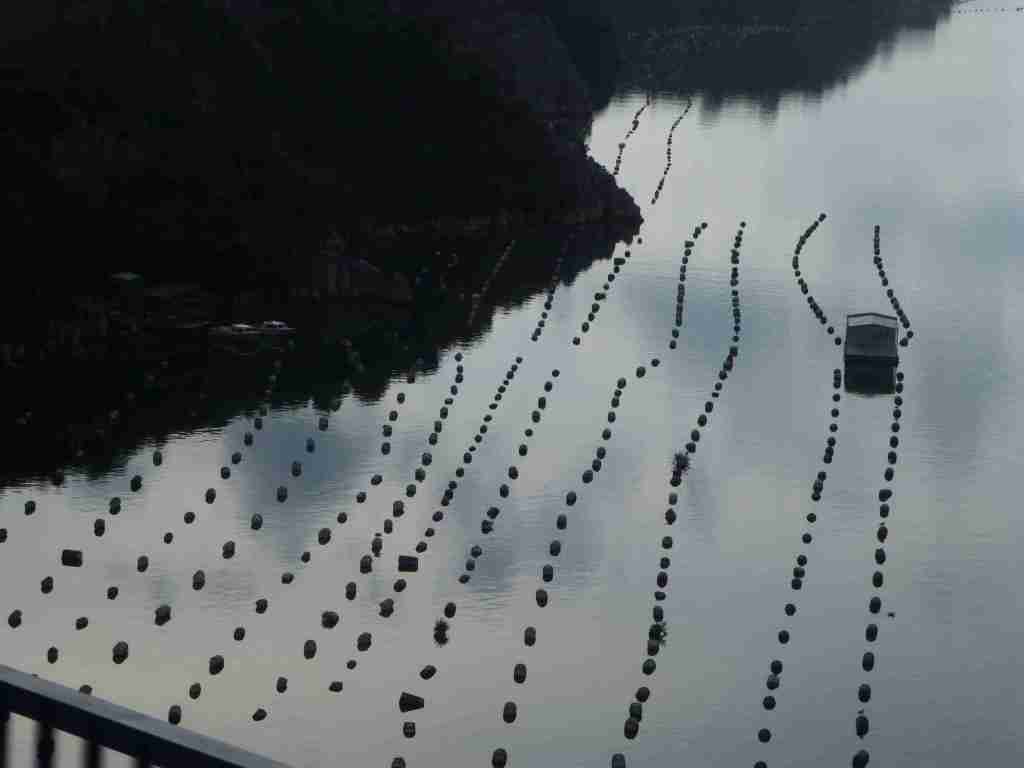


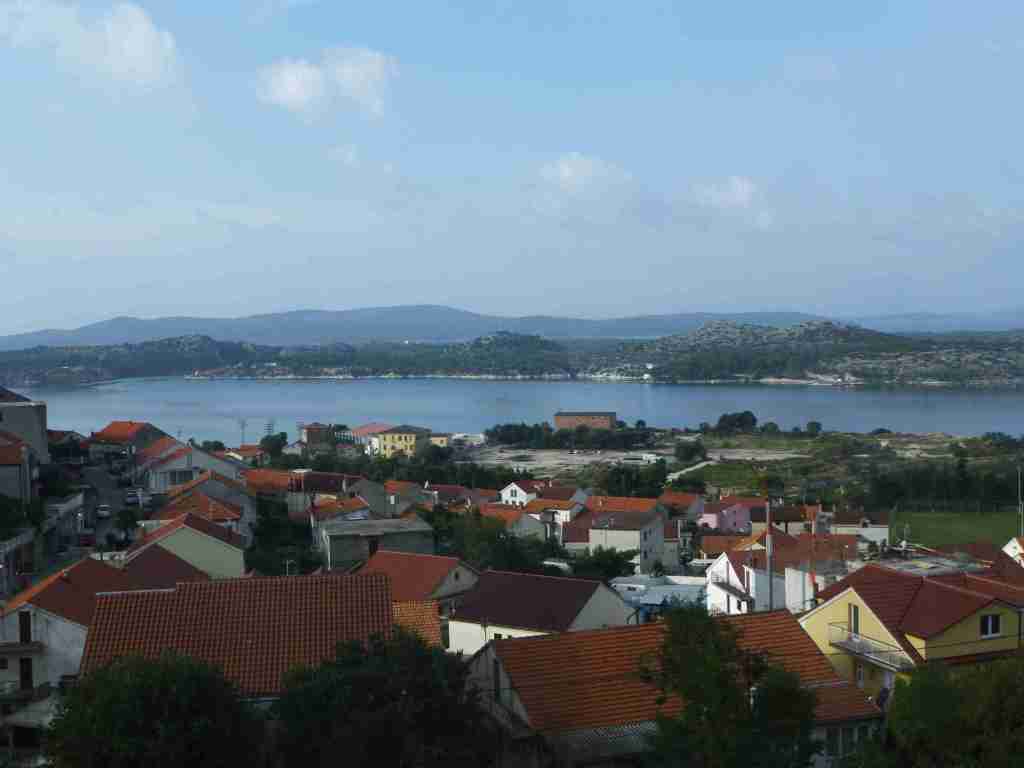



We passed over the bay of Sibenik and saw the confluence of the Krk River, and on this canal there was a separate mussel farm. Pebbles were tied on twine, around which the mussels began to clamp and within two months they were filled and sold at a very good price.
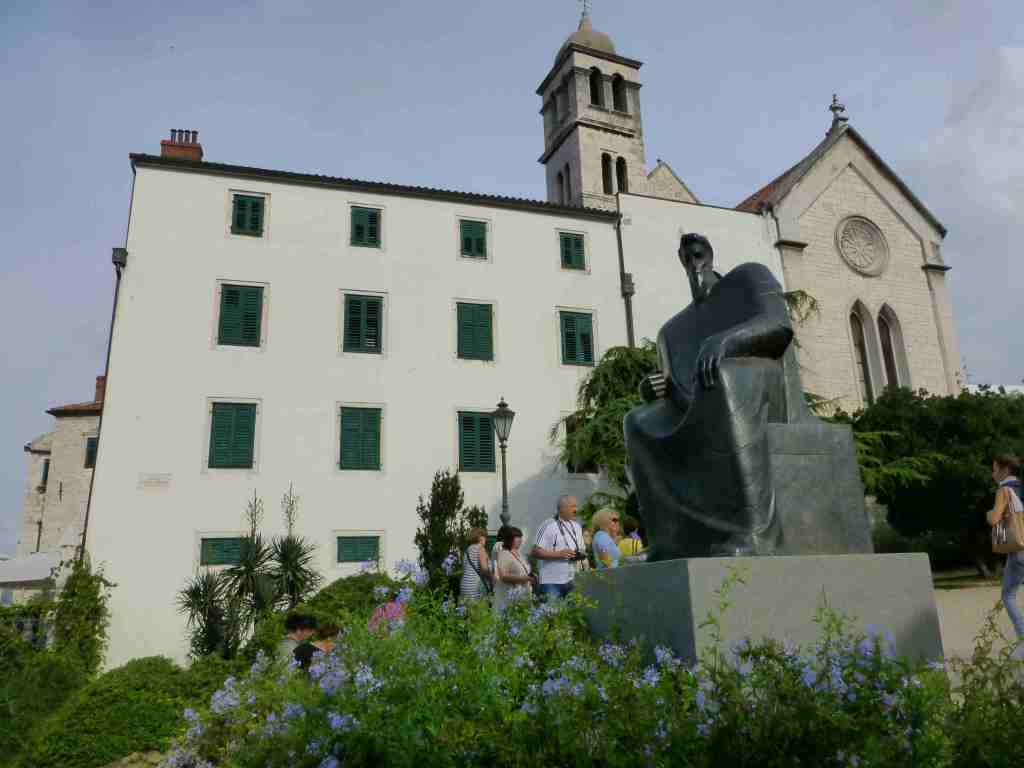
Entering Sibenik, we quickly found a parking space and started our tour from the monument of the Croatian ruler Krašimir, during whose time the city was mentioned and documented for the first time and therefore was often called Krašimir’s town. King Peter Krešimir IV described Castrum Sebenici in 1066. as a triangular-fortified city. In the 12th century, the city became part of the Hungarian-Croatian government. However, its heyday came during the Venetian rule in the period 1412-1797. It was then that Sibenik acquired large buildings and three large forts, as well as a bastion on the island of St. Nicholas. These were the golden ages of the city, and the arts developed. This was followed for a short time by French occupation and then Austrian rule until 1917. However, the recent war stopped local production and there were now more international rather than local companies on the Dalmatian coast.
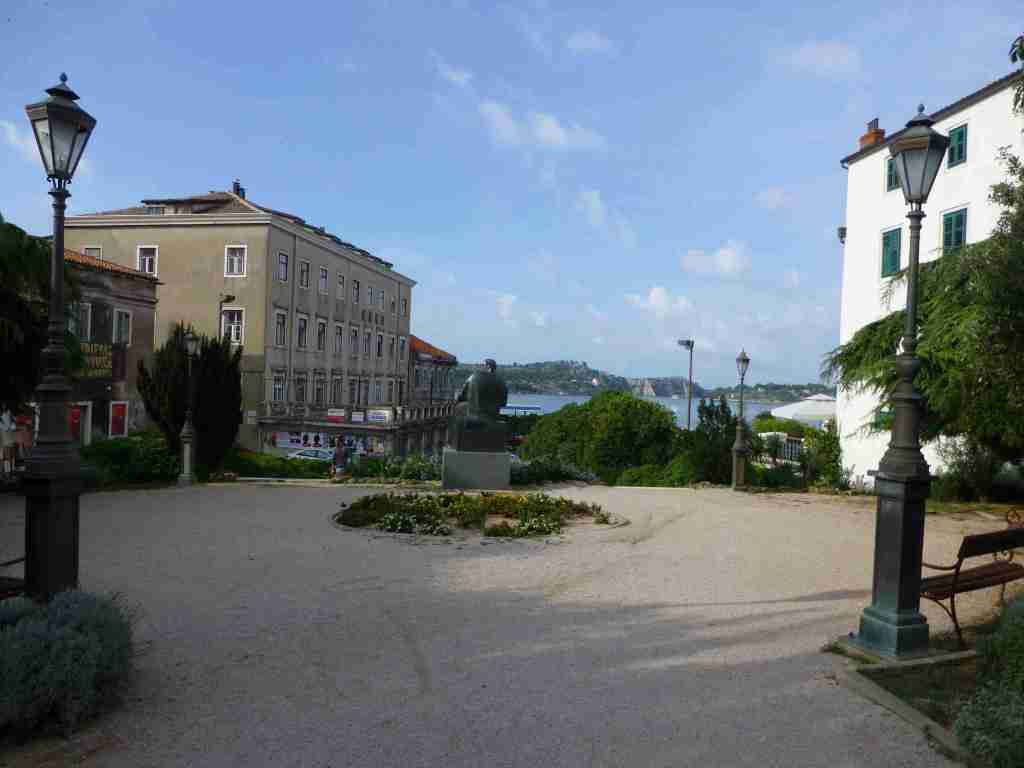
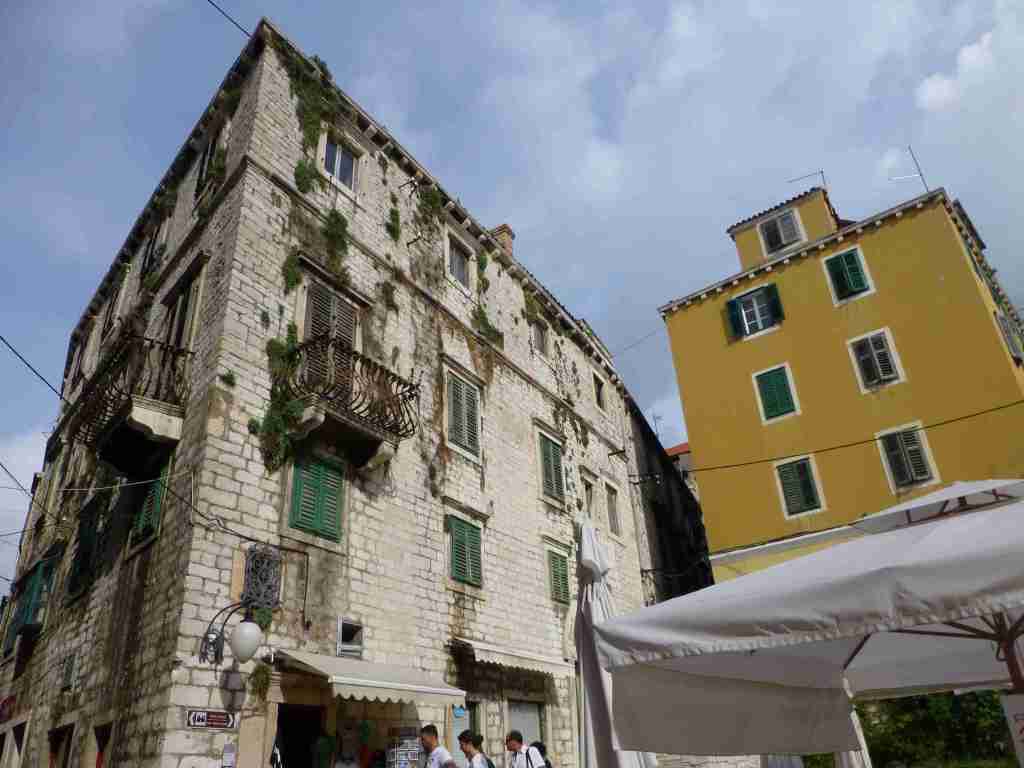
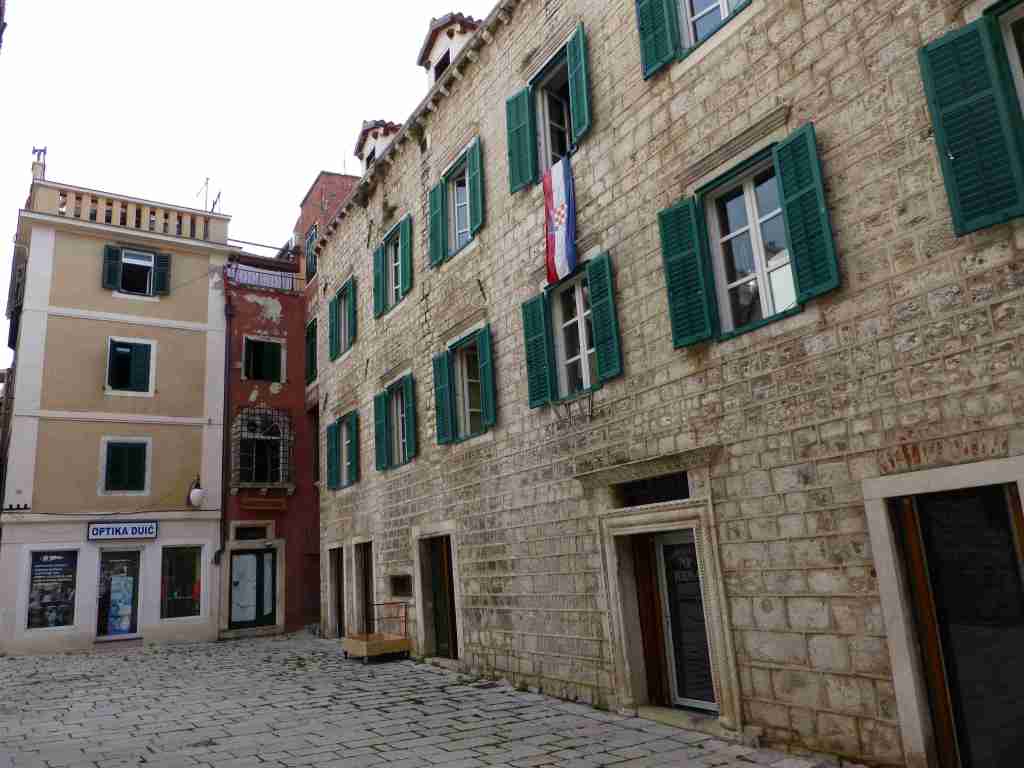
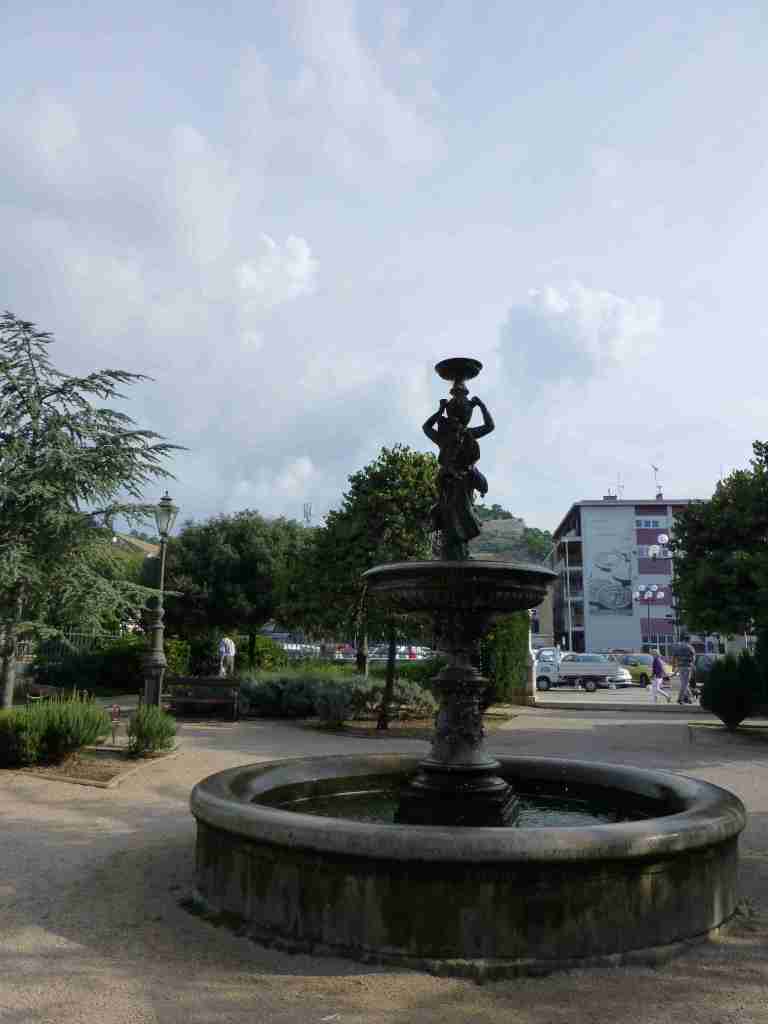
On the right side of the monument, the Croatian ruler Krašimir has a beautiful church with a bell tower, and behind it stretches a beautiful green park with a fountain. We continued to the famous Cathedral of St. Jacob, as there were narrow pedestrian streets along the way, which were almost as narrow as the Neapolitan ones, and people could safely pass objects from one house to another, stretching out their hands through the windows. We stopped in front of a stone building with a high bell tower, next to which rose an even taller clock tower, on the top of which the Croatian flag was waving.
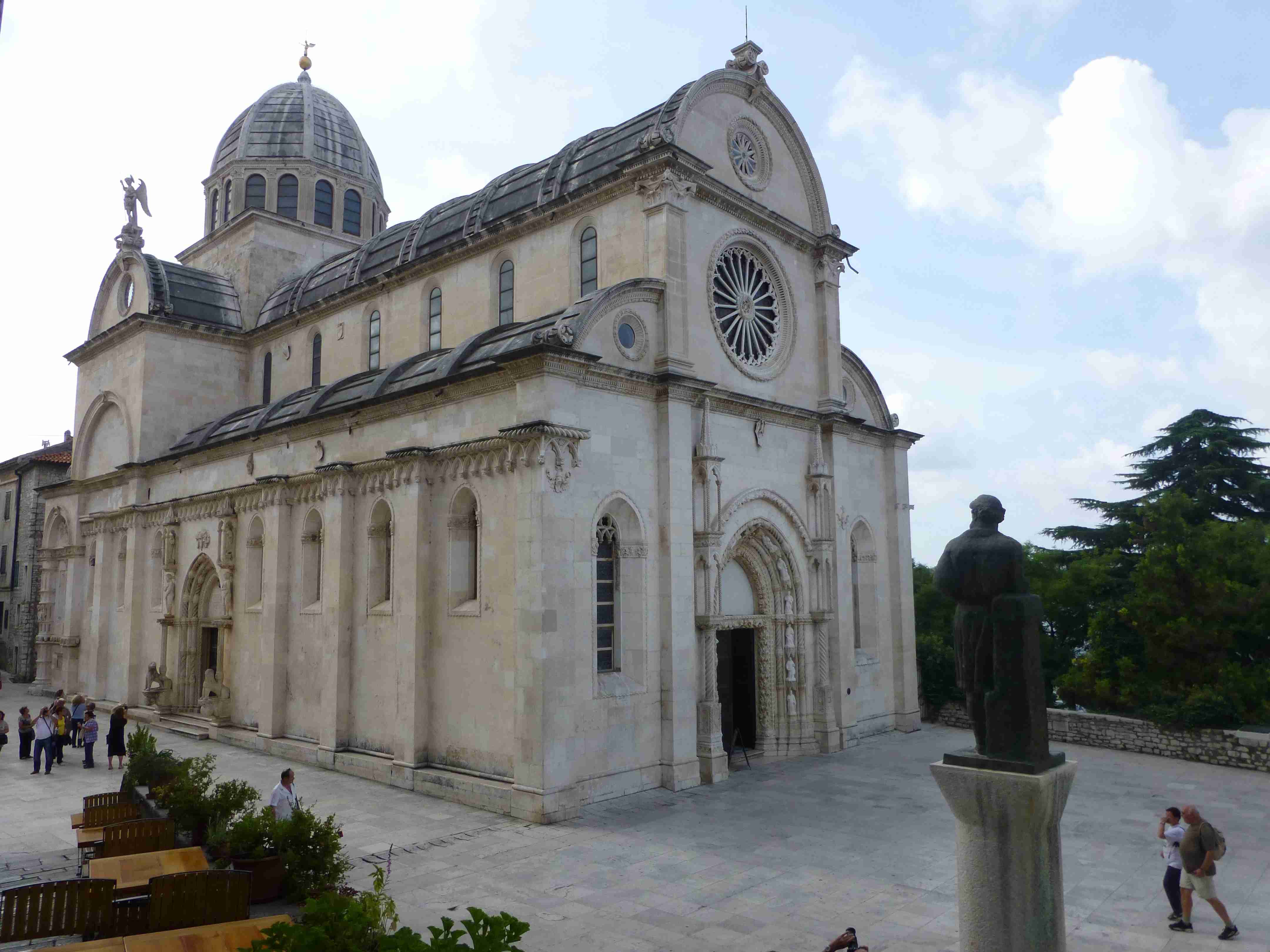
The still narrow pedestrian streets led us to the famous cathedral dedicated to St. Jacob, erected in the 15th century. It was unique because it was built entirely of stone slabs, without the use of wooden beams and bricks. On the outer wall of the cathedral were engraved 74 sculptures, or at least that’s what the reference books claimed, because instead of counting them, I was looking for a place from which to photograph the entire cathedral.

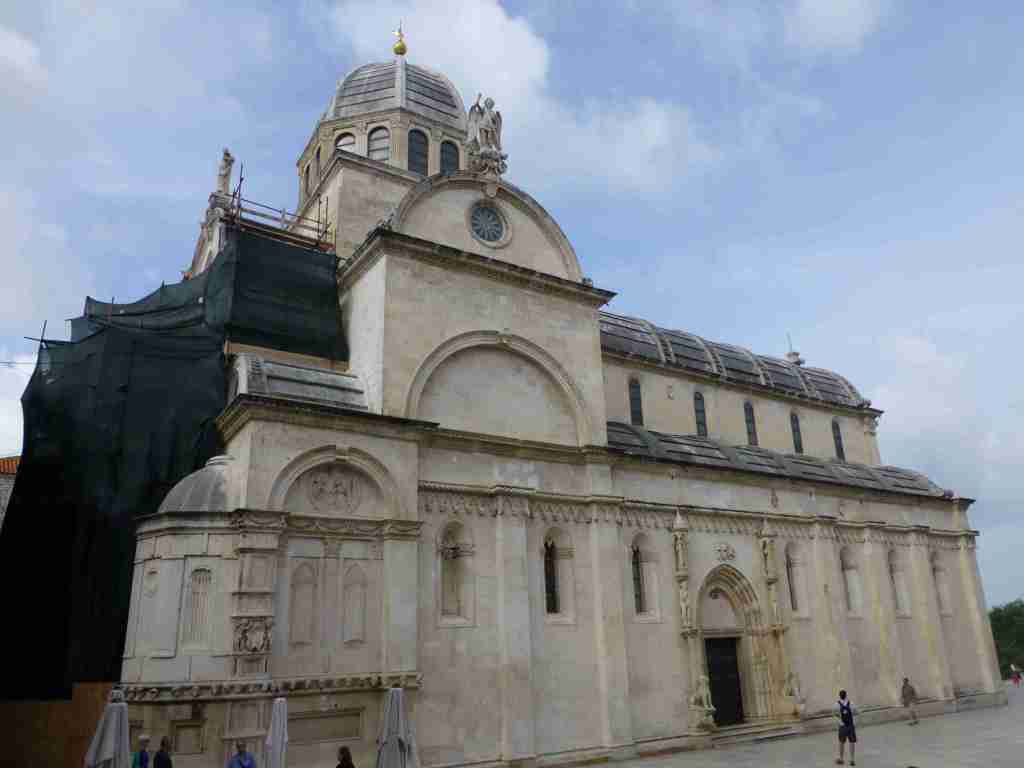
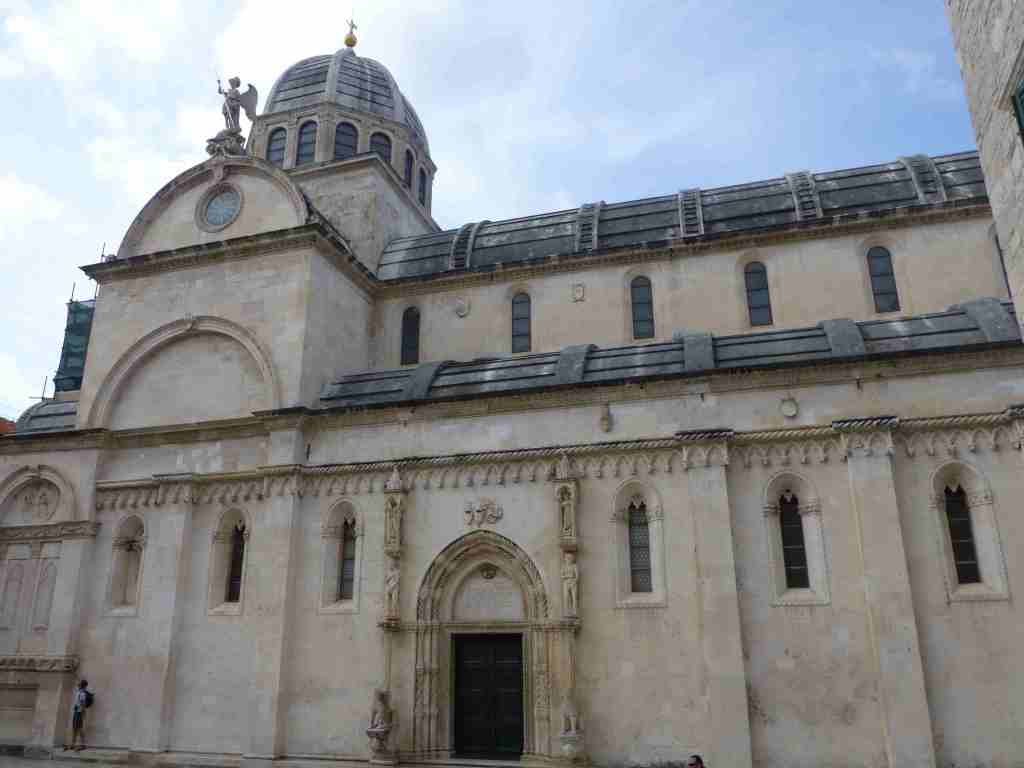
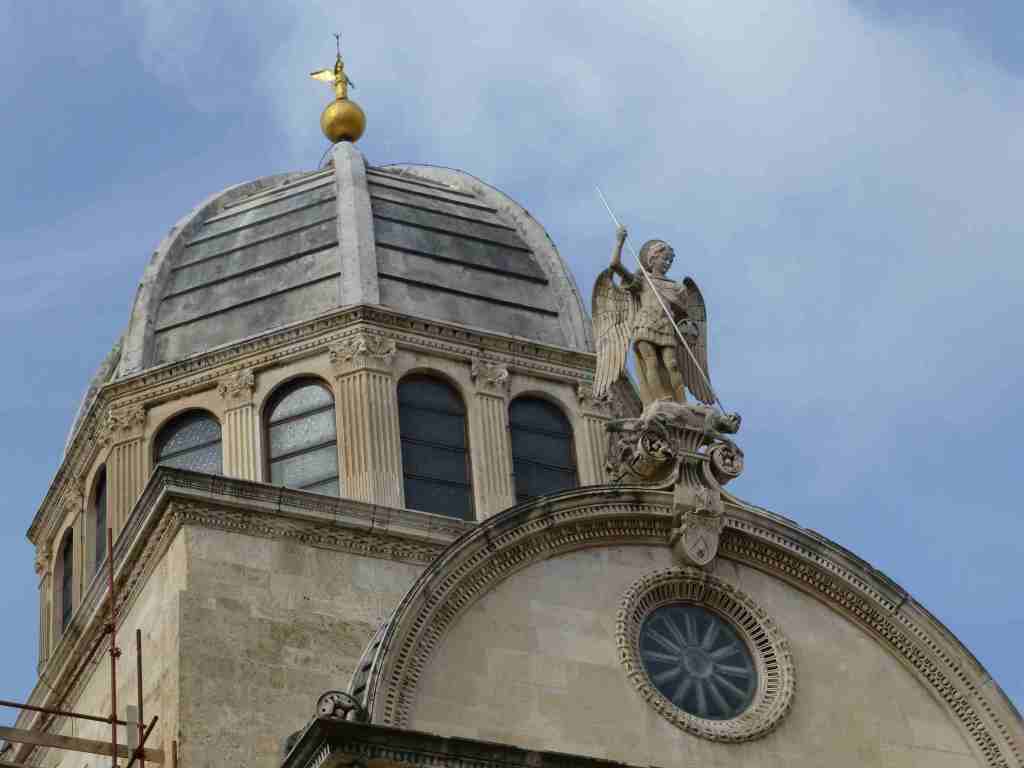
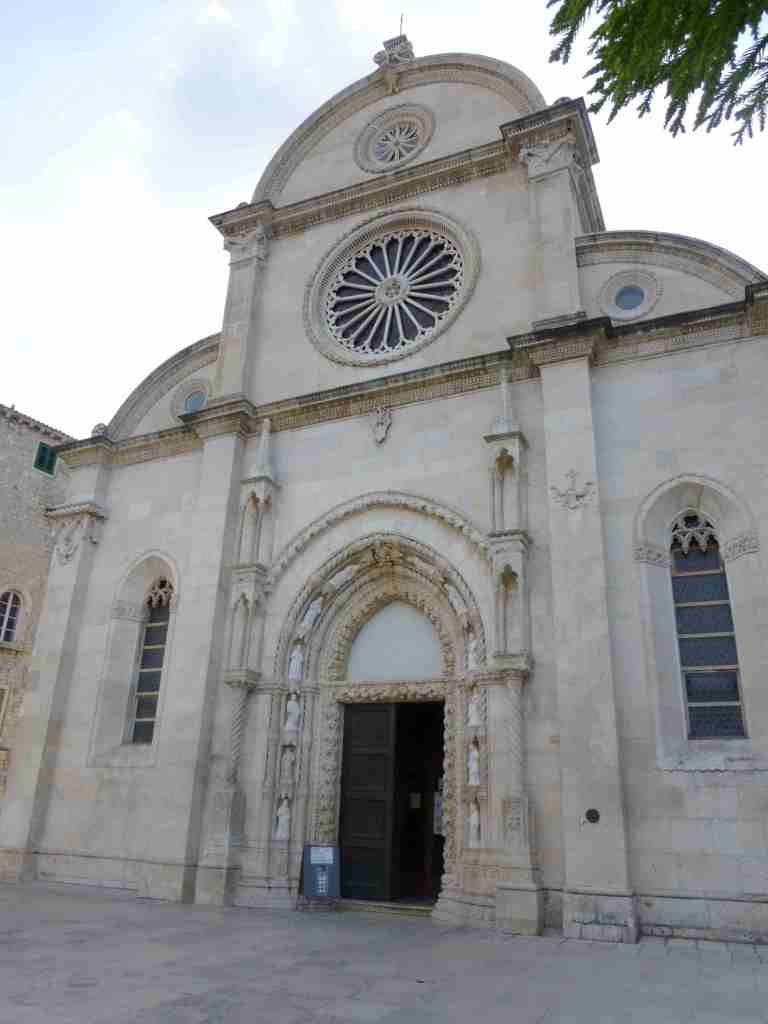
Just opposite the cathedral was the no less beautiful building Gradska vijecnica, which was the seat of the city council in the period 1532-1543. The building was badly damaged during World War II, but was again erected on two floors with many arches and columns. We stood in front of the cathedral for a long time, but we never entered it. Instead, we went down some stairs and ended up on the promenade, along which we went back to the parking lot.


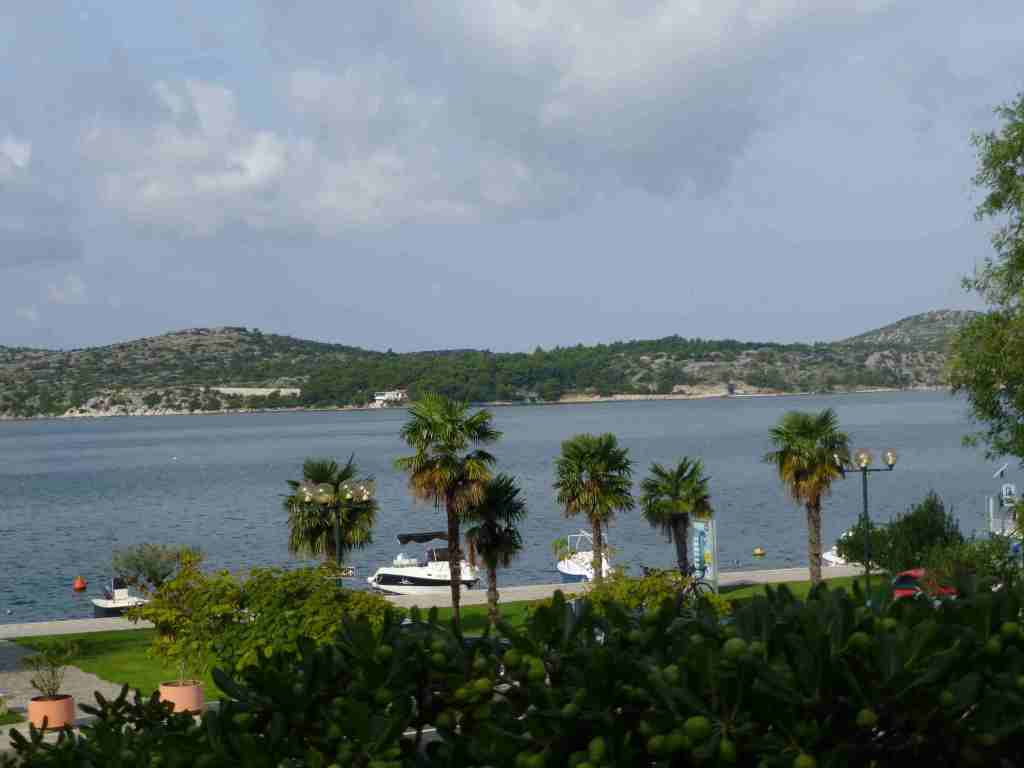
We never went to the Fortress of St. Anna (Tvrdava Sv. Ana), which was a medieval fort and the oldest fortification in Sibenik. This fortress had acquired its current appearance in the 16th-17th century, when it was rebuilt, and over time it received a new name St. Michelle. From there, a magnificent panorama of all the islands along the coast was revealed. It was this fortress built on a high hill that we had seen at the entrance to the city descending from the coastal road.
The picturesque town of Sibenik was protected from the sea by beautiful rocks, but it could not hide from the bombing of World War II. What had been restored showed the golden years of the Venetian rule, and now it was as if we were looking at a distant cousin of beautiful Venice.
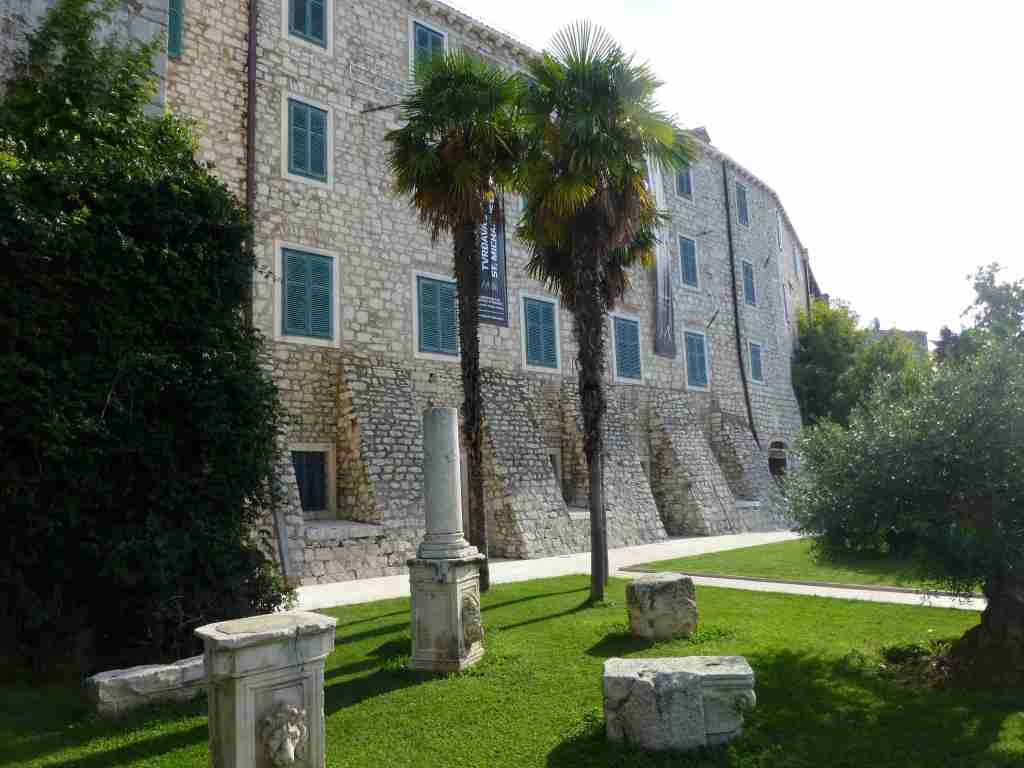


GENERAL INFORMATION ABOUT ŠIBENIK:
Location: The Croatian city of Sibenik is located in the central part of the Adriatic coast, at the confluence of the Kraka River with the Adriatic Sea.
Area: 129 sq. m.km
Population: 46 332 people (as of 2011)
Official language: Croatian
Altitude: 0 m
Climate: Mediterranean
Time zone: UTC+1
Currency: Croatian kuna (HRK)
Additional information: http://www.sibenik.hr/
TRIP TIPS FOR ŠIBENIK:
Best time to visit: in the summer the city is lively, and in July and August it is even crowded. Probably May, June and September are the best months to visit Sibenik. In winter, many of the hotels and attractions do not work.
Typical food and drink: Like any coastal town, Sibenik is proud of its seafood, with fish and roasted octopuses especially delicious. It is also worth trying the local ham Dalmatian pršut and Paški cheese.
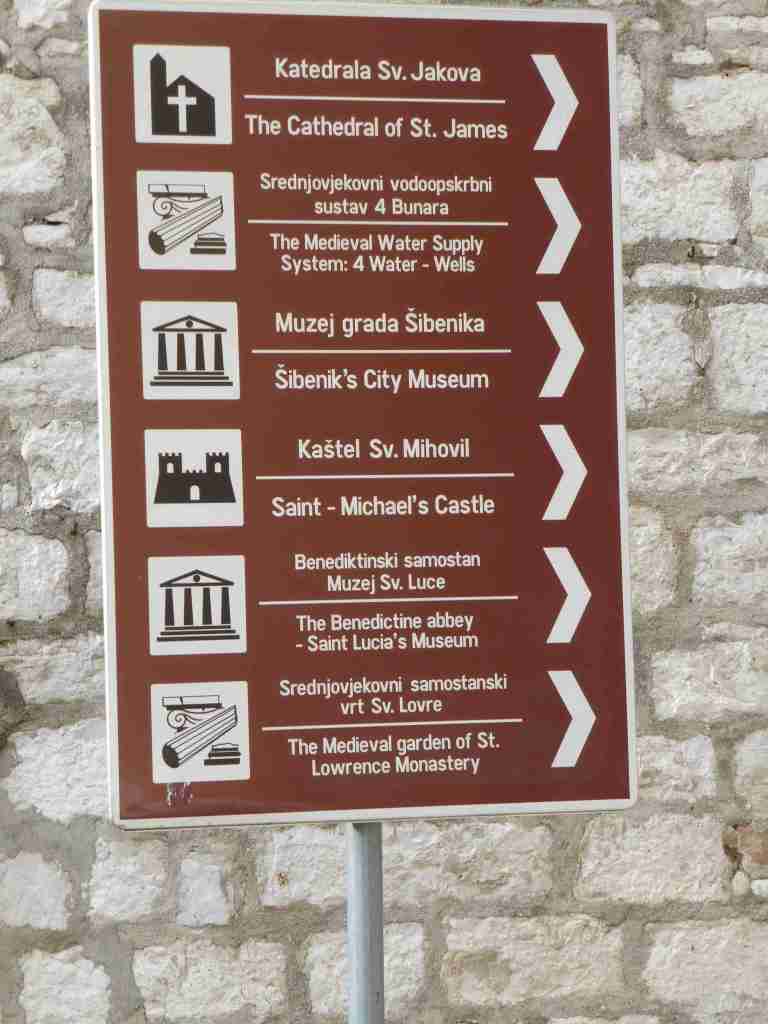
Places to visit: Cathedral of St. Jakob is part of the UNESCO World Heritage Site; The medieval monastery with beautiful gardens St. Lawrence; The fortress of St. Mikhail and others.
 TripTips