A WALK THROUGH BULGARIAN PAST
Kotel, Zheravna and Sliven
author: Ana Boneva

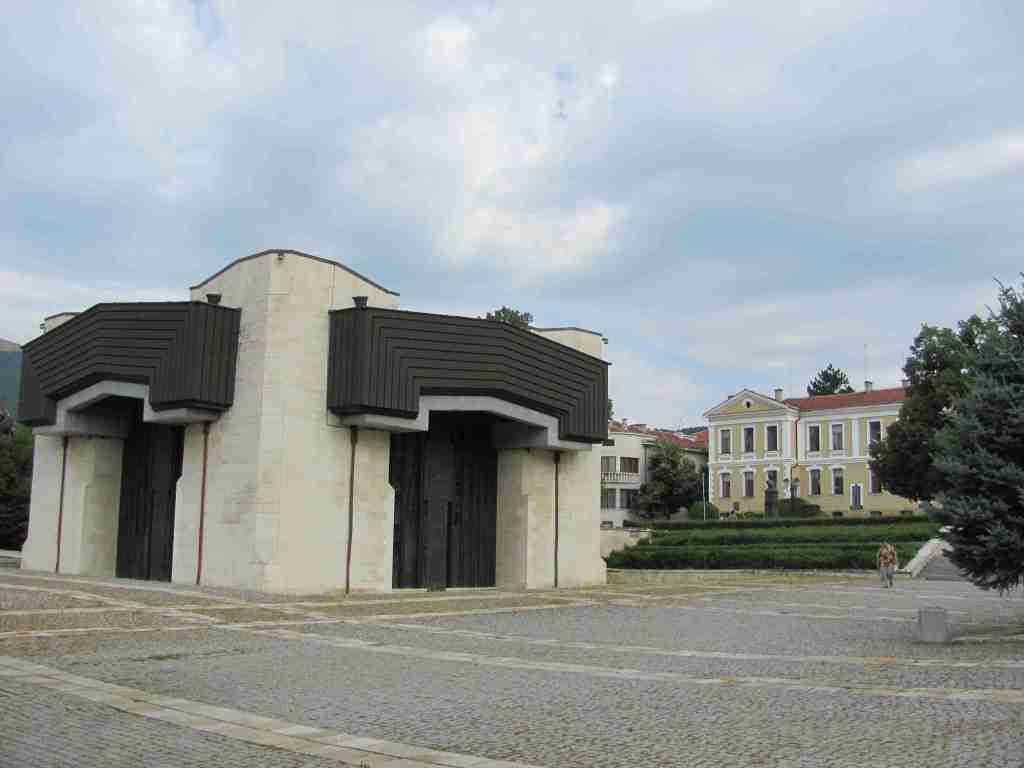
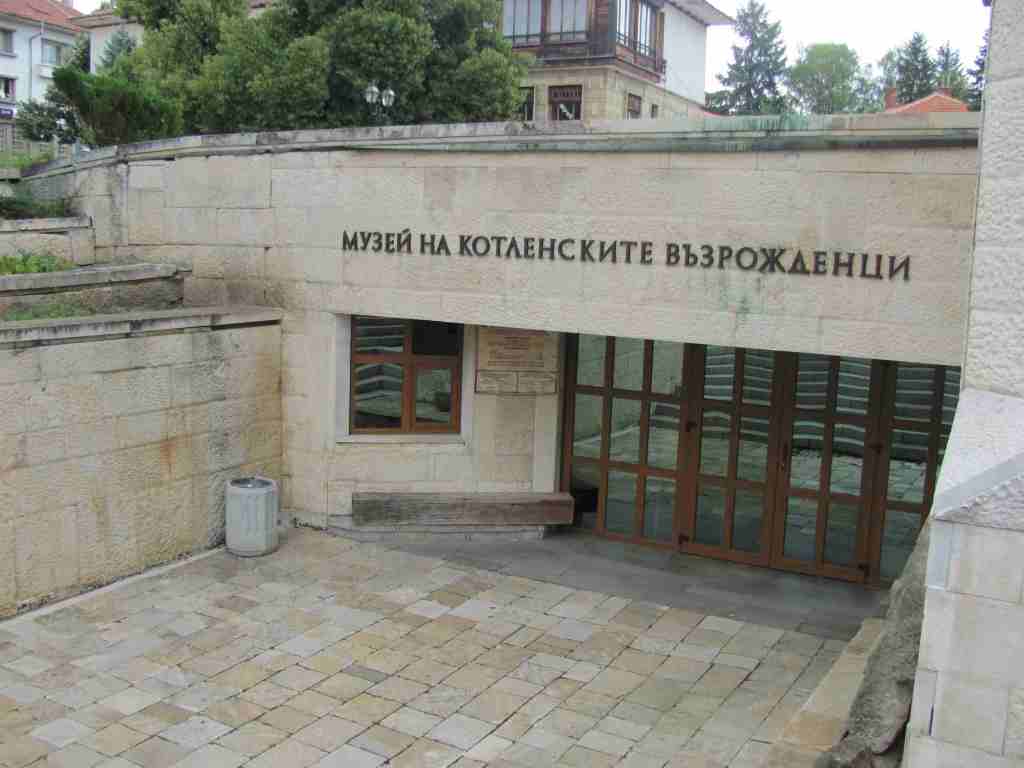
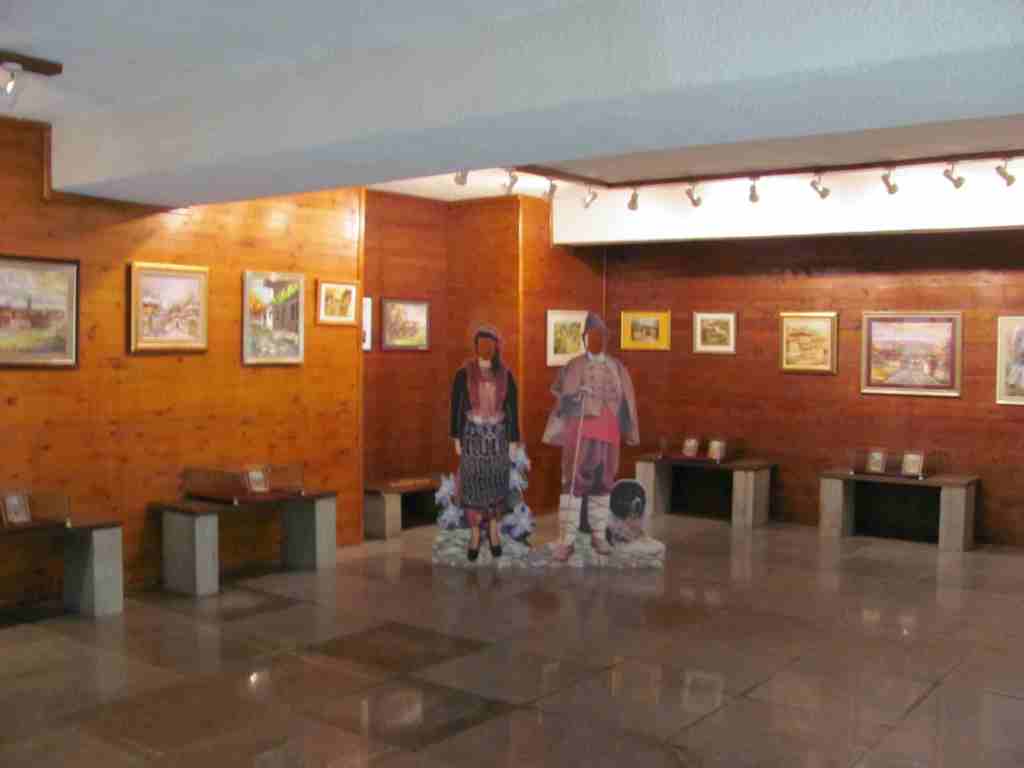
“Love for the Fatherland surpasses all the world’s goodness”, is written with capital letters in the pantheon of Georgi Sava Rakovski in the town of Kotel. While reading the inscription, I thought about the strong love that the Revivalists had for Bulgaria – a country erased from the map of the world, but not from the hearts of the people inhabiting its lands. The museum exhibits in the pantheon took me back to the Renaissance years, when Kotel was an important trade center, famous for its crafts and beautiful carpets. At the end of the eighteenth century, there were over 1200 houses in the town made of wood, examples of exquisite craftsmanship and Balkan coziness.
I really liked the replica of the monastery school in the Pantheon with a wide-open textbook with engraved letters Fish Reading Book. It was here in Kotel that its author Dr. Petar Beron was born. Georgi Sava Rakovski was born and rested here, as well as Stefan Bogorodi, Gavrail Krastevich and other prominent Bulgarian Revival educators.
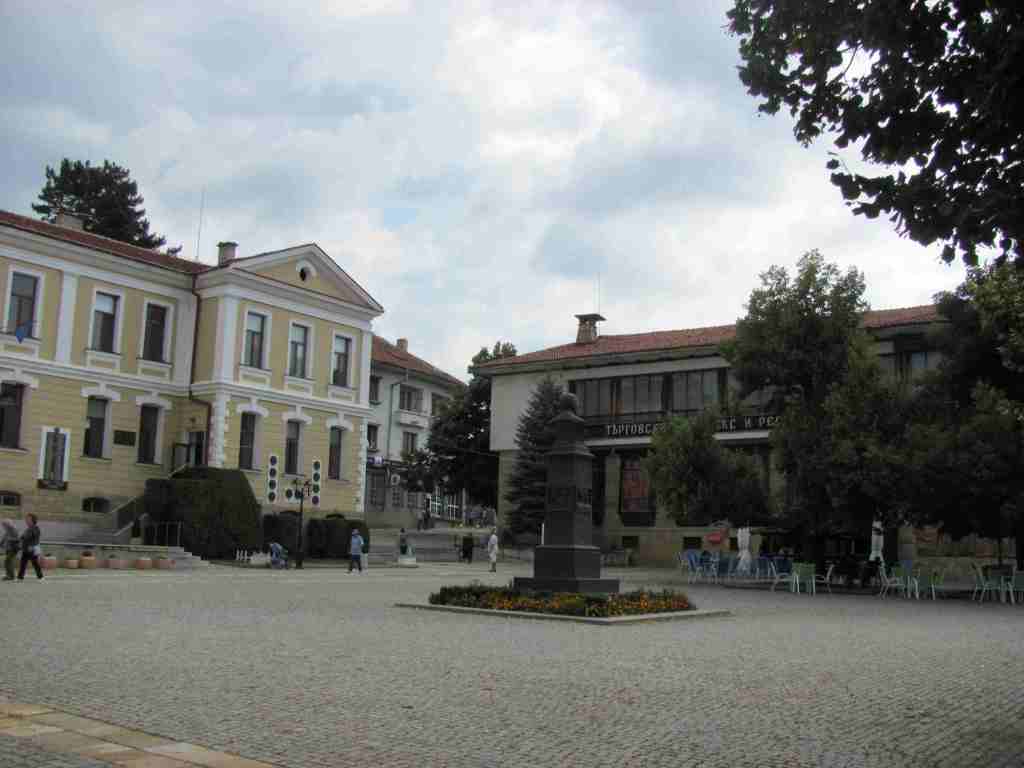
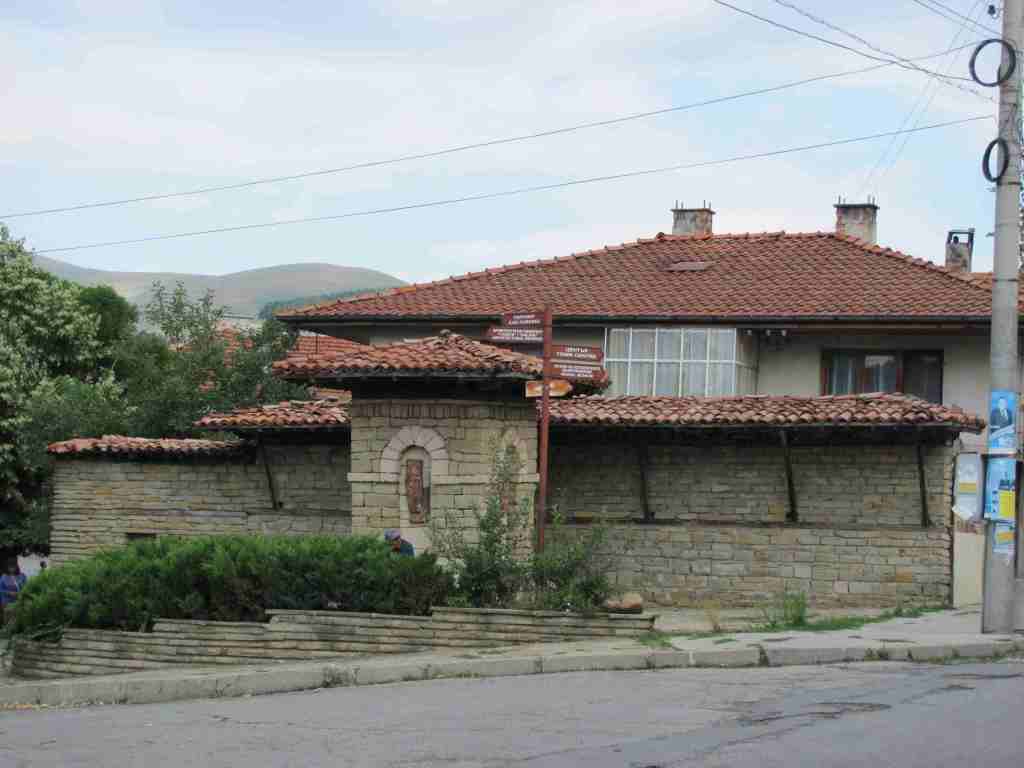
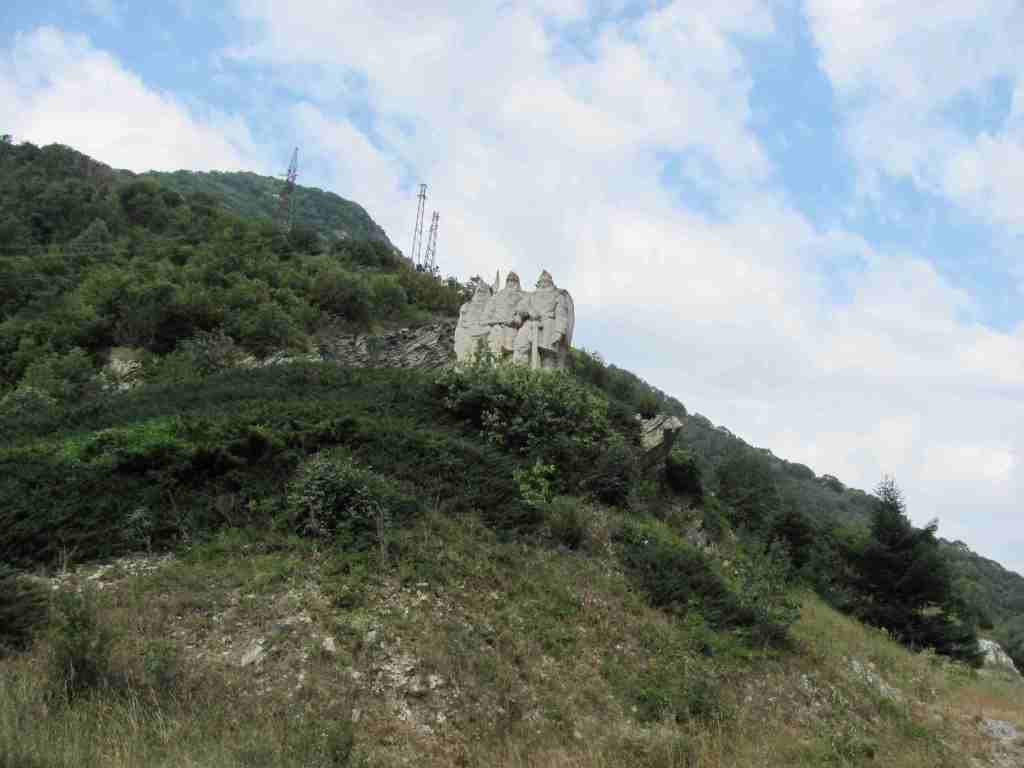
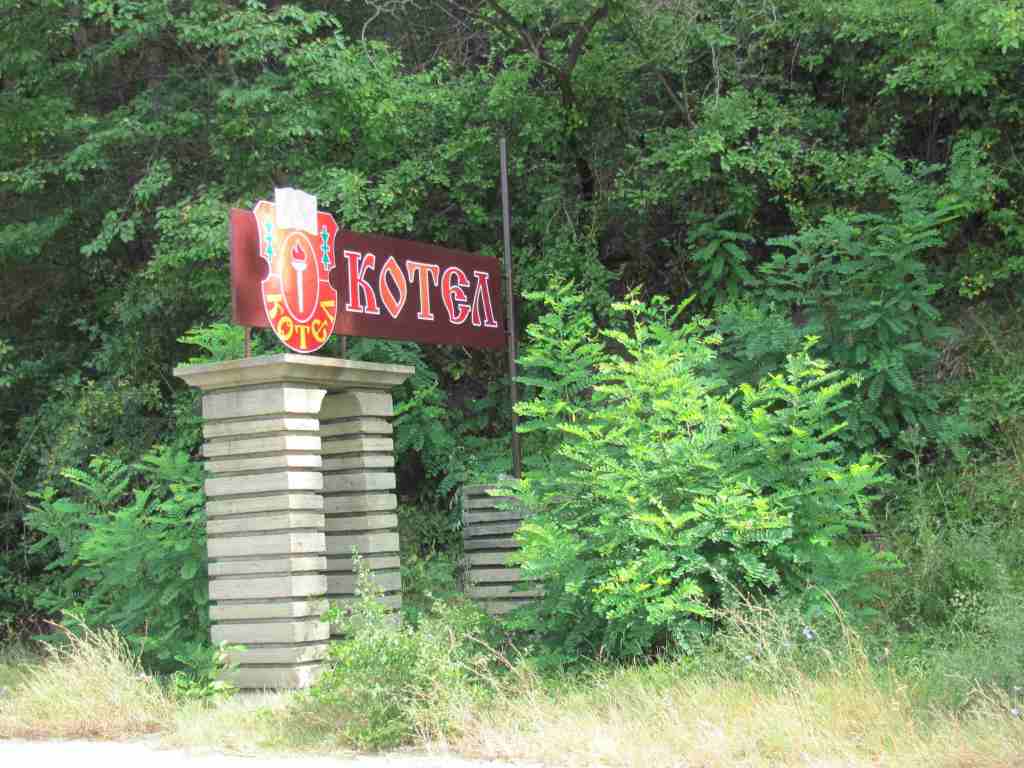
Unfortunately, I quickly returned to reality after the unfriendly behavior of the usher in the museum. I was the only visitor to the Pantheon and apparently I spoiled their calm day of no visitors. I did not learn anything about the city from them, nor did I see signs, nor a map with the sights of Kotel. At the entrance to the city, I had noticed the remains of stone city walls, but they, like hospitality, were sinking into oblivion. Outside the city, I passed by a stone statue-memorial of three heroes holding swords, for which there was also no sign. Later on the Internet, I learned that it was Khan Krum and his warriors who were erected here to glorify Khan Krum’s victory over the Byzantine Emperor Nicophorus in 811. The area is indeed rich in glamorous victories and defeats, fertile lands and wild forests, a proud past and present that I could not appreciate.

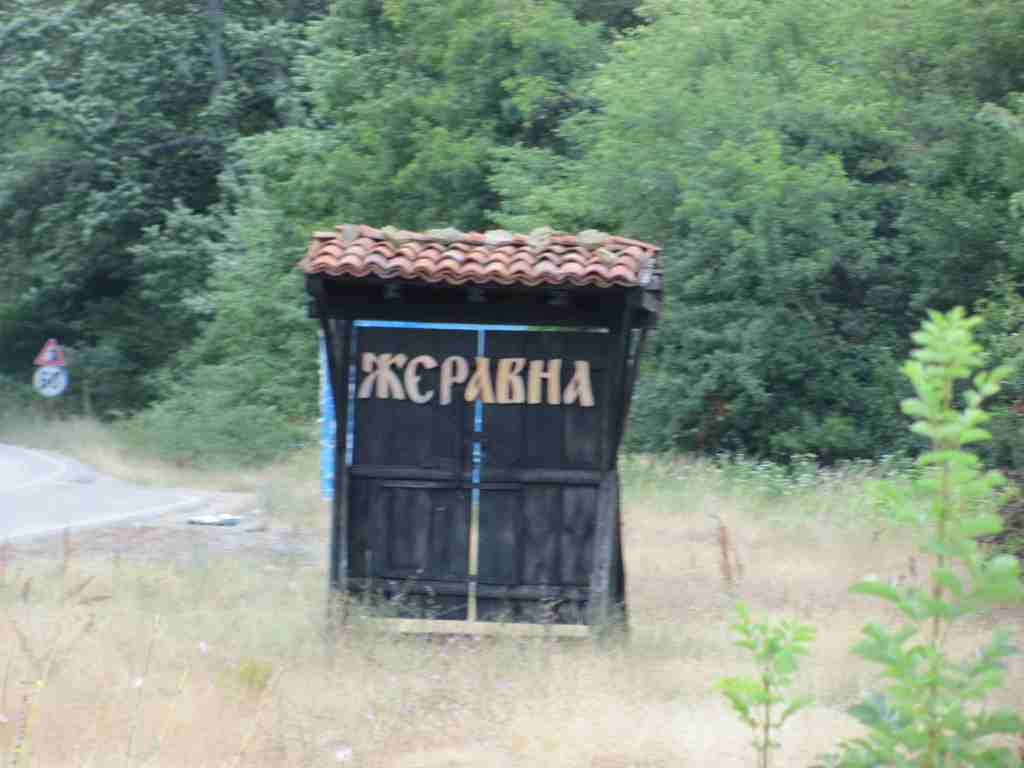
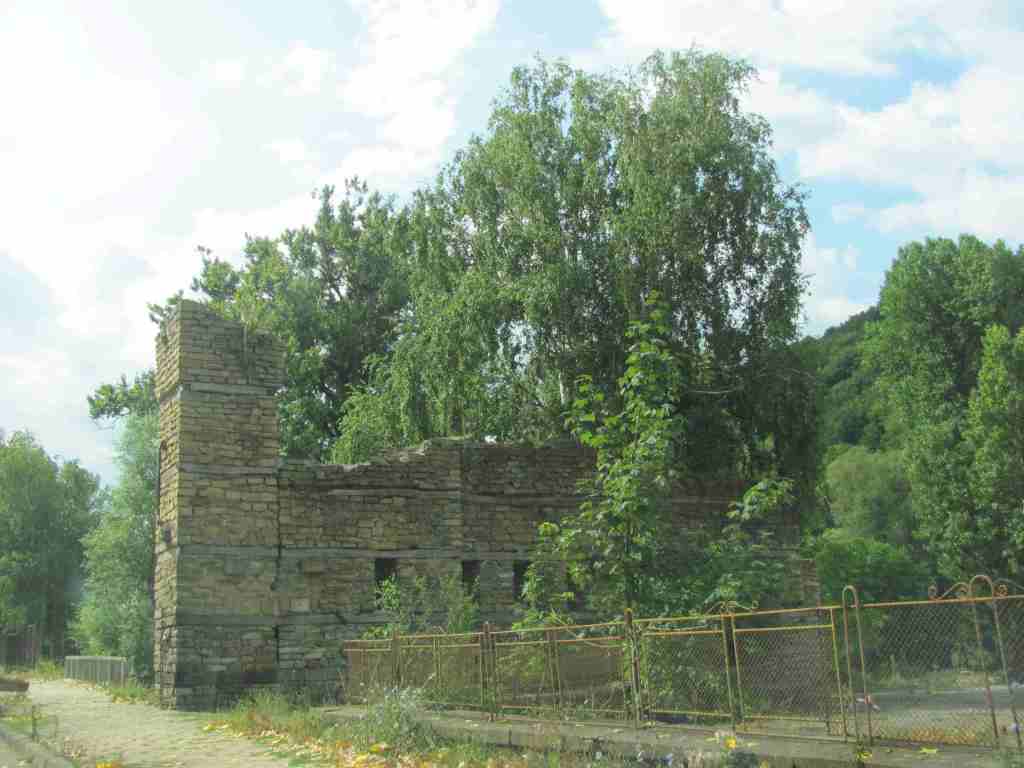

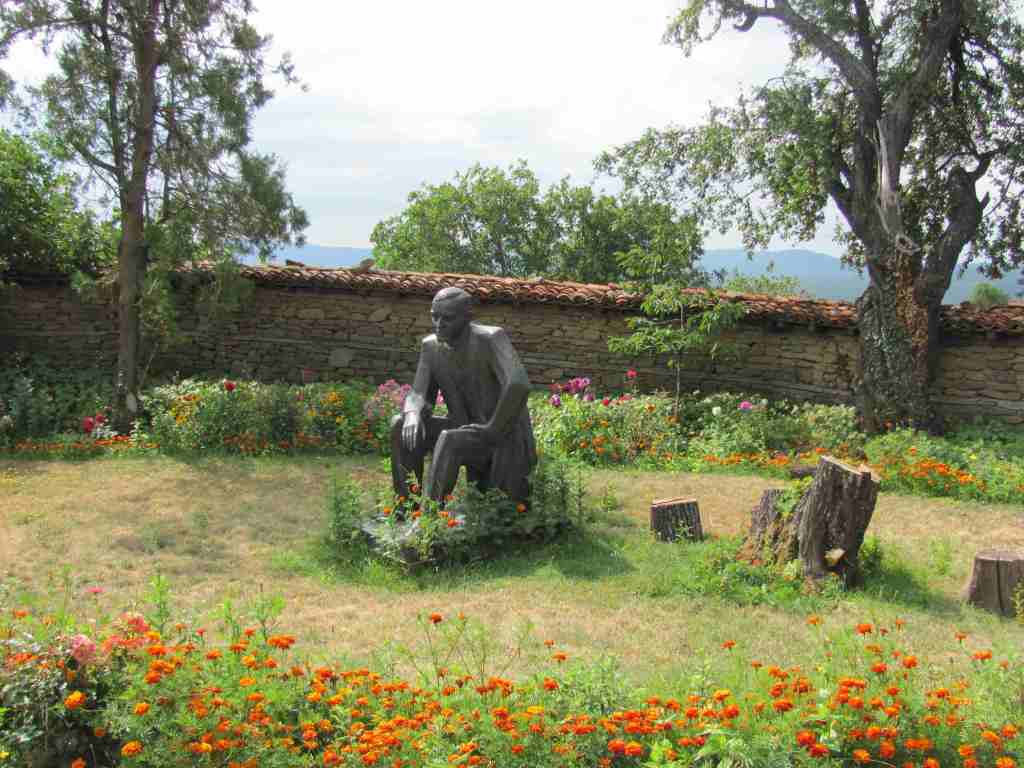
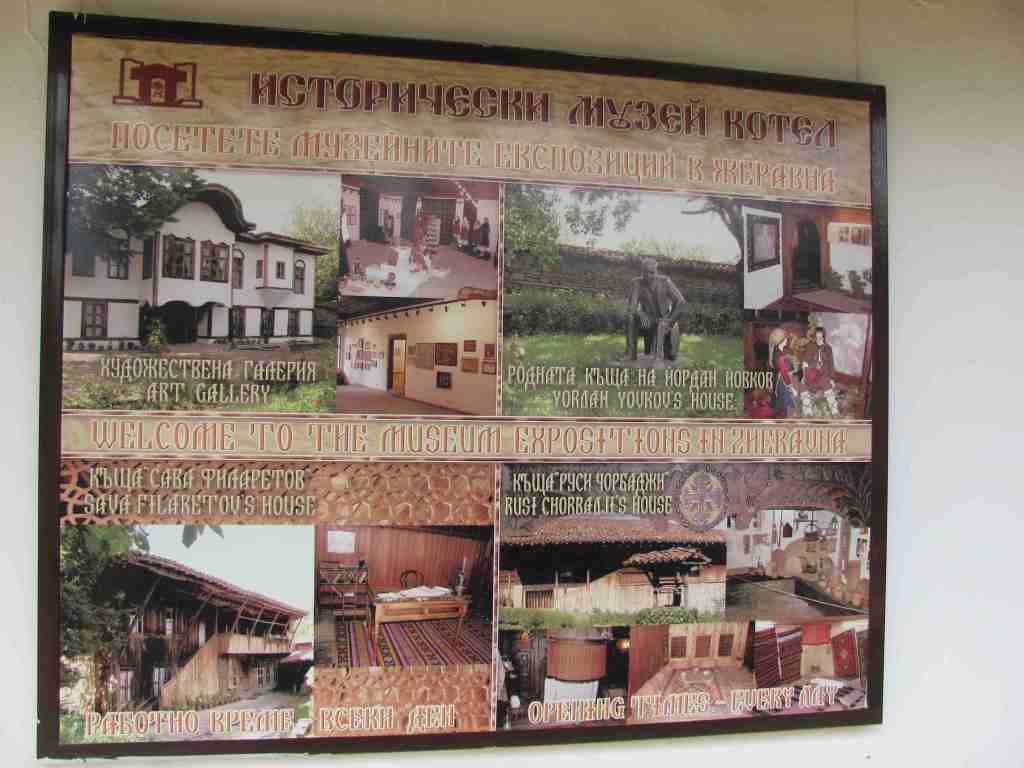
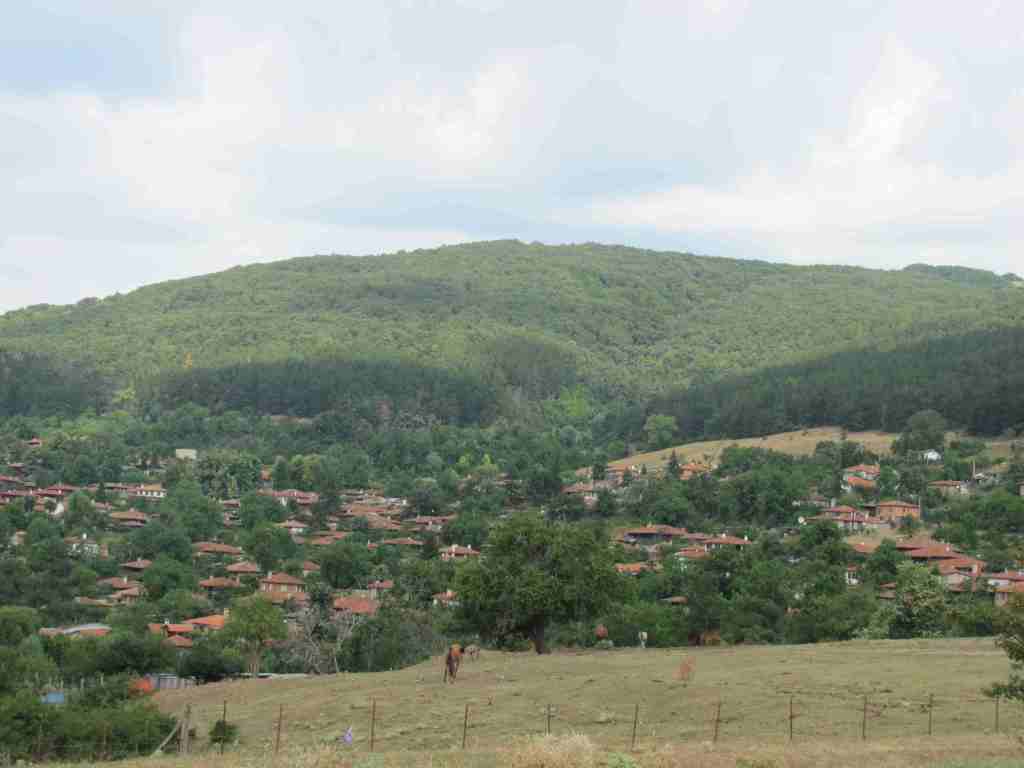
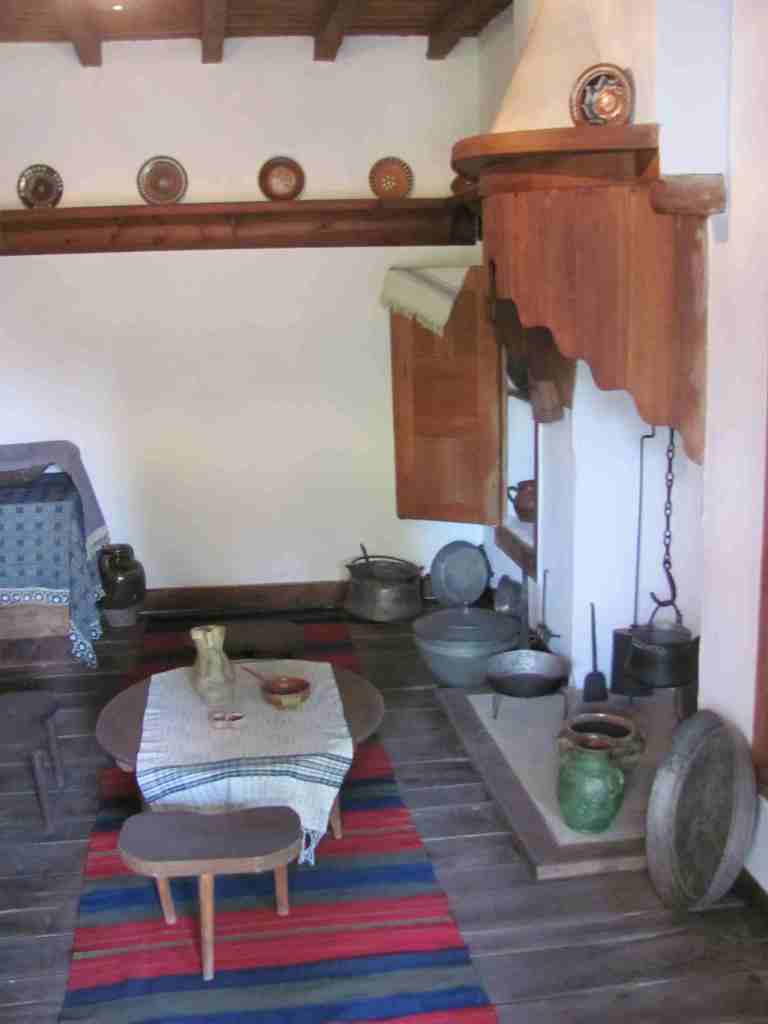
I preferred to continue my walk through the past of Bulgaria, so I headed to the village of Zheravna, located 15 km from Kotel. My tour started from the house of Yordan Yovkov, feeling his inspiration while he was writing Stara Planina Legends. From the blossoming courtyard stood out a beautiful view of the Balkan. His native house was relatively small, one-storey, but the large fireplace with a small round table and three-legged chairs located next to it, brought warmth and coziness, which were lacking even in the most magnificent palaces.
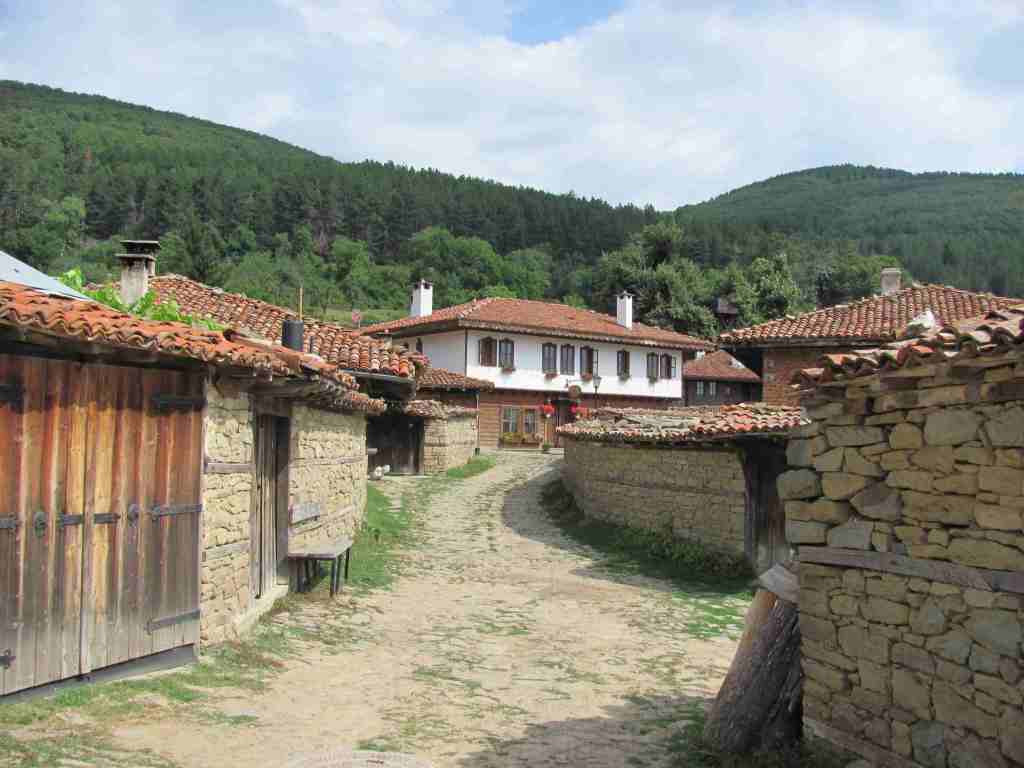
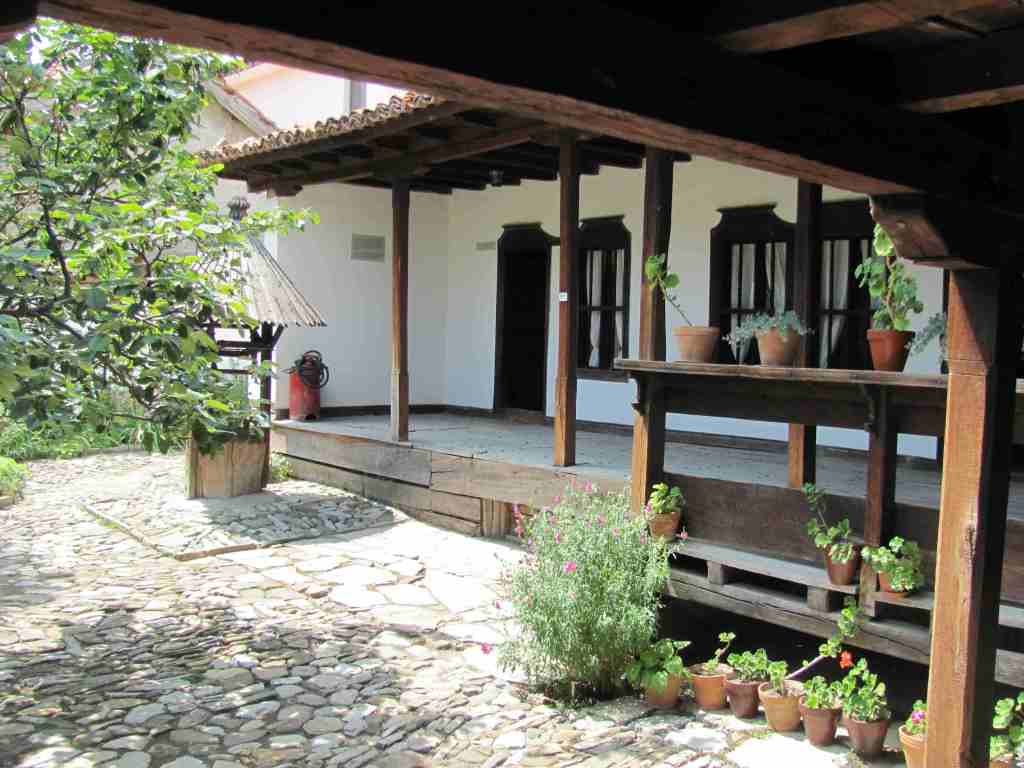
Zheravna is one of the most beautiful villages I have visited. The old wooden houses coquettishly protruded from behind the stone fences, posing for tourists and their cameras. The locals had sat by the wooden gates of their houses and greeted passers-by. Part of the stone walls were decorated with beautiful lace, colorful blankets and other handmade souvenirs.
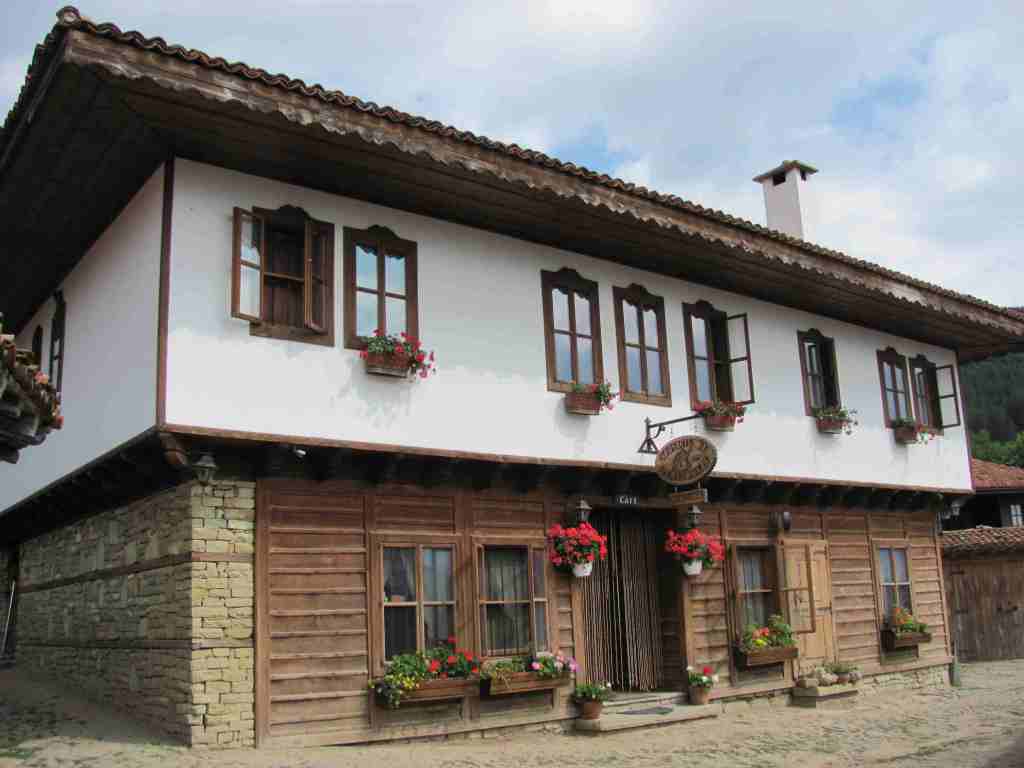
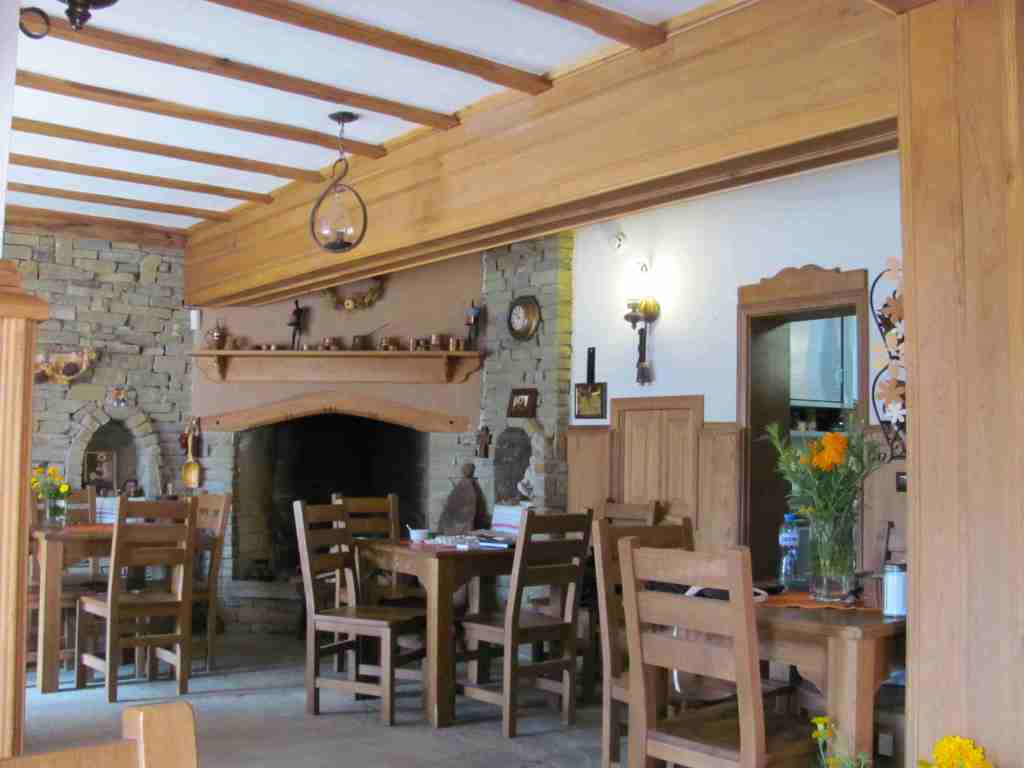
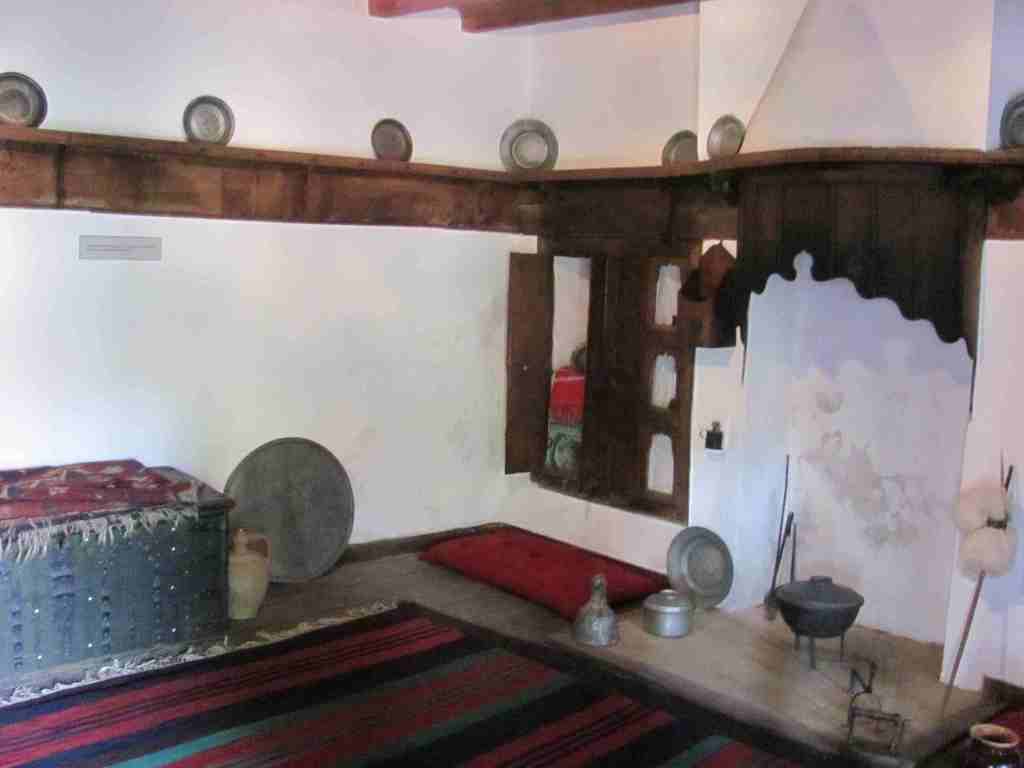
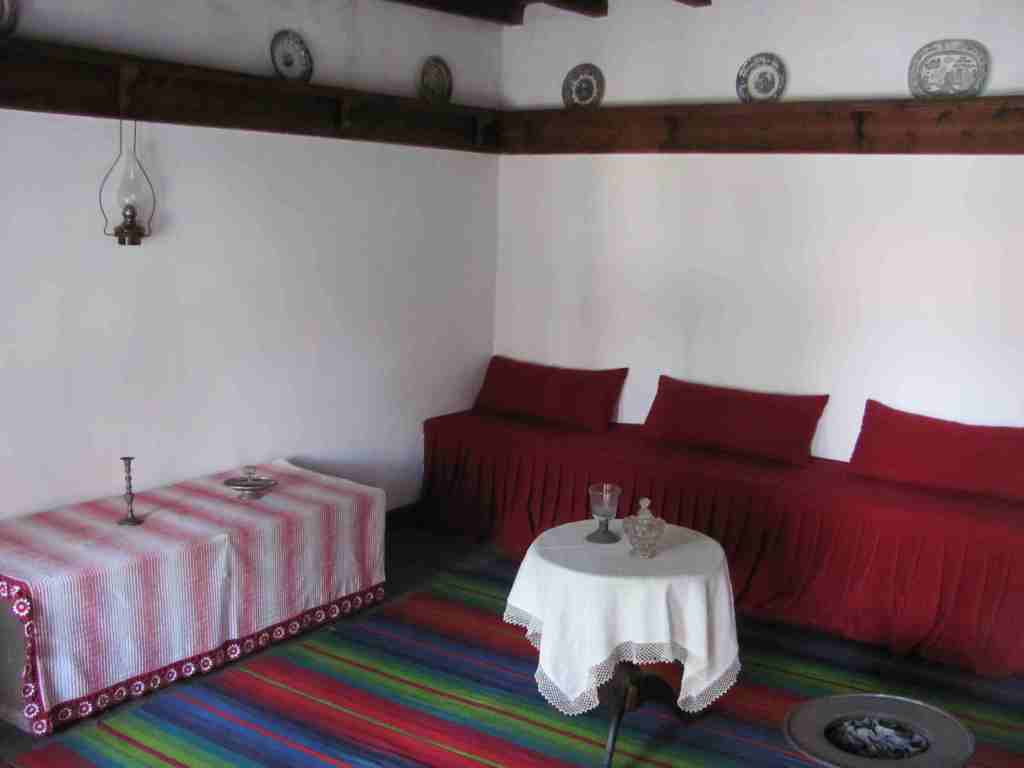
However, my eyes were attracted by Dimcho Kehaya’s café. The tall whitewashed house with beautifully arranged flowers aroused my admiration and I stepped over its wooden gates. The tables and chairs were arranged around a large fireplace, there was a beautiful corner with thick blankets with many small cushions and three-legged wooden tables, even the toilets were cozily made, as if for a photo. The food and service were excellent, the words from the brochure of the house were quite accurate: ” Coziness from the 19th century, comfort from the 21st century”.

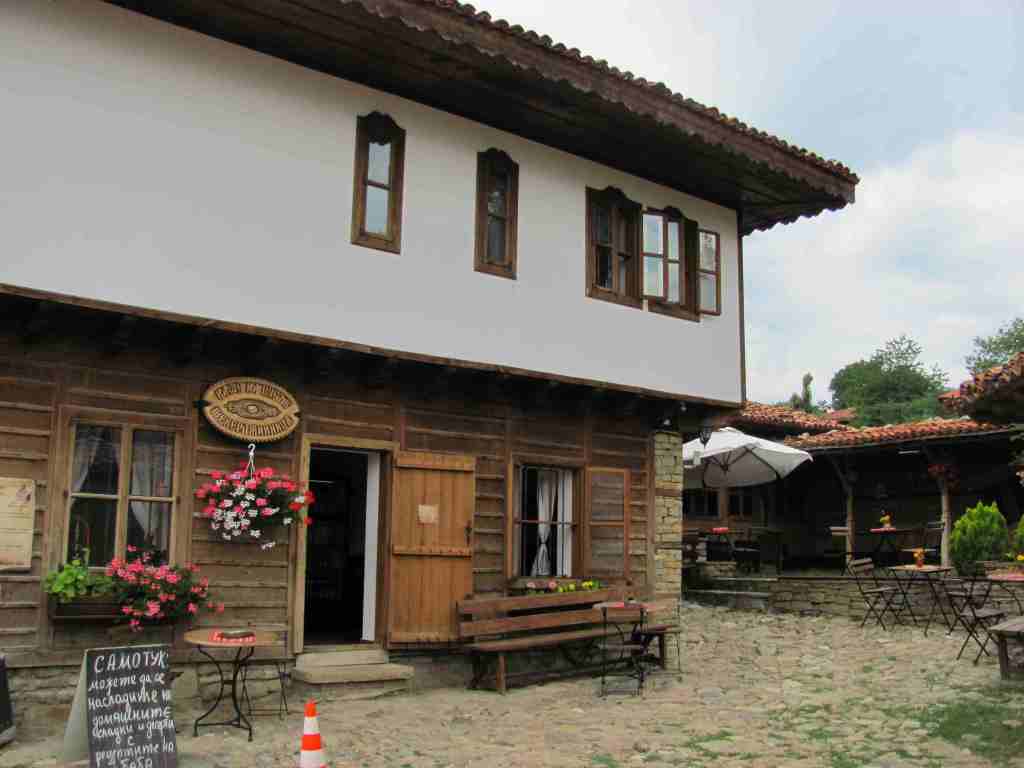
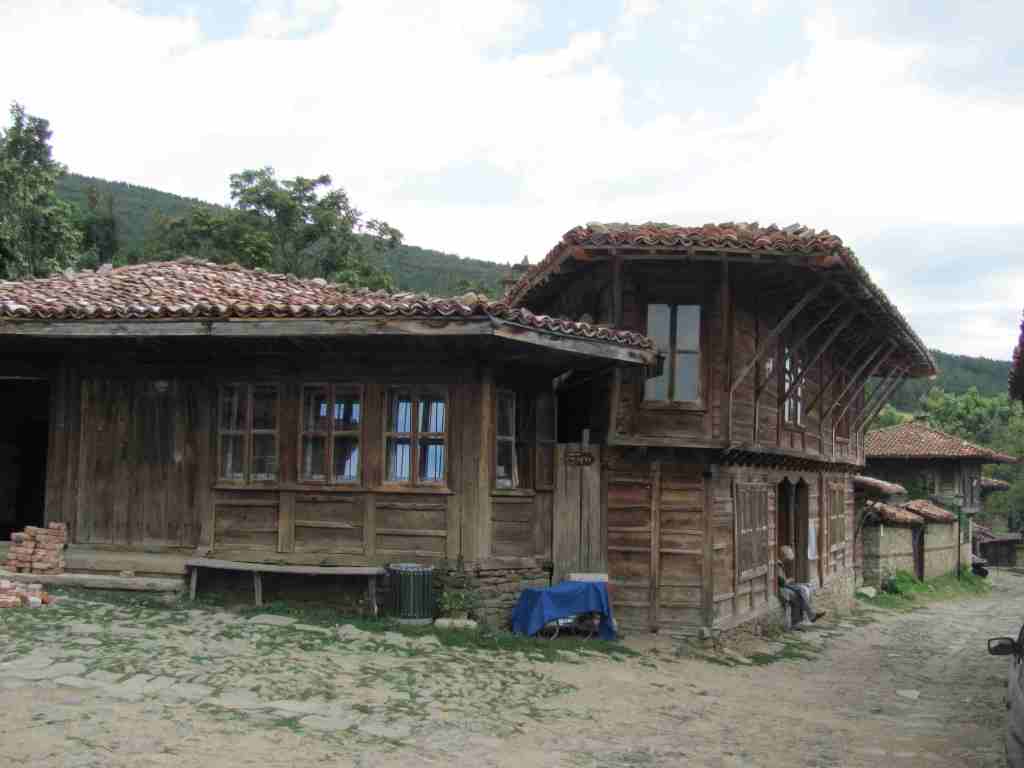
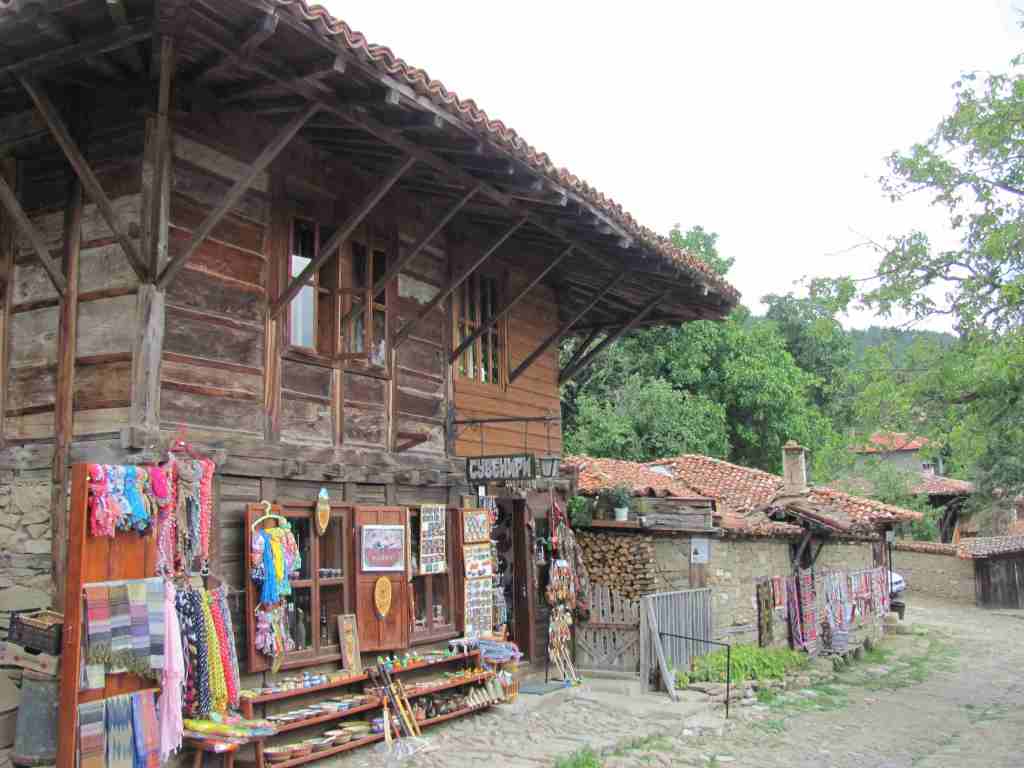
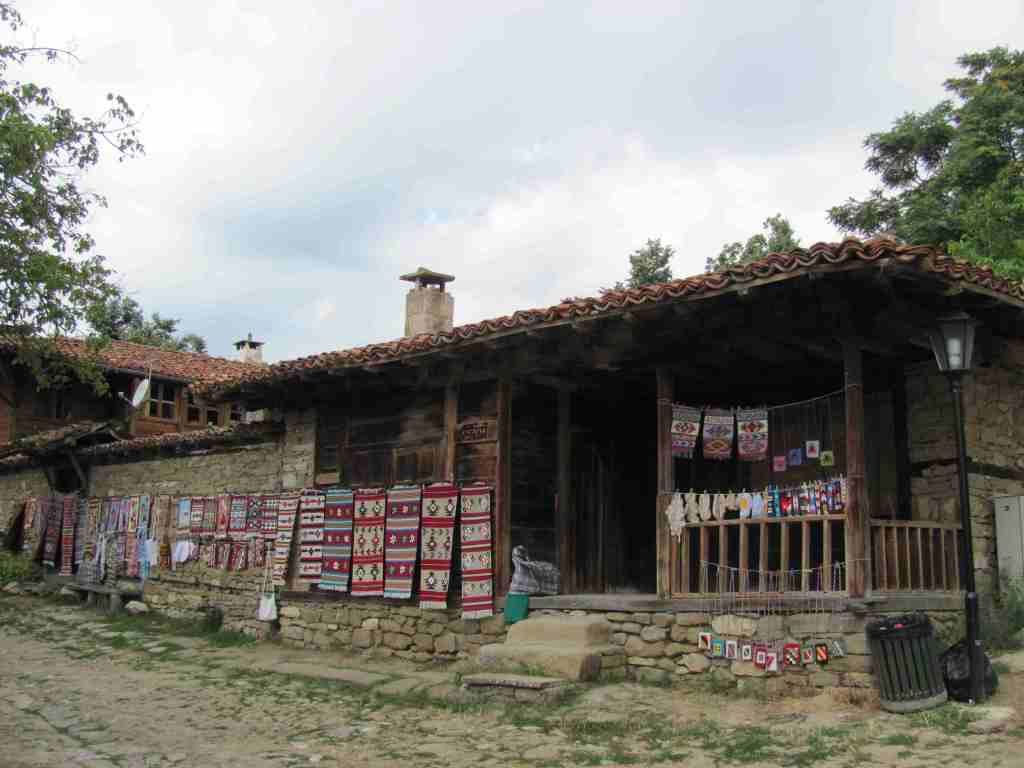
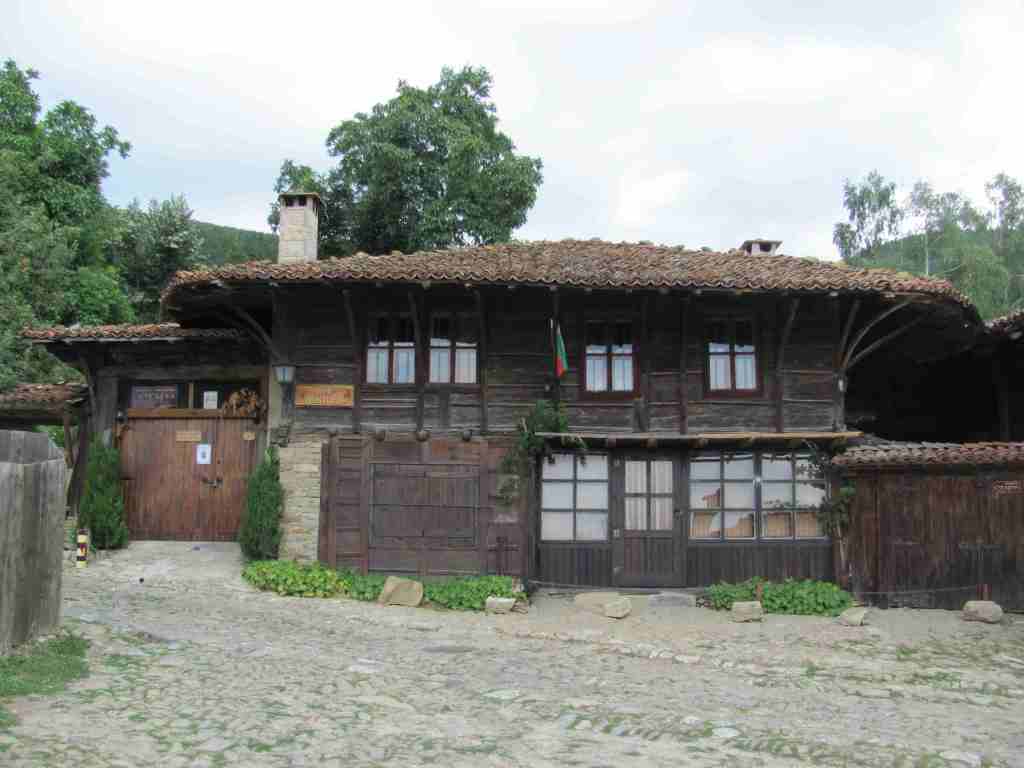

My mood was excellent, walking along the narrow cobblestone streets. Here time seemed to have really stopped and one could easily feel the atmosphere of the National Revival. The rich chorbadji had erected beautiful houses with carved ceilings and exquisite appliqués on the doors. A large part of these houses were open to visitors today and my gaze along with the camera was wandering in all directions.
The weather in Zheravna was hot, without the name having anything to do with it. It comes from “zherna”, “zherka” – Old Slavonic words meaning mill, although I did not see one. I wanted to go around more, but although imperceptibly, time still flowed, and I had another destination for the day. I headed to Sliven, 48 km from Zheravna.
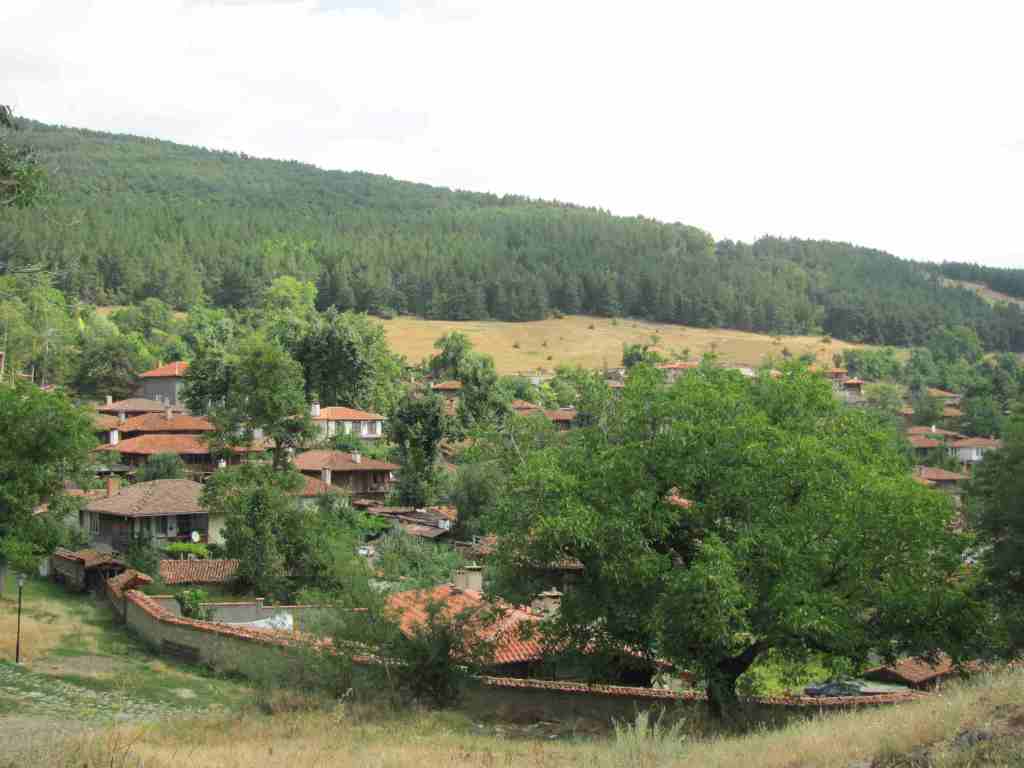
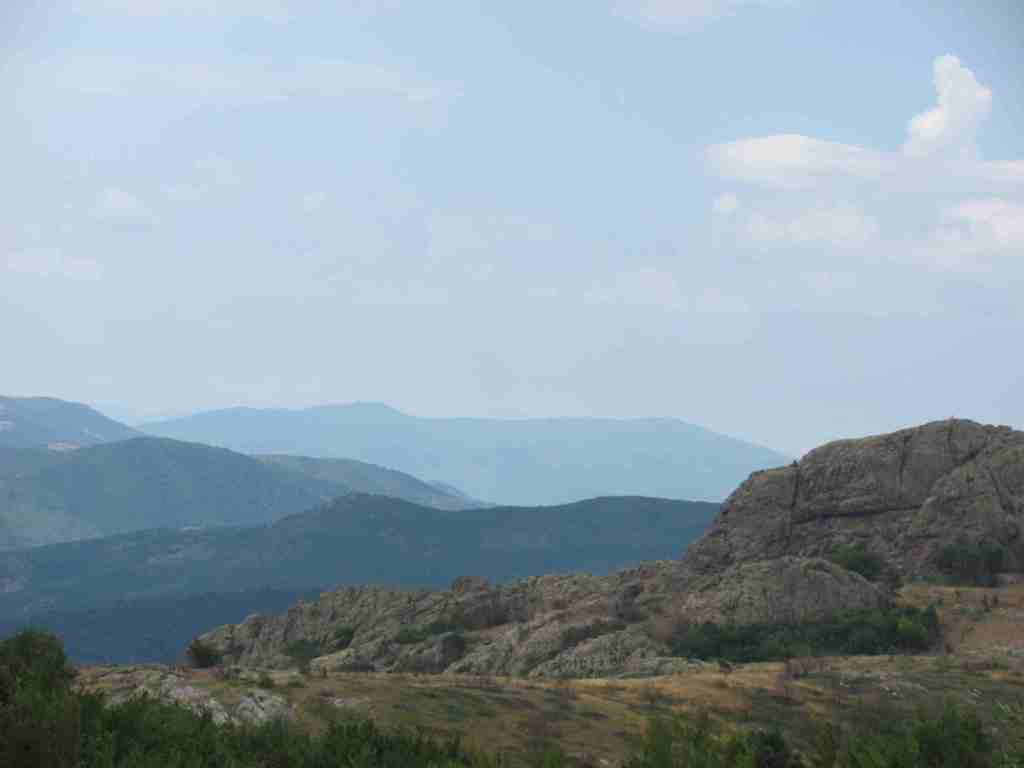
The road had excellent asphalt and almost no cars. I stopped at the first sign in the direction of “Blue Stones”, where from the car I looked at the different tourist routes around the nature park. I was not prepared for a long mountain hike, so I decided to be content with the ride of the lift, which starts from the outskirts of Sliven and in less than 20 minutes reaches the Karandila area. The two-seat lift was pleasant and picturesque. I didn’t see any blue stones, just a lot of greenery. There were also a lot of tourists, which was not surprising given the beautiful nature and the affectionate name of the hill – the Sliven Alps.



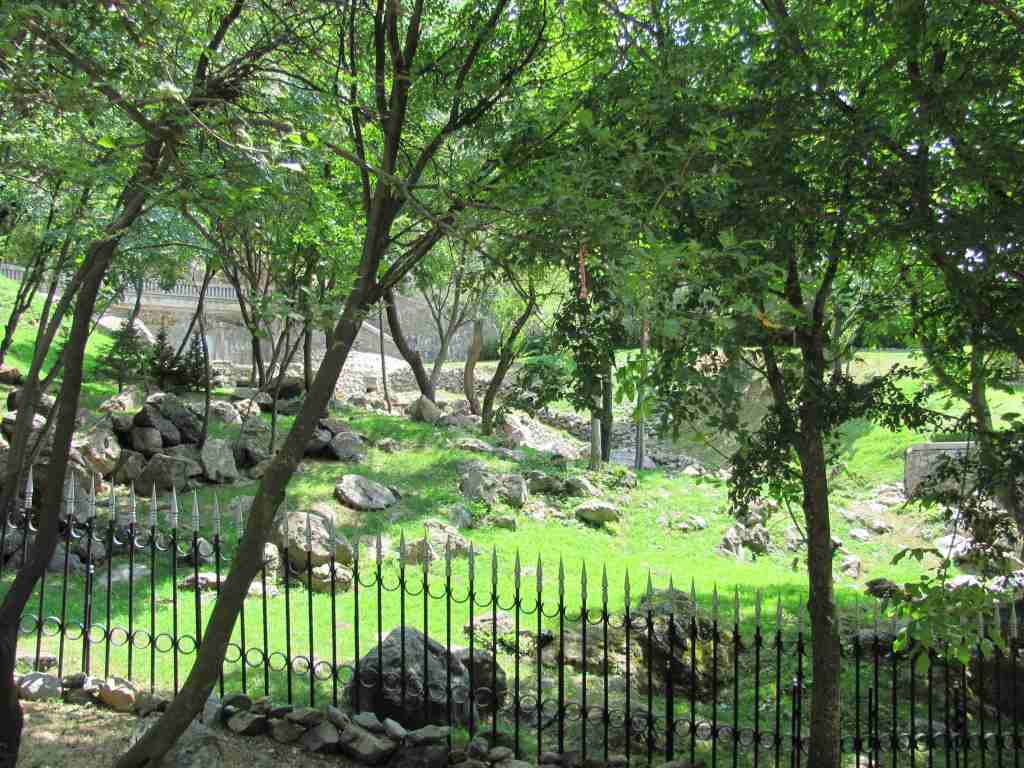

The center of Sliven also offered various attractions for tourists, such as the Museum of the Textile Industry, the first textile factory Dobri Jeliazkov, the city clock – the symbol of the city, and of course the house-museum Hadji Dimitar. The national hero, immortalized with the poem by Hristo Botev, was born in Sliven and is one of the most significant Bulgarian voivodes, who received the title of Hajj at the age of 2, when his family visited Jerusalem. Hadji Dimitar died at the age of 28, but he left behind the admiration of his compatriots and became an object of inspiration and pride. His wooden house-museum was also proud of its exposition, such as firearms, flags, uniforms, photos and documents related to the detachment of Hadji Dimitar and Stefan Karadzha. The voivode’s native house is also connected with the restored inn built by Hadji Dimitar’s father, in which the living room and the wine cellar are especially interesting.
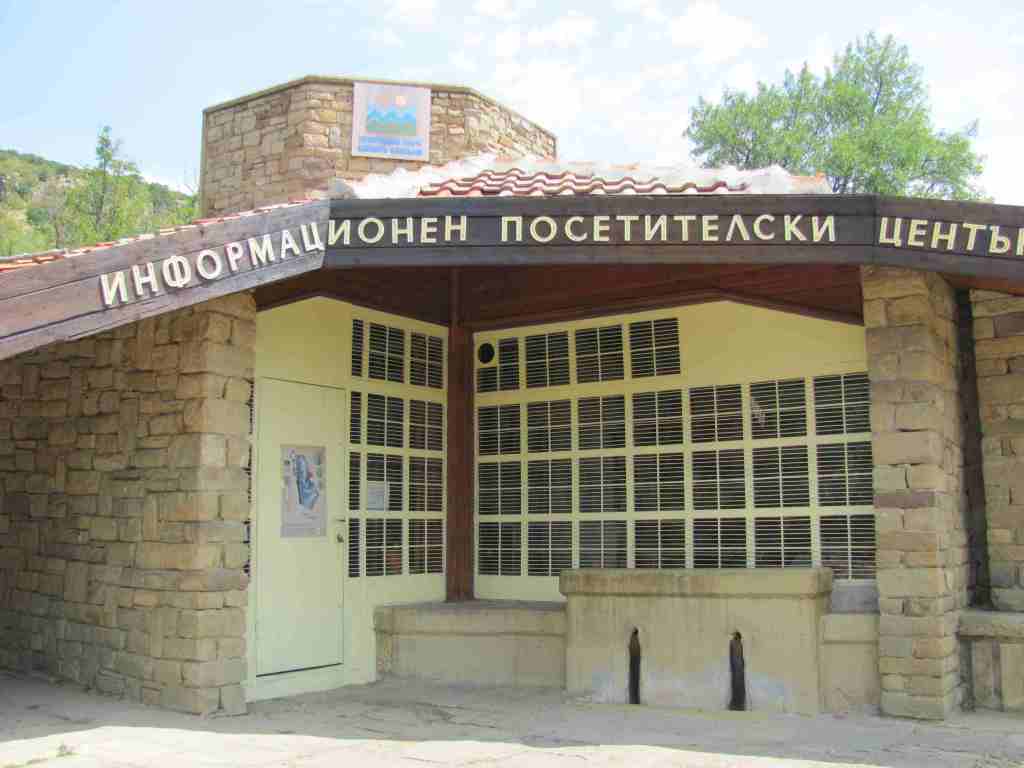
The Sliven region has a lot to offer and something to improve. My disappointment was not from the longer journey, but from the things I saw less, due to the lack of a working information center. Near the lift in Sliven there was a beautiful building with the inscription Information Center, but not working on a summer weekday. That is why the Balkan accompanied my entire trip, bringing me Stara Planina legends and songs. Although for a short time I managed to be return to the Renaissance time, when love for the homeland was the greatest virtue and many gave their lives so that this country could return back to the geographical map of the world. We had won a lot, and today we forgot a lot – often passing by this rich and beautiful Sliven region, located only 1 hour away from the sea. History, however, had not passed it by, but had blessed it with a key importance in the Bulgarian liberation and preservation of the national identity. I hope the future will be glorious, and not underestimated like the present.
GENERAL INFORMATION ABOUT KOTEL:
Location: Kotel is located in Eastern Bulgaria, in the Middle foothills of the eastern Balkan Mountains in the plain part of a mountain valley. The town is the administrative center of Kotel Municipality, Sliven District and is the third largest in the district after Sliven and Nova Zagora.
Area: 131.519 sq. m.km
Population: 5 806 people (2016 data)
Altitude: 643 m
Climate: temperate continental with the influence of the mountainous climatic area, which creates moderate winters, cool summers, and warm long autumns.
Time zone: UTC+02:00
Currency: BGN (BGN)
Additional information: http://kotel.bg/
TRIP TIPS:
Best time to visit: all year round, with the city’s holiday celebrated on November 1.
Typical foods and drinks: The Sliven turlyuguvech is universally known, as the locals prepare it with many vegetables and meat baked in a clay pot.
Places to visit: Pantheon of Georgi Stoykov Rakovski, Museum of Kotel Revivalists and Museum of Natural History, all of them are part of the Hundred National Tourist Sites.
GENERAL INFORMATION ABOUT ZHERAVNA:
Location: Zheravna is a village in southeastern Bulgaria, Kotel municipality, Sliven region. It is located in the Middle part of the Eastern Balkan Mountains, and the relief has a pronounced mountainous character, with an intermountain valley crossed by wooded hills.
Area: 52.989 sq. m.km
Population: 406 people (2015 data)
Official language: Bulgarian
Altitude: 630 m
Climate: temperate continental and mountainous climate, which creates early autumn, late spring and rather cold winters.
Time zone: UTC+02:00
Currency: BGN (BGN)
Additional information:http://www.jeravna.com/
TRIP TIPS:
Best time to visit: all year round, and the village is especially beautiful and colorful in the summer. In August, a Festival of Folklore Costume is organized here, which recreates the typical atmosphere of the years of the National Revival.
Typical foods and drinks: The Sliven turlyuguvech is universally known, as the locals prepare it with many vegetables and meat baked in a clay pot. The local mekitsi and banitsas are also very tasty.
Places to visit: Zheravna looks like a museum town, where traditional Revival houses are everywhere, and nearly 200 of them have the status of cultural monuments, each of them is 150 to 300 years old. Some of the houses are designated as museums and can be visited. Among them is the native house of Yordan Yovkov. Zheravna is also famous for its numerous fountains.
GENERAL INFORMATION ABOUT SLIVEN:
Location: Sliven is located in Southeastern Bulgaria, near Yambol and Nova Zagora. It is located at the foot of the southern slopes of the Sliven Mountain, with which the Eastern Balkan Mountains begin.
Area: 193.778 sq. m.km (it is the 8th largest city in the country)
Population: 95,806 people (2015 data)
Altitude: 243 m
Climate: temperate continental climate with pronounced 4 seasons: relatively warm summers, long autumns, mild winters and warm springs.
Time zone: UTC+02:00
Currency: BGN (BGN)
Additional information: http://www.sliven.bg/
TRIP TIPS:
Best time to visit: all year round, with numerous festivals and concerts taking place here throughout the year. The 2024 Agenda https://mun.sliven.bg/
Typical foods and drinks: The Sliven turlyuguvech is universally known, as the locals prepare it with many vegetables and meat baked in a clay pot.
Places to visit: Monument and the birthplace of Hadji Dimitar, the Old Clock Tower, the Medieval Fortress Tuida (whose remains are located on the hill of Hisarlaka in the northeastern part of Sliven, with a beautiful view of the majestic Blue Stones and the city), the Karandila area, which is part of the Sinite Kamani Nature Park, etc.
 TripTips