RUSE – “THE SMALL VIENNA”
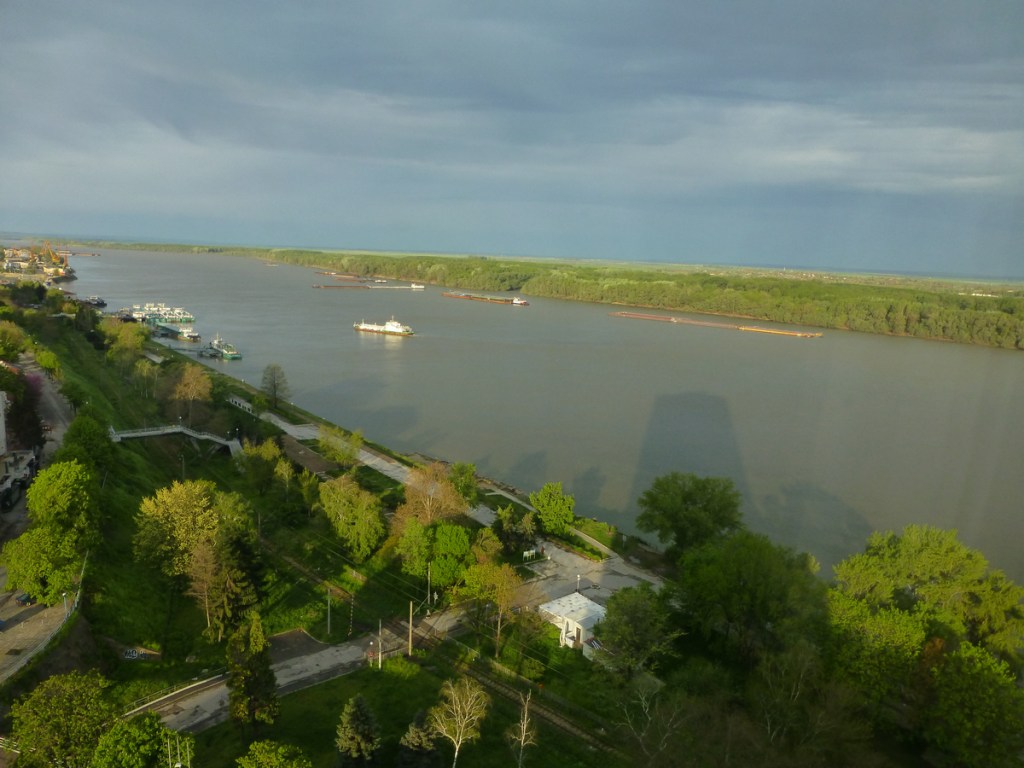


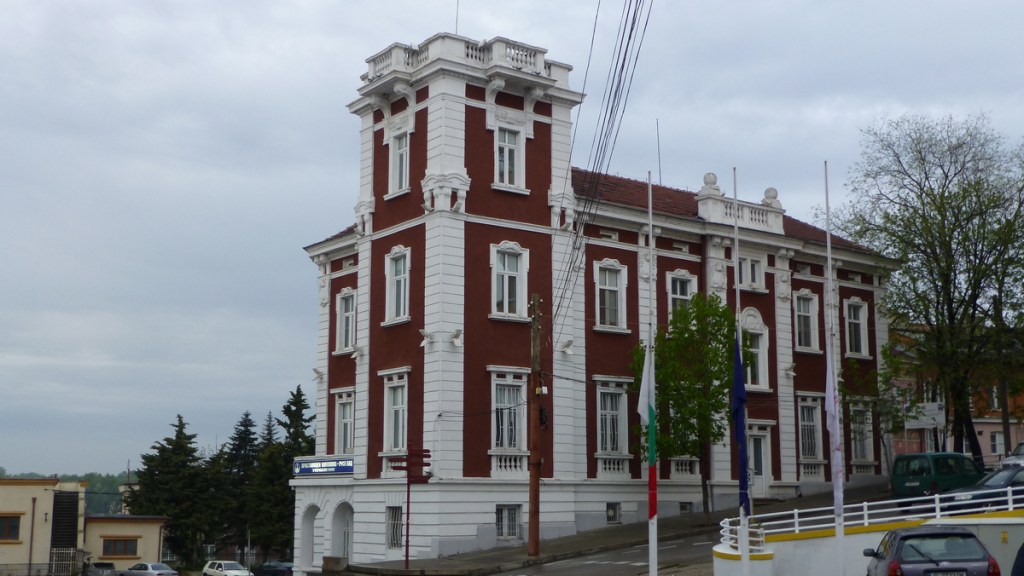
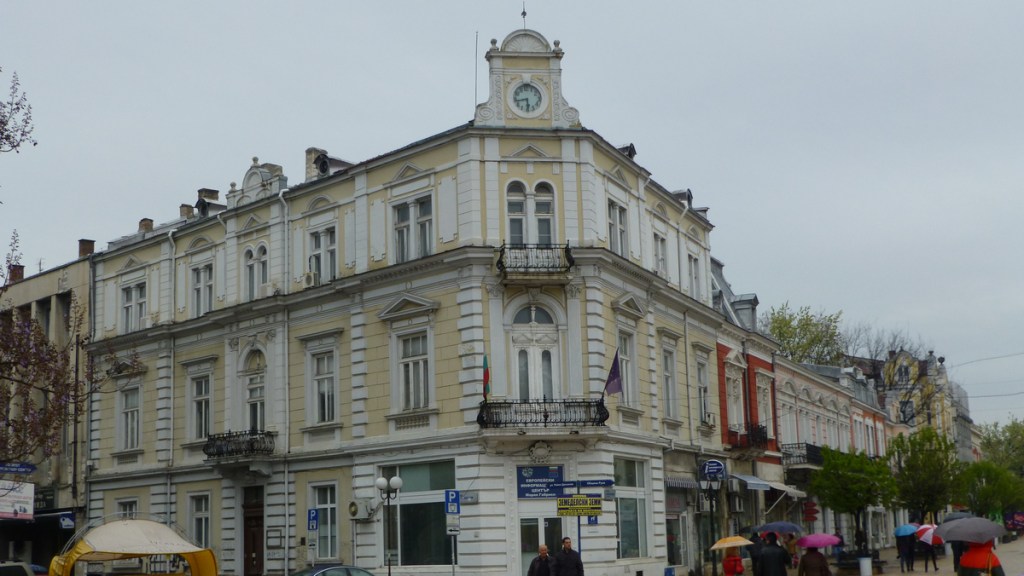
The aristocratic city of Ruse rises proudly on the Danube bank and peeks curiously its small Romanian neighbor Giurgiu, which is located on the other side of the river. Ruse is the largest Bulgarian city on the Danube and fifth in the country in terms of population. It is famous for its European appearance and beautiful buildings erected as early as the 19th century. They brought the city’s nickname “The Bulgarian Vienna”.
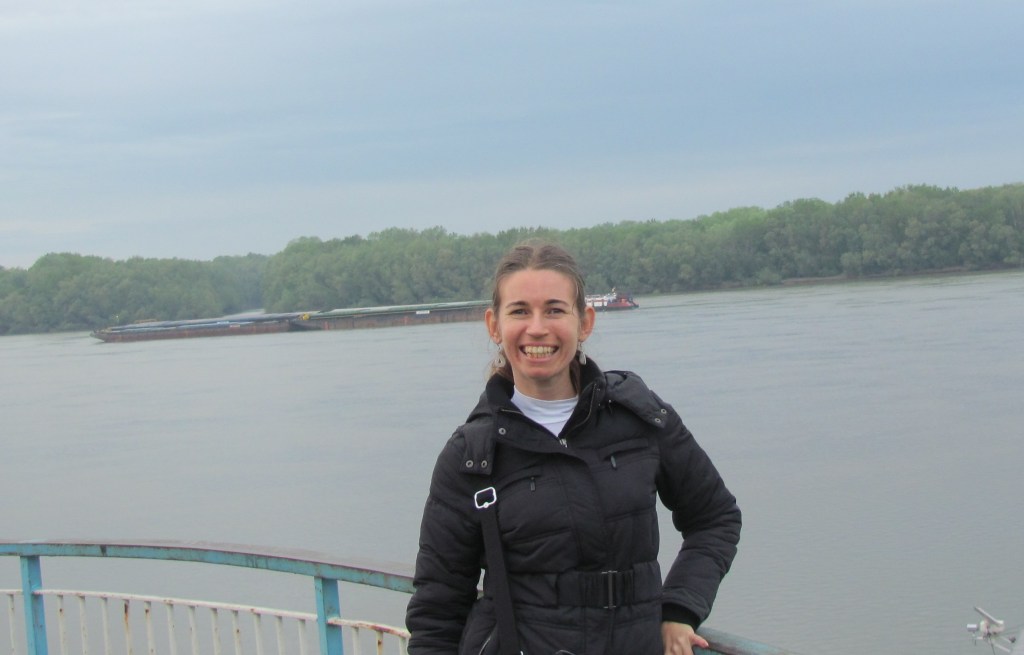
Staying in the tall hotel Riga, we had the opportunity to see Ruse firstly from the 12th floor, where our apartment was situated. The Danube was calm and the boats were in no hurry too. But the port was lively, as if it wanted to justify the original name of the city, which was Sexaginta Prista (from lat. “port of 60 ships”). Today’s port would hardly accommodate so many ships, but still the port of Ruse was the largest river port in Bulgaria. The Danube promenade caught our attention and we started our walk through the city along it.
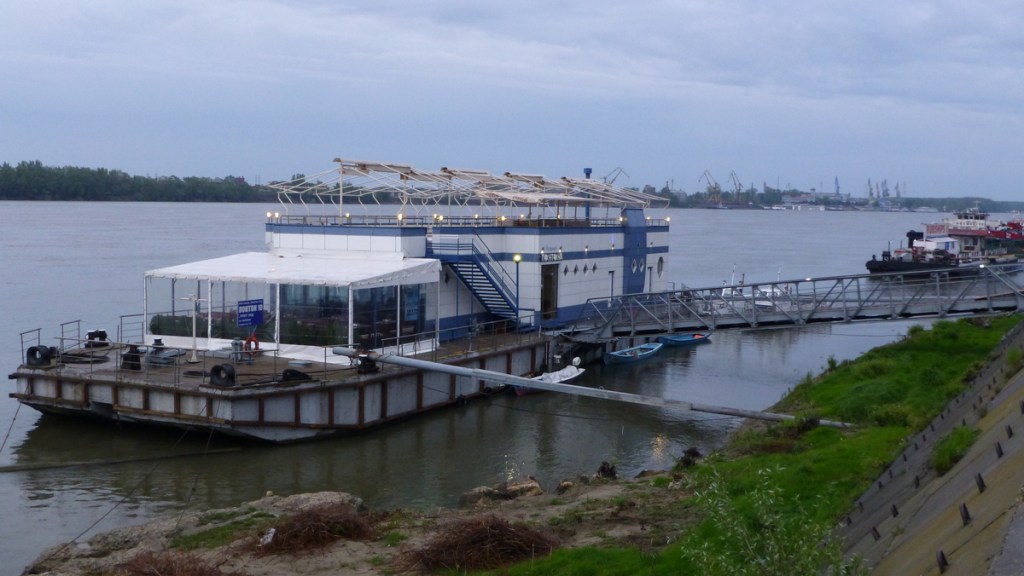
The quiet white Danube was not so white, but the moored boats were. The clouds in the sky envied their whiteness and wept, pouring heavy rain on us. Soaked quickly we hid in the house-museum of Zahari Stoyanov. The employee there smiled at us and said that all her visitors today looked like shipwrecked.

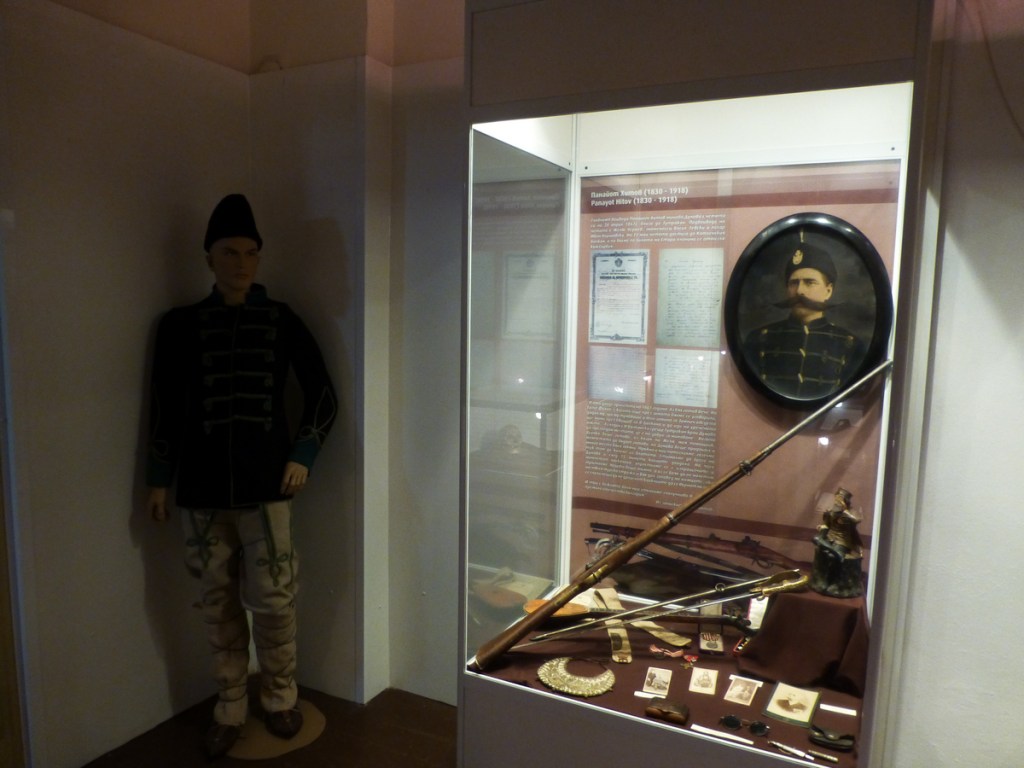
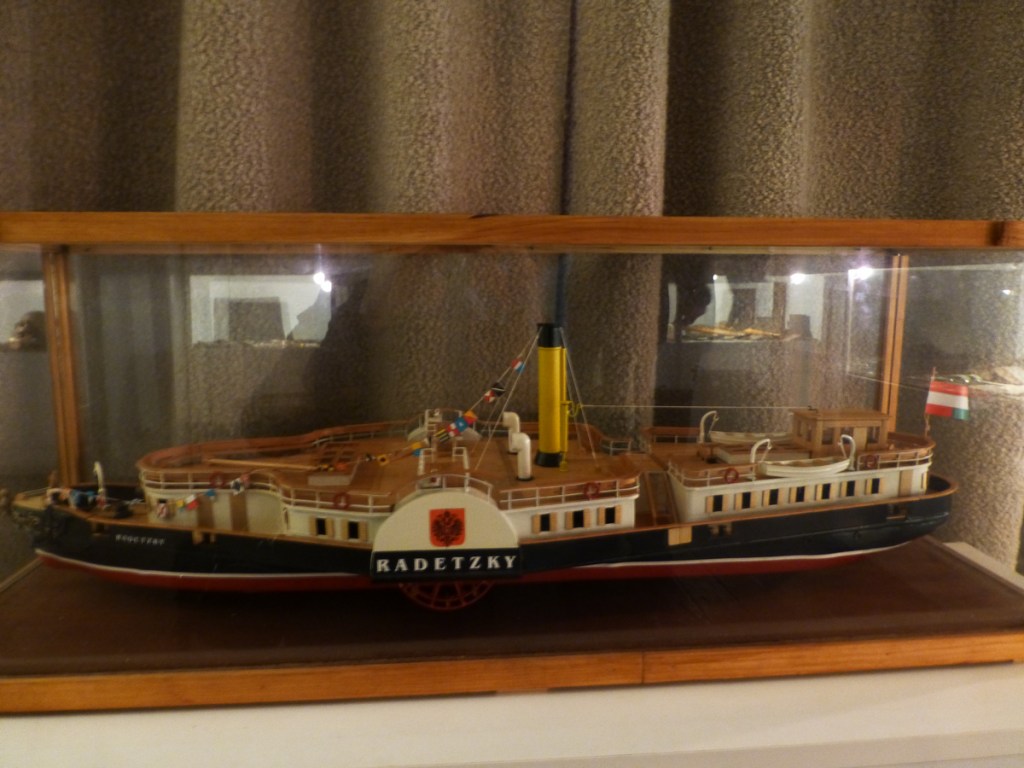
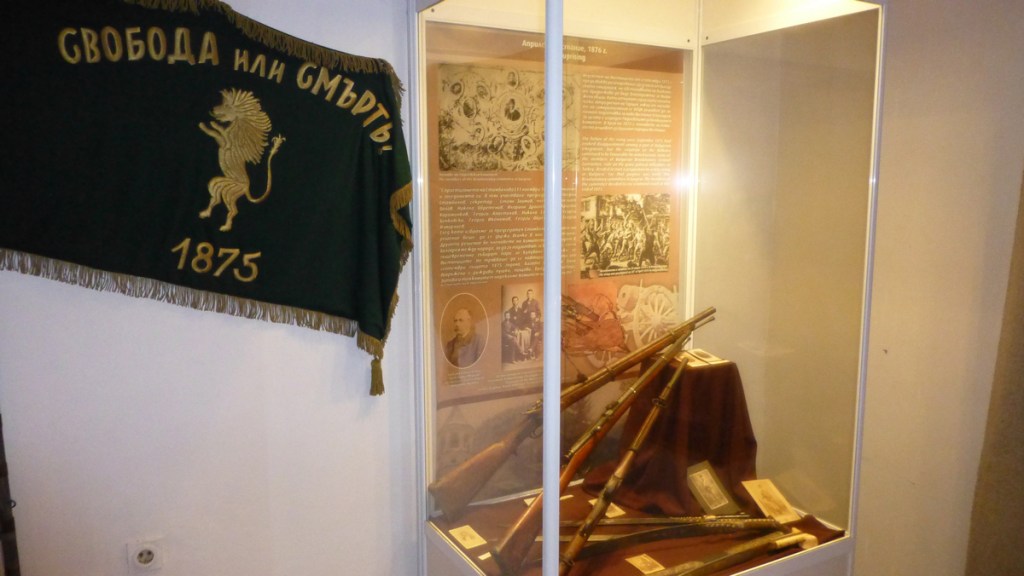
The museum was warm and cozy with 19th-century furniture. We looked at the beautifully arranged exhibits mainly weapons of the Bulgarian revolutionary and assistant apostle in the April Uprising, as well as his first historiographer with his book Notes on the Bulgarian Uprisings, then the main organizer of the Unification of the Principality of Bulgaria and Eastern Rumelia – Zahari Stoyanov. He was originally a shepherd boy and then apprentice as a tailor. His mother-in-law Grandma Tonka or more precisely Tonka Obretenova, who had 5 boys and 2 girls, was also highly involved in the organized national liberation struggle. Her daughter Anastasia Obretenova was married to Zahari Stoyanov, and her other daughter sewed the flag of the Chervenovoda rebel squad in 1875. The sons of grandmother Tonka Petar Obretenov and Angel Obretenov were rebels in the squad of Hadji Dimitar and Stefan Karadzha. The skull of Hadji Dimitar was exhibited in the museum. Her other son Nikola Obretenov was a part in the rebel squad of Hristo Botev, and in the museum there was a beautiful model of the ship Radetzky.


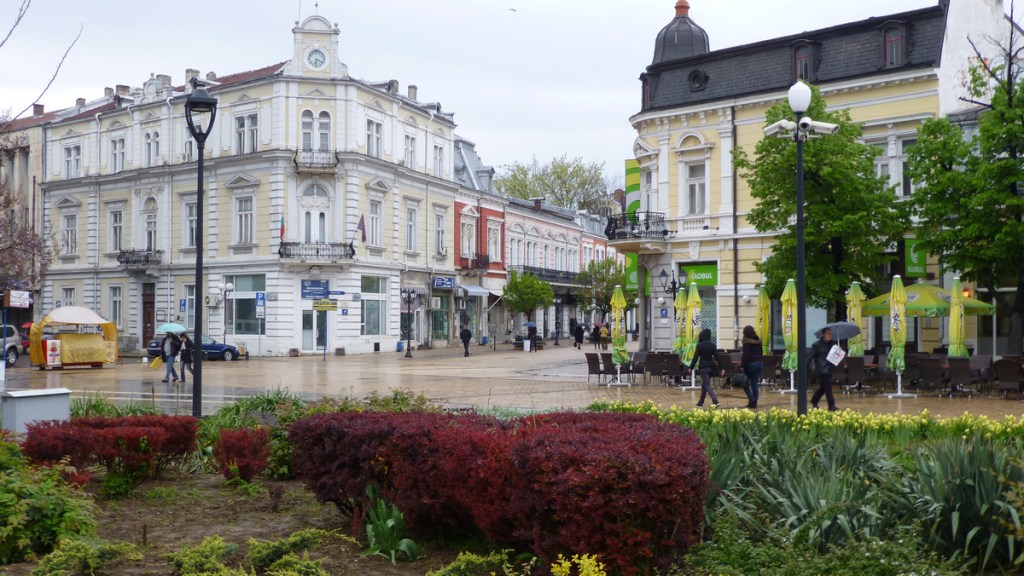
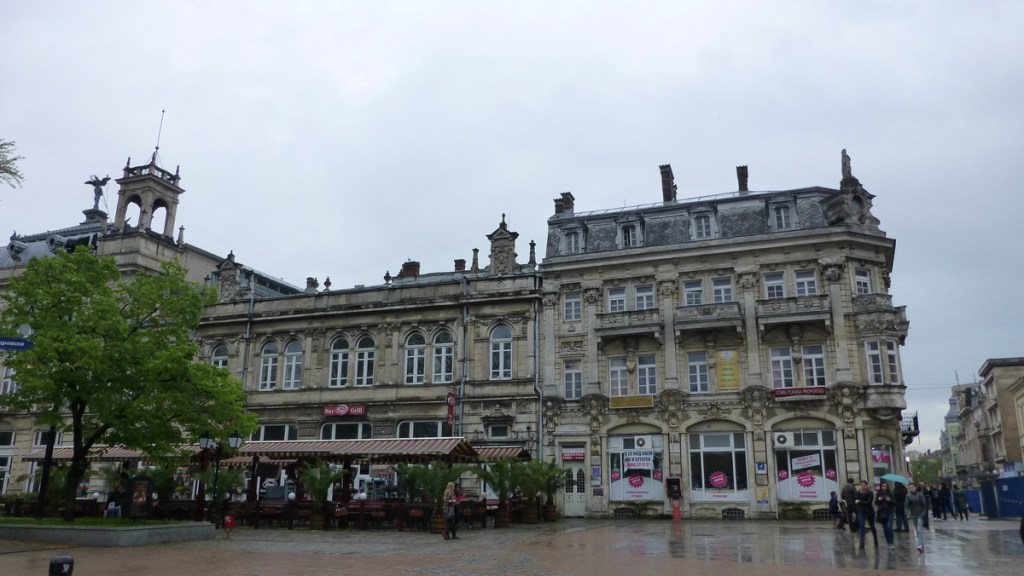

The rain outside continued to fall, but armed with umbrellas we did not give up from our walk in “Little Vienna”, heading to the numerous ancient buildings-monuments accumulated during the long history of the city.
The history of Ruse was very dynamic and interesting. Initially, there was a Thracian settlement here, which then grew into a Roman fortress named Sexaginta Prista. Later the settlement became a possession of the Slavs, and during the First and Second Bulgarian Kingdoms the fortified city was named Ruse, and later Giurgiu. During the Ottoman rule, the town was renamed Ruschuk, having a large fortress and was an important trading center. After the Liberation, Ruse was the largest city in the Principality of Bulgaria and the first to acquire a European style architecture.
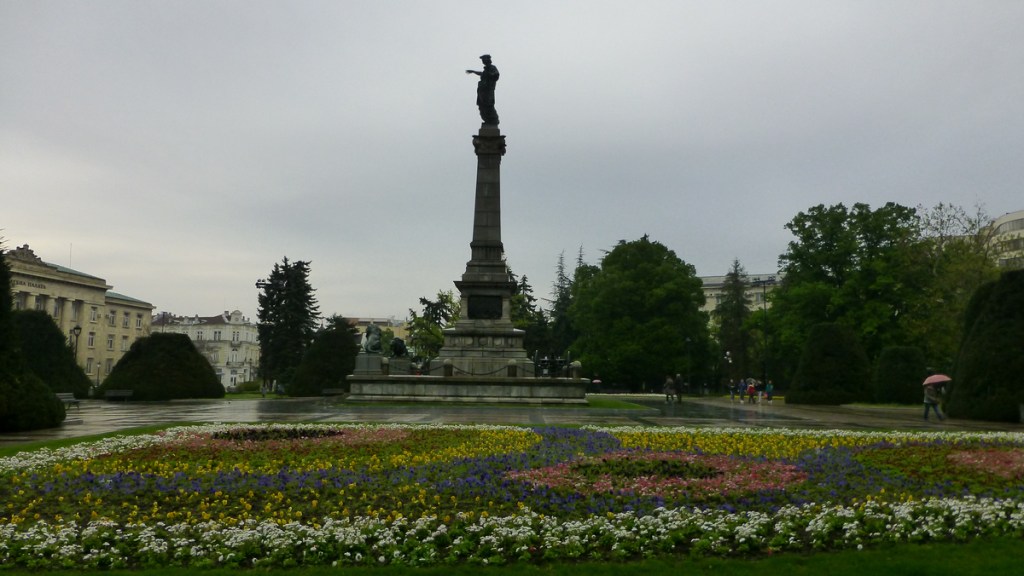
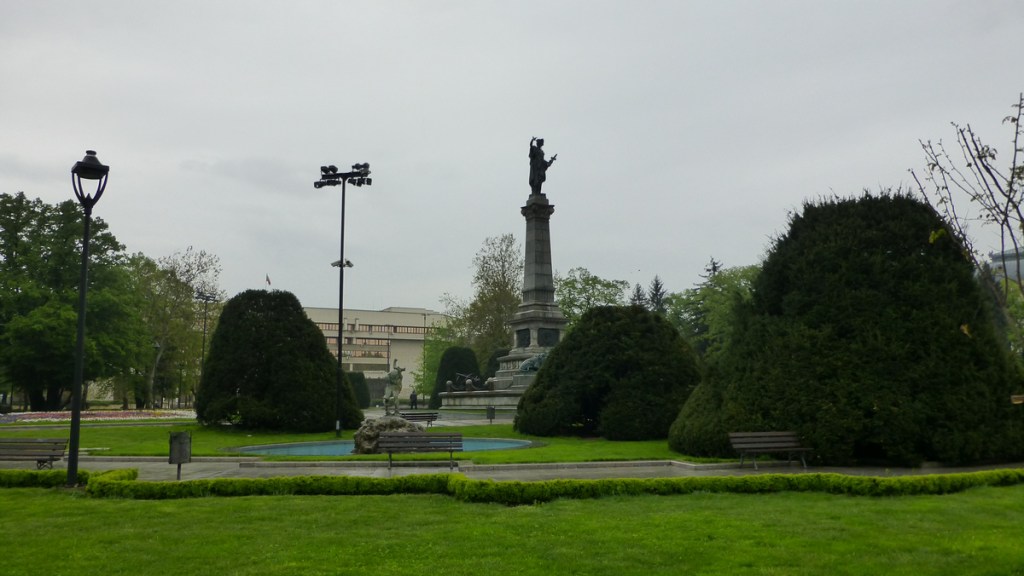
“Little Vienna” had preserved its beautiful central square, where the high and beautiful Monument of Freedom is situated, guarded below with bronze lions.

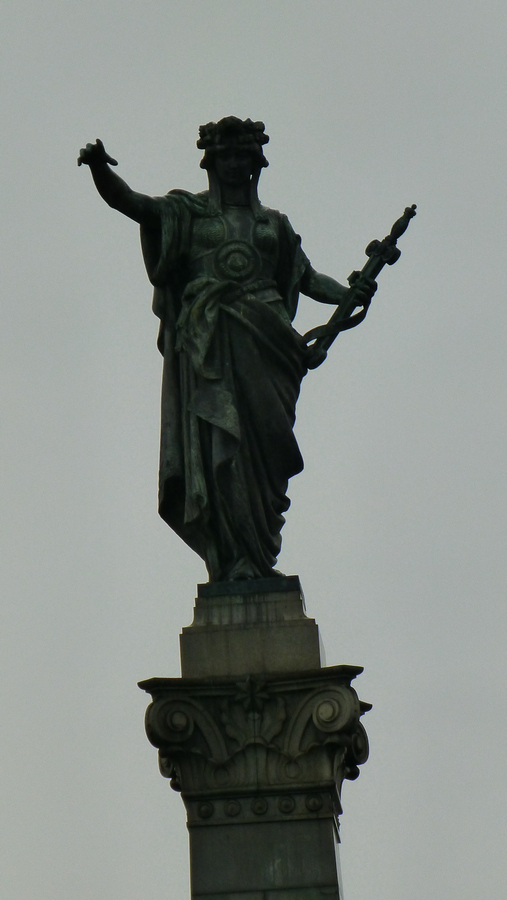
The statue itself is a column with a figure of a woman holding a sword in her left hand, pointing in the right direction from where the liberators came. Under the column, one bronze lion tears the slave chains with his mouth, and the other guards the Sword and the shield of Freedom.
We kept away from the rain, hiding in a Viennese pastry shop. We decided to try the famous Viennese coffee, after all we were in the Bulgarian version of Vienna.

We cannot recommend this drink here, but we strongly advise you to visit the beautiful city of Ruse. The Danube is fascinating and Ruse is undoubtedly its Bulgarian pearl.
GENERAL INFORMATION ABOUT RUSE:
Location: Ruse is located on the banks of the Danube, in the westernmost part of the largest Danube lowland – Pobrezhie.
Area: 187,124 sq.km
Population: 159 798 people
Official language: Bulgarian
Altitude: 98-102 m
Climate: temperate continental
Time zone: UTC+02:00
Currency: Lev (BGN)
Additional information: : http://www.ruse-bg.eu/index.php


Trip Tips for Ruse:
Best time to visit: all year round.
Typical food and drinks: They say that the Danube gets to know each other with fish specialties and in Ruse you can try them. Especially successfully prepare here a sach with vegetables and meats, which you can supplement with warm parlenki. Let’s not forget the famous canned Rousse boiled, famous throughout Bulgaria.
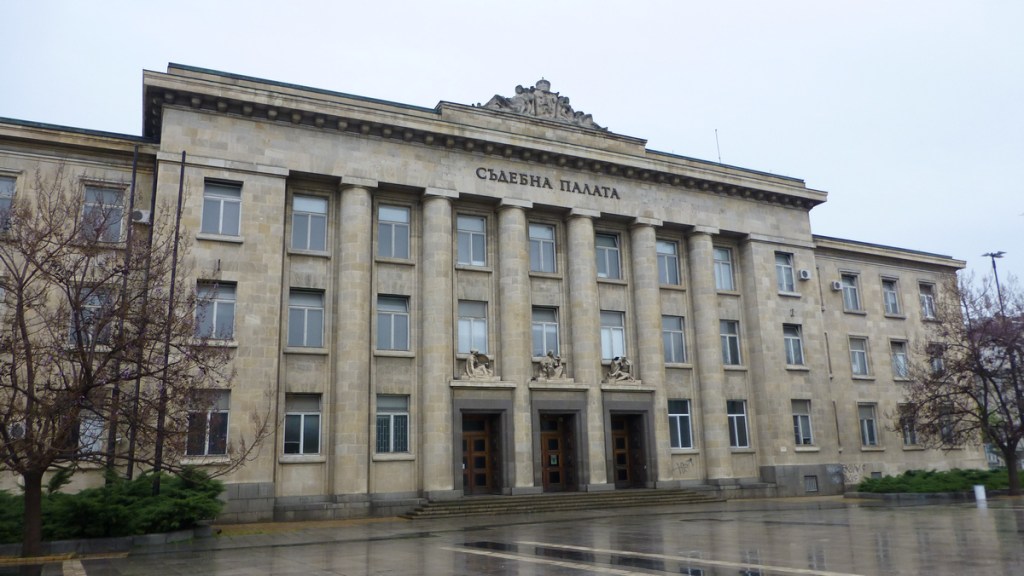
Places to visit: In the central part of the city there are many preserved buildings from the end of the 19th century, with beautiful facades decorated with statues, coats of arms, columns, etc. The Monument of Freedom and the Holy Trinity Church are majestic, the museum houses of Zahari Stoyanov and the Baba Tonka Museum are interesting. The TV Tower in Ruse is the highest TV tower in Bulgaria, rising to 204 m.
 TripTips