THE MAGNETIC PLOVDIV


There are places, and people who instead of aging with time, become more successful, beautiful and magnetic. Plovdiv is one of those places that arose in the 6th millennium BC, which makes it the oldest inhabited city in Europe and the sixth in the world. Each of the ancient civilizations has left its own glamorous traces – evidence of the heyday of the city over the centuries.
Initially, it was known as Trimontium – the city of the three hills, an important fortified point of the Thracian people Bessi, then a real pearl in the Adrianople Kingdom. When Philip II of Macedon conquered it, he liked the city so much that he named it after himself Philippopolis.
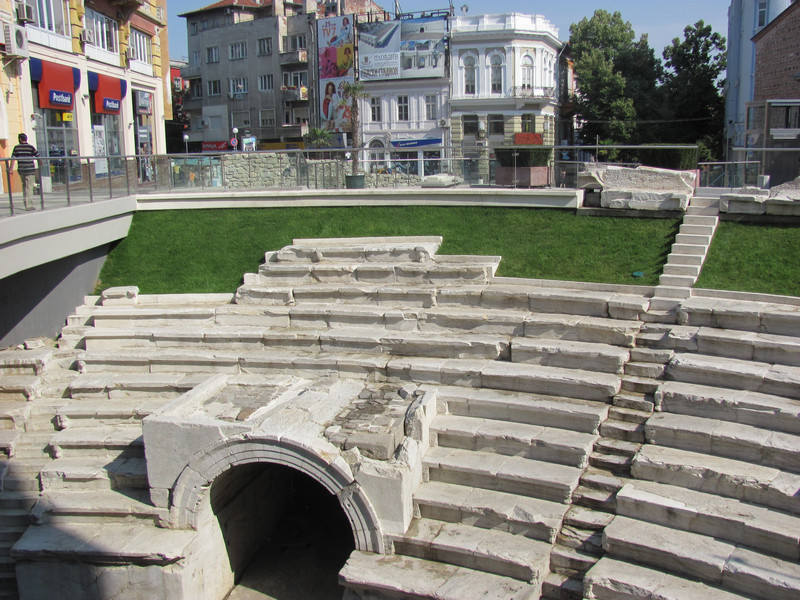
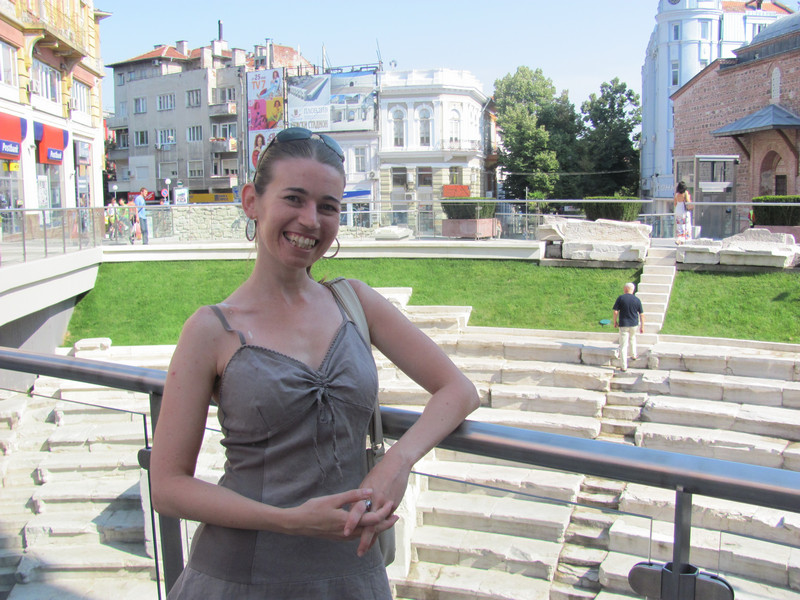
It turns out that Rome was erected long after Plovdiv and just like it, it is surrounded by 7 hills. Now Plovdiv has only 6 hills, as in the 20th century, one of the hills (Markovo Tepe) was destroyed in order to use materials for building roads. However, this does not stop the similarities between Plovdiv and the eternal Rome. The Ancient Theatre in Plovdiv is one of the best preserved ancient theatres in the world. Erected at the end of the 1st century at the same time as the Roman Colosseum.
It was during the Roman times when in Plovdiv were erected a large fortress, numerous public buildings, an amphitheater, baths, etc. The city had a large-scale water supply system, including pipelines, reservoirs and 2 aqueducts, the only such facilities in today’s Bulgaria. Plovdiv received the title of metropolis, and from 220 the honorable Neokor title, which entitles the city to have a temple dedicated to the imperial cult, Coins were also minted in the city.
Plovdiv became part of Bulgaria in 812 during the reign of Khan Krum. Over the years, many wars have been fought here that destroy the local treasures, but not the spirit of the city, which continues to grow and in 1887 Plovdiv was the largest city by population in Bulgaria. Today it may be the second largest Bulgarian city, but not by beauty.
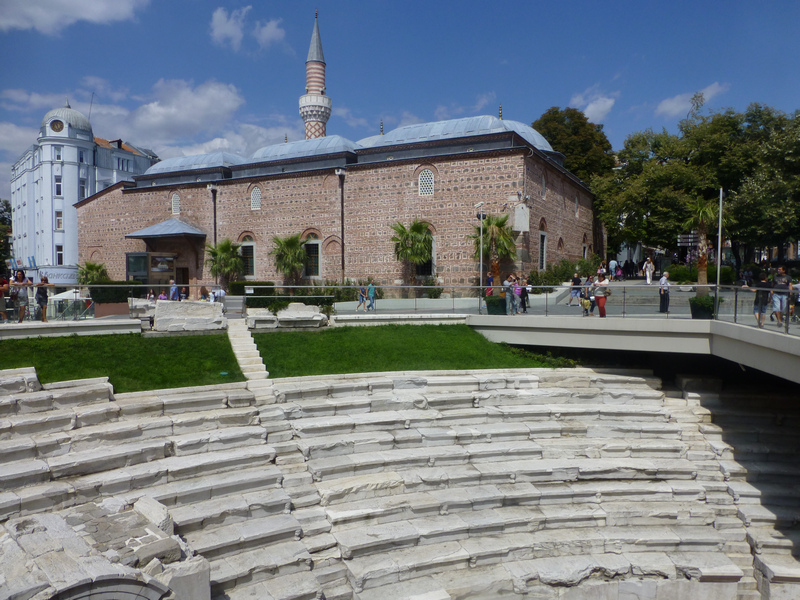


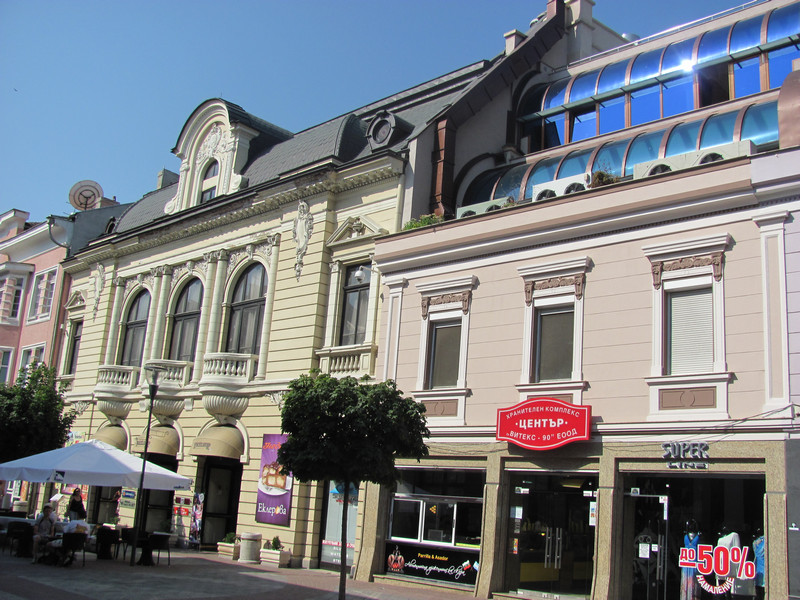
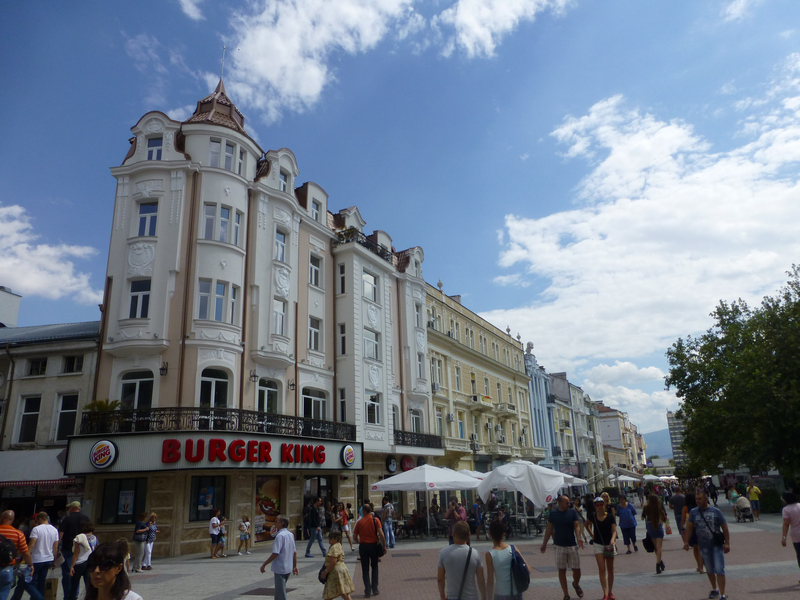
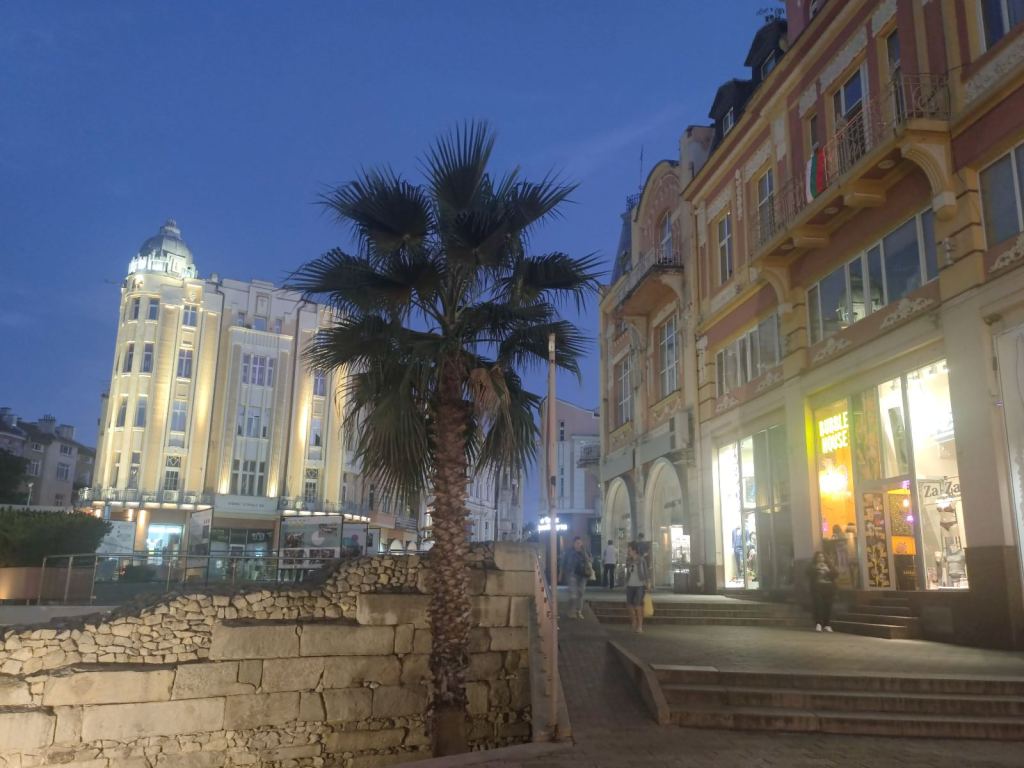
Plovdiv skilfully combines its ancient history with a modern and rapidly developing city, and the walk in it becomes a real time machine. From modern streets you enter into ancient dungeons, you find yourself in front of Renaissance houses and Neolithic excavations.
The modern main street in Plovdiv is one of the longest pedestrian streets in Europe, with a length of 1.8 km laden with shops and restaurants. It leads to the ancient Roman stadium preserved in Dzhumaya Square. Here is the oldest building in Plovdiv, which continues to be used, namely – Dzhumaya Mosque, erected in the 14th century.


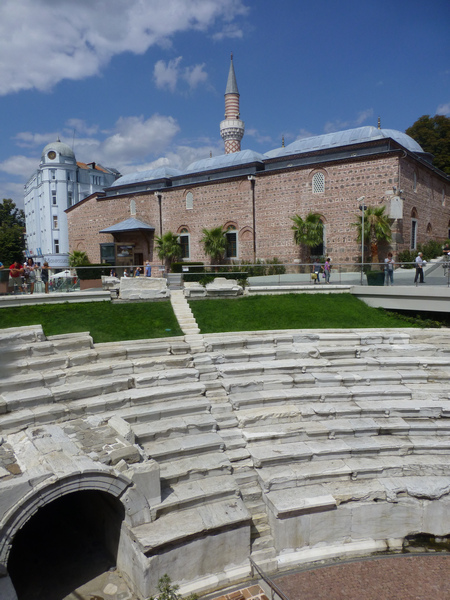

The main street is also a starting point for the other sights of Plovdiv, namely the unique art district of Kapana. This creative district attracts locals and tourists all year round with its workshops and ateliers, and the Christmas bazaar there is something you should not miss.
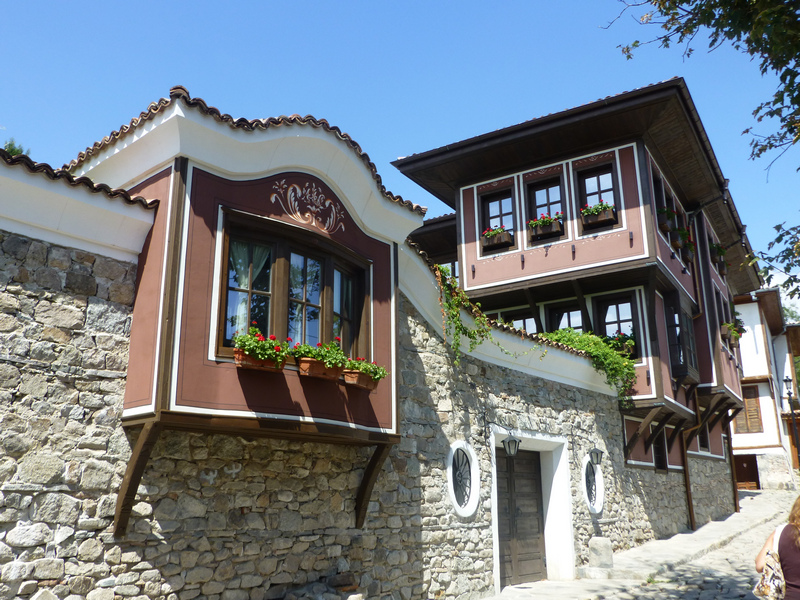
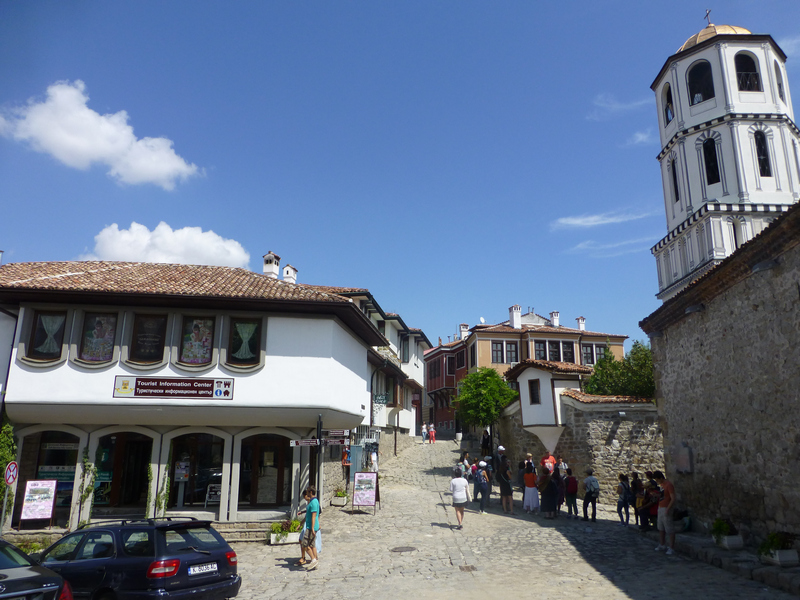
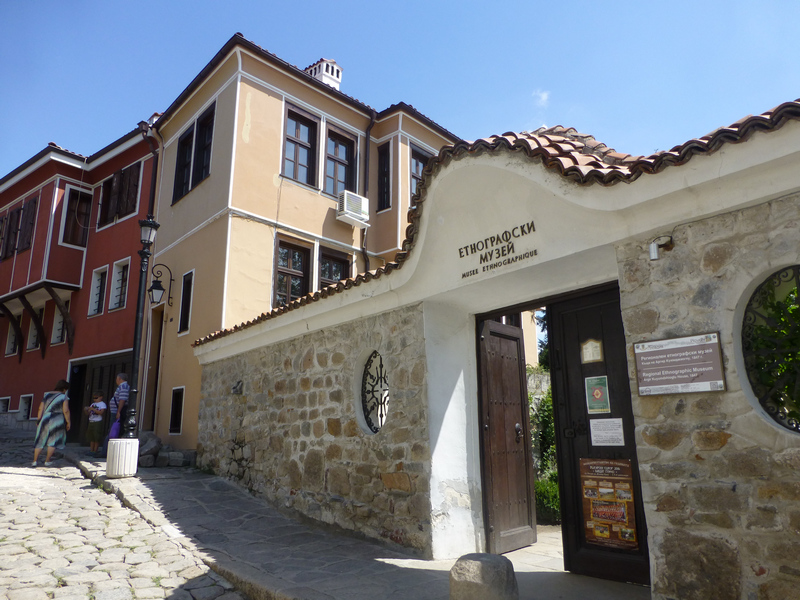
My favorite part in Plovdiv is the Old Part where the Amphitheater is situated, here performances and concerts are held up to this day. In the immediate vicinity are the Renaissance houses, each one of which is more beautiful than the others. Here is the temple of St. St. Constantine and Helena, where a wedding is regularly held. On the other side is the Ethnographic Museum, and another street will take you to a wonderful panoramic site above the city.
It is difficult to walk around the whole city and sights in one day or even a weekend, and this is the best thing about Plovdiv – with each visit the desire for a new arrival increases.




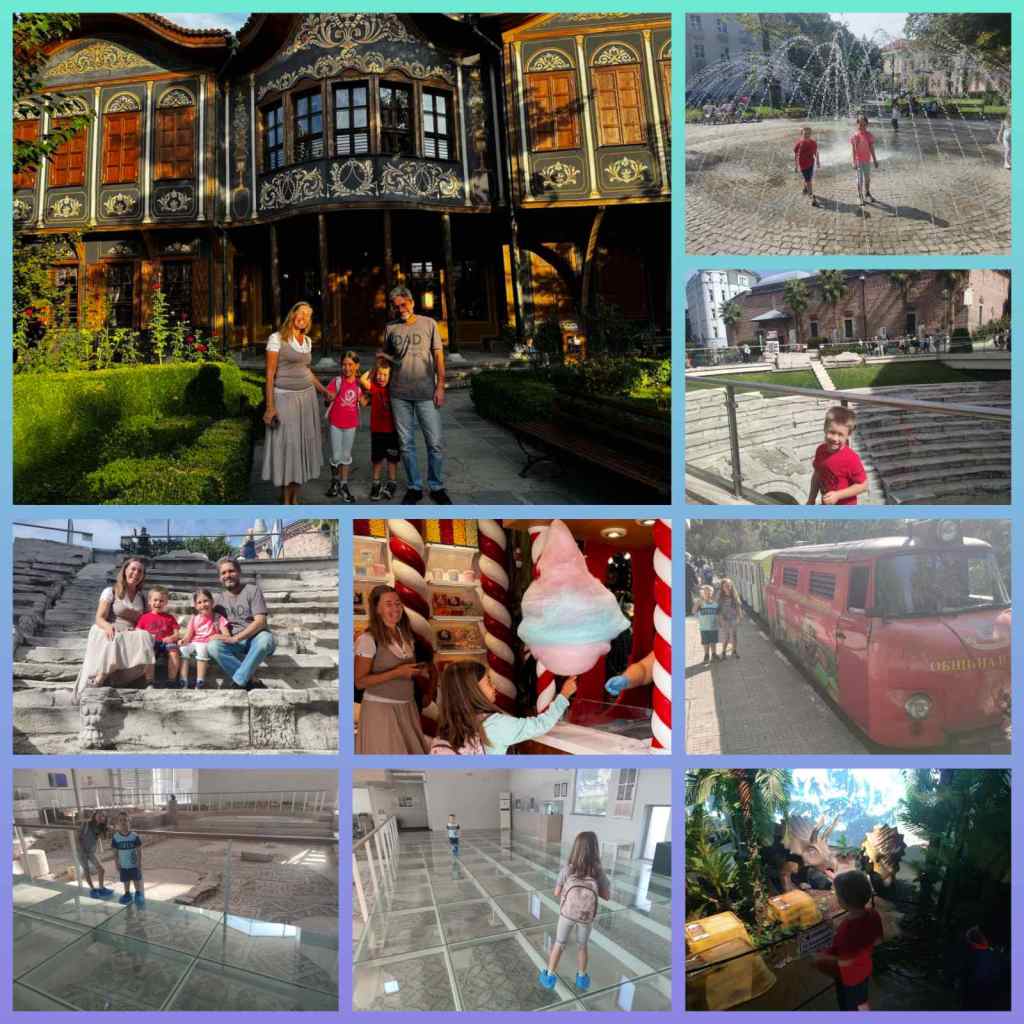
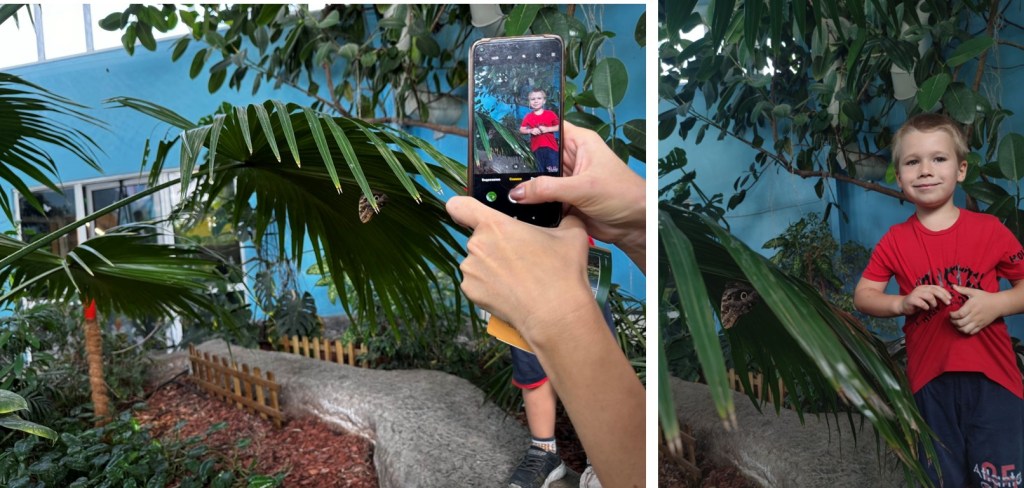
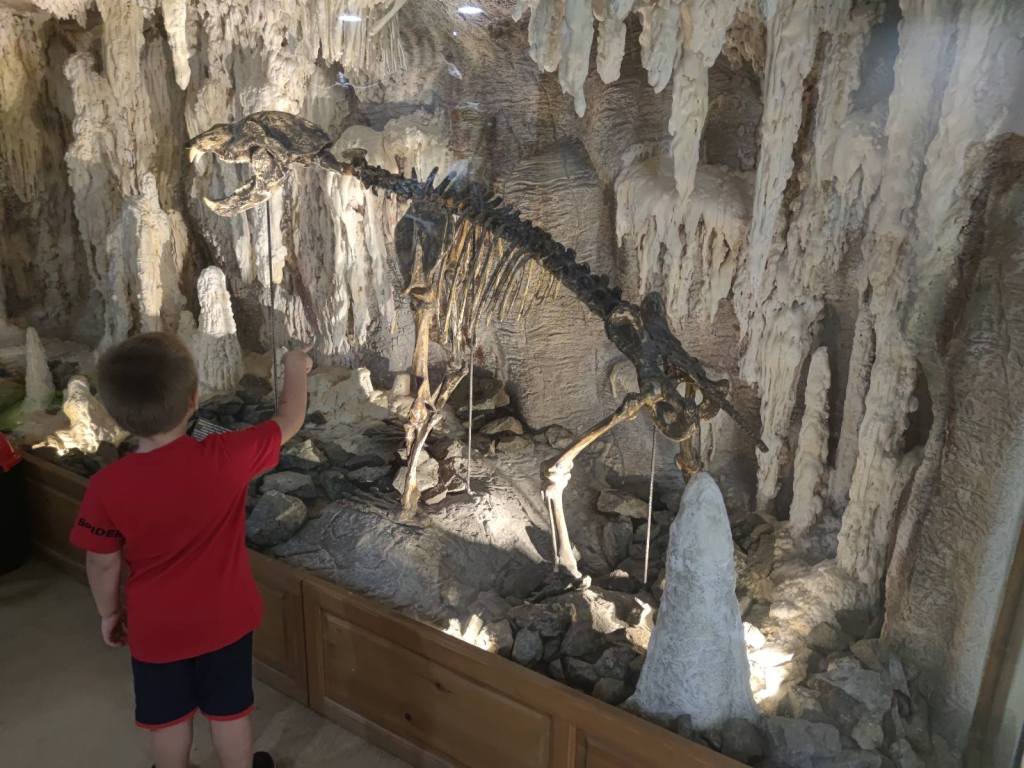
The city is also a wonderful place for family weekends, with the famous singing fountains having a music show every Thursday, Friday and Saturday. Children will certainly be impressed by the Natural History Museum there, where animate and inanimate nature are incredibly intertwined. For example besides the stuffed bugs, there is a hall with wonderful live butterflies that land on visitors. There you can see the largest stuffed snake in the world, and not far from it lives the crocodile Hector, for which a larger cage is to be built. There are It is big aquariums, where, in addition to colorful and strange fish, the unique fish brought from Antarctica is kept. In the Natural History Museum there is also a planetarium projections introducing children to the magic of the stars.



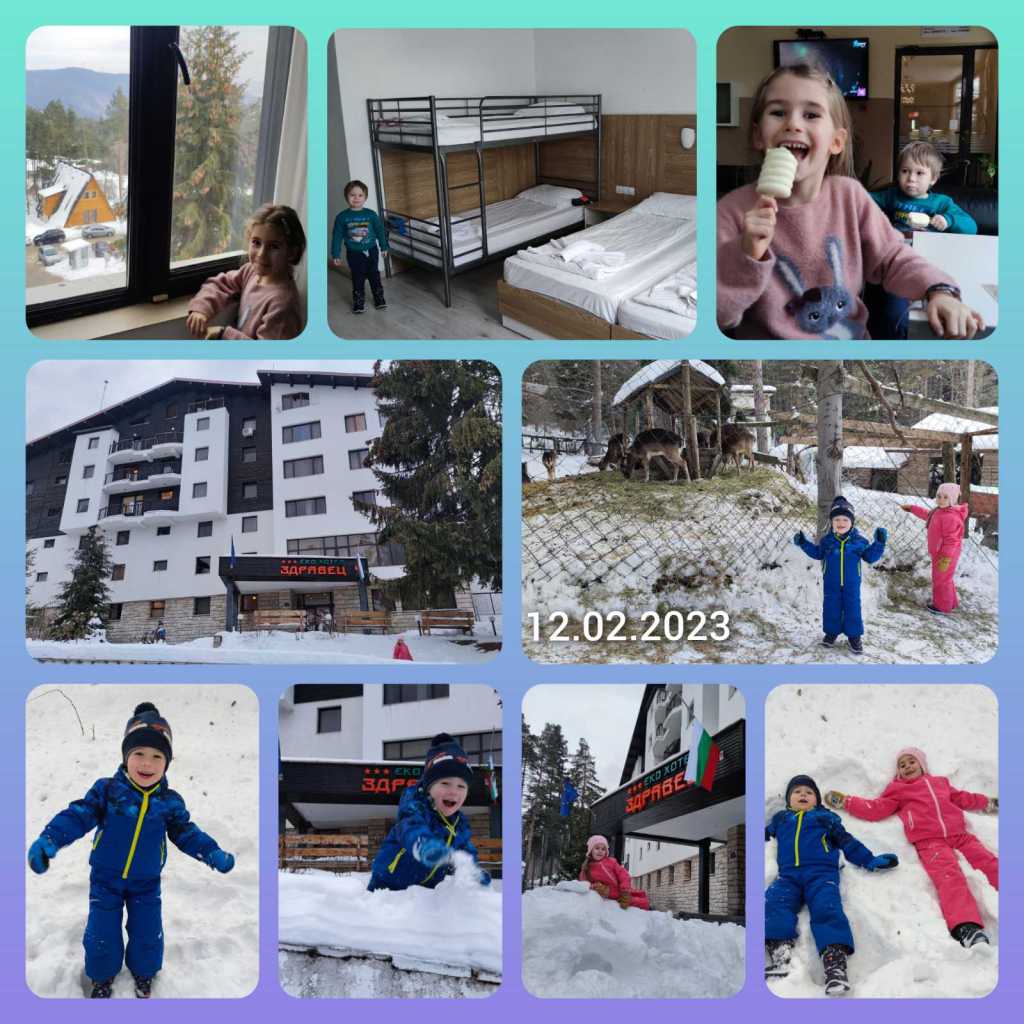
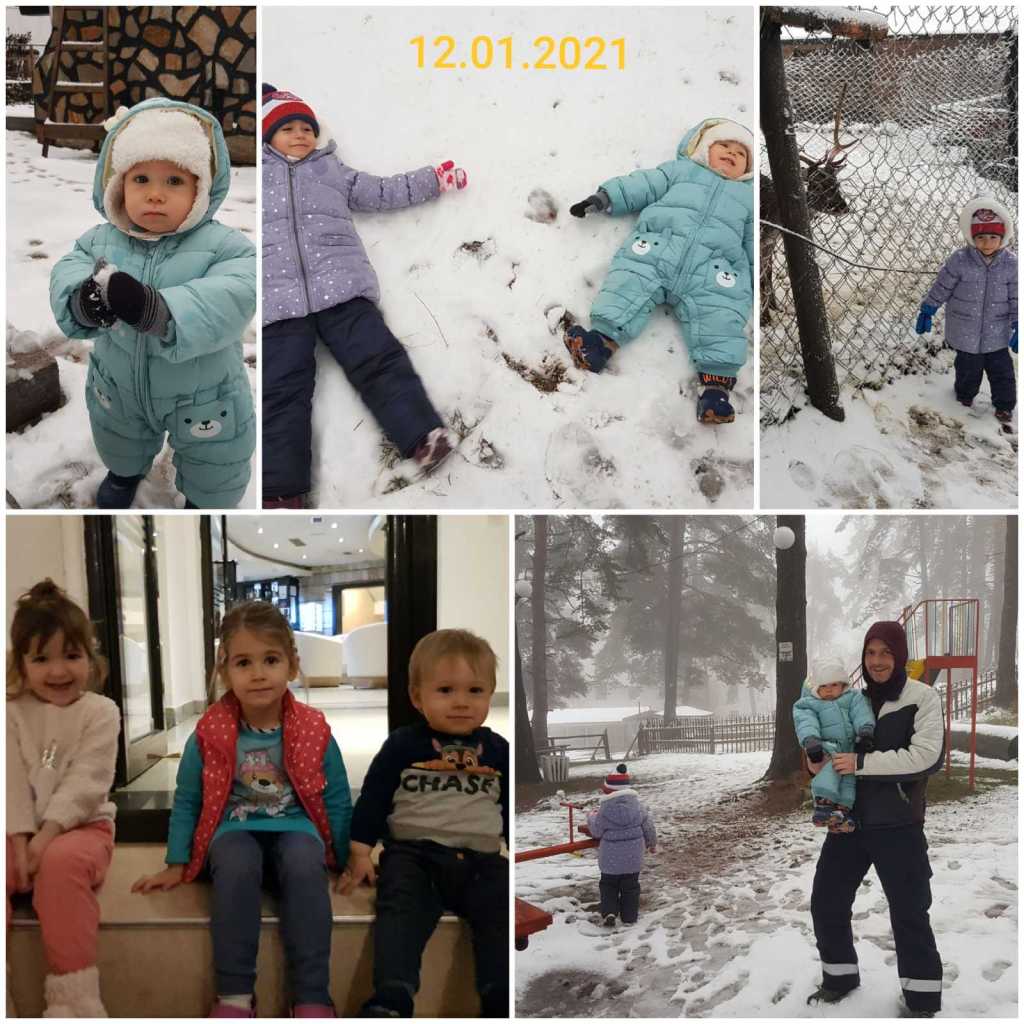
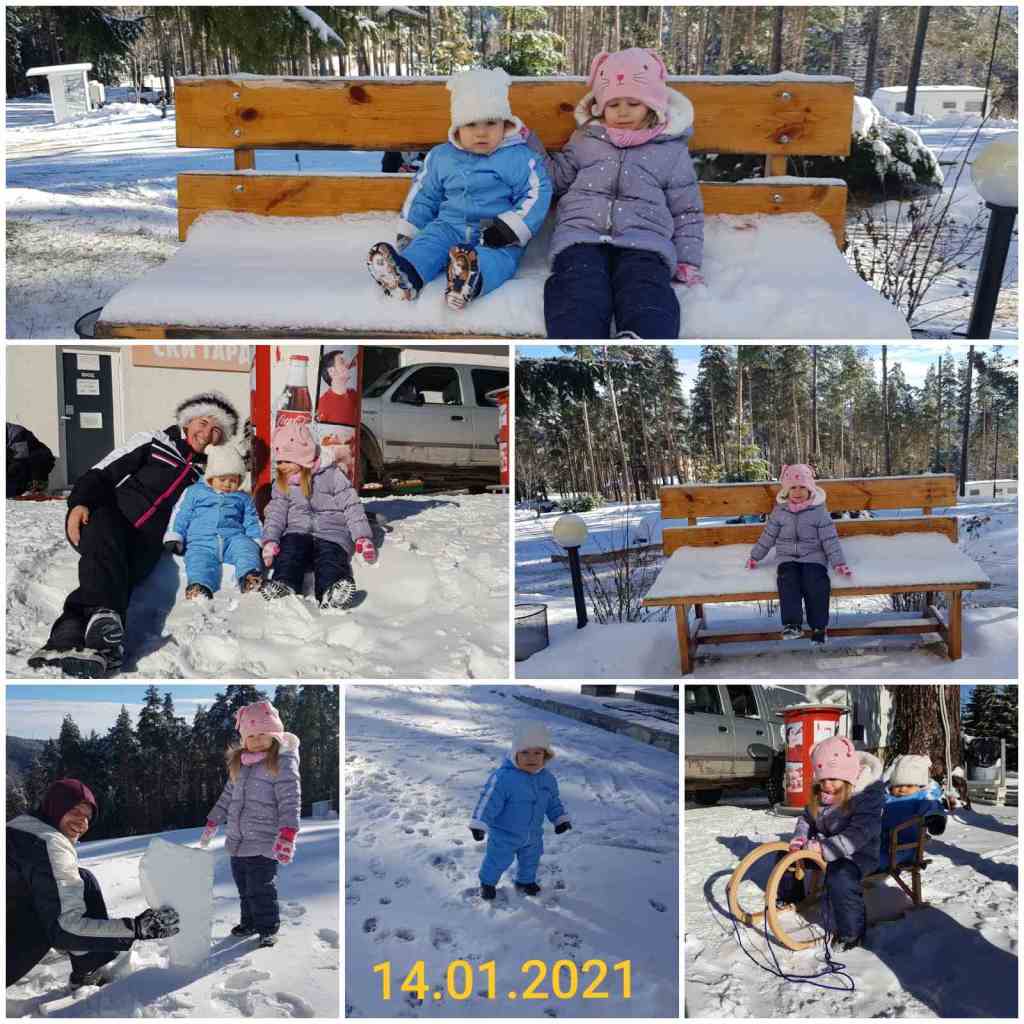
Another favorite place of my family is situated in the outskirts of Plovdiv it is Eco Hotel Zdravets, which quickly became a preferred place for our winter holidays. Next to the hotel there is a ski slope, which during the week is almost empty. There are facilities for artificial snow, but in winter there is sufficient natural cover. For children, besides skiing and sledding, there is an outdoor playground, deer feeding, a warm indoor children’s pool and Jacuzzi, and for the older ones games of foosball, billiards, etc. The hotel has two restaurants, one of which is classic and the other a tavern with a large warm fireplace. It is wonderful to watch the children grow up here and enjoy the fresh air, home-cooked food and the hospitality of the locals.





General information about Plovdiv:
Location: Plovdiv is situated in the western part of the Upper Thracian Plain, as the Maritsa River passes through it and divides the city into two parts – north and south.
Area: 315 sq.km
Population: 364,403 people (2020 data)
Official language: Bulgarian
Altitude: 164 m
Climate: moderate continental.
Time zone: UTC +2
Currency: BGN (BGN)
Additional information: www.plovdiv.bg

Trip Tips for Plovdiv:
Best time to visit: all year round, just keep in mind that in summer it is quite hot there.
Typical food and drinks: They call Plovdiv – the culinary capital of Bulgaria, and here gather the best street food chefs, culinary blogs, etc. at the annual and most delicious art festivals such as Street Food & Art Festival.
Plovdiv is the birthplace for toasts with minced meat, so it is worth a try, as well as the pie with meat. In this part of Bulgaria lamb is also appreciated, and for dessert you can try not something traditional Bulgarian, but kadaif with milk or semolina.
Places to visit: Ancient Theater, Ethnographic Monastery, Old Town, panoramic views from Nebet Tepe, St. St. Constantine and Helena Church, Singing Fountains and many others.
 TripTips