PERNIK – BUILT OF BLACK GOLD
author: Ana Boneva


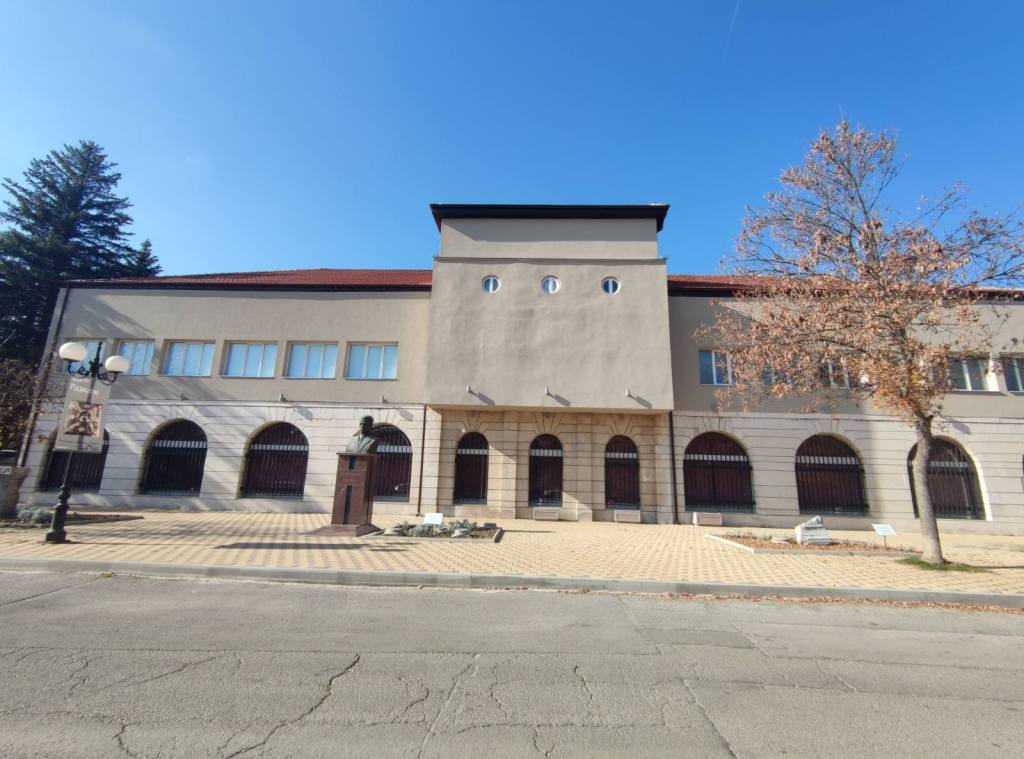
Inhabited since 6000 years ago, Pernik continues to grow, with its population growth being especially strong at the beginning of the 20th century. It was then that the coal mines were established. This livelihood is rapidly improving the city and developing its rich social and cultural life, which we were able to appreciate on the city’s holiday on October 19, 2024.
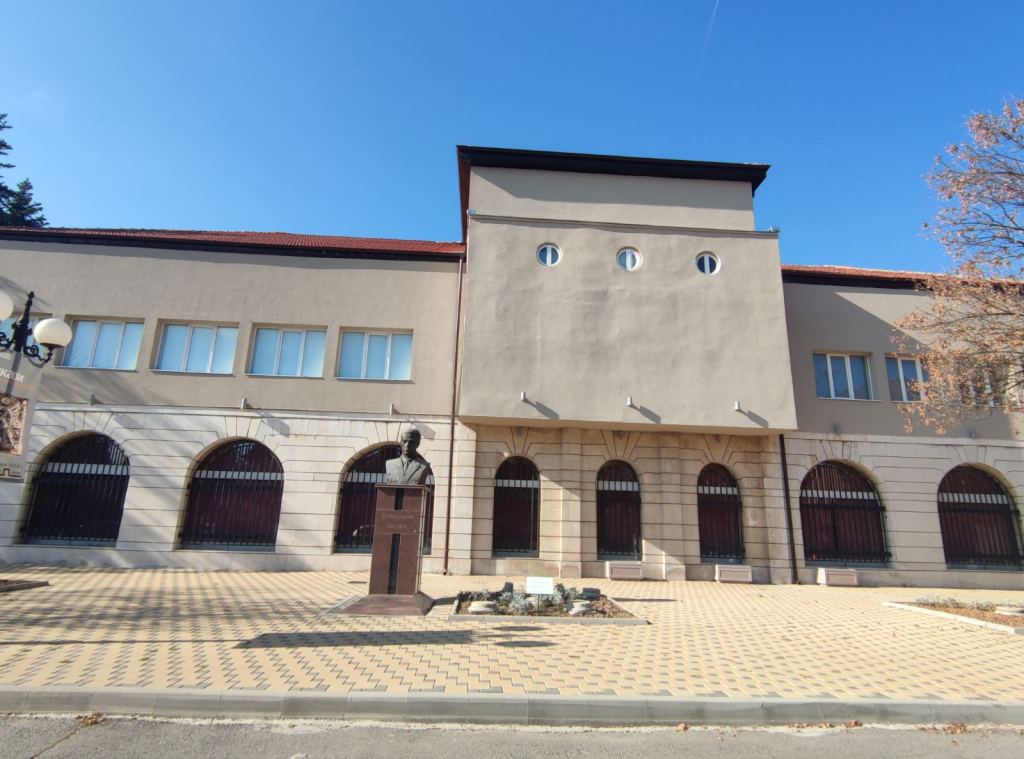
The festive program was rich, beginning with the Holy Liturgy in the Church of St. Ivan Rilski, who is considered the patron saint of Pernik. At 10:00 a.m. on Krakra Square was given the start of the women’s rally. There were many events all over the city, and we took part in those in front of the Regional Museum, where there was something like “old crafts for young talents” and our children managed to make clay cups, and others learned to weave and knit. In the evening there was a festive concert with Krisko, and the culmination of the celebration was the favorite performer of the mayor, and not only his – Lili Ivanova.
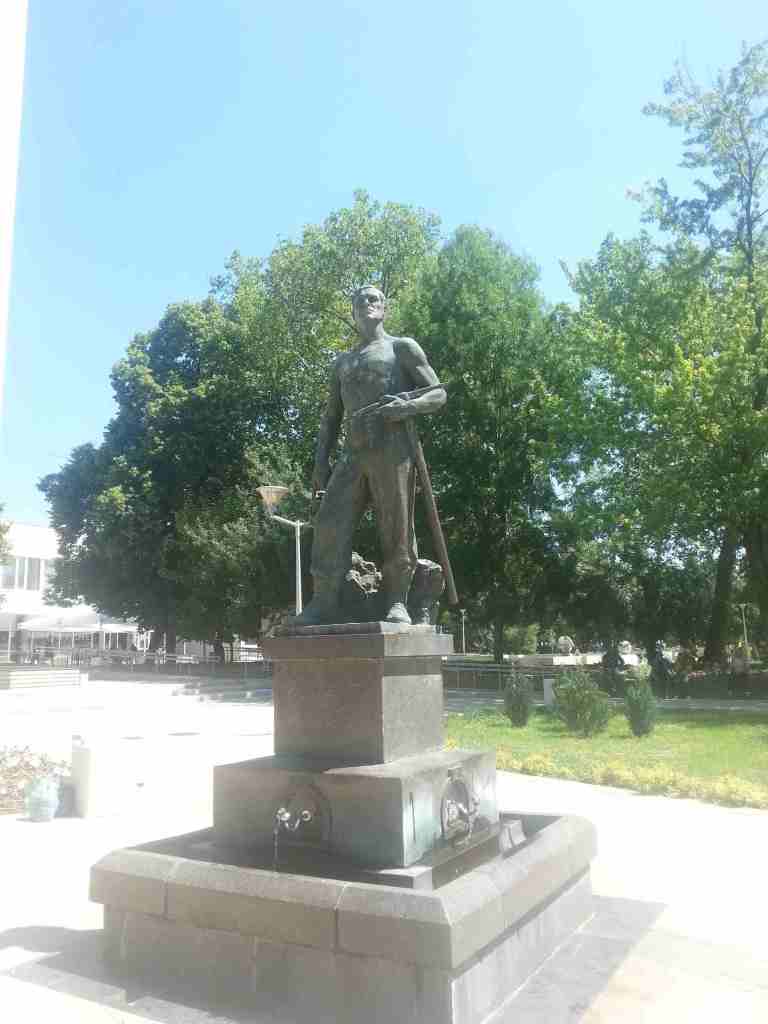
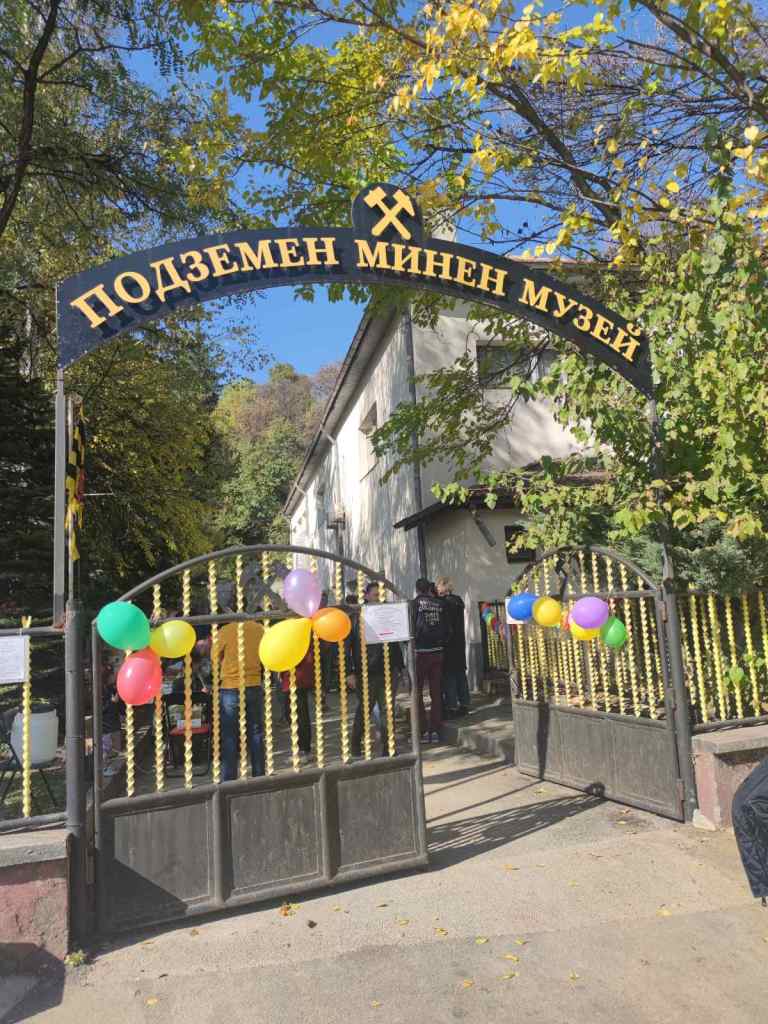
October 19 has been celebrated as Miners’ Day since 1903, and since 1994 it was declared as the Day of Pernik. That is why one of the must-see attractions when visiting the city, not only during holidays, is the unique for the Balkan Peninsula, the Underground Mining Museum. It impressed me so much that later I searched the Internet for similar museums in the world, as there are also in Poland (www.kopalniaguido.pl), England (www.ncm.org.uk), Belgium (www.leboisducazier.be), Germany (www.bergbaumuseum.de) and Italy (www.museodelcarbone.it).
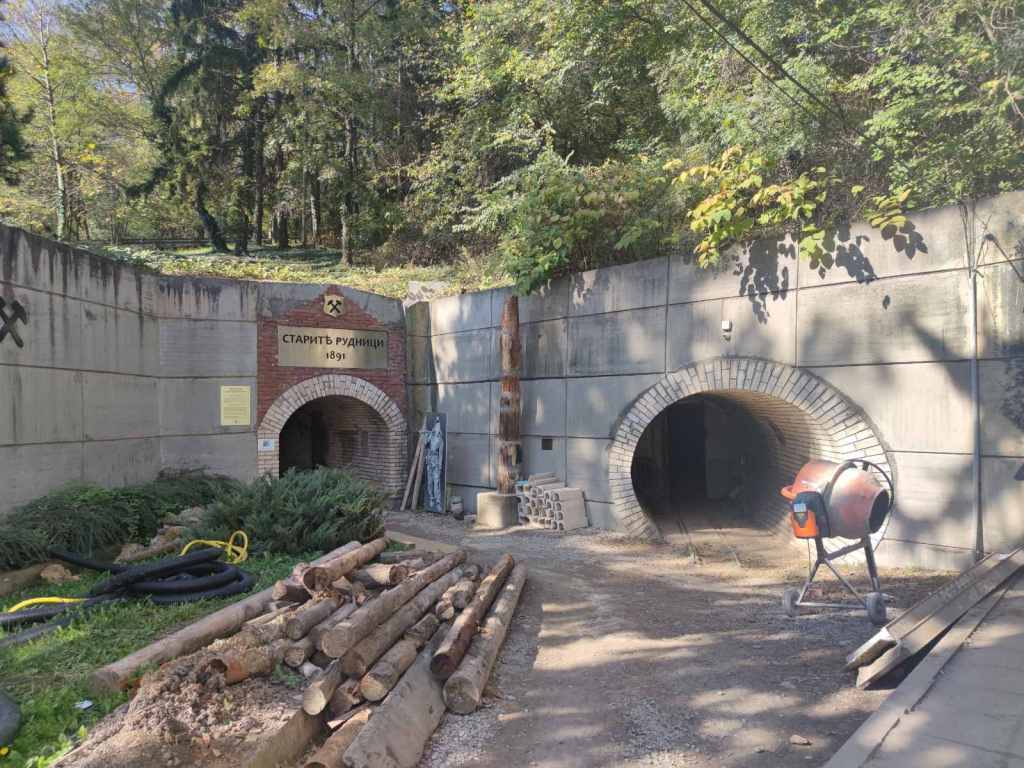
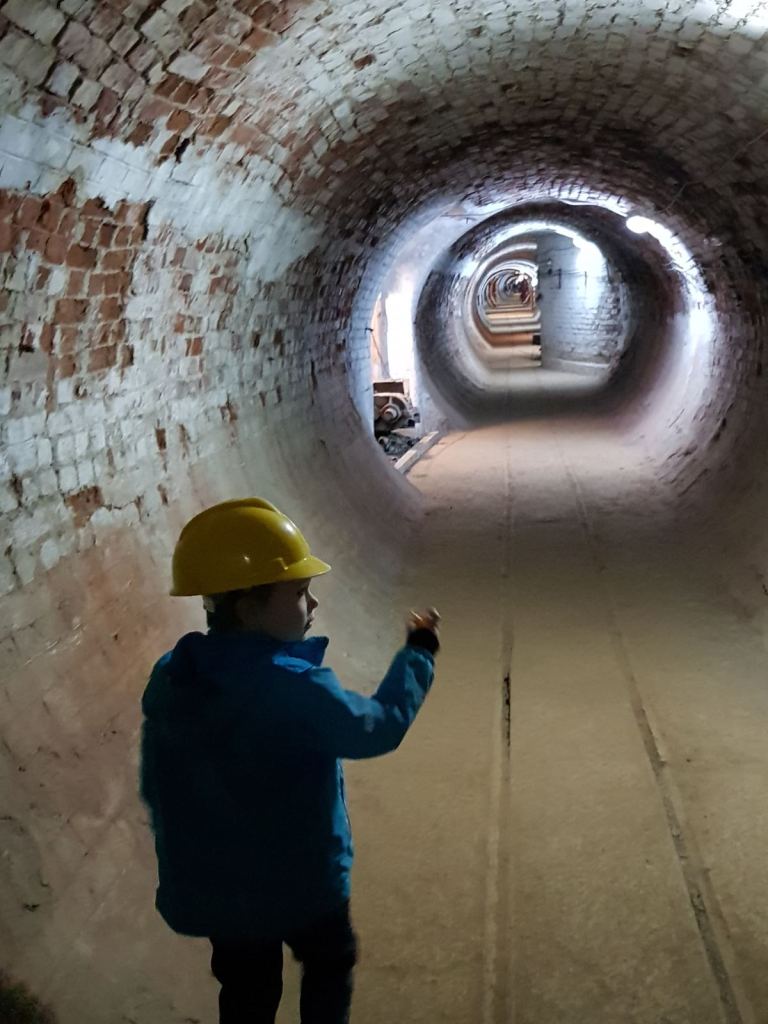
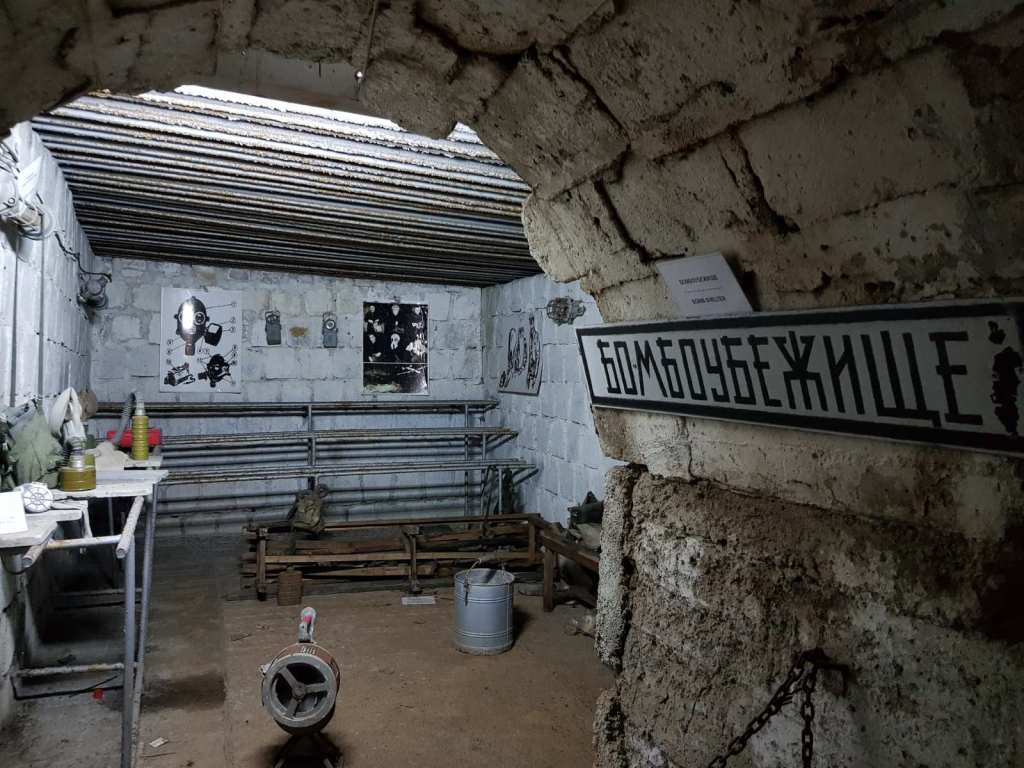
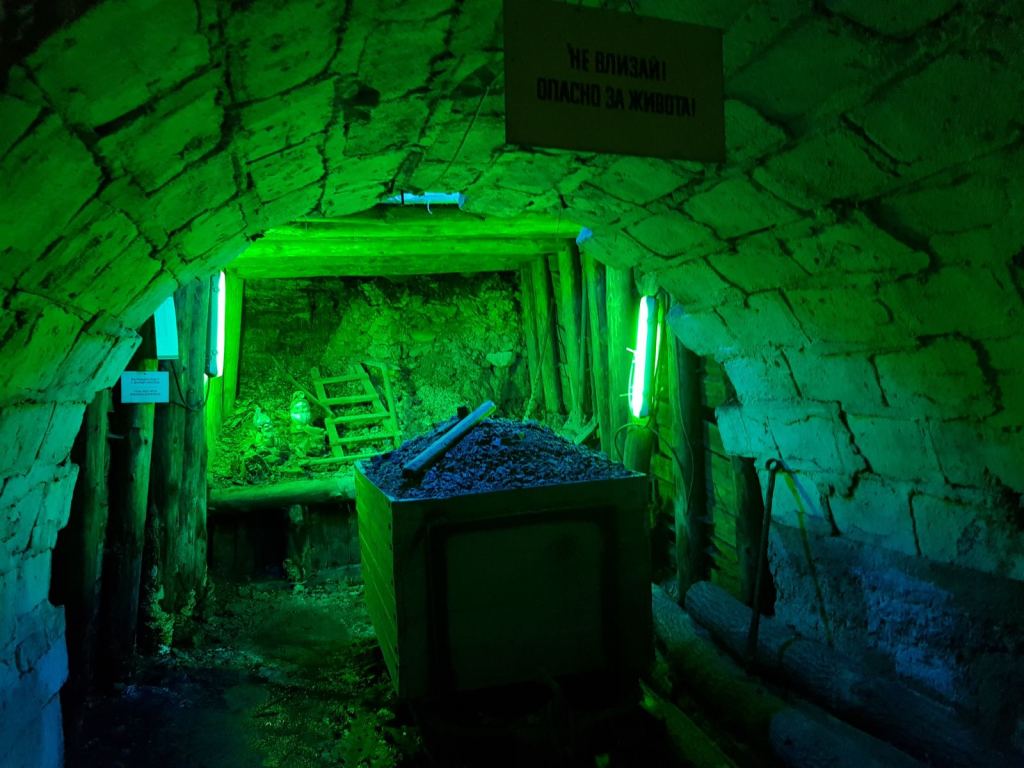
The Pernik Museum of Mines is housed in two of the preserved galleries of the “Old Mines”, which worked until 1966. There are 30 exposition niches in which you can see an electric locomotive, trolleys with which the miners and their tools moved, a viper mechanism for unloading the trolleys, a rubber-conveyor belt, as well as a model of a horse, as we learned, that since 1896 coal was transported by horses, as in 1922 around 350 horses worked in the Pernik mines. While walking through the tunnels, we imperceptibly reached 50 meters underground, then we also imperceptibly climbed up and out of the tunnel.
At the very entrance of the museum, we were given helmets, not so much for our safety, but for immersing ourselves in the life of miners. Here we learned that although they call coal “black gold”, the local coal is completely brown. At the entrance, we saw large barrels of water, and we learned that due to the harsh working conditions underground, one worker drank between 5 and 7 liters of water. At the time, it was not as illuminated as it is now, and the sound of the former “air conditioners” for air purification was terrifyingly loud. The children were also impressed by the underground telephone, whose handset weighs 2 kg. The museum is really a wonderful place where the work of all miners is really appreciated.

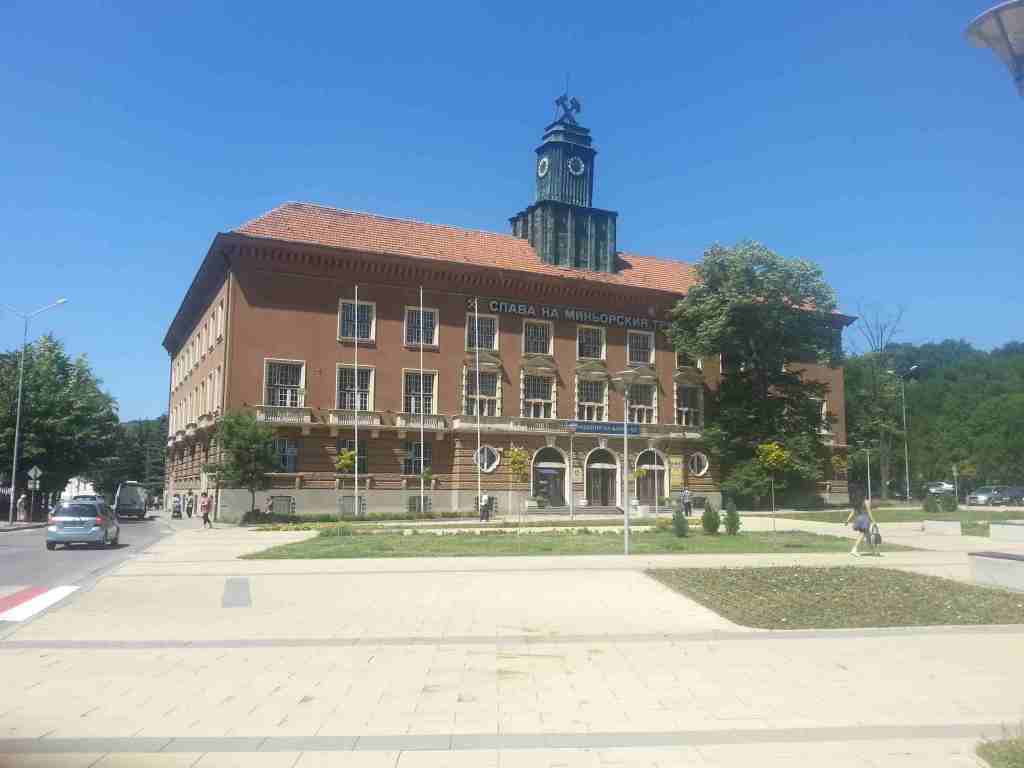
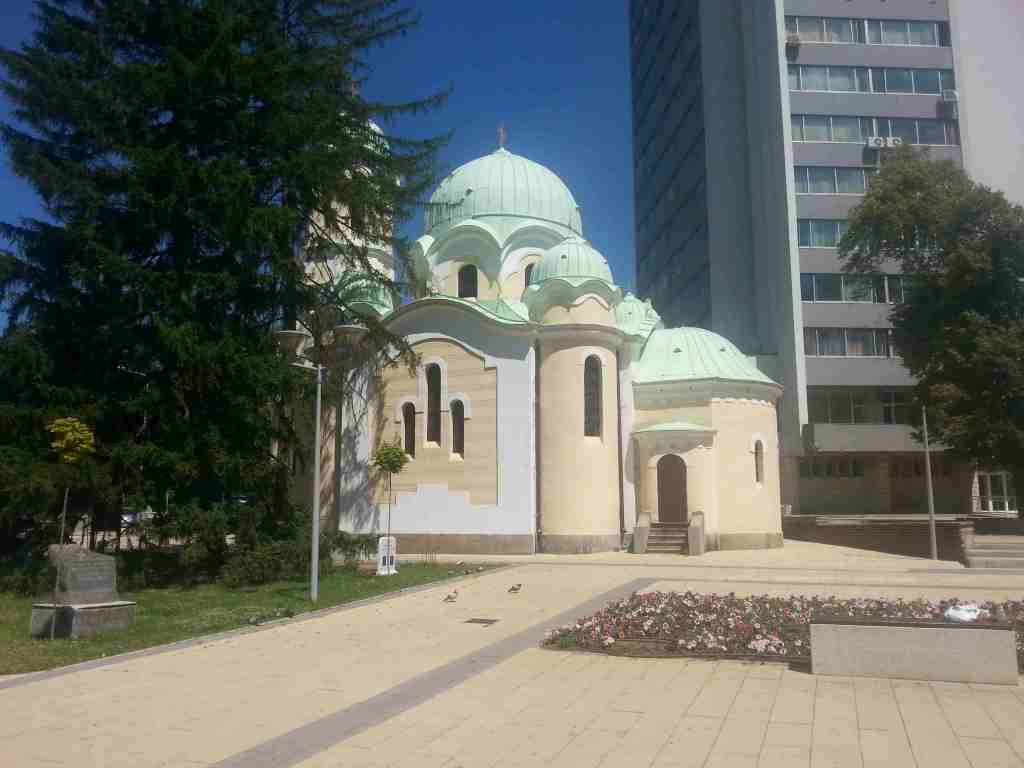
Pernik is impressive not only underground, but also above it. I especially liked The Miner’s House or Mining Directorate. It turned out that it is one of the most beautiful and preserved public buildings from the period between the two world wars in Bulgaria. It is located on the square. St. Ivan Rilski, next to the church of the same name, which is also called the Mining Church. Its construction was completed in 1920 and was consecrated on November 1 on the day of St. Ivan Rilski. In 2009. by decision of the Holy Synod of the Bulgarian Orthodox Church, the temple accepted as a gift from the Rila Monastery a particle of the relics of St. Ivan Rilski.
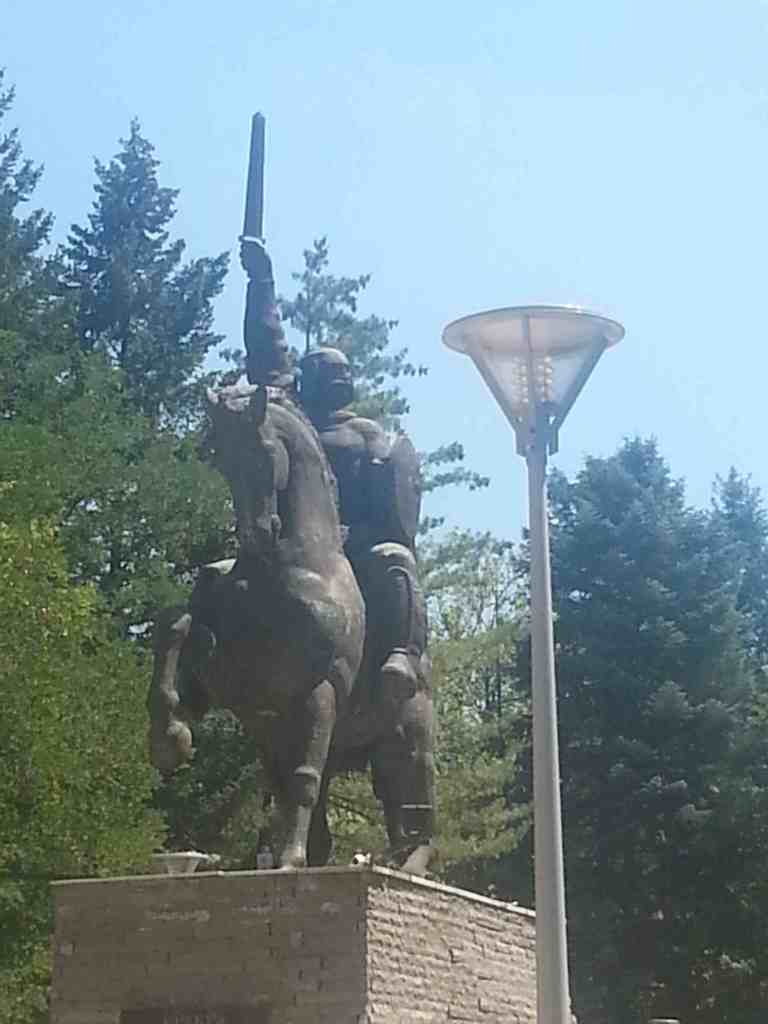
Another holy and beautiful place in the city is the Pernik Fortress (Krakra), which is associated with the name of the commander and ruler of the fortress Krakra Pernik, who lived in the second half of the 10th and early 11th centuries and during the wars of Samuil with Byzantium, Krakra defended the Pernik fortress and inflicted two defeats on the Byzantine emperor Basil II. Byzantine chronicles describe him as a righteous and honest man who did not tolerate bribery and was always perfectly prepared for military affairs. He owned 35 fortresses in the region, and the one in Pernik was created in 809, when Khan Krum annexed the territories of today’s Sofia and the surrounding area to the Bulgarian lands. Today, from above the city you can see the preserved walls and the recently restored part.
The name Krakra is also given to the central square of the city, where all celebrations are held, including one of the largest festivals in Europe – the international masquerade kukers’ festival Surva, because of which in 2009 the city has been officially declared as the European Carnival Capital. It is interesting that part of the central square is located on the Struma River. The Struma River itself springs south of Cherni Vrah, Vitosha mountain and is among the largest rivers in the country, and neatly passes through Pernik.
Pernik is the most populous city in Western Bulgaria after the capital Sofia and in 2024 ranks 11th in the country. It is also home to some of the largest coal deposits in the country. The black gold contributes to this flourishing of the city, and the people in it manage to win the hearts of visitors with many holidays and festivals, which my family and I have the chance to participate and would repeat it again.

GENERAL INFORMATION ABOUT PERNIK:
Location: It is located in Southwestern Bulgaria, 28 km from Sofia. The town is located in the Pernik valley with an altitude between 700 and 850 m, surrounded by the mountains Vitosha, Golo Bardo and Lyulin.
Area: 461.1 sq. m.km
Population: 72,816 people (2024 data)
Official language: Bulgarian
Altitude: 710 m
Climate: temperate continental, and its location protects it from strong winds.
Time zone: UTC +2
Currency: BGN (BGN)
Additional information: http://pernik.bg/
TRIP TIPS FOR PERNIK:
Best time to visit: all year round, and the city is especially welcoming during the Surva holidays at the end of January and the city holiday in October 19th.
Typical foods and drinks: among the most emblematic dishes for the region of Pernik are the “variva” (boiled sauerkraut with pork, bacon and dry red pepper). While you are in the Shopski region, be sure to try the Shopska salad and Shopski cheese.
Places to visit: Underground Mining Museum, Regional Museum, Krakra Fortress, etc.
 TripTips