FAIRY TALES AND GAMES
IN KOPRIVSHTITSA


Once a long time ago,
A poplar was born.
When it was a small grain,
He asked the wind to carry him away.
"I don't want in the forest to live,
And the others woods my branches to beat.
I want to grow among flowers under the sun
And no one to overshadow my trunk."
And his desire became true,
Alone, and very quickly he grew
He became tall and green,
But again he wasn’t very happy.
He felt so lonely in the field
Without a family or any friendship.
The birds flew in a flock and passed him by
The bees flew together to their hive.
Even the clouds that stayed above
Looked to the poplar and laughed.
The poplar decided to grow higher and high
and to reach to the blue sky,
Then he will laugh at the clouds,
and their jolly he will stop.
But no matter how much he grew,
He was still alone, and that hurt.
He started to cry tear after tear
And soon on the land a river appeared.
People saw it and come to this land
They built houses and more trees they plant.
The Poplar was no longer alone and all went well
People even gave the river his name
The river was named Topolnitsa*
And the town became known as Koprivshtitsa.

*Topola means Poplar in Bulgarian language.


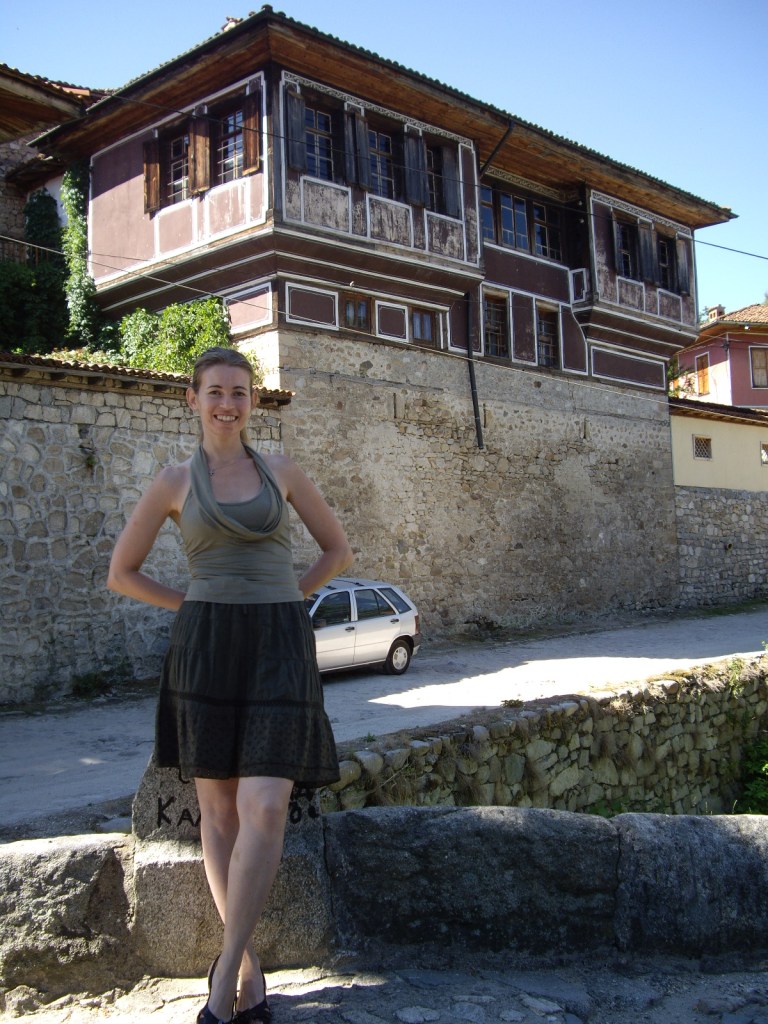
Koprivshtitsa is a magical place that takes us back to distant times when people lived in colorful houses and went to work in the fields. The beautifully painted houses gave warm and coziness to the otherwise not so easy former life that was led here.
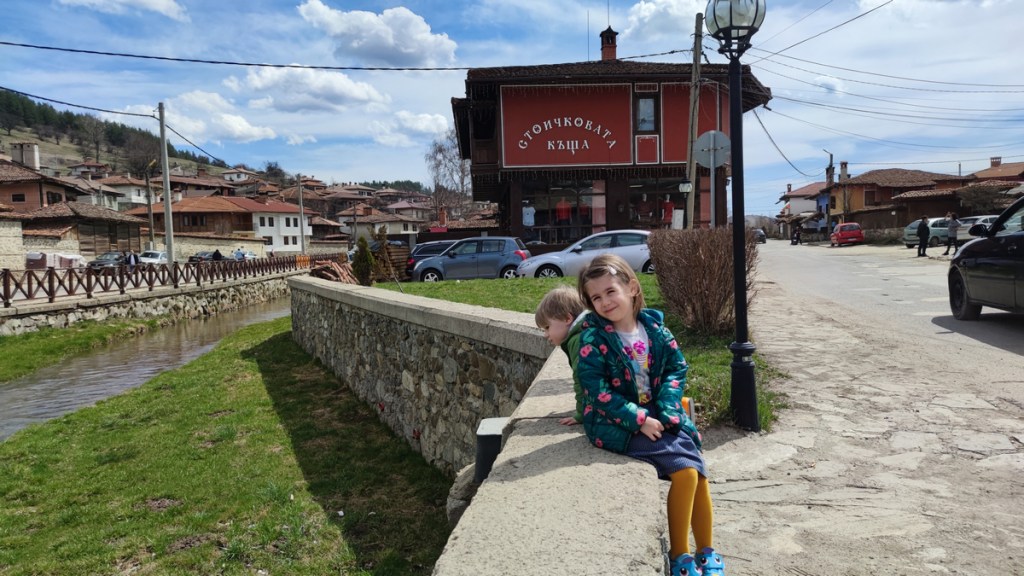
We stayed in the Stoichkova House, which is a wonderful mix of Renaissance architecture and modern amenities – there is a small SPA center and a children’s playground, but we headed outside walking along the Topolnitsa River, which runs through the town.


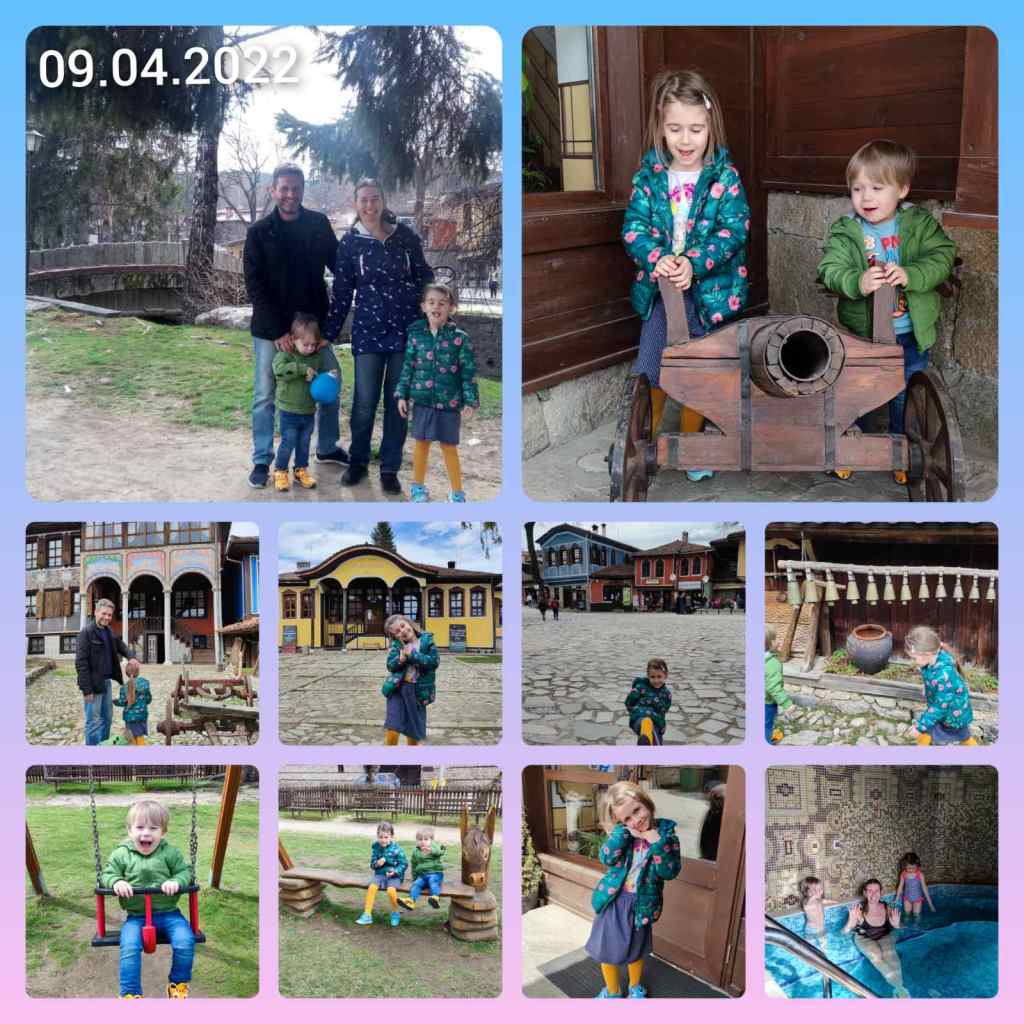
After a 10-minute walk we found ourselves in the city center, named April 20th Square. We entered the Tourist Information Center, from where we took stamp No 75 from 100 Bulgarian Tourist Sites, after which we visited the closely located house-museum Oslekova House. The children were delighted from the numerous bells in the yard, which we were allowed to try, sounding the whole city. The house itself presents the rich Koprivshtitsa lifestyle from the end of the 19th century.

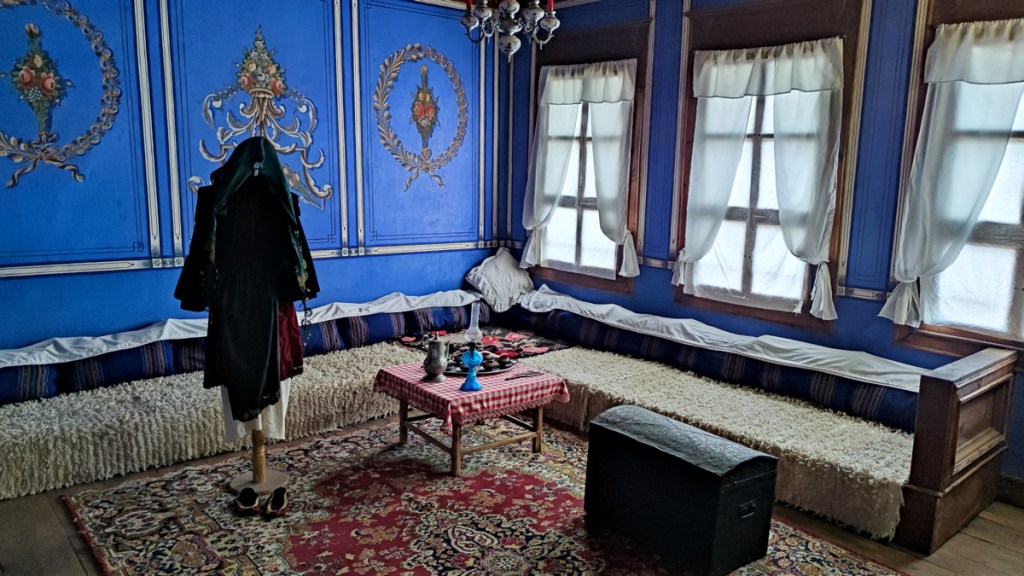
Another beautiful house-museum is the ont of Dimcho Debelyanov, but this time we passed it by heading to the picturesque blue church of the Assumption, and then to the house-museum of Todor Kableshkov.
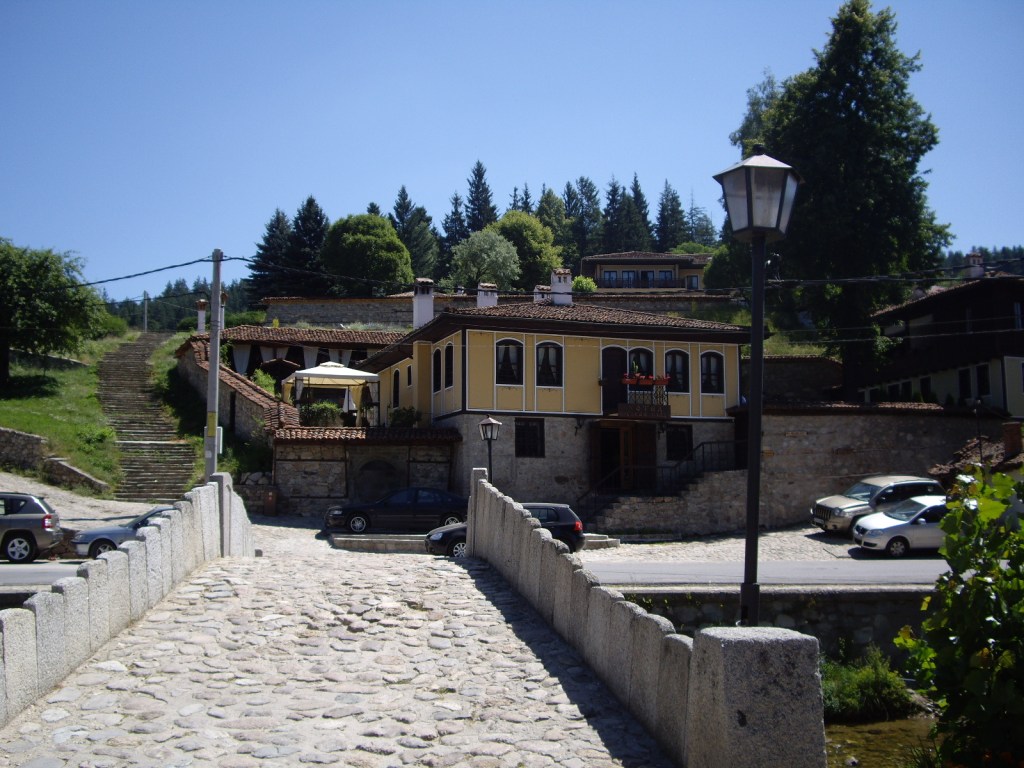
We also stopped at the stone bridge called The First Rifle, on which the First Rifle gave the beginning of the April Uprising on April 20, 1876. We had lunch in the hotel-restaurant Father’s House (Bashtina Kushta), where on the other site of the street there is a large playground. There we had a cheerful and pleasant afternoon.


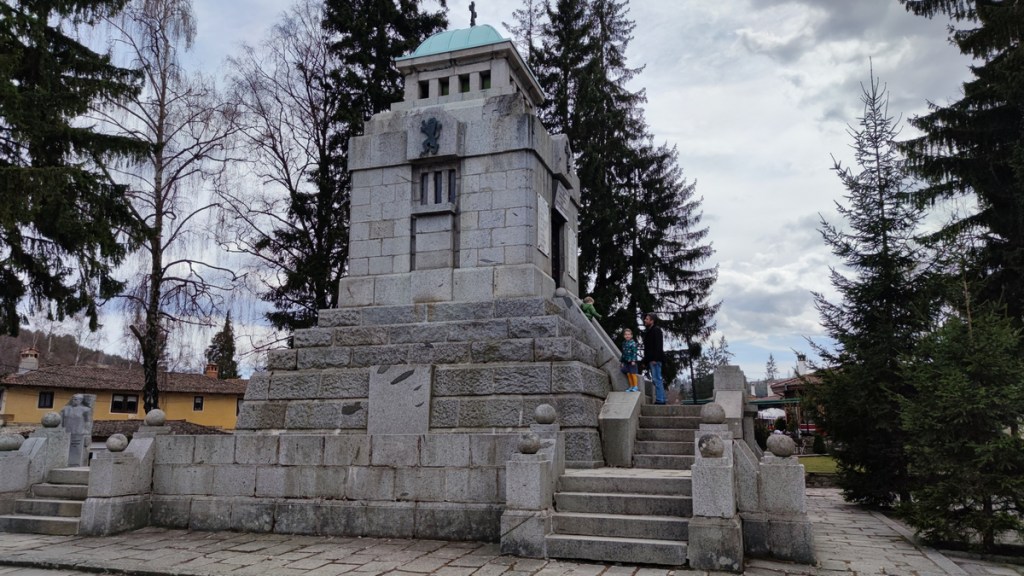
From our hotel room we could see the stone monument of Georgi Benkovski, representing a galloping horseman. We also raced during the day from landmark to landmark in this small neat town that has preserved colorful memories of Bulgarian history. One weekend in Koprivshtitsa is enough to captivate visitors and making them coming again and again.
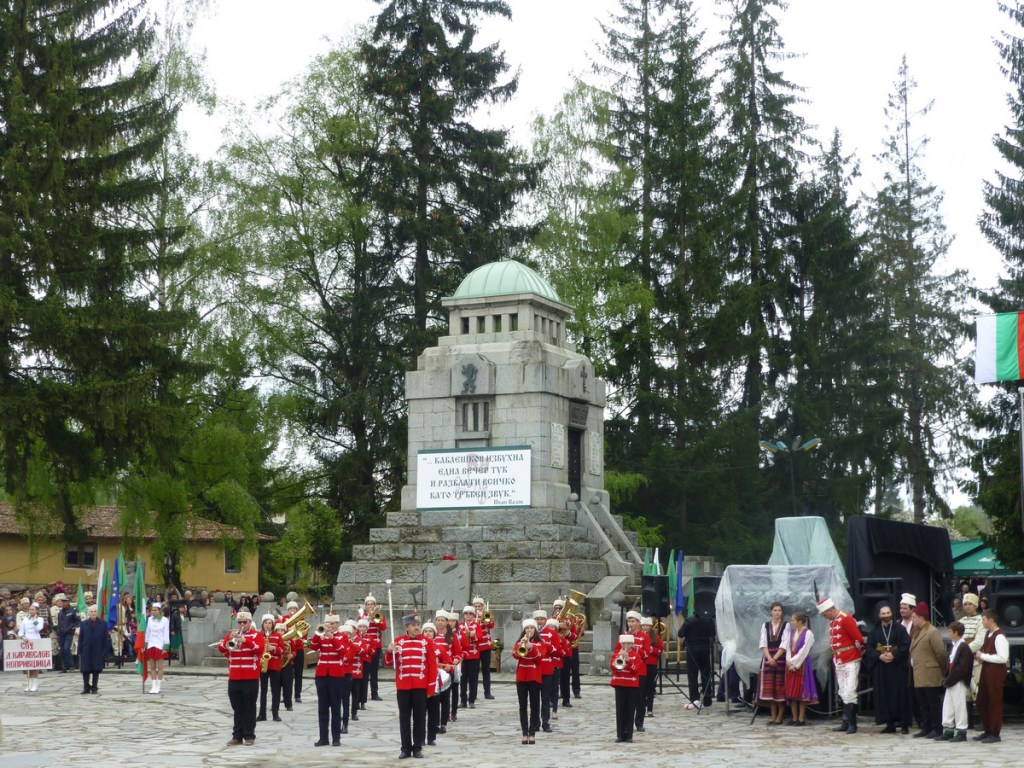
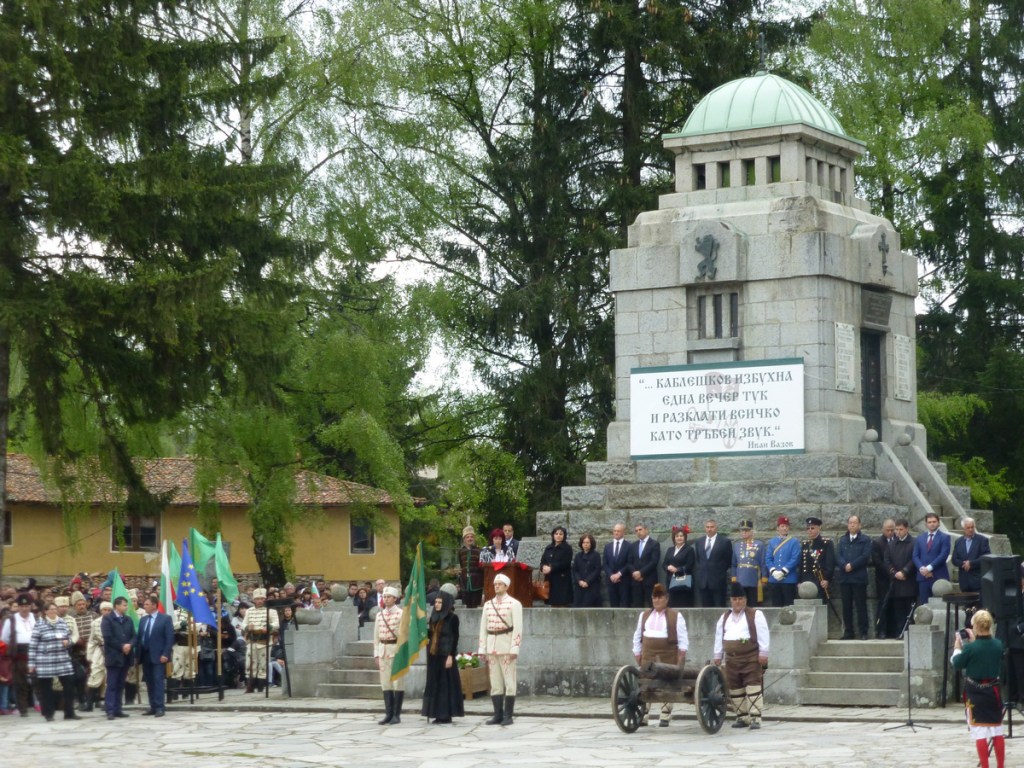
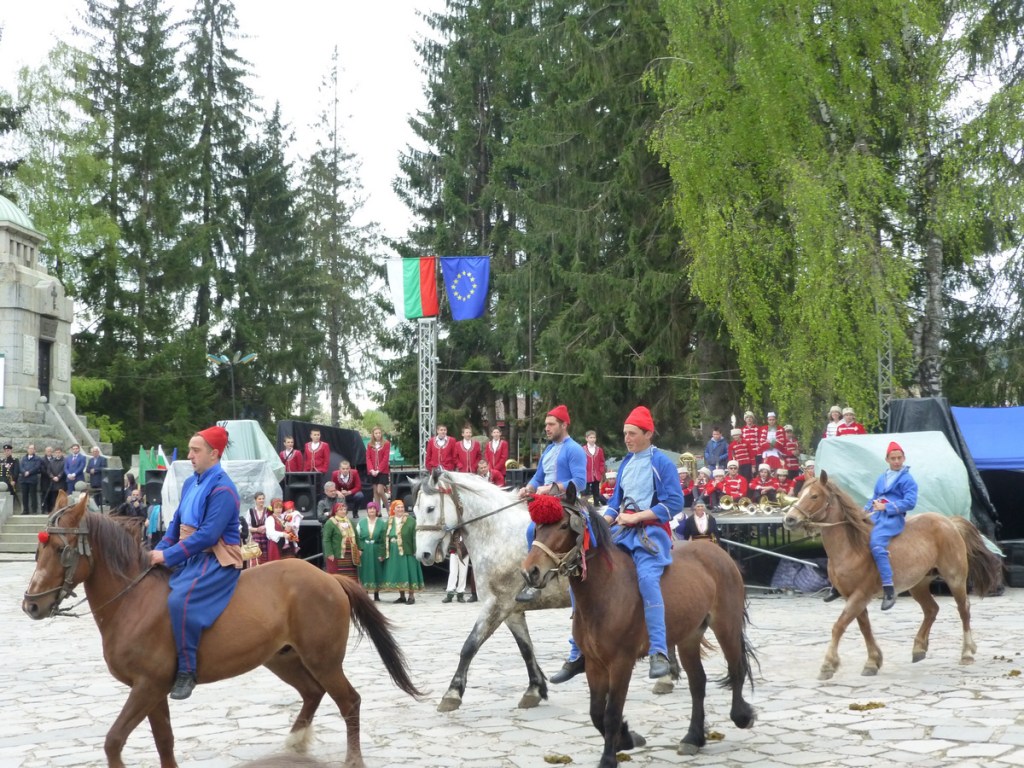
We recommend you to visit the town-museum of Koprivshtitsa during its holiday – May 2, when traditionally the events of the announcement of the April Uprising are recreated, with lots of performances and concerts.

General information about Koprivshtitsa:
Location: Koprivshtitsa is located near the towns of Pirdop, Klisura, Strelcha and Panagyurishte, beautifully located in the picturesque valley of the Topolnitsa River in the central part of Sredna Gora.
Area: 139.16 sq.km
Population: 2032 people (data from 2022)
Official language: Bulgarian
Altitude: 1060 m
Climate: continental-mountain with cold but sunny winters and cool and fresh summers.
Time zone: UTC +2
Currency: BGN (BGN)
Additional information: http://www.koprivshtitza.com
Trip Tips for visiting Koprivshtitsa:
Best time to visit: all year round, especially in the summer when it is cool and the city is an excellent place for a walk.
Typical food and drinks: In the town there are many taverns with excellent dishes, as Koprivshtitsa cuisine is mostly known for dishes with potatoes, tutmanitsi and flat sausages.
Places to visit: Olekova House-Museum, House-Museum ofTodor Kableshkov, House-Museum of Dimcho Debelyanov, House-Museum of Lyuben Karavelov, House-Museum of Georgi Benkovski, Museum of Lyutova House, Temple of the Assumption, Church of St. Nicholas, Kalachev Bridge (also known as the bridge of the first rifle), Secondary School Lyuben Karavelov and many others.
 TripTips