KALOFER – BOTEV’S HOMETOWN
author: Ana Boneva




“Only fools learn from their mistakes. Smart people learn from the experience of others” Otto von Bismarck
I love reading biographies of famous people and retelling them to my children, especially when we go to new places. We made this during our visit to the picturesque town of Kalofer – known as the hometown of Hristo Botev. The two hours by car from Sofia were great for getting acquainted with the life of this famous Bulgarian revolutionary, poet and publicist.
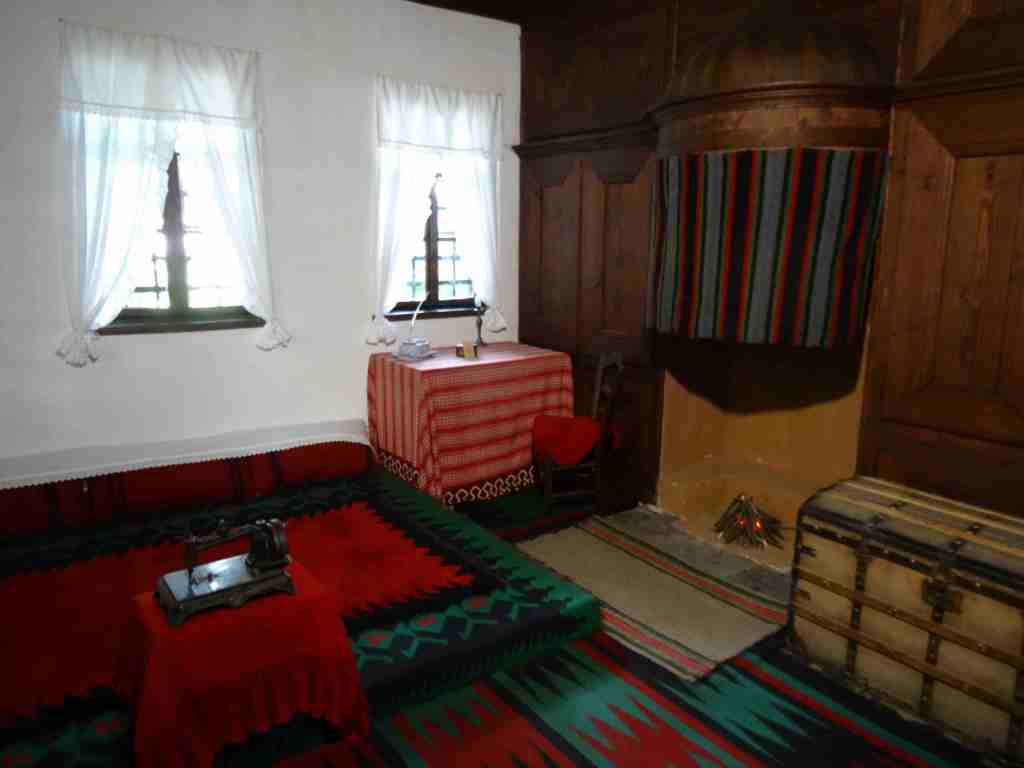
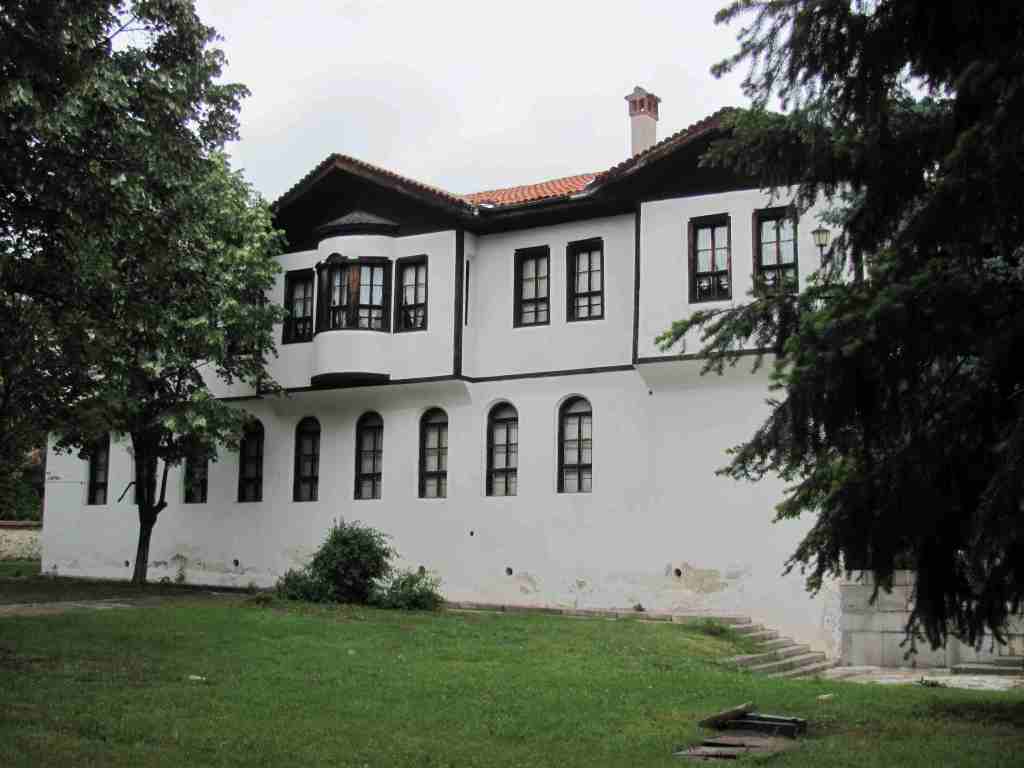
Hristo Botev was born on Christmas Day (25.12.1847 old style or 6.01.1848). According to some sources, he was born in a classroom, where his parents lived at that time, and a large part of his life was spent in the classroom – studying, and then teaching. As a very young child, his family moved to their own house, which was destroyed during the Russo-Turkish War, but in 1940. was restored and turned into the National Museum of Hristo Botev.
From his biography we were impressed that at a time when there were no planes, cars and even trains, Hristo Botev traveled a lot. At the age of 15, he went through Plovdiv and Constantinople to Odessa, where he studied. Although he did not graduate from the school there, he spent a lot of time in various libraries and discovered his passion for writing. For some time he lived in Southern Bessarabia, then he traveled by ship from Odessa to Burgas and through Sliven he returned back to Kalofer. Then, at the age of 19, he went to Romania, where he met many other revolutionary figures.
All of Botev’s travels enriched him and introduced him to prominent people, including Vasil Levski, Hadji Dimitar, Karavelov and others. Travels develop him as a person and activist. We also traveled, but with the convenience of a car, hoping that we would improve our talents and knowledge along the way.
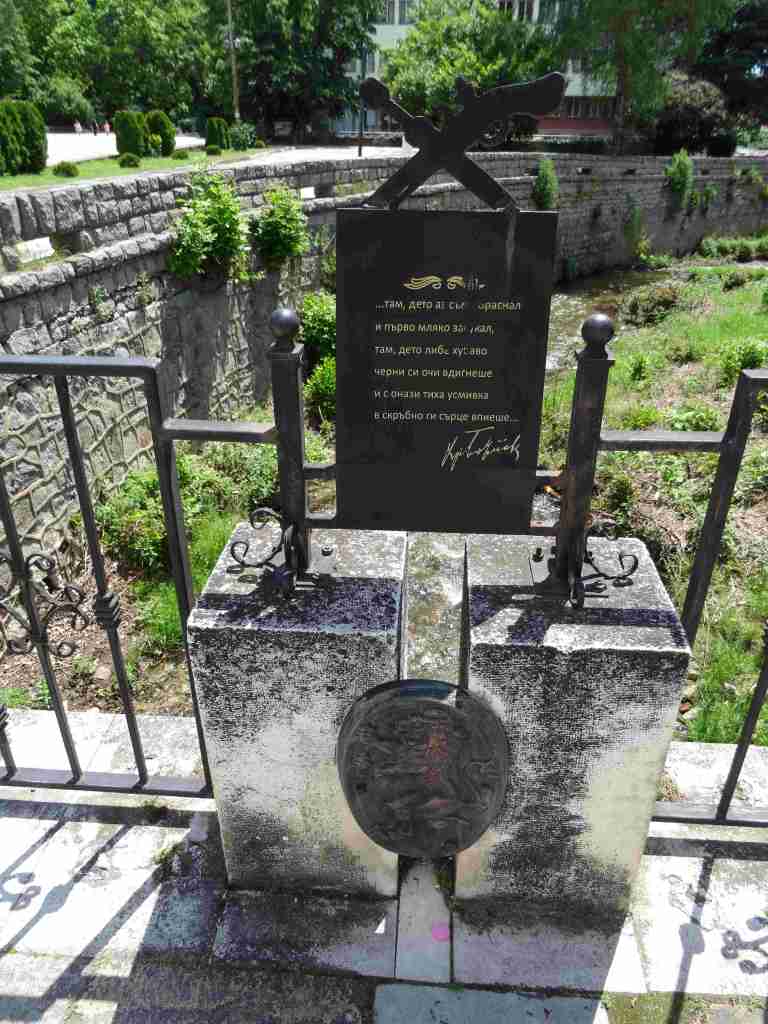
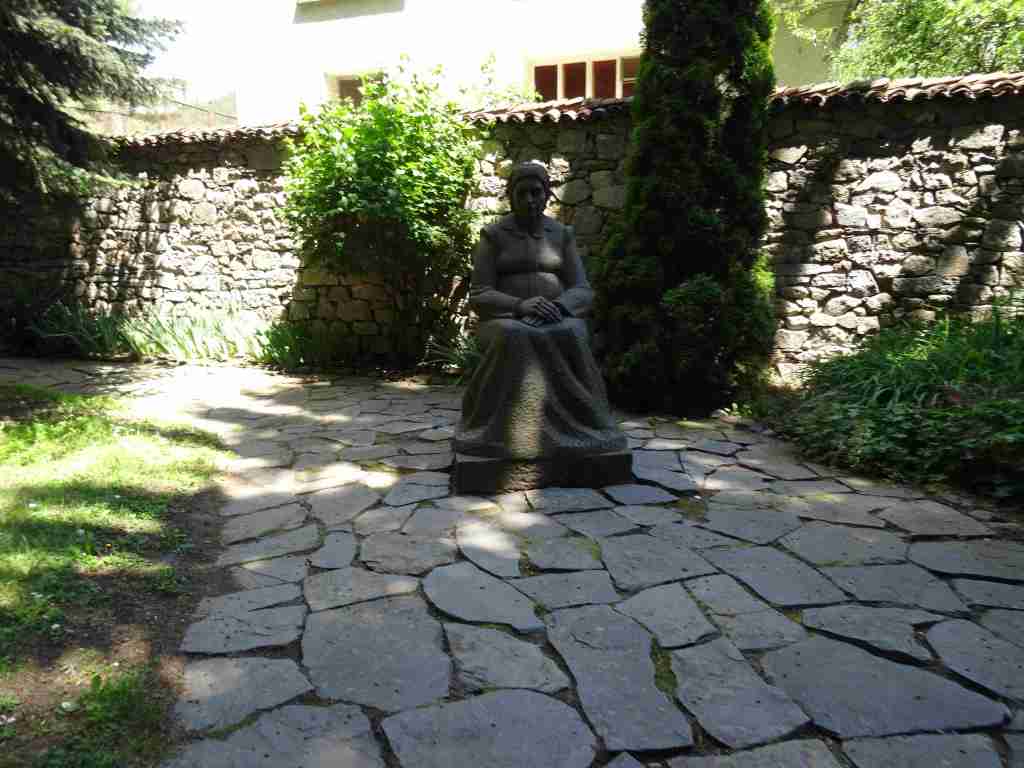
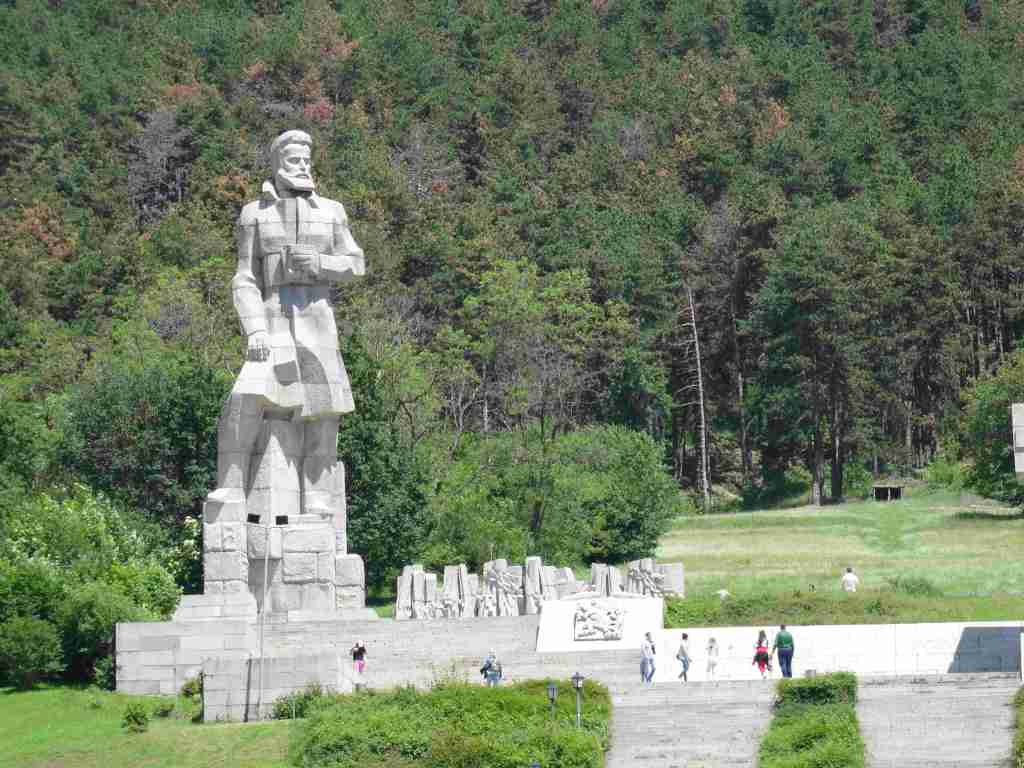
Our knowledge of Botev, for example, has significantly increased in the Hristo Botev Museum Complex in Kalofer, which consists of Botev’s house-museum, the exhibition hall, the monument of Botev and the monument of Ivanka Boteva – the poet’s mother. We learned that Hristo Botev was the eldest son of a total of 9 children (Botev had 2 sisters and 6 brothers), and we wondered how they all lived in the small neat house. This trip taught us to appreciate the little things, such as the apartment we lived in – it was many times more spacious than Botev’ s house.Transporting us back in time made us appreciate all the comforts and toys we enjoyed today, wondering how people grew up before without them. Then we thought about what else people will come up with to make our lives easier.


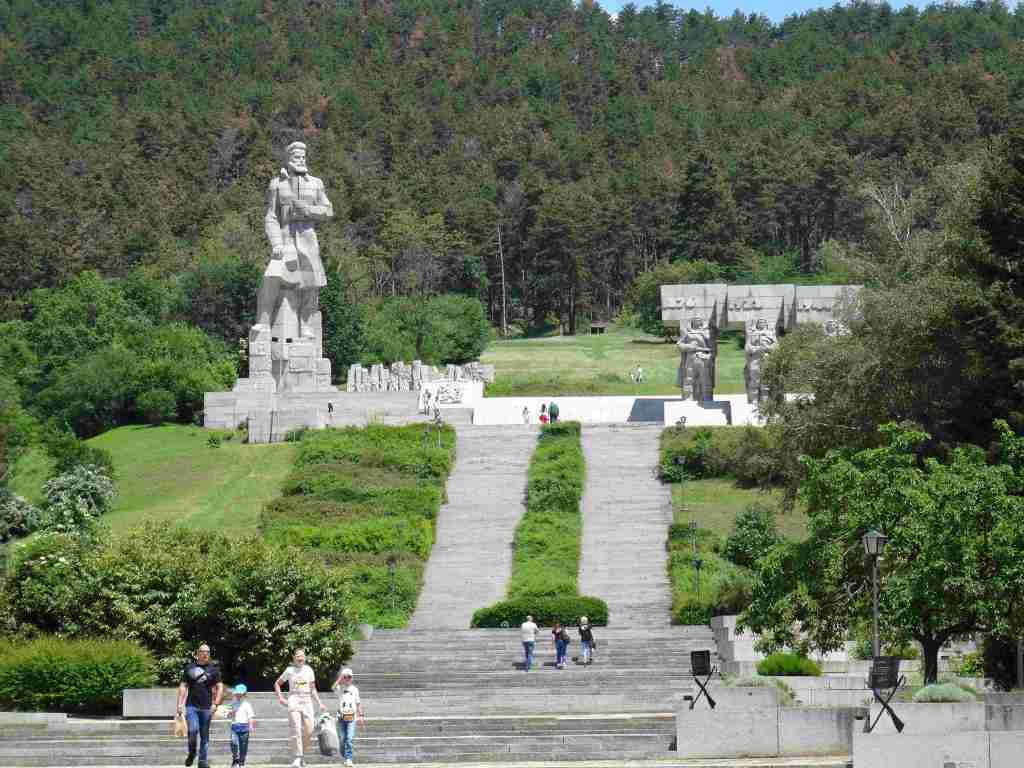
The trip taught us to leave our comfort zone and climb the numerous steps leading to the huge monument of Botev, erected on a hill in close proximity to the central square of Kalofer. The figure of the poet is 14.4 meters high, and together with the granite pedestal it reaches an impressive 25 meters. From there, a wonderful view of the whole city is revealed.
At the foot of the monument, we managed to improve our patience, waiting to pass the other tourists and take nice photos.
Just as Botev never stopped learning, we continued to learn new things during our tour of Kalofer. The name Kalofer, for example, in Greek means “good bearer”. However, the town was named after Kalofer (or Kalifer) voivode.
According to legends, Kalifer the voivode with his team managed to mischief the Ottoman enslavers and strengthen the Bulgarian spirit for freedom. To stop his raids, the sultan allowed Kalifer to create his own settlement on the territory that he could tour in one day on horseback.
He chose a good place among dense forests, along the full-flowing Tundzha River. There his team built nice houses and took beautiful Sopot maidens as wives. Thus, in the 16th century, they created the picturesque Kalofer town, which in the 19th century experienced a real economic flourishing with many crafts, including rose production, widespread in the Karlovo region. Undoubtedly, however, the city remains known as the cradle of modern Bulgarian education, and Hristo Botev’s father – Botyo Petkov contributed to this.
During the Russo-Turkish War, Kalofer was completely burned down and razed to the ground, but after the liberation from the ashes, a new town was erected, and the first restored buildings were those of the school and the church, because people knew that knowledge and spirituality would help them withstand the changes in time. It was from the school that Botev came literally and figuratively – a brilliant poet and voivode, a brilliant publicist and one of the leaders of the Bulgarian national liberation movement. His works continue to inspire us, and his hometown attracts many tourists captivated by the free spirit of the city, located at the foot of the Balkan Mountains, where the wind blows and the echoes “freedom” sounds.




GENERAL INFORMATION ABOUT KALOFER:
Location: Kalofer is located at the foot of the southern slopes of the Balkan Mountains, 17 km from Karlovo and 22 km from Sopot. The city is located almost in the ideal center of Bulgaria, which makes it a convenient destination to visit from any part of the country.
Area: 155 sq. m.km
Population: 2583 people (2022 data)
Official language: Bulgarian
Altitude: 666 m
Climate: temperate continental, and its location protects it from strong winds.
Time zone: UTC +2
Currency: BGN (BGN)
Additional information: https://kalofer.bg/

TRIP TIPS FOR KALOFER:
Best time to visit: throughout the year, the town is especially festive during St. Jordan’s Day, when the famous men’s horo is performed in the waters of Tundzha in Kalofer.
Typical foods and drinks: While in the Rose Valley, be sure to try different foods and drinks made from roses, such as Turkish delight with roses, rose honey, rose jam, as well as a drink made from roses, or one with roses and lemons.
Places to visit: National Museum “Hristo Botev”, Botev’s monument, Kalofer Monastery, etc.
 TripTips