Traveling with kids in Gabrovo District
GABROVSKI JOKES

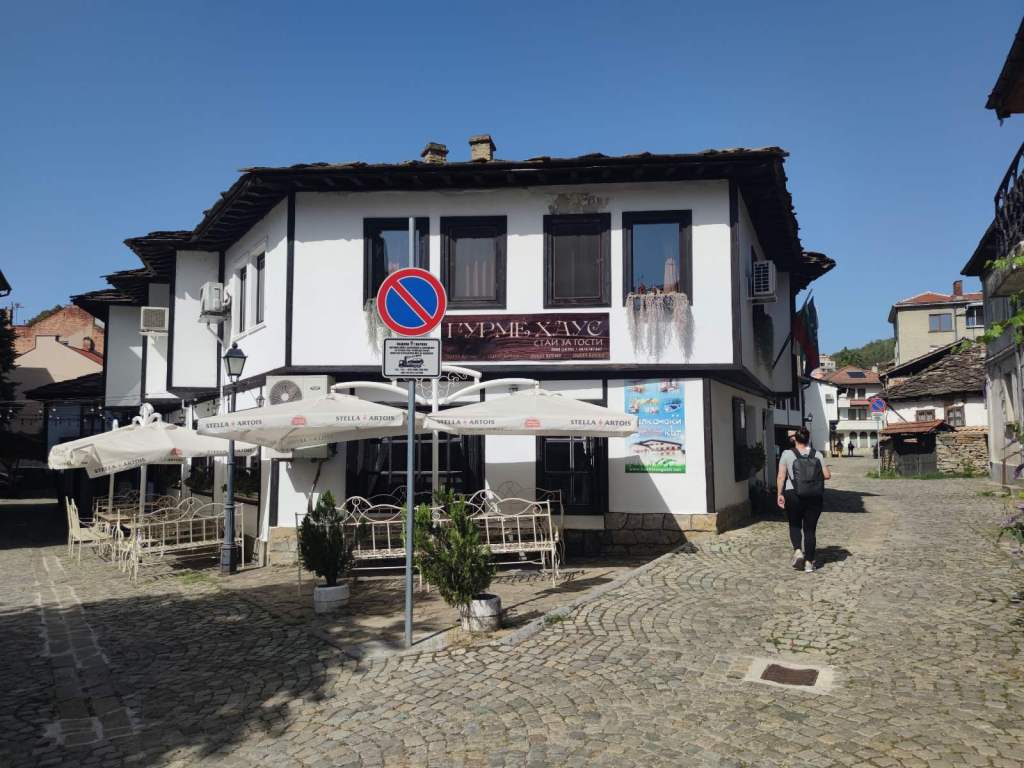

At the foot of the Balkan Mountains, along the Yantra River, there is a picturesque town that probably arose in the 14th century. Many trees with the name hornbeam (Gabrov in Bulgarian) gave the name of the town, and the humor of the local people is known to this day. The stories and jokes about Gabrovo citizens are many, as well as the sights in the city.
Our weekend began with accommodation in the Gourmet House Hotel, located in the very center of the city, in a beautiful house with cozy rooms.
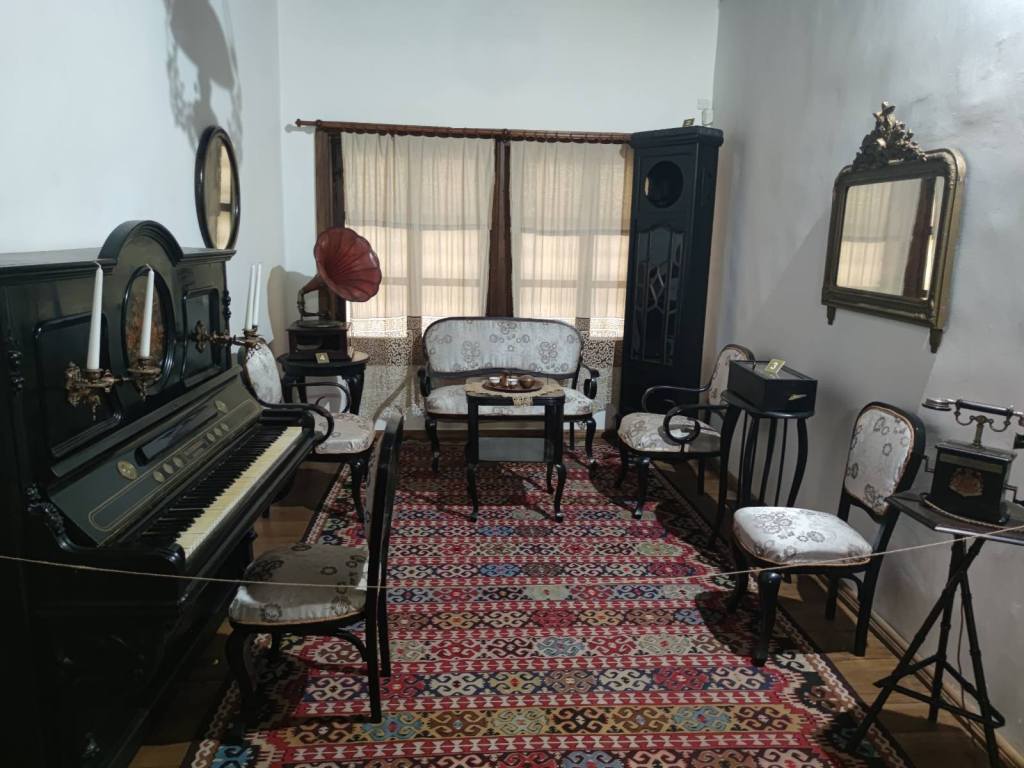
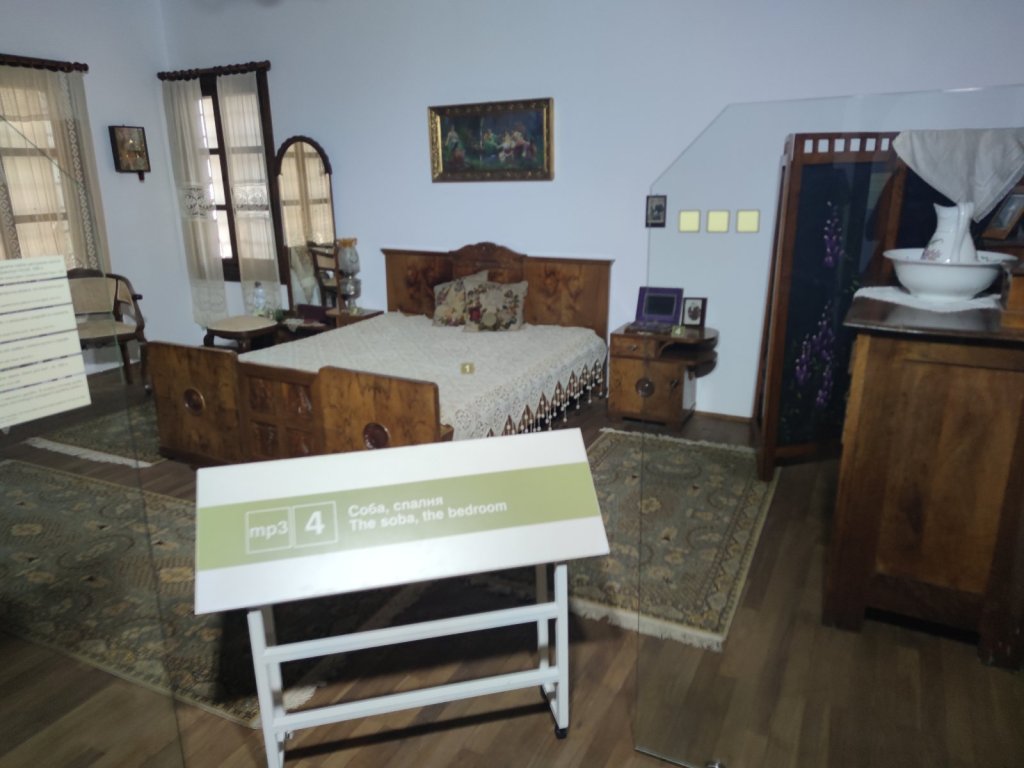
Just a few steps away is the Dechkova House, which has preserved its Renaissance architecture and furniture from the end of the 19th century. From here, fens of the 100 Bulgarian Tourist Sites can take a 19b stamp. The house and the exhibition are not large, but it is interesting especially for younger visitors born 2 centuries later.

Opposite the Dechkova House rises the clock tower, built in 1835. It is 27.7 meters high with a large bell delivered from Vienna. At the base of the tower there is a fountain, above which is depicted the coat of arms of Gabrovo.
In the immediate vicinity is the statue of Racho the Blacksmith, who is believed to be the founder of the city. According to legends, Racho Kovacha was a wandering master blacksmith who settled on a hornbeam tree. His monument is the only monument built in a river in Bulgaria. According to the famous Gabrovo jokes, his monument was erected in the river to save living space and not to spend money on flowers on the monument.

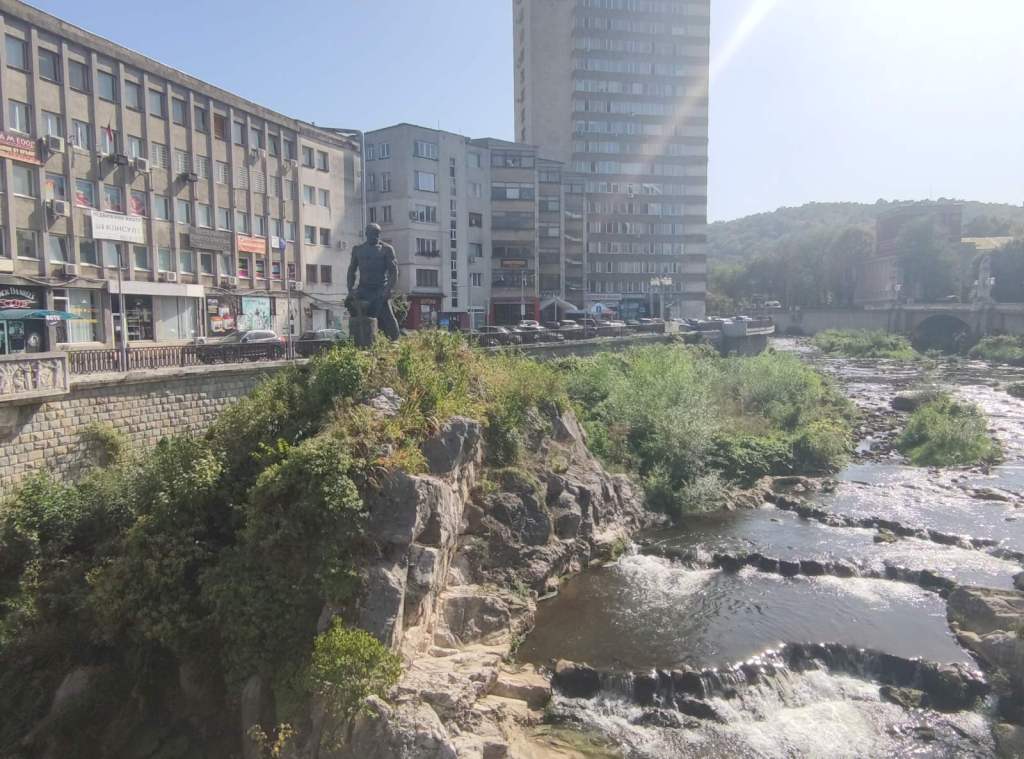
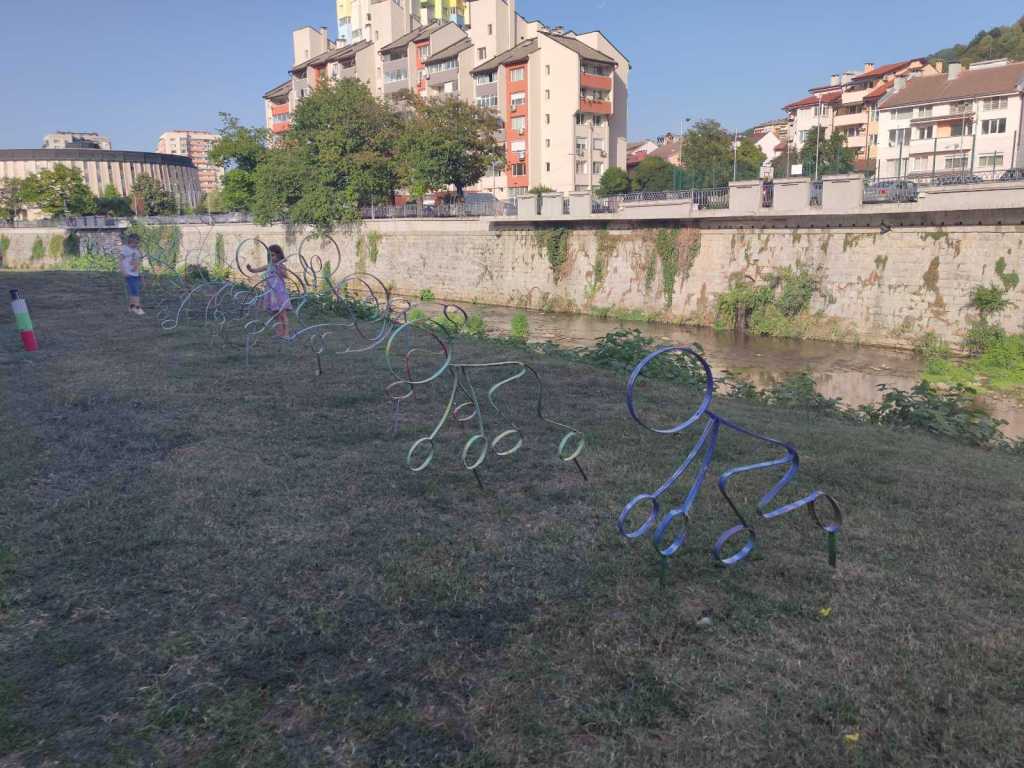

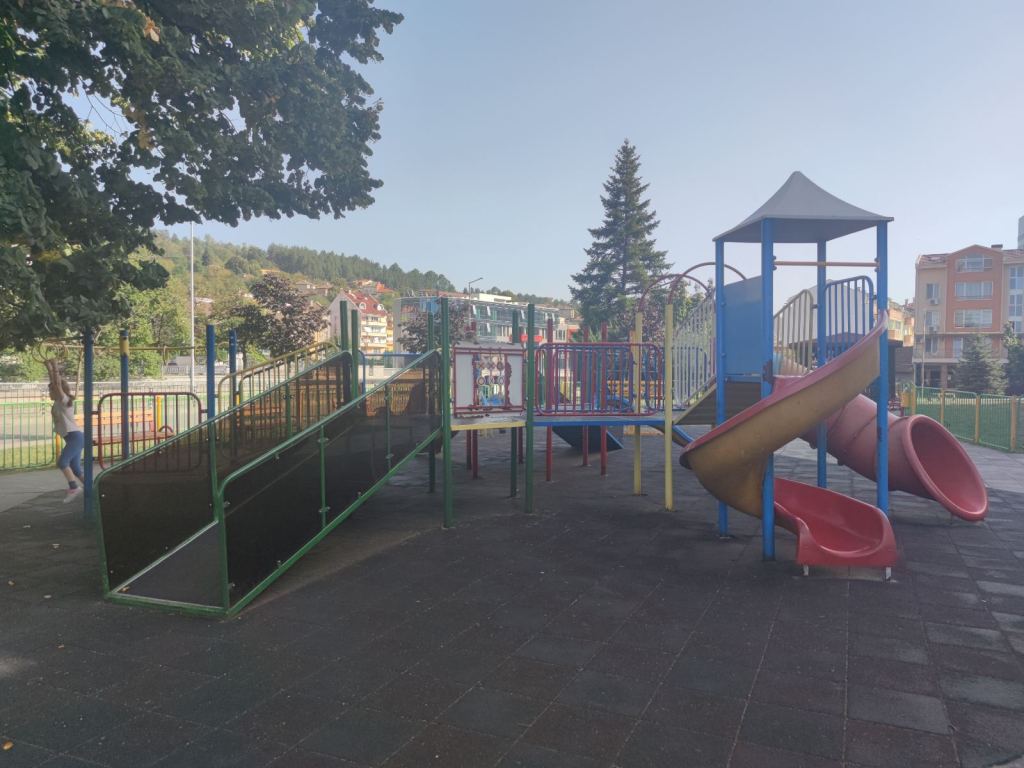
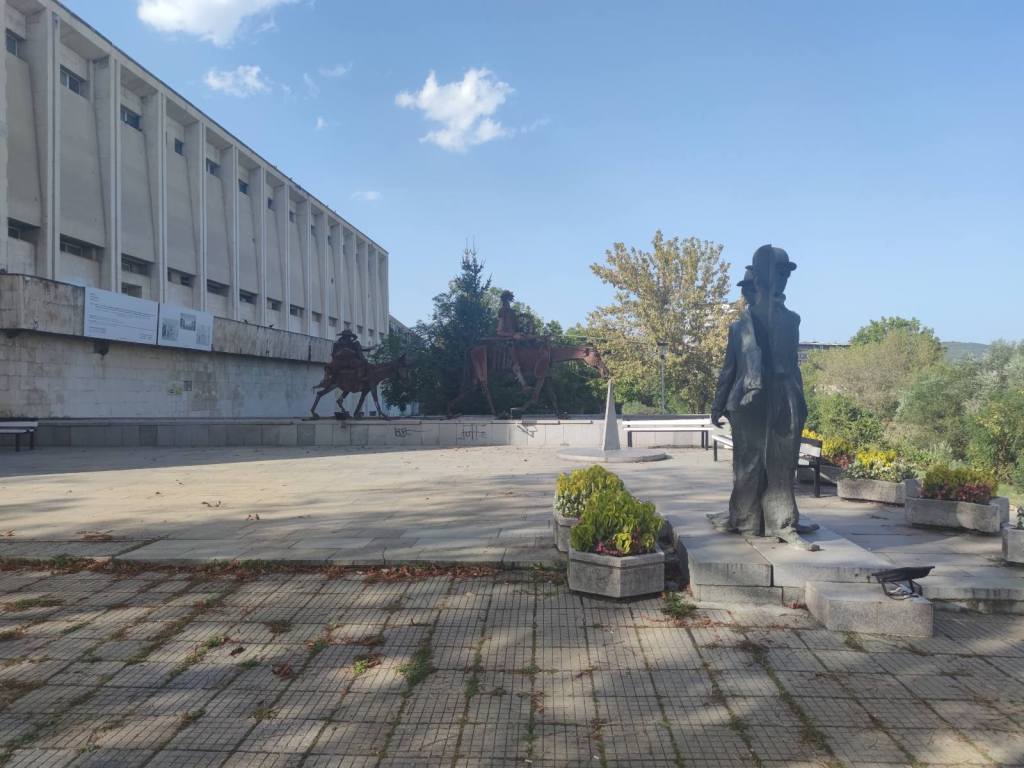
Our walk continued along the river, where there are interesting metal figures of sports people and the children tried to emulate each of them. The swimming ducklings in Yantra stared at us while passing by. However, we did not pass by the wonderful playground located next to the Museum of Humour and Satire.
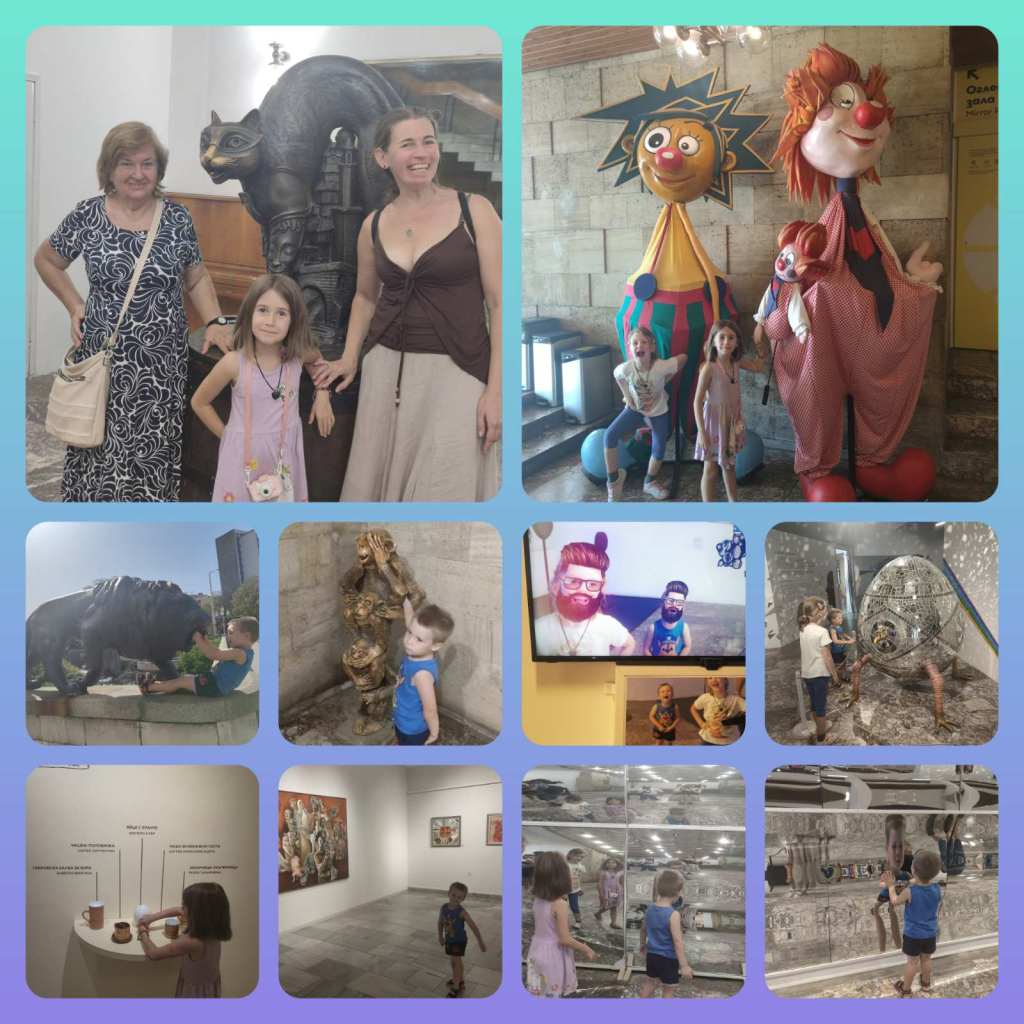
The museum itself also impressed us with its fun exhibitions, jokes and computer effects. Even if you do not collect stamps from the 100 national tourist sites (here they give stamp No20), it is still worth visiting the museum and laughing.
I really liked the electronic boards in Gabrovo – each one uniquely painted with the traditional Gabrovo jokes.
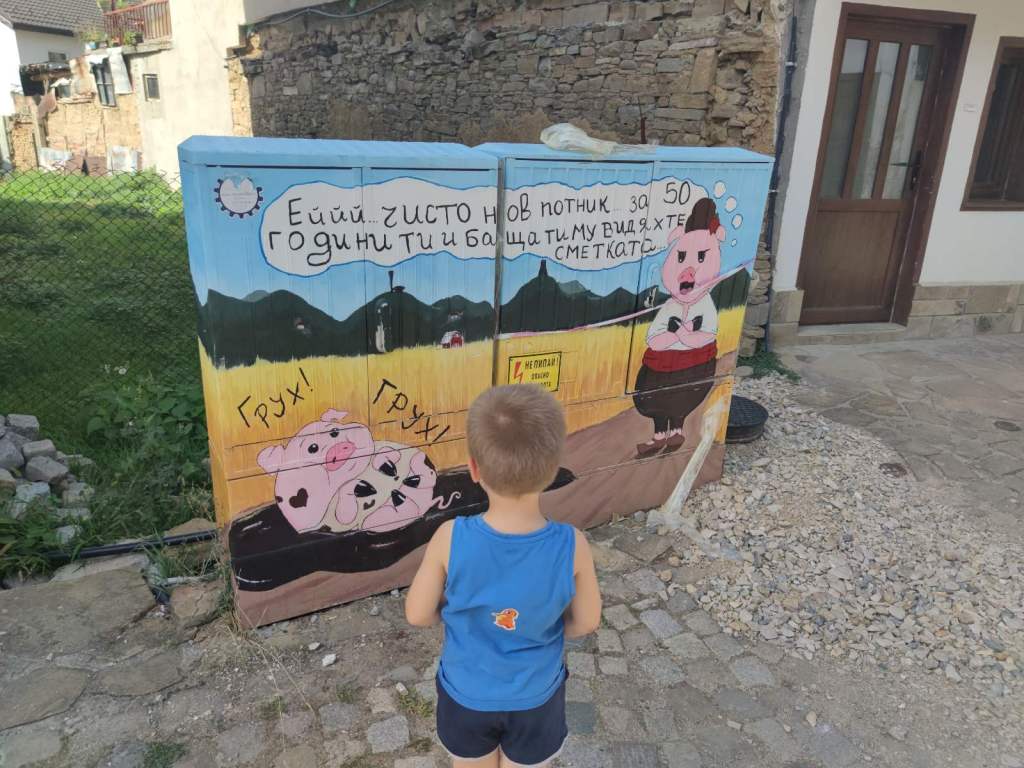

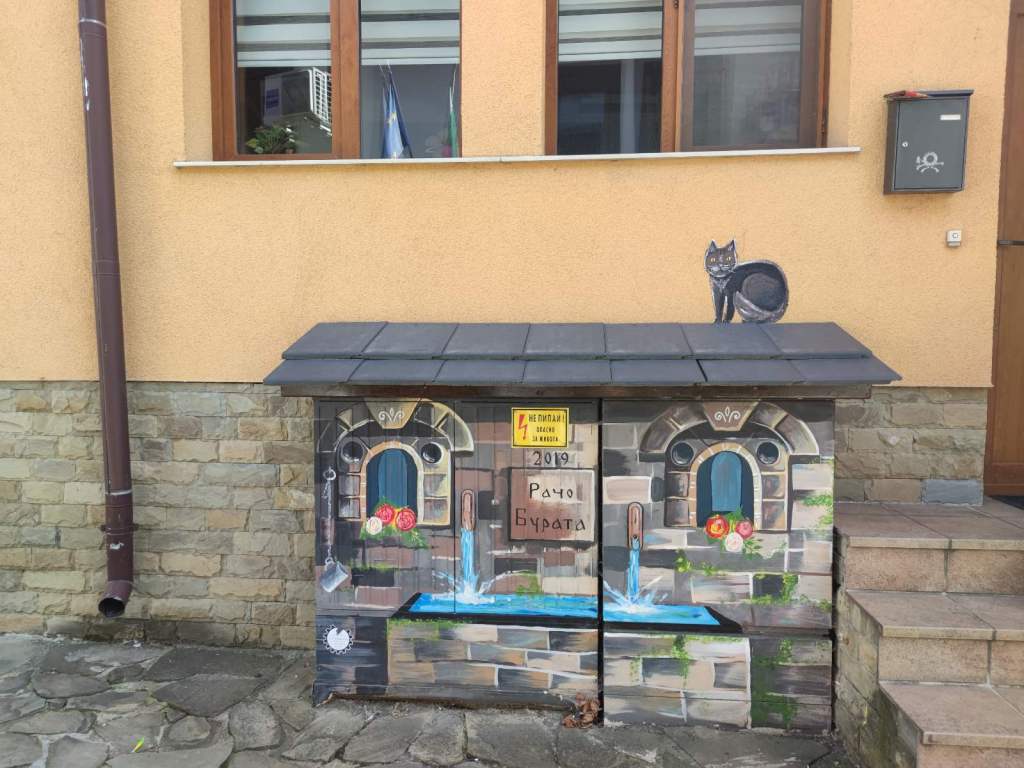
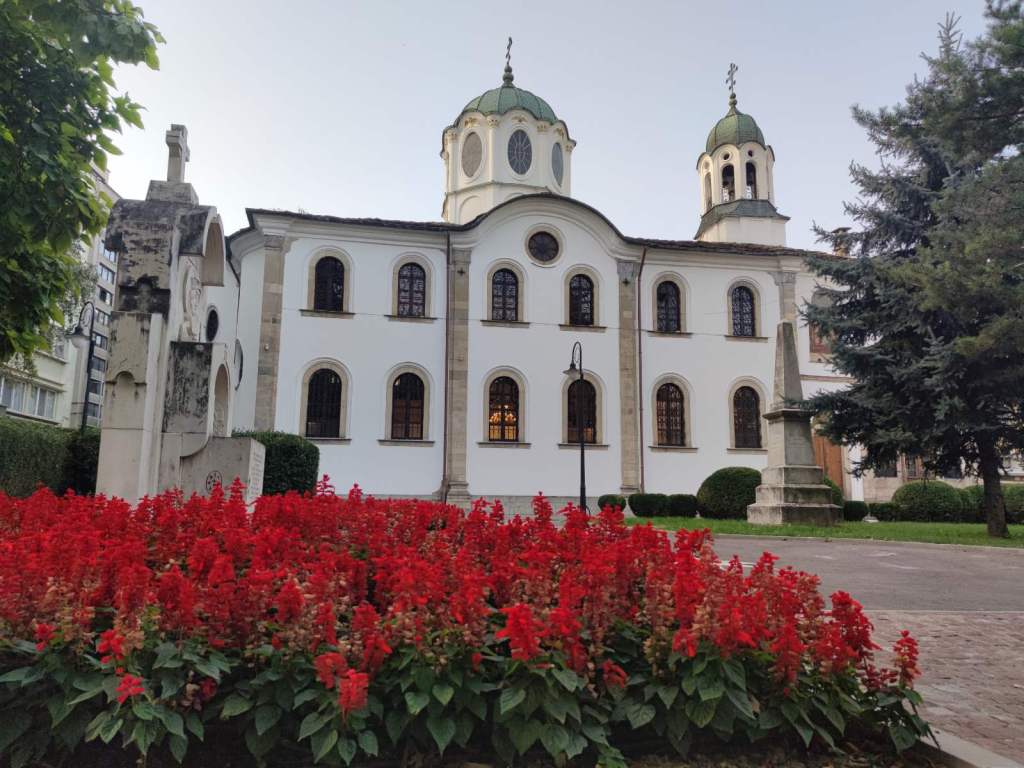
Gabrovo fascinated me, everywhere was clean, somehow hospitable and with many flowers in the city center. There are wonderful restaurants here and it is worth staying even for a weekend, and we recommend spending a whole day or at least more than half a day for the nearby open-air museum Etara.
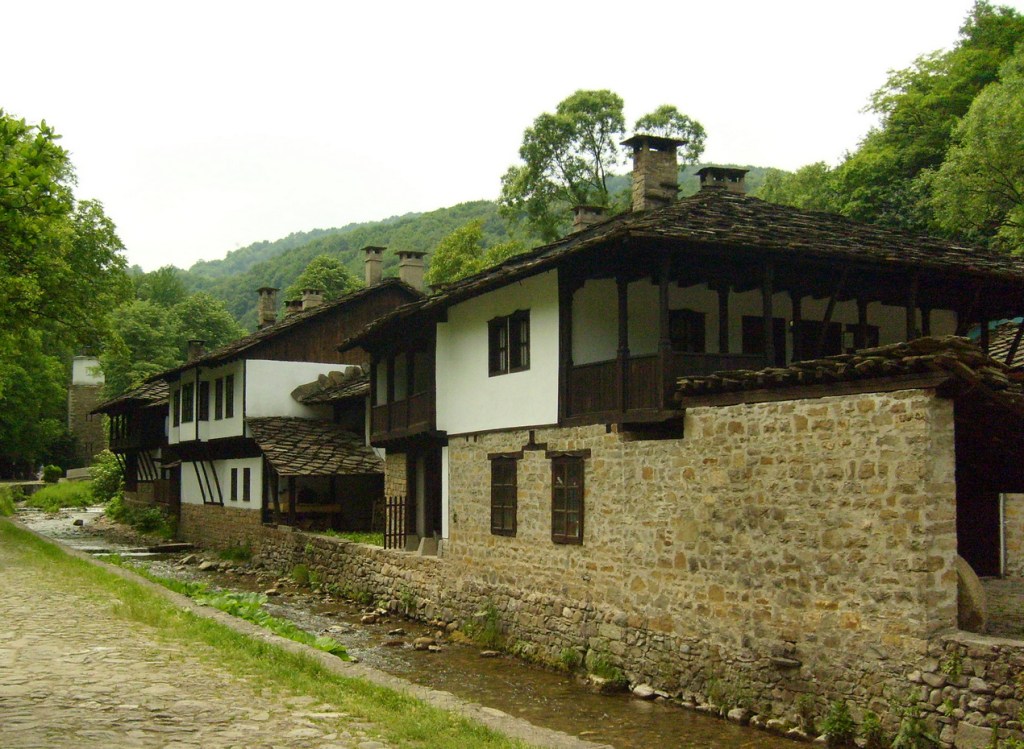
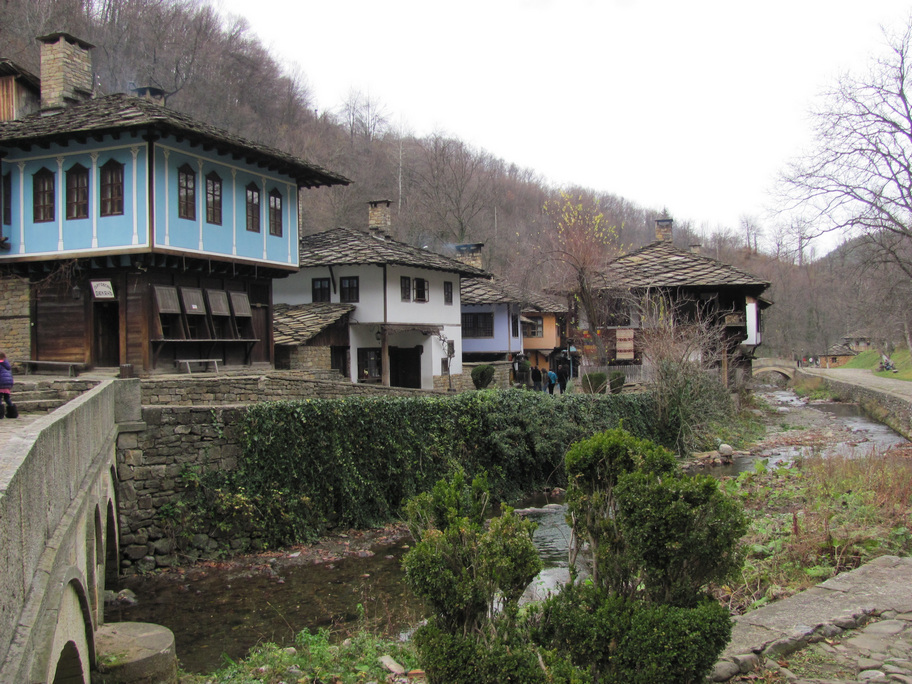
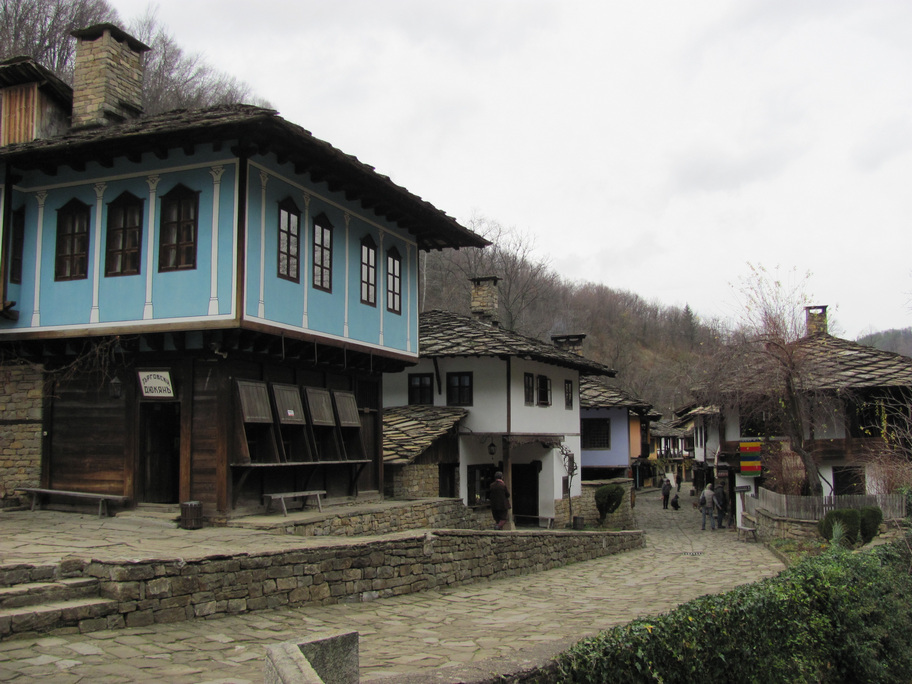
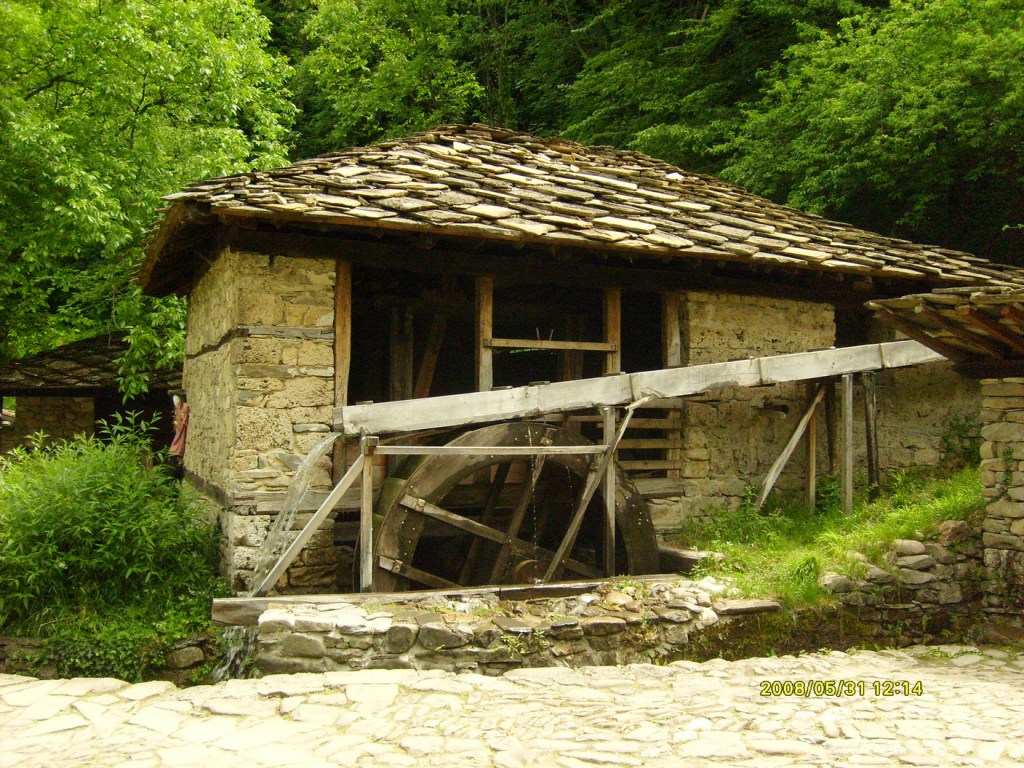
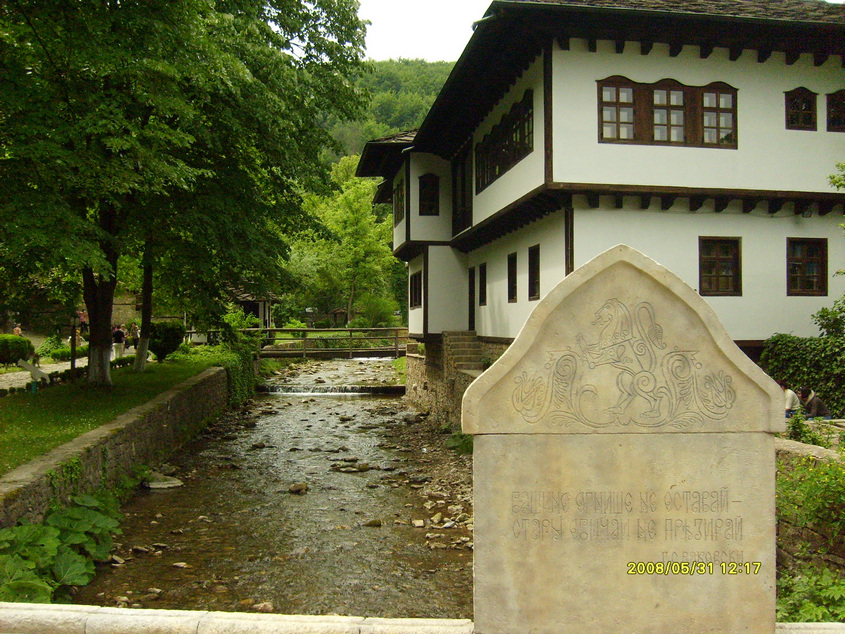
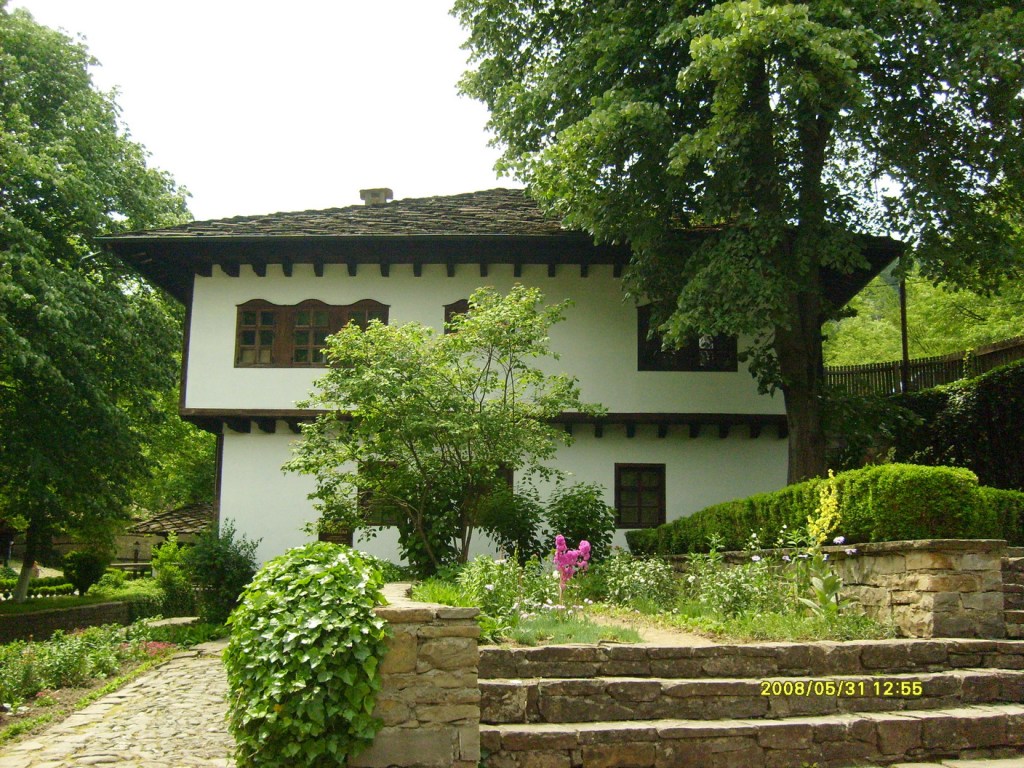
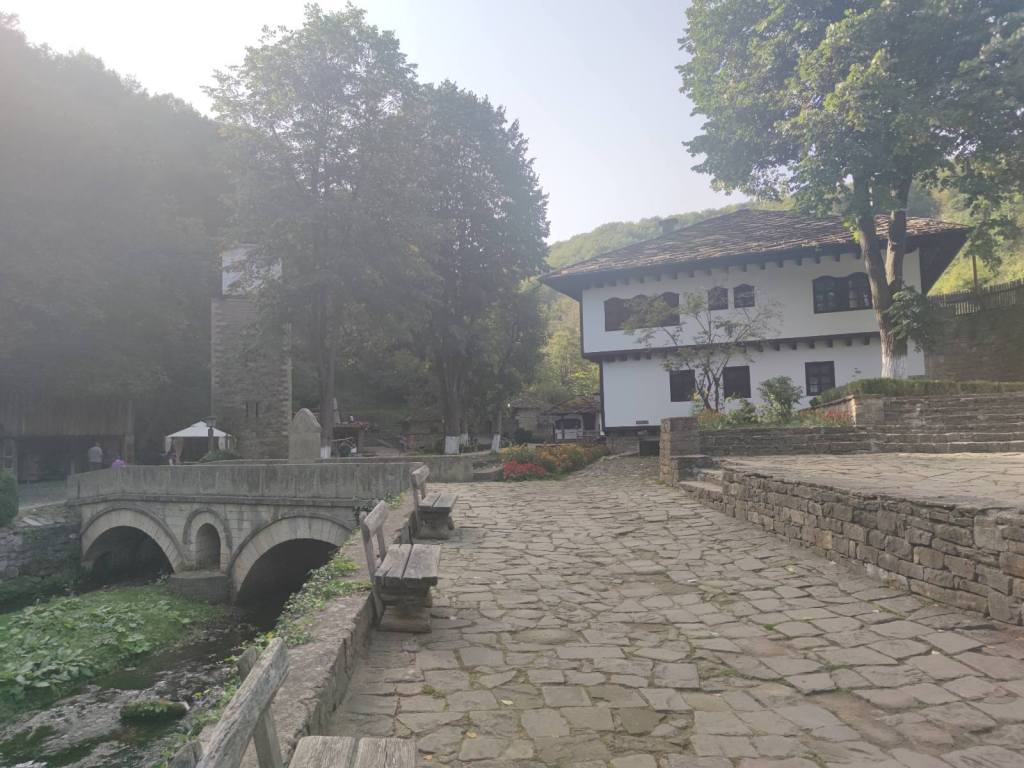
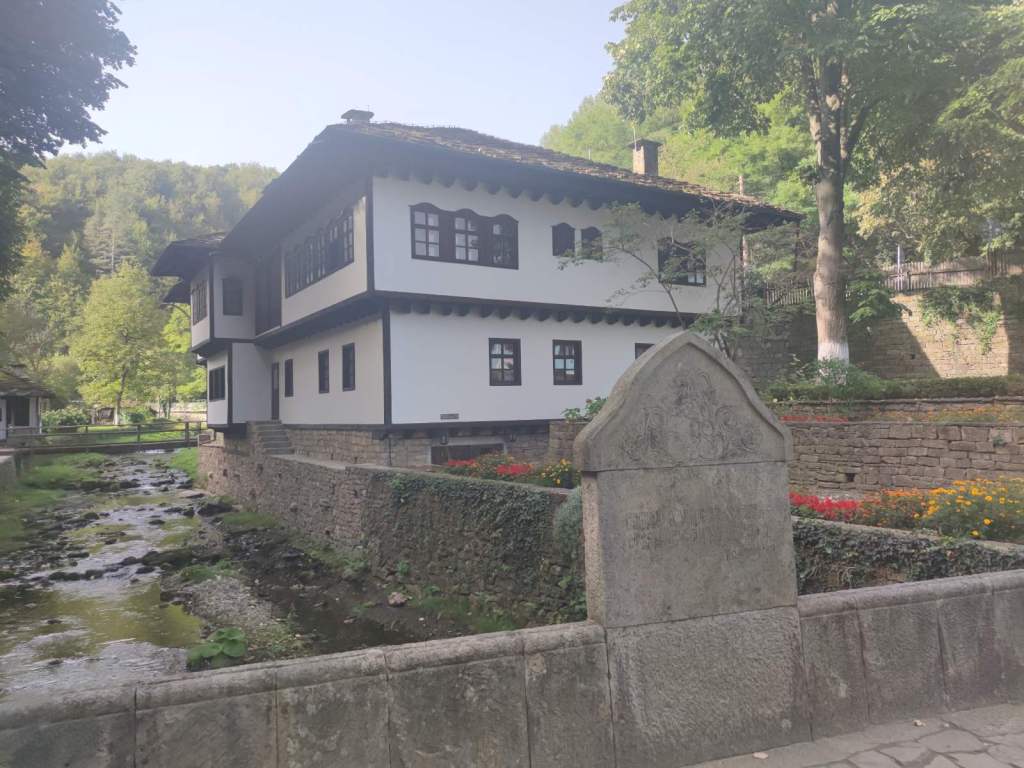
Etar is a great place for all ages. Behind the wooden gates of the complex, visitors went back years in time, when goods were made on the spot in craft workshops, water mills were used and houses were painted as if they came out of folk tales. Near the entrance there was a smell of warm bread, which immediately caught our attention and we all instinctively stared with interest at how to put the dough in the oven. However, we left entering the restaurant for the end and started taking photos the wonderful environment.
For children here there are whistles, wooden toys and numerous souvenirs. Our walk along the narrow cobbled streets and entering the museum houses arouses the curiosity and interest of the children who seem to feel that this city was erected for them. Be sure to enter the weaving shop, where you will see how colorful carpets are made, or in the woodcarving atelier. Interesting is the way how knives are made, and there is also a blacksmith, furrier and many other crafts that amaze children and older people by seeing how everything is made on the spot.
Here everything is very well preserved and maintain the centuries-old Bulgarian tradition. The museum itself opened its doors in 1964, aiming to show the architecture, lifestyle and economic past of the Gabrovo region during the Bulgarian Renaissance (the second half of the 18th century and 19th century) and managed to achieve this even today with full brilliance.




GENERAL INFORMATION ABOUT GABROVO:
Location: Gabrovo is located in central Bulgaria, next to it is the area of Uzana, which is considered the geographical center of Bulgaria. Gabrovo is located along the Yantra River at the northern foot of the Balkan Mountains.
Area: 233 sq.km
Population: 59 611 people (data from 2015)
Official language: Bulgarian
Altitude: 399 m
Climate: Moderate continental, characterized by cold winters and relatively warm summers.
Time zone: UTC +2
Currency: BGN (BGN)
Additional information: http://www.gabrovo.bg/bg
TRIP TIPS FOR GABROVO:
Best time to visit: all year round.
Typical food and drinks: The parlenki here are very tasty, and you can also try Stara Planina bread with yellow cheese. Mushroom dishes are very popular, served with both butter and different types of meats. For dessert, try sweet pasta in the oven.
Places to visit: Gabrovo has many beautiful temples such as the Assumption of the Most Holy Mother of God, the Holy Trinity Cathedral, etc., as well as numerous monuments and bridges. In the immediate vicinity is the open-air museum Etara.
 TripTips