THE 10 BEST PLACES TO VISIT IN BELGIUM
author: Ana Boneva
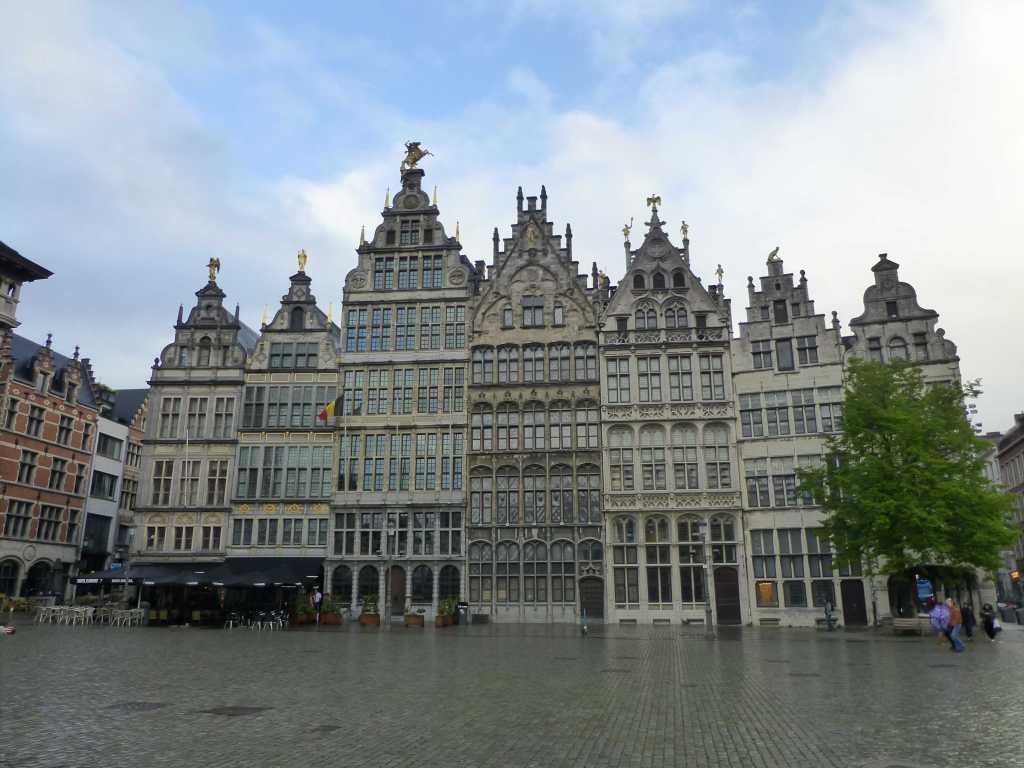
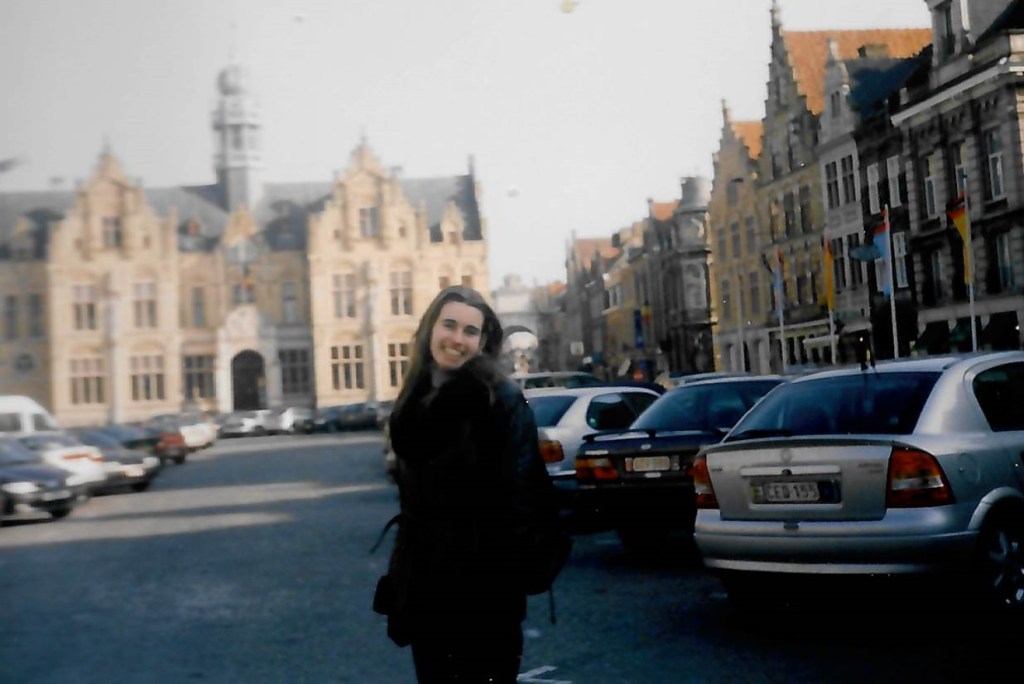
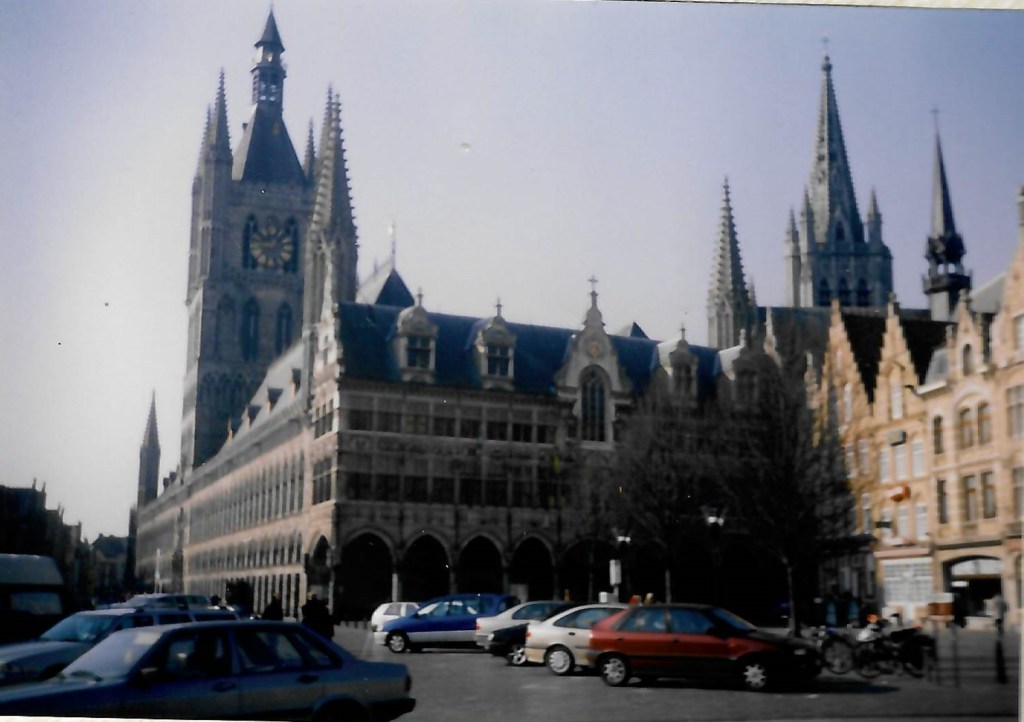
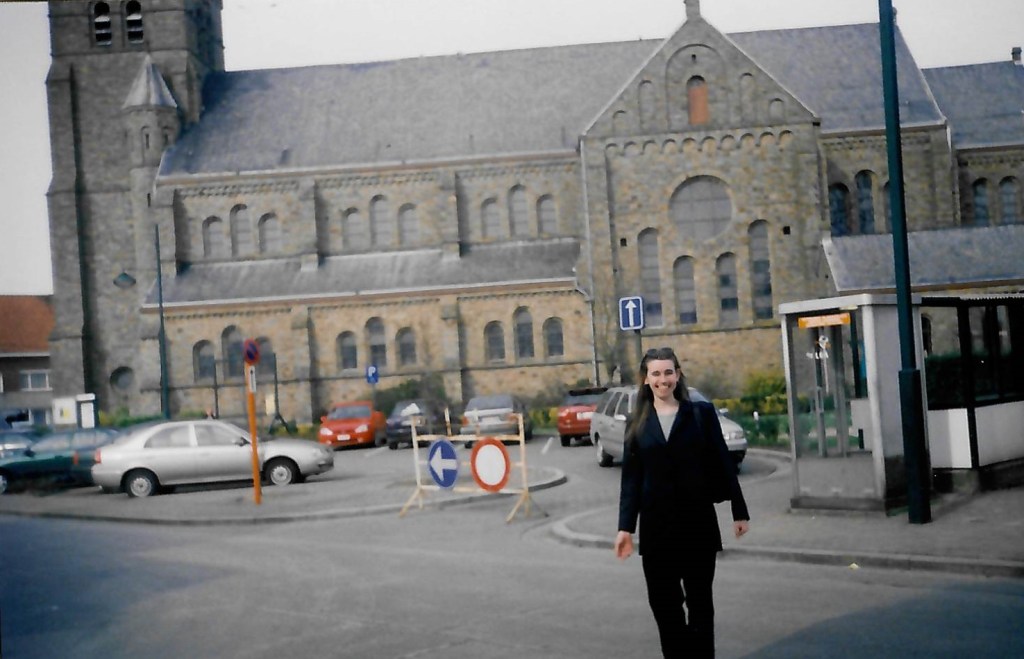
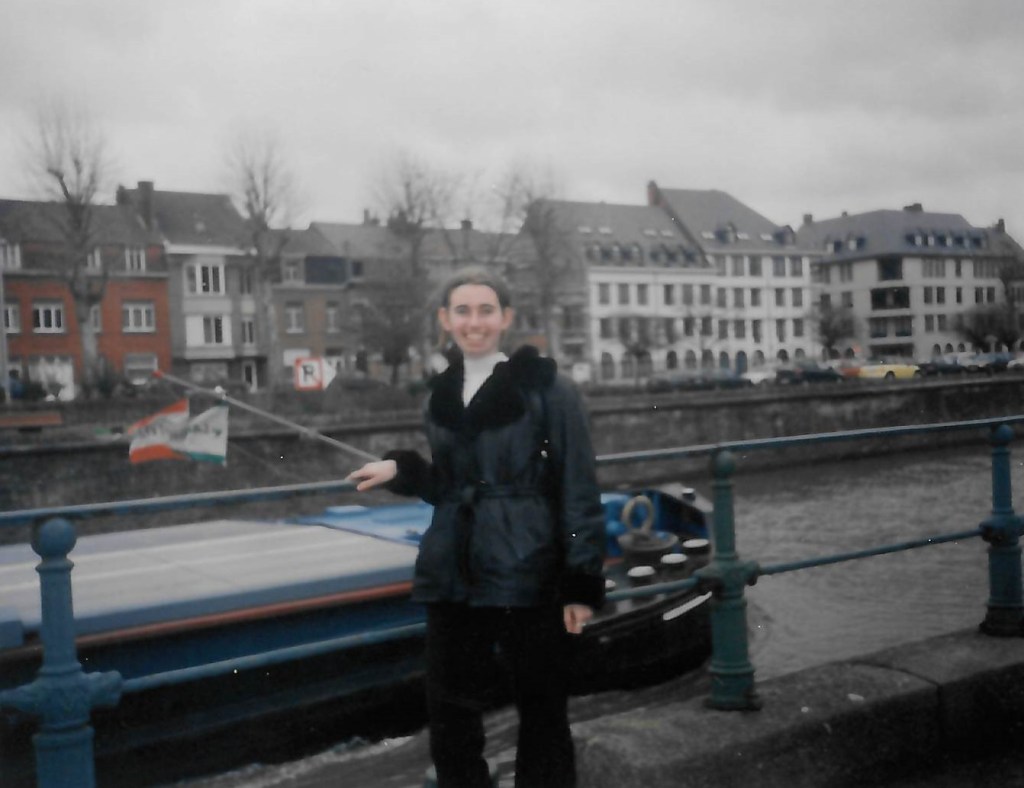
Belgium is my dream come true, winning a scholarship from the university and studying there for 3 months. Every weekend I used to travel around this unknown and very picturesque country, which managed to impress me with everything except its weather. For three months it rained every day, and the locals claimed that it was not rain, but only sprinkling, but it wet both me and my photos. However, my soaked memories withered warm in my heart and to this day this country evokes only pleasant memories and emotions in me.
Here are the 10 best places that I heartily recommend you to visit:
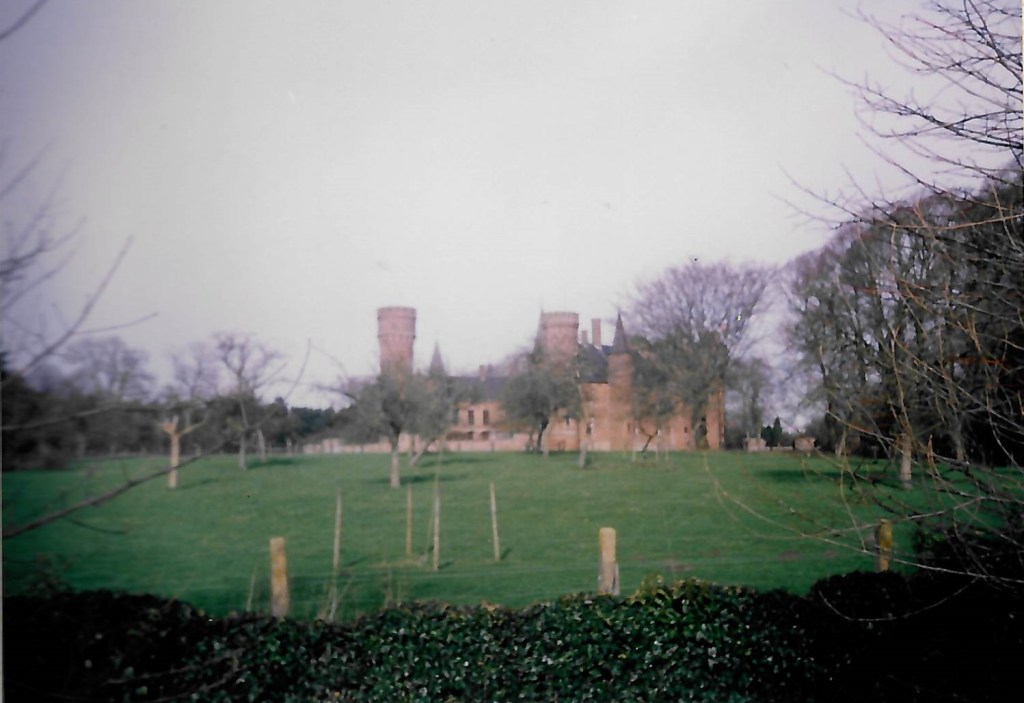
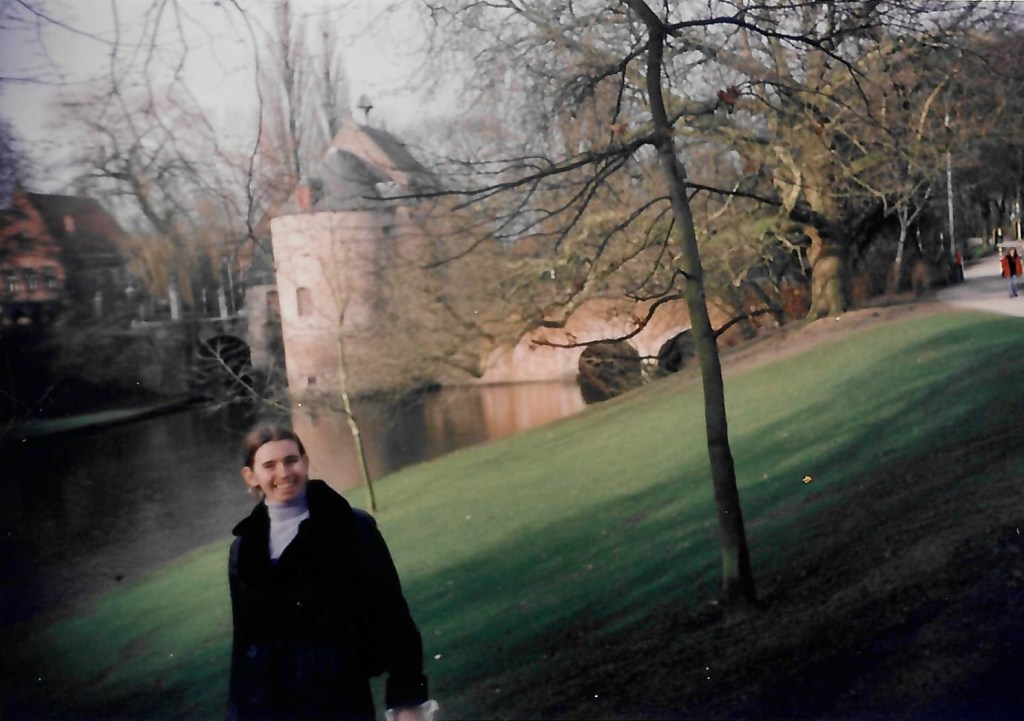
1. BRUGES
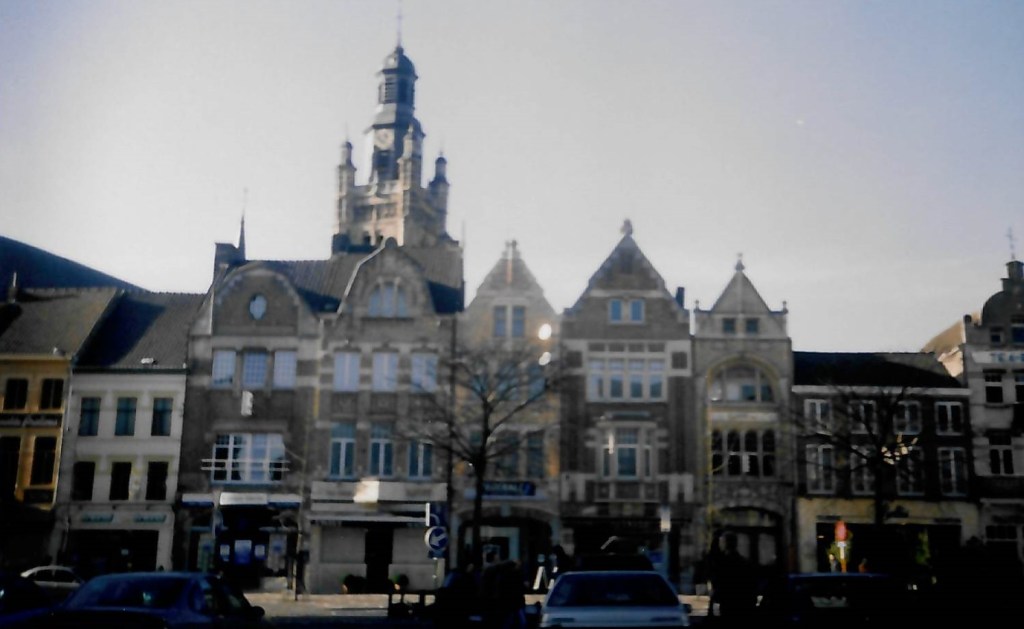
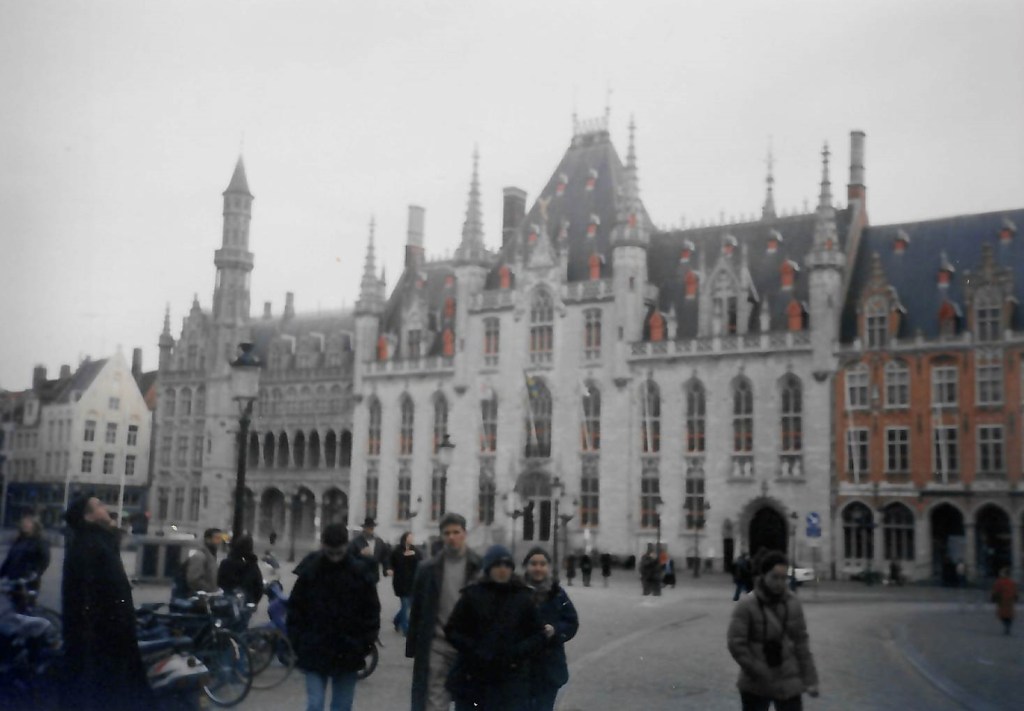
Bruges is called the “Venice of the North” with its many canals that wind around the city, and over 80 bridges that connect them. The preserved medieval architecture gives a unique charm to the city, and the many chocolate shops invite visitors to taste and love the city.
Bruges is also surrounded by many legends and myths, especially interesting among them is the belief that there must be over 101 swans in the city, otherwise, Bruges will be in great trouble. Another superstition in the city is the Boniface Bridge or the Bridge of Whispering Lovers. According to this legend couples who whisper their love on this bridge will find eternal happiness. In love or not, it is almost certain that everyone who visits Bruges will fall in love with it at first sight.
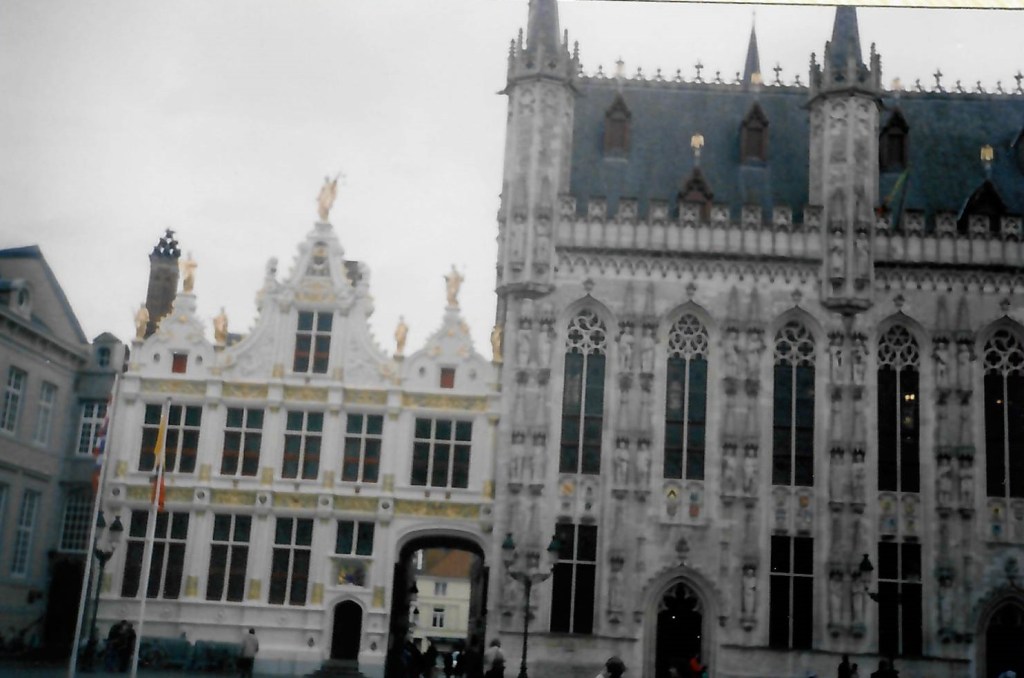
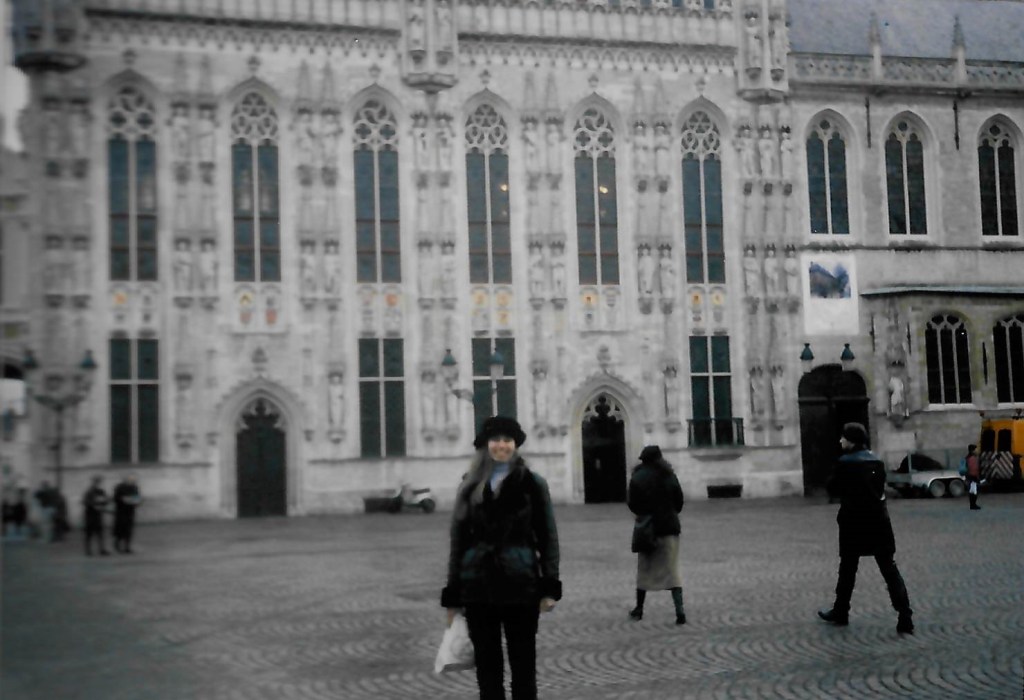
2. BRUSSELS
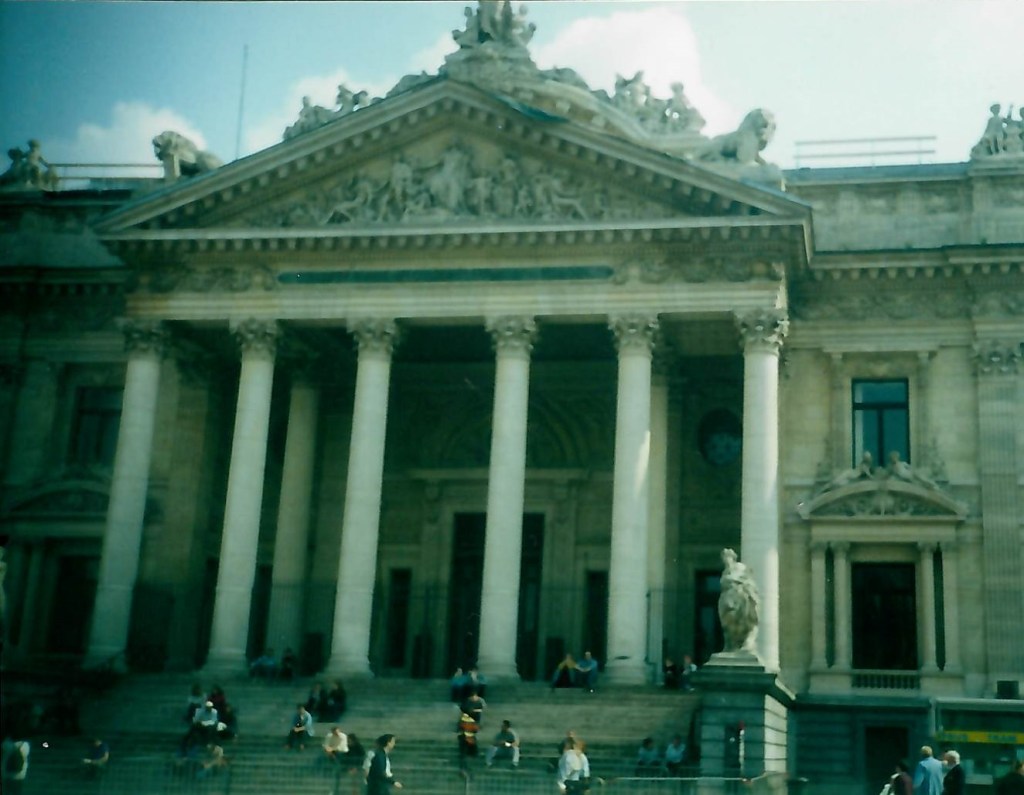
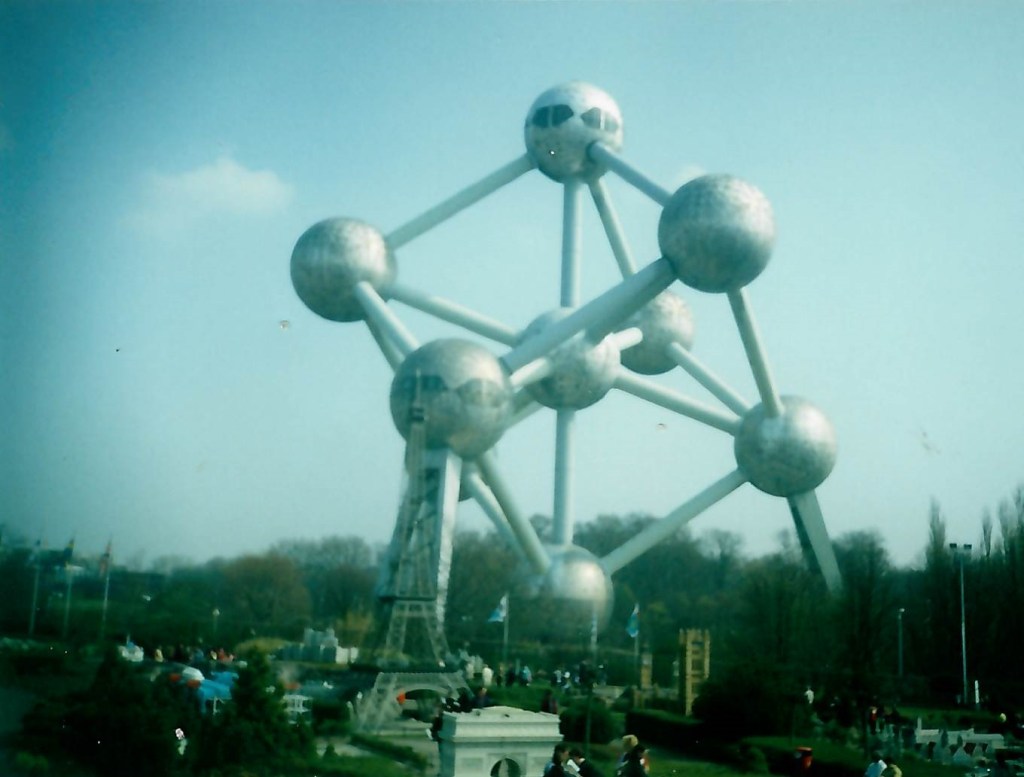
The Belgian capital is located in the central part of the country, being part of both the French Community in Belgium and the Flemish Community. Brussels is home to over 1.2 million inhabitants, with as many tourists visiting the city every year, attracted mostly by the many cultural programs, rich history and delicious cuisine.
There are over 1800 restaurants in Brussels (138 restaurants per square mile), for every taste and pocket. Here they have the motto “just name it and you can eat it in Brussels”. All of Belgium is famous for its chocolates, and Brussels International Airport proudly holds the title of the largest chocolate sales point in the world.
There are over 80 museums in the city, and the Royal Palace is especially beautiful, which is open to the public just a few weeks at the end of August. It was built in the neoclassical style similar to Buckingham Palace in London, with the façade of the Royal Palace in Brussels being 50% longer.
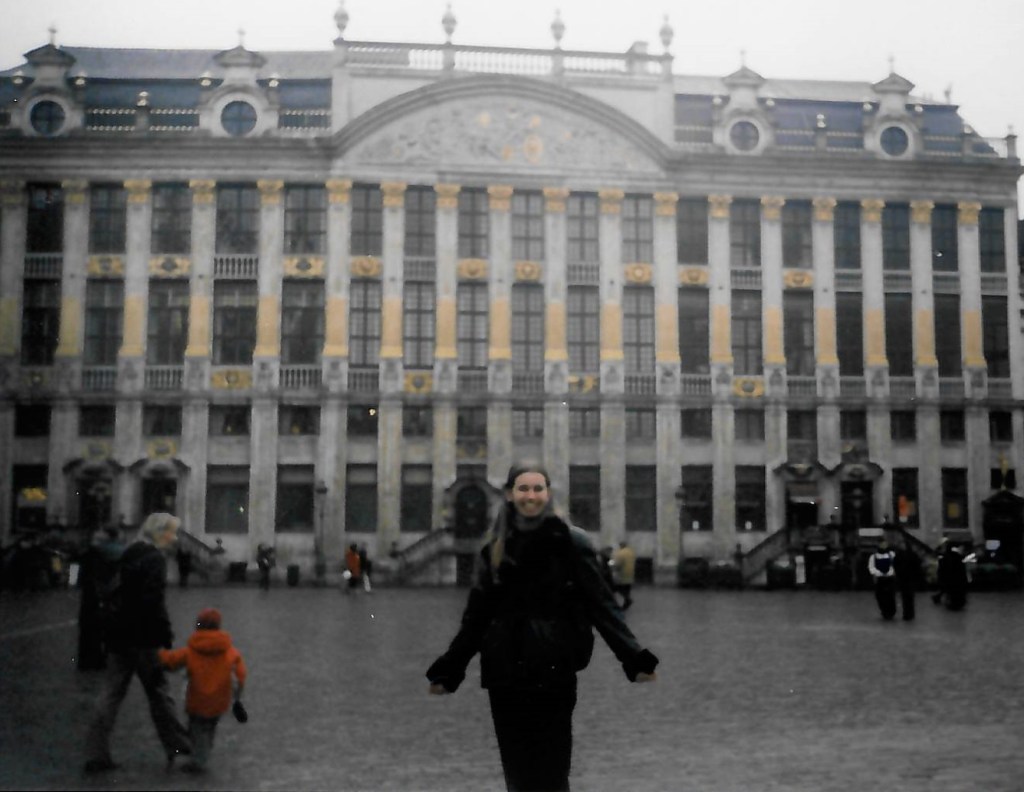
The central square of Brussels is especially beautiful when it is completely covered with flowers. The first colored carpet was placed in 1971, after which the tradition continued, but stopped several times. In 2024, from August 15 to 18, you can see the 23rd edition of this wonderful event.
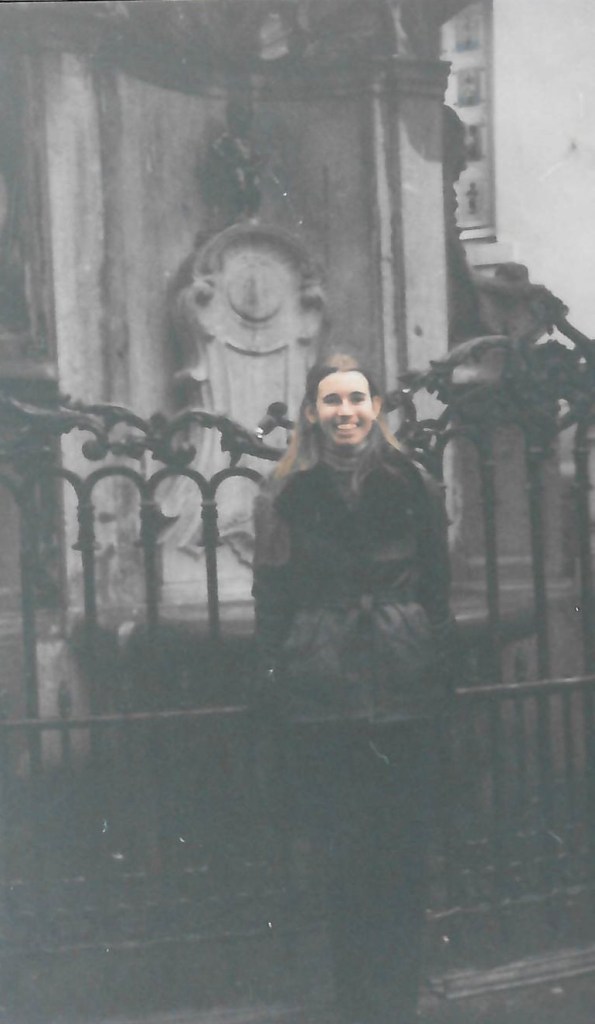
While you are in Brussels, be sure to take a picture with one of the most iconic and controversial statues of the peeing boy, which dates back to 1451. Today, it is dressed in more than 1,000 costumes, which are kept in the Maison du Roi Museum at the Grand-Place.

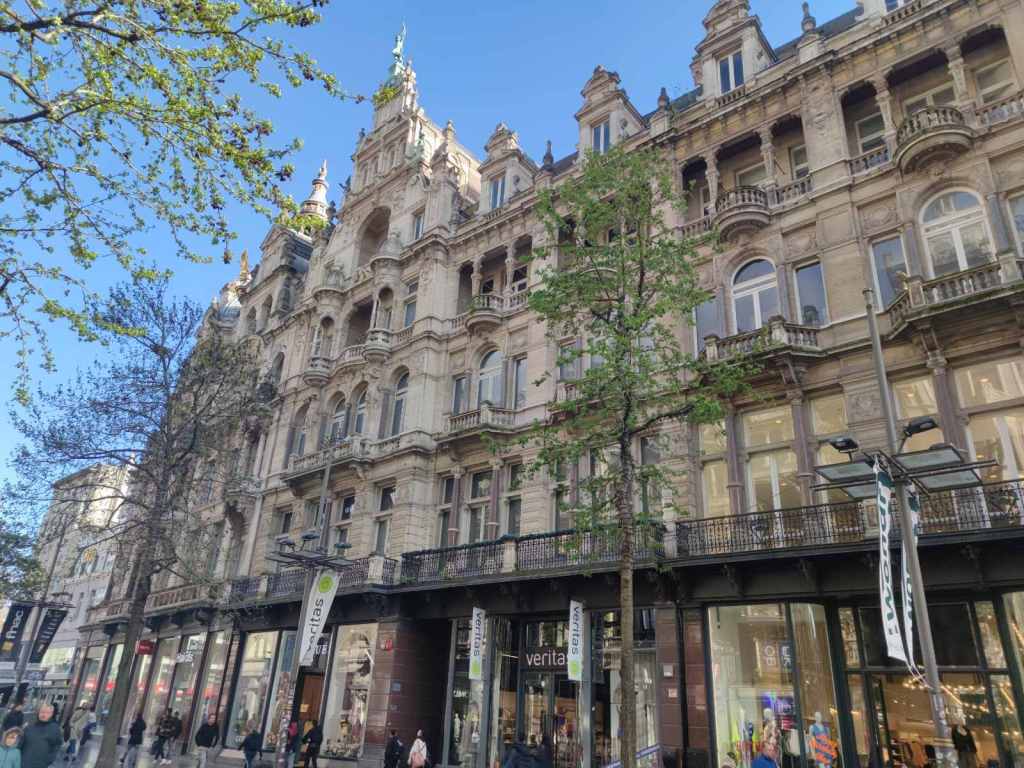
3. ANTWERP
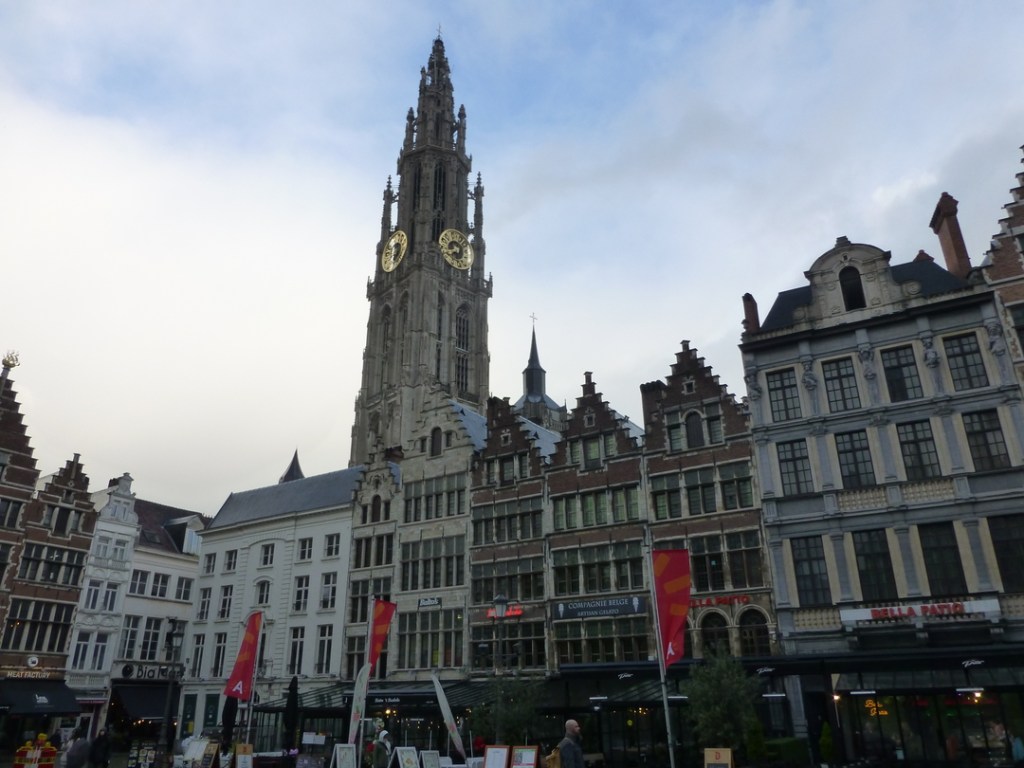
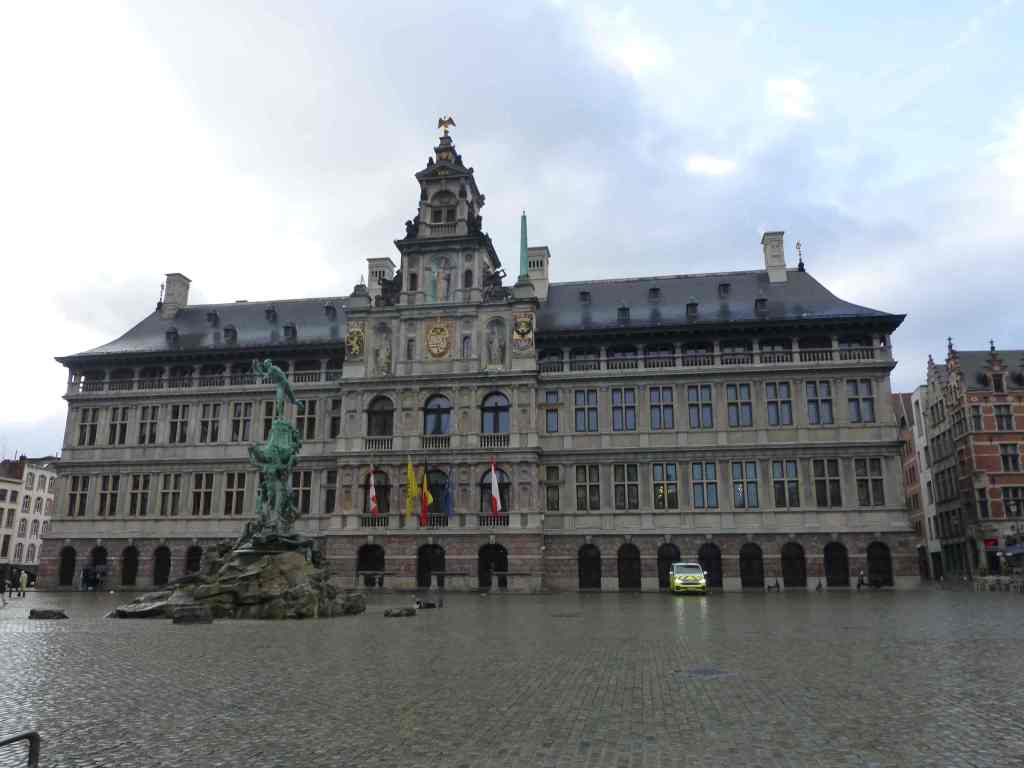
Antwerp is known as the diamond capital of the world, and it has undoubtedly been one of the richest cities in Belgium since the Middle Ages. The riches attract not only many merchants, but also millions of tourists who come to visit the Diamond Museum, the Chocolate Nation Museum, the zoo, which is one of the oldest in the world, the beautiful Rubens House, where the famous artist lived and worked, and many other attractions.
It is believed that the name Antwerp comes from the Dutch hand wepen “throwing hand” and around the city you can buy a souvenir-hands and take pictures with statues of palms, shaking hands with the city and agreeing to visit it again.

4. GHENT
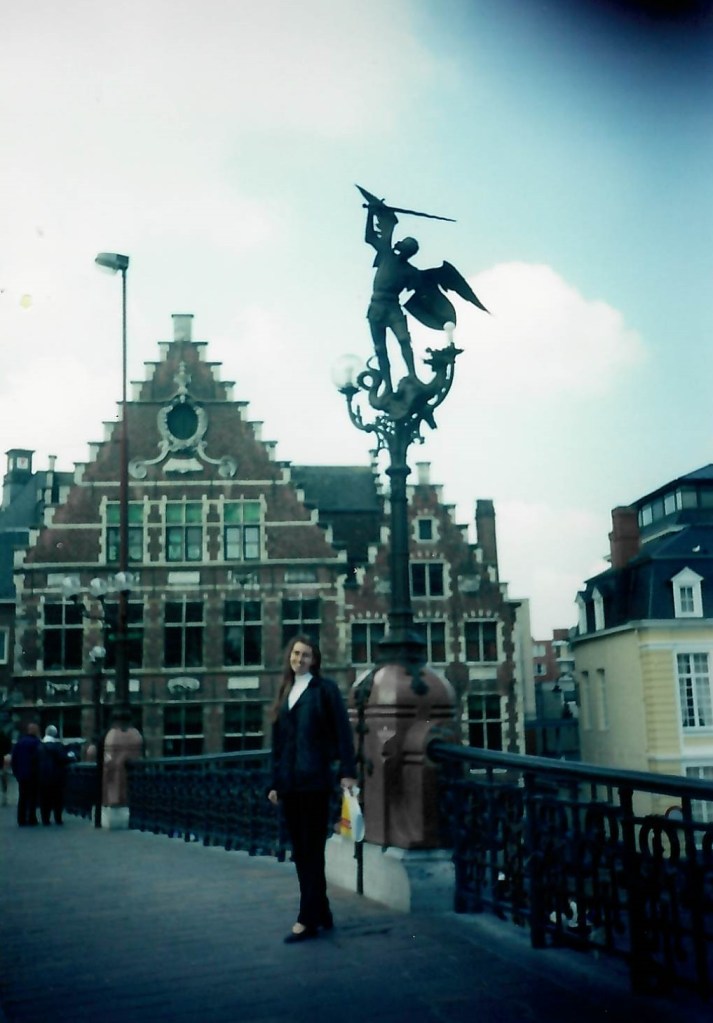
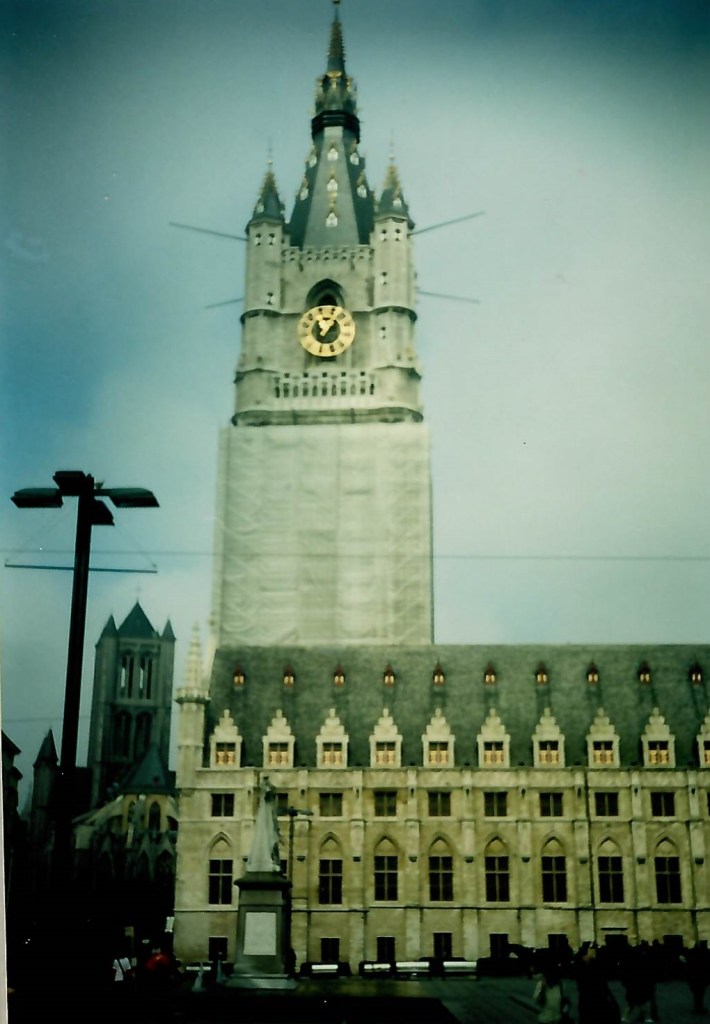
Ghent is the second largest city in Belgium, after Antwerp. It is believed that its name derives from the Celtic word ganda, which means confluence, and it was here at the confluence of the Scheldt and Leye rivers that the city was founded in the Middle Ages. Soon after its creation, Ghent grew and in the 11th century it was considered the second largest city in Northern Europe after Paris. Ghent reached its growth thanks to the production and trade of clothes, and such are made from the many sheep that live in the vast meadows around the city.
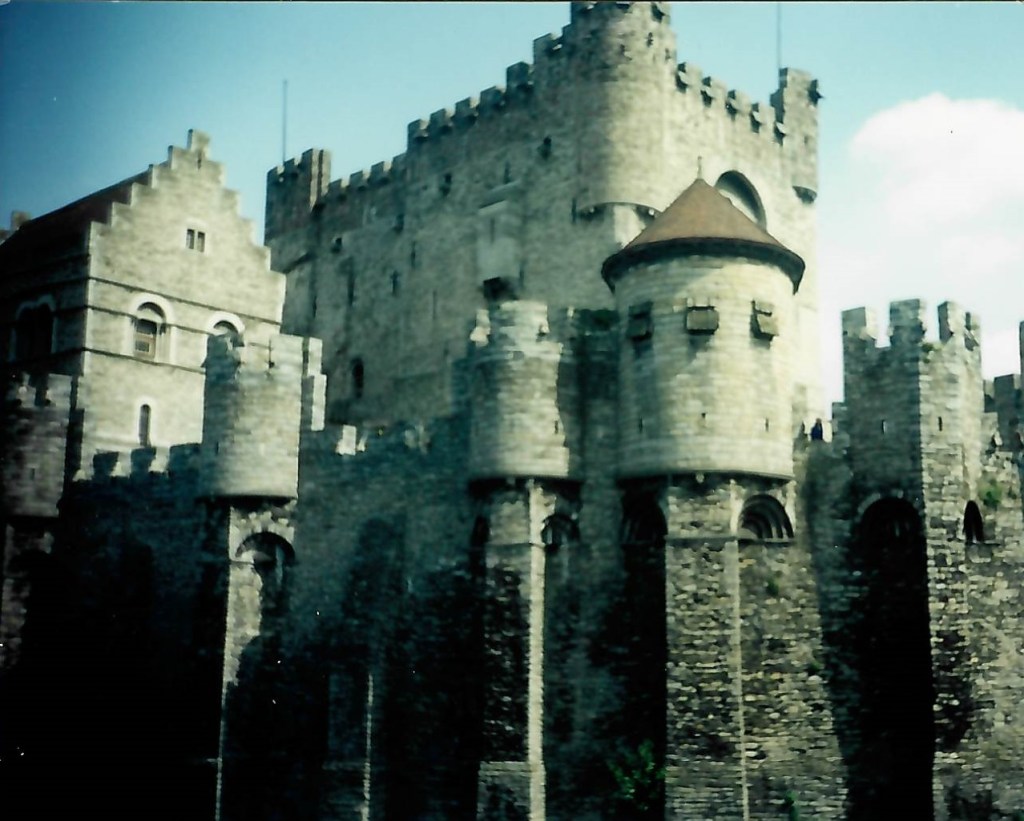
Today, Ghent attracts many tourists with its excellently preserved medieval buildings and castles. Access by cars in the very center of the city, on the cobbled streets, is prohibited and this makes the center of Ghent the largest car-free area in Belgium. In addition to walking, you can also explore the city by boat along its many canals.
Ghent is called the “Medieval Manhattan”, and the city skillfully combines history and modernism, and captivates visitors with its timeless charm.

5. DINANT
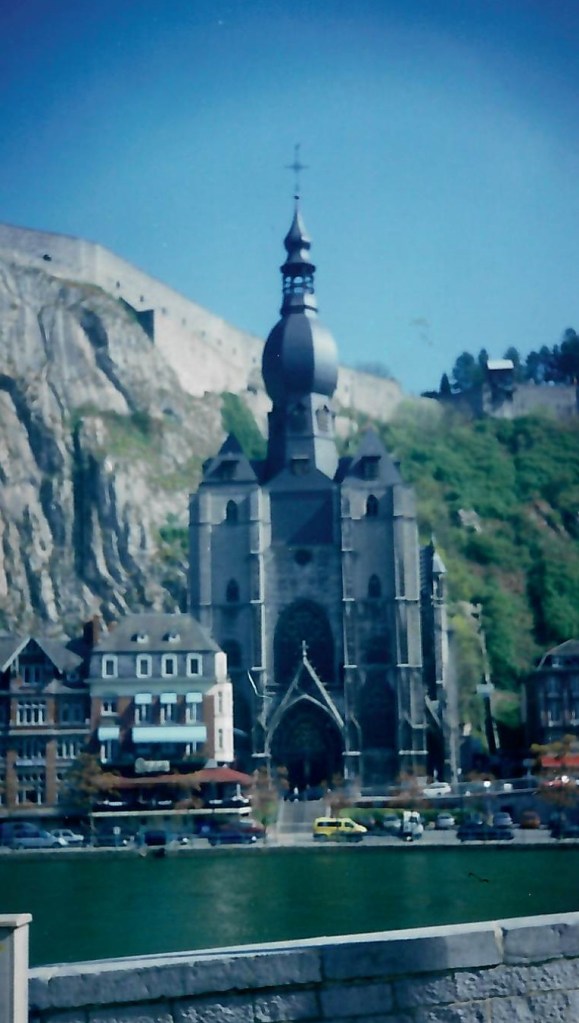
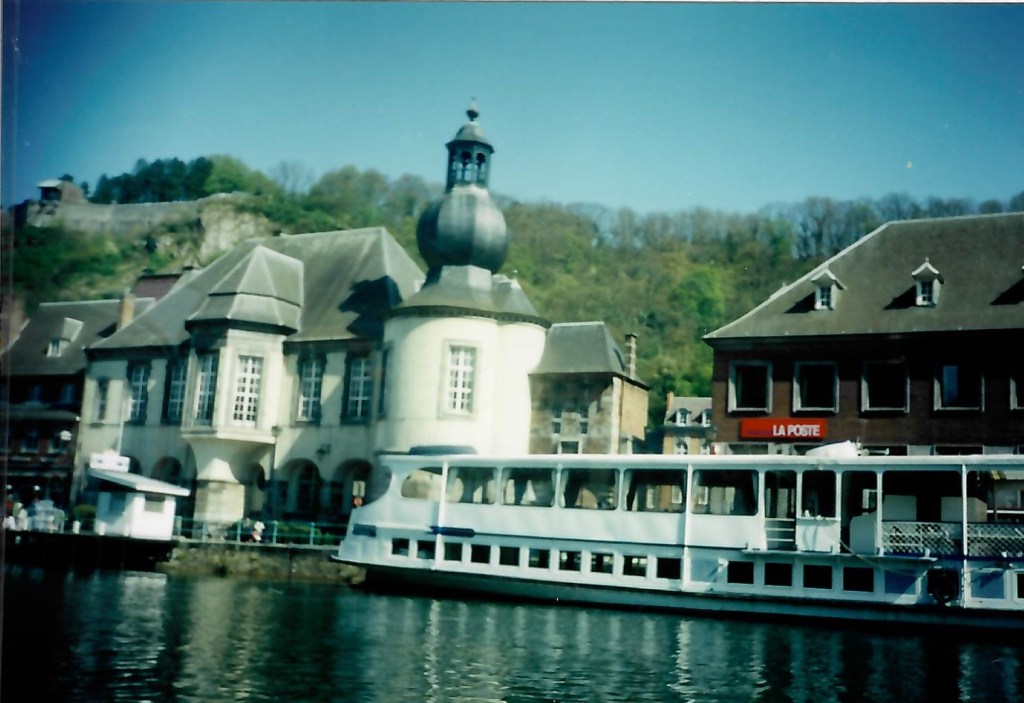
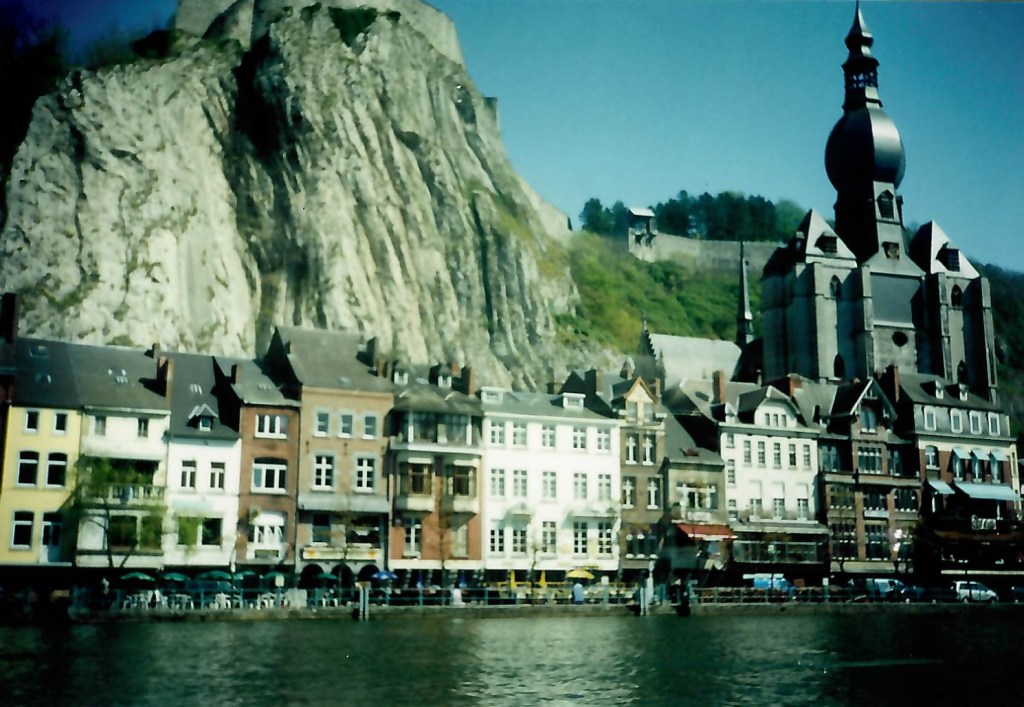
Located in the French-speaking region of Wallonne, Dinant sprawls along the banks of the Meuse River, nestled among picturesque steep cliffs. It is believed that the name comes from the Celtic name “Divo Nanto” and means “sacred valley”. The place really has its divine beauty and easily conquers the admiration of visitors.
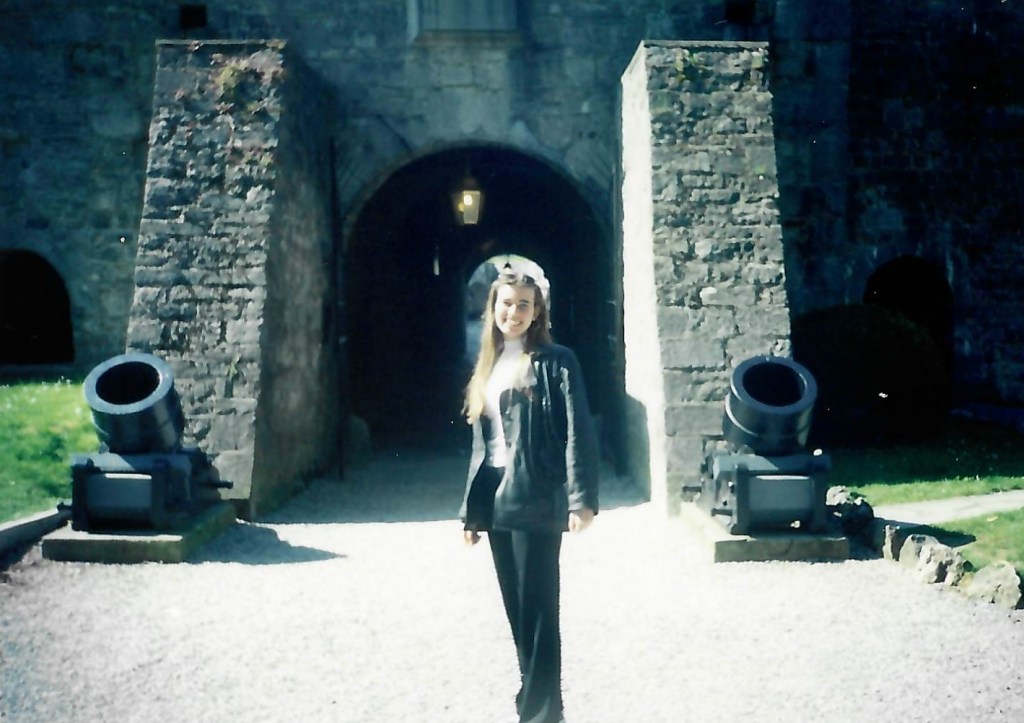
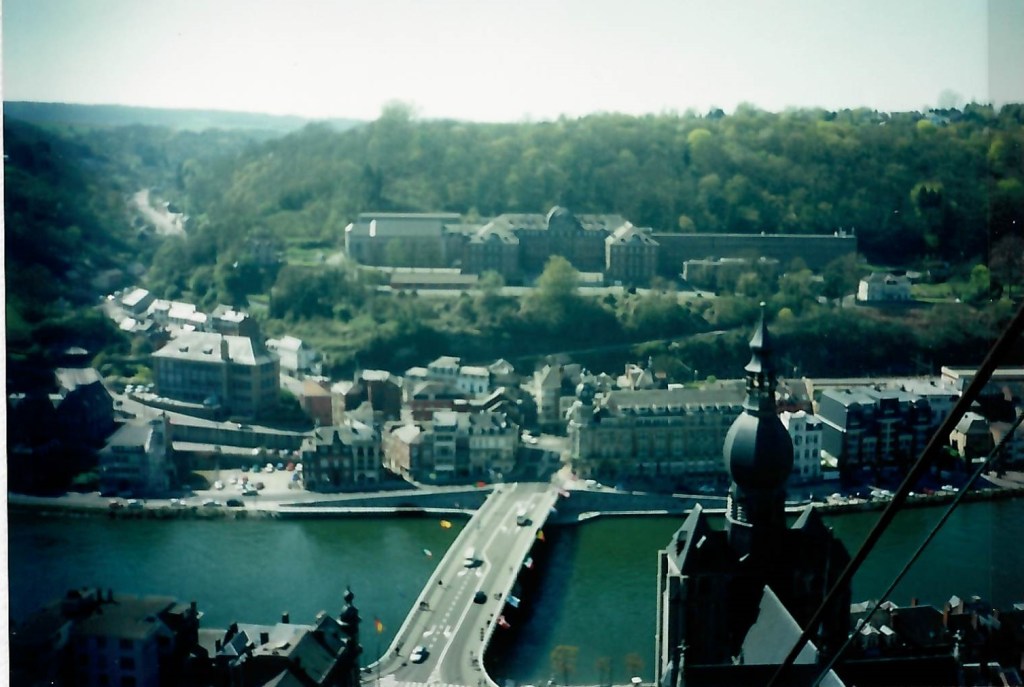
Among the main attractions here is the citadel of Dinant, which rises 100 meters above the city and can be easily reached by cable car or climb 420 steps. It was built in 1820, on the site of earlier fortifications dating back to the 11th century. Today it houses a museum revealing the rich history of Dinant and the region. The culmination is undoubtedly the fascinating panorama from the top.
At the foot of the citadel is the Cathedral, beautiful both from the outside and from the inside. It is worth taking a walk along the promenades, as well as taking a boat ride, from where the views from the river to the citadel are no less fascinating. Undoubtedly, Dinant is one of the most picturesque Belgian cities, which is worth putting in your bucket list.
6. BOUILLON
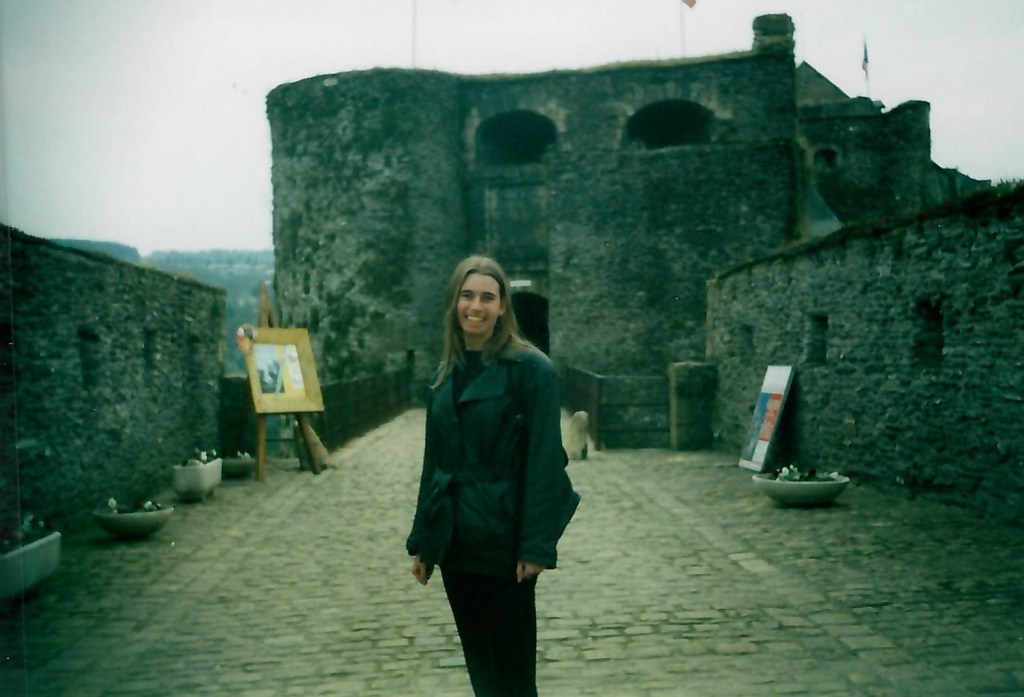
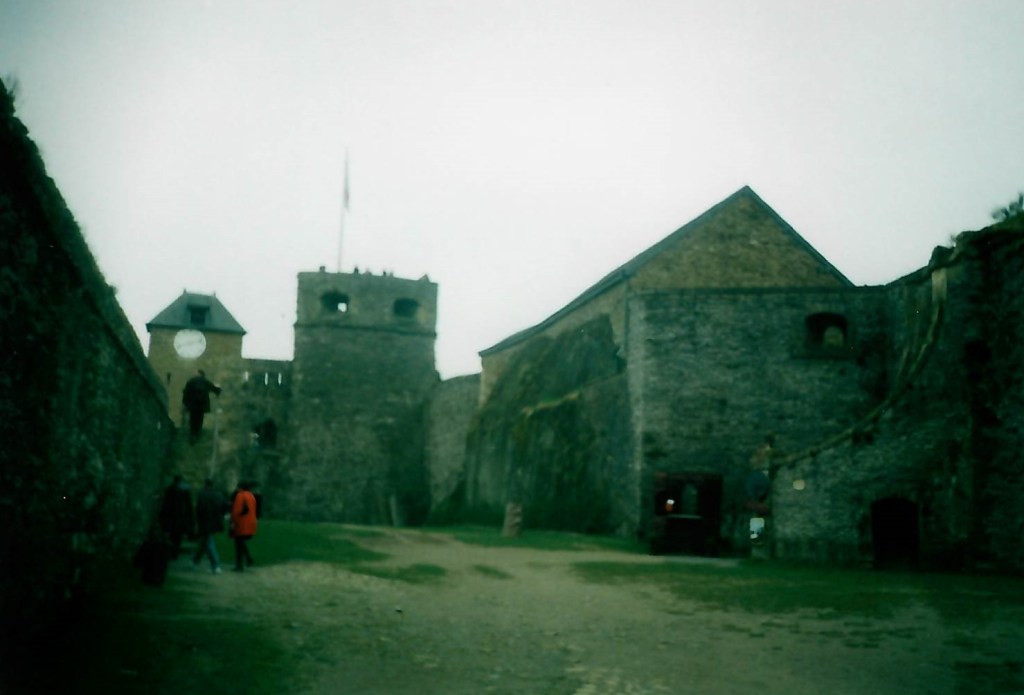
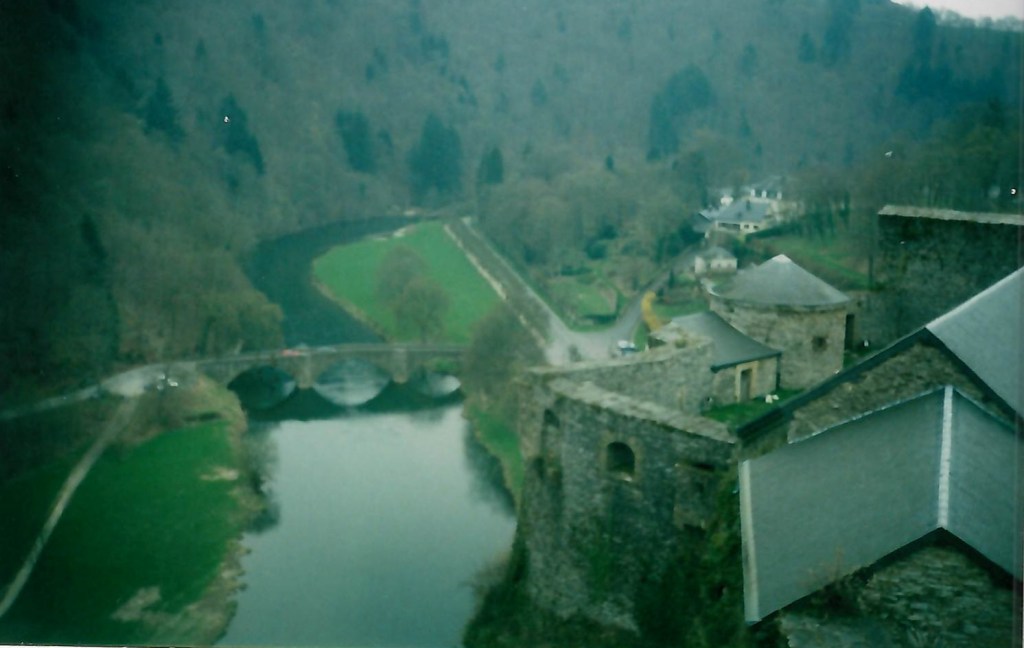
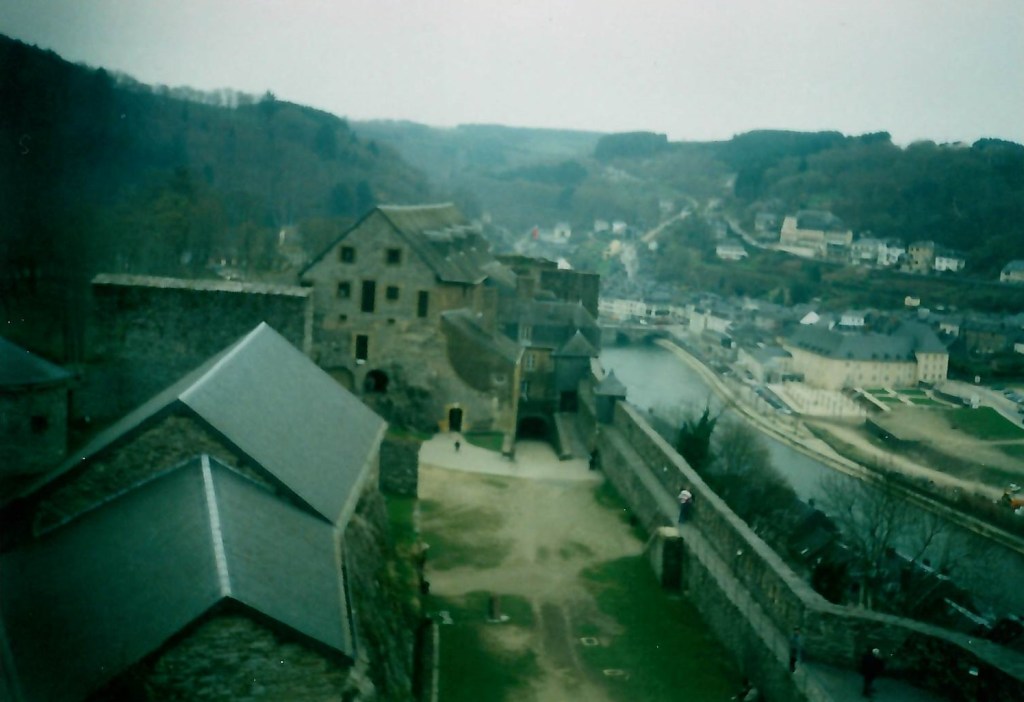
Bouillon is a small town on the Belgian-French border, famous for its huge medieval castle, once owned by the notorious Duke Godfrey of Bouillon, who led the first crusade and accordingly the first knights passed through here.
The beautiful castle rises high on a hill with a wonderful view of the Semoa River, which picturesquely winds around the city and creates a wonderful feeling of complete harmony.
The knightly city of Bouillon still retains its medieval atmosphere, and it is palpable in early August, when a medieval festival is held every year.
7. TOURNAI
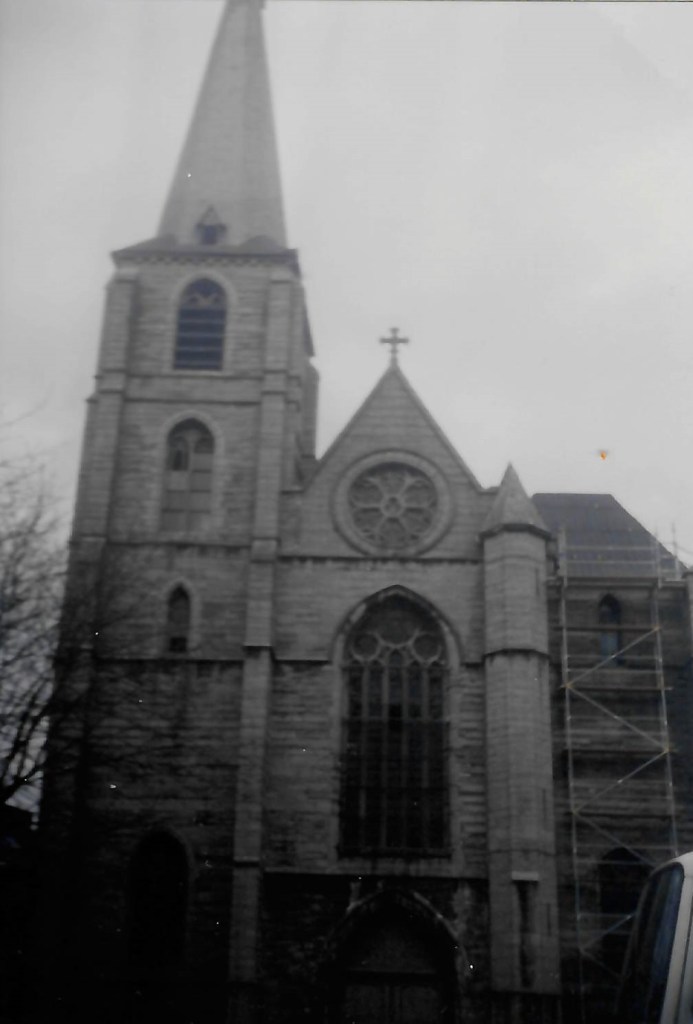
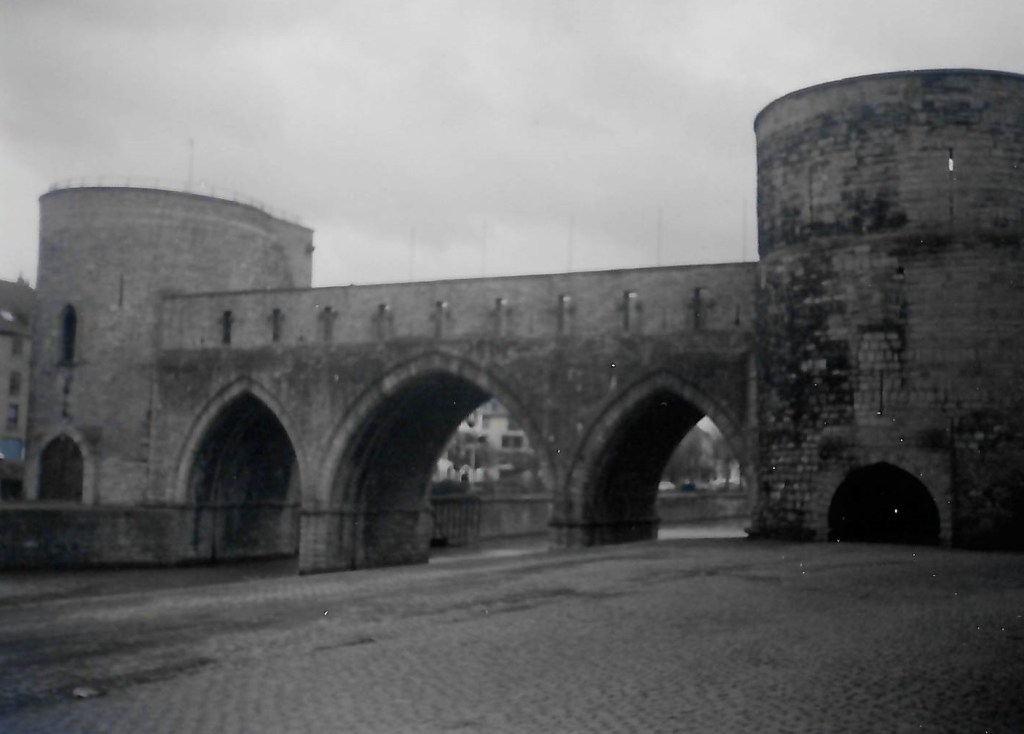
Tournai is one of the oldest cities in Belgium, dating back to the 5th century, and today its well-preserved medieval center attracts tourists from all over the world, and it is here that the oldest bell tower in Belgium, part of the UNESCO World Heritage Site, is located.
The city is located 80 km southwest of Brussels, on the banks of the Scheldt River, it is compact and can be easily explored on foot. One of the main attractions in the city is the Cathedral of Tournai, which is one of the best-preserved cathedrals in Northern Europe and has a remarkable number of statues. Belfy of Tournai rises to 72 meters, and reveals a spectacular panorama towards the town the nearby cathedral. Safe some time for museums, especially famous is the Museum of Fine Arts, showing paintings by Rubens, Van Gogh, Monet, etc. The pedestrian center will also impress you with its many beautiful buildings dating mostly from the 12th and 13th centuries, testifying the rich cultural history of this ancient capital of the Frankish kingdom.
8. OSTEND
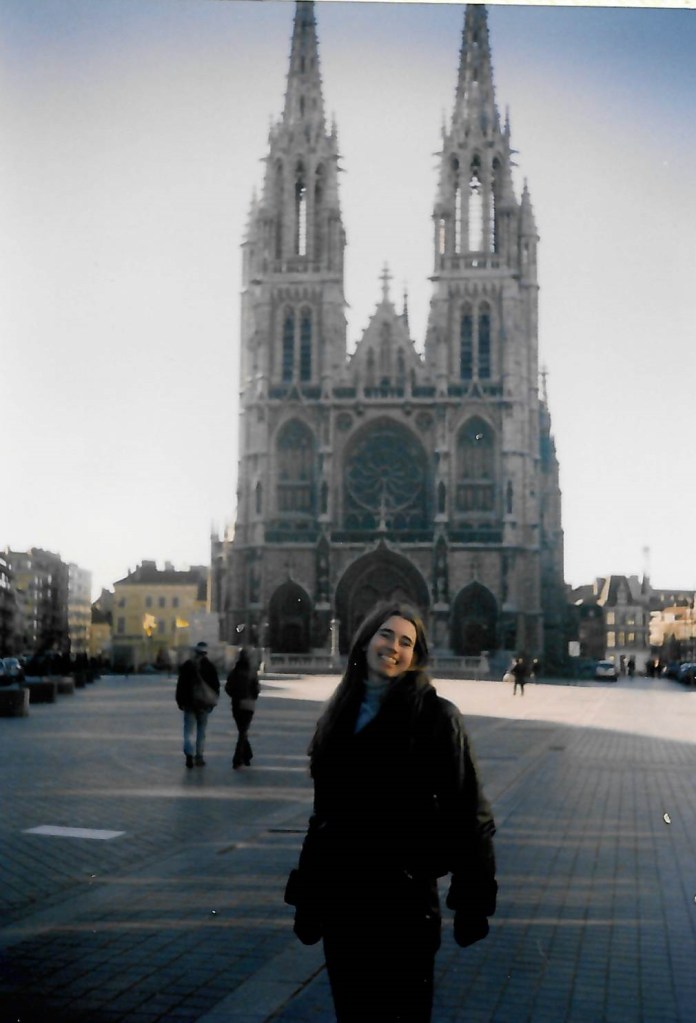
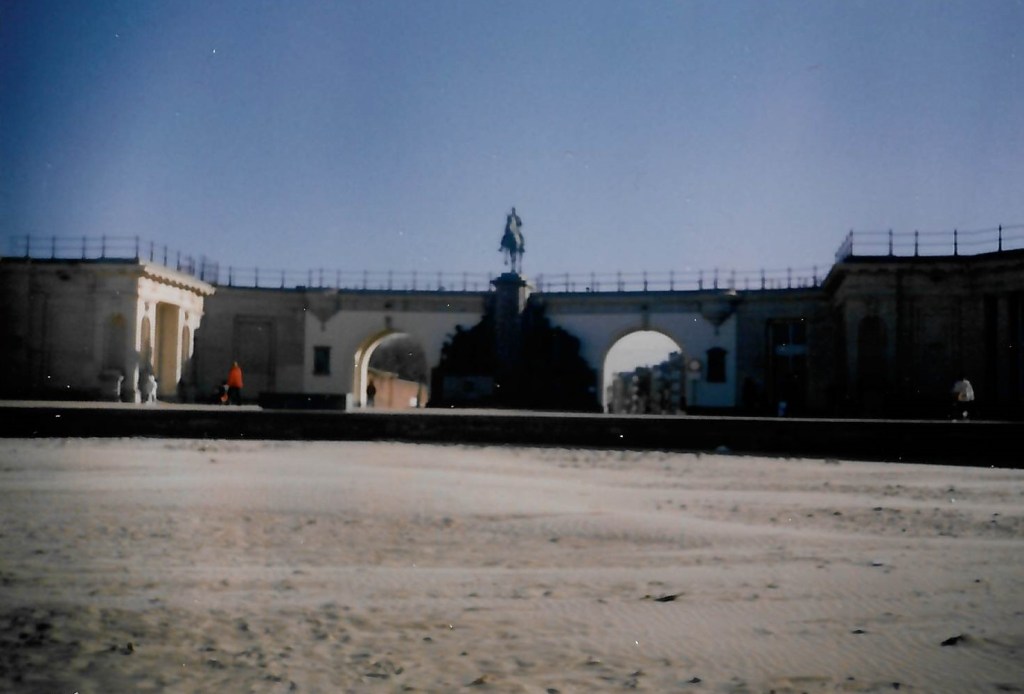
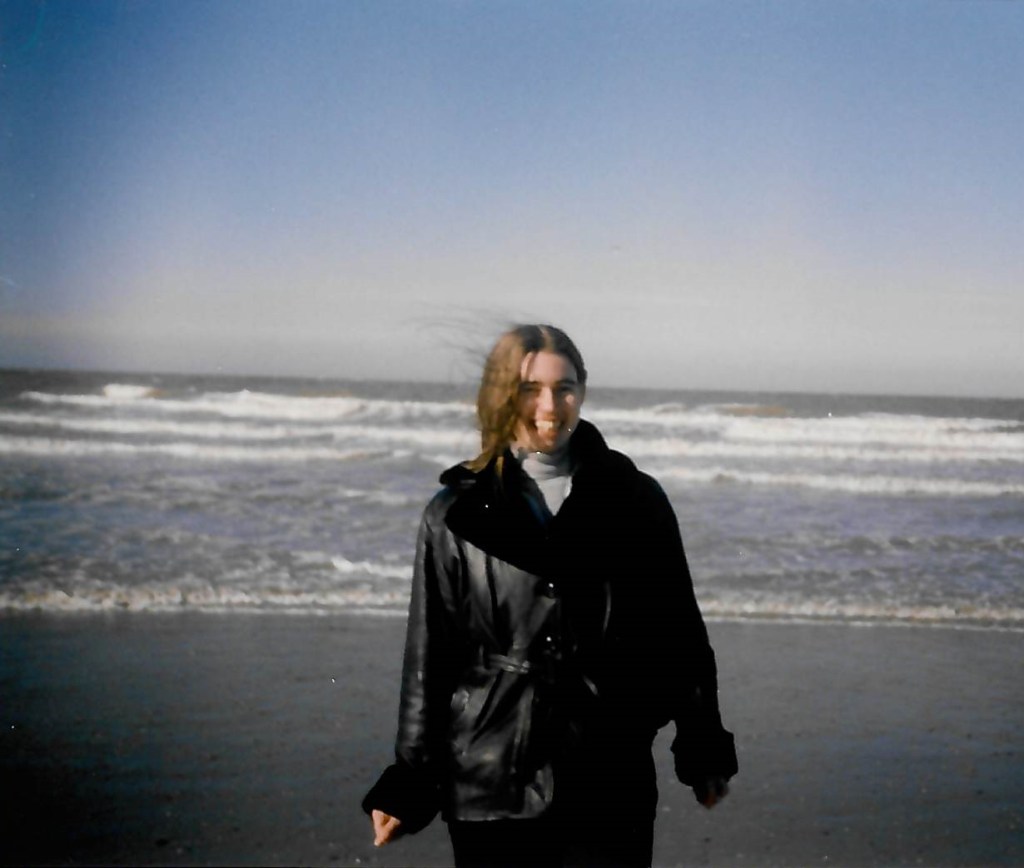
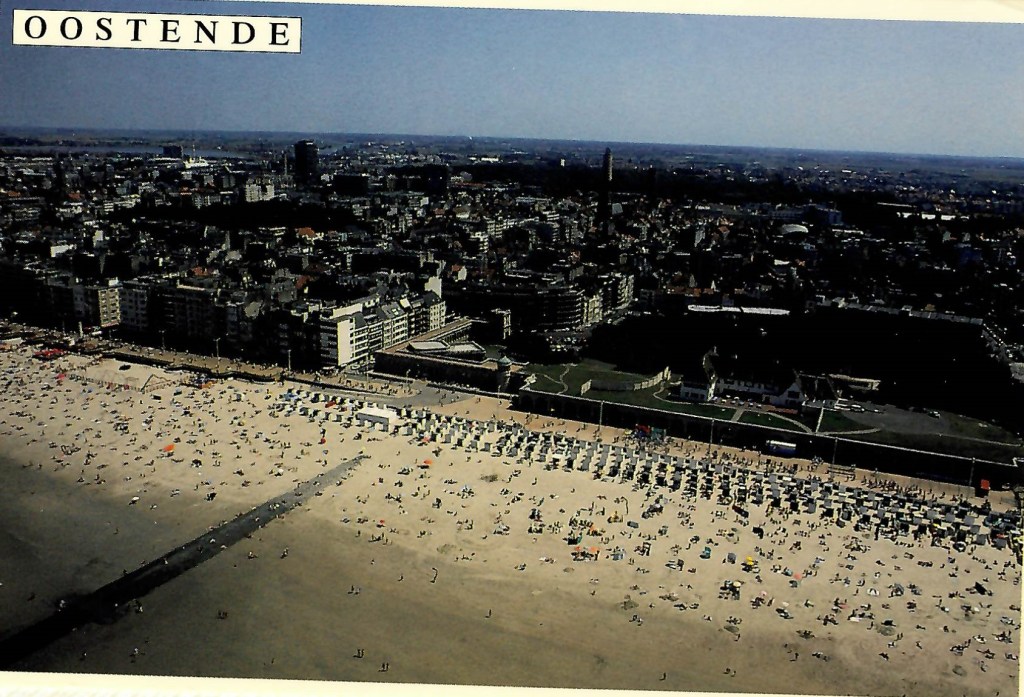
Located on the coast of the North Sea, the name Ostend means “East End”. It is undeniably one of the busiest coastal towns in Belgium and offers a perfect blend of beach, culture, entertainment, and relaxation. Especially beautiful here is the promenade, on which the Royal Galleries of Ostend are located (a neoclassical arcade with many columns erected on the beach). The beaches are covered with fine sand and attract many tourists in the summer.
In addition to beach tourism, there are many other interesting places here, such as Leopold Park, built in 1860 on the old city walls with many flower alleys and lakes, and the famous clock created from 20,000 flowers and plants (its diameter is 9 meters). The other park decorated with flowers and trees is the Japanese garden Shin Kai Tei, which brings a complete sense of harmony. Modern art lovers will appreciate the Mu.Zee Museum, which has a rich collection and displays works by local artists. Lovers of history and architecture can visit the Fort Napoleon – a fortress built at the beginning of the 19th century by order of Napoleon Bonaparte. Ostend is called the Queen of coastal cities, and indeed there is something majestic and fascinating here, which is felt even in winter, when the northern winds compete with the icy waters of the North Sea.
9. LIEGE
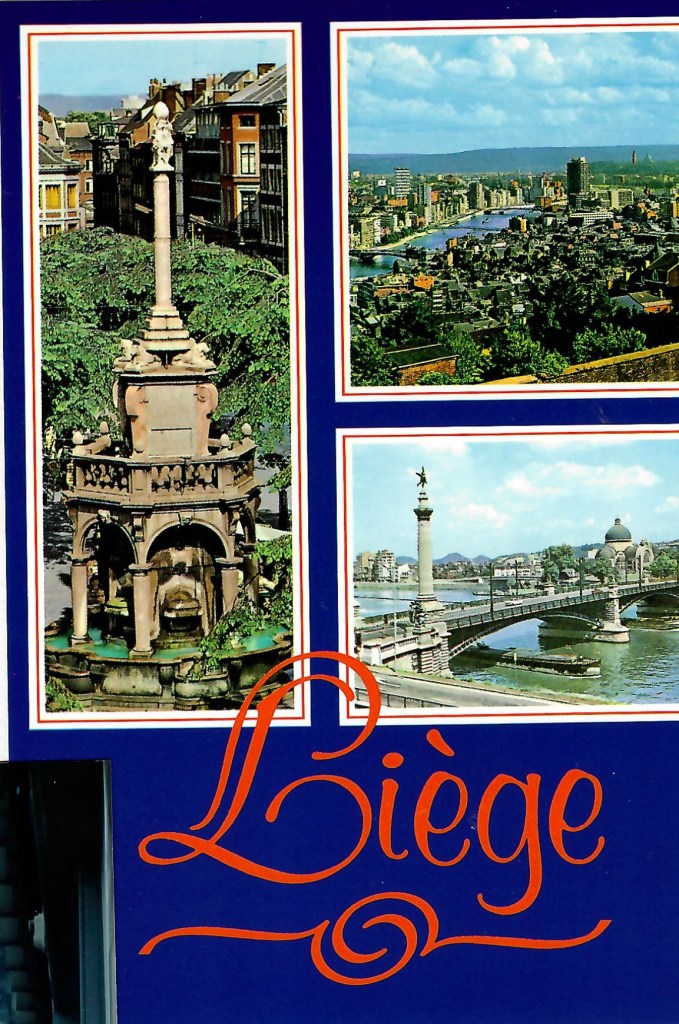
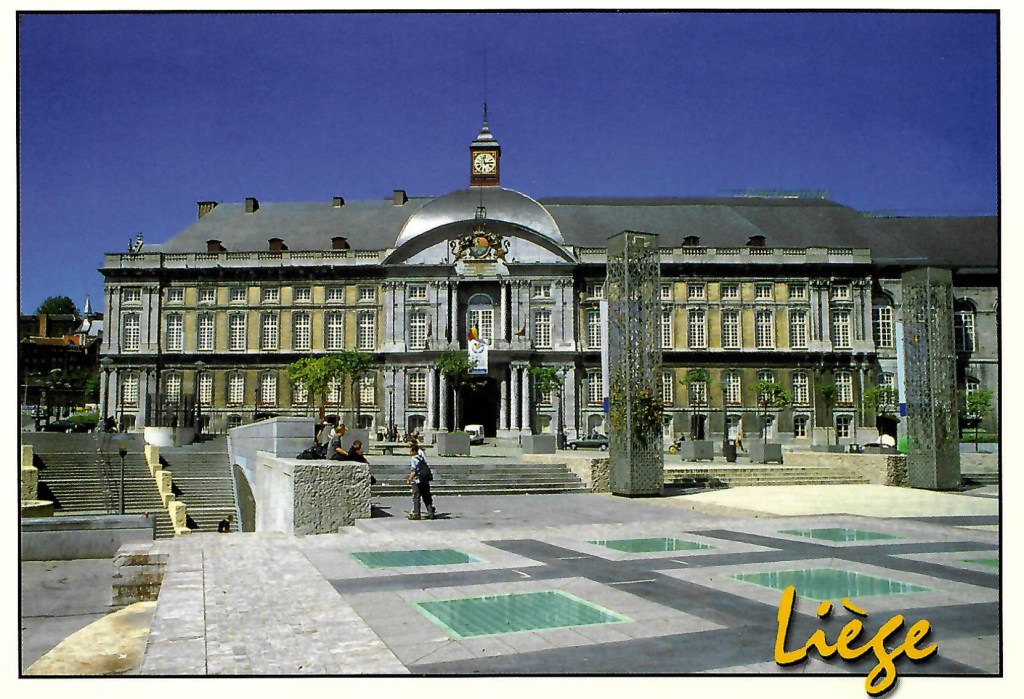
Liège is called the city of fire, and this pseudonym comes from a book published in 1905 by Count Henry Carton de Viart, which tells about the looting and fire of a city in 1468. In the same year, 1905, Prince Albert (the future Albert I) opened the Liege International Exhibition and used the expression “city of fire” to praise the economic dynamism of the city, which would show the world the power of its industrial activities. Thus, the nickname remains and symbolizes a vibrant city with intense commercial and cultural activities.
The name Liège is derived from the Latin word “Leodium” and translates as “place by the water”, and refers to the strategic location of the city on the banks of the Meuse River. Liège is located 25 km south of the Dutch city of Maastricht and 40 km west of the German city of Aachen, making it a true blending pot of cultures with French, Dutch, and German influences mixed in its language, architecture, and traditions. The city offers numerous museums, sights and cultural events. It is also home to one of the oldest universities in the world. Other breathtaking sights are the majestic Liège Cathedral and the Palace of the Prince-Bishops. Liège is especially beautiful during the Christmas markets, when it turns into a winter fairy tale of wonders.
10. AALST
Located on the Dender River, Aalst is famous for its carnival, which takes place every year before Easter, usually at the end of February. This tradition fraternizes the city with the Bulgarian town of Gabrovo. More information about their partnership can be find here.
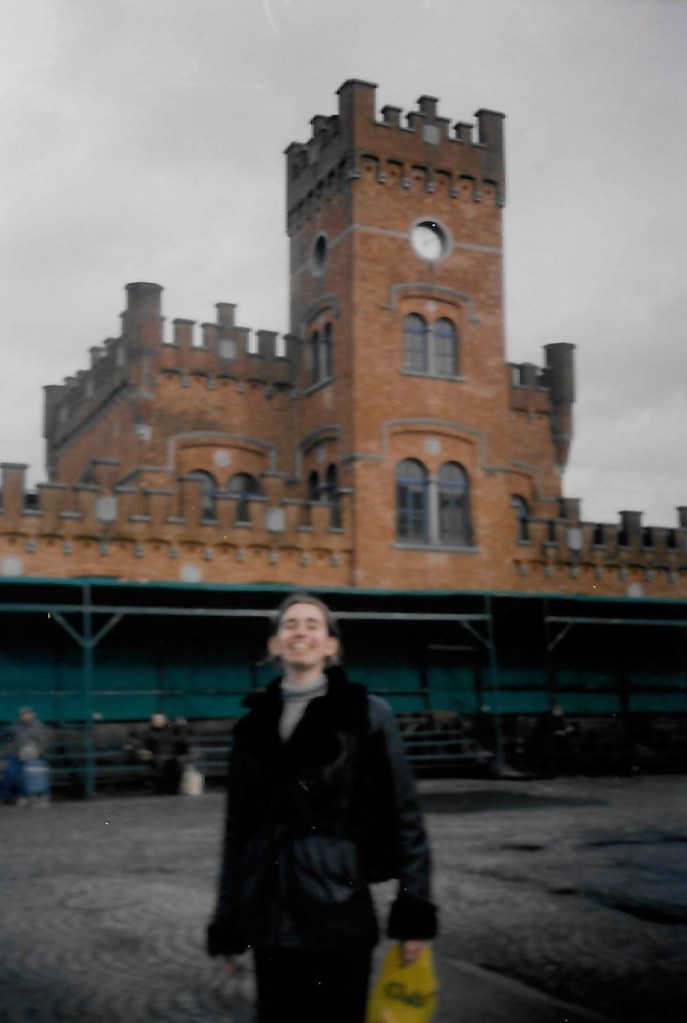
There is plenty to see in Aalst during the rest of the year as well. For example, the station itself looks more like a fortress, and the small charming Terlinden Castle, built in the 16th century, but nicknamed the “Cursed Castle” due to its location with the city’s gallows. The Grote Markt square is also particularly beautiful, with its former town hall, which is one of the oldest buildings in Belgium.

GENERAL INFORMATION ABOUT BELGIUM:
Location: The Kingdom of Belgium is located in Western Europe and borders the Netherlands, Germany, Luxembourg and France, and to the northwest – the North Sea.
Capital: Brussels
Area: 30,689 sq.km
Population: 11,584,008 people (2022 data)
Official language: Dutch, French and German
Average altitude: 138 m
Climate: oceanic
Time zone: UTC+1
Currency: Euro (EUR)
Additional information: http://www.belgium.be
 TripTips