INNSBRUCK – LARGEST SKI RESORT IN THE ALPS

ALPS
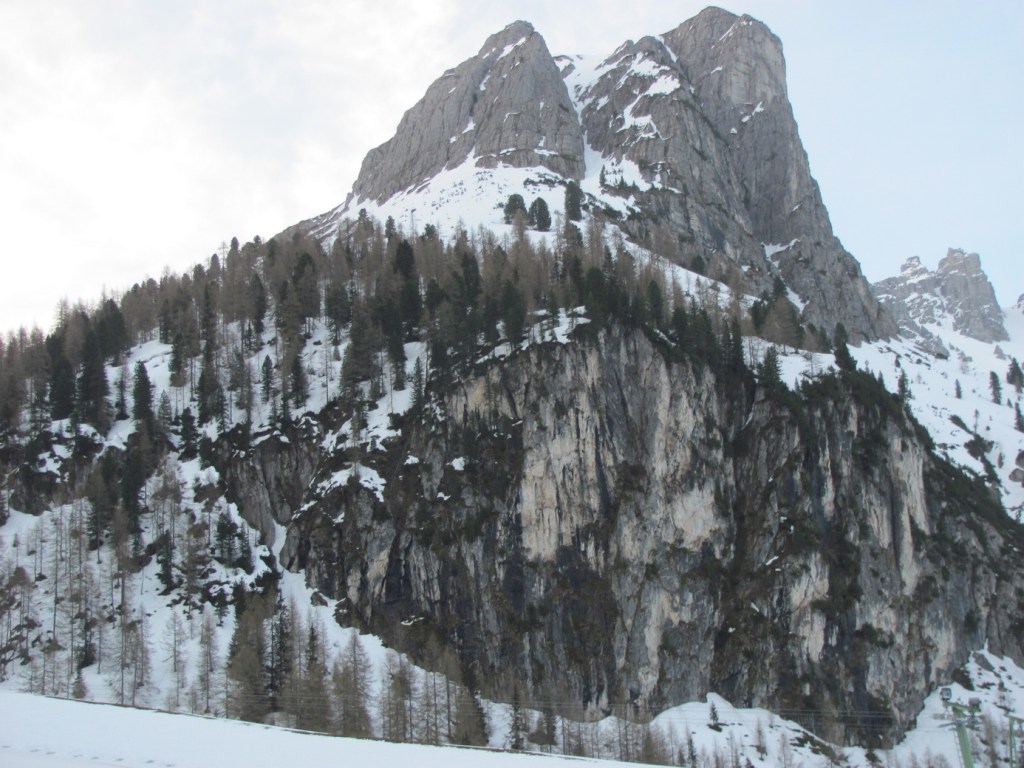
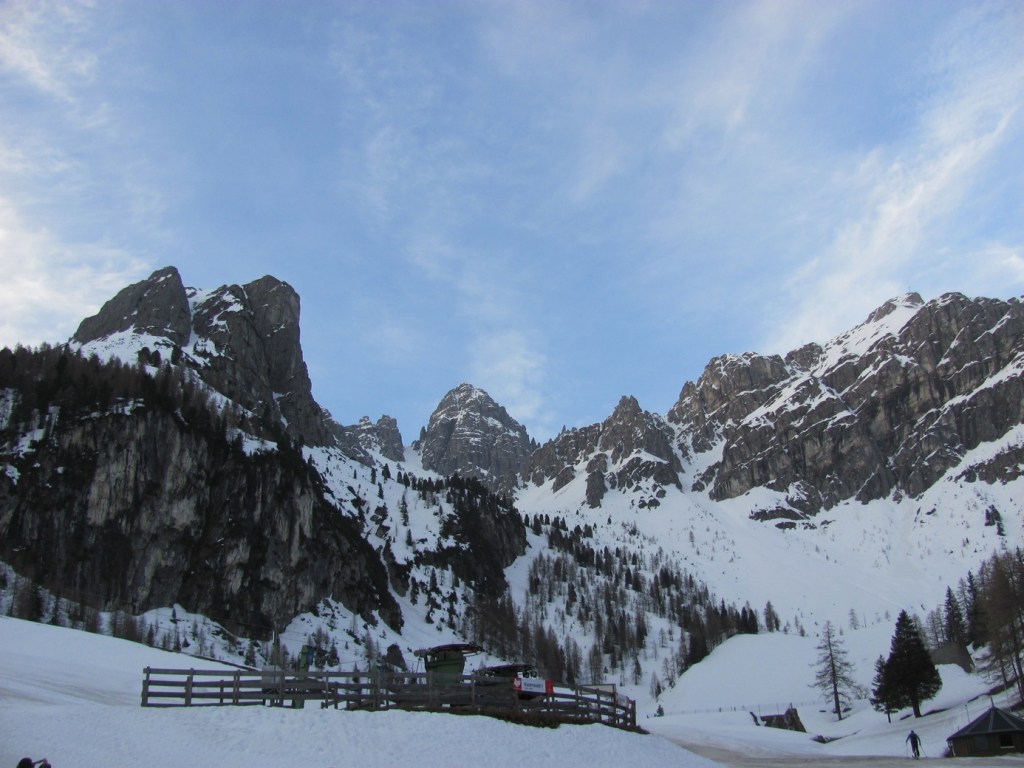
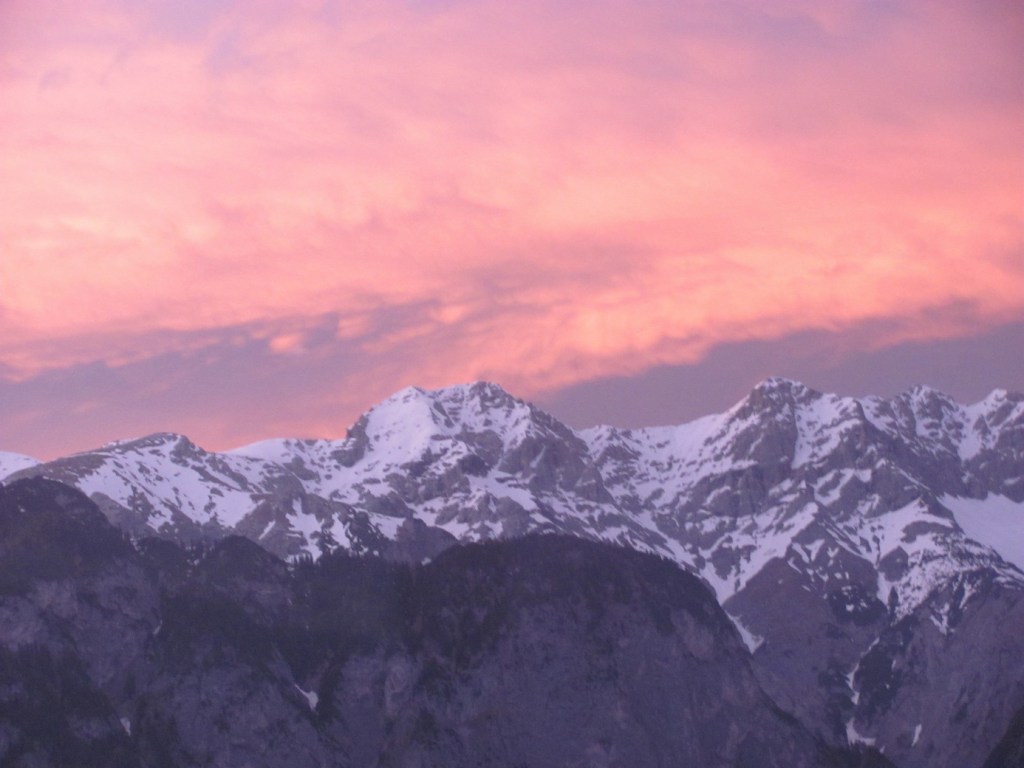
White fluffy snow. Miles of excellent tracks. Comfortable lifts on all sides that take you to the top in a few minutes. These are the Alps – the backbone of Europe – the largest and highest mountain stretching entirely in Europe and occupying 11% of its area. Eight countries share these snowy territories, namely: Liechtenstein (100% of the country’s territory is in the Alps), Switzerland (75% of its area is in the Alps), Italy, Germany, France, Slovenia and even Monaco.
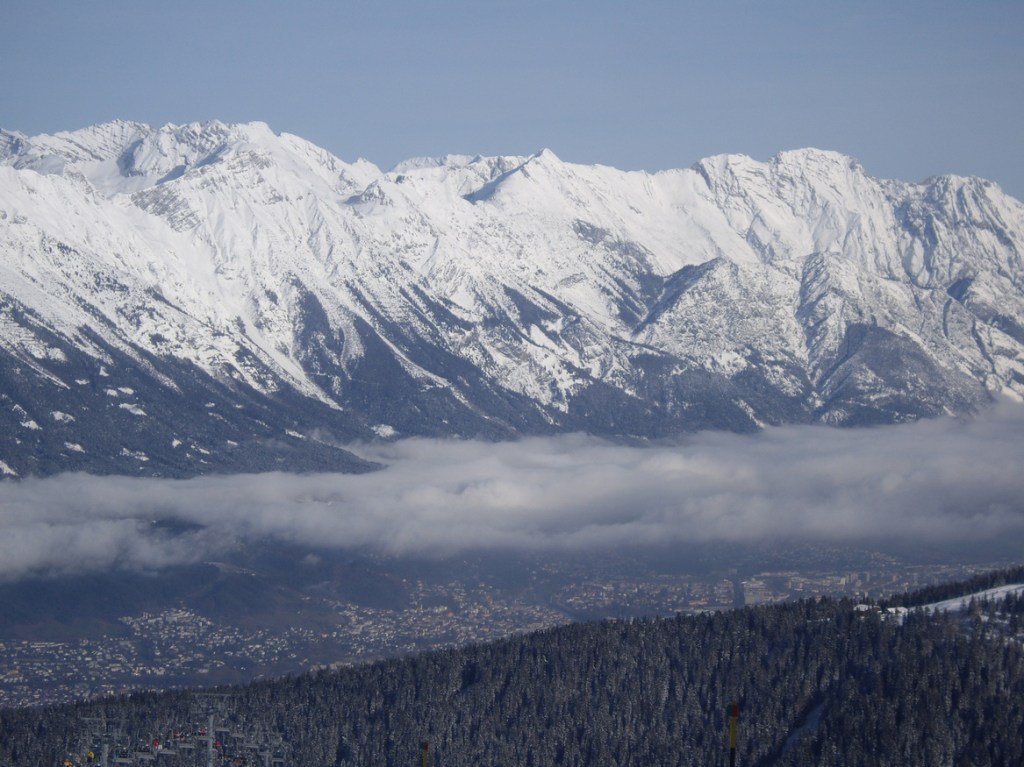
The name Alps most likely comes from the Old English word “alp”, which means snowy peak. Another theory is that it is derived from the word “albus”, which means white and is again associated with the white peaks. Over 100 peaks in the Alps have an altitude of over 4,000 meters, which is why it is called “the mountain of four-thousanders”. The highest peak is Mont Blanc (translated from French White Mountain), which has an altitude of 4809 m. The French city of Genoble is the largest alpine city and therefore some call it “the capital of the Alps”. After it comes Innsbruck, which is the second largest, but is at the forefront as the largest ski resort in the Alps. And it’s definitely one of the best places I’ve ever skied.
INNSBRUCK
Innsbruck (translated from German Innsbruck means “bridge over the Inn River” and this meaning is also enshrined in the coat of arms of the city) is a real alpine jewel, located on both banks of the Inn River. This is the main town of the Austrian region of Tyrol and undoubtedly one of the best places for skiing in Austria. The city hosted several Winter Olympiads (in 1964 and 1976 the Winter Olympics were held here, and in 1984 and 1988 the Winter Paralympics).
The history of Innsbruck dates back to the Stone Age, and the area was inhabited long before the arrival of the Romans, who in the 4th century established a military garrison under the name Veldidena. For the first time the name Innsbruck is mentioned as Oeni Pontum, which in Latin means bridge over the Inn and here was located an important bridge over the Inn River. Today’s coat of arms of the city respectively shows precisely this bridge from 1267 seen from a bird’s eye view. Innsbruck becomes the capital of Tyrol In 1429 and in the 15th century it was the political and cultural center of Emperor Maximilian I.
HOW DO YOU GET HERE?
Although there is an airport in Innsbruck, only Austrian Airlines (from Vienna) and Lufthansa (from Frankfurt) are operated there, which comparatively makes travel more expensive. A relatively more economical option is a flight to Munich or Memmingen, from where you can take a train or a rental car.
We chose Munich Airport and our rental car was from Budget rent-a-car: a luxury Citroen station wagon that had more extras than we could use. The defrosting of the windshield was up in seconds and the heated seats definitely impressed me. The trip on December 26 turned out to be surprisingly calm on the highways, and shortly before we reached Austria we stopped at a gas station and bought an Austrian vignette. The journey from Munich airport to Innsbruck was about 2 and a half hours.

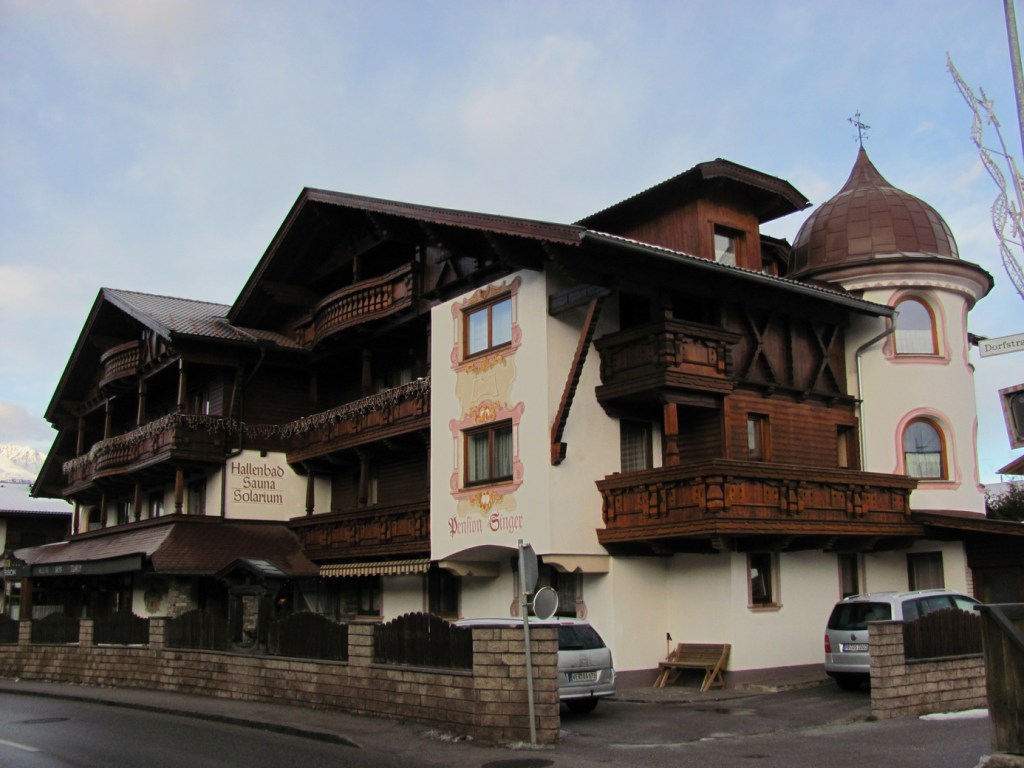

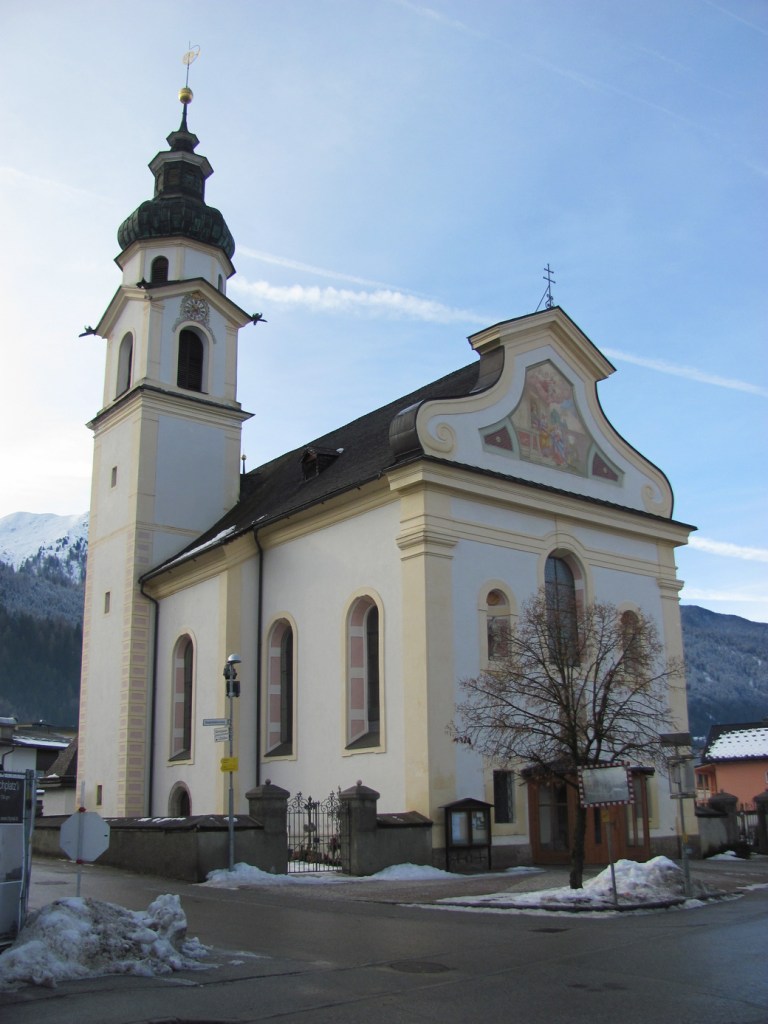
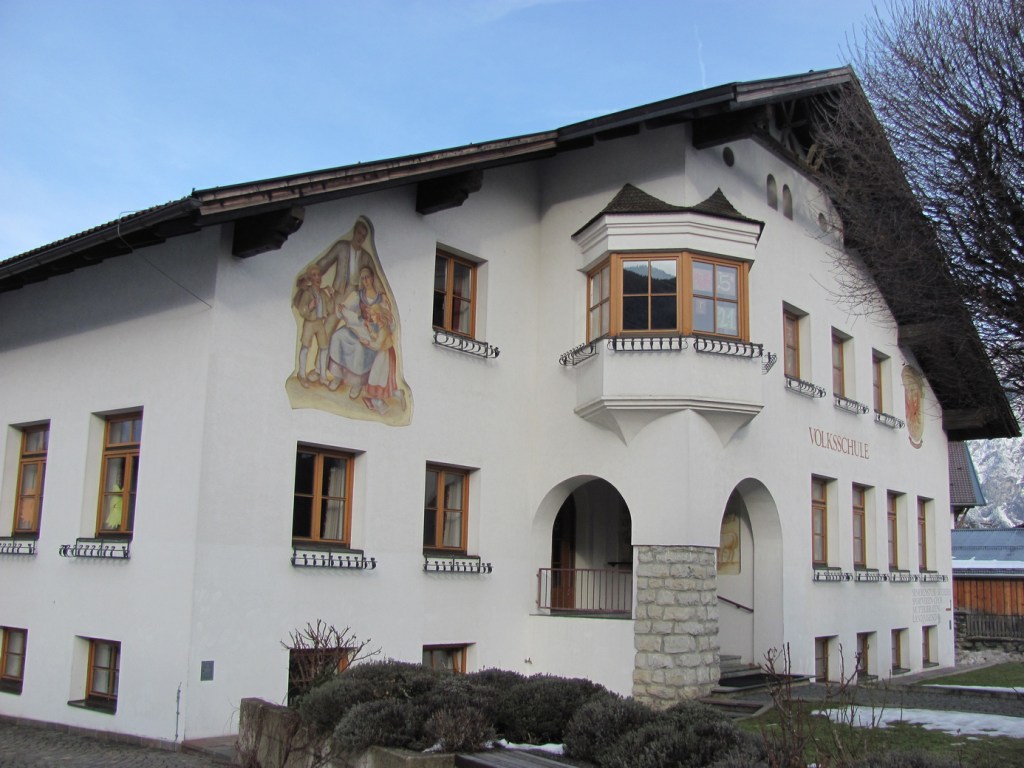
BIERGITZ
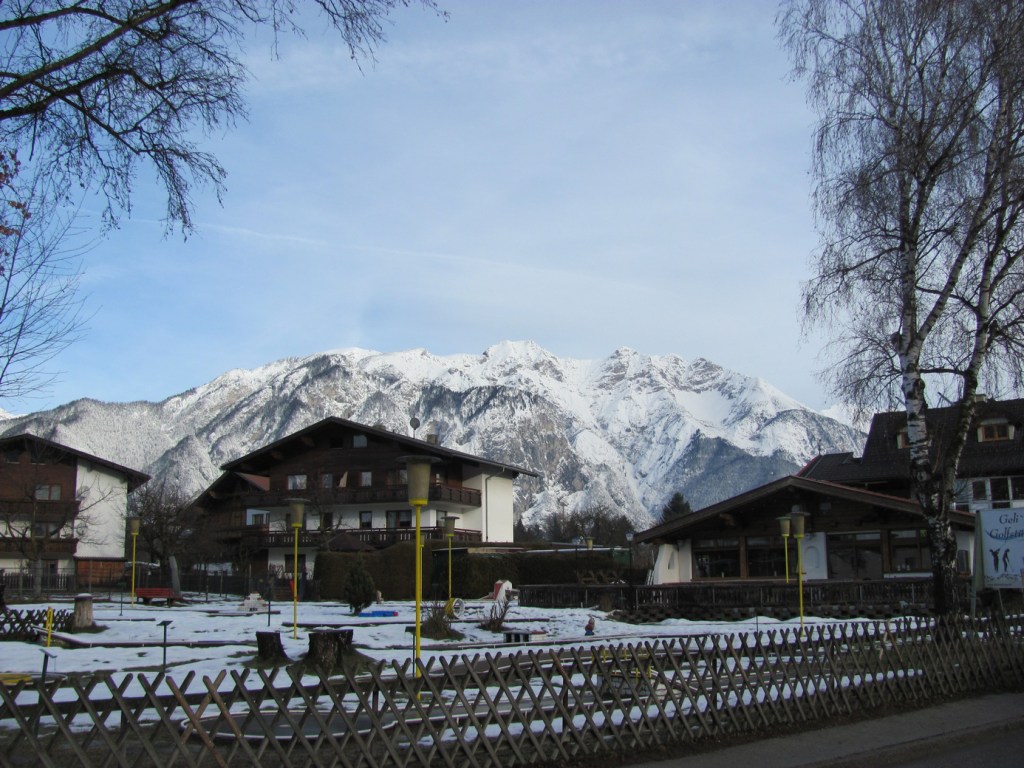
Innsbruck offers excellent hotels, but we had chosen accommodation closer to the slopes, in a cozy family-run hotel Singer, located 10 km above Innsbruck in the picturesque resort town of Birgitz. The settlement arose 100 BC. under the name Birga, today it is a traditional Tyrolean town located at 860 m altitude in a sunny lowland above Innsbruck, in the heart of Tyrol.
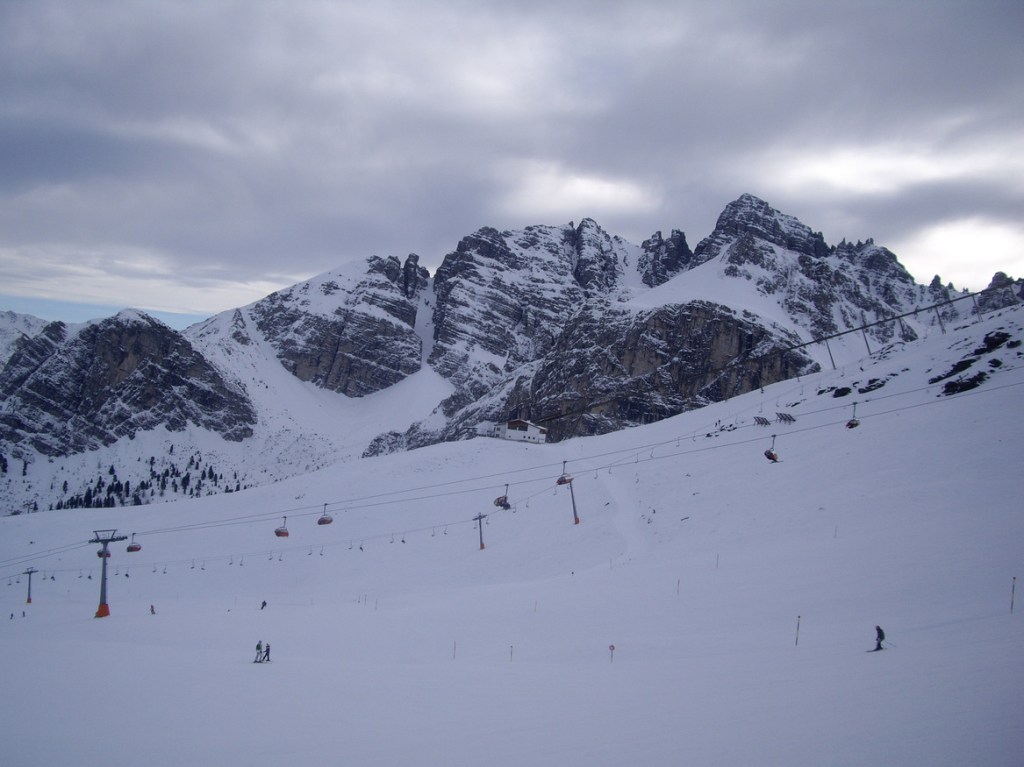
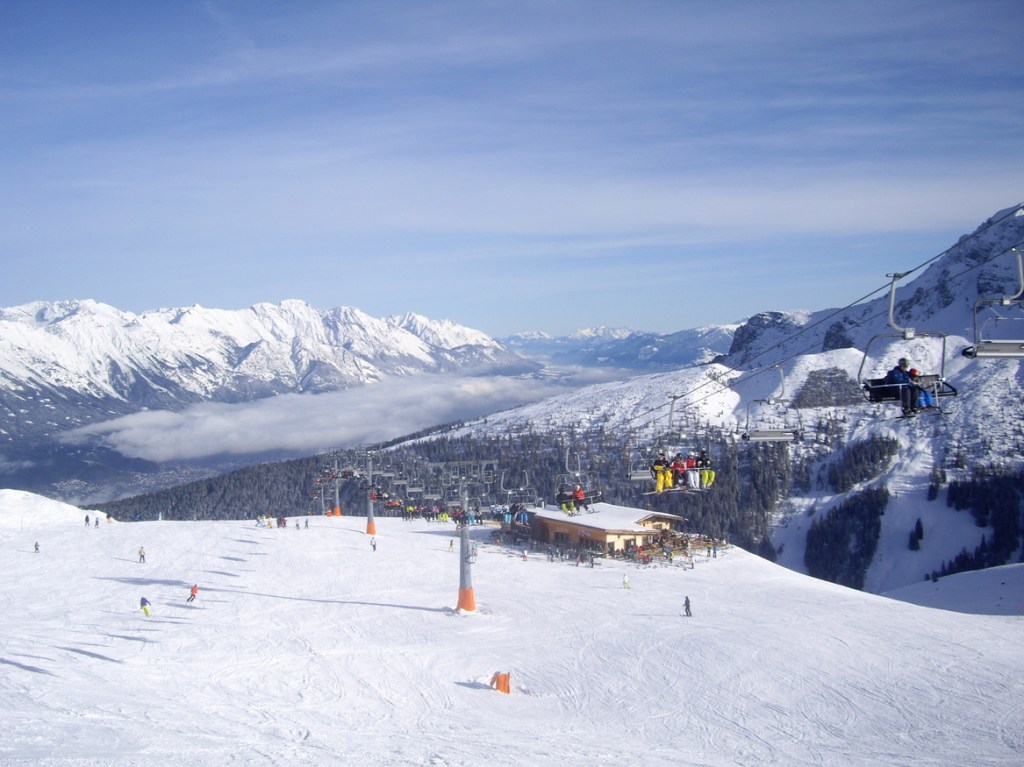
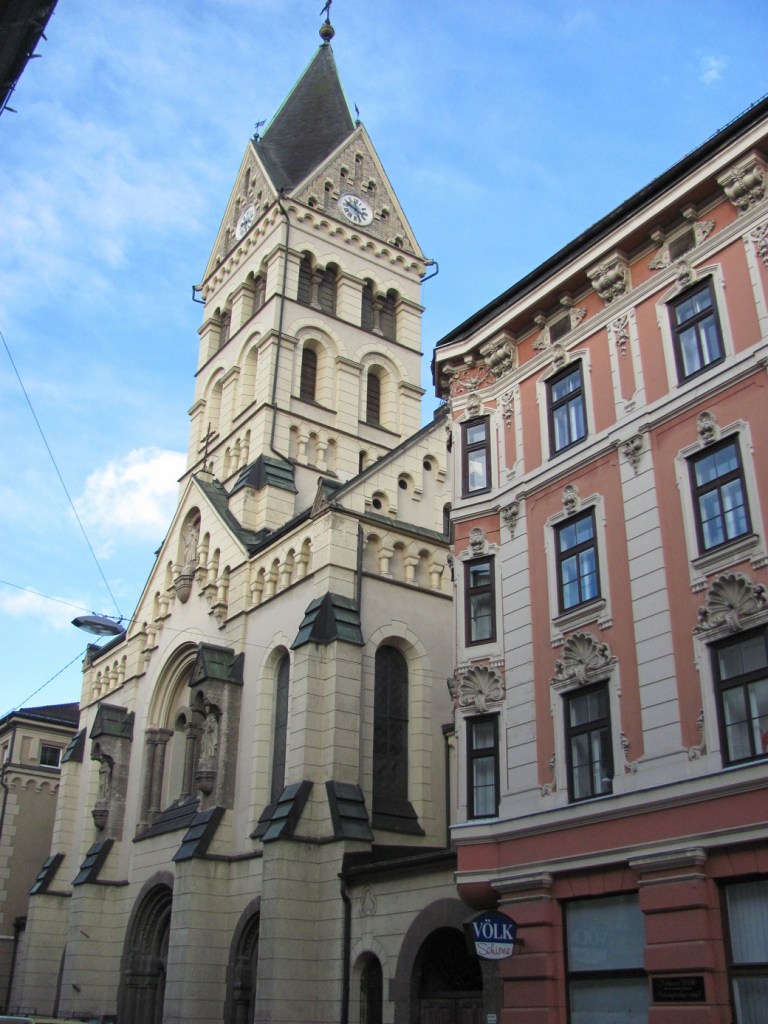
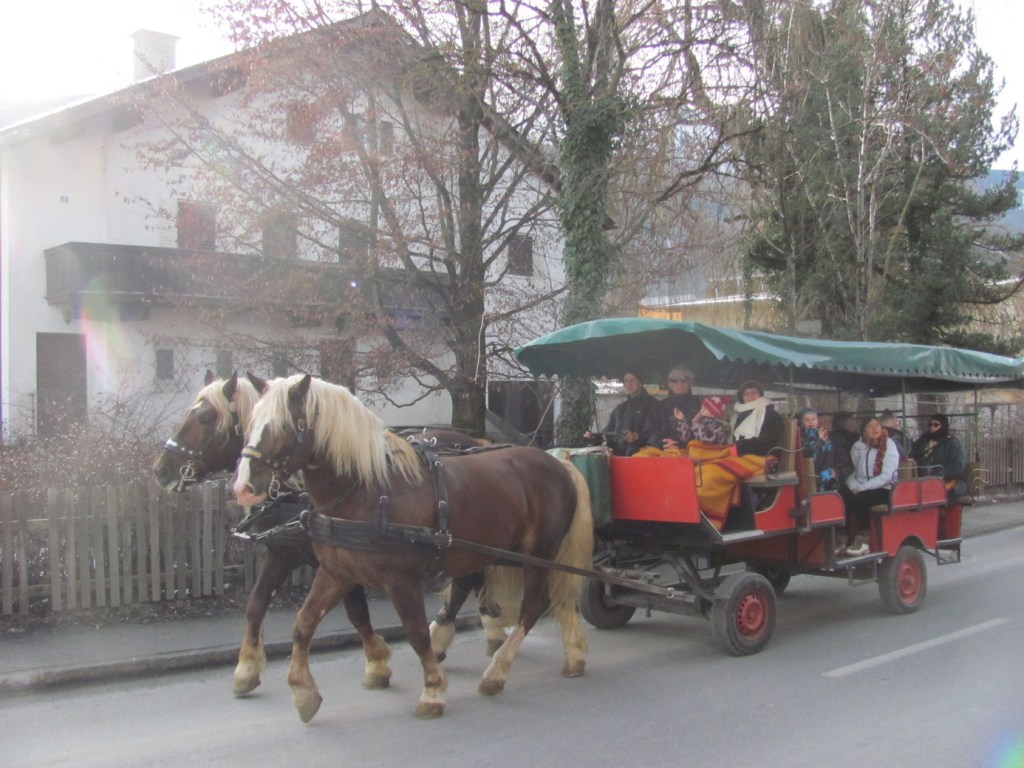
There is a small church, a fountain and a wonderful view of the Alps. Birgitz is famous for its horse-drawn sleds and natural ice rink, and we also took advantage of the free buses that stopped a few meters from the hotel and took us in less than 15 minutes to Axamer Lizum, with countless long and excellent tracks.
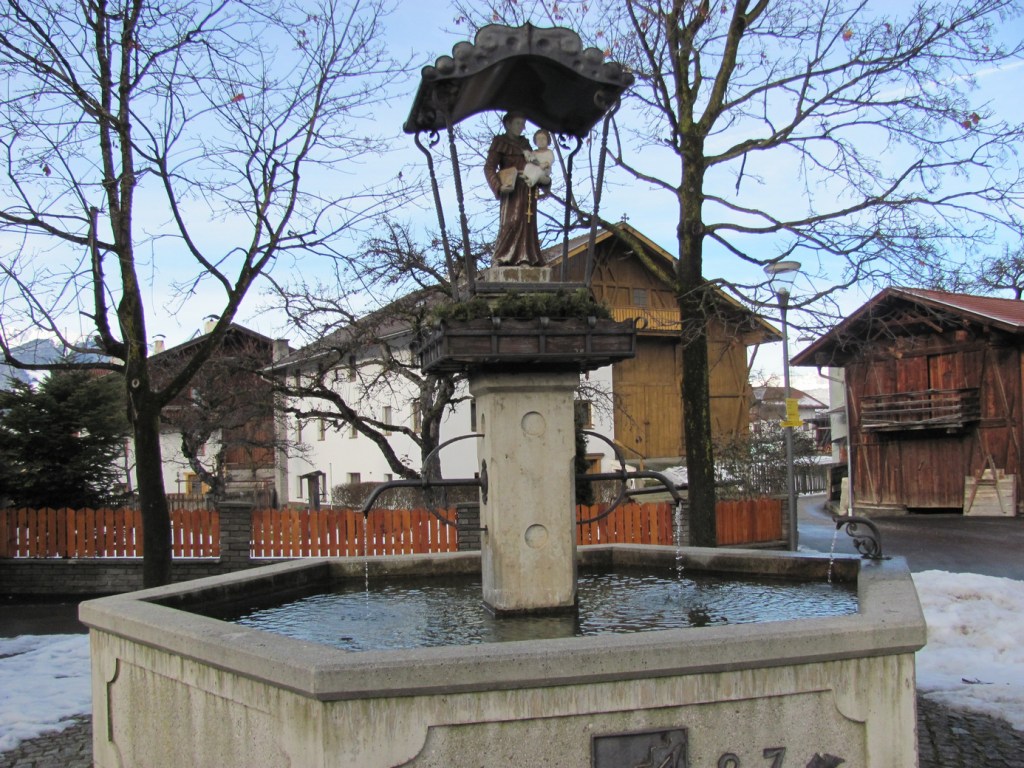

AXAMER LIZUM
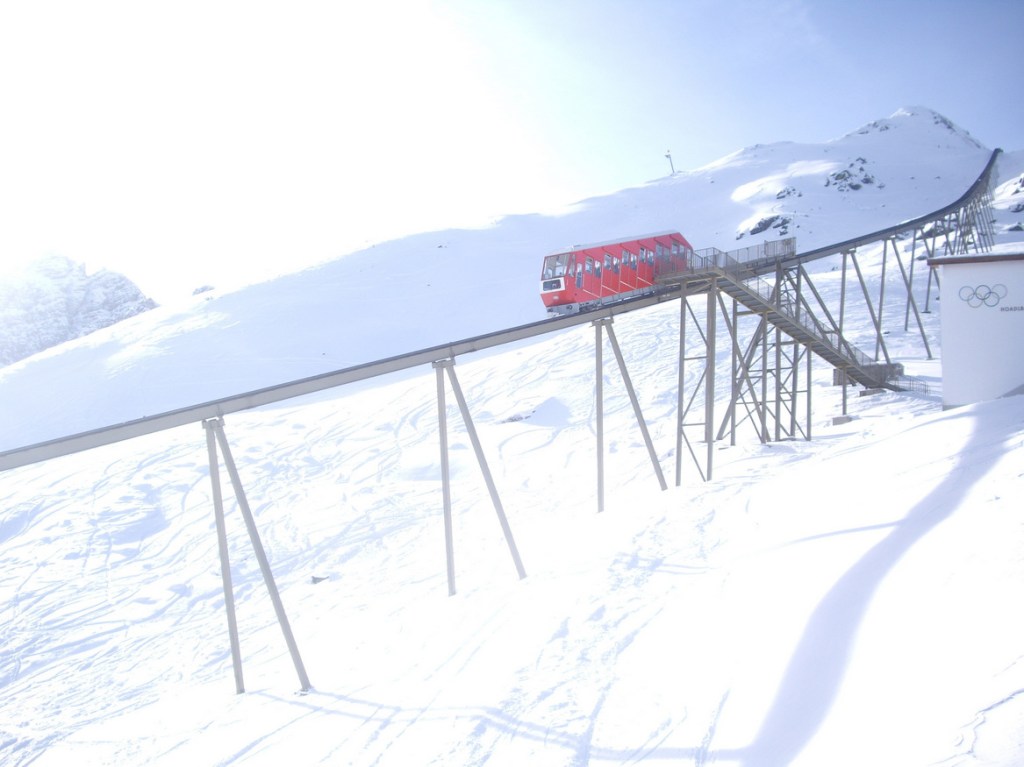
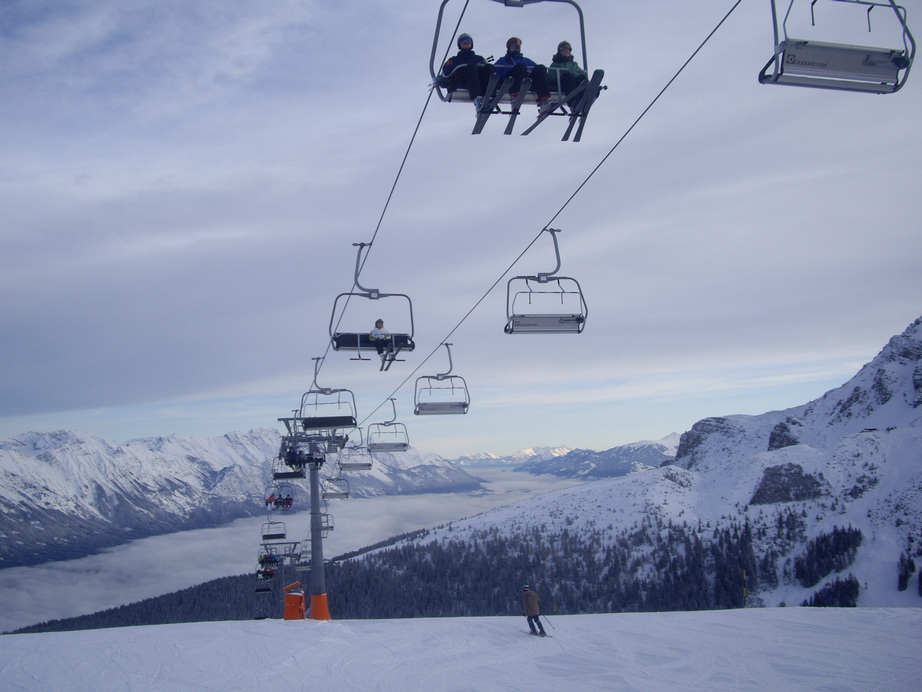
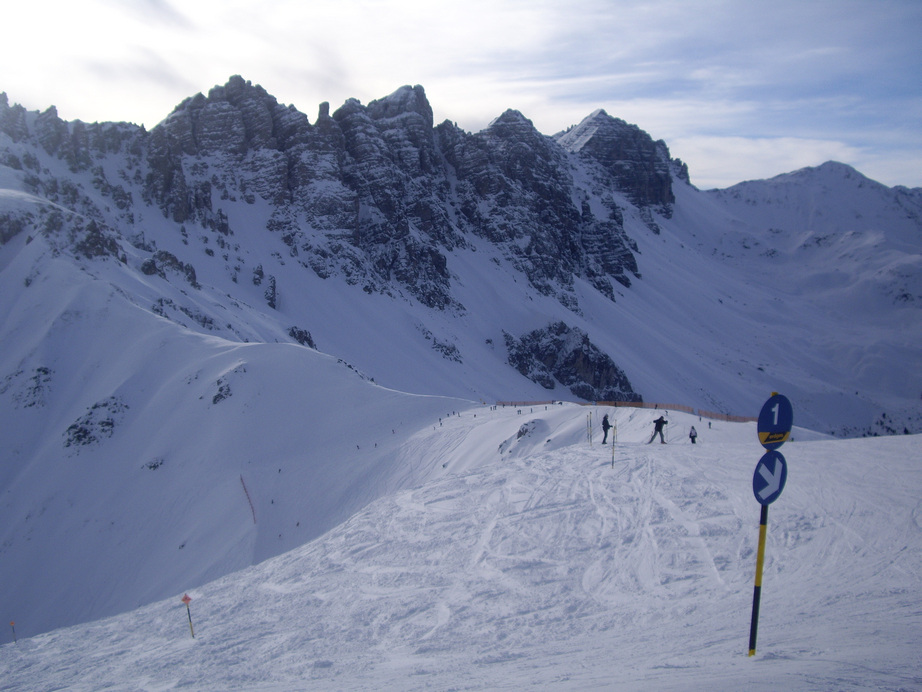
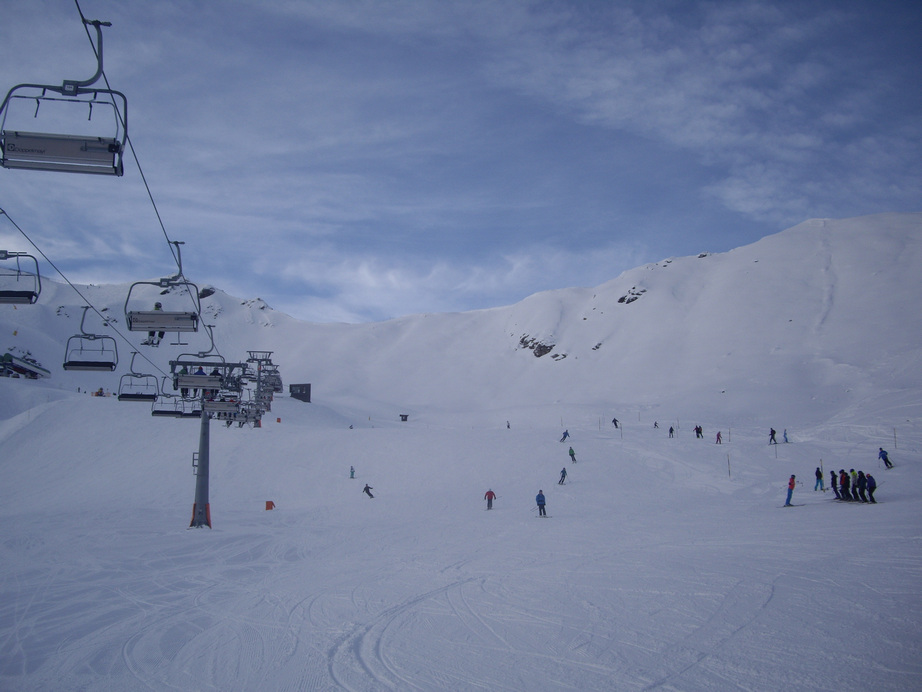
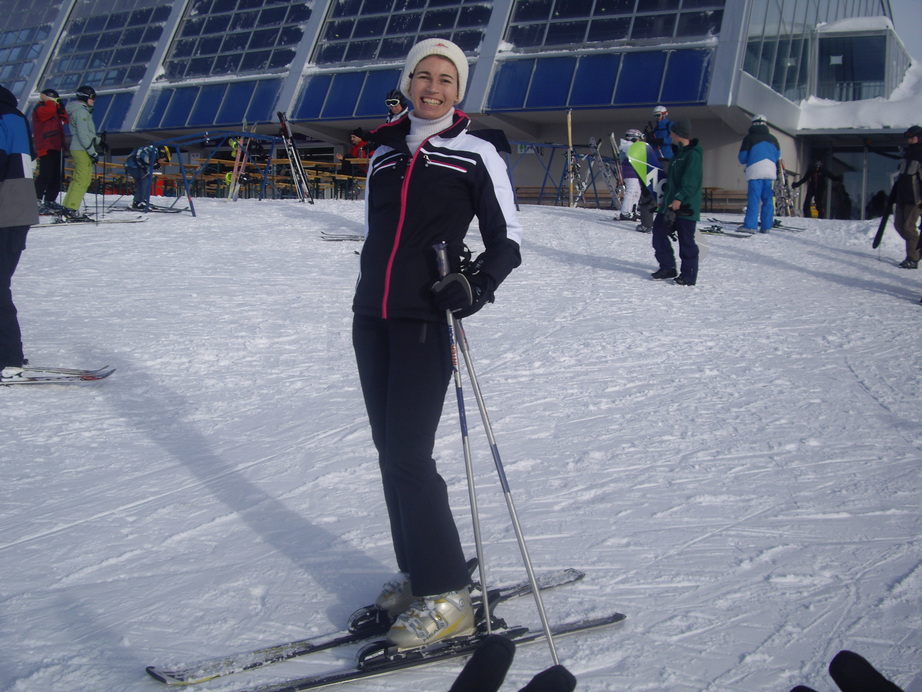
For our 7-day stay I could not try all the slopes. They stretch from 1583 m to 2340 m above sea level and are covered with fluffy, strong, thick snow. Among them there are 4 km of easy ski slopes, 27 km of medium-difficulty ski slopes and 10 km of difficult ski slopes. The price of the daily ticket for all tracks was 33.50 euros, which was not much different from the prices in Bulgaria, only that the slopes and facilities can not be compared and while in Bulgaria I spent more time in the queues for the lifts than on the slopes, in the Alps I did not see a queue, only endless free running lifts and excellently processed slopes. These are the Alps – the pleasure of skiing.
SIGHTSEEING IN INNSBRUCK
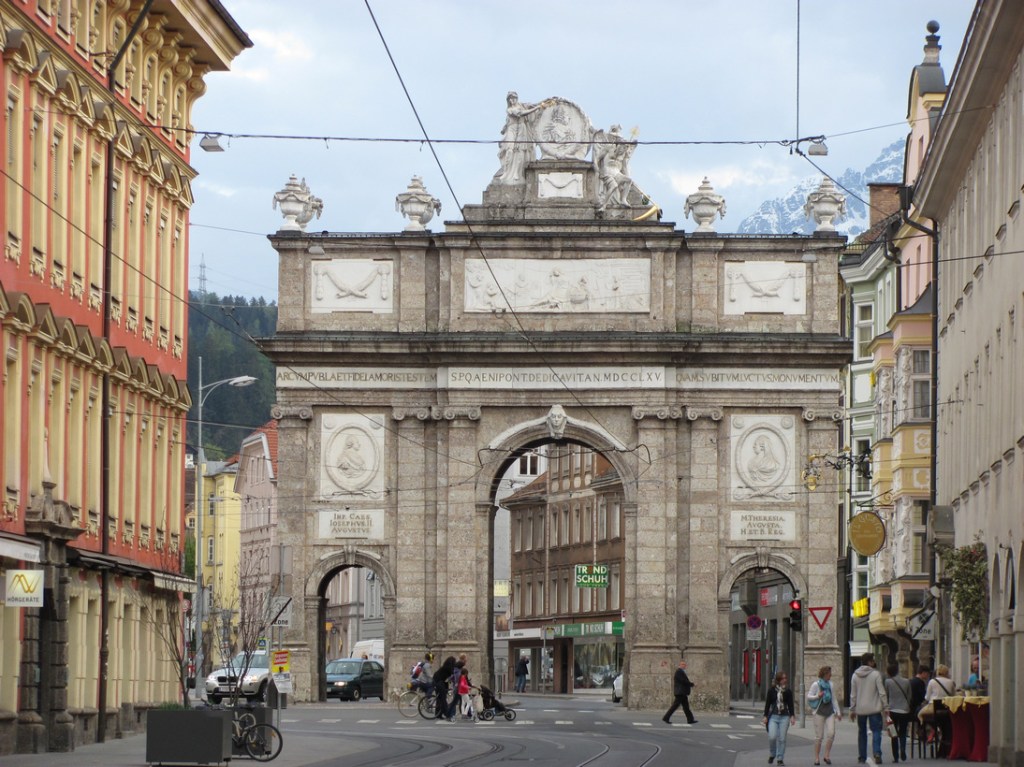
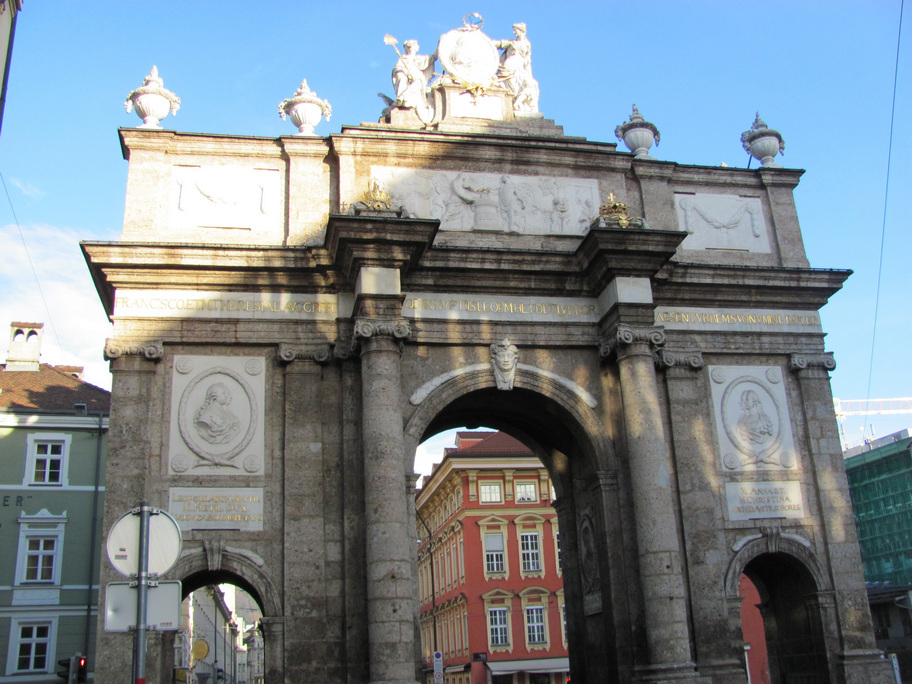
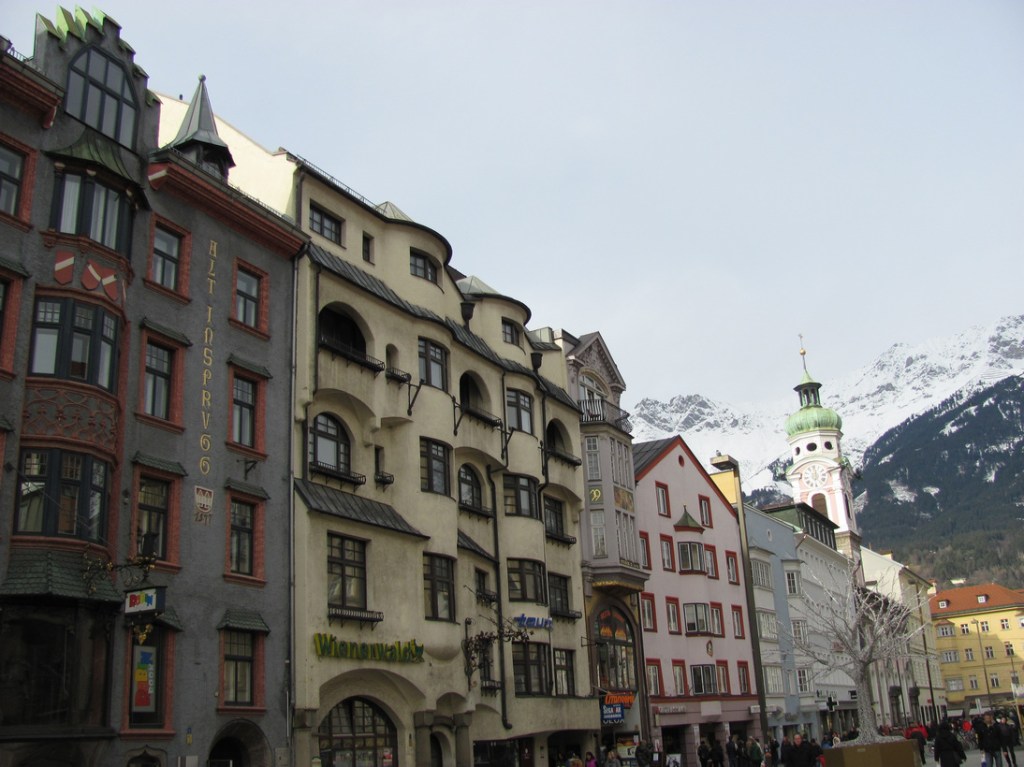
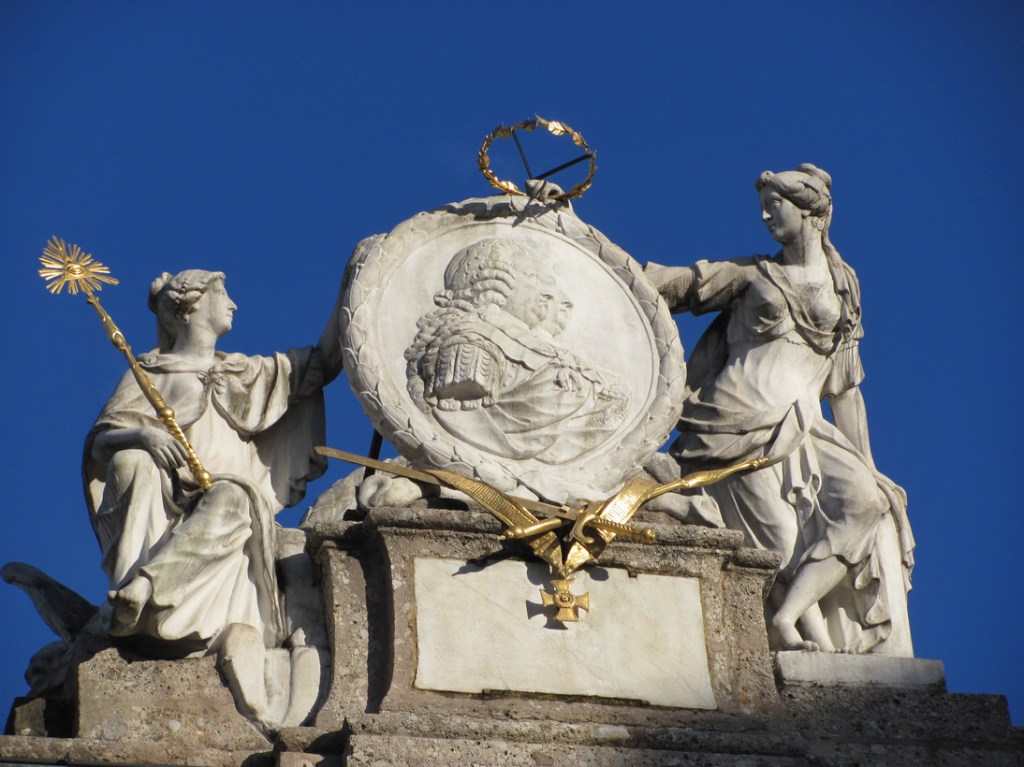
Our walk in Innsbruck began from the Arc de Triomphe erected at the southern end of Maria Theresa Street. It was erected by order of Maria Theresa on the occasion of the wedding of her son Leopold to Maria Ludovica of Bourbon-Spain in 1765. At the same time, however, her husband Emperor Francis I died suddenly, so the southern ornaments of the arch symbolize joy and wedding. And the north side is the tragic death.
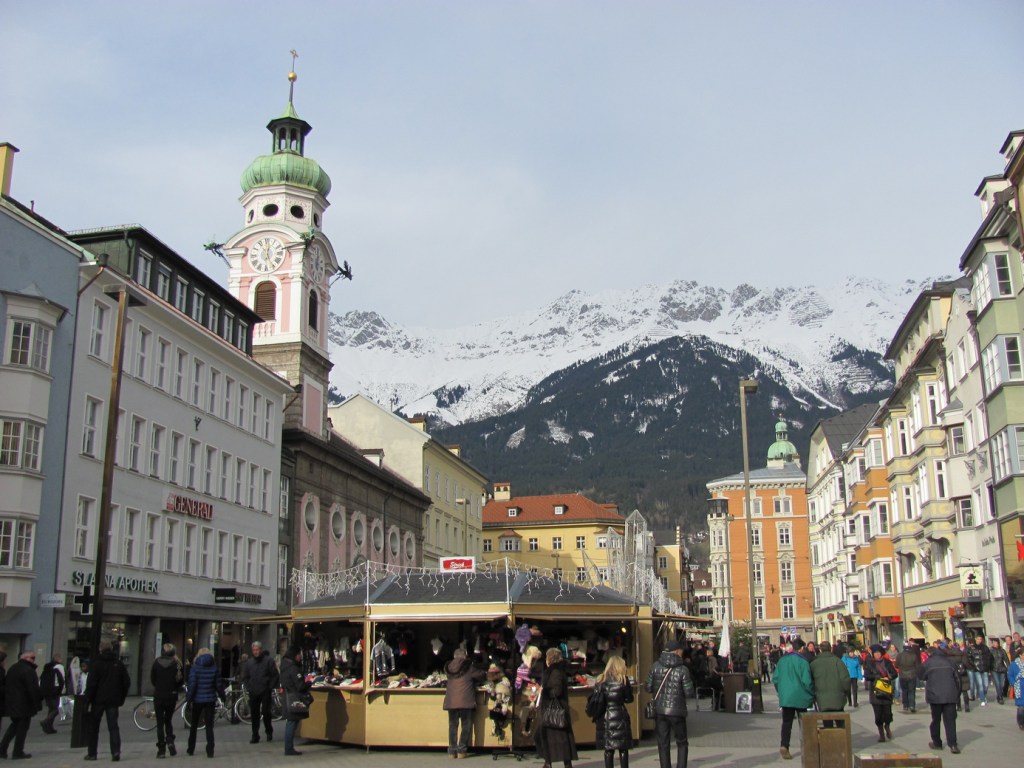
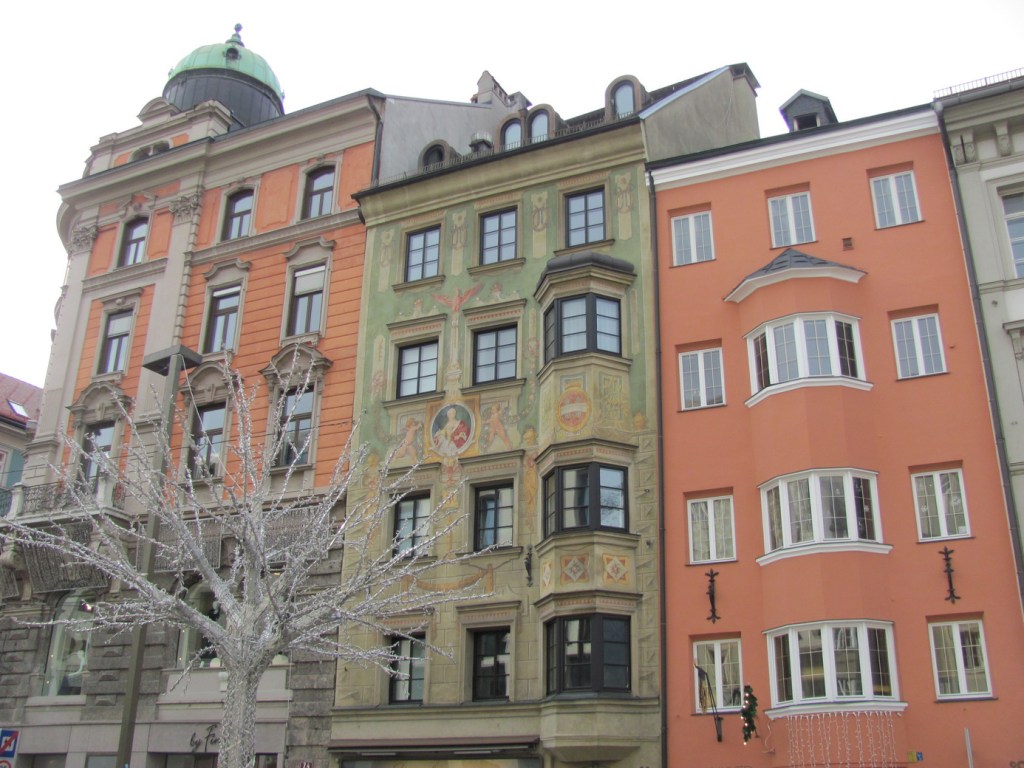
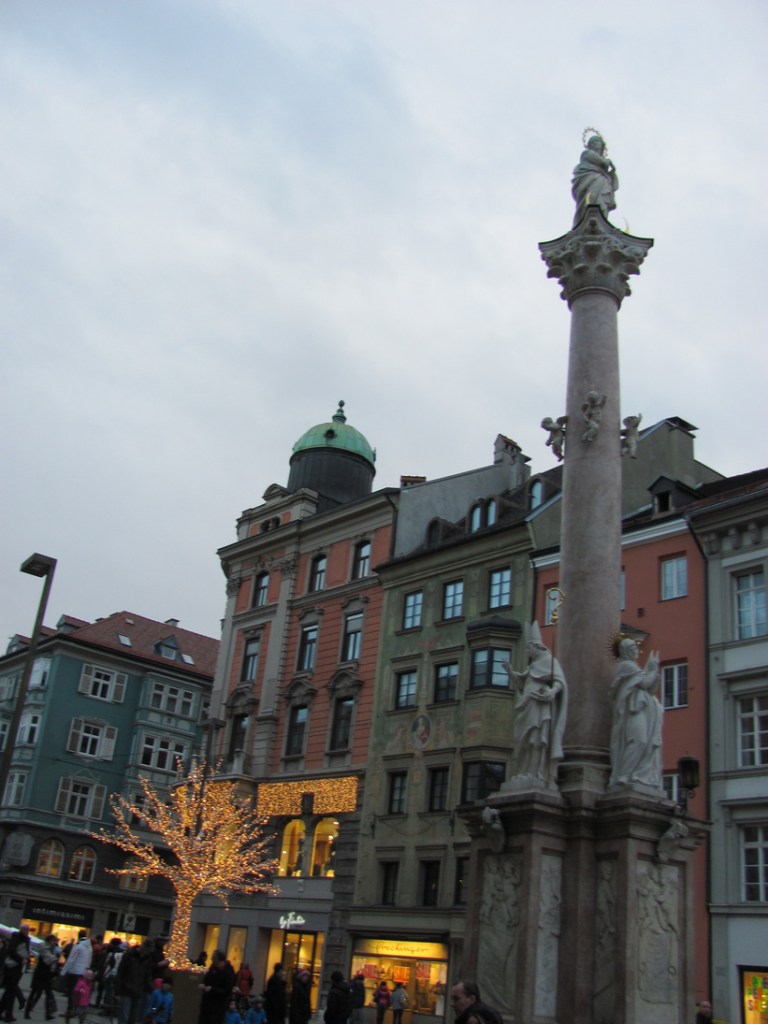
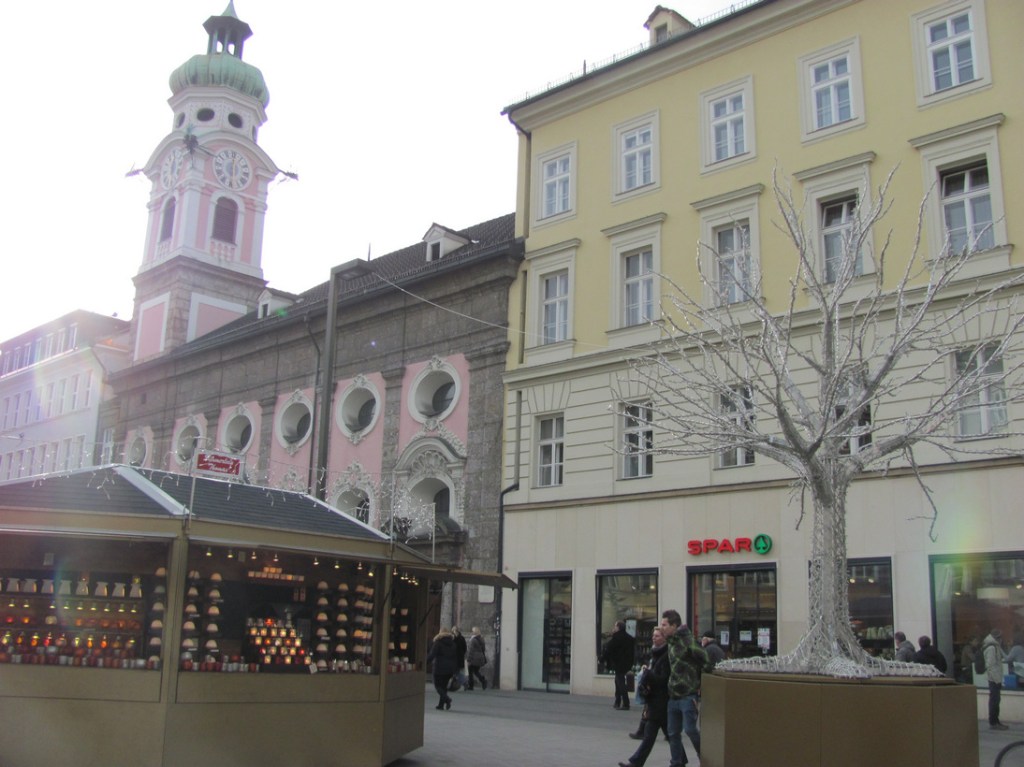
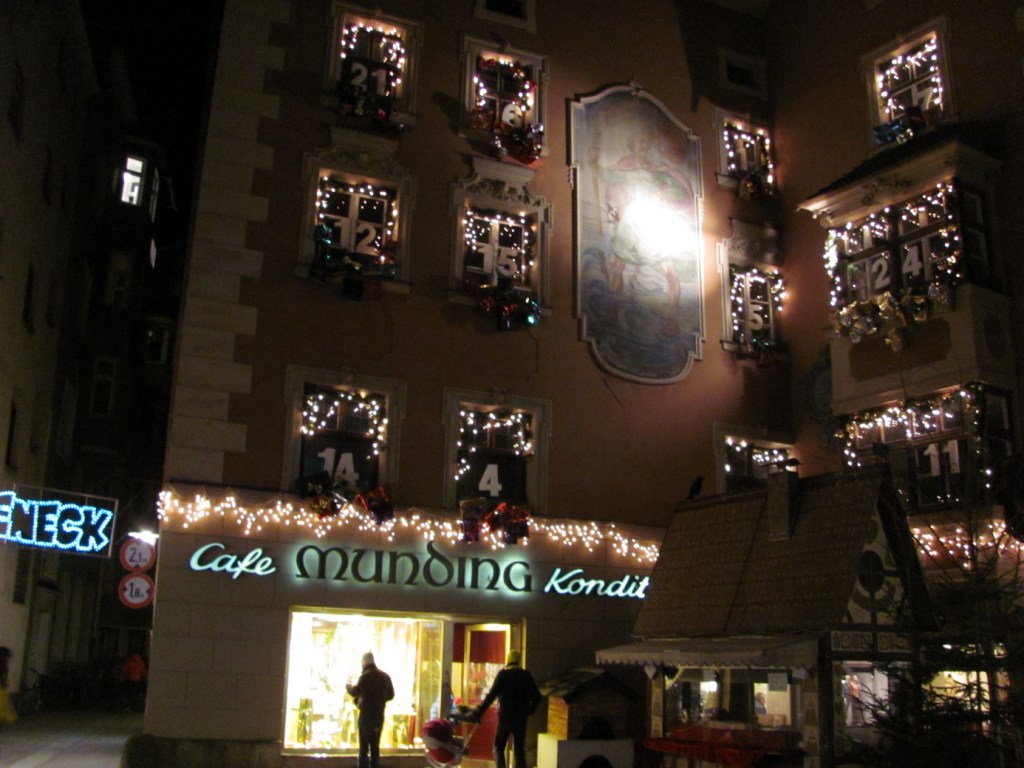
We continued along the wide boulevard Maria Theresa, on both sides of which there are beautifully painted buildings. We reached the column of Annasäule, which was erected as a thank you for the withdrawal of the Bavarian army, on July 26, 1703 (St. Anne’s Day). At the top of the column is a statue of the Virgin Mary, and below it the Baroque figures of St. Anne. St. Cassian, St. Vigilj and St. Georgi. During our visit to the square was formed a beautiful Christmas market with many wooden houses and stalls, giving an even more fabulous atmosphere.
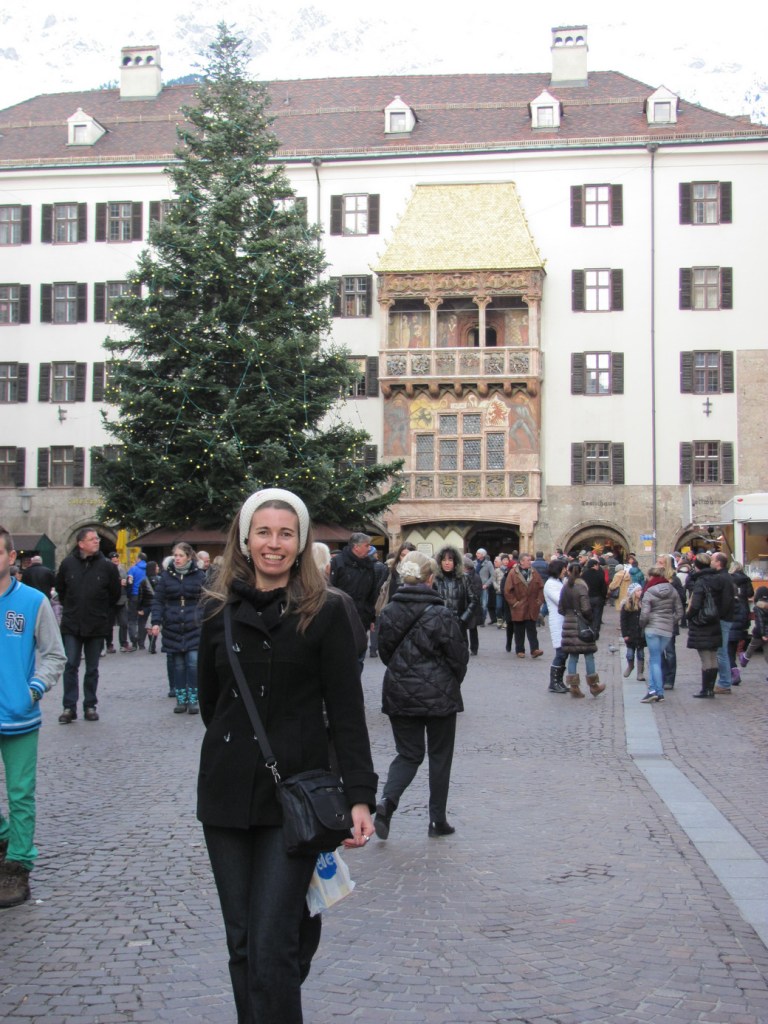
Imperceptibly we reached one of the symbols of the city – the Golden Roof. It was erected on the front facade of the former citadel from 1420, with 2,657 gilded tiles placed on the roof of the terrace on the occasion of the wedding of Emperor Maximilian to Maria Bianca Sforza of Milan in 1494. From here later, the emperor watched various tournaments and celebrations, and the golden hall in which he got married today continues to be used for wedding ceremonies.
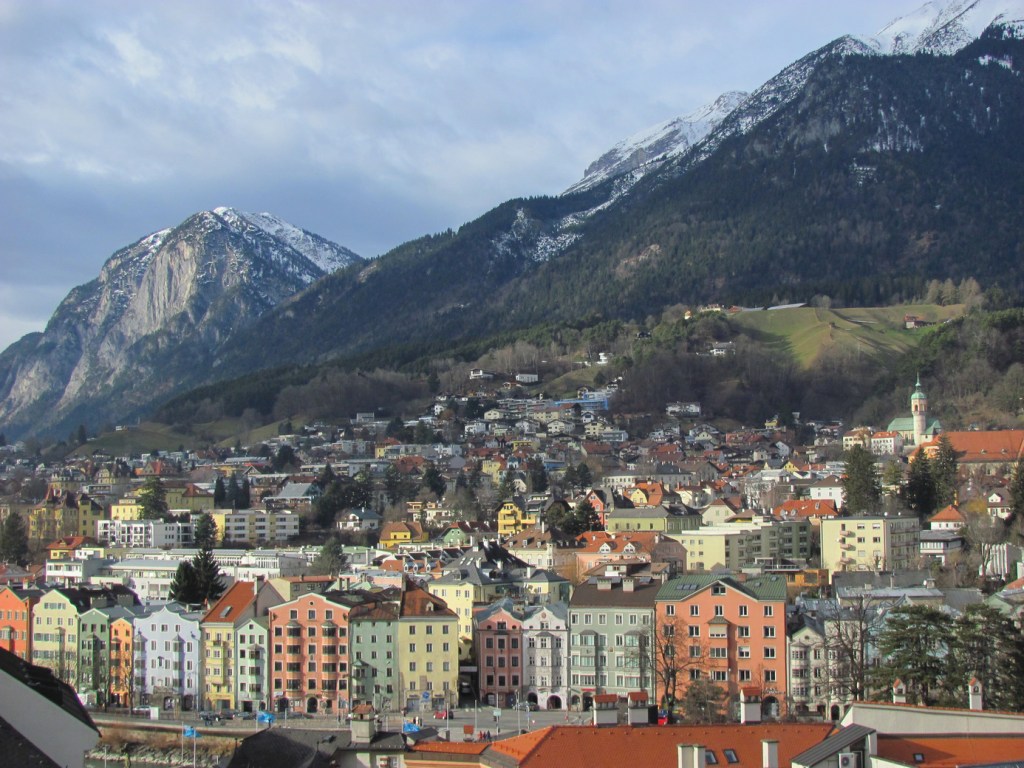
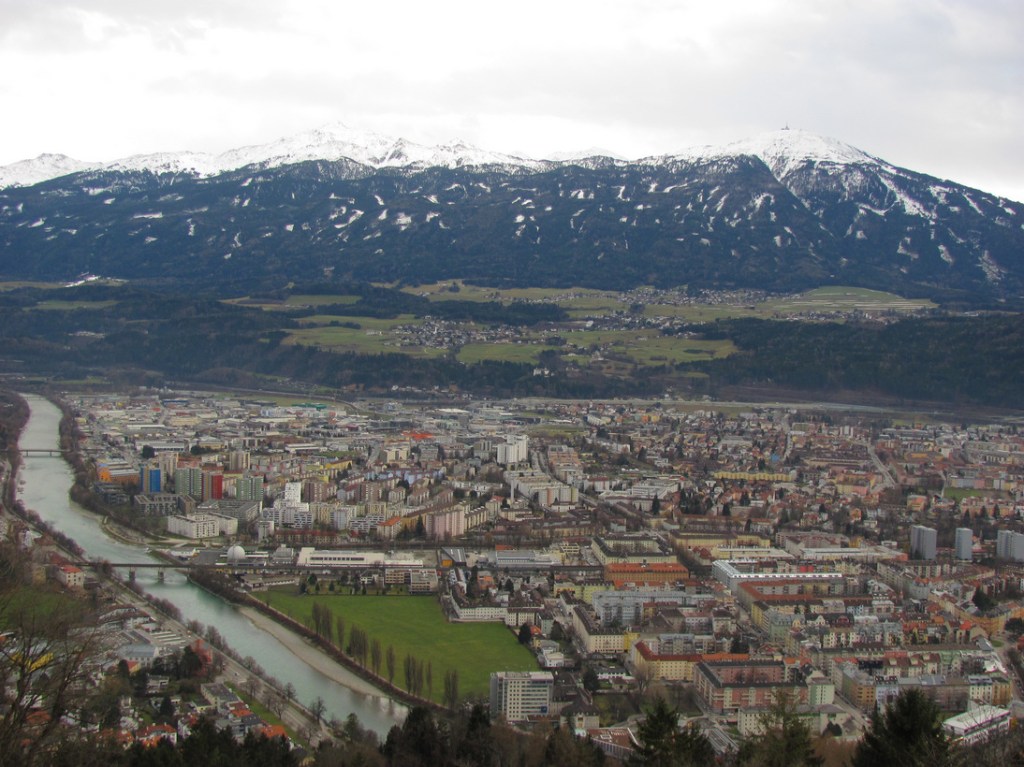
Next to the Golden Balcony is the town hall with the city tower (Stadtturm), from there one of the most beautiful views of the city is revealed. Innsbruck is a real alpine jewel and if the 169 steps do not tire you to the top of the tower, then the view from above will leave you breathless. Innsbruck is a real fairy tale.
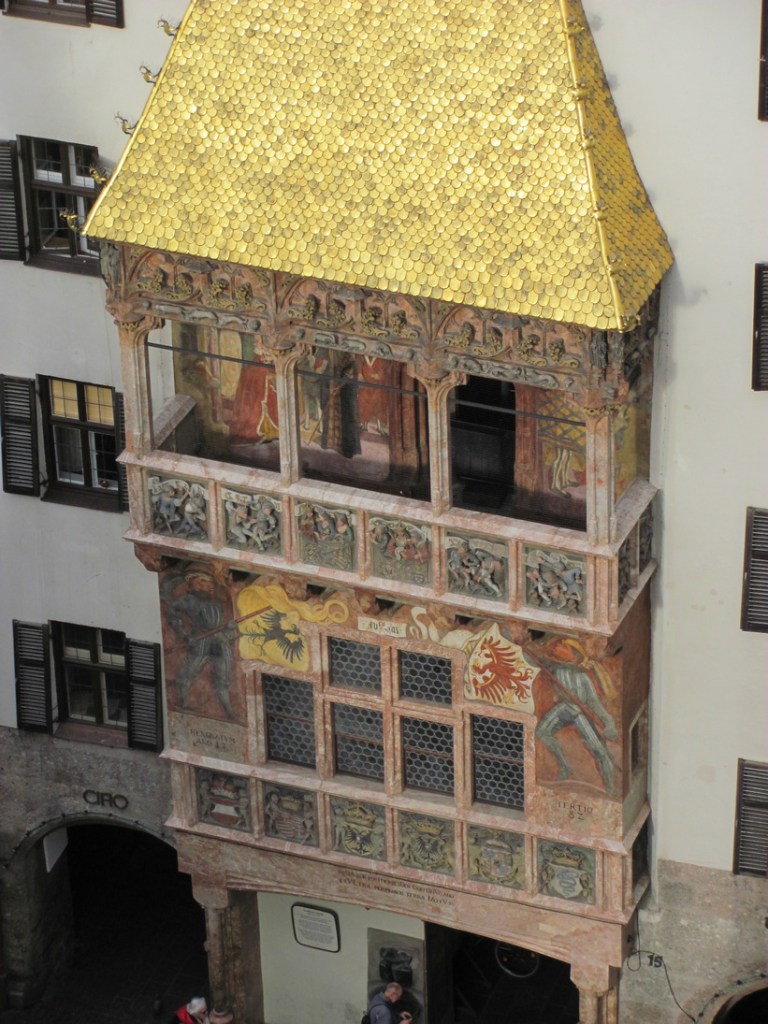
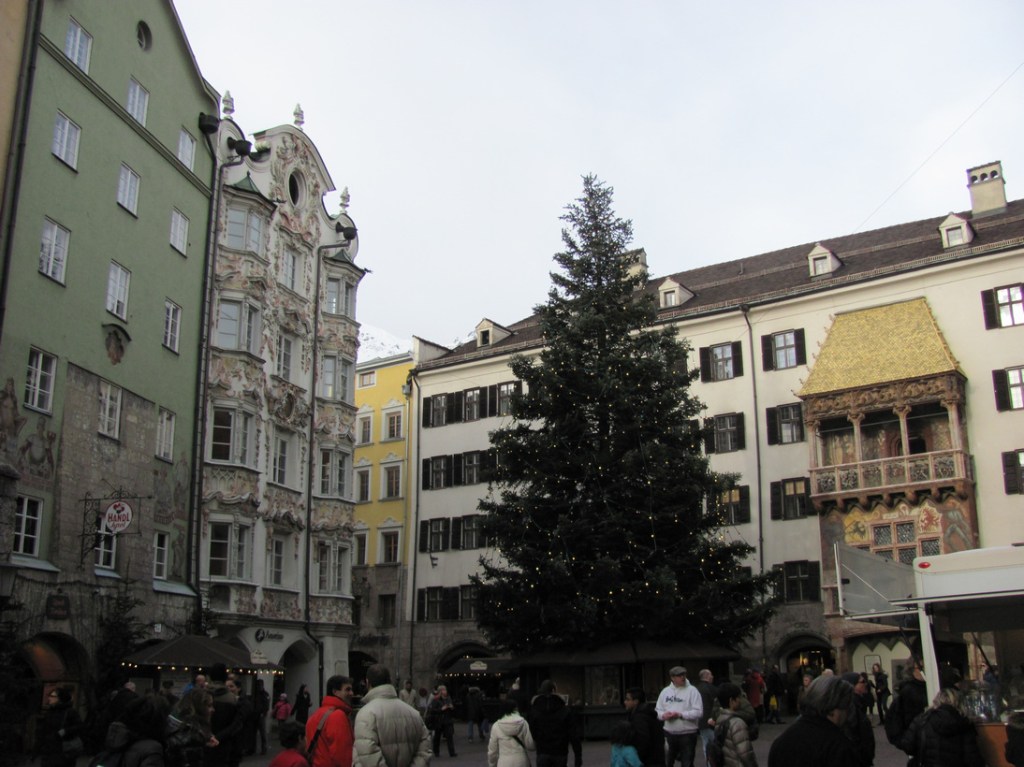

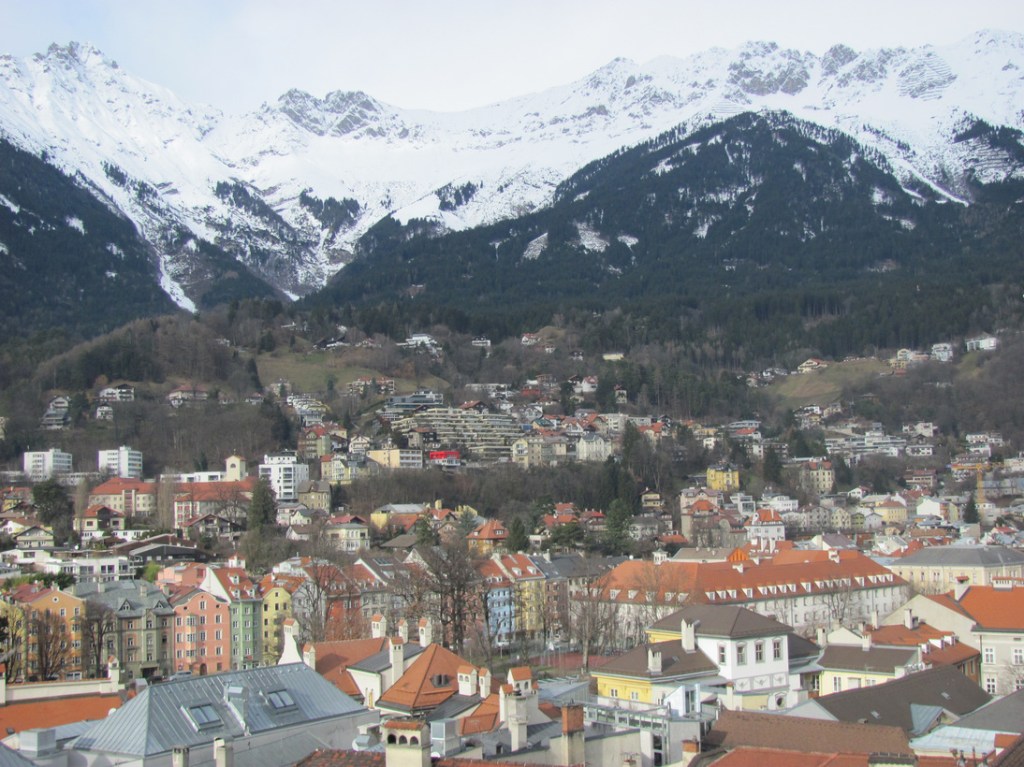
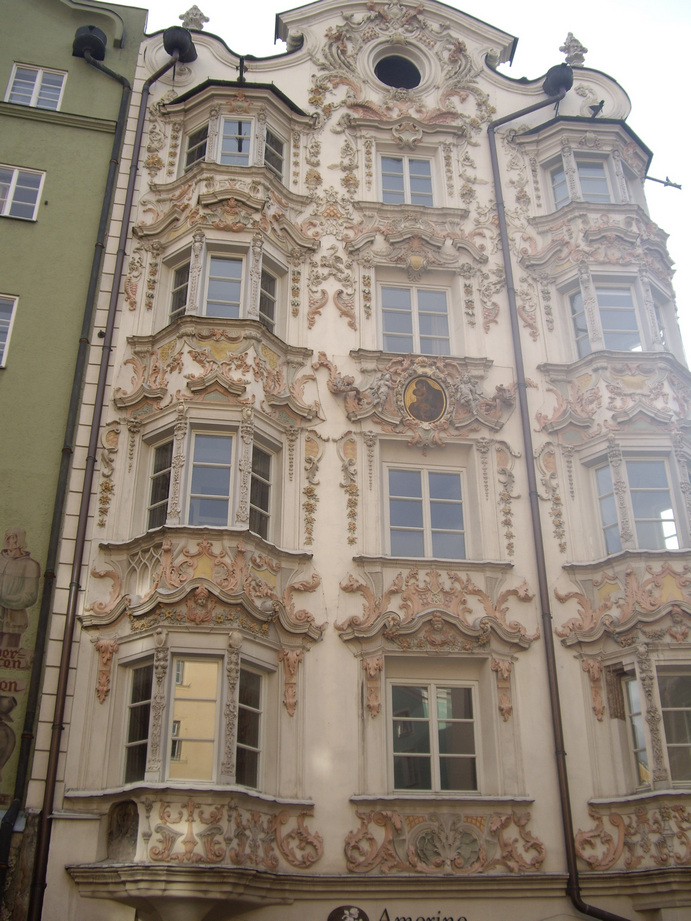
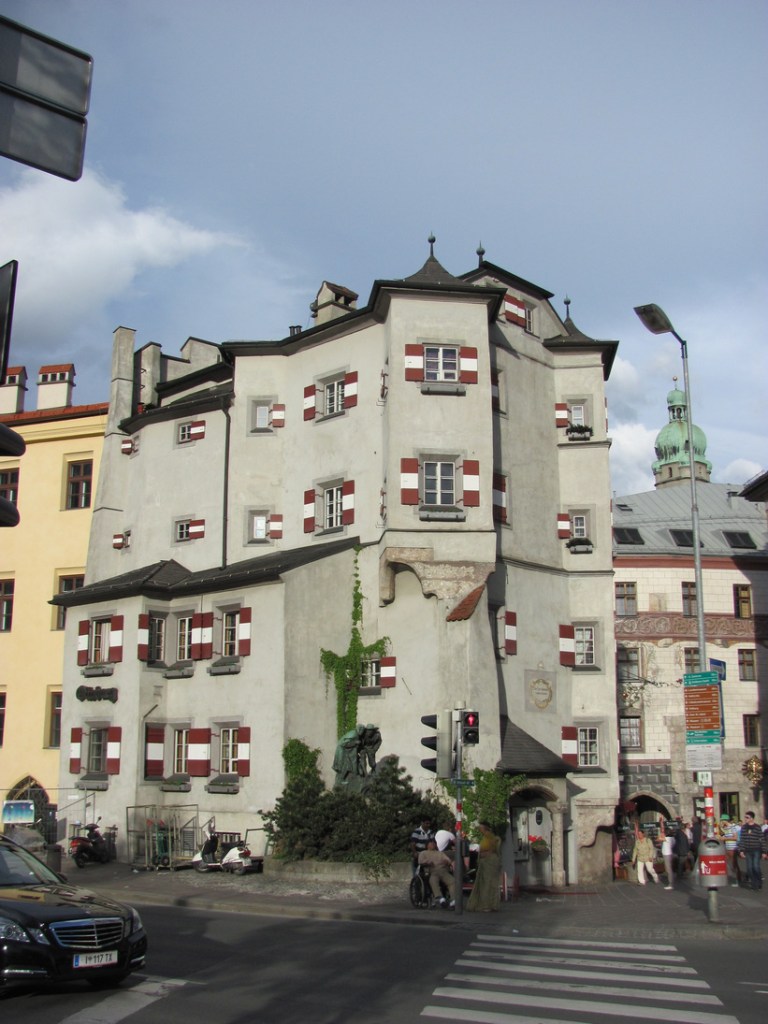
Opposite the town hall, diagonally on the golden roof, is erected a beautiful white building – the house of Hellbling. It is considered one of the most beautiful bourgeois houses in Austria and its walls are laden with beautiful ornaments.
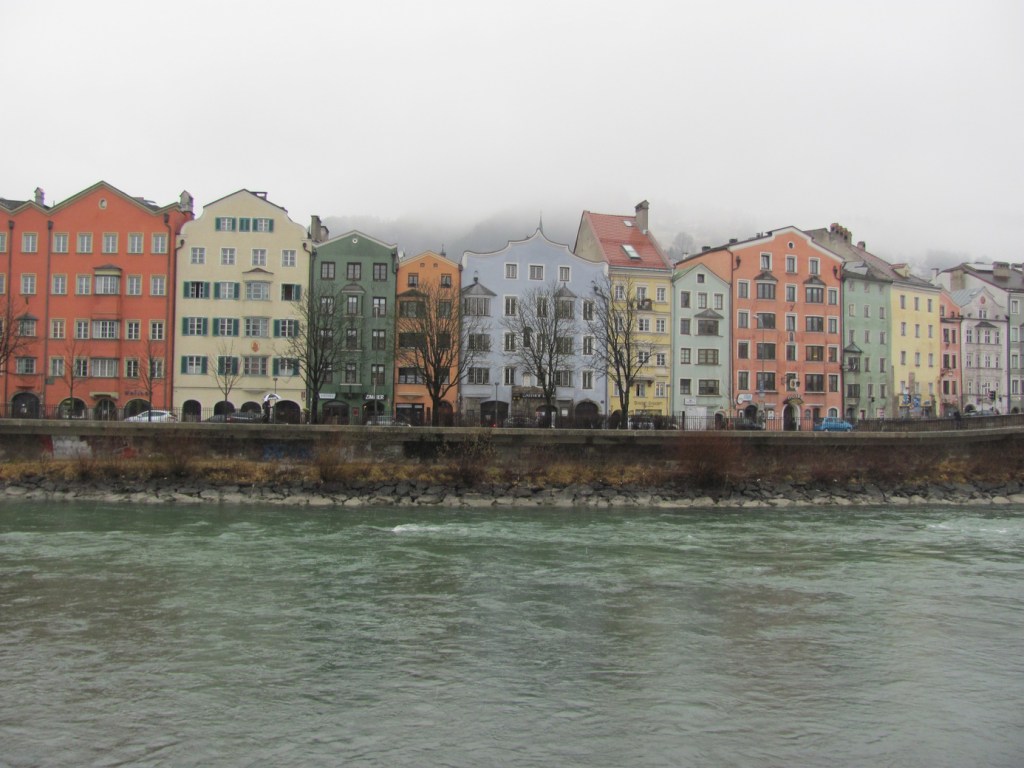
We headed to the next symbol of Innsbruck – the Inn River with colorful houses perched on the banks. To get to them we passed through the old fortress of Otoburg, first mentioned in 1460 and considered one of the oldest buildings in Innsbruck. I especially liked the ornaments on the windows with the colors of the Austrian flag. Today there is a luxury restaurant, with a magnificent view of the Inn River.
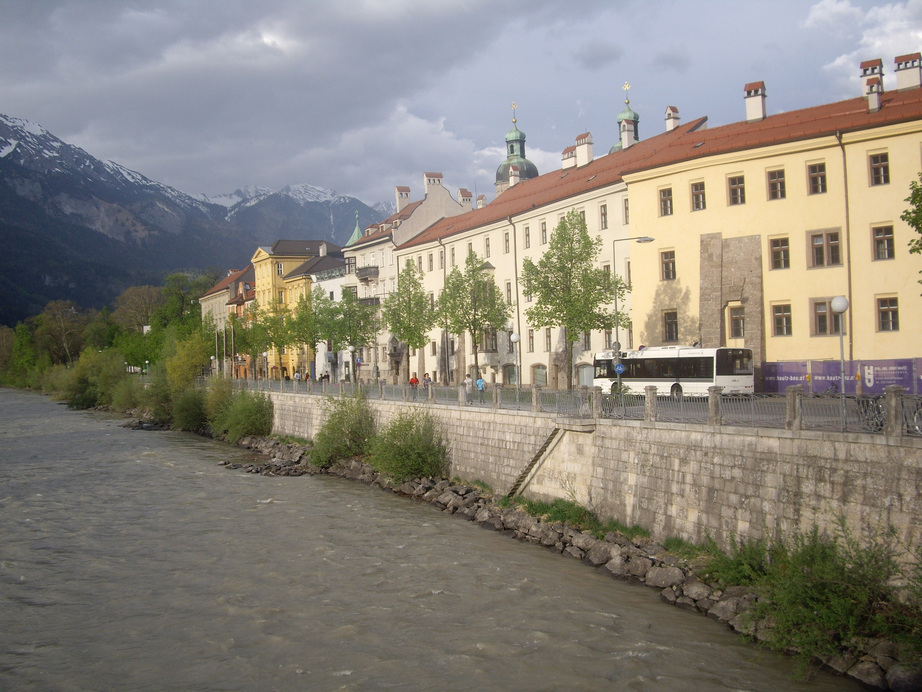
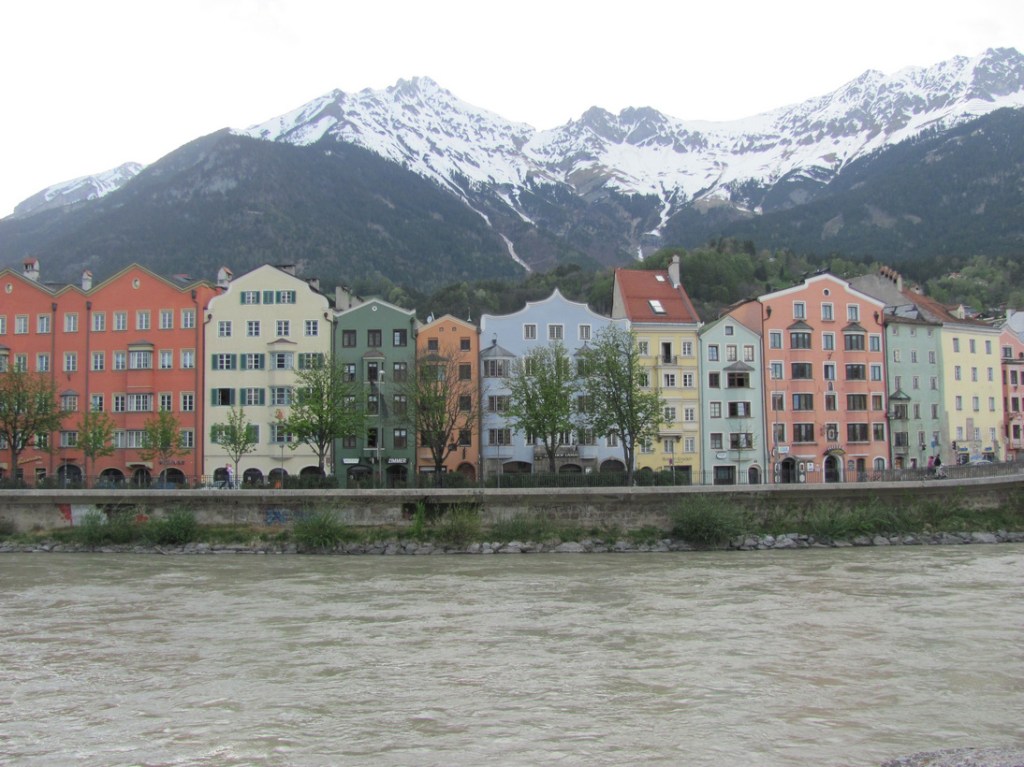
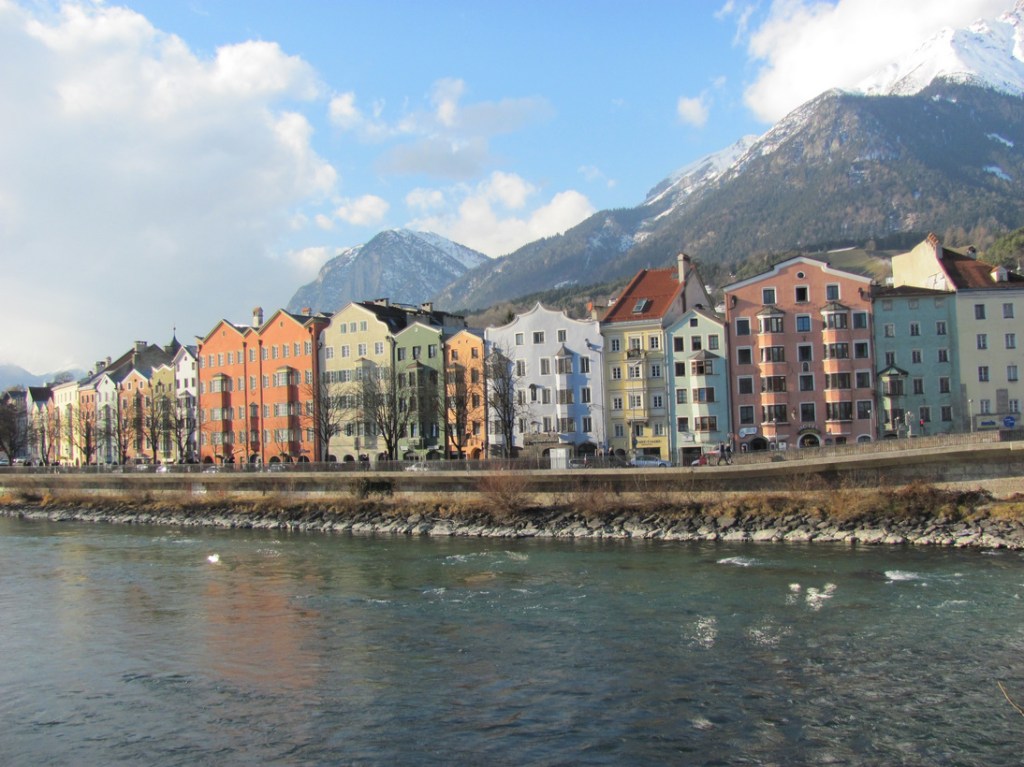
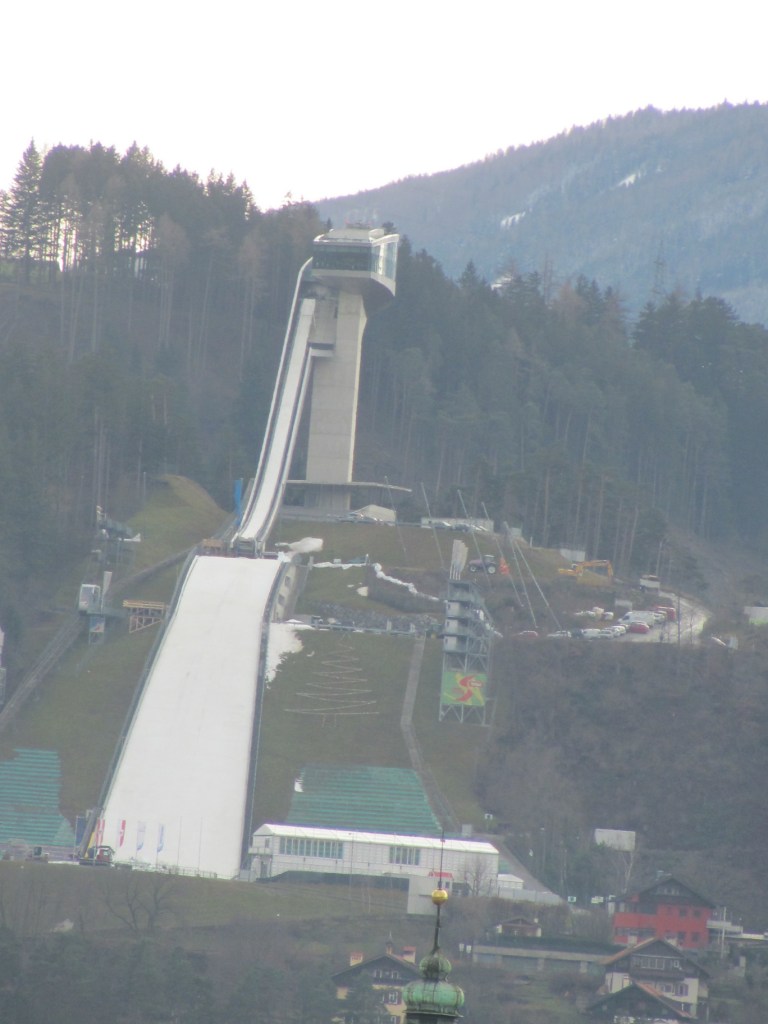
Probably the best panoramic view of Innsbruck is from the ski jump facility Bergiselshanze erected in 2002, which can be reached on foot in about 30 minutes from the city center or take tram 1 or 6. At the top there is a café where you can relax and enjoy the beautiful landscape.
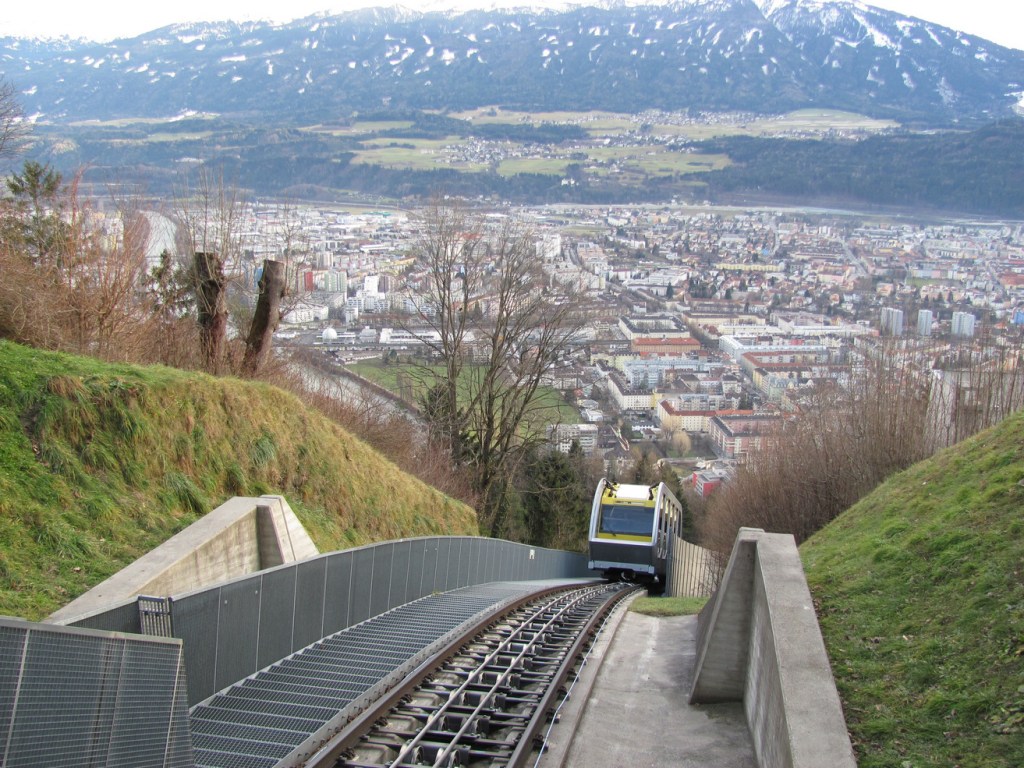
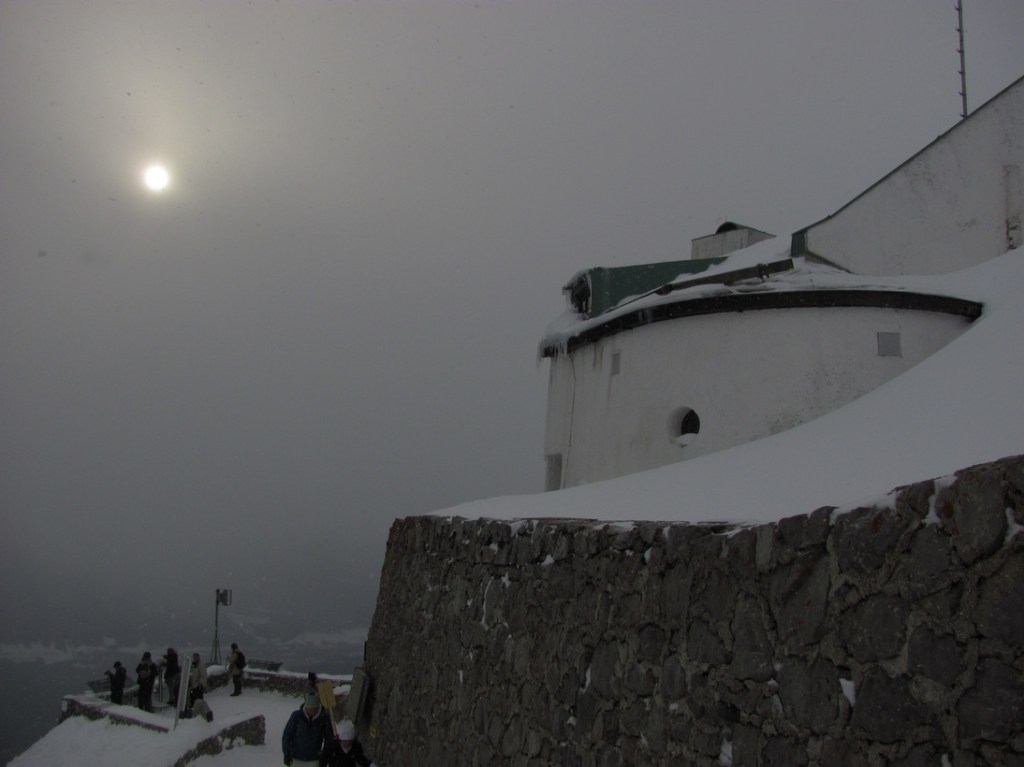
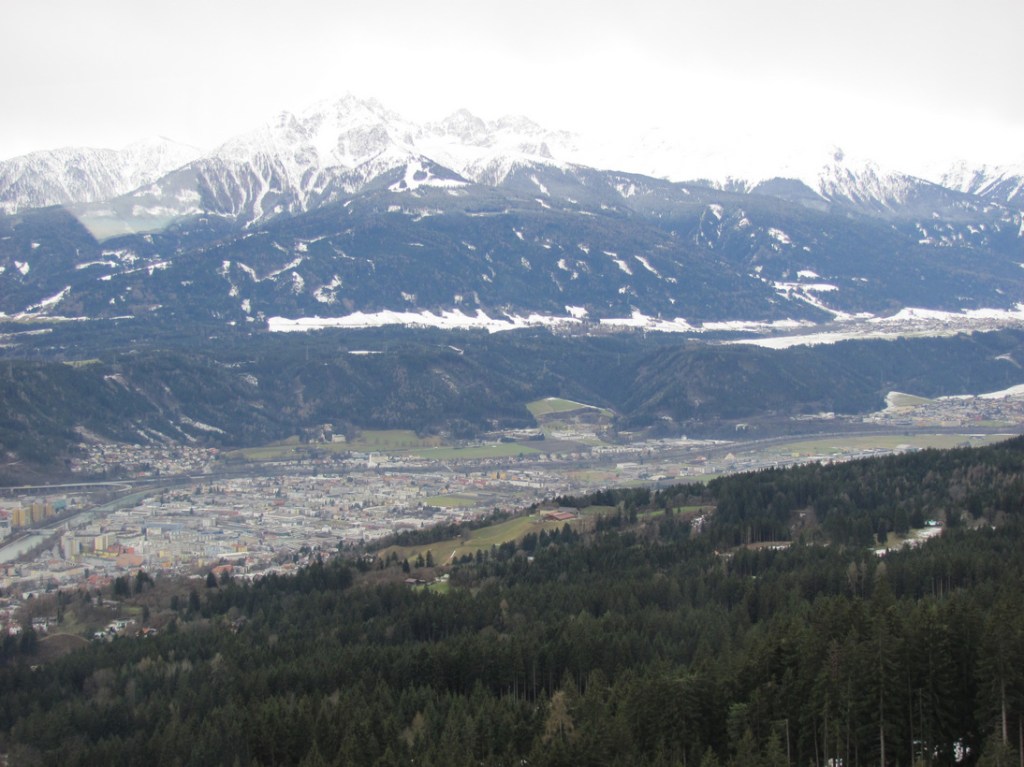
Instead of walking, we decided to enjoy the panorama on the other side of the city, climbing a funicular lift that took us to Seegrube and Hafelekar (2300 meters high), where the view of Innsbruck was amazing and sincerely impressed me. It is difficult to get away from such beauty, and so we decided to extend our stay at the top, where in a cozy restaurant we ate and drank beer.
The lift also had a stop at the Alpine Zoo (Alpenzoo), which is the highest zoo in Europe (at 750 m above sea level). It has over 2000 animals from 150 species of alpine flora and fauna.

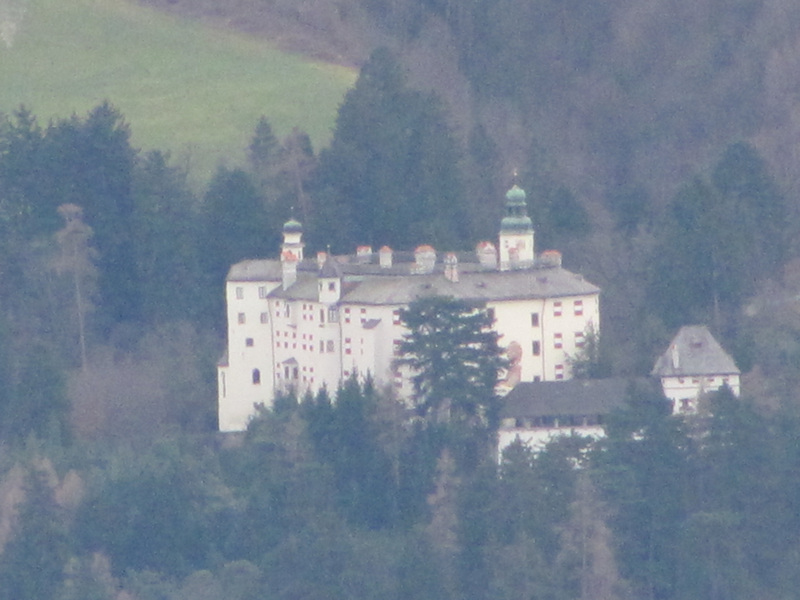
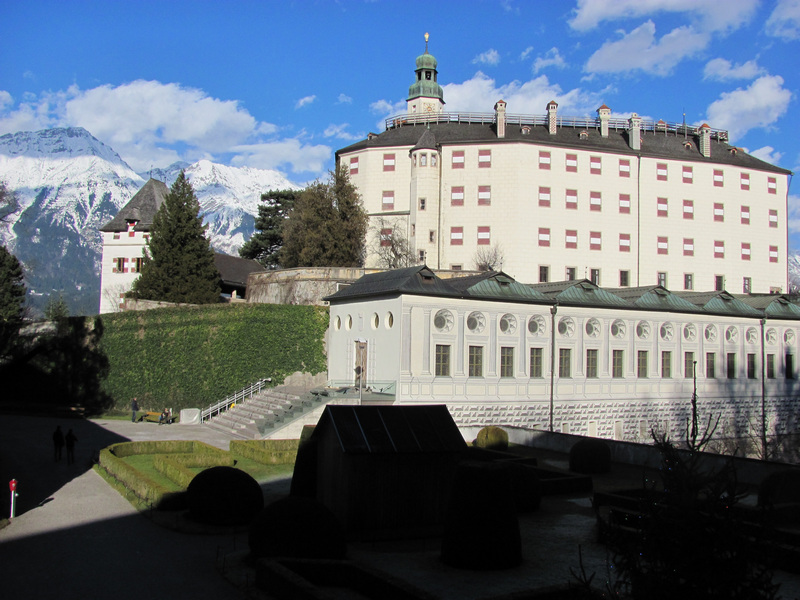
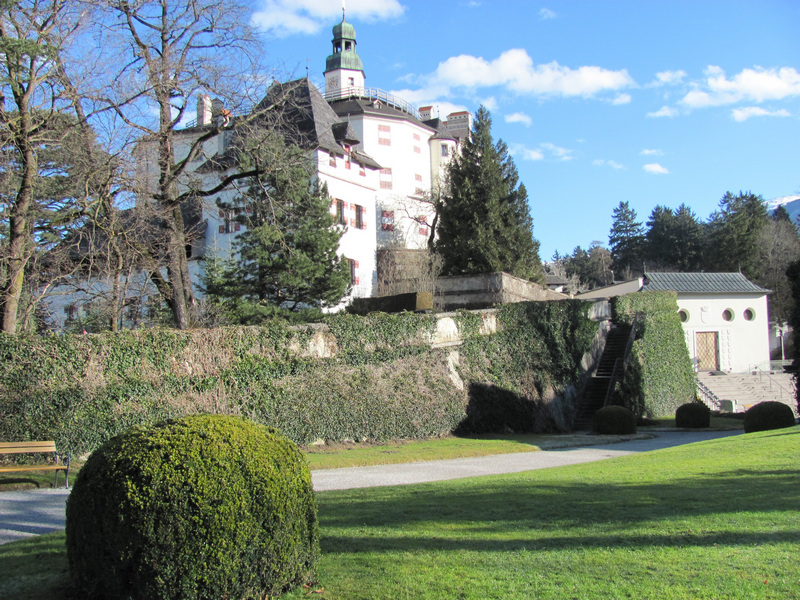
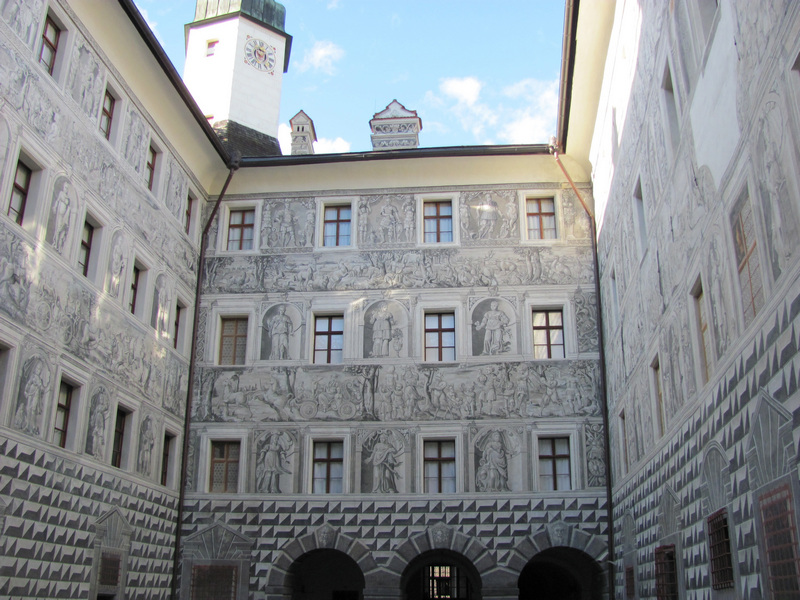
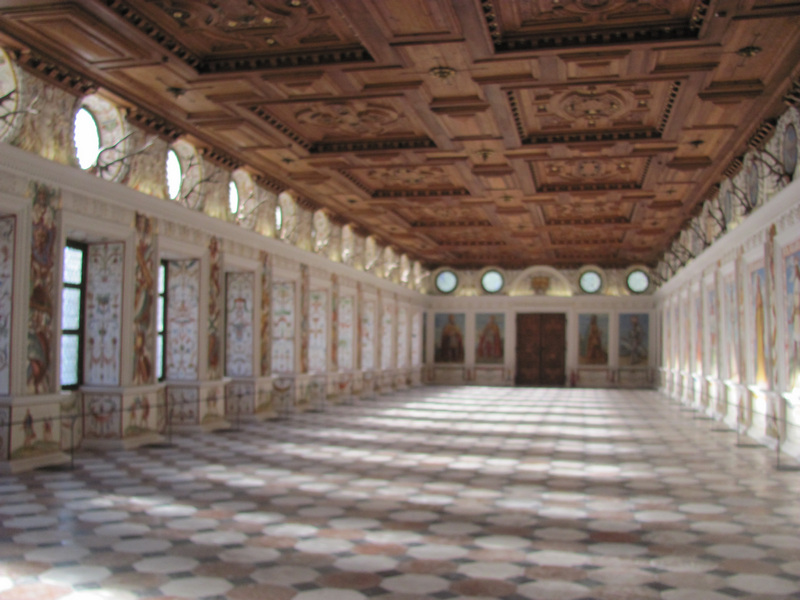
The next day we visited the beautiful alpine castle Schloss Ambrass, erected on a hill above Innsbruck. As early as the 10th century, there was a military fortress on this place, which was completely destroyed in 1133. In its present form the castle was built by Archduke Ferdinand II, the second son of Emperor Ferdinand I. When he received the Tyrolean region in 1563, he commissioned two Italian architects to build a Renaissance castle here. dedicated to his wife Philippine Welser, whom he married in secret. Particularly impressive was the ballroom, whose ceiling and walls were fabulously painted. The view of the Alps from the outside was no less beautiful and inspiring.
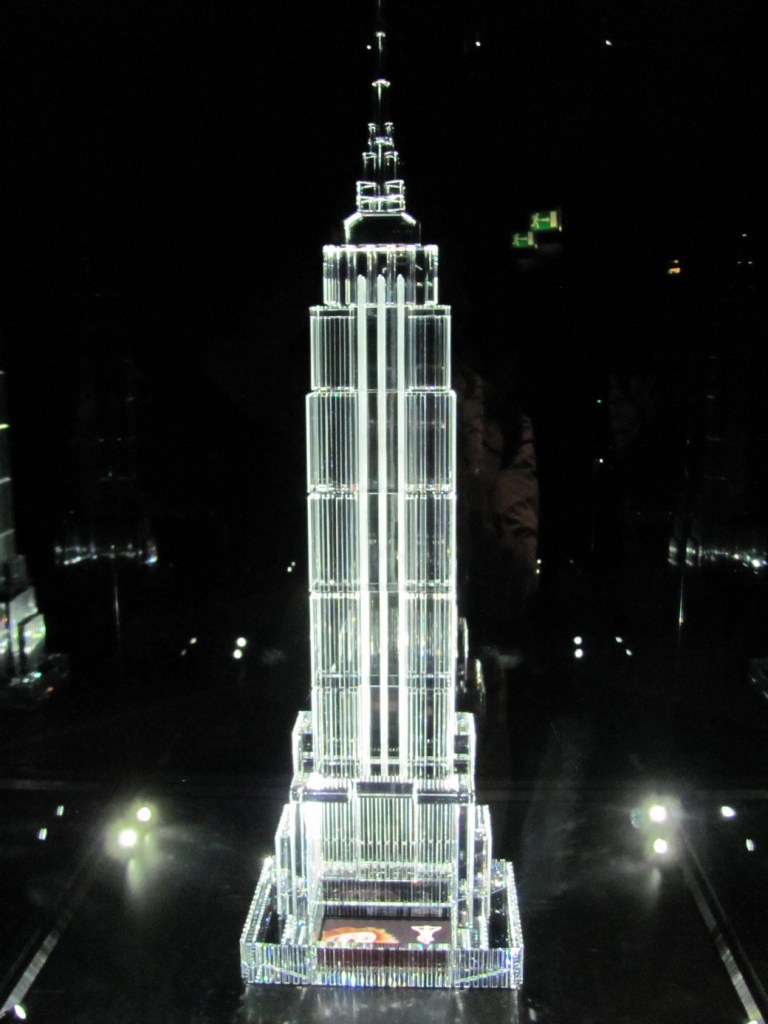
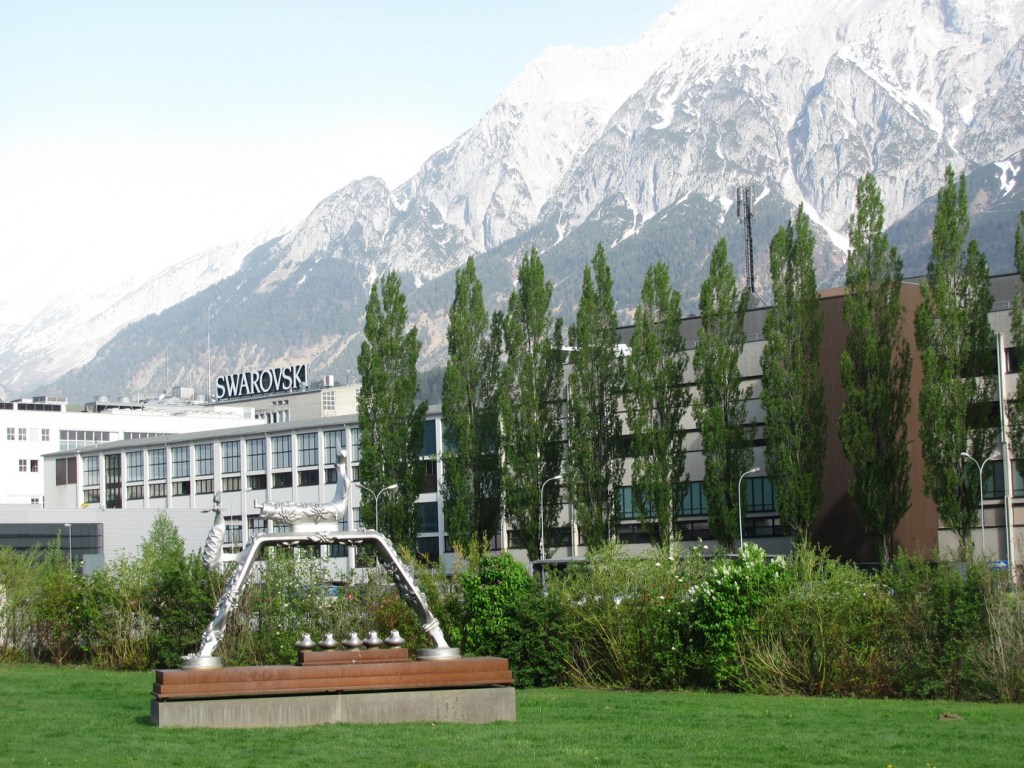
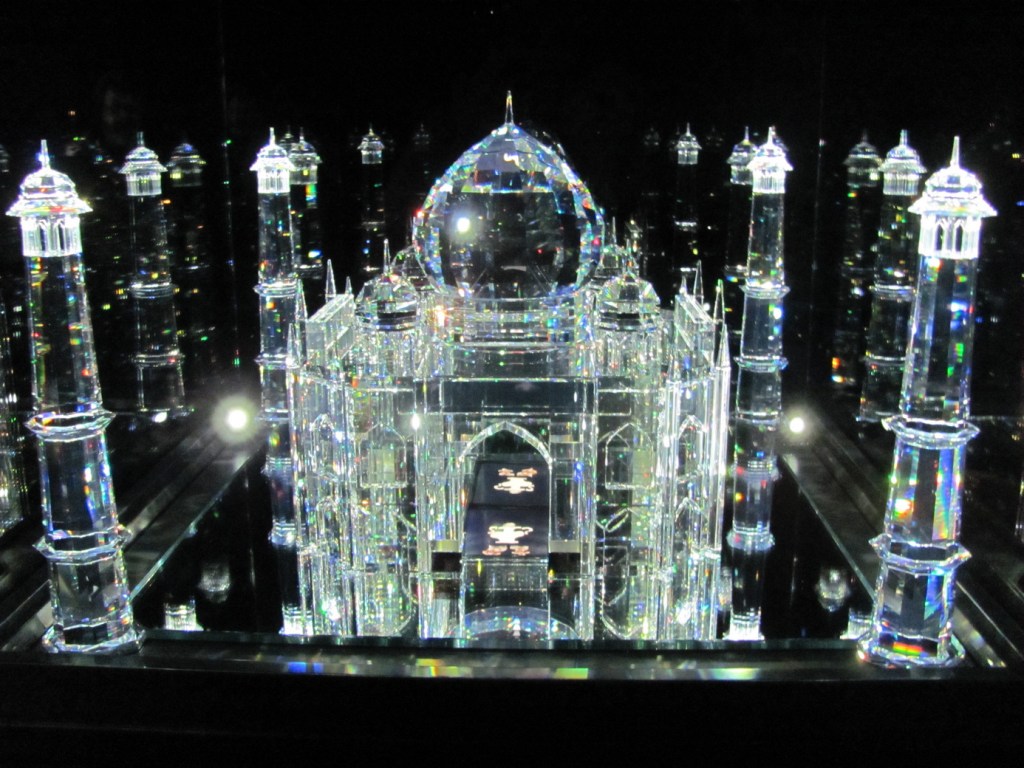
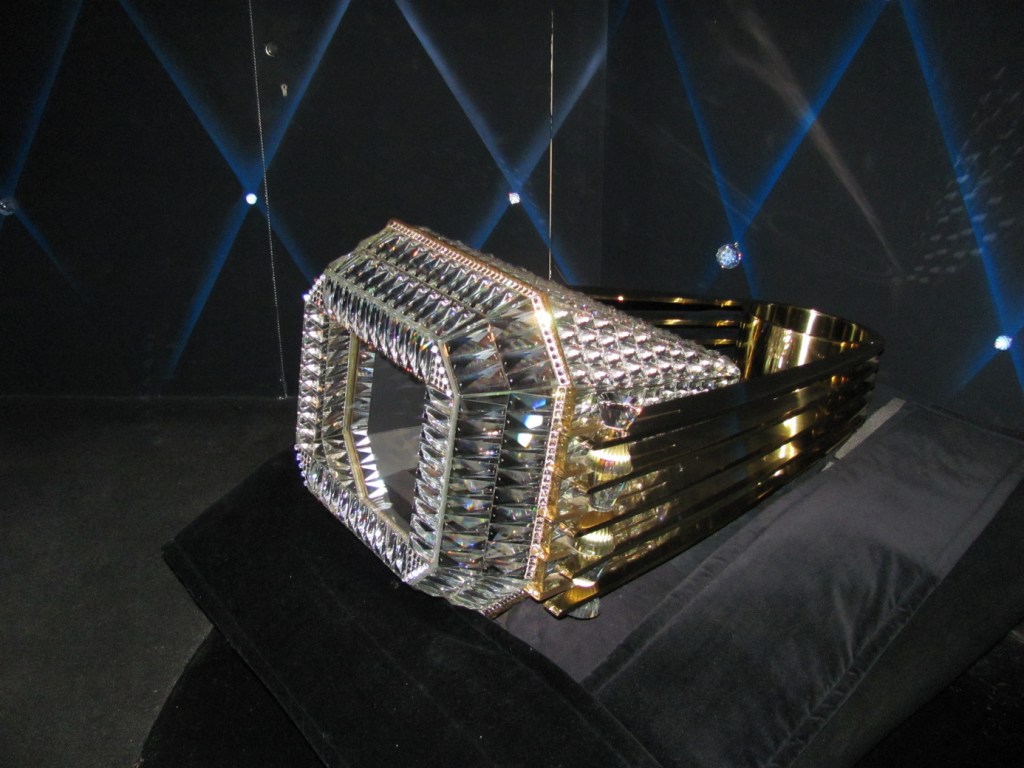
With the car we went to another unique landmark of Innsbruck – the Swarovski Museum or the so-called Swarovski Crystal World. The same is located in an artificially separate cave that resembles the one from the tales of Ali Baba and the 40 robbers. From the inside, glamorous rooms take you to a fairytale and radiant world, passing through different halls, each with a separate theme, with differently decorated crystals, against the background of spectacular lighting and pleasant music. The museum was opened in 1995 on the occasion of the 100th anniversary of the world-famous company “Swarovski”. No less impressive than the museum was the souvenir shop at the end, both in terms of assortment and prices. We necessarily got a gift from here, which for me will remain magical, because I know what a fairy-tale world it comes from.

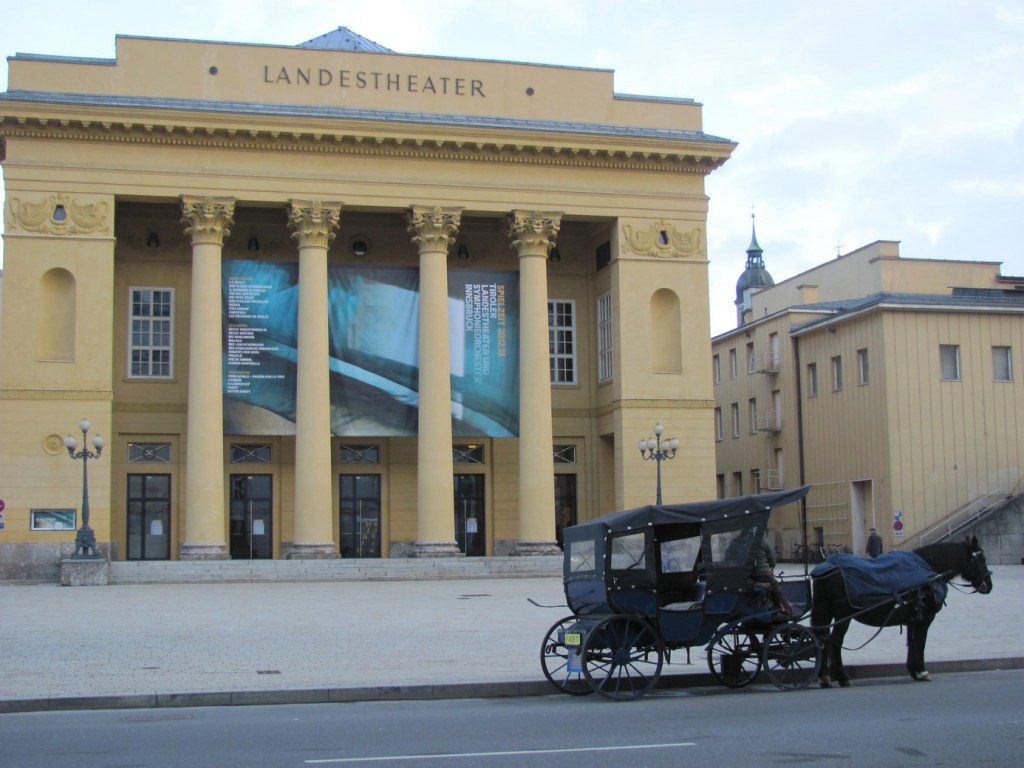
In the evening we decided to visit the National Theater enjoying a wonderful operetta. The theater was built in 1844-46, and in 1961-67 it was renovated and supplemented, and today many performances are held here, except theatrical, as well as various operas and operettas.
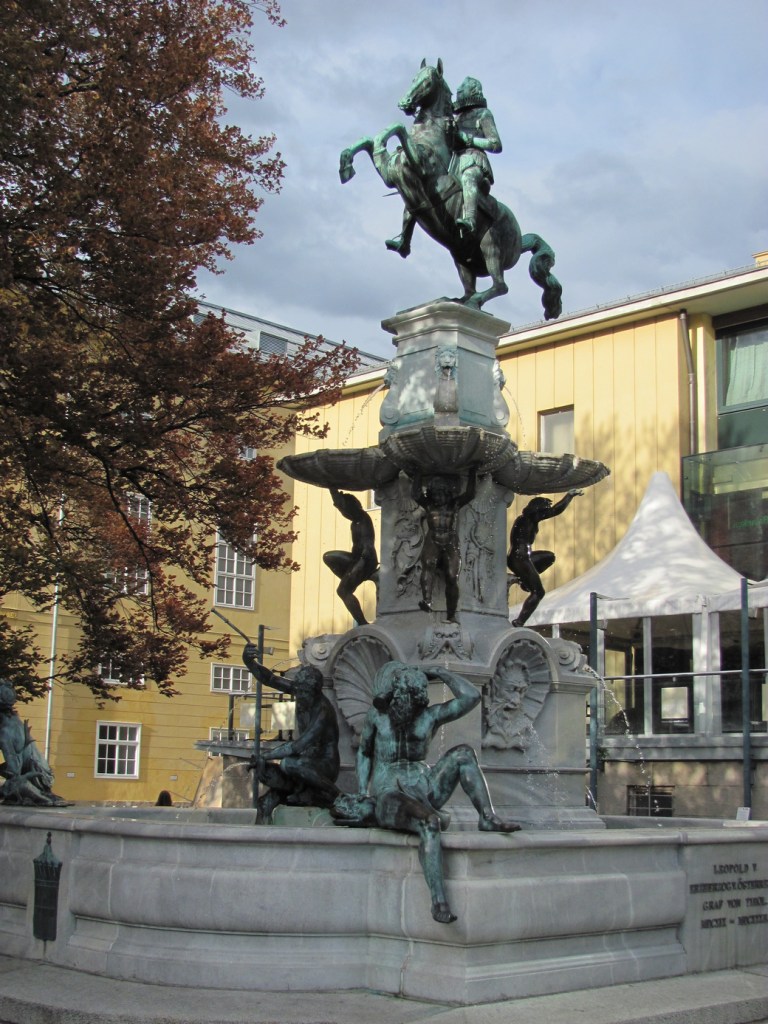
In front of the theater stands a beautiful fountain of Leopold. Leopold V ruled the city from 1618 to 1632. He commissioned the drawing up of the fountain in 1621, but it was not until 1893 that it was completed according to the original plans. The statue of Leopold V is unique as it stands on a horse, on which only the hind legs serve as a support, without the tail having to further hold the figure, as in many other places.
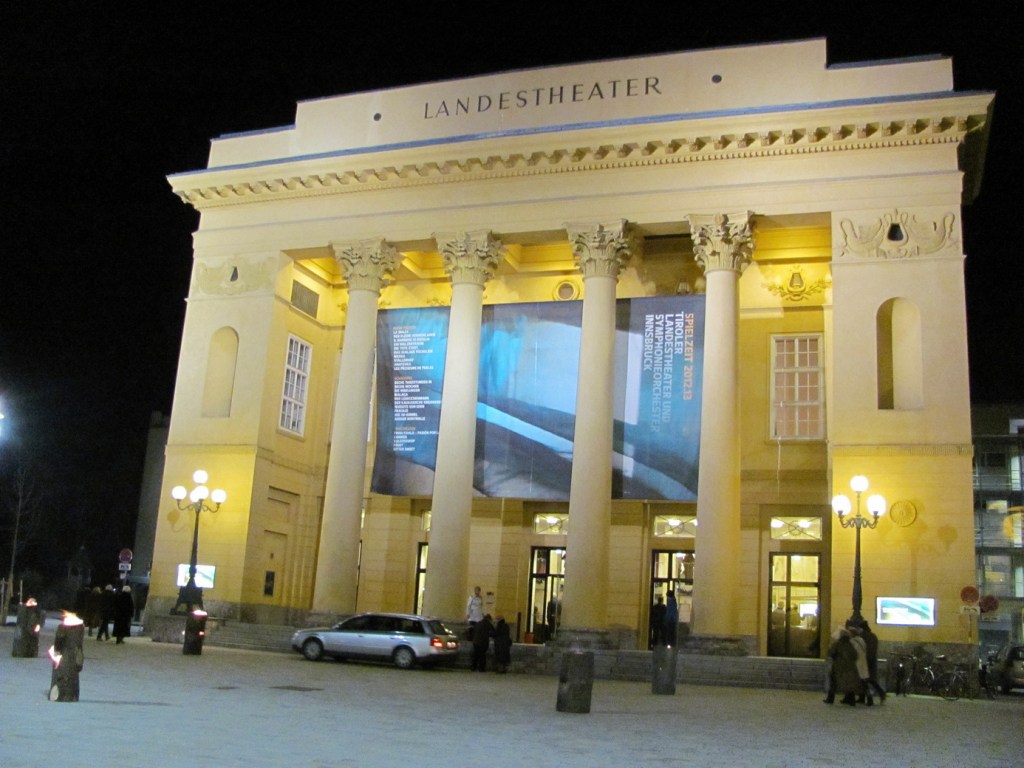
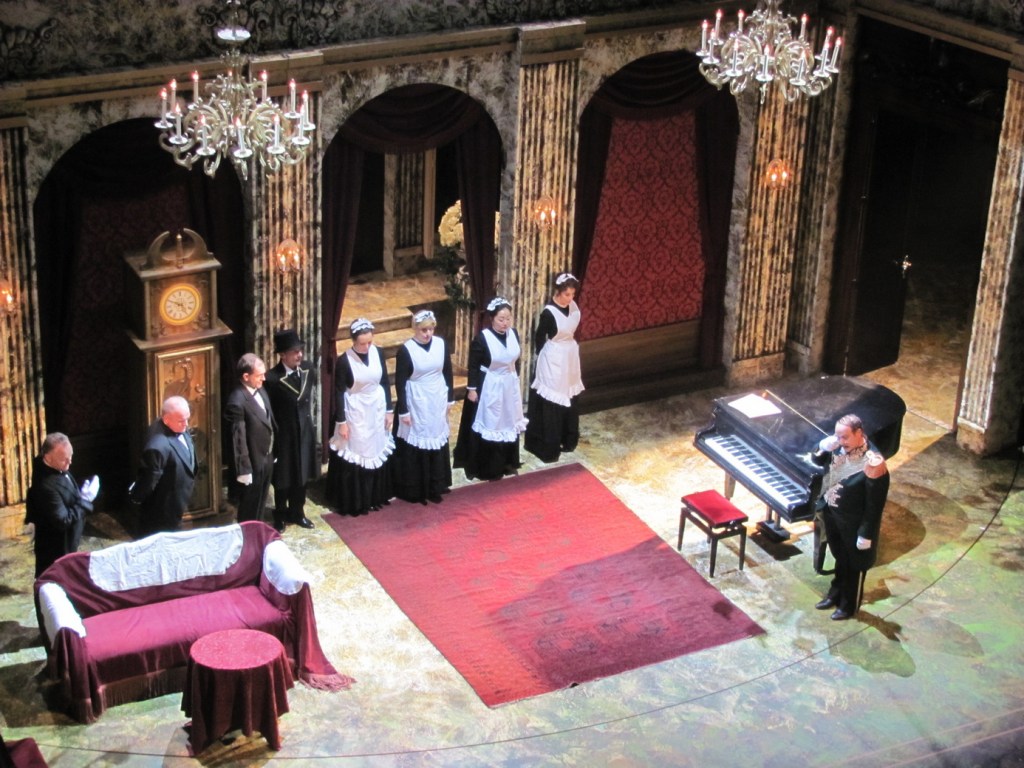
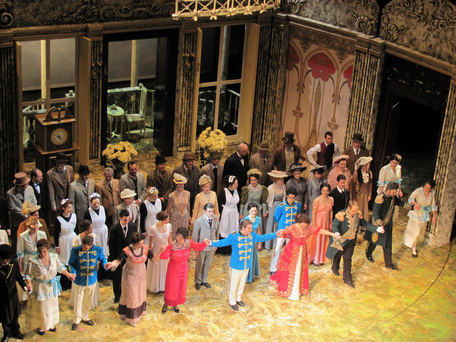
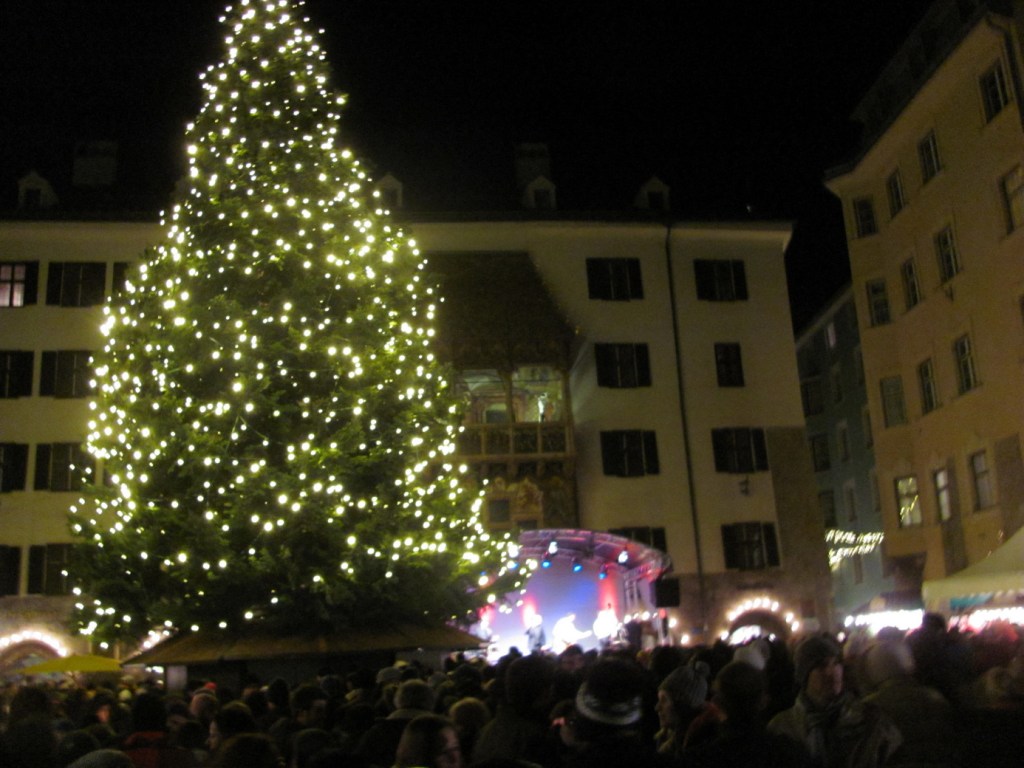
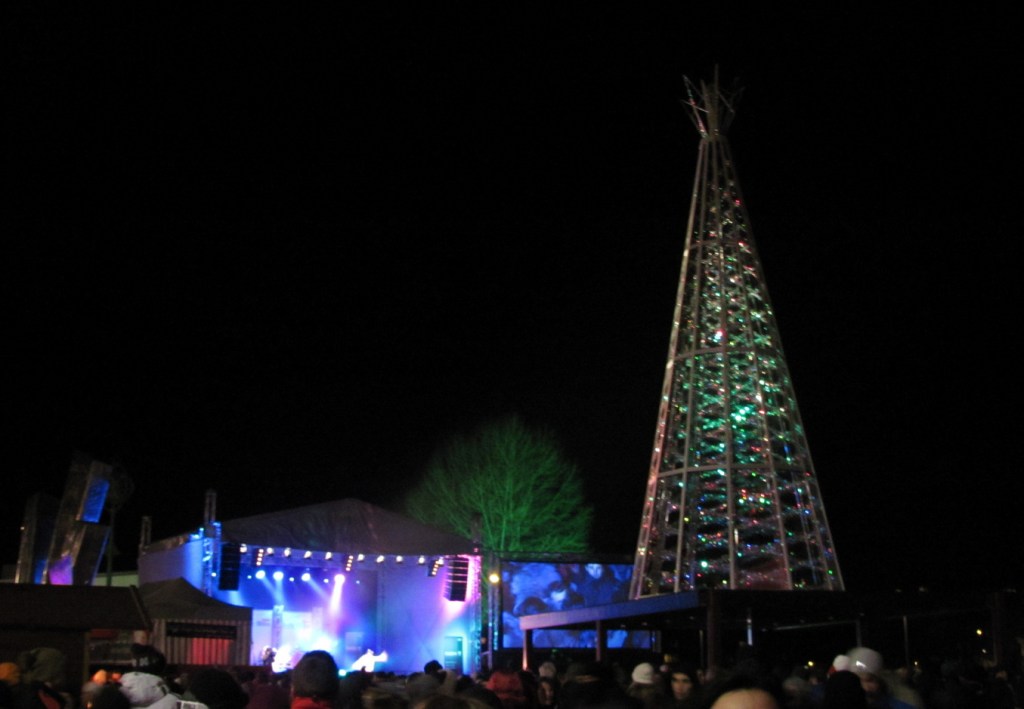
It was December 31st night. In the theater, they gave us a glass of champagne before the show. The show Ein Walzertraum (operetta by Oscar Straus) was very funny, the performers excellent, the music – magnificent. It was very nice to finish the year in such a pleasant way. The operetta ended at 22:00 and we took a walk through the illuminated fairytale Innsbruck. Scenes were formed in the central squares and the music filled the whole city. People were having fun and although it was cold, it was one of the most beautiful places to celebrate the new year. Just at midnight, a spectacular 15-minute firework show with music from a Viennese waltz began over the Inn River. The New Year was good and started as a real fairy tale.

GENERAL INFORMATION ABOUT INNSBRUCK:
Location: Innsbruck is the center of the Austrian province of Tyrol, located in western Austria, in the Inn Valley in the Alps.
Area: 104.91 sq.km (fifth largest Austrian city)
Population: 130,894 people (2016 data)
Official language: German
Altitude: 574 m
Climate: continental climate with alpine influence, which delineates cold winters and summers with often variable weather.
Time zone: UTC+1
Currency: euro (EUR)
Further information: https://www.innsbruck.info/en/
TRIP TIPS FOR INNSBRUCK:
Best time to visit: all year round, as Innsbruck is the largest ski resort in the Alps, and every skier will appreciate its excellent slopes. The city is especially glamorous on New Year’s Eve when there is a spectacular fireworks show under the music of a Viennese waltz.
Typical foods and drinks: Tyrolean cuisine is very good, and it is worth trying Tiroler Speckknodel (they are boiled dumplings with bacon, served most often with cabbage and salad) and Tiroler Grostl (fried bacon, with onions and potatoes served with poached eggs).
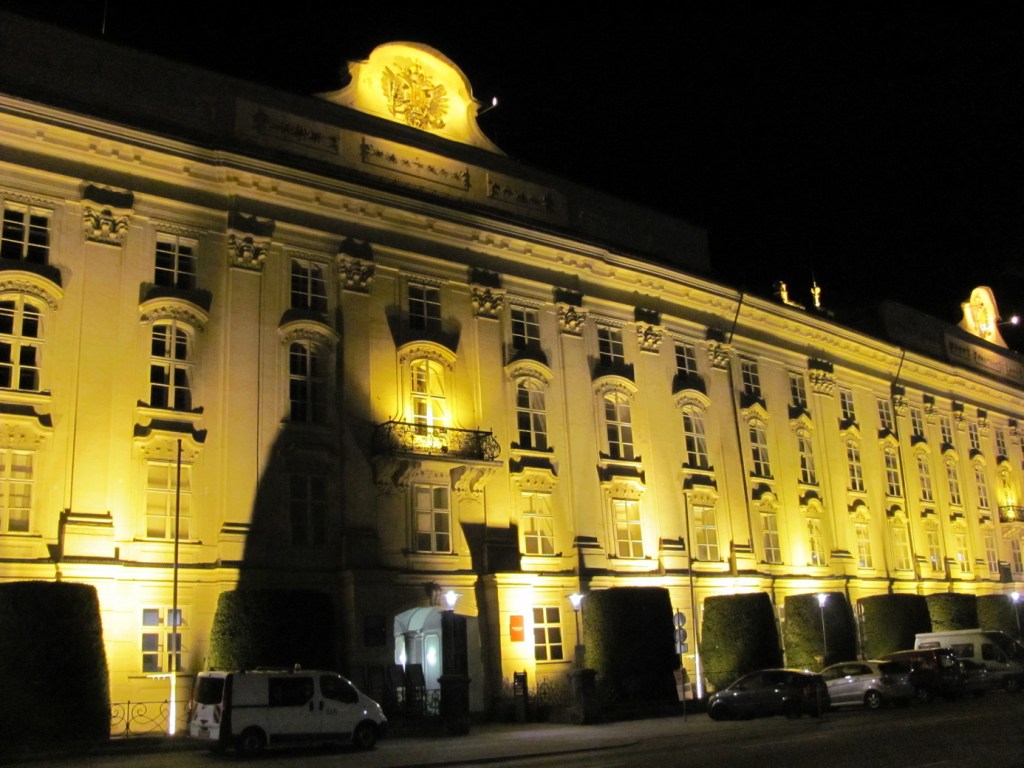
Places to visit: The pedestrian center of Innsbruck and the promenade are undoubtedly some of the most beautiful places in the city. Here is the Golden Roof, the Column of St. Anne, the Arc de Triomphe, etc. Here you can also see the magnificent Hofburg Imperial Palace (erected in 1460). It was here that Emperor Francis Joseph first met his future wife, Empress Sisi. Today the castle has been turned into a wonderful museum, as the royal apartments reveal the lavish life of the Habsburgs), another castle just outside Innsbruck is Amras. You can climb the ski jumping hill Bergiselshanze, from where you can enjoy a magnificent view of Innsbruck. The Alpine Zoo is excellent for children, and for grown-ups and you can continue climbing up with the lift to Seegrube and Hafelekar, enjoying Innsbruck from a bird’s-eye view.
 TripTips