THE COSMOPOLITAN CITY OF KUALA LUMPUR
author: Ana Boneva
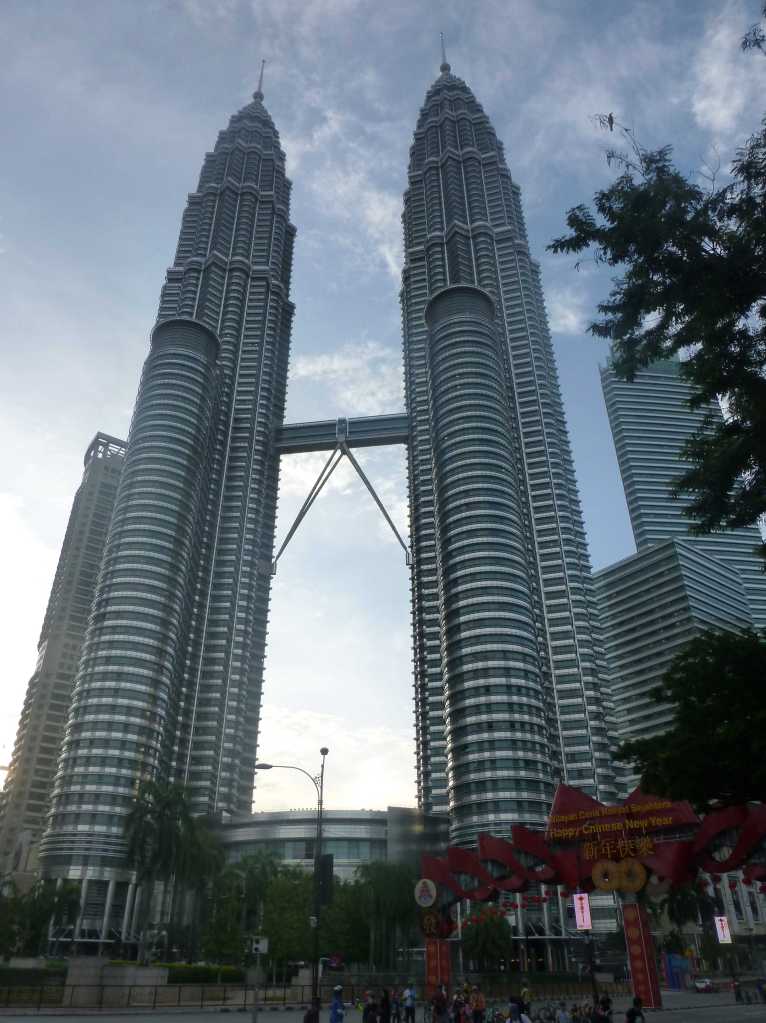

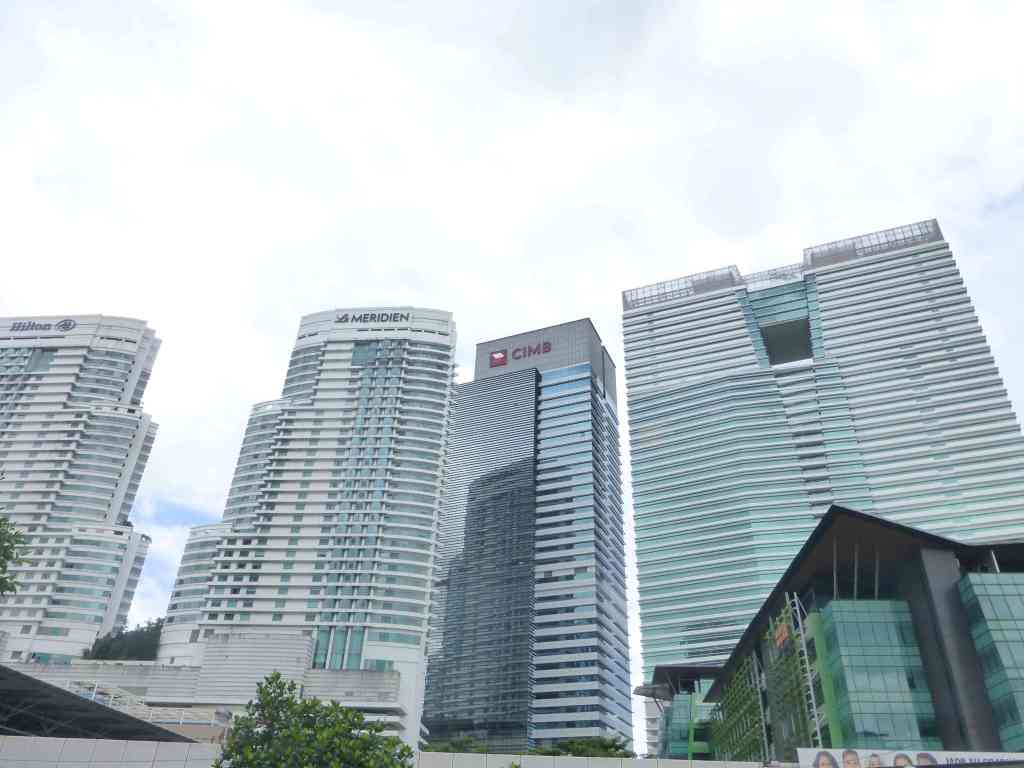
There may be no koalas in Kuala Lumpur, but many skyscrapers have perched among parks and gardens, giving a modern and glamorous look to the city. The name of the capital and largest city in Malaysia actually meant “swamp confluence” in Mali, referring to the crossing of the Gombak and Klang rivers. However, water did not dominate here, unlike the skyscrapers and the Petronas towers standing out among them. These towers were erected according to the project of the Argentine architect Cesar Pelli, and in the period 1998-2004. were the tallest buildings in the world. They are now still considered the tallest “twin towers” in the world.
The interesting thing about them is that one tower was erected by the Japanese and the other by the Koreans, and in the “Japanese” tower there is a curvature of 25 mm, unlike the “Korean” one, in which there is no deviation. The very design of the building embodies Muslim elements, and the towers rise into the sky like minarets.
This is where our tour of the cosmopolitan city of Kuala Lumpur began. We had booked an online visit to the “sky bridge” that connected the two towers, and the reservation saved us waiting in queues and guaranteed boarding on the day of the visit, as only 800 people were allowed to the bridge daily.


First, we were taken to the sky bridge, which occupied the 41st and 42nd floors. It is believed to be the tallest double-decker bridge in the world.
However, it is not the height that is frightening here, but the fact that this bridge is not connected to the main buildings and is held entirely by the supports underneath. We had 15 minutes of time for photos, walking quickly around the 58-meter bridge rising to a height of 170 meters. However, our cameras were dizzy – either from the altitude, from the beautiful panorama, or from the many pressing buttons and photographing all sides.
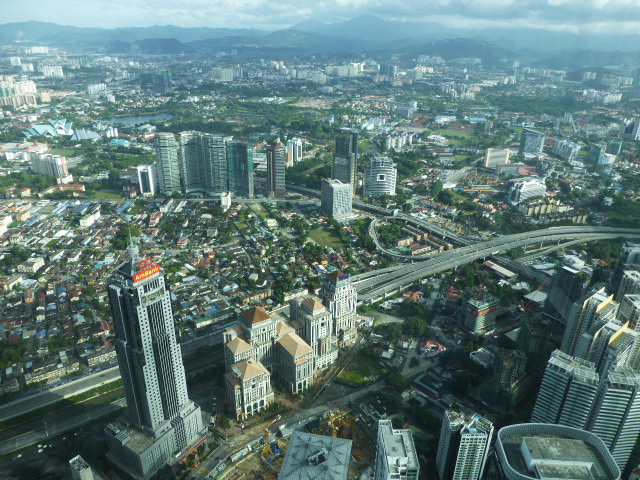
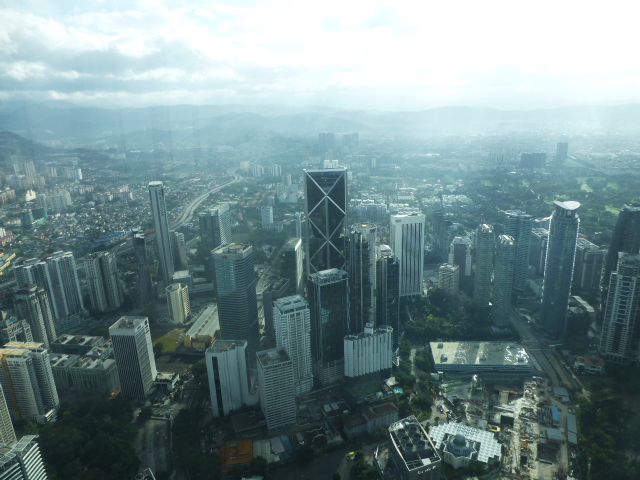
Our tour continued with another elevator that took us to the 83rd floor, where the 360-degree panoramic platform offered an even more impressive view. There was a model and a screen on which the panorama from Petronas was projected during the different parts of the day. Early in the morning, the light was excellent for photos. Our entire stay in the clouds lasted less than an hour, but the memories and photos would keep the admiration for years.

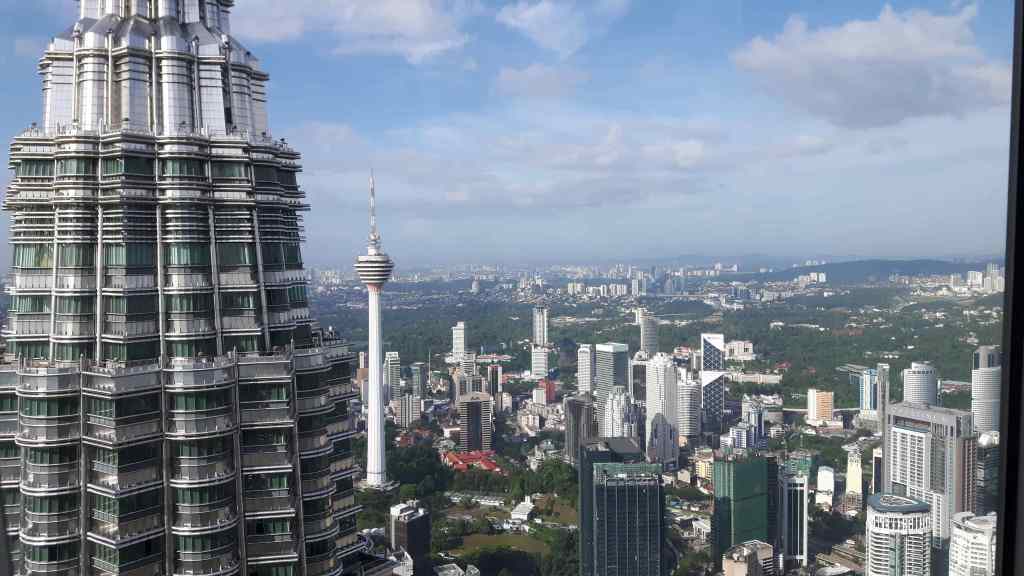



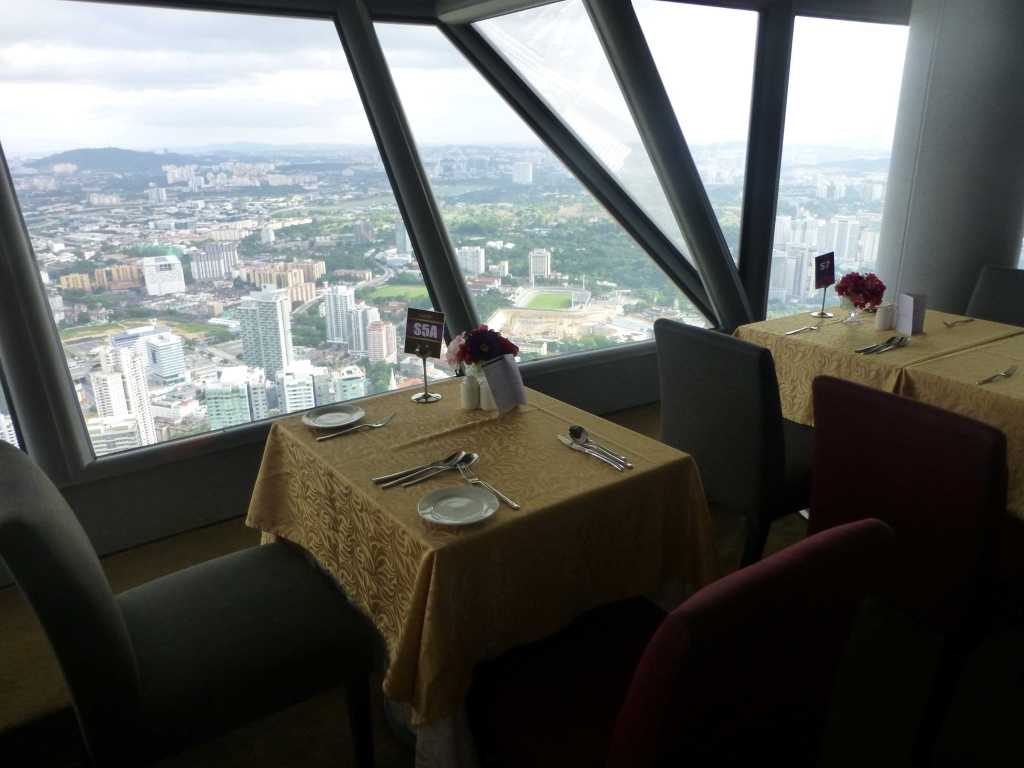
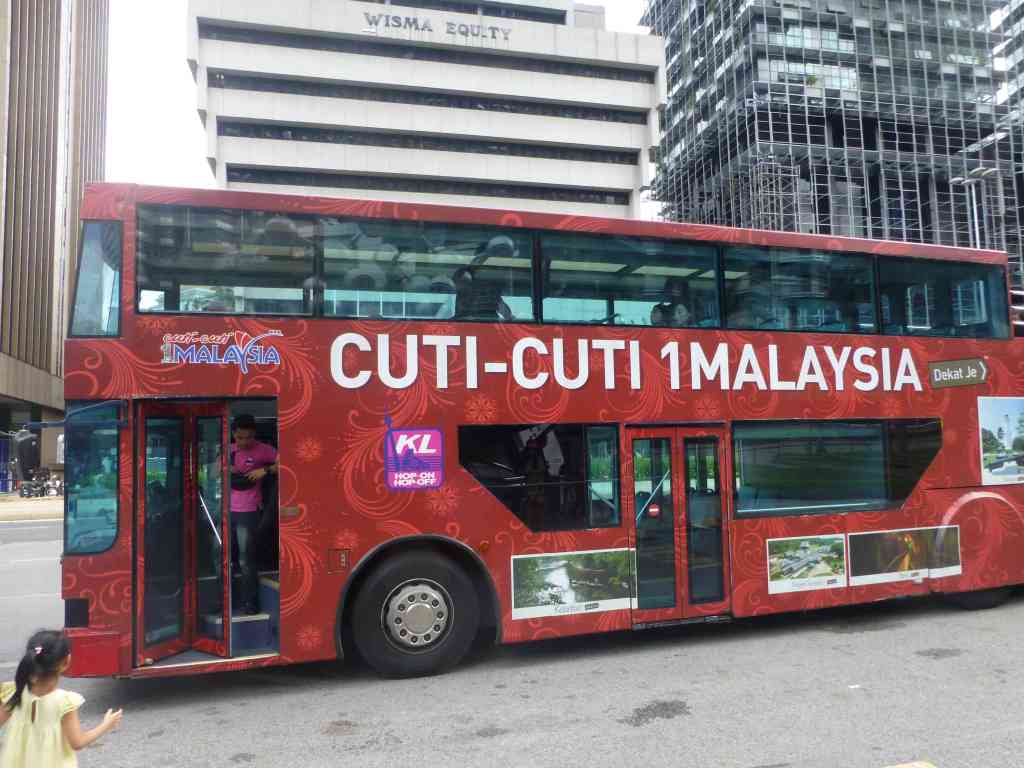
Next to the entrance of Petronas the double-decker buses Hop On Hop Off stopped, and we decided to continue the tour of the city with them. The first stop was the Tourist Center, followed by the Menara TV Tower. It is the seventh tallest TV tower in the world, rising to 421 meters. Ahead of it are Japan’s Tokyo Skytree (634 m), China’s Canton Tower (600 m), Canada’s CN Tower (553 m), Russia’s Ostankino Tower (540 m), China’s Oriental Pearl Tower (468 m) in Shanghai and Iran’s Milad Tower (435 m). On the panoramic platform, where of course we climbed, there was a board on which KL Tower (Menara) competed with the rest of the tall towers in the world. Before going up to the panoramic platform, we stopped at the restaurant, from where the view was also wonderful, and there were not so many tourists, and taking pictures was easier.


After exploring Kuala Lumpur from different heights, it was time to get down to earth and continue exploring the cosmopolitan capital city, marked by different cultures – local Malaysians, Chinese, Indian immigrants and English colonizers. Double-decker buses took us through the colorful Chinatown, having previously passed the huge Aquaria aquarium and several museums. Chinatown was the busiest place in this city of almost 2 million. In the evenings, night markets were organized here, and all kinds of Chinese goods can be taken from the many stalls. However, we left the shopping for one of the 66 malls that Kuala Lumpur was so proud of. It turned out that the 4th largest mall in the world 1 Utama is located here. The most visited mall, however, was the Sunway Pyramid, erected in the form of an Egyptian pyramid.
Without getting off, we continued with the double-decker buses to the Indian quarter – Little India, followed by a stop at the National Museum.

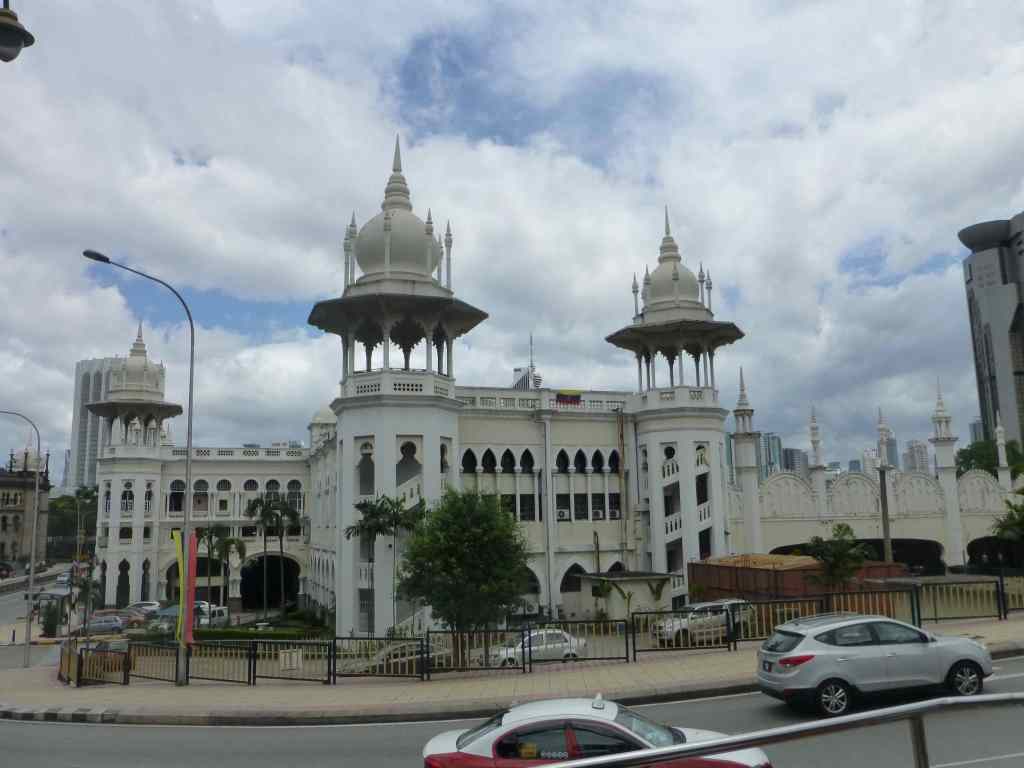

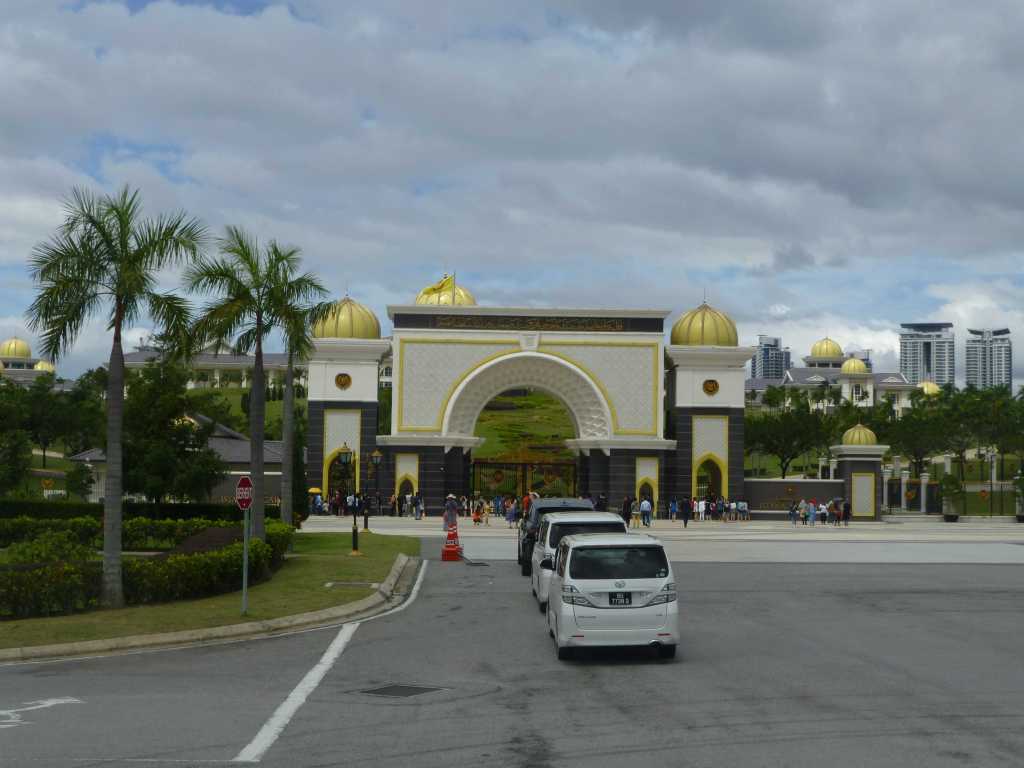
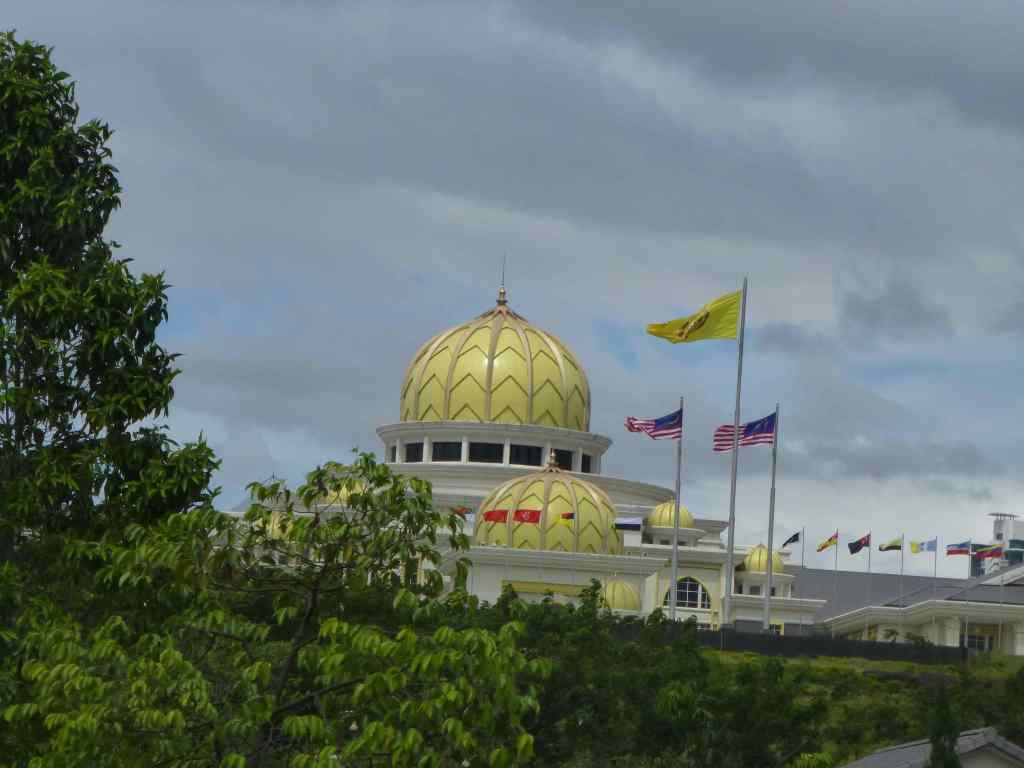
The museum seemed huge and it was possible to trace the history of Malaysia through different periods, but we preferred to enjoy the reality and continue to the next stop – the National Palace, which used to be called the Royal Palace of Istana Negara. The palace was perched on a hill overhanging the Klang River, and we were able to catch a glimpse of its façade and golden domes from the fence that guarded it. We were very tempted to come down here and see it, but pressed by the weather and many other sights in the city, we had to pass it.
Later we learned from the brochures that the palace originated as a two-storey mansion of a local Chinese millionaire in 1928. During the Japanese occupation of 1942-1945. it was used as the seat of the Japanese governor. After that, the British settled here, and after gaining independence in 1957. the building became the palace of His Majesty the Sultan of Selangor. Today, visitors could walk in the green park in front of the palace and take pictures with the guardsmen who are here on horseback.
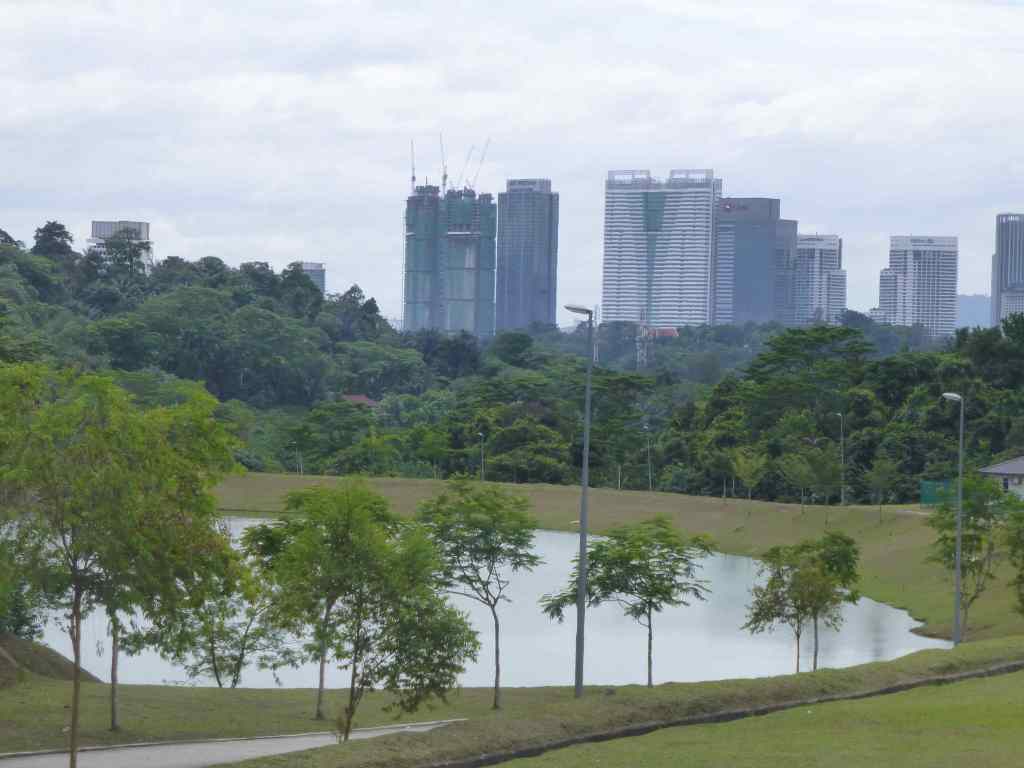
We got off at the next stop – again a beautiful green park called Lake Garden, from which we reached the bird park on foot. First, we sat in the restaurant where bird representatives were walking and flying, then we bought tickets for the park, and it turned out that their price included a free drink, so on the way out we visited the restaurant again and got water.
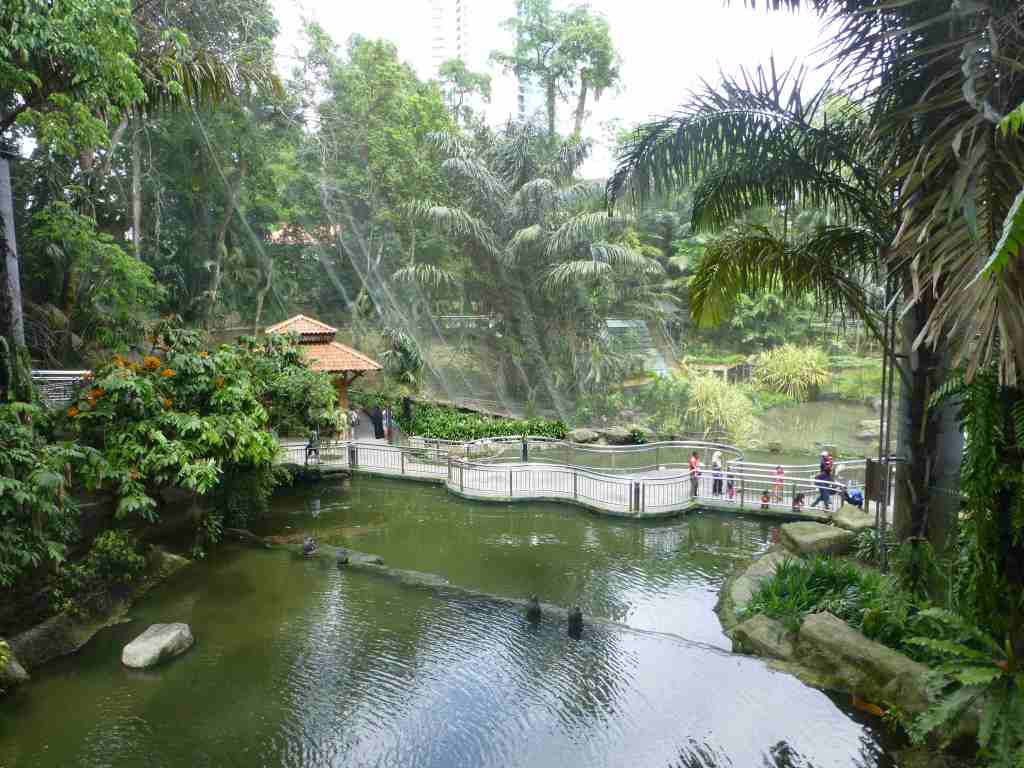
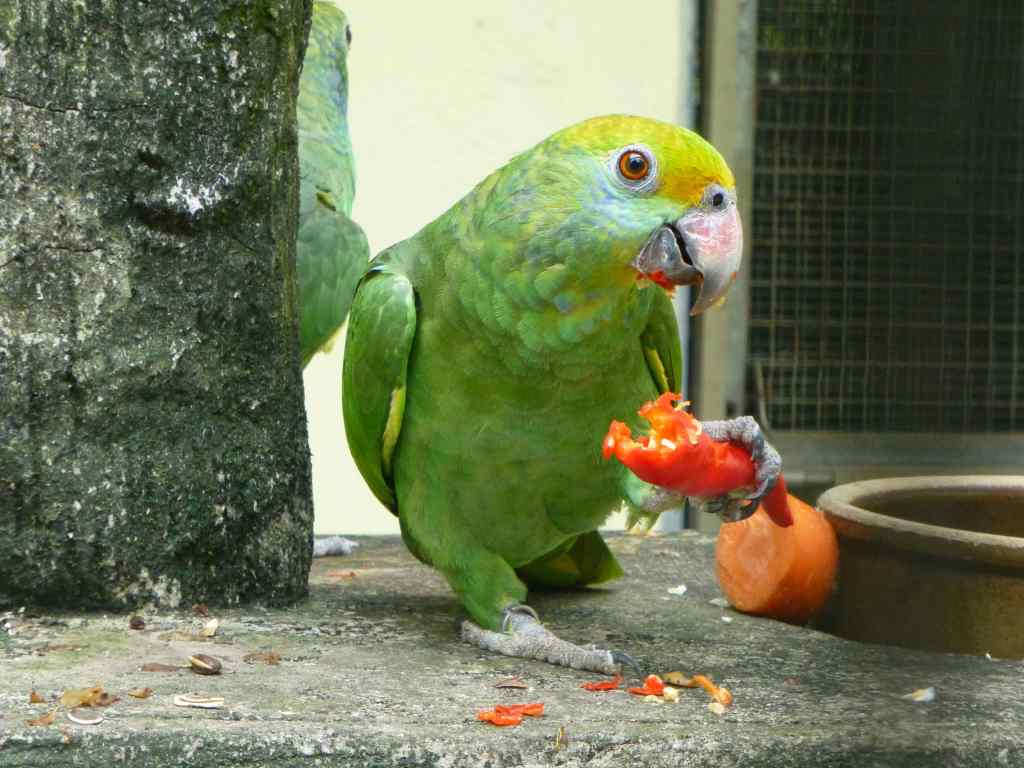
The bird park managed to impress me. Visitors literally walked among the birds, a small part of which was separated into cages. The rest flew freely, and there was a net at a high altitude. It turned out that this is the world’s largest free-flying bird park, occupying an area of 20.9 acres with over 3000 birds of 200 species. In addition to the colorful feathered representatives, the plants, waterfalls and ponds were also impressive. The walk took us almost an hour and we still did not manage to see the entire fairytale and birdsong park.


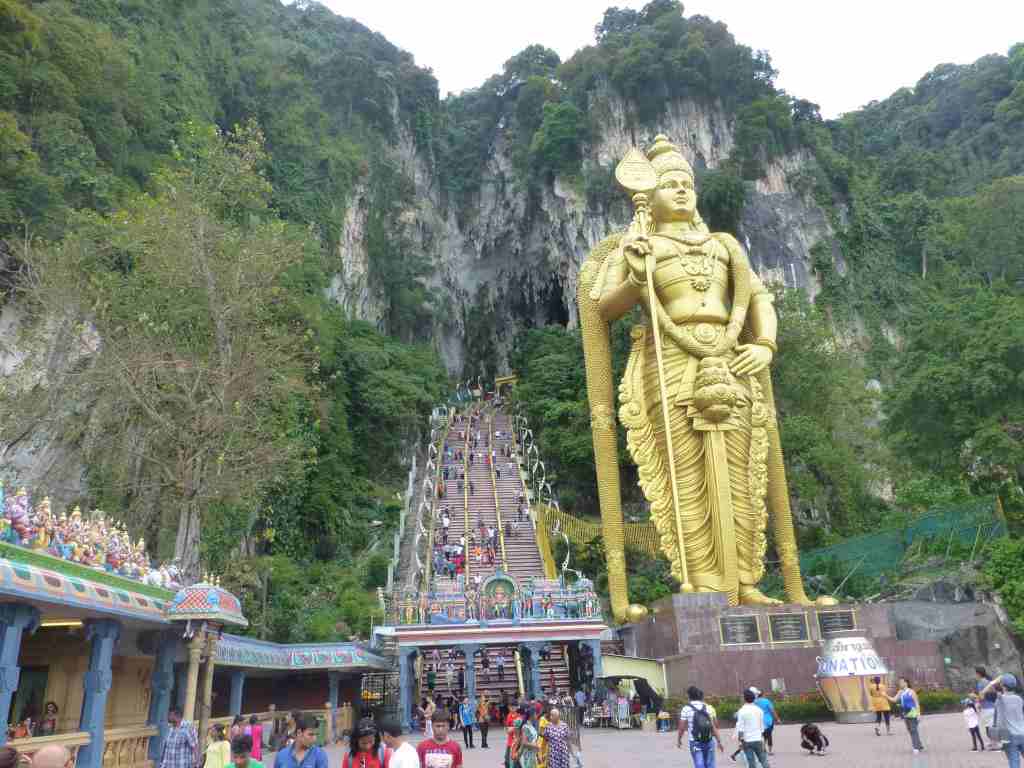
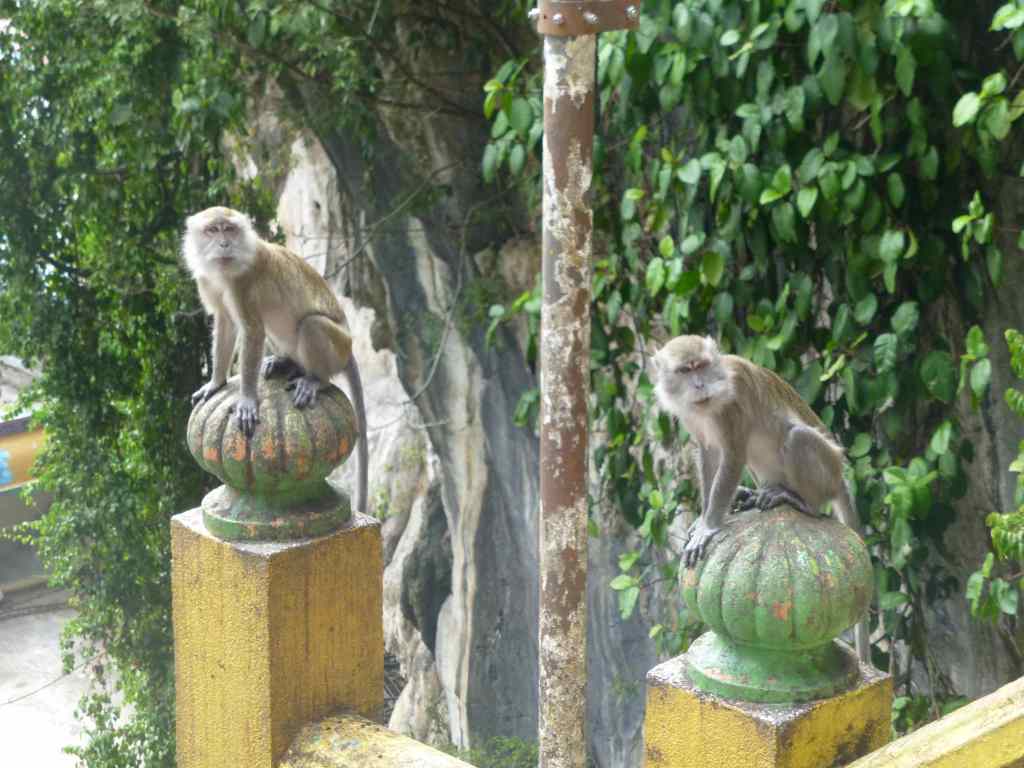
We got on the Hop On Hop Off bus again and continued our tour of the city, passing by the beautiful National Mosque. It was located in a beautiful park and could accommodate 15,000 people. Several more mosques followed, after all, Malaysia is a predominantly Islamic country. However, we want to see its Buddhist temples, so as soon as we drove back to the Petronas Towers, we took a taxi and headed to the Batu Caves, which are located 13 km north of Kuala Lumpur. The entrance to the caves is guarded by a huge golden statue of Murugan, who is the Hindu god of war. Better guards, however, turned out to be the 272 steps that led to the caves and which could easily turn away lazier visitors. At the entrance to the caves, we also had cheerful greeters in the face of many monkeys, who checked what the tourists brought them and sweetly crunched peanuts and bananas.

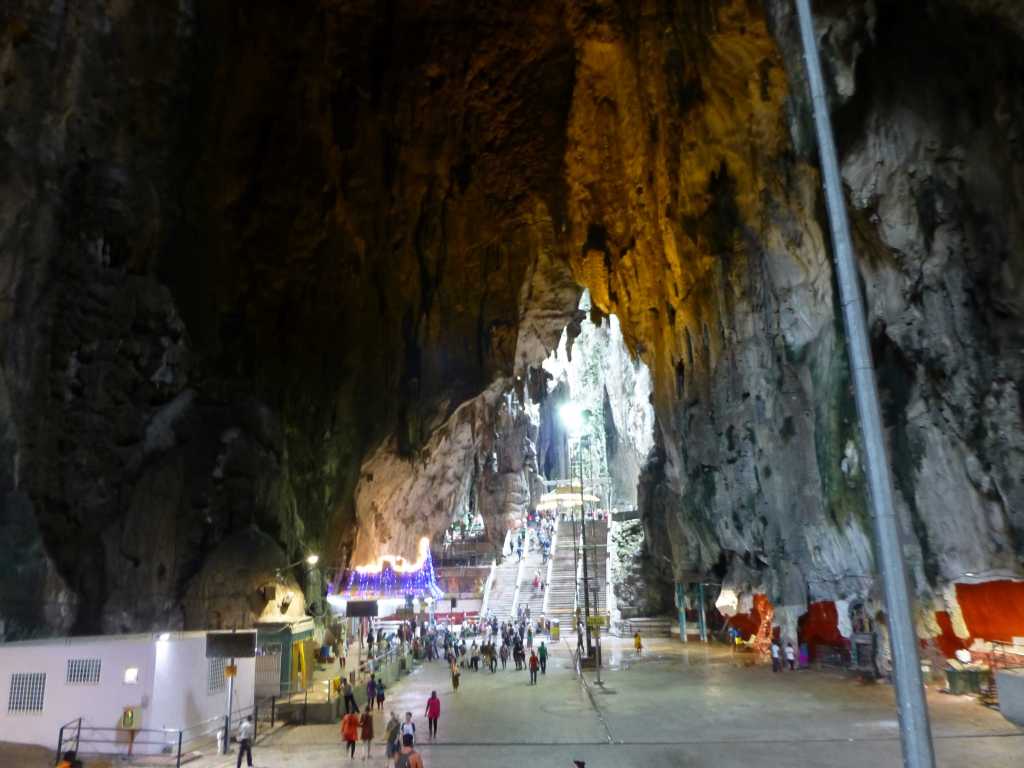

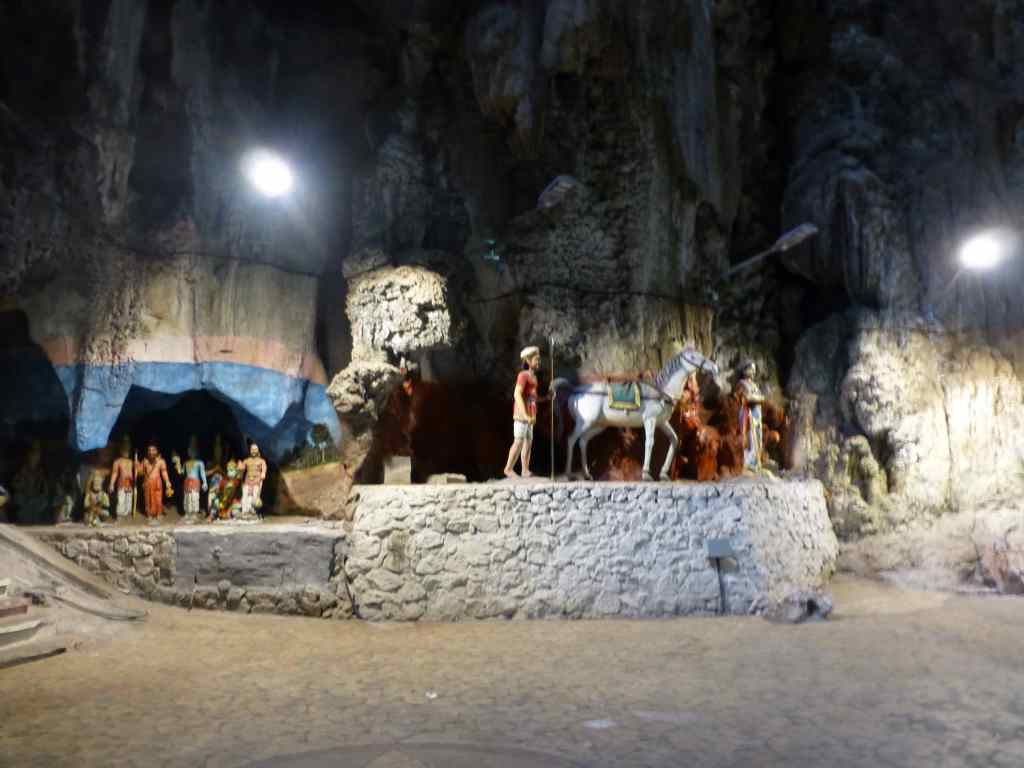
The climb was worth it. Inside the rocks, various chapels were separated. Like any temple at such an altitude, Batu made one feel closer to the gods, and the beautiful scenery reinforced this feeling. As for the capital city of Kuala Lumpur, it was only 22 meters above sea level. However, this height did not help and the city was regularly flooded during the rainy season.
Although we had hit the rainy season, which is from October to April, during the day we enjoyed sunny and warm weather. It was the sun’s rays that invited us to new tours of the city, making another circle with the tourist buses. This time we took more photos in Merdeka Square, which is the colonial part of Kuala Lumpur.

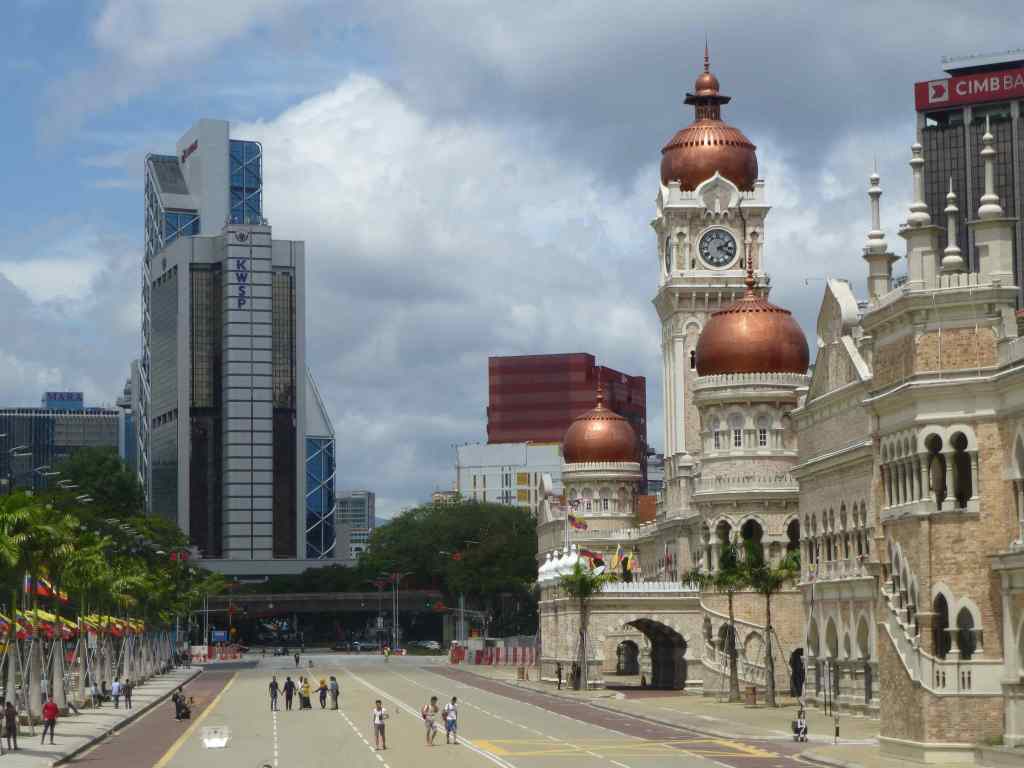
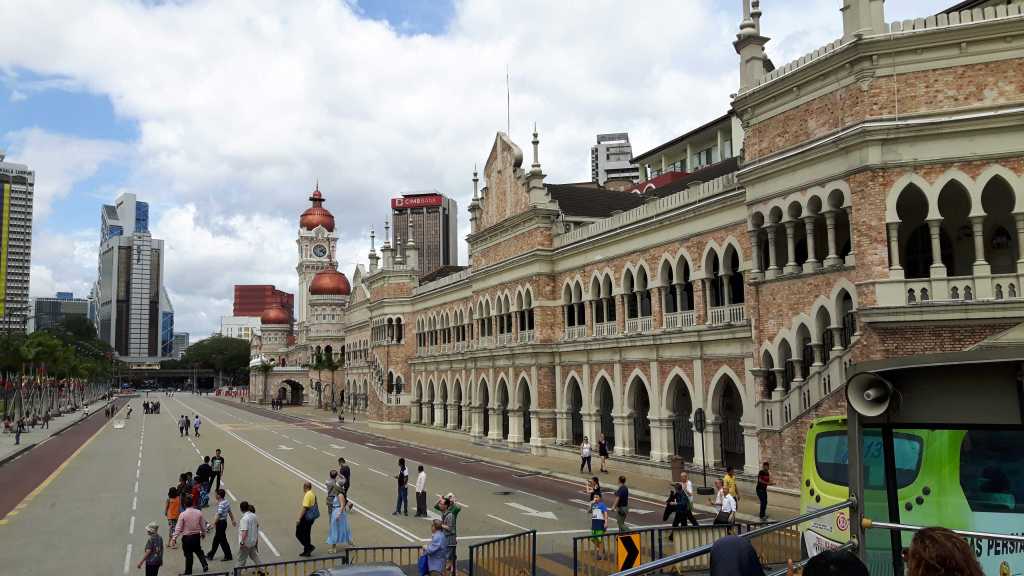


Compared to other Southeast Asian capitals such as Bangkok, Jakarta and Manila, Kuala Lumpur is relatively young and the construction of colonial buildings did not begin until the late 19th and early 20th centuries. The buildings here were very lavish and beautiful. It is home to the National Museum of History, the Cathedral of Our Lady and the Sultan Abdul Samad building, all of which showcase the city’s glorious past.
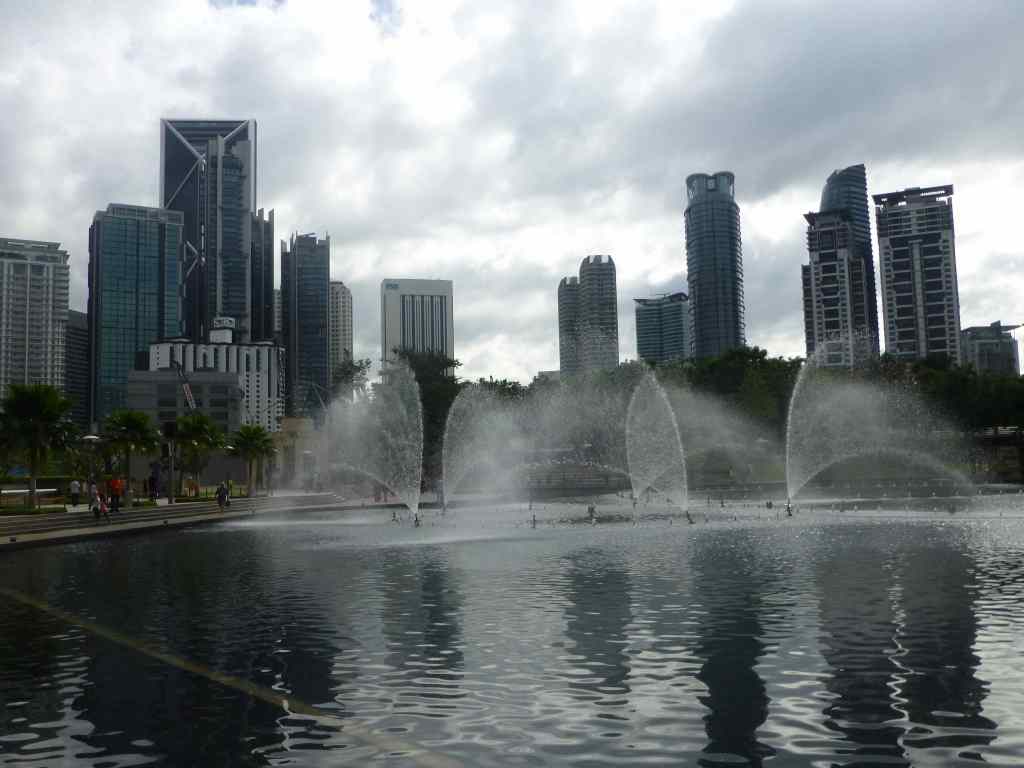
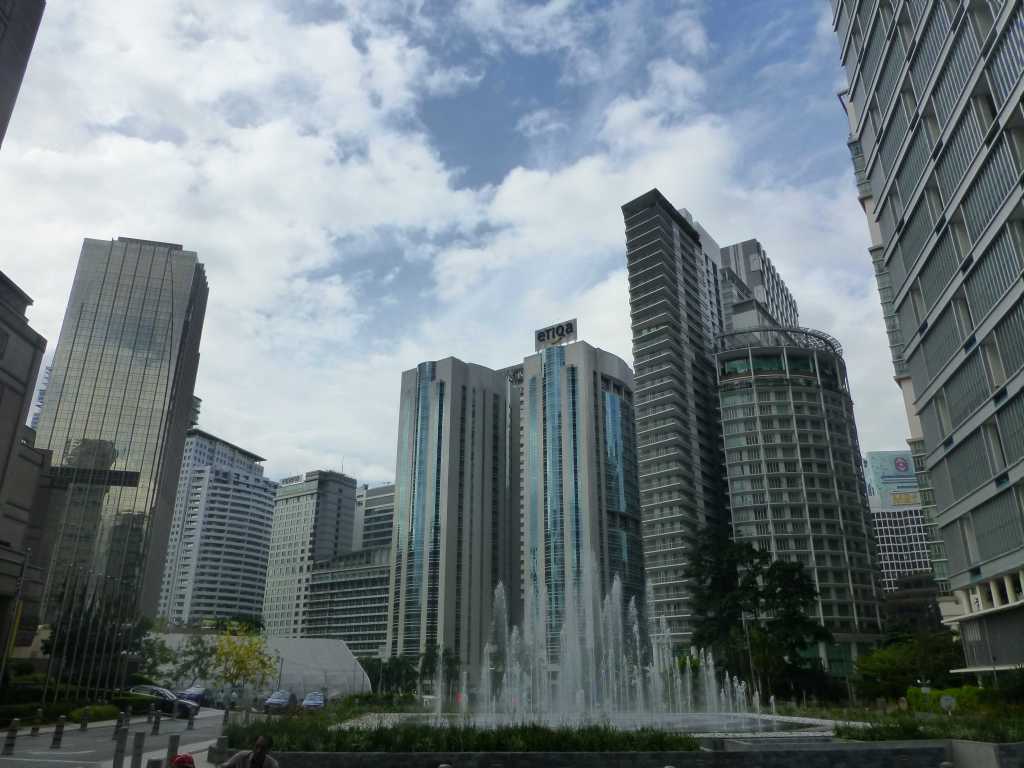
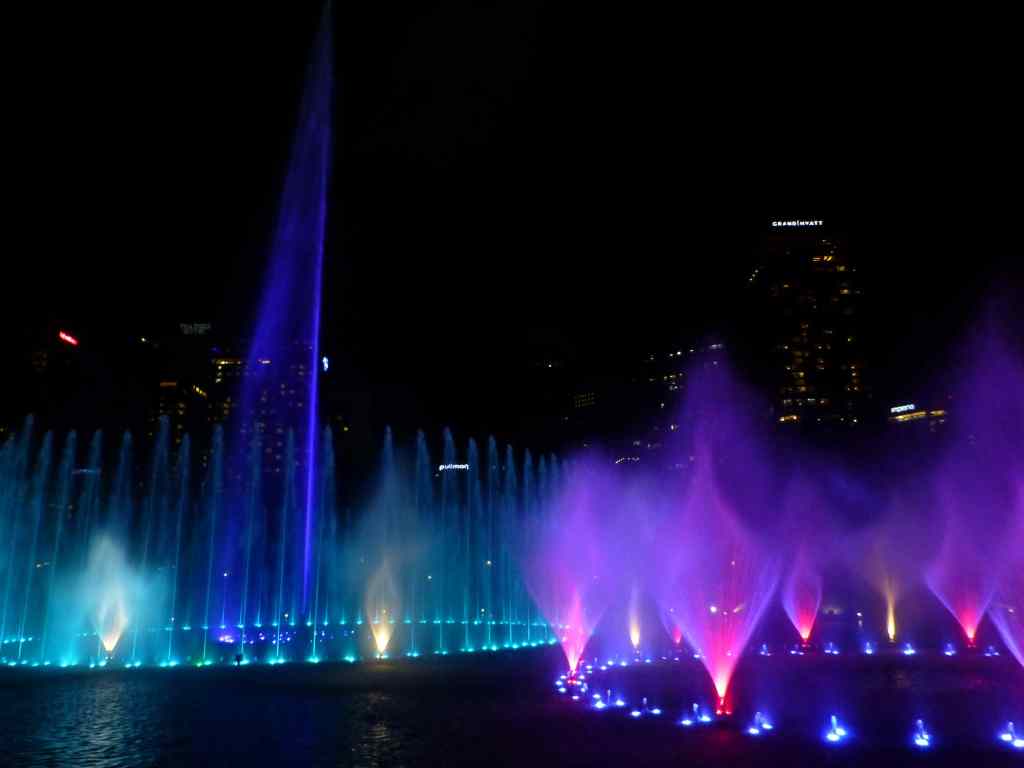
We waited until it got dark and headed to the Petronas Towers, in front of which there were beautifully lit fountains that danced to the sounds of melodious songs. Such performances were held every round hour from 12:00 to 14:00 and from 18:00 to 23:00 on weekdays and from 10:00 to 00:00 on weekends. A glamorous finish to a glamorous city that is rapidly developing and attracts more and more tourists like a magnet. In Kuala Lumpur, there may be no koalas, but there is a unique serene atmosphere nestled among the many skyscrapers.




GENERAL INFORMATION ABOUT KUALA LUMPUR:
Location: The capital of the Federation of Malaysia is located on the Malacca Peninsula, at the confluence of the Gombak and Glang rivers.
Area: 243 sq. m.km
Population: 1,627,172 people
Official language: Malay
Altitude: 56 m
Climate: equatorial
Time zone: UTC+8
Currency: Malay ringgit (MYR)
Additional information: www.malaysia.travel



TRIP TIPS FOR KUALA LUMPUR:
Best time to visit: all year round
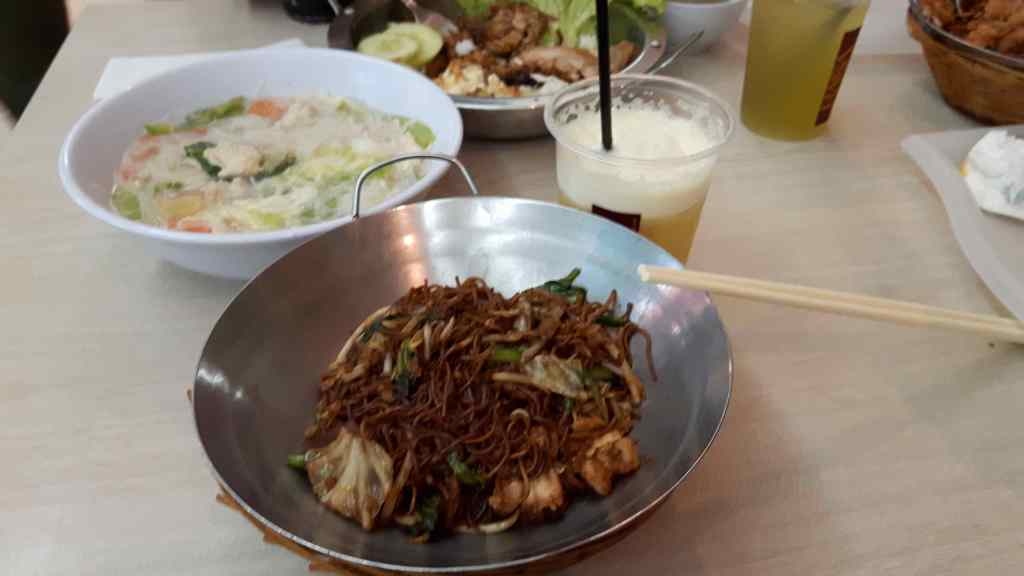
Typical foods and drinks: Nasi Lemak (translated as “thick rice”) is rice cooked with coconut milk and topped on the side with a boiled egg, roasted peanuts, cucumber slices and spicy Sambal sauce. Satay skewers heavily coated and soaked in spices.
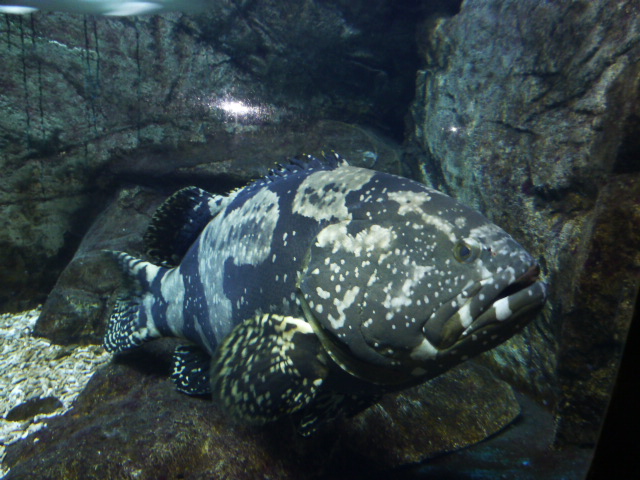
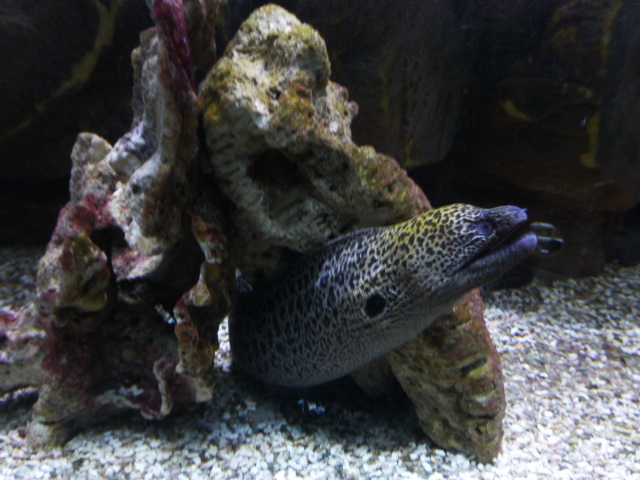
Places to visit: Petronas Towers with Skybridge; Batu Caves – unique limestone caves in which the Hindus built their temple; Aquaria – this huge aquarium is home to over 5000 aquatic inhabitants, including 150 different species of fish from around the world. The concept of the complex follows the natural path of the river from the mountain to the sea and so the trip to the park includes different ecosystems. More adventurous visitors can also swim with sharks, and registration is done in advance.

 TripTips