13-day tour of China
SUZHOU (part 7)


At 11:00 a.m., we arrived in Suzhou, also known as Eastern Venice. Marco Polo gave this nickname by describing the beautiful city with over 6,000 bridges and riches from the silk trade. However, the first thing that arises in the mind of every Chinese at the mention of Suzhou is its gardens. Located south of the famous Yangtze River, these gardens are considered some of the most beautiful in the world, and I can only confirm it. Their history can be traced back to the 6th century BC. They were established as early as 770-476 BC, and were upgraded and renovated by various dynasties. They found their most glamorous period during the Ming (1368-1644) and Qing (1644-1911) dynasties, during which time the gardens numbered over 200. Among them especially beautiful are the Garden of the Clerk and the Fisherman’s Garden, which we visited that day.
Before that, however, we had lunch – this time in a restaurant with Western European cuisine – there were French fries, bacon, steaks, some other meats in sauces, lots of fruits and various desserts. The whole group was very pleased with this, as we needed variety, even from the delicious Chinese food, which we found very tasteful, and no one had any stomach problems so I can only recommend it.
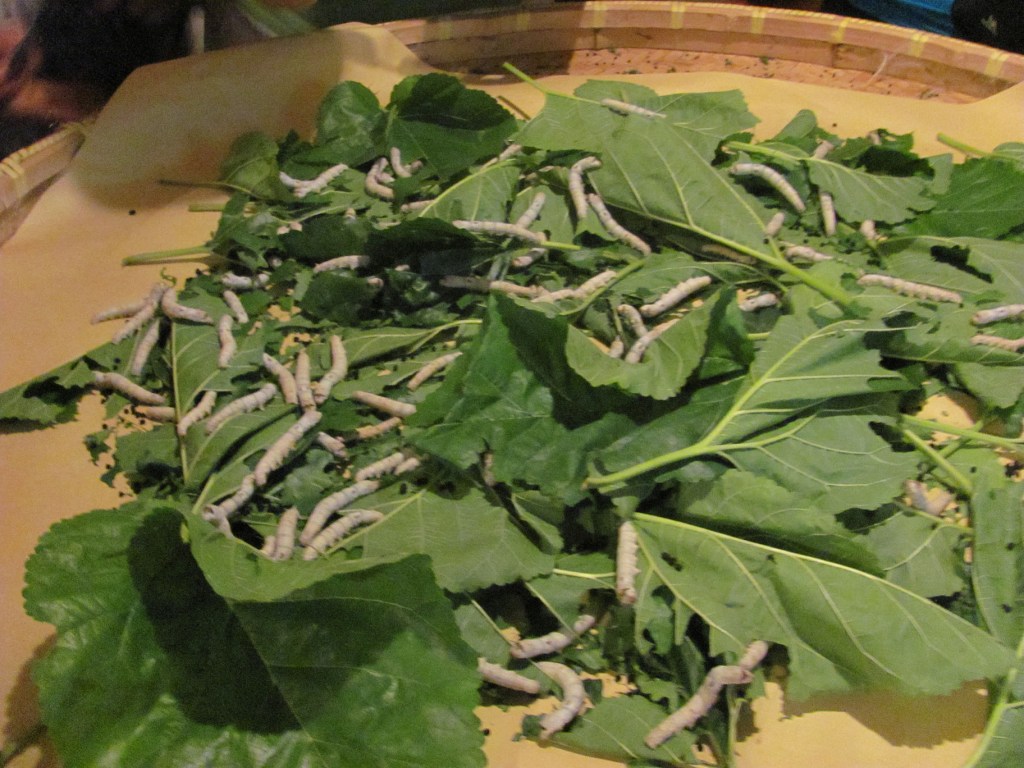
The restaurant was near the Silk Museum, so our tour in Suzhou started here, where the famous Silk Road started. In the museum we had the opportunity to follow the different stages of the creation of silk – we saw live larvae, silkworms, then how they are boiled in warm water and how the cocoon thread is rolled out. Naturally, at the exit of the museum there was a shop, where high quality sheets, pillows and silk blankets were sold. Our new tour guide, Misha, pointed out that even during the Ming and Qing dynasties, the highest quality silk produced for the imperial families was made in Suzhou. The bedding was wonderful, not so expensive, but unfortunately very bulky and I would hardly fit them in my luggage, but a silk blouse was OK, so I made myself a wonderful present.
We learned that about 60 pupae were needed for one garment and about 300 for a blanket. Silk production already has over 6,000 history in China, and since the 5th century BC it has begun exporting silk to Asia, Europe and Africa through the built Silk Road.

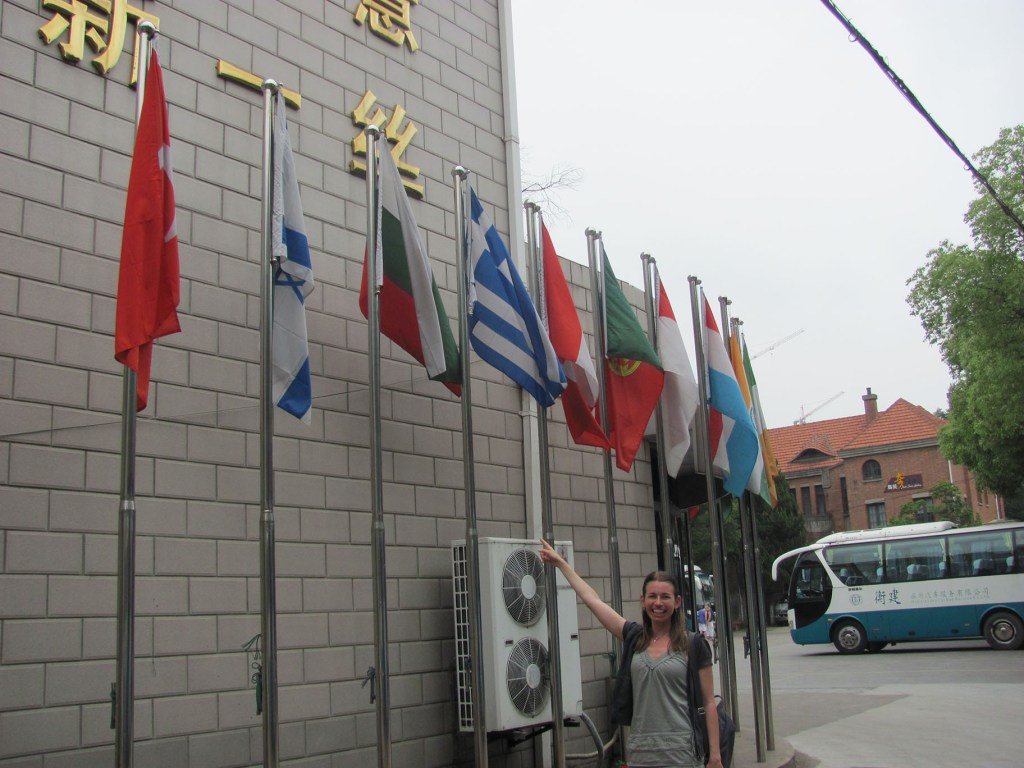




However, our tour after the museum took us to the famous gardens of Suzhou. Along the way, we crossed different channels, learning that the Yellow River and the Yangtze are the two mother rivers of China – the Yangtze is the main river in southern China, and the Yellow River in northern China. Shanghai, like Suzhou, was located near the Yangtze River, and through both cities passes the Grand Canal, which connects southern China with northern China by sea. In fact, the construction of the Grand Canal dates back to the 5th century BC, with the entire length of the Canal being 1776 km, starting from the town of Hangzhou (which we were going to visit the next day) and reaches Beijing (which we have already visited).


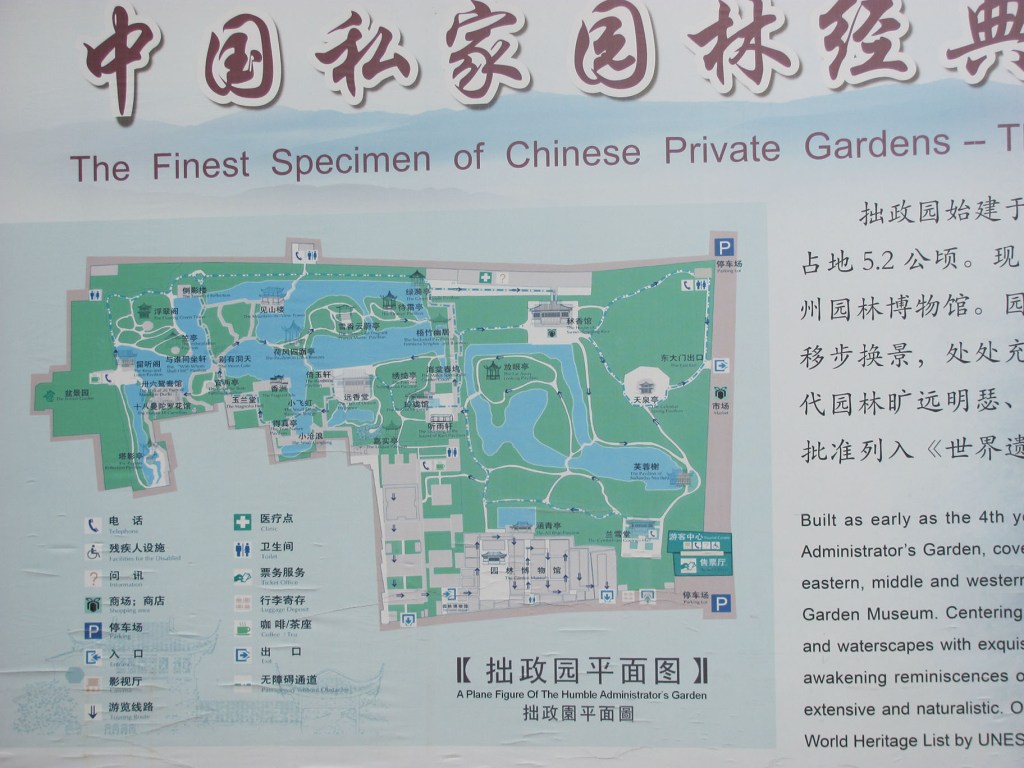
As ancient as the Grand Canal proved to be the imperial parks and gardens. First we visited the garden of the clerk, which was created by a wealthy clerk who, after retiring, returned to his hometown and here purchased 10 acres of land, of which 5 acres he dedicated to the gardens that were preserved from his time – 4 years after the reign of Zhengde by the Ming Dynasty (1509). The garden was divided into eastern part, middle and west.
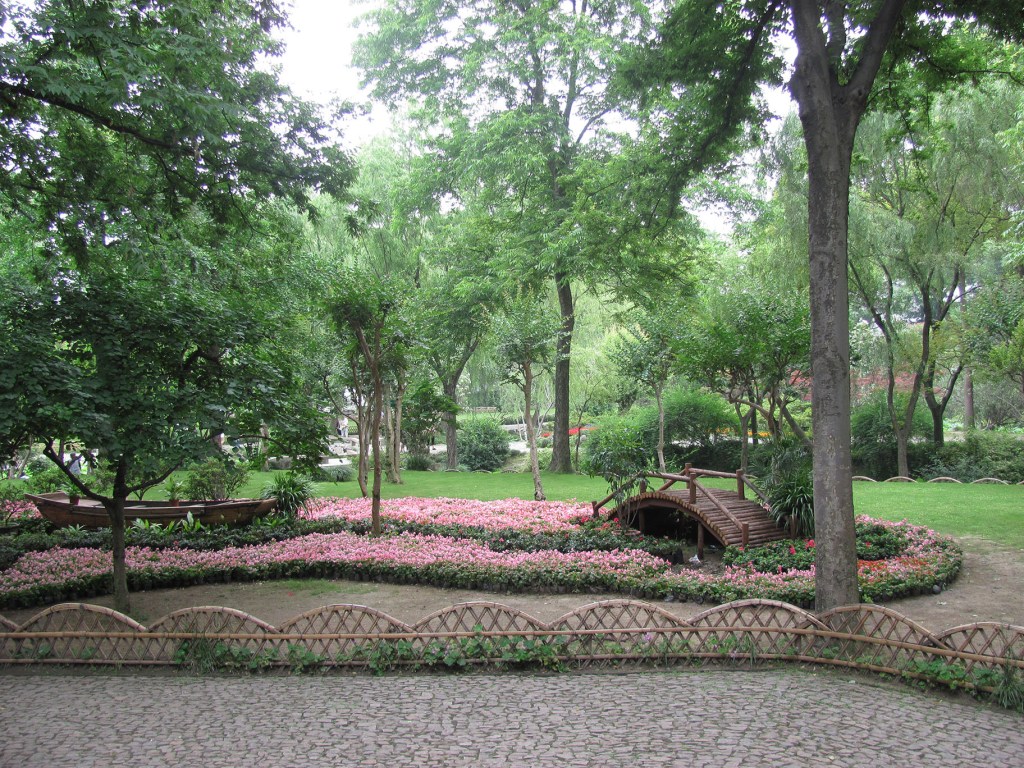
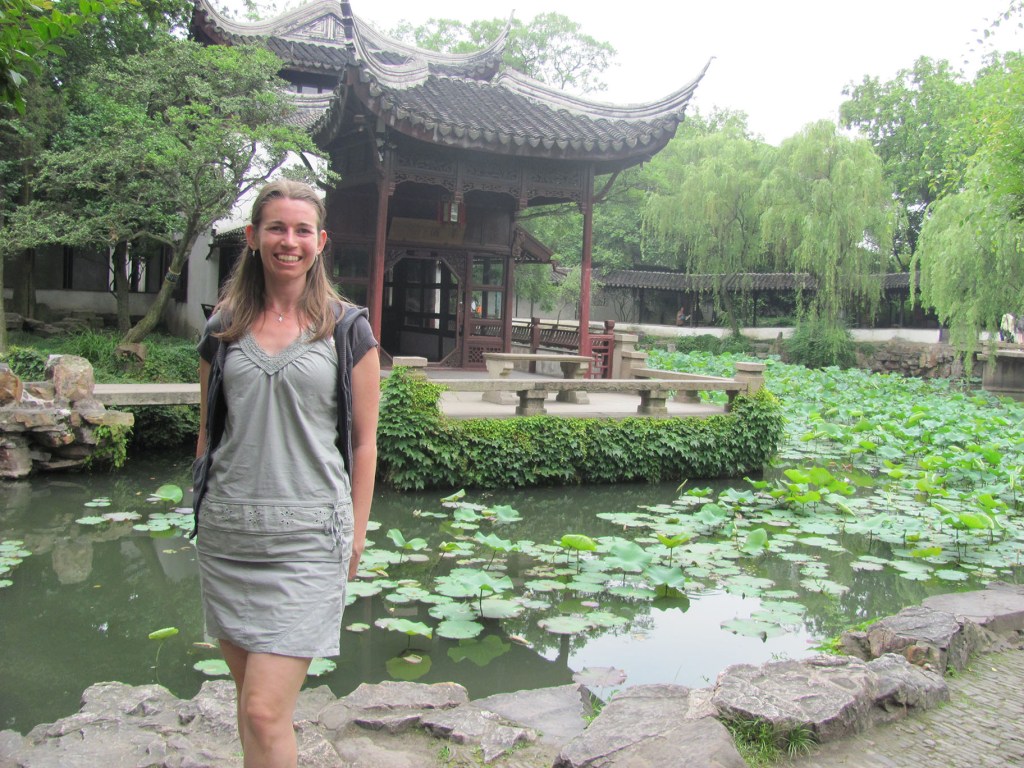
The tour guide Misha again drew our attention to the three main elements that make up Chinese gardens – plants, water and stones. In the garden of the clerk prevailed water, and in the Fisherman’s gardens – the stones. In 1997, the Official’s Gardens were included in the UNESCO World Heritage List and deservedly are there. In this park, despite many visitors, one could feel the solitude and tranquility. There were many lakes and crooked bridges. The Chinese believe that evil always goes straight and cannot cross a crooked bridge. There were also many lotuses, the flower of the Buddha, because its roots lie in the dirty water, and it itself has pure colors.
In the park there were various pavilions surrounded by plants, and there was a separate park with Bonsai plants. It was really wonderful and after a walk in this park, one came out as if purified, from all the harmony that reigns in it. I immediately remembered the noise and the right alleys in the South Park in Sofia – and there was a river, trees, and even stones there, but there is no harmony and connection between them, and on Saturday and Sunday the walk there is more burdensome than unloading.
I felt wonderful, photographing almost all the separate places with flowers, vegetation and lakes in the park. I even managed to photograph two mandarin ducks – I had never heard of this species before, they looked like ours, but smaller and more colorful ducklings.
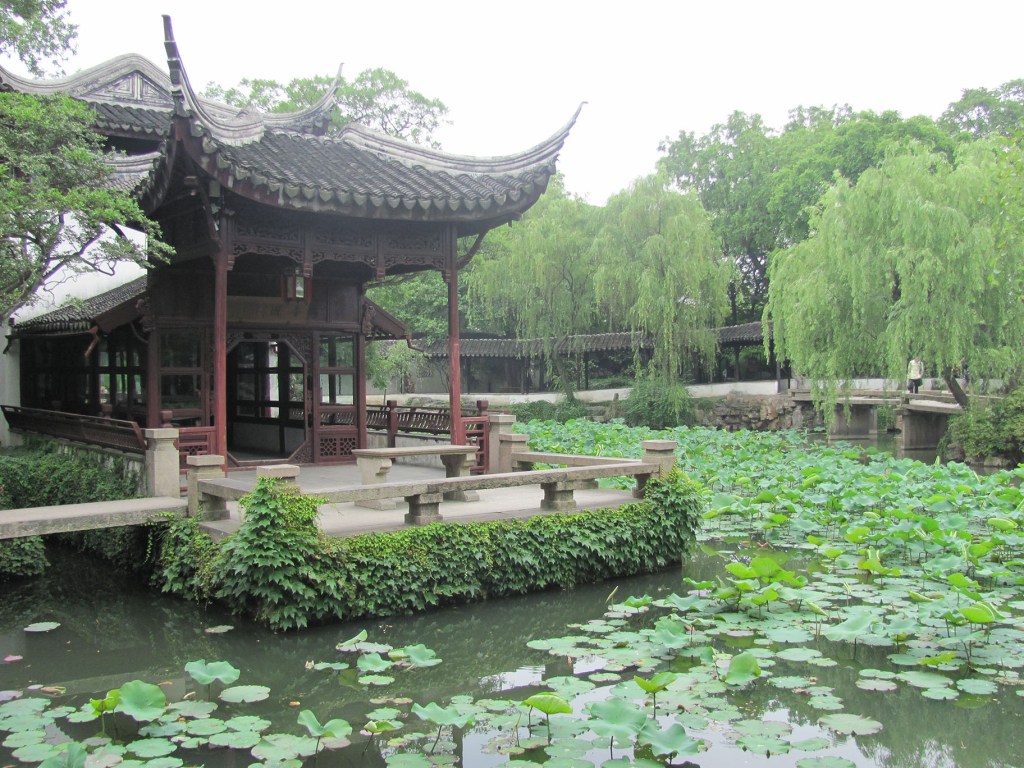


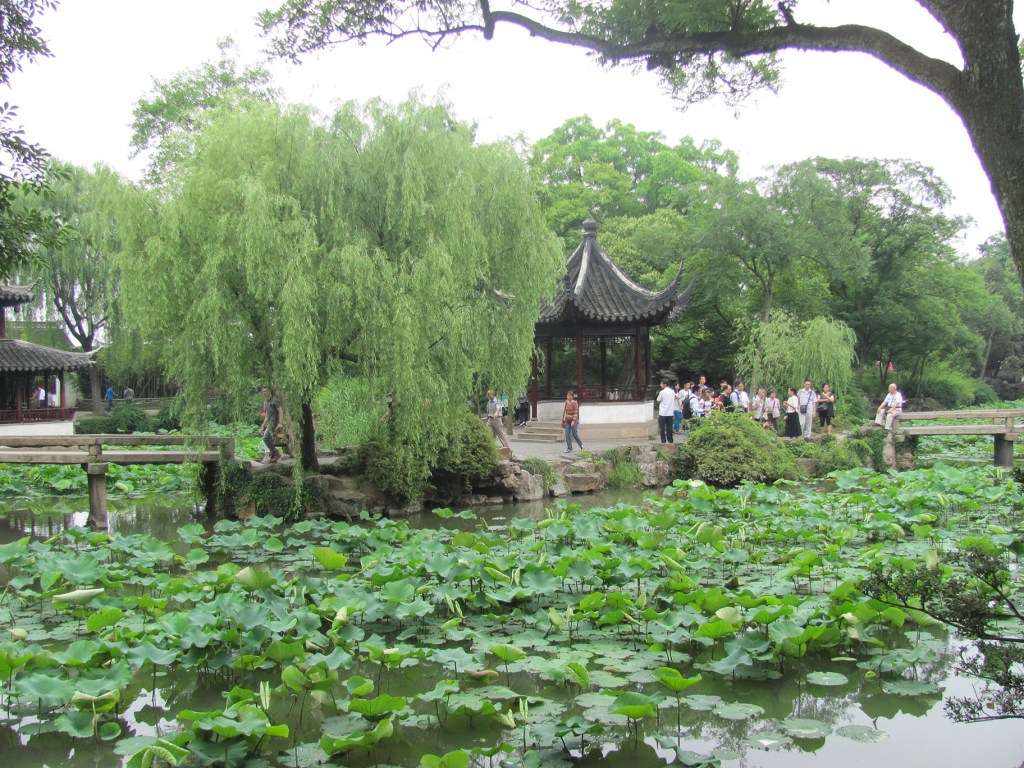

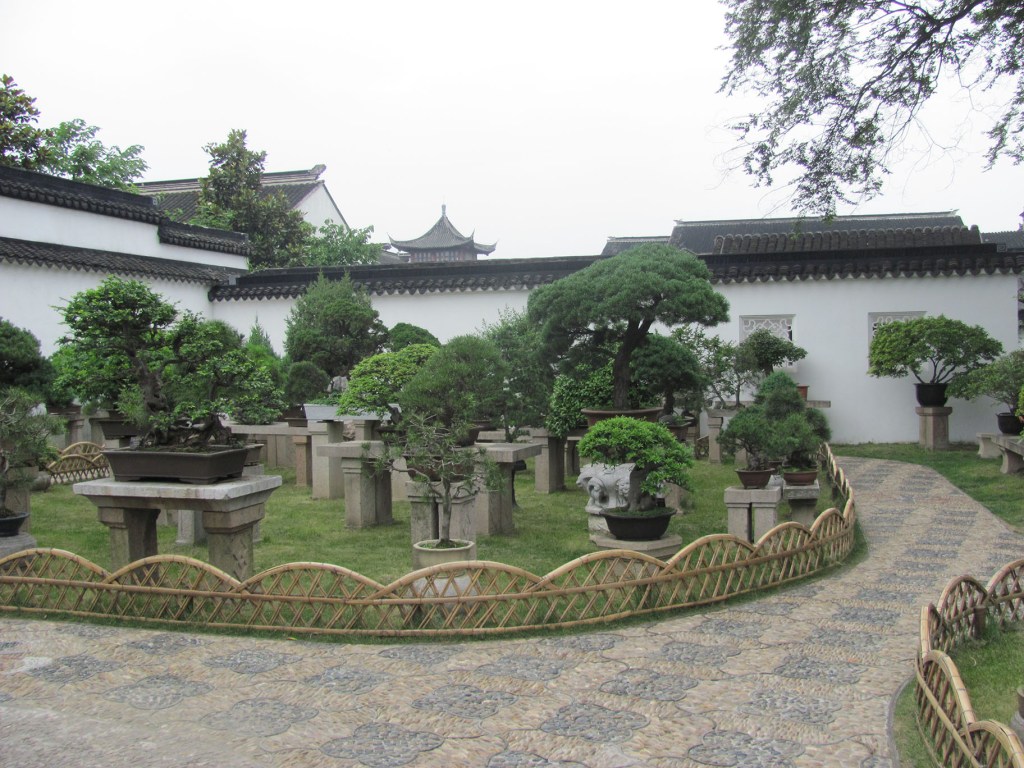

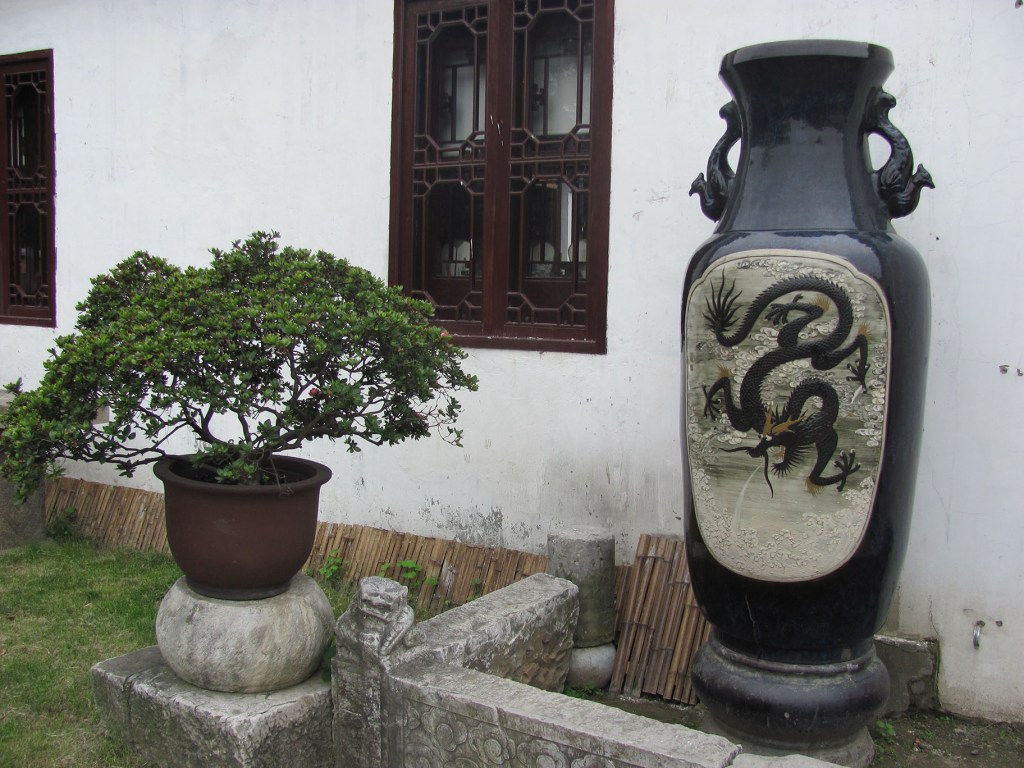


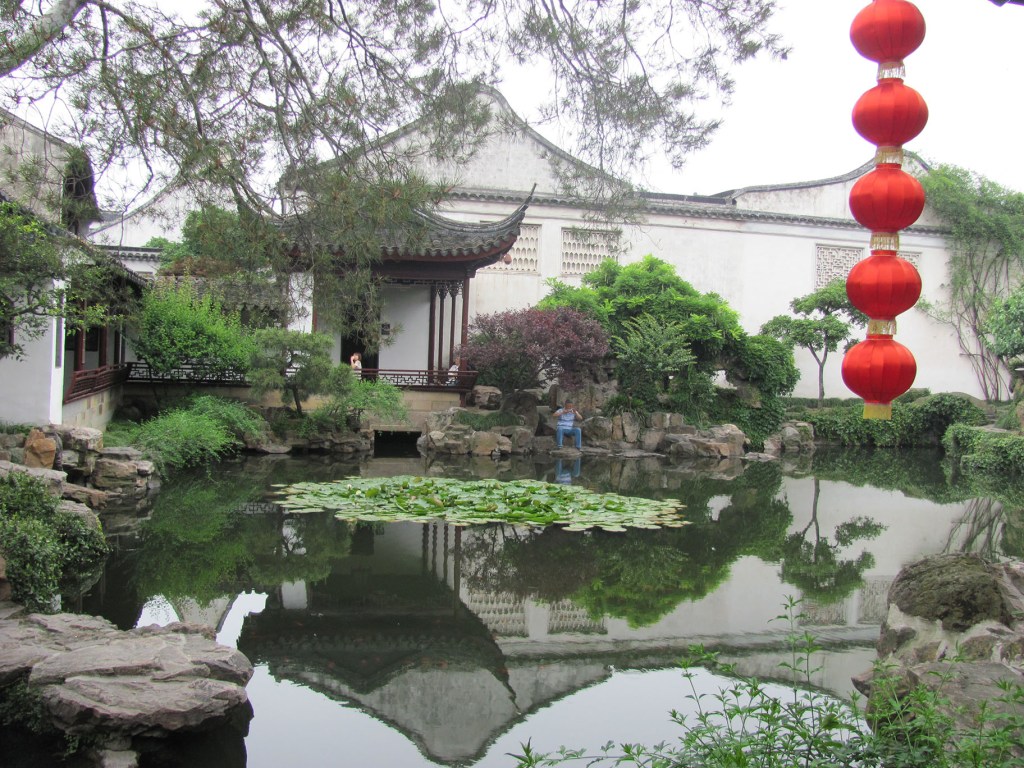

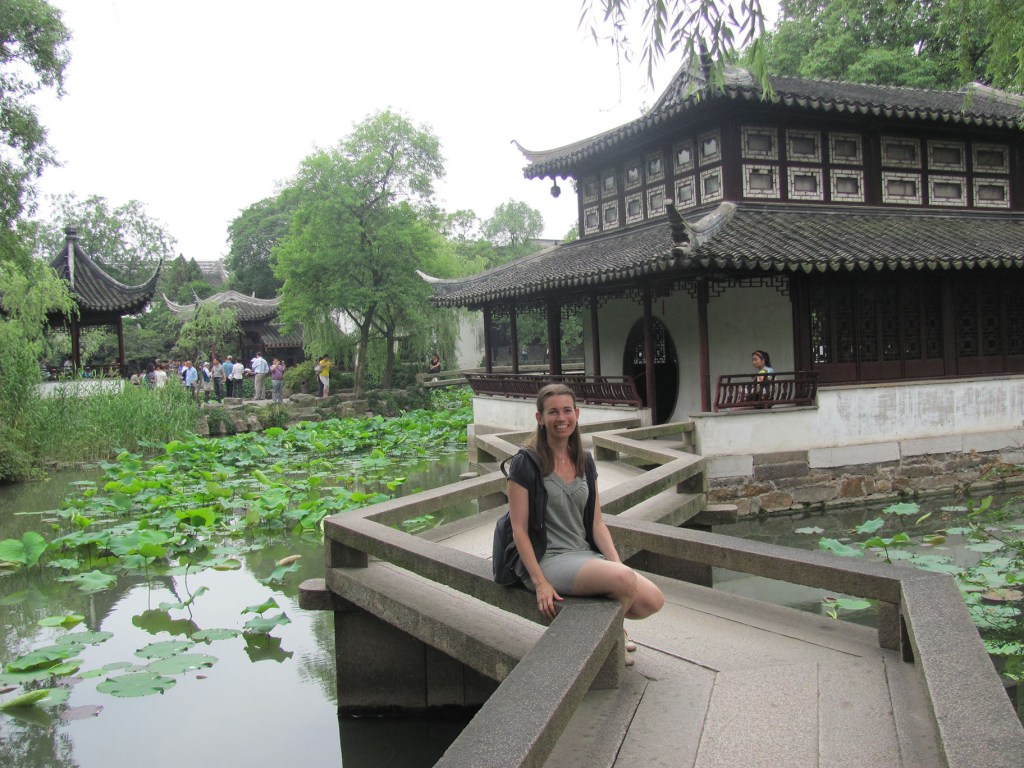

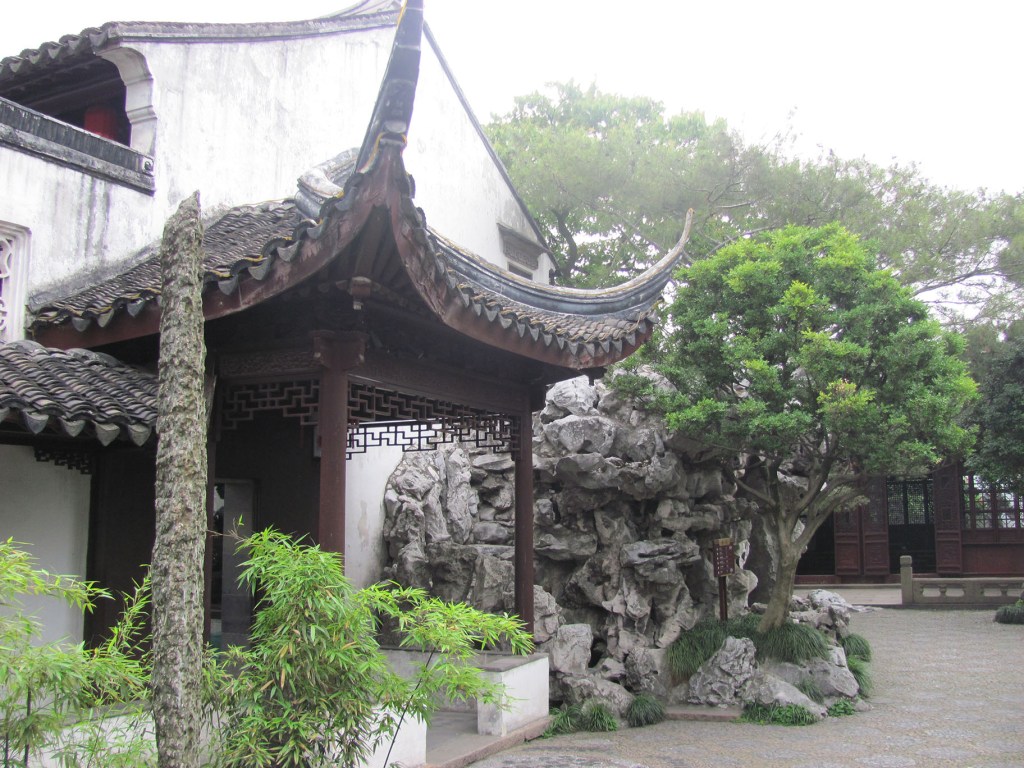
The Fisherman’s gardens were relatively smaller in size, but the shape of the stones was really interesting and no wonder there were separate gazebos for contemplating stones. The fisherman’s gardens were created by a rich Chinese, whose child a fisherman saved from drowning, and in his honor, the rich man created these gardens.
Initially, there was only one library in this place, but later the park was created around it. One of the stones was created to resemble the character of happiness. There are also many artificial small stone caves, as the tour guide pointed out that the stone is special and keeps coolness even in the hot summer days.
It is difficult to describe such harmony that you feel with all your senses, and yet you cannot recreate it on paper. During my stay in China, I was overwhelmed with information and impressions, and my mind found it hard to absorbe the large volumes, but the harmony in Suzhou was inspiring and I even began to write poems again.
In the evening we stayed at the Holiday Inn Suzhou Youlian Hotel ****, and my room was 813 on the 8th floor. I especially liked this hotel that there were tags on the pillows that said whether the pillow was soft or hard and everyone could choose a pillow for their comfort. In this hotel, like the others, there was free internet, and I hurried to overwhelm my family with my impressions. In China, it was 22:00, and in Bulgaria it was just ending the working day at 17:00. I already had stars, and I could see the sun’s rays from the other side of the screen. I was ahead of time and could tell what the future would be, but in the evening I went to bed with the present, which was beautiful and harmonious. I was grateful to China for its wonderful hospitality!
GENERAL INFORMATION ABOUT SUZHOU:
Location: Suzhou is located in eastern China near the Yangtze River Delta on the shores of Lake Taihu.
Area: 8 488 sq.km
Population: 10 549 100 people (data from 2018)
Official language: Chinese
Altitude: 5 m
Climate: humid subtropical climate, with hot and humid summers and cloudy wet winters, sometimes with snowfall.
Time zone: UTC+8
Currency: Chinese yuan (CNY)
Additional information: Official Travel and Tourism Website for Suzhou (chinadaily.com.cn)
TIPS FOR VISITING SUZHOU:
Best time to visit: probably the best time to visit is between April and October, and especially in April and May in spring, when the city, gardens and nearby lake are particularly beautiful.
How to get to the city: The closest airport to the city isSunan Shuofang International Airport, which is 38 km from the city. Another probably easier option is by flight to Shanghai and there is a shuttle bus from there. There are direct bus connections to the city of Hangzhou. The city can also be reached by train, there is a train station that serves also fast speed trains.
Typical foods and drinks worth trying: Chinese cuisine is popular all over the world, but the most delicious is of course in its homeland. The food in Suzhou is mostly sweet.
Places to visit that you should not miss: The beautiful gardens of the clerk, the Fisherman’s Gardens, the Gardens of the Lion Forest, the Northern Temple with the pagoda, which are visible from the central station and are one of the symbols of the city, etc.
 TripTips