13-day tour of China
HANGZHOU (part 8)


New morning in China… It would definitely start with a cup of tea. Breakfast was one of my favorite moments when, among the crowded buffet tables, I could choose between different foods – most of which were unknown to me. For nine days we already knew Chinese cuisine well, and we knew that here in Suzhou (southern China) the same is quite sweet, in the North – the food was saltier, and in the middle of the country – spicy (the area of Suchuan, for example, is located in Central China, and we all knew how spicy the famous Succhuan Chicken is). Of course, I preferred the sweet food – chicken with pineapple, sweetened vegetables, etc., which there were plenty of here, and that day we would go further south in Hangzhou, where we visited a tea plantation. Green tea was also available at breakfast, and in each hotel its taste was different, but always refreshing.
The distance between Suzhou to Hangzhou is 164 km, which this time we took by bus. I noticed that between the provinces there were checkpoints that checked passports and reasons for travel. Our foreign passports were not checked, only those of the driver and the tour guide. Along the way, I photographed many rice fields filled with water, and we learned that in China, they have a harvest 2 times a year, only tea and rice have 3 harvests! The climate here is obviously more benevolent, given that in my home country we take care of only 1 harvest for a whole year and how heavy it is when it is bad. There were workers in the fields, but again not as many as I expected. In fact, nowhere in China succeed to see may people – everywhere there were no more people than the usual people in Bulgaria, even in Bulgaria there were more people walking on the streets, while here apparently people really worked and could not enjoy the sunny June day.


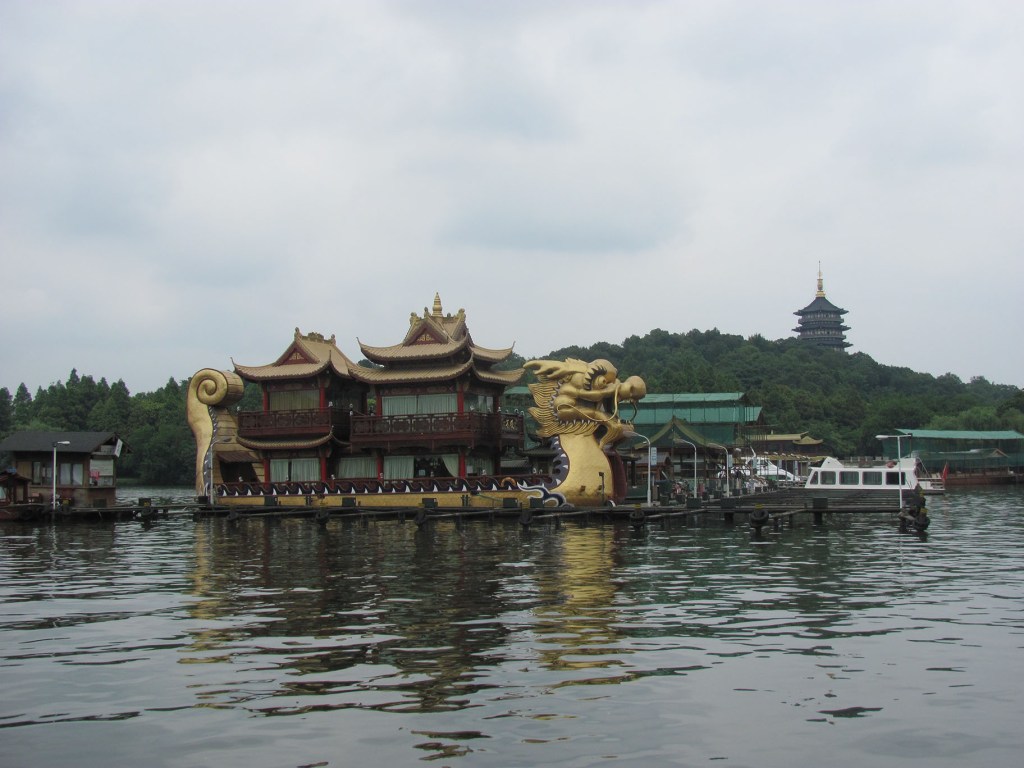
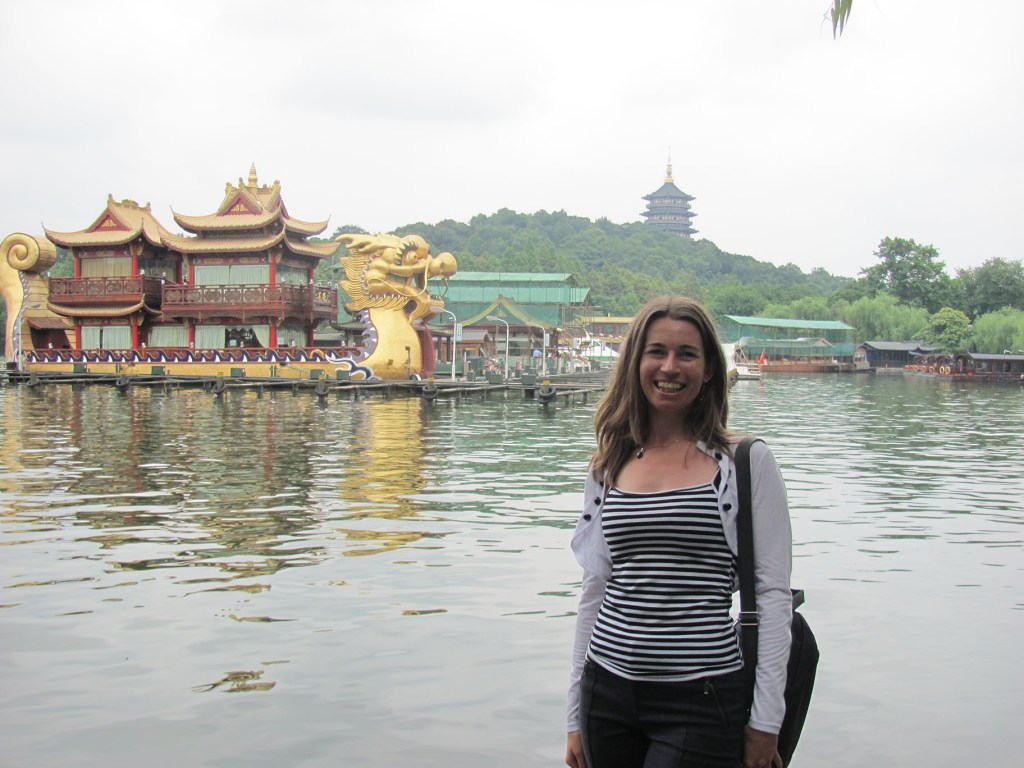
Our first stop in Hangzhou was by the picturesque Lake Xihu, which was considered sacred. According to legend, the same was created by the love of Dragon and Phoenix. It was from here that an Indian monk passed during his tour of China, and when he saw the lake exclaimed that it was the same as the Buddha’s mountain and immediately erected a temple on its shore. Here we had a short boat trip, as our group was divided and we boarded 2 boats guided by two gondoliers. Lake Xihu is freshwater and is often referred to as West Lake. In the lake itself, as well as in the immediate vicinity many temples, pagodas, gardens and artificial islets are erected. In 2011, the same was included in the UNESCO World Heritage List, the design of the local gardens has influenced the whole of China, Japan and Korea over the centuries, representing the ideal balance between people and nature.
The average depth of the lake is 3 meters with a total capacity of 14 million cubic meters of water. I haven’t checked the depth, but the water was muddy and warm. I didn’t see any fish, but I wasn’t looking for them, looking at the nearby pagoda that adorned the shore. Near one of the islands there were three beautifully carved pillars. The same were distant from each other, but mentally they could form a triangle. Every year on August 15, the moon shone just above this triangle and its light was uniquely beautiful. In Europe, we also celebrate August 15, but we associate it with the Day of the Virgin Mary. Apparently, there was something special about that day that the Chinese cherished too.
But that day it was June, we were in the lake in broad daylight, so we could not see this phenomenon, but the peaceful walk through this sacred lake made us feel happy again that we were here and could admire the wonderful nature, time and service.



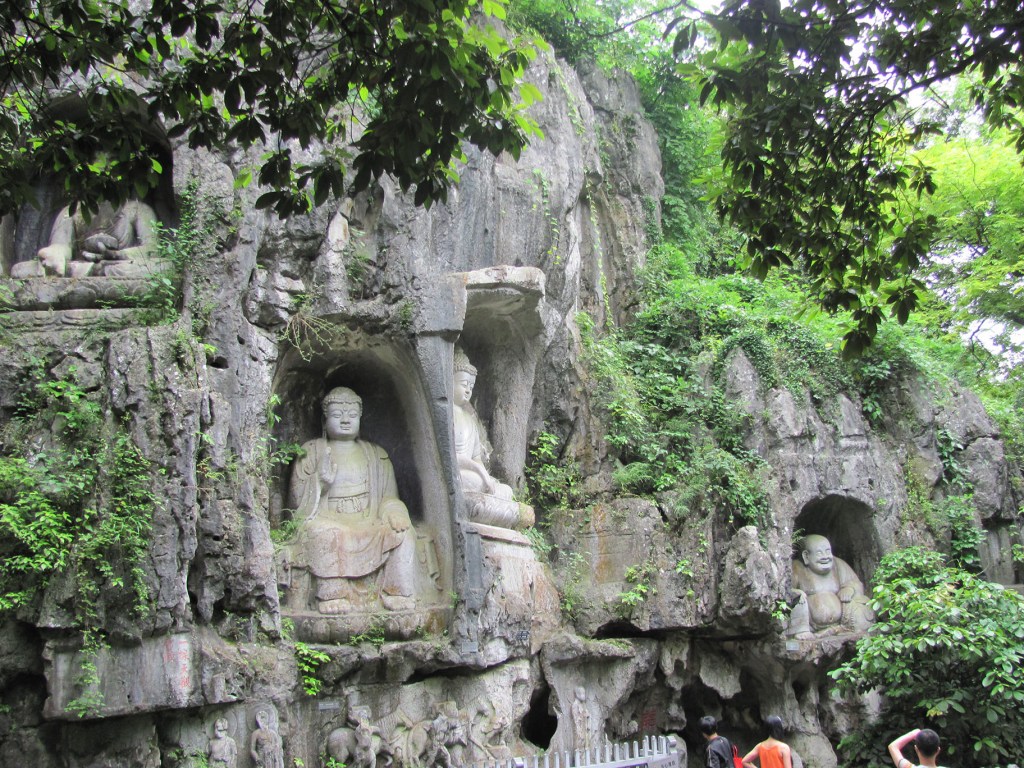
After the boat trip, the bus took us to the next landmark – the Linin Monastery. At the entrance there were painted with large hieroglyphics the phrase “Paradise is not far away” and this seemed so true, entering into the green gardens of the monastery, or more precisely the Buddhist temple. And here there were many rocks with painted relief figures of the Buddha, at the foot of the rocks passed a river. The temple was on the other side. Again, the rock reliefs amazed me with their beauty and preserved appearance. The strangest thing is that this temple was created as early as 328 by the monk Hui Li, coming from India. Most of the exquisite Buddhist statues here date back to this time. It was amazing that something so big had been preserved for so long. We were in a building built long before the Bulgarian state emerged!
We learned that the Linin Temple in translation means the Temple of Spiritual Solitude. The name fit perfectly to this peaceful and harmonious place, with which the Chinese once again attracted our attention and won our hearts.


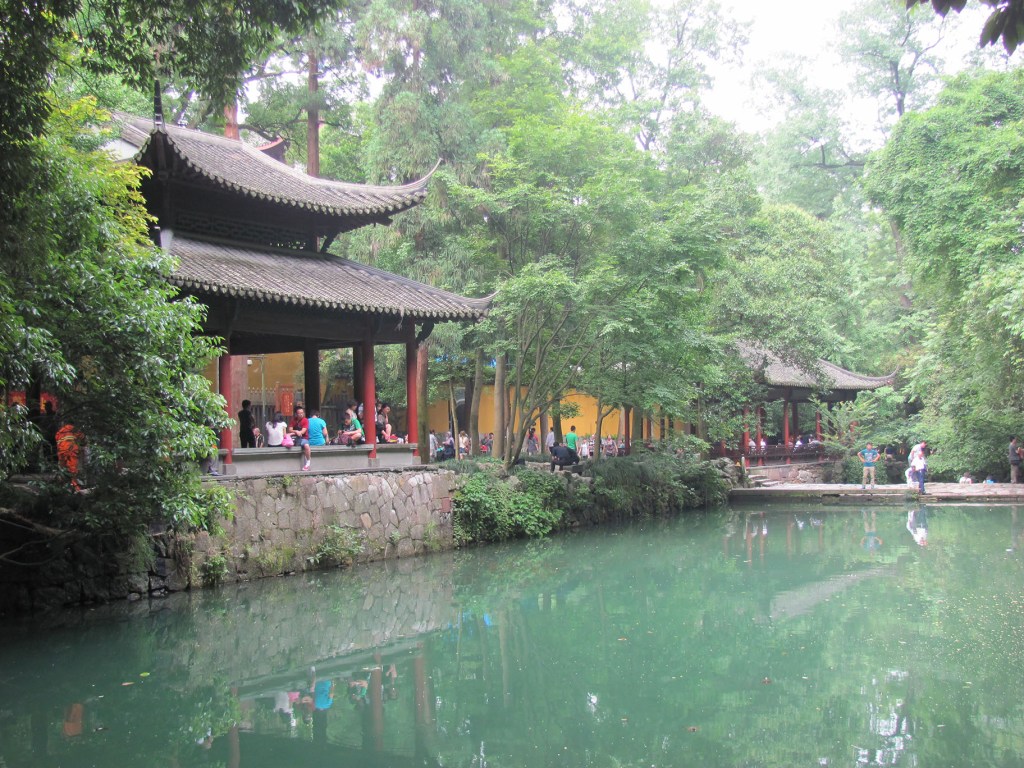
By bus we continued to the Tea Museum, enjoying the city of Hangzhou, which was surrounded by a river and the water seemed to be visible from everywhere. The city itself is located on the shores of Hangzhou Bay, where the Qiantang River enters the East China Sea. This is the southernmost part of the Grand Canal, which reaches Beijing and the city is an important port.
The city was established during the Qin Dynasty and in 589 was renamed Hangzhou, literally “River Shipping Prefecture”.
On the way to the tea museum we passed through different hills with tea plantations. We learned that it is here that one of the best varieties of green tea is obtained, longjing, meaning dragon well, because in spring the whole valley resembles a dragon.
At the very entrance of the museum there was also a figure of a dragon that guarded the main entrance and apparently brought good luck – in addition to our bus, two other tourist buses subsequently stopped, from which tourists were poured ready to buy more Chinese tea.
The tea museum itself covered 3.7 hectares of land dedicated to art, cultivating and making tea. I had decided not to buy any more tea, but the Chinese managed to dissuade me again. During the presentation of the Chinese tea ceremony, the hostess showed us a “focus” that amazed us and made us buy more of this tea. In a glass tube she put white rice and poured iodine over it, the rice immediately turned black. Then she supplemented the tube with water, and mix it but the rice still remained black. She poured the water out and poured green tea, and the rice immediately turned white, showing what purifying qualities green tea has. It is rich in antioxidants that purify the body from the inside. This trick impressed me and I bought a jar of this tea, hoping to purify myself. However, the healing powers of green tea last only a year – then the Chinese do not drink it – only foreigners drink old tea.


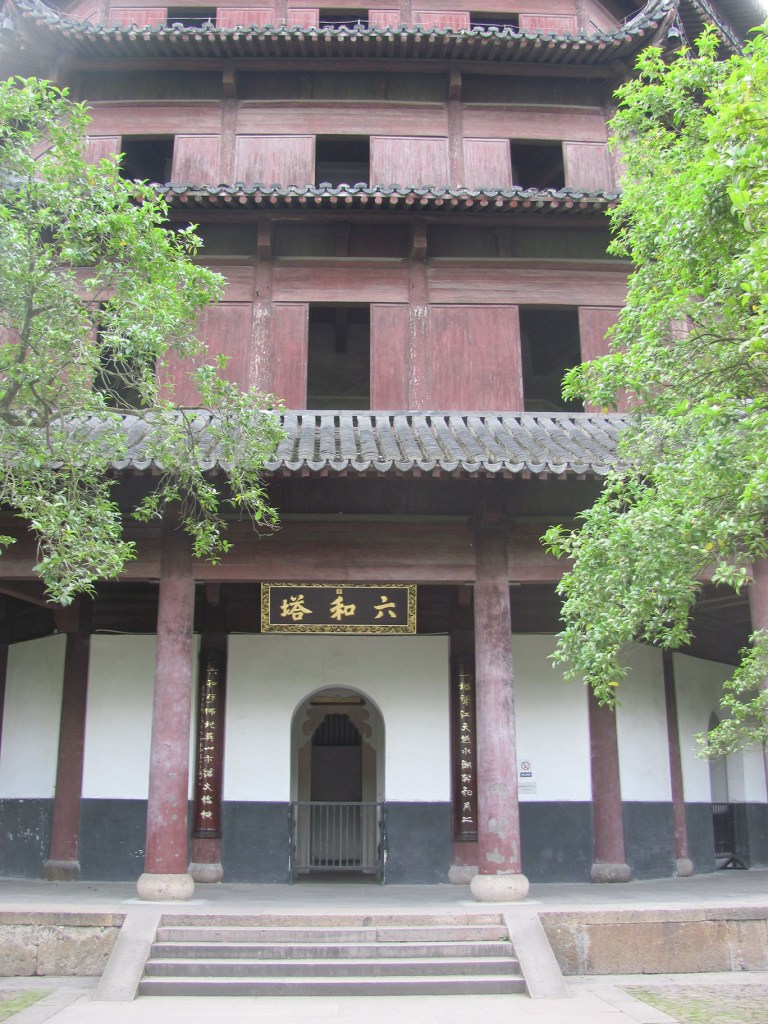
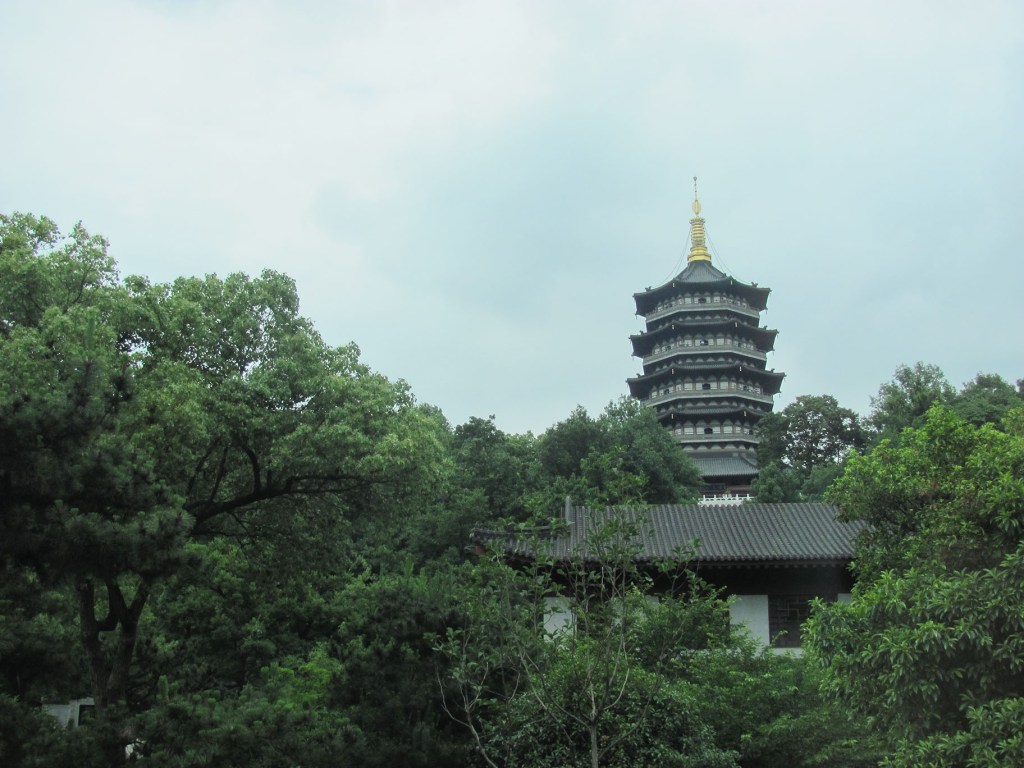
After the tea plantation, we were taken to the Six Harmonies Pagoda, which is located 3 km southwest of the sacred lake we explored by boat before. The pagoda impressed us with both the year of its construction 980 and its height of 60 meters. In fact, the original pagoda was destroyed in 1121, but then rebuilt in 1165 in the form in which we saw it that day. It was the only pagoda I managed to climbed and that I photographed from the outside, from the inside, from below and from above.
In the evening the bus left us at Best Western Mei Yuan Hangzhou**** Hotel, and my room was 422 on the 4th floor. I was impressed by Hangzhou, who Marco Polo called “the city of paradise” not in vain. The city still retains its position as an important cultural and religious center, which obviously suits on water. It was nice to close my eyes at night, with so many wonderful memories. Especially since the next day, a new trip was coming, this time to the glamorous city of Shanghai.
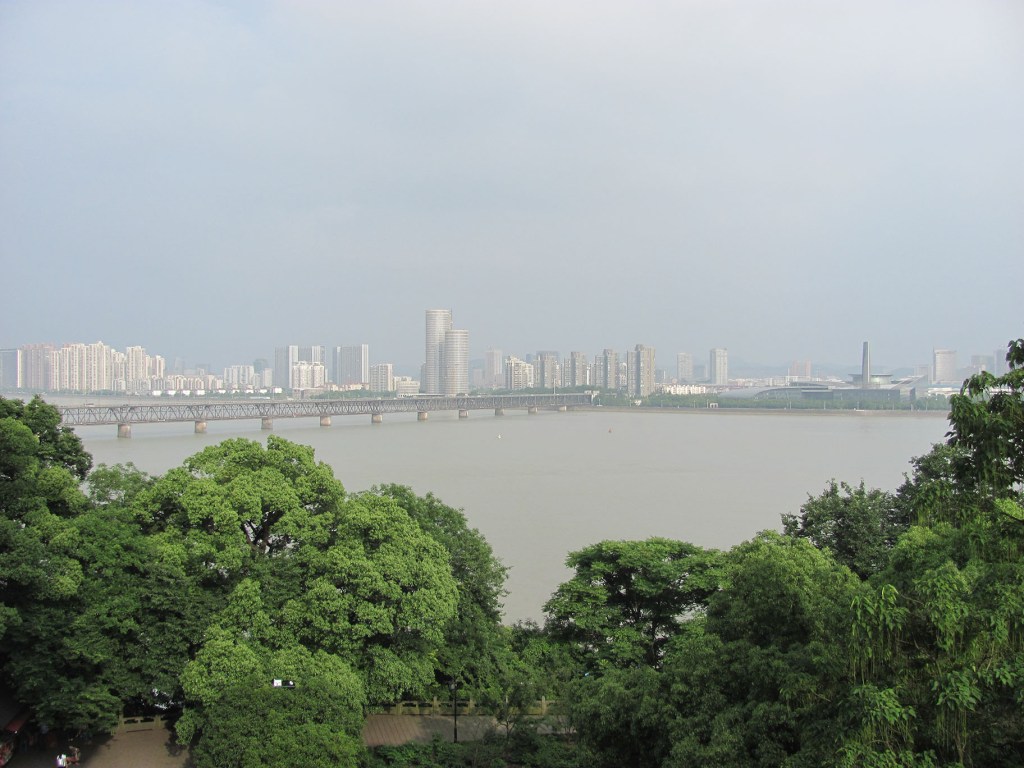


GENERAL INFORMATION ABOUT HANGZHOU:
Location: Hangzhou is located in eastern China, in the plain of the Yangtze, on the shore of Hangzhou Bay, where the Qiantang River flows into the East Chinese Sea.
Area: 16 835.57 sq.km
Population: 9 468 000 people
Official language: Chinese
Altitude: 19 m
Climate: humid subtropical climate, with four distinct seasons and wet summers and dry winters.
Time zone: UTC+8
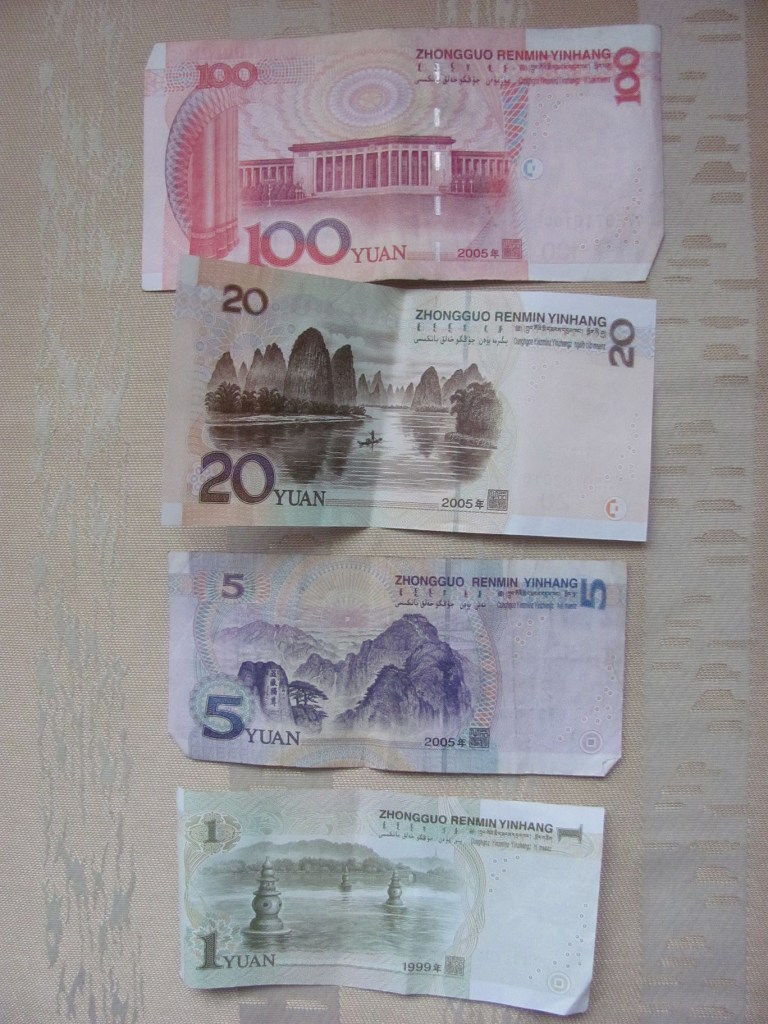
Currency: Chinese yuan (CNY
)Additional information: Official Travel and Tourism Website for Suzhou (chinadaily.com.cn)
TRIP TIPS FOR HANGZHOU:
Best time to visit: probably the best time to visit is in March and April, when the weather is warm and the flowers are blooming.
How to get to the city: Hangzhou Xiaoshan Airport (HGH) serves local and international flights, with regular flights to Beijing and Hong Kong.
Typical foods and drinks worth trying: Chinese cuisine is popular all over the world, but the most delicious is of course in its homeland. While in Hangzhou, try the local freshwater fish in sour-sweet sauce or shellless shrimp with Dragon Well tea.
Places to visit that you should not miss: thesacred west lake, the tea plantations around Longijing, the pagoda of the six harmonies, the numerous gardens, museums and galleries.
 TripTips