13-day tour of China
THE GREAT WALL OF CHINA (Part 2)


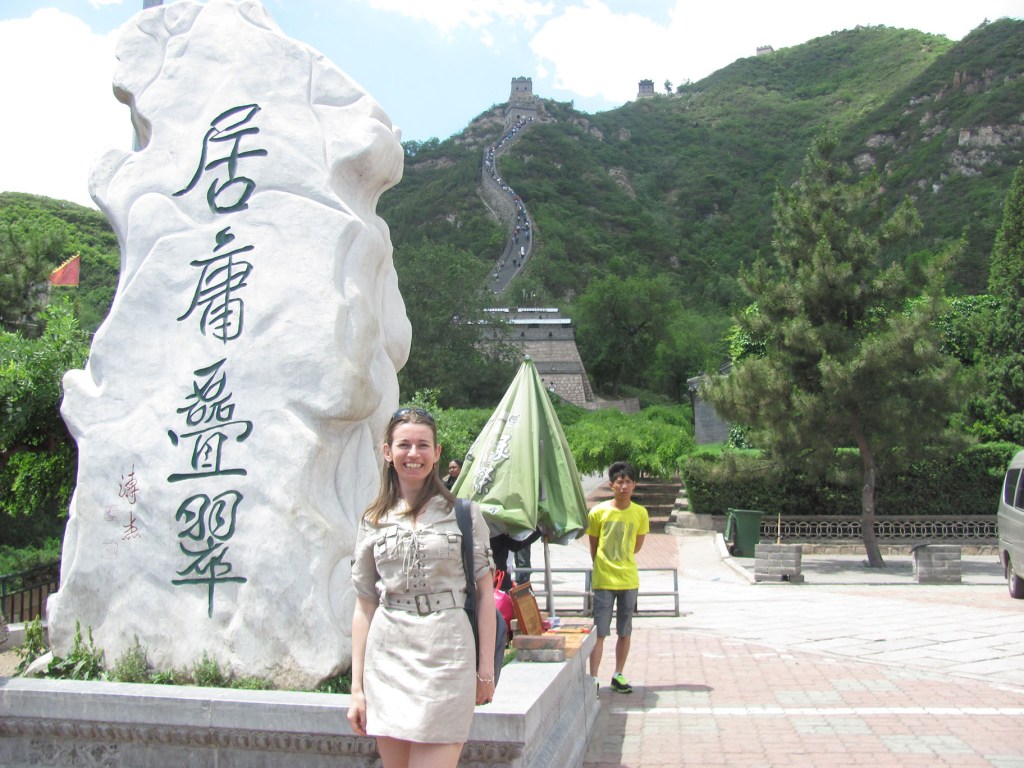
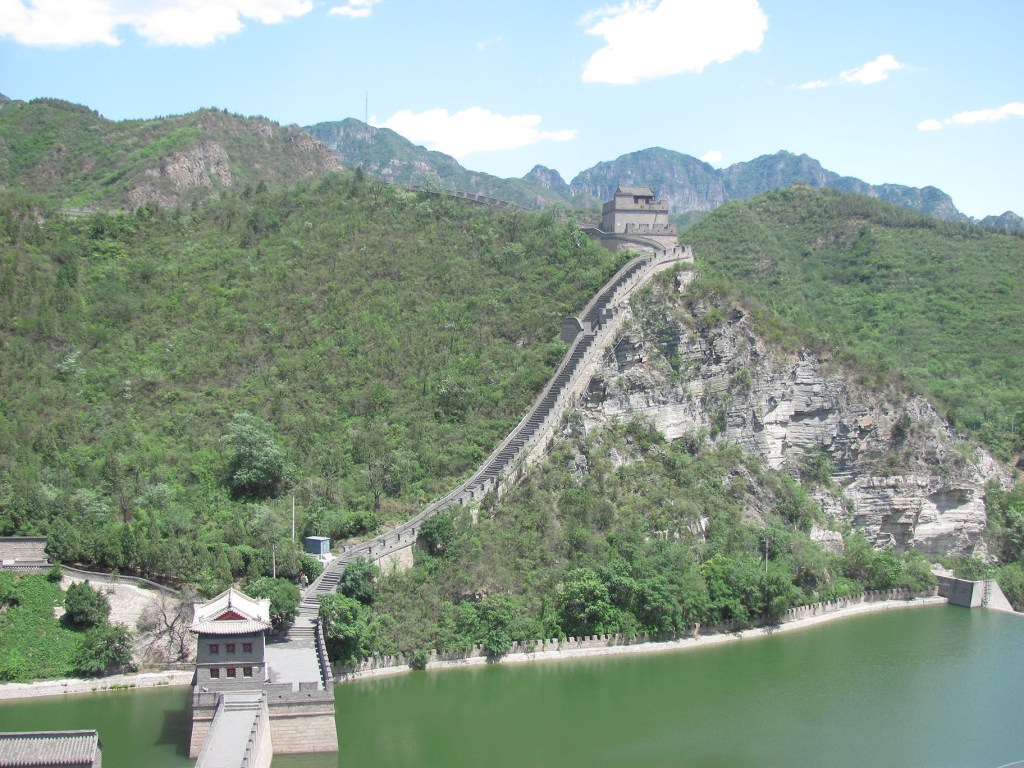
The Great Wall of China is one of the “Seven Wonders of the World”. It is a system of defensive structures in northern China, erected in the 3rd century BC to protect the northwestern borders of the empire, repeatedly upgraded. It is one of the most ancient and well-preserved human creations, a symbol of the Chinese nation. The Chinese name sounds “Changcheng” and literally means “Long wall”.
Construction of the wall began in the 4th century BC, and over the next 2,300 years the various dynasties worked on strengthening and extending it, thus creating the largest military facility in the world. The largest contributors were the Qin, Han and Ming dynasties, which built more than 6,000 km. It is believed that the total length of the wall exceeded 10,000 km. The height reached 8 m and the thickness 6-7 meters. Today, the total length is about 6000-6500 km (as is the distance between Beijing and Moscow), in some places its width reaches 10 m and the height 15 m.
The main material for the construction of the wall is earth, stones, wood and tiles. Hundreds of thousands of people were summoned for its construction – masters, prisoners, soldiers and peasants, many of whom died during construction. It is written that “the wall is so high because it stands on human bones and so deep because it is soaked in their blood.”
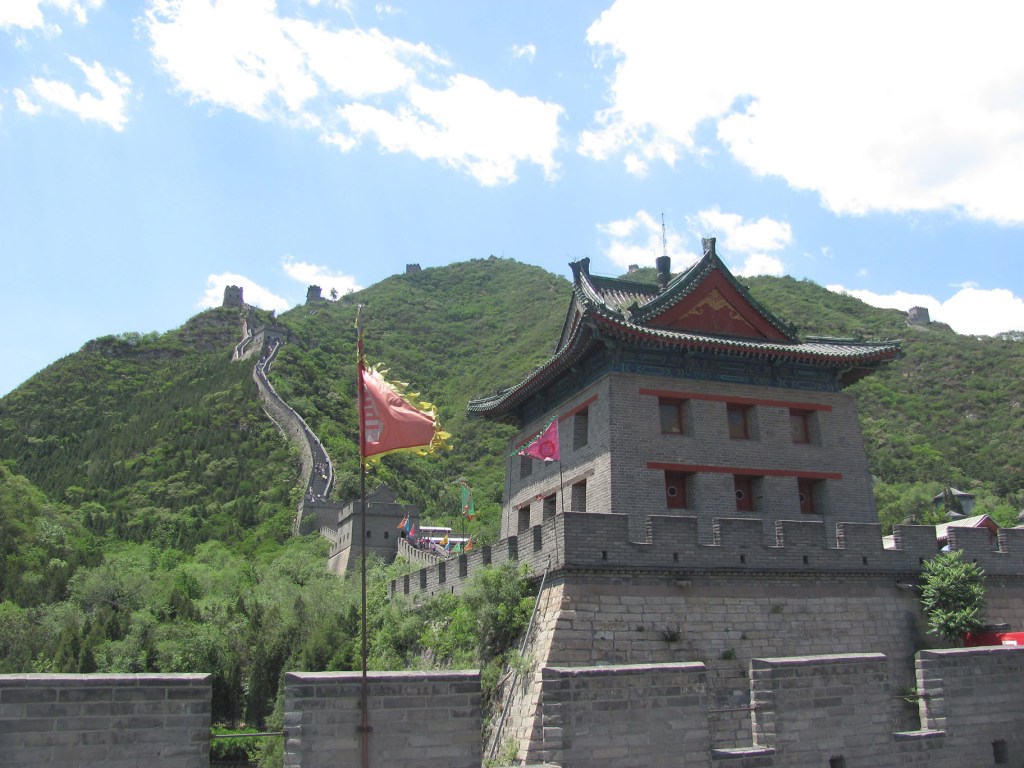
I still remember my heart beating with admiration when I first saw it – China’s greatest landmark – the Great Wall of China – rising on the ridges of high mountains and descending all the way to the sea. I do not know why I imagined the Chinese Wall only as a background on which we would take a picture – it turned out that you can not only walk on it, but also climb and if we wanted to get a certificate that we were on the Chinese wall, we had to climb to the top, which included multiple steps and increased altitude. It’s like getting on Vitosha Mountain, but instead of a lift on stairs, under the sunshine of the scorching Chinese sun. It was a challenge, especially for me, as I wore shoes in heels to fit the dress I wanted to pose on the Chinese wall. We had 2 hours, which I used fully in climbing, and I necessarily included breaks for taking a breath. Our guide proudly guided us from the foot with the words that “whoever has not climbed the Chinese wall is not a real hero” and climbing to the top we would be real heroes.
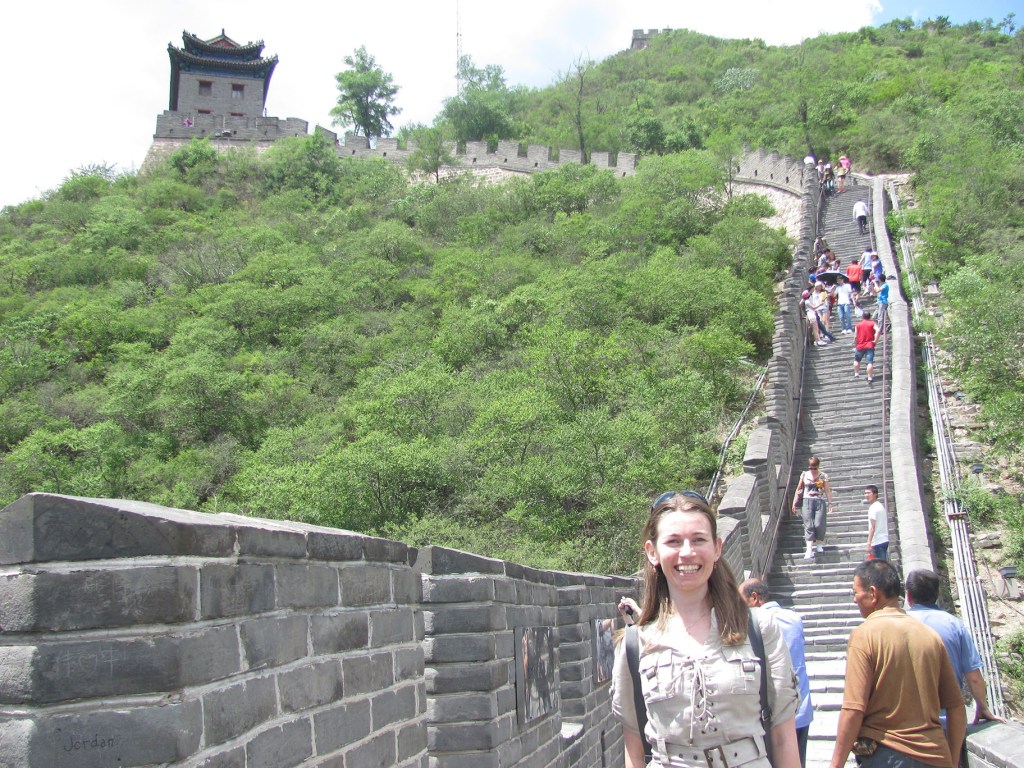
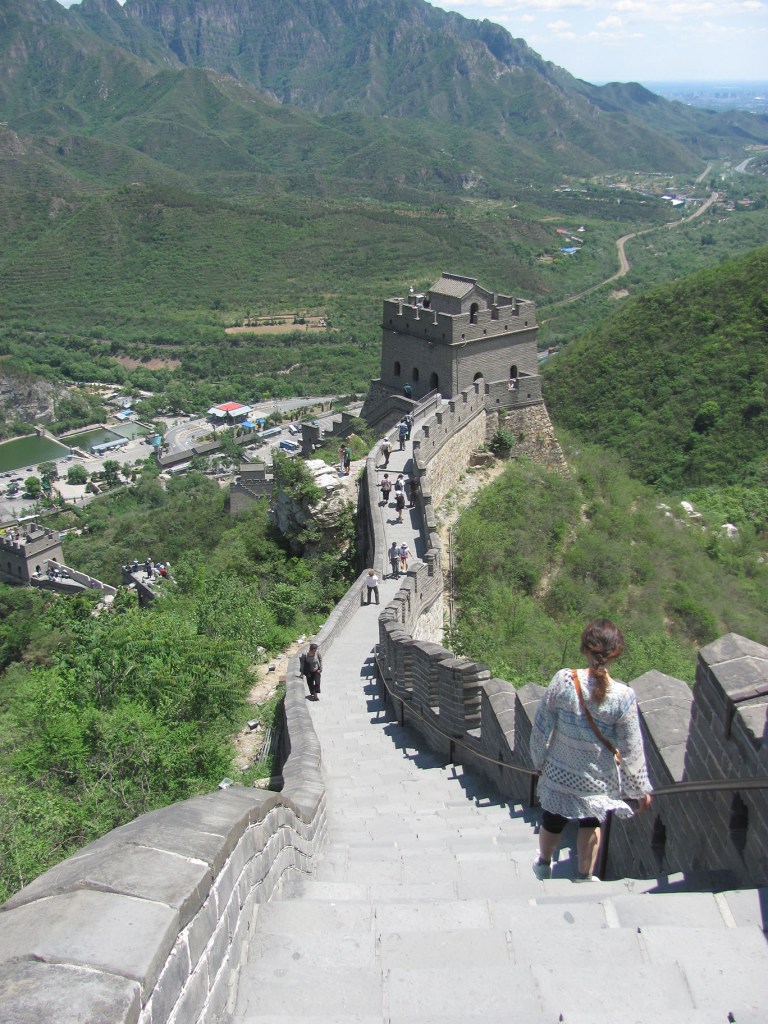

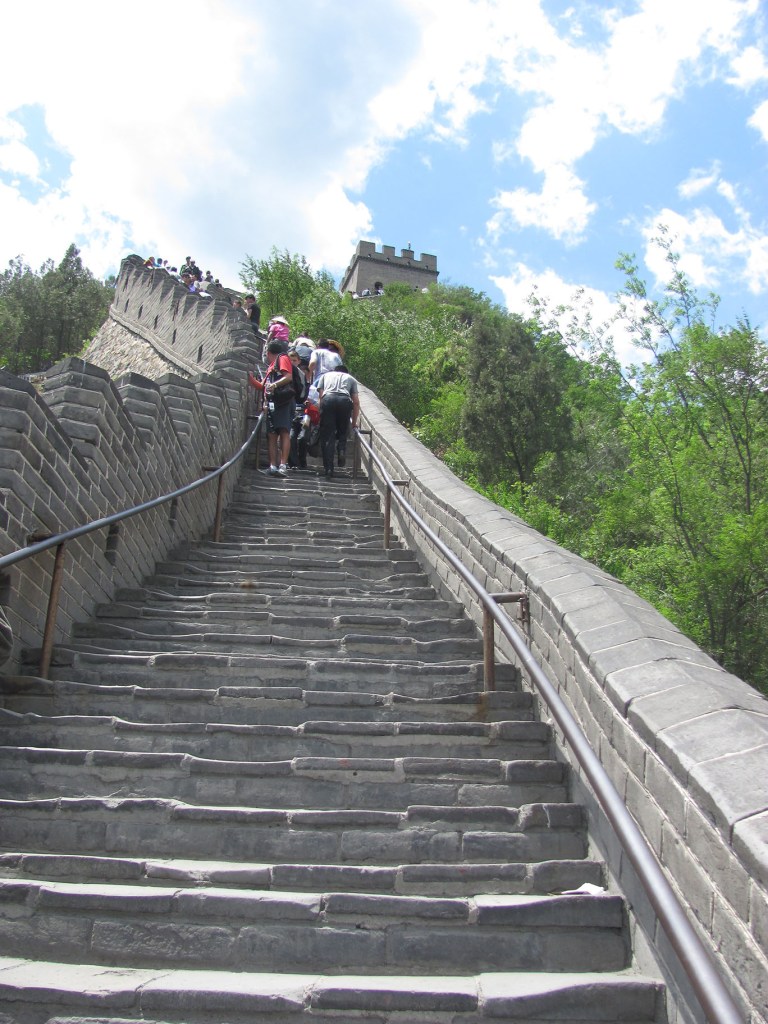


I will remember the wall with the many people from different countries with whom we passed by and took each other pictures during the short breaks. The views were incredible, as was the wall itself. It was very well preserve here at Badaling, that is why it was full of tourists. I imagined how many worriers had passed from here, and now my heels were tapping on the rocks. During one of my short take a breath break, I took a picture of a family from the United States who currently lived in Thailand, the dad was carrying the sleeping baby on his back, and the mother was following them. I praised Dad for going all the way till here carrying his baby on the back, but he insisted that climbing with heels must cost me much more efforts. Our efforts, however, were rewarded, as at the top, on one of the next watchtowers there was a separate shop where a boy photographed me, printed my color photo and laminated it, forming a kind of certificate certifying that I had really been to this great place – the great wall of China.
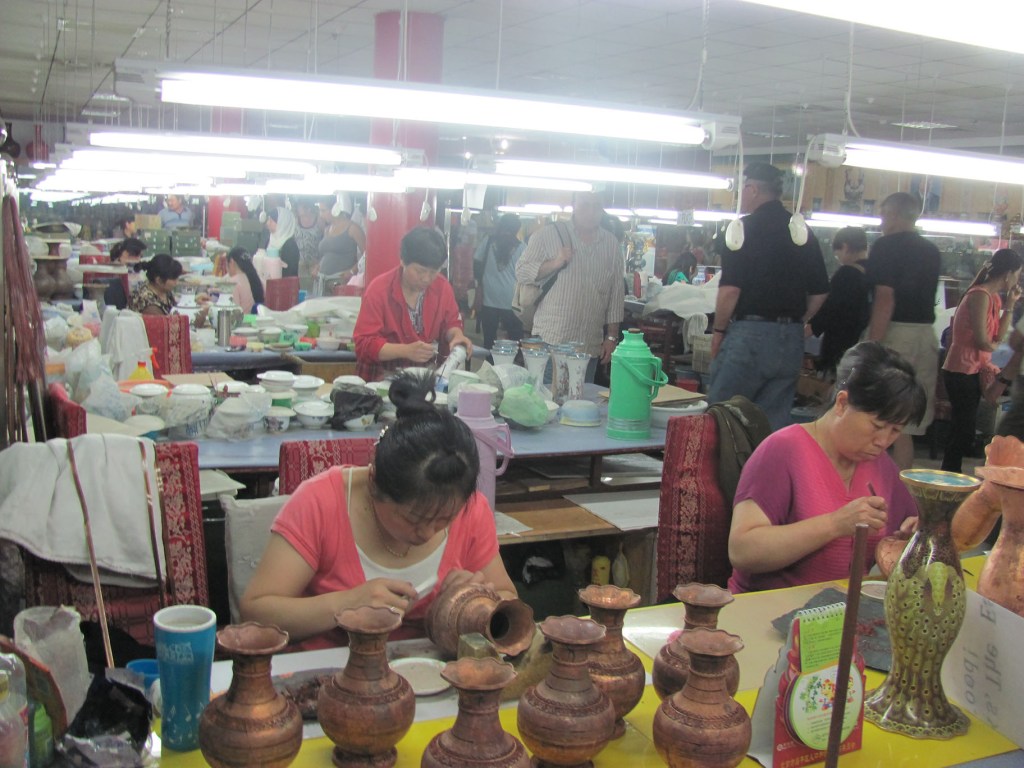
After the tiring walk but with hearth taking views, we enjoyed a hearty lunch. This time the restaurant was located on the second floor of a shop/factory for Chinese porcelain. We were able to look at how Chinese porcelain was made and beautifully painted by hand. Here I learned that the Chinese word for vase is “phin”, and in the same way it is pronounced the word for tranquility, that is why, it is nice to place vases in homes which brings harmony.
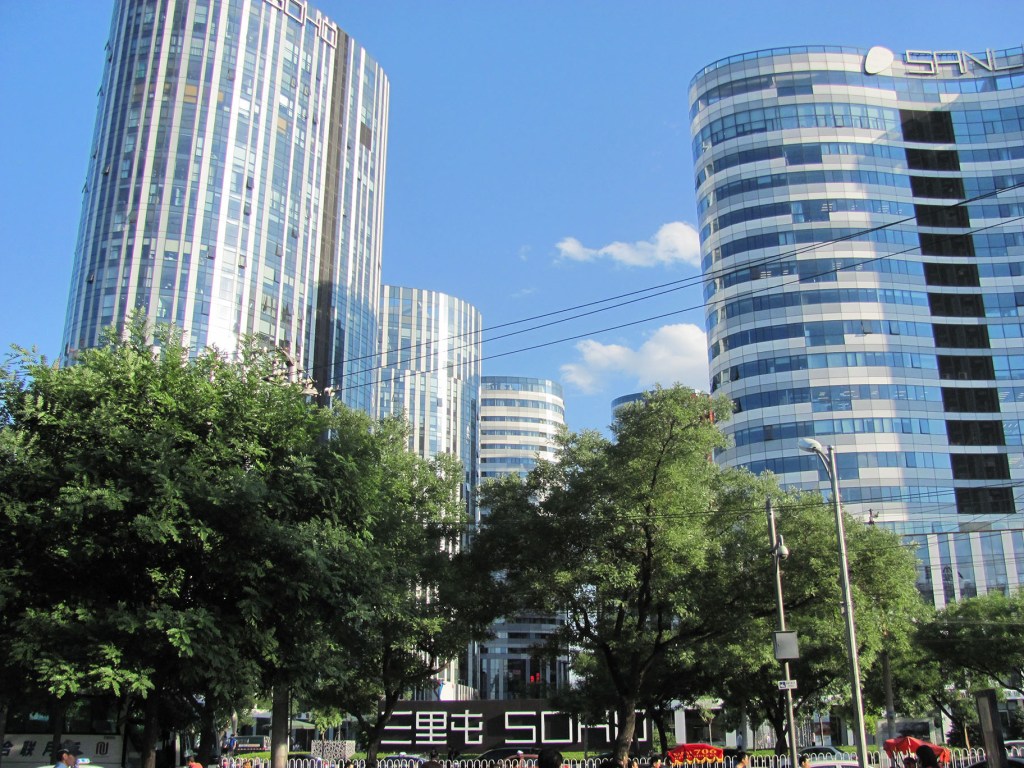
Since there was still time until the evening train that would take us to the ancient Chinese capital Xi’an, the guide took us to a large mall in which we had to bargain. The sellers asked us how much we were willing to give, and even if it is 1/3 of the price – they agreed and sell. In China, you can find everything but enough time. After quickly exploring the mall, we managed to eat a quick ice cream and then get on the bus to the station.
I liked the way of making ice cream – it was in a cone or bowl, with 1 ball costing 33 yuan, two balls 43 yuan and three balls 50 yuan, and all the extras free of charge. I got 1 chocolate ball and asked (by pointing) chocolate sprinkles and some chocolate biscuits. All this they cut into small pieces and mixed it with the ice cream that was served to me in a cone. The Chinese ice cream was very sweet, and perfect for the hot summer day, it was also a nice way to say goodbye to Beijing.


THE GREAT WALL OF CHINA IN NUMBERS:
- The official length of the wall is 8851.8 km, and a few hundred years ago it reached 21,196.18 km (the circumference of the equator of the earth is 40,075 km)
- The average height of the wall is 8 meters, the highest part being 14 meters.
- The wall is more than 2,300 years old.
- It passes through 9 provinces: Liaoning, Hebei, Tianjin, Beijing, Inner Mongolia, Shanxi, Shaanxi, Ningxia, Gansu.
- The Chinese Wall at Badaling is the most visited part of the wall with over 10,000,000 visitors annually.
In 1987 The Great Wall of China is included in the UNESCO World Heritage Site.
 TripTips