13-day tour of China
BEIJING (part 1)

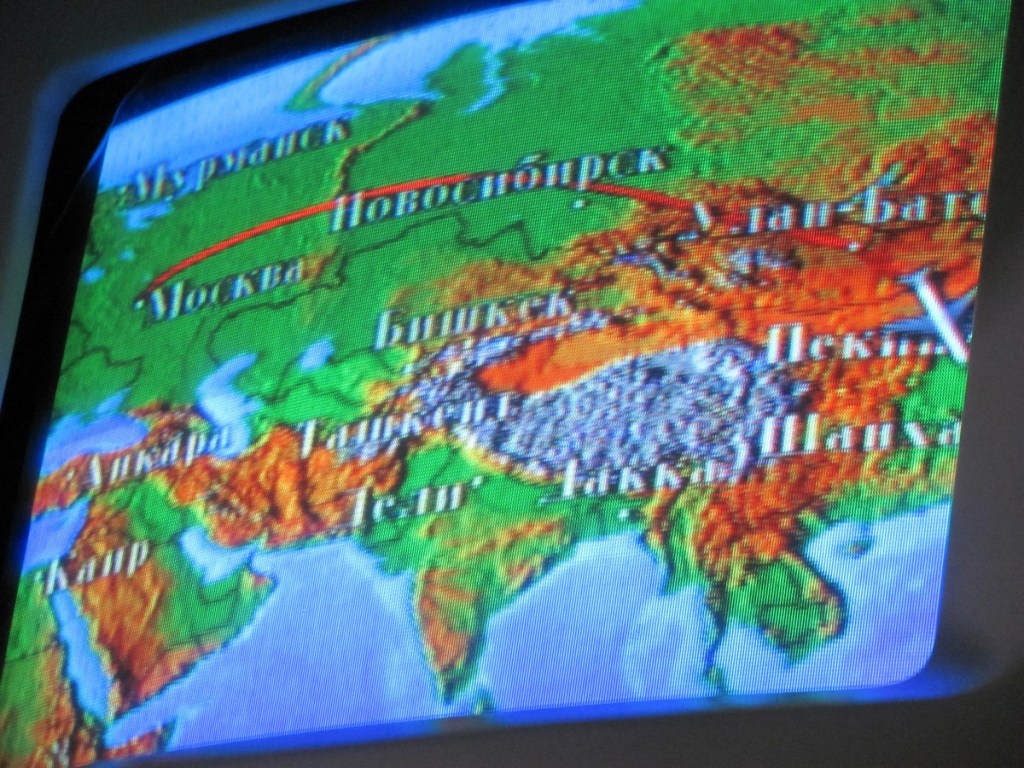


“A journey of a thousand miles begins with a single step.” Chinese Proverb. The distance between Sofia and Beijing is 7853 km or 4880 miles, and I took my first step to this journey on May 27 by boarding an Aeroflot plane. The flight Sofia-Moscow was 3 hours and 25 minutes, flying over Bucharest, Chisinau and Kiev. At Moscow airport, we had more than an hour time, just enough to stretch our legs and then get back on the plane this time in the direction of Beijing. The flight went smoothly and mainly in a sleeping. I woke up only in the morning with the clouds outside changing to snow-white peaks and the TV screens confirmed, that we were flying over the enlarged version of the Alps – the majestic Himalayas. We flew at 7772 m altitude, and the mountains seemed to be very close. The food in the plane was good, and I also had several time some green tea, knowing that its homeland is China.
The entire flight from Moscow to Beijing was 7 hours 25 minutes, but with the time difference after taking off at 22:25 we landed at 09:50 in Beijing time. At the airport we were welcomed by 2 representatives of our tour agaency – Maxim (our main tour guide who during the 10-day tour in China) and his colleague. Maxim took the other 2 Bulgarian with whom I traveled directly to the hotel, While me and the other tour guide headed directly to the Beijing Zoo, which I really wanted to visit.
It was hot and sunny, from the morning the degrees exceeded 30°. While most of the Chinese women tried to hide from the sun by caring umbrellas and scarfs, I enjoyed its sunny rays and lovely ten on my skin. Relatively quickly we arrived at the zoo. The traffic on the street was not more than the one we have in Sofia, Bulgaria. I noticed that the cars were constantly detecting each other, as whoever pressed the horn first had an advantage.
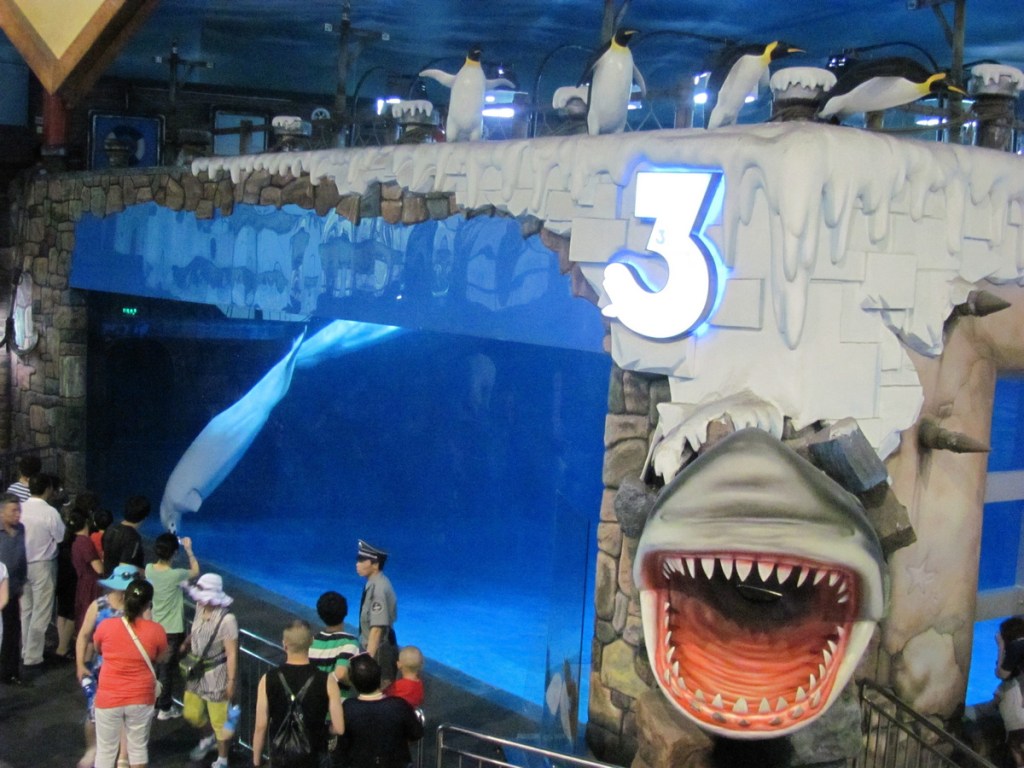
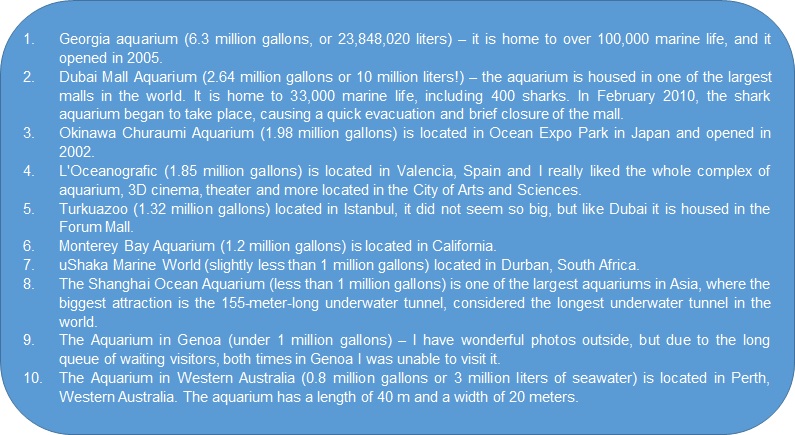
We entered from the northern entrance of the zoo where the Aquarium was located. The aquarium was opened in 1999 and is one of the top attractions in the country, being the largest aquarium on land in the world. Otherwise, there is a ranking of the largest aquariums in the world, which, however, is based on gallons of water in the aquarium.






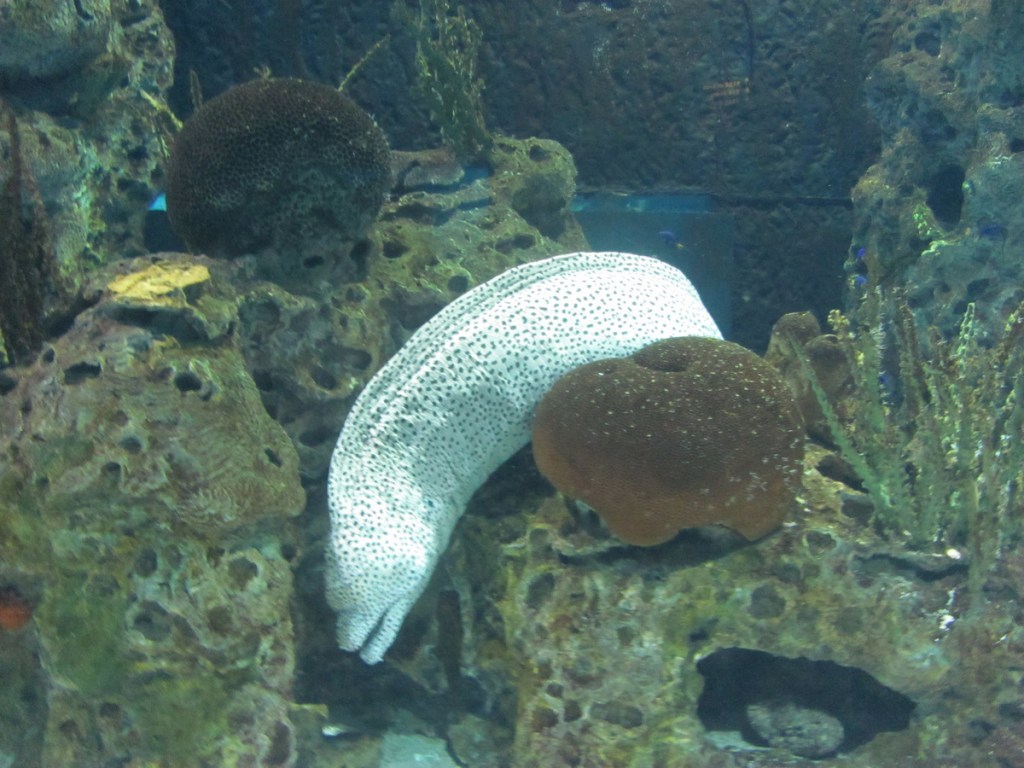
In the aquarium I photographed many strange fish, that I saw for the first time in my life. There were huge crabs, multicolored jellyfish and other animals unknown to me. The aquarium building is divided into 7 halls respectively: Rainforest Adventures / Adventures in the jungle; Tidal Creatures; Wonders of coral reefs Shark pier; Rare Chinese sturgeon hall; Marine Mammal Pavilion and Whales and globefish gulf. Each of the halls is remarkable.
From the aquarium we went straight to the zoo, where under the bright sun most of the animals had hidden in the shade and almost all of them were sleeping. The zoo spreads over 220 hectares, of which 14 acres are lakes, and it is home to 14,500 animals. In the zoo and aquarium live over 450 species of different animals. Over 6 million tourists come here every year. It is the oldest zoo in the country, opening its doors in 1906.
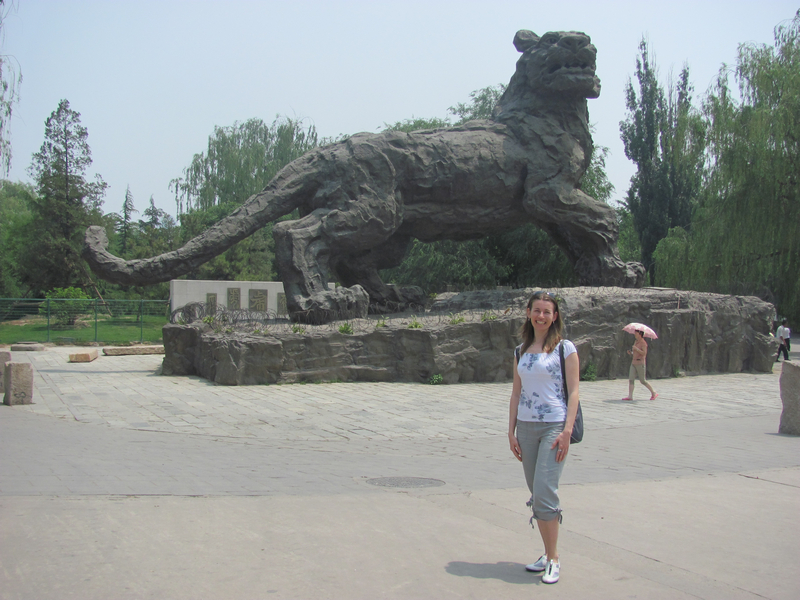
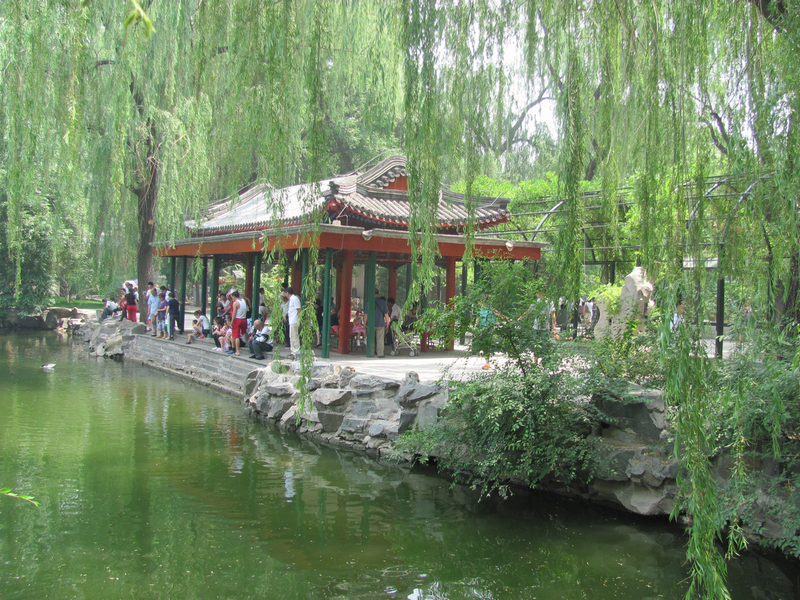
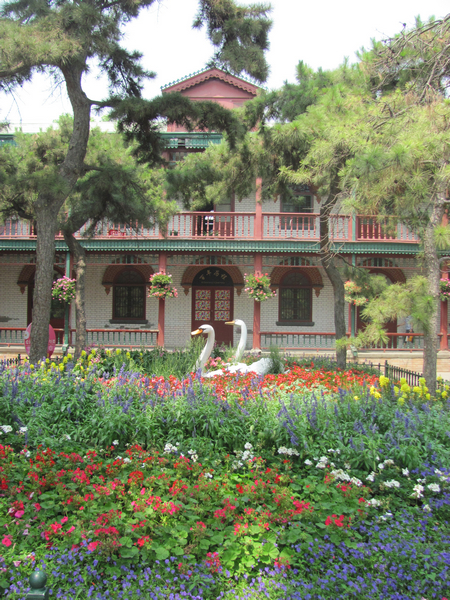
Like many of Beijing’s parks, the zoo has Chinese-style design with many flowers and trees mixed with small creeks and rivers, shaped hills with hanging pavilions, and historic buildings. The Beijing Zoo is famous for its rare animals, including giant pandas, golden-nosed monkey, southern Chinese tiger, ibis, Chinese alligator, giant Chinese salamander, etc., as well as other rare animals such as the Siberian tiger, snow-white leopard, Tibetan gazelle and others. There are 13 of the 15 total cranes in the world. However, due to the heat, many of them I could not see. The pandas, for whom I had come mainly, greeted me with a lazy smile. Three of them were asleep, and the fourth one slightly raised its head for a lovely photo. I had read about pandas that they were found only in the wooded areas of western and central China, and therefore it was declared a national treasure. The large panda reaches a length of 120-180 cm and weighs about 100 kg. It has a distinctive coloration, like its fur and is thick and dirty white. A wide black stripe passes through the shoulder blades and front legs. The hind legs are black, there are black spots on the ears and around the eyes. There is an interesting, although quite sad story about how pandas got their coloring:


"Many years ago, a little and pretty girl lived in the Wolong Valley with her family. She was a shepherd and a very kind child. While grazing the sheep, a small panda joined her flock, probably thinking she was part of it, since at that time all pandas were pure white.
One day, however, when the panda joined the herd, it was attacked by a leopard. To save the panda, the girl began to fight the leopard with her wand, then the beast turned to her and attacked her. The panda was saved, but the girl was killed. When the other pandas learned of this, they began to grieve much for the child, they joined her funeral and, as a sign of respect, covered their hands with the ashes, as was customary. At the funeral, they couldn't help but cry, then rubbed their eyes with their paws and had a black scar left there. Their crying became so loud that they put their hands on their ears to turn down the sound, and their ears turned black.  Where they touched, black spots remained, which were preserved forever, proving that every good deed was never forgotten.
Legend goes on to say that the girl's three sisters also threw themselves into her grave, from where the earth shook and formed a large mountain, which today is called Siguniang – the mountain of the four sisters. Each peak represents one of the sisters, and that's where the pandas protected by those sisters live today."
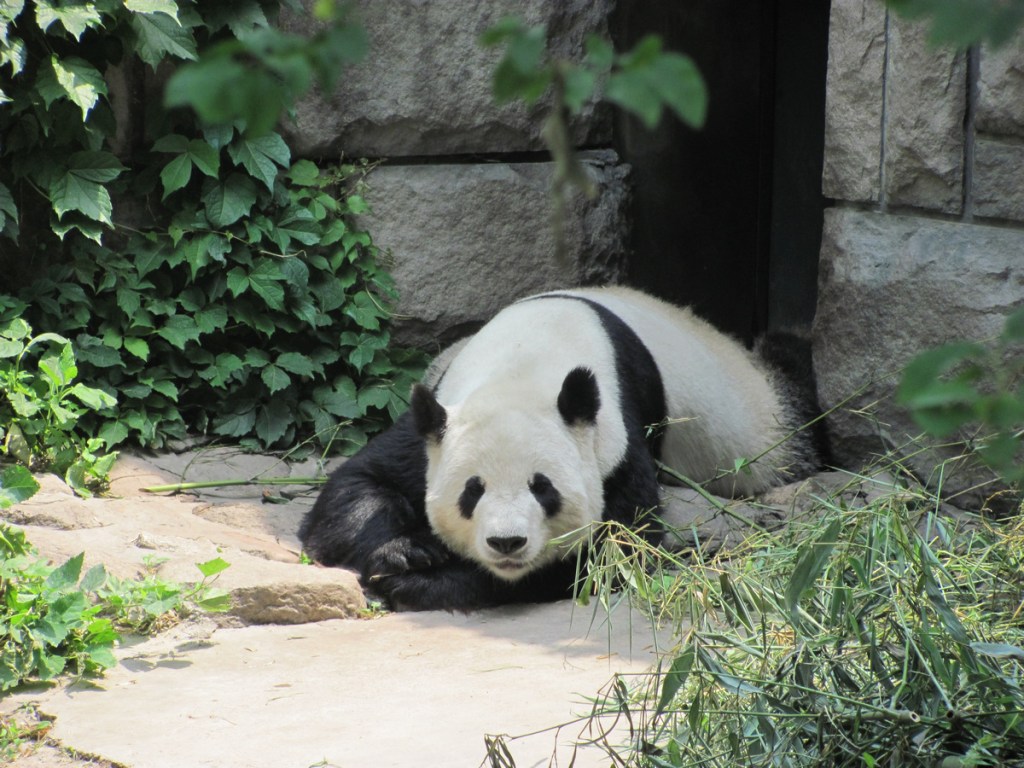

Panda’s diet is mainly bamboo. They live around 18-20 years. The pandas at the Beijing Zoo were up to the age of 30. Pandas are an endangered species, with fewer than 1,000 individuals living in the wild today and about 100 kept in zoos. The four pandas I saw had a huge house, but each one was in separate corners. Pandas love solitude and only when mating they gather together, the rest of the time they stand alone, eating and sleeping.
On the way back to the hotel, the tour guide brought me to a Tea House, which was on our way and there they showed me the traditional tea ceremony. Later I watched this ceremony 4 times during my stay in China, but this first one remained the most detailed. They showed me how to hold my cup, so to look more elegant and how men should hold it – in order to show strength; How to feel the aroma of tea and at what temperature to prepare different types of tea. In China, tea is used as medicine, one type helps blood circulation, another helps vision, third – the heart, etc. Everything sounded very interesting, I tried 7 different types of tea, and I have to admit they all were very interesting. There was a dairy one in which there were no artificial additives, only leaves, and yet it smelled like milk, the others were different green teas, especially the one of jasmine, and the sweetest was the fruit tea. In China, they drink a lot of tea, and when I learned how many positive aspects there is in it, I understand why they do it.

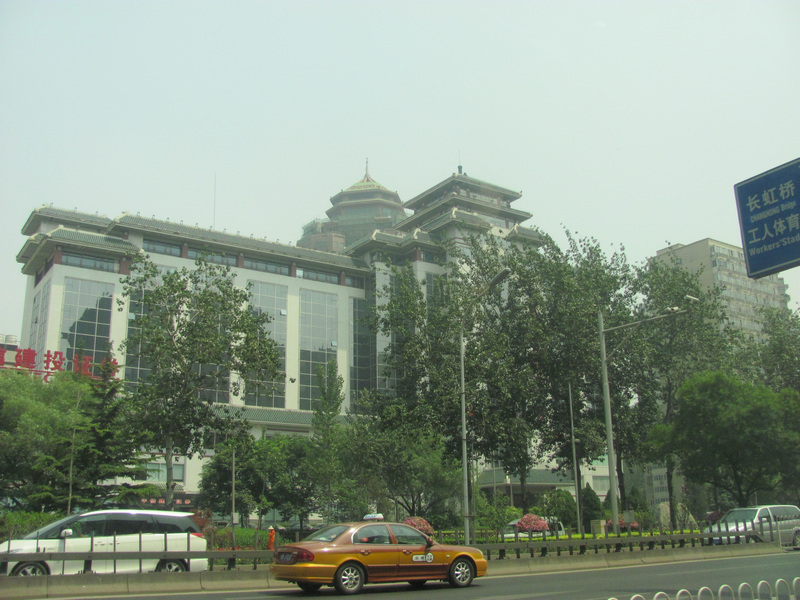
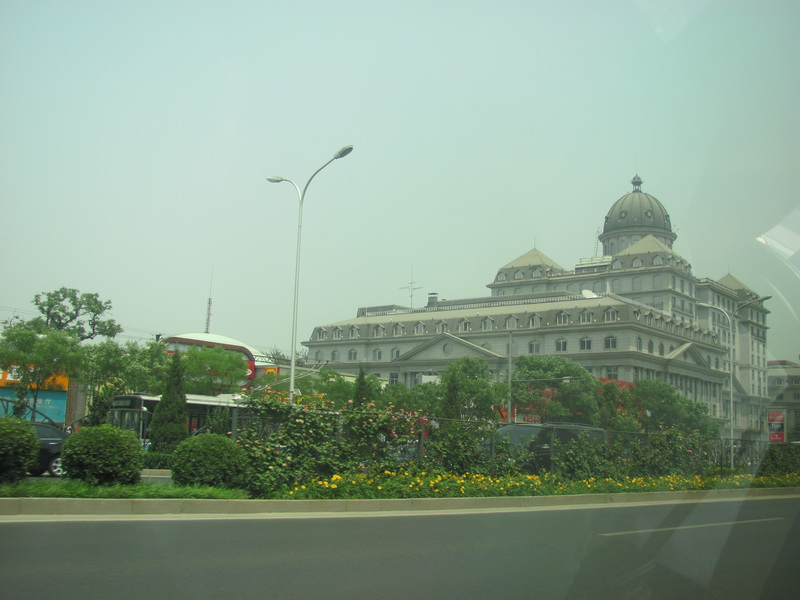
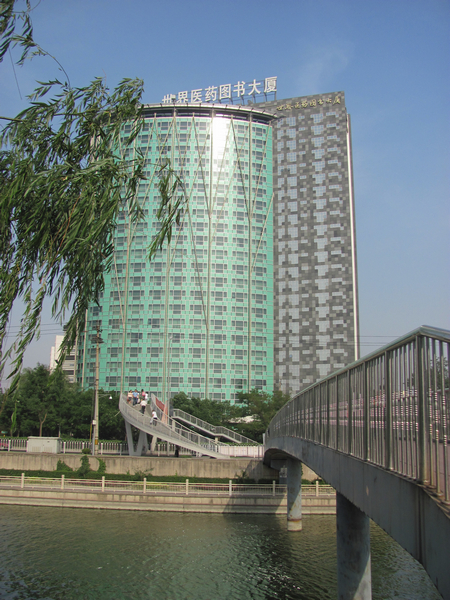


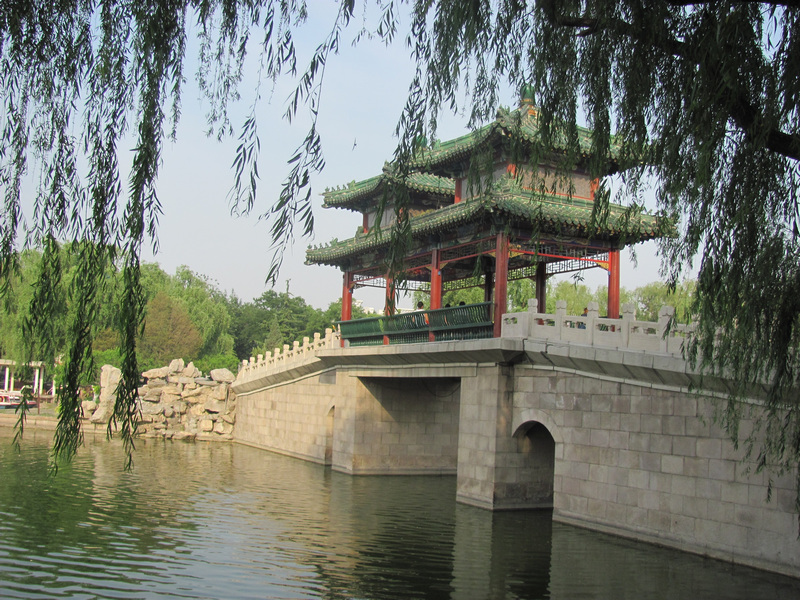
After the tea ceremony, I finally arrived in the hotel, where I had 3 hours until our meeting with our main tour guide, at 19:00. The Radegast lake view hotel was 5-star hotel with a very spacious room and bathroom. The duvets were also gorgeous, but I decided to leave them for later, taking the so desired bath, then decided to go outside. Just opposite the hotel was the city park Longtanhu, whose entrance fee was 2 ioans (6 ioana = 1 dollar) but it totally worth it. The park sincerely fascinated me – there was a wonderful lake, around it typical Chinese pavilions and rich vegetation. Everything was very nice and leave a sense of harmony.
Subsequently, I learned that this park was created in 1949, observing the old Chinese traditions, according to which the park should be dominated by 3 main elements: plants, water and stones. In this park there were over 100 engraved and wooden dragons. This walk definitely refreshed me and China impressed me.


In the evening, Maxim took the whole group to a restaurant where the most delicious duck in Peking style was prepared. The very preparation of this dish is so complicated that “even the Chinese went to a restaurant to eat it.” When we entered the restaurant, a chef showed us how to cut the duck itself. It was dark as we walked out of the restaurant, and besides glamorous stars, the sky was illuminated by Chinese lanterns.


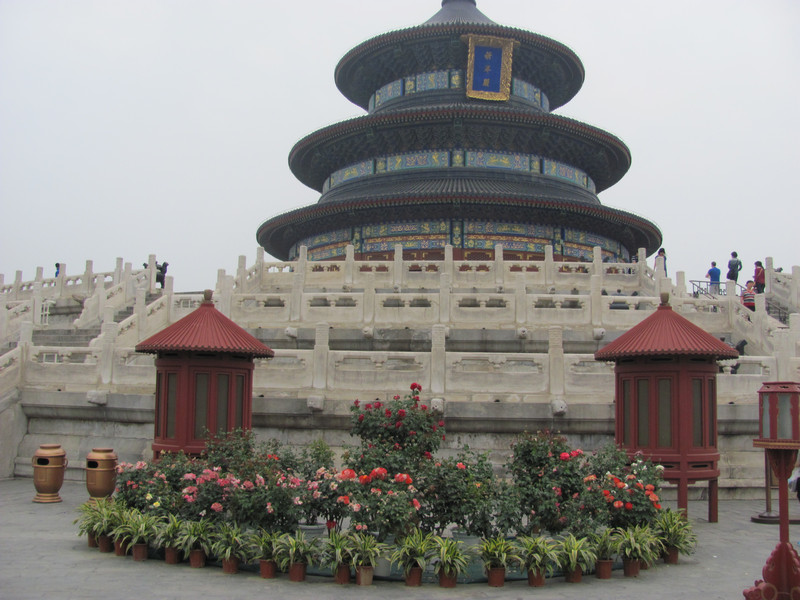


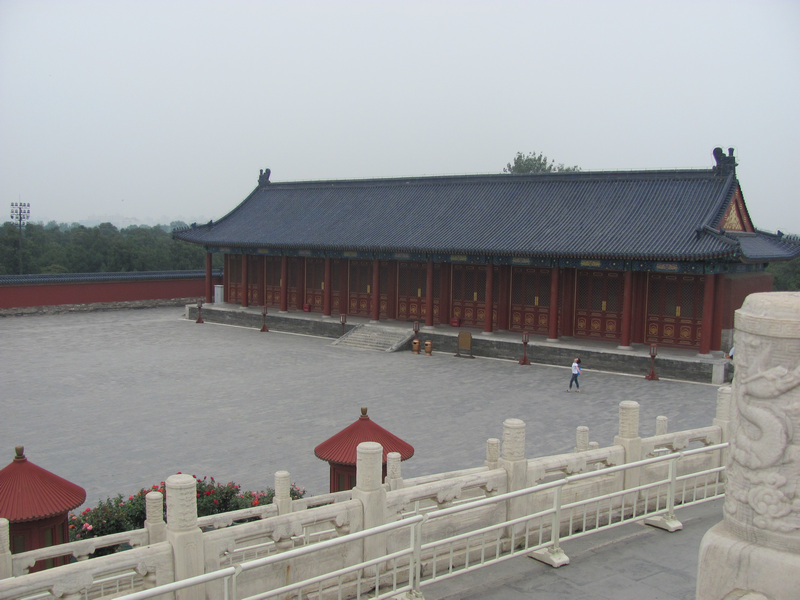


The magic continued the next day, which was even sunnier. The bus took us to the Temple of Heaven, which is surrounded by one of the busiest and greenest parks in Beijing with numerous cypresses. The cypress actually symbolizes eternal love and is a particularly revered tree in China. In the park, people do gymnastics in the morning, drink tea, practice tai chi or just watch, how the whole world passes by them. From 06:00 to 08:00 a.m. it is a rush hour in Beijing, but I don’t think that the traffic jams are more then the ones in Sofia. The only difference is that here in Beijing live over 18 million people while in Sofia there are only 1.2 million!
The Temple of Heaven quickly fascinated us. At the entrance we saw many people doing gymnastics, under the sound of music and the sizzling of birds, among the greenery of centuries-old cypresses. There were some enery around them or around the holy place. The Temple of Heaven is the largest architectural complex in the world (covering an area of 2700 m2), honoring the sky. It is a complex of temples visited by the emperors of the Ming and Qing Dynasty, who paid homage to heaven and prayed for a good harvest. The temple is surrounded by a wall, which to the south has a square shape, and to the north – semicircular. This embodies the ancient Chinese belief that the sky is round and the earth is square. Until 1916, the territory of the Temple of Heaven was forbidden to access. Only the emperor was allowed to enter. Since ancient times, prayers to the gods on earth and in heaven have been one of the main religious rituals in the imperial court. They could only be performed by the emperor, as his person was considered sacred. In ancient China, it was believed that the Chinese emperor was the son of heaven, who assisted in solving earthly problems on behalf of celestial patrons.
The construction of the temple began in 1420 by Emperor Yun Li. Initially, it paid homage to both Heaven and Earth Gods. In 1530, Emperor Ziangjin erected a separate temple for Earth worship in the north of Beijing, and the one in the south remained only for Heaven. To enter the Heaven Temple one should enter through the Western Gate and walk 500 meters on the way, surrounded by cypresses, which connects the main buildings of the Temple of Heaven: the Hall of Praying for Harvest, the Hall of Heaven and the Altar of Heaven that are located in a straight line. In fact, the four temples represent the four seasons.
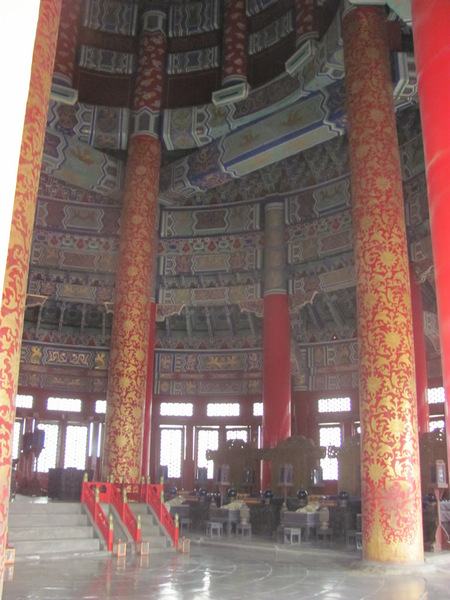
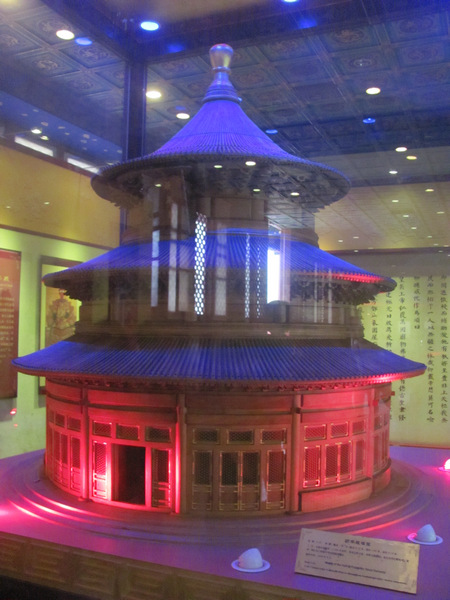
The Hall of Praying for Harvest is a round building with a triple tile roof, with a gilded sphere. Erected on a three-storey round marble terrace, the hall is 32 m high. It is the most impressive of all wooden Chinese buildings. It is supported by only 28 huge columns, arranged in three circles. The first consists of four columns, each 20 m high and 1.20 m thick, symbolizing the four seasons. The second circle consists of 12 gilded columns, which symbolize the twelve months of the year. The outermost third circle also consists of 12 columns, which symbolize the twelve hours of the day. The twenty-eight steps symbolize the twenty-eight constellations in the universe – according to Chinese cosmogony, 28 are the constellations that make up the sky. The building is entirely wooden, without the use of nails. The original building was burned down by lightning in 1889, and a few years after the accident it was restored to its present form.
To get to this temple, we climbed the 28 steps, among which figures of phoenix and dragon were made with pebbles. The phoenix depicts the feminine origin and beauty, the empress, and the dragon – the male origin – the emperor. It was in front of this temple that the emperor lit sandalwood, with the smoke going high in the sky with his prayer, and God could hear it.
The other part of the temple, where the smaller Temple of Heaven is located, was built in the 14th century. It houses the Hall of Whispering. The wall is lined with blue terracotta tiles and it is 3 m high and 200 m long. Each word whispered, at any point in the building, near the wall, can be heard clearly on the opposite side. The effect is due to the spherical shape of the wall and its tile cladding, that carry the vibrations.
The altar to the sky is an empty circular platform on three levels made of marble stone, each richly decorated by carved figures of dragons. The number of different elements and ornaments is equal to the sacred number 9 or multiples of it. Thanks to the design of the altar, the voice of the prayer was reflected and a resonance is created, which was supposed to help the one that prays to be heard from the heaven.
Our guide Maxim paid special attention to the small figures of animals decorating the different roofs of the gates in the temple – there were dragons, eagles, etc. Their number represents which is the main entrance. Considering that 9 was the imperial number, if the emperor visited only twice a year a temple, then only 5 figures were placed there. At the main gate of the main temple there were 10 figures.
There are also 5 large stones in the park in front of the temple, which are believed to have fallen from the sky and they are sacred, and currently – fenced. Various songs, dances and exercises continued to take place in the park, and we, as typical tourists, stared and took pictures. Unfortunately, we didn’t have much free time, so we got back on the bus, which brought us to the huge Tiananmen Square or the Heavenly Tranquility Square. It is believed that this is the largest square in the world, which stretches over an area of 440 thousand square meters and gathers about 1 million people. The square is named after the Tiananmen Gate (literally “Door of Heavenly Tranquility”), built in the northern part of the square, It separates it from the Forbidden City.
Its construction began in 1417 during the Ming Dynasty and was finally completed in 1699 by the Qing Dynasty. The square is a symbol of the Chinese nation and its soul. Here is the mausoleum of the prominent Chinese politician Mao Zedong, which, however, was closed that day. Here on October 1 (the national holiday of the People’s Republic of China) the famous Chinese Army parade takes place. On one side of the square is the Historical Museum. We passed the monument of heroes and continued to the Forbidden City.


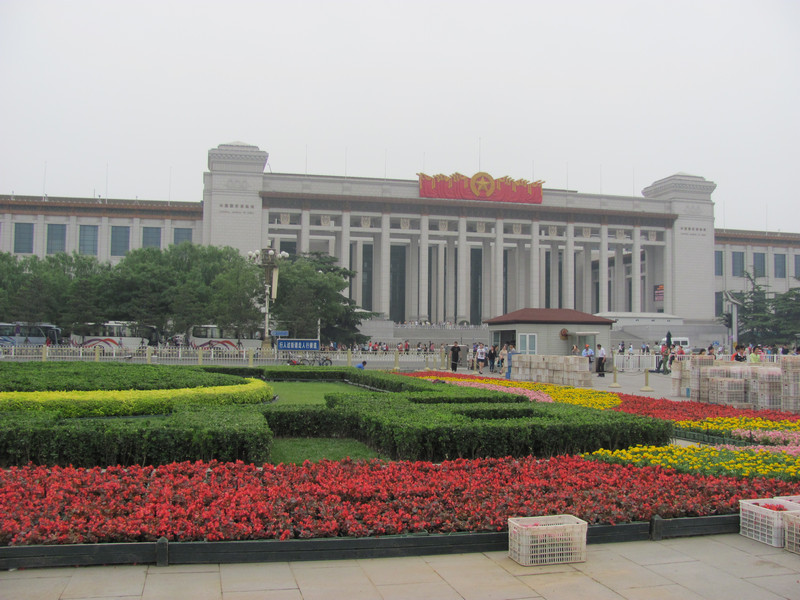


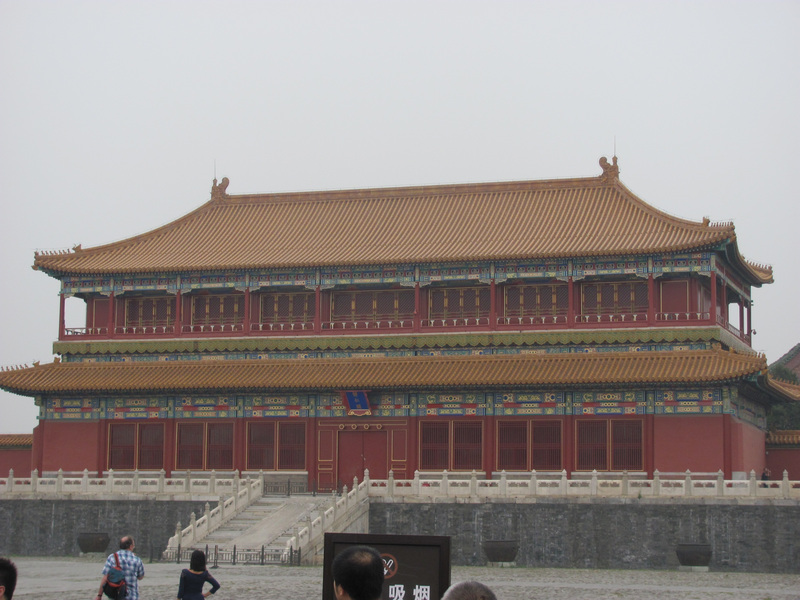


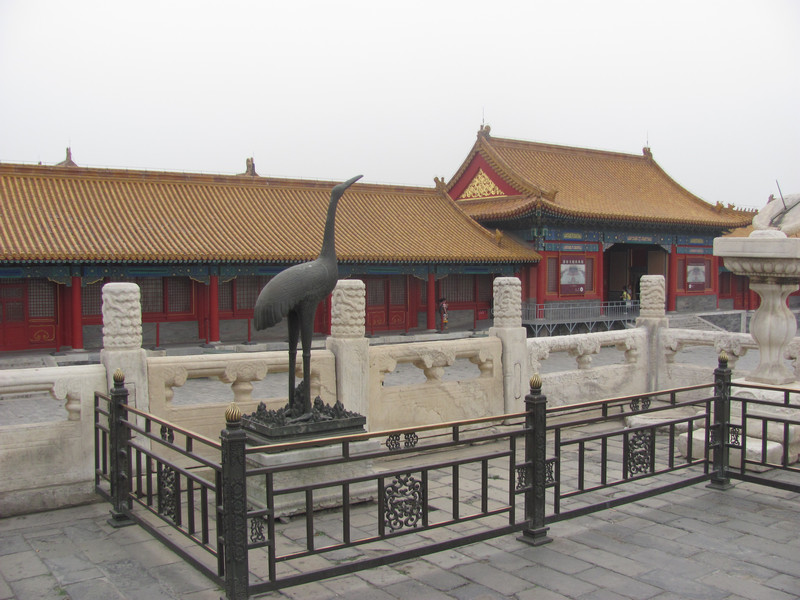


The Forbidden City was a Chinese imperial palace from the middle of the Ming Dynasty (1368-1644) to the end of the Qing Dynasty (1644-1912). The name of the city comes from the prohibition of outsiders to enter it, with any violation punishable by death.
Construction of the Forbidden City began by order of Yun Lo, the third emperor of the Ming Dynasty, who ruled from 1403 to 1423. In the past, here was located the palace of the Mongol ruler Kubilai Khan, whose magnificence design was described in the “Travels of Marco Polo”.
From 1406 to 1420, 100,000 craftsmen and millions of workers built 800 palaces, 75 administrative buildings, numerous libraries, temples, workshops, pavilions, gazebos and connecting paths, gardens and courtyards. Built for 14 years, it is a real city within the city, separated from the outside world by an 11 m high, 8.62 m wide and 3400 m long rectangular red wall, surrounded by a 52 m wide and 6 m deep moat with water, called “Golden Water”. The number of rooms was limited to 9,999 because, according to the Chinese, the number 10,000 symbolically represents “infinity”, and only the gods could own a palace with 10,000 rooms. The palace complex covers 720 thousand m2, of which 150 thousand m2 built area and is an example of traditional Chinese palace architecture.
After the completion of the complex, Emperor Yun Lo moved the capital from Nanjing to Beijing. From 1420 to 1911, the Forbidden City was the administrative center of the state, home to 24 emperors of the Ming and Qing dynasties, their families and service personnel.
The Forbidden City was listed as a UNESCO World Heritage Site in 1987, being the largest ancient wooden structure in the world. In all the courtyards of the castle there were huge water vessels, which were always kept full in case of fire, which was considered the greatest disaster. I especially liked 5 bridges in the courtyard of the palace, Over an artificial water channel, the middle bridge was only for the emperor and his families, on the two bridges around them, the guests of the emperor could pass, and the most extreme – his officials and concubines.
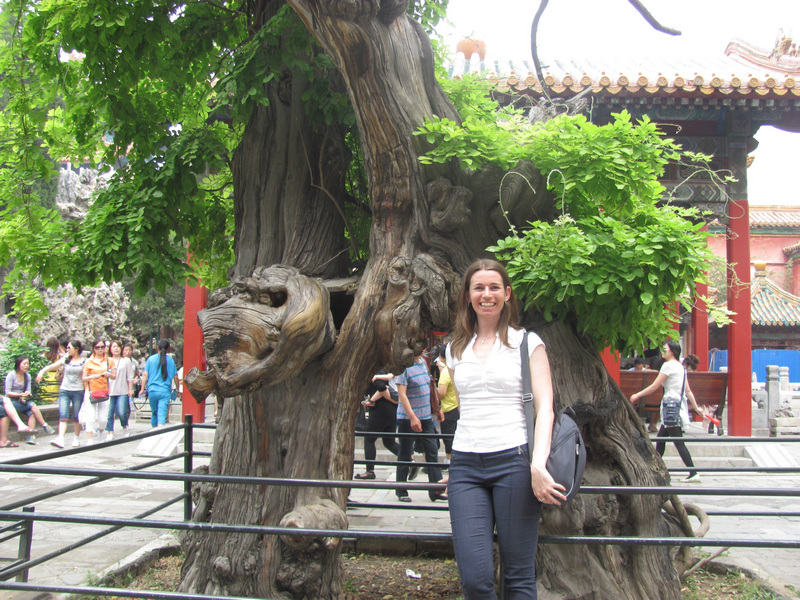
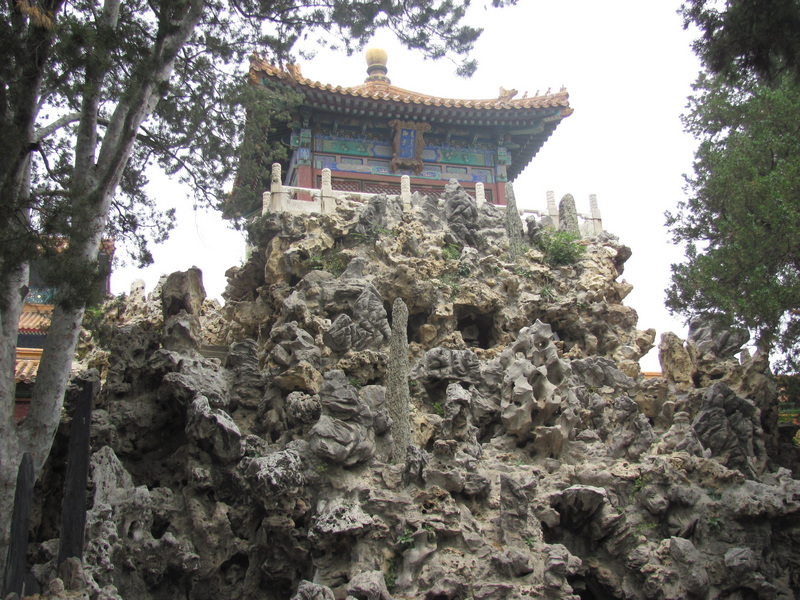
Here I learned that in Beijing the water is insufficient and people even today save it. Artificial canals have been built in the city center, and the other small rivers are tributaries of Haizhi. The forgotten city in Beijing is definitely not forbidden and is filled with many tourists. We passed through the different courtyards, the buildings themselves were closed, but we could see some of the open ones. The last part of the palace – represented the imperial gardens, In which grew long-lived trees, flowers, beautiful pavilions and again bizarre stones, which here are revered.
At the exit of the Forbidden City, we were again waiting for the bus that took us to the next stop of our program – the Tea House. Theprevious day I had already visited this place, this time we were presented with another 6 teas, so I was intrigued again, and the teas impressed me a lot – with their tastes and healing powers. The whole presentation lasted about an hour, during which we learnt how to serve tea, how to feel its aromas, taste and subsequent taste. We have learned that the tradition of making tea dates back in 2,500 years. According to legend, tea originated since 2727 BC, when the Emperor Shennong discover it. This emperor liked to drink boiled water because it was cleaner. Once, while preparing tea in the open air, a dry leaf got into the water, coloring it a light brownish color. The servants, not noticing this, served the water to the emperor, he liked and he found it very refreshing. Gradually, tea began to be widely used as a remedy and the healing properties of each of the herbs were recorded and distributed throughout the country in a book from 760 B.C. where there is a description of how tea leaves are grown, how they are processed and prepared as a drink. There is also a description of how to evaluate a good tea.


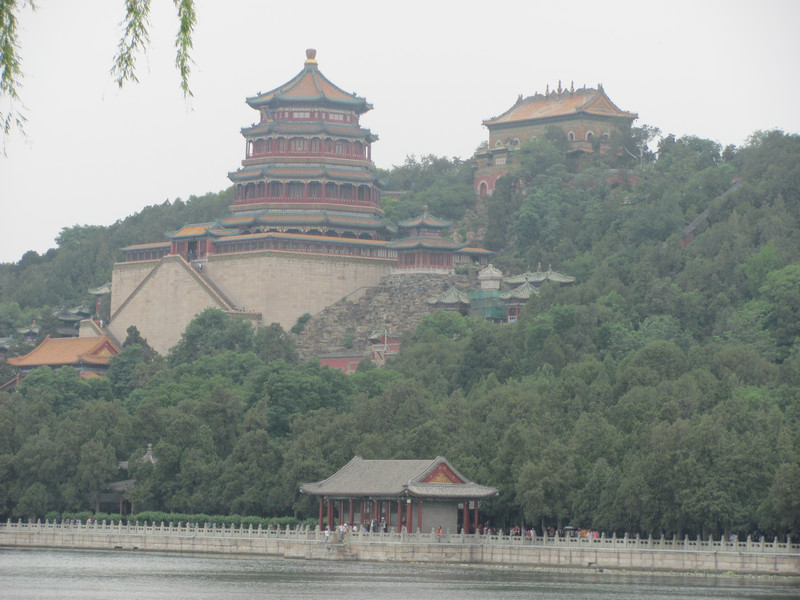


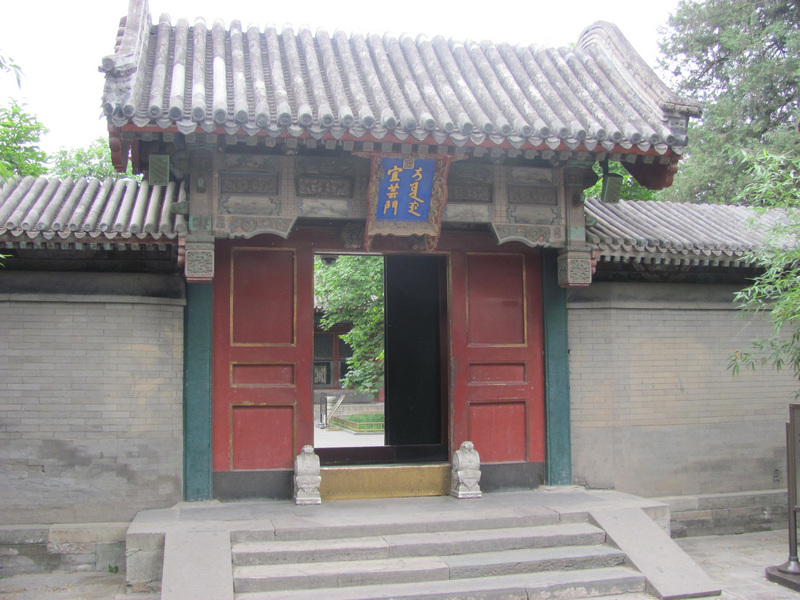
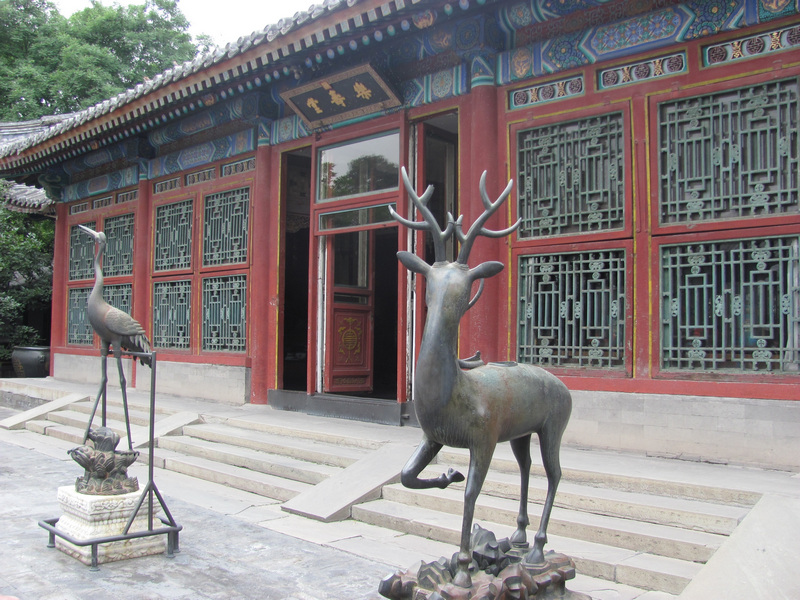

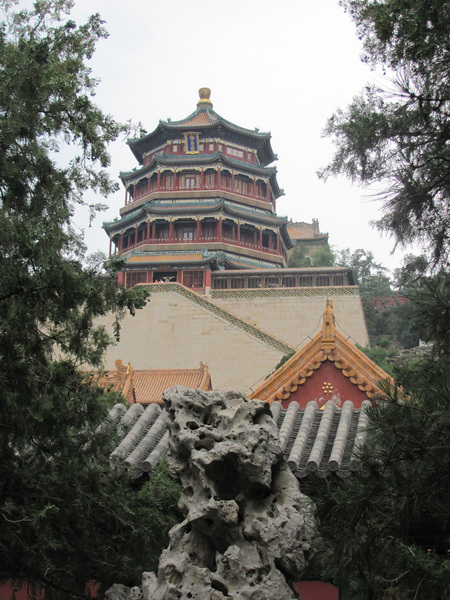
We had lunch, with new overflowing plates of typical Chinese cuisine, which turned out to be very tasty. After a hearty lunch – another hearty walk followed. The bus took us to the Summer Palace – another masterpiece in Chinese architecture. Located on the shore of an artificial lake, the place quickly fascinated and impressed us. From the tour guide Maxim we learned that this is one of the best preserved imperial parks in China. It has other name that is Yeeyuan, which means garden of health and harmony. The whole park occupies an area of 3 square kilometers and consists of Lake Kunming and the Hill of Longevity. It was here that the famous Chinese Empress Dowager Cixi lived.
Empress Dowager Cixi lived from 29.11.1835 to 15.11.1908. She unofficially, but very effectively ruled China for 47 years during the Qing Dynasty. From the tour guide we learned that she was given as a concubine to the emperor by her parents, and to spot her among the other concubines, she waited for him in the gardens and sang to him. Her voice was very beautiful and the emperor fell in love with her and shortly turned her with the status of Empress. She gave birth and had a son, who at the age of 5 inherited the throne after the death of his father. She managed to displace the other regents and actually ruled the whole country “behind the curtains”. When her son, Tangzhi emperor, died, contrary to established traditions, she put her nephew on the throne, Guangxu Emperor, who again only ostensibly ruled and all decisions were made by Cixi. She did not accept or introduce the Western model of government, but supported the technological and military strengthening of the country. Many historians describe her as a despot, but walking around the Summer Palace and looking at all the architectural masterpieces that were built at her command, we could not help but appreciate her cultural contribution to the historical wealth of China.
Maxim told us other interesting things from her life, from which I remembered that the Empress wanted every day to be prepared 128 dishes that she did not eat, but loved to watch. She gave them to her servants. The park of the summer palace quickly captivated me, especially the 800-meter long shed, all painted with pictures from the history and mythology of China. There were benches everywhere. to sit and contemplate, and with more luck and to be with someone to tell you all these interesting stories, sealed with beautiful images of people, animals, buildings and seas. It is difficult to capture this millennial Chinese history, not only as paintings, but also as photographs. It was here that I ran out of camera memory and had to start deleting previous photos.
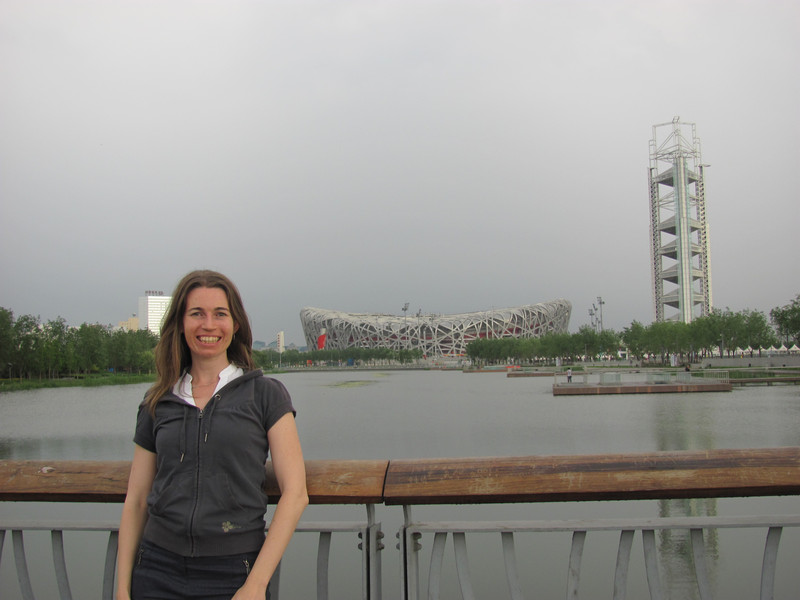
From the summer palace we went to the famous Chinese circus, having before that a shortly photo break near their famous Olympic stadium. Beijing’s National Stadium, Najachao, also called the Bird’s Nest, was built in 2008 to celebrate the Summer Olympics that year. Construction began in 2003, with construction costs of $423 million. This is a project of the famous Swiss architects Jacques Herzog and Pierre de Meron, who have very appropriately woven the traditions of the East, its harmony and beauty, in a spectacular multi-faceted sports facility. The nest is a symbol of tranquility, coziness and new life.
Initially, it was intended for 91 thousand people, but after the end of the construction the places were reduced to 85 thousand. Its dimensions are 320 by 297 meters and have a height of 69 meters, and its area is 258,000 square meters.




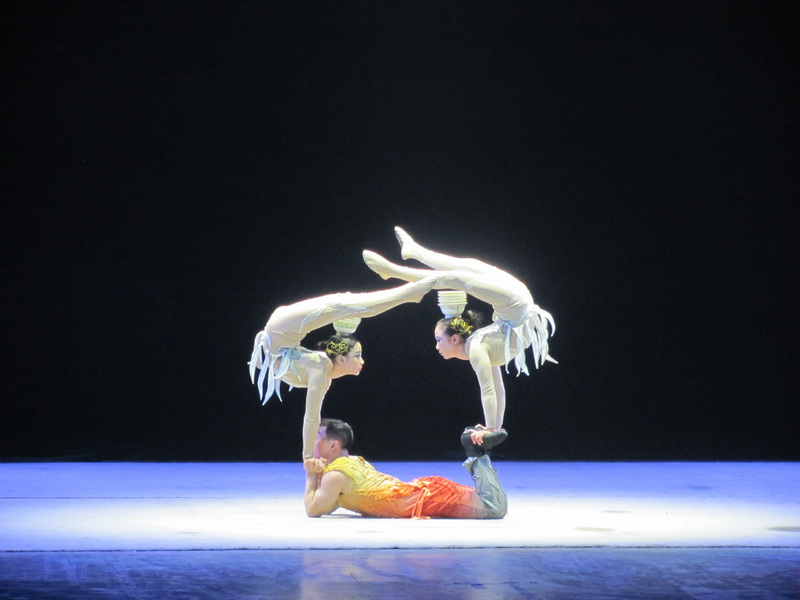


It’s hard to make picture of everything around, but for me it is even harder not to make pictures having run out of memory card on my camera. Everything seemed different to me and I wanted to seal it on my camera and in my mind. This turned out to be particularly difficult, especially in the Chinese circus. The Chinese circus took place in a theatre hall, having various acrobats and gymnastics. The Chinese are very athletic and flexible and at every number they stunned the audience. I was particularly impressed by the performance, where in a not very large sphere, they managed to fit 7 motors and they moved simultaneously without getting each outher in their way. It was amazing. It was interesting how 10 gymnasts managed to get on top of a bike that was constantly moving – and so one was carrying another 9 people – on an ordinary small bike. There were many other acrobatic tricks, but unfortunately I was not able to take many photos to capture them. However, I managed to enjoy the show to the maximum and admit that in less than two days China really managed to amaze and impress me. People seemed kind and sincere, and one could very easily relax in this country, so different and far from home.
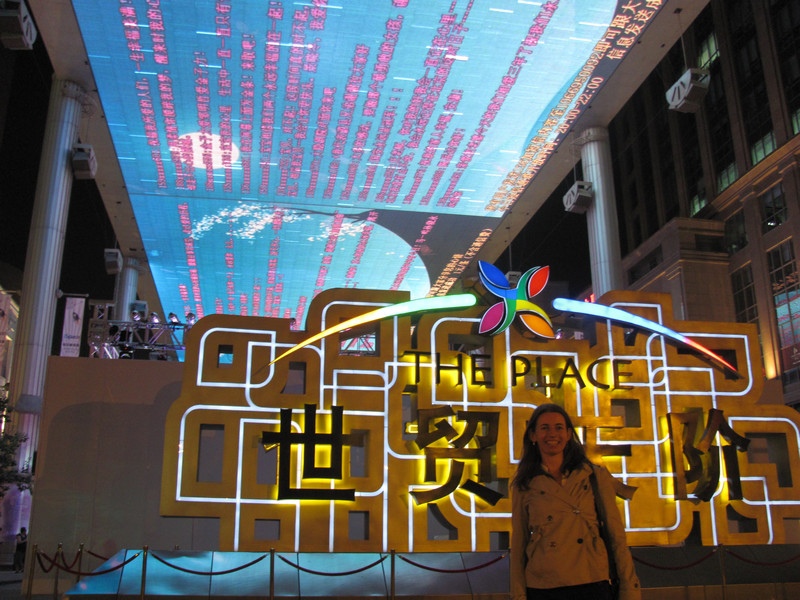
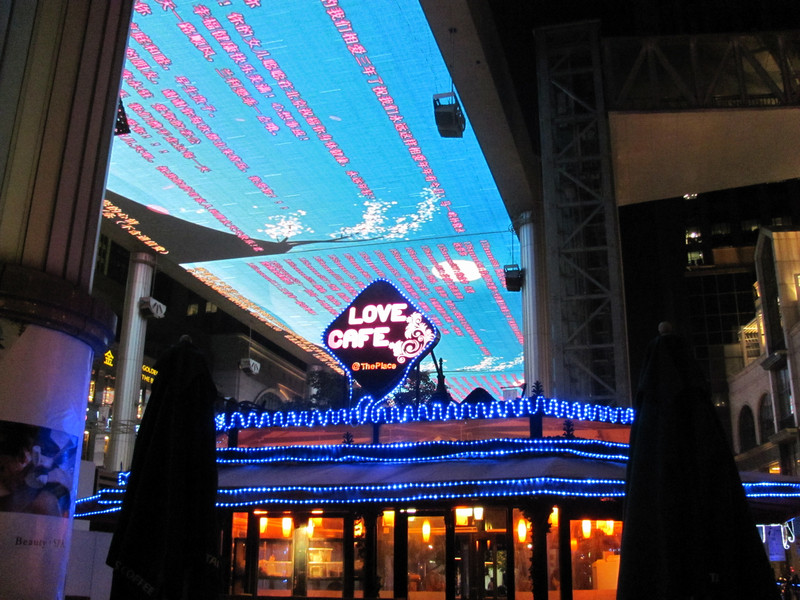
After the circus followed a night walk in Beijing, which was all lit with different lights, but again I was most impressed by their large open screen, which they had stretched over a whole street. It was thought to be the second largest screen in Asia and there were short films about space, then there were multiple inscriptions. The guide explained to us that often among these inscriptions there were declarations of love and proposals for marriage. Along the screen, there were many restaurants on the street, one of which was called Love Café, and I immediately imagined the lovers who came here for a glass of drink or ice cream and, looking at the screen above them, could express their love – written on the celestial screen in star letters.
Late in the evening we enjoyed the night Beijing and went back to the luxurious and nice hotel, where, huddled in the soft bedding, we continued in our dreams to admire the fabulous China.

GENERAL INFORMATION ABOUT BEIJING:
Location: Beijing is the capital of the People’s Republic of China and is located in the northern tip of the North China Plain, near the meeting point of the Xishan an Yanshan mountain ranges. The city itself lies on flat land.
Area:16 410.54 sq.km
Population:21,150,000 people (2013 data)
Official language: Chinese
Altitude:43.5 m
Climate: humid continental with hot humid summers and cold, dry and windy winters.
Zone: UTC+8
Currency: Chinese Yuan (CNY)
Further information:http://www.ebeijing.gov.cn/
TRIP TIPS FOR BEIJING:
Best time to visit: Probably the best time to visit the Chinese capital is from March to May and from September to October, and this period is considered to have the mildest climate and the most shades of colors.
Typical foods and drinks worth trying: Chinese cuisine is popular all over the world, but it is most delicious in its homeland. While visiting Beijing, be sure to try the famous Peking duck, as well as Jiaozi (Chinese dumplings).
Places to visit that you should not miss: the Temple of Heaven, the Forbidden City, the huge Tiananmen Square, the Summer Palace, the Beijing Zoo, etc.
 TripTips