UXMAL AND CAMPECHE
MEXICO – PART 5


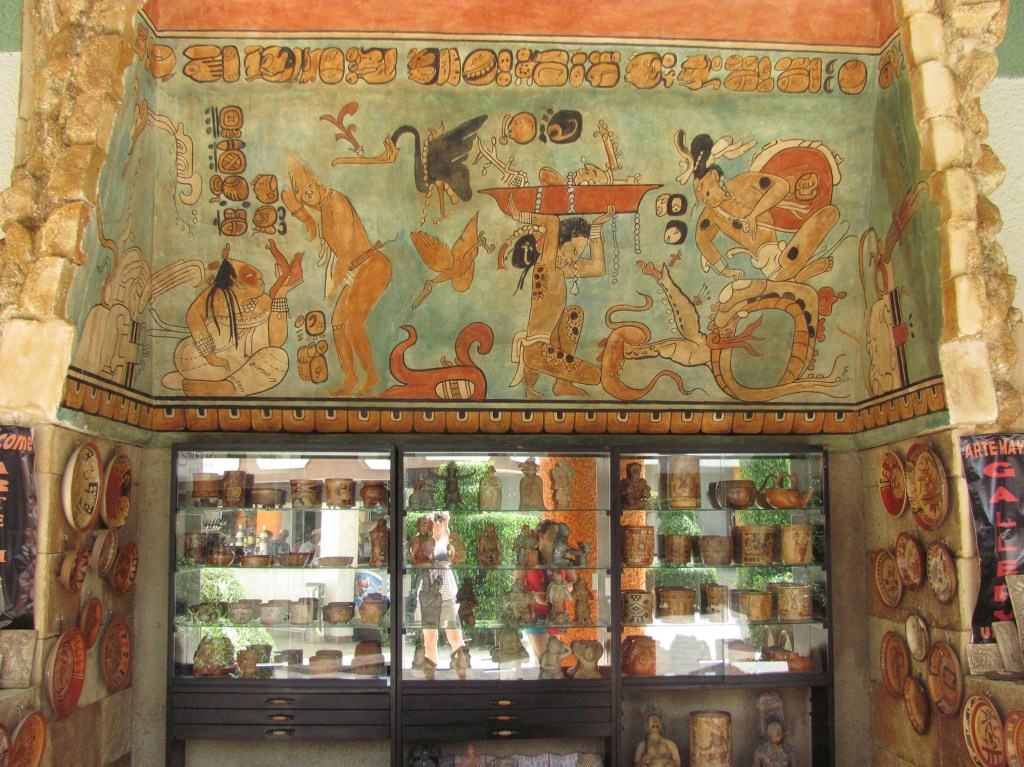

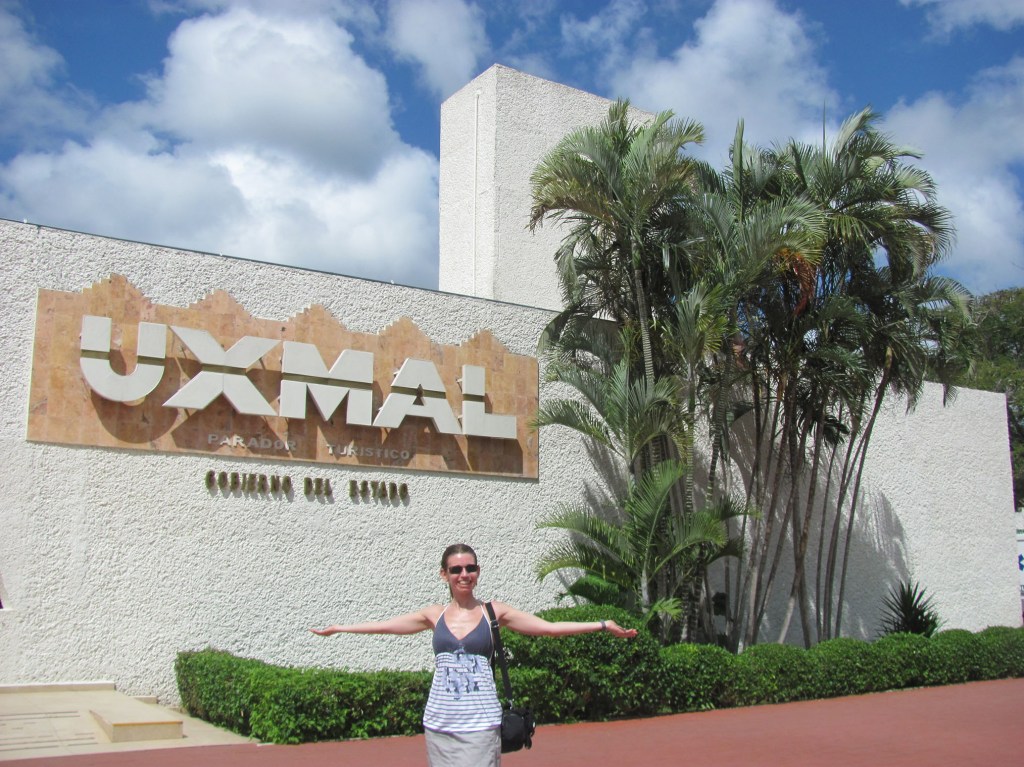
Uxmal is undoubtedly one of the most beautiful Mayan cities. Its name meant “three times built”, although there was another interpretation, namely ux = harvest and mal = good. The history of the city, like the name, was still unclear, but most of the buildings date back to the 7th-10th centuries AD, when Uxmal dominated the region. There were no cenotes (caves with water) and the local people drew water only from the rains, storing it in cisterns, one of which we were able to see at the very entrance. It was because of this shortage of water, as well as due to the great droughts throughout the region, that the most revered god here was the rain god Chac, whose many images on buildings and masks have remained today. It was because of the droughts, according to the texts, that more than half a million Mayans left this region.
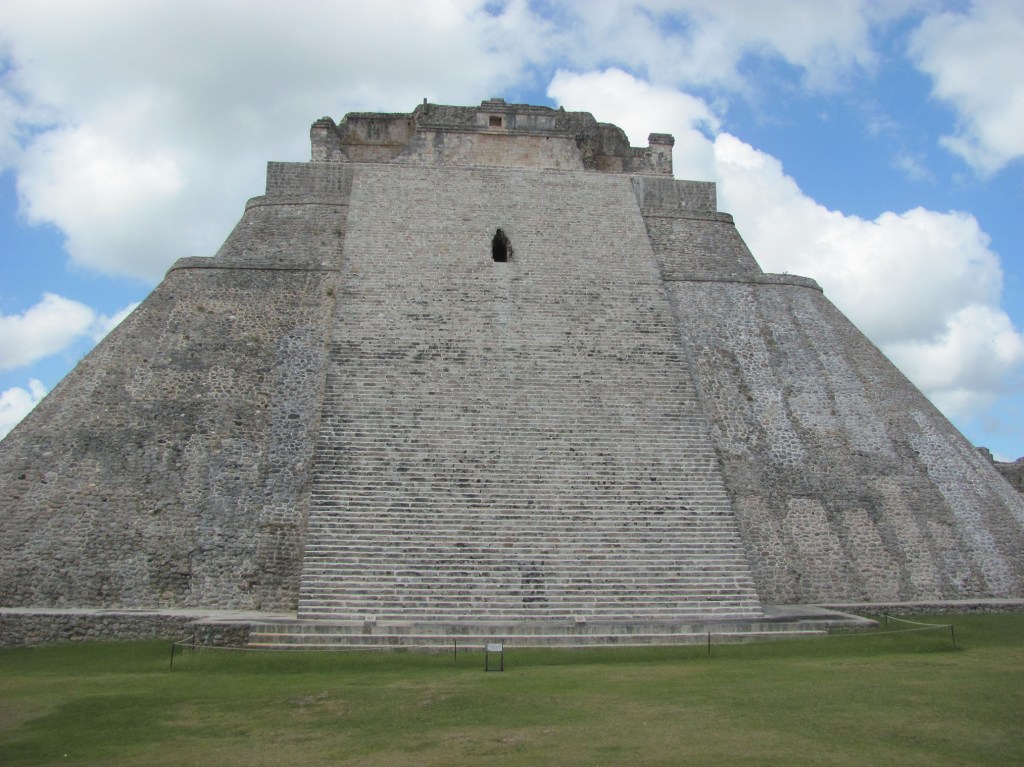
The first object in front of which we stopped at the entrance to the ancient city was the Pyramid of the Magician, which was the only Mayan pyramid with an oval base. According to legends, it was built overnight by a dwarf with superpowers – the magician. However, the facts showed that it was built in five stages and the construction covered periods from the 6th to the 10th century. on the basis of the previous one. Thus, five temples were formed one on top of the other, in the form of a pyramid. However, there was something true in the story of the dwarf, since the steps of this pyramid were too small for a human foot. That is why climbing this pyramid was prohibited (there have been several deaths from falls in the past) and we were content from the ground to look at the majestic 35-meter pyramid.


Here the guide told us the interesting legend of an old woman, believed to be a witch, who found an egg from which a boy hatched. She raised him as a son, but the boy stopped growing up and remained a dwarf, having the ability to predict the future. One day the dwarf found a drum hidden from his mother and began to play it. The ruler of Uxmal heard it, knowing the belief that whoever played this drum would be the next ruler. To do this, he called the dwarf and put him to many tests, which he coped without mistake. It was the ruler’s turn to go through these trials as well, but at the very first of them he failed and died. Thus, the dwarf became the ruler of Uxmal, and he built this pyramid for himself on the very first night. He did not forget his mother, on whom he built a palace, the ruins of which still stand in Uxmal today and bear the name “The Old Lady’s House”.
After the Magician’s Pyramid, we walked along a forest path that led us to the Great Pyramid. On the way we saw many iguanas, and in the branches of the trees unknown birds were singing. The Great Pyramid was restored and therefore we were allowed to climb it, which we happily did. It was a little lower than the magician’s pyramid, but much wider and the steps were not so steep. From the top there was a magnificent view of the entire city of Uxmal. I especially liked the ruins of a building called the House of Pigeons, located on the left (western) side. It was a long wall with nine arches, the purpose of which was not yet clear.


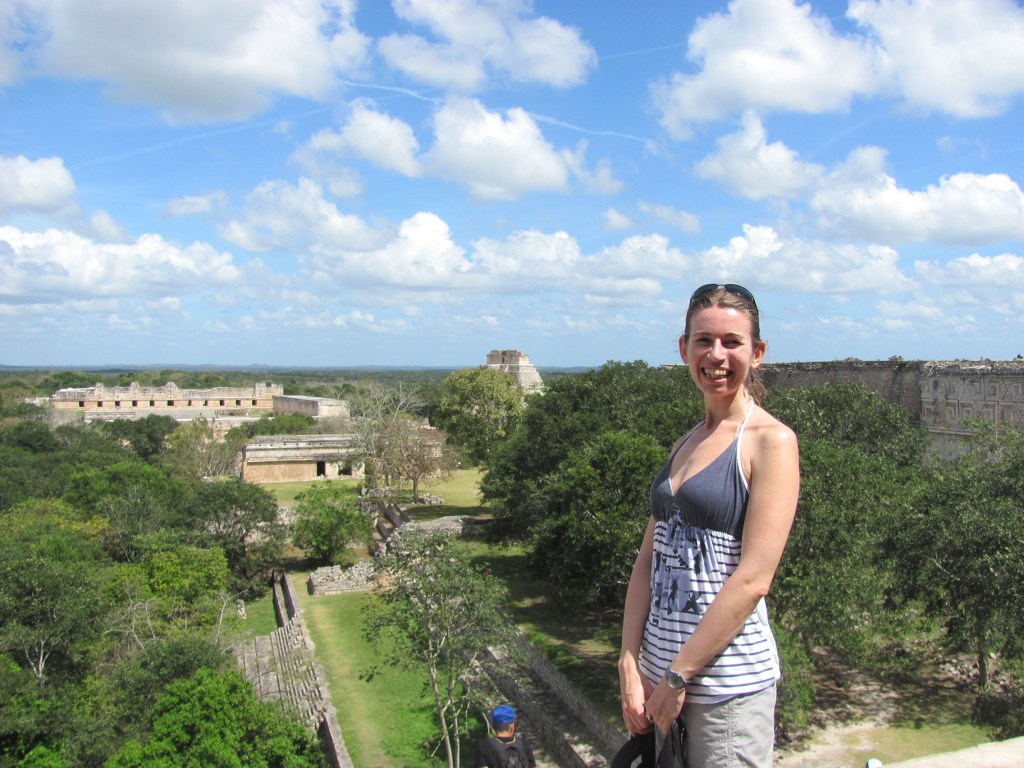


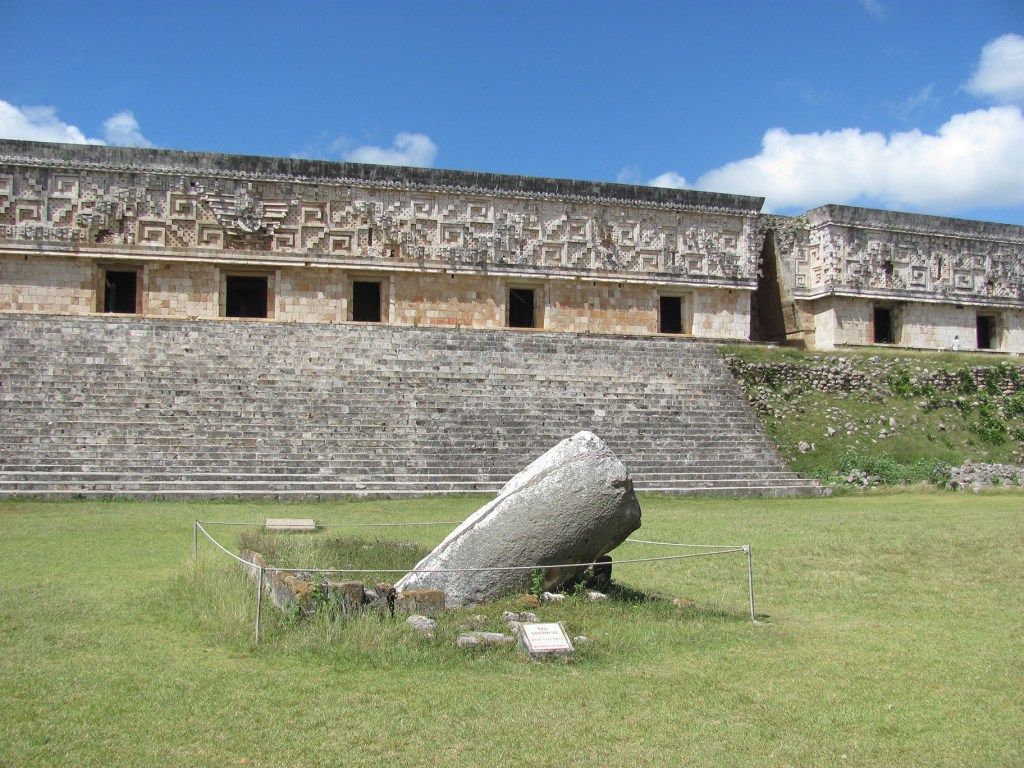

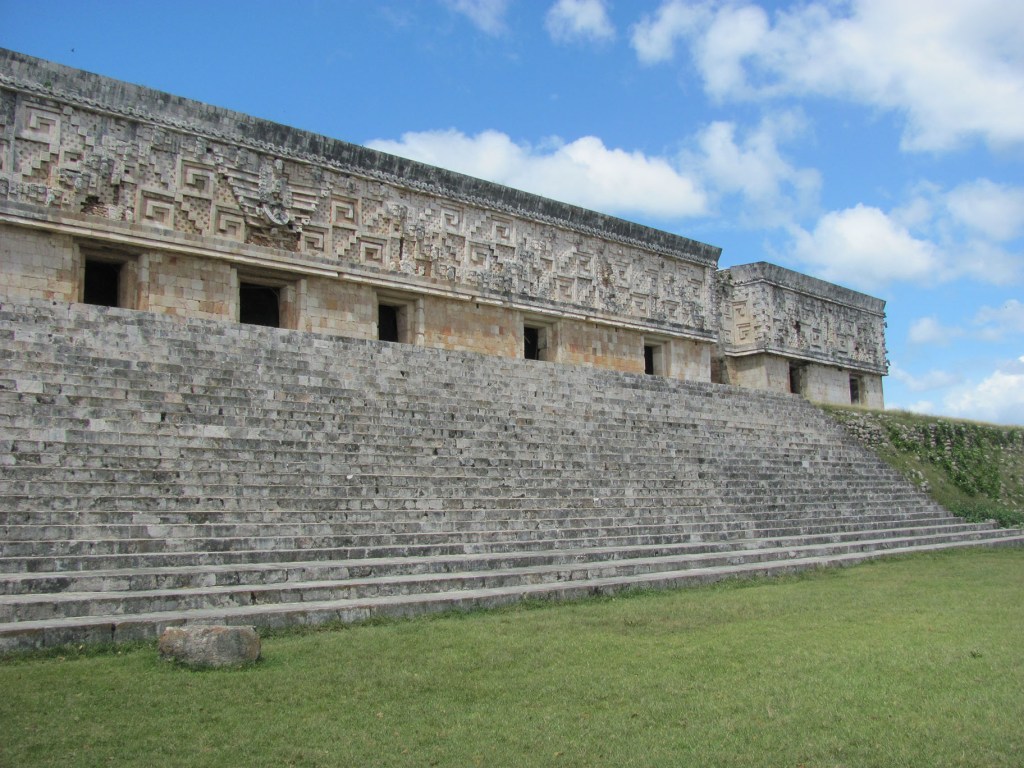
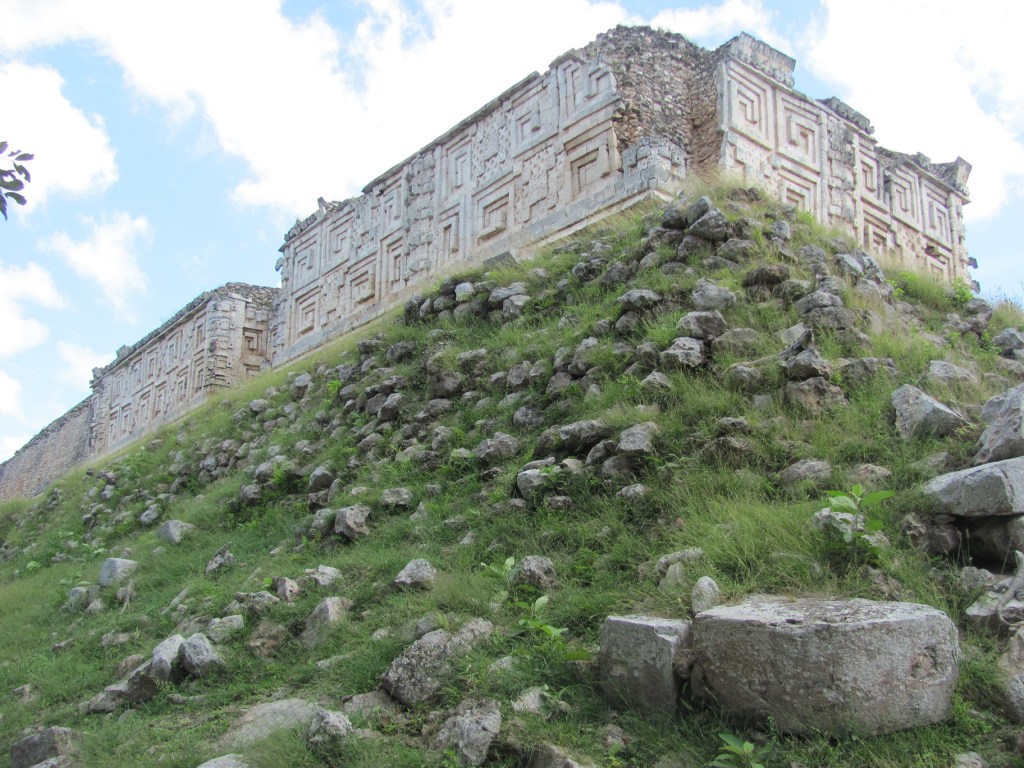
After the Great Pyramid, we headed with the whole group to the building with the most ornaments, which the Spaniards called the Governor’s Palace. The Spaniards named the ancient Mayan buildings according to their vision and what they resembled them, not knowing their true purpose. But probably with the beautiful building of the governor they guessed right and this was really the administrative building of the rulers before the dwarf built his pyramid. The reliefs throughout the building were an excellent example of Mayan architecture that was perfect and symmetrical down to the last detail. Among the figures could be distinguished numerous masks, human figures sitting on a throne, etc. The entire building was 98 meters long and 8 meters high, and more than 20,000 stones were used for its decoration.
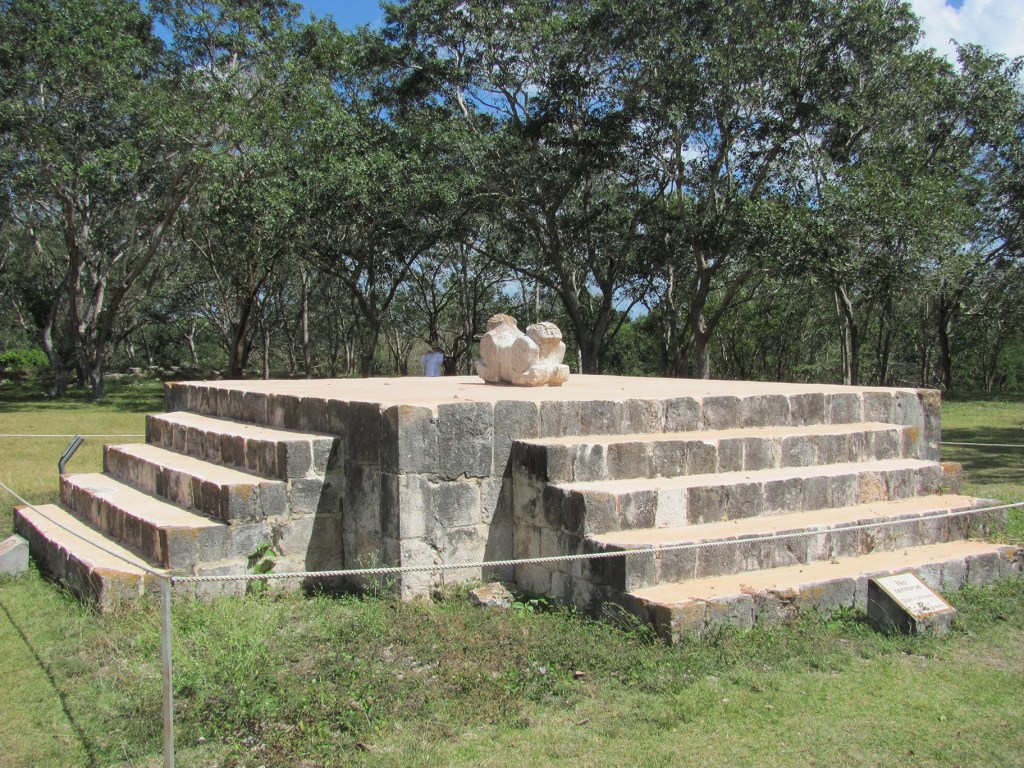
Just opposite the governor’s palace was a stone throne on both sides, on which were carved the heads of jaguars, one facing south, the other facing north. Jaguars were highly revered by the Mayans. They were considered kings of the jungle and were known for their strength and courage. Sitting on this throne was forbidden and we were content with photos next to it. The best photos, however, were taken away from the throne and the engraved building. Just a few steps away, we saw in the lowlands the sport playground of Uxmal, the pyramid of the dwarf and the building that the Spaniards called the Monastery because of the narrow and dark rooms. However, this building was never a monastery and that is why our guide called it the non-monastery.
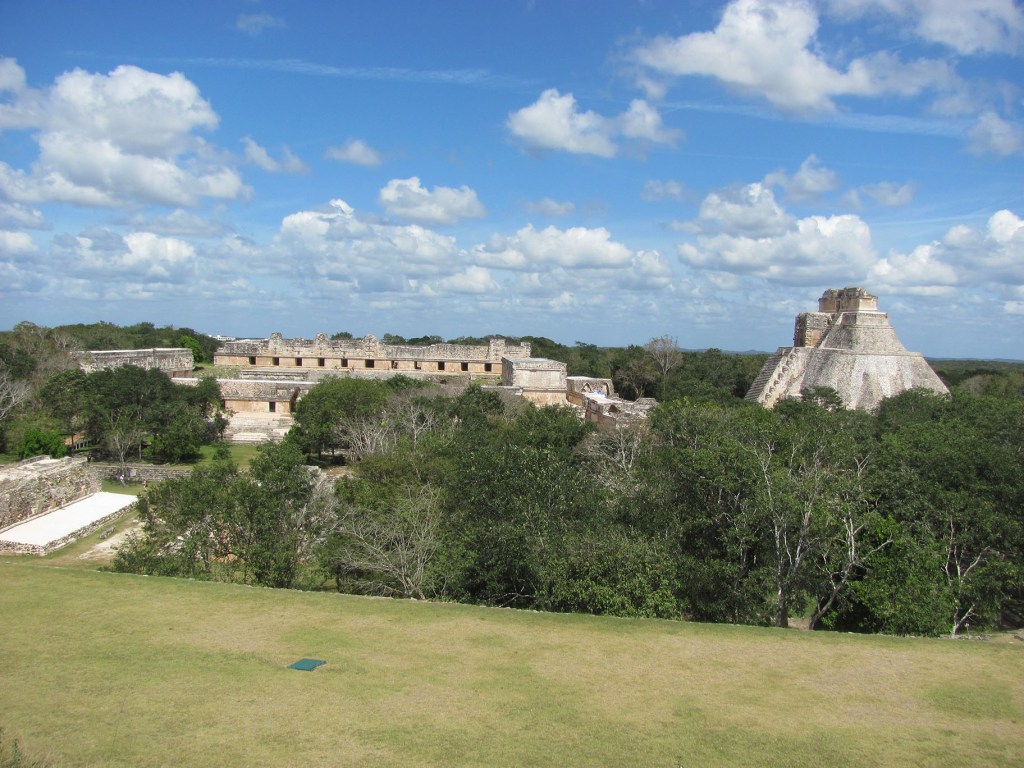


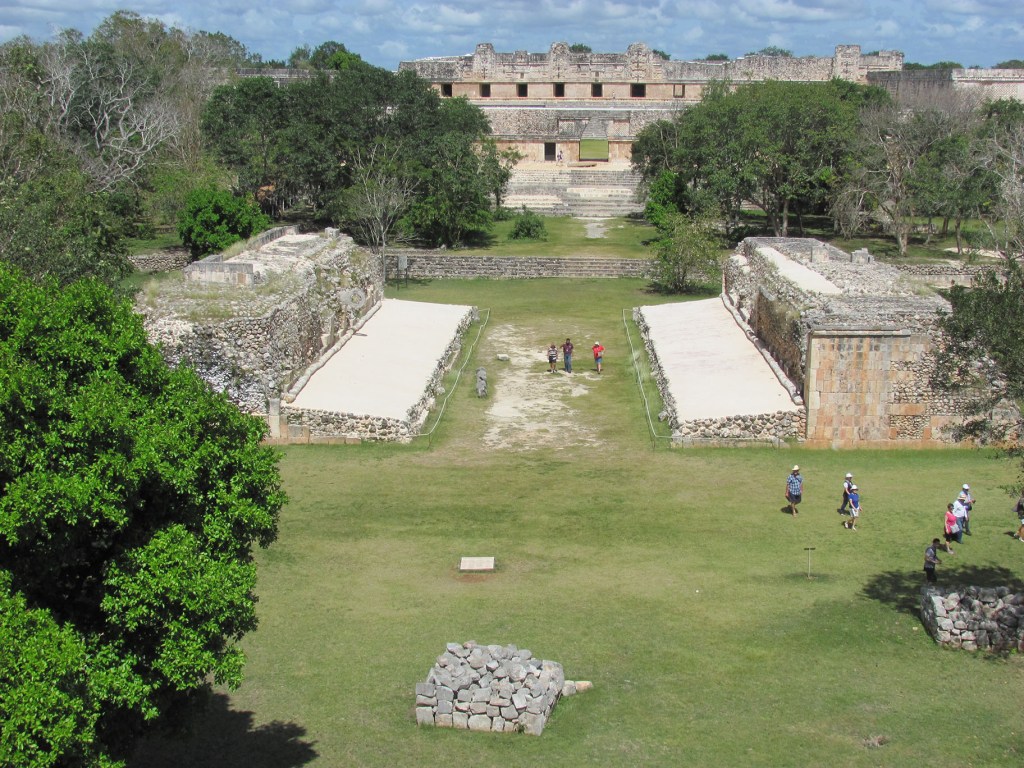
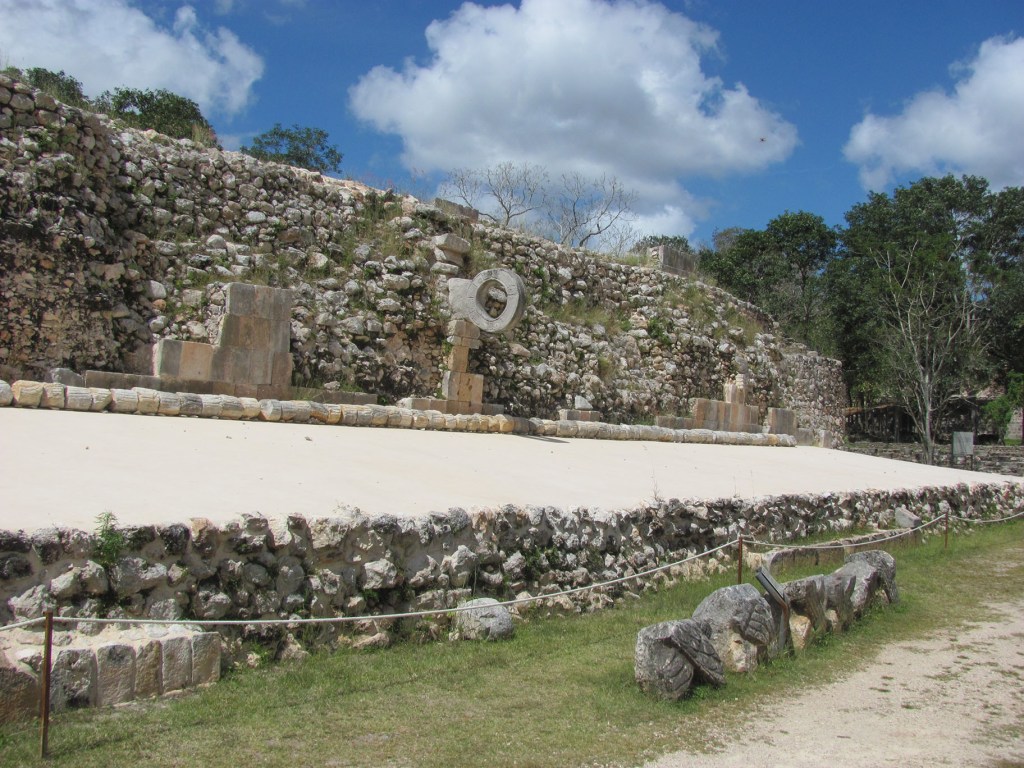
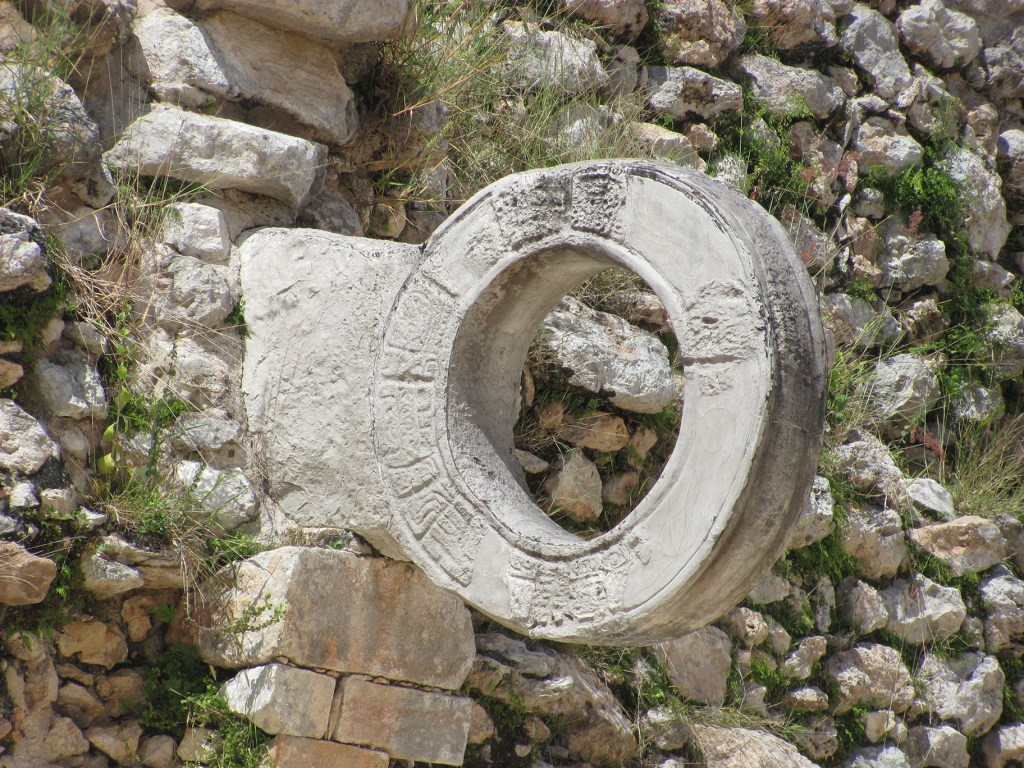
To get to it, we went straight through the sports field, which was not as big as the one in Chichen Itza, but it was also interesting with its restored rings, through which the 2-kilogram thumping ball was pierced. Players could only touch it with their elbows and hips. Only one ball on the ground was allowed. As the ball represented the movement of the stars in the sky, and the two teams respectively personified day and night or the gods of the underworld and the sky gods.
The complex of the non-monastery consisted of four buildings, and the difference in their height showed the hierarchical differences of the inhabitants. The highest was the northern building, to which there were the most steps. In addition to decorations, the number of steps also played an important role among the Mayans, as it was believed that 13 steps led to heaven, so the number 13 was lucky, and 9 steps descended to hell.
I was especially impressed by the excellent acoustics in the formed courtyard between the four buildings. The guide clapped our hands several times and the echo echoed throughout the complex.


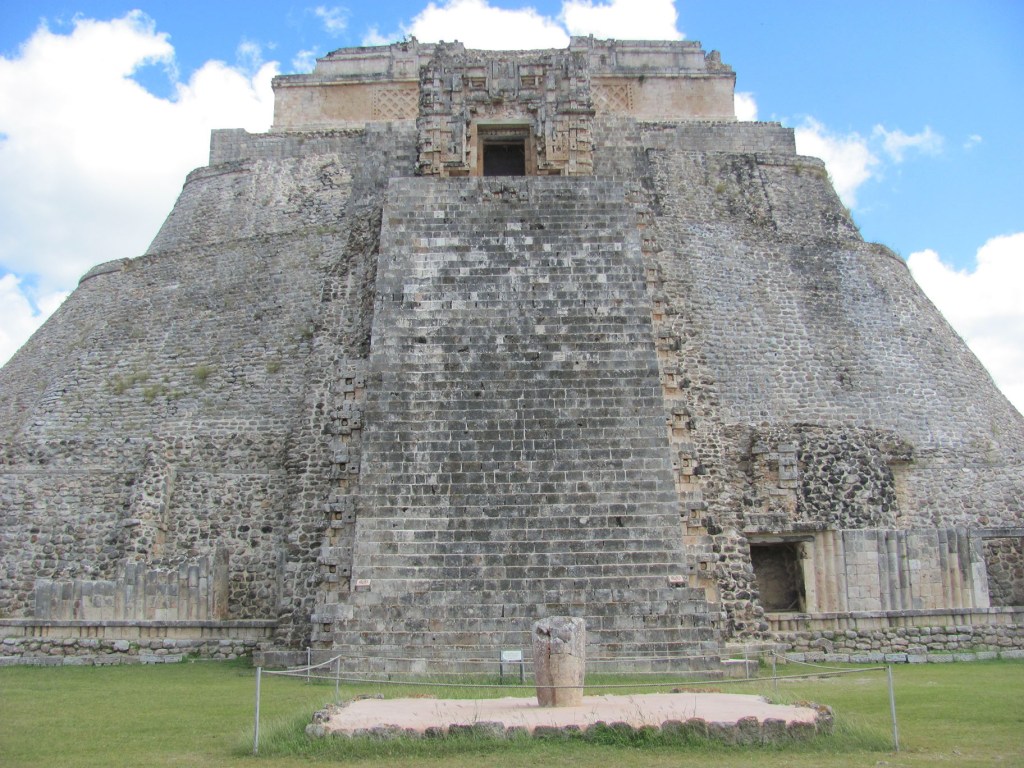
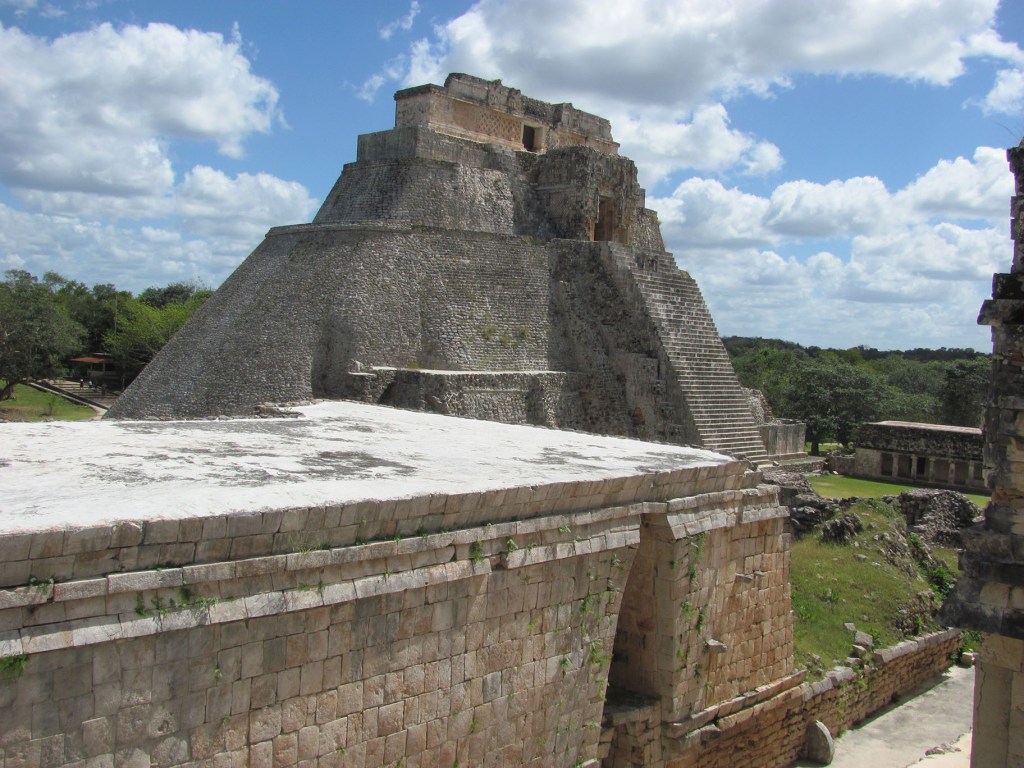
Descending from the other side of the non-monastery, we found ourselves on the back side of the dwarf pyramid, where there were again many small steps, but on both sides of them there were also many masks of the rain god. Definitely, this side was much more impressive. The small house in front of the pyramid called by the Spaniards the House of Birds was also interesting, because of the carved reliefs of various birds on the roof. Just below the birds there were also many symbols of the letter e, more like the sign of the euro, and our guide joked that these symbols showed that the Mayans used the euro as a currency. It turned out that the Mayans used different things for money, and did not have a specific monetary unit. They used various things for trade, most often giving cocoa beans, and for more expensive goods they exchanged gold, jade, copper, etc.
The ancient city of Uxmal completely fascinated me. The wonderful decorations were still surviving under the strong Mexican sun, which we also enjoyed, hoping that the god of rain would rest in a pyramid while we caught a sunny tan.


After the walk, the bus took us to a nearby restaurant called SOL (sun), where under the palm roof we ate chicken with mango puree and salad. Finally, as a dessert, we were served with a ritual a drink with the sonorous name Cocaracha (cockroach), which is a mixture of tequila, coffee and a carbonated drink with grapefruit. It was fun and I liked the food.
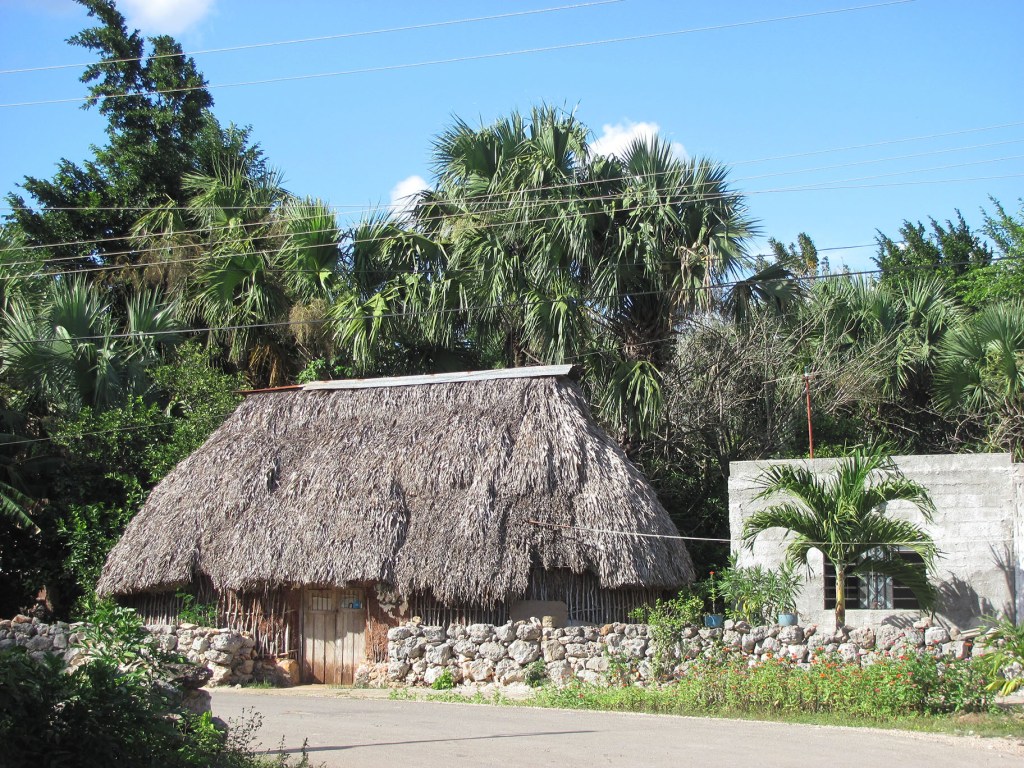
After lunch we headed to the town of Campeche, passing through a traditional Mexican village with old houses with thatched roofs, where we stopped for a short photo break.



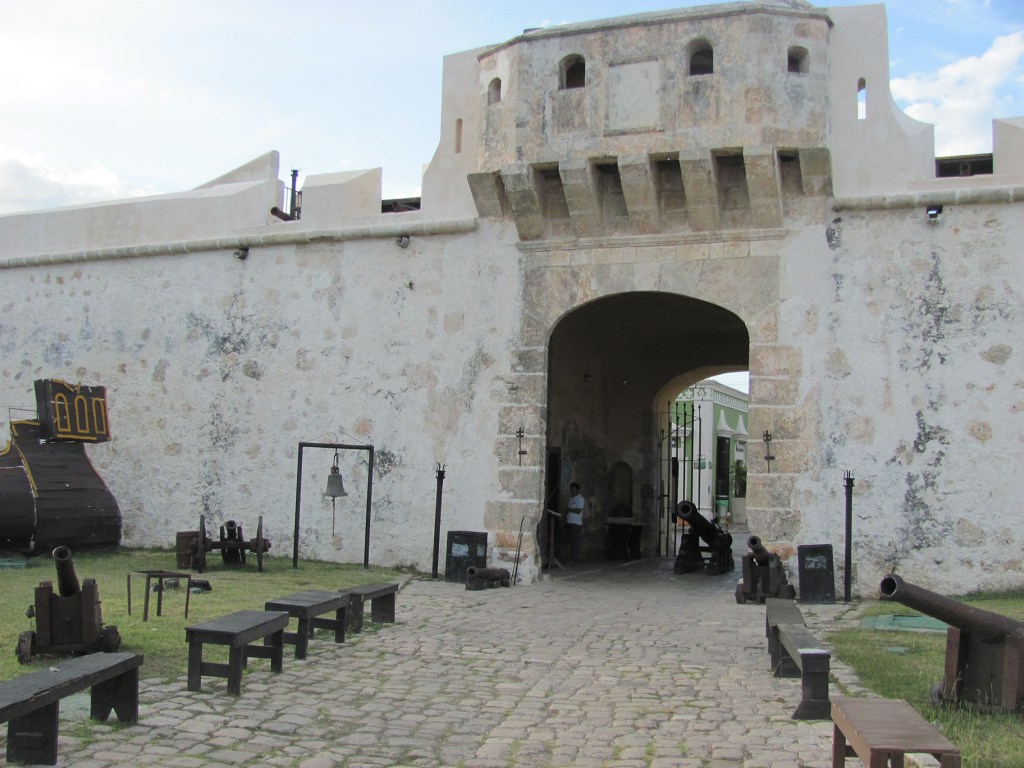
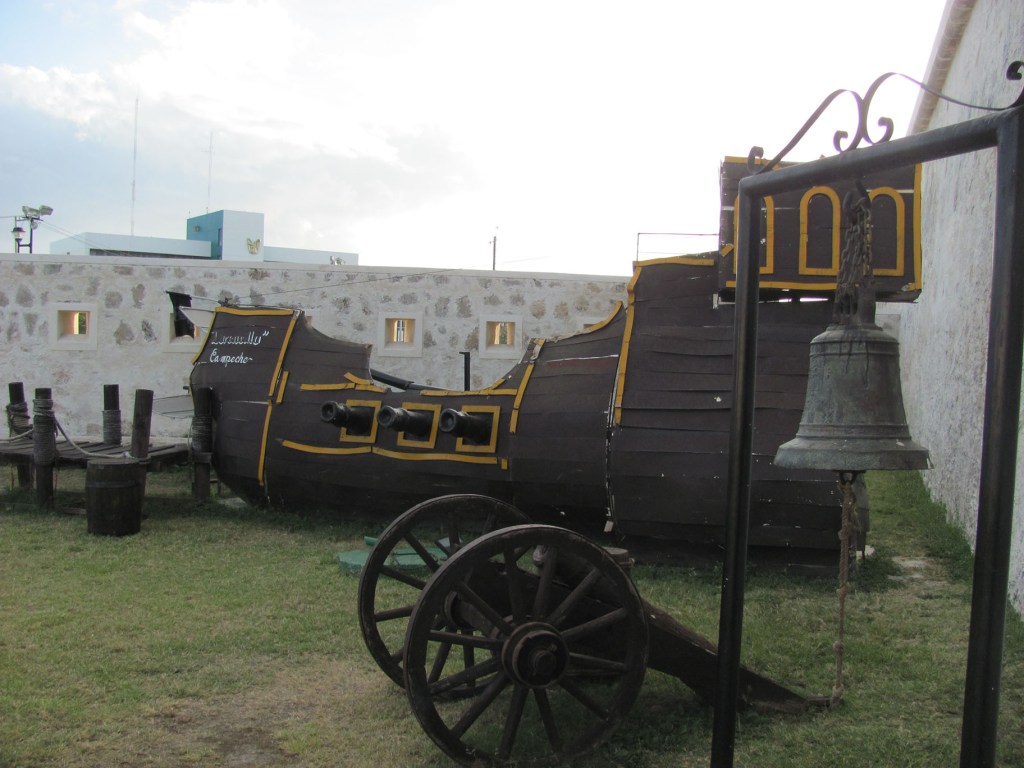


On the way, our wonderful guide did not fail to show us orange and mango plantations, already distinguishing the taller trees, which were mangoes. We even saw the so-called. jaguar tree. The name didn’t mean that the jaguars were sitting on it, it was just that its yellow spotted patterns on the dark green background resembled the animal so cherished here. Again on the side of the road, the guide jokefully showed us a “five-star hotel”, in which when you enter it – everything is free. They feed you 3 times a day for free. It was very well guarded and provided complete security, but no one wanted to come here. It turned out that he was talking about the prison that our bus passed by.
The guide also told us more about the new history of Mexico. After the country declared its independence from Spain in 1821, the United States took advantage of the country’s instability and a few years later the Mexican-American War (1846-1848) began, in which Mexico suffered defeat and lost 1/3 of its territory. The United States accordingly won new states, retaining their Mexican names – Colorado (meaning red), Nevada (in Spanish nevada – covered with snow), California (from the famous Spanish novel – mythical island), Arizona (arizuma – a word derived from the Aztecs and meaning “giving silver”).
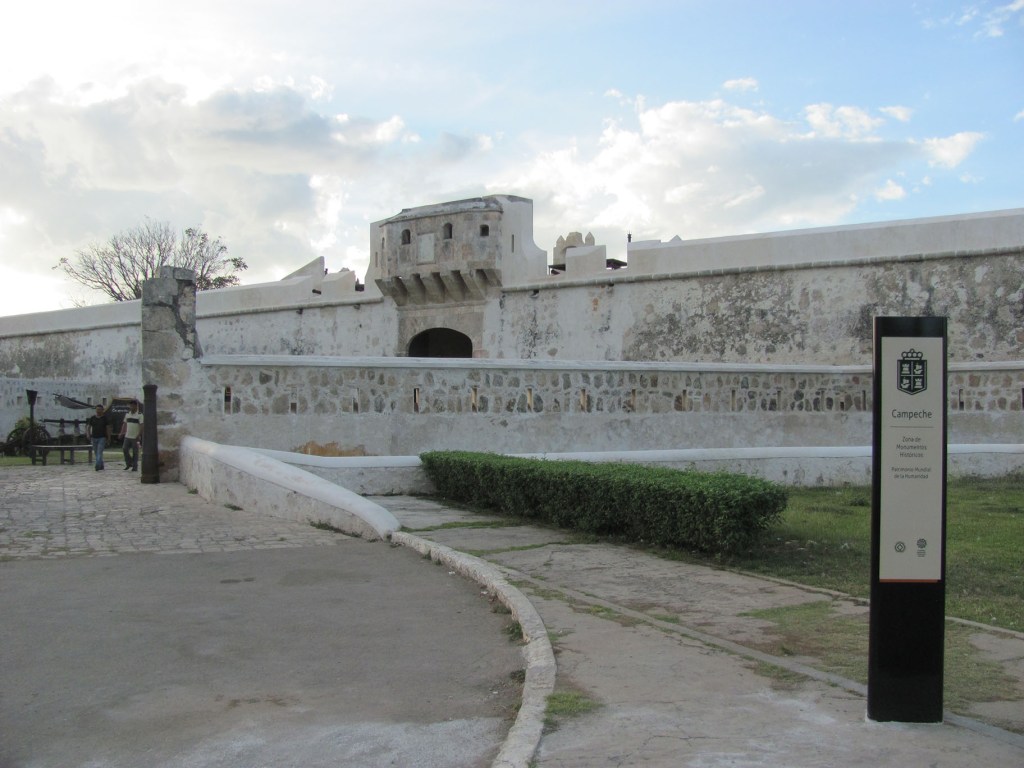
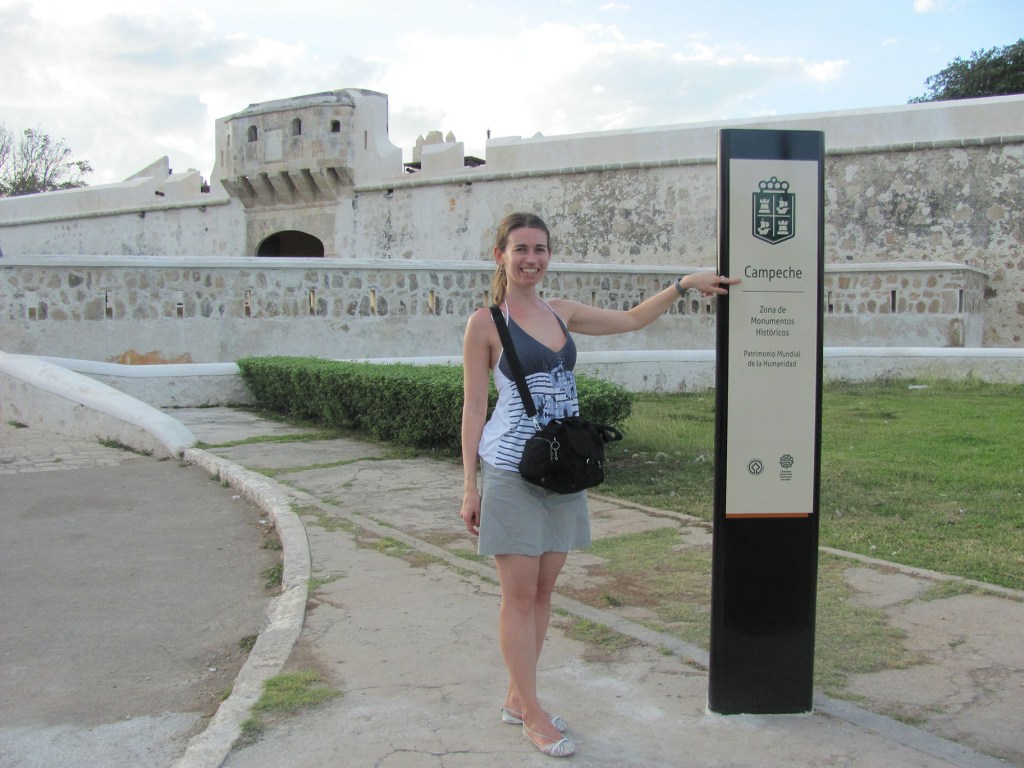
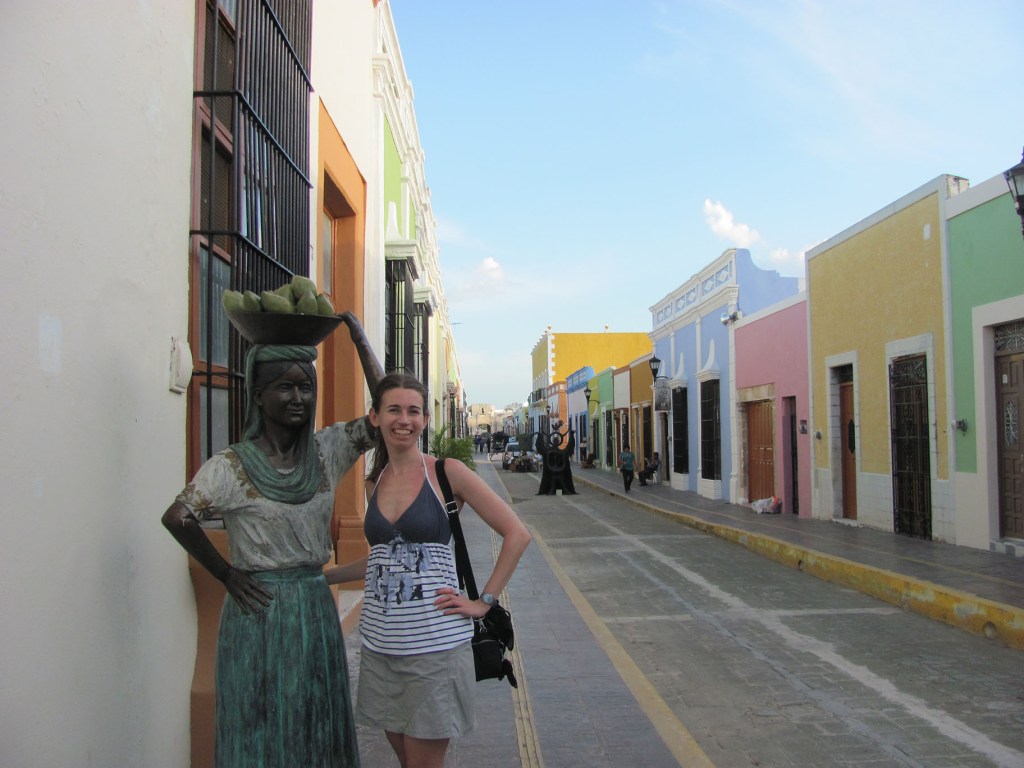
In the city of Campeche, however, we had to go back a little further in time, to the colonial era, when the Spaniards built this city on the site of an old Mayan fishing village. At the time of colonization, it was the most important port in the Yucatan Peninsula, from where timber and other goods were exported from Mexico. However, the prosperity of Campeche made it a target for English, French and Danish pirates, who often landed here and attacked the city several times. The worst attack was in 1663, when a large part of the population was killed. As a result, thick walls were erected around the city, reinforced with 8 military fortifications, seven of which could still be seen today. However, we were more impressed by the colorful colonial houses, which were very well preserved to this day, hidden behind the fortress walls.


We walked along the main street, which led us to the central square, which in every Mexican city was called zocalo. The beautiful cathedral of Campeche, built back in the 16th century, was also located here. While we were waiting for the group to get together, we found time to try Mexican ice cream, which was very tasty, although not very different from ours.
The bus took us 35 km south of the city of Campeche, to the Siho Playa Hotel****, located on the very beach, which fascinated us with its wonderful rooms. Our room was on the first floor with a wonderful view of the Caribbean Sea, and even better was the balcony, from which a staircase descended directly to the beach. We slept very well in the hotel on the beach, listening to the gentle Caribbean waves, orchestrated by the wind whistling in the palm leaves.
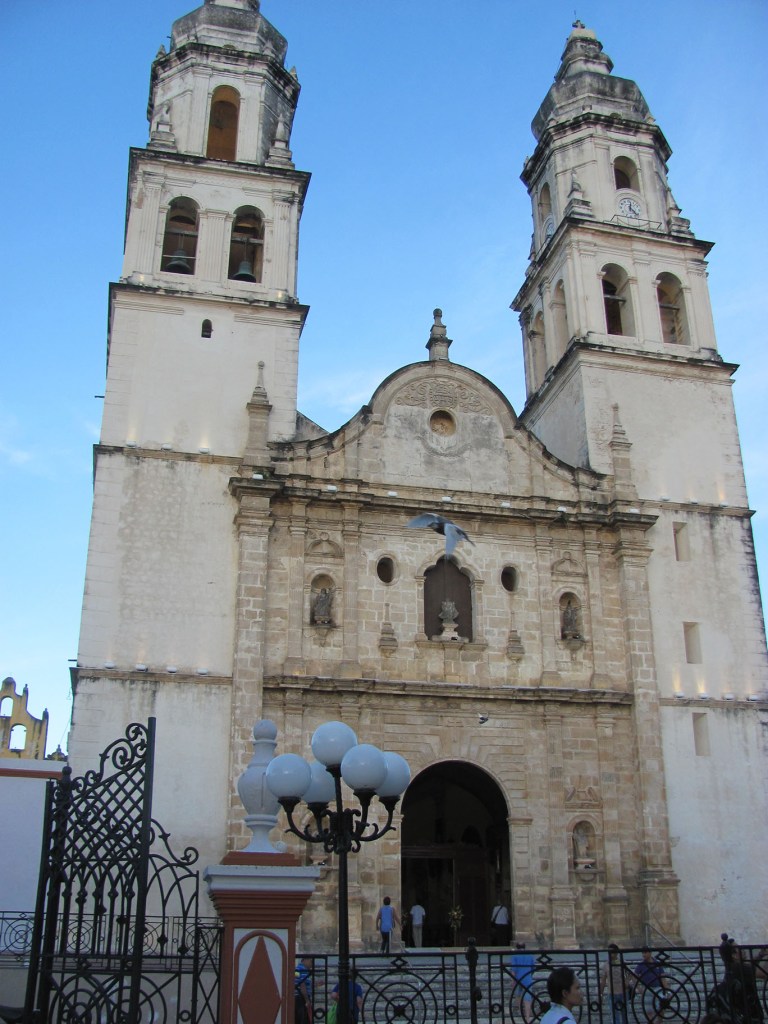

GENERAL INFORMATION ABOUT CAMPECHE:
Location: The city of Campeche is located on the shores of the Gulf of Mexico and is the main city in the Campeche region.
Area: 981 sq.km
Population: 220,389 people (2010 data)
Altitude: 10 m
Official language: Spanish
Climate: tropical climate
Time zone: UTC-6
Currency: Mexican peso (MXN)
Additional information: http://www.visitmexico.com/en/campeche
TRIP TIPS FOR CAMPECHE:
Best time to visit: all year round, probably December to April are the best months for beach and sightseeing. September is also a great time to visit, as the children are at school and the streets are not so crowded, the rainy season starts in October and lasts until December inclusive, the other rainy period is between April and July.
Typical foods and drinks worth trying: In addition to the famous Mexican tacos and boritos, Mexico has many other specialties worth tasting. While in Campeche, try Camarones al Oregano (shrimp with oregano) or Camarones al Coco (shrimp with coconut), and why not Frijoles Negros con Carne de Cerdo (black beans with pork). For dessert, try the local jam of boiled papaya with honey – Dulce de Papaya Verde.
Attractions worth visiting: The well-preserved city gate Puerta del Tierra, along which you can walk along the street with the most colorful houses Calle Antes America, reaching the Puerta del Mar sea gate. A walk along the promenade is also very soothing.
 TripTips