THE MOUNTAIN TOWN OF SAN CRISTÓBAL
MEXICO – PART 7


We traveled on the Palenque – San Cristóbal road, which was often closed due to floods or volcanic eruptions. Only 19 km away was the Chichon volcano, which had last erupted in 1979, when Palenque and all the other cities nearby were covered with clouds and dust, and were left without sunlight for 3 days. The jungle was also covered with white pollen, which in the distance could easily be mistaken for snow. However, we were lucky accompanied by sun rays and our bus successfully climbed.
The mountain town of San Cristóbal is located at 2200 meters above sea level, and on the way we saw sugar cane plantations. We learned that Mexico did not export as much sugar as Cuba, but there were still large sugar plantations in Veracruz, the northern coast of Mexico, in the regions of Tabasco and Campeche. Along with the sugar plantations, very good honey was also produced. Back in the day, the Mayans raised small bees and drank their meads, similar to the Indians in Brazil.
The Mayans also grew bananas, tomatoes, chili, avocados, papayas, sapotes, beans, a root called “mañoc” and sweet potatoes. The potatoes we know today originated in Peru. However, the Mayans bred another variety, the so-called. sweet potatoes. The most important Mayan plantation, however, remained corn, it was used to make flour, prepare various foods and drinks. The Mayans also ate meat, hunting turkeys, monkeys, roe deer, ducks, and fish. Some even thought that the Mayans invented the first chocolate drink.
On the way, we passed through cocoa plantations, but the trees were not easy to see, as they were lower and loved shady forests, much like coffee. However, coffee did not originate from Mexico, but was imported from Ethiopia, Africa. The word cacao came from the Mayan language, and it was written in temples and on the ceramics they used. The guide managed to notice on the way and show us a few cocoa plantations, and at 08:50 we made a stop to take a photo of some cocoa trees and ate raw cocoa, which is sweet when sucked and slightly bitter when crunched. The taste that remained afterwards was that of the familiar cocoa – pleasantly invigorating. I remembered the article on the plane that chocolate and cocoa first appeared in Mexico and from there they were brought to other parts of the world. It turned out that cocoa most likely originated in South America, in the lowlands of the Andes and along the Amazon River. However, Europeans and the rest of the world learned about it from the Spanish conquerors, who noted in their diaries that the Aztec king Moctezuma II drank only chocolate served in a golden cup. He ingested about 60 servings a day. The sweet drink gained great popularity in Europe in the 17th century, as the cocoa plant (as it was called by the Aztecs) took its botanical name Theobroma – translated as “food of the gods”.


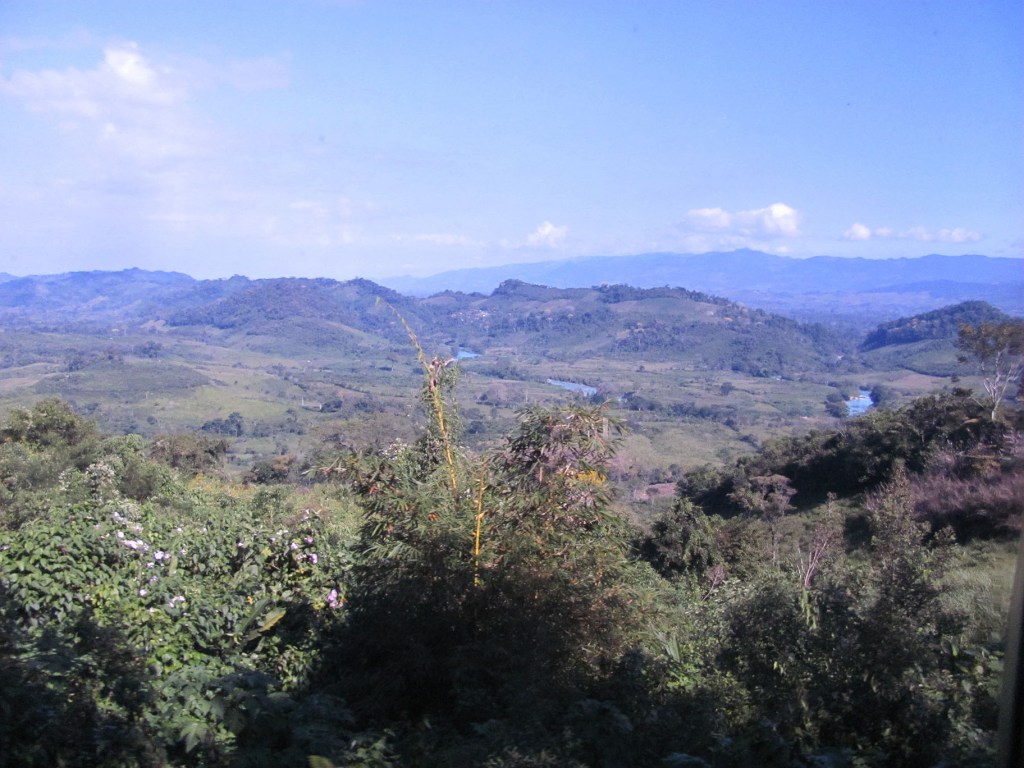
We moved in the Chapaz region, which, in addition to its many plantations, was also proud of the preserved areas of jungle, some of which we passed by. At the time, a lot of corn was grown in this area, however, now ranches predominated, in which the lands were turned into pastures and livestock were raised. While we were trying to photograph a Mexican cow, we passed by the more interesting trucks and pickup trucks, in whose open areas people were transported. We learned that the road we were driving was at the border with Guatemala and from there came a significant number of people passing through here heading to the United States.
On the way, we also saw them selling coconuts, and the driver recommended that we try the local drink Coco loco, which was made from coconut milk and tequila.
We took a short break at a panoramic platform, from which a wonderful view of the natural treasure Agua Azul / Blue Water was revealed. In this National Park there were about 500 cascades descending from a height of 3 to 30 meters, forming colorful stone pools, in part of which it was possible to swim. 22 km before the road to Agua Azul from Palenque, the 30-meter Misol-Ha waterfall descended, we did not see it, but we found out that it was located among lush vegetation and was an ideal place for swimming.
Mexico fascinated me – every day we saw something completely different – today was the day of the high mountains with dense tropical vegetation, which were green all year round. The mountain we were climbing was completely different from the flat Yucatan Peninsula, where our journey had begun. From the height, we could also see the tops of a mountain, likened to a man and a deity of the Mayans. As the altitude progressed, the number of coffee plantations also increased. Coffee, like cocoa, loved shady forests, but it needed a higher altitude – about 500 to 1600 meters. Coffee could grow below 500 meters, but not of high quality. Cocoa, on the contrary – did not grow at more than 500 meters above sea level.




The Chapaz region where we traveled had the most coffee plantations in Mexico. Otherwise, coffee was grown in nine other areas, with Mexico ranking 5th in the world in terms of coffee exports. The other countries that overtook Mexico were Colombia, Brazil, Indonesia and India. In cocoa exports, Mexico was not so far ahead in the rankings (it ranked somewhere around 30th place) and produced cocoa mostly for domestic consumption, which is why they proudly called their country “the homeland of cocoa”. The largest producer of cocoa plantations is Côte d’Ivoire, on the west coast of Africa, followed by Indonesia and Ghana.
So many turns made my head dizzy, and the altitude had increased significantly. Interestingly, there were no gas stations on this road, the narrow mountain road itself left no room for them. On the other hand, in many of the roadside “mixed” shops there were tubes of gasoline that drivers could buy. Signs (handwritten) Gasolina were hung on these stores.
We passed by a very poor village, some of the houses did not even have roofs, and people carried heavy bundles of wood on their backs. It was sad to see all this, in an otherwise so beautiful and interesting country.
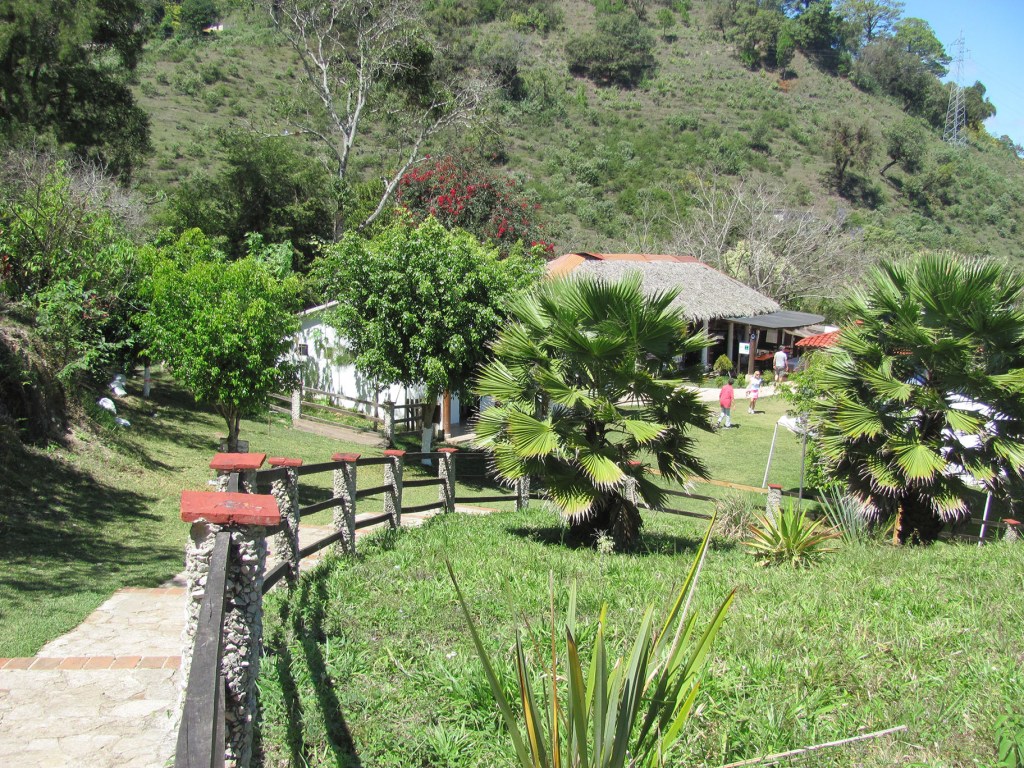
In about 3 hours we had traveled only 90 km, we still had 150 km left to San Cristobal, along the still narrow and winding mountain roads. At 11:30 a.m. we stopped at the Salva Maya Park / Mayan Jungle, which was a restaurant with a beautiful garden, coffee plantations and domestic animals including several turtles and ducklings. There was also a panoramic view of the small town located in the lowlands. It was here that I ate the most delicious tacos in the world with mashed avocado and prosciutto. At the coffee plantations, our guide plucked fruits and we had the opportunity to taste raw coffee. As we sucked it, it tasted sweet, but when it crunched, it tasted like bitter coffee. We also tried the local specialty – coffee beans drizzled with chocolate.


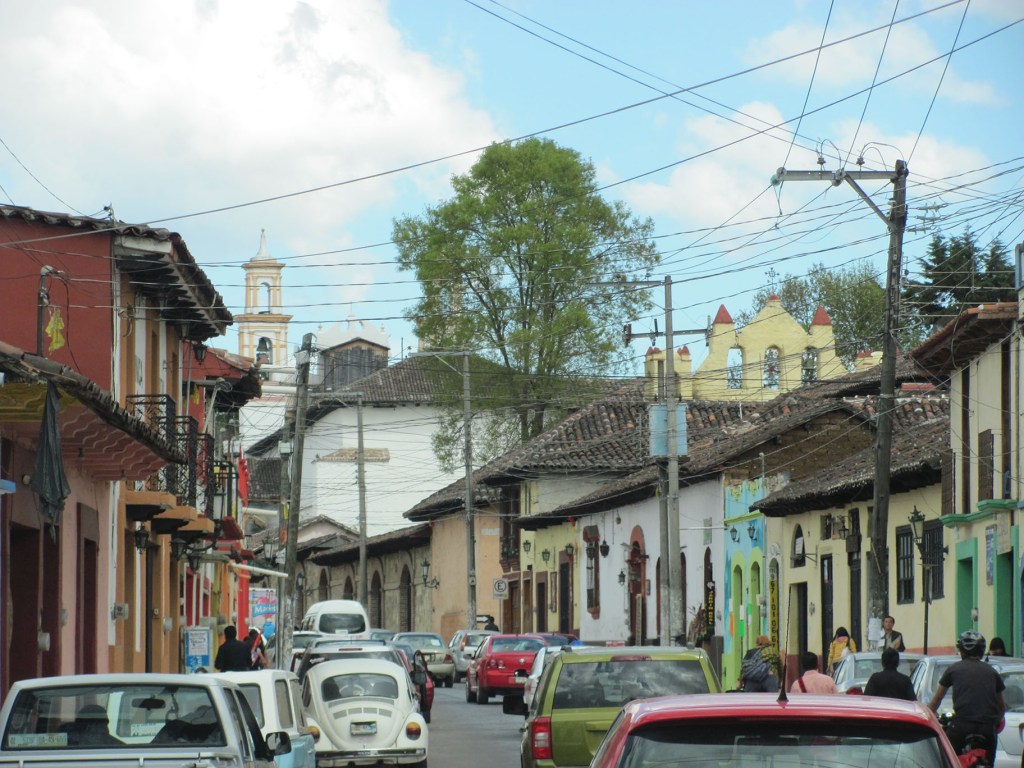
After a pleasant rest, we got back into the bus and after a few more hours of travel we reached the picturesque mountain town of San Cristobal. We passed the theater building and headed directly to the hotel, where we left our luggage and started the walking tour of the city. Our hotel was called Mansion del Valle**** and was housed in the building of a colonial mansion, of which only the architecture remained, the rooms inside were modern and cozily decorated, the only problem was that there was no heating, and it was cool at night. Outside, the painted houses quickly impressed us and we understood why San Cristóbal was considered the cultural capital of the Chiapas region, and it was also the city with the best preserved colonial architecture.
San Cristóbal was founded in 1528 by Diego de Mazariegos, having changed its name several times over the years. Interesting was its name in the language of the Indians, which translated as “place in the clouds”. The altitude was really significant, 2200 meters.
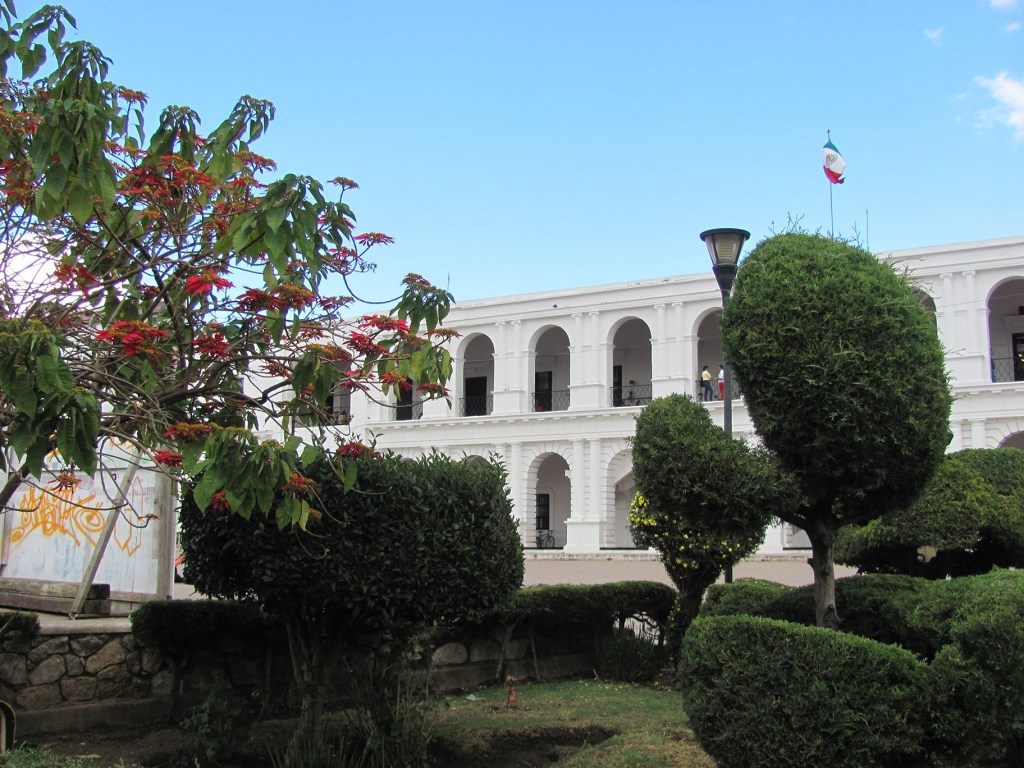


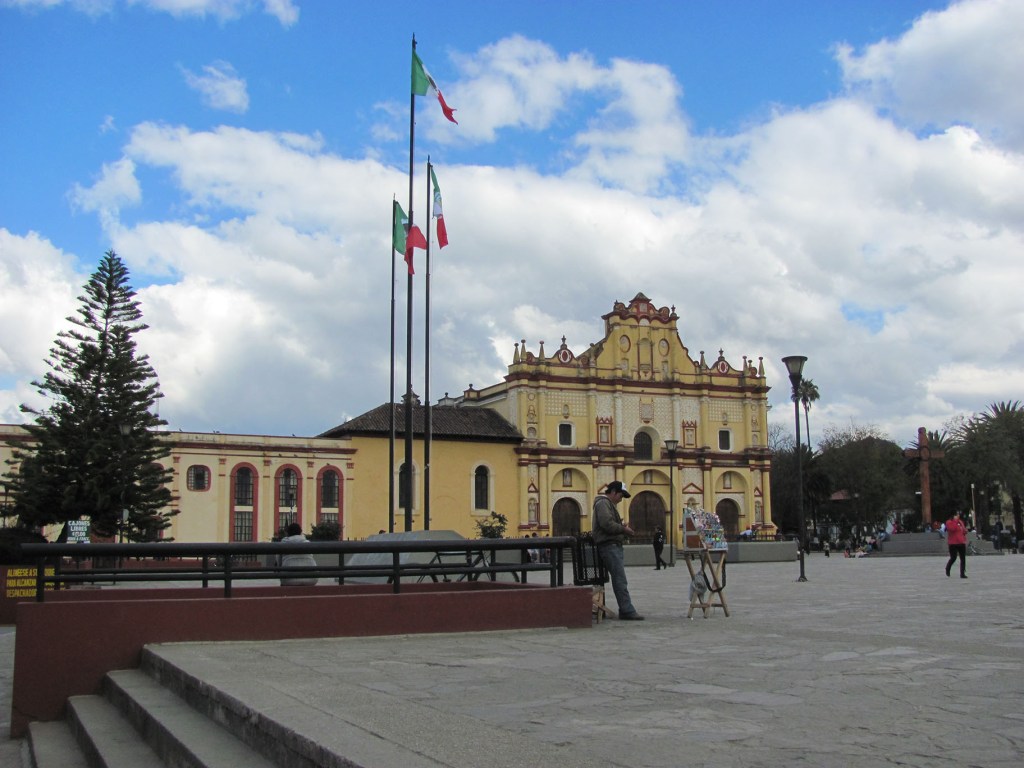
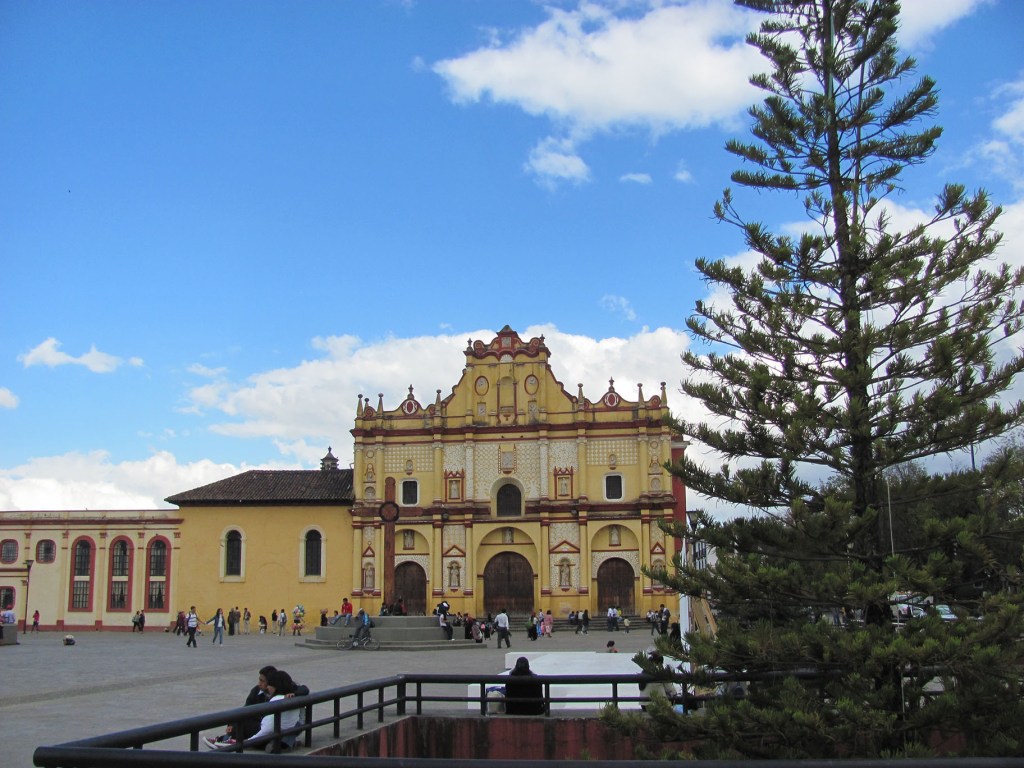


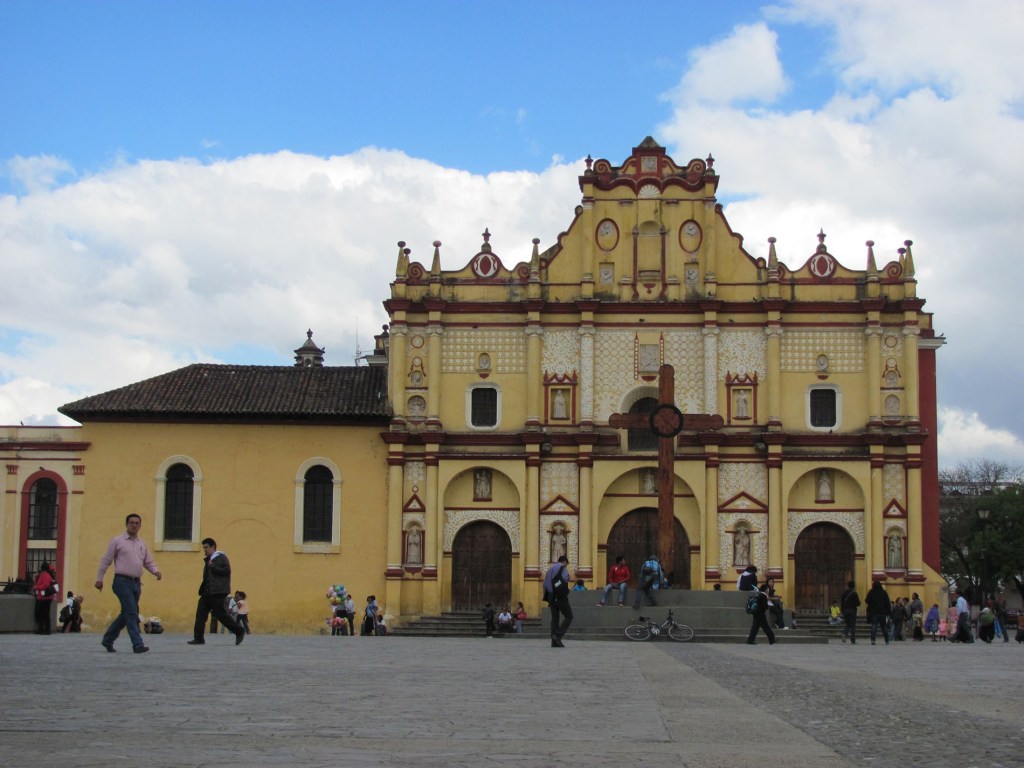
I especially liked the beautiful cathedral in the central square. The construction of the same began in 1528, but was completed only in 1815, due to various natural disasters. In 1816 and 1847, earthquakes caused significant damage, which in 1920-22 were fully repaired.
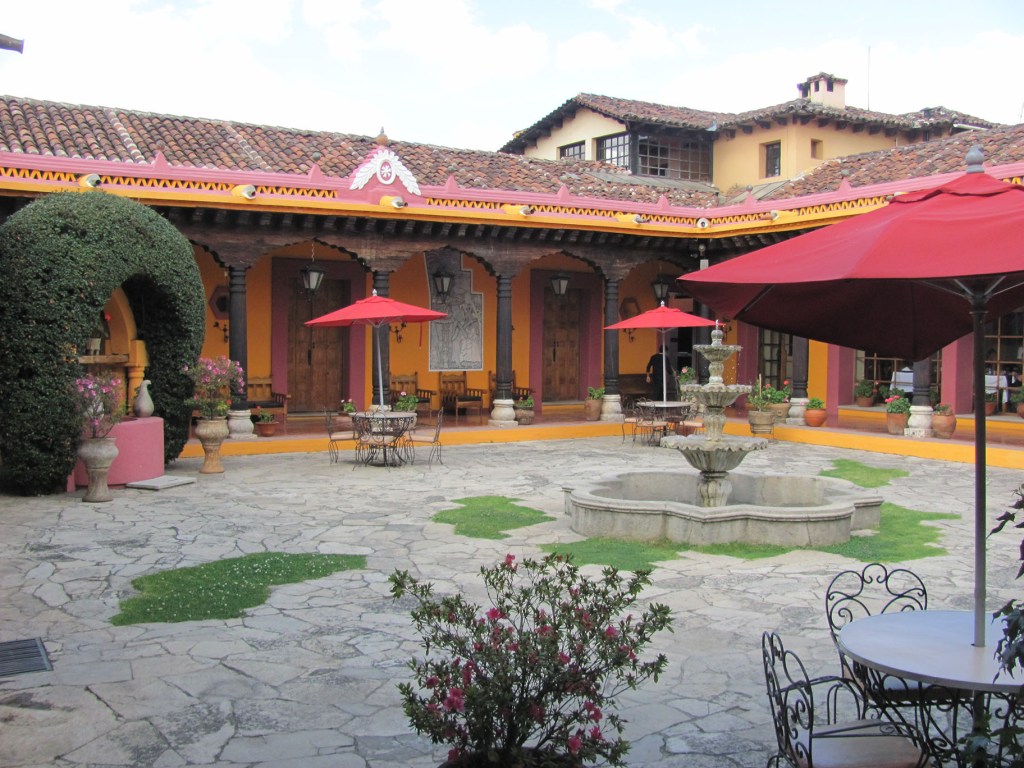
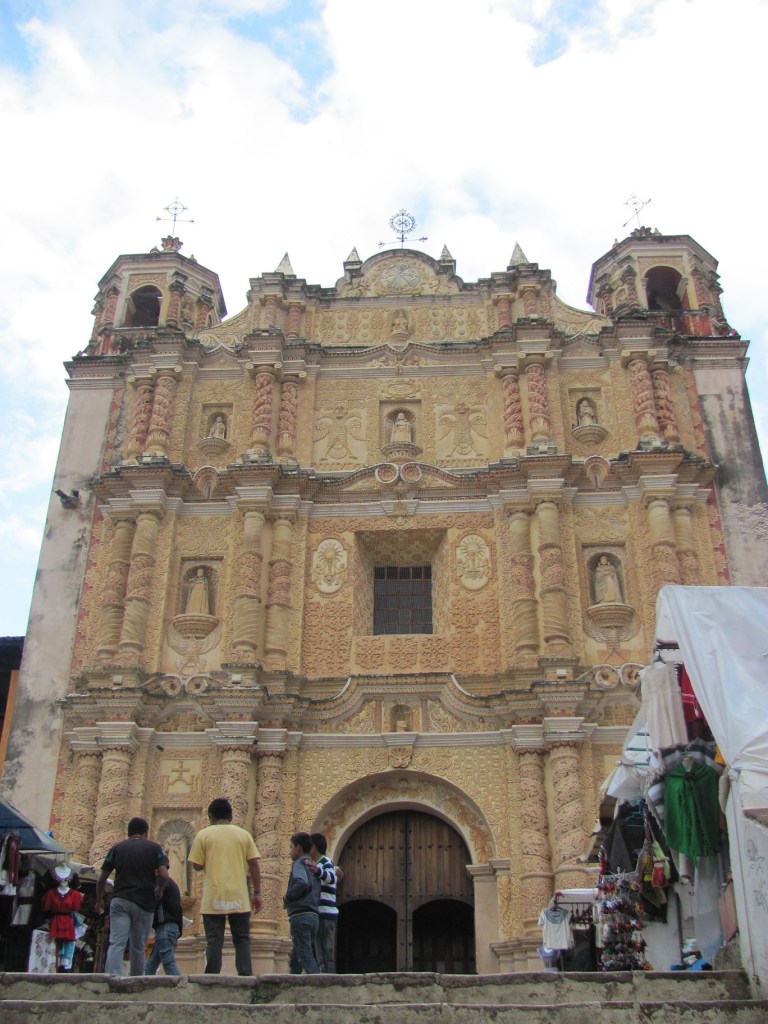
We passed and entered various hotels that were housed in ancient haciendas. Especially beautiful were their courtyards with open ceilings, in which there were usually fountains or other lavish and beautiful decorations. Imperceptibly, we reached the next church called Santo Domingo. Right in front of it there was the Indian market, where women in traditional costumes sold various handmade goods. The façade of the church was very beautiful with rich ornaments in the Baroque style. Built in 1546, the Indians to this day refused to enter it, despite its beauty, and so they organized their celebrations and markets right in front of it, but never inside. However, the church was built according to their preferences and the inside, for example, was quite dark, as the Mayans and Indians preferred darker rooms.


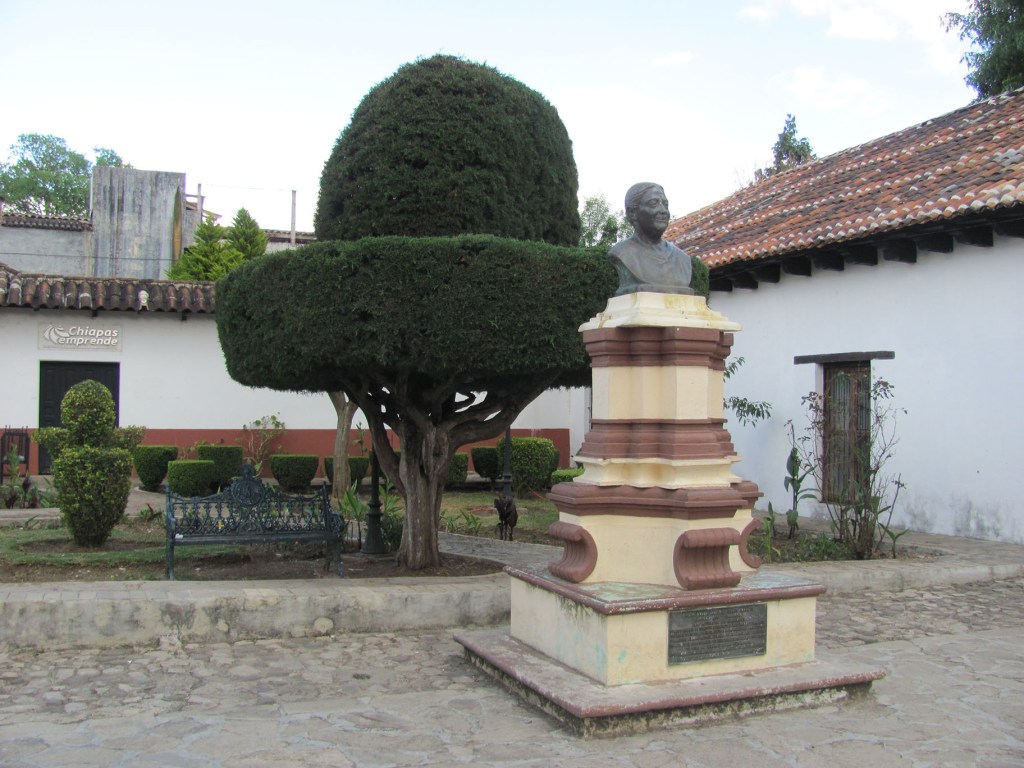
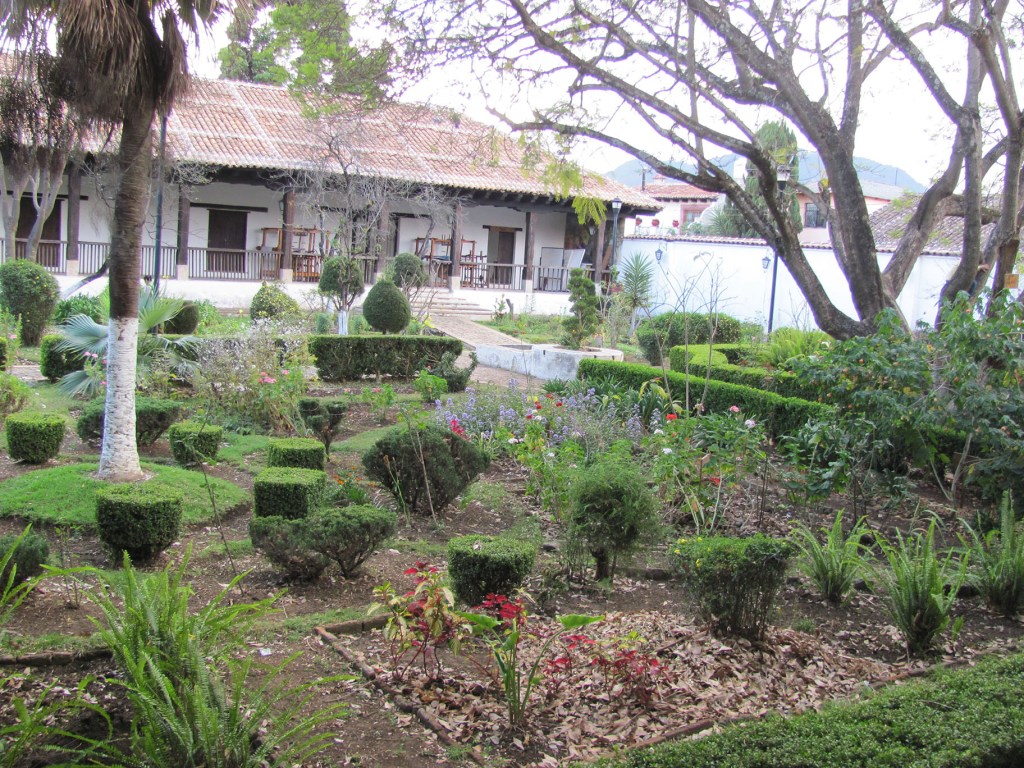
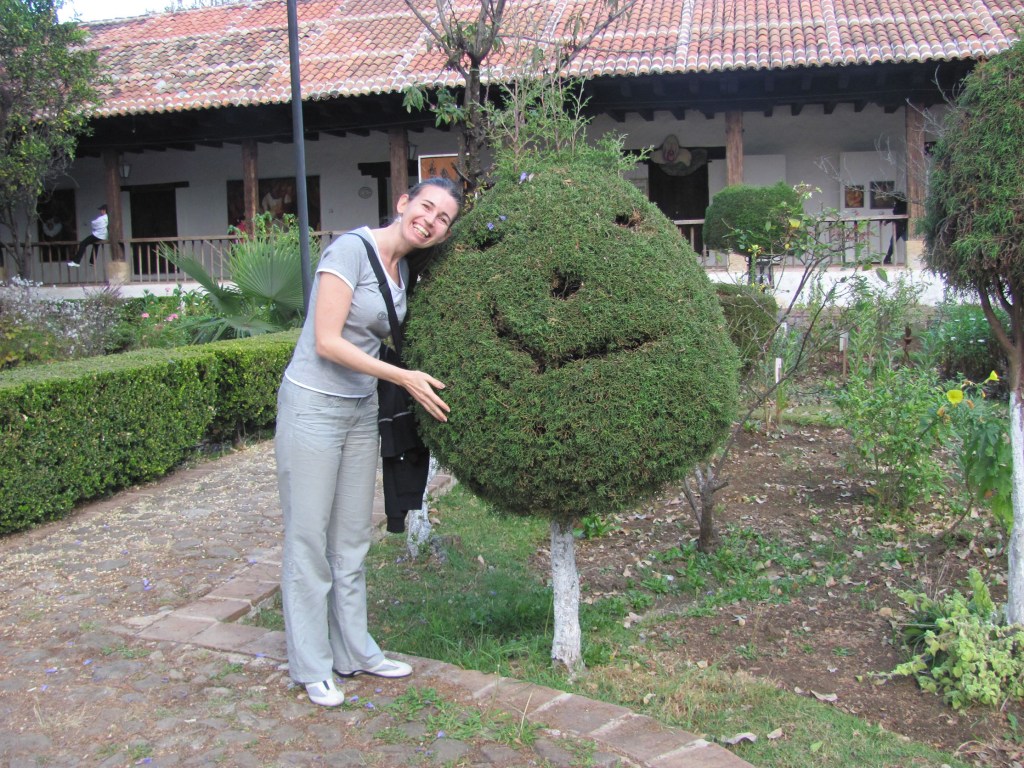
We also visited something like a community center, where the children learned to play the piano, writing and drawing. We took a walk in the well-kept garden, where even the trees were smiling. There was a separate corner of the Orchid Garden, but in the late afternoon it was closed. The guide left us free time, after which we could safely go home to the hotel on our own. The walk along the narrow streets with the colonial houses was calm and very pleasant. In some places there were terrible traffic jams, but since we were not by car, but walking, this did not spoil the charm of the beautiful mountain town at all.


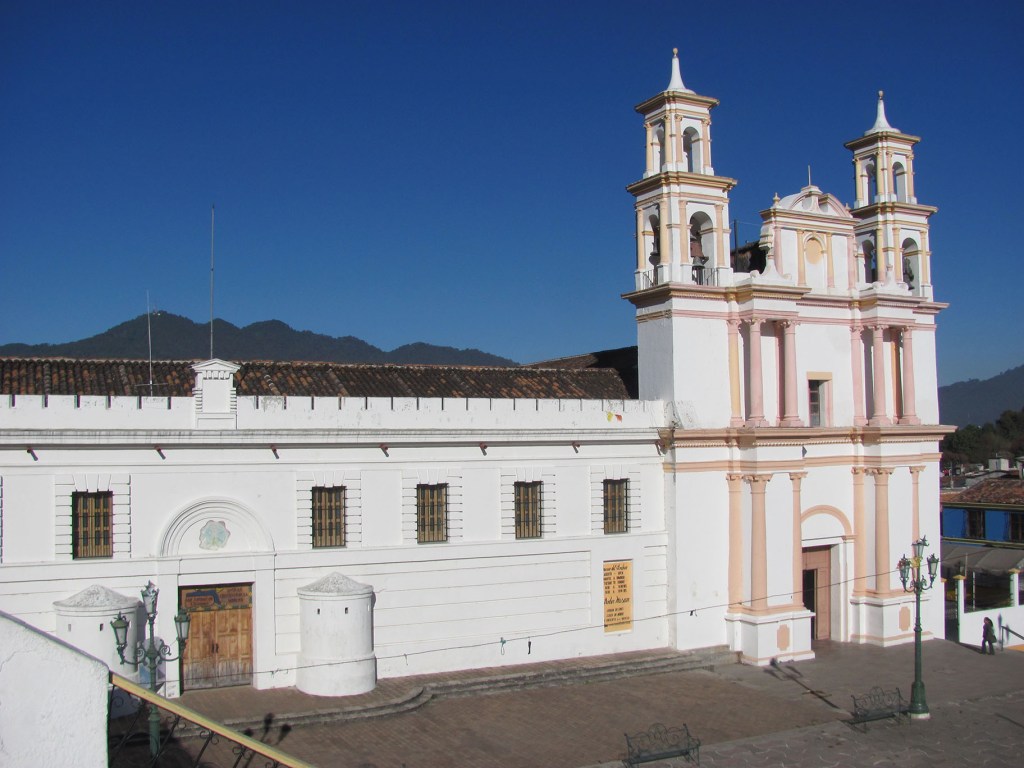
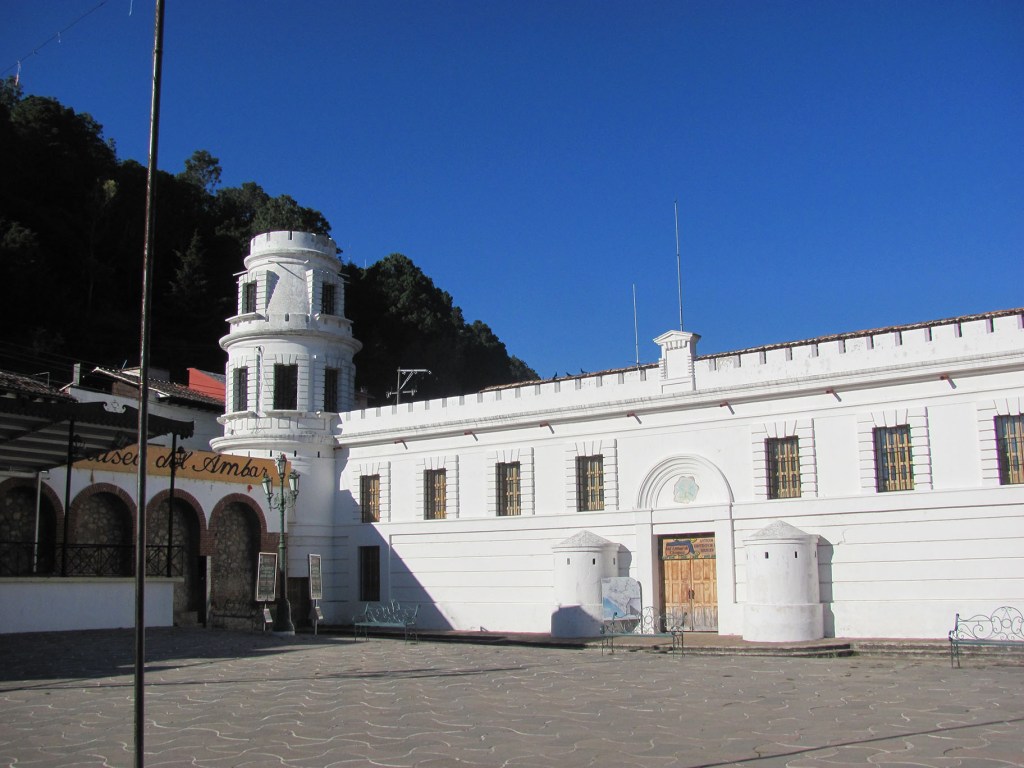
The monastery of La Merced, which was one of the first sacred buildings in the city, erected in 1527, turned out to be very beautiful. San Cristóbal de Las Casas is a charming town filled with rich culture, pre-Hispanic traditions, and spectacular views of the valley. The name “place in the clouds” perfectly suited it.


GENERAL INFORMATION ABOUT SAN CRISTÓBAL DE LAS CASAS:
Location: San Cristobal de las Casas is located in the Chiapas mountain region of southern Mexico.
Altitude: 2200 m
Official language: Spanish
Climate: mild mountainous climate
Time zone: UTC-6
Currency: Mexican peso (MXN)
Additional information: http://www.visitmexico.com/en/san-cristobal-de-las-casas
TRIP TIPS FOR SAN CRISTÓBAL:
Best time to visit: all year round, especially during the dry season (November to April)
Typical foods and drinks: while in the Chapas area, try tasajo (slices of marinated beef with chili sauce), chicken with mole (a sauce made from hot peppers, spices and chocolate) and pork with pipian (pumpkin seed sauce). For drinking, you can try the corn drink Taslate.
Places to visit: The Cathedral of San Cristóbal, the Church of Santo Domingo and the Indian Market in front of it, the pedestrian streets lined with restaurants and bars Real de Guadalupe aka Walker, November 20 and Miguel Hidalgo. There are many haciendas in the city, turned into hotels, which are also worth visiting. 11 km from San Cristóbal is the village of San Juan Chamula, which is famous for its religious carnival, as well as the unique church from the 17th century, which is still worshipped on a par with the Christian and Mayan gods.
 TripTips